

Homestreet

Search History
Popular Searches
Dealer Login / Sign Up

In Malaysia's SUV market, many buyers compare Proton X70 and Mazda CX-8 when choosing a car. These two models are quite close in price and positioning. Today, we will make a detailed comparison from multiple aspects to help you save time on research.
The OTR price of Proton X70 in Malaysia is RM 106,800 - 122,300, with a total of 3 versions, including 1.5L Standard 2WD (RM 106,800), 1.5L Executive 2WD (RM 115,800), 1.5L Premium 2WD (RM 122,300), etc.
The OTR price of Mazda CX-8 in Malaysia is RM 165,360 - 201,360, with a total of 5 versions, including 2025 2.5T 4WD High Plus Petrol (RM 201,360), 2025 2.2L 2WD High Plus Diesel (RM 193,123), 2025 2.5L 2WD High Plus Petrol (RM 186,360), etc.
From a price perspective, the starting price of Proton X70 is indeed RM 58,560 cheaper than Mazda CX-8. If your budget is limited, Proton's entry-level version can already meet daily needs. But also note that the cheaper price of a few thousand might involve trade-offs in features, depending on your specific needs.

Proton X70's safety rating is 5★ (ASEAN NCAP), active safety systems include ADAS (ACC, AEB, LKA, LDA, BSM, RCTA).
Mazda CX-8's safety rating is 5★ (ASEAN NCAP), active safety systems include Brand ADAS.
Both cars have the same safety rating, safety features are quite comprehensive in this class. New cars nowadays generally have good safety, no need to worry too much about this point.

Proton X70 body length is 4400 mm, trunk 400 L.
Mazda CX-8 body length is 4500 mm, trunk 450 L.
Regarding space, Mazda CX-8's body is 100 mm longer than Proton X70, offering better passenger space. However, Proton X70 is more flexible for parking in the city, each has trade-offs.

Both Proton X70 and Mazda CX-8 are mainstream choices in the Malaysian market, suitable for family use and daily commuting. If you value brand reputation and resale value more, prioritize the one with better reputation; if you care more about cost-performance ratio and features, choose the one with richer configuration. Ultimately, it is recommended to test drive both, personal experience is the most important.
Overall, Proton X70 and Mazda CX-8 are both very good car models in the Malaysian market. Which one to choose depends mainly on your personal needs and budget. It is recommended to do your homework, compare quotes from several car dealerships, and then test drive to make the final decision. Buying a car is a big matter, spending time on research will never be wrong.


喺馬來西亞嘅 SUV 市場,好多買家喺揀車嘅時候都會拿 Perodua Aruz 同 Chery Tiggo 8 嚟做比較。呢兩款車喺價位同定位上都幾接近,今日我哋就從多個方面做一個詳細嘅比較,幫你節省做功課嘅時間。
Perodua Aruz 喺馬來西亞嘅 OTR 售價係 RM 72,900 - 77,900,合共有 2 個版本,包括 1.5L X(RM 72,900)、1.5L AV(RM 77,900)等等。
Chery Tiggo 8 喺馬來西亞嘅 OTR 售價係 RM 129,750 - 129,750,合共有 1 個版本,包括 2026 1.6T Standard(RM 129,750)等等。
由價錢嚟睇,Perodua Aruz 嘅起步價確實比 Chery Tiggo 8 平咗 RM 56,850。如果你預算有限,Perodua 嘅入門版已經可以滿足日常需要。但都要留意,平嗰幾千蚊,喺配備上或會有取捨,具體要睇你嘅需要。

Perodua Aruz 配備 1.5L 4-cyl,馬力 105 hp。官方油耗 6.0 L/100km。
Chery Tiggo 8 配備 1.5L Turbo,馬力 140 hp。官方油耗 7.0 L/100km。
動力方面,Chery Tiggo 8 嘅 1.5L Turbo 比 Perodua Aruz 嘅 1.5L 4-cyl 多咗 35 匹馬力。不過日常喺市區開,兩款車嘅動力都夠用,唔會覺得唔夠力。

Perodua Aruz 保養期 5 年/150,000km,保養間隔 每 10,000km 或 6 個月。
Chery Tiggo 8 保養期 3 年/100,000km,保養間隔 每 10,000km 或 6 個月。

Perodua Aruz 同 Chery Tiggo 8 都係馬來西亞市場嘅主流選擇,適合家庭使用、日常通勤。如果你更重視品牌口碑同二手價,可以優先考慮口碑更好嗰款;如果你更在意性價比同配備,那就揀配置更豐富嗰款。最後都建議兩款都去試駕,親身感受先至最重要。

總括嚟講,Perodua Aruz 同 Chery Tiggo 8 都係馬來西亞市場幾唔錯嘅車型。揀邊一輛,關鍵始終係睇你嘅個人需求同預算。大家做功課,多比較幾間車行嘅報價,再去試駕先至做最終決定。買車係件大事,花少少時間做功課絕對唔會錯。

Dalam pasaran SUV di Malaysia, ramai pembeli semasa memilih kereta akan membandingkan Proton X70 dan Chery Tiggo 8. Kedua-dua kereta ini mempunyai harga dan kedudukan pasaran yang agak hampir. Hari ini kita akan membuat perbandingan terperinci dari pelbagai aspek, membantu anda menjimatkan masa membuat penyelidikan.
Proton X70 mempunyai harga OTR di Malaysia sebanyak RM 106,800 - 122,300, dengan总共 3 versi, termasuk 1.5L Standard 2WD (RM 106,800), 1.5L Executive 2WD (RM 115,800), 1.5L Premium 2WD (RM 122,300) dan lain-lain.
Chery Tiggo 8 mempunyai harga OTR di Malaysia sebanyak RM 129,750 - 129,750, dengan总共 1 versi, termasuk 2026 1.6T Standard (RM 129,750) dan lain-lain.
Dari segi harga, harga permulaan Proton X70 memang lebih murah RM 22,950 berbanding Chery Tiggo 8. Jika bajet anda terhad, versi permulaan Proton sudah boleh memenuhi keperluan harian. Namun, perhatikan juga, beberapa ribu ringgit yang lebih murah itu mungkin mempunyai kompromi dari segi kelengkapan, bergantung sepenuhnya kepada keperluan anda.
Gred keselamatan Proton X70 ialah 5★ (ASEAN NCAP), sistem keselamatan aktif merangkumi ADAS (ACC, AEB, LKA, LDA, BSM, RCTA).
Gred keselamatan Chery Tiggo 8 ialah TBD, sistem keselamatan aktif merangkumi Basic.
Dari segi kelengkapan keselamatan, kedua-dua kereta mendapat gred yang baik. Namun, terdapat perbezaan fungsi antara ADAS Proton X70 (ACC, AEB, LKA, LDA, BSM, RCTA) dan Basic Chery Tiggo 8, jika anda lebih menekankan keselamatan aktif, boleh membandingkan senarai fungsi kedua-duanya dengan teliti.

Proton X70 panjang badan 4400 mm, bagasi 400 L.
Chery Tiggo 8 panjang badan 4400 mm, bagasi 400 L.
Saiz kedua-dua kereta hampir sama, ruang dalam kenderaan tidak banyak berbeza. Untuk kereta dalam julat harga ini, ia cukup untuk kegunaan harian.

Proton X70 menggunakan cara pemacu FWD.
Chery Tiggo 8 menggunakan cara pemacu FWD.
Cara pemacu kedua-dua kereta adalah sama, iaitu FWD, pengalaman memandu harian tidak akan berbeza jauh.
Secara keseluruhan, Proton X70 dan Chery Tiggo 8 adalah model kereta yang sangat baik di pasaran Malaysia. Memilih yang mana satu, kuncinya bergantung pada keperluan dan bajet peribadi anda. Kami mengesyorkan anda membuat penyelidikan terlebih dahulu, bandingkan harga dari beberapa dealer kereta, baru buat uji jalan untuk membuat keputusan akhir. Membeli kereta adalah perkara besar, meluangkan masa untuk penyelidikan tidak akan salah.


Di pasaran SUV Malaysia, ramai pembeli semasa memilih kereta sering membandingkan Proton X70 dan Chery Tiggo 7 Pro. Kedua-dua kereta ini hampir sama dari segi harga dan posisi, hari ini kita akan membuat perbandingan terperinci dari pelbagai aspek, membantu anda menjimatkan masa membuat penyelidikan.
Proton X70 di Malaysia, harga OTR adalah RM 106,800 - 122,300, terdapat 3 versi, termasuk 1.5L Standard 2WD (RM 106,800), 1.5L Executive 2WD (RM 115,800), 1.5L Premium 2WD (RM 122,300) dan lain-lain.
Chery Tiggo 7 Pro di Malaysia, harga OTR adalah RM 123,750 - 123,750, terdapat 2 versi, termasuk 1.6L Turbo Standard (RM 125,000), 1.6L Turbo Premium (RM 140,000) dan lain-lain.
Dari segi harga, harga permulaan Proton X70 memang lebih murah RM 16,950 berbanding Chery Tiggo 7 Pro. Jika bajet anda terhad, versi permulaan Proton sudah boleh memenuhi keperluan harian. Namun, perlu diambil perhatian, perbezaan ribuan ringgit itu, mungkin ada kompromi dari segi kelengkapan, bergantung kepada keperluan anda.
Proton X70 dilengkapi dengan 1.5L Turbo, kuasa 140 hp. Penggunaan minyak rasmi 7.0 L/100km.
Chery Tiggo 7 Pro dilengkapi dengan 1.5L Turbo, kuasa 140 hp. Penggunaan minyak rasmi 7.0 L/100km.
Kedua-dua kereta menggunakan sistem enjin yang sama, perasaan memandu sehari-hari pada dasarnya tiada perbezaan. Dari segi penggunaan minyak juga sama, tiada keperluan untuk terlalu bimbang mengenai hal ini.
Proton X70 panjang badan kereta 4400 mm, ruang bagasi 400 L.
Chery Tiggo 7 Pro panjang badan kereta 4400 mm, ruang bagasi 400 L.
Saiz kedua-dua kereta hampir sama, ruang dalaman kereta hampir tiada perbezaan. Kereta dalam kelas ini, cukup untuk kegunaan harian.
Proton X70 menggunakan mod pemacu FWD.
Chery Tiggo 7 Pro menggunakan mod pemacu FWD.
Mod pemacu kedua-dua kereta sama, keduanya FWD, perasaan memandu sehari-hari tidak akan ada perbezaan yang ketara.
Proton X70 waranti 5 tahun/150,000km, selang penyelenggaraan setiap 10,000km atau 6 bulan.
Chery Tiggo 7 Pro waranti 3 tahun/100,000km, selang penyelenggaraan setiap 10,000km atau 6 bulan.
Secara keseluruhannya, Proton X70 dan Chery Tiggo 7 Pro kedua-duanya adalah model kereta yang sangat baik di pasaran Malaysia. Memilih mana satu, penting melihat keperluan dan bajet peribadi anda. Kami sarankan anda melakukan penyelidikan dengan baik, bandingkan sebut harga dari beberapa kedai kereta, lalu uji memandu untuk membuat keputusan akhir. Membeli kereta adalah perkara besar, menghabiskan masa untuk penyelidikan pasti tidak akan salah.

In Malaysia's SUV market, many buyers compare Perodua Aruz and Chery Tiggo 7 Pro when choosing a car. These two cars are quite close in price and positioning. Today, we will do a detailed comparison from multiple aspects to help you save time on research.
Perodua Aruz's OTR price in Malaysia is RM 72,900 - 77,900, with a total of 2 versions, including 1.5L X (RM 72,900), 1.5L AV (RM 77,900), etc.
Chery Tiggo 7 Pro's OTR price in Malaysia is RM 123,750 - 123,750, with a total of 2 versions, including 1.6L Turbo Standard (RM 125,000), 1.6L Turbo Premium (RM 140,000), etc.
From a price perspective, Perodua Aruz's starting price is indeed RM 50,850 cheaper than Chery Tiggo 7 Pro. If your budget is limited, Perodua's entry-level version can already meet daily needs. But also note, the few thousand dollar difference might involve trade-offs in features, depending on your specific needs.
Perodua Aruz is equipped with 1.5L 4-cyl, 105 hp. Official fuel consumption 6.0 L/100km.
Chery Tiggo 7 Pro is equipped with 1.5L Turbo, 140 hp. Official fuel consumption 7.0 L/100km.
Regarding power, Chery Tiggo 7 Pro's 1.5L Turbo has 35 hp more than Perodua Aruz's 1.5L 4-cyl. However, for daily driving in the city, both cars have sufficient power, and you won't feel underpowered.
Perodua Aruz safety rating is 5★ (ASEAN NCAP), active safety systems include.
Chery Tiggo 7 Pro safety rating is TBD, active safety systems include Basic.
Perodua Aruz warranty 5 years/150,000km, maintenance interval every 10,000km or 6 months.
Chery Tiggo 7 Pro warranty 3 years/100,000km, maintenance interval every 10,000km or 6 months.
Perodua Aruz and Chery Tiggo 7 Pro are both mainstream choices in the Malaysia market, suitable for family use and daily commuting. If you value brand reputation and resale value more, prioritize the one with better reputation; if you care more about value for money and features, choose the one with more configurations. Ultimately, it is recommended to test drive both, as personal experience is most important.
Overall, Perodua Aruz and Chery Tiggo 7 Pro are both quite good models in the Malaysia market. Which one to choose depends on your personal needs and budget. It is recommended to do your research, compare quotes from several car dealers, and then test drive to make the final decision. Buying a car is a big matter, spending some time on research will definitely not be wrong.

喺馬來西亞嘅 SUV 市場,好多買家喺揀車嗰陣都會將 Perodua Aruz 同 Chery Tiggo 7 PHEV 比較下。呢兩款車喺價位同定位上都好接近,今日我哋就由多個方面做詳細對比,幫你省咗做功課嘅時間。
Perodua Aruz 喺馬來西亞嘅 OTR 售價係 RM 72,900 - 77,900,一共有 2 個版本,包括 1.5L X(RM 72,900)、1.5L AV(RM 77,900)等。
Chery Tiggo 7 PHEV 喺馬來西亞嘅 OTR 售價係 RM 129,750 - 129,750,一共有 2 個版本,包括 2025 1.5T 90km CSH(RM 129,750)、Tiggo 7 PHEV 支援咩充電方法?可唔可以用家用插座充電?(RM 117,478)等。
從價錢睇落,Perodua Aruz 嘅起步價確實比 Chery Tiggo 7 PHEV 平咗 RM 56,850。如果你預算有限,Perodua 嘅入門版已經滿足日常需求。但要留意,平嗰幾千塊,可能喺配備上面要有取舍,具體就要睇你嘅需求。
Perodua Aruz 搭載 1.5L 4-cyl,馬力 105 hp。官方油耗 6.0 L/100km。
Chery Tiggo 7 PHEV 搭載 Hybrid,馬力 170 hp。官方油耗 4.5 L/100km。
動力方面,Chery Tiggo 7 PHEV 嘅 Hybrid 比 Perodua Aruz 嘅 1.5L 4-cyl 多咗 65 匹馬力。不過日常喺市區開,兩款車嘅動力都夠用,唔會覺得唔夠力。
Perodua Aruz 嘅安全评分係 5★ (ASEAN NCAP),主動安全系統包括。
Chery Tiggo 7 PHEV 嘅安全评分係 TBD,主動安全系統包括 Basic。
Perodua Aruz 車身長 4400 mm,後備箱 400 L。
Chery Tiggo 7 PHEV 車身長 4400 mm,後備箱 400 L。
兩款車嘅尺寸差唔多一樣,車內空間差別唔大。呢個級別嘅車,日常使用完全夠用。

Perodua Aruz 採用 FWD 驅動方式。
Chery Tiggo 7 PHEV 採用 FWD 驅動方式。
兩款車嘅驅動方式一樣,都係 FWD,日常駕駛感受唔會有太大分別。

總體嚟講,Perodua Aruz 同 Chery Tiggo 7 PHEV 都係馬來西亞市場好唔錯嘅車款。揀邊一輛,關鍵都要睇你嘅個人需求同預算。建議大家做好功課,多比較幾間車行嘅報價,先至去試車做最終決定。買車係件大事,花少少時間做功課絕對唔會錯。

喺馬來西亞嘅 SUV 市場,好多買家喺揀車嗰陣都會拿 Perodua Aruz 同 Mitsubishi Xforce 嚟做比較。这两款车喺價位同定位上都幾接近,今日我哋就從多個方面詳細比較下,幫你省返做功課嘅時間。
Perodua Aruz 喺馬來西亞嘅 OTR 售價係 RM 72,900 - 77,900,總共 2 個版本,包括 1.5L X(RM 72,900)、1.5L AV(RM 77,900)等。
Mitsubishi Xforce 喺馬來西亞嘅 OTR 售價係 RM 109,930 - 119,930,總共 2 個版本,包括 2026 1.5L Ultimate(RM 119,930)、2026 1.5L Urban(RM 109,930)等。
由價錢睇落,Perodua Aruz 嘅入門價確實比 Mitsubishi Xforce 平咗 RM 37,030。如果你預算有限,Perodua 嘅入門版已經可以應付日常需要。但都要注意,平嘅嗰啲錢,可能喺配備上要有取舍,具體要看你嘅需要。
Perodua Aruz 配備 1.5L 4-cyl,馬力 105 hp。官方油耗 6.0 L/100km。
Mitsubishi Xforce 配備 1.5L Turbo,馬力 140 hp。官方油耗 7.0 L/100km。
動力方面,Mitsubishi Xforce 嘅 1.5L Turbo 比 Perodua Aruz 嘅 1.5L 4-cyl 多咗 35 匹馬力。不過日常喺市區行,兩款車嘅動力都夠用,唔會覺得唔夠力。
Perodua Aruz 嘅安全评分係 5★ (ASEAN NCAP),主動安全系統包括。
Mitsubishi Xforce 嘅安全评分係 5★ (ASEAN NCAP),主動安全系統包括 MI-PILOT。
兩款車嘅安全评分一樣,喺呢個級別入面安全配備都算好齊全。而家嘅新車安全性都唔差,唔使太擔心呢一點。
Perodua Aruz 採用 FWD 驅動方式。
Mitsubishi Xforce 採用 FWD 驅動方式。
兩款車嘅驅動方式一樣,都係 FWD,日常駕駛感受唔會有太大分別。

Perodua Aruz 同 Mitsubishi Xforce 都係馬來西亞市場嘅主流選擇,適合家庭用、日常通勤。如果你更睇重品牌口碑同二手價,可以優先考慮口碑更好嗰一款;如果你更在意性價比同配備,就揀配備更豐富嗰款。最終都係建議兩款都去試駕,親身體驗先係最重要嘅。

總括嚟講,Perodua Aruz 同 Mitsubishi Xforce 都係馬來西亞市場幾唔錯嘅車型。揀邊一輛,關鍵仲係睇你個人需要同預算。建議大家做好功課,多比較幾間車行嘅報價,再去試駕做最後決定。買車係件大事,花啲時間做功課絕對唔會錯。

喺馬來西亞嘅 SUV 市場,好多人買車嗰陣都會揀 Proton X70 同 Chery Tiggo 7 Pro 做比較。呢兩部車價錢同定位都好接近,今日我哋就由多個方面做一個詳細比較,幫你省返做功課嘅時間。
Proton X70 喺馬來西亞嘅 OTR 售價係 RM 106,800 - 122,300,一共有 3 個版本,包括 1.5L Standard 2WD(RM 106,800)、1.5L Executive 2WD(RM 115,800)、1.5L Premium 2WD(RM 122,300) 等。
Chery Tiggo 7 Pro 喺馬來西亞嘅 OTR 售價係 RM 123,750 - 123,750,一共有 2 個版本,包括 1.6L Turbo Standard(RM 125,000)、1.6L Turbo Premium(RM 140,000) 等。
從價錢睇落,Proton X70 嘅起步價確實比 Chery Tiggo 7 Pro 平咗 RM 16,950。如果你預算唔夠,Proton 嘅入門版已經可以滿足日常需要。但都要注意,平嗰幾千蚊,可能喺配備上有取舍,具體睇你嘅需要。
Proton X70 車身長 4400 mm,尾箱 400 L。
Chery Tiggo 7 Pro 車身長 4400 mm,尾箱 400 L。
兩部車嘅尺寸幾乎一樣,車內空間差異唔大。呢個級別嘅車,日常用完全够用。
Proton X70 採用 FWD 驅動方式。
Chery Tiggo 7 Pro 採用 FWD 驅動方式。
兩部車嘅驅動方式一樣,都係 FWD,日常駕駛感受唔會有太大分別。
Proton X70 同 Chery Tiggo 7 Pro 都係馬來西亞市場嘅主流選擇,適合家庭使用、日常通勤。如果你更看重品牌口碑同二手價,可以優先考慮口碑更好嗰款;如果你更在意性價比同配備,那就揀配備更豐富嗰款。最終都係建議兩款都去試駕,親身體驗先係最重要嘅。
總體嚟講,Proton X70 同 Chery Tiggo 7 Pro 都係馬來西亞市場幾唔錯嘅車型。揀邊一部,關鍵都係睇你嘅個人需求同預算。建議大家做好功課,多比較幾間車行嘅報價,再去試駕做最終決定。買車係件大事,花少少時間做功課絕對唔會錯。

喺馬來西亞嘅 SUV 市場,好唔少買家喺揀車嗰陣都會用寶騰 X70 同奇瑞 Tiggo 7 Pro 嚟做比較。
寶騰 X70 喺馬來西亞嘅 OTR 售價係 RM 106,800 - 122,300,一共有 3 個版本,包括 1.5L Standard 2WD(RM 106,800)、1.5L Executive 2WD(RM 115,800)、1.5L Premium 2WD(RM 122,300)等。
奇瑞 Tiggo 7 Pro 喺馬來西亞嘅 OTR 售價係 RM 123,750 - 123,750,一共有 2 個版本,包括 1.6L Turbo Standard(RM 125,000)、1.6L Turbo Premium(RM 140,000)等。
從價錢嚟睇,寶騰 X70 嘅起步價確實比奇瑞 Tiggo 7 Pro 平咗 RM 16,950。如果你預算有限,寶騰嘅入門版已經可以满足日常需求。但亦要記住,平嘅嗰幾千蚊,喺配備上可能會要有取舍,具體要看你嘅需求。
寶騰 X70 搭載 1.5L Turbo,馬力 140 hp。官方油耗 7.0 L/100km。
奇瑞 Tiggo 7 Pro 搭載 1.5L Turbo,馬力 140 hp。官方油耗 7.0 L/100km。
兩款車用緊同一套動力系統,日常開起嚟嘅感覺基本冇咩分別。油耗方面都差唔多,唔使太糾結呢一點。
寶騰 X70 車身長 4400 mm,車廂 400 L。
奇瑞 Tiggo 7 Pro 車身長 4400 mm,車廂 400 L。
兩款車嘅尺寸差唔多一樣,車內空間分別唔大。呢個級別嘅車,日常使用完全夠用。
寶騰 X70 保用 5 年/150,000km,保養間隔 每 10,000km 或 6 個月。
奇瑞 Tiggo 7 Pro 保用 3 年/100,000km,保養間隔 每 10,000km 或 6 個月。
總嚟嚟講,寶騰 X70 同奇瑞 Tiggo 7 Pro 都係馬來西亞市場幾唔錯嘅車型。揀邊一輛,關鍵都係睇你嘅個人需求同預算。建議大家做好功課,多比較幾間車行之報價,再去試駕先做最終決定。買車係件大事,花少少時間做功課絕對唔會錯。

In Malaysia's SUV market, many buyers compare Perodua Aruz and Chery Tiggo 7 PHEV when choosing a car. These two cars are quite close in price and positioning. Today, we will make a detailed comparison from multiple aspects to help you save time on research.
Perodua Aruz's OTR price in Malaysia is RM 72,900 - 77,900, with a total of 2 versions, including 1.5L X (RM 72,900), 1.5L AV (RM 77,900), etc.
Chery Tiggo 7 PHEV's OTR price in Malaysia is RM 129,750 - 129,750, with a total of 2 versions, including 2025 1.5T 90km CSH (RM 129,750), What charging methods does the Tiggo 7 PHEV support? Can it be charged using a home power socket? (RM 117,478), etc.
From a price perspective, Perodua Aruz's starting price is indeed RM 56,850 cheaper than Chery Tiggo 7 PHEV. If your budget is limited, Perodua's entry-level version can already meet daily needs. However, note that the few thousand ringgit savings might involve compromises on features, which depends on your specific needs.
Perodua Aruz is equipped with 1.5L 4-cyl, 105 hp. Official fuel consumption 6.0 L/100km.
Chery Tiggo 7 PHEV is equipped with Hybrid, 170 hp. Official fuel consumption 4.5 L/100km.
In terms of power, Chery Tiggo 7 PHEV's Hybrid has 65 hp more than Perodua Aruz's 1.5L 4-cyl. However, for daily city driving, the power of both cars is sufficient, and you won't feel like it lacks power.
Perodua Aruz's safety rating is 5★ (ASEAN NCAP), active safety systems include.
Chery Tiggo 7 PHEV's safety rating is TBD, active safety systems include Basic.
Perodua Aruz adopts FWD drive type.
Chery Tiggo 7 PHEV adopts FWD drive type.
Both cars have the same drive type, both are FWD, daily driving experience won't be much different.
Both Perodua Aruz and Chery Tiggo 7 PHEV are mainstream choices in the Malaysia market, suitable for family use and daily commuting. If you value brand reputation and resale value more, you can prioritize the one with better reputation; if you care more about cost-performance and features, choose the one with richer configuration. Ultimately, we recommend test driving both, as personal experience is the most important.
In summary, both Perodua Aruz and Chery Tiggo 7 PHEV are very good models in the Malaysia market. Which one to choose depends mainly on your personal needs and budget. We suggest doing your research, comparing quotes from several dealerships, and then test driving to make a final decision. Buying a car is a big matter, spending time researching will never go wrong.

In the SUV market in Malaysia, many buyers compare Proton X70 and Mazda CX-60 when choosing a car. These two cars are quite close in price and positioning. Today we will do a detailed comparison from multiple aspects to help you save time on research.
Proton X70 OTR price in Malaysia is RM 106,800 - 122,300, with a total of 3 versions, including 1.5L Standard 2WD (RM 106,800), 1.5L Executive 2WD (RM 115,800), 1.5L Premium 2WD (RM 122,300), etc.
Mazda CX-60 OTR price in Malaysia is RM 200,510 - 252,873, with a total of 2 versions, including 2026 3.3T 4WD High Plus (RM 252,873), 2025 2.5L 2WD High (RM 200,510), etc.
From a pricing standpoint, the entry price of Proton X70 is indeed RM 93,710 lower than Mazda CX-60. If your budget is limited, Proton's entry-level version is sufficient for daily needs. However, be aware that the savings of a few thousand might involve compromises in features, depending on your specific requirements.

Proton X70 is equipped with 1.5L Turbo, 140 hp. Official fuel consumption 7.0 L/100km.
Mazda CX-60 is equipped with 2.0L 4-cyl, 170 hp. Official fuel consumption 8.0 L/100km.
In terms of power, Mazda CX-60's 2.0L 4-cyl has 30 more horsepower than Proton X70's 1.5L Turbo. However, for daily driving in the city, both cars have sufficient power, you won't feel underpowered.

Proton X70 safety rating is 5★ (ASEAN NCAP), active safety systems include ADAS (ACC, AEB, LKA, LDA, BSM, RCTA).
Mazda CX-60 safety rating is 5★ (Euro NCAP), active safety systems include i-Activsense Pro.
Regarding safety equipment, both cars received good ratings. However, there are some differences in function between Proton X70's ADAS (ACC, AEB, LKA, LDA, BSM, RCTA) and Mazda CX-60's i-Activsense Pro. If you value active safety more, you can compare the function lists of both carefully.

Proton X70 warranty 5 years/150,000km, service interval every 10,000km or 6 months.
Mazda CX-60 warranty 5 years/150,000km, service interval every 10,000km or 6 months.
The warranty conditions for both cars are the same, no need to worry about this aspect. Actual maintenance costs also depend on the brand's service network and parts prices, suggested to ask real owners in car groups for experience.
Proton X70 and Mazda CX-60 are both mainstream choices in the Malaysian market, suitable for family use and daily commuting. If you value brand reputation and resale value more, you can prioritize the one with better reputation; if you care more about cost-performance and equipment, choose the one with richer configuration. Ultimately it is suggested to test drive both, personal experience is the most important.
Overall, Proton X70 and Mazda CX-60 are both very good models in the Malaysian market. Which one to choose, it depends on your personal needs and budget. It is recommended to do your homework, compare quotes from several car dealers, and then test drive to make the final decision. Buying a car is a big matter, spending some time doing homework will never be wrong.


In Malaysia's SUV market, many buyers compare Perodua Aruz and Mitsubishi Xforce when choosing a car. These two cars are quite close in price range and positioning. Today we will make a detailed comparison from multiple aspects to help you save time on research.
Perodua Aruz has an OTR price in Malaysia of RM 72,900 - 77,900, with a total of 2 variants, including 1.5L X (RM 72,900), 1.5L AV (RM 77,900), etc.
Mitsubishi Xforce has an OTR price in Malaysia of RM 109,930 - 119,930, with a total of 2 variants, including 2026 1.5L Ultimate (RM 119,930), 2026 1.5L Urban (RM 109,930), etc.
From the price perspective, Perodua Aruz's starting price is indeed RM 37,030 cheaper than Mitsubishi Xforce. If your budget is limited, Perodua's entry-level version can already meet daily needs. But also note, the few thousand difference might involve trade-offs in features, which depends on your specific needs.
Perodua Aruz is equipped with a 1.5L 4-cylinder, 105 hp. Official fuel consumption 6.0 L/100km.
Mitsubishi Xforce is equipped with a 1.5L Turbo, 140 hp. Official fuel consumption 7.0 L/100km.
In terms of power, Mitsubishi Xforce's 1.5L Turbo has 35 more horsepower than Perodua Aruz's 1.5L 4-cylinder. However, for daily city driving, the power of both cars is sufficient, and you won't feel it lacks power.
Perodua Aruz's safety rating is 5★ (ASEAN NCAP), active safety systems include .
Mitsubishi Xforce's safety rating is 5★ (ASEAN NCAP), active safety systems include MI-PILOT.
Both cars have the same safety rating, and safety features are quite comprehensive in this class. New car safety is generally not bad now, no need to worry too much about this point.
Perodua Aruz warranty 5 years/150,000km, service interval every 10,000km or 6 months.
Mitsubishi Xforce warranty 3 years/100,000km, service interval every 10,000km or 6 months.
Overall, Perodua Aruz and Mitsubishi Xforce are both very good models in the Malaysian market. Which one to choose depends mainly on your personal needs and budget. We suggest doing your research, comparing quotes from a few dealers, and going for a test drive to make a final decision. Buying a car is a big deal, spending time on research will definitely not go wrong.
In the Malaysian SUV market, many buyers compare Proton X70 and Mazda CX-3 when choosing a car. These two cars are quite close in price and positioning. Today we will make a detailed comparison from multiple aspects to help you save time on research.
Proton X70 OTR price in Malaysia is RM 106,800 - 122,300, there are 3 versions in total, including 1.5L Standard 2WD (RM 106,800), 1.5L Executive 2WD (RM 115,800), 1.5L Premium 2WD (RM 122,300) etc.
Mazda CX-3 OTR price in Malaysia is RM 126,159 - 139,159, there are 2 versions in total, including 2023 2.0L High (RM 139,159), 2023 2.0L Plus (RM 126,159) etc.
From a price perspective, Proton X70's starting price is indeed RM 19,359 cheaper than Mazda CX-3. If your budget is limited, Proton's entry-level version can already meet daily needs. But be aware, the few thousand difference might mean compromises in features, it depends on your specific needs.

Proton X70 is equipped with 1.5L Turbo, 140 hp. Official fuel consumption 7.0 L/100km.
Mazda CX-3 is equipped with 1.5L Turbo, 140 hp. Official fuel consumption 7.0 L/100km.
Both cars use the same powertrain system, the daily driving experience is basically the same. Fuel consumption is also similar, no need to worry too much about this.
Proton X70 adopts FWD drive mode.
Mazda CX-3 adopts FWD drive mode.
Both cars have the same drive mode, both are FWD, daily driving experience won't be too different.
Proton X70 warranty 5 years/150,000km, maintenance interval every 10,000km or 6 months.
Mazda CX-3 warranty 5 years/150,000km, maintenance interval every 10,000km or 6 months.
Both cars' warranty conditions are the same, no need to worry about this aspect. Actual maintenance cost depends on the brand's service network and parts price, suggest asking real owners in car owner groups for experience.
Proton X70 and Mazda CX-3 are both mainstream choices in the Malaysian market, suitable for family use, daily commute. If you value brand reputation and resale price more, you can prioritize the one with better reputation; if you care more about cost-performance and features, choose the one with richer configuration. Ultimately suggest test driving both, personal experience is most important.
Overall, Proton X70 and Mazda CX-3 are both very good car models in the Malaysian market. Which one to choose, the key depends on your personal needs and budget. Recommend doing research, compare quotes from several dealerships, then test drive to make final decision. Buying a car is a big matter, spending time doing research is never wrong.


喺馬來西亞嘅 SUV 市場,好多買家喺揀車嘅時候都會拿 Perodua Aruz 同 Kia Sportage 嚟做比較。這兩款車喺價位同定位上都幾接近,今日我哋就從多個方面做一個詳細嘅比較,幫你節省咗做功課嘅時間。
Perodua Aruz 喺馬來西亞嘅 OTR 售價係 RM 72,900 - 77,900,一共有 2 個版本,包括 1.5L X(RM 72,900)、1.5L AV(RM 77,900) 等。
Kia Sportage 喺馬來西亞嘅 OTR 售價係 RM 129,639 - 179,320,一共有 4 個版本,包括 2025 1.6T DCT 4WD High(RM 179,320)、2025 1.6T DCT 2WD High(RM 159,320)、2025 2.0L AT 2WD High(RM 139,639) 等。
由價錢睇,Perodua Aruz 嘅起步價確實比 Kia Sportage 平咗 RM 56,739。如果你預算有限,Perodua 嘅入門版已經可以滿足日常需求。但都要留意,平嗰幾千蚊,可能喺配備上會有取捨,具體睇你嘅需求。
Perodua Aruz 裝載 1.5L 4-cyl,馬力 105 hp。官方油耗 6.0 L/100km。
Kia Sportage 裝載 1.5L Turbo,馬力 140 hp。官方油耗 7.0 L/100km。
動力方面,Kia Sportage 嘅 1.5L Turbo 比 Perodua Aruz 嘅 1.5L 4-cyl 多咗 35 匹馬力。不過日常喺市區開,兩款車嘅動力都夠用,唔會覺得唔夠力。
Perodua Aruz 車身長 4400 mm,尾箱 400 L。
Kia Sportage 車身長 4400 mm,尾箱 400 L。
兩款車嘅尺寸幾乎一樣,車內空間差別唔大。呢個級別嘅車,日常使用完全夠用。
Perodua Aruz 保修 5 年/150,000km,保養間隔 每 10,000km 或 6 個月。
Kia Sportage 保修 5 年/300,000km,保養間隔 每 10,000km 或 6 個月。

總括嚟講,Perodua Aruz 同 Kia Sportage 都係馬來西亞市場好唔錯嘅車型。揀邊一輛,關鍵仲係要睇你嘅個人需求同預算。建議大家做好功課,多比較幾間車行嘅報價,先至去試駕做最終決定。買車係件大事,花點時間做功課絕對唔會錯。

於馬來西亞嘅 SUV 市場,好多買家喺選車嘅時候都會拿 Perodua Aruz 同 Kia Sportage 嚟做比較。呢兩款車喺價位同定位上都幾接近,今日我哋就從多個方面做一個詳細對比,幫你省返做功課嘅時間。
Perodua Aruz 喺馬來西亞嘅 OTR 售價係 RM 72,900 - 77,900,合共兩個版本,包括 1.5L X(RM 72,900)、1.5L AV(RM 77,900) 等。
Kia Sportage 喺馬來西亞嘅 OTR 售價係 RM 129,639 - 179,320,合共四個版本,包括 2025 1.6T DCT 4WD High(RM 179,320)、2025 1.6T DCT 2WD High(RM 159,320)、2025 2.0L AT 2WD High(RM 139,639) 等。
由價錢睇,Perodua Aruz 嘅起步價確實較 Kia Sportage 平咗 RM 56,739。如果你預算有限,Perodua 嘅入門版已經可以滿足日常需求。但都要注意,平嗰幾千蚊,可能在配備上會有取捨,具體要看你嘅需求。
Perodua Aruz 搭載 1.5L 4-cyl,馬力 105 hp。官方油耗 6.0 L/100km。
Kia Sportage 搭載 1.5L Turbo,馬力 140 hp。官方油耗 7.0 L/100km。
動力方面,Kia Sportage 嘅 1.5L Turbo 比 Perodua Aruz 嘅 1.5L 4-cyl 多咗 35 匹馬力。不過日常喺市區行,兩部車嘅動力都夠用,唔會覺得唔夠力。
Perodua Aruz 車身長 4400 mm,行李廂 400 L。
Kia Sportage 車身長 4400 mm,行李廂 400 L。
兩款車嘅尺寸幾乎一樣,車內空間唔大分別。呢個級別嘅車,日常使用完全夠用。
Perodua Aruz 採用 FWD 驅動方式。
Kia Sportage 採用 FWD 驅動方式。
兩款車嘅驅動方式一樣,都係 FWD,日常駕駛感受唔會有太大分別。
Perodua Aruz 同 Kia Sportage 都係馬來西亞市場嘅主流選擇,適合家庭使用、日常通勤。如果你更加重視品牌口碑同二手價,可以優先考慮口碑更好嗰一款;如果你更加在意性價比同配備,就揀配備更豐富嗰款。最終始終建議兩款都去試駕,親身體驗先至最重要。
總括嚟講,Perodua Aruz 同 Kia Sportage 都係馬來西亞市場幾唔錯嘅車型。揀邊一部,關鍵始終係睇你嘅個人需求同預算。建議大家做足功課,多比較幾間車行嘅報價,再去試駕先做最終決定。買車係件大事,花啲時間做功課絕對唔會錯。

喺馬來西亞嘅 SUV 市場,好多買家喺揀車嘅時候都會拿寶騰 X50 同本田 WR-V 嚟做比較。呢兩款車喺價位同定位上都好接近,今日我哋就從多個方面做一個詳細嘅對比,幫你節省做功課嘅時間。
寶騰 X50 喺馬來西亞嘅 OTR 售價係 RM 89,800 - 113,300,合共有 4 個版本,包括 1.5T Executive(RM 89,800)、1.5T Premium(RM 101,800)、1.5T Flagship(RM 113,300) 等。
本田 WR-V 喺馬來西亞嘅 OTR 售價係 RM 89,900 - 107,900,合共有 4 個版本,包括 2023 1.5L V(RM 99,900)、2023 1.5L E(RM 95,900)、2023 1.5L S(RM 89,900) 等。
由價錢睇嚟,寶騰 X50 嘅起步價確實比本田 WR-V 平咗 RM 100。如果你預算有限,寶騰嘅入門版已經可以滿足日常需求。但都要注意,平嘅嗰幾千蚊,可能喺配備上會有取捨,具體要看你嘅需求。

寶騰 X50 搭載 1.5L 4-cyl,馬力 105 hp。官方油耗 6.0 L/100km。
本田 WR-V 搭載 1.5L 4-cyl,馬力 105 hp。官方油耗 6.0 L/100km。
兩款車用嘅係同一套動力系統,日常開落去嘅感受基本冇分別。油耗方面都差唔多,唔使太糾結這一點。
寶騰 X50 車身長 4400 mm,後備箱 400 L。
本田 WR-V 車身長 4400 mm,後備箱 400 L。
兩款車嘅尺寸幾乎一樣,車內空間分別唔大。呢個級別嘅車,日常使用完全夠用。

寶騰 X50 採用 4WD 驅動方式。
本田 WR-V 採用 FWD 驅動方式。
寶騰嘅 4WD 同本田嘅 FWD 喺操控上會有唔同感受,建議試駕對比。

總嚟嚟講,寶騰 X50 同本田 WR-V 都係馬來西亞市場幾唔錯嘅車型。揀邊一部,關鍵仲要睇你嘅個人需求同預算。建議大家做好功課,多比較幾間車行嘅報價,再嚟試駕做最終決定。買車係件大件事,花啲時間做功課絕對唔會錯。

In Malaysia's SUV market, many buyers compare Perodua Aruz and Hyundai Tucson when choosing a car. These two cars are quite close in price and positioning. Today, we will make a detailed comparison from multiple aspects to save you time on research.
The OTR price for Perodua Aruz in Malaysia is RM 72,900 - 77,900, with a total of 2 versions, including 1.5L X (RM 72,900), 1.5L AV (RM 77,900), etc.
The OTR price for Hyundai Tucson in Malaysia is RM 143,888 - 197,888, with a total of 5 versions, including 2025 HEV 1.6T AT 2WD Prestige (RM 197,888), 2025 1.6T DCT 4WD Prestige (RM 186,888), 2025 1.6T DCT 2WD Prime (RM 164,888), etc.
In terms of price, Perodua Aruz's starting price is indeed RM 70,988 cheaper than Hyundai Tucson. If your budget is limited, Perodua's entry-level version can already meet daily needs. However, keep in mind that the difference of a few thousand ringgit might involve trade-offs in features, depending on your specific needs.
Perodua Aruz is equipped with 1.5L 4-cyl, 105 hp. Official fuel consumption 6.0 L/100km.
Hyundai Tucson is equipped with 1.5L Turbo, 140 hp. Official fuel consumption 7.0 L/100km.
In terms of power, Hyundai Tucson's 1.5L Turbo has 35 more horsepower than Perodua Aruz's 1.5L 4-cyl. However, for daily driving in the city, the power of both cars is sufficient, you won't feel a lack of power.
Perodua Aruz safety rating is 5★ (ASEAN NCAP), active safety systems include.
Hyundai Tucson safety rating is 5★ (ASEAN NCAP), active safety systems include SmartSense.
Both cars have the same safety rating, safety features are quite complete for this class. New cars nowadays have good safety, no need to worry too much about this.
Perodua Aruz body length 4400 mm, trunk 400 L.
Hyundai Tucson body length 4400 mm, trunk 400 L.
The dimensions of both cars are almost the same, the interior space difference is not significant. Cars in this class are more than enough for daily use.

Perodua Aruz uses FWD drive mode.
Hyundai Tucson uses FWD drive mode.
Both cars have the same drive mode, both are FWD, daily driving experience will not have much difference.

Overall, Perodua Aruz and Hyundai Tucson are both excellent models in the Malaysian market. Which one to choose depends mainly on your personal needs and budget. It is recommended to do your research, compare quotes from several dealerships, and then test drive to make the final decision. Buying a car is a major event, taking time to do research will definitely not be wrong.

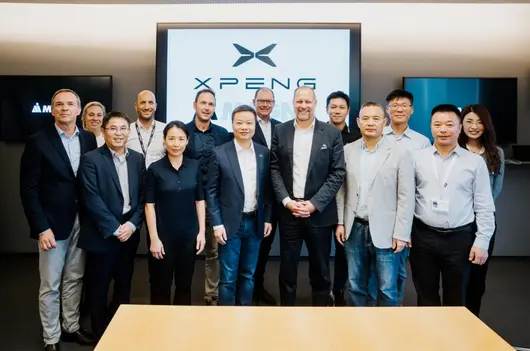
July 2026, the overseas expansion of Chinese automobiles received dense signals. Xpeng Motors completed the global launch of the MONA L03 in Munich, Germany, followed by the release of a long-term Australian strategy in Melbourne. Within a month, this emerging automaker made moves simultaneously in the European and Australian markets, significantly accelerating its global expansion pace.
Data shows that Xpeng Motors' global cumulative sales have already exceeded 1.2 million units. Overseas deliveries in 2025 reached 45,000 units, a year-on-year increase of 96%. Entering 2026, Xpeng's overseas monthly sales are reportedly nearing 10,000 units. Xpeng Chairman He Xiaopeng proposed the target: overseas sales in 2026 double to over 90,000 units, overseas revenue share exceeds 20%, and overseas sales will account for half of total sales in the next five years.
According to Xpeng personnel, in the first half of this year, Xpeng's overseas sales growth was significant. The European market grew 154% year-on-year, the Asia-Pacific market grew 144% year-on-year, and full year overseas sales are expected to double. It was also stated that the company has formulated a detailed global strategic plan, aiming to achieve 1 million overseas sales by 2030.
Behind these numbers, is a transformation from "selling cars" to "building systems".
From "Exporting Vehicles" to "Establishing Local Presence"
The overseas expansion model relying solely on vehicle exports is facing increasingly high trade barriers. Xpeng's chosen path is: to establish production bases and localized service systems overseas.

Image source: Xpeng
On the production side, Xpeng has currently deployed three overseas production bases. In July 2025, Indonesia became Xpeng's first overseas local production country, and the first locally produced X9 was delivered. In September of the same year, the Austria Graz factory cooperating with Xpeng and Magna started mass production. The first batch of G6 and G9 rolled off the line. This was Magna's first time assembling complete vehicles for a Chinese automaker. In June 2026, Xpeng's Malaysia Malacca factory officially went into production, mainly featuring the RHD version G6.
These three factories correspond to Southeast Asia LHD markets, Southeast Asia RHD markets, and the European market respectively, thereby forming a differentiated capacity layout. Xpeng stated that the company is accelerating the layout of local production in multiple places, with new production bases in Latin America and Europe also in planning. It was further introduced: Xpeng will adopt the "Global Models, Local Production, Local R&D" model. It has currently established 8 major R&D centers and 6 major production bases globally.
On the sales and service side, Xpeng's overseas sales network covers 65 countries and regions, possessing 467 stores. Taking the Australian market as an example, Xpeng plans to launch five new cars within six months, with a layout of 3 flagship experience centers and 50 sales outlets. The company also established a factory original parts warehouse managed by FedEx in Melbourne, capable of achieving next-day delivery in major states.

Image source: Xpeng
This simultaneous landing of "Product + Channel + Spare Parts" contrasts with Xpeng's previous channel controversy—shifting from relying on a single dealer to multi-mode parallel operation is a necessary path for the brand to mature in overseas markets.
Notably, Xpeng is also exploring deeper localization. In September 2025, Xpeng activated its first European R&D center in Munich, which is already its ninth global R&D center. He Xiaopeng recently stated that the company is studying the possibility of utilizing factories with higher idle capacity from German automakers for production.
From R&D to production to service, Xpeng attempts to establish a complete industrial closed loop in Europe, rather than just transporting cars there to sell.
Intelligent Driving Going Global: The Toughest Card to Play
If production and service are the "hardware" of going overseas, then intelligent driving can be said to be the "software ace" in Xpeng's hand, of course also the variable with the greatest uncertainty.

Image source: Xpeng
In July 2026, He Xiaopeng personally went to Munich, Germany, and completed the localization acceptance test of the second-generation VLA (Vision-Language-Action) large model. This system trained on Chinese road conditions demonstrated stable adaptability in scenarios such as European urban main roads, narrow alleys, and high-curvature curves. Xpeng thereby became the first domestic automaker to connect the Chinese and European intelligent driving systems with "the same model".
The technical logic behind this is: do not rely on HD maps and preset rules, but make driving decisions through perceptual scene semantics. Compared with traditional solutions, this route avoids the long cycle of map collection and compliance approval when entering new markets. Additionally, the model can simultaneously support L2 assisted driving and L4 autonomous driving.

Image source: Xpeng
In terms of implementation pace, Xpeng plans to open Highway NGP functions in Europe by the end of 2026, and push City NOA via OTA starting in 2027. The intelligent driving landing time for the Australian market is also set in 2027.
But challenges are equally obvious. The promotion of high-end intelligent driving in right-hand drive markets still needs to cross strict local regulation approval barriers and complete deep scene semantics adaptation in unfamiliar traffic systems.
In June 2026, UN WP.29 officially released the global unified technical regulations for autonomous driving systems (ADS GTR), and new EU regulations in 2027 will also be implemented. Xpeng's successful acceptance of the VLA model in Munich, to some extent, is a pre-emptive "stress test" against these new regulations.
Conclusion
From Indonesia to Austria, from Malaysia to Australia, Xpeng is attempting to build a complete chain of "R&D-Production-Sales-Service-Intelligent Driving" simultaneously in multiple markets. This is no longer a story of a company selling more cars, but a sample of how Chinese intelligent automobiles can establish systematic competitiveness globally.
But the other side of the coin is equally clear: In Q1 2026, Xpeng's domestic deliveries declined 33.3% year-on-year. Overseas expansion is both a proactive strategic breakout, and also reflects the reality pressure under intensified domestic market competition. When a company spreads out in multiple unfamiliar markets simultaneously, the requirements for capital, talent, management, and compliance capabilities will rise exponentially. For Xpeng, which is currently in the critical period of going overseas, the real challenges may still be ahead.

Editor's Note: The tuition fee for transformation has already been paid; Changan calls this move "Highland Pace Adjustment"; whether the market is willing to wait for its acceleration in the second half depends on the pedal pressure of the Q06 entering the race, whether it is really more responsive than the PPT.
In late July, Changan Automobile released two key signals in succession: on one hand, the semi-annual performance forecast disclosed in mid-July — vehicle sales in the first half were 1.1189 million (down 17.44% year-on-year), net profit attributable to the parent company was only 740 million to 970 million yuan (down 57.66%—67.70% year-on-year), and deducting non-recurring net profit was 230 million to 330 million yuan (down 77.65%—84.42% year-on-year);

On the other hand, on July 23, an announcement of 5.267 billion yuan private placement was approved by the Shenzhen Stock Exchange, funds will be invested in new energy models and digital intelligence platforms (4.217 billion yuan) and the global R&D center (1.05 billion yuan).
In this contrast of cold and heat, this central state-owned enterprise (SOE) auto company, approaching the 3 million vehicle level in annual sales, is actively removing the "scale halo". At the mid-year media communication meeting, Tan Benhong, deputy secretary of the Party Committee and director of Changan Automobile Group, stated this contrast very frankly: "In the first half of the year, the group proactively cut off low-margin inefficient products, no longer solely pursuing scale increments without profit." He used a marathon metaphor — "Running a marathon at high altitude, the pace for the first 5 kilometers and the last 5 kilometers must be different; blind acceleration will only deplete strength."
"Discarding" 70,000 vehicles: Not that they can't be sold, but don't want to sell them
At least one part of Changan's decline this round was cut by their own hand.
In April this year, the "1445" global strategy was implemented, compressing the product series from 63 models to 36 models. The most eye-catching move was halting production of Lumin — a micro electric car priced below 50,000 yuan, which was the volume leader last year, accounting for an empty gap of about 70,000 units in the first half alone. "The profit margin for low-end micro electric vehicles is extremely narrow, and enterprises no longer solely pursue scale increments without profit." Tan Benhong did not beat around the bush at the communication meeting: "After halting Lumin, the average price and profit margin of the new energy sector actually rose; excluding the reduction from Lumin, Changan's new energy sales actually grew 11.2% year-on-year in the first half."

China Auto Network consulted an insider close to Changan's internal team, who calculated a bill of account: "Lumin's peak monthly sales exceeded 10,000, but the gross profit per vehicle hovered for a long time between a few hundred yuan to a little over a thousand. Including channel rebates and capital occupation, sometimes selling one vehicle results in a loss. Rather than using it to rush the ranking list, it is better to give the production line to new energy like Qiyuan Q05 and Deepal S05 that can run through the gross profit." In his view, cutting Lumin is not admitting defeat, it is "exchanging ineffective scale for effective R&D bandwidth".
But proactively losing weight cannot explain everything. The fuel base is retreating even faster: CS75 fuel version fell more than 37% year-on-year in the first half, Eado relied on terminal price cuts to hold market share, CS55, UNI-T/K and other old SUVs weakened环比。New energy sales were 414,200 vehicles, a year-on-year decline of 8.3%, Qiyuan Q05 (about 72,000) and Deepal S05 (about 79,000) held up the market, Avatr sold only 27,600 vehicles in the first half, nearly halved year-on-year, cumulative losses over four years exceeded 13 billion yuan. Tan Benhong also admitted: "We have not yet fully mastered the operating ability of multiple brands."
External squeezing is equally real. The company attributes the primary cause of profit shrinkage to exchange rate losses + raw material price hikes: Overseas sales in the first half were 454,700 vehicles, up 51.87% year-on-year, overseas accounted for about 33.6% of the total; a slight fluctuation in exchange rates causes profit bleeding; lithium carbonate prices rebounded to 180,000 yuan/ton, storage chip unit prices jumped several times, the industry average profit margin was squeezed to around 3.4%. Securities Auto Analyst Li Qiang believes: "Changan's 'decline' is active + passive twisted together, but the active part accounts for a higher proportion than the market thinks — it chooses to step on the brakes at the 3 million vehicle high point itself, rather than waiting until the bottom of the slope to brake."
Betting on self-developed intelligent driving, refusing to be an "assembly plant"
Where money goes explains the problem better than the money itself.
This private placement was fully covered by cash from the controlling shareholder; even if the stock price was below the issuance price, it still locked for three years, and the market generally interpreted it as "Central SOE major shareholder backing confidence". The fundraising does not expand capacity, only invests in R&D: 4.217 billion yuan into new energy models and digital intelligence platforms, 1.05 billion yuan into the global R&D center. Corresponding to Changan's past five years of intelligent accumulation input exceeding 10 billion, team exceeding 7,500 people, 2026 single computing center smashing about 3 billion yuan rhythm.
Intelligent driving is the core landing point of this money. Tan Benhong threw a sharp judgment at the communication meeting: "If automakers give up intelligent driving self-research and only rely on external supply, essentially they are only retaining an assembly factory with a car chassis, without core technology barriers." He calls himself a "heavy intelligent driving user", driving Avatr 90% scenarios with intelligent driving, but emphasized Changan does not choose an aggressive route, "Focus core energy on raising the safety ceiling and polishing the experience".

The landing carrier is the "Tianshu Pilot" system — one-step end-to-end + multimodal large model, scheduled to go into mass production in Qiyuan Q06 this September. Executive Vice President Yang Dayong defined Q06 as the flagship of "Qiyuan fighting for intelligent driving in the second half of the year": "Tianshu Pilot Ultra is not piling on functions, but realizing Changan's digital intelligence promise to mainstream family users." And the "one brain, multiple bodies" in Tan Benhong's mouth is using the intelligent driving large model as the "brain", to radiate to robots, low-altitude travel and other "bodies", Changan Tianshu Intelligent Robot subsidiary is already on the table.
Forcing this logic to ask a new power intelligent driving director, he replied restrainedly: "If 7,500 people are intelligent driving + cockpit + tri-electric packed, single track concentration is not as good as Huawei Car BU (7,000—8,000 people full-time intelligent driving), XPeng (about 3,000 people intelligent driving team + 10 billion R&D). Changan's advantage is the whole vehicle sales base and central SOE financing channel, the disadvantage is C-end users have not yet established mindshare like 'XNGP' 'ADS' for 'Tianshu'. Whether Q06 can fight, depends on national availability and takeover rate, not the press conference PPT."
Organization side is also consolidating: Deepal and Avatr mid-to-back coordination, goal 1.5 million vehicle level mid-to-high-end cluster, cost reduction 20%—30%; four vice presidents focus on overseas, Thailand base has already scaled up production, Tan Benhong put a word "Future domestic and overseas 50/50 split". These actions short-term save no profit, but past "many children good fight" scattered shipping towards "zone complement" gather.
Changan's dual decline in volume and profit in the first half of 2026 is not a collapse narrative, but a central SOE at the 3 million vehicle level in "fuel retreat faster than new energy handover, low-end scale yielding to gross margin quality, intelligent driving heavy investment not yet at realization period" three cracks opened at the same time's active slow driving.

Tan Benhong cut off the 70,000 units of Lumin, exchanging for the bottom line of not using ineffective scale to dress up the financial statements; 5.267 billion private placement passed, exchanging for Tianshu intelligent driving and digital intelligence platform to run for 18 months of ammunition.
The three variables really to watch in the second half are very specific — Qiyuan Q06 Tianshu Pilot real takeover performance after mass production, whether Deepal/Qiyuan/Avatr three-brand internal consumption really reduced, whether overseas 450,000 vehicle sales base can offset the exchange rate backlash.
The tuition fee for transformation has already been paid, Changan calls this move "Highland Pace Adjustment"; whether the market is willing to wait for its acceleration in the second half depends on the pedal pressure of the Q06 entering the race, whether it is really more responsive than the PPT.

In the Malaysian SUV market, many buyers compare Perodua Aruz and Subaru Crosstrek when choosing a car. These two cars are quite similar in price and positioning. Today, we will make a detailed comparison from multiple aspects to help you save time on research.
The OTR price for Perodua Aruz in Malaysia is RM 72,900 - 77,900, with a total of 2 versions, including 1.5L X (RM 72,900), 1.5L AV (RM 77,900), etc.
The OTR price for Subaru Crosstrek in Malaysia is RM 145,000 - 160,000, with a total of 1 version, including 2.0L e-Boxer (RM 150,000), etc.
From a price perspective, the starting price of Perodua Aruz is indeed RM 72,100 cheaper than Subaru Crosstrek. If your budget is limited, Perodua's entry-level version is already sufficient for daily needs. However, also note that the few thousand cheaper might involve trade-offs in features, depending on your specific needs.
Perodua Aruz is equipped with a 1.5L 4-cyl engine, 105 hp. Official fuel consumption is 6.0 L/100km.
Subaru Crosstrek is equipped with a 1.5L Turbo engine, 140 hp. Official fuel consumption is 7.0 L/100km.
In terms of power, the Subaru Crosstrek's 1.5L Turbo has 35 more horsepower than the Perodua Aruz's 1.5L 4-cyl. However, for daily city driving, both cars have sufficient power, you won't feel a lack of power.
Perodua Aruz warranty: 5 years / 150,000km, service interval: every 10,000km or 6 months.
Subaru Crosstrek warranty: 3 years / 100,000km, service interval: every 10,000km or 6 months.
Both Perodua Aruz and Subaru Crosstrek are popular choices in the Malaysian market, suitable for family use and daily commuting. If you value brand reputation and resale value more, prioritize the one with better reputation; if you care more about value for money and features, choose the better-equipped model. Ultimately, it is recommended to test drive both models; experiencing them personally is the most important thing.

Overall, Perodua Aruz and Subaru Crosstrek are both very good car models in the Malaysian market. Choosing which one depends on your personal needs and budget. We recommend doing your research, comparing quotes from several dealerships, and then test driving to make the final decision. Buying a car is a big deal; spending some time doing your research will never go wrong.
© 2024 Bitauto.com. All Rights Reserved.
Bitauto (www.yiche.com and www.bitauto.com) is one of the most visited automotive websites in China. We provide detailed info on Chinese car brands available in your area. Please note that the information provided on this website is based on publicly available data and is for reference only. It may not be fully updated or accurate at all times.

Help us improve our website


