

Homevisitors

Search History
Popular Searches
Dealer Login / Sign Up

Dalam pasaran SUV di Malaysia, ramai pembeli membandingkan Toyota Corolla Cross dan BMW X1 apabila memilih kereta. Kedua-dua kereta ini mempunyai harga dan penstratan yang hampir sama, hari ini kita akan buat perbandingan terperinci dari pelbagai aspek, membantu anda menjimatkan masa membuat kajian.
Toyota Corolla Cross mempunyai harga OTR di Malaysia RM 133,800 - 148,800, terdapat 3 varian, termasuk 2026 HEV 1.8L GR Sport (RM 148,800), 2026 HEV 1.8L Standard (RM 140,800), 2026 1.8L Standard (RM 133,800) dan lain-lain.
BMW X1 mempunyai harga OTR di Malaysia RM 252,800 - 252,800, terdapat 2 varian, termasuk sDrive18i (RM 220,000), sDrive20i (RM 250,000) dan lain-lain.
Dari segi harga, Toyota Corolla Cross mempunyai harga permulaan memang lebih murah RM 119,000 berbanding BMW X1. Jika bajet anda terhad, varian permulaan Toyota sudah boleh memenuhi keperluan harian. Tetapi perlu diingat, beberapa ribu ringgit yang lebih murah ini, mungkin ada kompromi dari segi kelengkapan, ini bergantung pada keperluan anda.

Toyota Corolla Cross diperlengkapi enjin 1.5L Turbo, tenaga 140 hp. Penggunaan minyak rasmi 7.0 L/100km.
BMW X1 diperlengkapi enjin 2.0L Turbo, tenaga 220 hp. Penggunaan minyak rasmi 9.5 L/100km.
Dari segi kuasa, 2.0L Turbo BMW X1 mempunyai 80 tenaga kuda lebih berbanding 1.5L Turbo Toyota Corolla Cross. Namun, untuk memandu sehari-hari di bandar, kuasa kedua-dua kereta sudah mencukupi, tidak rasa kurang kuasa.

Gred keselamatan Toyota Corolla Cross ialah 5★ (ASEAN NCAP), sistem keselamatan aktif termasuk TSS (PCS, LDA, ACC, LTA).
Gred keselamatan BMW X1 ialah 5★ (Euro NCAP), sistem keselamatan aktif termasuk Premium ADAS.
Dari segi kelengkapan keselamatan, kedua-dua kereta mendapat gred yang baik. Namun Toyota Corolla Cross TSS (PCS, LDA, ACC, LTA) dan BMW X1 Premium ADAS ada perbezaan dari segi fungsi, jika anda lebih mengutamakan keselamatan aktif, boleh bandingkan senarai fungsi kedua-duanya dengan teliti.

Toyota Corolla Cross garansi 5 tahun / tanpa had kilometer, selang penyelenggaraan setiap 10,000km atau 6 bulan.
BMW X1 garansi 5 tahun / tanpa had kilometer, selang penyelenggaraan setiap 10,000km atau 6 bulan.

Secara keseluruhan, Toyota Corolla Cross dan BMW X1 kedua-duanya adalah model yang sangat bagus di pasaran Malaysia. Memilih yang mana satu, kuncinya masih bergantung pada keperluan dan bajet peribadi anda. Disyorkan agar anda membuat kajian dengan baik, bandingkan lebih banyak tawaran dealer, kemudian buat ujian memandu untuk membuat keputusan akhir. Membeli kereta adalah perkara besar, meluangkan masa untuk membuat kajian tidak akan salah.

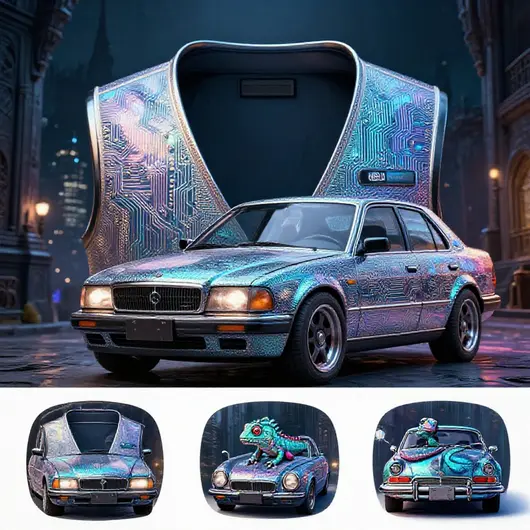
In Malaysia's SUV market, many buyers compare the Toyota Corolla Cross and Subaru Outback when choosing a car. These two vehicles are quite close in terms of price and positioning. Today, we will conduct a detailed comparison from multiple aspects to help you save time on research.
The Toyota Corolla Cross OTR price in Malaysia is RM 133,800 - 148,800, with a total of 3 versions, including the 2026 HEV 1.8L GR Sport (RM 148,800), 2026 HEV 1.8L Standard (RM 140,800), 2026 1.8L Standard (RM 133,800), etc.
The Subaru Outback OTR price in Malaysia is RM 260,000 - 280,000, with a total of 2 versions, including the 2025 2.4T R-Touring EyeSight (RM 310,340), 2025 2.5L Touring EyeSight (RM 280,340), etc.
Looking at the price, the starting price of the Toyota Corolla Cross is indeed RM 126,200 cheaper than the Subaru Outback. If your budget is limited, Toyota's entry-level version can already meet daily needs. However, be aware that the few thousand ringgit saved might involve compromises in features, depending on your specific needs.
The Toyota Corolla Cross is equipped with a 1.5L Turbo, with 140 hp. Official fuel consumption is 7.0 L/100km.
The Subaru Outback is equipped with a 2.0L Turbo, with 220 hp. Official fuel consumption is 9.5 L/100km.
In terms of power, the Subaru Outback's 2.0L Turbo has 80 more horsepower than the Toyota Corolla Cross's 1.5L Turbo. However, for daily city driving, the power of both cars is sufficient and won't feel underpowered.
The Toyota Corolla Cross safety rating is 5★ (ASEAN NCAP), and active safety systems include TSS (PCS, LDA, ACC, LTA).
The Subaru Outback safety rating is TBD, and active safety systems include Basic.
In terms of safety features, both cars have received good ratings. However, there are some functional differences between the Toyota Corolla Cross's TSS (PCS, LDA, ACC, LTA) and the Subaru Outback's Basic. If you value active safety, you can compare their feature lists carefully.
The Toyota Corolla Cross adopts FWD drive mode.
The Subaru Outback adopts FWD drive mode.
Both cars have the same drive mode, which is FWD, so there won't be much difference in daily driving feel.

Both the Toyota Corolla Cross and Subaru Outback are mainstream choices in the Malaysian market, suitable for family use and daily commuting. If you value brand reputation and resale value more, you can prioritize the one with better reputation; if you care more about cost-performance and features, choose the one with richer configurations. Ultimately, it is recommended to test drive both, as hands-on experience is the most important.

Overall, both the Toyota Corolla Cross and Subaru Outback are very good models in the Malaysian market. Which one to choose depends primarily on your personal needs and budget. We suggest doing your homework, comparing quotes from several dealerships, and then test driving to make the final decision. Buying a car is a major matter, spending time on research will definitely not be wrong.

Penutup September Emas, BYD mengeluarkan satu senarai prestasi "es dan api": Penjualan domestik 282,900 unit, turun sedikit secara tahun ke tahun, tetapi eksport melonjak ke 180,700 unit, meningkat secara tahun ke tahun melebihi 150%, jumlah penjualan sebulan mencecah rekod tertinggi 460,000 unit. Tiga suku pertama terkumpul 3.13 juta unit, eksport melebihi 1.33 juta unit, nisbah hampir empat puluh peratus. Ada yang menumpukan perhatian pada penurunan kecil domestik, namun mengabaikan satu fakta — BYD sedang secara senyap berubah dari "Juara China" menjadi "Pemain Global", logik pertumbuhan telah diubah sepenuhnya.

I. Penjualan domestik turun 5%? Tahun lalu terlalu agresif
Penjualan domestik pada September 282,900 unit, menurun sedikit secara tahunan, seolah-olah menginjak brek. Namun jika dilihat lebih dekat, peningkatan secara bulanan masih melebihi 5%, permintaan di hujung rantaian sedang kembali seiring musim. Satu-satunya kebenaran di sebalik penurunan tahunan ialah: asas tahun lalu terlalu tinggi, ditambah kesan perang harga tahun ini yang belum reda, keseluruhan pasaran sedang menanggung tekanan. Bukan BYD jualan teruk, tetapi tahun lalu jualan terlalu agresif. Dalam pasaran utama 100,000 hingga 300,000, Rangkaian Dinasti dan Rangkaian Laut masih teguh seperti batu, Han, Song, Qin bergantung pada reputasi teknologi hybrid DM-i dan e Platform 3.0, terus menguasai pengguna keluarga. Kestabilan domestik justru menyediakan belakang yang kukuh untuk pengembangan luar negara. Tanpa sokongan pangkalan asas, dari mana keyakinan untuk serangan antarabangsa? Langkah ini, dilaksanakan dengan stabil.

II. Eksport meningkat 150%, lengkung kedua meletus
Sesuatu yang membuatkan tulang belakang lawan menjadi sejuk ialah data eksport. Eksport September 180,700 unit, peningkatan secara tahunan melebihi 150%, mewakili hampir empat puluh peratus daripada jumlah penjualan. Tiga suku pertama terkumpul eksport melebihi 1.33 juta unit, globalisasi memasuki tempoh penuaian terpusat. Ini bukan impuls kebetulan, tetapi letupan berterusan. Thailand, Brazil, Hungary, Uzbekistan, kilang luar negara berturut-turut ditubuhkan; armada kapal RoRo dibina sendiri terus dilancarkan satu demi satu, halangan keupayaan dikalahkan satu persatu. Lebih bijak, BYD tidak mengikuti laluan lama menukar harga rendah dengan jumlah di luar negara, sebaliknya menggunakan label teknologi untuk berdiri di bahagian sederhana hingga tinggi. DM-i menyelesaikan kebimbangan jarak jauh, e Platform 3.0 menekankan keselamatan dan kecekapan, Bateri Bilah menjadi "synonym keselamatan" dalam kalangan pengguna luar negara. Kualiti produk cukup kukuh, premium jenama datang secara semula jadi. Keuntungan kereta tunggal di luar negara lebih tinggi daripada domestik, peningkatan eksport terus menarik naik kualiti keuntungan, inilah strategi paling hebat.

III. Matriks pelbagai jenama, dari jumlah kuantiti ke kualiti
Naik taraf jenama BYD bukan sekadar slogan, tetapi dibina langkah demi langkah. Denza secara stabil meresap ke dalam pasaran MPV dan SUV sederhana hingga besar, menggunakan rasa mewah dan pengalaman tenaga baharu untuk membuka kawasan teras syarikat bersatu; Fang Cheng Bao berdasarkan penempatan berbeza dalam tenaga baharu yang teguh, secara tegas merobek satu celah dalam kalangan peminat off-road, menjadikan off-road elektrik dari golongan minoriti kepada umum. Rangkaian Dinasti dan Rangkaian Laut mengendalikan skala, Denza dan Fang Cheng Bao mengendalikan premium, set tindakan gabungan ini membolehkan BYD mempunyai kad yang berdaya saing dalam julat harga 100,000 hingga 500,000. Lebih penting, tiada perselisihan dalaman antara setiap jenama, perbezaan penempatan jelas. Mahu membeli untuk pengangkutan harian, Qin dan Song bersedia; Mahu membeli MPV mewah, Denza D9 menerima; Mahu bermain off-road teguh, Fang Cheng Bao Leopard 5 disediakan. Kesan matriks "pasti ada satu yang sesuai untuk anda" ini adalah parit pelindung paling mendalam BYD.


Kesimpulan: Rekod satu bulan 460,000 unit, asas terkumpul 3.13 juta unit, volum eksport 1.33 juta unit, BYD memberitahu semua melalui data September: pelarasan kecil domestik hanyalah perubahan irama, eksplosif luar negara adalah tema utama. Apabila globalisasi bertukar daripada soalan pilihan kepada soalan wajib, BYD telah menyerahkan kertas kerja lebih awal. Suku keempat, drama hebat baru sahaja bermula.
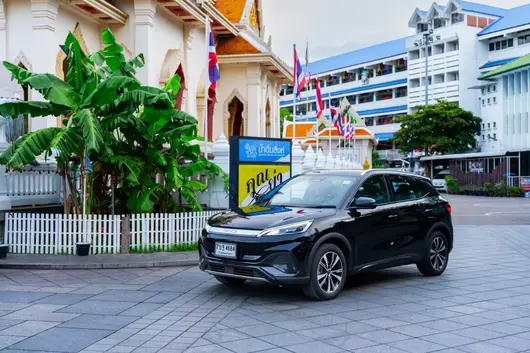

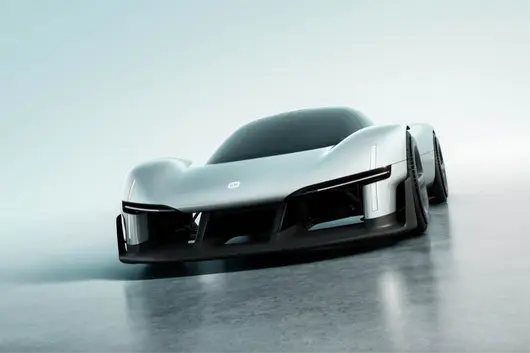
10 月 3 日,喺新加坡舉行嘅 Gran Turismo 世界系列賽 2026 第三站現場,《GT 賽車》系列開發商 Polyphony Digital 首次公開咗 Xiaomi Vision Gran Turismo 嘅遊戲內實機影像,並確認呢台概念超跑將於 10 月 15 日隨《GT 賽車 7》Spec IV 更新第一部分加入遊戲。

呢台車嘅設計以“由風塑形”為原點。小米首席設計師李田原介紹,團隊唔依靠額外加裝嘅空氣動力學套件,而係讓幾乎每一處造型都承擔氣動功能:座艙被處理成懸浮嘅水滴形,氣流從車頂與座艙下方穿過,形成貫穿車身嘅通道;車頭十字形大燈兼具導流作用,車尾環形尾燈同時充當氣流出口;輪轂蓋採用磁懸浮結構,行駛中保持相對靜止以減少風阻。官方公佈嘅數據為風阻係數 Cd 0.29、空氣動力學效率 4.1,高速狀態下可產生約 1.2 噸下壓力。


動力部分,呢台車基於小米自研嘅 900V 碳化矽高壓平台,搭載四馬電四驅系統,官方公佈嘅綜合功率約為 1360 馬力,0-100km/h 加速進入 1 秒級,最高車速超過 350km/h,配備賽道級電池與全域熱管理系統,10 分鐘快充可補充 500 公里續航。呢啲參數冇量產法規與工程成本嘅約束,同公路量產車唔係同一套衡量標準。

座艙方面,小米提出被稱為“Sofa Racer”嘅設定,以環形座艙為框架,採用四點式安全帶與碳纖維賽車座椅,保留實體按鈕,全景天際屏可與手錶等設備聯動。隨今次更新,《GT 賽車 7》仲會加入系列歷史上第一個專門面向電動車嘅駕駛教學,玩家可使用此前已入駐嘅 SU7 Ultra 或呢台 Vision GT 完成訓練,熟悉電動車喺加速、制動與動能回收方面嘅駕駛特性。


小唐觀點:呢台概念車值得注意嘅唔係 1360 馬力嘅賬面數據,而係“唔量產”帶嚟嘅設計自由。離開法規、成本與安全驗證嘅約束,小米等於多咗一塊可以唔計代價做實驗嘅田地。呢度嘅氣動思路同座艙設計,極大機會會逐步出現喺之後嘅量產車上。至於遊戲入面嘅參數,睇睇就得,唔使當做對產品嘅預期。

喺馬來西亞嘅 SUV 市場,好多買家喺揀車嘅時候都會拿豐田 Corolla Cross 同 馬自達 CX-30 嚟做比較。這兩款車喺價位同定位上都好接近,今日我哋就由多個方面做一個詳細嘅對比,幫你節省做功課嘅時間。
豐田 Corolla Cross 喺馬來西亞嘅 OTR 售價係 RM 133,800 - 148,800,一共有 3 個版本,包括 2026 HEV 1.8L GR Sport(RM 148,800)、2026 HEV 1.8L Standard(RM 140,800)、2026 1.8L Standard(RM 133,800) 等。
馬自達 CX-30 喺馬來西亞嘅 OTR 售價係 RM 122,409 - 146,409,一共有 4 個版本,包括 2025 2.0L High+ Premium(RM 146,409)、2025 2.0L High+(RM 138,409)、2025 2.0L High(RM 130,409) 等。
由價錢睇落,馬自達 CX-30 嘅起步價比豐田 Corolla Cross 平咗 RM 11,391。老實講,喺呢個價位段,幾千蚊嘅差價其實唔算大,關鍵仲要睇整體嘅性價比同長期使用成本。
豐田 Corolla Cross 搭載 1.5L Turbo,馬力 140 hp。官方油耗 7.0 L/100km。
馬自達 CX-30 搭載 1.5L Turbo,馬力 140 hp。官方油耗 7.0 L/100km。
兩款車用咗同一套動力系統,日常開起嚟嘅感受基本冇分別。油耗方面都差不多,唔使太糾結呢一點。
豐田 Corolla Cross 嘅安全評級係 5★ (ASEAN NCAP),主動安全系統包括 TSS (PCS, LDA, ACC, LTA)。
馬自達 CX-30 嘅安全評級係 5★ (ASEAN NCAP),主動安全系統包括 i-Activsense。
兩款車嘅安全評級一樣,喺呢個級別裡面安全配備都算好齊全。而家嘅新車安全性都唔差,唔使太擔心呢一點。
豐田 Corolla Cross 保修 5 年/無限里程,保養間隔 每 10,000km 或 6 個月。
馬自達 CX-30 保修 5 年/150,000km,保養間隔 每 10,000km 或 6 個月。

總體嚟講,豐田 Corolla Cross 同 馬自達 CX-30 都係馬來西亞市場好唔錯嘅車型。揀邊一輛,關鍵仲要睇你嘅個人需求同預算。建議大家做好做功課,多比較幾間車行嘅報價,再去試駕做最後決定。買車係件大事,花少少時間做功課絕對唔會錯。

After acquiring Volvo, billionaire Li Shufu from Taizhou, Zhejiang, began to keep a low profile in public.
From 2010 to 2018, a full eight years. On the marketing and PR levels, Geely mostly focused attention on the "Geely" brand, not on the boss. Although this person dubbed "Li the Ford" by foreign media never lacked stories, he suddenly went quiet.
Quiet enough that many thought he had indigestion.
Until February 24, 2018, when Geely officially confirmed it had become the largest shareholder of Mercedes-Benz parent company Daimler AG, the outside world once again looked at this "car maniac" with a baby face.
But before this, what exactly happened in these eight years?
The answer is only two words: Digestion.
1
The moment after signing was when the real test began.
The whole world was watching the show: a Taizhou farmer swallowed a Swedish elephant. Everyone waited to see the capital chain break, waited to see Volvo taken down by Geely, waited to see how this private enterprise that hammers on car bodies would die in the arrogance of Europeans.
Li Shufu did not respond. He did something no one expected — let go.
He said Geely and Volvo have a "brotherly relationship", not a "father-son relationship". He even compared this acquisition to the love story of "a rural youth and a movie star".
The first time I heard this metaphor, I found it harsh. It was too humble. Why put himself in such a low position when someone who spent $1.8 billion to buy the other party?
Later I understood. This posture is not inferiority, but a very high wisdom. He understood respect, understood delegation, understood "governance through inaction". He knew if he, like other Chinese buyers, rushed to rebrand, rushed to integrate, rushed to move the HQ back to Hangzhou after buying, then Volvo would die. Die from not fitting in, die from cultural conflicts, die from a nouveau riche's vanity.
He wasn't vain. He only wanted one thing: Time.
By the end of 2012, Geely and Volvo signed a technical agreement and began attempting technical exchanges regarding vehicle air quality control systems and automotive safety innovation technologies. In 2013, Geely established a European R&D center in Volvo's headquarters in Gothenburg, Sweden, announcing the joint development of the new vehicle architecture CMA platform with Volvo.
At the beginning of the Gothenburg R&D center establishment, there were only about fifteen people. After a few years of development, the R&D team reached nearly two thousand people.
Fifteen years turned into two thousand people. Behind this number is the trust Li Shufu built with real money. He did not rush "technical feedback", nor forced Swedish engineers to draw blueprints for Geely. He just let people from both sides sit together, drink coffee, argue, grind, and then slowly learn how to build cars together.
In these six years, Geely learned how to build cars. Not with hammers, but with a system.
 CEVT (Geely European R&D Center) located in Lindholmen Science Park, Gothenburg, Sweden
2
If you are not a car fan, you might find it hard to appreciate the shock of that night in April 2015.
That day, Shanghai. Geely released a new car — Borui.
Before this, where was the ceiling for Chinese brand sedans? Around 100,000 yuan. Above that, it was the realm of joint venture cars. Passat, Accord, Camry, that was the unyielding "Iron Triangle". Consumers bought domestic cars because they were poor; bought joint venture cars because of face/reputation. This was the underlying rule at the time.
But Borui came out.
The designer of that car was Peter Horbury, former VP of Volvo Group, who started serving as the overall head of Geely Group Design in 2011. Look at the body lines, that ripple-style intake grille, that heaviness, completely unlike a domestic car worth more than 100,000 yuan. It stood there like a person wearing a custom suit who mistakenly walked into a group wearing cheap T-shirts.
Borui was the first model under Geely to introduce Volvo's safety technology concept. Later it possessed six identities: civilian car, new energy vehicle, police car, military car, diplomatic limousine, foreign official car, known as "Great Beautiful China Car".
The market gave the most honest feedback. Borui became an instant hit upon listing, selling over 10,000 units monthly. More importantly, it broke that curse — originally Geely really can build good cars. Originally domestic cars really can be sold at 150,000 yuan, 180,000 yuan, and people still fight to buy.
On the night I wrote the Borui review at the newspaper, I stared at that front face for a long time. The water ripple style grille, not imitating anyone, it grew out. It grew bit by bit from the rain at Tiantong Temple in 2001, from the office in Gothenburg with only 15 people in 2010.
That was the first thunder of Li Shufu's "technical feedback" strategy.
 December 2014, Geely held the "Insightful New Edge of the Era" launch event in Beijing, GC9 was officially named "Borui".
3
If Borui is "thunder", then Lynk & Co born in 2017 is "nuclear explosion".
August 4, 2017, Geely Automobile, Volvo Car Group officially signed an agreement at the Hangzhou Bay R&D Center to establish Lynk & Co Automotive Joint Venture Company. In the new company, Geely Automobile holds 50% shares, Volvo Car holds 30%, Geely Holding Group holds 20%.
Lynk & Co is a "half-breed" of Geely and Volvo. It uses the CMA architecture jointly developed by both parties. This architecture gave Geely the ability to wrestle with Volkswagen MQB and Toyota TNGA overnight.
But what I focused on was not the architecture. I focused on the temperament.
Lynk & Co is not like a traditional Chinese brand, nor a traditional European brand. It has a very strange temperament — urban, cold, with a bit of cyberpunk edge. Split headlights, through-type front face, interior materials are bold enough not to look like a new brand. It changed 4S shops to "Lynk & Co Centers", decorated like a combination of cafes and trendy brands. It did subscription models, did communities, did user co-creation.
These things today are standard for new car forces, but in 2017, traditional car companies playing like this was heresy.
Lynk & Co became popular, wildly popular. It pulled Geely completely out of the "cost-performance" swamp, pulled it into the circle of "brand premium". Those young people who originally planned to buy joint venture compact SUVs turned around and walked into Lynk & Co Centers. Not because it was cheap, but because it was cool.
Only then did everyone realize Li Shufu's chess game was too big. He was not building a car, he was building a system, a system that can continuously incubate high-end brands.
 October 20, 2016, LYNK&CO premiered globally at STATION BERLIN in Berlin, Germany, white 01 concept car appeared on stage, symphony orchestra and Chinese drum performed together.
 Front view of Lynk & Co 01 concept car at Berlin launch event, CMA architecture debuted publicly for the first time.
4
With money and technology, Li Shufu's "shopping cart" couldn't stop. But in these few years his buying method changed. Before it was "buy what you lack", now it is "buy after seeing clearly".
In 2017, he went to Malaysia, signed 49.9% shares of Proton Auto. Also grabbed 51% shares of Lotus.
Many people didn't understand why buy Lotus. That British brand making sports cars, at that time poor as a church mouse, sold only hundreds of cars a year.
But Li Shufu understood. What he focused on was Lotus's expertise in chassis tuning and lightweight design. That was the "sports gene" Geely lacked most. Legend on F1 tracks, ancestor of aerodynamics, with pure bloodline but couldn't even eat. Li Shufu picked it up, not for sentiment, but to complete the last puzzle piece.
Then it was 2018. Investing in Daimler. This might be Li Shufu's most "sexy" operation.
As an individual, Li Shufu has a Mercedes complex. He has expressed more than once that Mercedes is the best car in the world. Since starting car making, Li Shufu's ideal was to make "China's Mercedes".
In 1998, how did Geely's first car "Geely No. 1" come about? It was Li Shufu disassembling his Mercedes car, workers holding "Mechanical Design Manual", assembling parts themselves according to drawings.
Just imagine this scene: a Taizhou private enterprise boss, dismantled his sedan into eight pieces, a group of people squatting on the ground, facing the manual, hammering out a "Mercedes" piece by piece.
Who could imagine, 20 years later, this poor boy who dismantled Mercedes back then, can wave checks, become the largest shareholder of Mercedes.
February 24, 2018, Geely Group announced that it had acquired 9.69% voting shares of Daimler AG through its overseas enterprise entity via the company, spending nearly $9 billion, leaping to become the largest single shareholder.
The news came out, global shock. The entire acquisition began in September 2017, taking about half a year. Led by investment banks including Industrial Bank, Morgan Stanley, purchasing in the secondary market adopting direct buying and borrowing shares methods. The daily trading volume was not large enough to affect Daimler's stock price, the whole process "silent".
Like a surgery. Precise, calm, leaving no traces.
Li Shufu said in a CCTV interview: "We must achieve cooperation, this equity investment only makes sense. Any of our investments, any equity ownership, must achieve strategic cooperation, must serve our core industries." He also predicted that in the future world traditional auto industry only 2-3 enterprises can survive, whoever occupies the technical high ground, who is the winner.
But this time is different. For Li Shufu, he is Volvo's genuine big boss, while this invested Mercedes is just stock market shopping in the secondary market. Whether he can enter the board in the future, or even participate in company management in the future, everything depends on how things go.
Germans are actually much harder to deal with than Swedes.
But he doesn't care. He never cares how hard others are to deal with. He only cares if his cards are enough.
5
Time comes to 2020.
In this year, Geely announced officially turning from Premium Car 3.0 Era to "Tech Geely 4.0 Era", releasing the SEA Grand Architecture, stepping into the era of comprehensive architecture-based car manufacturing.
Looking back from the end of 2020, you will discover a shocking fact: ten years ago, Geely was still a "grassroots" struggling in the mud; ten years later, Geely has become a huge automotive empire owning Volvo, Lynk & Co, Proton, Lotus, Mercedes-Benz shares.
Li Shufu completed his transformation.
He is no longer that reckless youth who said on CCTV "four wheels plus two sofas", nor that tragic hero who swore in the rain in front of Tiantong Temple. He became an experienced, deep, and sharp-eyed global automotive tycoon.
"The Wall Street Journal" once evaluated him "There is a natural peasant wisdom on him, and his personality is complex".
Indeed. On one hand, his ambition lies in making Geely a "world-class automotive brand", on the other hand he is humble, even after acquiring Volvo, still believes this is the love of "rural youth and movie star".
With only a high school diploma, he is also an amateur poet, he likes to write some slogan-style, heaping strong emotion modern poems. He is also a red wine connoisseur wearing cheap shirts, fingers thick and short, but plays Guzheng well, he also fanatically likes playing basketball.
This person has never been simple.


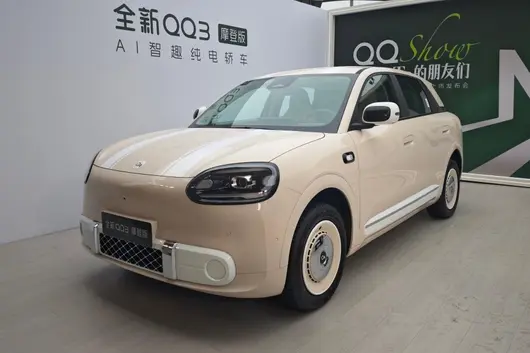
On September 22, the "QQ Show and Friends Plus QQ3 Modern Edition Launch Event" grandly opened at Jiuzi Plaza, Wuhu, Anhui, with the new QQ3 Modern Edition officially unveiled to the public. The new car's official guide price is 88,900 yuan, the additional purchase price is 86,900 yuan, and the limited-time trade-in price is as low as 83,900 yuan. Chery QQ global spokesperson Sun Li appeared at the launch event, with stand-up comedians Bu Jingyun, Feng Zihao, and Daozhu joining the stage to help turn the product launch into a lively and joyful show filled with life's atmosphere.


Starting today, car buyers can enjoy four launch benefits: Ease Gift, Companionship Gift, Peace of Mind Gift, and Surprise Gift. Limited-time ordering earns Sun Li signed car models, factory-original Wind Trace Racing Graphics, plus up to 5,000 yuan renewal subsidy, up to 70,000 yuan 36-month 0% interest financing plan, and lifetime vehicle warranty, bringing consumers a new choice for urban pure electric travel that balances looks, quality, and cost-effectiveness.

As an advanced version of the new QQ3 family, the Modern version is built on a native pure electric platform, completing an all-round upgrade around the texture of appearance and interior, cockpit materials, smart experience, and scenario functions. The factory one-stop provides a complete set of retro modern kits, eliminating the trouble of user later modifications. Six user co-creation modified cars appeared together at the launch event, also confirming the product characteristics of this small car "playable, modifiable, co-creatable". Currently, the domestic and overseas orders of the new QQ3 have exceeded 100,000 units, sales broke through 10,000 for 5 consecutive months, August sales 19,103 units, monthly surge 64.07%, overseas markets Thailand, Indonesia orders exceeded 20,000 units, achieving hot sales on both domestic and foreign lines.

Multi-dimensional comprehensive upgrade, new QQ3 Modern Edition core improvement points
The new QQ3 Modern Edition takes the Neo-Retro modern retro design concept as the core. It is not just simply adding decorative parts, but achieves an overall upgrade from five dimensions: appearance paint, cockpit materials, safety hardware, smart interaction, and practical scenarios.

Appearance texture upgrade. The full set of factory modern kits adopt 6-layer 2K high-texture car paint from luxury car tier suppliers, bringing two exclusive colors: Modern Era Retro Green and Annie Pearl Latte. The ordinary version's black plastic trim is removed and replaced with body-color cladding, matched with Time Badge Retro wheels, Wind Trace Racing Graphics, Retro White front and rear bumpers, and an exclusive grille. Vintage style is standard from the factory, eliminating the need for later modification filing, balancing personality and compliance.

Cockpit interior upgrade. The high-end light luxury atmosphere interior upgrade adopts the Cloud Velvet Beige exclusive cockpit color. The roof, A/B pillars use velvet cladding, and the interior door panels and center console add tailored Houndstooth texture. This comprehensively improves the cockpit's premium feel from visual to tactile, while optimizing human-centric details such as vanity mirror light strips, implementing the sense of refinement into car usage details.

Safety hardware continues and strengthens, solidifying the travel safety baseline. It continues with the Panshi Cage Body structure, with high-strength steel accounting for 82%, equipped with 1300MPa integrated hot-formed door rings. The Rhino Battery is equipped with CATL cells, passed CAERI NESTA 6-dimensional electric safety certification, with IP68 grade battery protection, balancing body impact resistance and three-electric system safety guarantees.

Smart cockpit experience leap. Equipped with the Qualcomm 8155 automotive grade chip and paired with a 15.6-inch 2.5K HD center screen, it is equipped with the Carmind AI agent, achieving AI capabilities such as natural conversation, vehicle condition queries, and smart vehicle control. Urban driving assistance configurations are fully equipped to reduce urban commute driving burdens.

Expand diverse vehicle usage scenarios. Functional upgrade equips a 70L smart electric front trunk, supporting 8 opening methods, paired with 6.6kW high-power external discharge to expand camping, picnics, and other outdoor scenarios. This further expands the usage boundaries of a commuter car, balancing storage and entertainment needs.
Which groups are more suitable for the new QQ3 Modern Edition?
The new QQ3 Modern Edition focuses on "Exquisite Self-Pleasure", targeting consumer groups who pursue appearance texture, value urban commute convenience, while hoping the vehicle balances safety, intelligence, and playability, with different user needs matched clearly:
Urban Exquisite Commute Female Users value vehicle looks and texture, primarily use the car for city commuting to and from work daily, pursuing ease of driving and parking, and focusing on interior atmosphere and the sense of ritual in car usage. The modern retro appearance, velvet interior, HD smart cockpit, L2-level assisted driving, and 540° panoramic image can adapt to city morning and evening peak commuting, supermarket parking, and daily short trips, and are also very friendly to new drivers. The self-pleasing life attitude of "Just good enough, happy in it" interpreted by spokesperson Sun Li is exactly the true portrayal of these users.

Young Individual Players: Light modification enthusiasts who like small car culture and trendy small cars, pursuing personal distinctiveness, but not wanting to bear the filing and safety risks of private modification. The Modern version is delivered by the factory directly with a complete set of retro kits, and on this basis still supports user secondary co-creation modifications. Launch event Chinese style, California Holiday, outdoor camping, and other six modified cases also prove this car possesses high modification potential, meeting the needs of young people to express themselves.
Family Second Car Commuting Users: As supplementary family cars, mainly used for grocery shopping, picking up kids, and short trips. The small car body has a 5.2m turning radius, shuttling city streets and flexible community parking. The Panshi body + Rhino Battery brings high safety standards, and the whole vehicle lifetime warranty reduces later usage worries. The external discharge function also meets the needs for family weekend suburban camping travel.

Repurchase and Trade-in Users: Who value comprehensive benefit cost-effectiveness. Already have a main vehicle, planning to trade-in or purchase a pure electric small car additionally. Limited-time trade-in starting from 83,900 yuan, plus renewal subsidy, long-term 0% interest financial policy, and whole vehicle lifetime warranty benefits. Car purchase and usage costs are controllable, while balancing appearance, safety, and intelligence, suitable for pragmatic trade-in users who also seek quality.
Configuration Deep Dive: Looks, Safety, Intelligence, Scenarios All-Round Balance
Appearance and Interior Configuration
Paint: Luxury supplier 6-layer 2K high-texture paint, exclusive Modern Era and Annie Pearl colors; Time Badge Retro wheels, Factory Wind Trace Racing Graphics, Retro White front and rear bumpers, body-color cladding kit, full set of modern exclusive exterior components.
Cockpit: Cloud Velvet Beige exclusive interior color, velvet roof, Houndstooth high-end texture panels. Optimizes interior lighting, vanity mirror, and other human-centric details. Cockpit texture aligns with higher-level vehicles.
Safety Configuration
Body: Panshi 5-Vertical 8-Horizontal Cage Body, high-strength steel accounts for 82%, 1300MPa integrated hot-formed door rings, strengthening collision protection capability.
Three-Electric: Rhino Battery (CATL cells), passed CAERI NESTA 6-dimensional electric safety certification, IP68 battery protection. First owners can enjoy the whole vehicle lifetime warranty benefit, further dispelling three-electric usage worries.
Passive and Active Safety: 540° Panoramic Transparent Chassis Image, 12 ultrasonic radars, matched with an L2-level driving assistance system, including Automatic Emergency Braking, Lane Assistance, Blind Spot Monitoring, Door Open Warning, and other functions. Supports 100+ scenarios for full-scenario auto parking, making parking in narrow spaces easier.
Smart Cockpit Configuration
Core Hardware: Qualcomm 8155 automotive grade chip, 15.6-inch 2.5K center large screen; Equipped with Carmind AI large model, supporting natural voice interaction, vehicle condition smart diagnosis, and smart vehicle control. Compatible with CarPlay, HiCar, CarLink multi-phone connection, navigation and entertainment experience is smooth.
Exterior Interaction: Supports exterior voice control, expanding more car usage interaction gameplay, OTA continuous iteration and function updates.
Practical and Scenario Configuration
70L smart electric front trunk, provides 8 opening methods, increasing whole vehicle storage space;
6.6kW external discharge function, supports outdoor camping appliance power supply, expanding camping scenarios;
Based on the native intelligent pure electric platform, rear-wheel drive layout, master-grade chassis tuning, four-wheel independent suspension, 5.2m turning radius, city shuttle flexible and easy to drive;
Multiple launch purchase benefits: Limited-time trade-in subsidy, financial 0% interest, order down gift of peripheral gifts, whole vehicle lifetime warranty, etc.
From the first-generation National QQ to the Smart Electric Era's new QQ3 Modern Edition, the QQ brand always continues the "Happiness" brand DNA. The new QQ3 Modern Edition is not just a commuting pure electric small car; it integrates modern retro aesthetics, high safety standards, high-level intelligence, and scenario-based gameplay together. The factory provides complete personalized solutions, giving the 80,000-yuan class pure electric market a new choice. Against the backdrop of global hot sales, the arrival of the Modern version further enriches the QQ3 product matrix, continuing to convey the "Self-pleasure, Happiness, Co-creation" mobility culture.

Di pasaran SUV Malaysia, ramai pembeli membandingkan Honda CR-V dan Audi Q5 semasa memilih kereta. Kedua-dua kereta ini mempunyai harga dan kedudukan pasaran yang hampir serupa, hari ini kita akan melakukan perbandingan terperinci dari pelbagai aspek untuk membantu anda menjimatkan masa melakukan kajian.
Harga OTR Honda CR-V di Malaysia ialah RM 178,200 - 195,900, dengan jumlah 4 varian, termasuk 2026 e:HEV 2.0L 2WD RS (RM 195,900), 2026 1.5T 4WD V (RM 181,900), 2026 e:HEV 2.0L 2WD E (RM 178,200) dan lain-lain.
Harga OTR Audi Q5 di Malaysia ialah RM 354,174 - 423,174, dengan jumlah 2 varian, termasuk 40 TDI (RM 320,000), 45 TFSI (RM 350,000) dan lain-lain.
Dari segi harga, harga permulaan Honda CR-V memang lebih murah RM 175,974 berbanding Audi Q5. Jika bajet anda terhad, versi asas Honda sudah boleh memenuhi keperluan harian. Namun, berhati-hatilah, beberapa ribu ringgit yang lebih murah mungkin ada kompromi dari segi kelengkapan, lihat keperluan anda.

Honda CR-V dilengkapi enjin 2.0L 4-cyl, kuasa 170 hp. Penggunaan minyak rasmi 8.0 L/100km.
Audi Q5 dilengkapi enjin 2.0L Turbo, kuasa 220 hp. Penggunaan minyak rasmi 9.5 L/100km.
Dari segi kuasa, 2.0L Turbo Audi Q5 mempunyai 50 hp lebih daripada 2.0L 4-cyl Honda CR-V. Walau bagaimanapun, untuk penggunaan harian di bandar, kuasa kedua-dua kereta sudah mencukupi, tidak akan terasa kurang tenaga.

Panjang badan Honda CR-V 4500 mm, kapasiti bak muatan 450 L.
Panjang badan Audi Q5 4400 mm, kapasiti bak muatan 400 L.
Dari segi ruang, badan Honda CR-V 100 mm lebih panjang daripada Audi Q5, ruang duduk dalam akan lebih luas sedikit, terutamanya ruang kaki tempat duduk belakang. Jika anda kerap membawa keluarga atau perlu menaruh kereta bayi, badan yang lebih besar memang lebih praktikal.

Honda CR-V menggunakan cara penggerak FWD.
Audi Q5 menggunakan cara penggerak FWD.
Cara penggerak kedua-dua kereta sama, iaitu FWD, pengalaman memandu harian tiada perbezaan besar.

Honda CR-V dan Audi Q5 adalah pilihan utama pasaran Malaysia, sesuai untuk kegunaan keluarga, perjalanan harian. Jika anda lebih mementingkan reputasi jenama dan harga jualan semula, anda boleh memberi keutamaan kepada yang mempunyai reputasi lebih baik; jika anda lebih mementingkan nilai wang dan kelengkapan, pilih yang mempunyai kelengkapan lebih banyak. Pada akhirnya, digalakkan untuk uji pemandu kedua-duanya, pengalaman sendiri adalah yang paling penting.

Secara keseluruhannya, Honda CR-V dan Audi Q5 adalah model kereta yang sangat baik di pasaran Malaysia. Memilih yang mana, kunci utamanya bergantung pada keperluan peribadi dan bajet anda. Kami menggalakkan anda membuat kajian, bandingkan sebutan harga dari beberapa dealer kereta, kemudian lakukan uji pemandu untuk membuat keputusan akhir. Membeli kereta adalah perkara besar, meluangkan masa untuk kajian tidak akan salah.


22 September 2026, Edisi Moden QQ3 Baharu dilancarkan. Sun Li, Duta Global Jenama Chery/Duta Global Chery QQ, bersama pelawak cakap bebas Feng Zihao dan Bu Jingyun menyaksikan pelancaran kereta baharu. Di lokasi pelancaran, Edisi Moden QQ3 Baharu menunjukkan potensi global kereta kecil premium China melalui data jualan yang terus meningkat.
Jualan Melebihi 10,000 Selama 5 Bulan Berturut-turut, Tempahan Dalam dan Luar Negara Melebihi 100,000

Pelancaran Edisi Moden QQ3 Baharu didasarkan pada jualan berterusan QQ3 Baharu dan potensi globalisasi jenama QQ. Pada bulan Ogos, jualan QQ3 Baharu mencapai 19,103 unit, meningkat 64.07% berbanding bulan sebelumnya, mewujudkan态势 jualan panas di dalam dan luar negara. Dengan ini, QQ3 Baharu telah menjual melebihi 10,000 unit selama 5 bulan berturut-turut, terus mengesahkan pengiktirafan pasaran.
Pasaran luar negara juga menunjukkan prestasi yang mencabar. Selepas tempahan pra-pelancaran di Thailand dan Indonesia, jumlah tempahan terkumpul dengan cepat melebihi 20,000, sehingga kini tempahan dalam dan luar negara telah melebihi 100,000. Jualan terkumpul siri QQ telah mencapai 1.6 juta+, digemari di lebih daripada 100 negara dan wilayah. Dari jualan panas di dalam negara menjadi terkenal di luar negara, QQ3 Baharu sedang mempercepatkan pecutan globalisasi.
Kualiti Global Menyokong Jualan Global

Di sebalik peningkatan jualan, terdapat sokongan kualiti global yang sistematik. QQ3 Baharu telah menyiapkan ujian jalan global meliputi 9 kawasan utama dan 44 negara, ujian setiap kenderaan menempuh jarak melebihi 300,000 km, melalui lebih daripada 1,000+ pengesahan virtual, 2,000+ pengesahan pematuhan, dan lebih daripada 3,000,000 km pengesahan kenderaan lengkap. Di lokasi pelancaran, kawasan pameran teknologi ditetapkan, melalui kerangka badan, rangka pintu termoplastik terpadu, busa PU mesra alam, atap beludru dan bahan pameran lain, struktur, bahan dan butiran reka bentuk dikemukakan kepada pengguna, membolehkan kualiti tinggi dapat dilihat, disentuh dan dirasakan.
Dari profil pengguna, pengguna siri QQ mempunyai ciri jelas 'Pencari Kebahagiaan Diri', hingga bulan Ogos peratusan pengguna wanita mencapai 56%. Ada pengguna kolaboratif yang sukakan pengubahsuaian, ada juga pencari kehidupan yang membawa QQ3 ke kawasan luar, dan ada juga pengguna yang menghargai kualiti yang menyertai maklum balas pengoptimuman OTA.
Sun Li Serahkan Kereta Baharu di Tempat, Mengesahkan Kegembiraan

Sun Li tiba di 'Panggung Hiburan QQ3', berfoto bersama Edisi Moden QQ3 Baharu, dan secara sendiri menyerahkan kereta baharu kepada peminat. Keyakinan, ketenangan dan kualiti hidup yang ditunjukkannya, secara semulajadi selaras dengan sikap cantik, kepuasan diri dan moden yang disampaikan oleh Edisi Moden QQ3 Baharu. Bu Jingyun, Feng Zihao, dua pelawak cakap bebas tersebut menggunakan cara bahasa yang santai dan lucu untuk menyokong gen kegembiraan jenama QQ.
13 Keunikan dan Kepimpinan Setara Kelas, Mendefinisikan Kereta Kecil Premium

Edisi Moden QQ3 Baharu menjadikan reka bentuk konsep Neo Retro sebagai teras, dari teknologi pengecatan tertutup sama warna sehingga ke pelipit roda lencana masa, corak balap jejak angin, gril Zaman Keemasan dan unsur eksklusif lain, membentuk semula gaya moden kereta kecil premium. Warna eksklusif Era Moden dan Mutiara Anne mewujudkan watak visual yang santai, menyembuhkan, dan fesyen ringan.
Dari segi kekuatan produk, Edisi Moden QQ3 Baharu mempunyai 13 keunikan dan 13 konfigurasi kepimpinan setara kelas. Keunikan setara termasuk peti hadapan elektrik pintar 70L, dua cermin rias cahaya lembut pintar pemandu/pemanggil, empat antaramuka skru ekosistem 1/4, rangka pintu termoplastik terpadu 1300MPa, pengesahan keselamatan elektrik enam dimensi, panggilan di luar kereta, atap beludru, kerusi awan selesa 10 lapisan dan lain-lain. Kepimpinan setara merangkumi platform elektrik tulen pintar asli, penggera elektrik 10 dalam 1 dengan suspensip empat roda bebas, pengisian pantas 2.11C, jarak paksi 2700mm, badan keluli kekuatan tinggi 82%, bateri Rhinoceros dengan sistem penyejukan cecair, imej panorama 540°, skrin kawalan pusat 15.6 inci 2.5K dengan cip 8155, parkiran automatik semua senario 100+, 6 senario pintar dan lain-lain.
Dari landormark bandar ke Panggung Kegembiraan, Edisi Moden QQ3 Baharu membina sambungan dengan pengguna muda melalui bentuk yang lebih terbuka dan lebih terlibat. Jualan melebihi 10,000 selama 5 bulan berturut-turut, tempahan dalam dan luar negara melebihi 100,000 — pelancaran Edisi Moden QQ3 Baharu, bukan sekadar pembaruan produk, malah merupakan pameran terkumpul pecutan globalisasi jenama QQ. Perjalanan moden, membuatkan kegembiraan lebih bergaya.

Dalam pasaran SUV di Malaysia, ramai pembeli membandingkan Honda CR-V dengan Subaru Crosstrek semasa memilih kereta. Kedua-dua kereta ini berada dalam julat harga dan kedudukan yang hampir sama, hari ini kita akan membandingkannya secara terperinci dari pelbagai aspek, membantu anda menjimatkan masa membuat kajian.
Harga OTR Honda CR-V di Malaysia adalah RM 178,200 - 195,900, terdapat 4 varian, termasuk 2026 e:HEV 2.0L 2WD RS (RM 195,900), 2026 1.5T 4WD V (RM 181,900), 2026 e:HEV 2.0L 2WD E (RM 178,200) dan lain-lain.
Harga OTR Subaru Crosstrek di Malaysia adalah RM 145,000 - 160,000, terdapat 1 varian, termasuk 2.0L e-Boxer (RM 150,000) dan lain-lain.
Dari segi harga, harga permulaan Subaru Crosstrek lebih murah RM 33,200 berbanding Honda CR-V. Jujur kata, dalam julat harga ini, perbezaan beberapa ribu tidak dianggap besar, yang penting adalah nisbah harga dan prestasi serta kos penggunaan jangka panjang.
Honda CR-V dilengkapi enjin 2.0L 4-silinder, kuasa 170 hp. Konsumsi bahan api rasmi 8.0 L/100km.
Subaru Crosstrek dilengkapi enjin 1.5L Turbo, kuasa 140 hp. Konsumsi bahan api rasmi 7.0 L/100km.
Dari segi kuasa, enjin 2.0L 4-silinder Honda CR-V mempunyai 30 hp lebih daripada 1.5L Turbo Subaru Crosstrek, memberikan lebih keyakinan dalam pecutan pertengahan, terutamanya apabila menyelangi di lebuh raya. Namun, konsumsi bahan api Subaru Crosstrek mungkin lebih jimat, perbezaan untuk perjalanan harian di bandar tidak akan terlalu besar.
Penilaian keselamatan Honda CR-V adalah 5★ (ASEAN NCAP), sistem keselamatan aktif termasuk Honda SENSING (ACC, CMBS, LKAS, RDM).
Penilaian keselamatan Subaru Crosstrek adalah 5★ (Euro NCAP), sistem keselamatan aktif termasuk EyeSight.
Dari segi peralatan keselamatan, kedua-dua kereta mendapat penilaian yang baik. Walau bagaimanapun, Honda SENSING (ACC, CMBS, LKAS, RDM) Honda CR-V dan EyeSight Subaru Crosstrek mempunyai beberapa perbezaan dari segi fungsi. Jika anda mengutamakan keselamatan aktif, anda boleh membandingkan senarai fungsi kedua-duanya dengan teliti.
Panjang badan Honda CR-V 4500 mm, bak muatan 450 L.
Panjang badan Subaru Crosstrek 4400 mm, bak muatan 400 L.
Dari segi ruang, badan Honda CR-V lebih panjang 100 mm berbanding Subaru Crosstrek, ruang dalaman untuk penumpang akan sedikit lebih lapang, terutamanya ruang kaki di baris belakang. Jika anda sering membawa keluarga atau perlu meletakkan kerusi kereta bayi, badan kereta yang lebih besar memang lebih praktikal.

Waranti Honda CR-V 5 tahun/batas jarak tidak had, selang penyelenggaraan setiap 10,000km atau 6 bulan.
Waranti Subaru Crosstrek 3 tahun/100,000km, selang penyelenggaraan setiap 10,000km atau 6 bulan.

Secara keseluruhan, Honda CR-V dan Subaru Crosstrek adalah model kereta yang sangat baik di pasaran Malaysia. Memilih mana satu, kunci utamanya adalah melihat keperluan dan bajet peribadi anda. Disarankan untuk membuat kajian, membandingkan sebut harga di beberapa dealer kereta, kemudian buat ujian pemanduan untuk keputusan akhir. Membeli kereta adalah perkara besar, mengambil masa untuk membuat kajian tidak akan salah.

Dalam pasaran SUV di Malaysia, ramai pembeli semasa memilih kereta akan membandingkan Honda CR-V dan Volvo XC60. Kedua-dua kereta ini agak hampir dalam harga dan posisinya, hari ini kita akan membuat perbandingan terperinci dari pelbagai aspek, membantu anda menjimatkan masa membuat kajian.
Harga OTR Honda CR-V di Malaysia ialah RM 178,200 - 195,900, terdapat keseluruhan 4 varian, termasuk 2026 e:HEV 2.0L 2WD RS (RM 195,900), 2026 1.5T 4WD V (RM 181,900), 2026 e:HEV 2.0L 2WD E (RM 178,200) dan lain-lain.
Harga OTR Volvo XC60 di Malaysia ialah RM 328,888 - 328,888, terdapat keseluruhan 1 varian, termasuk 2025 2.0T Core (RM 328,888) dan lain-lain.
Dari segi harga, harga permulaan Honda CR-V memang lebih murah RM 150,688 berbanding Volvo XC60. Jika bajet anda terhad, varian asas Honda sudah boleh memenuhi keperluan harian. Tetapi perlu diambil perhatian, beberapa ribu ringgit yang lebih murah itu, mungkin ada kompromi dari segi peralatan, bergantung pada keperluan anda.
Penilaian keselamatan Honda CR-V ialah 5★ (ASEAN NCAP), sistem keselamatan aktif termasuk Honda SENSING (ACC, CMBS, LKAS, RDM).
Penilaian keselamatan Volvo XC60 ialah 5★ (Euro NCAP), sistem keselamatan aktif termasuk .
Panjang badan Honda CR-V 4500 mm, ruang bagasi 450 L.
Panjang badan Volvo XC60 4400 mm, ruang bagasi 400 L.
Dari segi ruang, badan Honda CR-V lebih panjang 100 mm daripada Volvo XC60, ruang duduk di dalam kenderaan akan sedikit lebih luas, terutamanya ruang kaki di kerusi belakang. Jika anda kerap membawa keluarga atau perlu meletakkan kereta bayi, badan yang lebih besar memang lebih praktikal.
Waranti Honda CR-V 5 tahun/jarak tanpa had, selang penyelenggaraan setiap 10,000km atau 6 bulan.
Waranti Volvo XC60 5 tahun/jarak tanpa had, selang penyelenggaraan setiap 10,000km atau 6 bulan.

Honda CR-V dan Volvo XC60 adalah pilihan utama di pasaran Malaysia, sesuai untuk kegunaan keluarga dan perjalanan harian. Jika anda lebih mengutamakan reputasi jenama dan harga jualan semula, anda boleh memprioritaskan jenama yang lebih berprestij; jika anda lebih mengutamakan kos-kegunaan dan peralatan, pilihlah model dengan konfigurasi yang lebih lengkap. Akhir sekali, disarankan untuk memandu uji kedua-dua model, pengalaman peribadi adalah yang paling penting.

Secara keseluruhannya, Honda CR-V dan Volvo XC60 adalah model kereta yang sangat bagus di pasaran Malaysia. Memilih yang mana, kuncinya adalah melihat keperluan peribadi dan bajet anda. Kami mengesyorkan anda membuat kajian, membandingkan banyak tawaran daripada diler, kemudian memandu uji untuk membuat keputusan akhir. Membeli kereta adalah perkara besar, meluangkan masa membuat kajian tidak akan salah.

喺馬來西亞嘅 SUV 市場,好多買家喺揀車嘅時候都會拿 Honda CR-V 同 Subaru Forester 來做比較。呢兩款車喺價錢同定位上都好接近,今日我哋就從多個方面做一個詳細嘅比較,幫你節省做功課嘅時間。
Honda CR-V 喺馬來西亞嘅 OTR 售價係 RM 178,200 - 195,900,一共有 4 個版本,包括 2026 e:HEV 2.0L 2WD RS(RM 195,900)、2026 1.5T 4WD V(RM 181,900)、2026 e:HEV 2.0L 2WD E(RM 178,200)等。
Subaru Forester 喺馬來西亞嘅 OTR 售價係 RM 174,000 - 197,000,一共有 3 個版本,包括 2024 2.0L S EyeSight GT Edition(RM 189,538)、2024 2.0L S EyeSight(RM 177,538)、2024 2.0L L EyeSight(RM 167,538)等。
睇返價錢,Subaru Forester 嘅起步價比 Honda CR-V 平咗 RM 4,200。老實講,喺呢個價位段,幾千蚊嘅分別其實唔算大,關鍵仲係睇整體嘅性價比同長期使用成本。
Honda CR-V 嘅安全評級係 5★ (ASEAN NCAP),主動安全系統包括 Honda SENSING (ACC, CMBS, LKAS, RDM)。
Subaru Forester 嘅安全評級係 5★ (Euro NCAP),主動安全系統包括 EyeSight。
安全配備方面,兩款車都拿到唔錯嘅評級。不過 Honda CR-V 嘅 Honda SENSING (ACC, CMBS, LKAS, RDM) 同 Subaru Forester 嘅 EyeSight 喺功能上有啲分別,如果你比較重視主動安全嘅話,可以仔細比較下兩者嘅功能列表。
Honda CR-V 採用 FWD 驅動方式。
Subaru Forester 採用 FWD 驅動方式。
兩款車嘅驅動方式一樣,都係 FWD,日常駕駛感覺唔會太大分別。
Honda CR-V 同 Subaru Forester 都係馬來西亞市場嘅主流選擇,適合家庭使用、日常通勤。如果你更重視品牌口碑同二手價,可以優先考慮口碑更好嗰款;如果你更在意性價比同配備,就揀配備更豐富嗰款。最終都建議兩款都去試駕,親自體驗先至最緊要。

總體嚟講,Honda CR-V 同 Subaru Forester 都係馬來西亞市場好唔錯嘅車型。揀邊一輛,關鍵仲係睇你嘅個人需求同預算。建議大家做足功課,多比較幾間車行嘅報價,先至去試駕做最終決定。買車係件大事,花少少時間做功課絕對唔會錯。

In Malaysia's SUV market, many buyers compare Honda CR-V and Ford Everest when choosing a car. These two cars are quite close in price and positioning. Today we will make a detailed comparison from multiple aspects to help you save the time of doing research.
The OTR price of Honda CR-V in Malaysia is RM 178,200 - 195,900, with a total of 4 versions, including 2026 e:HEV 2.0L 2WD RS (RM 195,900), 2026 1.5T 4WD V (RM 181,900), 2026 e:HEV 2.0L 2WD E (RM 178,200), etc.
The OTR price of Ford Everest in Malaysia is RM 266,338 - 430,838, with a total of 6 versions, including 2026 3.0T 4WD Platinum (RM 430,838), 2026 2.0T 4WD Platinum (RM 348,838), 2026 2.0T 4WD Sport (RM 316,838), etc.
From a pricing perspective, the Honda CR-V's starting price is indeed RM 88,138 cheaper than the Ford Everest. If your budget is limited, Honda's entry-level version can already meet daily needs. However, keep in mind that saving a few thousand might mean compromises on features, depending on your requirements.
Honda CR-V features a 2.0L 4-cyl, 170 hp. Official fuel consumption 8.0 L/100km.
Ford Everest features a 2.5L Diesel, 187 hp. Official fuel consumption 8.5 L/100km.
In terms of power, Ford Everest's 2.5L Diesel has 17 hp more than Honda CR-V's 2.0L 4-cyl. However, for daily driving in the city, both cars have sufficient power, you won't feel it's lacking.
Honda CR-V's safety rating is 5★ (ASEAN NCAP), active safety systems include Honda SENSING (ACC, CMBS, LKAS, RDM).
Ford Everest's safety rating is 5★ (ASEAN NCAP), active safety systems include Co-Pilot360.
Both cars have the same safety rating, safety features are quite comprehensive in this class. New cars nowadays have good safety, no need to worry too much about this.
Honda CR-V adopts FWD drivetrain.
Ford Everest adopts FWD drivetrain.
Both cars have the same drivetrain, both are FWD, daily driving experience won't be very different.

Overall, Honda CR-V and Ford Everest are both excellent models in the Malaysian market. Which one to choose depends mainly on your personal needs and budget. We suggest doing your homework, comparing quotes from several dealerships, and then test driving before making the final decision. Buying a car is a major decision, spending some time researching will never go wrong.

In the SUV market in Malaysia, many buyers tend to compare the Honda CR-V and Hyundai Santa Fe when choosing a car. These two vehicles are quite close in terms of price and positioning. Today, we will conduct a detailed comparison from multiple aspects to help you save time on research.
The Honda CR-V OTR price in Malaysia is RM 178,200 - 195,900, with a total of 4 versions, including 2026 e:HEV 2.0L 2WD RS (RM 195,900), 2026 1.5T 4WD V (RM 181,900), 2026 e:HEV 2.0L 2WD E (RM 178,200) etc.
The Hyundai Santa Fe OTR price in Malaysia is RM 225,000 - 270,000, with a total of 3 versions, including 2025 2.5T DCT 4WD Calligraphy 6 Seats (RM 270,000), 2025 HEV 1.6T AT 2WD Prestige 7 Seats (RM 245,000), 2025 HEV 1.6T AT 2WD Prime 7 Seats (RM 225,000) etc.
In terms of price, the starting price of the Honda CR-V is indeed cheaper by RM 46,800 compared to the Hyundai Santa Fe. If your budget is limited, Honda's entry-level version can already meet daily needs. However, be aware that the few thousand Ringgit saved might involve trade-offs in features; it depends on your specific needs.
The Honda CR-V is equipped with a 2.0L 4-cyl, horsepower 170 hp. Official fuel consumption 8.0 L/100km.
The Hyundai Santa Fe is equipped with a 2.0L 4-cyl, horsepower 170 hp. Official fuel consumption 8.0 L/100km.
Both cars use the same power system, and the driving feel in daily use is basically no different. Fuel consumption is also similar, so there is no need to worry too much about this point.
The Honda CR-V vehicle body length is 4500 mm, trunk 450 L.
The Hyundai Santa Fe vehicle body length is 4400 mm, trunk 400 L.
In terms of space, the Honda CR-V body is 100 mm longer than the Hyundai Santa Fe, so the passenger space inside will be slightly more spacious, especially the rear legroom. If you often carry family members or need to fit a stroller, the larger vehicle body is indeed more practical.
The Honda CR-V adopts FWD drive type.
The Hyundai Santa Fe adopts FWD drive type.
Both cars use the same drive type, which is FWD, so there won't be much difference in the driving feel in daily use.

The Honda CR-V warranty 5 years/Unlimited Mileage, service interval Every 10,000km or 6 months.
The Hyundai Santa Fe warranty 5 years/300,000km, service interval Every 10,000km or 6 months.

Overall, both the Honda CR-V and Hyundai Santa Fe are very good models in the Malaysian market. Which one to choose depends mainly on your personal needs and budget. We suggest everyone do their research, compare quotes from several dealerships, and go for a test drive before making the final decision. Buying a car is a significant decision, so spending some time researching will definitely not be a mistake.

Di pasaran SUV di Malaysia, ramai pembeli ketika memilih kereta sering membandingkan Honda CR-V dan Hyundai Santa Fe. Kedua-dua kereta ini mempunyai harga dan kedudukan pasaran yang agak hampir, hari ini kita akan membuat perbandingan terperinci dari pelbagai aspek, membantu anda menjimatkan masa membuat penyelidikan.
Honda CR-V di Malaysia mempunyai harga OTR RM 178,200 - 195,900, jumlah keseluruhan 4 varian, termasuk 2026 e:HEV 2.0L 2WD RS (RM 195,900), 2026 1.5T 4WD V (RM 181,900), 2026 e:HEV 2.0L 2WD E (RM 178,200) dan lain-lain.
Hyundai Santa Fe di Malaysia mempunyai harga OTR RM 225,000 - 270,000, jumlah keseluruhan 3 varian, termasuk 2025 2.5T DCT 4WD Calligraphy 6 Seats (RM 270,000), 2025 HEV 1.6T AT 2WD Prestige 7 Seats (RM 245,000), 2025 HEV 1.6T AT 2WD Prime 7 Seats (RM 225,000) dan lain-lain.
Dari segi harga, harga permulaan Honda CR-V memang lebih murah RM 46,800 daripada Hyundai Santa Fe. Jika bajet anda terhad, versi asas Honda sudah boleh memenuhi keperluan harian. Tetapi perlu diingat, perbezaan beberapa ribu ringgit itu mungkin melibatkan kompromi dalam kelengkapan, lihatlah keperluan anda.
Honda CR-V dilengkapkan enjin 2.0L 4-silinder, kuasa 170 hp. Penggunaan bahan api rasmi 8.0 L/100km.
Hyundai Santa Fe dilengkapkan enjin 2.0L 4-silinder, kuasa 170 hp. Penggunaan bahan api rasmi 8.0 L/100km.
Kedua-dua kereta menggunakan sistem kuasa yang sama, rasa memandu harian pada asasnya tidak berbeza. Penggunaan bahan api juga hampir sama, tidak perlu terlalu bimbang tentang perkara ini.
Penilaian keselamatan Honda CR-V ialah 5★ (ASEAN NCAP), sistem keselamatan aktif termasuk Honda SENSING (ACC, CMBS, LKAS, RDM).
Penilaian keselamatan Hyundai Santa Fe ialah TBD, sistem keselamatan aktif termasuk Basic.
Dari segi kelengkapan keselamatan, kedua-dua kereta mendapat penilaian yang baik. Walau bagaimanapun, Honda SENSING (ACC, CMBS, LKAS, RDM) pada Honda CR-V dan Basic pada Hyundai Santa Fe mempunyai perbezaan fungsi. Jika anda lebih mementingkan keselamatan aktif, boleh bandingkan senarai fungsi kedua-duanya secara teliti.
Panjang badan Honda CR-V 4500 mm, bak bagasi 450 L.
Panjang badan Hyundai Santa Fe 4400 mm, bak bagasi 400 L.
Dari segi ruang, badan Honda CR-V lebih panjang 100 mm daripada Hyundai Santa Fe, ruang duduk dalaman akan lebih lapang, terutamanya ruang kaki bangku belakang. Jika anda sering membawa keluarga atau perlu meletakkan kereta bayi, badan kereta yang lebih besar memang lebih praktikal.
Waranti Honda CR-V 5 tahun/jarak tiada had, selang penyelenggaraan setiap 10,000km atau 6 bulan.
Waranti Hyundai Santa Fe 5 tahun/300,000km, selang penyelenggaraan setiap 10,000km atau 6 bulan.
Secara keseluruhan, Honda CR-V dan Hyundai Santa Fe adalah model yang sangat baik di pasaran Malaysia. Memilih yang mana, kunci utama masih memerlukan keperluan peribadi dan bajet anda. Kami sarankan anda buat penyelidikan, bandingkan tawaran harga daripada beberapa diler, kemudian buat ujian memandu untuk keputusan akhir. Membeli kereta adalah perkara besar, meluangkan masa membuat penyelidikan tidak akan salah.


On September 14, 2026, GAC Group and FAW Group signed the "Letter of Intent", planning to purchase part of the equity of a whole vehicle joint venture company held by FAW Group through share issuance, while simultaneously raising supporting funds. After the transaction, FAW Group will become the second largest shareholder of GAC Group, the actual controller of GAC will remain unchanged, and it does not constitute a restructured listing.

This transaction needs to be understood within a larger context. Just three days prior, the Ministry of Industry and Information Technology and seven other departments issued the "15th Five-Year Plan for the Development of Intelligent Connected New Energy Vehicles". "Capacity warning and regulation" was written into the industry's five-year plan for the first time, explicitly requiring increased efforts in automotive enterprise mergers and restructuring and cross-regional integration. Policy signals and industry cycles coincided at the same point—in the first half of 2026, the average profit margin of the whole vehicle manufacturing segment dropped to 1.5%, the lowest in nearly ten years. Total domestic whole vehicle capacity exceeded 40 million units, with capacity utilization under 70%. With the price war continuing, profits have been pressed to the limit. Integration is no longer a matter of "whether to", but "who moves first and how". The equity linkage between GAC and FAW is the first substantial chess piece played in this round of integration.
I. GAC's Chips: Why FAW Came to GAC
The first deal falling between GAC and FAW was not accidental. FAW's willingness to exchange joint venture assets for GAC's strategic shareholder status indicates something that is more worth pondering than the transaction terms themselves.
In the first half of 2026, GAC's total operating revenue reached 4.65 billion yuan, up 9.13% year-on-year. Self-branded sales were 346,000 units, up 35.69% year-on-year. New energy vehicle sales were 260,200 units, up 68.8% year-on-year. Self-branded exports were 121,500 units, up 132% year-on-year. From January to August, GAC sales reached 1,012,600 units, maintaining positive growth against the background of pressure on the entire industry. Self-branded sales exceeded 461,500 units, surging 31.44% year-on-year, with double-digit growth for six consecutive months, accounting for nearly half. Self-branded exports reached 172,000 units, up 136% year-on-year. Single-month exports in August were nearly 27,000 units, up 177% year-on-year.

The structural changes behind these numbers are even more critical. GAC is shifting from relying on joint venture profits as the main source to a "self-branded brands + overseas market" dual-wheel drive. The overseas market is clearly positioned as the "first growth curve". By the end of the first half, 7 overseas KD factories were built, covering Thailand, Malaysia, Nigeria, Austria, Indonesia, Cambodia, and Kazakhstan. The first overseas self-branded battery PACK factory is under construction. This structure offers a differentiated advantage among current automakers.

R&D investment is the foundation of this structure. R&D investment in the first half of 2026 was 4.834 billion yuan, up 27.58% year-on-year, accounting for 10.4% of revenue, with cumulative self-developed investment exceeding 67 billion yuan. GAC is one of the few automakers domestically with full-stack self-developed capabilities in the three-electric and intelligent connected technology fields. In the chip field, collaborating with 105 ecosystem partners to complete joint definition, development, and application verification of nearly 400 chip models, leading the chip localization "Climbing Project". In May 2026, they launched the Hyper GT Climbing Edition, the first domestic car model with 100% domestically designed chips. In terms of industrial investment, GAC invested in over 140 companies around core areas such as automotive chips, autonomous driving, and power batteries. Since 2026, 20 participating invested companies have gone public, with a cumulative total of 49 listed on capital markets.
FAW's focus is on the growth path GAC has formed in self-branded brands and overseas markets, and the reference significance of this path for FAW's own transformation.

II. North-South Toyota Integration: Build Ties First, Then Discuss Merger
The industry's most concentrated interpretation of this equity linkage points to FAW Toyota equity. FAW Group holds 50% of FAW Toyota's equity, Toyota Motor holds 45.77%, and Toyota China holds 4.23%. After the transaction, GAC will simultaneously hold equity in both GAC Toyota and FAW Toyota, creating conditions for the synergy of Toyota's two major joint venture systems in China.
However, the transaction structure itself conveys an important signal: this is not a step-by-step merger. It is understood that the proposed plan for North-South Toyota integration is to establish a Toyota (China) Sales Company, with Toyota Japan holding 50%, and FAW and GAC each holding 25%. Sister models under both parties will only retain global vehicles. FAW Toyota Motor Sales Co., Ltd. is not involved in this transaction, and the FAW Toyota main entity will continue to exist.
Behind this arrangement, Toyota's role deserves attention. North-South Toyota integration is a model actively promoted by Toyota Japan. In the first half of 2026, Toyota's global production and sales saw a dual decline for the first time in two years, with the Chinese market being the main drag. FAW Toyota's domestic sales in the first half were 273,700 units, down 27%. GAC Toyota was about 341,100 units, and the sales gap between North and South has already reversed. Toyota is under pressure in China; eliminating internal friction and resource dispersion between the North-South systems is a necessary action to maintain competitiveness.

For GAC, the value of this transaction extends beyond the Toyota joint venture sector. After FAW becomes a strategic shareholder, synergy space is opened at a broader level. The structure of "Hongqi in the North, Trumpchi in the South" in the official vehicle market has long existed. GAC Trumpchi and AION have repeatedly been selected for government procurement lists. After FAW's equity entry, GAC receives synergy support with central SOE status when participating in higher-level government procurement. On the supply chain and technology level, GAC's accumulation in new energy three-electrics, intelligent connected technology, and chip localization, combined with FAW's advantages in whole vehicle manufacturing and central SOE resource docking, possess complementary conditions. These synergies may not land immediately, but the equity bond has already been established.

III. The First Domino
Viewed within the sequence of state-owned asset reform, this transaction between GAC and FAW is clearer. The State-owned Assets Supervision and Administration Commission stated at the beginning of the year that 10 to 15 groups of central SOE strategic restructurings are expected to be completed in 2026. In 2025, Changan Automobile Group was officially established, and FAW completed the professional integration of power battery resources. GAC and FAW's transaction is an extension of this round of restructuring to automotive central and local SOEs.
Its demonstration significance lies in: between central and local SOEs, resource complementarity and strategic synergy can be achieved through equity bonds rather than transfer of control rights. Previously, Changan and Dongfeng's exploration of group-level restructuring could not continue, while GAC and FAW chose a more focused entry point—touching not upon changes in actual group control rights, but focusing on equity binding around joint venture assets. If this "light-touch integration" is verified effective, it may be replicated and promoted among more central and local automotive SOEs, especially between enterprises with high capacity overlap and cross-linked joint venture systems.
For the Chinese automotive industry, the opening created by this transaction is more important than the transaction itself. The industry is moving from "numerous and scattered" to "fewer and stronger", requiring not only policy guidance but also actionable and replicable integration samples. Is GAC and FAW's handshake the start of a large tide of integration? Concluding now is still too early. But at least it allows the industry to see another possibility: integration does not necessarily mean one eating the other; it can also mean both sitting at the same table with their chips, using interest bonds instead of transfer of control rights, and using gradual synergy instead of a one-step merger.

The trading suspension window does not exceed 10 trading days; the restructuring proposal will be disclosed during this period. Transaction valuation, details of target assets, and the scale of supporting financing will all be repeatedly deduced by the market. However, more worthy of attention than transaction details is the direction pointed to by this equity linkage—the group integration of the Chinese automotive industry has moved from policy documents to the trading floor. The equity bond has been built; whether it can be walked depends on the communication efficiency at the governance level and the execution of synergy at the business level.

喺馬來西亞嘅 SUV 市場,好多買家在揀車嗰陣都會拿 Honda CR-V 同 Mazda CX-9 嚟做比較。呢兩款車喺價位同定位上都幾接近,今日我哋就從多個方面做個詳細比較,幫你省返做功課嘅時間。
Honda CR-V 喺馬來西亞嘅 OTR 售價係 RM 178,200 - 195,900,一共有 4 個版本,包括 2026 e:HEV 2.0L 2WD RS(RM 195,900)、2026 1.5T 4WD V(RM 181,900)、2026 e:HEV 2.0L 2WD E(RM 178,200)等。
Mazda CX-9 喺馬來西亞嘅 OTR 售價係 RM 328,810 - 345,810,一共有 2 個版本,包括 2023 2.5T 4WD(RM 345,810)、2023 2.5T 2WD(RM 328,810)等。
從價錢睇,Honda CR-V 嘅入門價確實比 Mazda CX-9 平咗 RM 150,610。如果你預算有限,Honda 嘅入門版已經可以滿足日常需求。但都要注意,平少少嘅幾千蚊,可能會喺配備上有取舍,具體要睇你嘅需求。
Honda CR-V 搭載 2.0L 4-cyl,馬力 170 hp。官方油耗 8.0 L/100km。
Mazda CX-9 搭載 2.0L Turbo,馬力 220 hp。官方油耗 9.5 L/100km。
動力方面,Mazda CX-9 嘅 2.0L Turbo 比 Honda CR-V 嘅 2.0L 4-cyl 多咗 50 匹馬力。不過日常喺市區開,兩款車嘅動力都夠用,唔會覺得唔夠力。
Honda CR-V 採 FWD 驅動方式。
Mazda CX-9 採 FWD 驅動方式。
兩款車嘅驅動方式一樣,都係 FWD,日常駕駛感受唔會有太大分別。
Honda CR-V 保用 5 年/無限制里程,保養間隔 每 10,000km 或 6 個月。
Mazda CX-9 保用 5 年/150,000km,保養間隔 每 10,000km 或 6 個月。
Honda CR-V 同 Mazda CX-9 都係馬來西亞市場嘅主流選擇,適合家庭使用、日常通勤。如果你更睇重品牌口碑同二手價,可以優先考慮口碑更好嗰一款;如果你更在意性價比同配備,就揀配置更豐富嗰款。最終都係建議兩款都去試駕,親身體驗先係最重要。

總嘅嚟講,Honda CR-V 同 Mazda CX-9 都係馬來西亞市場好唔錯嘅車型。揀邊一輛,關鍵都係要睇你嘅個人需求同預算。建議大家做好功課,多比較幾間車行嘅報價,先去試駕做最終決定。買車係件大事,花少少時間做功課絕對唔會錯。

Dalam pasaran SUV di Malaysia, ramai pembeli yang membandingkan Honda CR-V dan Mazda CX-5 semasa memilih kereta. Kedua-dua kereta ini mempunyai harga dan kedudukan pasaran yang hampir sama. Hari ini, kami akan membuat perbandingan terperinci dari pelbagai aspek untuk membantu anda menjimatkan masa membuat kajian.
Harga OTR Honda CR-V di Malaysia ialah RM 178,200 - 195,900, terdapat sebanyak 4 varian, termasuk 2026 e:HEV 2.0L 2WD RS (RM 195,900), 2026 1.5T 4WD V (RM 181,900), 2026 e:HEV 2.0L 2WD E (RM 178,200) dan sebagainya.
Harga OTR Mazda CX-5 di Malaysia ialah RM 135,469 - 166,760, terdapat sebanyak 3 varian, termasuk 2025 2.0L AT 35th Anniversary (RM 316,154), 2025 2.0L AT (RM 296,154), 2025 2.0L MT (RM 294,154) dan sebagainya.
Dari segi harga, harga permulaan Mazda CX-5 adalah RM 42,731 lebih murah daripada Honda CR-V. Jujur cakap, dalam julat harga ini, perbezaan ribuan ringgit sebenarnya tidak besar, yang penting adalah lihat pada nilai keseluruhan dan kos penggunaan jangka panjang.
Honda CR-V dilengkapi enjin 2.0L 4-cyl, kuasa 170 hp. Penggunaan bahan api rasmi 8.0 L/100km.
Mazda CX-5 dilengkapi enjin 1.5L Turbo, kuasa 140 hp. Penggunaan bahan api rasmi 7.0 L/100km.
Dari segi kuasa, 2.0L 4-cyl Honda CR-V mempunyai 30 kuasa kuda lebih daripada 1.5L Turbo Mazda CX-5, memberikan keyakinan lebih dalam pecutan pertengahan, terutamanya semasa memotong di lebuh raya. Namun, penggunaan bahan api Mazda CX-5 mungkin lebih mesra, perbezaannya untuk perjalanan harian dalam bandar tidak terlalu besar.
Tahap keselamatan Honda CR-V ialah 5★ (ASEAN NCAP), sistem keselamatan aktif termasuk Honda SENSING (ACC, CMBS, LKAS, RDM).
Tahap keselamatan Mazda CX-5 ialah 5★ (ASEAN NCAP), sistem keselamatan aktif termasuk .
Tahap keselamatan kedua-dua kereta adalah sama, dalam tahap ini peralatan keselamatan dianggap cukup lengkap. Keselamatan kereta baharu sekarang tidak buruk, tiada perlu terlalu risau tentang perkara ini.
Honda CR-V menggunakan cara drivaan FWD.
Mazda CX-5 menggunakan cara drivaan FWD.
Cara drivaan kedua-dua kereta adalah sama, iaitu FWD, tidak ada perbezaan besar dalam pengalaman memandu harian.

Honda CR-V dan Mazda CX-5 kedua-duanya adalah pilihan utama di pasaran Malaysia, sesuai untuk kegunaan keluarga dan perjalanan harian. Jika anda lebih mementingkan reputasi jenama dan harga jual semula, anda boleh memberi keutamaan kepada model yang lebih mempunyai reputasi baik; jika anda lebih mengambil kira nilai keseluruhan dan peralatan, maka pilih model yang lebih lengkap. Akhir sekali, disarankan untuk mencuba memandu kedua-dua model, pengalaman sendiri adalah yang paling penting.

Secara umumnya, Honda CR-V dan Mazda CX-5 kedua-duanya adalah model kereta yang sangat baik di pasaran Malaysia. Memilih yang mana satu, kuncinya masih bergantung pada keperluan dan bajet peribadi anda. Kami cadangkan anda membuat kajian, bandingkan sebut harga beberapa dealer kereta, dan kemudian cuba memandu untuk membuat keputusan akhir. Membeli kereta adalah perkara besar, menghabiskan masa membuat kajian tidak akan salah.

喺馬來西亞嘅 SUV 市場,好多買家喺揀車嗰陣都會揀 Honda HR-V 同 Subaru Forester 嚟比較。這兩款車喺價位同定位上都好好接近,而家我哋就從多方面做一個詳細嘅比較,幫你省返做功課嘅時間。
Honda HR-V 喺馬來西亞嘅 OTR 售價係 RM 115,900 - 143,900,一共有 4 個型號,包括 2026 e:HEV 1.5L RS(RM 143,900)、2026 1.5T V(RM 137,900)、2026 1.5T E(RM 130,900) 等。
Subaru Forester 喺馬來西亞嘅 OTR 售價係 RM 174,000 - 197,000,一共有 3 個型號,包括 2024 2.0L S EyeSight GT Edition(RM 189,538)、2024 2.0L S EyeSight(RM 177,538)、2024 2.0L L EyeSight(RM 167,538) 等。
睇返價錢,Honda HR-V 嘅入門價確實比 Subaru Forester 平咗 RM 58,100。如果你預算有限,Honda 嘅入門版已經可以滿足日常需求。但都要注意,平嘅嗰幾千蚊,可能喺配備上會有取捨,具體要睇你嘅需求。

Honda HR-V 搭載 1.5L Turbo,馬力 140 hp。官方油耗 7.0 L/100km。
Subaru Forester 搭載 2.0L 4-cyl,馬力 170 hp。官方油耗 8.0 L/100km。
動力方面,Subaru Forester 嘅 2.0L 4-cyl 比 Honda HR-V 嘅 1.5L Turbo 多咗 30 匹馬力。不過日常喺市區開,兩款車嘅動力都夠用,唔會覺得唔夠力。

Honda HR-V 嘅安全評級係 5★ (ASEAN NCAP),主動安全系統包括 Honda SENSING (ACC, CMBS, LKAS, RDM)。
Subaru Forester 嘅安全評級係 5★ (Euro NCAP),主動安全系統包括 EyeSight。
安全配備方面,兩款車都拿到唔錯嘅評級。不過 Honda HR-V 嘅 Honda SENSING (ACC, CMBS, LKAS, RDM) 同 Subaru Forester 嘅 EyeSight 喺功能上有啲差異,如果你比較睇重主動安全嘅話,可以仔細比較下兩者嘅功能列表。
Honda HR-V 保養保修 5 年/無限里程,保養間隔 每 10,000km 或 6 個月。
Subaru Forester 保養保修 3 年/100,000km,保養間隔 每 10,000km 或 6 個月。
Honda HR-V 同 Subaru Forester 都係馬來西亞市場嘅主流選擇,適合家庭使用、日常通勤。如果你更睇重品牌口碑同二手價,可以優先考慮口碑更好嗰款;如果你更在意性價比同配備,就揀配置更豐富嗰款。最後始終建議兩款都去試駕,親自體驗先係最重要嘅。
總而言之,Honda HR-V 同 Subaru Forester 都係馬來西亞市場好唔錯嘅車型。揀邊輛,關鍵都要睇你嘅個人需求同預算。建議大家做好功課,多比較幾間車行嘅報價,先去試駕做最終決定。買車係件大事,花少少時間做功課絕對唔會錯。


喺馬來西亞嘅 SUV 市場,好多買家喺揀車嗰陣時都會拿本田 HR-V 同長城哈弗 H6 嚟做比較。呢兩部車喺價位同定位上都幾接近嘅,今日我哋就從多個方面做一個詳細嘅比較,幫你省返做功課嘅時間。
本田 HR-V 喺馬來西亞嘅 OTR 售價係 RM 115,900 - 143,900,一共有 4 個版本,包括 2026 e:HEV 1.5L RS(RM 143,900)、2026 1.5T V(RM 137,900)、2026 1.5T E(RM 130,900) 等。
長城哈弗 H6 喺馬來西亞嘅 OTR 售價係 RM 139,750 - 139,750,一共有 2 個版本,包括 1.5L Turbo Standard(RM 140,000)、1.5L Turbo Premium(RM 155,000) 等。
從價錢嚟睇,本田 HR-V 嘅起步價確實比長城哈弗 H6 便宜咗 RM 23,850。如果你預算有限,本田嘅入門版已經可以滿足日常需求。但都要留意,便宜嗰幾千蚊,可能在配備上會有取捨,具體要看你嘅需求。
本田 HR-V 裝備 1.5L Turbo,馬力 140 匹。官方油耗 7.0 L/100km。
長城哈弗 H6 裝備 Hybrid,馬力 170 匹。官方油耗 4.5 L/100km。
動力方面,長城哈弗 H6 嘅 Hybrid 比本田 HR-V 嘅 1.5L Turbo 多咗 30 匹馬力。不過日常喺市區開,兩部車嘅動力都夠用,唔會覺得唔夠力。
本田 HR-V 嘅安全評級係 5★ (ASEAN NCAP),主動安全系統包括本田 SENSING (ACC, CMBS, LKAS, RDM)。
長城哈弗 H6 嘅安全評級係 TBD,主動安全系統包括 Basic。
安全配備方面,兩部車都拿到唔錯嘅評級。不過本田 HR-V 嘅本田 SENSING (ACC, CMBS, LKAS, RDM) 同長城哈弗 H6 嘅 Basic 喺功能上有些差異,如果你比較看重主動安全嘅話,可以仔細比較一吓兩者嘅功能列表。
本田 HR-V 車身長 4500 mm,行李廂 450 L。
長城哈弗 H6 車身長 4400 mm,行李廂 400 L。
空間方面,本田 HR-V 嘅車身比長城哈弗 H6 長咗 100 mm,車內乘坐空間會稍微寬裕一些,尤其係後座腿部空間。如果你經常載家人或者需要放嬰兒車,大啲嘅車身確實更實用。
本田 HR-V 保用 5 年/無限里程,保養間隔 每 10,000km 或 6 個月。
長城哈弗 H6 保用 7 年/150,000km,保養間隔 每 10,000km 或 6 個月。
總體嚟講,本田 HR-V 同長城哈弗 H6 都係馬來西亞市場好唔錯嘅車款。揀邊一部,關鍵係要睇你嘅個人需求同預算。建議大家做好功課,多比較幾間車行嘅報價,再去試駕做最終決定。買車係件大事,花啲時間做功課絕對唔會錯。
© 2024 Bitauto.com. All Rights Reserved.
Bitauto (www.yiche.com and www.bitauto.com) is one of the most visited automotive websites in China. We provide detailed info on Chinese car brands available in your area. Please note that the information provided on this website is based on publicly available data and is for reference only. It may not be fully updated or accurate at all times.

Help us improve our website


