With Toyota officially unveiling its highly anticipated flagship sports car, the GR GT, performance enthusiasts in Malaysia have finally witnessed the debut of this "Le Mans track machine", powered by a 4.0L V8 twin-turbo hybrid system.
As the first flagship model launched following the independence of the Toyota Gazoo Racing brand, the GR GT represents not only the pinnacle of performance but is also set to become the most elusive collector's item in the Malaysian automotive market in recent years.
But for local buyers, what does this "most expensive mass-production Toyota ever" actually signify? Beyond the price tag, what other barriers must be crossed to secure one?
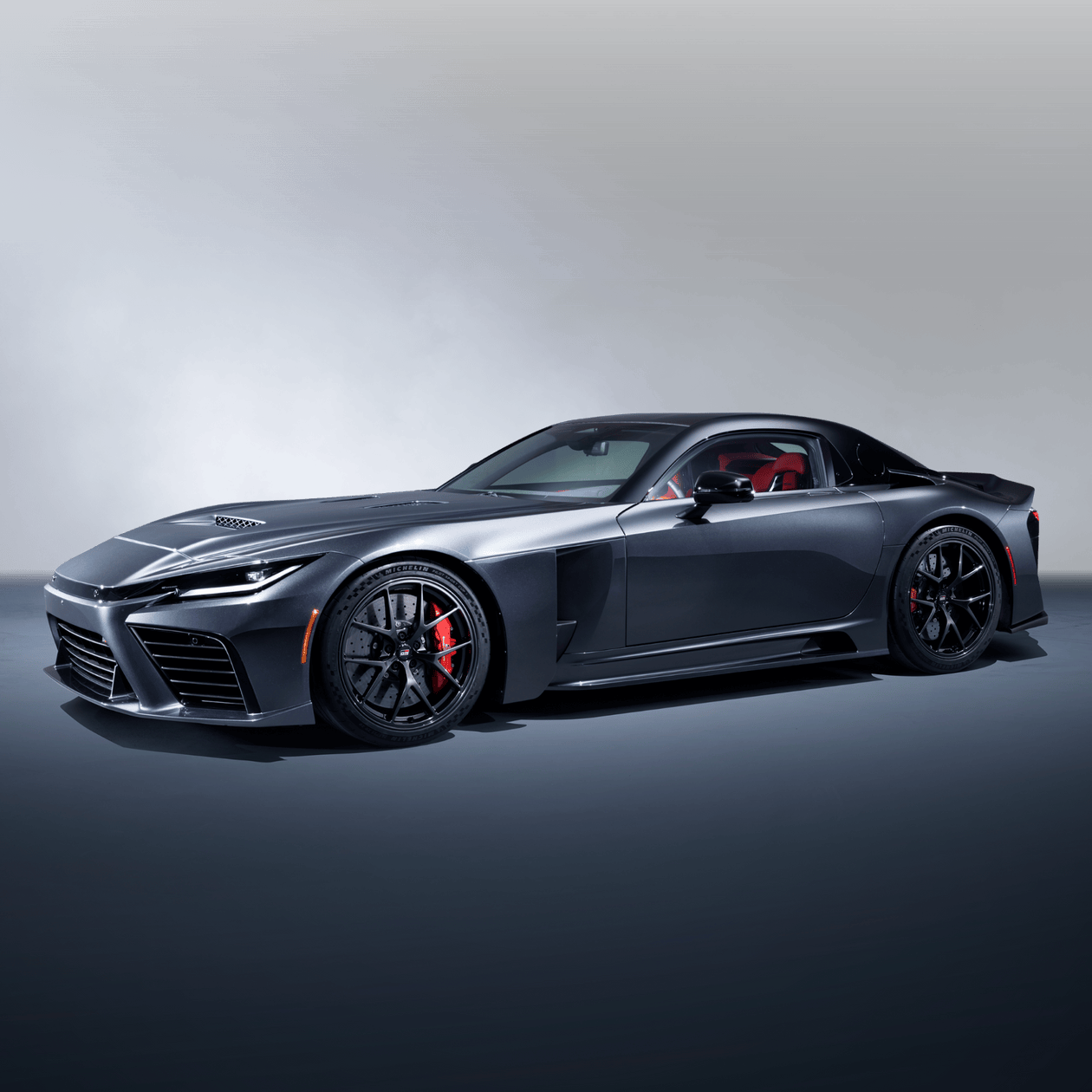
According to overseas media reports, the GR GT carries a starting price of approximately USD 225,000 globally (equivalent to roughly RM 1.05 million to RM 1.10 million). However, that is merely the entry fee before local taxes come into play.
Considering Malaysia's exceptionally high import duties, excise taxes, and additional luxury vehicle levies for top-tier supercars, if the GR GT is officially introduced to the local market, its on-the-road (OTR) price is expected to easily surpass RM 1.5 million and potentially breach the RM 1.8 million mark. It will directly dethrone the Century SUV to become the most expensive mass-production vehicle Toyota has ever offered in Malaysia. For prospective buyers, in addition to securing a sufficient budget, it is crucial to consider its future depreciation rate and immense collectible value.
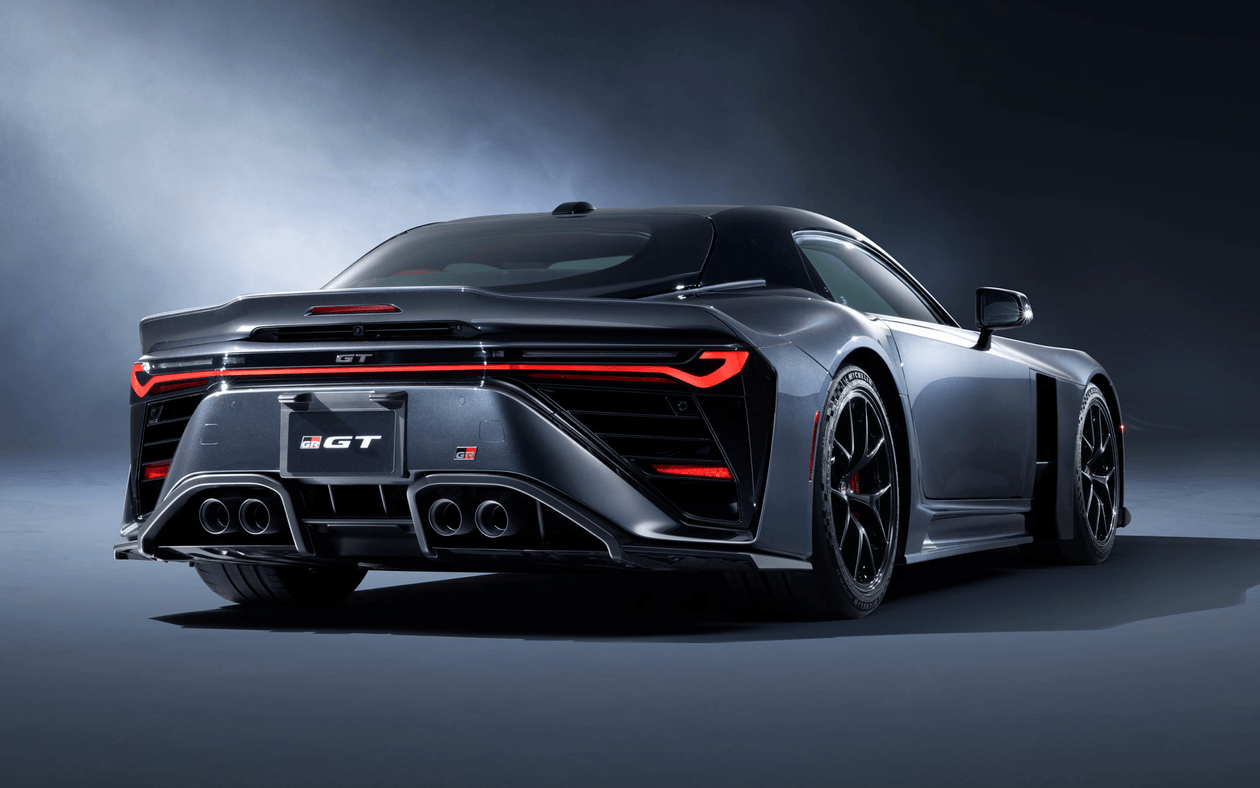
Current reports indicate that Toyota is adopting an extremely stringent approach to the sales strategy for the GR GT. Jeff Ball, Director of the Gazoo Racing motorsport vehicle project, revealed that the GR GT will be sold on an "invitation-only" or "interview-based" basis.
Authentic "Enthusiast" Certification: Toyota intends for every GR GT to be actively driven on public roads, rather than remaining tucked away in the underground garages of collectors simply waiting for the car to appreciate in value.
Qualification Review: Following the example set by Porsche's GT division or Ferrari, Toyota will establish a screening process through its "GR Meisters" programme. This means that even if a buyer has deep enough pockets, they may not even qualify to place an order if they cannot prove to be a truly passionate owner.
Strict Resale Prohibition: Drawing inspiration from how Ford managed the allocation of the Ford GT, Toyota is highly likely to impose a strict "anti-flipping sales ban" on the first batch of owners. For potential buyers in Malaysia, purchasing this car is less of a standard dealership transaction and more of a job interview regarding brand loyalty.
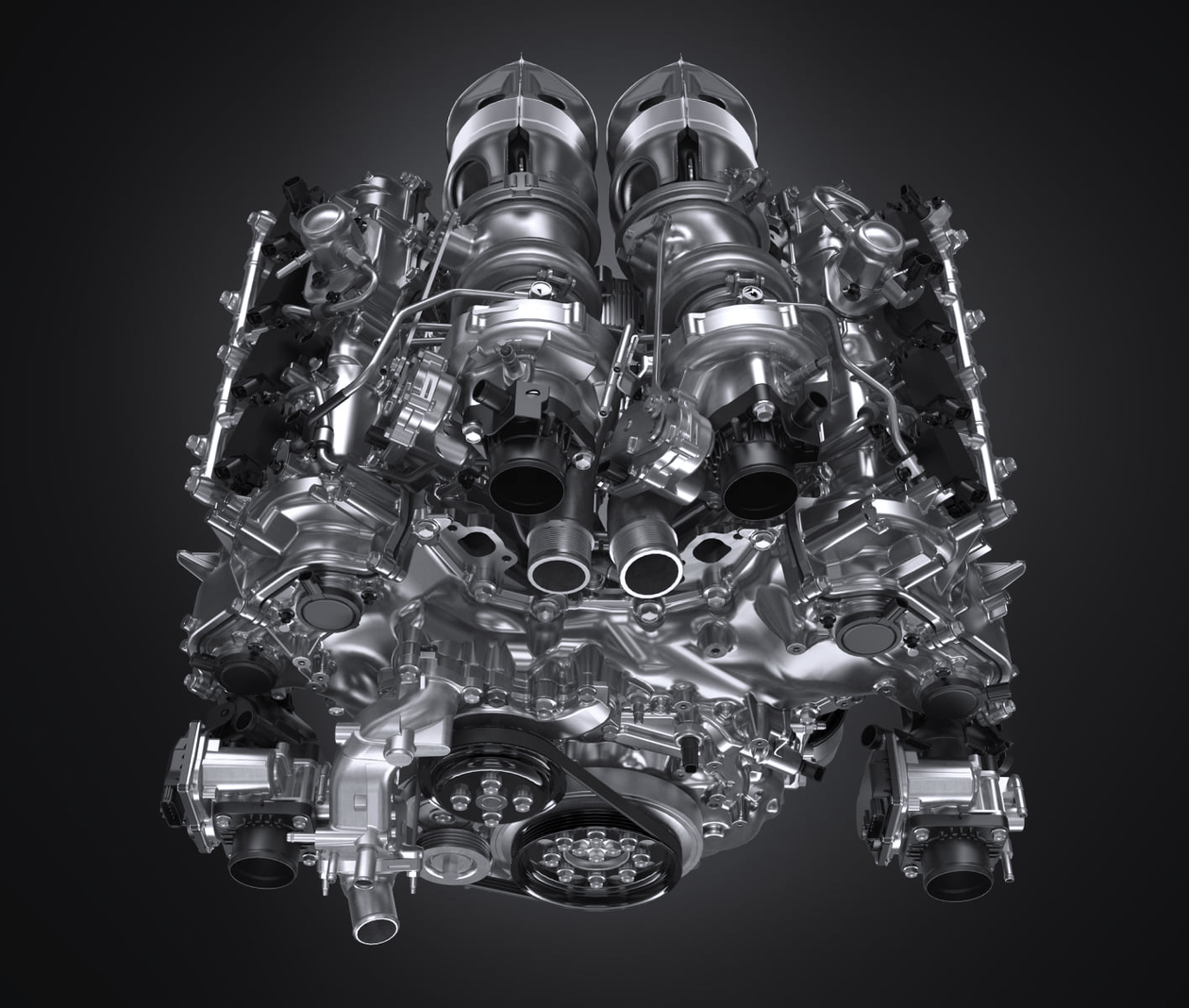
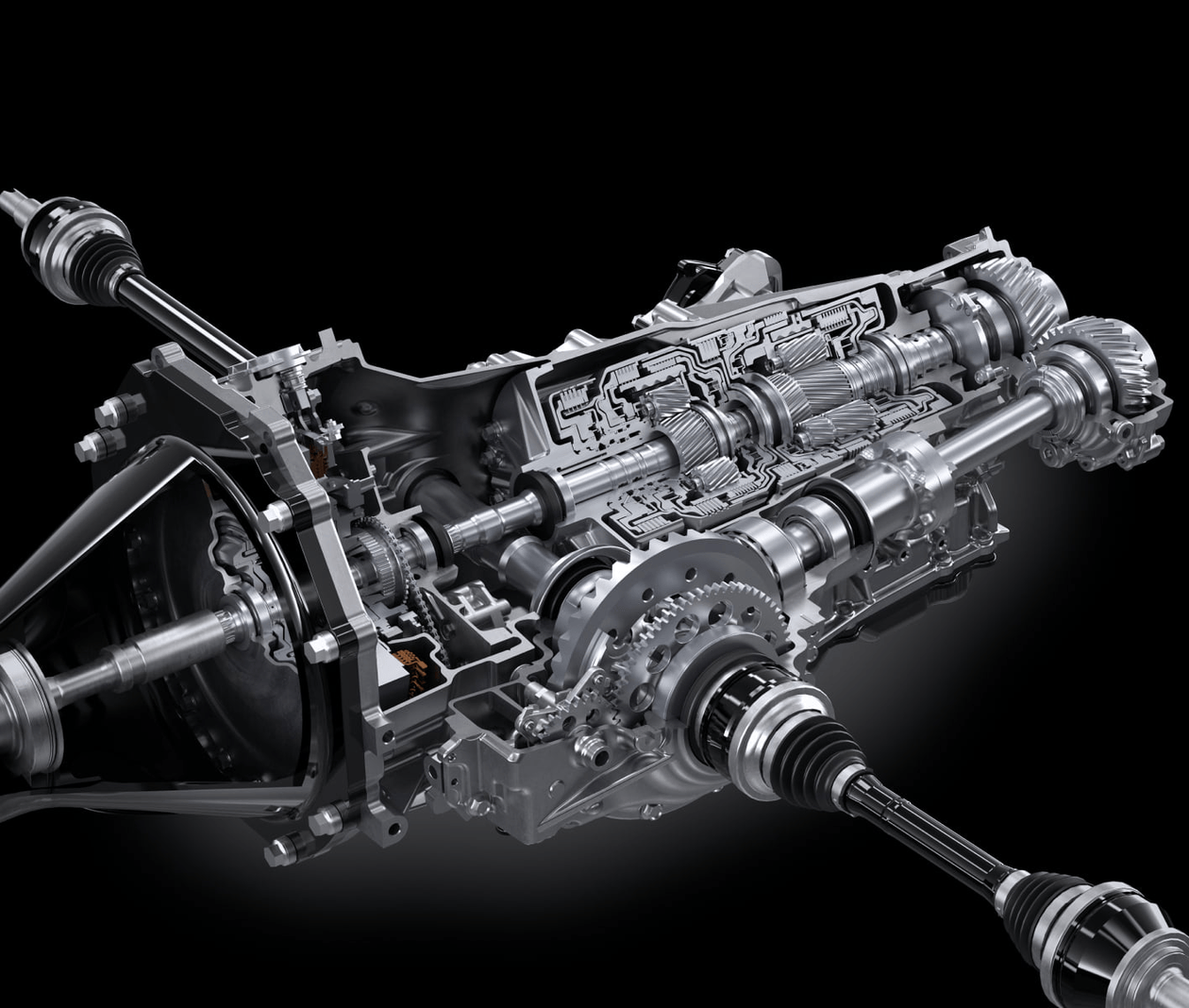
Beyond the prohibitive price and rigorous vetting, the core value of the GR GT lies in its irreplaceable, motorsport-bred mechanical prowess:
Track-Level Performance: Delivering a combined 650 PS of power and 850 Nm of torque, paired with an all-aluminium chassis and a carbon-ceramic braking system, this vehicle is essentially a road-legal race car.
A Pure Driving Experience: In an era increasingly dominated by electric vehicles, Toyota continues to push the limits of the internal combustion engine with its 4.0L V8 twin-turbo engine. This pursuit of mechanical limits offers an emotional resonance and exhaust note that no electric sports car can replicate.
A Brand Milestone: Following the iconic Lexus LFA, this is Toyota once again challenging the absolute pinnacle of supercar performance. For Malaysia's elite collectors, this is not just a Toyota; it is the holy grail in the history of the Gazoo Racing brand.
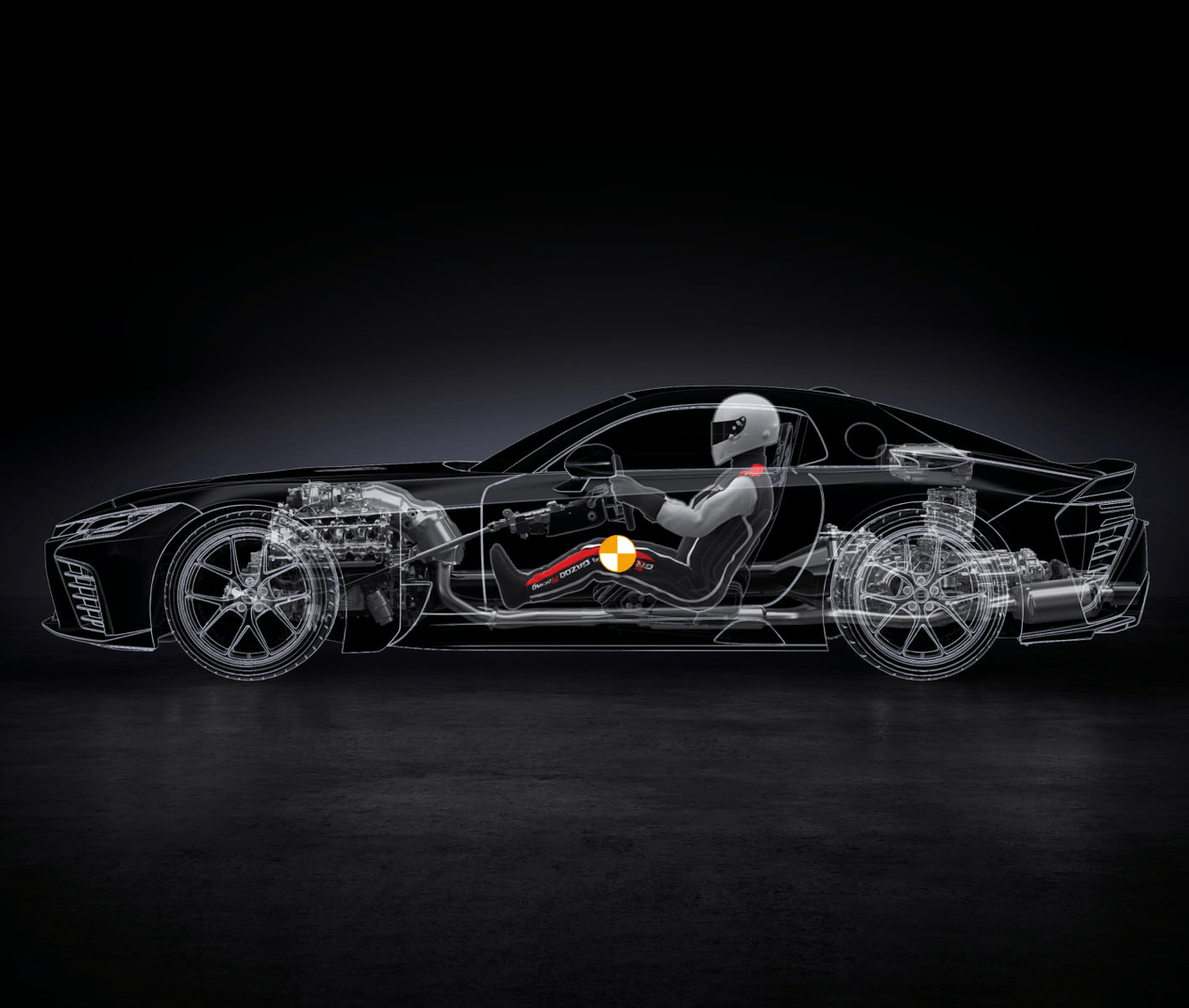
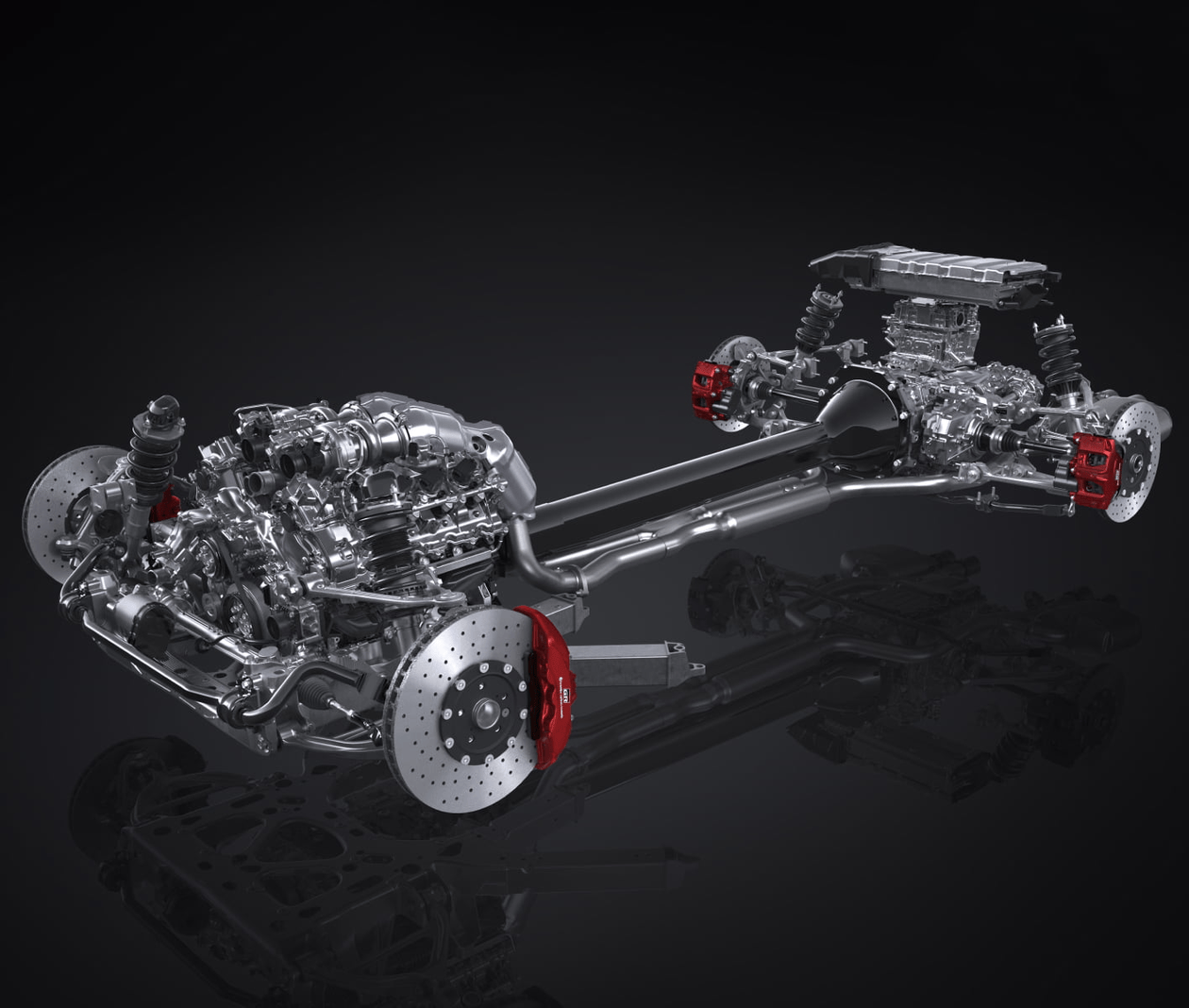
For Malaysian car buyers, the GR GT is highly unlikely to be as easy to acquire or order as a GR Corolla. If you truly aspire to own one, it is advisable to establish deep connections with the Toyota/Lexus premium sales network immediately, while demonstrating a profound understanding of the brand's motorsport history and your own track driving proficiency.
With some time remaining until the official global launch rollout in 2027, for those determined to secure a unit allocation, the preparation work — including personal profiling and networking — has only just begun.
Do you believe Toyota's "interview-style" purchasing approach can succeed in the Malaysian market?

Your go-to source for all things automotive in Malaysia. 🚗 Latest reviews, breaking news, launches & industry trends.
+ Follow Kereta Rally Karamjit Singh & Proton Wira Schumacher Ada Sini! | HME Asia 2026
Hujung minggu dah tiba dan anda mencari sesuatu untuk cuci mata? Jemput datang ke Heritage Motor Exchange Asia 2026 yang berlangsung di Dewal Merdeka, World Trade Centre (WTC) Kuala Lumpur!
Berbeza dengan pameran biasa, acara ini memberi tumpuan khas kepada kenderaan-kenderaan warisan dan klasik yang menggamit memori. Antara daya tarikan utama yang dipamerkan termasuk:
🏎️ Kereta Rally Legenda: Kereta rally ikonik yang pernah dipandu oleh pemandu legenda negara, Karamjit Singh!
🏎️ Proton Wira Schumacher: Model Proton Wira penuh sejarah yang pernah dipandu oleh pelumba F1 legenda, Michael Schumacher!
🚘 Kereta Klasik & Mewah: Mercedes-Benz W111 Cabriolet (1960-an), Rolls-Royce Silver Cloud, Jaguar E-Type, dan pelbagai lagi model berprestasi tinggi.
Membawa tema "When Passion Meets Acquisition", pameran ini menghimpunkan lebih 50 buah kereta daripada pelbagai era. Ia turut memperkenalkan sistem penilaian Concours 100 mata serta kemudahan urusan pemeriksaan, insurans, dan cukai jalan bersama agensi seperti Puspakom dan JPJ di lokasi.
📅 Tarikh: 23 – 25 Oktober 2026
📍 Lokasi: Dewan Merdeka, WTC Kuala Lumpur
Tonton video ini sampai habis untuk lihat sendiri kehebatan jentera-jentera klasik ini! Jangan lupa untuk Like, Comment, dan Subscribe ke saluran BitAuto!
#HeritageMotorExchange #HMEAsia2026 #BitAuto #WTCKL #KeretaKlasik 1 day ago
Kereta Rally Karamjit Singh & Proton Wira Schumacher Ada Sini! | HME Asia 2026
Hujung minggu dah tiba dan anda mencari sesuatu untuk cuci mata? Jemput datang ke Heritage Motor Exchange Asia 2026 yang berlangsung di Dewal Merdeka, World Trade Centre (WTC) Kuala Lumpur!
Berbeza dengan pameran biasa, acara ini memberi tumpuan khas kepada kenderaan-kenderaan warisan dan klasik yang menggamit memori. Antara daya tarikan utama yang dipamerkan termasuk:
🏎️ Kereta Rally Legenda: Kereta rally ikonik yang pernah dipandu oleh pemandu legenda negara, Karamjit Singh!
🏎️ Proton Wira Schumacher: Model Proton Wira penuh sejarah yang pernah dipandu oleh pelumba F1 legenda, Michael Schumacher!
🚘 Kereta Klasik & Mewah: Mercedes-Benz W111 Cabriolet (1960-an), Rolls-Royce Silver Cloud, Jaguar E-Type, dan pelbagai lagi model berprestasi tinggi.
Membawa tema "When Passion Meets Acquisition", pameran ini menghimpunkan lebih 50 buah kereta daripada pelbagai era. Ia turut memperkenalkan sistem penilaian Concours 100 mata serta kemudahan urusan pemeriksaan, insurans, dan cukai jalan bersama agensi seperti Puspakom dan JPJ di lokasi.
📅 Tarikh: 23 – 25 Oktober 2026
📍 Lokasi: Dewan Merdeka, WTC Kuala Lumpur
Tonton video ini sampai habis untuk lihat sendiri kehebatan jentera-jentera klasik ini! Jangan lupa untuk Like, Comment, dan Subscribe ke saluran BitAuto!
#HeritageMotorExchange #HMEAsia2026 #BitAuto #WTCKL #KeretaKlasik 1 day ago  Rare cars, legendary icons and automotive dreams come alive at Heritage Motor Exchange Asia!
#HMEA #HeritageMotorExchangeAsia #ClassicCars #Supercars #CarCulture #MalaysiaCars 1 day ago
Rare cars, legendary icons and automotive dreams come alive at Heritage Motor Exchange Asia!
#HMEA #HeritageMotorExchangeAsia #ClassicCars #Supercars #CarCulture #MalaysiaCars 1 day ago  Waze could be banned?
IT seems like the Malaysian government may look into banning Waze, but only when local alternatives are ready. 1 day ago
Waze could be banned?
IT seems like the Malaysian government may look into banning Waze, but only when local alternatives are ready. 1 day ago Get the latest car news first!
Your go-to source for all things automotive in Malaysia. 🚗 Latest reviews, breaking news, launches & industry trends.
Kereta Rally Karamjit Singh & Proton Wira Schumacher Ada Sini! | HME Asia 2026
Hujung minggu dah tiba dan anda mencari sesuatu untuk cuci mata? Jemput datang ke Heritage Motor Exchange Asia 2026 yang berlangsung di Dewal Merdeka, World Trade Centre (WTC) Kuala Lumpur!
Berbeza dengan pameran biasa, acara ini memberi tumpuan khas kepada kenderaan-kenderaan warisan dan klasik yang menggamit memori. Antara daya tarikan utama yang dipamerkan termasuk:
🏎️ Kereta Rally Legenda: Kereta rally ikonik yang pernah dipandu oleh pemandu legenda negara, Karamjit Singh!
🏎️ Proton Wira Schumacher: Model Proton Wira penuh sejarah yang pernah dipandu oleh pelumba F1 legenda, Michael Schumacher!
🚘 Kereta Klasik & Mewah: Mercedes-Benz W111 Cabriolet (1960-an), Rolls-Royce Silver Cloud, Jaguar E-Type, dan pelbagai lagi model berprestasi tinggi.
Membawa tema "When Passion Meets Acquisition", pameran ini menghimpunkan lebih 50 buah kereta daripada pelbagai era. Ia turut memperkenalkan sistem penilaian Concours 100 mata serta kemudahan urusan pemeriksaan, insurans, dan cukai jalan bersama agensi seperti Puspakom dan JPJ di lokasi.
📅 Tarikh: 23 – 25 Oktober 2026
📍 Lokasi: Dewan Merdeka, WTC Kuala Lumpur
Tonton video ini sampai habis untuk lihat sendiri kehebatan jentera-jentera klasik ini! Jangan lupa untuk Like, Comment, dan Subscribe ke saluran BitAuto!
#HeritageMotorExchange #HMEAsia2026 #BitAuto #WTCKL #KeretaKlasik 1 day ago Rare cars, legendary icons and automotive dreams come alive at Heritage Motor Exchange Asia!
#HMEA #HeritageMotorExchangeAsia #ClassicCars #Supercars #CarCulture #MalaysiaCars 1 day ago Waze could be banned?
IT seems like the Malaysian government may look into banning Waze, but only when local alternatives are ready. 1 day ago 
© 2024 Bitauto.com. All Rights Reserved.
Bitauto (www.yiche.com and www.bitauto.com) is one of the most visited automotive websites in China. We provide detailed info on Chinese car brands available in your area. Please note that the information provided on this website is based on publicly available data and is for reference only. It may not be fully updated or accurate at all times.

Help us improve our website


