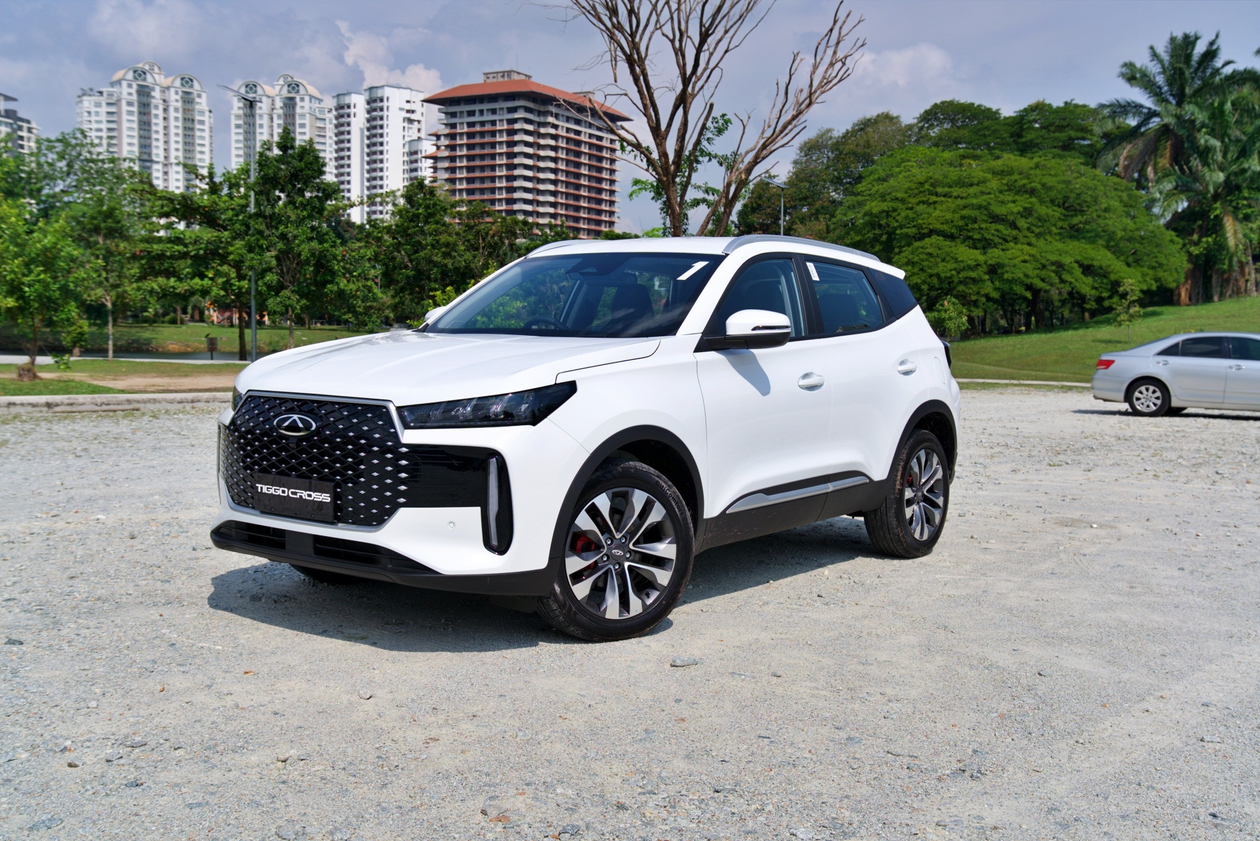
Chery has finished the first half of 2026 as Malaysia’s fifth-largest car manufacturer, after recording 15,974 vehicle registrations from January to June, according to the latest JPJ vehicle registration data.
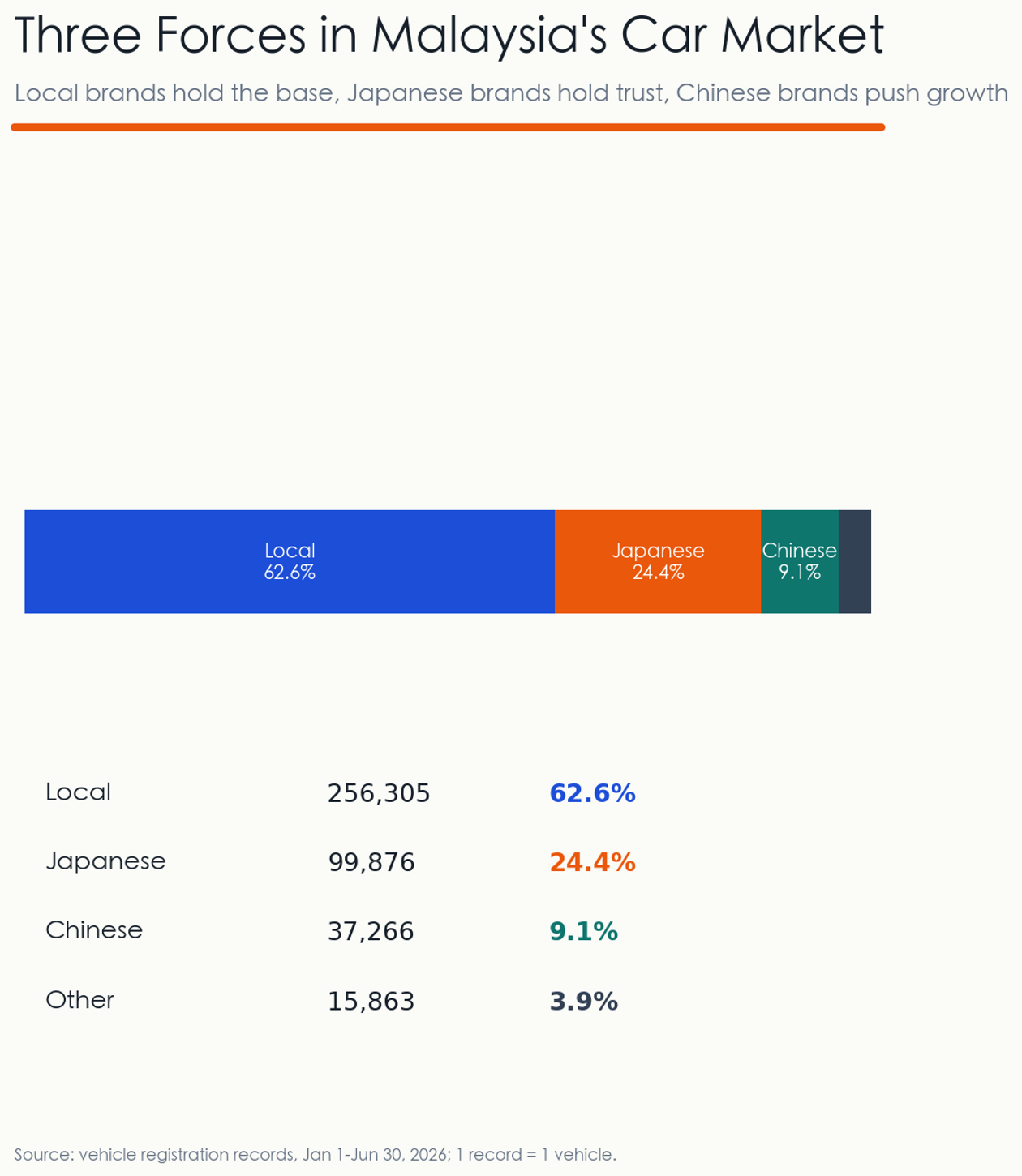
The Wuhu-based marque’s result puts it behind only Perodua, Proton, Toyota and Honda over the six-month period, and gives it an estimated 3.9% share of the Malaysian market.
The H1 total also places Chery ahead of several better-established brands in Malaysia. Its registrations were more than double Mitsubishi’s 6,767 units, and it also outpaced Mazda, BYD and Jetour.
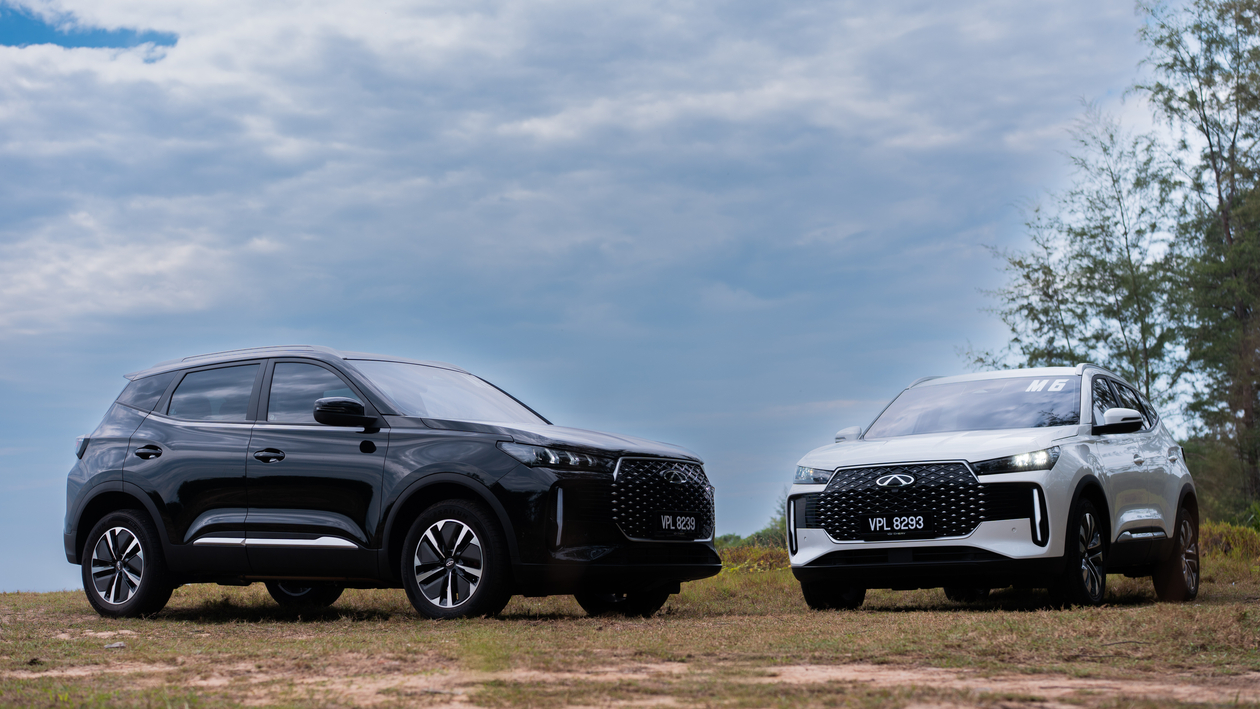
What makes the result notable is that Chery is not being carried by a single high-volume model. Instead, the brand’s growth has come from a wide spread of nameplates across conventional SUVs, premium off-road models, hybrids and battery-electric vehicles.
The best-selling Chery-related models in the period were the Chery Tiggo family with 4,604 registrations, followed by the Jaecoo J7 with 3,805 units and the Jaecoo J5 with 2,396 units.
The electrified end of the range has also contributed to the total. The iCaur V23 posted 1,651 registrations in the first half, while the Omoda 9 recorded 1,264 units, the Omoda 5 reached 987 units and the iCaur 03 added 699 units.
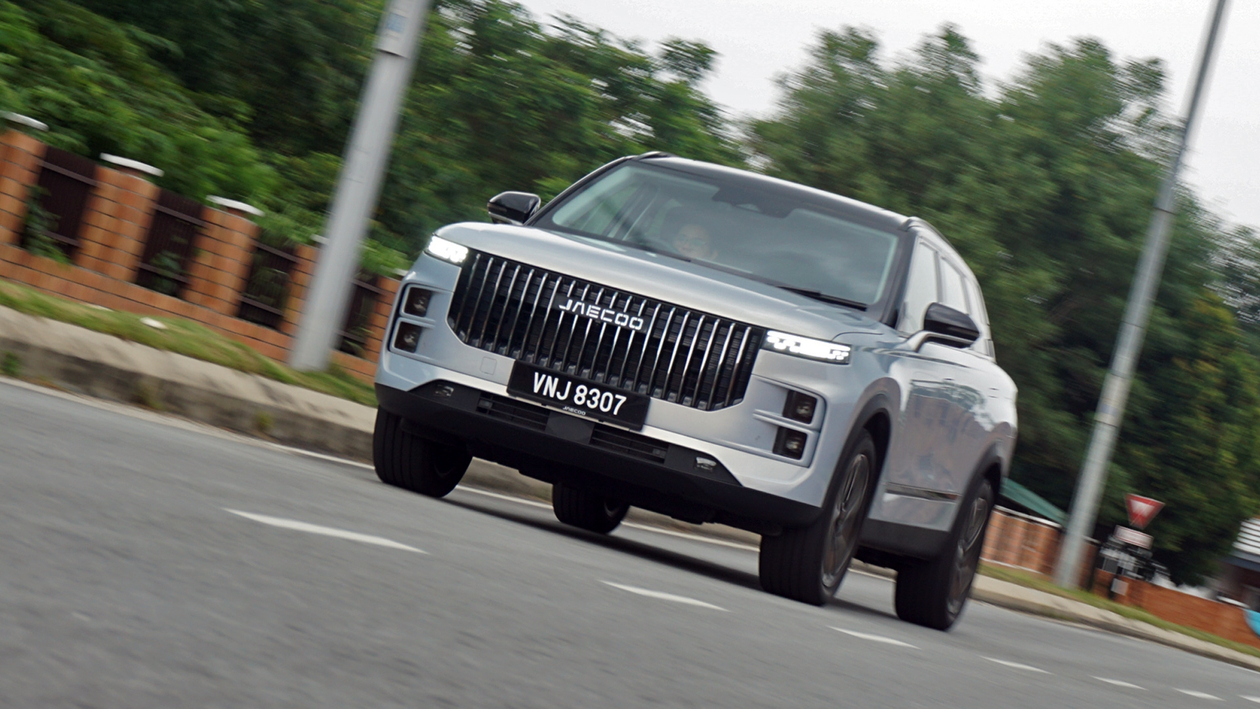
SUVs remain central to the brand’s Malaysian business. The Tiggo range continues to be its largest contributor, while the Jaecoo J7 has established itself as one of the stronger-selling C-segment SUVs in the premium part of the market.
Another important driver has been the Jaecoo J5, which ramped up quickly after launch. Its monthly registrations rose from just eight units in January to 467 units in June as deliveries gathered pace.
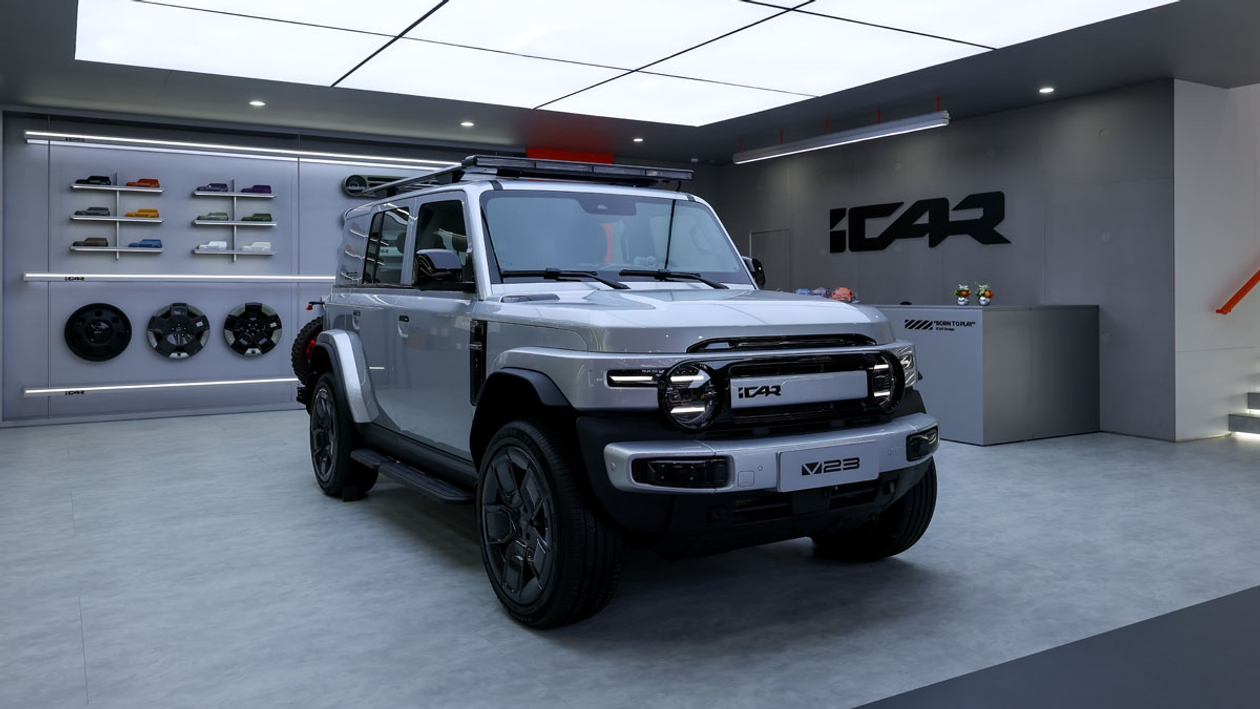
The iCaur V23 has also emerged as one of the more visible electric SUV entries in Malaysia, showing that Chery’s growth is not limited to combustion-powered products.
That balance matters in a market where many new Chinese brands are still closely associated with EVs alone. Chery’s Malaysian sales profile is more diversified, with internal combustion engine and hybrid SUVs forming the core of its volume.
Commercial expansion has moved in step with the sales gains. Chery said it now has 60 dealerships nationwide and a portfolio of 10 models in Malaysia, underscoring how quickly its local footprint has expanded.
The company is also pushing ahead with manufacturing investment. Phase One of the RM 2 billion Chery Smart Auto Industrial Park in Lembah Beringin has reached its topping-out milestone and is expected to become the brand’s largest assembly facility in Malaysia.
Three years after returning to the Malaysian market, Chery has moved from newcomer status to a serious volume player. With the newly launched Tiggo 9 flagship SUV added to the line-up and more models planned, the brand enters the second half of 2026 in a stronger position than before.


Your go-to source for all things automotive in Malaysia. 🚗 Latest reviews, breaking news, launches & industry trends.
+ Follow Toyota plans to add more EV chargers to the nationwide network - open to all makes!
#ToyotaMalaysia #chargers #EVMalaysia 1 minute ago
Toyota plans to add more EV chargers to the nationwide network - open to all makes!
#ToyotaMalaysia #chargers #EVMalaysia 1 minute ago  Toyota is off to a rousing third quarter of the year, with 24,500 vehicles delivered. Solid 2026 so far!
#toyotamalaysia #umwt #UMWToyotaMotor 1 minute ago
Toyota is off to a rousing third quarter of the year, with 24,500 vehicles delivered. Solid 2026 so far!
#toyotamalaysia #umwt #UMWToyotaMotor 1 minute ago  See this, instantly start snapping photos and post it ok!
If you don't do it, you might miss out on RM 10k worth of prizes!
#Mitsubishi #mitsubishixforce 1 minute ago
See this, instantly start snapping photos and post it ok!
If you don't do it, you might miss out on RM 10k worth of prizes!
#Mitsubishi #mitsubishixforce 1 minute ago Get the latest car news first!
Your go-to source for all things automotive in Malaysia. 🚗 Latest reviews, breaking news, launches & industry trends.
Toyota plans to add more EV chargers to the nationwide network - open to all makes!
#ToyotaMalaysia #chargers #EVMalaysia 1 minute ago Toyota is off to a rousing third quarter of the year, with 24,500 vehicles delivered. Solid 2026 so far!
#toyotamalaysia #umwt #UMWToyotaMotor 1 minute ago See this, instantly start snapping photos and post it ok!
If you don't do it, you might miss out on RM 10k worth of prizes!
#Mitsubishi #mitsubishixforce 1 minute ago 
© 2024 Bitauto.com. All Rights Reserved.
Bitauto (www.yiche.com and www.bitauto.com) is one of the most visited automotive websites in China. We provide detailed info on Chinese car brands available in your area. Please note that the information provided on this website is based on publicly available data and is for reference only. It may not be fully updated or accurate at all times.

Help us improve our website


