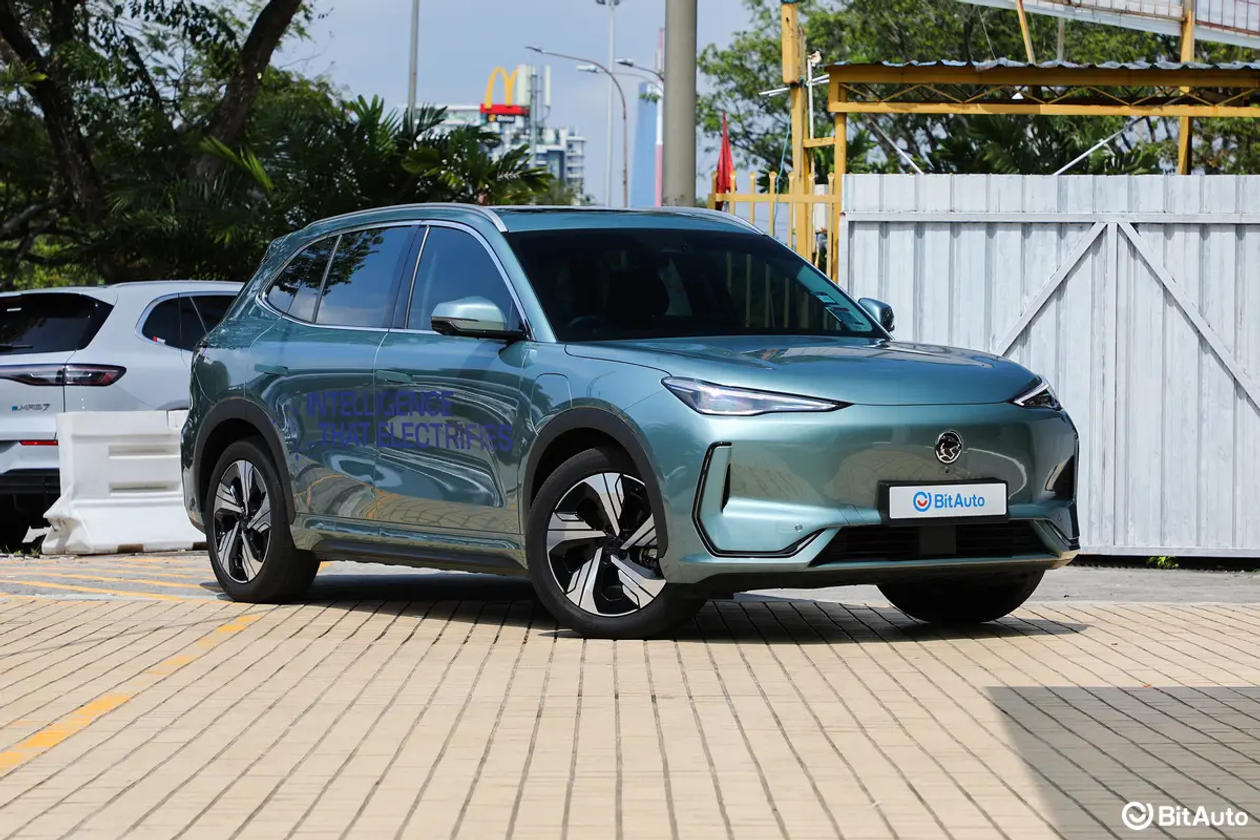
Back in May, the Proton e.MAS 7 narrowly surpassed the e.MAS 5 with 958 units against 945, securing the monthly EV sales crown by a meager margin of just 13 units. At the time, many believed the e.MAS 7 was finally taking off.
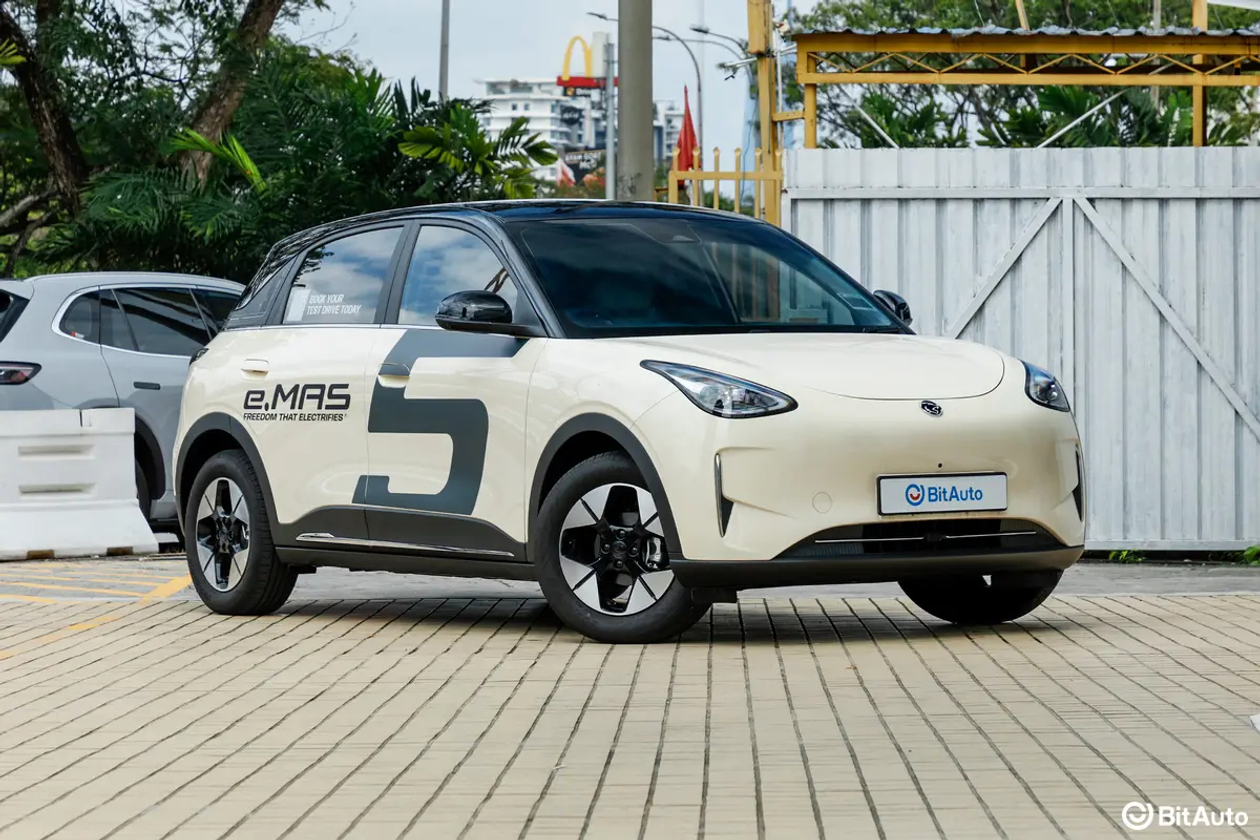
One month later, however, the e.MAS 5 completely reclaimed the lead. It locked in 1,309 units against the e.MAS 7's 579 units, opening up a massive 730-unit gap. The e.MAS 7 even fell out of the top 20 best-selling models in the overall vehicle lineup.
Why is the sales gap between two models from the same brand and product line so vast? Is the e.MAS 5 simply too strong, or has the e.MAS 7 encountered specific hurdles?
The most direct difference between the two vehicles is written clearly on their price tags.
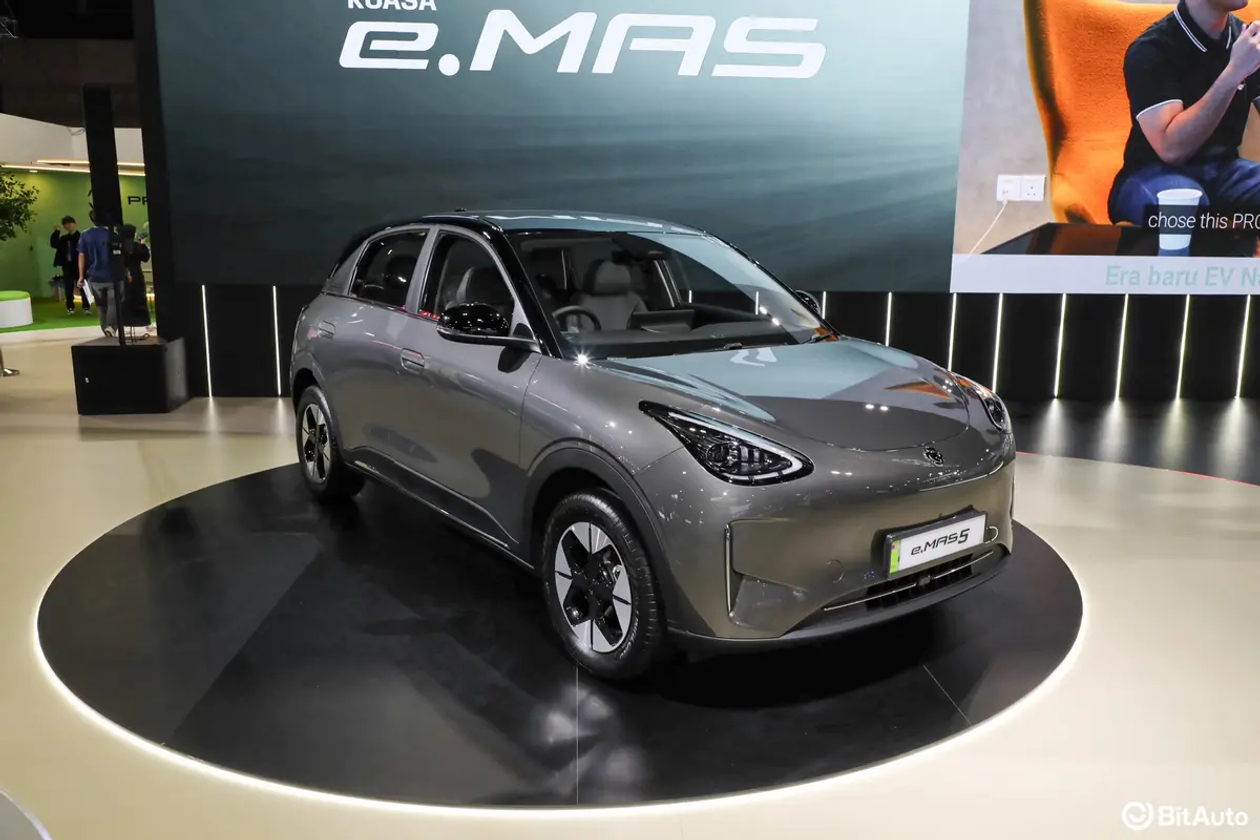
The Proton e.MAS 5 currently offers two variants: Prime and Premium. After deducting the RM 3,000 launch discount, their on-the-road (OTR) prices stand at RM 56,800 and RM 69,800, respectively. For comparison, the cheapest other EV available in the Malaysian market, the Wuling Bingo, is priced around RM 67,800, while the Neta V and BYD Dolphin both sit closer to the RM 100,000 mark. The e.MAS 5 is currently Malaysia's most affordable locally supported EV.
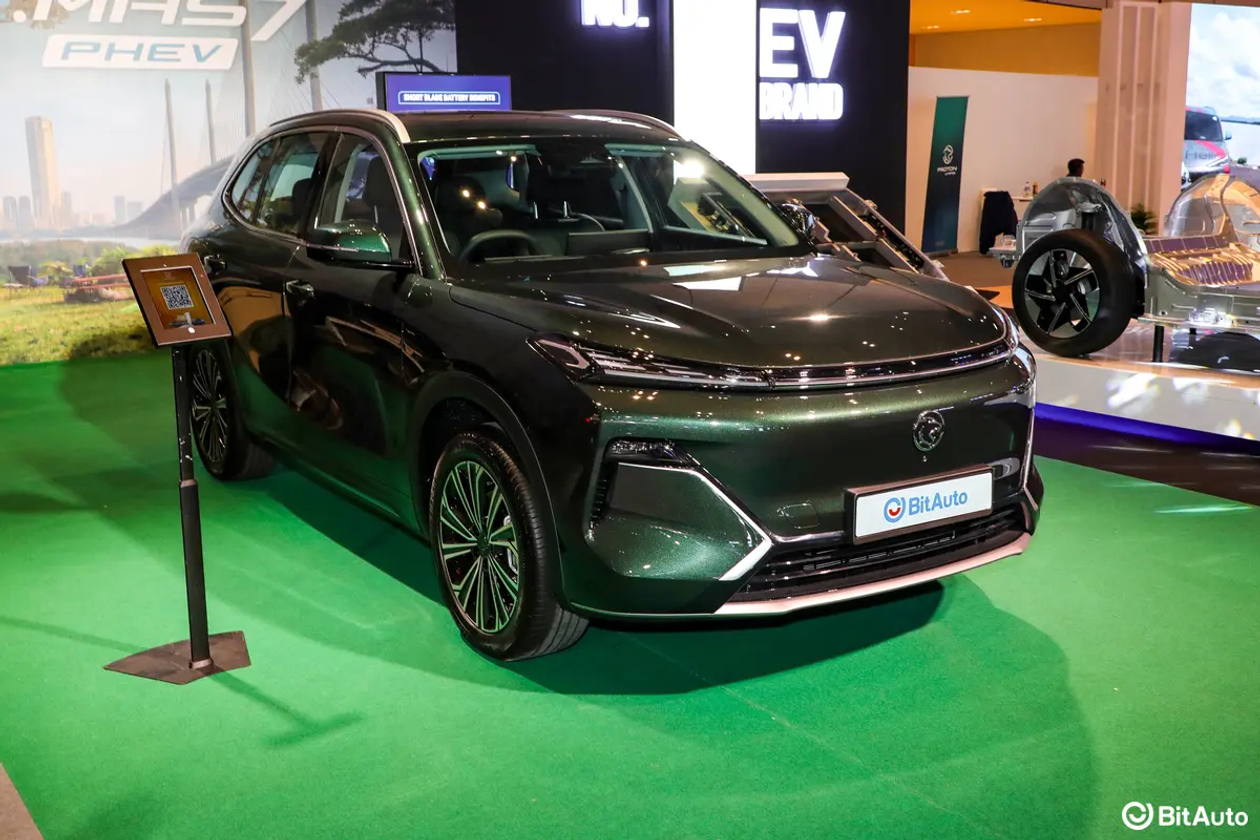
Conversely, the Proton e.MAS 7 boasts a richer product line, currently offering three locally assembled (CKD) variants: Prime, Premium, and Premium Plus. After deducting limited-time offers, the prices are RM 96,800, RM 112,800, and RM 118,800, respectively.
In other words, the top-spec e.MAS 5 Premium (RM 69,800) cannot even touch the entry-level e.MAS 7 Prime (RM 96,800) — the price difference is nearly RM 30,000. In fact, the top-spec e.MAS 7 Premium Plus is nearly double the price of the entry-level e.MAS 5.
But does a double price difference mean double the product capability? Not necessarily.
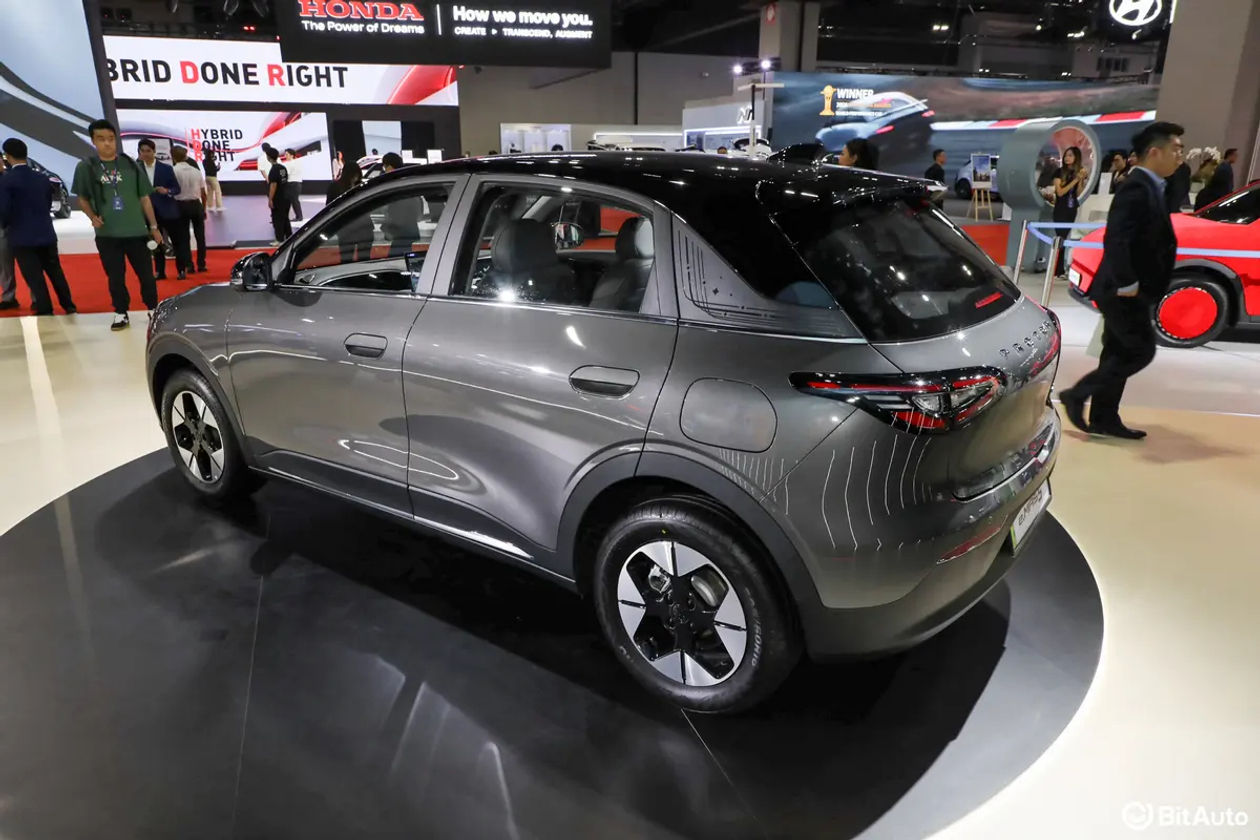
The e.MAS 5 is positioned as a compact pure EV hatchback. Its compact body footprint and agile urban manoeuvring make it a typical "city commuter". Its target audience is clear: buyers with limited budgets who primarily drive in the city and do not require massive space — such as young professionals buying their first car, families looking for a second commuter vehicle, or motorists wanting to test the waters with an EV at a low cost.
The e.MAS 7, on the other hand, is a standard C-segment SUV. With a larger body, a higher seating position, and a more spacious interior, it caters to family users or buyers with higher demands for cabin space and long-distance travel.
From the outset, these two cars are not competing in the same niche. The e.MAS 5 targets the entry-level EV market, while the e.MAS 7 targets the mainstream family EV segment.
However, the core issue lies here: Malaysia's entry-level EV market is virtually empty — the e.MAS 5 is the first legitimate, mainstream brand EV to truly push prices down to the RM 60,000 level. Meanwhile, in the mainstream family EV market, the e.MAS 7 faces fierce competition from the likes of the BYD Atto 3, Zeekr 7X, iCaur V23, and many others.
These starkly different competitive environments largely explain the sales gap between the two vehicles.
Proton e.MAS 5 Powertrain (Rear-wheel drive, single motor across all trims):
Prime: 79 PS (58 kW) / 130 Nm, 30.12 kWh CATL LFP battery, WLTP range of 225 km
Premium: 116 PS (85 kW) / 150 Nm, 40.16 kWh battery, WLTP range of 325 km
Fast Charging: Prime supports 53 kW DC, Premium supports 71 kW DC; both take 21 minutes from 30% to 80%.
Proton e.MAS 7 Powertrain (Front-wheel drive, single motor across all trims):
Prime & Premium: 218 PS / 320 Nm, 60.22 kWh battery, WLTP range of 410 km
Premium Plus: 218 PS / 320 Nm, 68.39 kWh AEGIS Short Blade battery, WLTP range of 450 km
Fast Charging: Supports 115kW DC, taking 20 minutes from 30% to 80%
In short, the e.MAS 5's range is "sufficient for city commuting". While 225 km to 325 km is more than enough for running around Kuala Lumpur, a road trip from KL to Penang (approximately 350 km) would be tight in the Premium version and practically impossible without charging stops in the Prime.
Conversely, the e.MAS 7's range offers "anxiety-free cross-state travel". A range of 410 km to 450 km makes a single, uninterrupted journey from KL to Penang completely feasible.
In terms of performance, the e.MAS 7's output of 218 PS and 320 Nm far exceeds the e.MAS 5's top trim (116 PS / 150 Nm). The acceleration experience is on a completely different level, though e.MAS 5 buyers are unlikely to care much about 0-100 km/h sprint times.
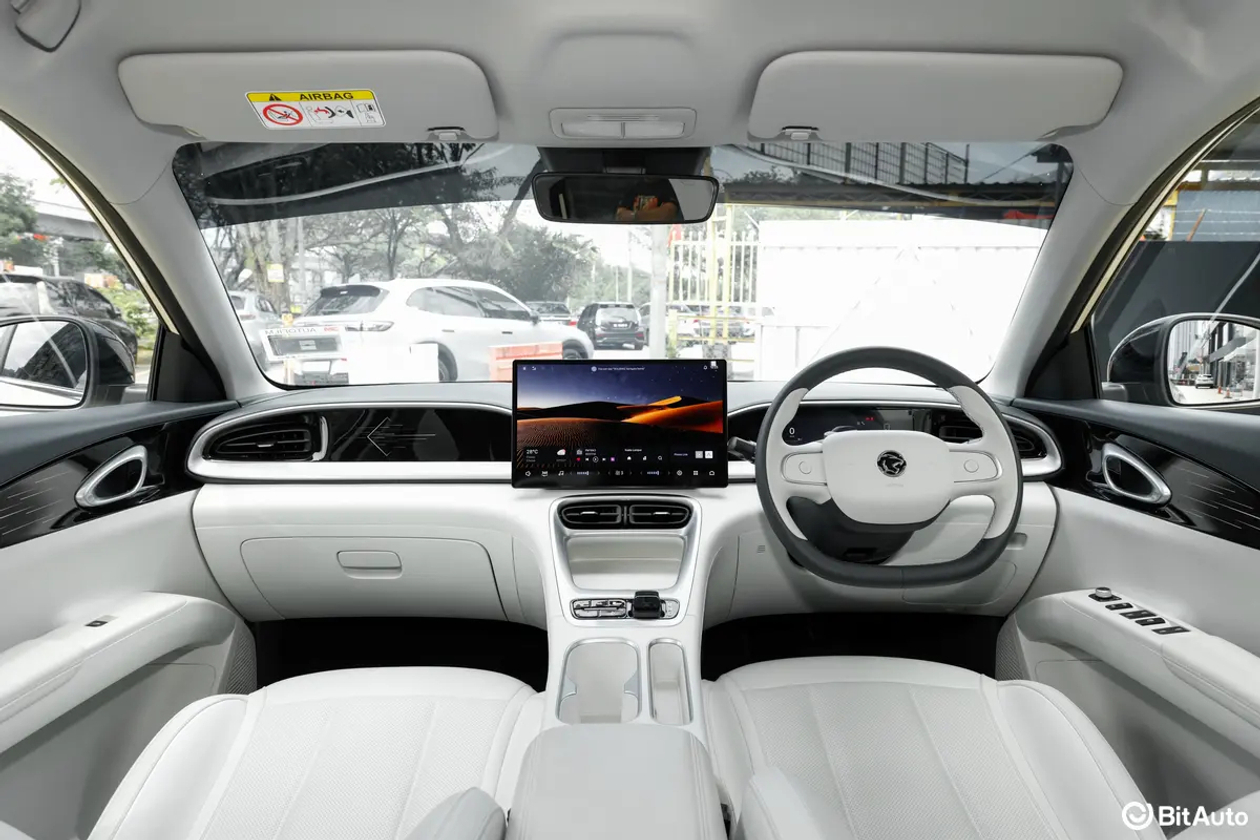
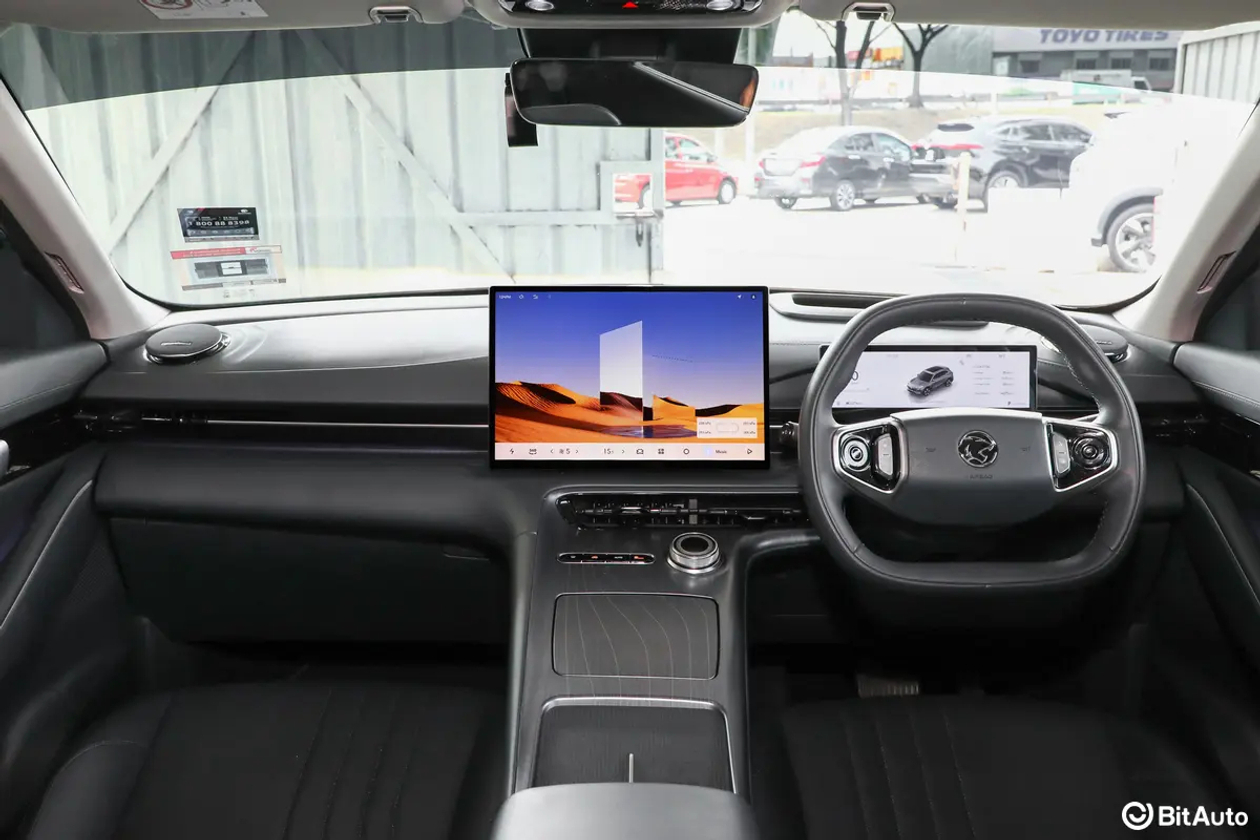
The e.MAS 5 Prime (RM 56,800) comes with all the essentials: an 8.8-inch digital instrument cluster, a 14.6-inch central touchscreen, halogen headlights, 15-inch steel wheels, manual air conditioning, manual seats, synthetic leather upholstery, wireless Apple CarPlay & Android Auto, rear air-con vents, 4 speakers, a rearview camera, and a 70-litre front trunk (frunk). Safety equipment includes 6 airbags, blind-spot monitoring, rear cross-traffic alert, and a door-ajar warning.
Stepping up to the e.MAS 5 Premium (RM 69,800) adds LED headlights and daytime running lights, a two-tone black roof, 16-inch alloy wheels, a leather-wrapped steering wheel, rear USB-A charging ports, a 360-degree surround-view camera, 6 speakers, and a power liftgate. Active safety is upgraded to include autonomous emergency braking (AEB), adaptive cruise control with Stop & Go, lane departure warning, and traffic sign recognition.
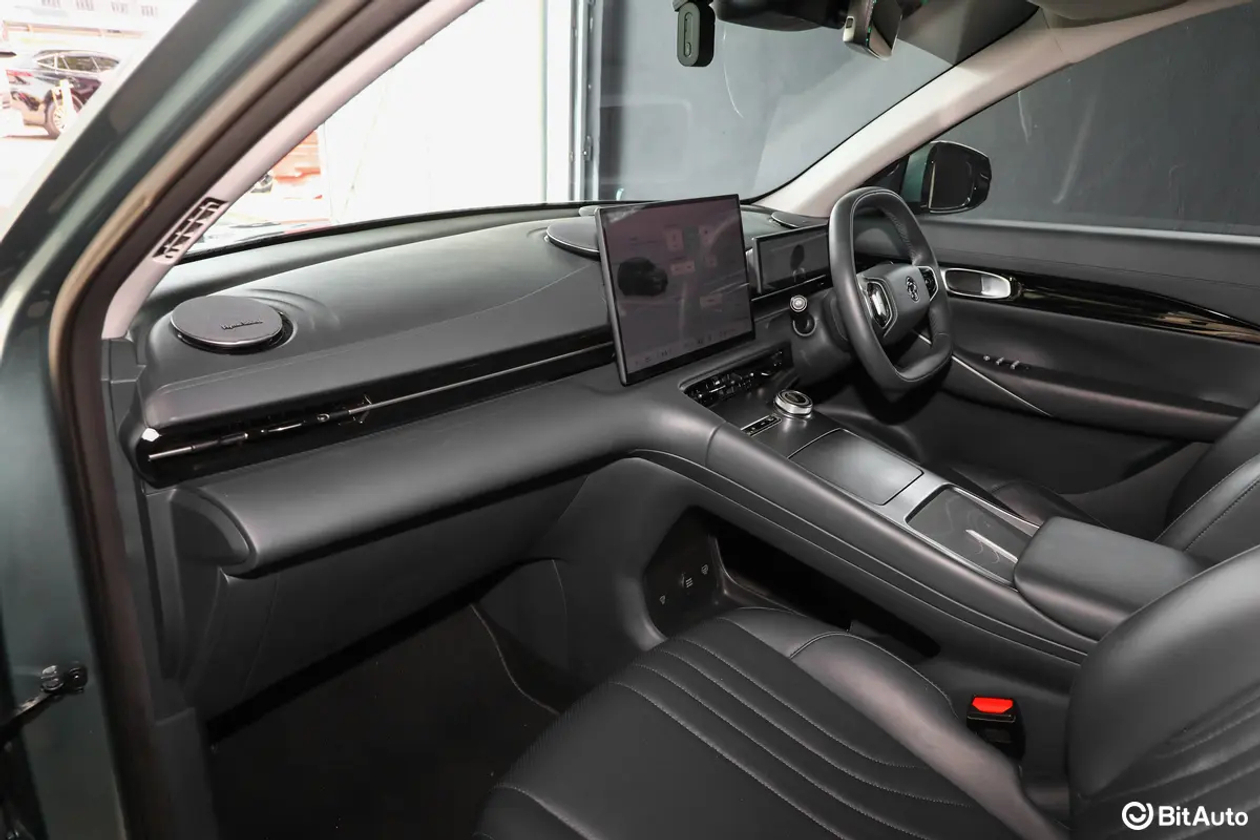
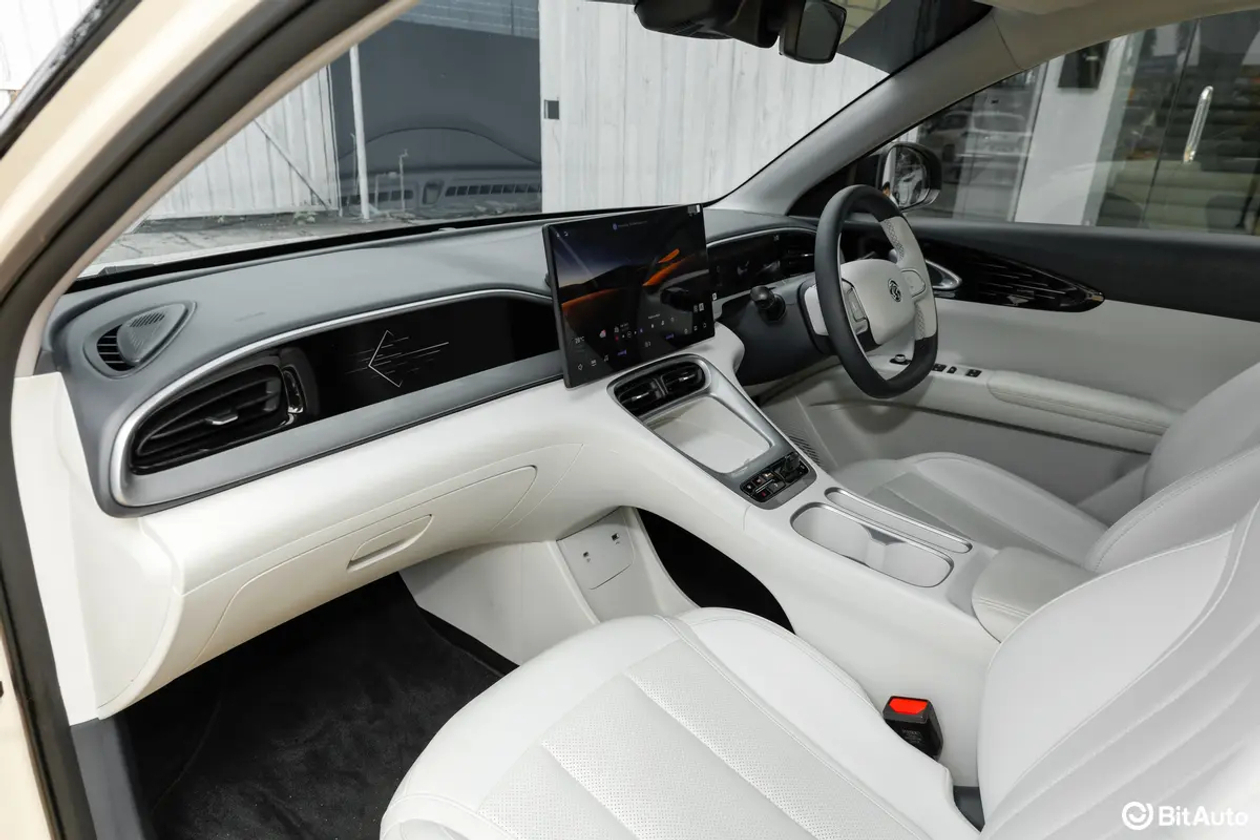
The e.MAS 7 feature set steps things up to a premium level. All trims come standard with the Flyme OS smart infotainment system, integrating a nationwide charging station map boasting 90% coverage. The range-topping Premium Plus trim adds front seat massage functions, a power-adjustable front passenger seat (4-way adjustment with memory), an integrated front passenger leg rest, and a 16-speaker Flyme audio system complete with headrest speakers.
In one sentence: the e.MAS 5's features cover all the essentials, while the e.MAS 7's features offer class-leading luxury.
After reviewing the overall product differences, the logic behind the June sales figures becomes clear.
How impressive are e.MAS 5's sales?
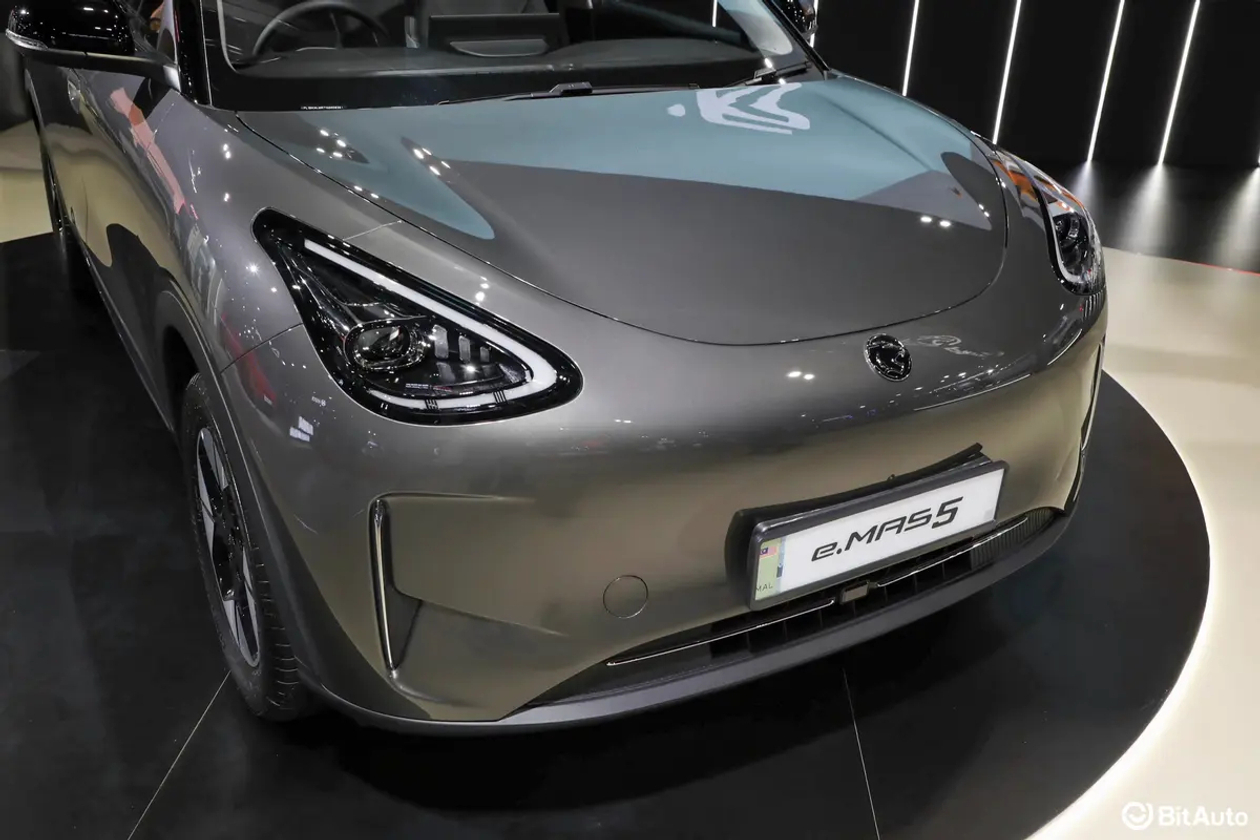
In the first half of 2026, e.MAS 5 cumulative registrations reached 10,793 units, making it the best-selling EV model in Malaysia today. In January alone, deliveries exceeded 3,000 units, setting a new record for single-model monthly EV sales in the country. Within just two months of its launch, deliveries surpassed the 5,000-unit milestone — a trajectory unprecedented in the Malaysian EV market.
Is the e.MAS 7 really a slow seller?
Not entirely. The e.MAS 7 achieved a cumulative registration figure of 3,053 units in the first half of the year. If looked at in isolation, this volume would have easily won the annual EV sales championship two years ago. However, its toughest competition is not coming from external rivals, but from its own unconventional younger sibling, the e.MAS 5.
Crucially, the true highlight of the e.MAS 7 lineup lies in its plug-in hybrid variant. The e.MAS 7 PHEV delivered a cumulative 4,074 units in the first half of the year, making it Malaysia's best-selling plug-in hybrid model. Since its launch in February, monthly deliveries have consistently remained above the 1,000-unit mark.
Therefore, the e.MAS 7's dilemma is not that it cannot find buyers; it is simply overshadowed by its younger brother in the pure EV segment. In the PHEV space, however, it remains Proton's undisputed sales champion.
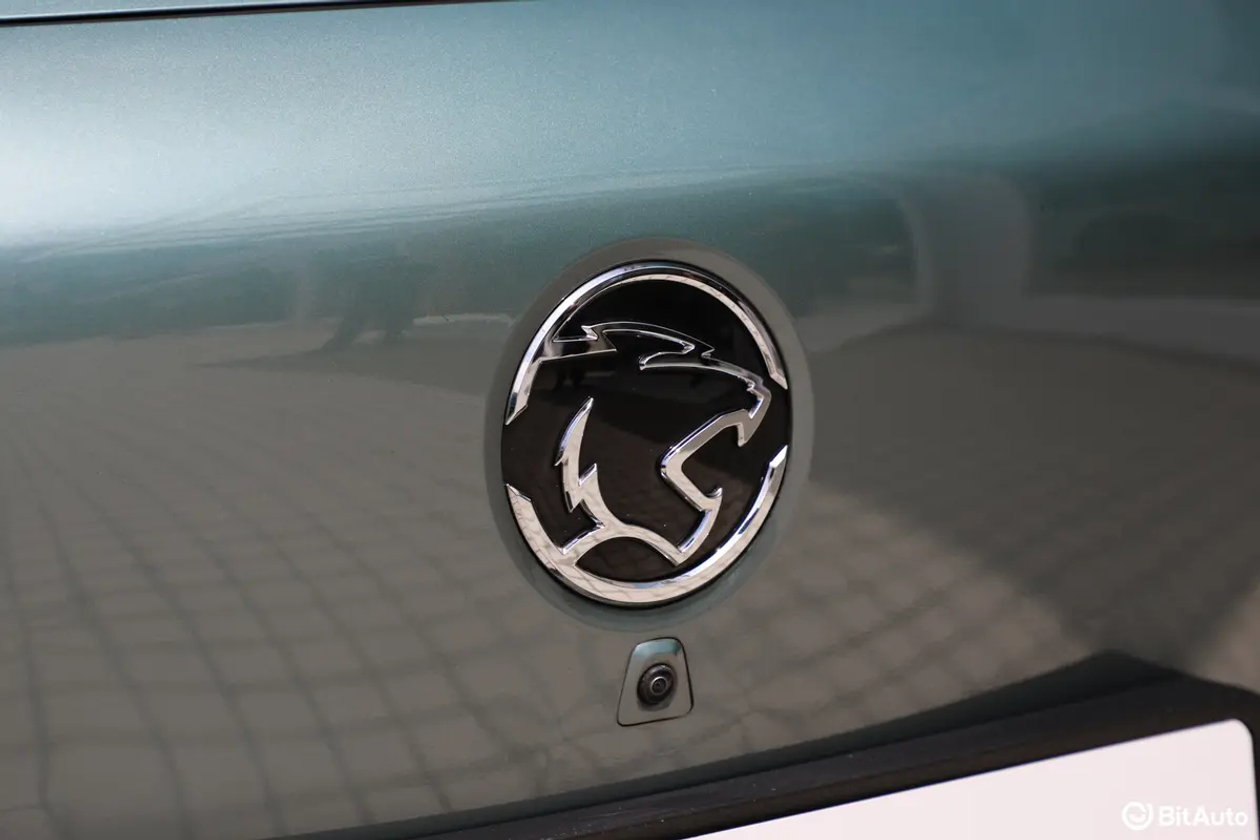
In the first half of 2026, a fundamental shift occurred in Malaysia's EV landscape. Total EV registrations in the country reached 31,738 units, representing a year-on-year increase of 85.1%. The market share of pure electric vehicles rose from 4.3% a year ago to 7.8% — meaning one out of every 13 new cars sold today is a pure EV.
Comparing competitor data highlights the gap even more:
| Brand | 2026 First Half EV Sales (Units) | Year-on-Year Growth |
|---|---|---|
| Proton | 13,530 | +238% |
| BYD | 5,675 | +5% |
| Tesla | 1,962 | -18% |
| BMW | 376 | -58% |
BYD — the 2025 Malaysian EV sales champion — grew by a modest 5% this year, finishing with 5,675 units to trail significantly behind Proton. Tesla fared worse, enduring a year-on-year decline of 18%.
What exactly did Proton do right?
First, breaking the absolute price floor: The e.MAS 5, with its entry price of RM56,800, completely redefined the threshold for a legitimate mainstream EV. This pricing strategy was far more aggressive than the market expected, driving over 3,000 bookings within just one week of the reservation lines opening.
Second, a comprehensive product matrix: Proton is not a one-trick pony. The e.MAS 5 aggressively targets the entry-level pure EV market, the e.MAS 7 covers the mainstream pure EV SUV space, and the e.MAS 7 PHEV captures the plug-in hybrid crowd. Operating simultaneously, these three distinct lines cover the critical RM 50,000 to RM 120,000 pricing spectrum.
Third, the structural advantage of local assembly (CKD): The e.MAS 7 is already rolling off the lines at Proton's dedicated EV production hub in Tanjung Malim, Perak. Furthermore, the CKD version of the e.MAS 5 made its official public debut at the Kuala Lumpur Motor Show in June 2026. This extensive local manufacturing infrastructure hands Proton a level of pricing flexibility that fully imported (CBU) rivals struggle to match.
Fourth, seamless ecosystem integration: The Flyme OS and Atlas OS software powering the e.MAS series make Proton the first brand in Malaysia to directly bake a nationwide charging network map into the native infotainment screen, achieving an impressive 90% coverage rate. For EV owners, having real-time charging visibility is an invaluable weapon against range anxiety.
Returning to the original question: e.MAS 5 or e.MAS 7 — which one should you put your down payment on?
✅ Choose the e.MAS 5 if:
Your budget is between RM 60,000 and RM 70,000 — it is currently the most affordable legitimate mainstream brand EV in Malaysia, bar none.
Your weekly driving routine is strictly limited to urban commuting. A range of 225 km to 325 km is more than enough to handle the daily Klang Valley grind.
You do not need a large space — the hatchback's compact size makes parking in the city much easier
You are buying an EV for the first time and want to "test the waters" at low cost — the e.MAS 5 has an extremely low entry barrier; even if you regret the purchase, the loss is limited
✅ Choose the e.MAS 7 if:
Your budget is between RM 100,000 and RM 120,000 — at this price point, the e.MAS 7's features and range have almost no rivals.
You frequently travel long distances across states — 410-450 km of range allows you to drive from KL to Penang without stopping to charge.
You need the space and practicality of an SUV — for families, parents with children, or frequent cargo hauling, the e.MAS 7 is more suitable.
You care about "driving dynamics" and "technology experience" — 218 PS of power, the Flyme OS system, massage seats, and headrest speakers — all that the e.MAS 5 cannot offer.
🟡 Still Undecided?
Head down to your nearest Proton e.MAS dealer and examine both cars back-to-back. Look at the actual difference in rear legroom, test if the e.MAS 5's boot can swallow your daily gear, and spend five minutes playing with the e.MAS 7's Flyme OS touchscreen. Seeing them in the metal will cut through the data and make your choice clear.
The sales variance between the e.MAS 5 and e.MAS 7 is fundamentally a reflection of market positioning, not a gap in engineering capability.
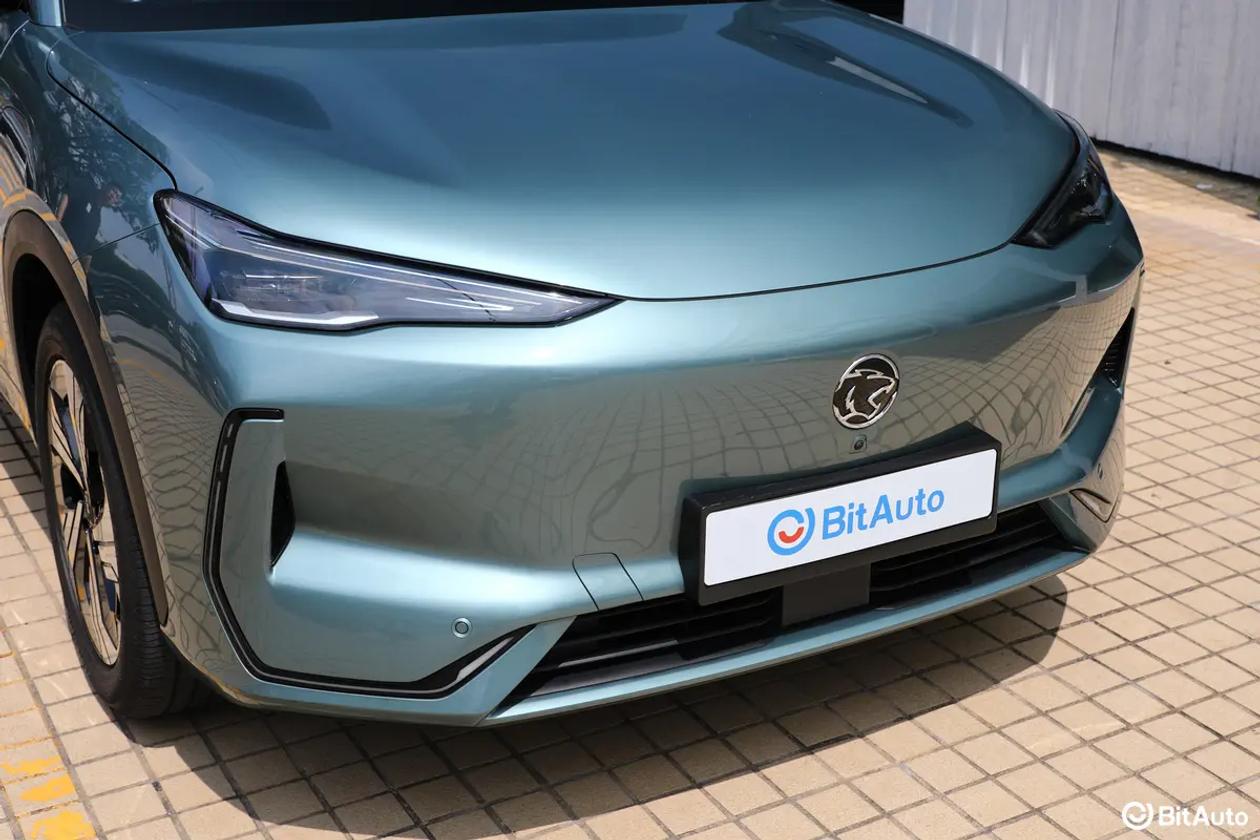
The e.MAS 5 operates completely unchallenged in the entry-level EV niche, standing alone thanks to its RM 56,800 entry ticket. Meanwhile, the e.MAS 7 battles in the fiercely competitive mainstream EV SUV arena, trading blows with heavily armed rivals like BYD, Zeekr, iCaur, and Tesla.
The e.MAS 5 is dominating because it successfully redefined the absolute minimum entry barrier for EVs in Malaysia, whereas the e.MAS 7 is working harder simply because its racing lane is incredibly crowded.
For Proton's top management, however, it ultimately does not matter which sibling moves more metal. The overarching victory is that Proton has firmly established itself as the undisputed No. 1 EV brand in Malaysia. Locking in 13,530 EV deliveries in the first half of the year, securing an astronomical 238% year-on-year surge, and generating two-thirds of the entire market's net growth — those figures speak far louder than any marketing campaign ever could.


Your go-to source for all things automotive in Malaysia. 🚗 Latest reviews, breaking news, launches & industry trends.
+ Follow The funky looks you see isn't just...for looks, but it serves a purpose as the VW Mission Efficiency is designed to be the most EFFICIENT EV.
It managed to cover 1,278 km, travelling from Wolfsburg to Vienna with just one charge. Even so, upon reaching Vienna, the estimated range is at 164 km.
#Volkswagen 2 hours ago
The funky looks you see isn't just...for looks, but it serves a purpose as the VW Mission Efficiency is designed to be the most EFFICIENT EV.
It managed to cover 1,278 km, travelling from Wolfsburg to Vienna with just one charge. Even so, upon reaching Vienna, the estimated range is at 164 km.
#Volkswagen 2 hours ago  From now till 2030, Volvo is planning to launch no less than 13 new models.
There might even be sedans and wagons - two of Volvo's most popular bodystyles.
#Volvo 7 hours ago
From now till 2030, Volvo is planning to launch no less than 13 new models.
There might even be sedans and wagons - two of Volvo's most popular bodystyles.
#Volvo 7 hours ago  Hyundai Stargazer launching soon?
The first 300 units of the CBU Hyundai Stargazer have arrived in Malaysia, ready for their owners.
#hyundai #HyundaiStargazer 10 hours ago
Hyundai Stargazer launching soon?
The first 300 units of the CBU Hyundai Stargazer have arrived in Malaysia, ready for their owners.
#hyundai #HyundaiStargazer 10 hours ago Get the latest car news first!
Your go-to source for all things automotive in Malaysia. 🚗 Latest reviews, breaking news, launches & industry trends.
The funky looks you see isn't just...for looks, but it serves a purpose as the VW Mission Efficiency is designed to be the most EFFICIENT EV.
It managed to cover 1,278 km, travelling from Wolfsburg to Vienna with just one charge. Even so, upon reaching Vienna, the estimated range is at 164 km.
#Volkswagen 2 hours ago From now till 2030, Volvo is planning to launch no less than 13 new models.
There might even be sedans and wagons - two of Volvo's most popular bodystyles.
#Volvo 7 hours ago Hyundai Stargazer launching soon?
The first 300 units of the CBU Hyundai Stargazer have arrived in Malaysia, ready for their owners.
#hyundai #HyundaiStargazer 10 hours ago  ProtonGWMVolkswagenJAECOOVolvoPeroduaToyotaHondaTESLAMitsubishiMazdaJetourCheryBYDLexusBMWMercedes-BenziCAURZeekrIsuzuNissanLeapmotorPorscheFordOMODAMINIMGSuzukiXPengHyundaiWulingKiaSubaruDenzaGACLand RoverDongfengCAMAudiPeugeotFotonMAXUSsmartDaihatsuJACJMCMaseratiLotusAlfa RomeoRenaultGolden DragonKaiceneSeresLamborghiniFerrariJeepRolls-RoyceLepasAston MartinMcLarenChevroletBentleyFiatBAICForthingGeelyRoeweAeolusChanganARCFOXDeepalExeedHongqiVoyahJaguarKGMBuforiAcuraCadillacDodgeAbarthINEOSMHEROJMEVFreelander
© 2024 Bitauto.com. All Rights Reserved.
Bitauto (www.yiche.com and www.bitauto.com) is one of the most visited automotive websites in China. We provide detailed info on Chinese car brands available in your area. Please note that the information provided on this website is based on publicly available data and is for reference only. It may not be fully updated or accurate at all times.
Help us improve our website


