In today's flourishing electric vehicle (EV) market, many car buyers find themselves bouncing back and forth between trying something new and expressing deep-seated concerns.
Especially when faced with a dazzling array of imported EV models, the core question in everyone's mind is often not whether a car is visually appealing, but rather: "If something goes wrong, who exactly do I turn to for repairs?"
For most imported EV brands, their after-sales networks are heavily concentrated within core urban areas such as the Klang Valley. Once owners travel interstate to the East Coast or remote sectors in Northern Malaysia, they frequently face extremely scarce repair and diagnostic resources.
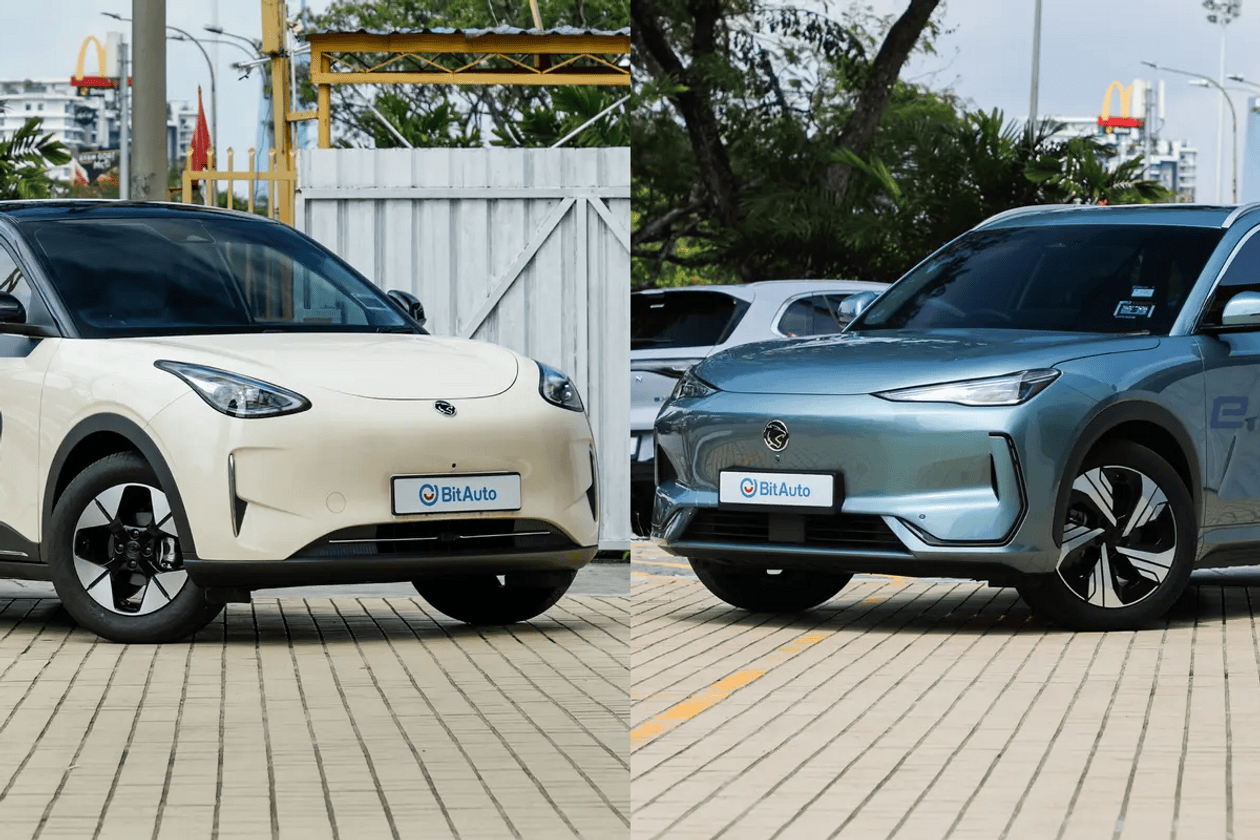
Proton's distinct advantage lies in the vast after-sales infrastructure it has established over decades. Through the e.MAS series, Proton directly integrates its electric vehicles into its existing nationwide service network. This infrastructure means that whether you are in the Kuala Lumpur-Selangor hub or stationed in Kelantan and Terengganu, professional after-sales support remains accessible at nearby Proton 3S/4S centres. For buyers who rely on an EV as their household's sole mode of transport, this extensive repair security is difficult for any emerging overseas brand to replicate in the short term.
Many imported EVs may carry attractive initial purchase prices, but once subsequent replacement components involve international ocean or air freight, owners face protracted waiting periods and repair quotes that often function as financial black boxes.
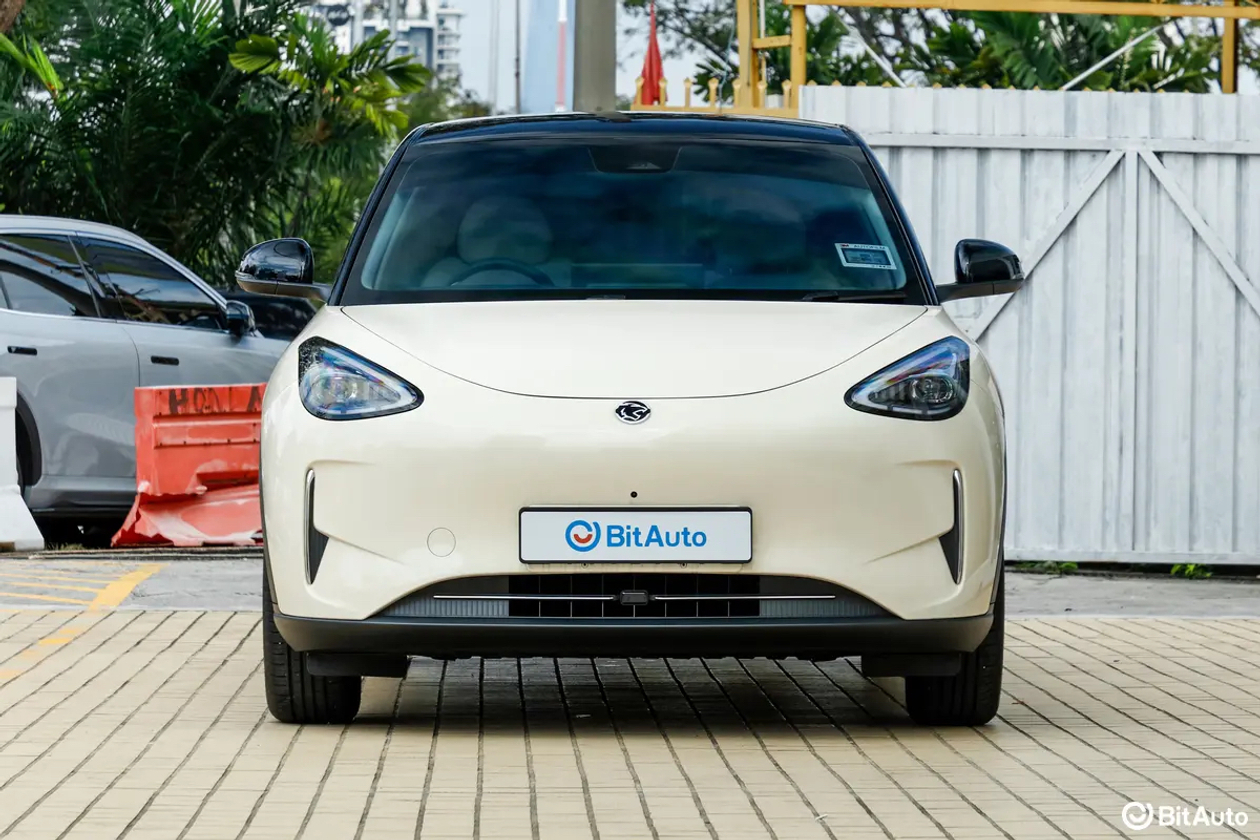
Proton's completely knocked-down (CKD) local assembly model serves as a vital reassurance for e.MAS owners.
Transparent costs: Taking the e.MAS 5 as an example, its scheduled maintenance plan is completely clear and transparent, enabling long-term 10-year maintenance costs to be kept at a remarkably low baseline.
Component supply logistics: CKD manufacturing implies localised inventory reserves for core structural and electronic components. When an owner needs to replace worn elements or perform routine servicing, the process does not require parts to cross oceans, directly minimising vehicle downtime and hidden logistical costs.
Malaysia's unique tropical environment — characterised by perennially high temperatures, torrential rainfall, and complex road topography — represents the ultimate test for EV durability.
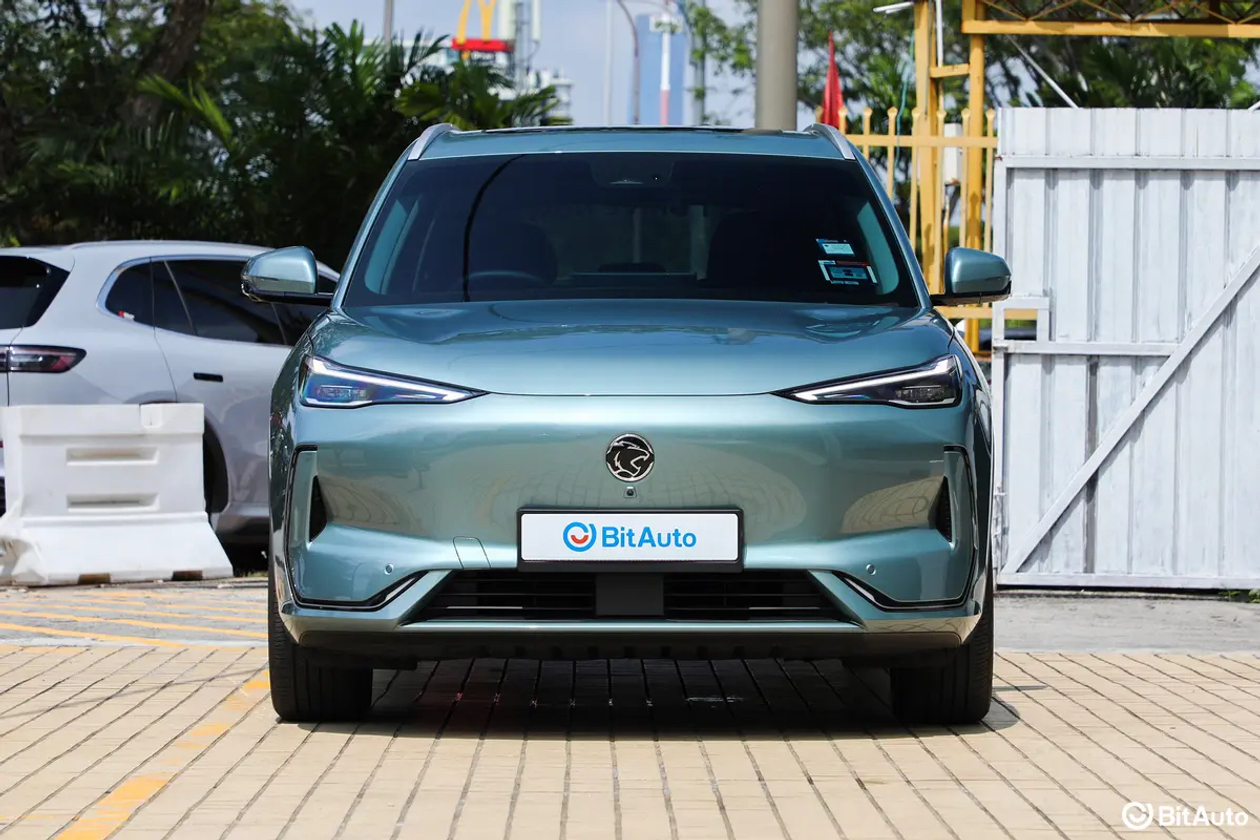
Many purely imported models directly adopt chassis and software calibrations from overseas markets without sufficient protection mapping specifically tailored for Malaysia's humid and flood-prone environment. Proton's manufacturing hub in Tanjung Malim, Perak functions not merely as an assembly line, but also as a dedicated product validation base.
Purchasing a vehicle is never a one-off transaction but a long-term operational relationship lasting anywhere from five to ten years. While imported EVs are undeniably attractive in terms of digital specifications, for the mass car-buying market in Malaysia, the absolute certainty and physical accessibility of after-sales service remain the key indicators that determine whether a car becomes a dependable asset.
The core strength of the Proton e.MAS lies not only in its electrified credentials, but in the fact that it leverages Proton's deep institutional footprint to guarantee worry-free motoring even in the era of electrification.


Your go-to source for all things automotive in Malaysia. 🚗 Latest reviews, breaking news, launches & industry trends.
+ Follow This weekend is your chance to own a Volvo Selekt Certified Used Car, priced from just RM 148,000.
What are you waiting for?
#volvo 1 minute ago
This weekend is your chance to own a Volvo Selekt Certified Used Car, priced from just RM 148,000.
What are you waiting for?
#volvo 1 minute ago  We saw this accident this morning, and here’s a reminder to everyone: please drive safe. 2 days ago
  The G50 BMW 3 series is now here, adopting much of the i3's design elements.
So, where's the BMW M3?
#bmw #BMW3Series 4 days ago
The G50 BMW 3 series is now here, adopting much of the i3's design elements.
So, where's the BMW M3?
#bmw #BMW3Series 4 days ago Get the latest car news first!
Your go-to source for all things automotive in Malaysia. 🚗 Latest reviews, breaking news, launches & industry trends.
This weekend is your chance to own a Volvo Selekt Certified Used Car, priced from just RM 148,000.
What are you waiting for?
#volvo 1 minute ago We saw this accident this morning, and here’s a reminder to everyone: please drive safe. 2 days ago The G50 BMW 3 series is now here, adopting much of the i3's design elements.
So, where's the BMW M3?
#bmw #BMW3Series 4 days ago  ProtonGWMVolkswagenJAECOOVolvoPeroduaToyotaHondaTESLAMitsubishiMazdaJetourCheryBYDLexusBMWMercedes-BenziCAURZeekrIsuzuNissanLeapmotorPorscheFordOMODAMINIMGSuzukiXPengHyundaiWulingKiaSubaruDenzaGACLand RoverDongfengCAMAudiPeugeotFotonMAXUSsmartDaihatsuJACJMCMaseratiLotusAlfa RomeoRenaultGolden DragonKaiceneSeresLamborghiniFerrariJeepRolls-RoyceLepasAston MartinMcLarenChevroletBentleyFiatBAICForthingGeelyRoeweAeolusChanganARCFOXDeepalExeedHongqiVoyahJaguarKGMBuforiAcuraCadillacDodgeAbarthINEOSMHEROJMEVFreelander
© 2024 Bitauto.com. All Rights Reserved.
Bitauto (www.yiche.com and www.bitauto.com) is one of the most visited automotive websites in China. We provide detailed info on Chinese car brands available in your area. Please note that the information provided on this website is based on publicly available data and is for reference only. It may not be fully updated or accurate at all times.
Help us improve our website


