At last year's Retro Havoc 2025, hundreds of tuned machines gathered at The Curve, Mutiara Damansara. From classic JDM legends and widebody monsters to stanced builds, every car resembled a living piece of art. Among these dazzling show-stoppers, you might have spotted a Z10 Toyota Soarer sporting a classic Trust livery, sitting quietly in a corner.
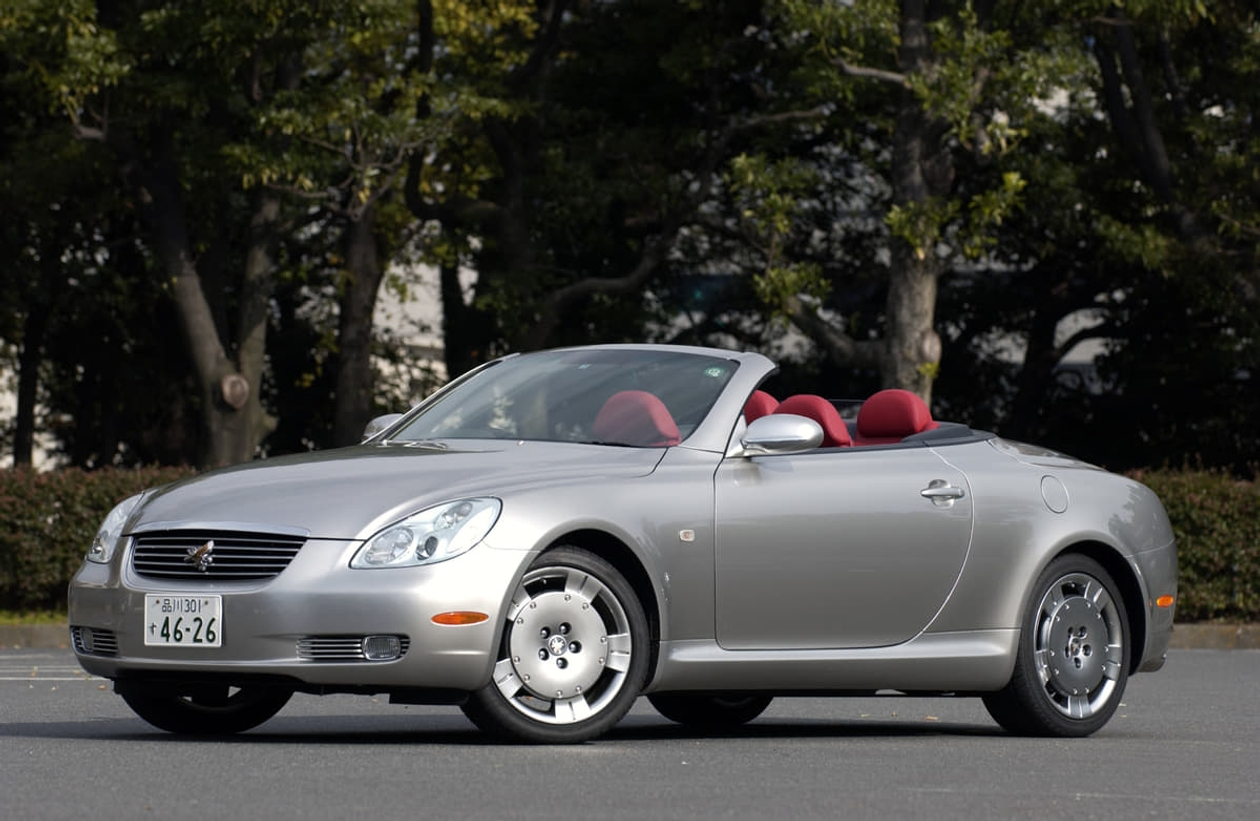
If you had just walked past in a hurry, you might have missed it. But without this Soarer and other similar tuned creations, the Tokyo Auto Salon as we know it today might not even exist.
To understand the Soarer's status in JDM folklore, we must first travel back to post-war Japan.
Following the end of World War II, returning Japanese soldiers faced a sense of displacement and disillusionment. While some struggled to reintegrate into civilian life, others leveraged their wartime experience in aviation and mechanical repairs to open workshops. By day, they fixed cars; by night, they roamed the streets in packs. Blending elements of American biker culture with Western films, these restless youths birthed the "Bosozoku (bōsōzoku) " — literally translating to "reckless driving tribe". This subculture eventually transitioned from two wheels to four, giving rise to wildly exaggerated custom builds.
The Bosozoku burst into the Japanese mainstream media spotlight during the 1970s. At the time, legitimate tuning shops were already facing intense heat from the police, and being lumped together with these street outlaws only worsened their plight. Yet, caught between a rock and a hard place, a group of forward-thinking tuners began to ask: could car modification be transformed from a symbol of street rebellion into a legitimate automotive culture?
It was against this very backdrop that the Soarer made its grand entrance.
In 1981, the first-generation Z10 Soarer debuted. It was the world's first production car to feature a 6-cylinder DOHC engine equipped with oil pressure valve lash adjusters — a revolutionary feat of engineering at the time. More crucially, the Soarer epitomised Toyota's take on the "personal luxury GT coupe": it was not a raw, track-focused sports car, but a grand tourer that cruised effortlessly at high speeds while offering massive tuning potential.
This perfect "balance of luxury and performance" turned the Soarer into the ultimate blank canvas for tuning houses.
Produced from 1981 to 2005, the Soarer evolved across four distinct generations.
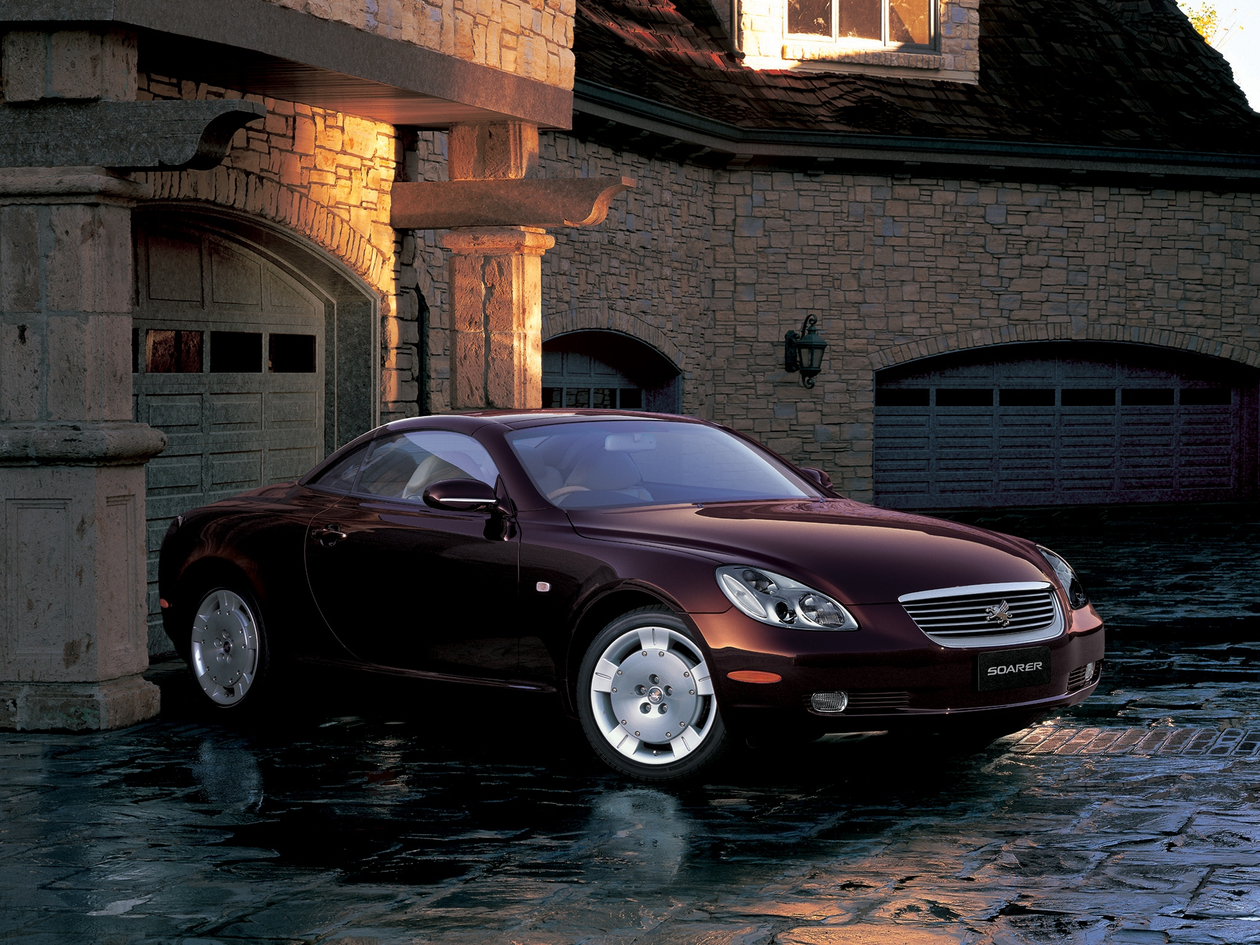
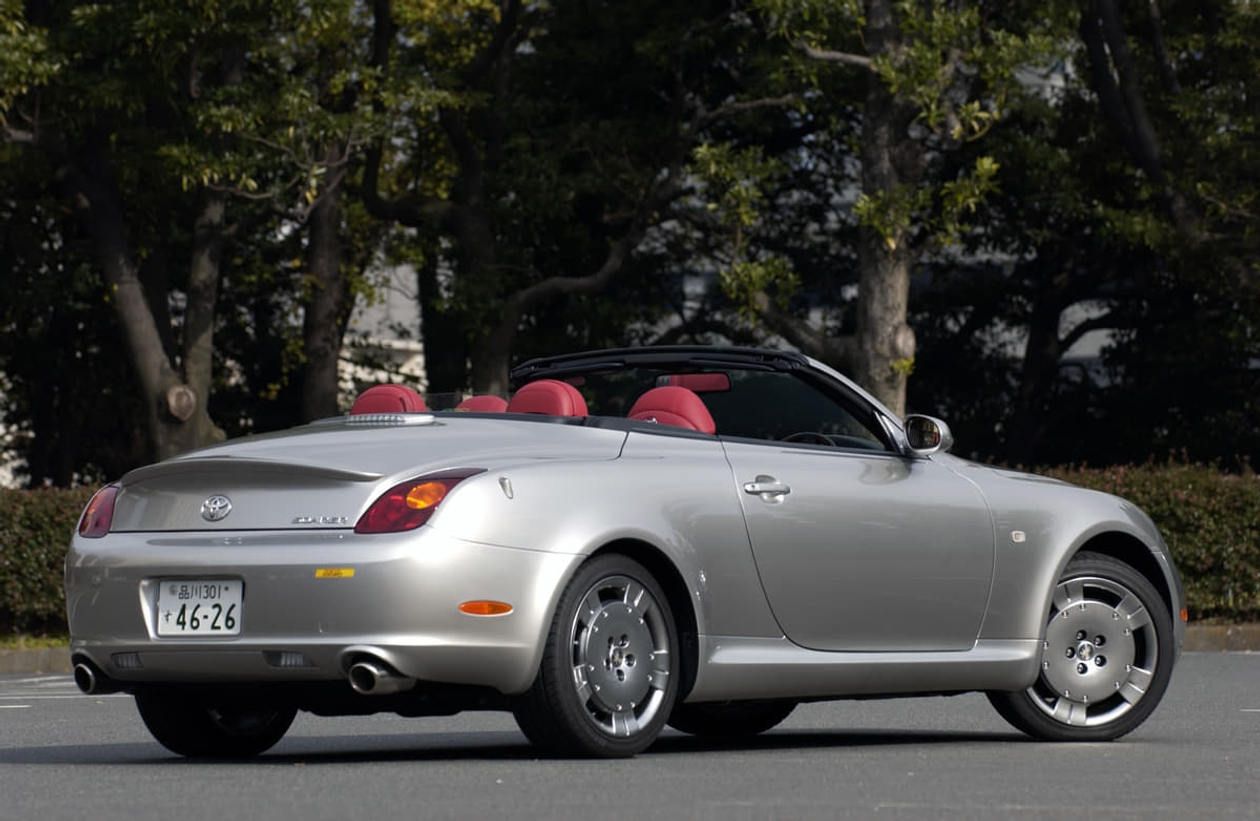
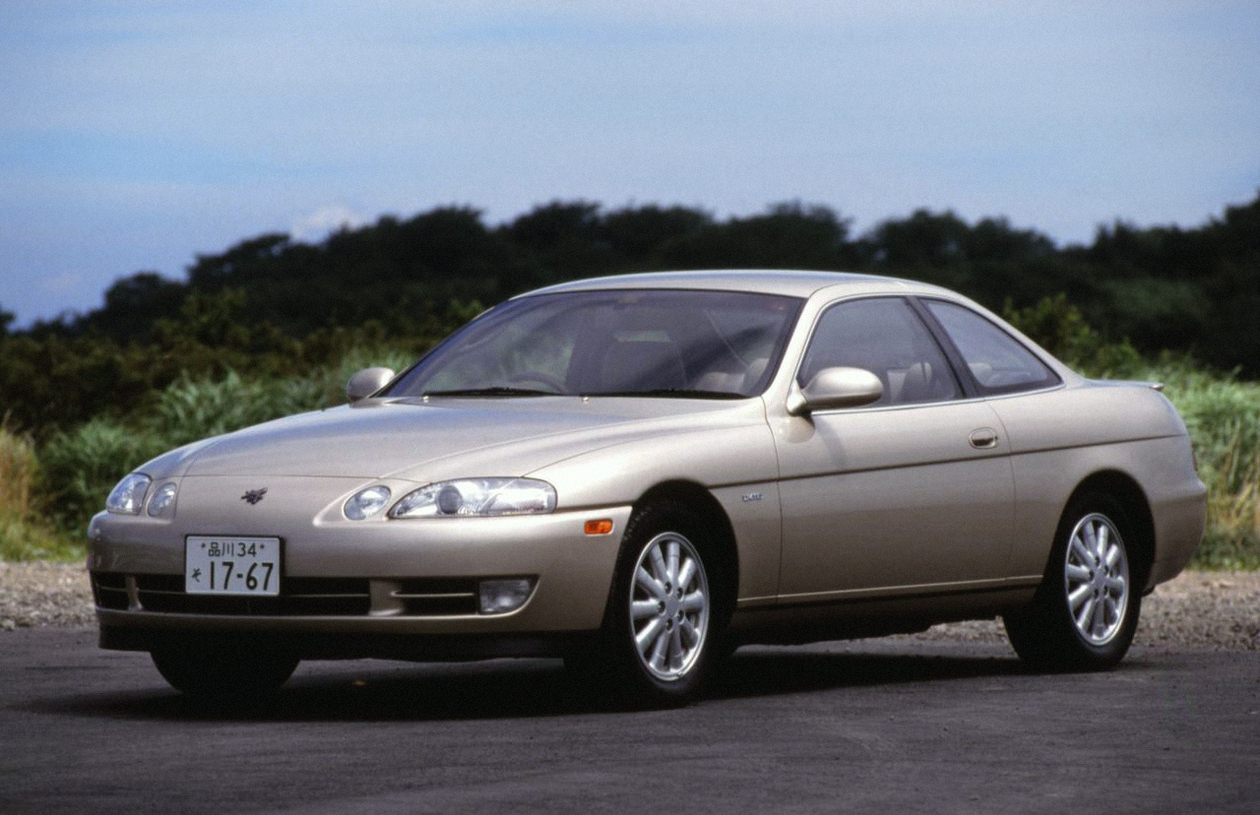
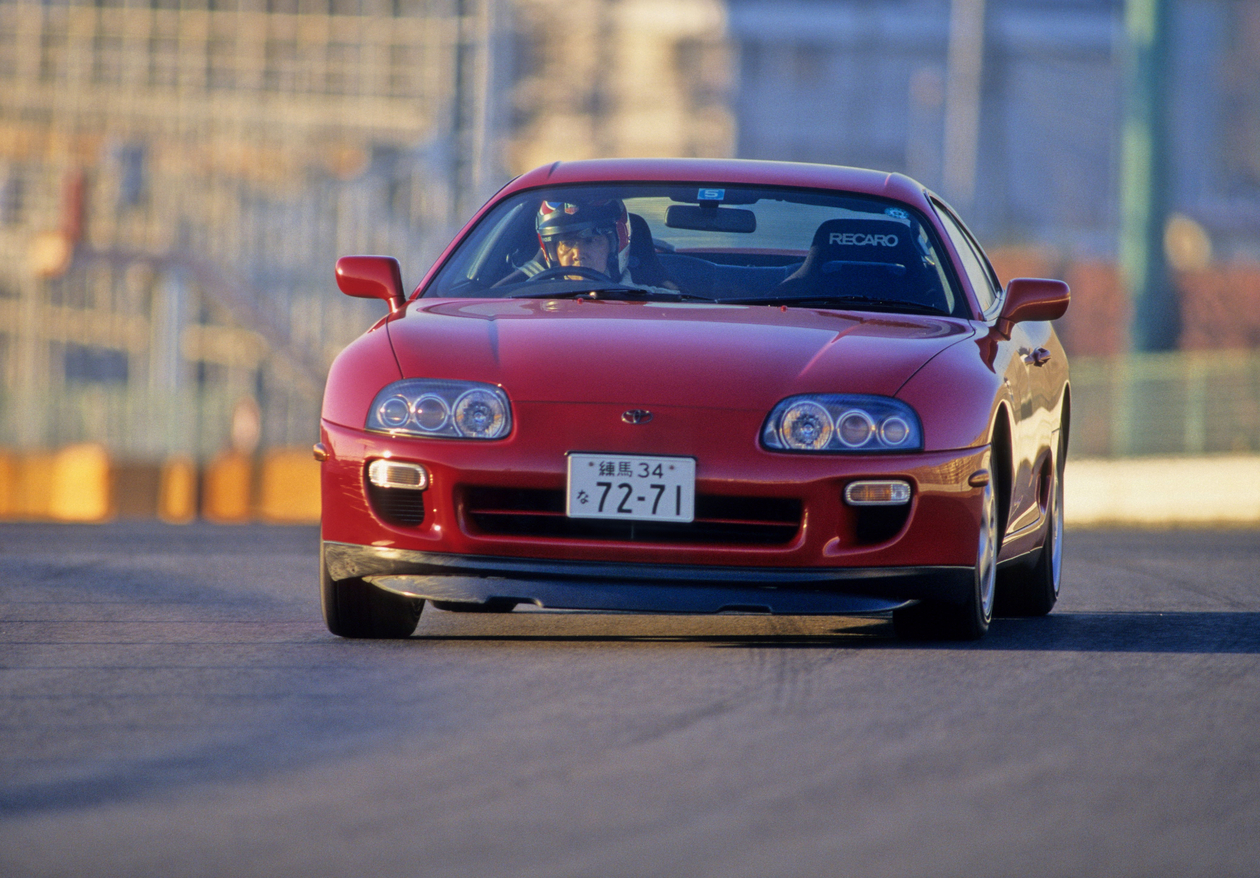
The Z10 (1981–1986) established its credentials as a luxury GT. The second-generation Z20 (1986–1991) shared its platform with the A70 Supra — a model that peaked in styling and tech during the height of Japan's bubble economy. The third-generation Z30 (1991–2000) shared its underpinnings with the legendary A80 Supra, allowing for an exceptionally high degree of parts interchangeability. In 2001, the Soarer transitioned into the fourth-generation Z40 series — essentially a rebadged Lexus SC430 — before the nameplate was retired in 2005.
The Soarer is arguably best remembered for its third-generation Z30 series, which came with several iconic powertrain options:
JZZ30: Powered by the legendary 1JZ-GTE (2.5L twin-turbo) — the holy grail for tuning enthusiasts
JZZ31: Powered by the 2JZ-GE (3.0L naturally aspirated)
UZZ3 Series: Powered by the 1UZ-FE (4.0L V8)
The tuning potential of the 1JZ-GTE is virtually limitless. From bolt-on turbo upgrades and ECU tuning to fully forged internals, this block can reliably handle power figures way beyond its factory rating. Crucially, because the Z30 Soarer shares so much DNA with the A80 Supra, many aftermarket parts designed for the Supra can be bolted straight on — a massive plus point for local tuners.
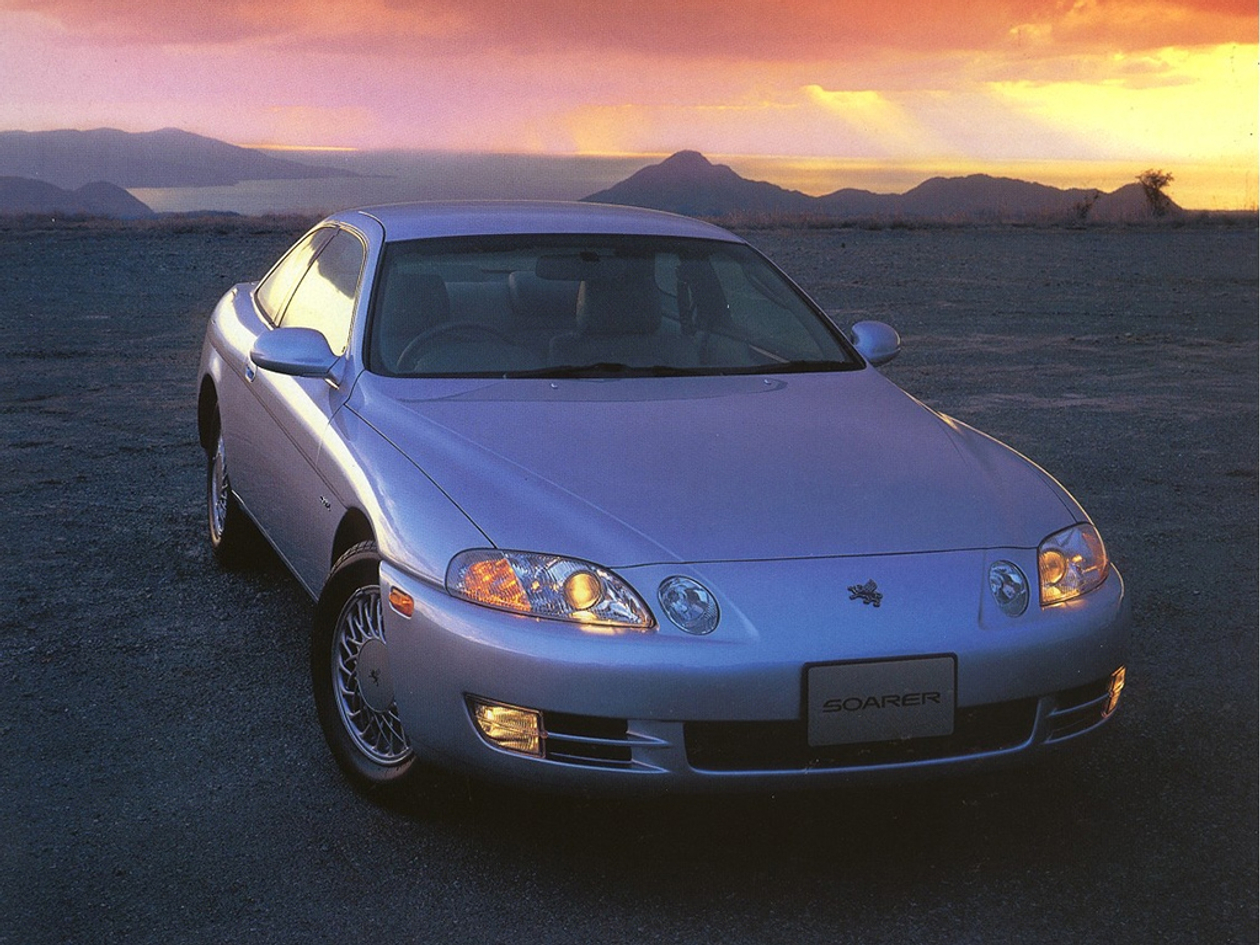
However, there is a fundamental distinction between the Soarer and the Supra: the Soarer is a GT coupe, not a raw sports car. It was engineered for comfort, luxury, and long-distance grand touring. The cabin materials, NVH levels, and equipment list of the Z30 Soarer were on par with Lexus in that era. Think of it as a "Supra in a three-piece suit" — blending brute performance with absolute class.
Bringing the focus back to Malaysia.
According to statistics from JPJ, only 184 units of the Toyota Soarer have been registered in Malaysia since 2001. In a country of over 30 million people, that makes this grand tourer rarer than some modern supercars.
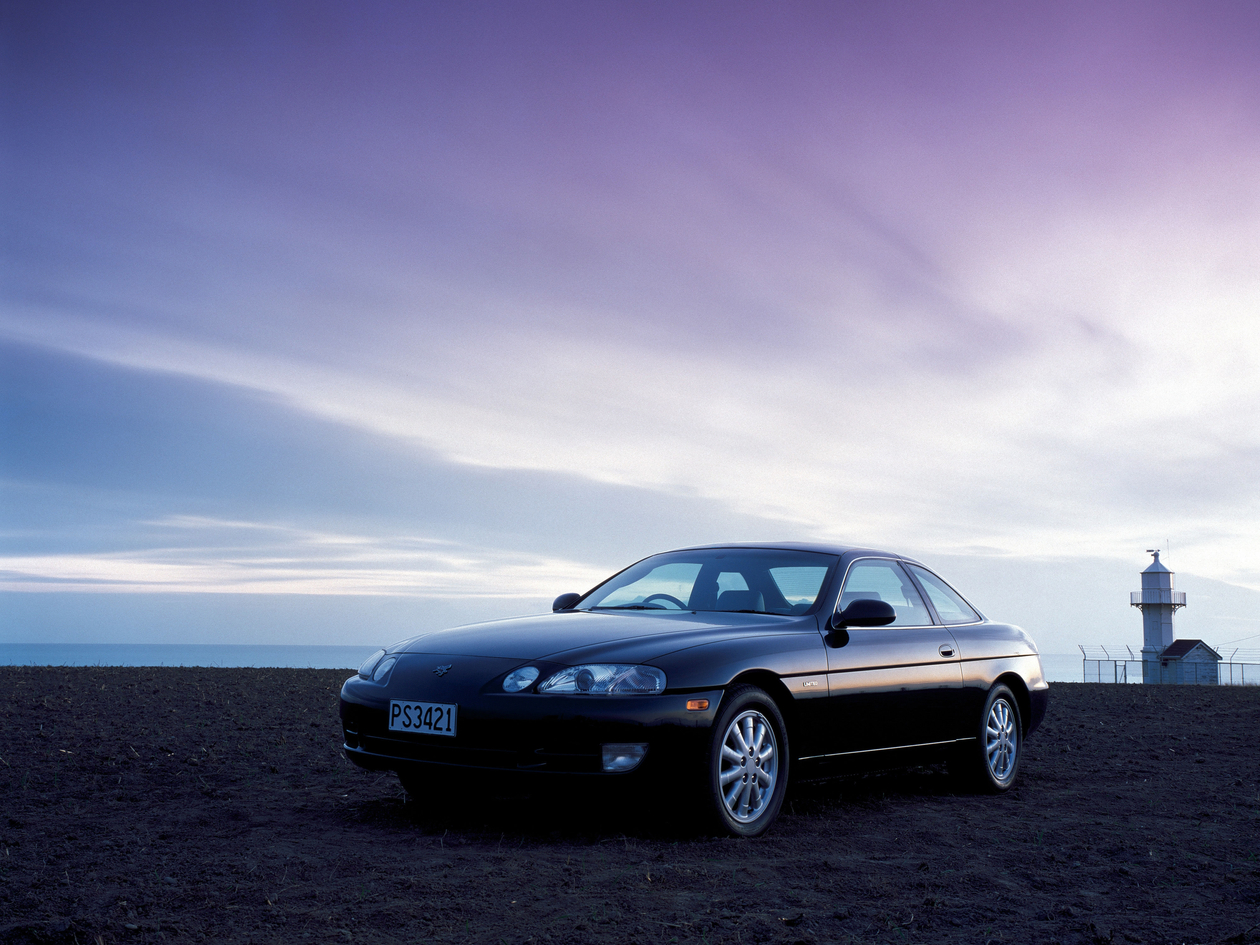
Its peak year was 2007, with 65 registrations recorded. Since then, the numbers have trickled down. White is the most popular colour choice, accounting for 28.8% of total registrations . The most recent registration was in February 2026 — meaning only a single unit was registered nationwide over the last six months.
These statistics highlight three key realities:
First, the Soarer was never a mainstream model in Malaysia. UMW Toyota never officially brought it in — every single Soarer on our roads arrived via recon dealers or grey import channels. This means behind every unit is a passionate owner who invested time, money, and sheer effort to import it from Japan.
Second, the "golden era" of the Soarer in Malaysia has long passed. Following that peak in 2007, import numbers have steadily declined. Most of the examples running on Malaysian roads today are well over 20 years old.
Third, every surviving Soarer is a unique labour of love. Given the scarcity, age, and difficulty in sourcing parts, owners must adopt a bespoke approach to maintenance. In Malaysia, Soarer owners stay connected through dedicated Facebook groups and WhatsApp chats to share parts sources, maintenance tips, and build updates.
The Soarer's resurgence is not an isolated phenomenon.
Over the past few years, Malaysia's JDM scene has witnessed a massive, highly visible renaissance.
In August 2025, Tokyo Auto Salon Kuala Lumpur (TASKL) made its debut at MITEC, drawing over 100,000 visitors over a three-day weekend. With more than 300 tuned cars on display, the sheer scale of the event was unprecedented in the annals of local automotive culture.
In May of that same year, Retro Havoc celebrated its 10th anniversary, assembling 950 curated custom cars from Malaysia, Thailand, and Singapore at The Curve, Mutiara Damansara.
In May 2026, a massive exhibition showcasing classic and JDM icons took over the Kuala Lumpur Convention Centre (KLCC). Meanwhile, Art of Speed 2026 is geared up to rock MAEPS Serdang once again as the country's premier custom culture festival, and JDM REAL FEST 2025 in MITC Melaka previously drew JDM owners, collectors, and enthusiasts from all corners of the country.
At the same time, despite three highly successful runs, Tokyo Auto Salon KL organiser Element X Strategies announced they would not be renewing the franchise agreement, meaning there will be no TASKL in 2026. Yet, this does not mean the JDM craze is cooling down. On the contrary, homegrown events are swiftly stepping up to fill the void. From Retro Havoc to JDM REAL FEST and Art of Speed, Malaysia's automotive culture is shifting from importing international franchises to cultivating its own homegrown identity.
JDM has officially transitioned from a niche subculture into a defining pillar of Malaysia's mainstream automotive landscape.
The Soarer's story teaches us a simple truth: a car's legacy is not determined by its sales volume, but by the cultural spirit and imagination it captures.
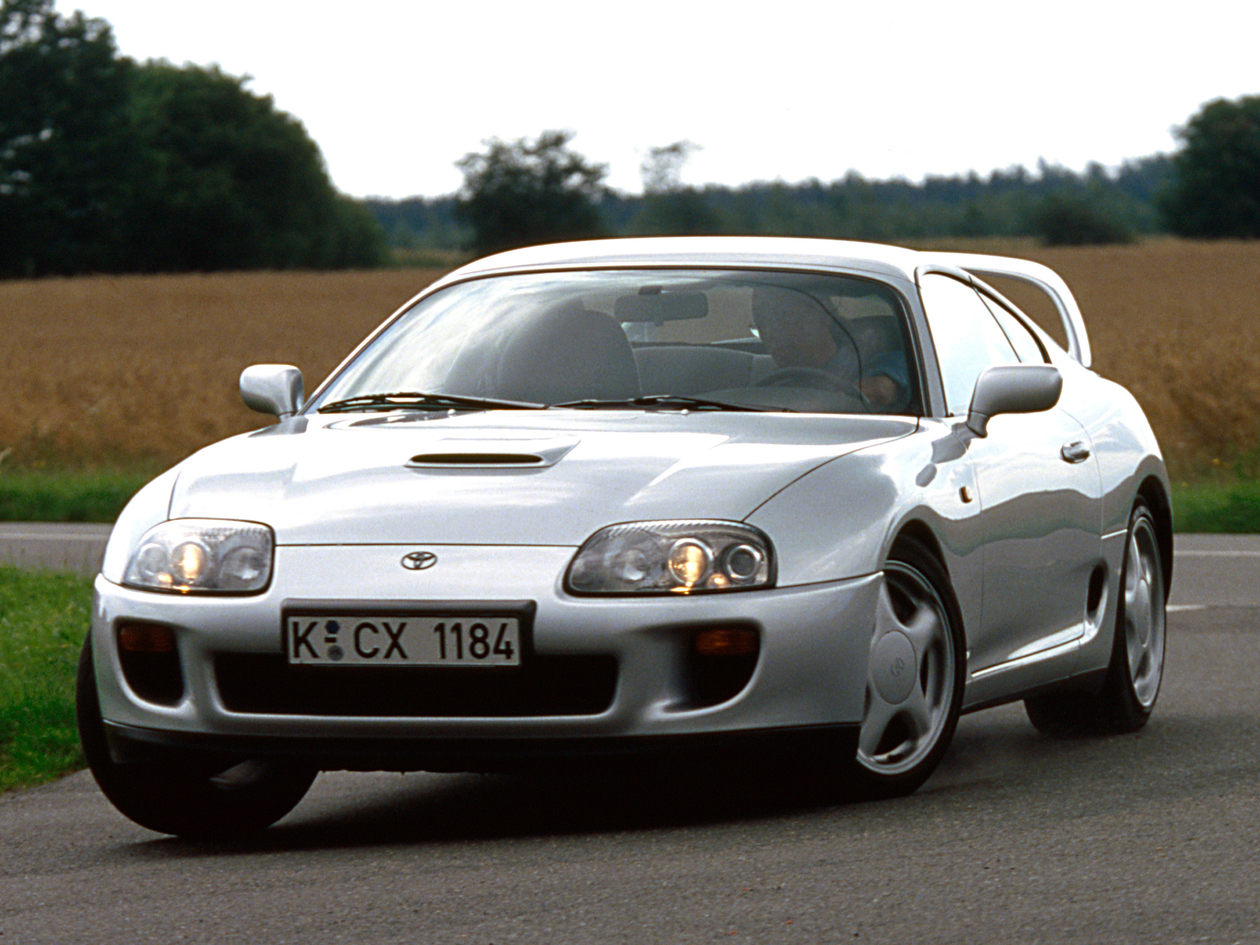
With only 184 units registered locally, the Soarer's footprint on paper is tiny, but its cultural impact is massive. It encapsulates the peak engineering spirit of the golden era of JDM — a time when Toyota proudly built twin-turbo straight-sixes and luxury GTs. It also embodies the raw, hands-on ethos of tuning culture, where every build is a collaboration of passion between the owner and the builder.
More importantly, the story of the Soarer and the renaissance of Malaysian JDM culture are two sides of the same coin: car enthusiasts are rediscovering that 'the joy of driving' is never just about getting from A to point B, but about the machine you pilot, how you build it, and the community you share it with.
In 2026, Malaysian JDM culture stands at an interesting crossroads. While TASKL is taking a breather, homegrown events like Retro Havoc, Art of Speed, and JDM REAL FEST are going from strength to strength. No new Soarer will ever roll off the production line, but for the Z30s still patrolling our streets, passionate owners will continue upgrading turbos, tuning ECUs, and hunting down rare parts.
As for the Soarer — this legendary Toyota GT coupe born in 1981 and retired in 2005 — it will still sit quietly in a corner at the next custom car show, serving as a silent reminder to all who pass by: JDM is not just a collection of metal, it is a way of life.

Your go-to source for all things automotive in Malaysia. 🚗 Latest reviews, breaking news, launches & industry trends.
+ Follow We saw this accident this morning, and here’s a reminder to everyone: please drive safe. 2 days ago
  The G50 BMW 3 series is now here, adopting much of the i3's design elements.
So, where's the BMW M3?
#bmw #BMW3Series 4 days ago
The G50 BMW 3 series is now here, adopting much of the i3's design elements.
So, where's the BMW M3?
#bmw #BMW3Series 4 days ago  DRIFT PARTY in Malaysia! Can the Xiaomi SU7, Yangwang U8 mix it up against JDM favourites in KL?
Our adventure with the Xiaomi SU7 and Yangwang U8 brings us to APDCrew circuit as we give witness a drift show. With pro drifters and fan-favourites - RX7s, S15s, Skylines, Supras, and more - in the mix, can our Xiaomi SU7 and Yangwang U8 hold their own?
It's also a quick look at Malaysian car culture, including some wildly modified minivans, and more!
#drift #malaysia #xiaomisu7 #yangwangu8 #larrychen #drifting #JDM跑車 4 days ago
DRIFT PARTY in Malaysia! Can the Xiaomi SU7, Yangwang U8 mix it up against JDM favourites in KL?
Our adventure with the Xiaomi SU7 and Yangwang U8 brings us to APDCrew circuit as we give witness a drift show. With pro drifters and fan-favourites - RX7s, S15s, Skylines, Supras, and more - in the mix, can our Xiaomi SU7 and Yangwang U8 hold their own?
It's also a quick look at Malaysian car culture, including some wildly modified minivans, and more!
#drift #malaysia #xiaomisu7 #yangwangu8 #larrychen #drifting #JDM跑車 4 days ago Get the latest car news first!
Your go-to source for all things automotive in Malaysia. 🚗 Latest reviews, breaking news, launches & industry trends.
We saw this accident this morning, and here’s a reminder to everyone: please drive safe. 2 days ago The G50 BMW 3 series is now here, adopting much of the i3's design elements.
So, where's the BMW M3?
#bmw #BMW3Series 4 days ago DRIFT PARTY in Malaysia! Can the Xiaomi SU7, Yangwang U8 mix it up against JDM favourites in KL?
Our adventure with the Xiaomi SU7 and Yangwang U8 brings us to APDCrew circuit as we give witness a drift show. With pro drifters and fan-favourites - RX7s, S15s, Skylines, Supras, and more - in the mix, can our Xiaomi SU7 and Yangwang U8 hold their own?
It's also a quick look at Malaysian car culture, including some wildly modified minivans, and more!
#drift #malaysia #xiaomisu7 #yangwangu8 #larrychen #drifting #JDM跑車 4 days ago  ProtonGWMVolkswagenJAECOOVolvoPeroduaToyotaHondaTESLAMitsubishiMazdaJetourCheryBYDLexusBMWMercedes-BenziCAURZeekrIsuzuNissanLeapmotorPorscheFordOMODAMINIMGSuzukiXPengHyundaiWulingKiaSubaruDenzaGACLand RoverDongfengCAMAudiPeugeotFotonMAXUSsmartDaihatsuJACJMCMaseratiLotusAlfa RomeoRenaultGolden DragonKaiceneSeresLamborghiniFerrariJeepRolls-RoyceLepasAston MartinMcLarenChevroletBentleyFiatBAICForthingGeelyRoeweAeolusChanganARCFOXDeepalExeedHongqiVoyahJaguarKGMBuforiAcuraCadillacDodgeAbarthINEOSMHEROJMEVFreelander
© 2024 Bitauto.com. All Rights Reserved.
Bitauto (www.yiche.com and www.bitauto.com) is one of the most visited automotive websites in China. We provide detailed info on Chinese car brands available in your area. Please note that the information provided on this website is based on publicly available data and is for reference only. It may not be fully updated or accurate at all times.
Help us improve our website


