In August 2025, BYD dropped a bombshell at the launch of its all-new Seal: BYD will establish a 600,000-square-metre CKD plant in Tanjung Malim, Perak, with production expected to commence in the second half of 2026.
Nearly a year on, the story of this plant has seen twists, clarifications, and a strategic pivot. Today, BYD's CKD rollout in Malaysia is accelerating in a different form—far from halting, it has embraced a more dynamic cooperation model.
The core question remains: Will BYD vehicles become cheaper following the shift to CKD?
First, let us clarify a fundamental concept.
CKD refers to "completely knocked down"—where vehicles are imported into Malaysia as component kits and assembled in local factories through welding, painting, and final assembly. Contrast this with CBU (Completely Built Up) , which denotes fully finished vehicles imported as complete units.
The tax treatment for the two differs drastically.
CBU EVs: Effective 1 July 2026, imported EVs must meet a CIF (Cost, Insurance and Freight) threshold of no less than RM 200,000 and a motor power rating of no less than 180 kW (approximately 245 PS) simultaneously.Vehicles failing to meet these criteria will not be granted an import licence.
CKD EVs: The Malaysian government will continue to grant 100% exemptions on import duty, excise duty and sales tax for locally assembled CKD EVs, valid until 31 December 2027.
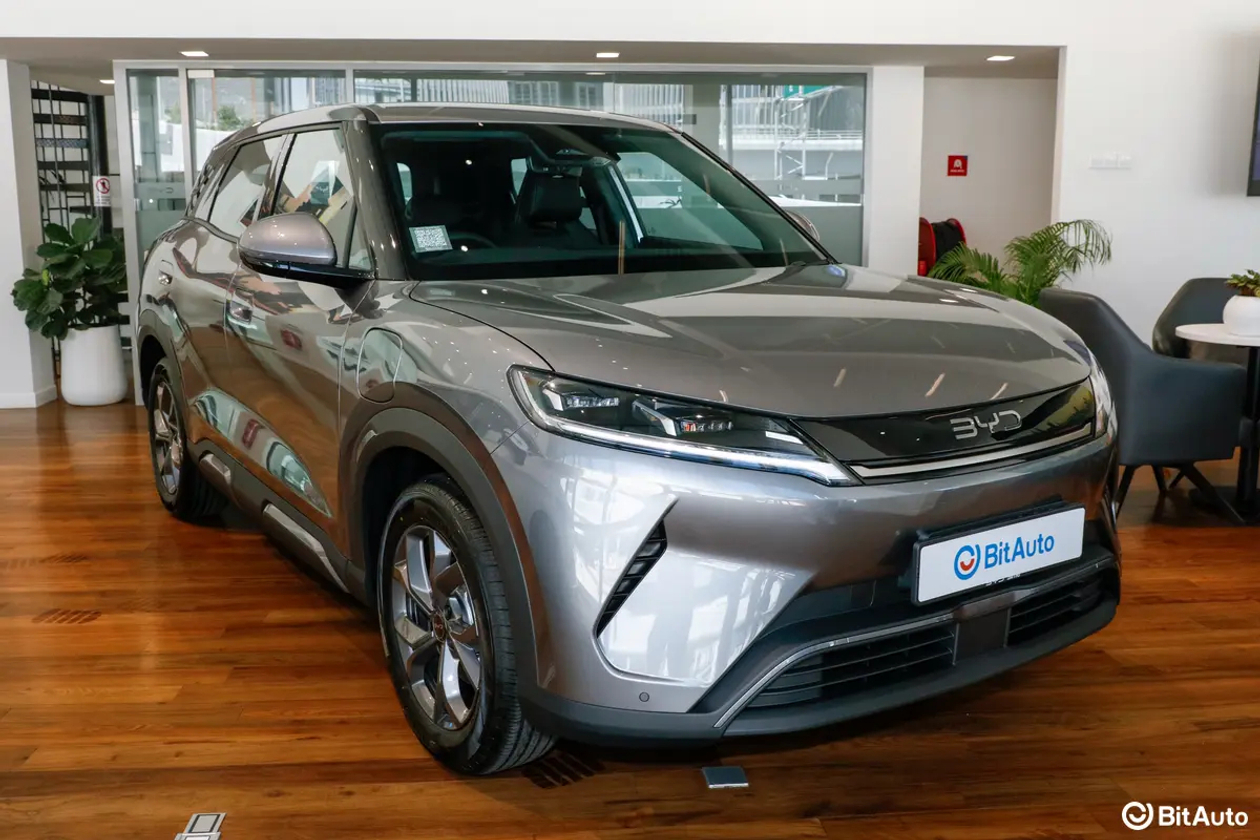
MITI explicitly stated, "This measure enables manufacturers to offer EVs at more competitive prices while encouraging local assembly activities, technology transfer and the growth of related industries."
An imported CBU EV faces the RM 200,000 CIF threshold and heavy taxation, whereas CKD models enjoy exemptions from three types of taxes and contribute to local job creation and supply chain development.
Amidst changes in the policy landscape, BYD's stance has remained clear and proactive.
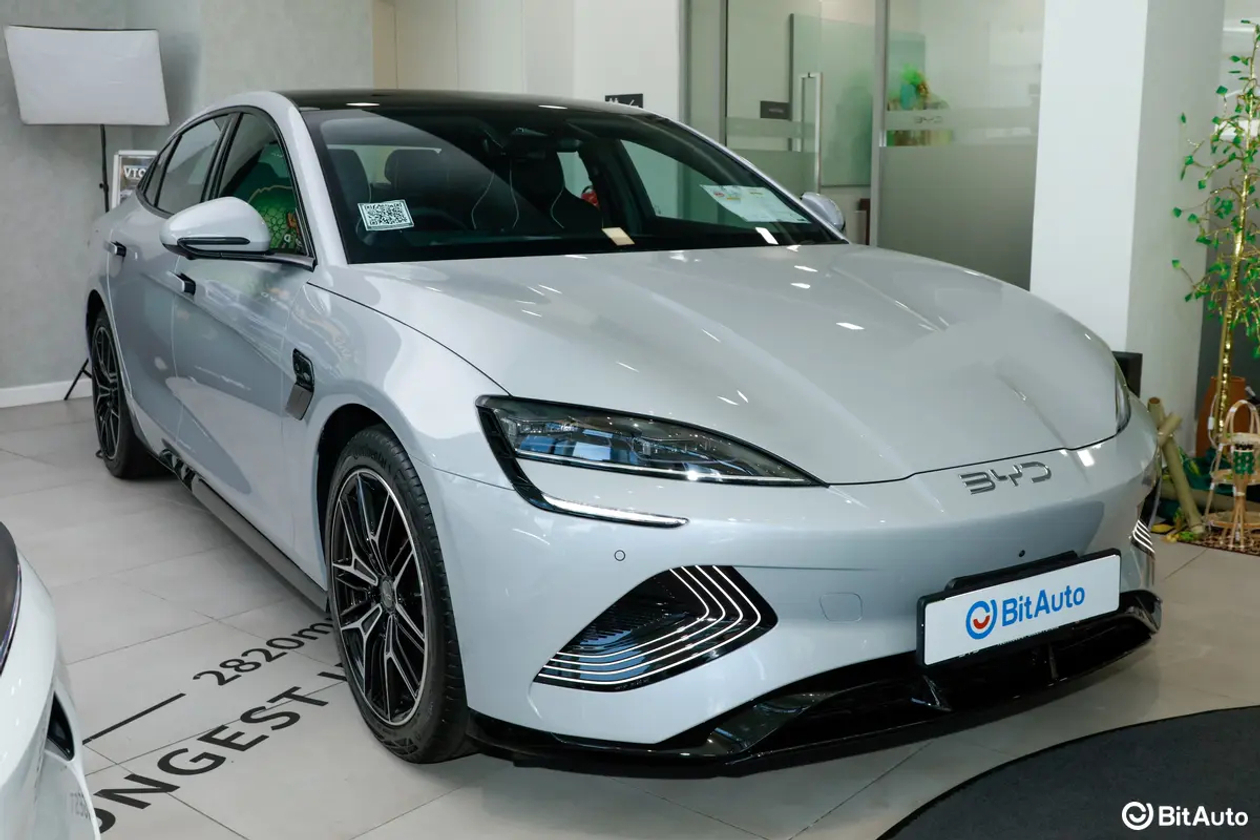
In May 2026, Liu Xueliang, General Manager of BYD's Asia-Pacific Automotive Sales Division, travelled to Malaysia for the opening of the BYD Mansion Macalister in Penang. During the event, he reiterated BYD's long-term commitment to the Malaysian market.
Liu stated, "We will work with the Malaysian government, our dealers and partners to find the most suitable path for the development of new energy vehicles in Malaysia. We respect all policies of the Malaysian government and hope our efforts, wisdom, support and cooperation will bring the best technology and products to all Malaysian consumers."
This is a resolute commitment. Rather than retreating due to policy adjustments, BYD is actively seeking the optimal solution.
BYD's initial plan to build its own factory in Tanjung Malim did encounter certain policy-level challenges.
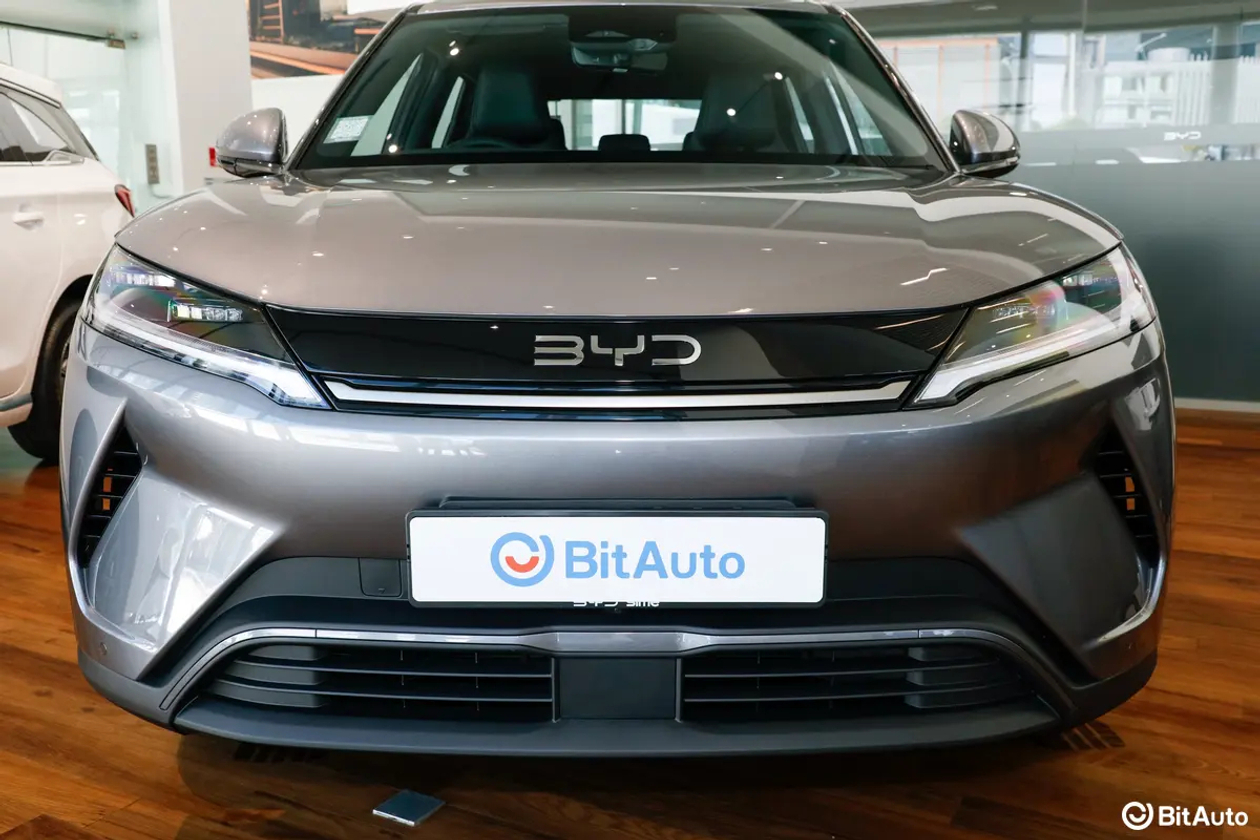
In March 2026, The Edge reported that BYD had disagreements with MITI regarding factory establishment conditions.Subsequently, MITI issued an official clarification on 31 March, outlining several key facts:
First, BYD obtained a temporary manufacturing licence on 29 September 2025. MITI Minister Datuk Seri Johari bin Abdul Ghani stated that these conditions "are not targeted at BYD but reflect policies applicable to all new automotive investment projects starting from September 2025."
Second, the local sales cap is 10,000 units per year, representing 20% of the factory's projected total capacity. This is not a "restriction" but an "agreed production framework."MITI emphasised that this is a "condition to promote exports, aimed at ensuring the investment contributes to Malaysia's trade balance and global supply chain integration.".
Third, the minimum On-The-Road (OTR) price for local sales is RM 100,000, not the previously rumoured RM 200,000. MITI clarified, "The allegations are inaccurate. The condition imposed on the domestic market is that the minimum OTR price for BYD CKD vehicles sold locally is RM 100,000."
Faced with these conditions, BYD demonstrated admirable flexibility and a pragmatic attitude.
A key turning point occurred in May 2026. During his visit, Liu personally toured the Inokom production base in Kulim, Kedah. Inokom is a subsidiary of Sime Motors, which is BYD's official distributor in Malaysia. Inokom's Kulim plant already has experience in assembling pure electric vehicles, including the Chery Omoda E5 and BMW i5 CKD models.
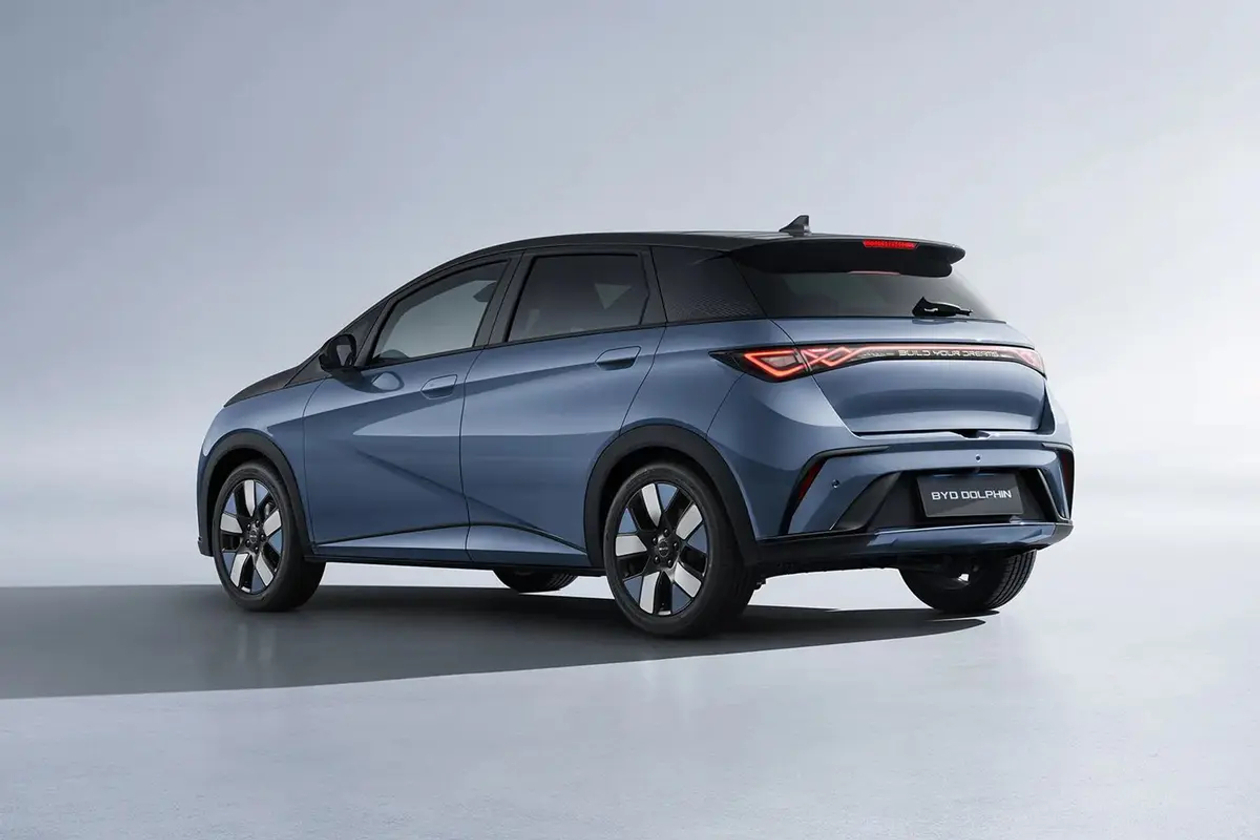
MITI Deputy Minister Sim Tze Tzin had previously highlighted another pathway, "If carmakers wish to keep EV prices between RM 100,000 and RM 200,000, they can collaborate with contract manufacturers to produce locally." Indeed, this model has become a trend—MG, XPeng and GWM have partnered with EPMB in Melaka for CKD, while TQ Wuling collaborates with Tan Chong.
Liu's personal visit to the Inokom plant clearly signals: BYD is actively evaluating a contract assembly partnership with Inokom, a subsidiary of Sime Motors. If an agreement is reached, BYD can launch CKD models in Malaysia much faster, bypassing the long cycle required to build its own plant.
Regardless of whether BYD ultimately chooses to build its own plant or collaborate with Inokom, local CKD assembly will bring tangible benefits to Malaysian consumers.
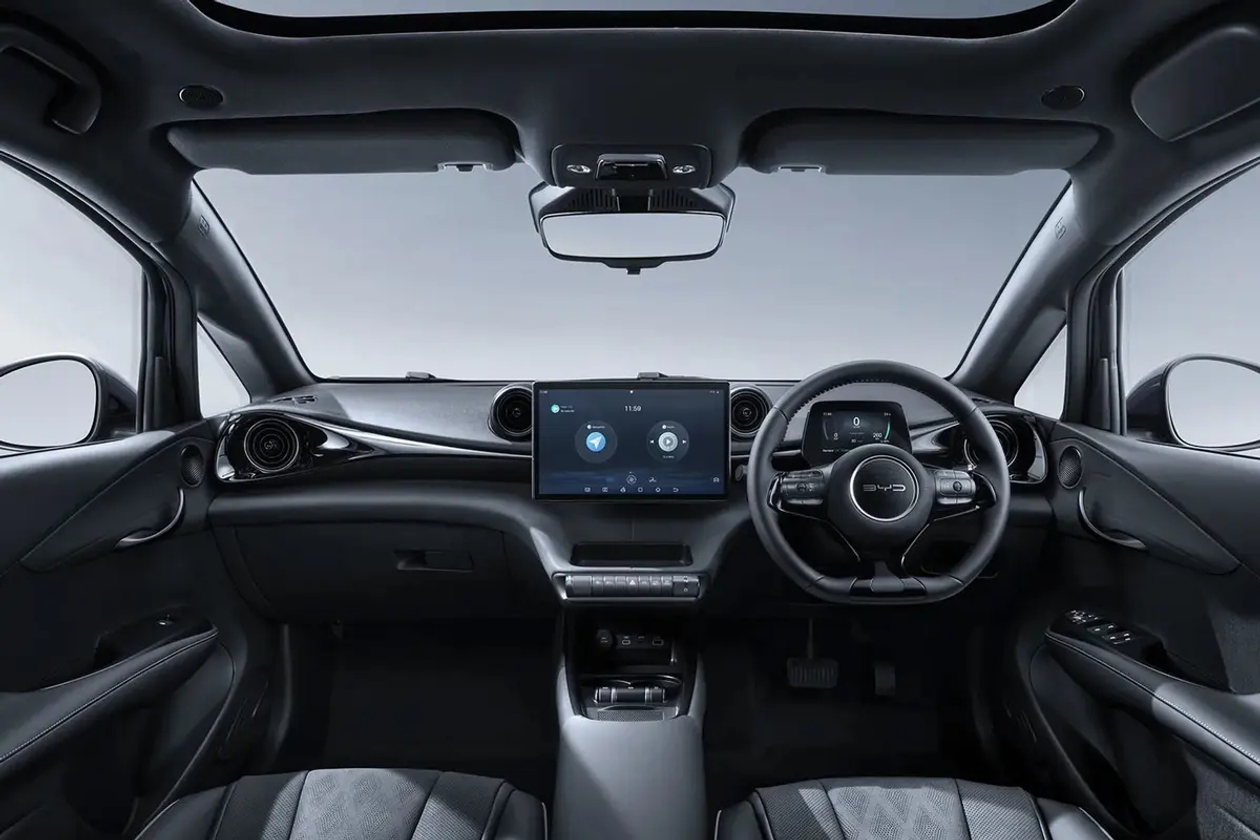
More diverse product choices. CKD allows BYD to flexibly introduce more models to Malaysia, including entry-level EVs and plug-in hybrid vehicles currently constrained by CBU policies.
More competitive pricing. CKD EVs enjoy 100% exemptions on import duty, excise duty and sales tax. While the RM 100,000 minimum OTR price threshold means BYD cannot price CKD models excessively low, compared to the RM 200,000 CIF threshold and heavy taxation facing CBU imports, CKD models can still offer highly competitive prices in the mid-to-high-end market.
More comprehensive local support. Local assembly means localisation of the parts supply chain, more convenient after-sales services and faster parts availability. This is crucial for the long-term vehicle ownership experience.
More importantly, BYD's momentum in Malaysia has already been strong. As of 2026, BYD has cumulatively sold over 25,000 units in Malaysia, making it the top-selling EV brand in the country. In the full year of 2025, BYD delivered 14,407 new vehicles, a year-on-year increase of 68%, ranking sixth among all automotive brands and fourth among non-local brands.
For consumers considering purchasing a BYD, the significance of local CKD assembly extends far beyond "lower prices".
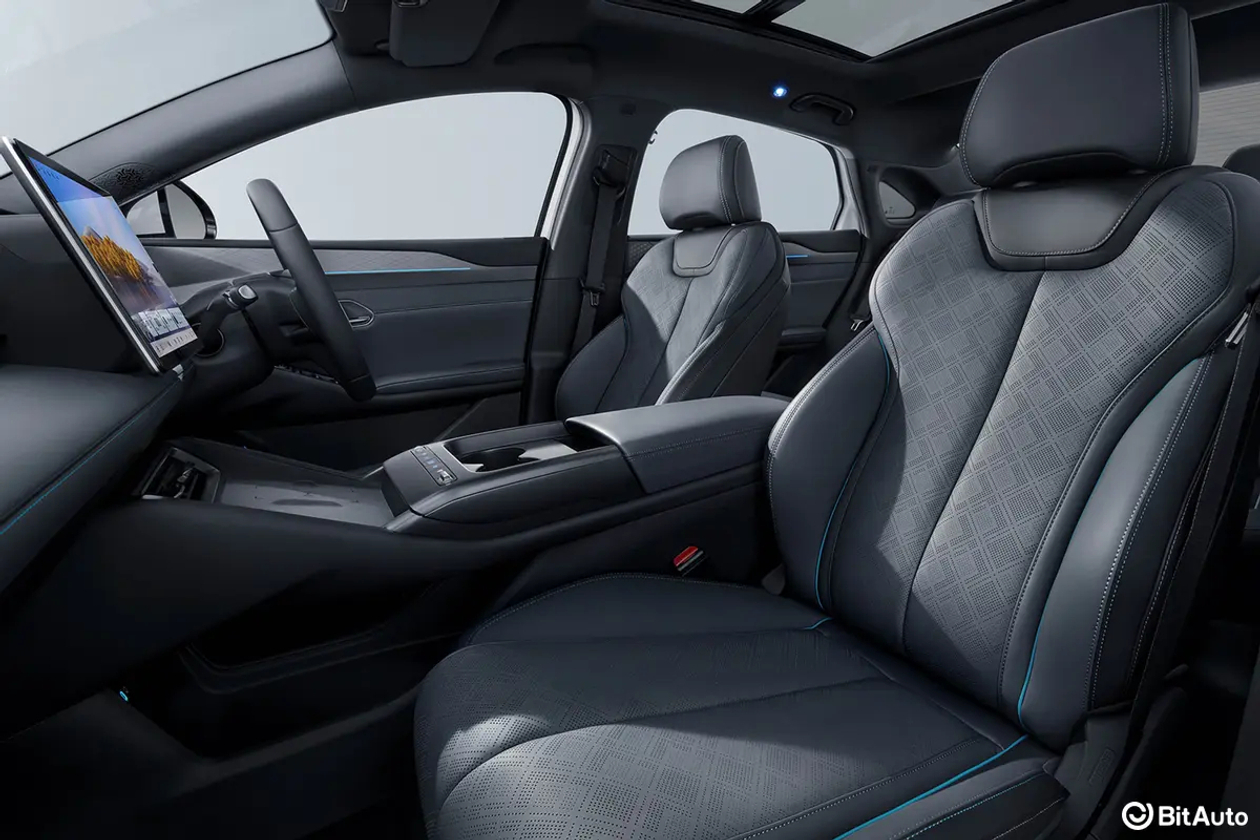
First, CKD represents BYD's long-term commitment to the Malaysian market. From planning a 600,000-square-metre self-built plant to actively evaluating cooperation with Inokom, BYD is proving through actions that Malaysia is not just a sales market but also a production and export base.
Second, CKD will drive the maturity of the entire EV ecosystem. MITI clearly stated, "Local manufacturing and assembly, rather than permanent CBU imports, is the government's long-term strategy to make EVs more accessible and affordable for Malaysians. "BYD's CKD plan is a crucial component of this strategy.
Third, CKD will provide consumers with more choices. With the implementation of local assembly capacity, BYD is expected to introduce more models to the Malaysian market, covering a wider price range and driving needs.
The story of the BYD Tanjung Malim CKD plant has gone through a complete process from a high-profile announcement to policy negotiation, and finally to a flexible pivot. Today, BYD has not left Malaysia but is advancing its local assembly plan in a more pragmatic and efficient manner.
Whether through a self-building plant or contract assembly with Inokom, the realisation of BYD's CKD in Malaysia is just a matter of time. For consumers, this means more diverse model choices, more competitive pricing and more comprehensive local support.
Liu's words may serve as the best summary, "We will find the most suitable path for the development of new energy vehicles in Malaysia."


Your go-to source for all things automotive in Malaysia. 🚗 Latest reviews, breaking news, launches & industry trends.
+ Follow We saw this accident this morning, and here’s a reminder to everyone: please drive safe. 2 days ago
  The G50 BMW 3 series is now here, adopting much of the i3's design elements.
So, where's the BMW M3?
#bmw #BMW3Series 4 days ago
The G50 BMW 3 series is now here, adopting much of the i3's design elements.
So, where's the BMW M3?
#bmw #BMW3Series 4 days ago  DRIFT PARTY in Malaysia! Can the Xiaomi SU7, Yangwang U8 mix it up against JDM favourites in KL?
Our adventure with the Xiaomi SU7 and Yangwang U8 brings us to APDCrew circuit as we give witness a drift show. With pro drifters and fan-favourites - RX7s, S15s, Skylines, Supras, and more - in the mix, can our Xiaomi SU7 and Yangwang U8 hold their own?
It's also a quick look at Malaysian car culture, including some wildly modified minivans, and more!
#drift #malaysia #xiaomisu7 #yangwangu8 #larrychen #drifting #JDM跑車 4 days ago
DRIFT PARTY in Malaysia! Can the Xiaomi SU7, Yangwang U8 mix it up against JDM favourites in KL?
Our adventure with the Xiaomi SU7 and Yangwang U8 brings us to APDCrew circuit as we give witness a drift show. With pro drifters and fan-favourites - RX7s, S15s, Skylines, Supras, and more - in the mix, can our Xiaomi SU7 and Yangwang U8 hold their own?
It's also a quick look at Malaysian car culture, including some wildly modified minivans, and more!
#drift #malaysia #xiaomisu7 #yangwangu8 #larrychen #drifting #JDM跑車 4 days ago Get the latest car news first!
Your go-to source for all things automotive in Malaysia. 🚗 Latest reviews, breaking news, launches & industry trends.
We saw this accident this morning, and here’s a reminder to everyone: please drive safe. 2 days ago The G50 BMW 3 series is now here, adopting much of the i3's design elements.
So, where's the BMW M3?
#bmw #BMW3Series 4 days ago DRIFT PARTY in Malaysia! Can the Xiaomi SU7, Yangwang U8 mix it up against JDM favourites in KL?
Our adventure with the Xiaomi SU7 and Yangwang U8 brings us to APDCrew circuit as we give witness a drift show. With pro drifters and fan-favourites - RX7s, S15s, Skylines, Supras, and more - in the mix, can our Xiaomi SU7 and Yangwang U8 hold their own?
It's also a quick look at Malaysian car culture, including some wildly modified minivans, and more!
#drift #malaysia #xiaomisu7 #yangwangu8 #larrychen #drifting #JDM跑車 4 days ago  ProtonGWMVolkswagenJAECOOVolvoPeroduaToyotaHondaTESLAMitsubishiMazdaJetourCheryBYDLexusBMWMercedes-BenziCAURZeekrIsuzuNissanLeapmotorPorscheFordOMODAMINIMGSuzukiXPengHyundaiWulingKiaSubaruDenzaGACLand RoverDongfengCAMAudiPeugeotFotonMAXUSsmartDaihatsuJACJMCMaseratiLotusAlfa RomeoRenaultGolden DragonKaiceneSeresLamborghiniFerrariJeepRolls-RoyceLepasAston MartinMcLarenChevroletBentleyFiatBAICForthingGeelyRoeweAeolusChanganARCFOXDeepalExeedHongqiVoyahJaguarKGMBuforiAcuraCadillacDodgeAbarthINEOSMHEROJMEVFreelander
© 2024 Bitauto.com. All Rights Reserved.
Bitauto (www.yiche.com and www.bitauto.com) is one of the most visited automotive websites in China. We provide detailed info on Chinese car brands available in your area. Please note that the information provided on this website is based on publicly available data and is for reference only. It may not be fully updated or accurate at all times.
Help us improve our website


