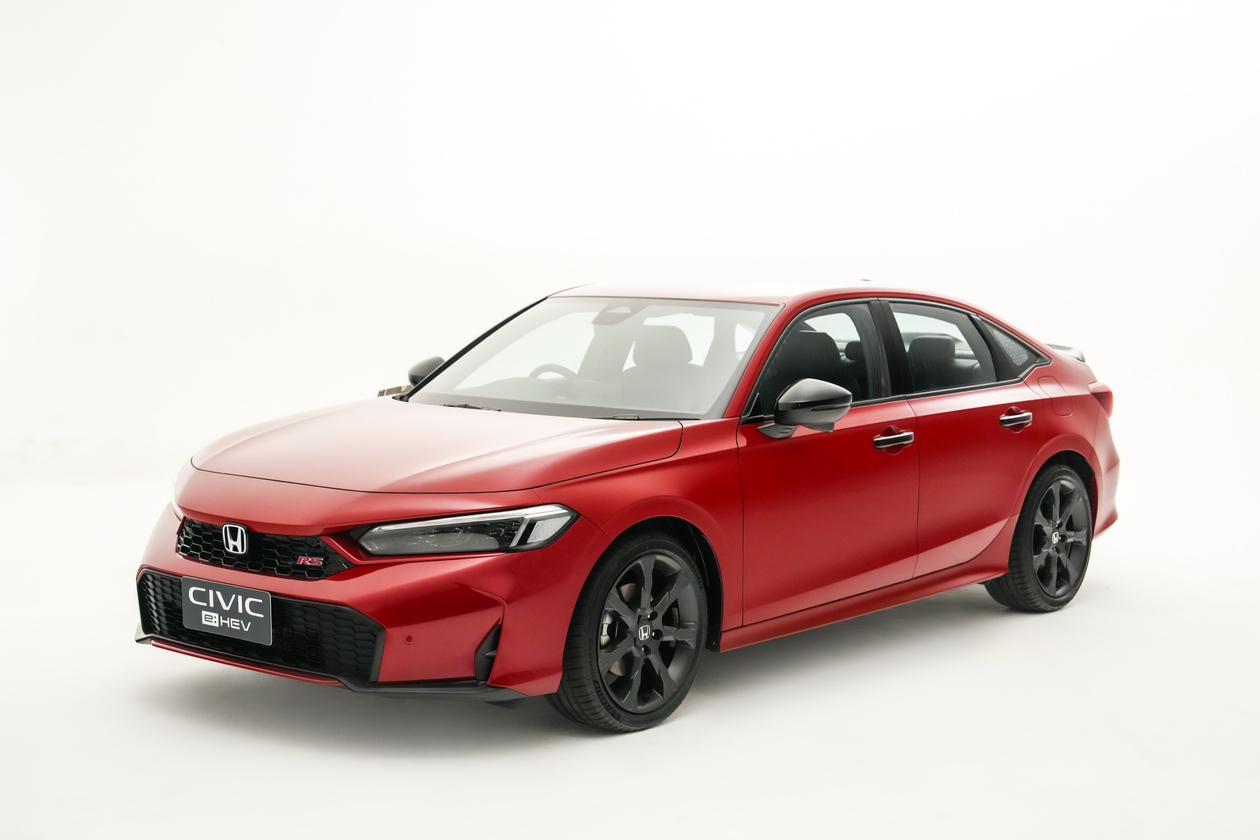
Honda's latest Civic e:HEV RS equipped with the new S+ Shift system has finally gone on sale in Japan, and early impressions from the local media suggest the update is much more than just simulated gear changes.
With Thailand already receiving the updated S+ Shift-equipped Civic e:HEV RS just last week and Malaysia widely expected to follow suit later this year, Japanese publication webCG recently put the new model through its paces to find out whether Honda's latest technology genuinely makes the hybrid sedan more engaging to drive.
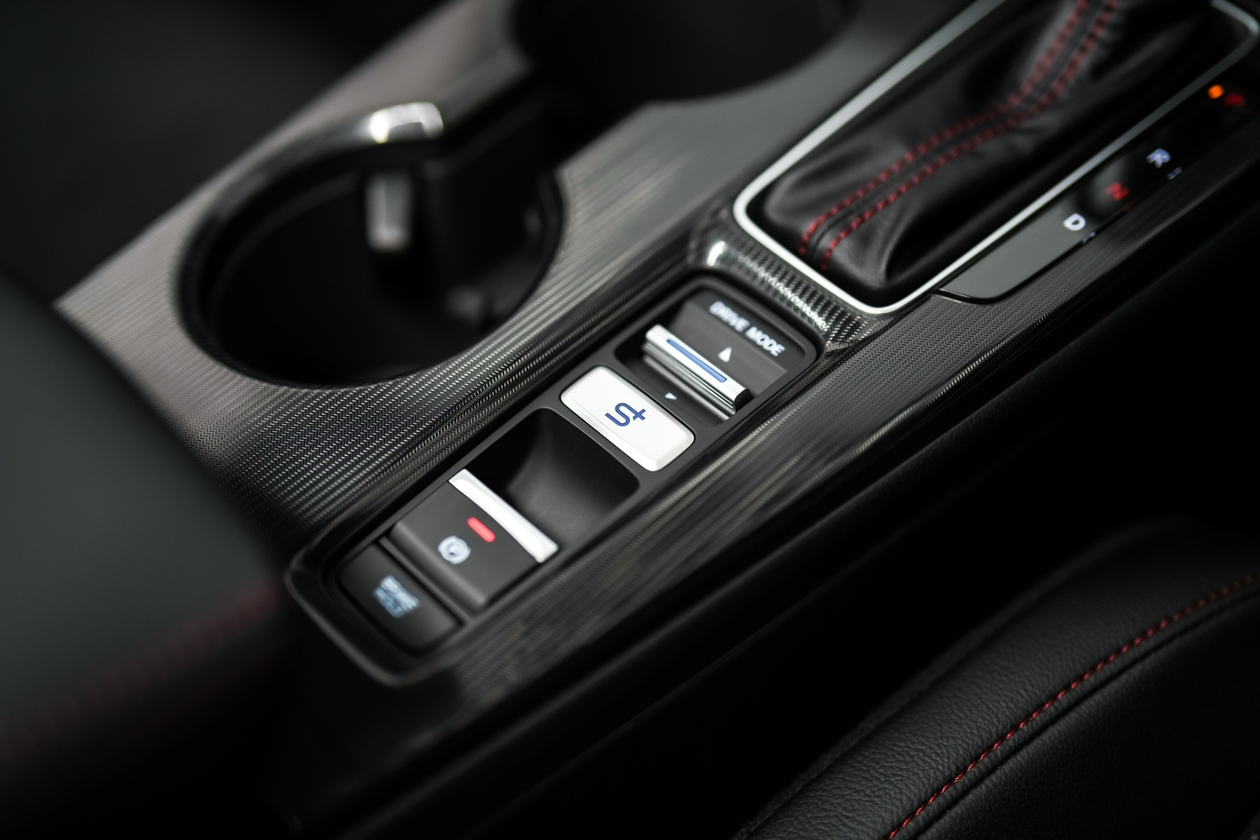
At first glance, S+ Shift might sound like another virtual transmission similar to systems found in performance EVs. However, according to the Japanese review, Honda has gone much further by integrating engine sound, throttle response and drivetrain control into a more cohesive driving experience, ala Honda Prelude.
Although the Civic still uses Honda's familiar e:HEV hybrid system with a single-speed eCVT transmission, S+ Shift creates eight virtual gear ratios that can be controlled via the steering wheel-mounted paddle shifters.
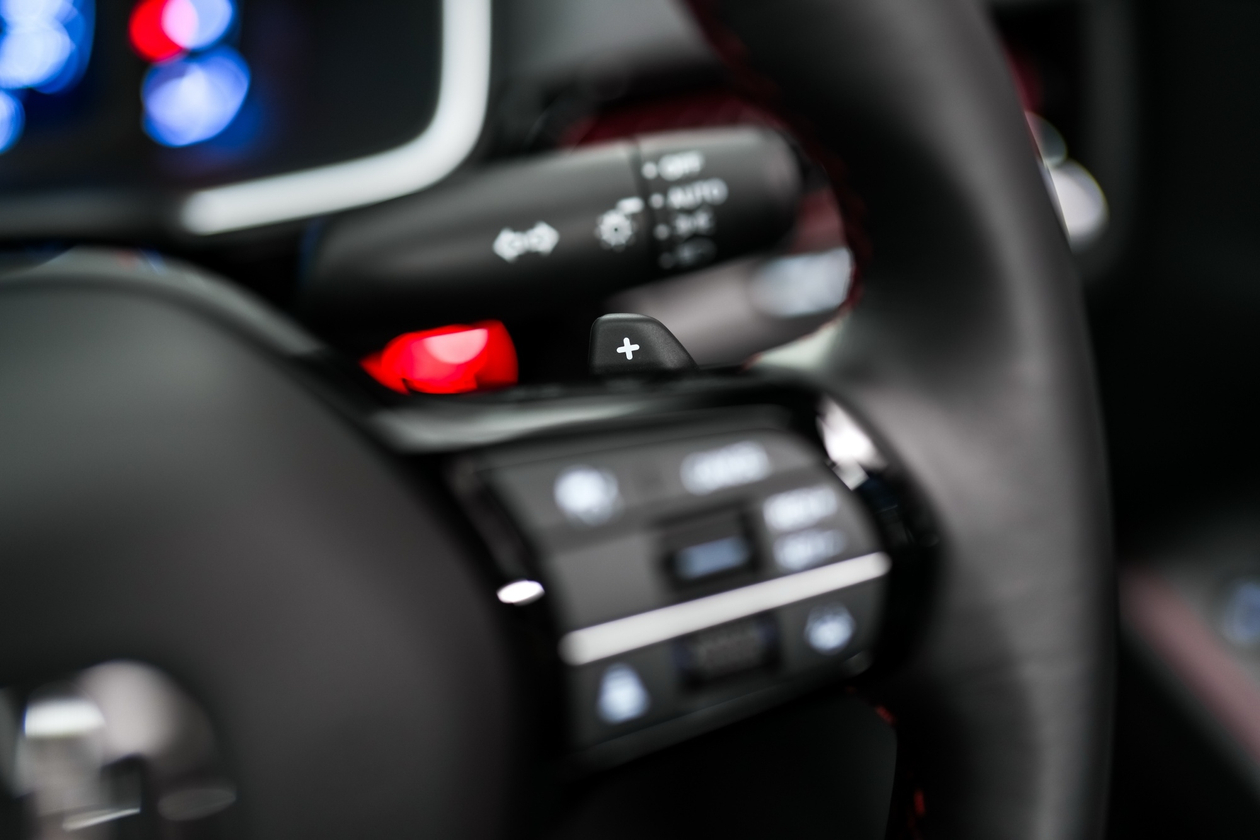
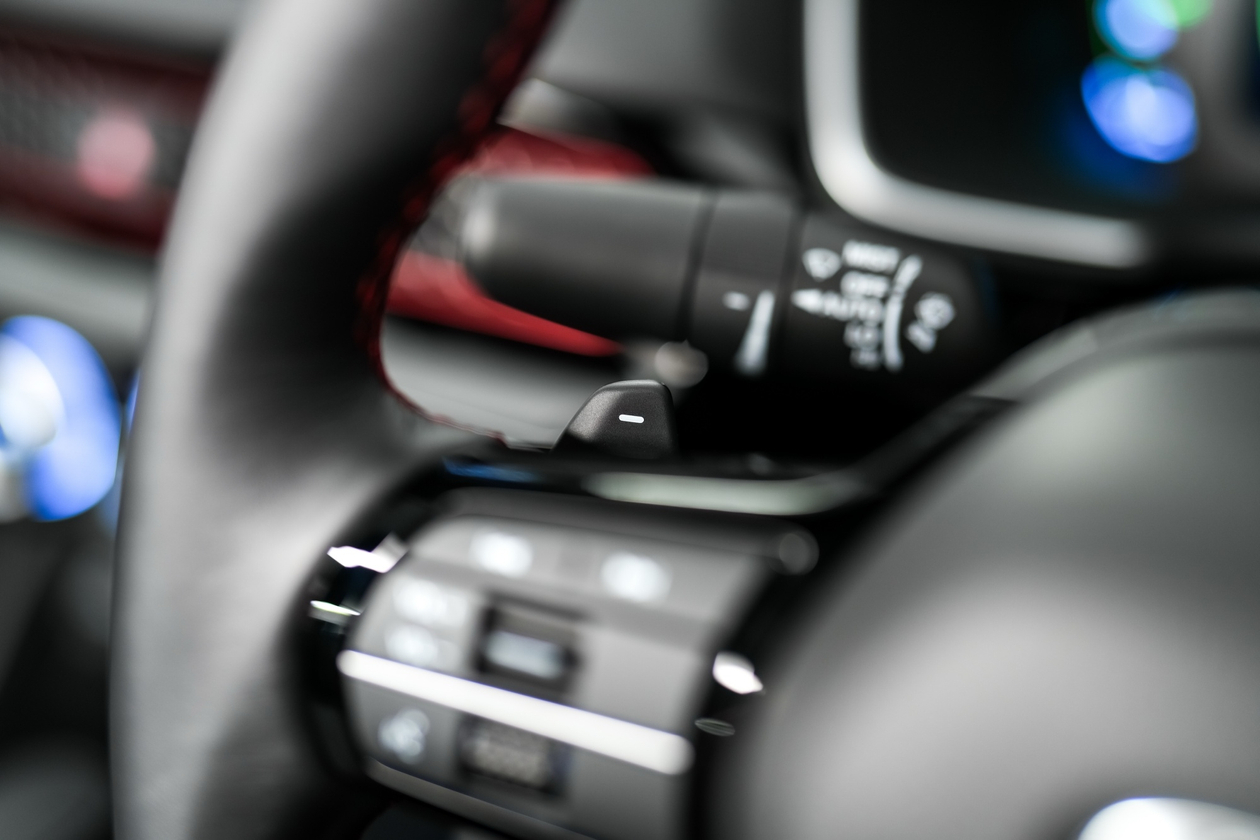
Unlike conventional CVT programming, the system introduces noticeable "upshifts" and "downshifts", accompanied by matching engine revs and simulated shift shock, making the car feel considerably closer to driving a traditional automatic or dual-clutch transmission.
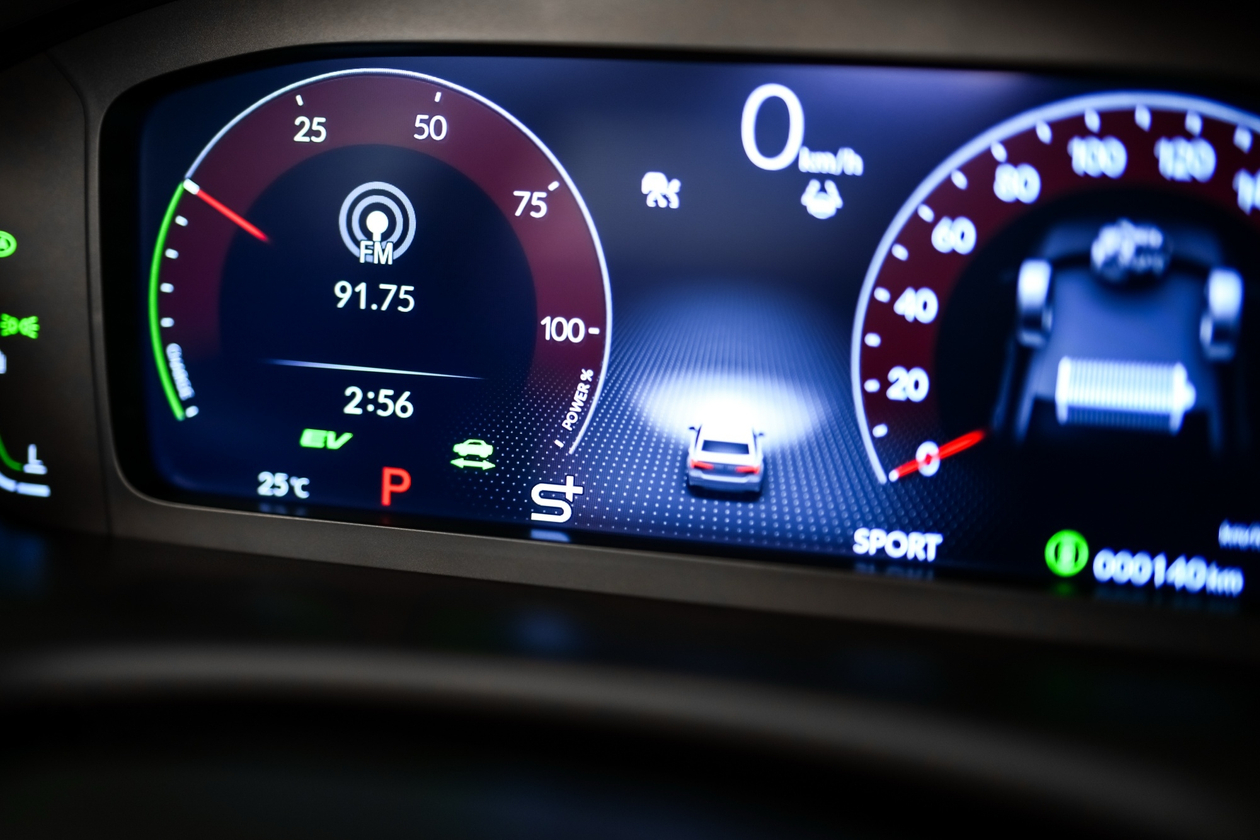
Now, versus the Honda Prelude, webCG mentioned that in the Civic, engaging S+ Shift automatically puts the car into Sport mode, but in the Prelude, S+ Shift can be engaged in any driving mode (yes, even in Econ mode).
According to webCG, the biggest surprise wasn't how convincing the virtual gear changes felt, but how naturally they integrated into the Civic's existing hybrid drivetrain.
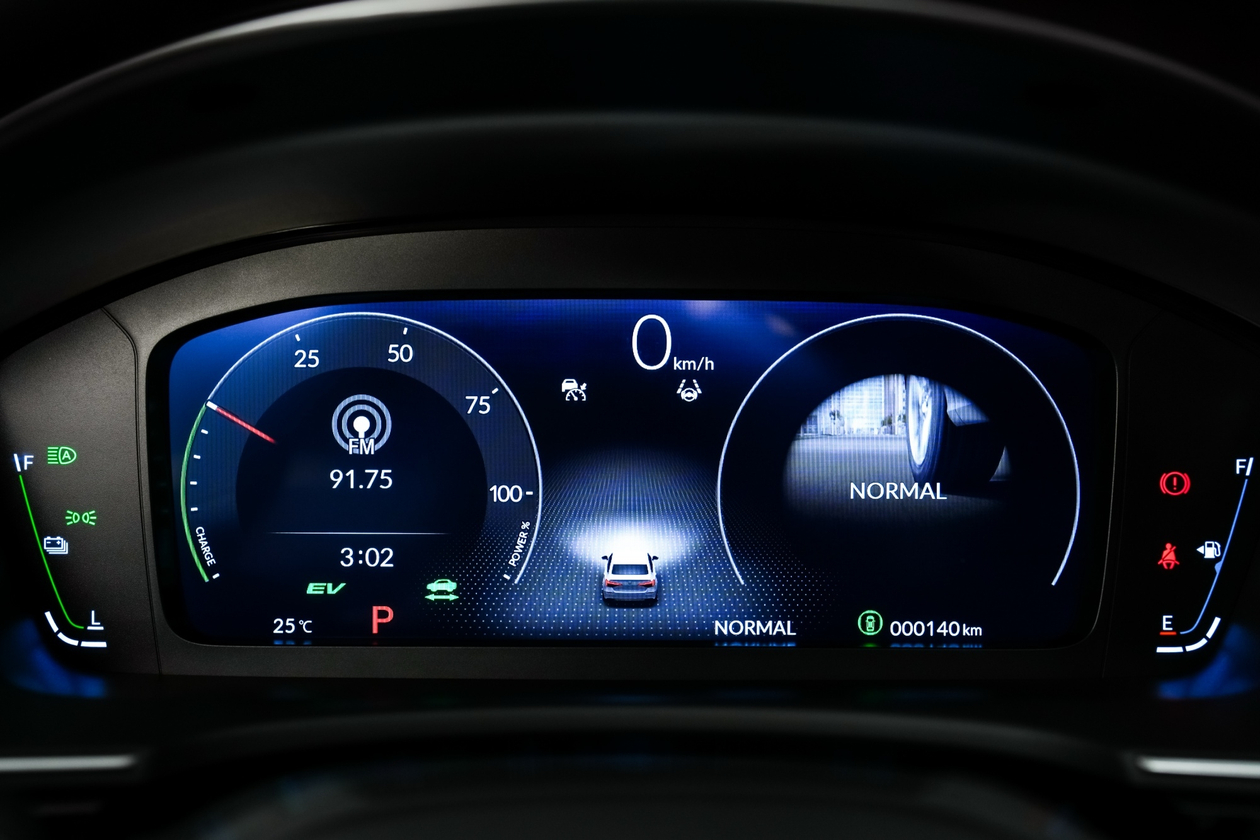
On winding roads, the S+ Shift system takes into account inputs such as vehicle speed, lateral and longitudinal G-forces, and throttle position to determine the driver's intent, thus delivering more pronounced throttle blips during down shifts and holds a lower virtual gear ratio (keep in mind that the Civic e:HEV uses an eCVT, and this are all software-controlled). The S+ Shift system is also able to prevent upshift during mid-corners.
During relaxed driving, however, the system adopts a smoother character, reducing the intensity of throttle blips and shifting up earlier with subtle, natural-sounding gear changes to prioritise comfort and refinement.
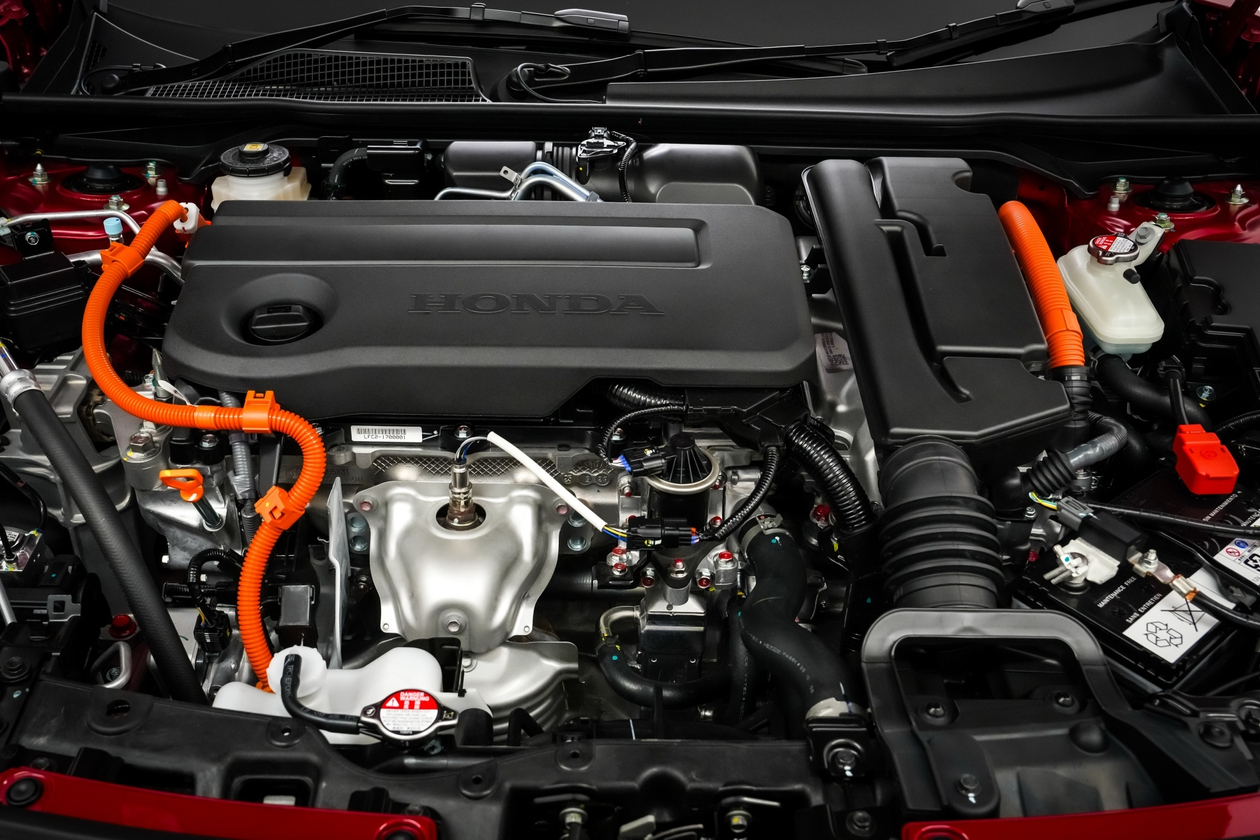
Importantly, reviewers noted that the system never becomes intrusive. Drivers can simply leave the car in its normal operating mode and the Civic continues to behave like a conventional e:HEV, retaining the smoothness and efficiency the hybrid is known for.
The Japanese-market Civic e:HEV RS isn't just about S+ Shift.
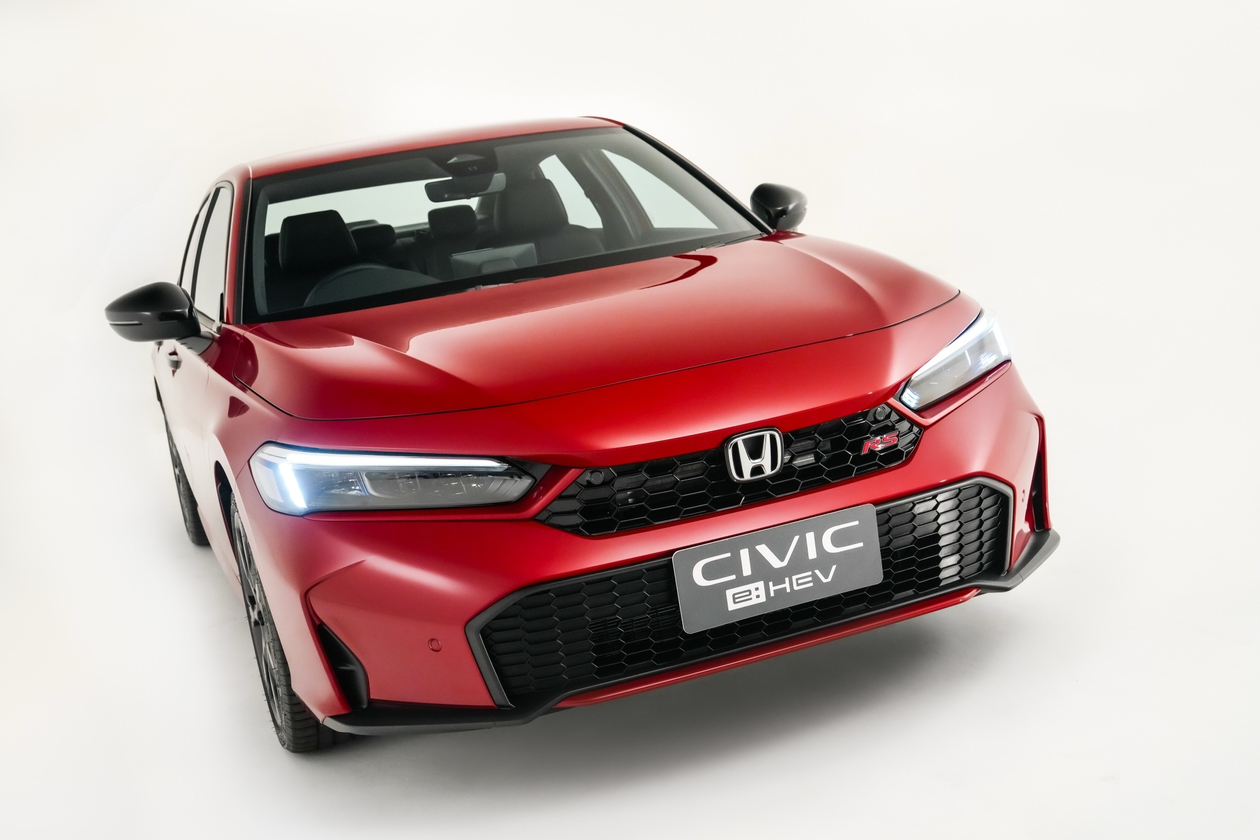
Honda has also retuned the suspension and steering specifically for the RS variant, giving the car sharper responses without significantly compromising ride comfort. Combined with the simulated transmission, the overall package is said to deliver a noticeably more engaging driving experience compared to the standard Civic e:HEV.
Honda has already introduced the updated Civic e:HEV RS in Thailand just last week, bringing S+ Shift, additional driver assistance features and minor equipment upgrades to the model.
Given that Thailand is the mother plant for this region, we reckon it's only a matter of time before these updates are introduced on the Malaysian-spec cars.
Read Also: 2026 Honda Civic e:HEV update coming to Thailand this July with S+ Shift, Will Malaysia Get It Next?
That said, it's more than just the Civic facelift that's likely coming this year, as the updated 2026 Honda City facelift will likely be arriving too.
Read Also: New 2026 Honda City facelift launched in Thailand: 1.0T & 1.5L e:HEV, from RM 70k


Your go-to source for all things automotive in Malaysia. 🚗 Latest reviews, breaking news, launches & industry trends.
+ Follow This weekend is your chance to own a Volvo Selekt Certified Used Car, priced from just RM 148,000.
What are you waiting for?
#volvo 1 minute ago
This weekend is your chance to own a Volvo Selekt Certified Used Car, priced from just RM 148,000.
What are you waiting for?
#volvo 1 minute ago  We saw this accident this morning, and here’s a reminder to everyone: please drive safe. 2 days ago
  The G50 BMW 3 series is now here, adopting much of the i3's design elements.
So, where's the BMW M3?
#bmw #BMW3Series 4 days ago
The G50 BMW 3 series is now here, adopting much of the i3's design elements.
So, where's the BMW M3?
#bmw #BMW3Series 4 days ago Get the latest car news first!
Your go-to source for all things automotive in Malaysia. 🚗 Latest reviews, breaking news, launches & industry trends.
This weekend is your chance to own a Volvo Selekt Certified Used Car, priced from just RM 148,000.
What are you waiting for?
#volvo 1 minute ago We saw this accident this morning, and here’s a reminder to everyone: please drive safe. 2 days ago The G50 BMW 3 series is now here, adopting much of the i3's design elements.
So, where's the BMW M3?
#bmw #BMW3Series 4 days ago  ProtonGWMVolkswagenJAECOOVolvoPeroduaToyotaHondaTESLAMitsubishiMazdaJetourCheryBYDLexusBMWMercedes-BenziCAURZeekrIsuzuNissanLeapmotorPorscheFordOMODAMINIMGSuzukiXPengHyundaiWulingKiaSubaruDenzaGACLand RoverDongfengCAMAudiPeugeotFotonMAXUSsmartDaihatsuJACJMCMaseratiLotusAlfa RomeoRenaultGolden DragonKaiceneSeresLamborghiniFerrariJeepRolls-RoyceLepasAston MartinMcLarenChevroletBentleyFiatBAICForthingGeelyRoeweAeolusChanganARCFOXDeepalExeedHongqiVoyahJaguarKGMBuforiAcuraCadillacDodgeAbarthINEOSMHEROJMEVFreelander
© 2024 Bitauto.com. All Rights Reserved.
Bitauto (www.yiche.com and www.bitauto.com) is one of the most visited automotive websites in China. We provide detailed info on Chinese car brands available in your area. Please note that the information provided on this website is based on publicly available data and is for reference only. It may not be fully updated or accurate at all times.
Help us improve our website


