In the first half of 2026, Malaysia's Total Industry Volume (TIV) reached 385,353 units. While the MPV segment isn't growing as rapidly as SUVs, 7-seater vehicles remain a necessity for larger families. During this period, MPV sales stood at 30,182 units, accounting for 7.8% of the overall market.
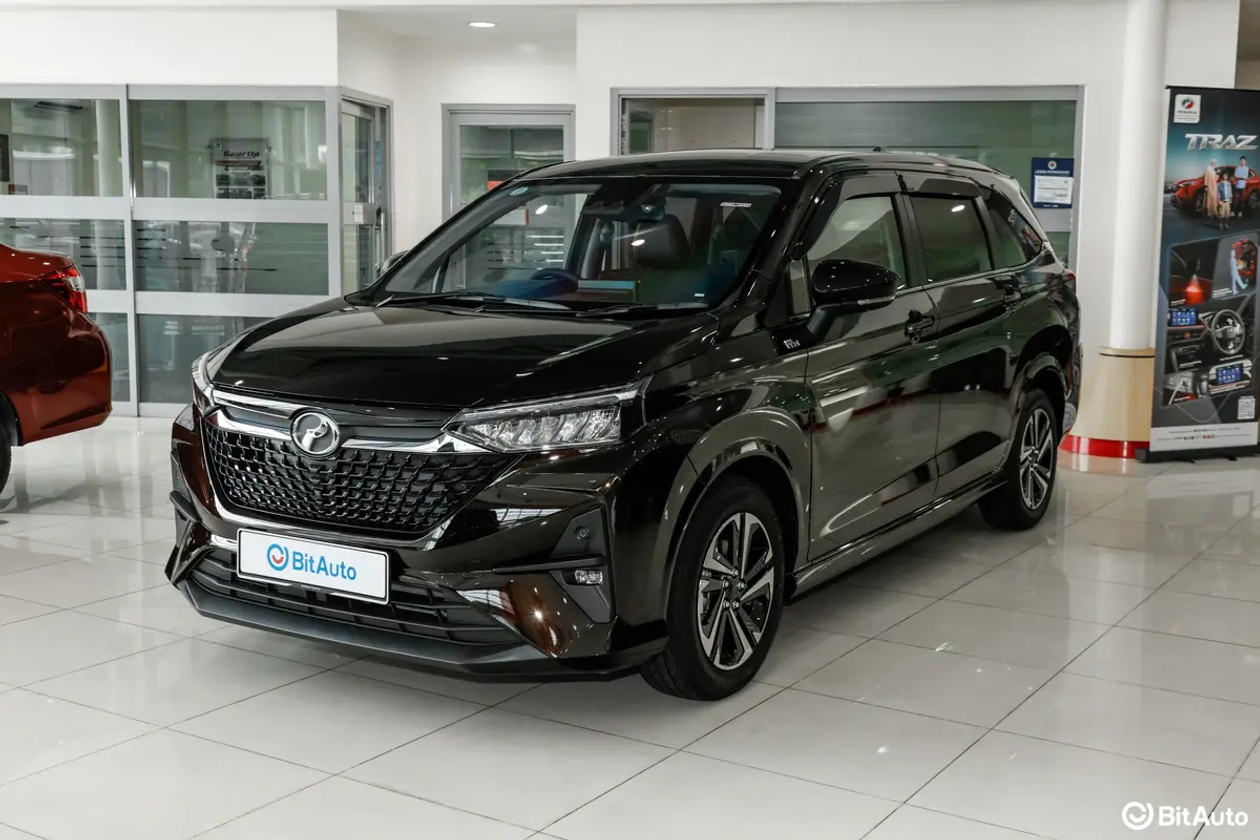
The two most popular B-segment 7-seater MPVs in the market happen to share the same underpinnings. Both the Perodua Alza and Toyota Veloz are built on the DNGA platform.
Both models are manufactured at Perodua’s plant in Sungai Choh, Rawang. They share the same 2NR-VE 1.5-litre naturally aspirated engine, putting out 105 hp and 138 Nm of torque. The transmission for both is a D-CVT. Both are 7-seaters, and even their boot space is identical at 137 litres with the third-row seats up.
However, the price gap is close to RM20,000. The range-topping Alza AV is priced at RM75,500, whereas the Veloz is offered in a sole variant at RM95,000. So, what exactly does this RM20,000 premium get you?
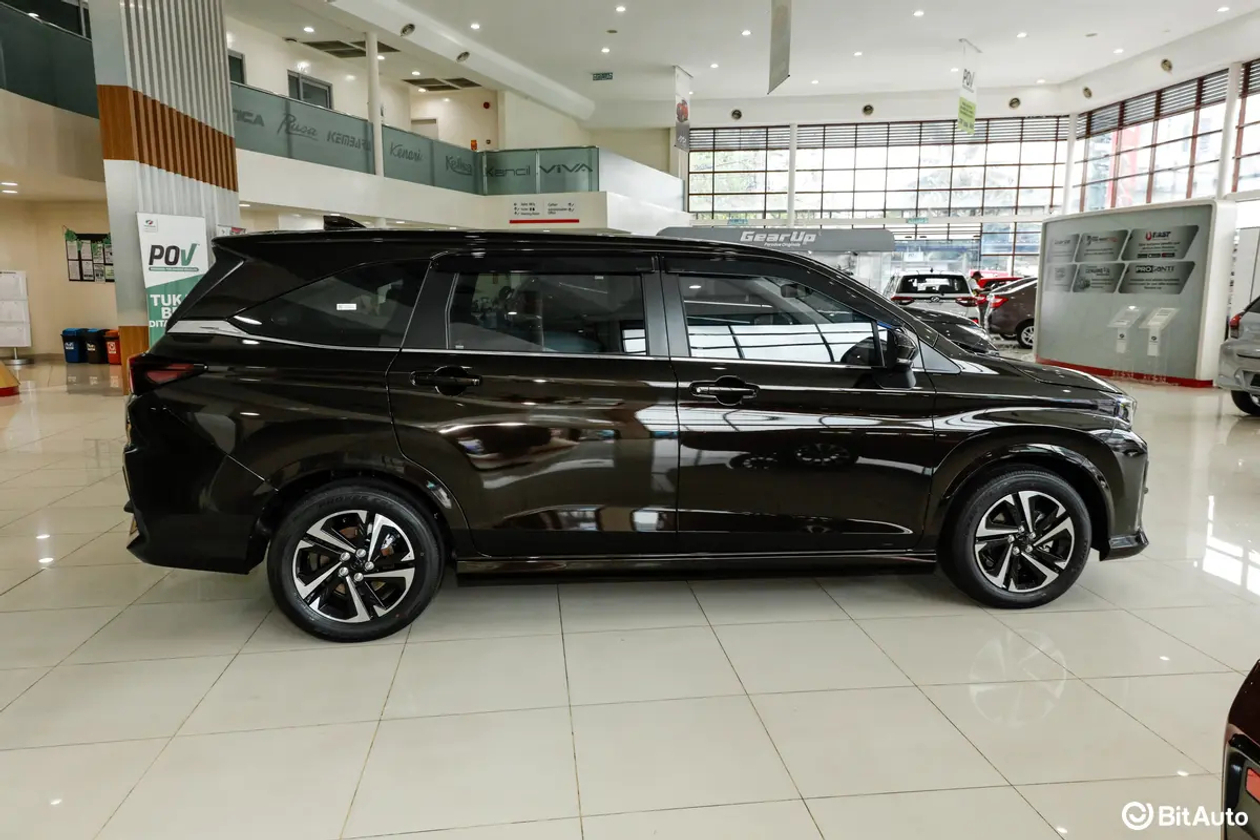
The Alza is available in three variants: the X at RM62,500, the H at RM68,000, and the AV at RM75,500. Meanwhile, the Veloz comes in a single variant priced at RM95,000.
The price difference between the entry-level Alza X and the Veloz is RM32,500. Even compared to the range-topping Alza AV, the gap is still RM19,500. That is no small sum; for many families, this difference could cover fuel and maintenance costs for several years.
Both vehicles share the exact same powertrain setup: a 1.5-litre naturally aspirated engine producing 105 hp and 138 Nm of torque, mated to a D-CVT.
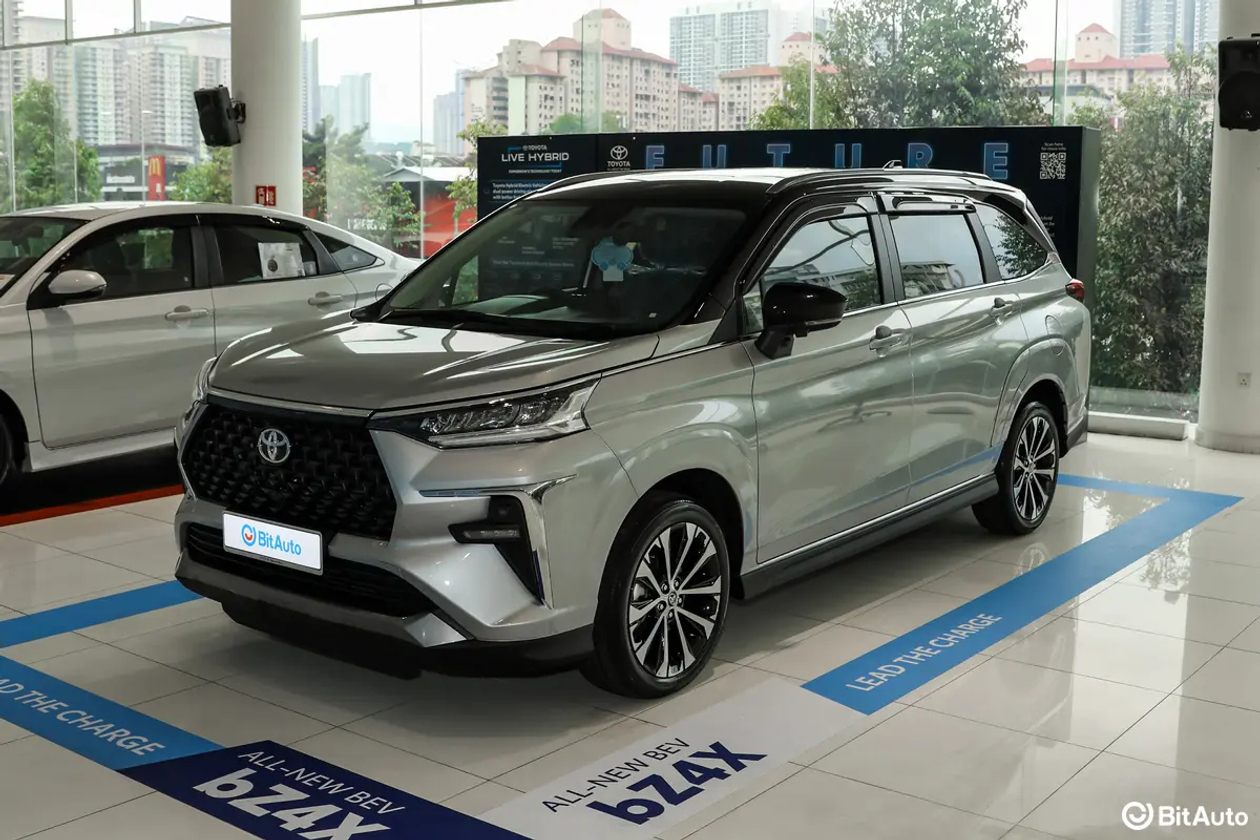
Behind the wheel, the driving dynamics are largely similar. Since the chassis, engine, and transmission are identical, any difference comes down to suspension tuning and soundproofing. The Veloz’s NVH (Noise, Vibration, and Harshness) levels are theoretically better, fitting Toyota's more premium positioning. However, at their core, they are the same, so do not expect a night-and-day difference in performance.
As for fuel economy, the Alza’s official rated figure is 5.3L/100km. While UMW Toyota has not officially published the fuel consumption figures for the Malaysian-spec Veloz, overseas specs rate it at around 5.2L/100km. In real-world driving, the difference is negligible.
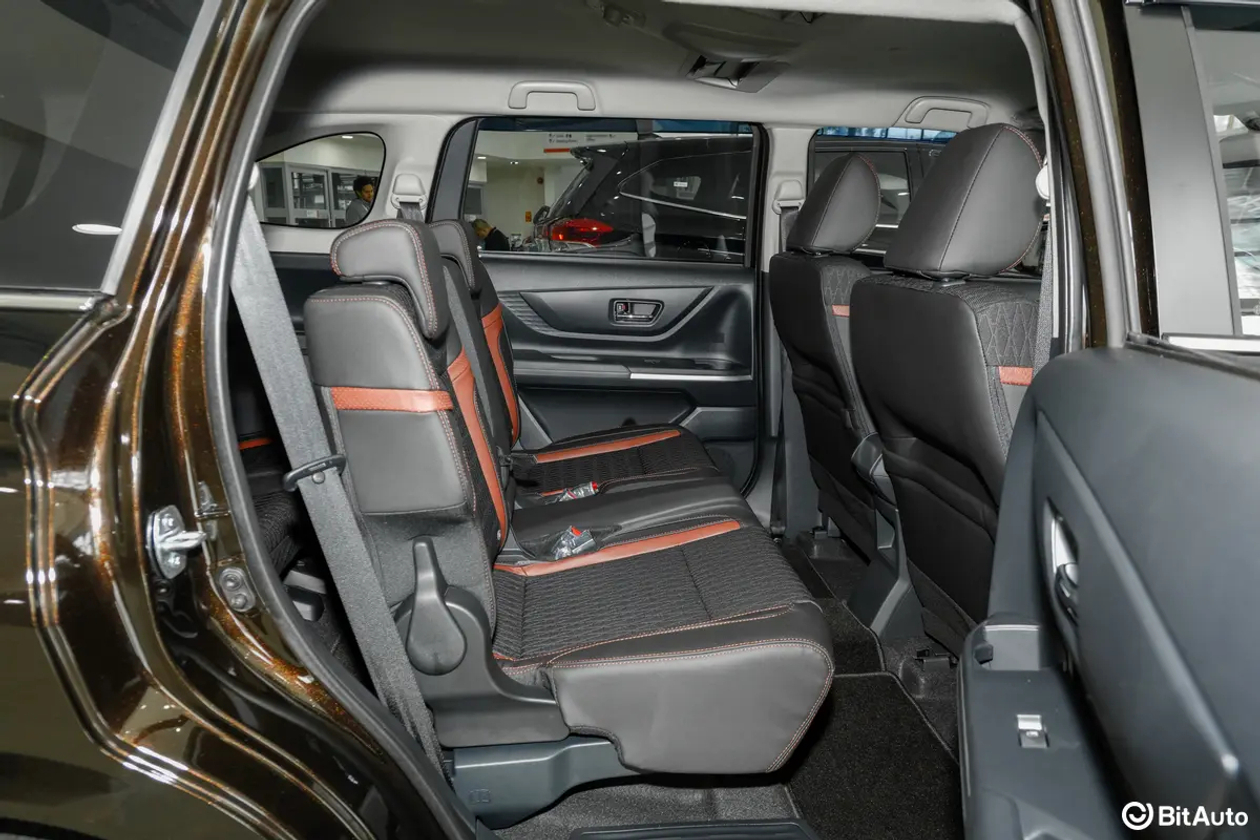
Both MPVs feature a 7-seater layout in a 2+3+2 configuration. The second-row seats can slide fore and aft, while the third-row seats fold flat when not in use. Both offer an identical 137 litres of boot space.
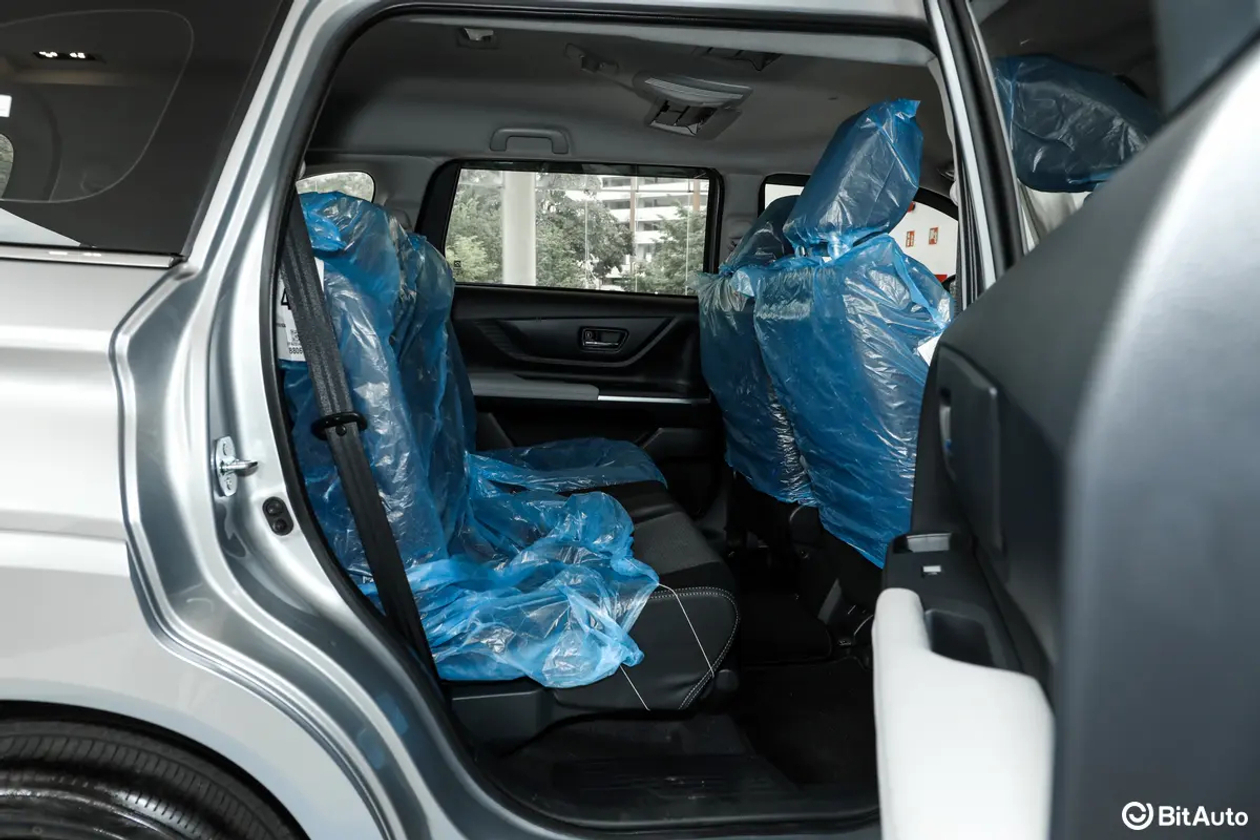
However, there is one key difference: ground clearance. The Veloz sits higher at 190 mm, while the Alza is lower at 160 mm—a 30 mm difference. While 30 mm might not sound like much on paper, it makes the Veloz more reassuring when tackling speed bumps, climbing kerbs, or driving on rough roads. If you frequently travel on poorly paved roads, this is a difference worth noting.
Furthermore, the Veloz comes equipped with roof rails, which are absent on the Alza. As for the third row, both cars only offer "emergency-use" space, meaning adults will still find it tight on long journeys.
This is where the two models diverge the most, and it is the primary reason for the Veloz’s higher price tag.
Here is what the Veloz offers over the Alza AV:
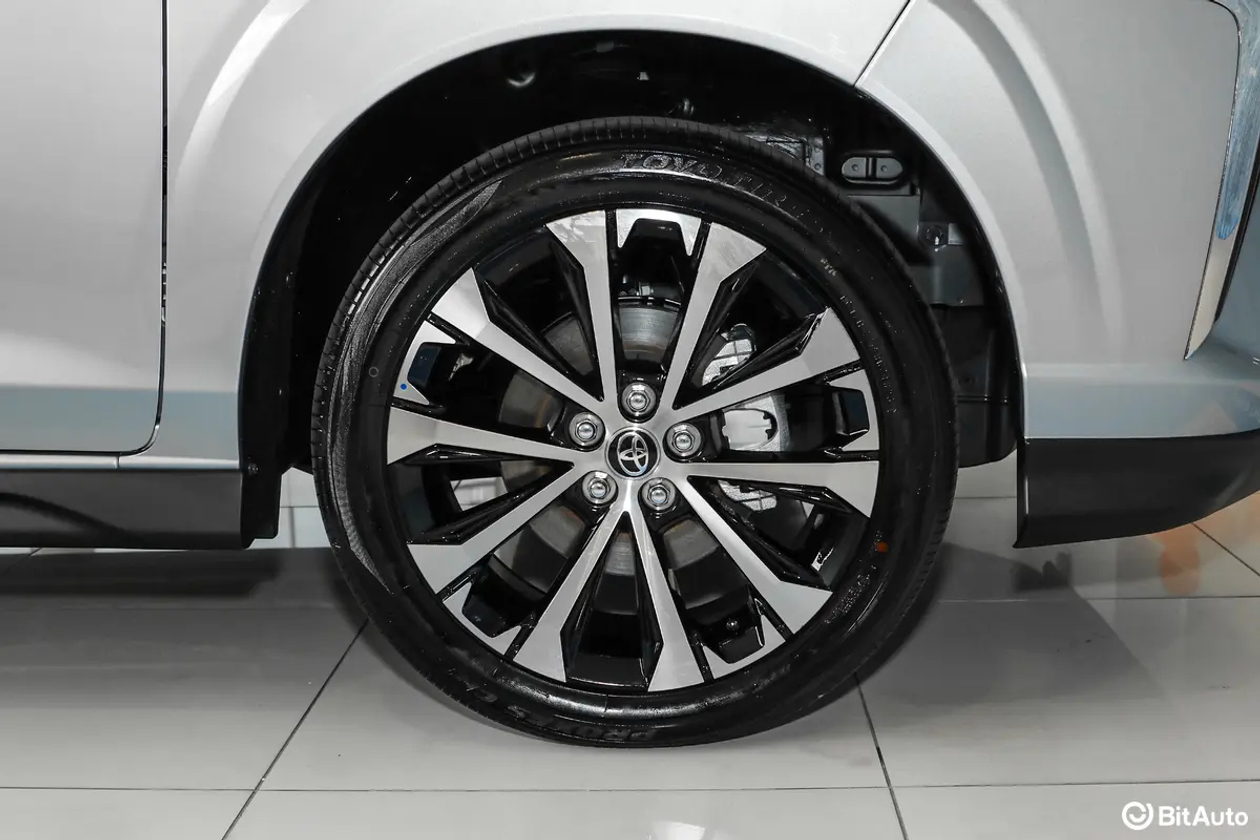
17-inch alloy wheels. The Alza AV and H variants get 16-inch wheels, while the entry-level X variant gets 15-inch rims. The larger wheels on the Veloz definitely give it a more muscular stance.
LED Daytime Running Lights (DRLs). The Veloz comes standard with LED DRLs, whereas the Alza range lacks DRLs entirely. Instead, the Alza AV and H variants feature LED headlights and LED front fog lamps. While you can opt for the GearUp bodykit to add LED lights to the lower front bumper, these function merely as positioning lights rather than true DRLs, differing in both functionality and appearance.
Wireless Apple CarPlay and Android Auto. The Alza range requires a wired connection, whereas the Veloz supports wireless connectivity out of the box.
Wireless smartphone charger. This is completely absent across the entire Alza lineup.
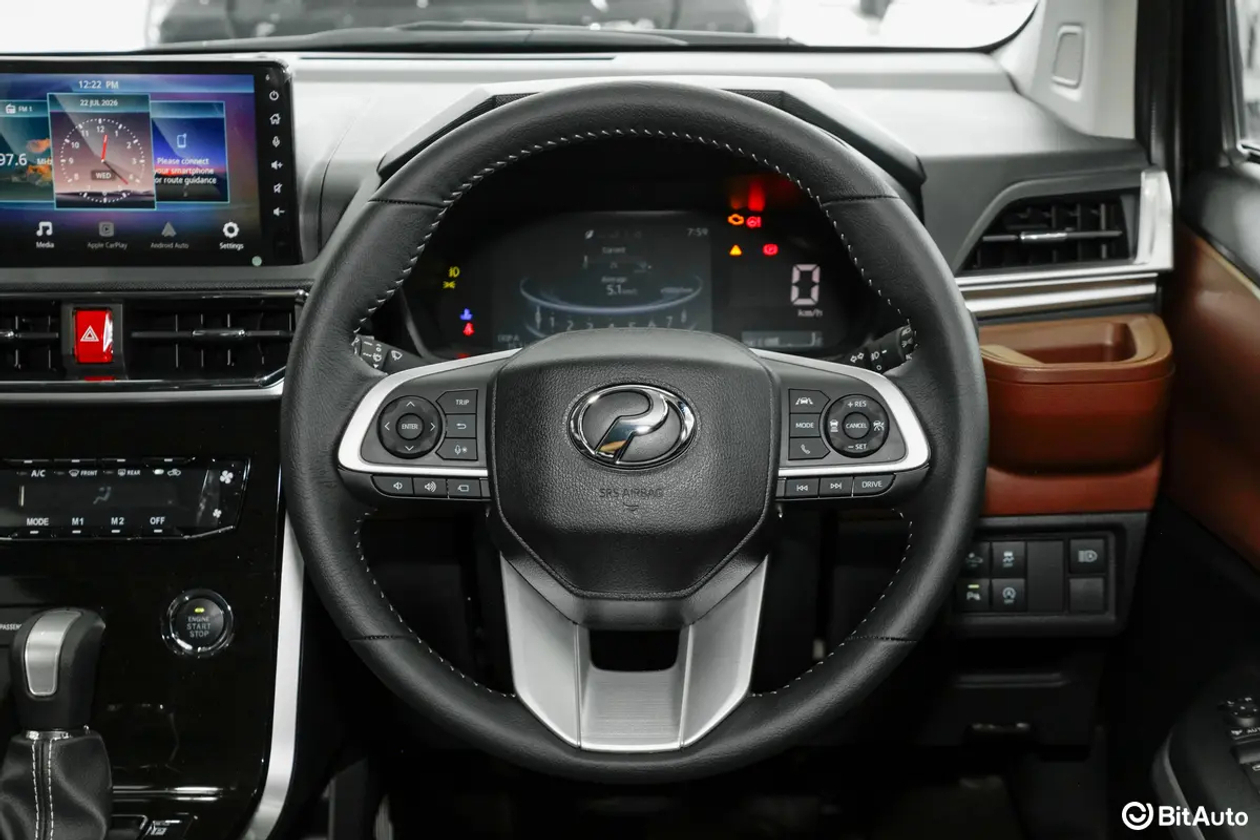
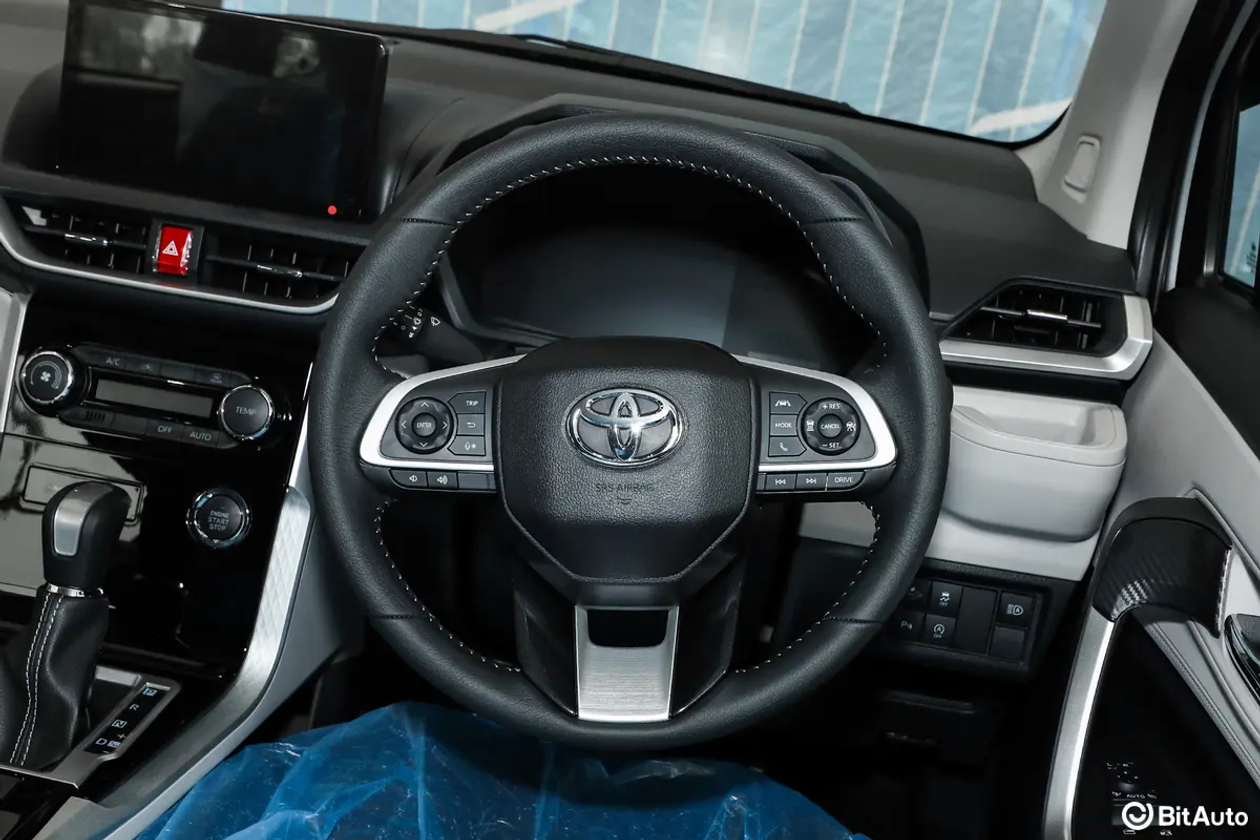
Telescopic and tilt steering adjustment. The Alza's steering wheel only adjusts for tilt (up and down), lacking telescopic (reach) adjustment. The Veloz offers both tilt and telescopic adjustment. This makes a huge difference for drivers of varying heights; without the ability to adjust the reach, finding a comfortable driving position is difficult, leading to fatigue on long drives.
Keyless entry sensor on the front passenger door. The Alza only has a keyless entry sensor on the driver’s side. The Veloz features it on both front doors, allowing you to unlock the car from either side.
Full-width LED taillights. The Veloz features a modern, continuous light bar design at the rear, whereas the Alza features conventional split taillights.
Interior materials and cabin ambiance. The Veloz features a dual-tone black-and-grey/white cabin with semi-leather and fabric seats. The Alza AV, on the other hand, sports a red-and-black theme. The Veloz also gains blue ambient lighting.
Toyota Safety Sense vs Perodua ASA 3.0. The Advanced Driver Assistance Systems (ADAS) on both cars are very similar. Both offer Autonomous Emergency Braking (AEB), Adaptive Cruise Control (ACC), and Lane Departure Warning (LDW). They simply go by different names: Perodua calls it ASA 3.0, while Toyota calls it Toyota Safety Sense (TSS). The Veloz’s safety suite is on par with the range-topping Alza AV.
Despite carrying the Toyota badge, the Veloz is built at Perodua’s Sungai Choh plant. However, servicing and maintenance for the Veloz are handled by Toyota service centres, while the Alza is serviced at Perodua outlets.
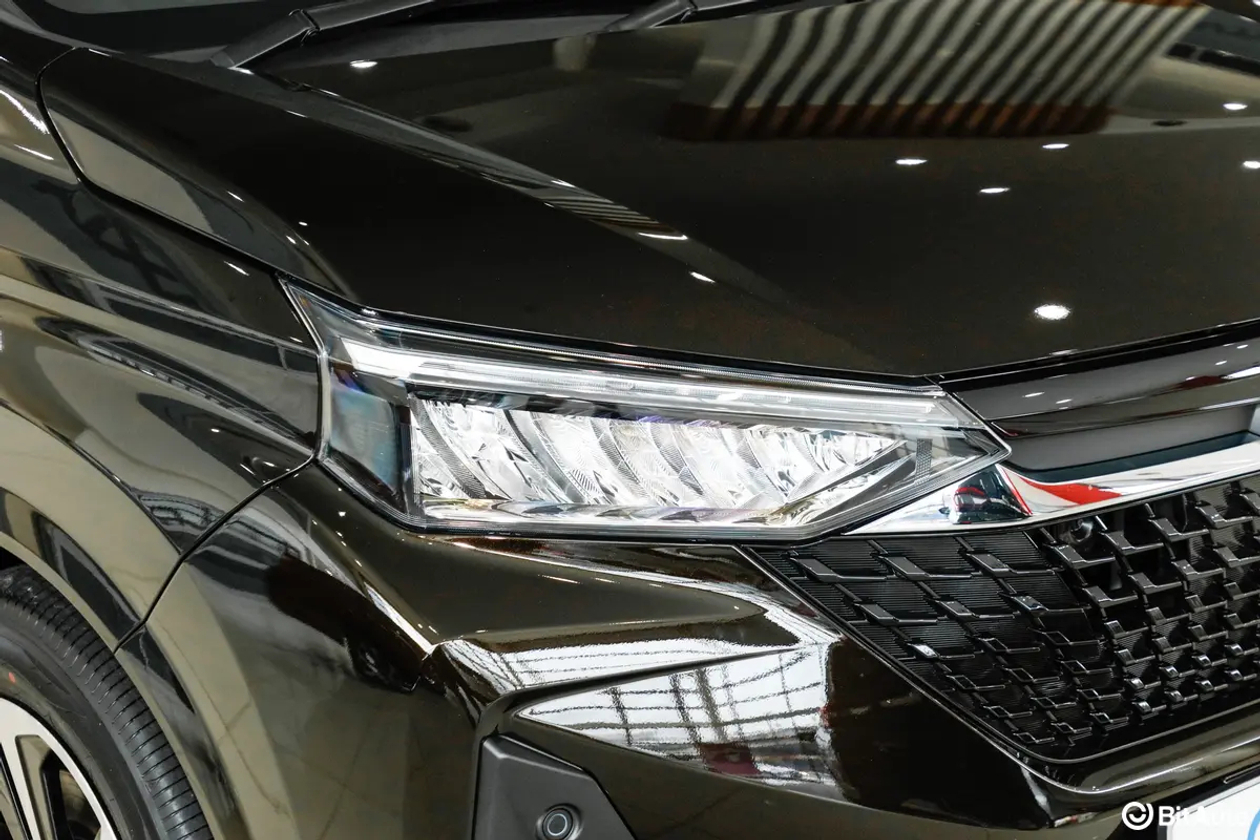
In terms of running costs, based on the 2022 official maintenance schedule, the servicing cost for the second-generation Alza over 5 years or 100,000 km is approximately RM3,160.86. However, it is worth noting that Perodua announced a reduction of up to 10% on service parts and labour charges across all models starting 19 June 2026. This means the actual maintenance cost is likely lower than the initial estimate.
While UMW Toyota has not published the official maintenance figures for the Veloz, Toyota's labour rates and parts prices are generally higher than Perodua's. Consequently, the Veloz’s 5-year maintenance cost is expected to be a few hundred to a thousand ringgit higher.
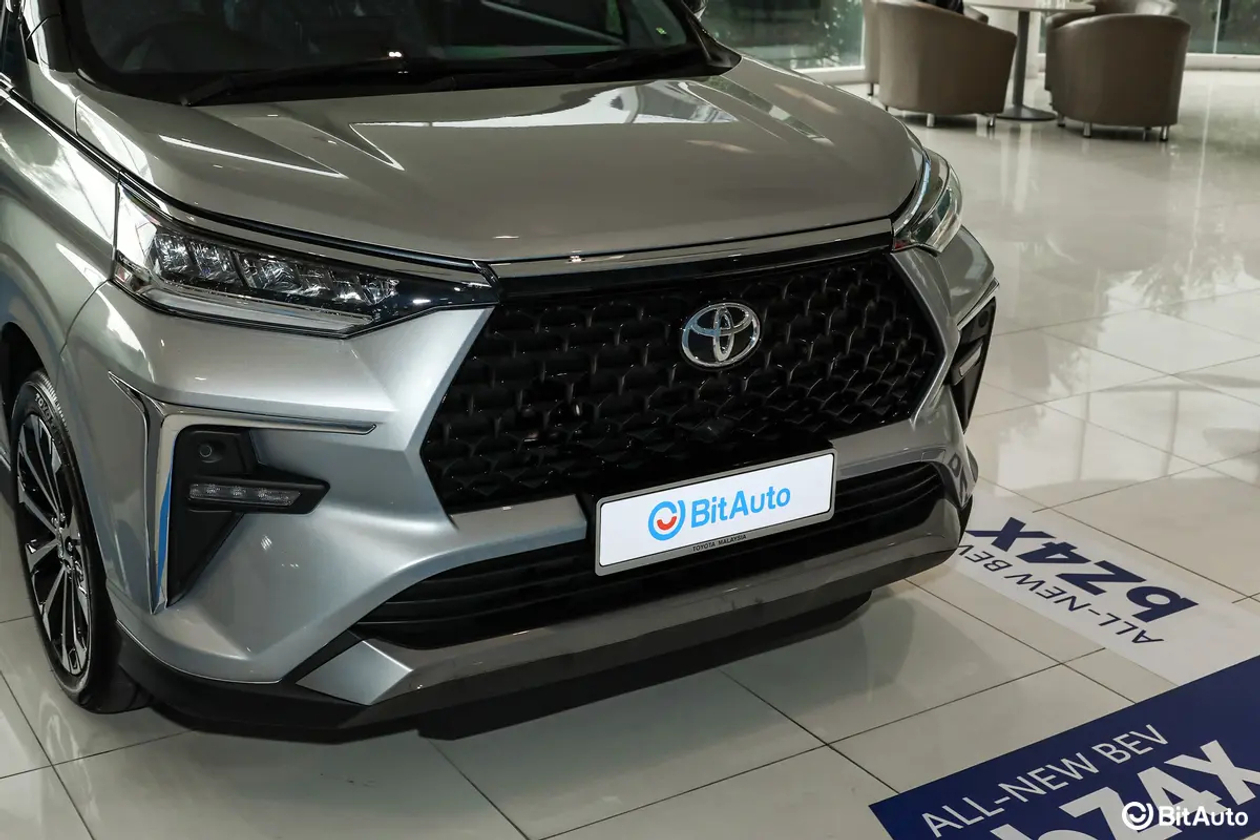
When it comes to resale value, being a Toyota usually gives the Veloz an edge in depreciation. However, the Alza is highly sought after in the used car market with steady demand, ensuring decent value retention as well. While you might recoup some of the Veloz’s premium upon resale, you won't get all of it back.
Let's go back to the question: Save RM20,000 or spend RM20,000 more?
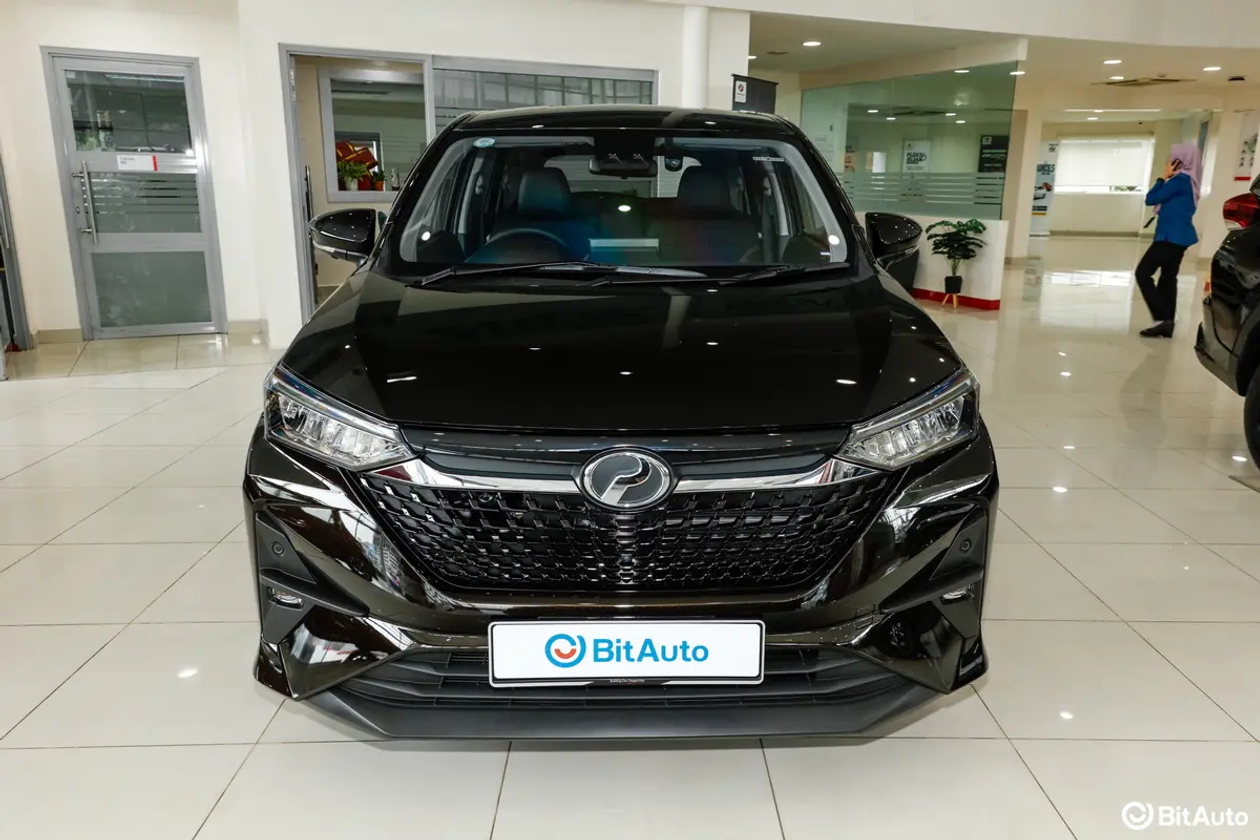
Go for the Alza if: You are on a tight budget, and RM20,000 is a significant saving. You do not mind missing out on wireless CarPlay, wireless charging, or larger rims, and are perfectly fine plugging in a cable every time you drive. You find the tilt-only steering adjustment sufficient for your seating position. Your driving is mostly urban, so the 30 mm difference in ground clearance is not a dealbreaker. The Alza is more than enough for daily duties, and the saved RM20,000 can go toward petrol, insurance, and road tax.
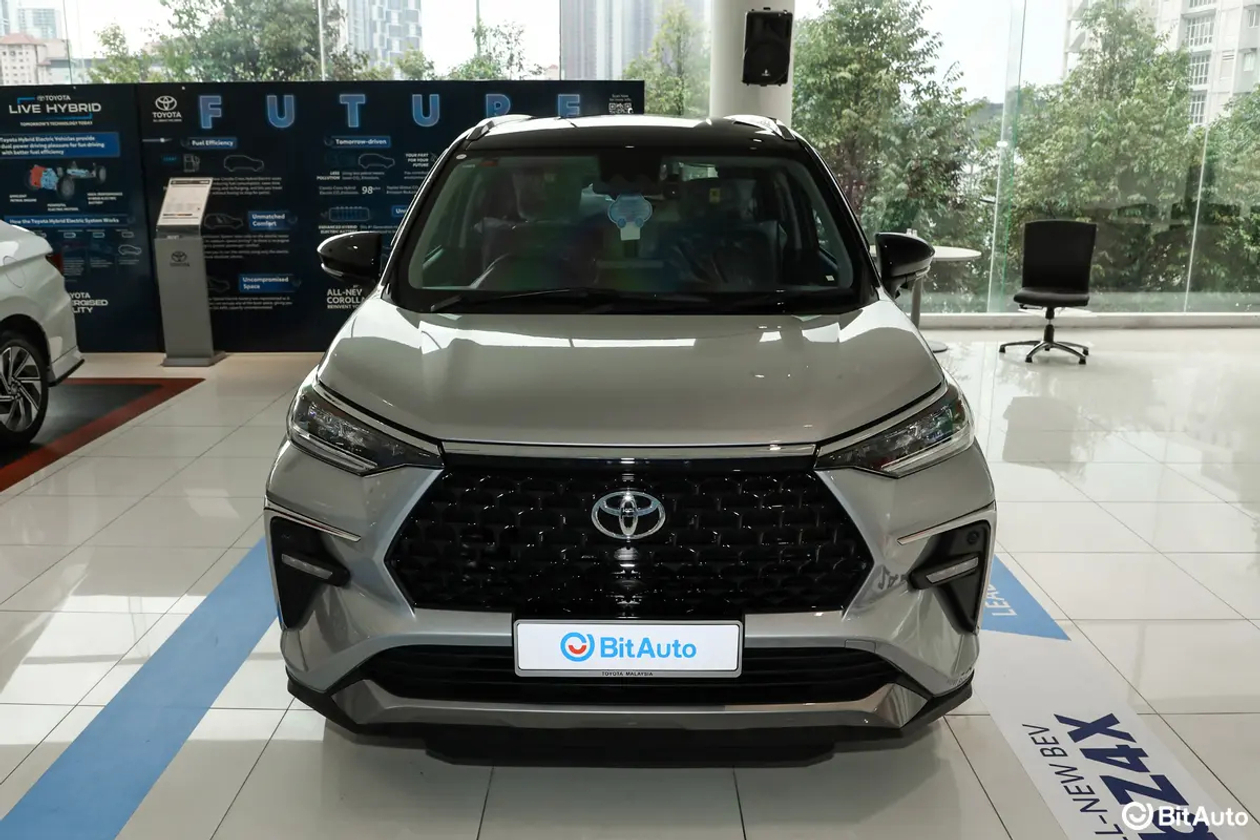
Go for the Veloz if: You are willing to pay extra for premium features. Wireless CarPlay and wireless charging offer undeniable daily convenience. You are taller or shorter than average and need telescopic adjustment to get a comfortable driving posture. You prefer the look of the 17-inch rims and want the extra peace of mind that comes with a higher ground clearance on bad roads. The badge appeal of a "Toyota" matters to you, and the RM20,000 price difference is not a major financial stretch.
Ultimately, both cars solve the same core problem: transporting seven people. In this regard, their capabilities are almost identical. The real decision comes down to how much you are willing to pay for that extra bit of refinement and convenience.
There is no right or wrong choice here—it simply comes down to what fits your budget and lifestyle.


Your go-to source for all things automotive in Malaysia. 🚗 Latest reviews, breaking news, launches & industry trends.
+ Follow This weekend is your chance to own a Volvo Selekt Certified Used Car, priced from just RM 148,000.
What are you waiting for?
#volvo 1 minute ago
This weekend is your chance to own a Volvo Selekt Certified Used Car, priced from just RM 148,000.
What are you waiting for?
#volvo 1 minute ago  We saw this accident this morning, and here’s a reminder to everyone: please drive safe. 2 days ago
  The G50 BMW 3 series is now here, adopting much of the i3's design elements.
So, where's the BMW M3?
#bmw #BMW3Series 4 days ago
The G50 BMW 3 series is now here, adopting much of the i3's design elements.
So, where's the BMW M3?
#bmw #BMW3Series 4 days ago Get the latest car news first!
Your go-to source for all things automotive in Malaysia. 🚗 Latest reviews, breaking news, launches & industry trends.
This weekend is your chance to own a Volvo Selekt Certified Used Car, priced from just RM 148,000.
What are you waiting for?
#volvo 1 minute ago We saw this accident this morning, and here’s a reminder to everyone: please drive safe. 2 days ago The G50 BMW 3 series is now here, adopting much of the i3's design elements.
So, where's the BMW M3?
#bmw #BMW3Series 4 days ago  ProtonGWMVolkswagenJAECOOVolvoPeroduaToyotaHondaTESLAMitsubishiMazdaJetourCheryBYDLexusBMWMercedes-BenziCAURZeekrIsuzuNissanLeapmotorPorscheFordOMODAMINIMGSuzukiXPengHyundaiWulingKiaSubaruDenzaGACLand RoverDongfengCAMAudiPeugeotFotonMAXUSsmartDaihatsuJACJMCMaseratiLotusAlfa RomeoRenaultGolden DragonKaiceneSeresLamborghiniFerrariJeepRolls-RoyceLepasAston MartinMcLarenChevroletBentleyFiatBAICForthingGeelyRoeweAeolusChanganARCFOXDeepalExeedHongqiVoyahJaguarKGMBuforiAcuraCadillacDodgeAbarthINEOSMHEROJMEVFreelander
© 2024 Bitauto.com. All Rights Reserved.
Bitauto (www.yiche.com and www.bitauto.com) is one of the most visited automotive websites in China. We provide detailed info on Chinese car brands available in your area. Please note that the information provided on this website is based on publicly available data and is for reference only. It may not be fully updated or accurate at all times.
Help us improve our website


