In July 2026, Malaysia's monthly EV registrations surged to 6,937 units, representing a 148.5% year-on-year growth. An increasing number of drivers are switching from internal combustion engine (ICE) vehicles to EVs.
However, a lingering question remains in the minds of prospective buyers: How long will the battery last? How much does a replacement cost? And with Malaysia’s hot climate, will the battery degrade prematurely?
Without clear answers to these questions, many remain hesitant to make the switch.
Two Mainstream Battery Types, with a Two-Fold Difference in Lifespan
Currently, EV batteries in the market are primarily divided into two types: Lithium Iron Phosphate (LFP) and Nickel Manganese Cobalt (NMC).
Under ideal conditions, LFP batteries can achieve a cycle life of over 5,000 cycles, whereas NMC batteries typically last between 1,000 and 2,000 cycles.
In real-world usage, factors such as charge-discharge rates and operating temperatures will significantly affect these figures.
LFP batteries also offer superior safety, as they are less prone to catching fire when punctured or overheated. However, LFP has a lower energy density, which means it offers less driving range than an NMC battery of the same weight.
Consequently, a clear trend emerges:
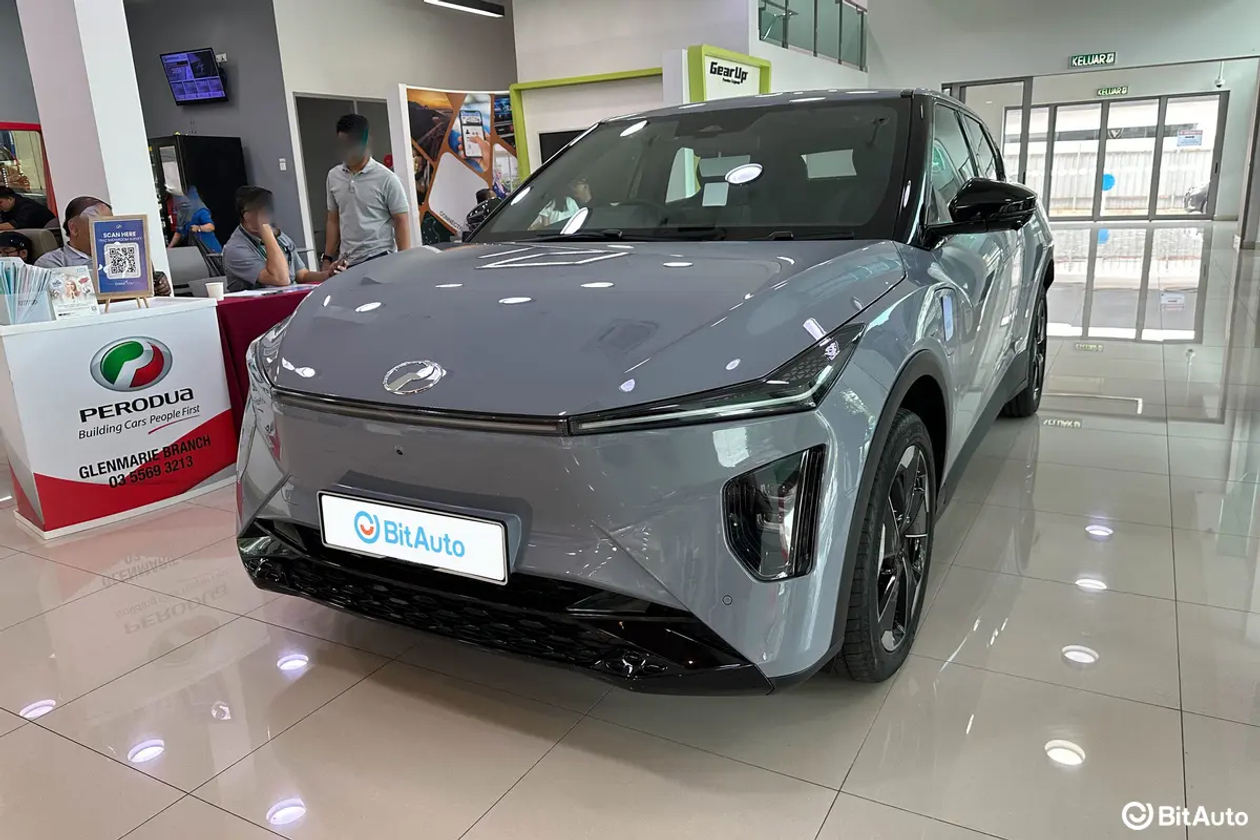
entry-level and mass-market EVs favour LFP chemistry—for instance, the Perodua QV-E is equipped with a 52.5 kWh LFP battery. High-end performance cars and long-range models lean towards NMC, as its higher density allows more capacity to be packed into the same physical footprint.
There is no absolute "better" option between the two; it simply comes down to suitability.
LFP is ideal for daily commuters who prioritise durability and hassle-free ownership. NMC is better suited for those who demand superior range and performance, and are willing to pay a premium for it.
Charging Habits Dictate Battery Longevity
This is the most critical aspect of EV ownership, yet it is also the most commonly overlooked.
The golden rule can be summarised in one sentence: keep your daily state of charge (SoC) between 20% and 80%.
A study by Geotab, which analysed data from 21 models across more than 22,700 EVs, revealed that frequent use of DC fast chargers rated above 100 kW accelerates the annual battery degradation rate from roughly 1.5% (with AC charging) to around 2.5%—a significant 67% increase.
The study highlighted that modern EV batteries remain highly robust, exhibiting an average annual degradation rate of just 2.3%, meaning they are projected to retain 81.6% of their original capacity after eight years.
Consistently charging the battery to 100% or letting it drop close to 0% causes significant wear.
At full charge, the battery experiences maximum voltage, which accelerates electrolyte decomposition and gradually increases internal resistance, leading to capacity loss.
Conversely, leaving the battery sitting at 0% to 10% for extended periods causes lithium plating on the negative electrode surface, permanently reducing its capacity.
Research shows that keeping the state of charge within the 20% to 80% sweet spot can significantly prolong battery life. If you plan to leave the car idle for an extended period—such as during business trips or long holidays—it is best to store it with a battery level of between 40% and 60%.
Over-reliance on DC fast charging is another issue. When DC fast charging accounts for more than 12% of total charging sessions, the battery degradation rate begins to accelerate noticeably.
Regular AC home charging is the best option for daily use, while DC fast charging should be reserved for road trips and emergencies.
How Much Damage Does Malaysia's Scorching Heat Do to EV Batteries?
With year-round temperatures averaging in the mid-30s and relative humidity exceeding 70%, Malaysia's climate is inherently harsh on batteries. Once a battery's operating temperature hits 40°C or higher, its lifespan begins to shorten.
Studies indicate that Malaysia's tropical climate (typically ranging from 25°C to 40°C) accelerates electrochemical degradation, taking a toll on overall battery health.
Geotab's research confirms this, showing that EVs in hot climates degrade 0.4% faster annually than those operated in temperate climates.
An experimental study conducted in tropical regions revealed that peak internal battery temperatures can hit 55°C, a level highly correlated with increased internal resistance and accelerated degradation.
A collaborative study between Australia's CSIRO and Malaysia's Sustainable Energy Development Authority (SEDA) also confirmed that the combination of high temperatures, high humidity, and corrosion has a profound impact on battery performance.
So, what can owners do? Here are a few simple yet effective tips:
1. Park in the shade whenever possible. Covered car parks, basement parking, or even parking under trees is far better than leaving the car exposed to direct sunlight.
2. Avoid charging during the midday heat. The hottest hours are usually between noon and 3 PM; charging during this window adds unnecessary thermal stress to the battery. It is highly recommended to charge in the morning or at night instead.
3. Utilise the cabin pre-conditioning feature. Most modern EVs allow you to pre-cool the cabin. By doing this while the vehicle is still plugged in, you use power from the grid rather than the battery, reducing the workload and thermal stress on the battery once you hit the road.
This specific warranty package is heavily marketed by EV manufacturers. It is not just a marketing gimmick; it is indeed the benchmark battery warranty coverage offered by most EV brands in Malaysia.
For instance, if the Perodua QV-E is purchased outright, the battery comes with an 8-year or 160,000 km warranty, guaranteeing a State of Health (SoH) of at least 70%.
If you opt for the Battery-as-a-Service (BaaS) leasing programme, the battery warranty comes with unlimited mileage, while maintaining the same 70% SoH guarantee.
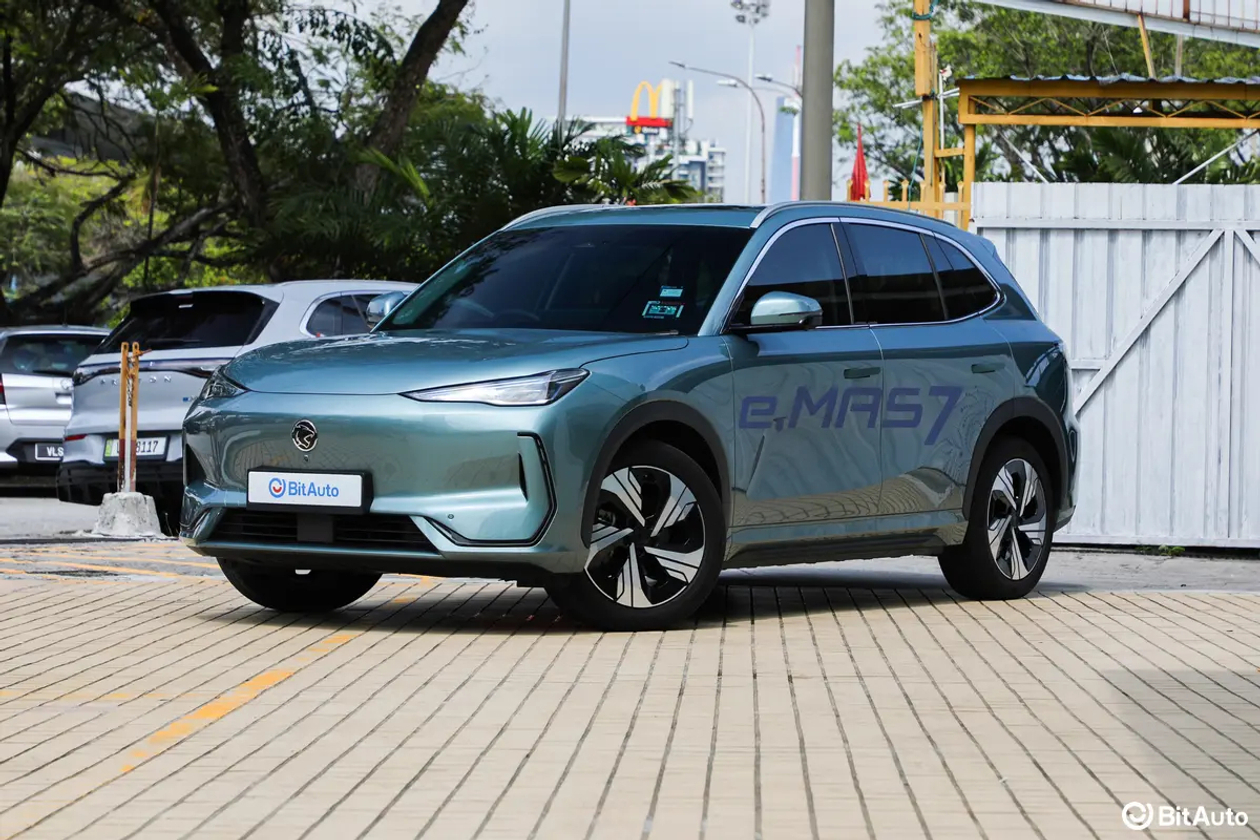
Similarly, the Proton e.MAS 7 offers an 8-year or 160,000 km battery warranty, with a free replacement if the battery's health drops below 70%.
The BYD Atto 3 is no different, offering an 8-year or 160,000 km high-voltage battery warranty.
The Tesla Model Y also comes with an 8-year or 160,000 km battery warranty.
BMW's iX1 also features the standard 8-year or 160,000 km high-voltage battery warranty.
Zeekr's official warranty for its traction battery in Malaysia is similarly set at 8 years or 160,000 km.
Notably, in June 2026, iCaur Malaysia announced that it is upgrading its warranty coverage for the traction battery, drive unit, and electric control systems from 8 years or 160,000 km to a class-leading 10 years or 200,000 km.
Ultimately, the 8-year or 160,000 km package remains the baseline standard across the Malaysian EV sector.
Many prospective owners worry that the battery will fail after five or six years, but this concern is actually somewhat overblown.
Given that LFP batteries can exceed 5,000 cycles under ideal conditions, charging your vehicle twice a week means the battery will easily outlast your ownership cycle.
Even NMC batteries, with their 1,000 to 2,000 cycle limits, are designed to last well over a decade. In reality, the actual lifespan of most EV batteries will comfortably outrun their warranty periods.
By keeping a few basic practices in mind—maintaining daily charge levels between 20% and 80%, using DC fast chargers only when necessary on road trips, parking in shaded areas, and avoiding charging during the peak heat of the day—your EV battery will, in all likelihood, last much longer than you expect.
Ultimately, range and battery anxiety do not stem from poor technology, but rather from a lack of awareness on how to care for the battery. Once you master these simple habits, those worries will quickly fade away.


Your go-to source for all things automotive in Malaysia. 🚗 Latest reviews, breaking news, launches & industry trends.
+ Follow Proton Saga & EV Terajui Pasaran September 2026! Supercar Tesla Bertenaga Roket SpaceX! 🚀
Adakah Proton Saga kembali merampas takhta kereta paling laris di Malaysia? Dan sejauh mana Proton menerajui pasaran Kenderaan Elektrik (EV) tempatan? 🚗⚡
#BitAutoMalaysia #protonsaga #ProtoneMAS #mitsubishixforce #teslaroadster #spacex #BeritaAutomotif #CarNewsMalaysia #EV 4 hours ago
Proton Saga & EV Terajui Pasaran September 2026! Supercar Tesla Bertenaga Roket SpaceX! 🚀
Adakah Proton Saga kembali merampas takhta kereta paling laris di Malaysia? Dan sejauh mana Proton menerajui pasaran Kenderaan Elektrik (EV) tempatan? 🚗⚡
#BitAutoMalaysia #protonsaga #ProtoneMAS #mitsubishixforce #teslaroadster #spacex #BeritaAutomotif #CarNewsMalaysia #EV 4 hours ago  Xiaomi SU7 drives up Genting Highlands with DropTheTop - and what this teaches us about car culture!
#xiaomisu7 #xiaomi #gentinghighlands #touge 6 hours ago
Xiaomi SU7 drives up Genting Highlands with DropTheTop - and what this teaches us about car culture!
#xiaomisu7 #xiaomi #gentinghighlands #touge 6 hours ago  Remember the Proton Arena?
Well, Toyota seems to be developing a new pick-up truck with that same concept, adapting a Corolla Cross as a pick-up truck.
Malaysia how?
#toyota 9 hours ago
Remember the Proton Arena?
Well, Toyota seems to be developing a new pick-up truck with that same concept, adapting a Corolla Cross as a pick-up truck.
Malaysia how?
#toyota 9 hours ago Get the latest car news first!
Your go-to source for all things automotive in Malaysia. 🚗 Latest reviews, breaking news, launches & industry trends.
Proton Saga & EV Terajui Pasaran September 2026! Supercar Tesla Bertenaga Roket SpaceX! 🚀
Adakah Proton Saga kembali merampas takhta kereta paling laris di Malaysia? Dan sejauh mana Proton menerajui pasaran Kenderaan Elektrik (EV) tempatan? 🚗⚡
#BitAutoMalaysia #protonsaga #ProtoneMAS #mitsubishixforce #teslaroadster #spacex #BeritaAutomotif #CarNewsMalaysia #EV 4 hours ago Xiaomi SU7 drives up Genting Highlands with DropTheTop - and what this teaches us about car culture!
#xiaomisu7 #xiaomi #gentinghighlands #touge 6 hours ago Remember the Proton Arena?
Well, Toyota seems to be developing a new pick-up truck with that same concept, adapting a Corolla Cross as a pick-up truck.
Malaysia how?
#toyota 9 hours ago 
© 2024 Bitauto.com. All Rights Reserved.
Bitauto (www.yiche.com and www.bitauto.com) is one of the most visited automotive websites in China. We provide detailed info on Chinese car brands available in your area. Please note that the information provided on this website is based on publicly available data and is for reference only. It may not be fully updated or accurate at all times.

Help us improve our website


