
Search History
Popular Searches
English
Dealer Login / Sign Up
When we talk about autonomous driving, Tesla's FSD (Full Self-Driving) usually steals the spotlight. However, Chinese EV tech leader XPENG has just dropped a bombshell!
On May 18, XPENG announced that its very first Pure Vision Robotaxi has officially rolled off the production line in Guangzhou, China.
This is not only a milestone for XPENG but also the first time a Chinese automaker has achieved mass production of a factory-built Robotaxi using a full-stack, self-developed approach (from hardware to software). Pilot operations are expected to begin in the second half of this year.
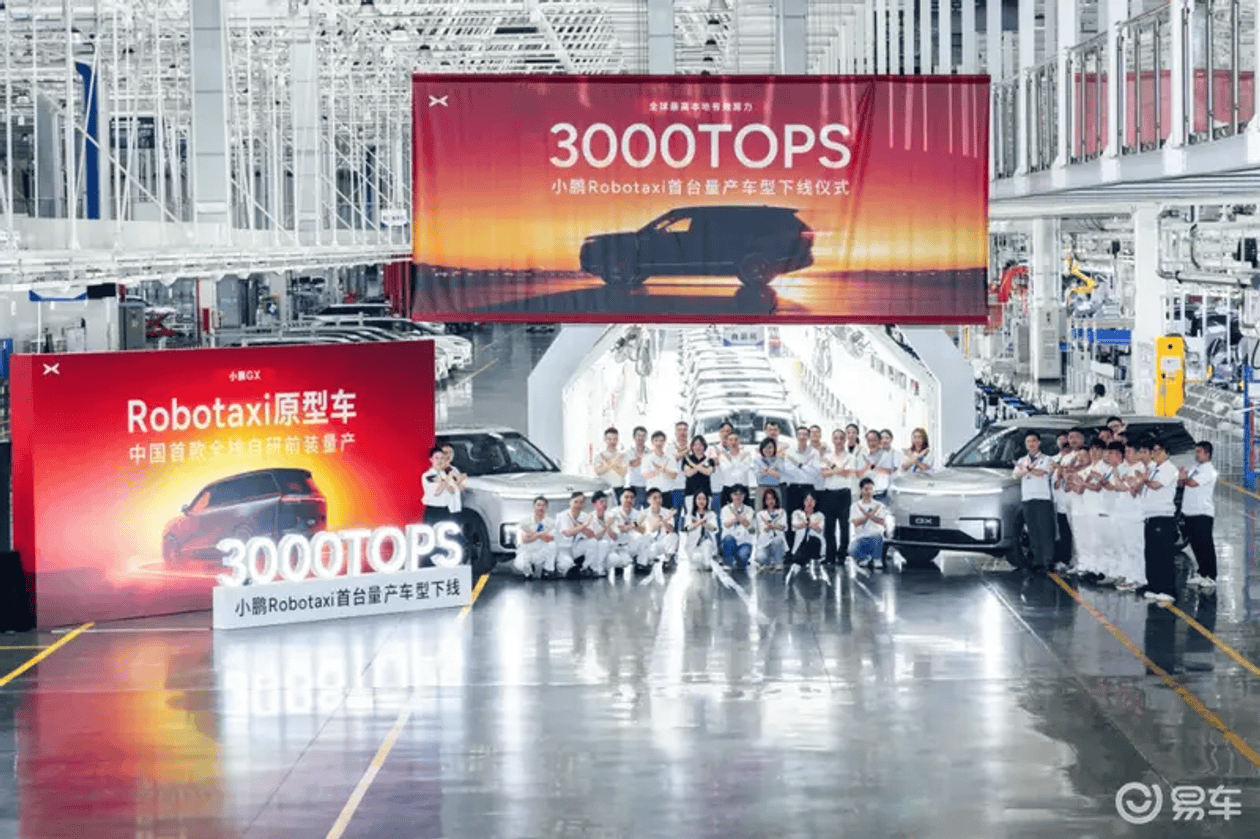
This Robotaxi is a proper production model based on XPENG's flagship SUV, the GX. This ensures it meets the highest standards for space, comfort, and safety — unlike many aftermarket retrofitted test vehicles with bulky roof-mounted sensors.
What shocked the industry most is that XPENG's Robotaxi adopts a Pure Vision approach, similar to Tesla's strategy:
To power its complex algorithms, XPENG has equipped the vehicle with four proprietary Turing AI chips, delivering a staggering total computing power of 3,000 TOPS — the highest among any production car in the world.
On the software side, it features XPENG's second-generation VLA (Vision-Language-Action) large model. Unlike traditional systems that need to "translate" visual data before acting, the VLA model enables instant decision-making. This reduces system response latency to under 80 milliseconds — faster than human reaction time — and delivers true L4 autonomous driving capability.
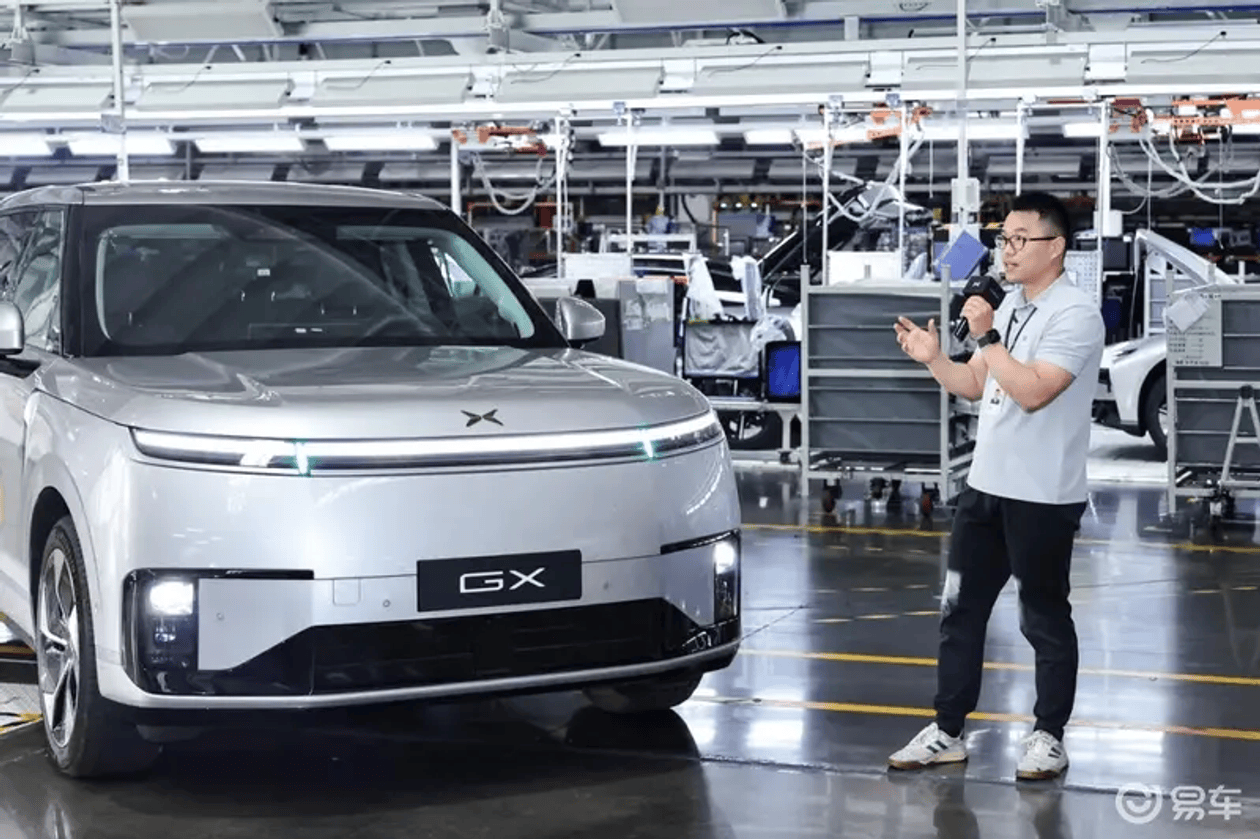
XPENG has emphasised that its Pure Vision solution offers excellent "generalisation capabilities", meaning it can operate effectively in any country or city without relying on pre-mapped roads. This gives the brand strong confidence to expand its Robotaxi and advanced smart driving technology into global markets in the future.

Your go-to source for all things automotive in Malaysia. 🚗 Latest reviews, breaking news, launches & industry trends.
+ Follow Those shopping for a premium SUV should seriously consider the Volvo XC60 - one of the most established and well-known models
Here's what you need to know about Volvo's long-standing XC60. 6 hours ago
Those shopping for a premium SUV should seriously consider the Volvo XC60 - one of the most established and well-known models
Here's what you need to know about Volvo's long-standing XC60. 6 hours ago  For RM 171k, you get a made-in-Japan Mazda CX5. Worth it? #mazda #cx5 #mazdamalaysia 11 hours ago
  Made in Japan dari harga RM 171k?? Semestinya Mazda CX5 terbaru! #mazda #cx5 #mazdamalaysia 11 hours ago
 Get the latest car news first!
Your go-to source for all things automotive in Malaysia. 🚗 Latest reviews, breaking news, launches & industry trends.
Those shopping for a premium SUV should seriously consider the Volvo XC60 - one of the most established and well-known models
Here's what you need to know about Volvo's long-standing XC60. 6 hours ago For RM 171k, you get a made-in-Japan Mazda CX5. Worth it? #mazda #cx5 #mazdamalaysia 11 hours ago Made in Japan dari harga RM 171k?? Semestinya Mazda CX5 terbaru! #mazda #cx5 #mazdamalaysia 11 hours ago  ProtonGWMVolkswagenJAECOOVolvoPeroduaToyotaHondaTESLAMitsubishiMazdaJetourCheryBYDLexusBMWMercedes-BenziCAURZeekrIsuzuNissanLeapmotorPorscheFordOMODAMINIMGSuzukiXPengHyundaiWulingKiaSubaruDenzaGACLand RoverDongfengCAMAudiPeugeotFotonMAXUSsmartDaihatsuJACJMCMaseratiLotusAlfa RomeoRenaultGolden DragonKaiceneSeresLamborghiniFerrariJeepRolls-RoyceLepasAston MartinMcLarenChevroletBentleyBoon KoonFiatBAICForthingGeelyRoeweAeolusChanganARCFOXDeepalExeedHongqiVoyahJaguarKGMBuforiAcuraCadillacDodgeAbarthINEOSMHEROJMEVFreelanderXiaomiYANGWANG
 © 2024 Bitauto.com. All Rights Reserved.
Bitauto (www.yiche.com and www.bitauto.com) is one of the most visited automotive websites in China. We provide detailed info on Chinese car brands available in your area. Please note that the information provided on this website is based on publicly available data and is for reference only. It may not be fully updated or accurate at all times.
Help us improve our website


