
Search History
Popular Searches
English
Dealer Login / Sign Up
In line with the global shift towards energy efficiency, Geely has officially opened pre-sales for two heavyweight hybrid models under its "China Star" series: the Xingyue L i-HEV and the Xingrui i-HEV.
Geely has announced that starting from 2026, the core products of the China Star series will fully transition into the "i-HEV Intelligent Hybrid" era.
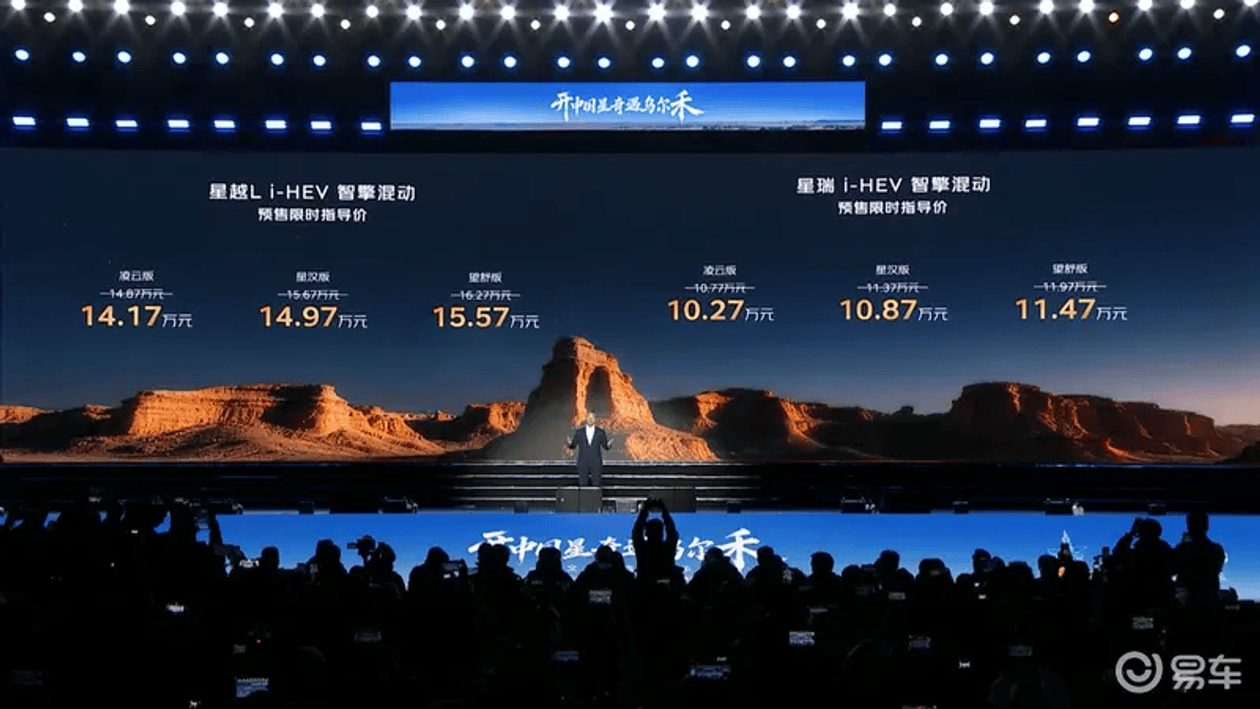
Xingrui i-HEV (Sedan): 102,700 – 114,700 RMB (approx. RM67,400 – RM75,300)
Xingyue L i-HEV (SUV): 141,700 – 155,700 RMB (approx. RM93,000 – RM102,200)
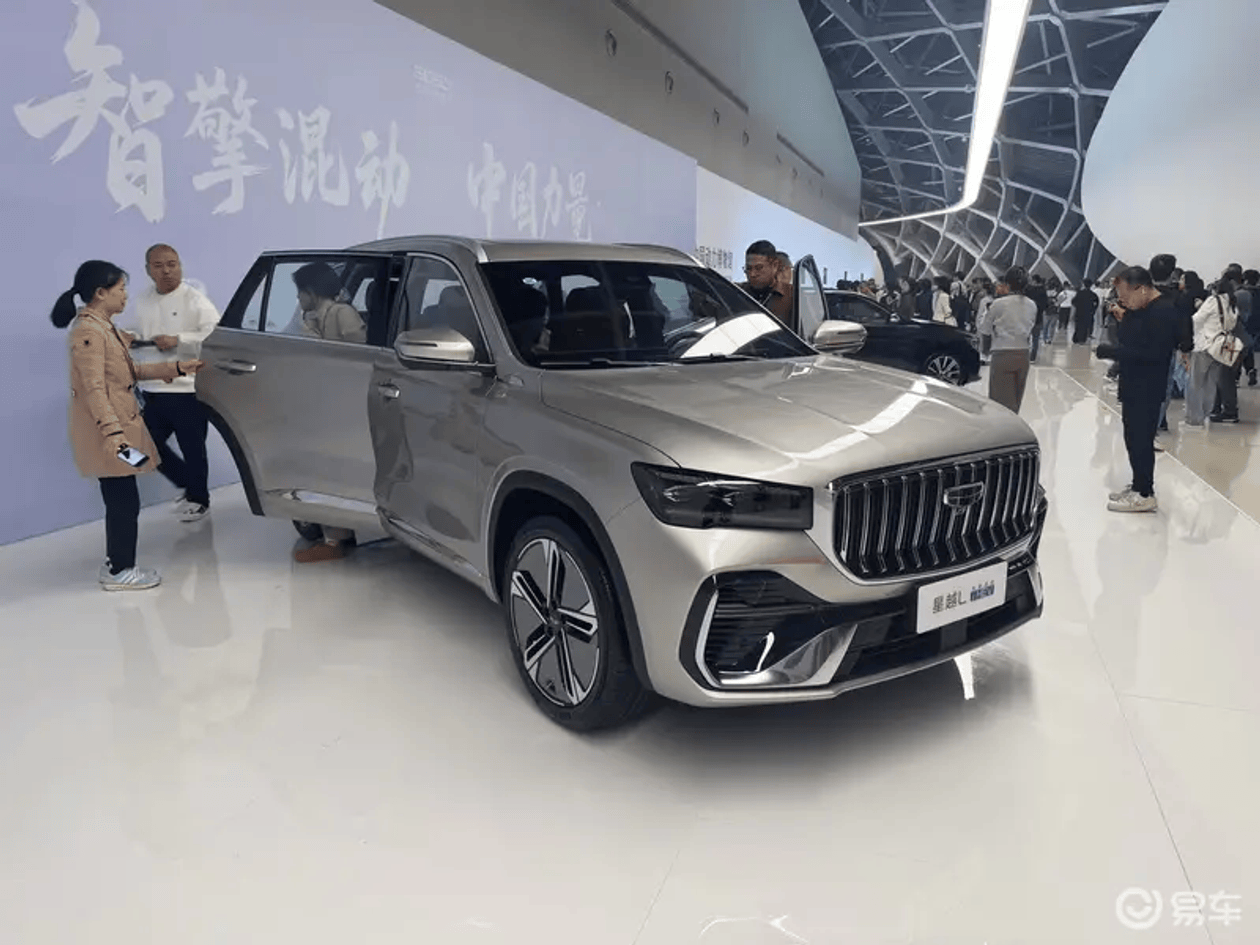
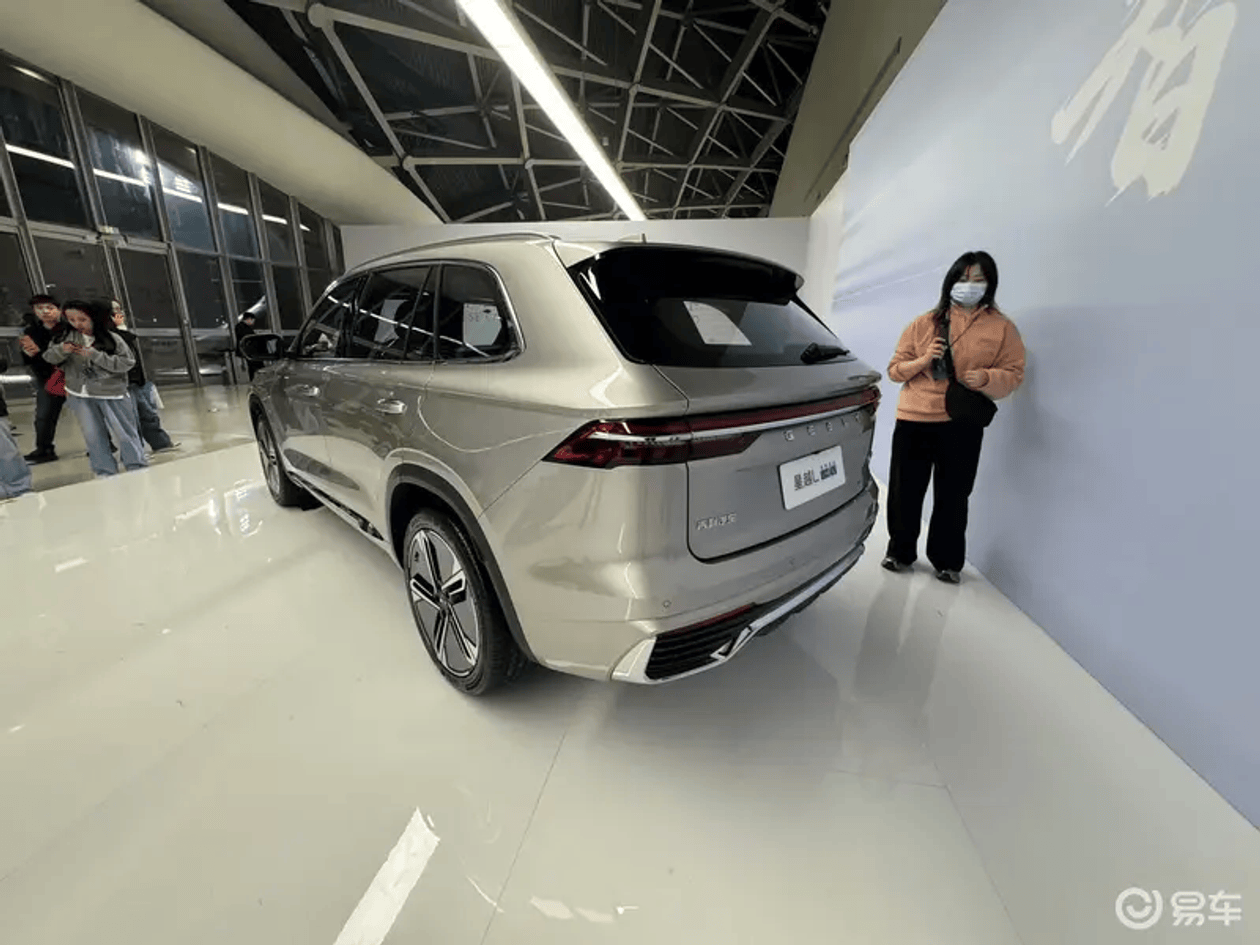
Both models continue to showcase Geely's signature "Oriental Aesthetics" design language. For the Malaysian market, the sheer scale of the Xingyue L is its biggest talking point.
Xingyue L i-HEV (SUV): Measuring 4795mm in length with a 2845mm wheelbase. While classified as a C-segment SUV, its wheelbase surpasses many D-segment models.
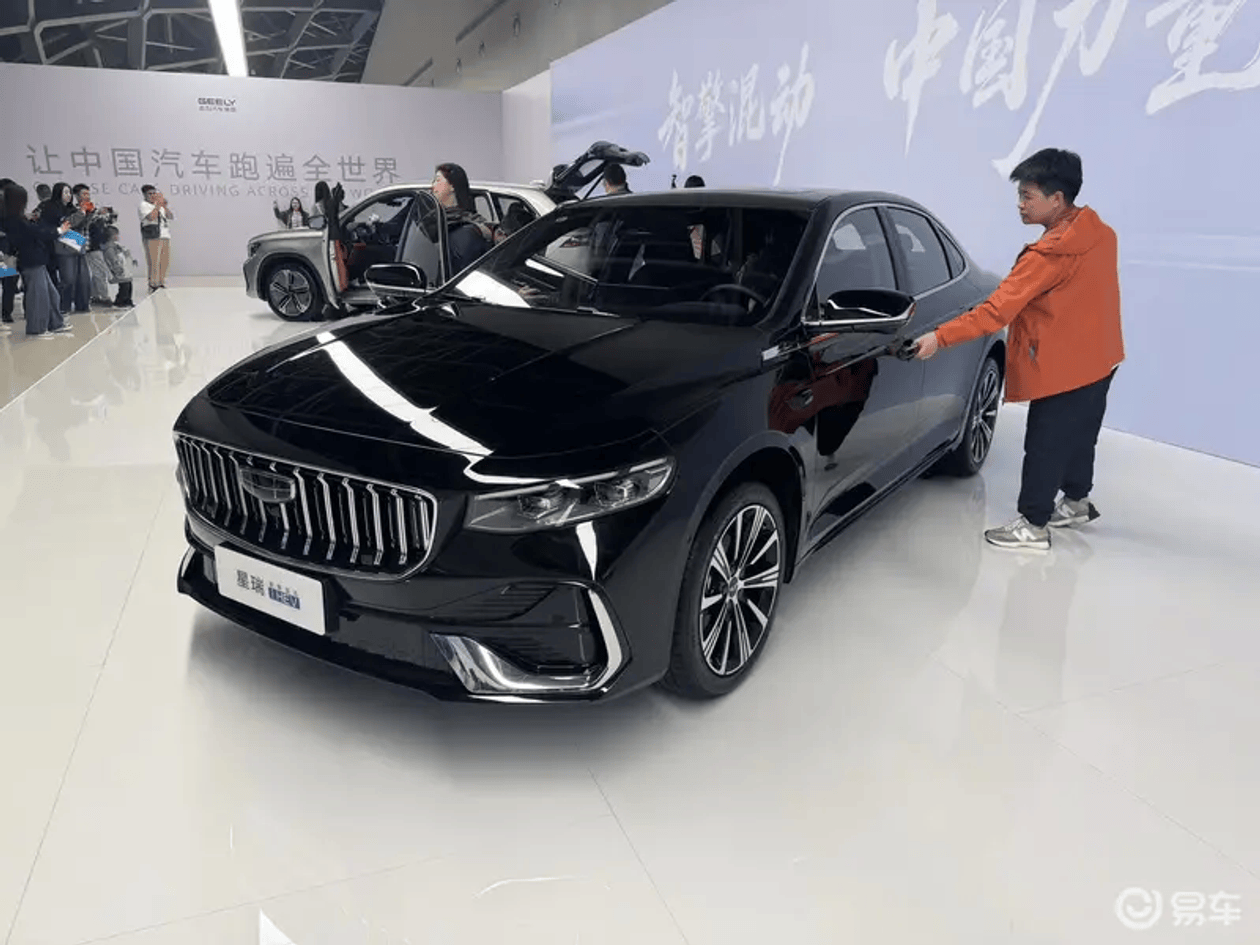
Xingrui i-HEV (Sedan): Measuring 4825mm in length with a 2800mm wheelbase. This is a wide-body sedan with dimensions rivaling the Honda Accord.
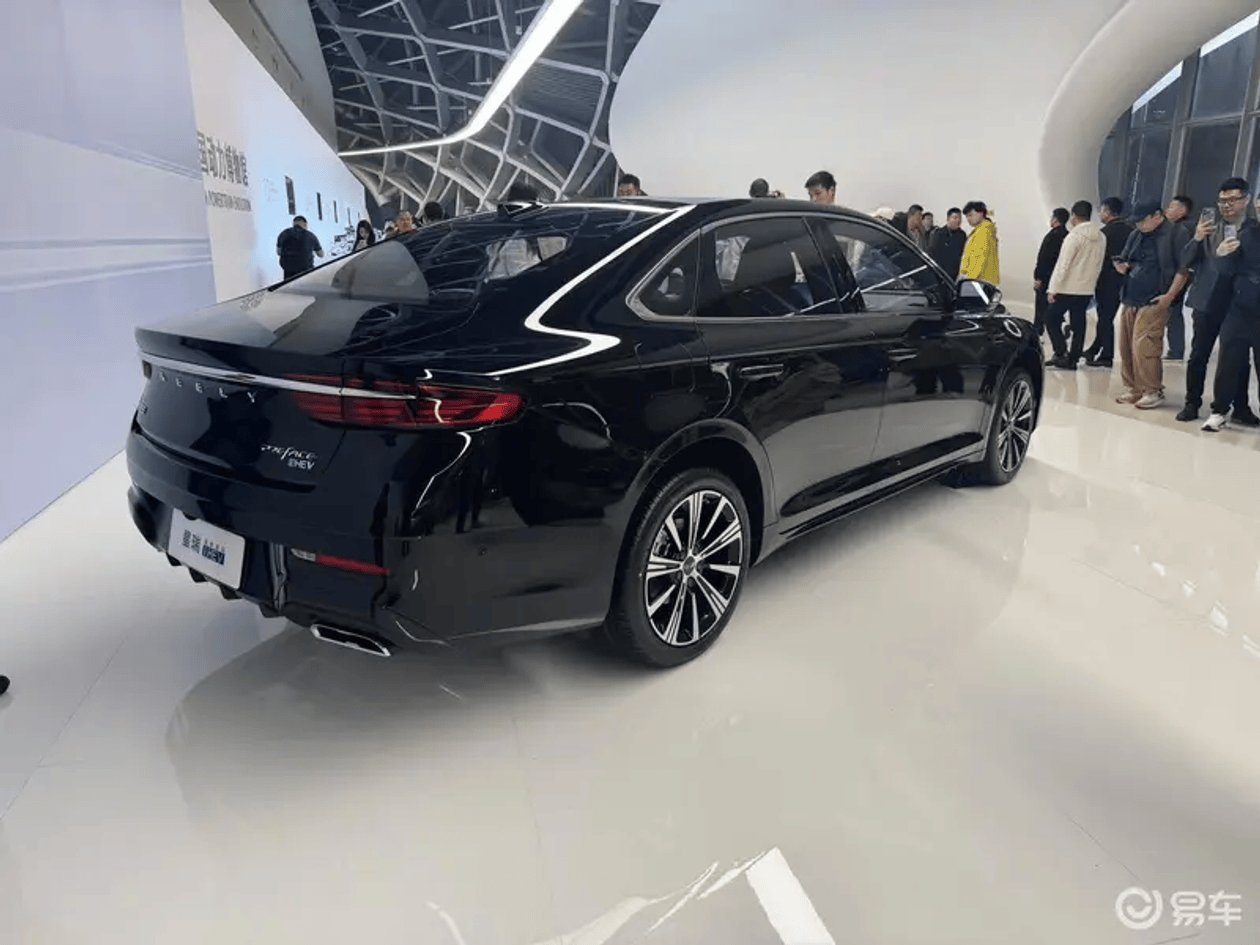
Both models feature an upgraded intelligent cockpit experience.
Xingyue L i-HEV: Features a 25.6-inch HUD, 12.3-inch digital instrument cluster, and dual 14.6-inch high-definition screen setup.
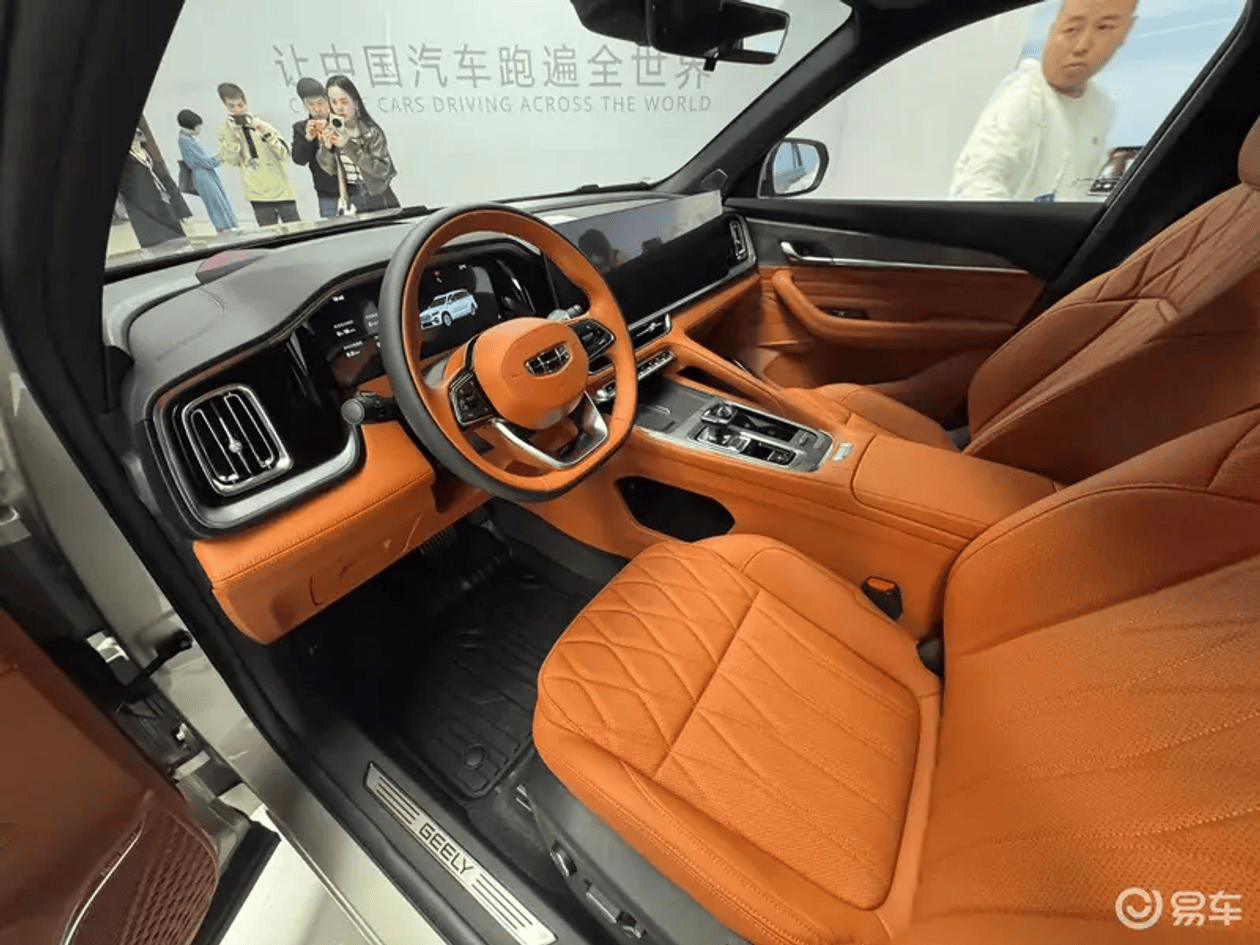
Xingrui i-HEV: Equipped with a 10.2-inch digital cluster and a 14.6-inch floating central screen.
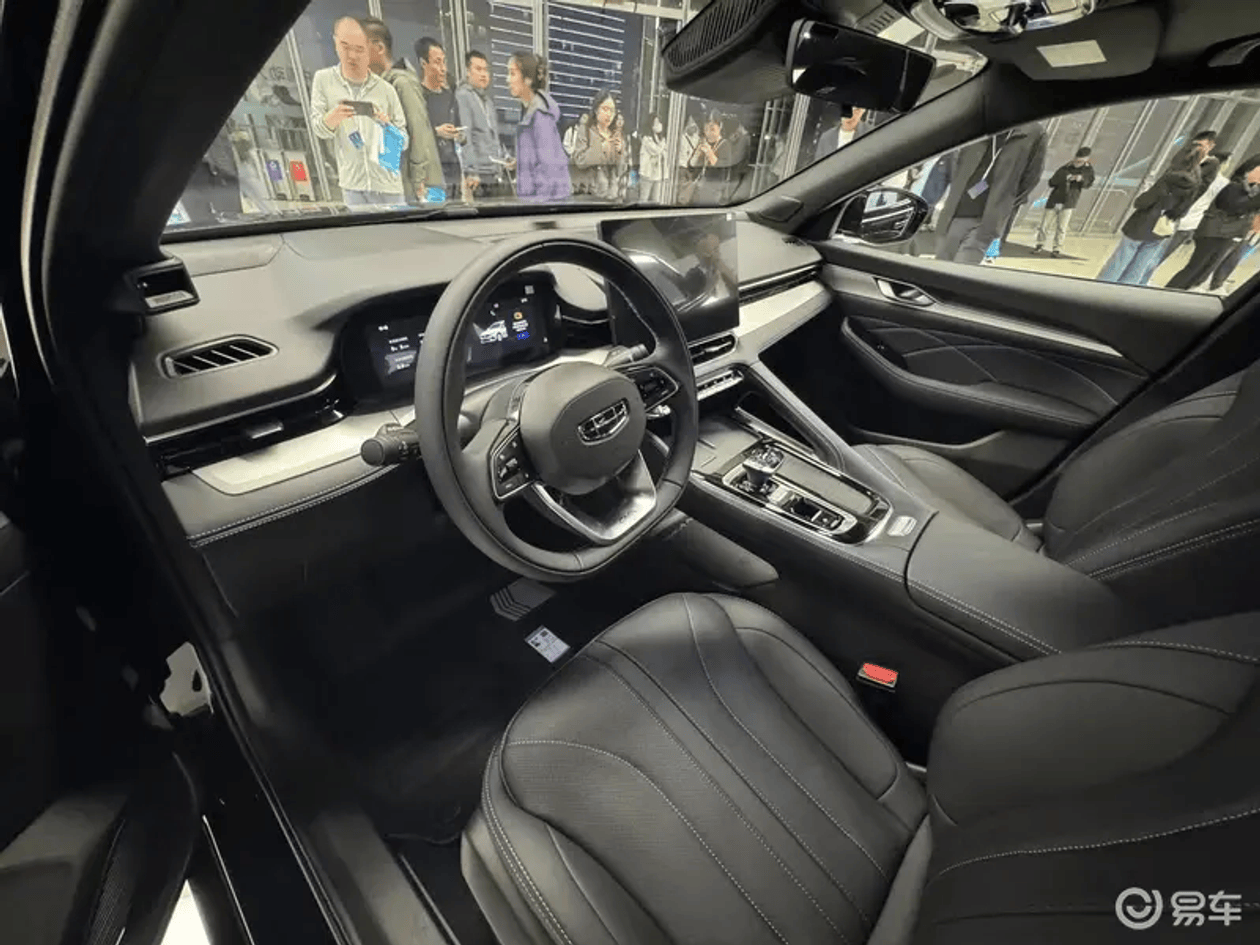
Commonality: Both models come standard with the Qualcomm Snapdragon 8155 chip and the latest Flyme Auto system, ensuring a significantly smoother and more responsive user experience.
The Intelligent Hybrid system's core strength lies in its high-efficiency architecture.
Xingyue L i-HEV: 1.5TD hybrid-specific four-cylinder engine paired with a dedicated DHT.
Xingrui i-HEV: 1.5L hybrid engine and DHT.
Key Highlight: Both models are equipped with Geely's latest "11-in-1" high-power hybrid motor, delivering a combined system output of 230 kW (approx. 313 hp). As a full hybrid (HEV), it requires no external charging — making it perfectly suited for the current Malaysian driving environment, where charging infrastructure is still maturing.
As the Malaysian government moves toward Targeted Fuel Subsidies, a hike in RON95 petrol prices appears inevitable. At this critical juncture, Geely's pivot toward the i-HEV hybrid is exceptionally well-timed.
Compared to the charging infrastructure bottlenecks still hindering battery electric vehicles in Malaysia, HEV solutions, which offer lower fuel consumption and higher power without the need for a plug, are much better aligned with the "Balik Kampung" long-distance needs of most locals. Given the impressive specs of the Xingyue L and Xingrui, there is a high probability that this 1.5TD+DHT powertrain will serve as the foundation for the next-generation Proton X-series or S-series, acting as a trump card against the Honda e:HEV and Toyota Hybrid lineups.
If Proton can maintain pricing within the RM100k – RM150k range, the local C-segment market is in for a massive shake-up. Do you think this hybrid system, paired with the Proton badge, is destined to be the next national favourite?

Your go-to source for all things automotive in Malaysia. 🚗 Latest reviews, breaking news, launches & industry trends.
+ Follow This weekend is your chance to own a Volvo Selekt Certified Used Car, priced from just RM 148,000.
What are you waiting for?
#volvo 1 minute ago
This weekend is your chance to own a Volvo Selekt Certified Used Car, priced from just RM 148,000.
What are you waiting for?
#volvo 1 minute ago  We saw this accident this morning, and here’s a reminder to everyone: please drive safe. 2 days ago
  The G50 BMW 3 series is now here, adopting much of the i3's design elements.
So, where's the BMW M3?
#bmw #BMW3Series 4 days ago
The G50 BMW 3 series is now here, adopting much of the i3's design elements.
So, where's the BMW M3?
#bmw #BMW3Series 4 days ago Get the latest car news first!
Your go-to source for all things automotive in Malaysia. 🚗 Latest reviews, breaking news, launches & industry trends.
This weekend is your chance to own a Volvo Selekt Certified Used Car, priced from just RM 148,000.
What are you waiting for?
#volvo 1 minute ago We saw this accident this morning, and here’s a reminder to everyone: please drive safe. 2 days ago The G50 BMW 3 series is now here, adopting much of the i3's design elements.
So, where's the BMW M3?
#bmw #BMW3Series 4 days ago  ProtonGWMVolkswagenJAECOOVolvoPeroduaToyotaHondaTESLAMitsubishiMazdaJetourCheryBYDLexusBMWMercedes-BenziCAURZeekrIsuzuNissanLeapmotorPorscheFordOMODAMINIMGSuzukiXPengHyundaiWulingKiaSubaruDenzaGACLand RoverDongfengCAMAudiPeugeotFotonMAXUSsmartDaihatsuJACJMCMaseratiLotusAlfa RomeoRenaultGolden DragonKaiceneSeresLamborghiniFerrariJeepRolls-RoyceLepasAston MartinMcLarenChevroletBentleyFiatBAICForthingGeelyRoeweAeolusChanganARCFOXDeepalExeedHongqiVoyahJaguarKGMBuforiAcuraCadillacDodgeAbarthINEOSMHEROJMEVFreelander
 © 2024 Bitauto.com. All Rights Reserved.
Bitauto (www.yiche.com and www.bitauto.com) is one of the most visited automotive websites in China. We provide detailed info on Chinese car brands available in your area. Please note that the information provided on this website is based on publicly available data and is for reference only. It may not be fully updated or accurate at all times.
Help us improve our website


