In a previous piece, we looked at Mazda CEO Masahiro Moro's view that, in an industry where bigger is often seen as better, chasing volume for its own sake is not the answer. Instead, Mazda should focus on building brand value.
The harder part is turning that strategy into something people in the company can actually act on. For an automaker that does not match the scale of the industry's biggest players, what can really make a difference?
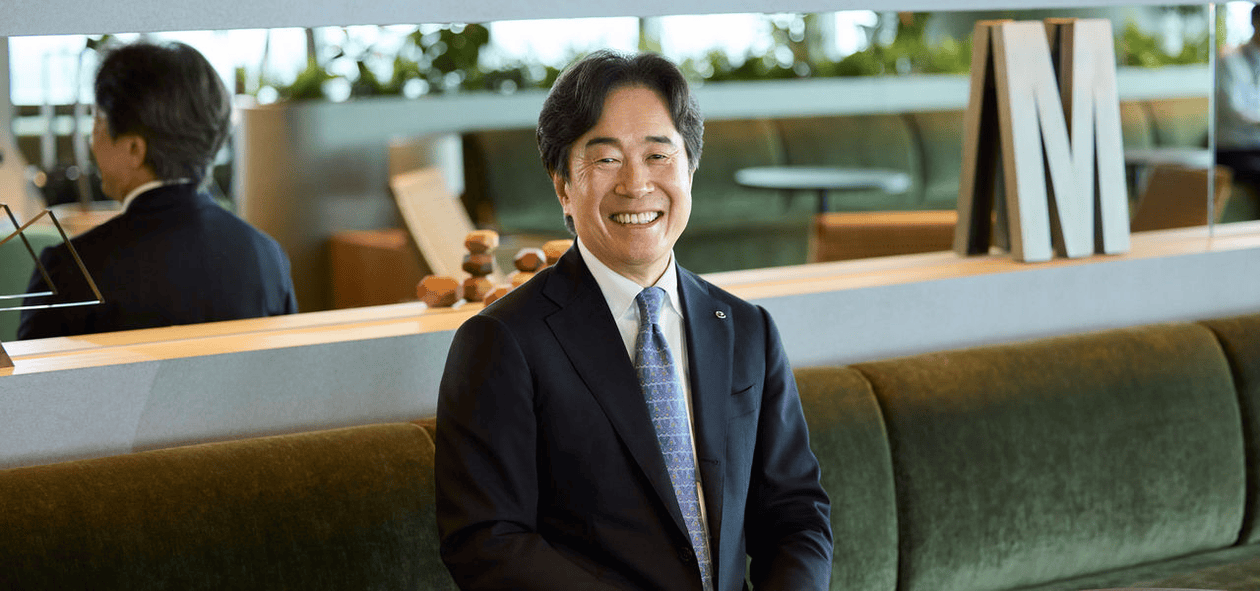
Moro's answer is simple: people.
It is not a factory, a bigger production footprint or a larger infrastructure network. It is the people who work for Mazda and how they are given the freedom to make decisions.
Read Also: Mazda's Gekokujō: Winning on Value, Not Volume
When Moro became CEO, one of his first moves was to set a new company purpose: "Enrich life-in-motion for those we serve."
Notably, there is no mention of cars.
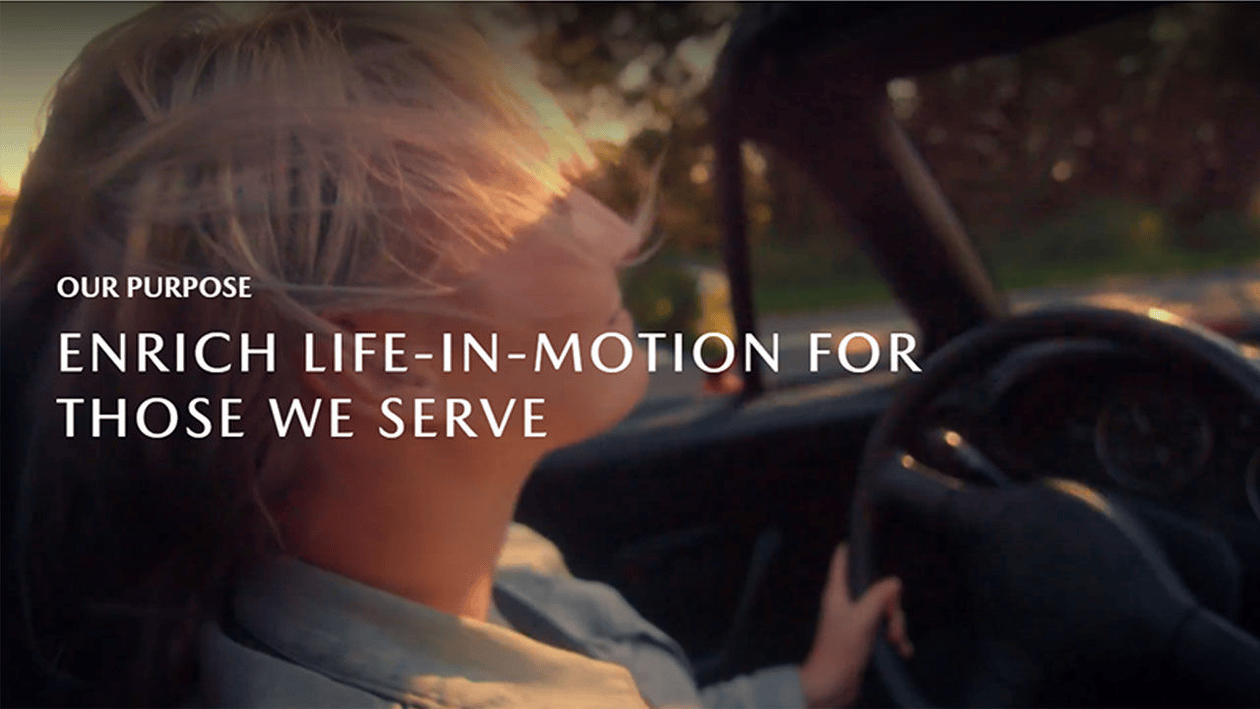
That decision sparked plenty of debate internally. Some employees questioned how a carmaker could have a purpose without the word "car" in it.
Others, particularly younger and mid-level employees, saw it differently. They talked about using technology to make people happy and developing technology that contributes to society.
Moro's thinking is that Mazda is not really delivering a machine. What it is trying to put into people's lives is something much more human — the smile on someone's face and the happiness that comes from being able to move forward.
"At Mazda, what we want to deliver isn't a car. It's the smile on someone's face. The happiness in their life. That's why we didn't limit our purpose to cars."
That idea has deep roots in Hiroshima's history. After the Second World War, people in the city rebuilt their lives and their community from the ruins around them.
The belief that "however difficult the times, people can face them and come through" became part of the foundation for Mazda's purpose.
But a purpose statement on its own is not enough. If old habits and bureaucracy remain in place, even highly hardworking and passionate employees will struggle to make a difference.
Before becoming CEO, Moro spent six years as president of Mazda North American Operations.
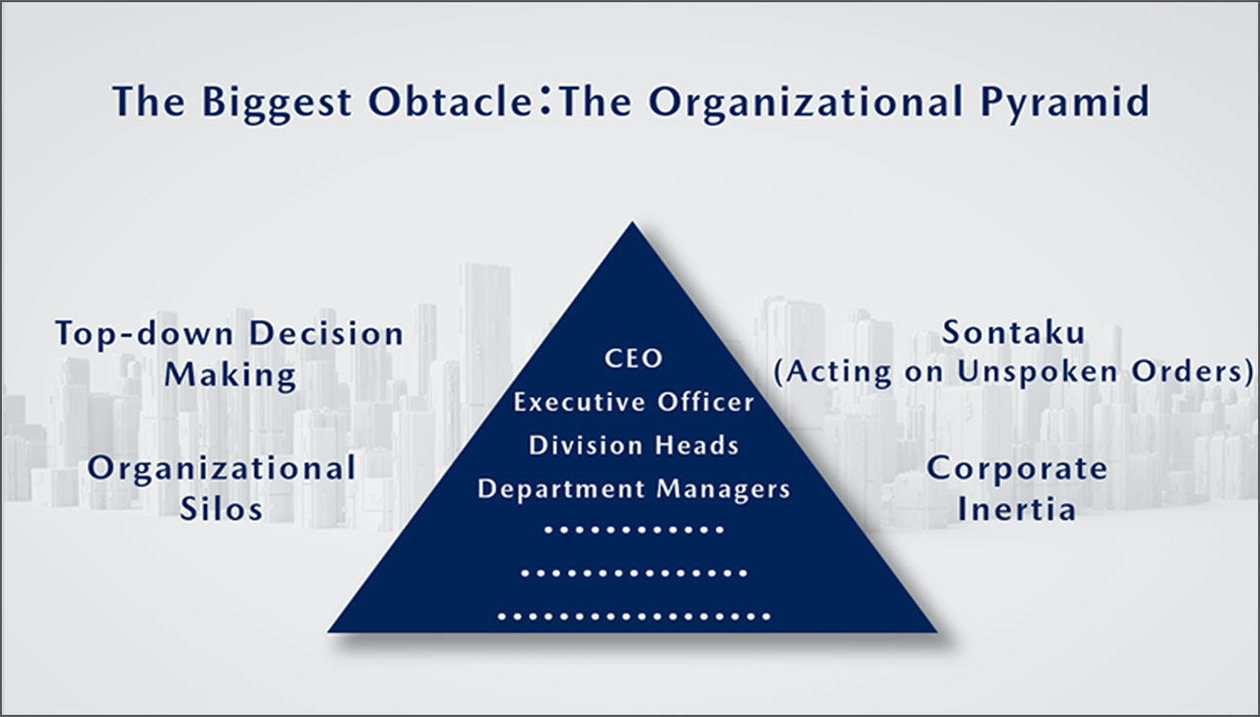
When he took the job, the organisation was built around a fairly traditional top-down structure. Instructions flowed down from management, while employees closest to customers had little say in the decisions that affected them.
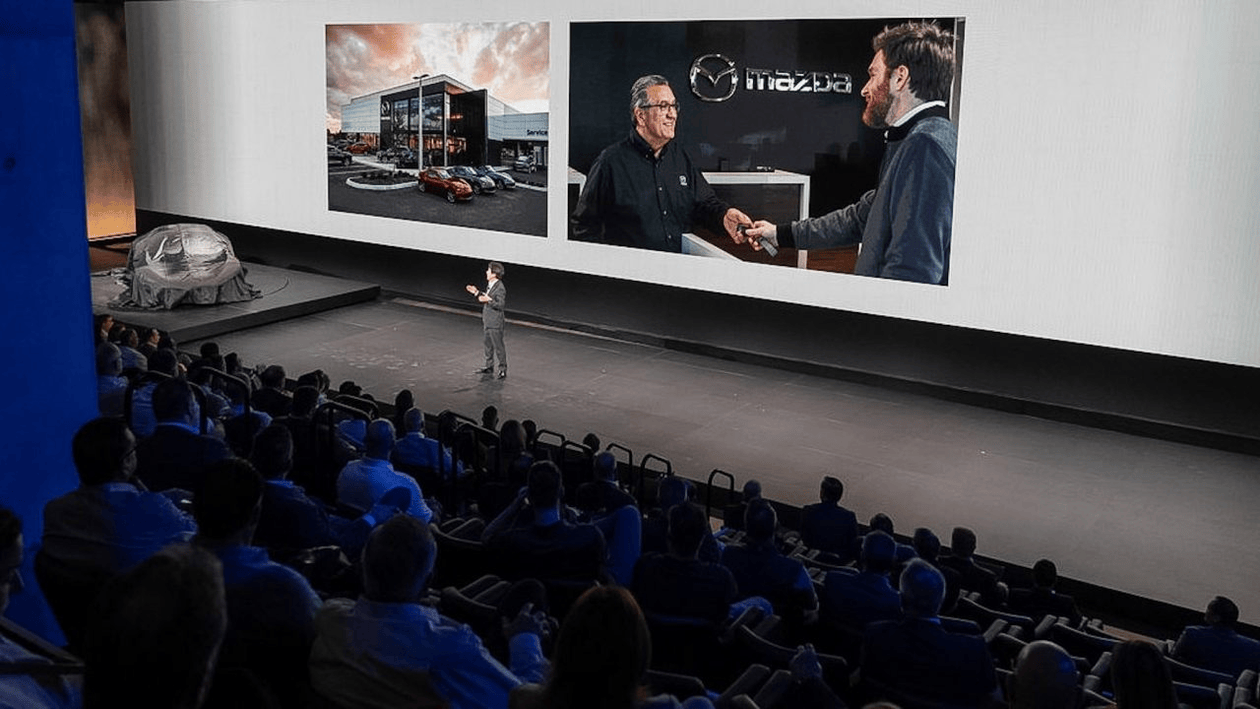
"In management, it's common to think about a company's resources across nine categories. But for Mazda, as a smaller player, the resources that matter most come down to five: human, intellectual, organizational, relational, and information. These are where we can genuinely compete. And of all of them, human resources — our people — are the most important."
His solution was to "flip the pyramid", putting employees closer to customers and giving them more responsibility for decisions.
Over the following two years, both the culture and business performance in North America changed significantly.
One of the clearest examples came during the pandemic with the Essential Car Care programme.
An employee in the US suggested offering free oil changes, safety checks and interior sanitisation to healthcare workers, regardless of what brand of vehicle they drove.
It was hardly the safest option from a conventional business perspective. Doing nothing would have been easier.
Moro chose to go ahead.
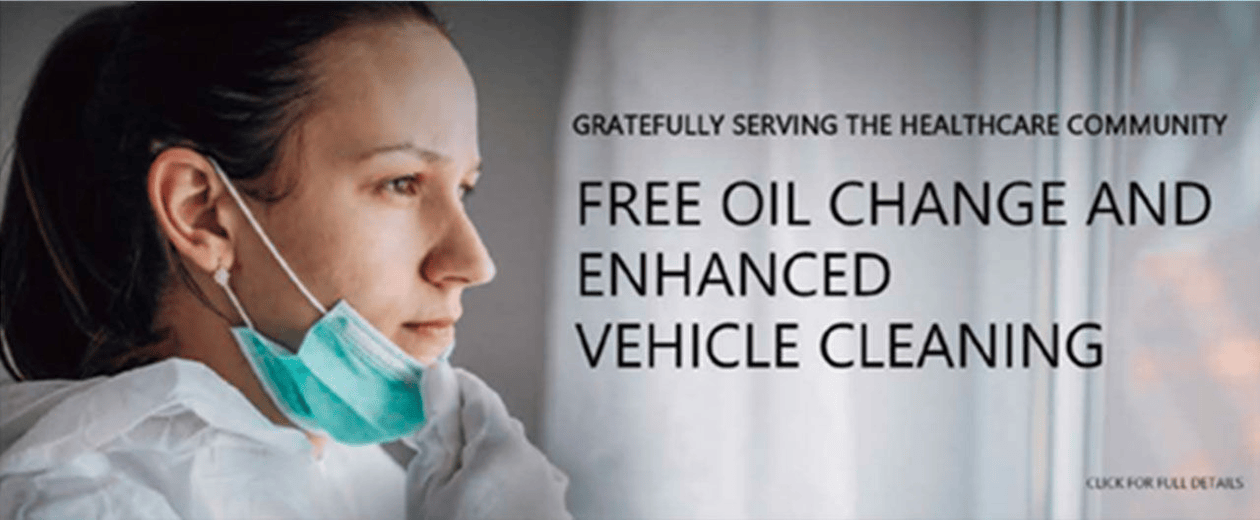
More than 50,000 people used the service in just over two months, and around 70% were driving a non-Mazda vehicle.
The programme also had an impact inside the company. It gave the North American team a stronger sense of pride and a greater sense of unity, and sales subsequently grew by 50% over the following three years.
The changes in North America showed what was possible, but Mazda's Japanese headquarters faced many of the same organisational habits. To address that, Mazda introduced a company-wide initiative called Blueprint.
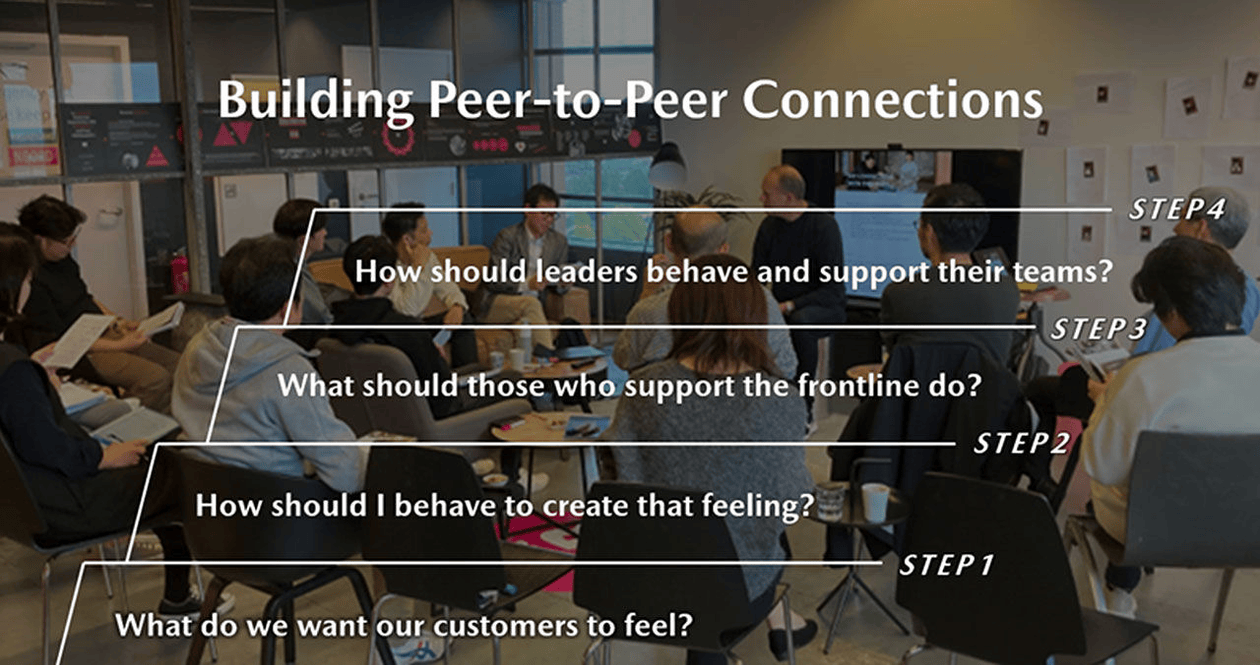
The idea was to get people talking.
Rather than expecting employees to simply follow instructions from above, Blueprint encouraged open discussion, different viewpoints and a greater willingness to challenge established thinking.
Employees from the same level were encouraged to sit together and talk across departmental boundaries about the problems they were trying to solve.
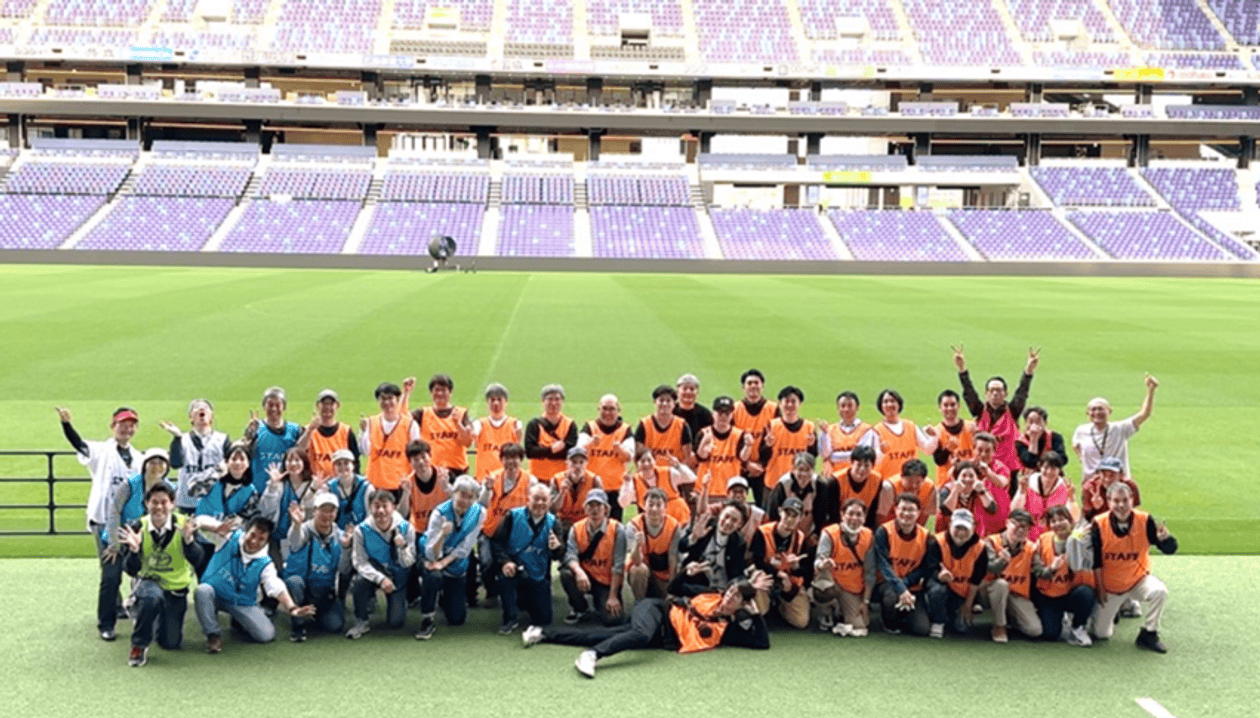
Participants in a Blueprint session for factory workers (Edion Peace Wing Hiroshima)
More than 23,000 Mazda employees have taken part in at least one Blueprint session over the past two years. Communication between employees and management increased by 80%, while scores in the company's global employee survey also improved significantly.
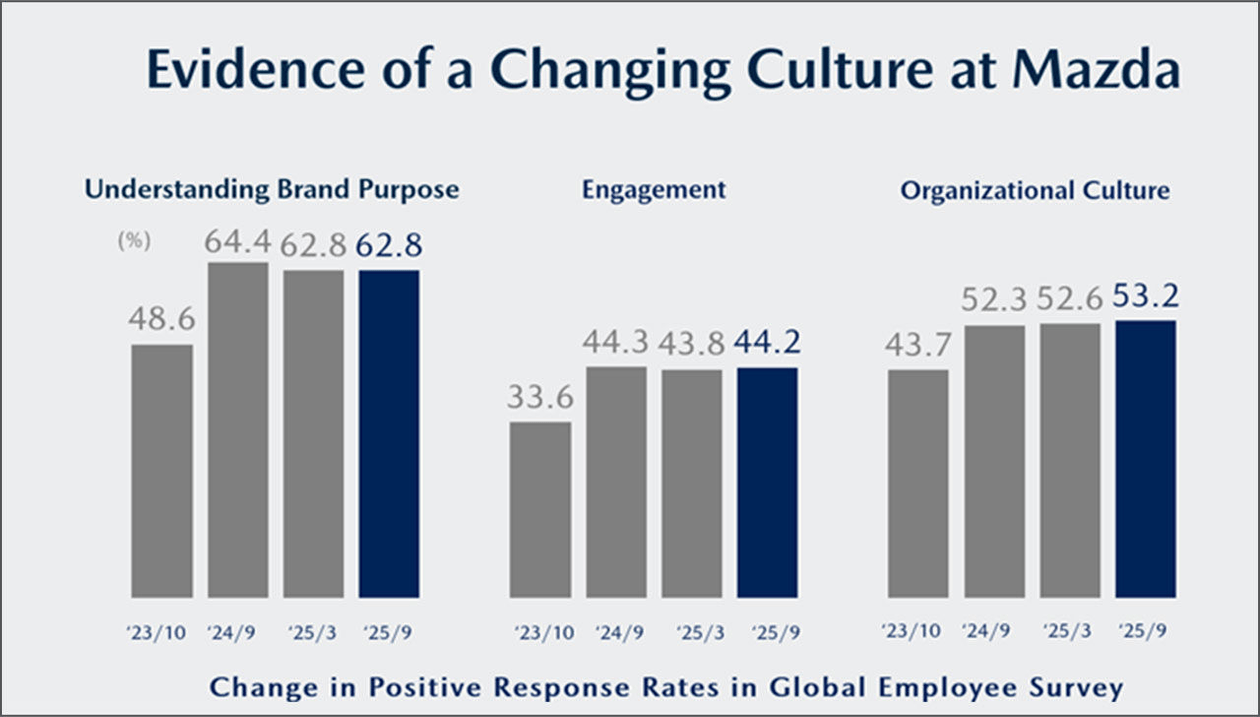
Global employee survey scores have shown significant improvement across the key tracking measures
The role of management has also started to change, from "someone who directs" to "someone who supports their teams and helps them succeed".
Diversity is often discussed in terms of gender, nationality or age. Moro sees it more broadly.
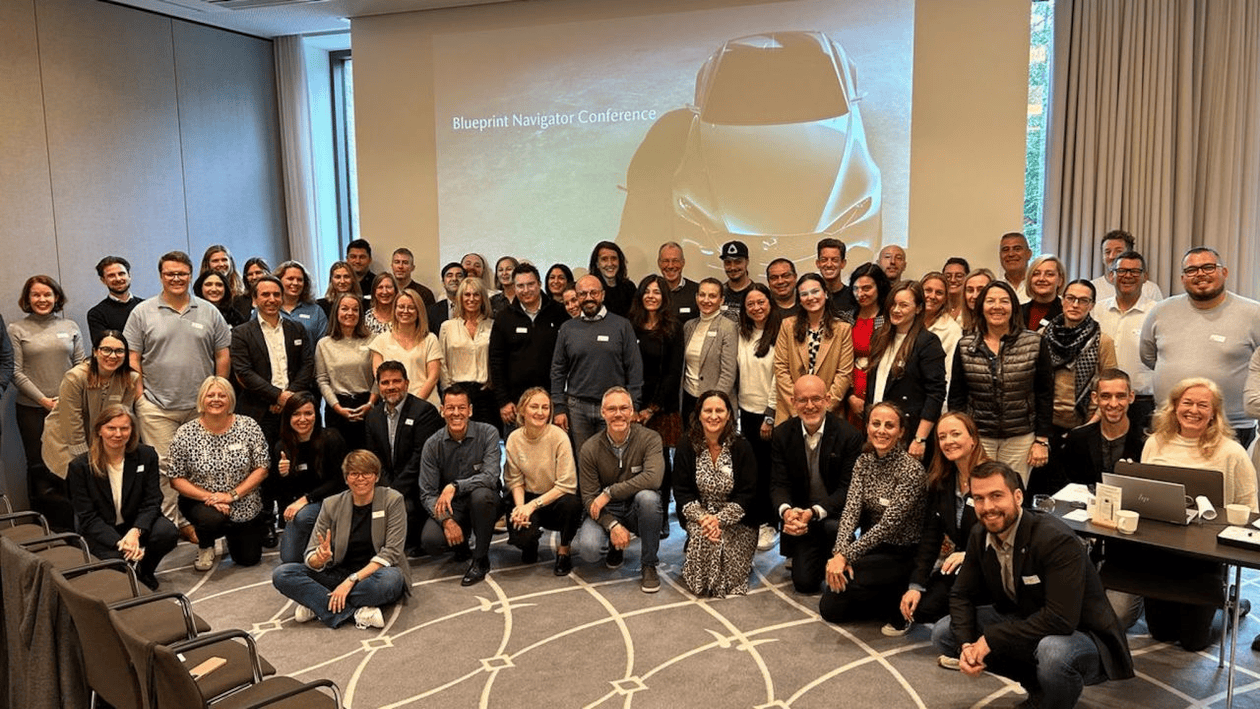
Blueprint session in Europe
His experience leading international teams in Europe convinced him that diversity also comes down to "imagination: the ability to understand where another person is coming from. Why do they think that way? What experiences and context shaped that view?"
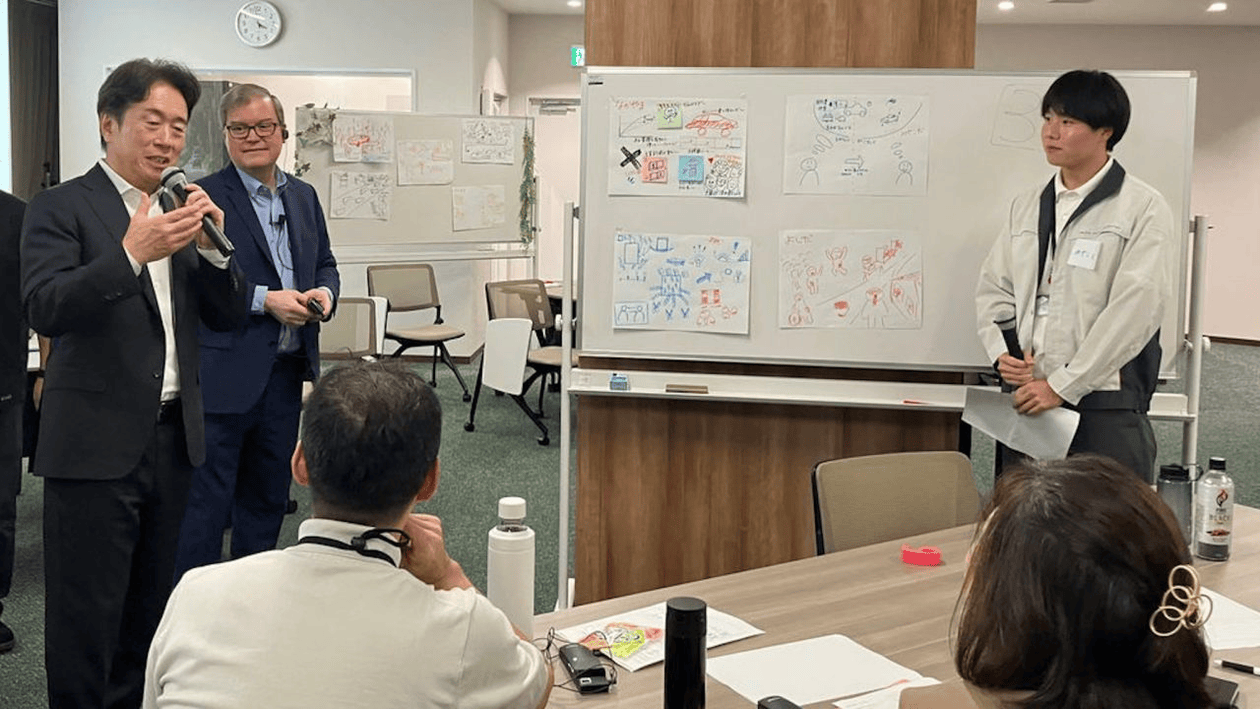
A Blueprint session with CEO Moro, providing a space for direct conversation with employees and drawing out what people are thinking and feeling through open dialogue.
"Conflict in the workplace is unavoidable. But the problem isn't conflict itself, it's how you handle it," Moro says.
Rather than trying to change someone's mind straight away, the first step is to listen and understand where the conflict is coming from. The conversation can then return to a shared question: what will move the customer forward, and what is the right choice for Mazda?
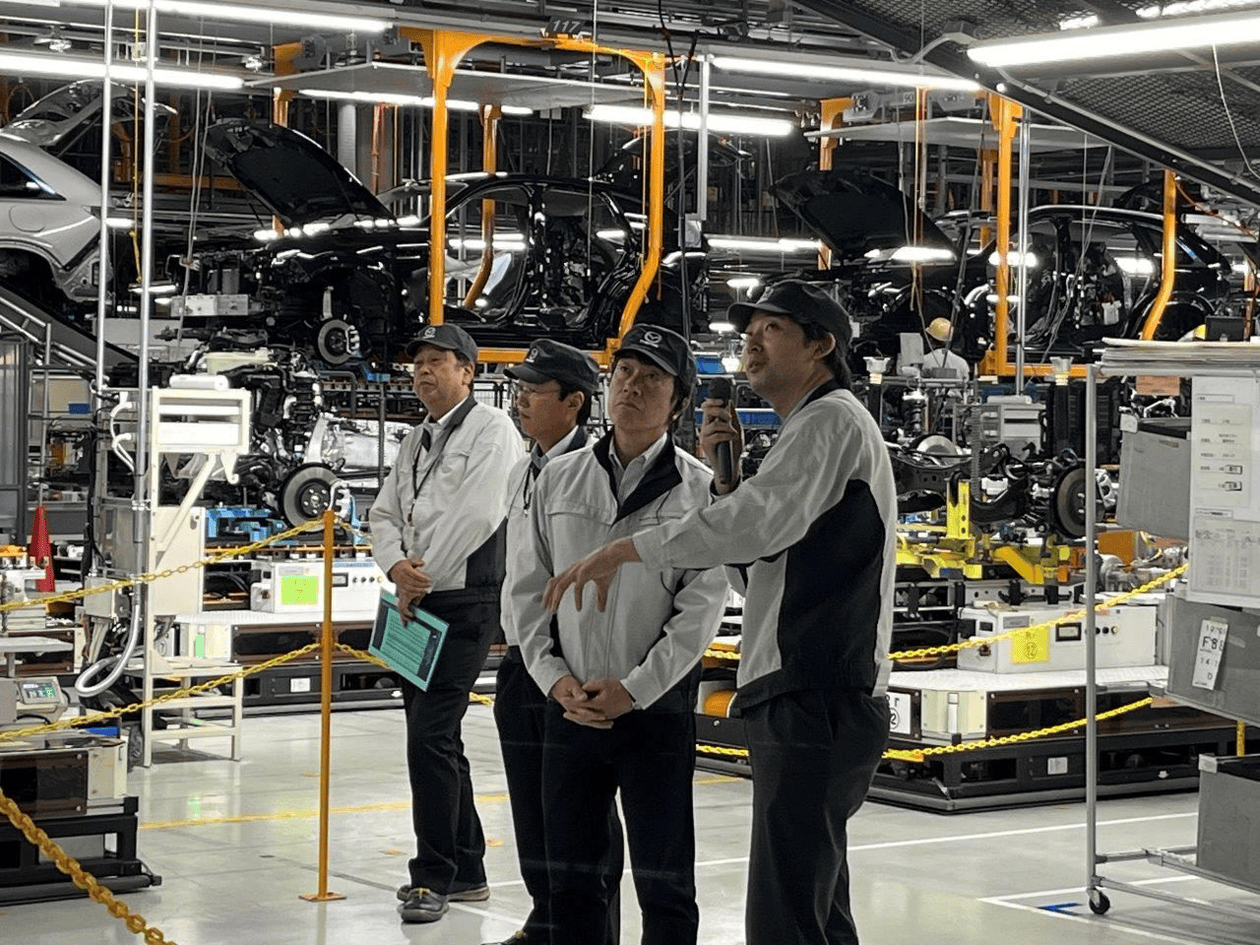
The automotive industry is going through one of its biggest periods of change, driven by electrification, digitalisation and increasingly sophisticated technology.
For Moro, however, technology alone will not determine who wins. Even as artificial intelligence and automation become more capable, human judgement, emotion and enthusiasm will remain important.
For Mazda, that has always been part of the equation. The company has never had the scale of the industry's giants, but it has built its identity around finding ways to work within those limits, while keeping people at the centre of the business.
As Moro puts it, "with 'culture before profit' as our mantra, we'll keep believing in the potential of our people, creating value that could only come from Mazda, and stay committed to making a difference to the world around us."
Read Also: 106 years of Mazda: This carmaker didn't always make cars, here's how they started

Your go-to source for all things automotive in Malaysia. 🚗 Latest reviews, breaking news, launches & industry trends.
+ Follow Kereta Rally Karamjit Singh & Proton Wira Schumacher Ada Sini! | HME Asia 2026
Hujung minggu dah tiba dan anda mencari sesuatu untuk cuci mata? Jemput datang ke Heritage Motor Exchange Asia 2026 yang berlangsung di Dewal Merdeka, World Trade Centre (WTC) Kuala Lumpur!
Berbeza dengan pameran biasa, acara ini memberi tumpuan khas kepada kenderaan-kenderaan warisan dan klasik yang menggamit memori. Antara daya tarikan utama yang dipamerkan termasuk:
🏎️ Kereta Rally Legenda: Kereta rally ikonik yang pernah dipandu oleh pemandu legenda negara, Karamjit Singh!
🏎️ Proton Wira Schumacher: Model Proton Wira penuh sejarah yang pernah dipandu oleh pelumba F1 legenda, Michael Schumacher!
🚘 Kereta Klasik & Mewah: Mercedes-Benz W111 Cabriolet (1960-an), Rolls-Royce Silver Cloud, Jaguar E-Type, dan pelbagai lagi model berprestasi tinggi.
Membawa tema "When Passion Meets Acquisition", pameran ini menghimpunkan lebih 50 buah kereta daripada pelbagai era. Ia turut memperkenalkan sistem penilaian Concours 100 mata serta kemudahan urusan pemeriksaan, insurans, dan cukai jalan bersama agensi seperti Puspakom dan JPJ di lokasi.
📅 Tarikh: 23 – 25 Oktober 2026
📍 Lokasi: Dewan Merdeka, WTC Kuala Lumpur
Tonton video ini sampai habis untuk lihat sendiri kehebatan jentera-jentera klasik ini! Jangan lupa untuk Like, Comment, dan Subscribe ke saluran BitAuto!
#HeritageMotorExchange #HMEAsia2026 #BitAuto #WTCKL #KeretaKlasik 15 hours ago
Kereta Rally Karamjit Singh & Proton Wira Schumacher Ada Sini! | HME Asia 2026
Hujung minggu dah tiba dan anda mencari sesuatu untuk cuci mata? Jemput datang ke Heritage Motor Exchange Asia 2026 yang berlangsung di Dewal Merdeka, World Trade Centre (WTC) Kuala Lumpur!
Berbeza dengan pameran biasa, acara ini memberi tumpuan khas kepada kenderaan-kenderaan warisan dan klasik yang menggamit memori. Antara daya tarikan utama yang dipamerkan termasuk:
🏎️ Kereta Rally Legenda: Kereta rally ikonik yang pernah dipandu oleh pemandu legenda negara, Karamjit Singh!
🏎️ Proton Wira Schumacher: Model Proton Wira penuh sejarah yang pernah dipandu oleh pelumba F1 legenda, Michael Schumacher!
🚘 Kereta Klasik & Mewah: Mercedes-Benz W111 Cabriolet (1960-an), Rolls-Royce Silver Cloud, Jaguar E-Type, dan pelbagai lagi model berprestasi tinggi.
Membawa tema "When Passion Meets Acquisition", pameran ini menghimpunkan lebih 50 buah kereta daripada pelbagai era. Ia turut memperkenalkan sistem penilaian Concours 100 mata serta kemudahan urusan pemeriksaan, insurans, dan cukai jalan bersama agensi seperti Puspakom dan JPJ di lokasi.
📅 Tarikh: 23 – 25 Oktober 2026
📍 Lokasi: Dewan Merdeka, WTC Kuala Lumpur
Tonton video ini sampai habis untuk lihat sendiri kehebatan jentera-jentera klasik ini! Jangan lupa untuk Like, Comment, dan Subscribe ke saluran BitAuto!
#HeritageMotorExchange #HMEAsia2026 #BitAuto #WTCKL #KeretaKlasik 15 hours ago  Rare cars, legendary icons and automotive dreams come alive at Heritage Motor Exchange Asia!
#HMEA #HeritageMotorExchangeAsia #ClassicCars #Supercars #CarCulture #MalaysiaCars 17 hours ago
Rare cars, legendary icons and automotive dreams come alive at Heritage Motor Exchange Asia!
#HMEA #HeritageMotorExchangeAsia #ClassicCars #Supercars #CarCulture #MalaysiaCars 17 hours ago  Waze could be banned?
IT seems like the Malaysian government may look into banning Waze, but only when local alternatives are ready. 19 hours ago
Waze could be banned?
IT seems like the Malaysian government may look into banning Waze, but only when local alternatives are ready. 19 hours ago Get the latest car news first!
Your go-to source for all things automotive in Malaysia. 🚗 Latest reviews, breaking news, launches & industry trends.
Kereta Rally Karamjit Singh & Proton Wira Schumacher Ada Sini! | HME Asia 2026
Hujung minggu dah tiba dan anda mencari sesuatu untuk cuci mata? Jemput datang ke Heritage Motor Exchange Asia 2026 yang berlangsung di Dewal Merdeka, World Trade Centre (WTC) Kuala Lumpur!
Berbeza dengan pameran biasa, acara ini memberi tumpuan khas kepada kenderaan-kenderaan warisan dan klasik yang menggamit memori. Antara daya tarikan utama yang dipamerkan termasuk:
🏎️ Kereta Rally Legenda: Kereta rally ikonik yang pernah dipandu oleh pemandu legenda negara, Karamjit Singh!
🏎️ Proton Wira Schumacher: Model Proton Wira penuh sejarah yang pernah dipandu oleh pelumba F1 legenda, Michael Schumacher!
🚘 Kereta Klasik & Mewah: Mercedes-Benz W111 Cabriolet (1960-an), Rolls-Royce Silver Cloud, Jaguar E-Type, dan pelbagai lagi model berprestasi tinggi.
Membawa tema "When Passion Meets Acquisition", pameran ini menghimpunkan lebih 50 buah kereta daripada pelbagai era. Ia turut memperkenalkan sistem penilaian Concours 100 mata serta kemudahan urusan pemeriksaan, insurans, dan cukai jalan bersama agensi seperti Puspakom dan JPJ di lokasi.
📅 Tarikh: 23 – 25 Oktober 2026
📍 Lokasi: Dewan Merdeka, WTC Kuala Lumpur
Tonton video ini sampai habis untuk lihat sendiri kehebatan jentera-jentera klasik ini! Jangan lupa untuk Like, Comment, dan Subscribe ke saluran BitAuto!
#HeritageMotorExchange #HMEAsia2026 #BitAuto #WTCKL #KeretaKlasik 15 hours ago Rare cars, legendary icons and automotive dreams come alive at Heritage Motor Exchange Asia!
#HMEA #HeritageMotorExchangeAsia #ClassicCars #Supercars #CarCulture #MalaysiaCars 17 hours ago Waze could be banned?
IT seems like the Malaysian government may look into banning Waze, but only when local alternatives are ready. 19 hours ago 
© 2024 Bitauto.com. All Rights Reserved.
Bitauto (www.yiche.com and www.bitauto.com) is one of the most visited automotive websites in China. We provide detailed info on Chinese car brands available in your area. Please note that the information provided on this website is based on publicly available data and is for reference only. It may not be fully updated or accurate at all times.

Help us improve our website


