
Search History
Popular Searches
English
Dealer Login / Sign Up
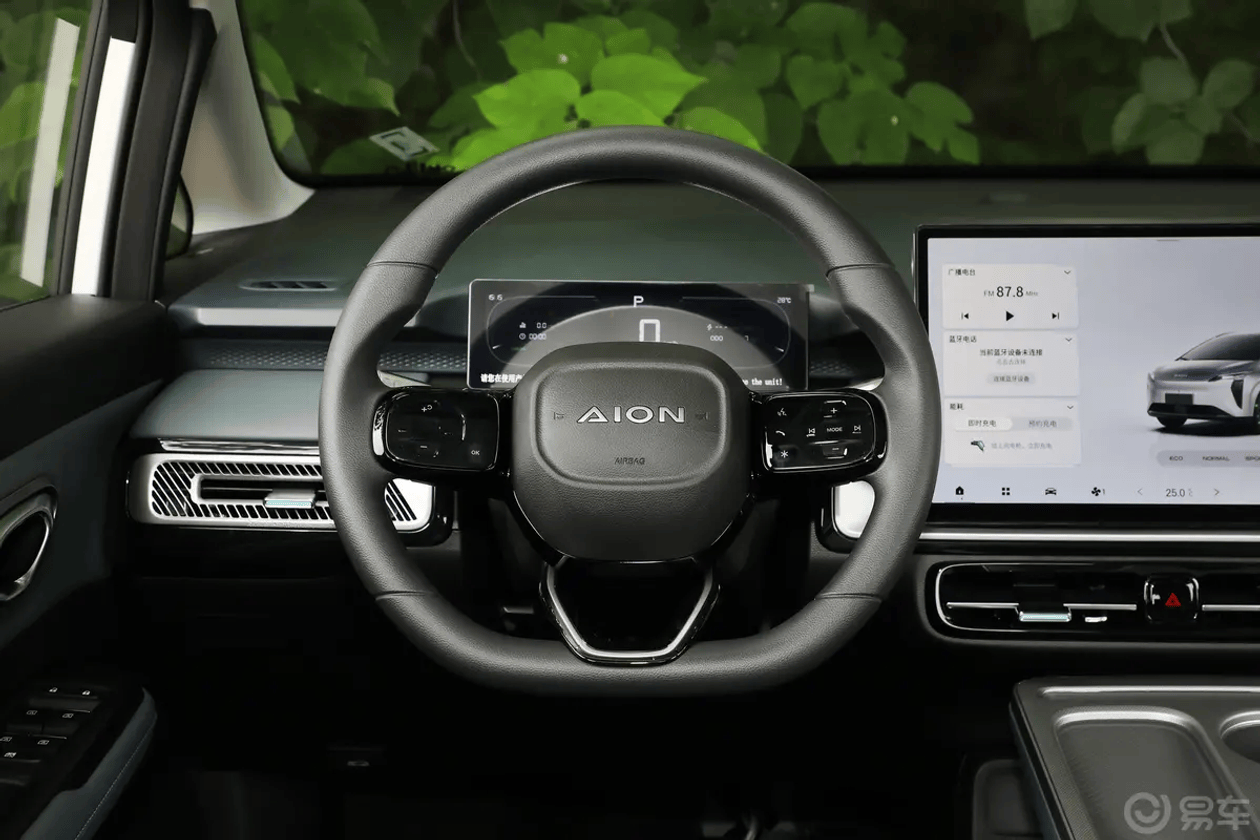
China is proposing tighter controls over how cars are designed, tested and marketed, with changes that could influence everything from door handles and dashboard controls to reclining seats.
The draft notice brings together the Ministry of Industry and Information Technology (MIIT), Ministry of Public Security, Ministry of Ecology and Environment, and State Administration for Market Regulation. Its stated concern is that some manufacturers are following product trends without sufficient testing, thus creating safety and environmental risks.
Before going further, these are proposals under public consultation. The document has not, by itself, brought these requirements into force, and its wording and implementation dates may change. MIIT published the consultation on 10 October 2026 and is inviting public feedback.
The proposed change is a more explicit link between innovative features, evidence of their safety and permission to enter production. Manufacturers would have to declare additional technical parameters and submit validation materials alongside applications for China's vehicle product approval listing. Insufficient testing or falsified evidence would prevent approval.
The document builds on existing national, industry and enterprise standards, while adding scrutiny of innovative designs and the evidence supporting them. That matters when describing what has changed: this is a proposed strengthening of approval and oversight, rather than evidence that these vehicles previously faced no testing requirements.
The draft specifies 1 January 2027 for the additional declarations covering relevant new applications. Vehicles already approved with innovative designs would need supplementary parameters and validation materials before 1 July 2027. Where submissions remained outstanding after that date and safety hazards existed, production would have to stop and recalls be initiated.
That qualification matters for existing owners. The proposal does not establish an automatic recall of every vehicle carrying a listed feature. It also recognises transition periods already specified in relevant national standards. Whether a particular model needed changes would depend on its design, evidence and applicable requirements.
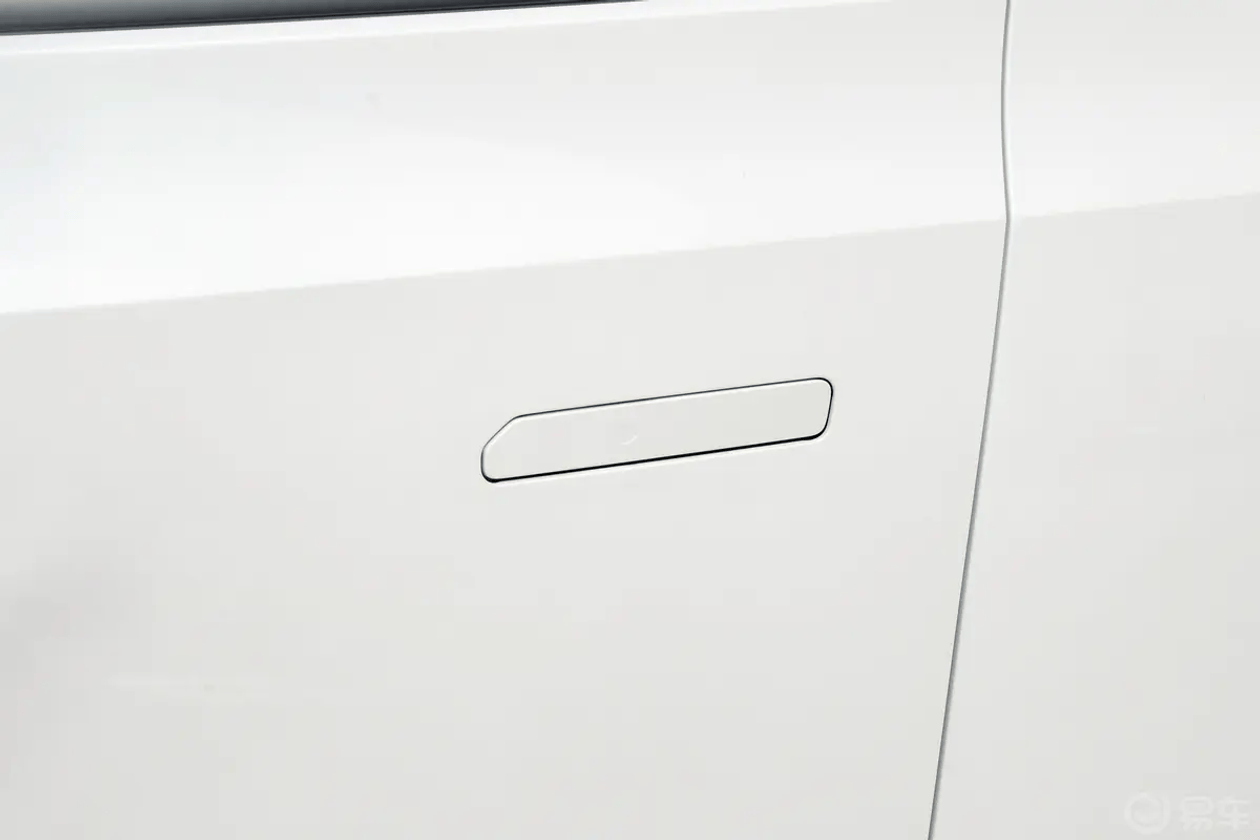
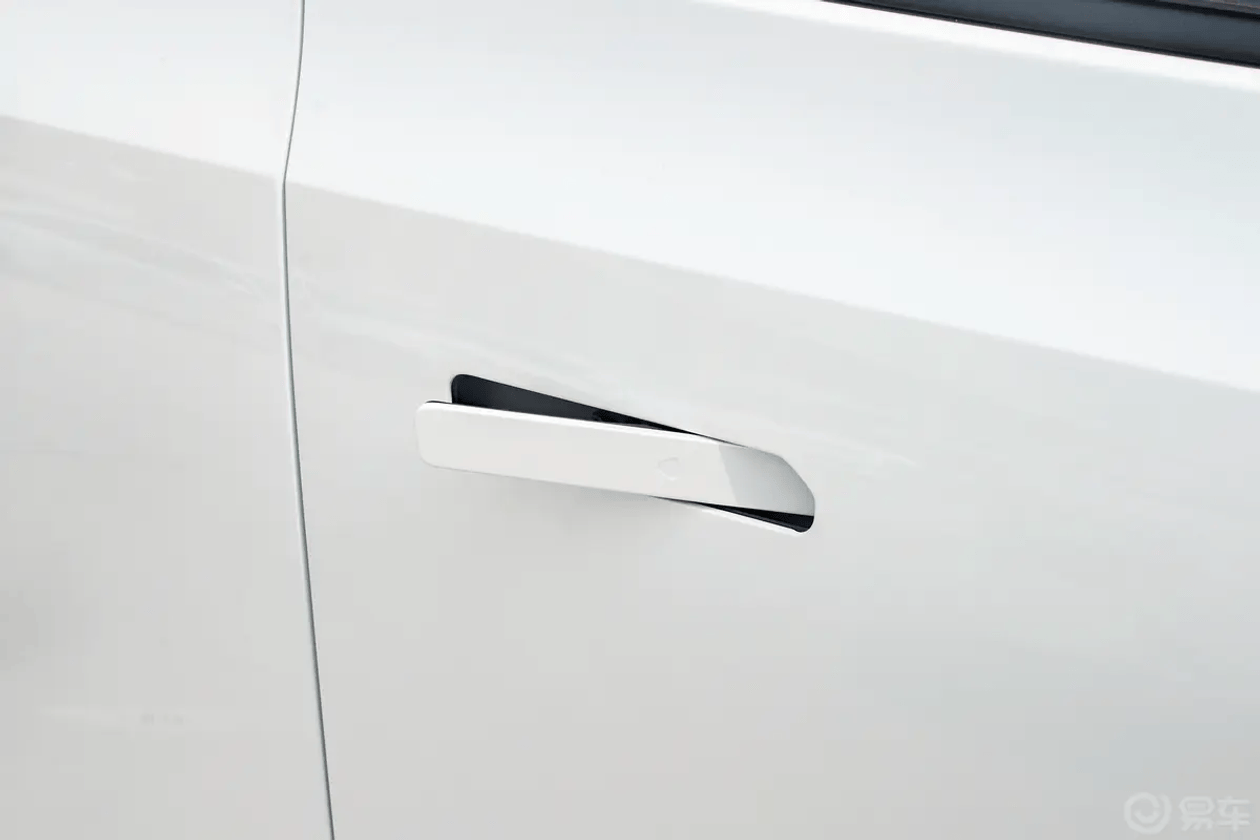
One of the clearest proposals concerns door handles. The draft explicitly prohibits fully concealed handles and requires innovative designs to provide mechanical redundancy and space for hand operation. Manufacturers would also need to demonstrate reliable operation in extreme environments and usability during emergencies.
For buyers, the practical issue is being able to open a door when something goes wrong. Designs dependent on powered deployment could require significant changes, depending on their construction. Powered soft-close doors would face separate requirements for anti-pinch protection, emergency unlocking and manual opening during power loss or faults.
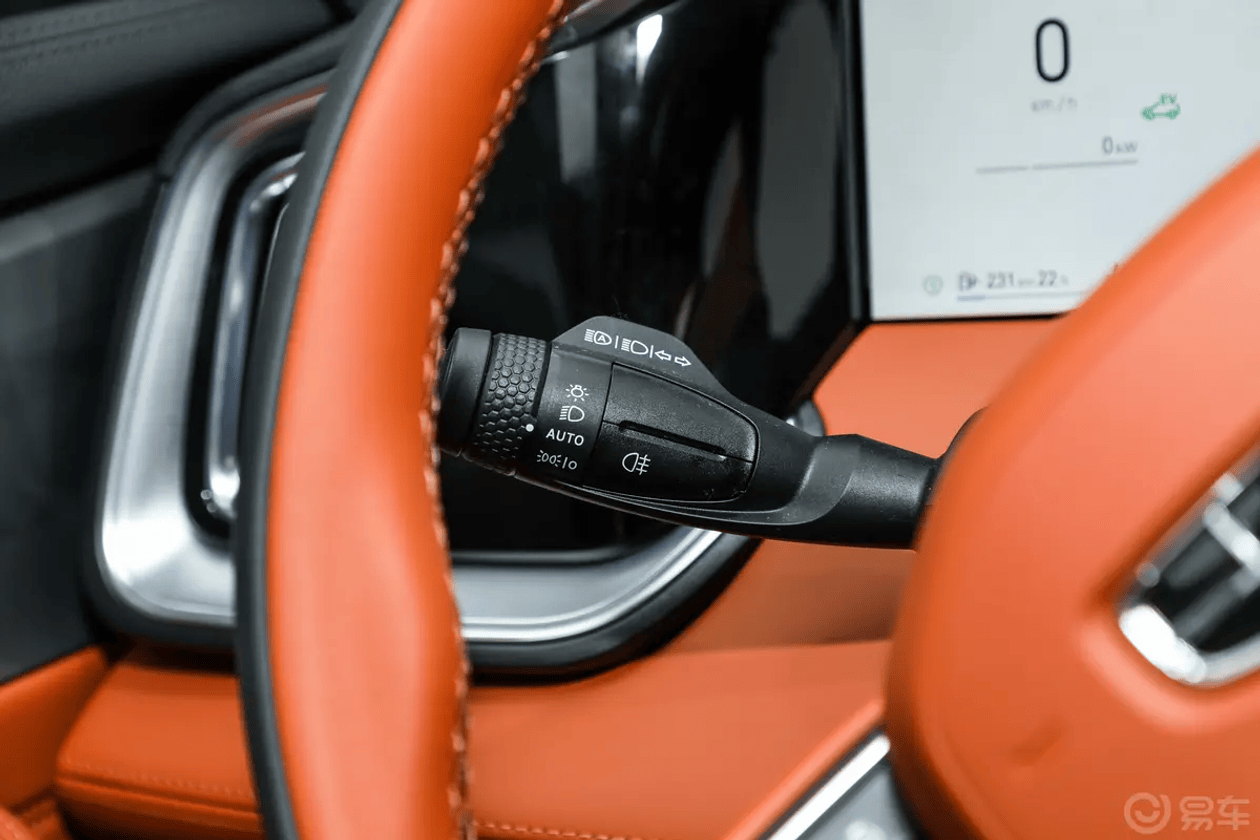
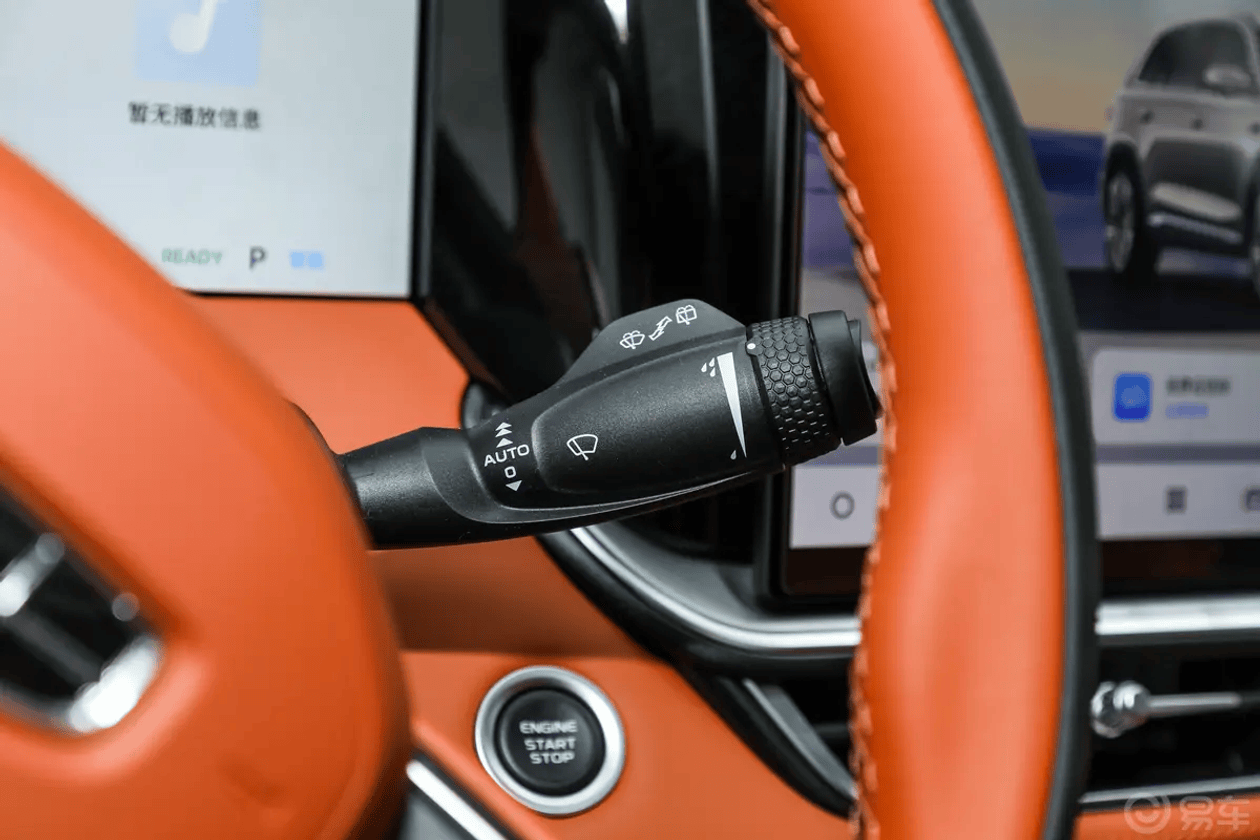
Inside the cabin, the draft would require physical controls alongside virtual controls for functions critical to driving safety, with lighting, wipers and windscreen defrosting or demisting given as examples. Emergency escape, emergency braking and drive-system power-disconnection controls would also need physical operation and conspicuous identification.
This could force revisions to dashboards that place these functions entirely within a touchscreen. The document also calls for assessments of accidental activation, touch reliability, and feedback clarity. Having a function available somewhere in a menu would therefore be only part of the approval question; its operation would face scrutiny too.
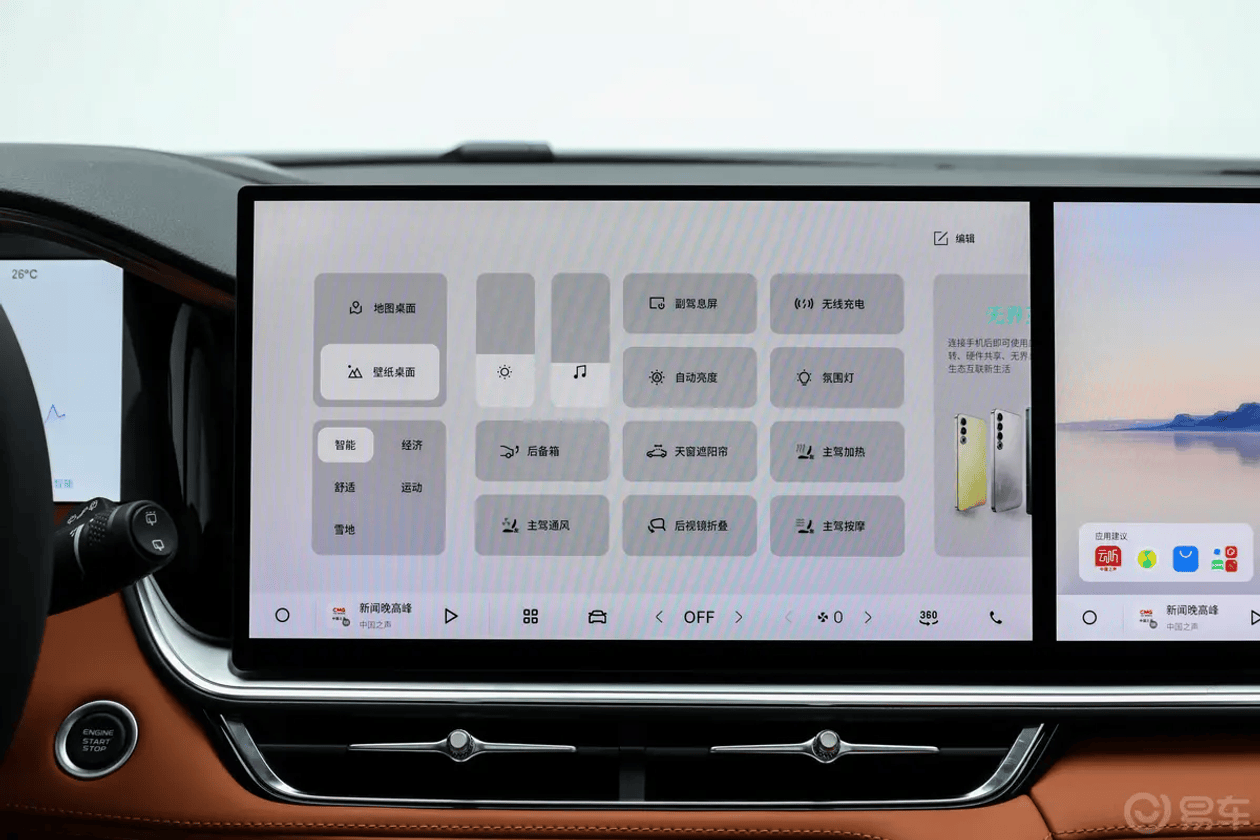
Voice and gesture controls would face tighter boundaries. While the vehicle was moving, passengers could not directly operate specified safety-critical functions through these interfaces, including headlights, wipers, defrosting, doors, and bonnet. Manufacturers could need better recognition of who issued a command and restrictions on what passengers could control.
Another explicit proposal would prohibit folding and flexible display screens. Centre-console entertainment screens, large displays, and complex head-up displays would face assessments covering driver distraction, extreme-environment reliability, and collision safety. The distinction is useful: several display types would require additional scrutiny, while folding and flexible screens face a direct prohibition.
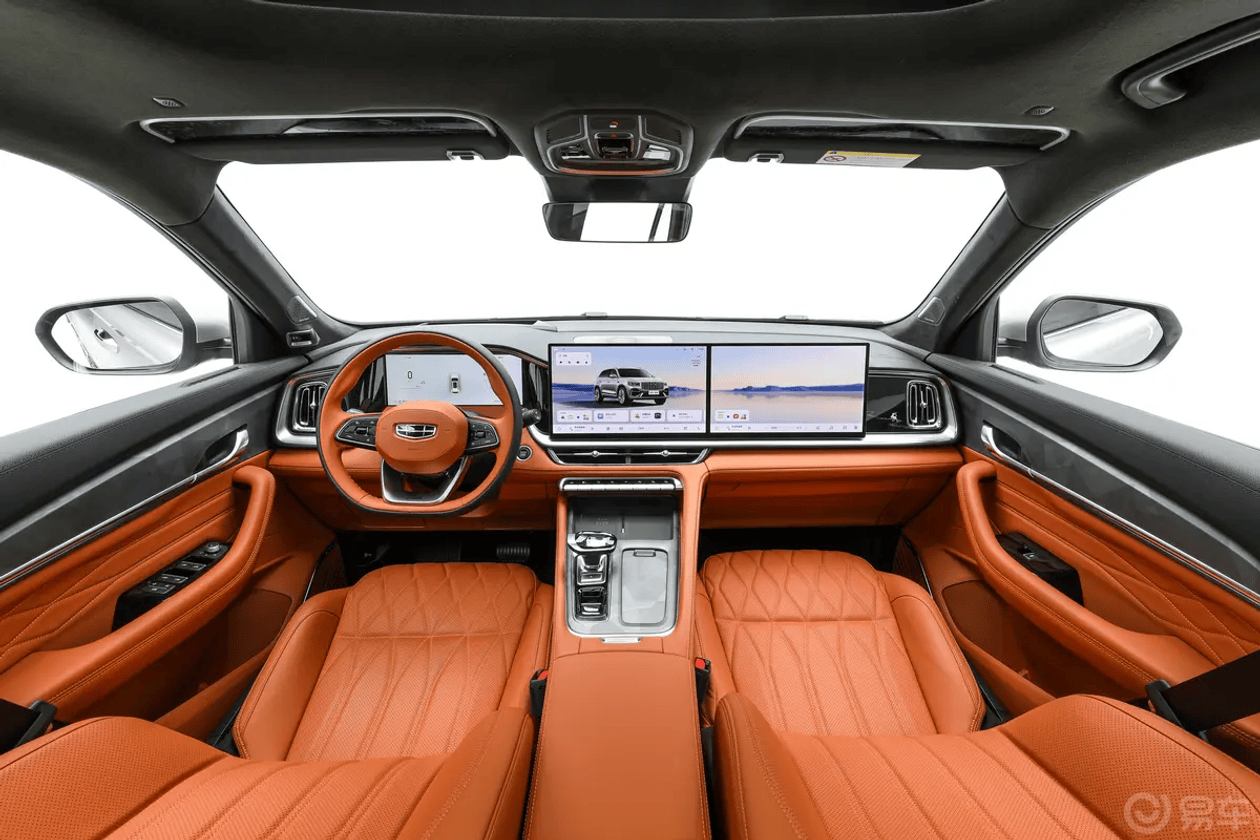
Luxury seating would also be affected. The draft says manufacturers must use technical measures to prevent zero-gravity seating, rotating-seat and seat-to-bed functions from being used while driving. Pop-up roof cabin functions would face a similar restriction. A warning buried in the owner's manual would not fulfil that proposed requirement.
For vehicles built around lounge-like cabins, this could change how features are demonstrated and sold. Buyers would need a clearer explanation of which functions were available while parked and which could be used on the move. Seat systems would also require validation for crash safety, anti-pinch protection and adjustment-locking reliability.
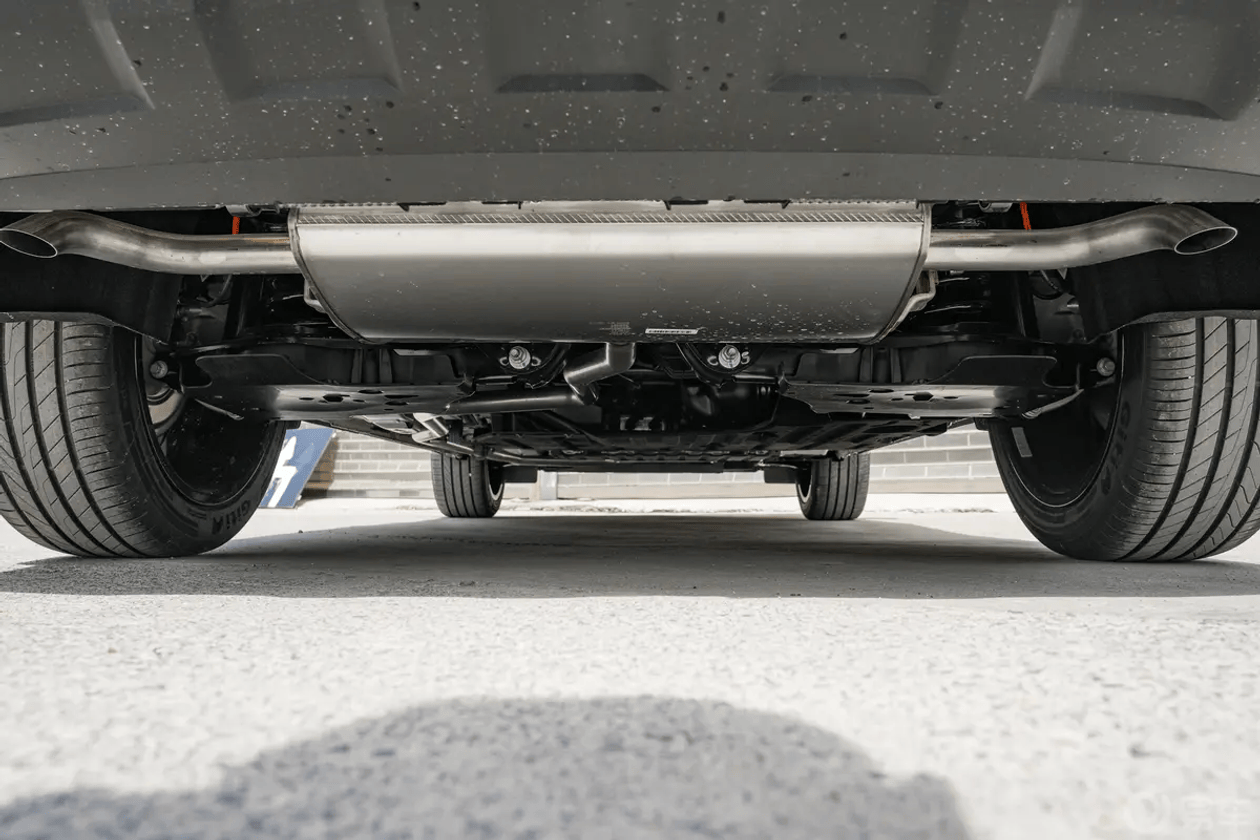
Several other features would attract additional testing. Air suspension would need validation under heavy loads, long distances, demanding roads and temperature extremes. Vehicles relying solely on electronic rear-view mirrors would need assessments of driving safety when cameras were obstructed, including by muddy water. Non-metallic doors would face reliability and durability testing.
Unusually shaped steering wheels would require assessments of controllability, convenience and safety. Cars capable of reaching 100 km/h in under five seconds would need evaluation of driver adaptation and potential hazards. Accelerator-release regenerative braking would also face assessments of driver familiarity and safeguards against accidental accelerator application.
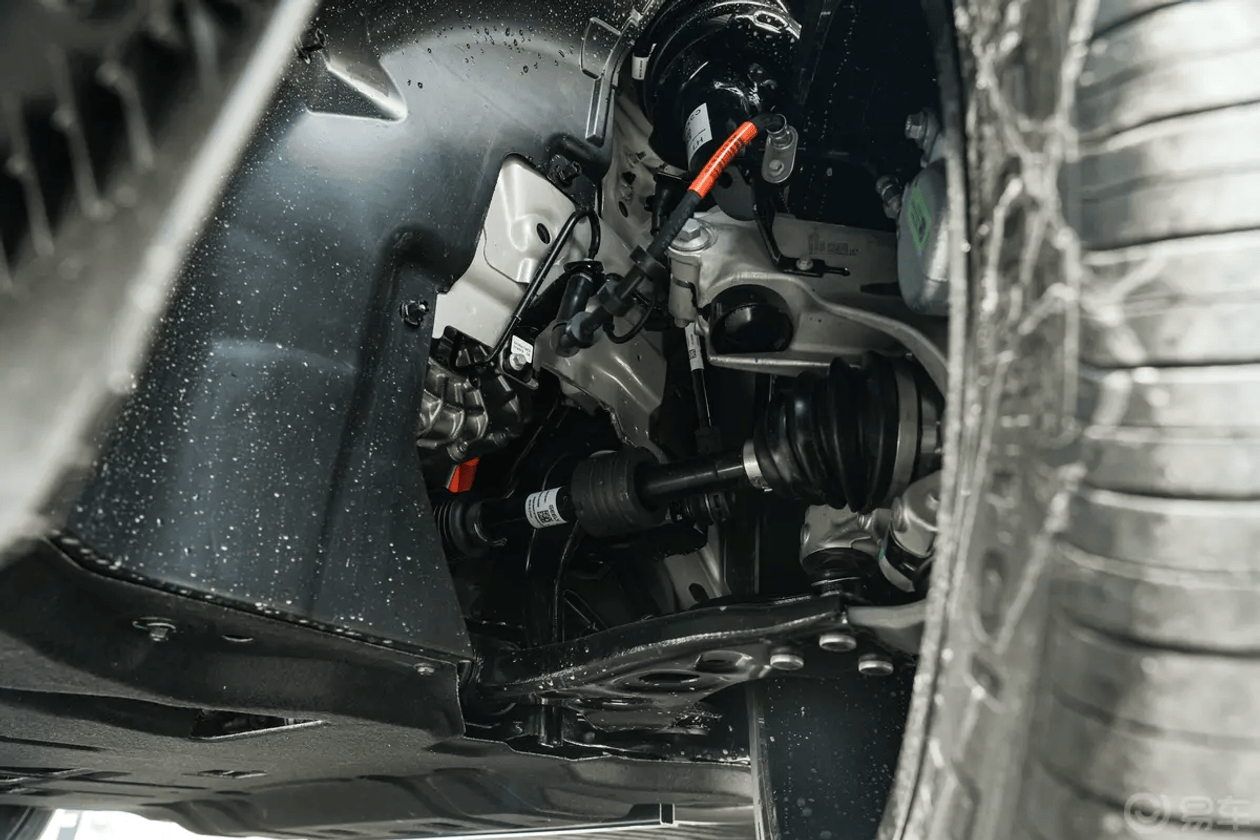
There is no blanket prohibition on these features in the draft. A quick EV or a car with air suspension could still qualify, provided it met the relevant requirements. The likely consequence would be more engineering work and stronger evidence behind features that manufacturers currently use as selling points.
Repair costs receive attention as well. Integrated or protruding lamps and unconventional bumper designs would require assessments of repair economics alongside relevant safety evaluations. External light-message displays would need scrutiny of their effect on other road users, while manufacturers would be responsible for reviewing the content they displayed.
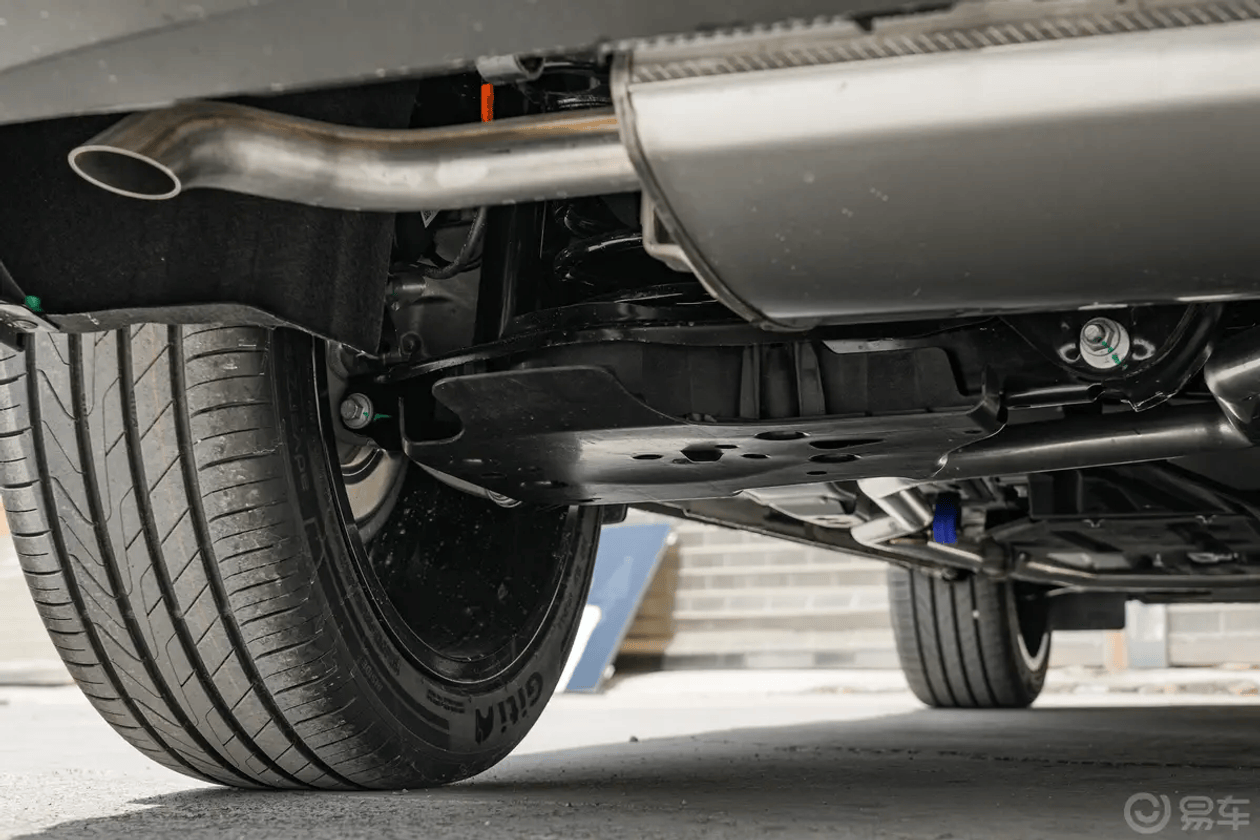
The testing proposals could have an even wider effect on product development. The specification calls for at least 30,000 km of reliability validation and an environmental adaptability programme lasting at least one year, including a severe-cold, high-temperature, severe-cold sequence, described as “two winters and one summer”.
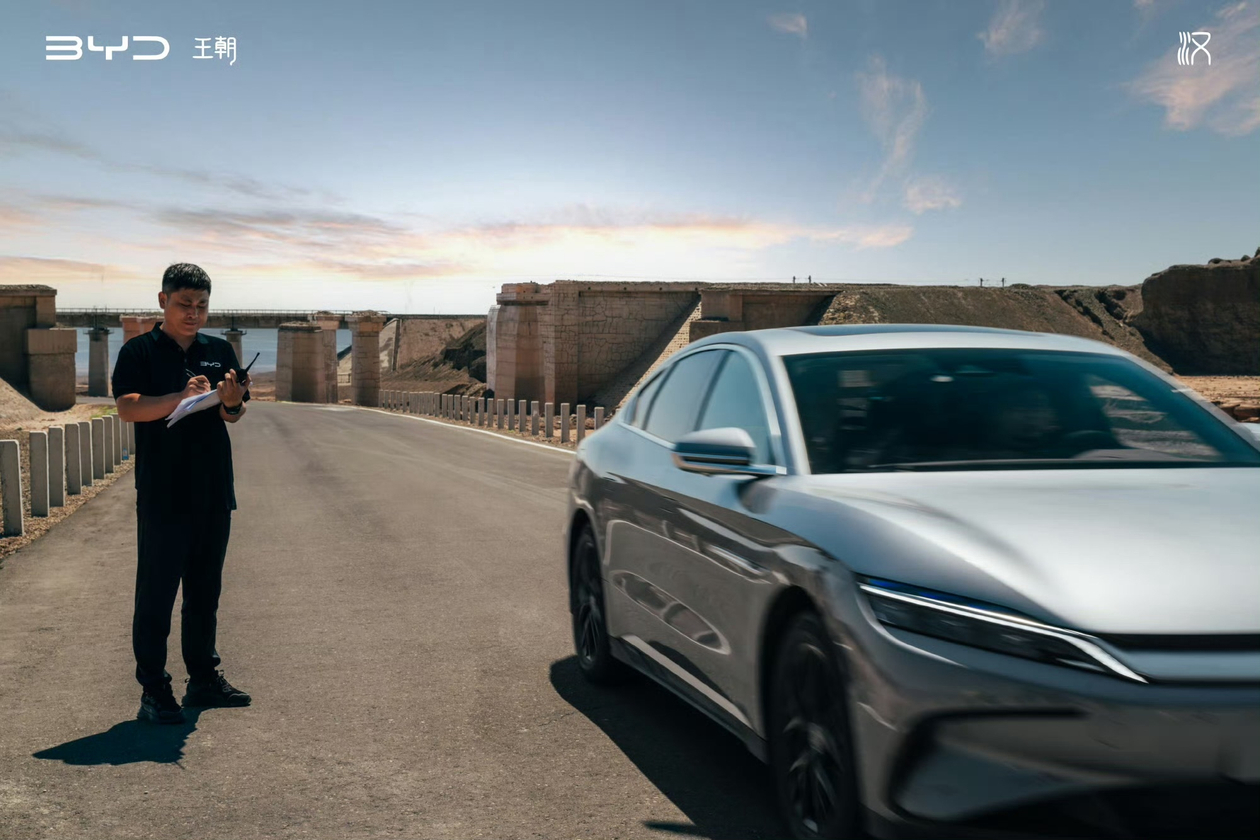
Multiple vehicles would need to cover the validation period and key configurations. Opposite-season testing and environmental chambers could be used where equally effective, but actual real-world road testing would remain necessary where complex combinations of conditions could not be reproduced adequately. The draft therefore allows alternatives while still setting an explicit validation period.
Environmental testing would cover ownership concerns, including cooling in traffic, charging and discharging, rain exposure and electrical interference. For Malaysian drivers, the relevance of heat and water resistance is straightforward. The benefit would depend on how thoroughly those requirements were applied and enforced.

Manufacturers would also need actual-vehicle testing for driver assistance, automated driving and intelligent cockpit systems, including foreseeable extreme scenarios. Over-the-air updates would require sufficient validation and internal approval records. Test problems would need to be resolved and revalidated before approval applications, with supporting records retained for at least six years.

These requirements could put pressure on development budgets and launch schedules, particularly where a manufacturer had planned to complete substantial validation late in the programme. Suppliers would face closer scrutiny too: manufacturers could not simply accept their validation reports at face value and would need incoming checks on critical hardware and software.

The scope extends beyond EVs and cabin technology. The draft addresses emissions durability for certain heavy-duty vehicles using low precious-metal catalyst content, possible harmful emissions from alternative catalyst metals, and methanol and formaldehyde emissions from methanol-fuelled vehicles. Conventional powertrains and commercial vehicle engineering would therefore also be affected.
Marketing departments would have work to do. The proposals require truthful explanations of operating limits, prohibit misleading or exaggerated claims, and reject promotional scenarios that violate traffic rules or encourage drivers to disregard their responsibilities. Manufacturers would also have to explain emergency procedures and technical limitations in accessible instructions and training materials.
After-sales obligations would also cover clear warranty commitments, suitable replacement parts, repairs and technical advice throughout the promised warranty period. Manufacturers would need to investigate reported safety incidents and preserve reliable data, giving scrutiny of innovative features a role beyond initial product approval.
Oversight would extend to testing organisations and certification bodies, with traceable records, video recording of key tests and stronger post-certification checks. Depending on the violation, proposed enforcement measures include rectification orders, fines, suspension or withdrawal of product approvals and refusal of vehicle registration. Testing bodies could also lose their qualifications.
Closer to home, this draft sets out Chinese approval requirements. It does not establish a Malaysian compliance deadline. However, if manufacturers revise shared dashboards, door systems or software to meet Chinese requirements, those changes could potentially find their way into export models.
Malaysian buyers could consequently see more physical controls, revised handles or restrictions on particular cabin functions in future models. Longer validation programmes could also affect launch timing, though it remains to be seen if actual models are affected.

Your go-to source for all things automotive in Malaysia. 🚗 Latest reviews, breaking news, launches & industry trends.
+ Follow Pull the wraps off, and this is very likely the look of the Proton Saga Cross. How? Can?
#proton #sagacross #protoncars 1 minute ago
Pull the wraps off, and this is very likely the look of the Proton Saga Cross. How? Can?
#proton #sagacross #protoncars 1 minute ago  China cracks down on voice-activated controls, hidden door handles, and lack of real-world testing.
Come 2027, we reckon Chinese cars should be further improved. 1 minute ago
China cracks down on voice-activated controls, hidden door handles, and lack of real-world testing.
Come 2027, we reckon Chinese cars should be further improved. 1 minute ago  Shopping for a Proton X50?
Here's what you need to know. 1 minute ago
Shopping for a Proton X50?
Here's what you need to know. 1 minute ago Get the latest car news first!
Your go-to source for all things automotive in Malaysia. 🚗 Latest reviews, breaking news, launches & industry trends.
Pull the wraps off, and this is very likely the look of the Proton Saga Cross. How? Can?
#proton #sagacross #protoncars 1 minute ago China cracks down on voice-activated controls, hidden door handles, and lack of real-world testing.
Come 2027, we reckon Chinese cars should be further improved. 1 minute ago Shopping for a Proton X50?
Here's what you need to know. 1 minute ago © 2024 Bitauto.com. All Rights Reserved.
Bitauto (www.yiche.com and www.bitauto.com) is one of the most visited automotive websites in China. We provide detailed info on Chinese car brands available in your area. Please note that the information provided on this website is based on publicly available data and is for reference only. It may not be fully updated or accurate at all times.

Help us improve our website


