Every young driving enthusiast in Malaysia has an internal checklist when hunting for a ride: it has to be fast, highly tuneable, look menacing on the road, and of course, turning heads would be an added bonus.
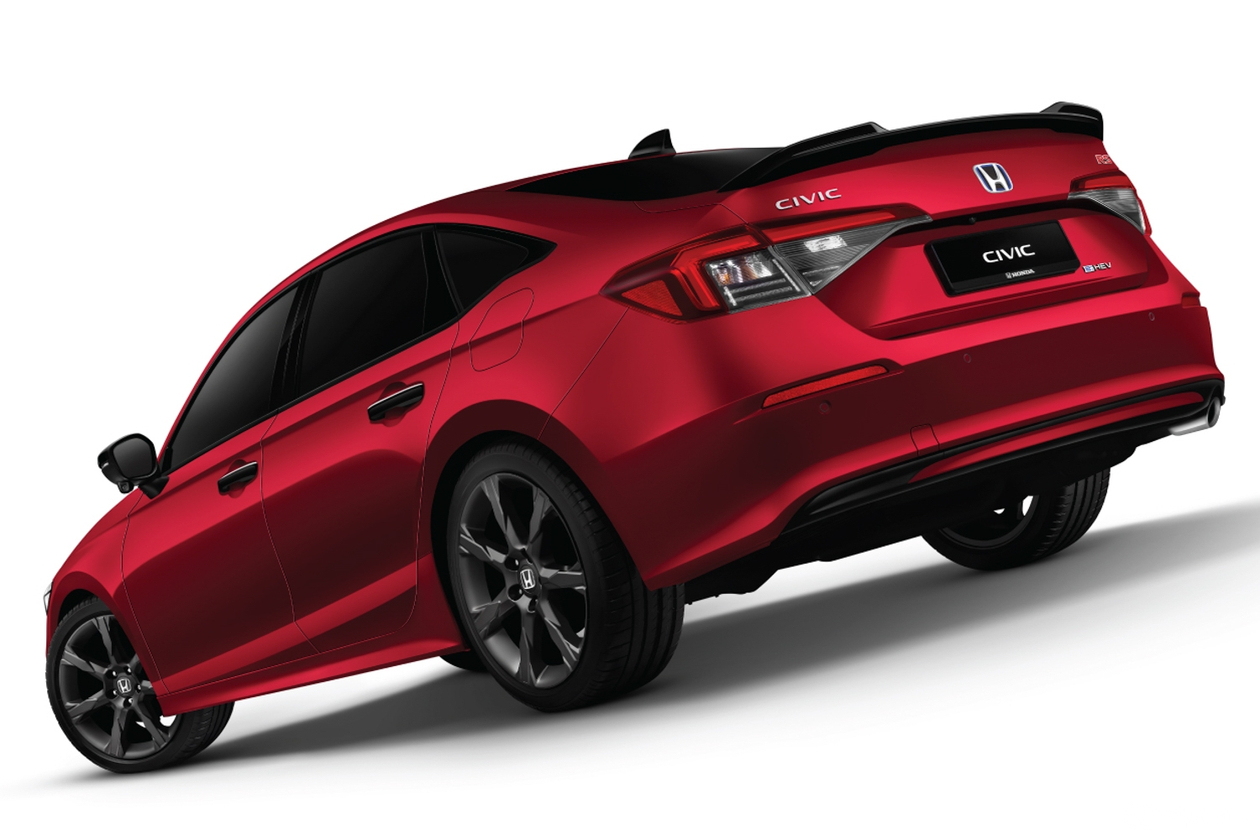
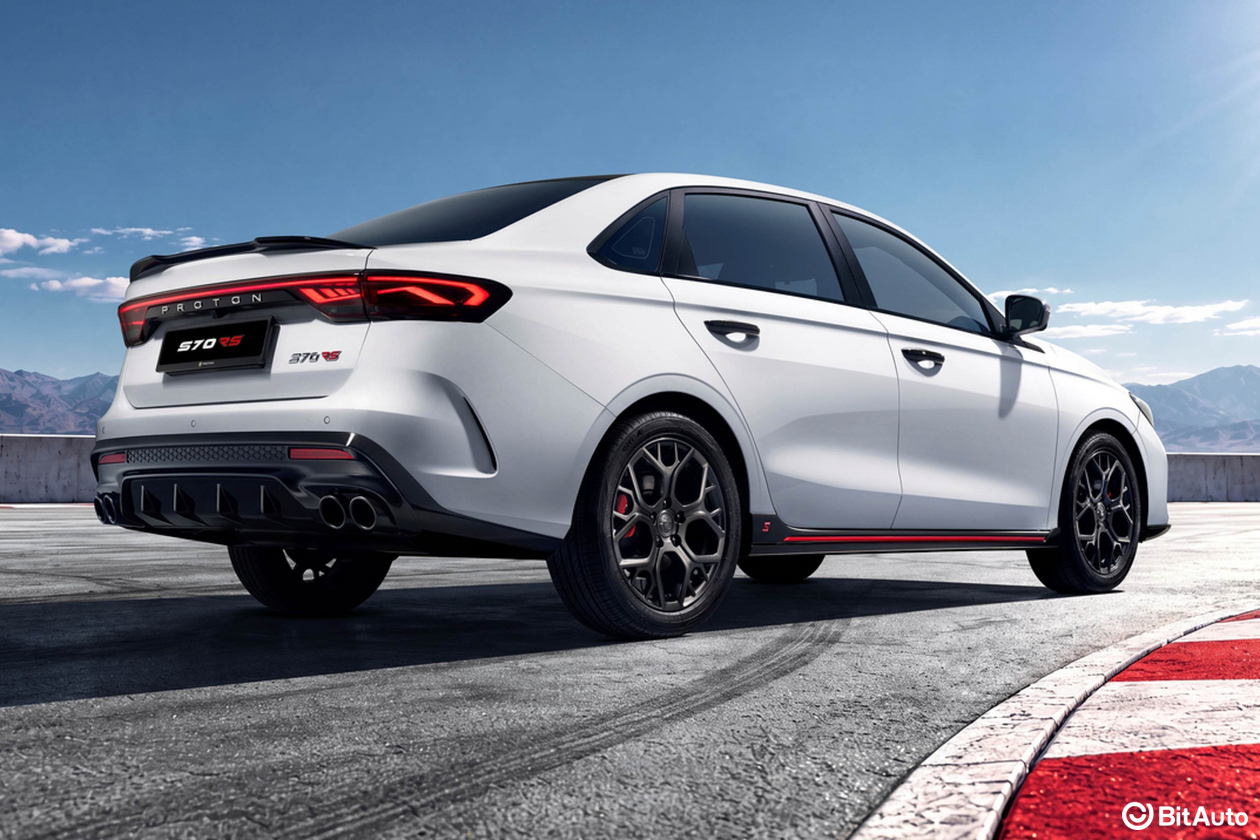
In November 2026, Proton unveiled the 2027 S70 RS, with "RS" denoting "Refined Sportiness". In one corner sits the Honda Civic 1.5 RS Turbo, commanding a price tag of RM149,900. In the other stands the Proton S70 RS; while official pricing remains under wraps, existing discounted S70 Turbo variants range between RM68,800 and RM89,800, leading market consensus to anticipate around RM90,000 for the RS. Both flaunt RS emblems, both run 1.5-litre forced-induction powertrains, and both are C-segment-proportioned sedans, yet they are separated by an enormous RM60,000 delta.
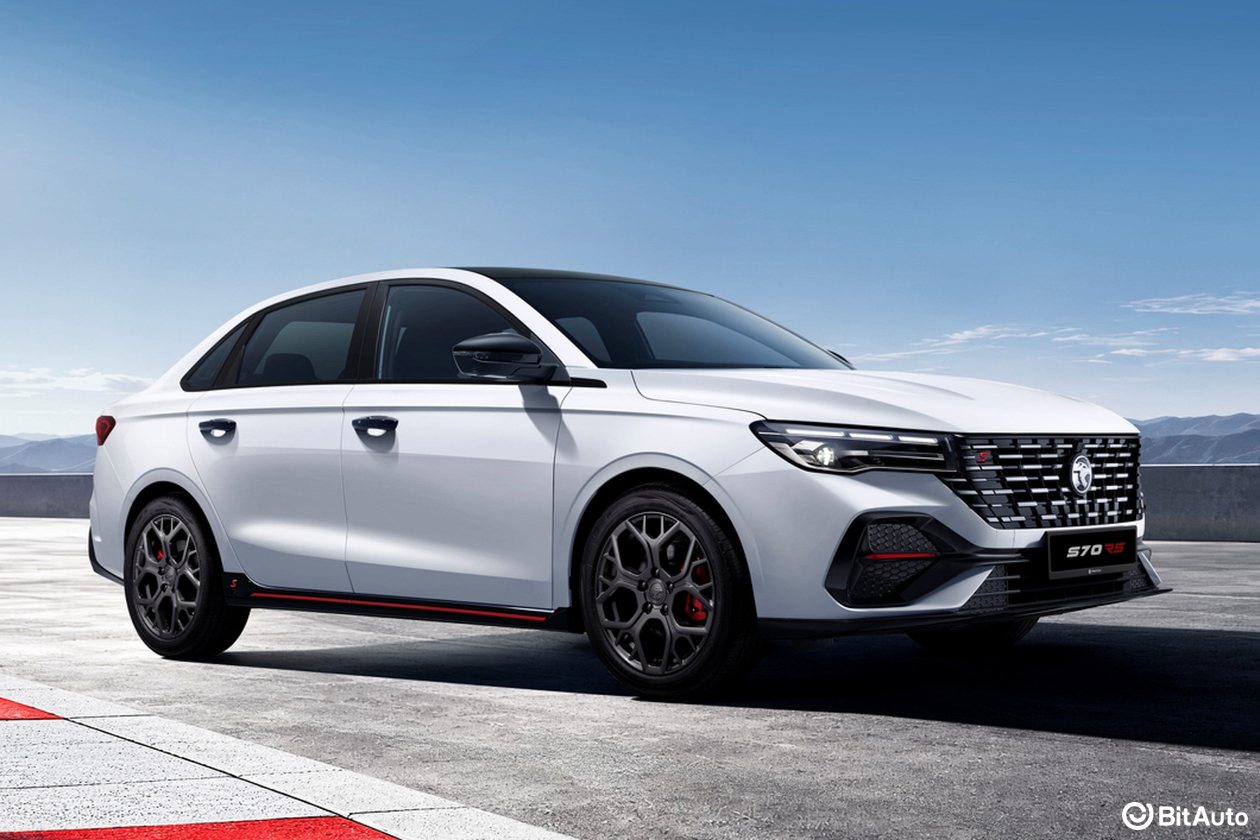
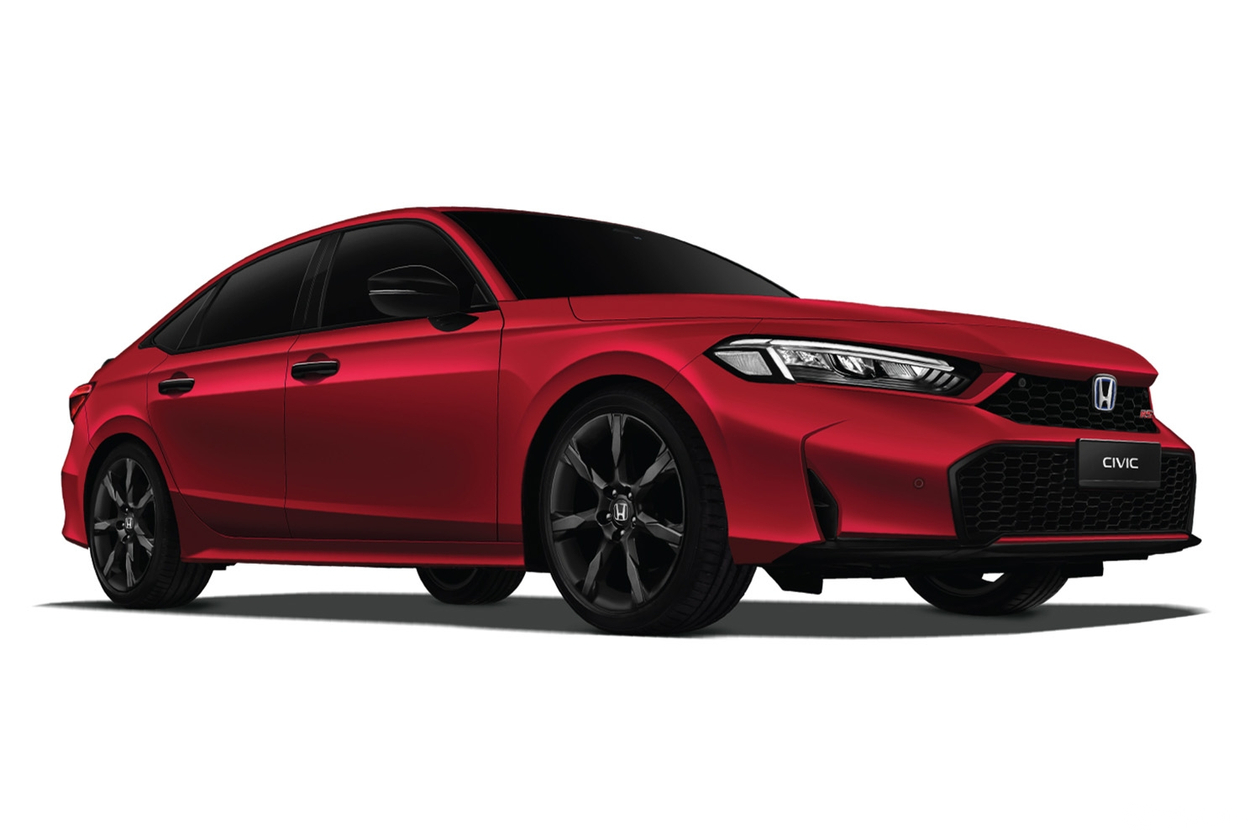
For a fresh grad young executive, RM60,000 equates to years of hire-purchase commitments. Hence, this comparison bypasses superficial spec-sheet banter like infotainment screen sizes and equipment lists. Instead, we zero in on what purists genuinely care about: straight-line performance, handling dynamics, aftermarket tuning potential, street presence, and long-term running costs when the honeymoon phase subsides.
|
Parameter |
Honda Civic 1.5 RS Turbo |
Proton S70 RS |
Winner |
|
Price |
RM149,900 |
TBA (Current Turbo range RM68,800–RM89,800) |
S70 (Projected) |
|
Engine |
1.5L VTEC Turbo 4-Cylinder |
1.5L i-GT Turbo 4-Cylinder |
Civic |
|
Horsepower |
180 hp (182 PS) |
181 PS |
Tie |
|
Torque |
240 Nm |
290 Nm |
S70 |
|
Transmission |
CVT |
7-Speed Wet DCT |
Driver Preference |
|
0–100 km/h |
8.3 seconds |
7.5 seconds |
S70 |
|
Official Fuel Consumption |
6.0 L/100 km |
5.7 L/100 km |
S70 |
|
Overall Length |
4,678 mm |
4,600 mm |
Civic |
|
Overall Width |
1,802 mm |
1,809 mm |
Tie |
|
Overall Height |
1,415 mm |
1,466 mm |
Negligible |
|
Wheelbase |
2,735 mm |
2,627 mm |
Civic |
|
Boot Capacity |
497 L |
500 L |
Tie |
|
Infotainment Display |
9-inch |
14.6-inch |
S70 |
|
Driver Assistance |
Honda Sensing |
15-Feature Level 2 ADAS |
S70 (by feature count) |
|
Airbags |
6 |
6 |
Tie |
|
ASEAN NCAP |
5 Stars |
5 Stars |
Tie |
|
Manufacturer Warranty |
5-year unlimited mileage |
5-year unlimited mileage |
Tie |
|
Free Labour Service |
5 sessions (within 5 years / 100,000 km) |
6 sessions |
S70 |
|
5-Year / 100,000 km Maintenance Cost |
Not disclosed |
Approx. RM4,800 |
— |
The Numbers Game: On paper alone, the Proton S70 RS secures an early technical knockout!
|
Subjective Criteria |
Winner |
Justification |
|
Straight-Line Pace |
S70 |
50 Nm more torque, 0.8 seconds quicker to 100 km/h |
|
Chassis Dynamics & Handling |
Civic |
Longer wheelbase, wider footprint, renowned Honda chassis calibration, and multi-link rear suspension versus the S70's torsion beam. |
|
Modding Potential |
Civic |
Mature tuning culture, abundant aftermarket catalogue, massive enthusiast community |
|
Street Cred & Social Appeal |
Civic |
Brand equity and unmatched social prestige |
|
Post-Warranty Peace of Mind |
Civic |
Long-term reliability of DCT and high-output turbo systems remains unproven |
|
Residual Value |
Civic |
Rock-solid resale value in the local used car market |
|
Value for Money |
S70 |
Matching performance hardware at a RM60,000 discount |
In a nutshell: The S70 RS dominates the spec sheet; the Civic RS conquers everything beyond it.
Looking purely at the figures, the Civic RS relies on a 1.5-litre VTEC Turbo engine putting out 180 hp and 240 Nm through a CVT, completing the century sprint in 8.3 seconds towards a 200 km/h top speed. The S70 RS houses a 1.5-litre i-GT four-cylinder turbo motor churning out 181 PS and 290 Nm, paired with a seven-speed wet dual-clutch transmission (DCT), clocking 0–100 km/h in an official 7.5 seconds. Output levels are identical, but the Proton holds a 50 Nm torque advantage, translating to an acceleration run nearly a second quicker. By numbers alone, the S70 claims round one.
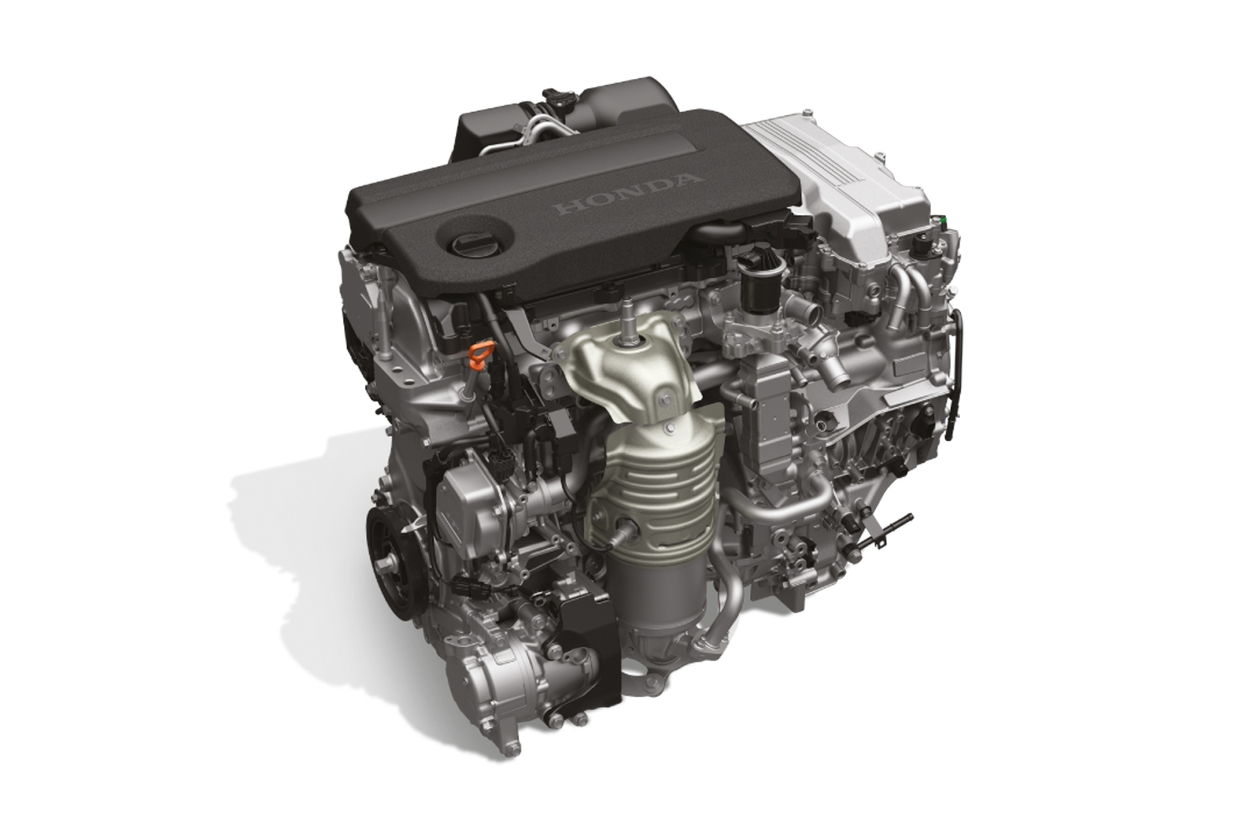
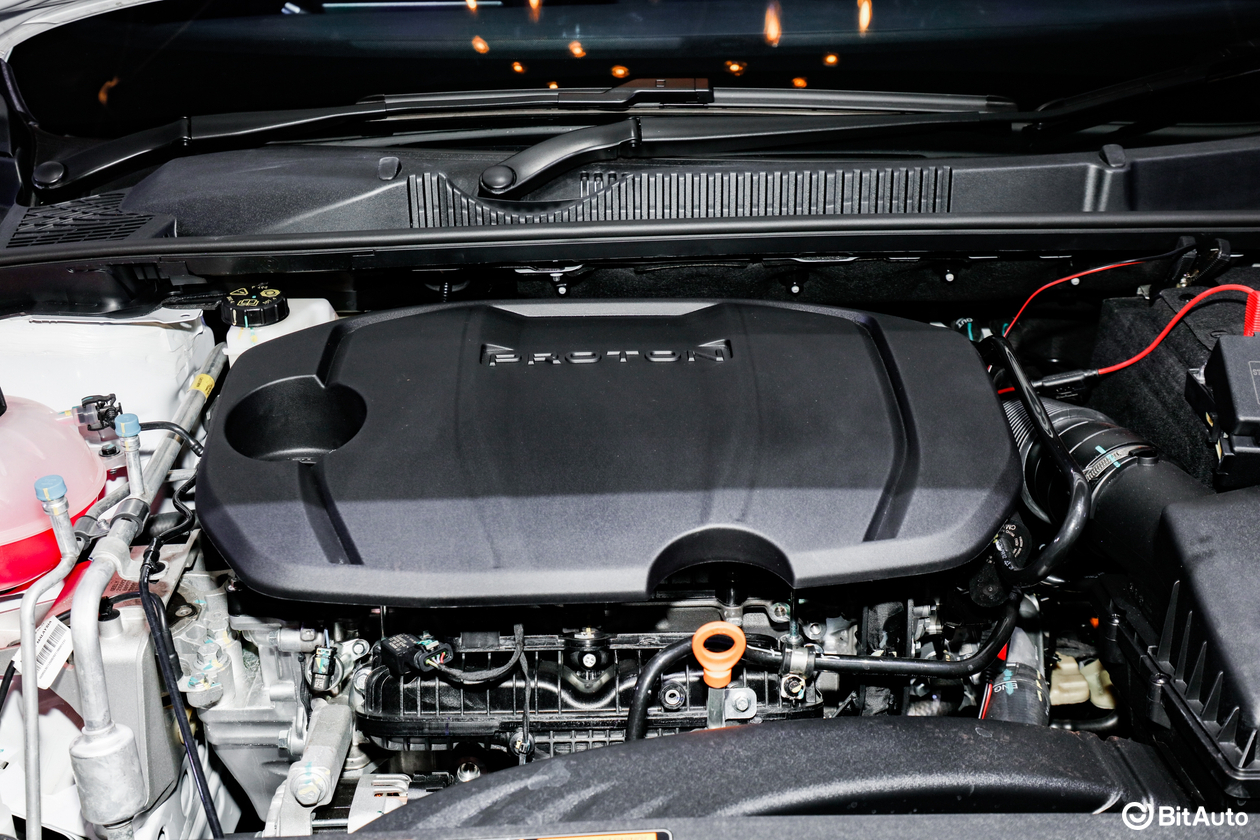
Driving thrills, however, entail far more than straight-line sprints. Real-world excitement means late-night highway blasts, carving up the Genting hillclimb, and sudden launches off the traffic lights. Honda's chassis dynamics are the brand's cornerstone; sporting a 2,735 mm wheelbase and 4,678 mm body length, the Civic commands a genuine class-above footprint compared to the S70's 2,627 mm wheelbase (a platform shared with the Geely Emgrand). Transmission characteristics are equally distinct: the Civic's stepped CVT is refined in daily commutes but exhibits typical elastic rubber-band flare under full throttle; the S70's dual-clutch box snaps through cogs crisply, delivering authentic engagement for keen drivers.
Crucially, mechanical lineage matters. The pre-facelift S70 relied on a 1.5-litre three-cylinder turbo unit that garnered owner feedback regarding low-speed NVH and vibrations. The February 2026 facelift addressed this by adopting the current four-cylinder i-GT powerplant, boosting output from 150 PS to 181 PS. Potential buyers browsing the classifieds should rigorously verify cylinder counts before committing.
Our verdict: for outright rolling acceleration and launch punch, the S70 RS takes the honours; for chassis poise, cornering compliance, and the reassuring legacy of the iconic 'H' badge, the Civic remains the benchmark.
Put simply: pick the S70 RS for the straights, and the Civic RS for the twisties.
In this arena, there is zero contest. The Honda Civic boasts decades of established tuning pedigree across generations in Malaysia—from the EG, EK, FD, and FC right through to the current FE. A single local Civic Facebook owners' club easily commands over 80,000 members. This translates into unparalleled aftermarket convenience: every modification path has been tried and tested, performance upgrades are readily stocked off-the-shelf, and specialized workshops know the platform inside out. ECU remaps and bolt-on packages for the 1.5 VTEC Turbo are refined sciences today. Copyright constraints prevent us from showcasing extensive builds here, but civic project builds are ubiquitous across local car portals.
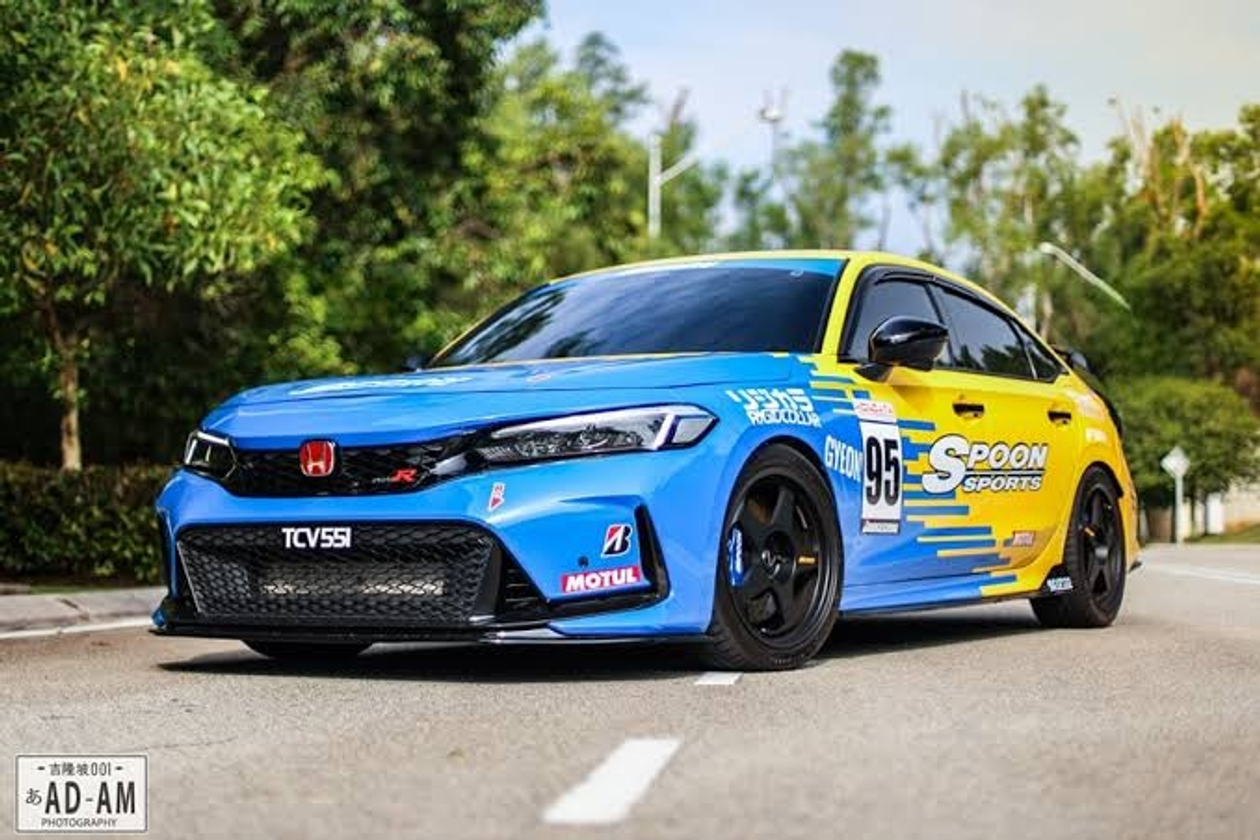
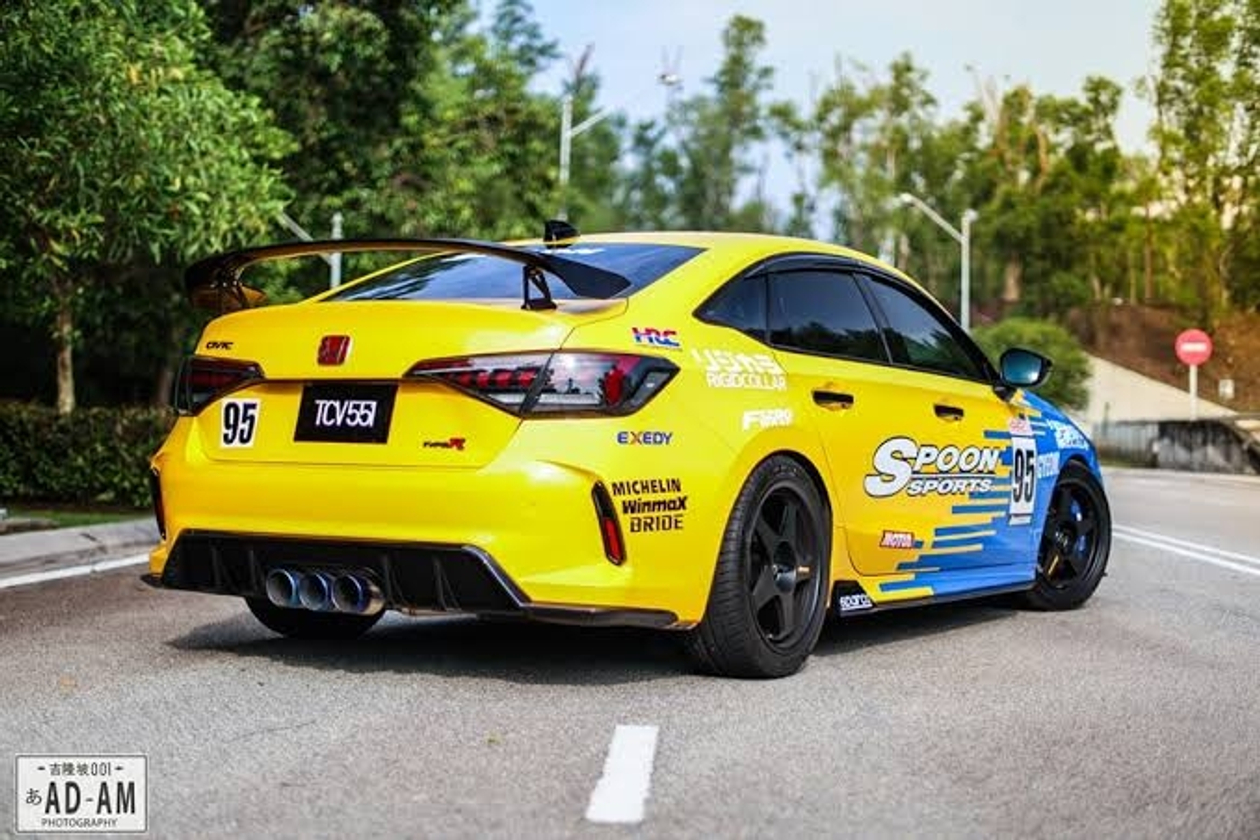
Photo Credit: Adam Photography
Aesthetic upgrades are just as accessible; subtle Type R body kits and styling touches are everywhere. A pristine White Orchid Pearl Civic RS fitted with contrasting aero pieces channels natural Type R energy straight away.
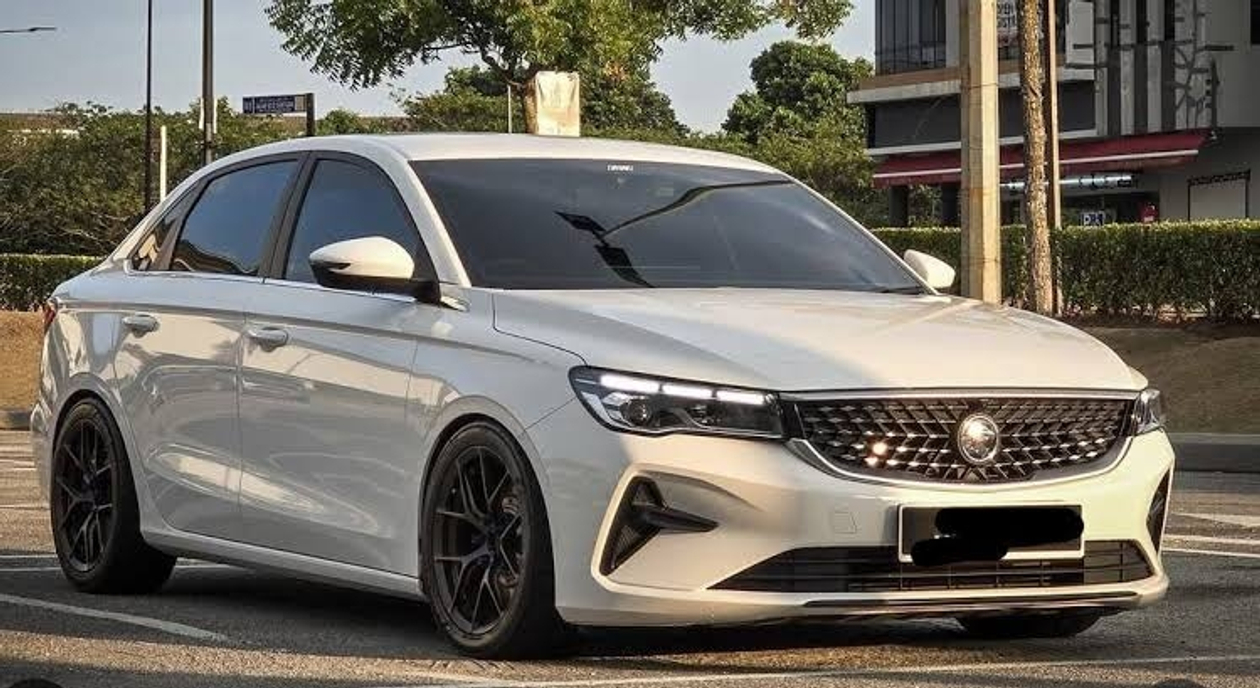
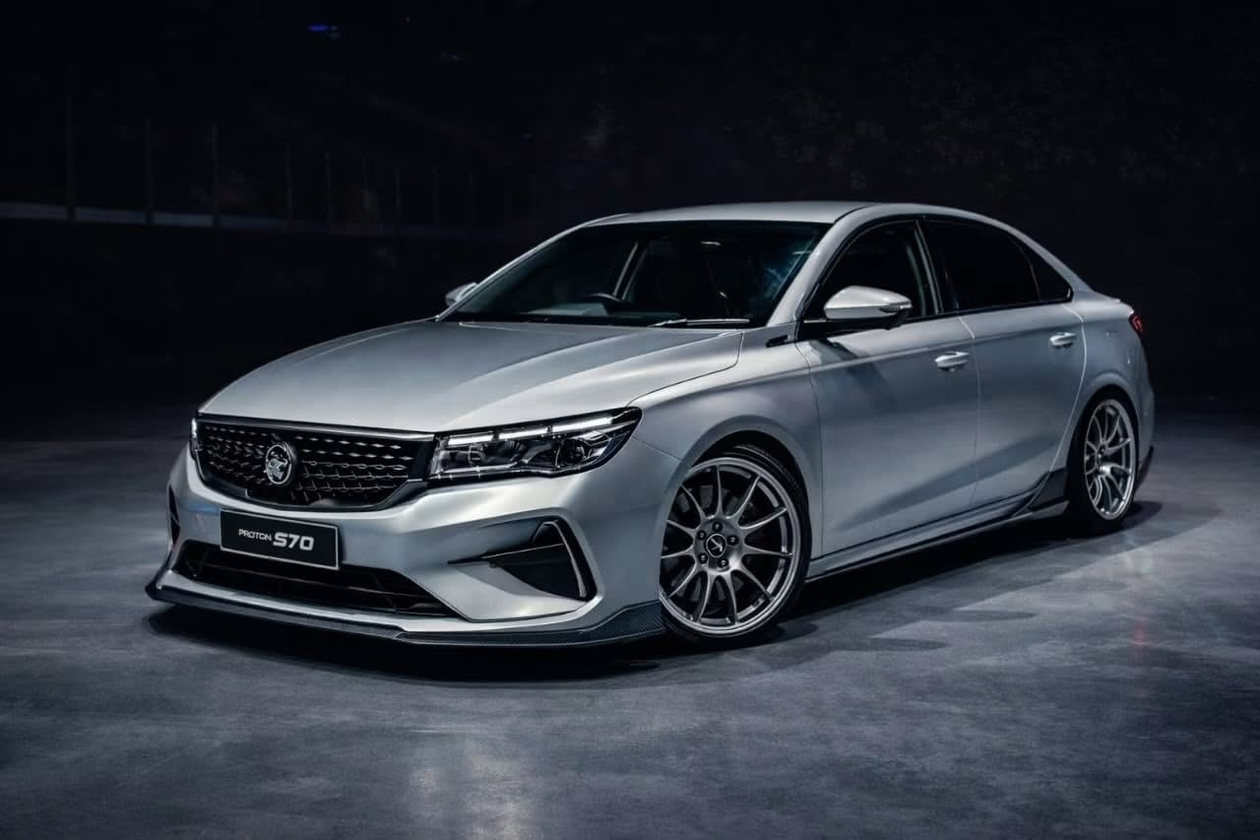
The Proton S70, on the other hand, faces a double-edged sword: freshness. The four-cylinder i-GT was introduced only in 2026, meaning local speed shops are still reverse-engineering ECU maps and testing the torque limits of the DCT gearbox. That said, its Geely Emgrand platform sharing means an endless influx of aftermarket cosmetic parts from China will inevitably flood the market. Furthermore, the S70 RS Sportline already arrives factory-tuned visually: crimson brake calipers, branded side skirts, an aggressive rear diffuser, and quad exhaust tips straight off the showroom floor.
We understand Proton previously partnered with local custom houses to showcase concept iterations, while accessory workshops are already experimenting with retrofitting paddle shifters.
However, buyers must respect warranty terms: both models are backed by five-year factory packages. Remapping or altering engine hardware jeopardises coverage instantly. For the first five years, most enthusiasts will stick to aftermarket alloys, coilover setups, and cosmetic lips—territory where the Civic's massive support ecosystem reigns supreme.
This brings us to the elephant in the room: the infamous "Civic Boy" stereotype. In Malaysia, a Civic has never been just a car; it is a social calling card. Industry pundits often point out that for certain upwardly mobile demographics, a brand-new Civic RS represents the primary alternative to a used BMW 3 Series, delivering equivalent peer prestige accompanied by a stress-free five-year warranty.
The weight carried by this social badge is immense. A trending post in a Civic forum detailed an owner earning RM4,200 monthly who purchased a 2024 Civic RS: his monthly installment sat at RM1,300, leaving him with barely RM500 after paying rent, utilities, parental allowances, and petrol. In another viral instance, a 27-year-old earning RM3,800 who had commuted by kapcai for five years scouted a 2018 used Civic simply because he was "tired of being looked down upon." Such is the immense cultural sway of the Civic emblem, and the fiscal strain that often tags along.
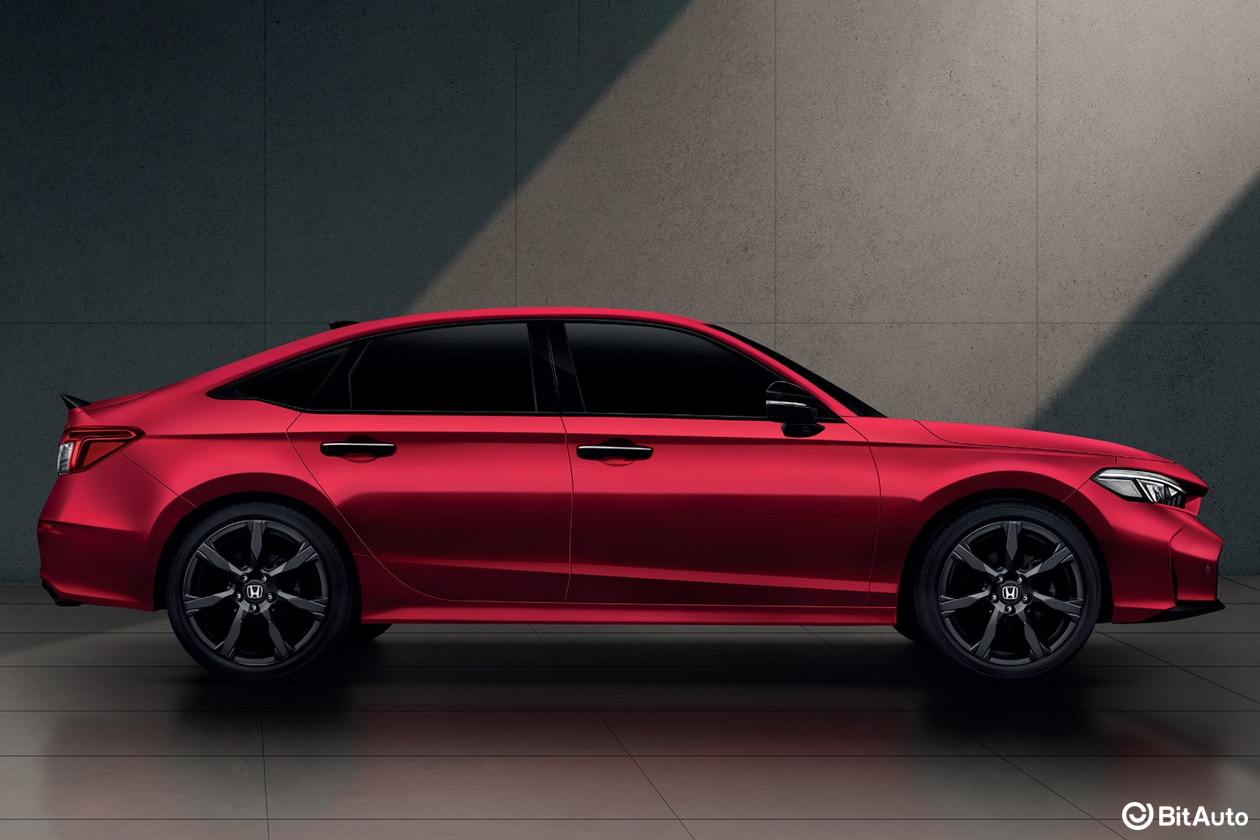
What about the S70? In all fairness, the national carmaker badge still faces entrenched legacy perceptions among brand-conscious shoppers. Yet Proton is intentionally rewriting that narrative: the S70 RS rollout featured a runway presentation in collaboration with a renowned homegrown fashion designer. A national sedan gracing a high-fashion catwalk would have been unthinkable a decade ago.
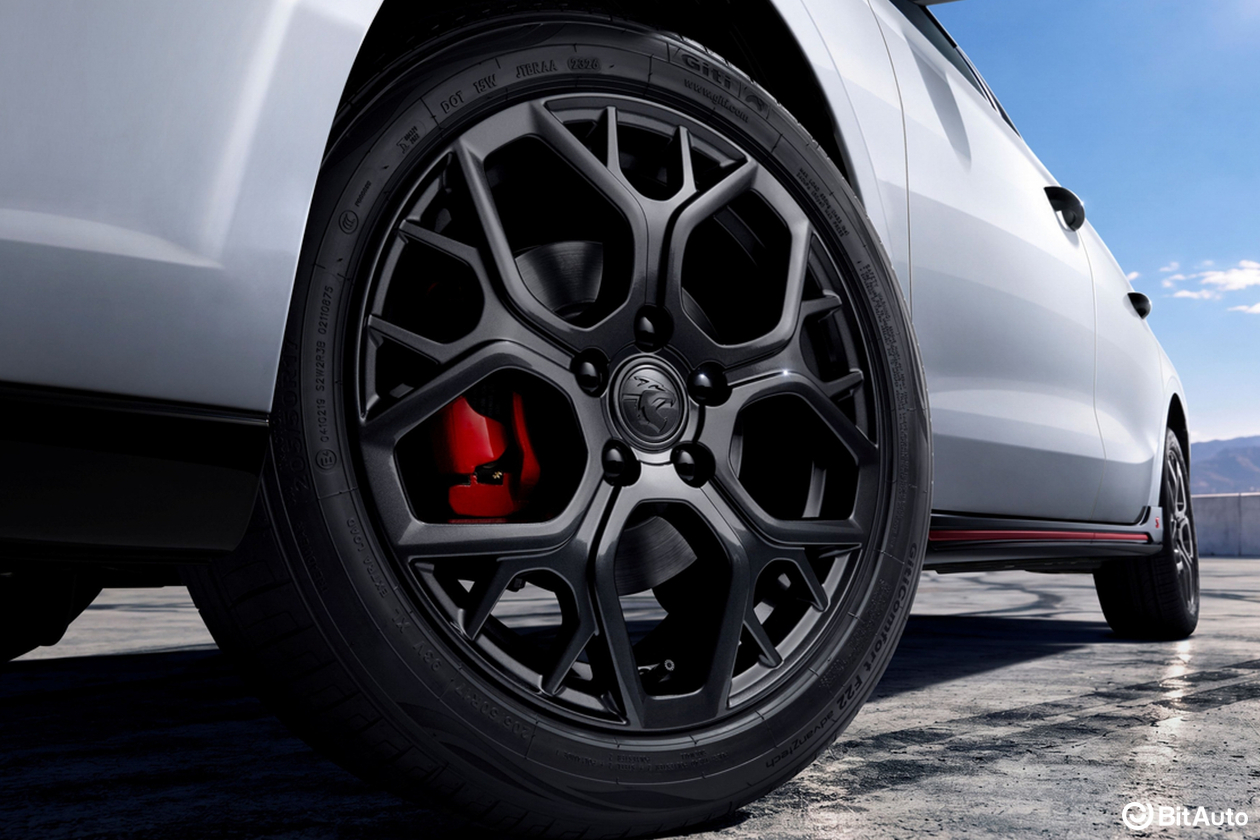
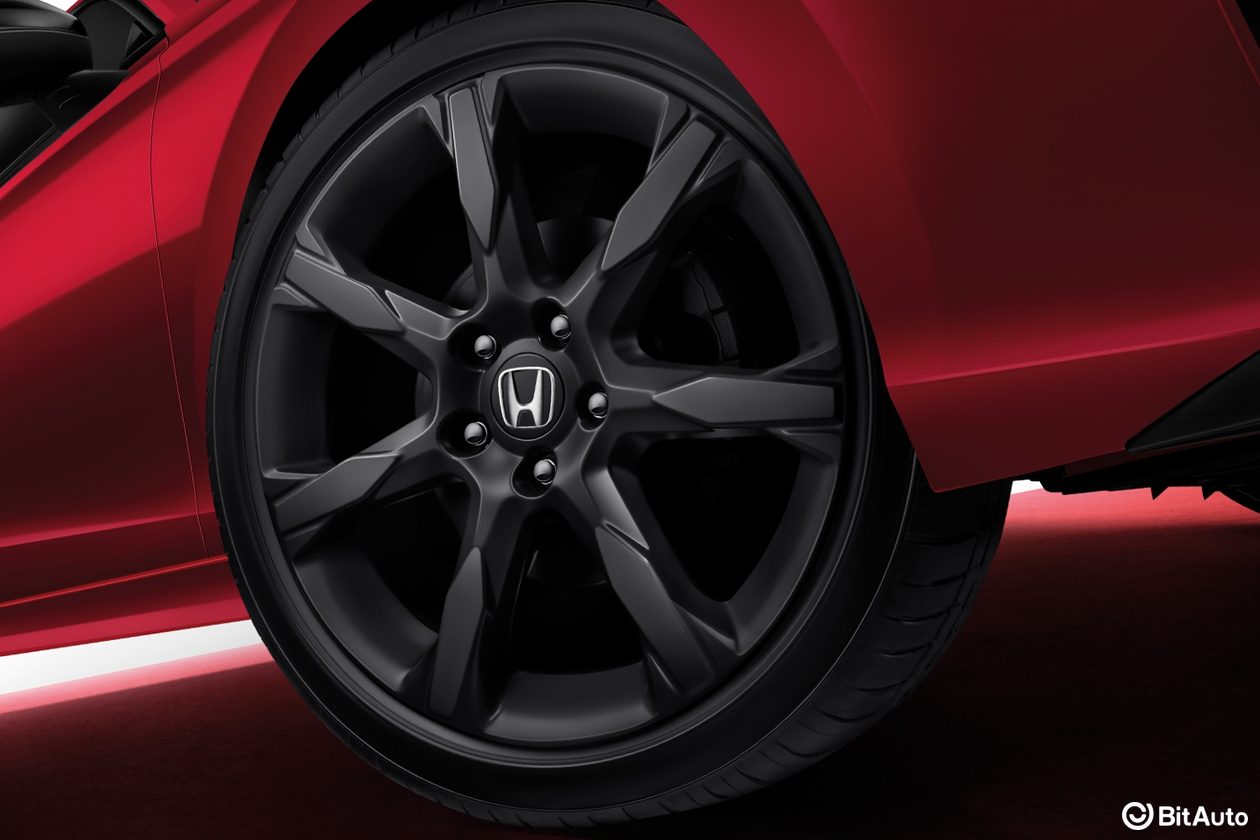
Our take: if social positioning and instant curb appeal top your priorities, the "Power of Dreams" Honda badge delivers irreplaceable emotional equity. Proton, despite modern strides, still resonates primarily as a smart value proposition.
Adrenaline is fleeting; monthly commitments are relentless.
On the warranty front, both brands offer five-year, unlimited-mileage coverage. The S70 observes a 10,000 km or six-month service interval, offering six free labour services; scheduled maintenance over five years or 100,000 km tallies to roughly RM4,800, peaking around the 80,000 km milestone due to the DCT fluid renewal (costing around RM1,000). The Civic provides five free labour vouchers within five years or 100,000 km. Routine servicing costs are broadly comparable, but post-warranty upkeep remains an open question: Malaysian motorists still hold reservations regarding long-term DCT and forced-induction repairs.
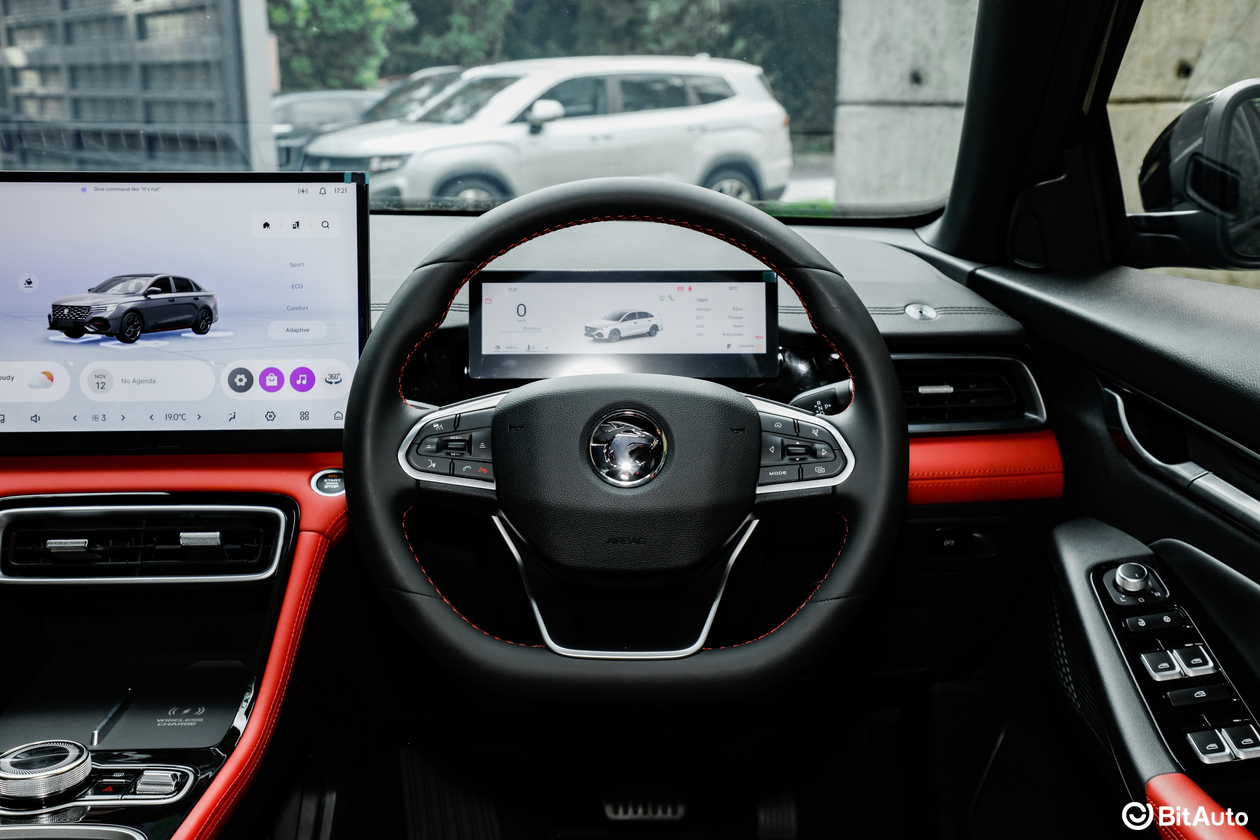
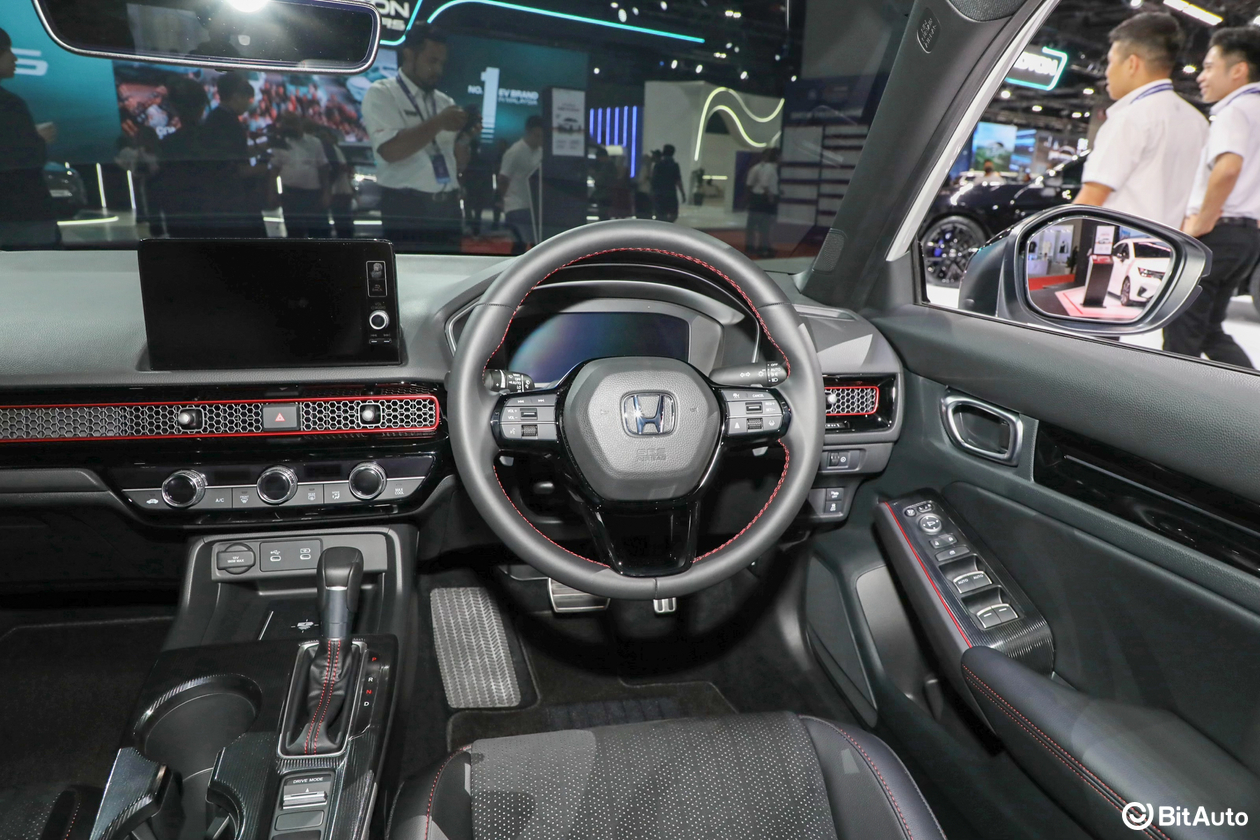
In terms of everyday utility, both trade blows evenly. Boot capacity is rated at 497 litres for the Civic versus 500 litres for the S70. The Civic's 108 mm wheelbase advantage yields superior rear legroom. Claimed fuel efficiency reads 6.0 L/100 km for the Honda against 5.7 L/100 km for the Proton. When it comes to cabin tech, the S70 RS adopts the lavish Chinese equipment strategy: a sprawling 14.6-inch infotainment screen, 540-degree panoramic camera, and 15 ADAS functions. The Civic RS counters with a cohesive, driver-centric cabin layout paired with proven Honda Sensing. Your choice boils down to massive digital displays versus tactile ergonomics.
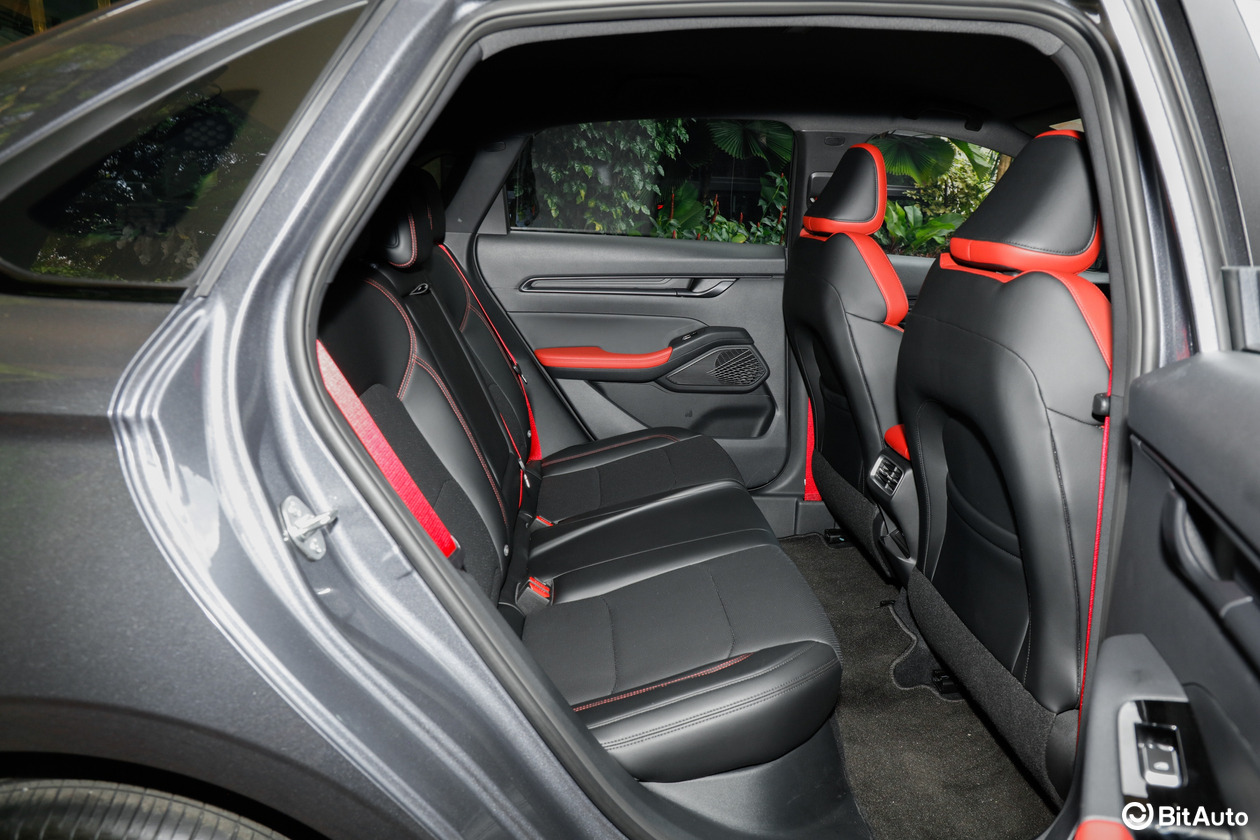
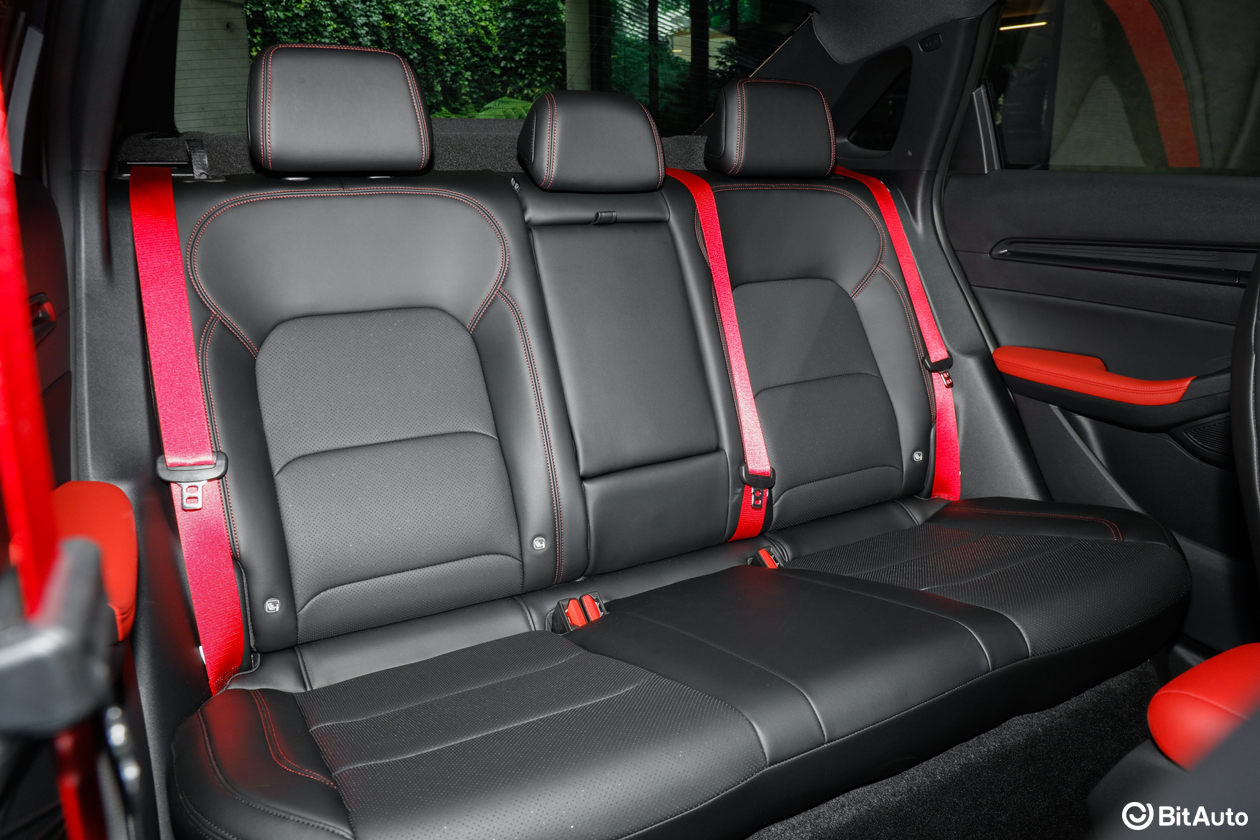
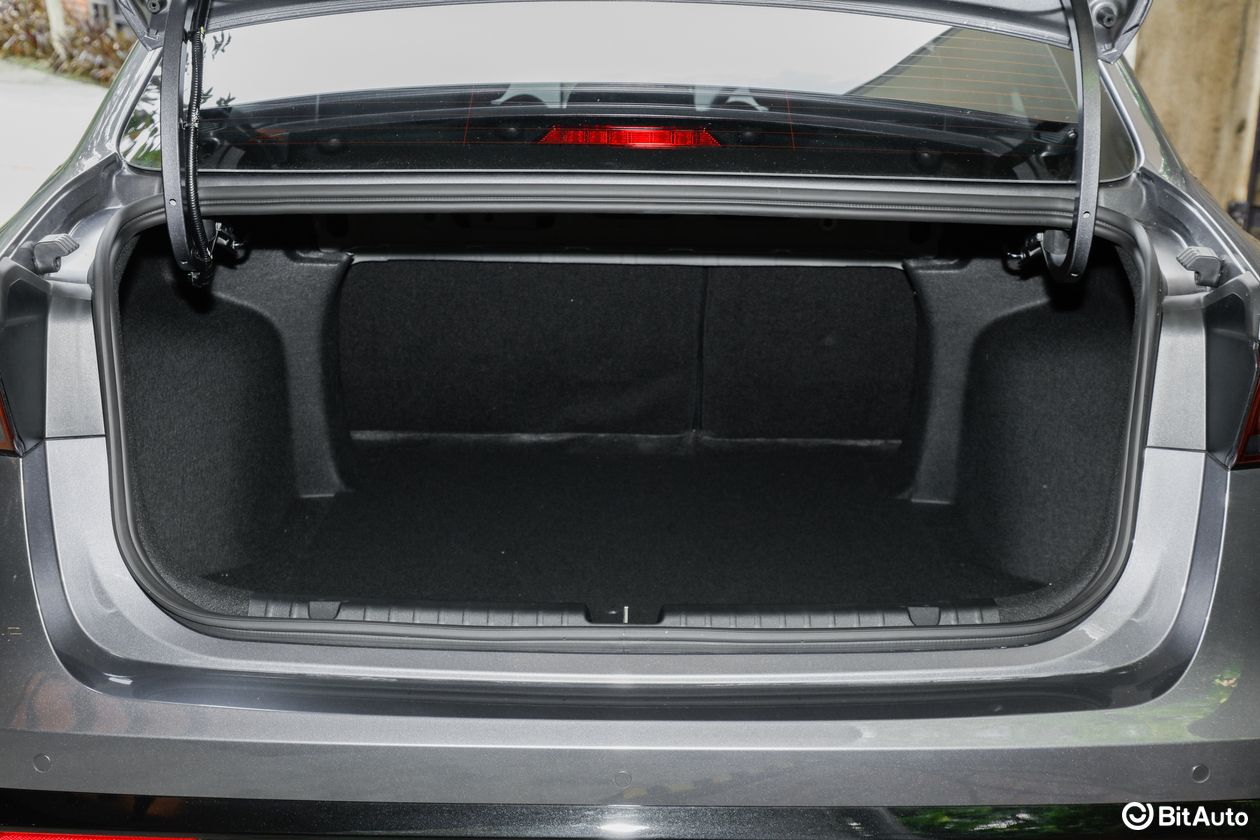
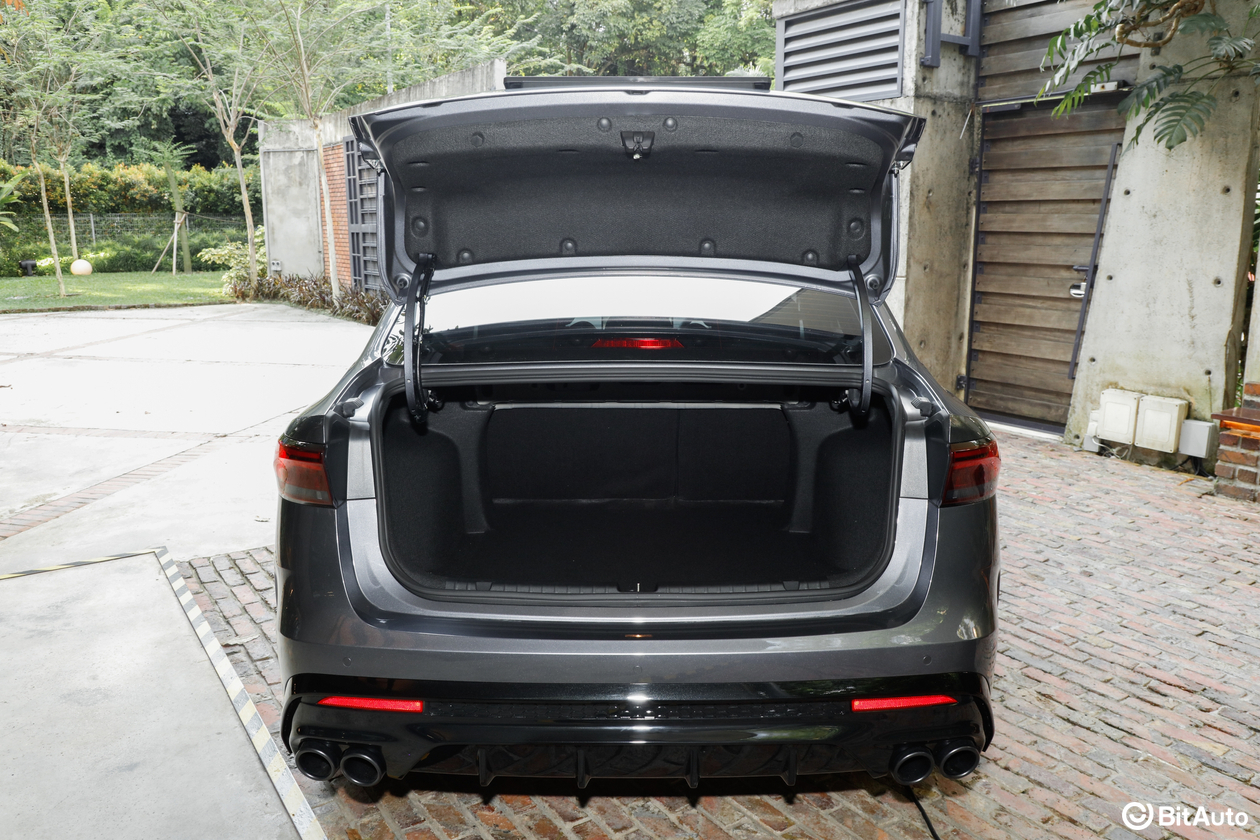
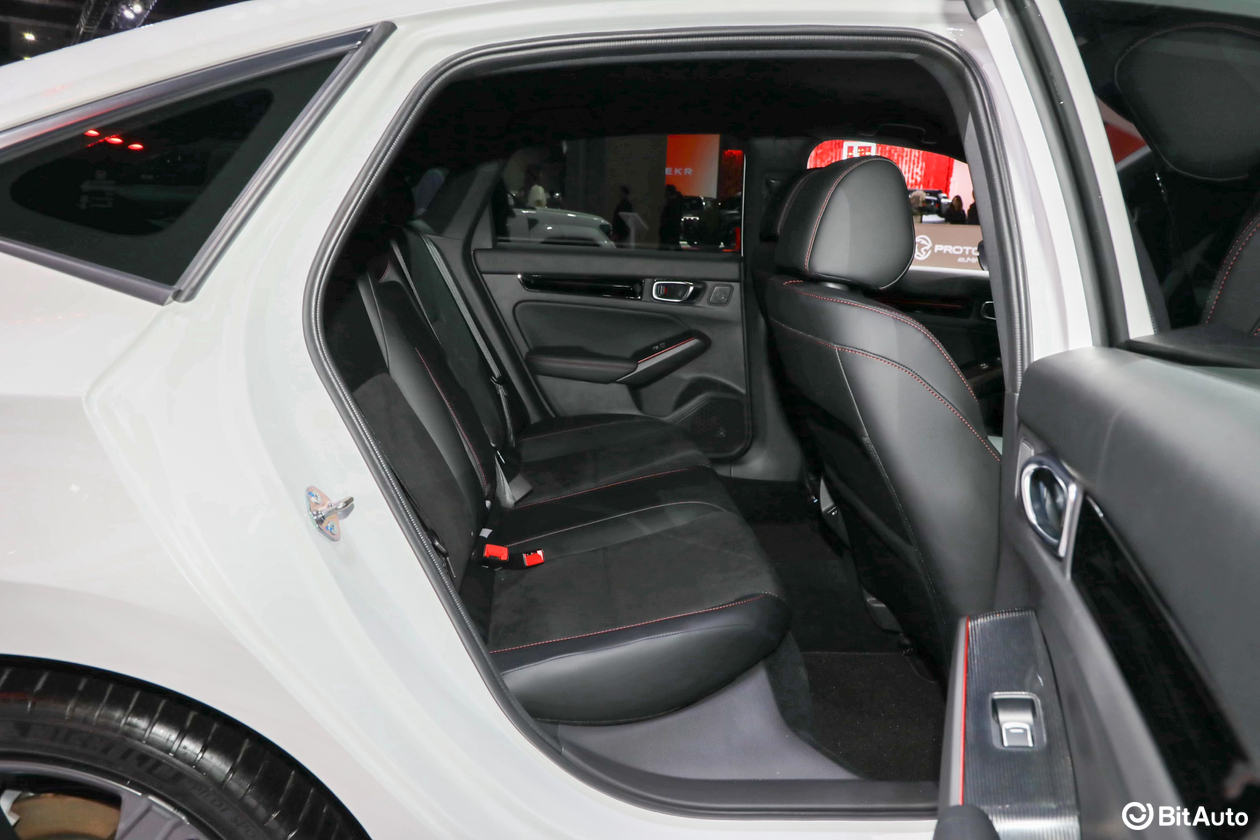
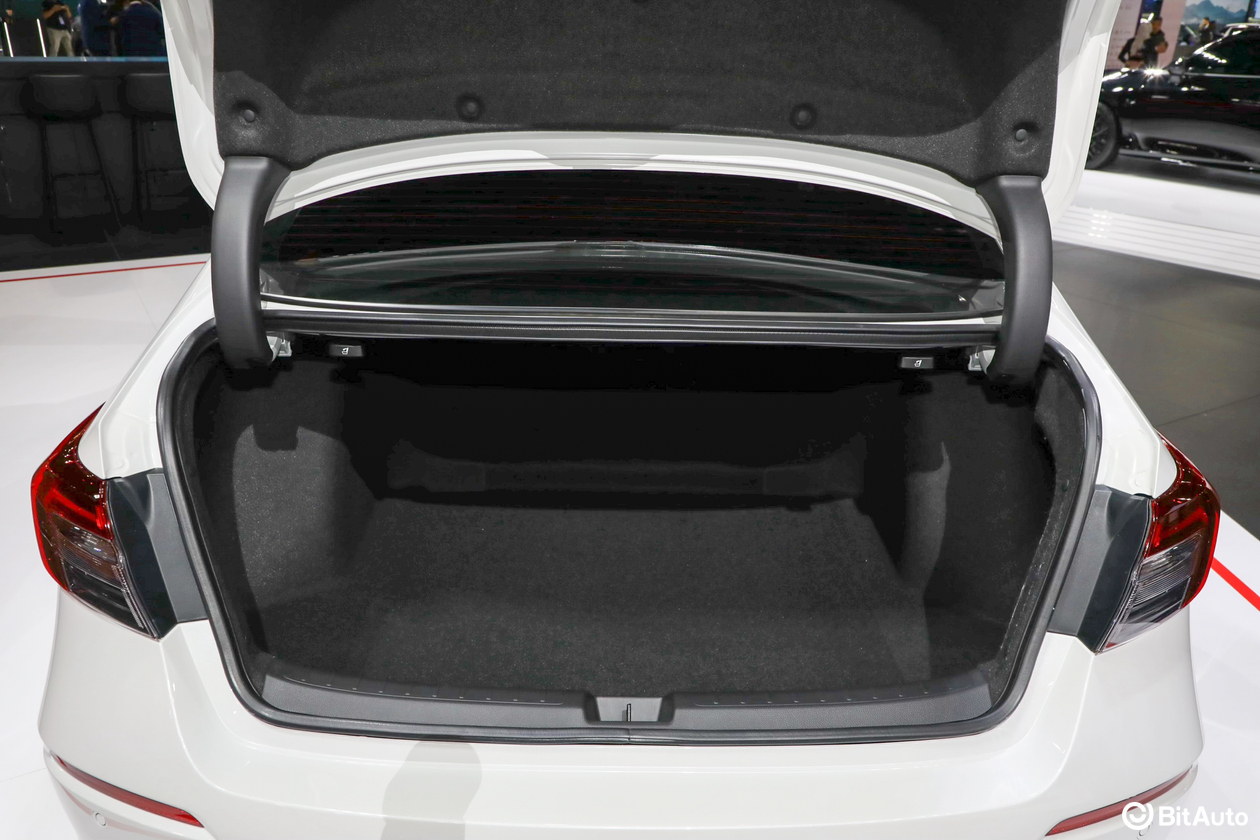
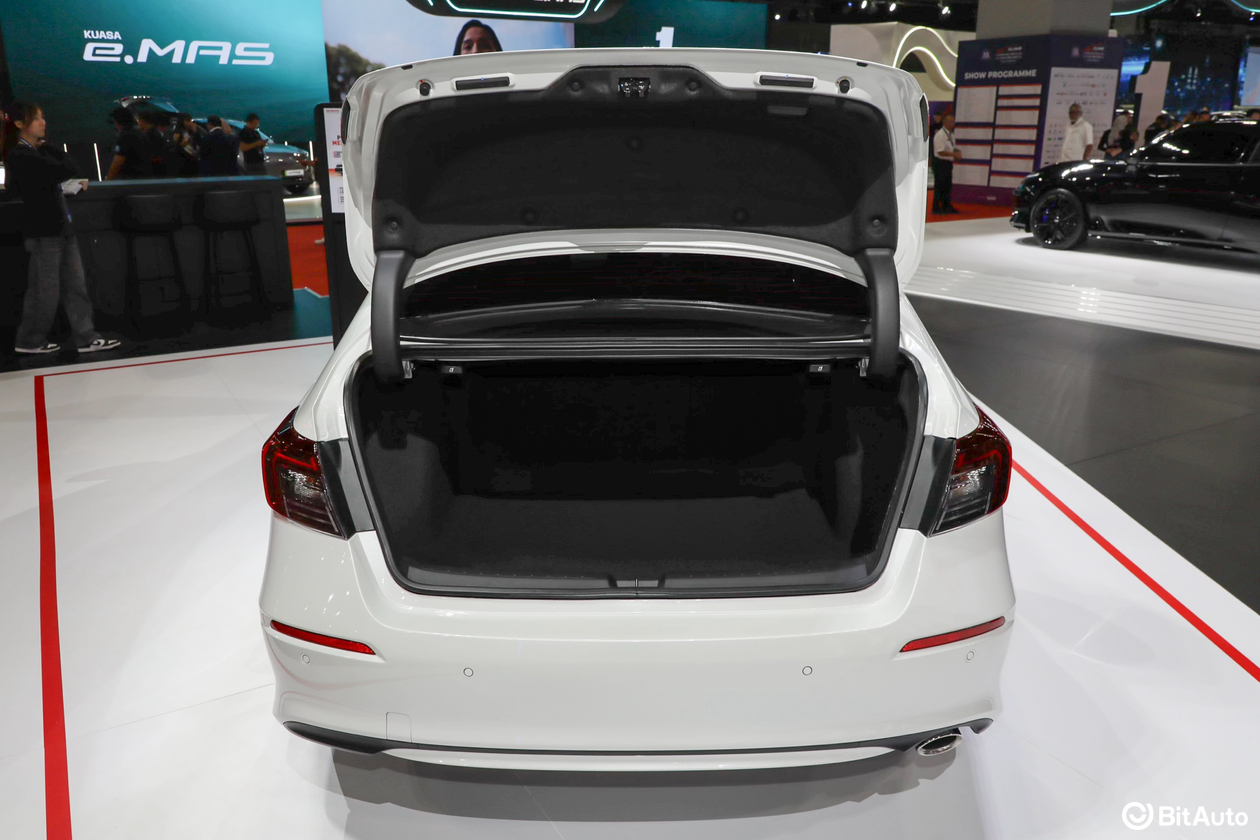
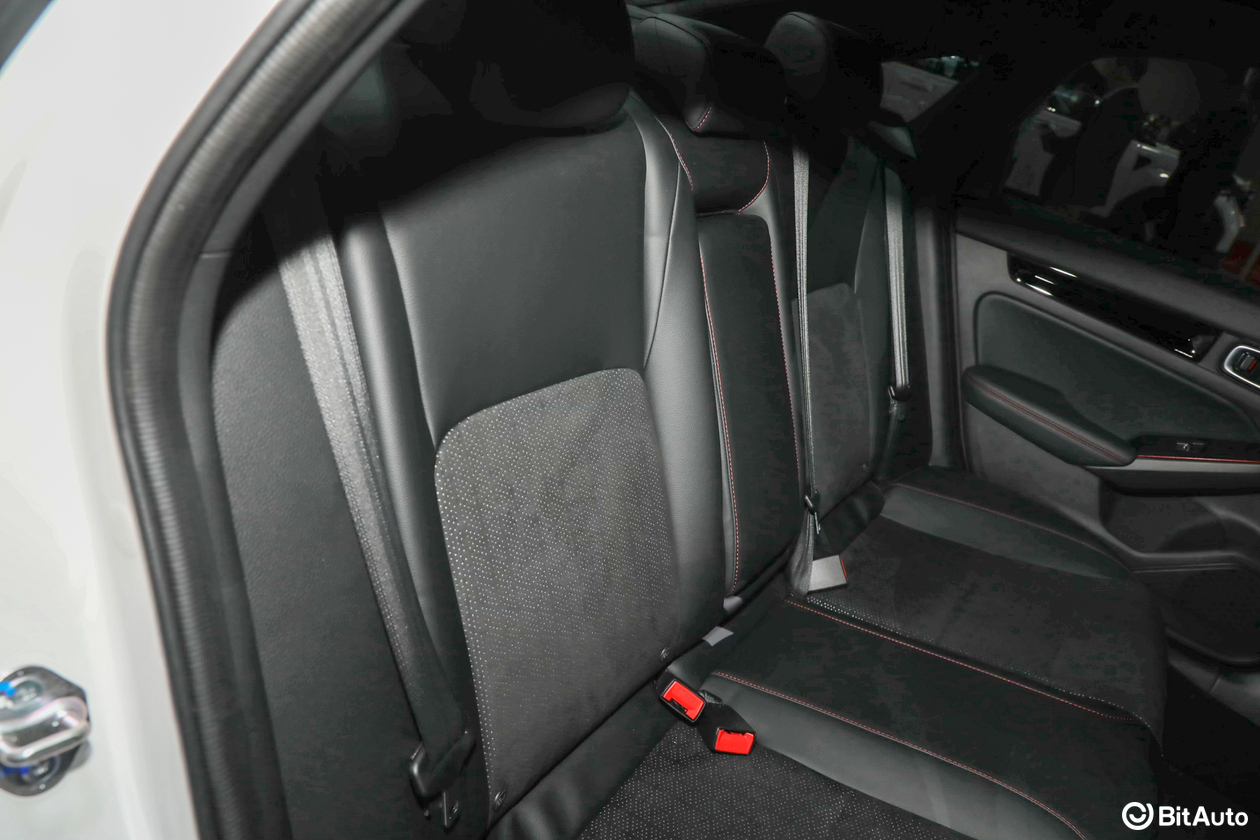
Top: Proton S70 RS Rear Cabin
Bottom: Honda Civic RS Rear Cabin
Secondhand retention is decidedly Civic territory. Honda sedans command exceptional resale values locally. Used car industry data shows consumer apprehension over complex DCT and turbo repairs outside the warranty window can suppress modern Proton residuals to roughly 50% to 60% after five years. Keep in mind the baseline maths, however: the S70 commands an upfront saving of RM60,000, so even with higher percentage depreciation, your net capital loss might remain comparable to or lower than the Civic's. As the adage goes, you get what you pay for.
Tallying the ledger leaves us with a straightforward outcome: for accessible performance, the Proton S70 RS delivers stronger acceleration and higher torque while pocketing a RM60,000 saving; for deep aftermarket support, peer recognition, and rock-solid residual values, the Honda Civic remains the default safe bet. What young car enthusiasts lack is rarely passion, but liquidity. Stretching your finances thin for a Civic just to be left with RM500 at month's end is not living the petrolhead dream—it is pure financial stress.
There is, naturally, an alternative route. That 27-year-old was considering an unregistered 2018 used Civic listed at roughly RM65,800, right within brand-new S70 territory. Given that exact budget, you could drive away in a factory-fresh, fully warranted national RS sedan, or opt for a pre-owned, previous-generation import bearing the coveted Honda badge. That dilemma represents the ultimate real-world conundrum for Malaysian driving enthusiasts today.
Faced with this choice, which way would you go: a brand-new S70 RS, a brand-new Civic RS, or a used Civic?
Leave your number, an advisor will contact you


Your go-to source for all things automotive in Malaysia. 🚗 Latest reviews, breaking news, launches & industry trends.
+ Follow Tesla has finally opened orders for the driverless Cybercab and the price is surprisingly lower than a Model 3!
#TeslaCybercab #TeslaMalaysia #Cybercab #TeslaFSD #AutonomousVehicle 23 hours ago
 Pra Tonton Leapmotor B03X Di Malaysia! SUV Elektrik Kompak 382 KM WLTP & Cas 21 Minit!
Comel, boxy, dan praktikal! Direka sebagai SUV elektrik kompak segmen-B untuk pemanduan bandar, model ini membawakan beberapa spesifikasi yang cukup menarik:
🔋 Bateri LFP 53 kWh — jarak pemanduan sehingga 382 km (WLTP)
⚡ Pengecasan pantas DC 133 kW — cas 10% ke 80% dalam masa 21 minit sahaja
🚀 Kuasa 145 kW (198 hp) & tork 200 Nm — pecutan 0–100 km/j dalam 8.6 saat
📏 Saiz kompak 4.27m — lincah di ibu kota & senang nak parkir
🖥️ Skrin infotainmen besar 14.6 inci + kluster digital 8.8 inci
🧳 Ruang but 405L + Gigabox kalis air bawah lantai (jumlah 510L — siap boleh letak pek ais!)
Kalau Leapmotor B03X ini masuk pasaran Malaysia secara rasmi dengan harga yang kompetitif, pada pendapat anda model EV segmen-B mana yang paling tergugat? Komen di bawah! 👇💬
#LeapmotorB03X #LeapmotorMalaysia #BitAutoMalaysia #KeretaElektrikMalaysia #EVMalaysia#ACE2026#KeretaElektrikMalaysia #EVMalaysia #SUVKompak #InfoAutomotif #KeretaBaharu 1 day ago
 October 2026 car sales, electrified powertrains:
The Proton e.Mas 5 and 7 continue to lead Malaysia's EV adoption journey, while Zeekr takes up the third spot. iCaur also steadily gains, beating out BYD to complete the top 5.
The Yaris Cross proves to be Malaysia's new favourite hybrid SUV, as it narrowly grabs the lead ahead of the e.Mas 7 and Corolla Cross.
For PHEVs, the Proton e.Mas 7 continues to lead while the GWM Wey G9 - a car that costs roughly RM 100k more than both the Proton and Jaecoo - is in second place.
#carsales #hybrid #ev 1 day ago
Get the latest car news first!
Your go-to source for all things automotive in Malaysia. 🚗 Latest reviews, breaking news, launches & industry trends.
Tesla has finally opened orders for the driverless Cybercab and the price is surprisingly lower than a Model 3!
#TeslaCybercab #TeslaMalaysia #Cybercab #TeslaFSD #AutonomousVehicle 23 hours ago Pra Tonton Leapmotor B03X Di Malaysia! SUV Elektrik Kompak 382 KM WLTP & Cas 21 Minit!
Comel, boxy, dan praktikal! Direka sebagai SUV elektrik kompak segmen-B untuk pemanduan bandar, model ini membawakan beberapa spesifikasi yang cukup menarik:
🔋 Bateri LFP 53 kWh — jarak pemanduan sehingga 382 km (WLTP)
⚡ Pengecasan pantas DC 133 kW — cas 10% ke 80% dalam masa 21 minit sahaja
🚀 Kuasa 145 kW (198 hp) & tork 200 Nm — pecutan 0–100 km/j dalam 8.6 saat
📏 Saiz kompak 4.27m — lincah di ibu kota & senang nak parkir
🖥️ Skrin infotainmen besar 14.6 inci + kluster digital 8.8 inci
🧳 Ruang but 405L + Gigabox kalis air bawah lantai (jumlah 510L — siap boleh letak pek ais!)
Kalau Leapmotor B03X ini masuk pasaran Malaysia secara rasmi dengan harga yang kompetitif, pada pendapat anda model EV segmen-B mana yang paling tergugat? Komen di bawah! 👇💬
#LeapmotorB03X #LeapmotorMalaysia #BitAutoMalaysia #KeretaElektrikMalaysia #EVMalaysia#ACE2026#KeretaElektrikMalaysia #EVMalaysia #SUVKompak #InfoAutomotif #KeretaBaharu 1 day ago October 2026 car sales, electrified powertrains:
The Proton e.Mas 5 and 7 continue to lead Malaysia's EV adoption journey, while Zeekr takes up the third spot. iCaur also steadily gains, beating out BYD to complete the top 5.
The Yaris Cross proves to be Malaysia's new favourite hybrid SUV, as it narrowly grabs the lead ahead of the e.Mas 7 and Corolla Cross.
For PHEVs, the Proton e.Mas 7 continues to lead while the GWM Wey G9 - a car that costs roughly RM 100k more than both the Proton and Jaecoo - is in second place.
#carsales #hybrid #ev 1 day ago 
© 2024 Bitauto.com. All Rights Reserved.
Bitauto (www.yiche.com and www.bitauto.com) is one of the most visited automotive websites in China. We provide detailed info on Chinese car brands available in your area. Please note that the information provided on this website is based on publicly available data and is for reference only. It may not be fully updated or accurate at all times.

Help us improve our website


