Generally speaking, car buyers shop within a clearly defined budget. Yet, while browsing local automotive forums and social media groups, I noticed an intriguing talking point: quite a few motorists are genuinely torn between picking the Jaecoo J5 or stretching their budget for the larger Jaecoo J7.
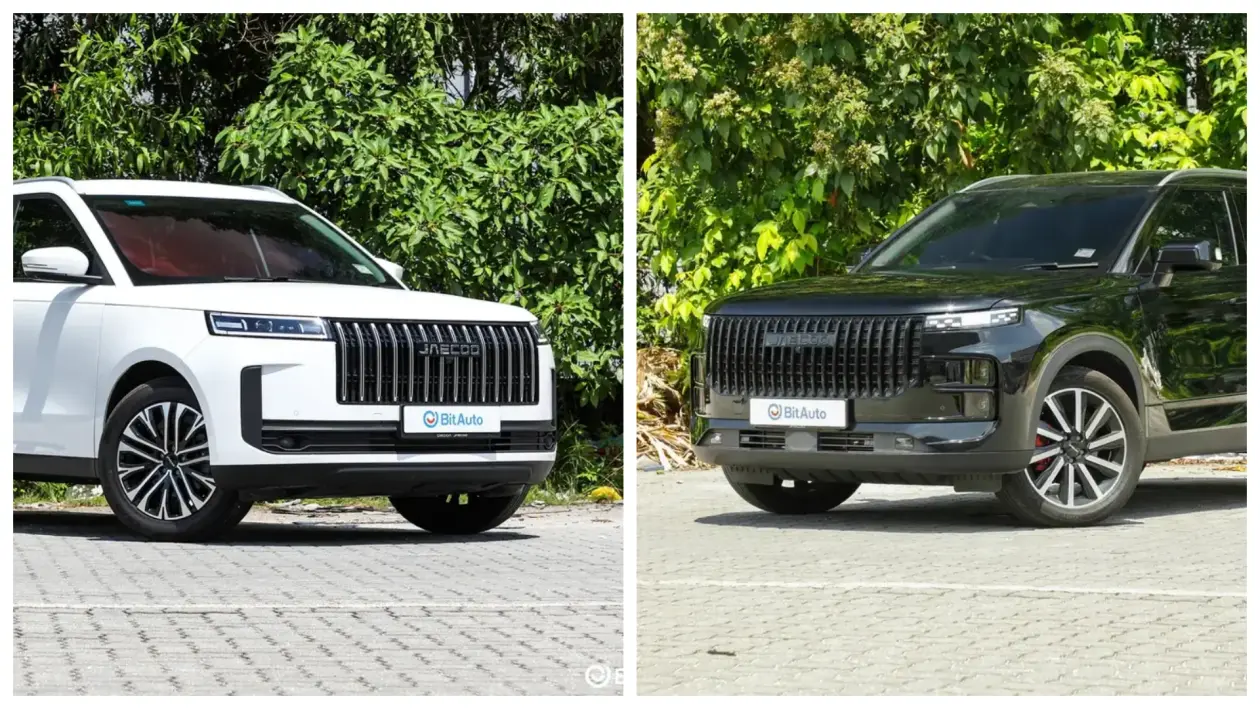
That brings us to today's article. We are not doing a conventional “head-to-head shootout to see who comes out on top”, because for these two models, that is largely beside the point—the J7 sits a segment higher and naturally offers stronger overall product packaging than the J5.
What we really want to explore here is this: with the J5 1.5T priced at RM108,000 and the J7 2WD retailing at RM138,800, the RM30,800 premium for the J7 is hardly small change. Does it genuinely justify the price gap?
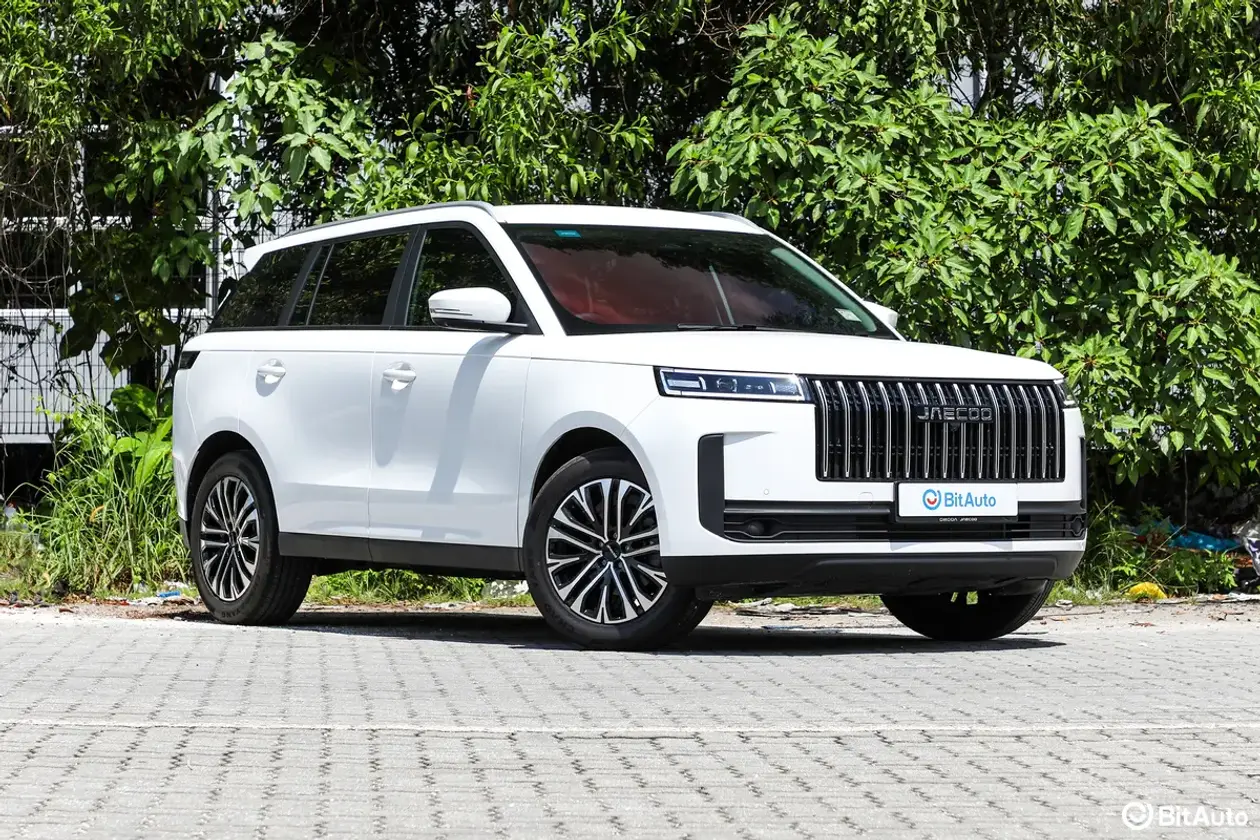
The J5 measures 4380*1860*1650mm in length, width, and height, with a 2620mm wheelbase. Its 1860mm width is on the broader side among compact SUVs, giving it a squatter, more planted stance.
With an abundance of clean, straight lines defining its profile, a substantial front grille, flush pop-out door handles, and sleek lighting clusters, the J5 delivers a visual presence that punches well above its price tag.
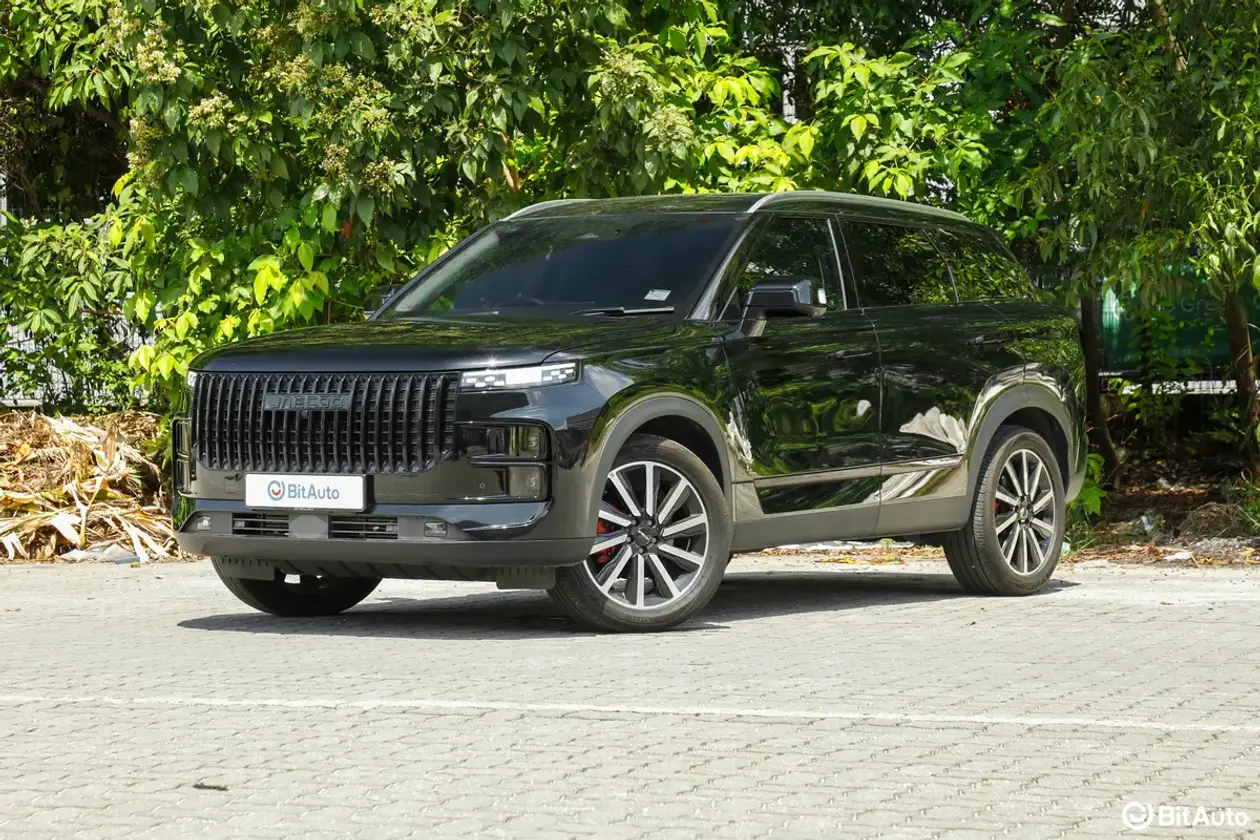
The J7, on the other hand, is noticeably a size larger, measuring 4500*1865*1680mm with a 2672mm wheelbase.
Styling-wise, it takes a starkly different approach from the J5. If the J5 is an “urban-chic SUV”, the J7 leans heavily into the “rugged urban explorer” aesthetic. It sports a more upright, boxy front fascia and boasts a healthier 200mm ground clearance.
Official specs list a 21-degree approach angle, a 29-degree departure angle, and a wading depth of 600mm—figures that firmly establish its soft-roader credentials.
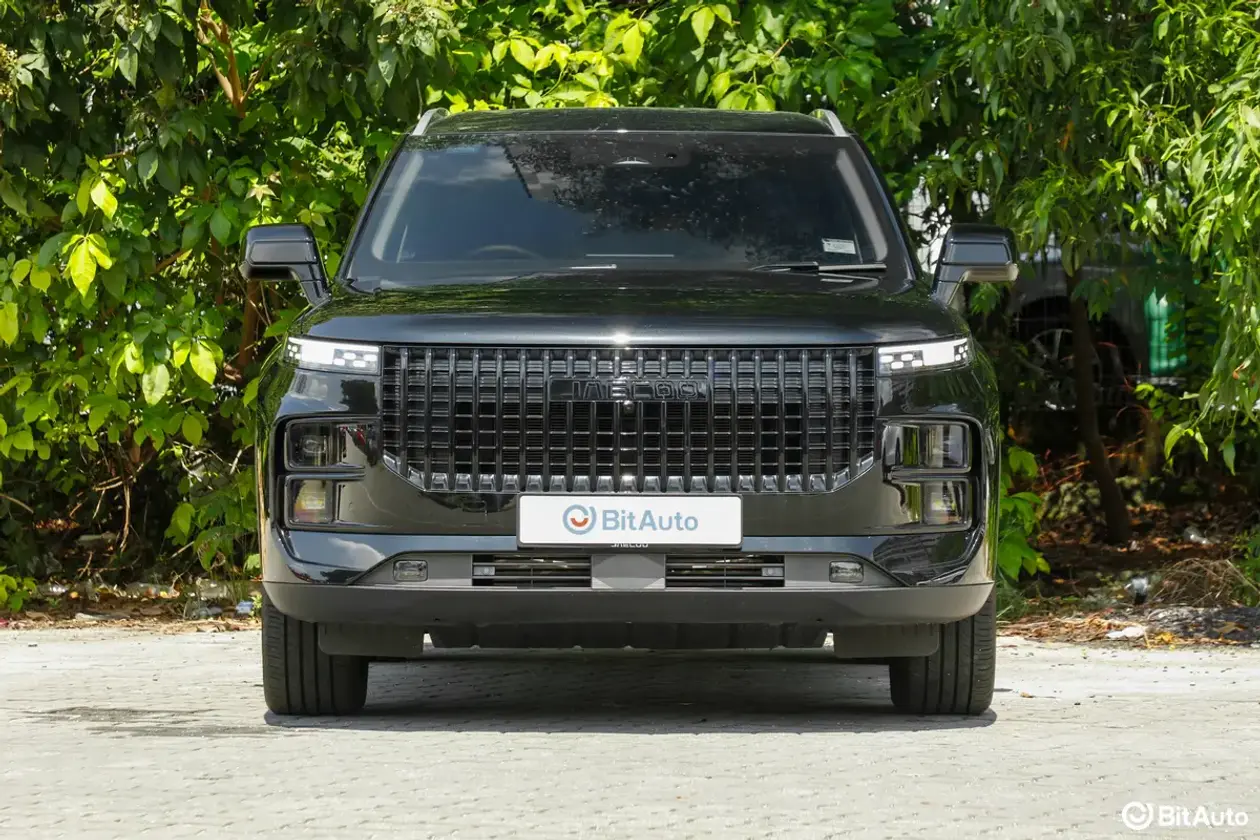
In other words, the J7 can genuinely handle light trail duties and rough roads. This marks the first key differentiator behind the price gap: if you genuinely need to tackle unpaved paths or estate roads, the J7 is far better suited to your lifestyle.
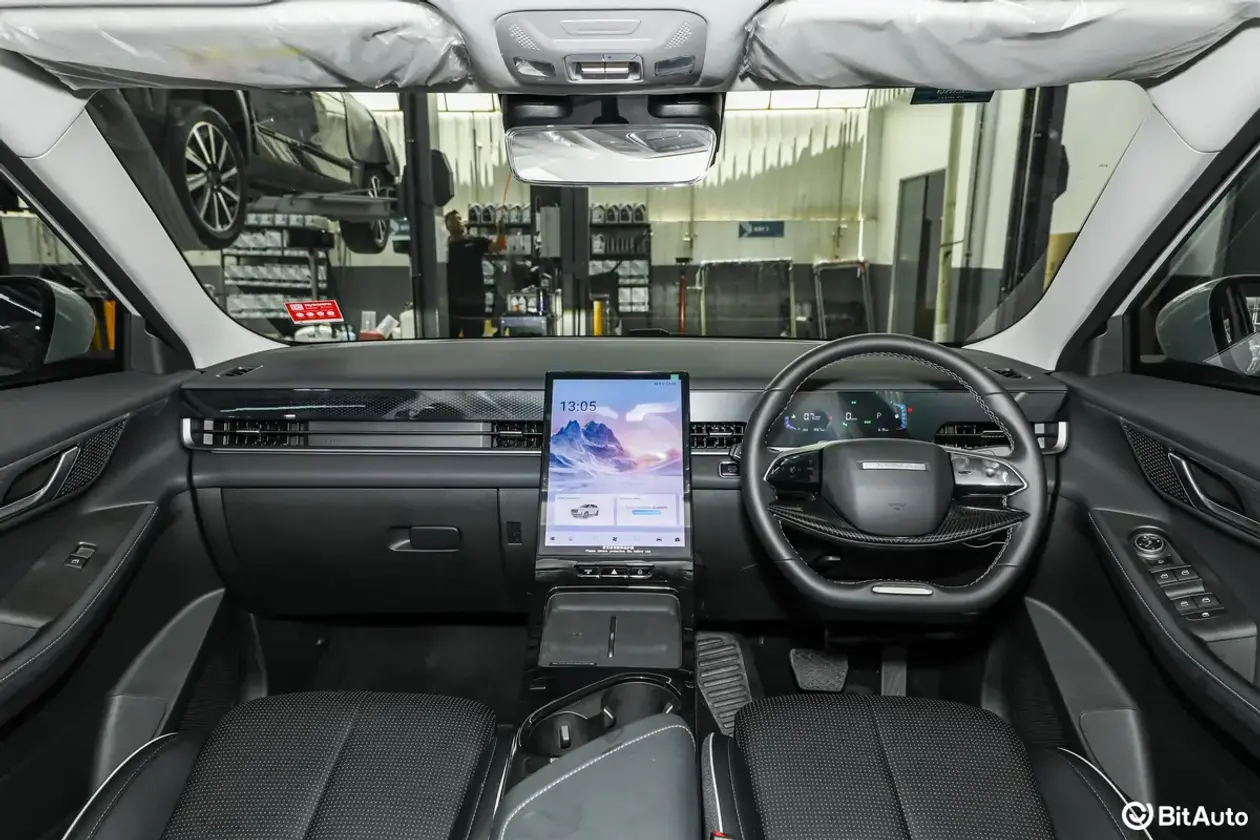
Starting with the J5, it is remarkably well-kitted straight out of the box. You get a 13.2-inch portrait infotainment touchscreen, an 8-inch digital instrument cluster, a power-adjustable driver's seat (manual for the front passenger), ventilated front seats, and dual-zone climate control.
Other standard goodies include a panoramic sunroof, a 50W wireless charging pad, and a powered tailgate. The trump card of the J5 lies in its generous standard kit—features that rival models in this segment typically reserve for mid- or range-topping variants.
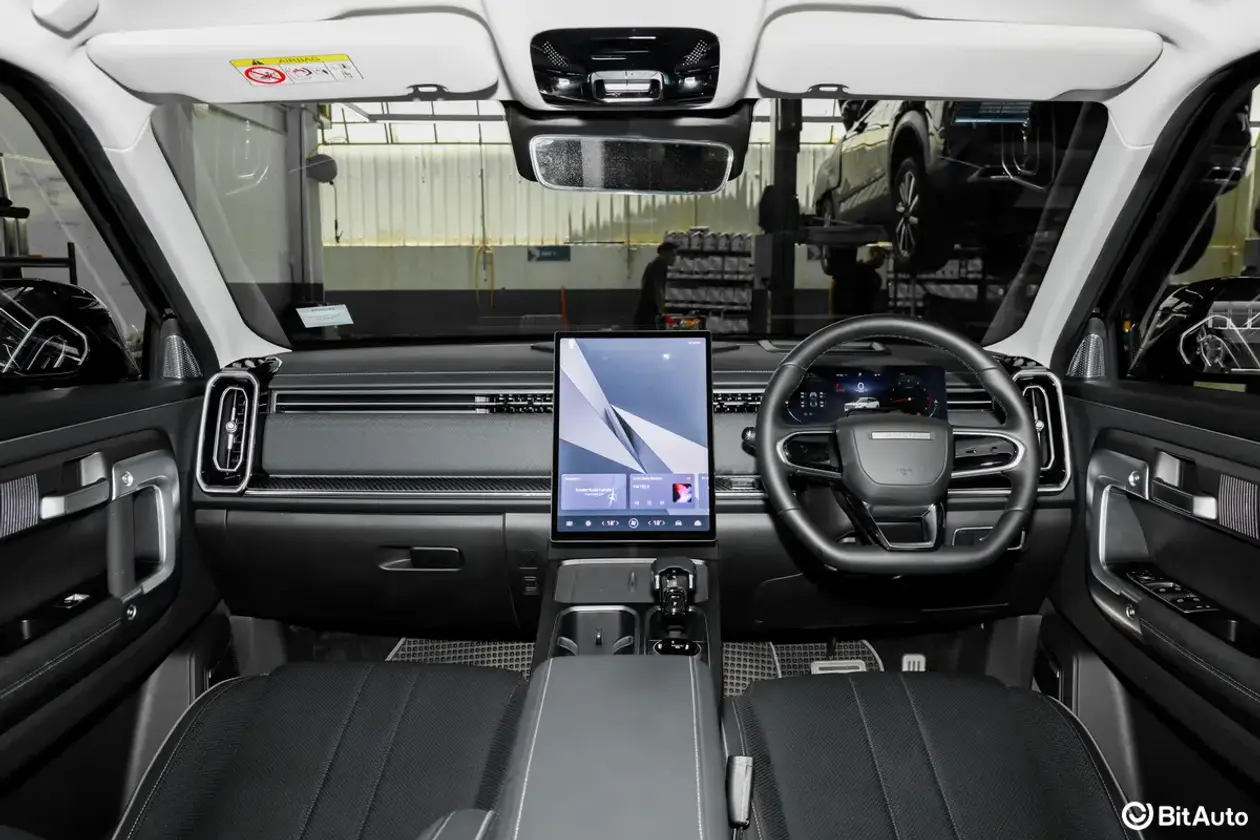
Not to be outdone, the J7 raises the stakes even further: a 14.8-inch infotainment display, a 10.25-inch instrument cluster, a head-up display (HUD), 6-way driver and 4-way front passenger electric seats with both heating and ventilation, a Sony premium audio system, and 64-colour ambient lighting.
It is easily one of the most feature-packed offerings in its bracket. Furthermore, positioned higher up the ladder, the J7 outshines the J5 in cabin ambience and soft-touch tactile quality, edging much closer to genuine luxury car territory.
When it comes to equipment, both models essentially provide a “fully loaded” experience for their respective price points, leaving little room for complaint.
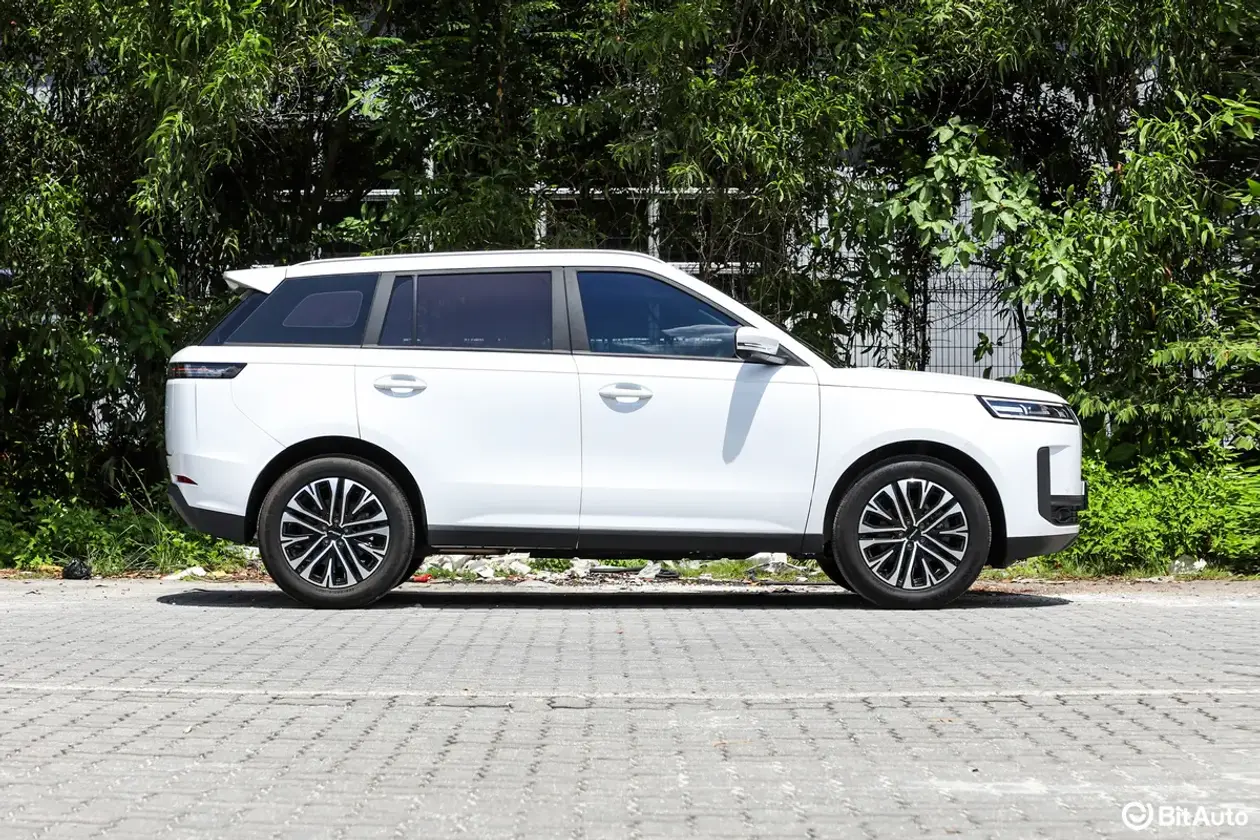
With a 2620mm wheelbase, the J5 provides decent rear legroom. Leaving aside basics like rear air vents, USB ports, and 60:40 split-folding seats, its cargo capacity is particularly impressive.
In its standard layout, it swallows 480L, expanding to a cavernous 1284L with the rear bench folded flat. Even the base 480L figure stands out in this segment, where rivals typically muster only 330-380L. In fact, a 480L boot is what you would normally expect from an SUV in the segment above.
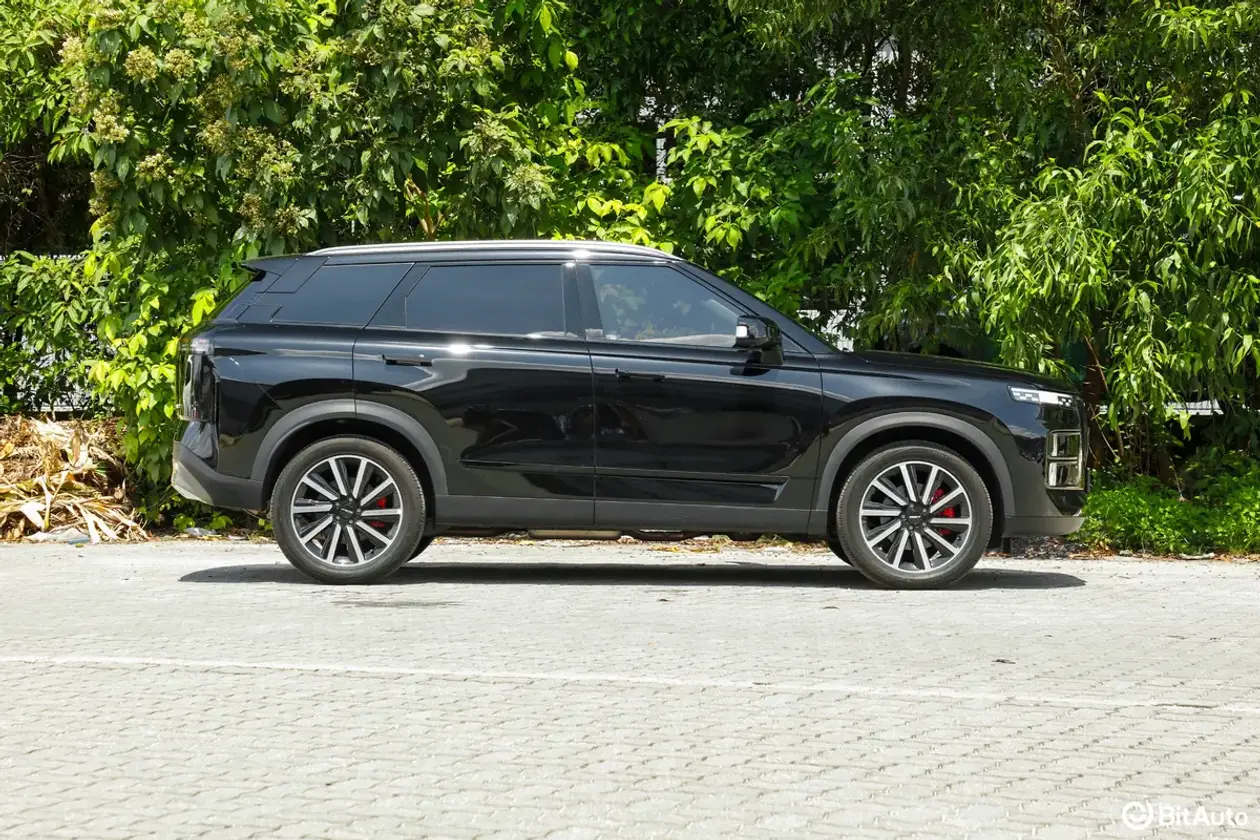
Given how well the J5 fares, you would naturally expect the larger J7, with its 2672mm wheelbase, to offer an even bigger boot. Surprisingly, the standard boot capacity of the J7 stands at 412L—a full 68L less than its smaller sibling.
Why? The J7 prioritises rear passenger legroom and comfort, with its rear bench mounted further back.
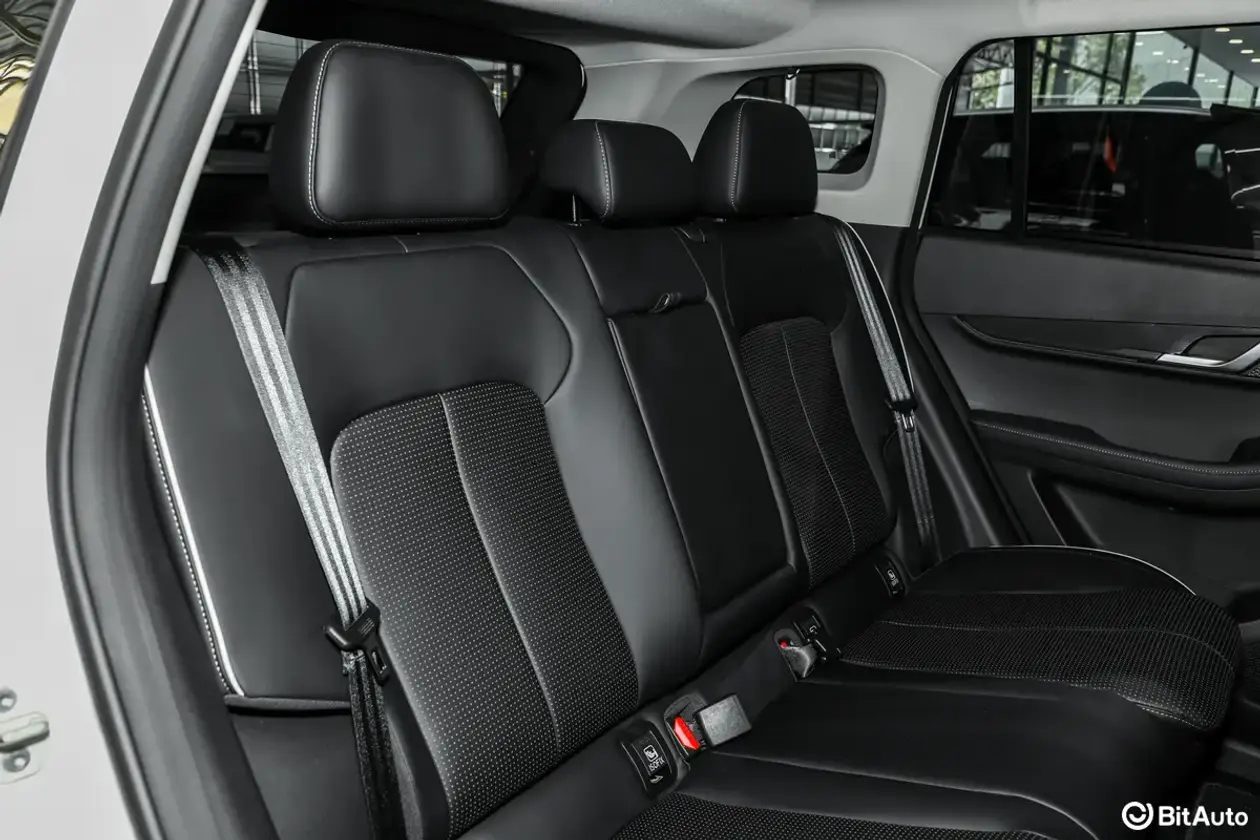
In practical terms, an average-sized passenger sitting in the J5 might find the rear legroom adequate, accompanied by a cavernous boot. Put that same person in the rear of the J7, and they will immediately notice a roomier, more relaxed seating posture.
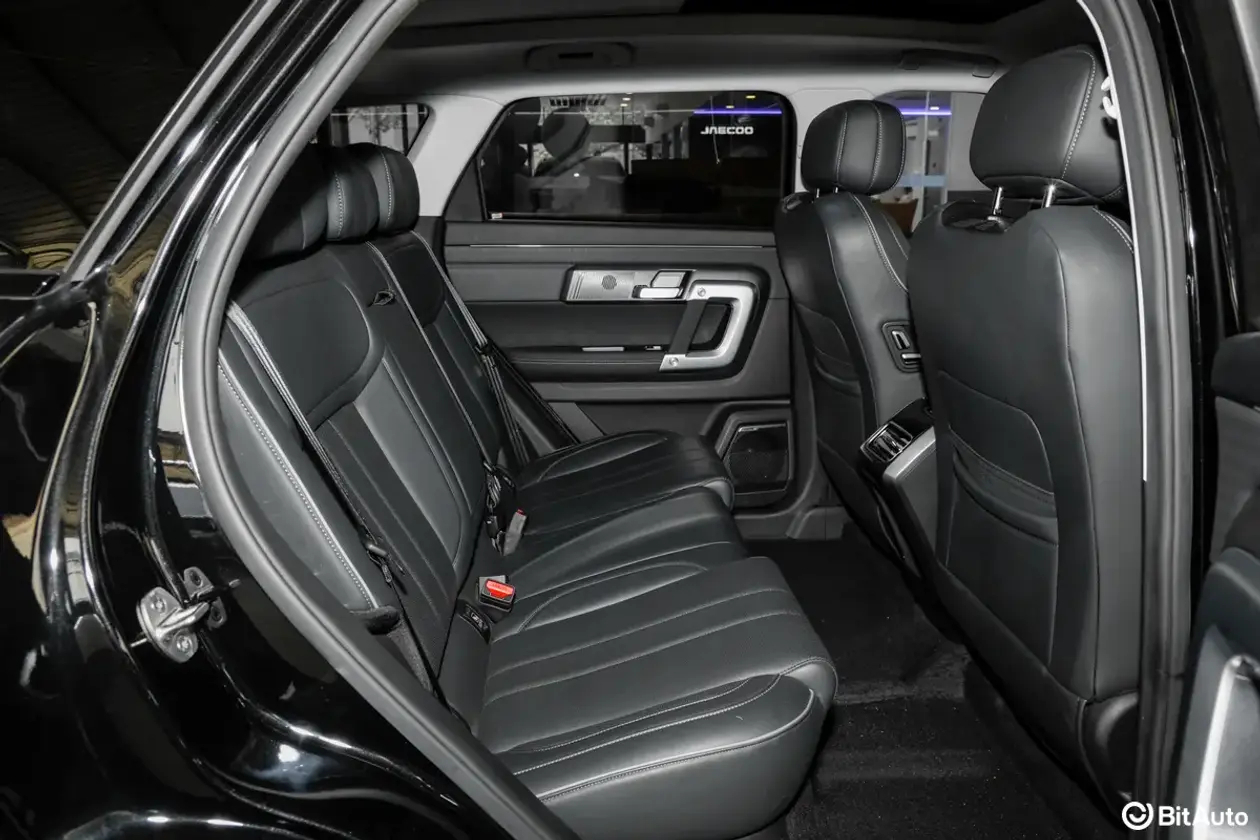
There is no clear-cut winner here. If maximum cargo utility tops your priority list, the J5 is the smarter buy. Conversely, if you can live with a slightly smaller boot (412L is still respectable) and care more about rear passenger comfort and cabin airiness, the J7 is the one to pick.
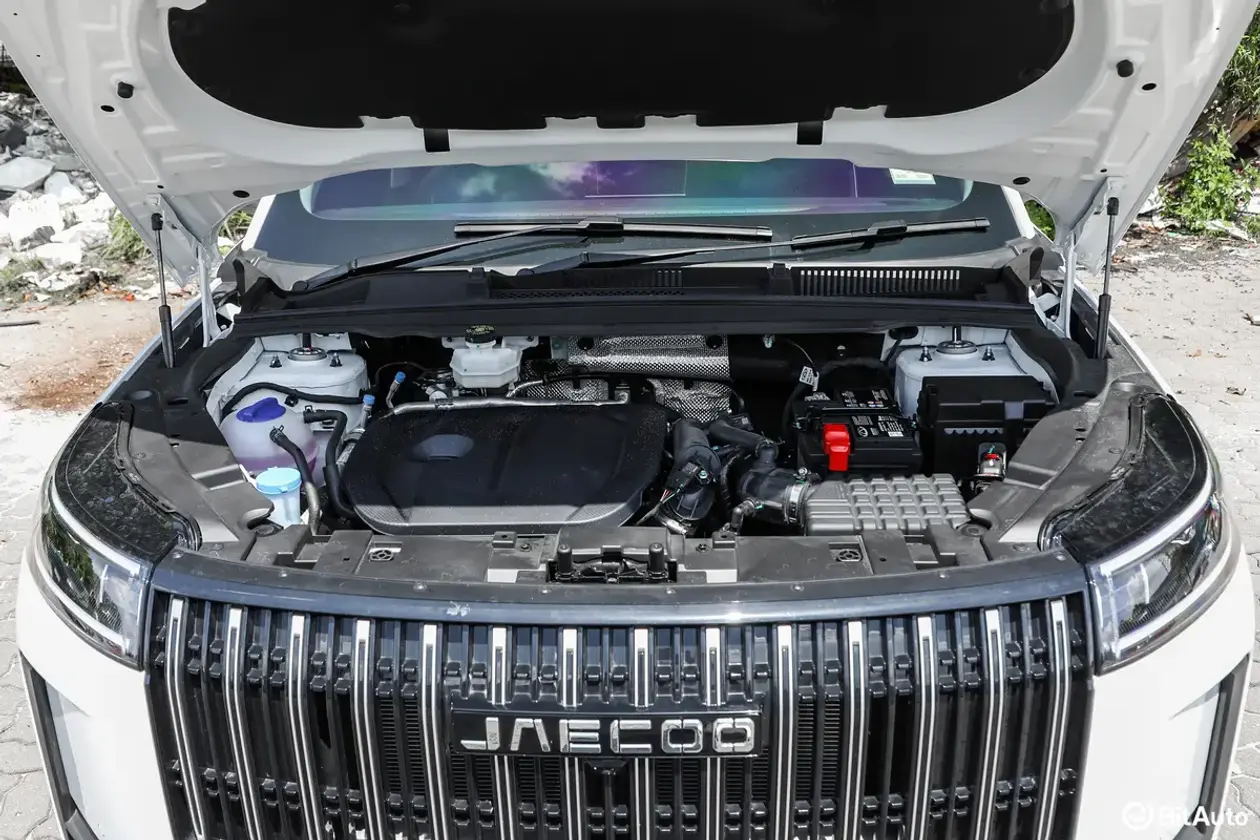
On paper, there isn't much to contest here; the J5 and J7 strictly adhere to the “you get what you pay for” rule.
The J5 draws power from a 147 hp 1.5T turbocharged engine mated to a CVT driving the front wheels, yielding an official 0-100 km/h sprint time of 10 seconds. Its claimed fuel consumption is rated at 6.4L/100 km (MDC cycle), running on standard RON95 petrol.
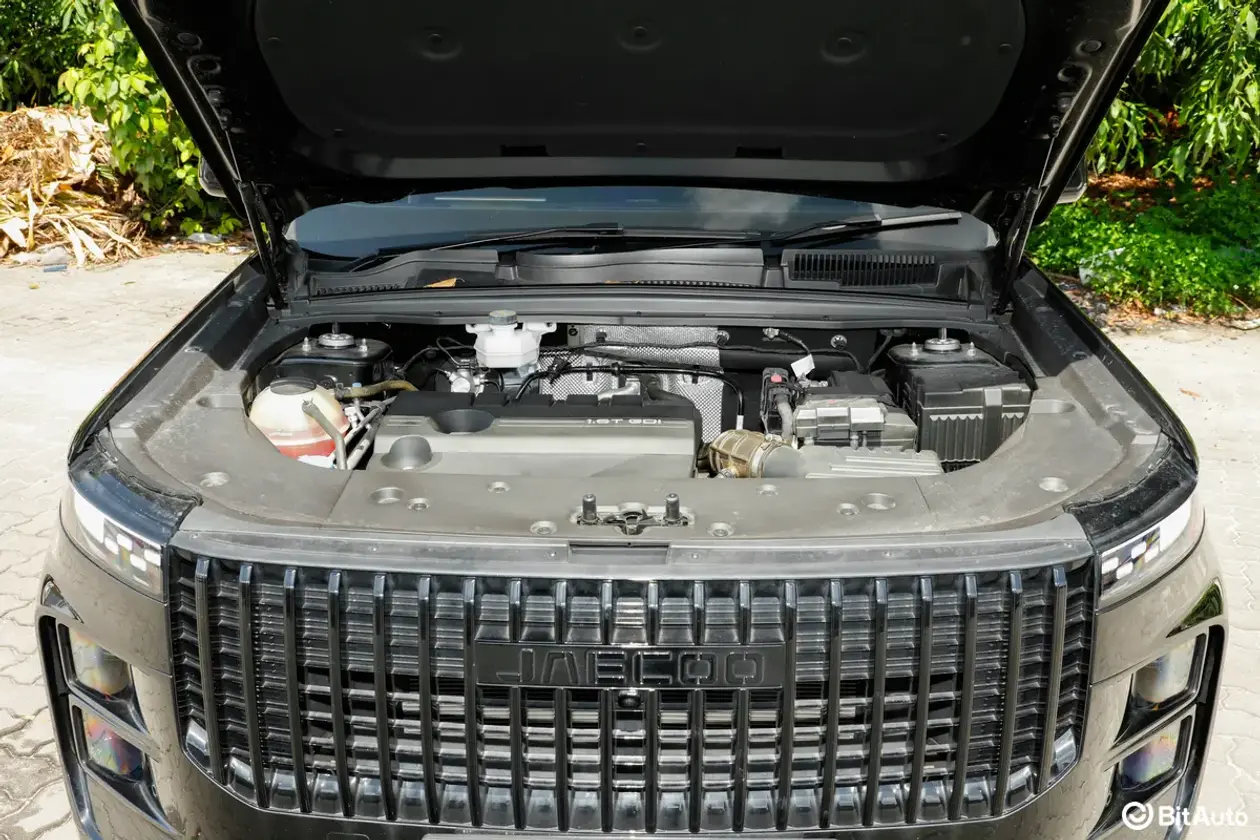
The J7 packs significantly more punch with a 194 PS 1.6T mill paired with a 7-speed dual-clutch transmission (DCT). While its exact 0-100 km/h time, fuel economy, and recommended fuel grade aren't detailed here, there is no replacement for displacement—the power advantage of the 1.6T in the J7 over the J5 is night and day.
On top of that, the direct engagement of a DCT versus the stepped rubber-band feel of a CVT widens the perceived real-world performance gap even further.
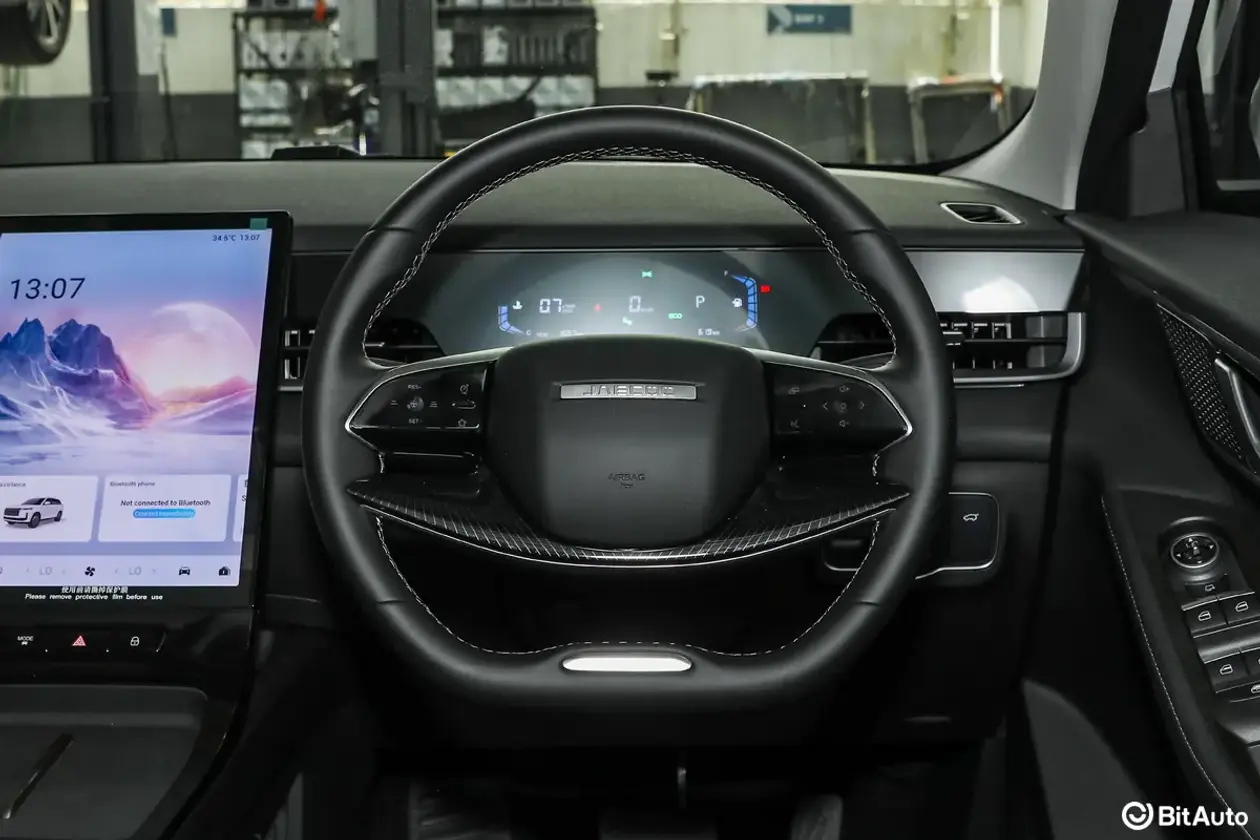
Simply put, the powertrain of the J5 is tuned for fuss-free daily commuting and fuel efficiency—it was never built for spirited driving. The J7, by contrast, delivers much more muscular pull and a more immediate throttle response.
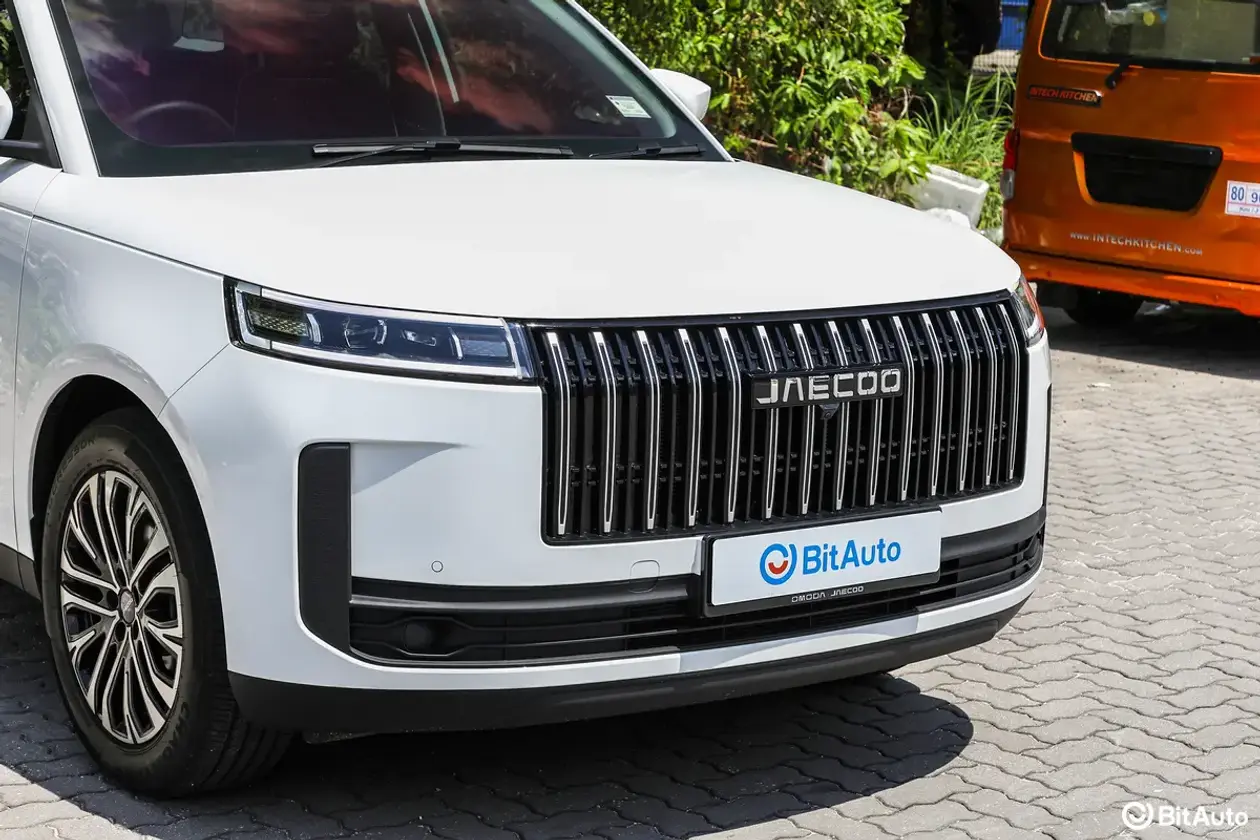
Both models come thoroughly equipped on the safety front. The J5 features 6 airbags, Level 2+ ADAS, and a comprehensive suite comprising Autonomous Emergency Braking (AEB), Lane Keeping Assist (LKA) with steering intervention, Adaptive Cruise Control (ACC), Blind Spot Detection (BSD), Lane Change Assist (LCA), Rear Cross Traffic Braking (RCTB), and a 540-degree around-view monitor. For the J5, the product philosophy is distinctly “fully loaded from the base spec.”
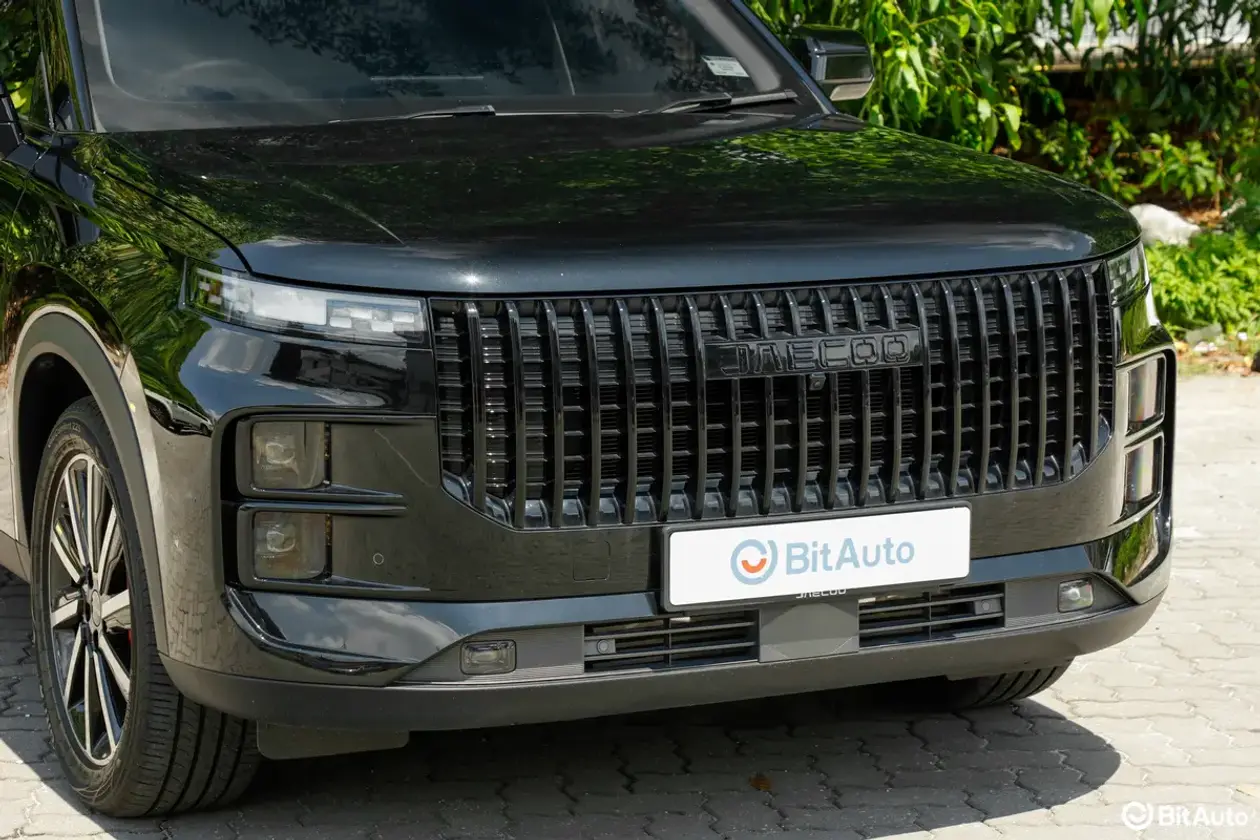
Because the J5 already throws in the full safety arsenal, the J7 has little left to add—its main upgrade is a 7th airbag, with the remaining driver-assist features being essentially identical. Beyond that single additional airbag, active and passive safety between the two is virtually neck and neck.
Circling back to our opening question: is an upgrade to the J7 truly worth the RM30,000 premium?
As this comparison highlights, the key strengths of the J7 over the J5 boil down to three main pillars: mild off-road capability for unpaved terrain; noticeably stronger performance; and a more luxurious cabin ambiance with richer materials.
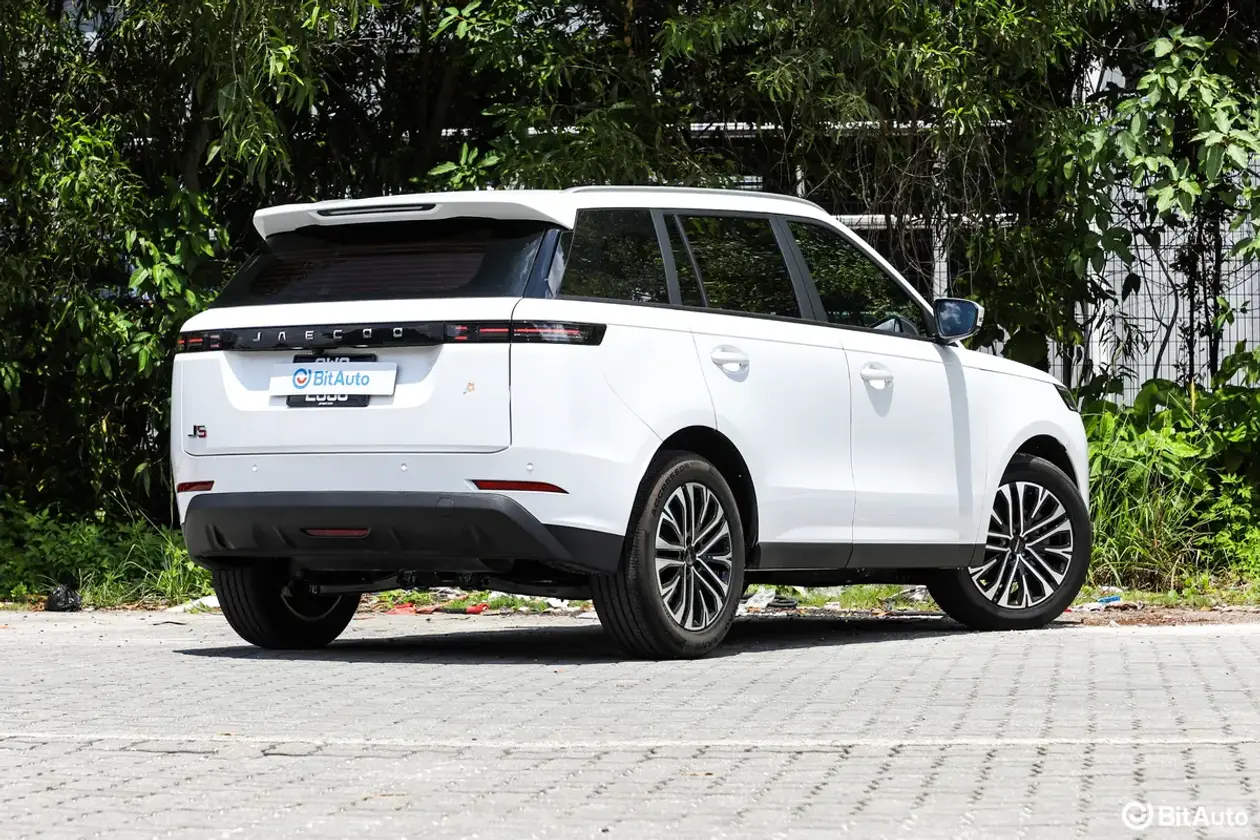
However, the J7 concedes boot space to the J5, and their safety suites are nearly on par. Whether that RM30,000 top-up is justified comes down to whether you genuinely value or need those three key advantages. If not, the more compact J5—which ironically offers a much bigger boot—might just be the sweeter spot for your daily drive.
Leave your number, an advisor will contact you


Your go-to source for all things automotive in Malaysia. 🚗 Latest reviews, breaking news, launches & industry trends.
+ Follow Can you really get a luxury Chinese off-roader for RM 140k? Here's what makes it so attractive. 1 minute ago
 BYD Australia COO: 95% of parts reach dealers within 24 hours as aftersales network expands.
How would you rate BYD’s aftersales service and parts availability here? Share your honest review or servicing experience with us in the comments!
#BYDMalaysia #EV #Aftersales #CarMaintenance #MalaysianDrivers 1 minute ago
 Toyota Alphard and Vellfire finally getting some Japanese competition?
Nissan has confirmed the all-new Elgrand e-Power for Thailand this December!
It gets a 1.5-litre turbo e-POWER system, electric all-wheel drive, luxury captain's chairs and a 22-speaker Bose sound system.
Malaysia isn't confirmed yet, but would you choose this over an Alphard if Nissan brought it here?
#nissan #elgrand 1 minute ago
Get the latest car news first!
Your go-to source for all things automotive in Malaysia. 🚗 Latest reviews, breaking news, launches & industry trends.
Can you really get a luxury Chinese off-roader for RM 140k? Here's what makes it so attractive. 1 minute ago BYD Australia COO: 95% of parts reach dealers within 24 hours as aftersales network expands.
How would you rate BYD’s aftersales service and parts availability here? Share your honest review or servicing experience with us in the comments!
#BYDMalaysia #EV #Aftersales #CarMaintenance #MalaysianDrivers 1 minute ago Toyota Alphard and Vellfire finally getting some Japanese competition?
Nissan has confirmed the all-new Elgrand e-Power for Thailand this December!
It gets a 1.5-litre turbo e-POWER system, electric all-wheel drive, luxury captain's chairs and a 22-speaker Bose sound system.
Malaysia isn't confirmed yet, but would you choose this over an Alphard if Nissan brought it here?
#nissan #elgrand 1 minute ago 
© 2024 Bitauto.com. All Rights Reserved.
Bitauto (www.yiche.com and www.bitauto.com) is one of the most visited automotive websites in China. We provide detailed info on Chinese car brands available in your area. Please note that the information provided on this website is based on publicly available data and is for reference only. It may not be fully updated or accurate at all times.

Help us improve our website


