The first question you should ask when weighing the Aruz X against the Traz X isn't about the price gap, but how many times a year your family will actually use the sixth and seventh seats. The Aruz X is a 7-seater with a third row; with the third row deployed, boot space shrinks to just 213L, expanding back to 514L once folded down.
The Traz X does away with a third row entirely, offering a 471L boot in its 5-seater layout. Changing the seat count triggers a domino effect of trade-offs—from rough-road capability and fuel consumption to infotainment and active safety gear.
If the third row is purely for occasional emergencies, the Traz X's 5-seater configuration channels that cabin space and budget into a far newer platform: a DNGA monocoque chassis, D-CVT, a 9-inch touchscreen, Apple CarPlay and Android Auto, along with ASA 3.0 standard across the range.
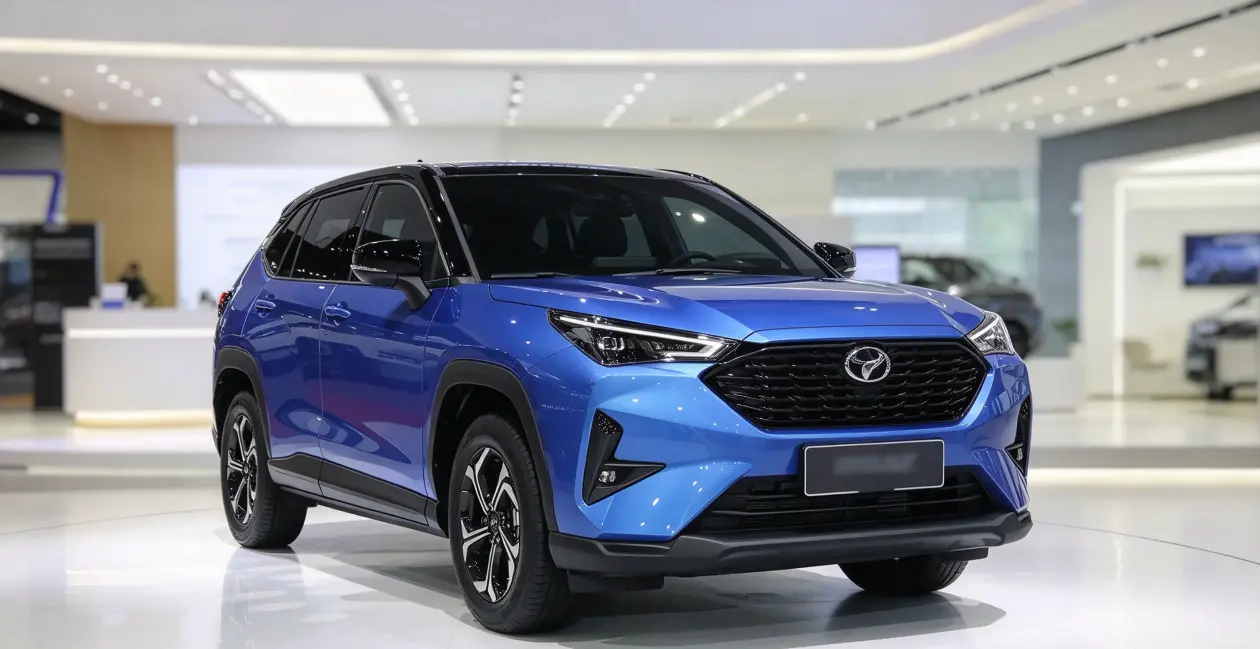
However, if those sixth and seventh seats are called into service every month, or if your regular commute involves rough gravel and flood-prone roads, the Aruz X's ladder-frame chassis, rear-wheel drive, and 220mm ground clearance deliver what the Traz X simply cannot. Settle on your seating needs first before talking about the price gap.
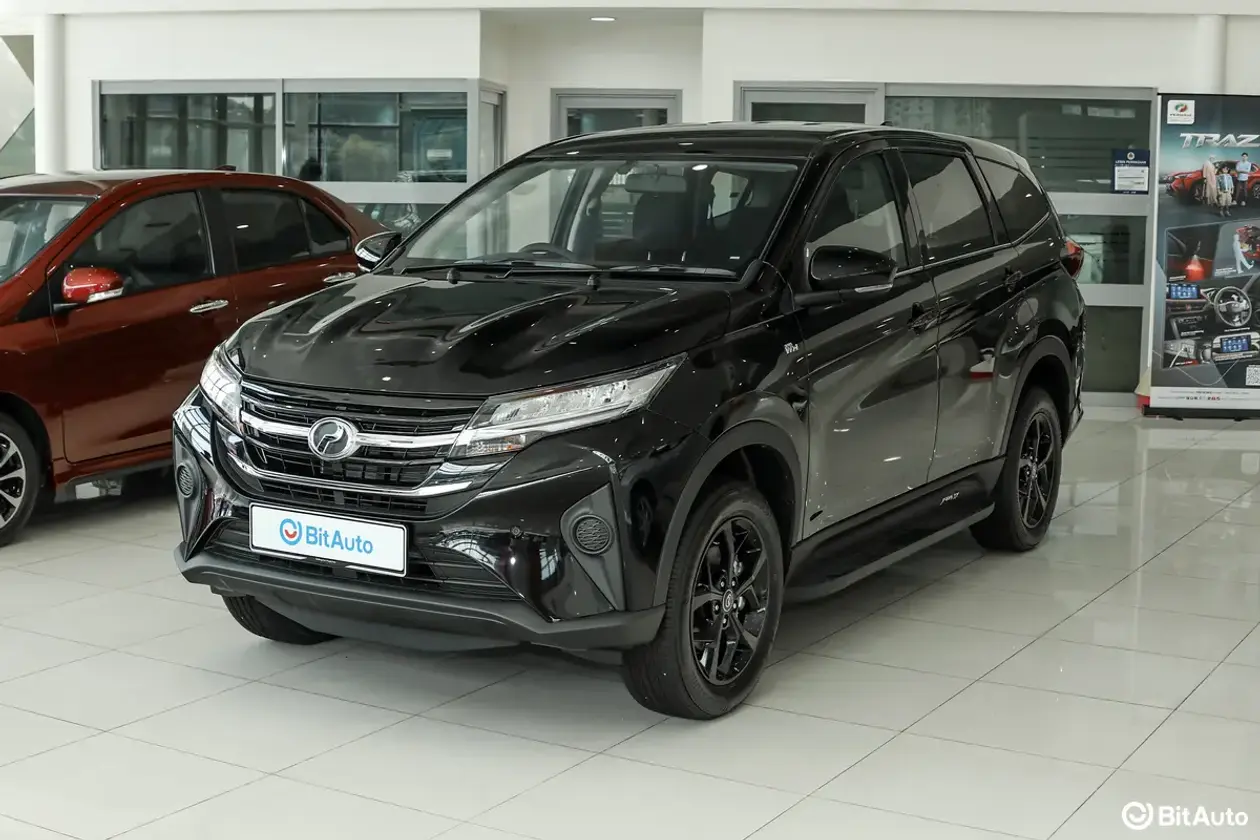
With all seven seats occupied, the Aruz provides 213L of boot space, expanding to 514L with the third row folded down—straight from the official owner's manual. The Traz is a 5-seater with a 471L boot. Pitting the Aruz in 7-seater mode against the 5-seater Traz reveals a 258L deficit, but that is not an apples-to-apples comparison; once the Aruz stows its third row away, its cargo capacity actually surpasses the Traz.
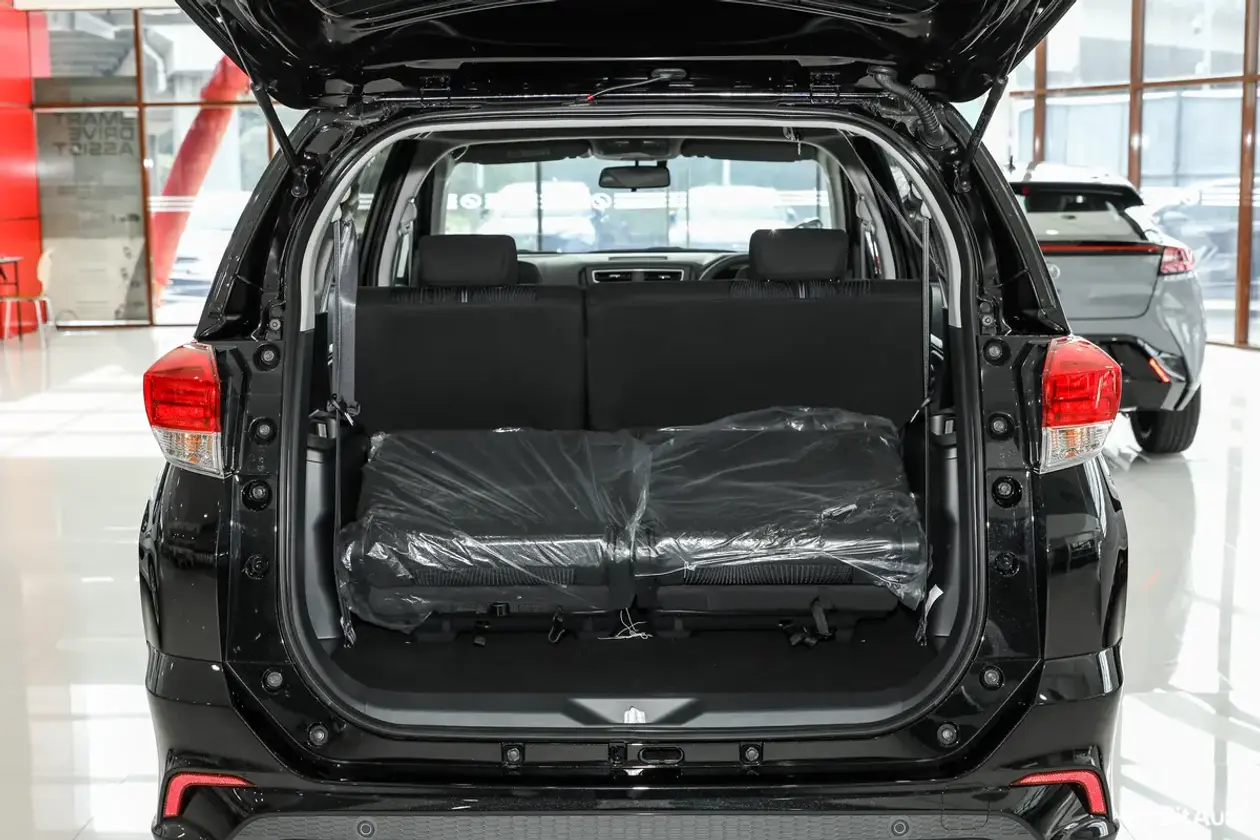
Hence, the dilemma boils down to how often that third row gets used in a year. The third row in the Aruz has a rather upright seating posture, and climbing in requires tumbling the second-row seatback forward; it works fine for children and short emergency hops, but adults will find it tiring over long-distance journeys.
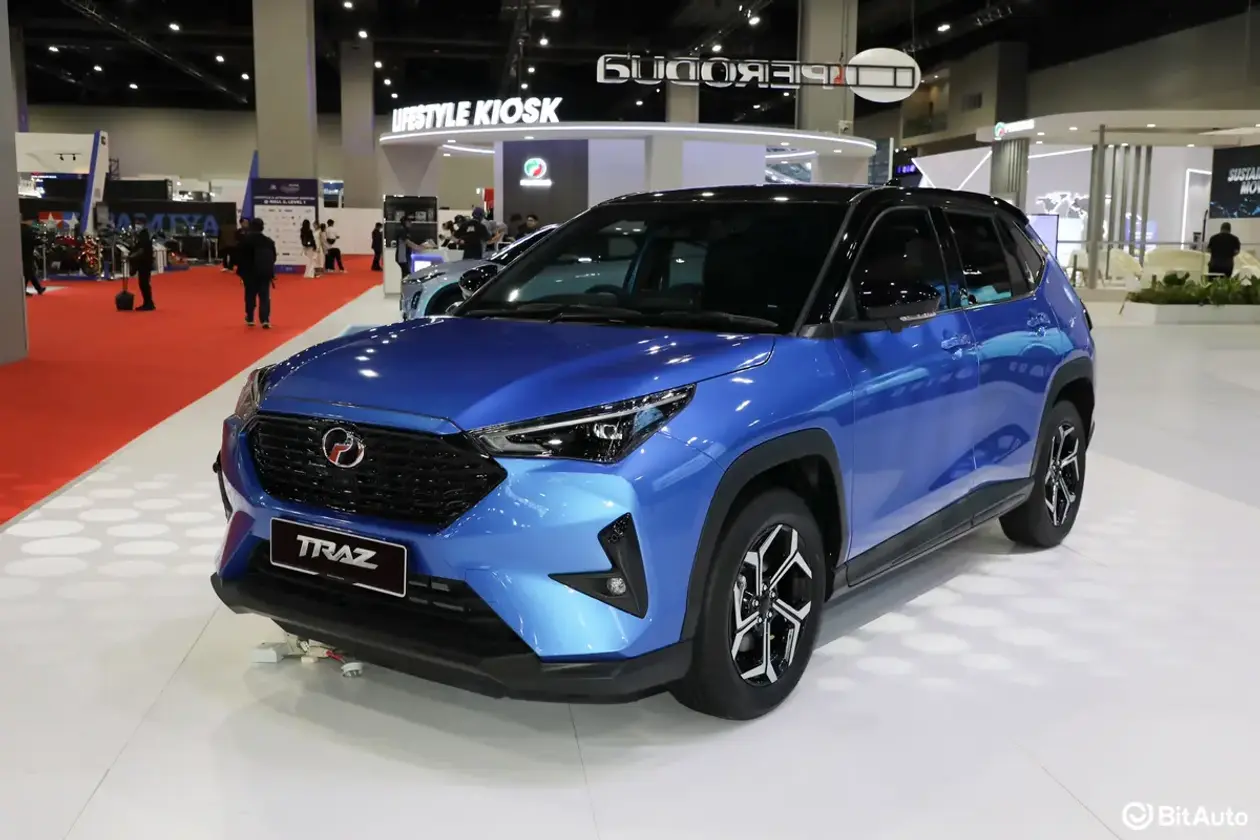
The Traz does not offer a third-row option at all. According to media test drives, its second row provides around two fists of legroom and one fist of headroom for a 175cm passenger, which is plenty for daily use. If the sixth and seventh seats are a monthly necessity, the Aruz is your only option.
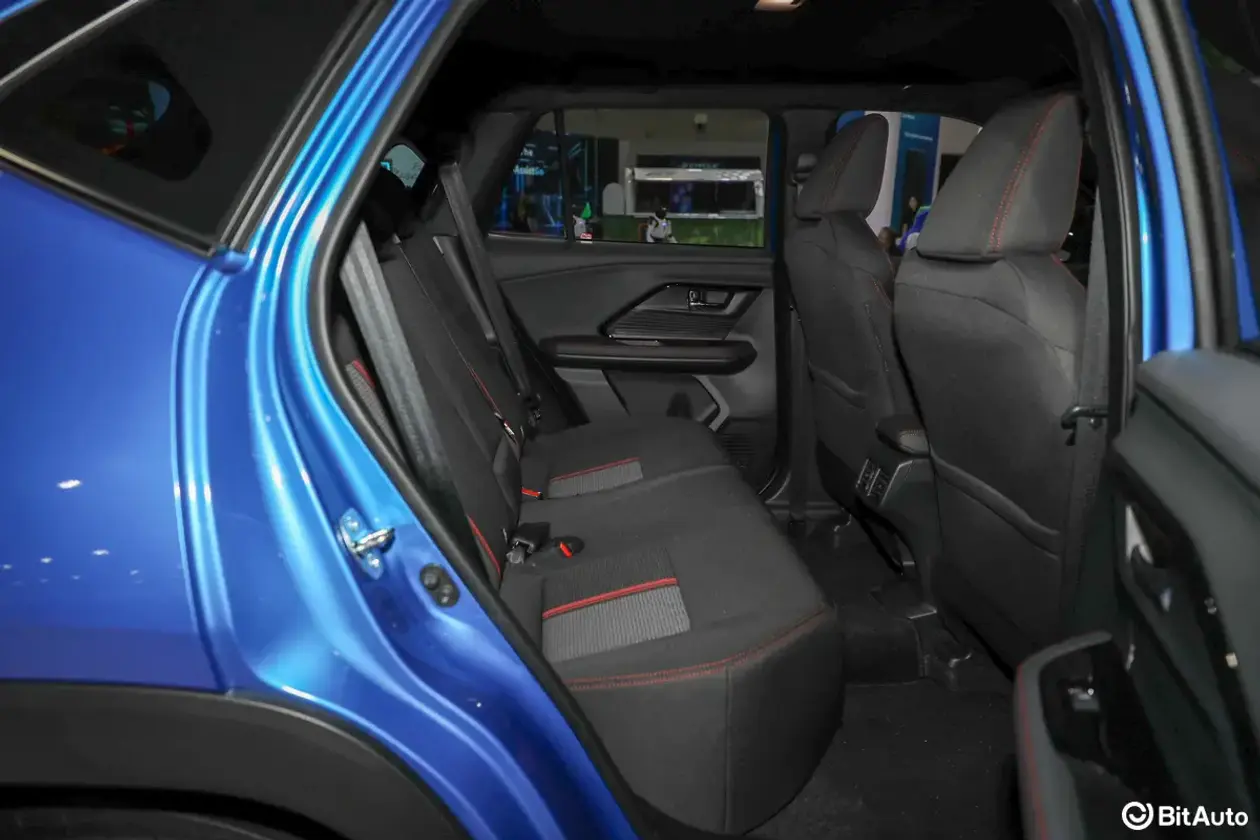
If they are only needed a couple of times a year, those two extra seats will spend most of their time simply eating up boot space.
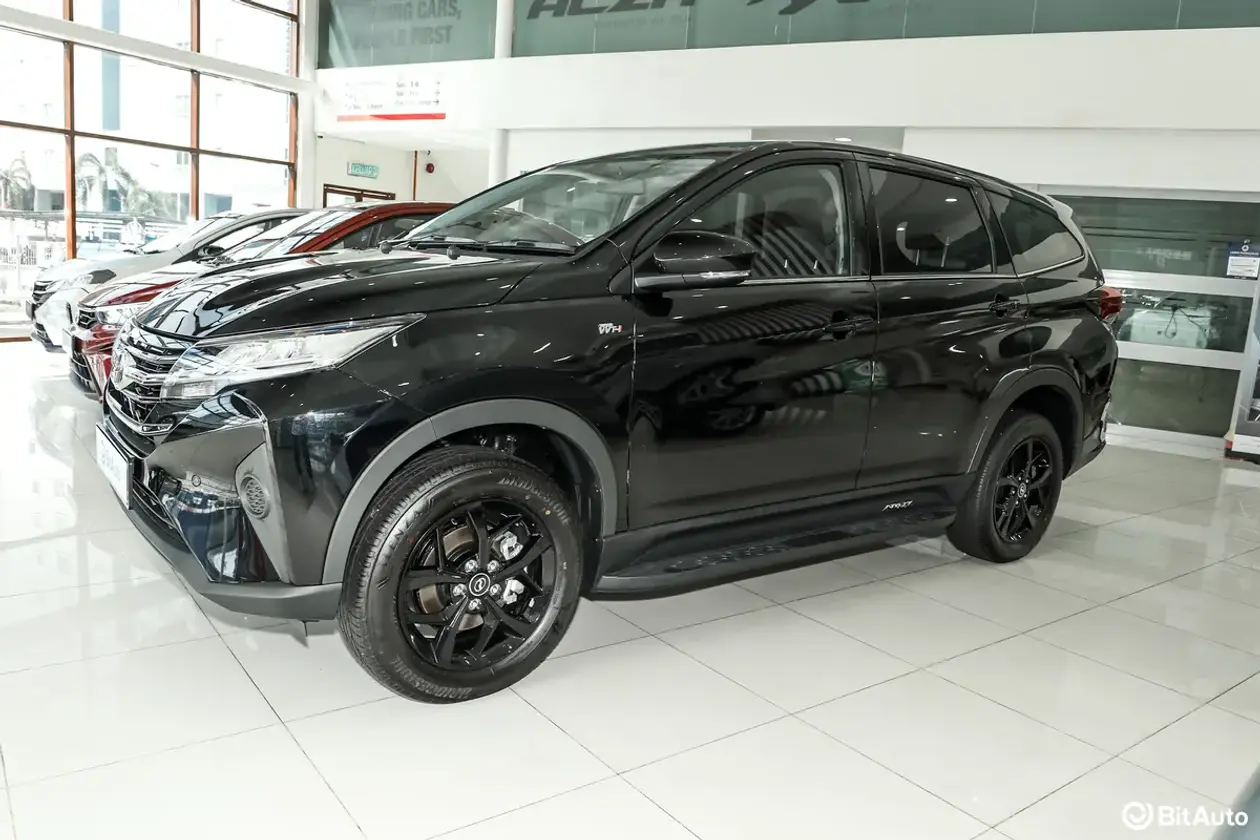
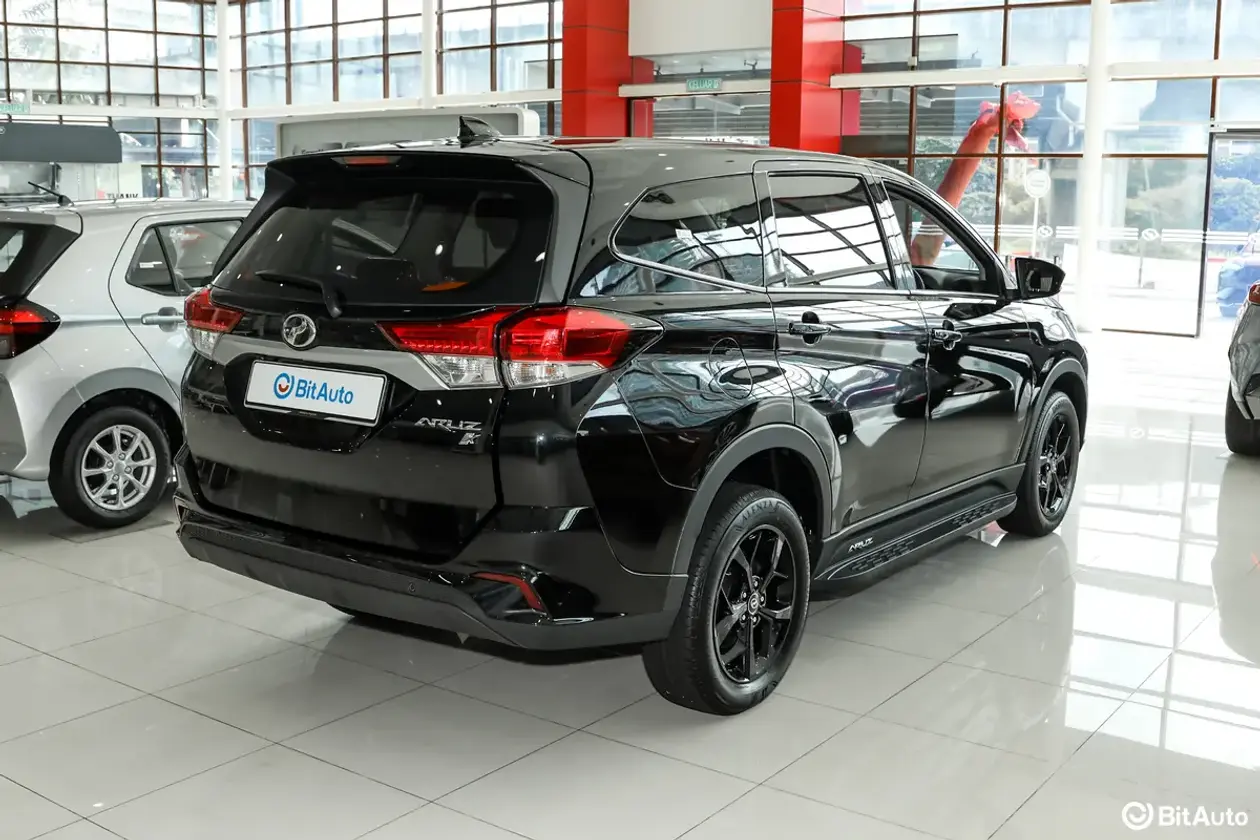
The Aruz boasts a ground clearance of 220mm against the Traz's 210mm—a mere 10mm difference, with both riding fairly high for B-segment SUVs. The real distinction lies in the underlying architecture: the Aruz utilises a ladder-frame chassis with rear-wheel drive and a solid rear axle, specifically engineered for load-hauling durability and broken roads.
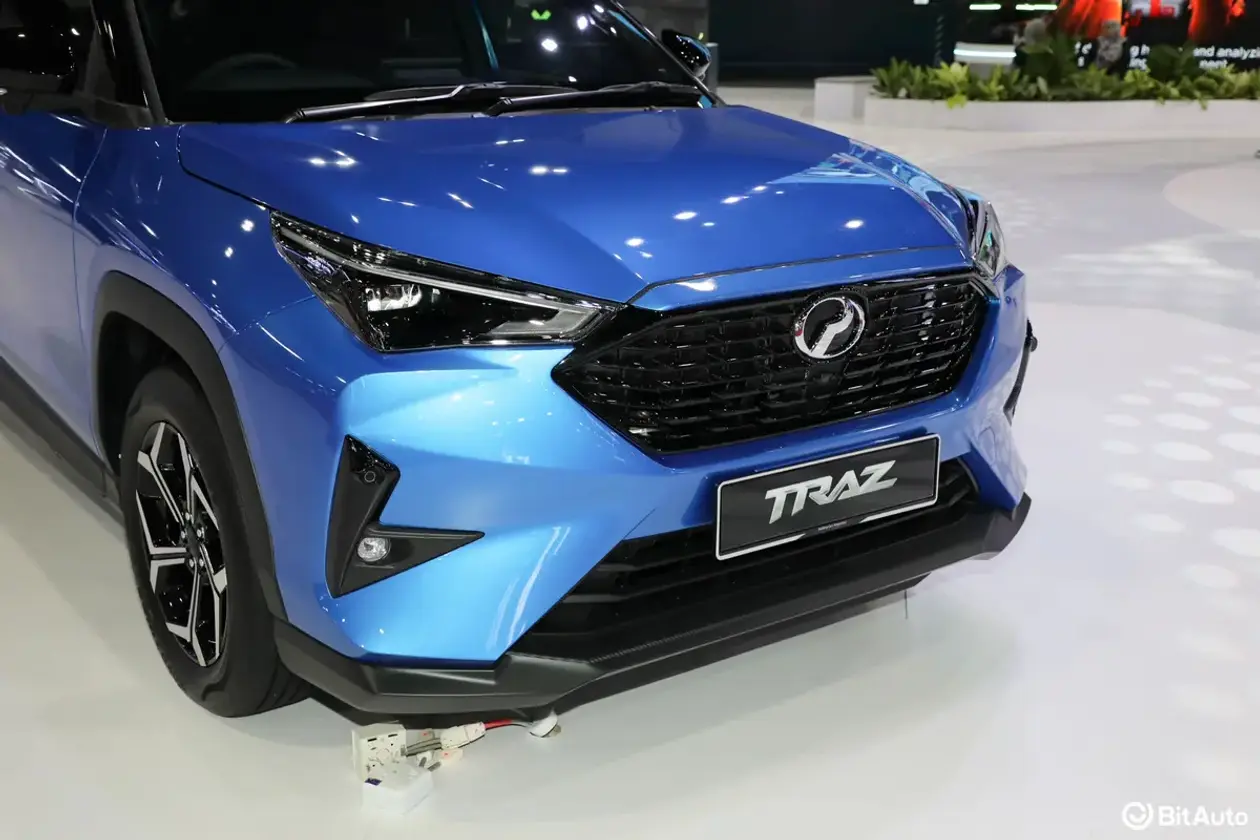
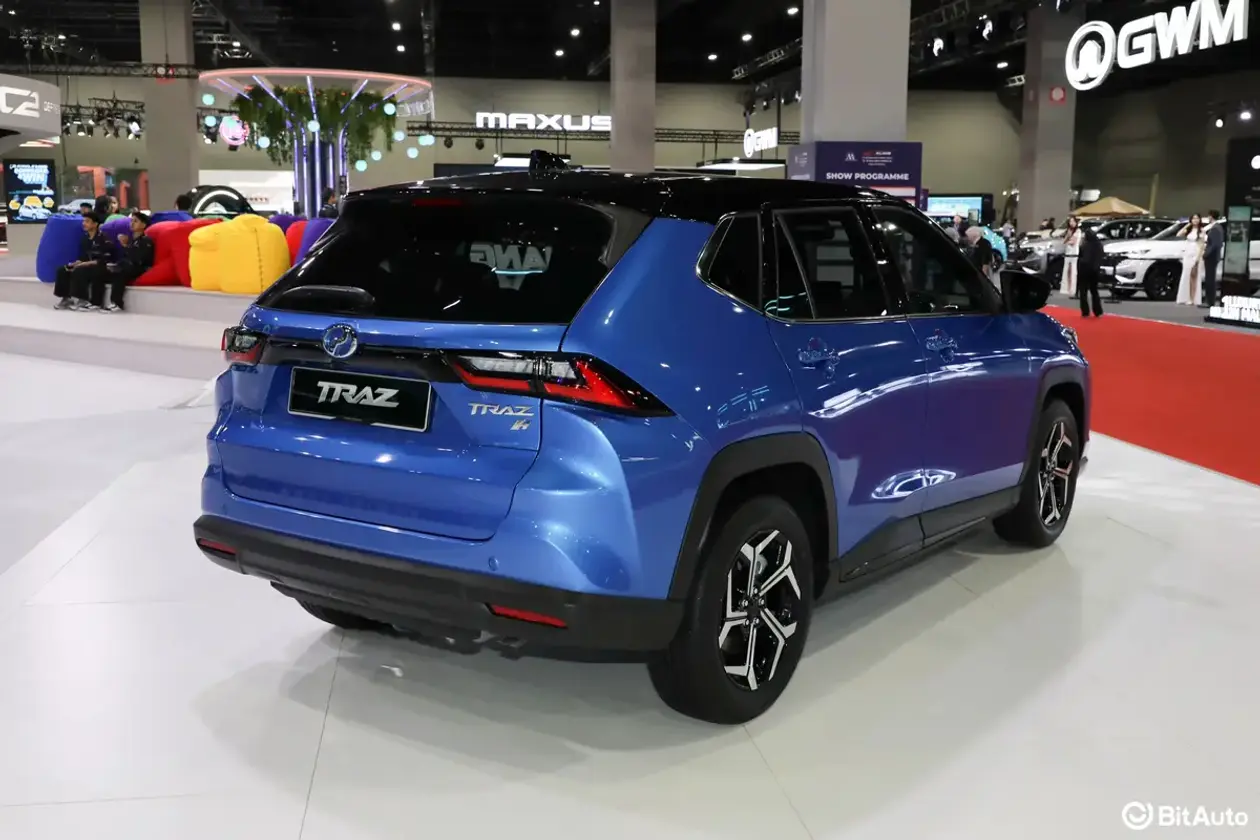
The Traz adopts a monocoque chassis with front-wheel drive, MacPherson struts up front, and a rear torsion beam, offering distinctly better refinement and ride comfort on tarmac and highways. The Aruz's firmer ride and higher highway cruising revs via its 4-speed automatic are the unavoidable trade-offs of this older setup. Braking hardware also differs: the Aruz X uses rear drums, whereas the Traz gets all-round disc brakes.
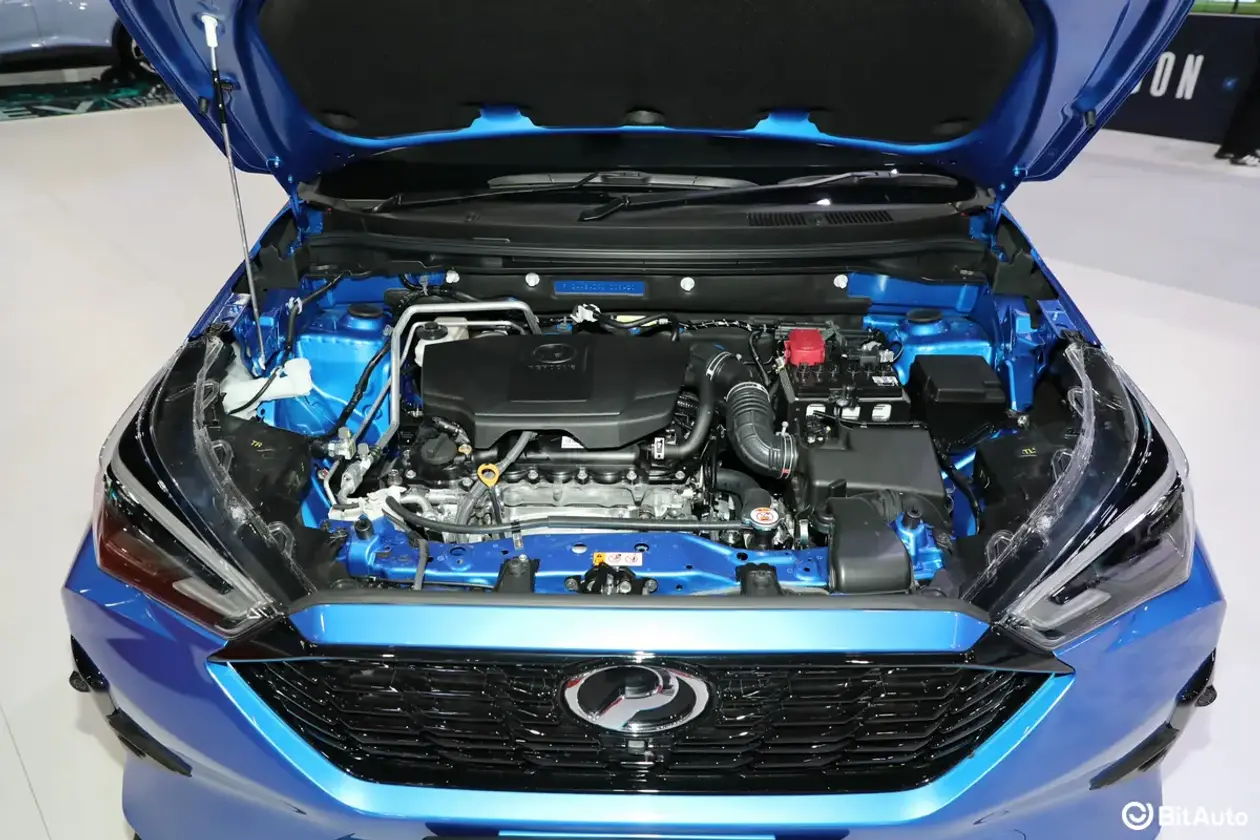
The Aruz X delivers 101 hp / 133 N·m mated to an Aisin 4-speed automatic, while the Traz X puts out 106 PS / 138 N·m paired with a D-CVT. On the scales, the Aruz registers around 1,300–1,310 kg compared to 1,145 kg for the Traz, a gap of 155–165 kg.
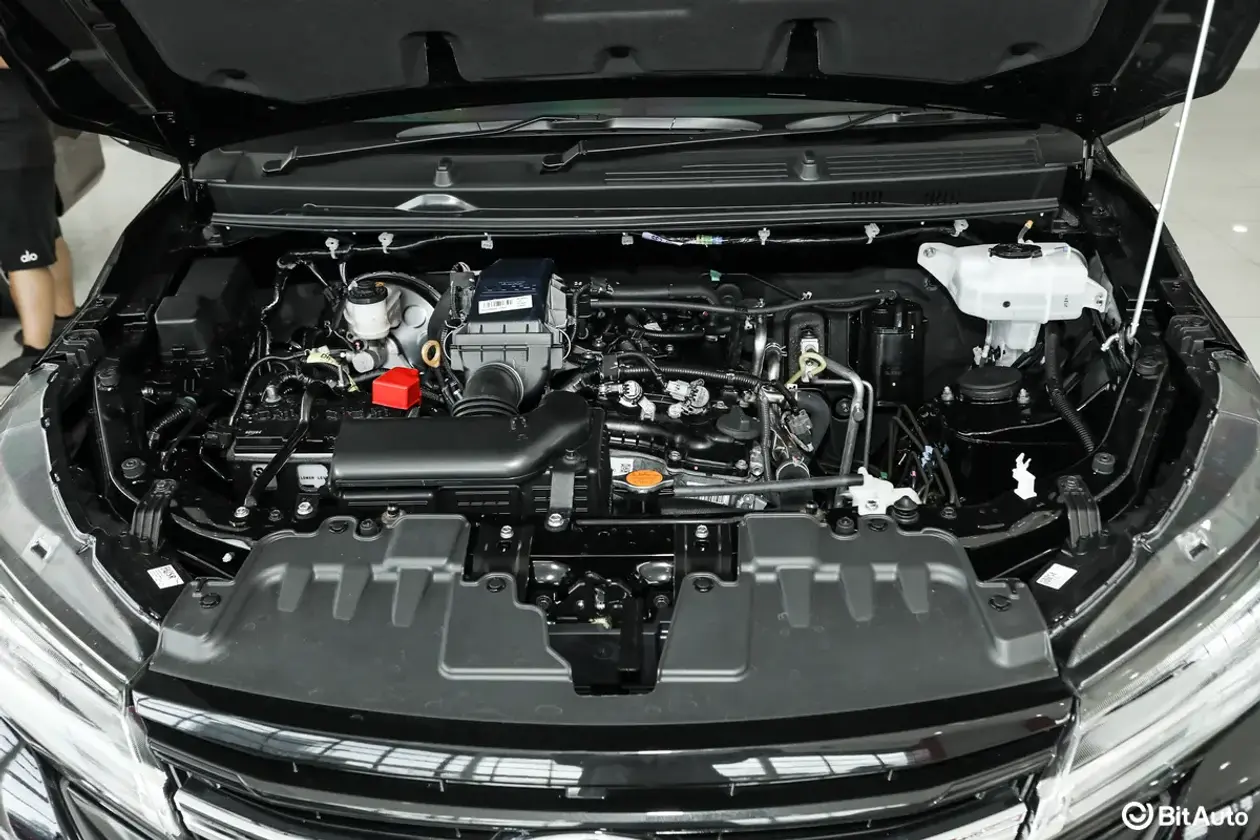
In terms of fuel economy, the Aruz has an official rating of 15.6 km/L (approx. 6.4 L/100km), whereas the Traz officially claims 21.3 km/L. Because the two figures stem from different test cycles, they should only serve as a ballpark indicator: converted, that is a difference of around 1.7 litres per 100 km, which adds up to roughly 340 litres saved over a 20,000 km annual mileage, with exact ringgit savings subject to fuel price fluctuations.
The Traz's D-CVT clearly holds the upper hand in low-speed crawling smoothness and low-rpm highway cruising, reflecting the inherent strengths of its transmission type.
Passive safety is on equal footing, with both models equipped with 6 airbags. The genuine dividing line is active safety.
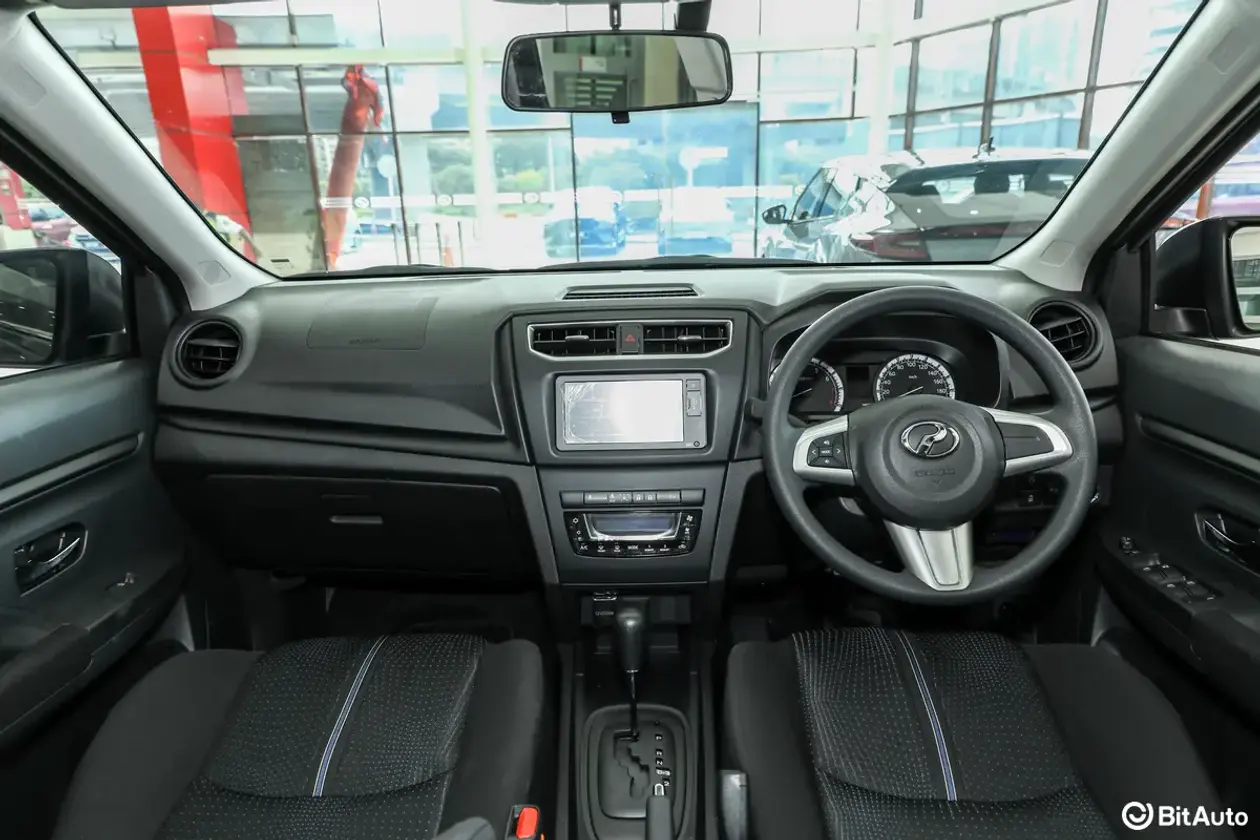
The Aruz X misses out entirely on the ASA active safety suite, as ASA 2.0 is reserved exclusively for the pricier AV variant. This means the X variant lacks Autonomous Emergency Braking (AEB), Lane Departure Warning/Assist, and Blind Spot Monitoring, settling for baseline electronic aids like ABS, VSC, and Hill-start Assist.
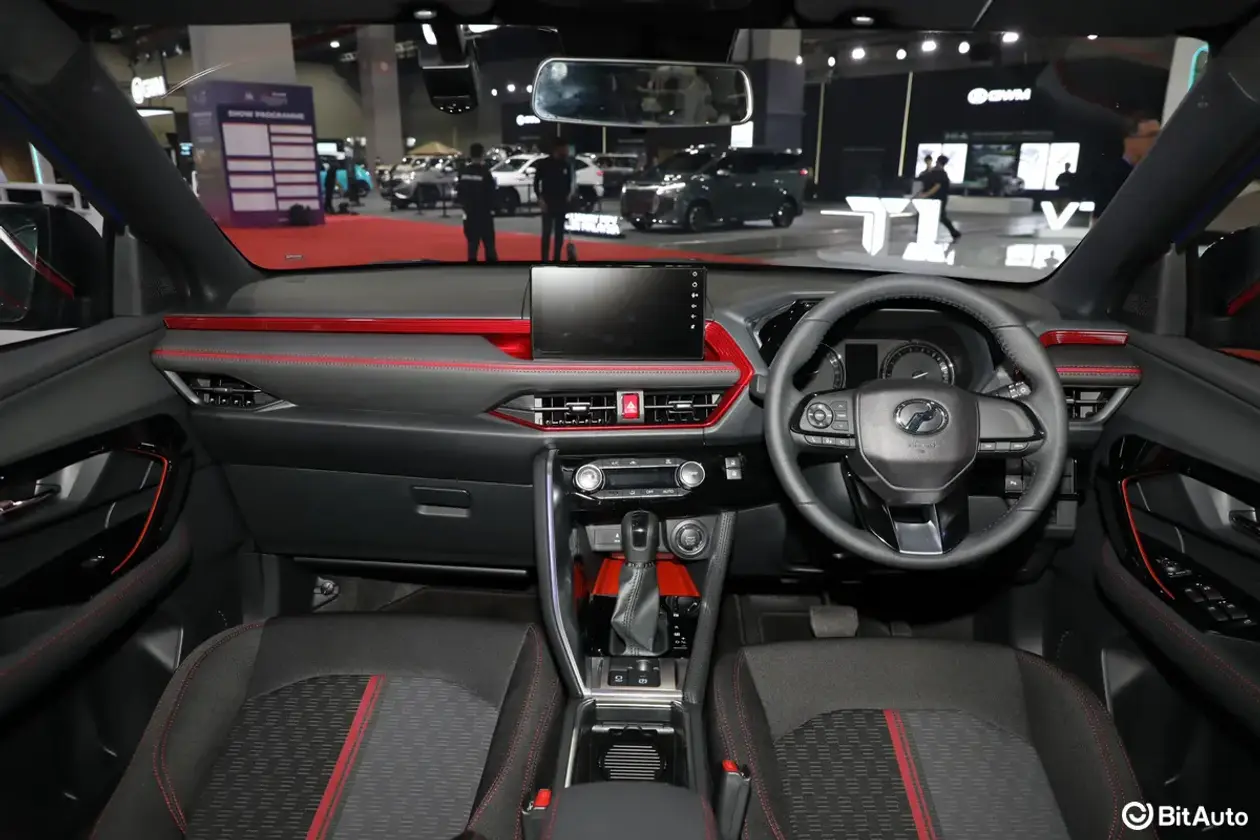
Conversely, the Traz X packs ASA 3.0 as standard across the range: Pre-Collision Braking from 4–120 km/h (with pedestrian detection), Pre-Collision Warning, Lane Departure Warning and Prevention, Blind Spot Monitor, Rear Cross Traffic Alert, Front Departure Alert, and Pedal Misoperation Control.However, it lacks Adaptive Cruise Control and does not even feature basic cruise control, while the 360-degree camera remains exclusive to the higher-spec H variant.
For motorists facing daily highway commutes and frequent lane changes, this active safety gap is far more meaningful than minor variances in ground clearance or boot capacity.
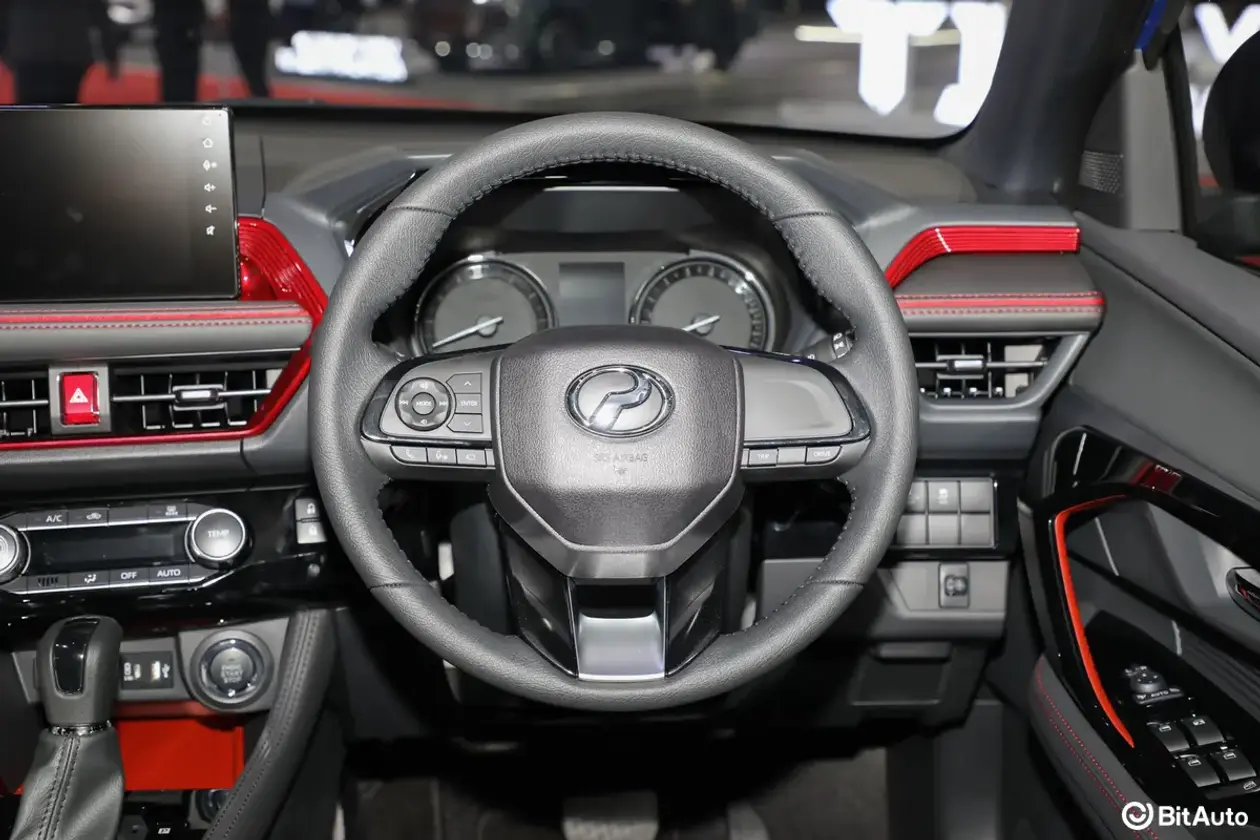
The Traz X features a 9-inch central touchscreen supporting Apple CarPlay and Android Auto, 4 speakers, single-zone manual air conditioning with digital controls, as well as rear air vents and USB ports. The Aruz X settles for a 7-inch touchscreen without Apple CarPlay; the X variant misses out on SmartLink and HDMI as well, offering only a reverse camera for parking visuals.
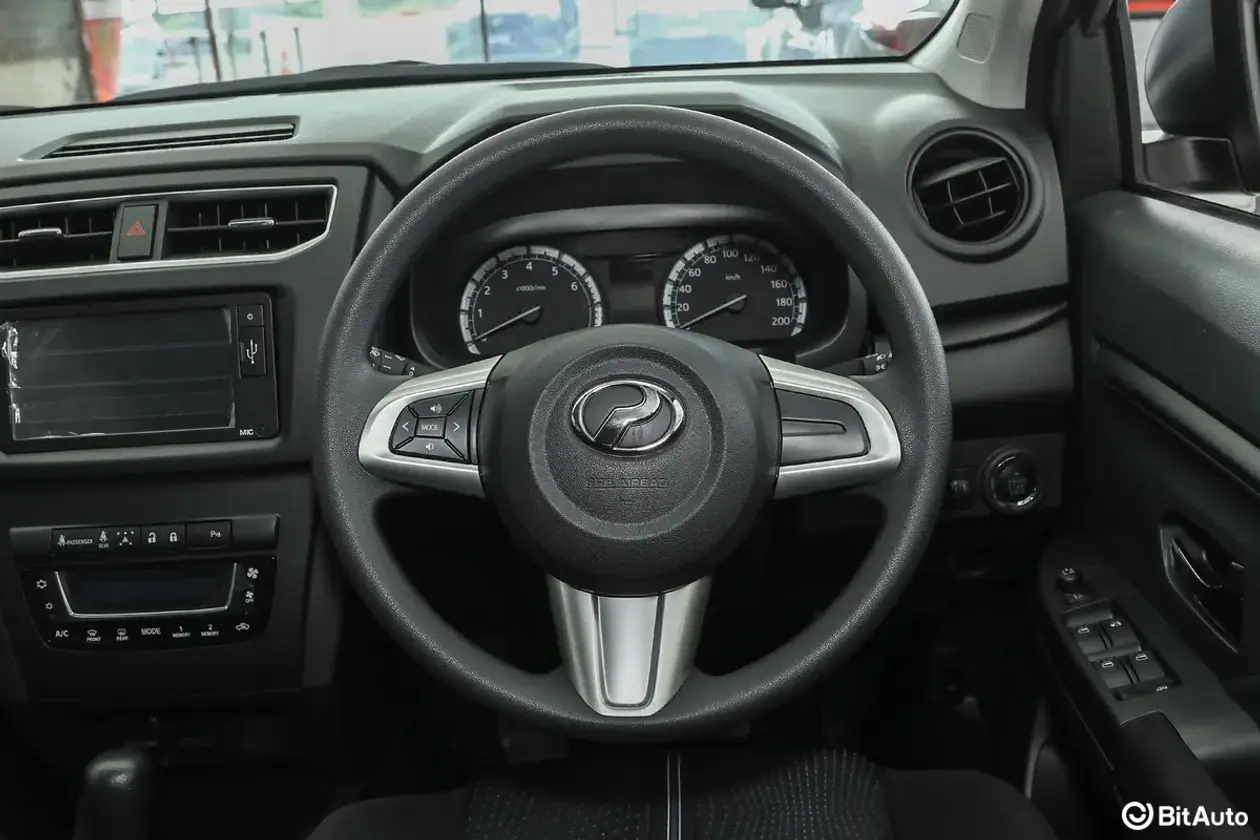
For driving video recorders (DVR/dashcam), the Aruz only provides it on the AV variant and the Traz on the H variant, meaning both X variants miss out. The Traz's powered tailgate and keyless entry sensor handles are also exclusive to the H variant; while the X variant features a push-start button, vehicle access still requires pressing the key fob.
On the ownership cost front, based on official website parts pricing, scheduled servicing for the Traz over the first 5 years / 100,000 km totals around RM3,535, a difference of under RM200 compared to a Myvi. The Aruz is widely recognised for having an exceptionally mature servicing network and affordable parts, though exact servicing costs should be verified against Perodua's official maintenance schedule.
Both vehicles displace 1,496 cc, placing annual road tax for private non-saloon vehicles in Peninsular Malaysia at roughly RM120, subject to the final JPJ assessment. Warranty-wise, the Aruz comes with 5 years / 150,000 km, while the Traz's exact terms remain subject to its official warranty booklet.
Regarding crash test ratings, the Aruz X's local spec sheet cites a 10-star rating under the revised ASEAN NCAP protocol, while the Traz lists a 5-star rating under an earlier test framework; since they were assessed under different scoring regimes, a direct comparison is not applicable.
If your household genuinely requires that sixth and seventh seat, or if you regularly traverse loose gravel and flood-prone routes during the monsoon season, the Aruz X's 7-seater layout and ladder-frame RWD setup offer capabilities the Traz simply cannot match—at the expense of missing AEB, living with a 7-inch screen, a 4-speed automatic, and an interior layout dating back to 2019.
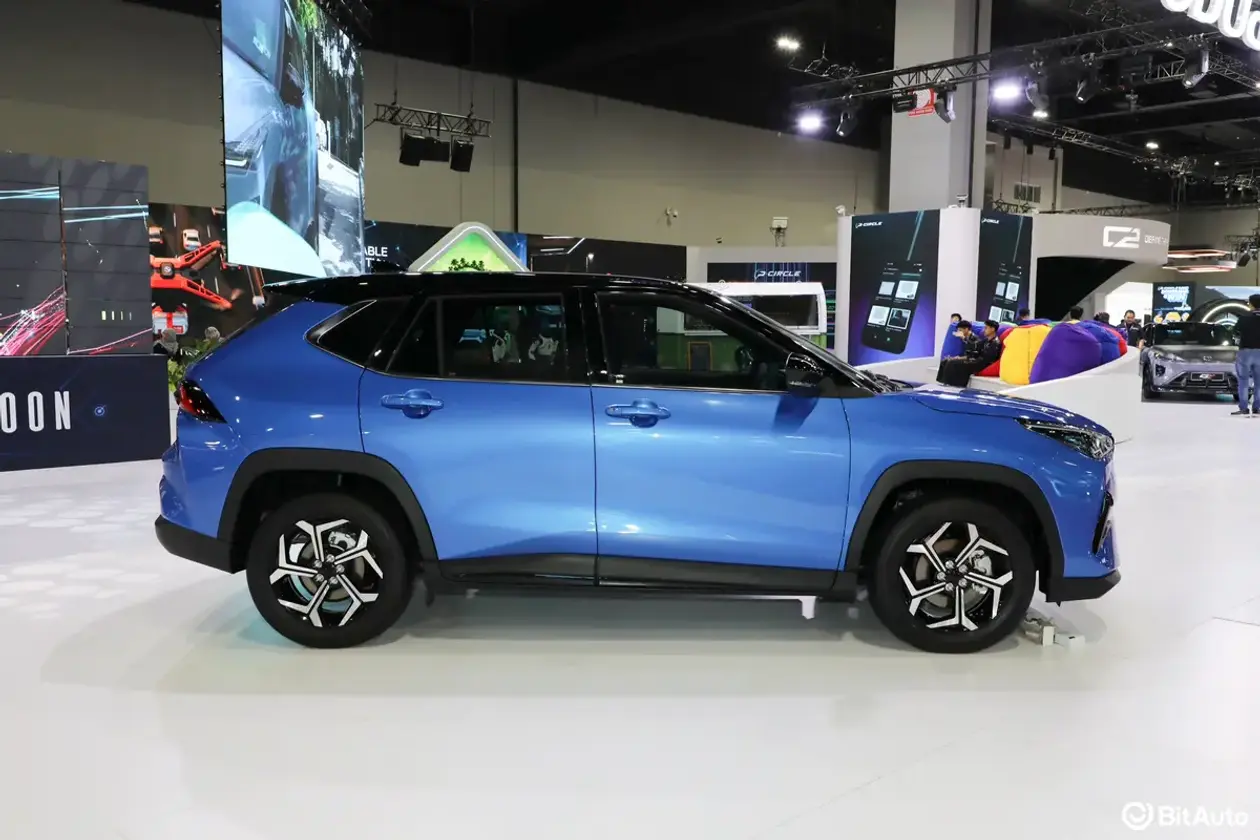
If five seats are sufficient and your driving is predominantly on tarmac, the Traz X clearly leads in active safety, smartphone connectivity, fuel economy, brake specifications, and overall platform freshness—which is precisely what the extra RM3,200 pays for.
If promotional discounts on the Aruz can be negotiated down to around RM68,900, virtually closing the price gap between the two, your buying decision ultimately hinges on two fundamental questions: "Do you need the third row?" and "Do you need AEB?"
| Item | Perodua Aruz X | Perodua Traz X |
|---|---|---|
| Official On-The-Road Price (without insurance) | RM72,900 | RM76,100 |
| Launch Date | 2019 | Launched December 2025 |
| Seating Capacity | 7 seats | 5 seats |
| Body Structure | Ladder-frame | Monocoque |
| Drivetrain | Front-engine, rear-wheel drive (FR) | Front-engine, front-wheel drive (FF) |
| Platform Origin | Shared with Daihatsu Terios / Toyota Rush | DNGA, shared with Toyota Yaris Cross |
| Engine | 1.5L 2NR-VE naturally aspirated | 1.5L 2NR-VE naturally aspirated |
| Displacement | 1,496 cc | 1,496 cc |
| Power / Torque | 101 hp / 133 N·m | 106 PS (approx. 105 hp) / 138 N·m |
| Transmission | 4-speed automatic (Aisin) | D-CVT |
| Kerb Weight | 1,300–1,310 kg | 1,145 kg |
| Ground Clearance | 220 mm | 210 mm |
| Dimensions (L × W × H) | 4,435 × 1,695 × 1,740 mm | 4,310 × 1,770 × 1,655 mm |
| Wheelbase | 2,685 mm | 2,620 mm |
| Fuel Tank | 45 L | 42 L |
| Boot Space (Standard) | 213 L (Full 7-seater) | 471 L (5-seater) |
| Boot Space (3rd Row Folded) | 514 L | Not applicable (no 3rd row) |
| Brakes (Front / Rear) | Ventilated discs / Drums | Ventilated discs / Solid discs |
| Wheels | 17-inch black alloy | 17-inch dual-tone alloy |
| Airbags | 6 | 6 |
| Active Safety | No ASA suite: No AEB, lane assist, or blind spot monitor | ASA 3.0: AEB (4–120 km/h, with pedestrian detection), Pre-Collision Warning, Lane Departure Warning & Prevention, Blind Spot Monitor, RCTA, Front Departure Alert, Pedal Misoperation Control |
| Cruise Control | None | None (neither ACC nor standard cruise control) |
| Camera | Reverse camera | Reverse camera (360-degree camera exclusive to H variant) |
| Dashcam (DVR) | None (exclusive to AV variant) | None (exclusive to H variant) |
| Infotainment Display | 7-inch touchscreen | 9-inch touchscreen |
| Smartphone Connectivity | No CarPlay support; X variant lacks SmartLink / HDMI | Supports Apple CarPlay and Android Auto |
| Speakers | Unknown | 4 |
| Air Conditioning | Single-zone manual, rear air vents | Single-zone manual, rear independent air vents & USB |
| Powered Tailgate | None | None (exclusive to H variant) |
| Crash Rating | ASEAN NCAP 10 Stars (New protocol) | ASEAN NCAP 5 Stars (Earlier protocol) |
| Rated Fuel Consumption | 15.6 km/L (approx. 6.4 L/100km) | 21.3 km/L (Malaysian Driving Cycle) |
| Annual Road Tax (Peninsular Malaysia Private) | Approx. RM120 | Approx. RM120 |
| Vehicle Warranty | 5 years / 150,000 km | Subject to official confirmation (Perodua standard is 5 years / 150,000 km) |
Notes
Prices reflect official local Perodua on-the-road prices excluding insurance, as of November 2026. The RM68,900 figure for the Aruz is based on promotional or showroom discount quotes.
Fuel consumption: The Aruz figure is the official rated value (with Eco Idle), while the Traz figure is based on the Malaysian Driving Cycle (MDC).
Crash ratings: The Aruz X's 10-star rating is based on the updated ASEAN NCAP testing protocol, whereas the Traz's 5-star rating reflects an earlier testing framework; direct comparisons cannot be made.
Road tax is estimated for private registration based on engine displacement and body type; actual amounts remain subject to the JPJ assessment.
Leave your number, an advisor will contact you


Your go-to source for all things automotive in Malaysia. 🚗 Latest reviews, breaking news, launches & industry trends.
+ Follow Following job postings in Malaysia earlier this July, Xiaomi has started recruiting automotive personnel in Australia. What does it mean though? 1 minute ago
 Volvo’s biggest sale of the year is back. Which EVs and SUVs get the biggest savings? 15 hours ago
 Fuel contamination claims are finally moving forward!
Caltex & Petron have stepped up with goodwill payouts for damaged engines. 16 hours ago
Get the latest car news first!
Your go-to source for all things automotive in Malaysia. 🚗 Latest reviews, breaking news, launches & industry trends.
Following job postings in Malaysia earlier this July, Xiaomi has started recruiting automotive personnel in Australia. What does it mean though? 1 minute ago Volvo’s biggest sale of the year is back. Which EVs and SUVs get the biggest savings? 15 hours ago Fuel contamination claims are finally moving forward!
Caltex & Petron have stepped up with goodwill payouts for damaged engines. 16 hours ago 
© 2024 Bitauto.com. All Rights Reserved.
Bitauto (www.yiche.com and www.bitauto.com) is one of the most visited automotive websites in China. We provide detailed info on Chinese car brands available in your area. Please note that the information provided on this website is based on publicly available data and is for reference only. It may not be fully updated or accurate at all times.

Help us improve our website


