On 26 July, F1 and the FIA jointly announced that Malaysia's Sepang International Circuit will host the "F1 Gulf Air Bahrain Grand Prix" from 2 to 4 October. This marks the first time in F1 history that an event has been relocated to another country due to a cancellation, and Sepang's first return to the F1 calendar since 2017.
But here comes the real question. Sepang opened in 1999, an era dominated by V10 and V8 engines. Fast forward to 2026, when F1 cars feature batteries heavier than fuel tanks and electric motors delivering more power than internal combustion engines—will this circuit, famous for high temperatures, extreme humidity, and severe tyre wear, push this year's drivers to breaking point?
First, the context. The 2026 F1 season was originally planned to feature 24 rounds, making it the longest calendar in history. However, the Bahrain Grand Prix on 12 April and the Saudi Arabian Grand Prix on 19 April were cancelled due to regional conflict in the Middle East. F1 initially hoped to reschedule Bahrain to early October between Azerbaijan and Singapore. But as regional tensions escalated, the plan proved impossible.
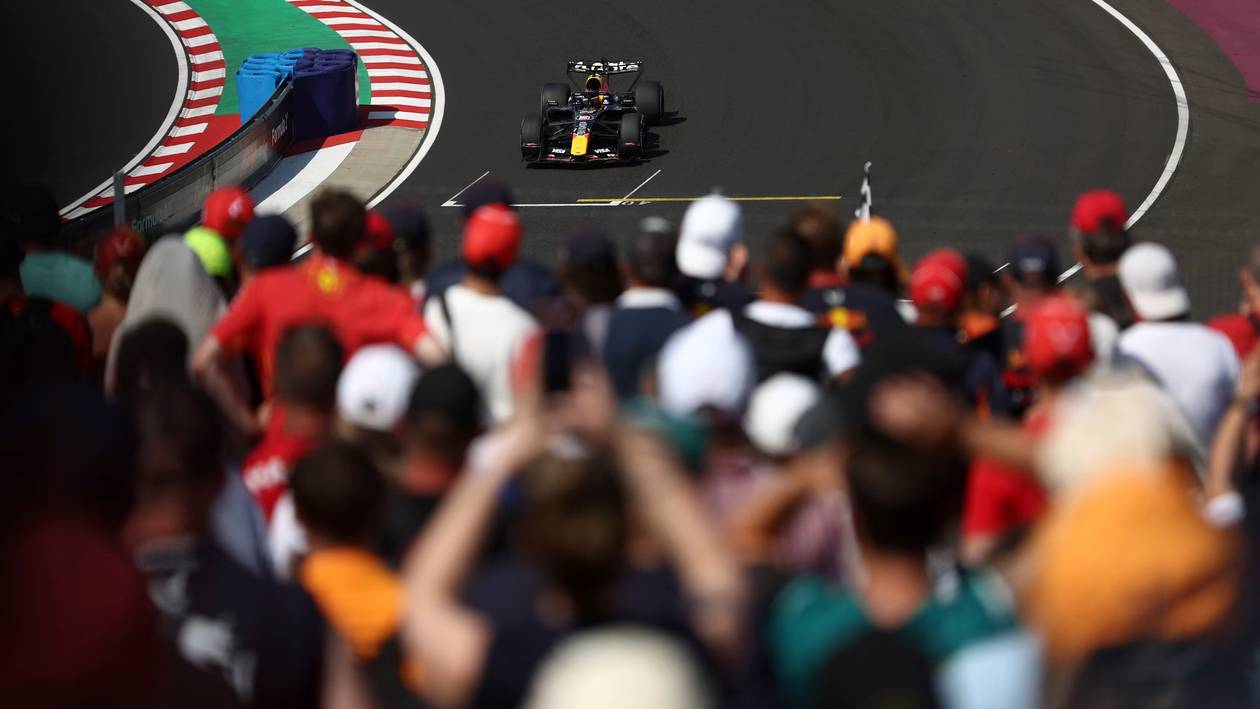
There were several alternative options. However, Sepang's advantage lies in being an FIA Grade 1 certified circuit located just one week apart from the Singapore Grand Prix, making logistical friction practically negligible. Ultimately, Sepang was selected as the replacement, retaining the event name as the "Bahrain Grand Prix" despite moving to Malaysia. Bahrain keeps the official title of the Grand Prix, while Sepang hosts the race. Thus, a "Bahrain Grand Prix in Malaysia" was born. F1 CEO Stefano Domenicali said: "Malaysia is an incredible country, and Sepang holds a special place in F1 history."
Host status is one thing, but whether the circuit suits the new cars is another matter entirely.
The 5.543 km Sepang circuit was designed by Hermann Tilke and opened in 1999. In F1 circles, it carries a well-earned moniker—the "tyre killer".
Why is it called that?
First, extreme heat and humidity. Track temperatures at Sepang regularly exceed 50 degrees Celsius, accompanied by stifling humidity. Drivers have previously described racing here as "brutal", with the cockpit feeling "like a sauna".
Second, abrasive asphalt. Sepang's surface is infamous for high tyre wear. Under scorching track temperatures, a series of high-speed corners places immense thermal and mechanical stress on the rubber. Pirelli typically selects the two hardest compounds in its range for Sepang.
Third, immense load on the front-left tyre. Sepang features numerous high-speed right-handers that subject the front-left tyre to massive lateral loads. Back in the V10 era, this was already a major challenge. In 2026, it promises to be far worse.
The 2026 F1 cars feature a wheelbase shortened by 200 mm (to 3,400 mm), a width reduced by 100 mm (to 1,900 mm), and a floor width trimmed by 150 mm. Minimum car weight drops from 798 kg to 768 kg—a 30 kg reduction. Aerodynamic drag has been slashed by 40%. But what do these changes actually mean for a track like Sepang?
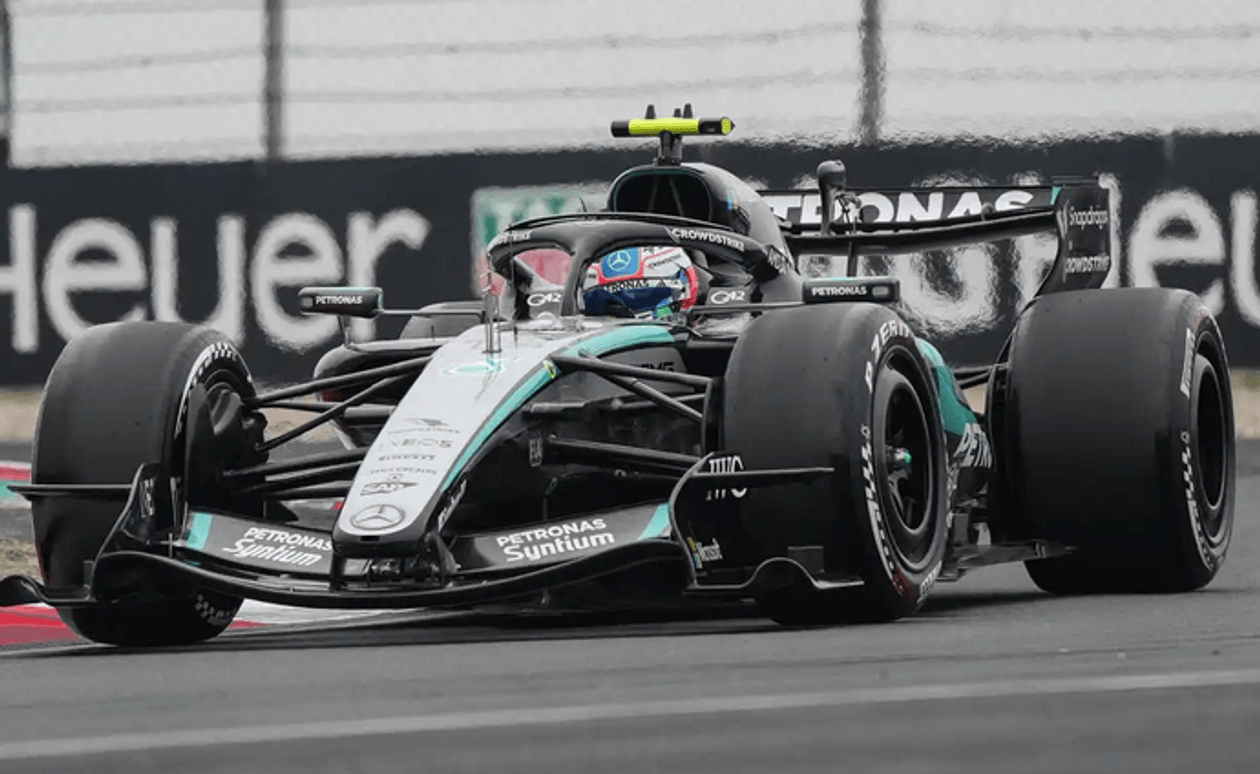
Sector 1 at Sepang features a rapid sequence of medium-to-high-speed corners requiring quick direction changes. The 2026 regulations slash overall downforce by 15% to 30%. This drastically reduces high-speed cornering grip. Drivers in Sector 1 will face a harsh reality: with reduced downforce, entry speeds must be noticeably lower than in previous years to avoid sliding off line.
Sector 2 blends medium-speed bends with long-radius curves, testing aerodynamic stability and tyre preservation. Although minimum weight is down from 798 kg to 768 kg, the complex battery and energy management systems leave the rear end far more unsettled. On a hot circuit like Sepang where rear grip is already at a premium, paired with narrower tyres for 2026 (25 mm narrower at the front, 30 mm at the rear)—Sector 2 will be absolute tyre management hell.
Sector 3 is Sepang's ultimate equalizer. Two long straights separated by a sharp hairpin. In the V10 era, this was prime overtaking territory—slipstreaming, heavy braking, and late apex divebombs. But 2026 changes the game entirely.
Under the 2026 power unit regulations, MGU-K output surges from 120 kW to 350 kW, but battery capacity remains unchanged. At full throttle down the long straights, energy drains rapidly. Once depleted, the system enters "super clipping" mode—recovering energy to charge the battery even while the driver remains full on the gas. You plant your foot, yet the car decelerates. FIA Single-Seater Technical Director Nikolas Tombazis admitted the new cars will be 1 to 2.5 seconds slower per lap. On a track with two long straights like Sepang, this means draining your battery midway down the straight right after accelerating out of the hairpin, leaving you watching your speed drop helplessly.
With the circuit analysed, what about the competitive order?
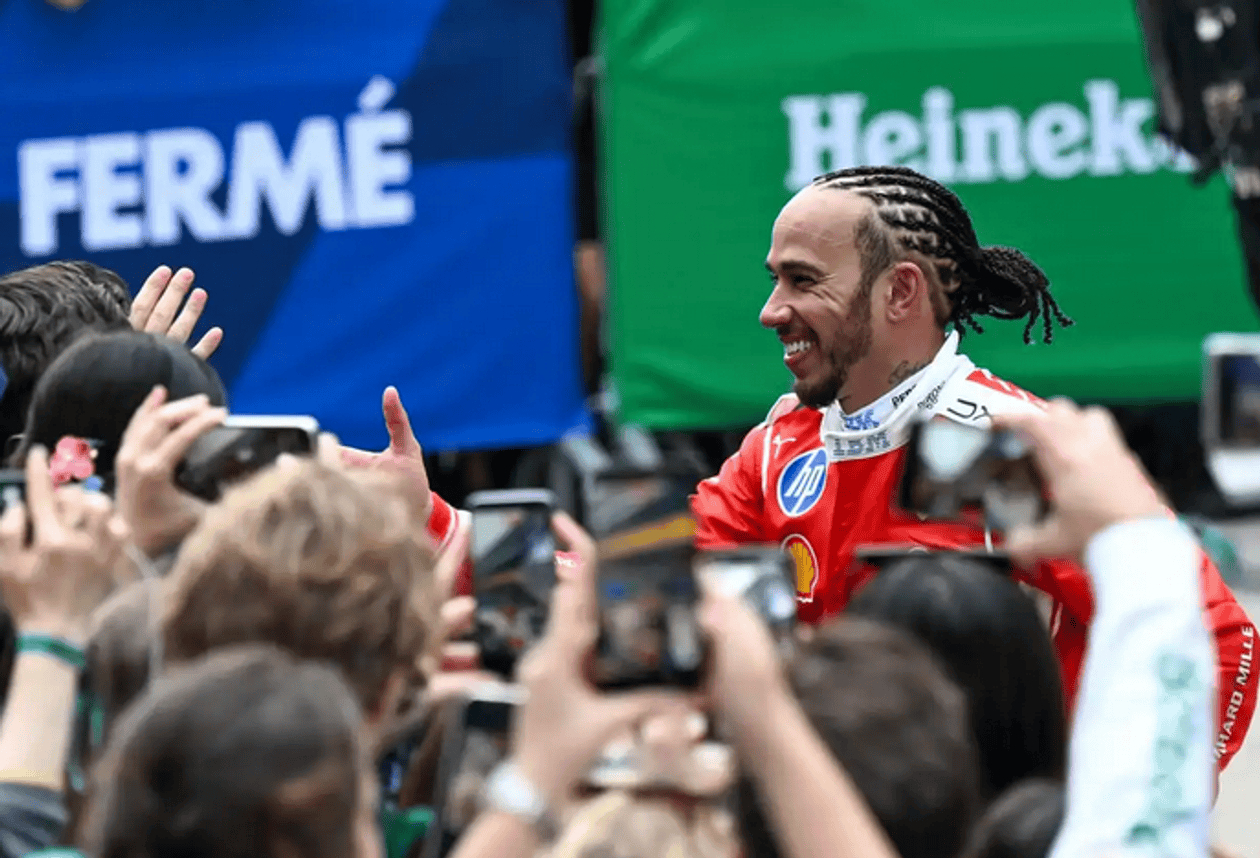
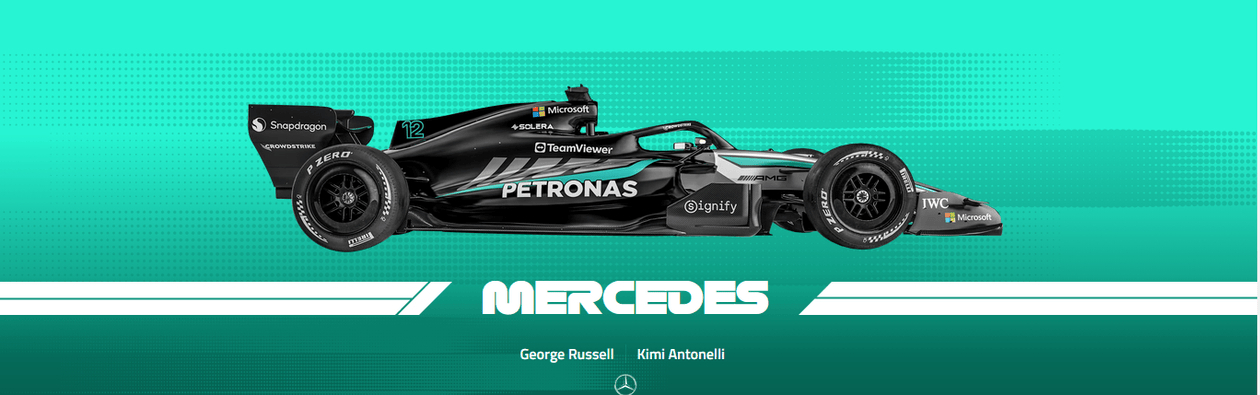
Heading out of Hungary, Mercedes' Kimi Antonelli leads the standings on 219 points, ahead of Ferrari's Lewis Hamilton on 169 and Mercedes' George Russell on 160. Antonelli has already racked up seven wins, building a 50-point cushion. McLaren's Lando Norris took victory at the Hungarian Grand Prix.
 Team upgrade trajectories are also key. Aston Martin brought their largest package of the season to Hungary, introducing extensive modifications to the front wing, nose, floor, diffuser, sidepods, and rear wing, which Fernando Alonso described as "the first step towards fixing our underlying issues". Before Sepang, Aston Martin still have Monza and Baku to refine the package.
McLaren's upgrades worked well in Hungary, as demonstrated by Norris' victory. If this package adapts across varied circuit layouts, McLaren will be a force to reckon with at Sepang.
Over at Ferrari, Hamilton remains the only driver to score points in every round this season. Given Sepang's heat, Ferrari's expertise in thermal management and tyre degradation could prove a vital hidden asset.
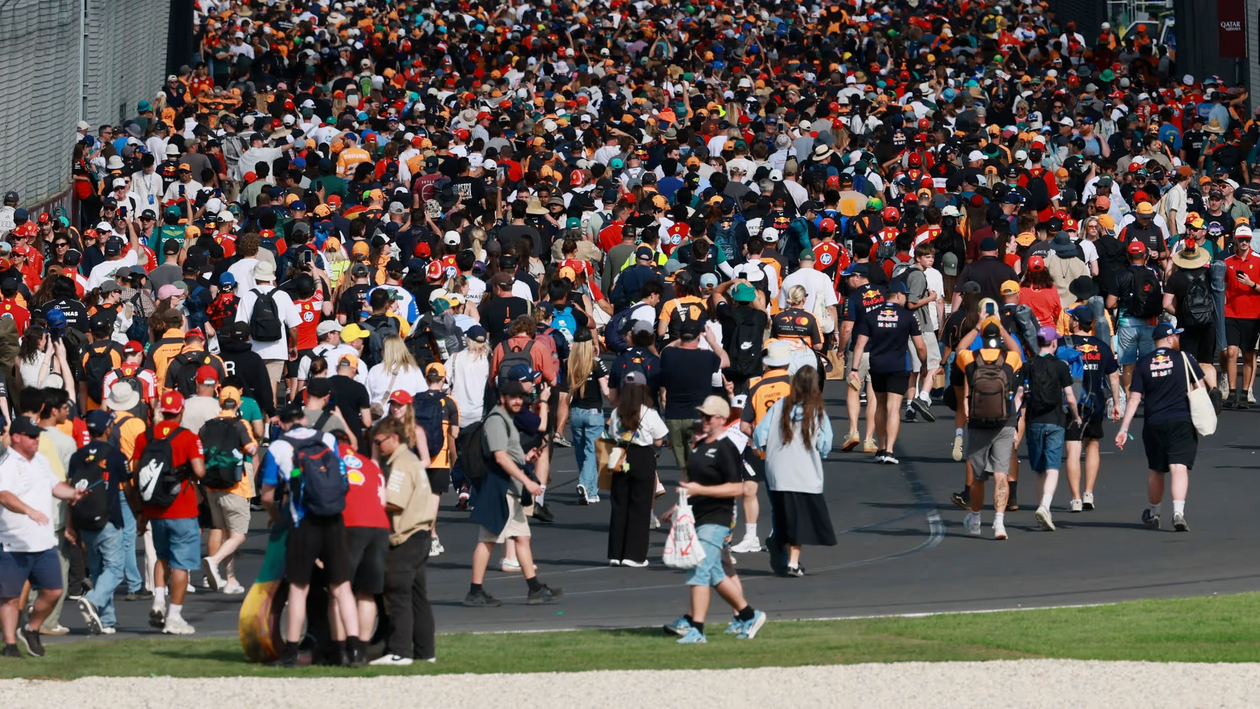
As for Red Bull, Max Verstappen currently sits sixth on 109 points. For 2026, Red Bull switched to Red Bull Ford Powertrains units developed in partnership with Ford. Despite chassis teething troubles early in the campaign, the power unit has proven surprisingly competitive. Red Bull have steadily regained momentum, with Verstappen taking second in Hungary. Given their track record in setup optimisation for high-temperature races, Sepang could offer them an opportunity to close the gap further.
At Alpine, Pierre Gasly holds tenth place with 42 points. Gasly noted that the upgrades planned for the Dutch Grand Prix will be "pivotal" for the second half of the season. If those updates fail to deliver, a punishing track like Sepang could leave them trailing behind.
F1 returning to Sepang after nine years is cause for celebration in itself. However, the 2026 machinery is a vastly different beast compared to 2017. While V6 hybrids were complex back then, power delivery was predictable. In 2026, drivers must contend with battery depletion even while keeping the throttle pinned down long straights—a factor that will fundamentally rewrite race pace and tactics at a twin-straight layout like Sepang.
Could this lead to a permanent F1 comeback for Malaysia? Realistically speaking, unlikely. The exit in 2017 was driven by steep hosting fees and declining attendance. This arrangement sees Bahrain retaining Grand Prix hosting rights while Malaysia acts as the venue host—a fundamentally different deal. A one-off emergency fill-in does not equal a permanent return.
Still, for motorsport fans, racing is better than no racing. Come October, Sepang's heat, humidity, and high degradation combined with 2026's lighter yet trickier cars promise plenty of drama. It might get messy, but unpredictability is precisely what makes F1 so compelling.

Your go-to source for all things automotive in Malaysia. 🚗 Latest reviews, breaking news, launches & industry trends.
+ Follow We saw this accident this morning, and here’s a reminder to everyone: please drive safe. 2 days ago
  The G50 BMW 3 series is now here, adopting much of the i3's design elements.
So, where's the BMW M3?
#bmw #BMW3Series 4 days ago
The G50 BMW 3 series is now here, adopting much of the i3's design elements.
So, where's the BMW M3?
#bmw #BMW3Series 4 days ago  DRIFT PARTY in Malaysia! Can the Xiaomi SU7, Yangwang U8 mix it up against JDM favourites in KL?
Our adventure with the Xiaomi SU7 and Yangwang U8 brings us to APDCrew circuit as we give witness a drift show. With pro drifters and fan-favourites - RX7s, S15s, Skylines, Supras, and more - in the mix, can our Xiaomi SU7 and Yangwang U8 hold their own?
It's also a quick look at Malaysian car culture, including some wildly modified minivans, and more!
#drift #malaysia #xiaomisu7 #yangwangu8 #larrychen #drifting #JDM跑車 4 days ago
DRIFT PARTY in Malaysia! Can the Xiaomi SU7, Yangwang U8 mix it up against JDM favourites in KL?
Our adventure with the Xiaomi SU7 and Yangwang U8 brings us to APDCrew circuit as we give witness a drift show. With pro drifters and fan-favourites - RX7s, S15s, Skylines, Supras, and more - in the mix, can our Xiaomi SU7 and Yangwang U8 hold their own?
It's also a quick look at Malaysian car culture, including some wildly modified minivans, and more!
#drift #malaysia #xiaomisu7 #yangwangu8 #larrychen #drifting #JDM跑車 4 days ago Get the latest car news first!
Your go-to source for all things automotive in Malaysia. 🚗 Latest reviews, breaking news, launches & industry trends.
We saw this accident this morning, and here’s a reminder to everyone: please drive safe. 2 days ago The G50 BMW 3 series is now here, adopting much of the i3's design elements.
So, where's the BMW M3?
#bmw #BMW3Series 4 days ago DRIFT PARTY in Malaysia! Can the Xiaomi SU7, Yangwang U8 mix it up against JDM favourites in KL?
Our adventure with the Xiaomi SU7 and Yangwang U8 brings us to APDCrew circuit as we give witness a drift show. With pro drifters and fan-favourites - RX7s, S15s, Skylines, Supras, and more - in the mix, can our Xiaomi SU7 and Yangwang U8 hold their own?
It's also a quick look at Malaysian car culture, including some wildly modified minivans, and more!
#drift #malaysia #xiaomisu7 #yangwangu8 #larrychen #drifting #JDM跑車 4 days ago  ProtonGWMVolkswagenJAECOOVolvoPeroduaToyotaHondaTESLAMitsubishiMazdaJetourCheryBYDLexusBMWMercedes-BenziCAURZeekrIsuzuNissanLeapmotorPorscheFordOMODAMINIMGSuzukiXPengHyundaiWulingKiaSubaruDenzaGACLand RoverDongfengCAMAudiPeugeotFotonMAXUSsmartDaihatsuJACJMCMaseratiLotusAlfa RomeoRenaultGolden DragonKaiceneSeresLamborghiniFerrariJeepRolls-RoyceLepasAston MartinMcLarenChevroletBentleyFiatBAICForthingGeelyRoeweAeolusChanganARCFOXDeepalExeedHongqiVoyahJaguarKGMBuforiAcuraCadillacDodgeAbarthINEOSMHEROJMEVFreelander
© 2024 Bitauto.com. All Rights Reserved.
Bitauto (www.yiche.com and www.bitauto.com) is one of the most visited automotive websites in China. We provide detailed info on Chinese car brands available in your area. Please note that the information provided on this website is based on publicly available data and is for reference only. It may not be fully updated or accurate at all times.
Help us improve our website


