Back in 2010, if you were shopping for a brand-new car in Malaysia with a budget under RM50,000, your choices were practically confined to national makes: the Perodua Viva, Proton Savvy, or perhaps a slightly pricier Korean compact. A Japanese badge? That territory strictly started from RM60,000 to RM70,000 upwards.
On 10 August that year, Suzuki Malaysia Automobile disrupted the status quo by introducing a budget compact: the Suzuki Alto, starting at RM44,888. For the longest time, it was the first brand-new Japanese offering priced under RM50,000. It came fully imported (CBU), powered by a 1.0-litre three-pot engine, and proudly bore a prominent 'S' emblem on the tailgate.
Yet, its passport didn’t read Japan.
The Alto moniker traces all the way back to 1979, starting life as a bona fide JDM Kei car. But the Alto that landed on Malaysian shores shared little more than its name with the Japanese domestic model. This was the seventh-generation global iteration, assembled at Maruti Suzuki’s Manesar plant in India, which also served as the worldwide manufacturing hub for the model.
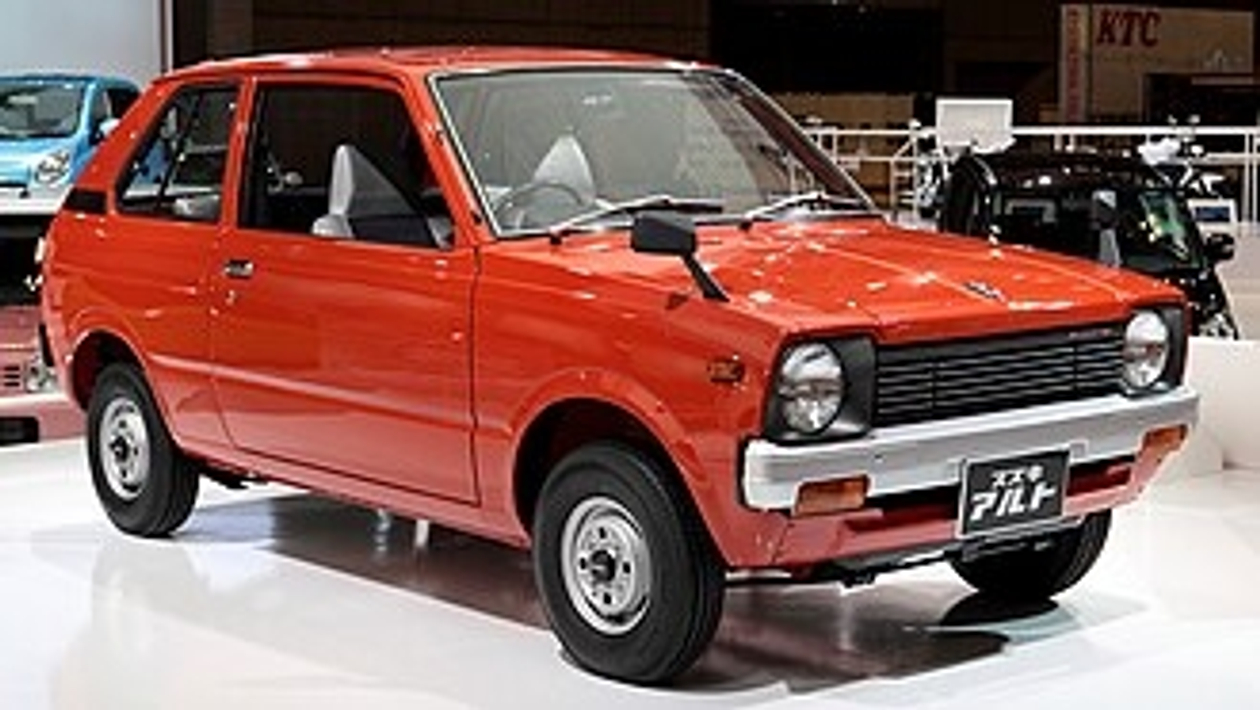
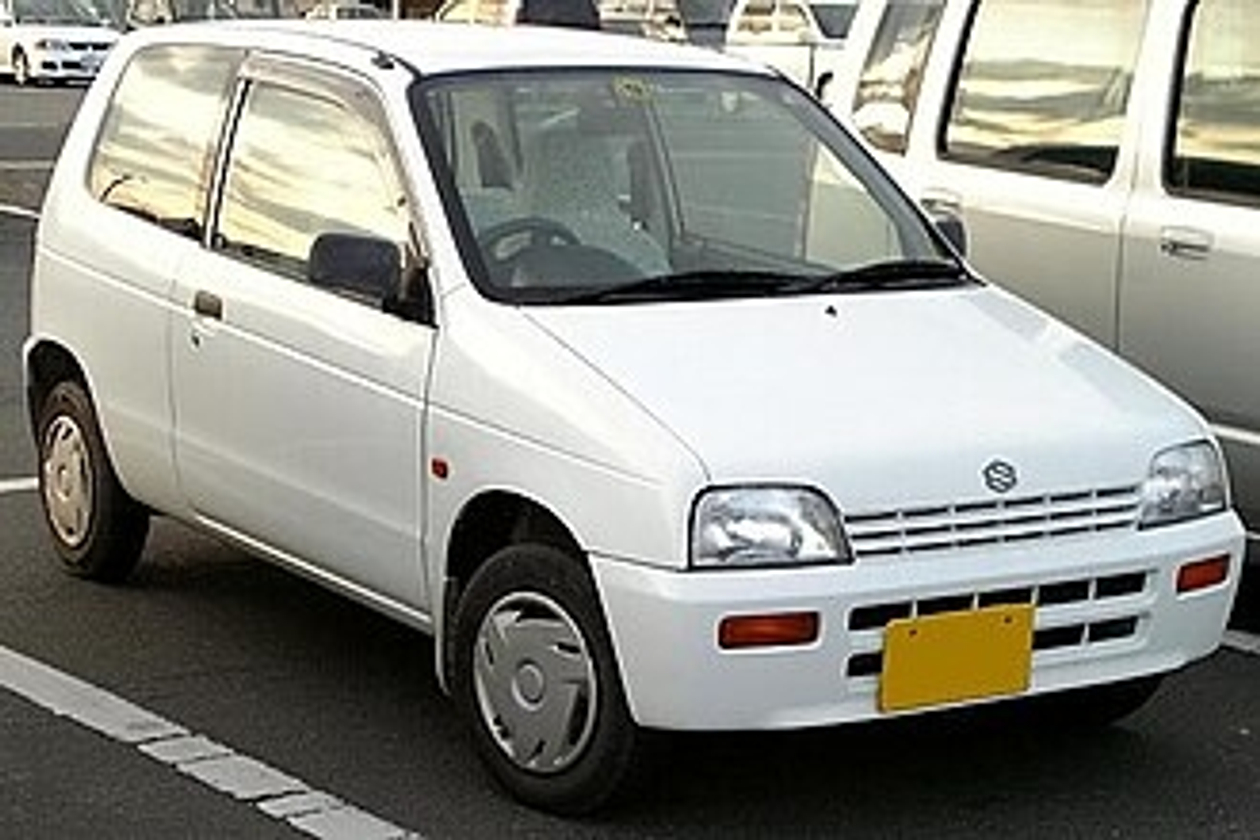
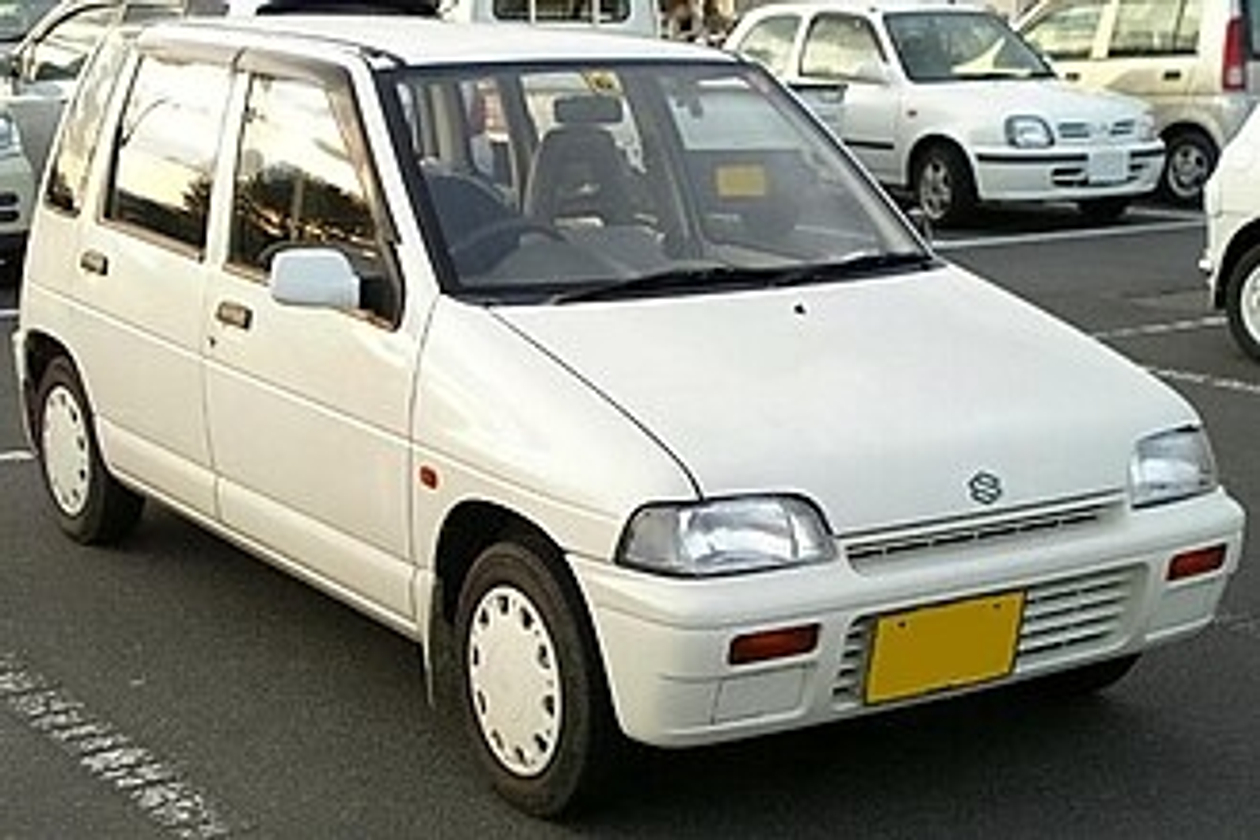
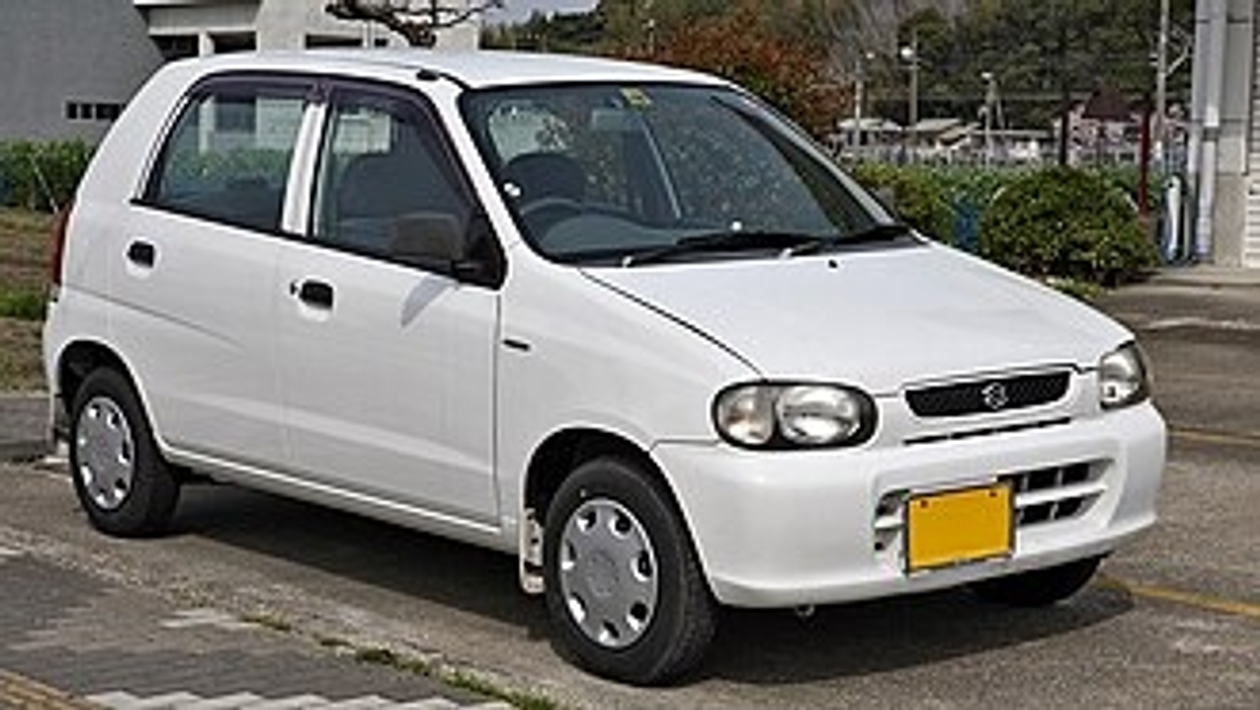
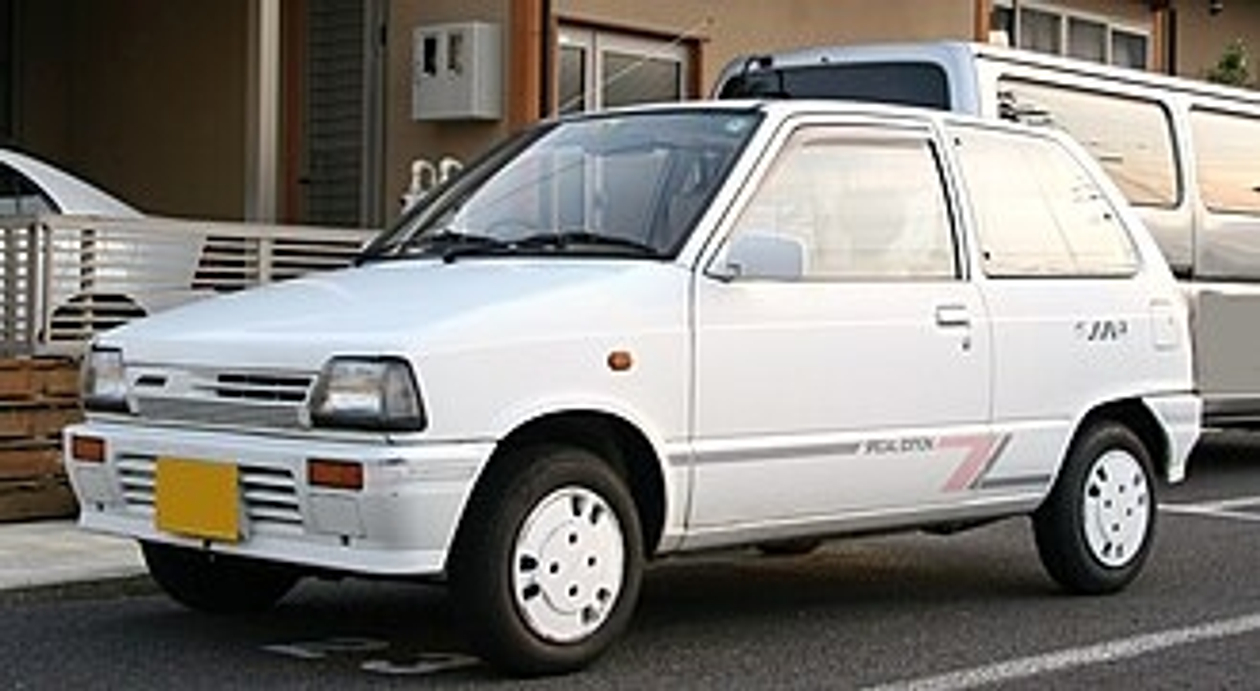
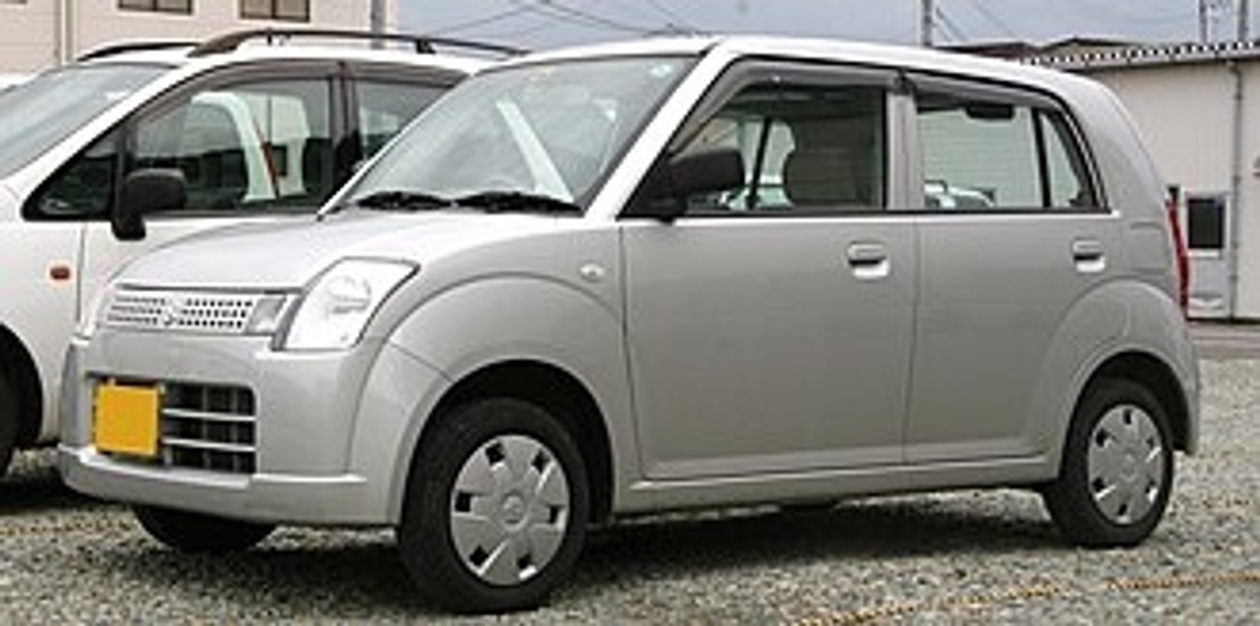
First to seventh generation "JDM" Suzuki Alto
In India, the Alto is nothing short of a household legend. Crowned the nation's best-selling car from 2006 onwards, its cumulative production crossed the one-million mark by 2008, regularly shifting over 20,000 units a month. Over half of the Manesar facility's exports headed straight to Europe, while in Australia, it debuted as one of the most affordable new cars available. So while it wore a Japanese badge, its underlying ethos was entirely tailored for developing markets: cheap to run, fuel-efficient, rugged, and strictly no-nonsense.

Strictly speaking, this is not the JDM Maruti Suzuki Alto, but rather the first-generation Indian Alto and the budget-oriented sibling of the seventh-generation Alto
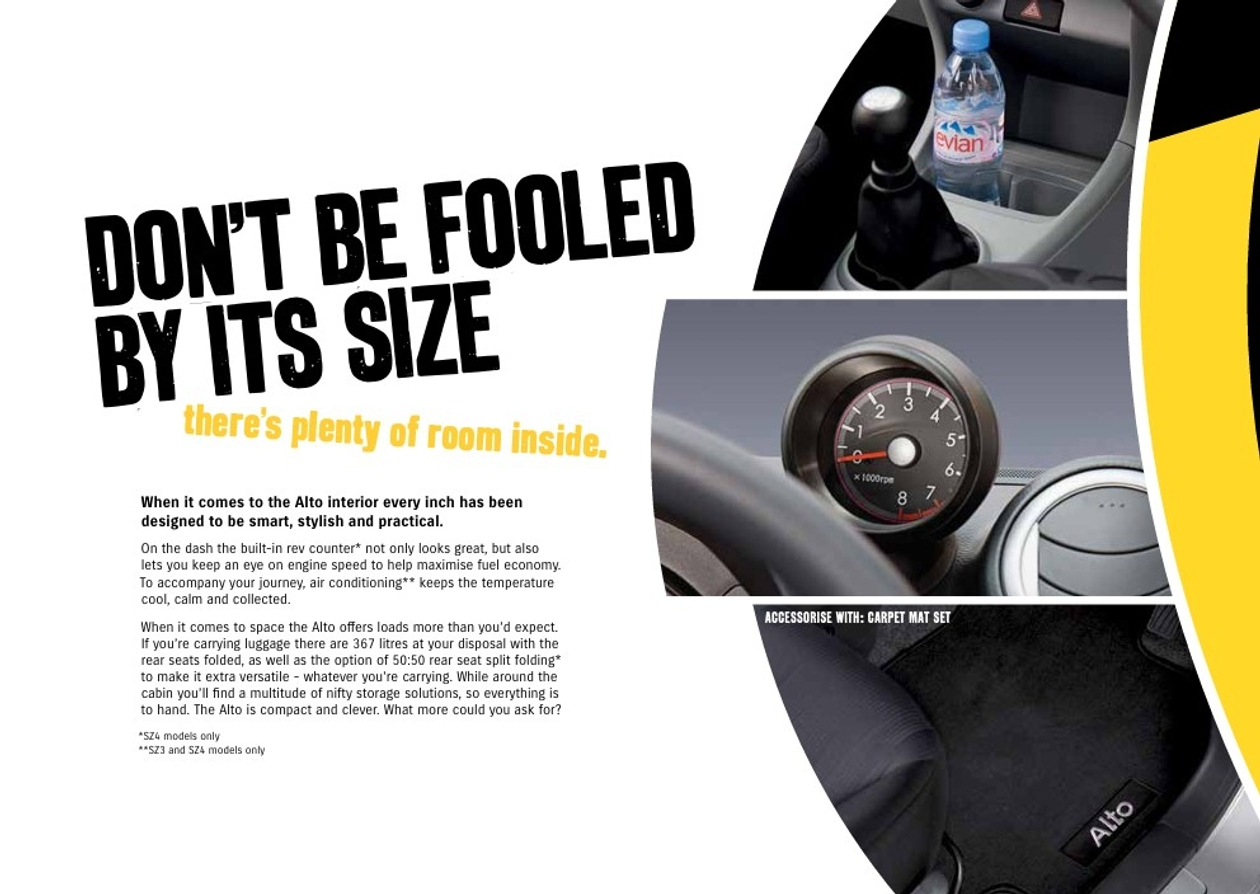
Under the hood sat the K10B 996cc three-cylinder engine, putting out around 67 to 68 PS and 90 Nm of torque, mated to either a five-speed manual or a four-speed automatic transmission. Measuring just 3.5 metres long with a 2,360 mm wheelbase, it slotted effortlessly into the tightest parking bays. The automatic variant even featured a gated gear shifter akin to the Swift, lending it a subtle touch of family identity.
For the Malaysian market, the Alto came in three trims: the manual GA at RM44,888, the automatic GLX at RM49,888 (which added ABS and EBD), and the range-topping GXS at RM54,888, which bundled in window tint, leather upholstery, door visors, and a full bodykit. All were CBU imports from India, backed by a 3-year or 100,000 km warranty.
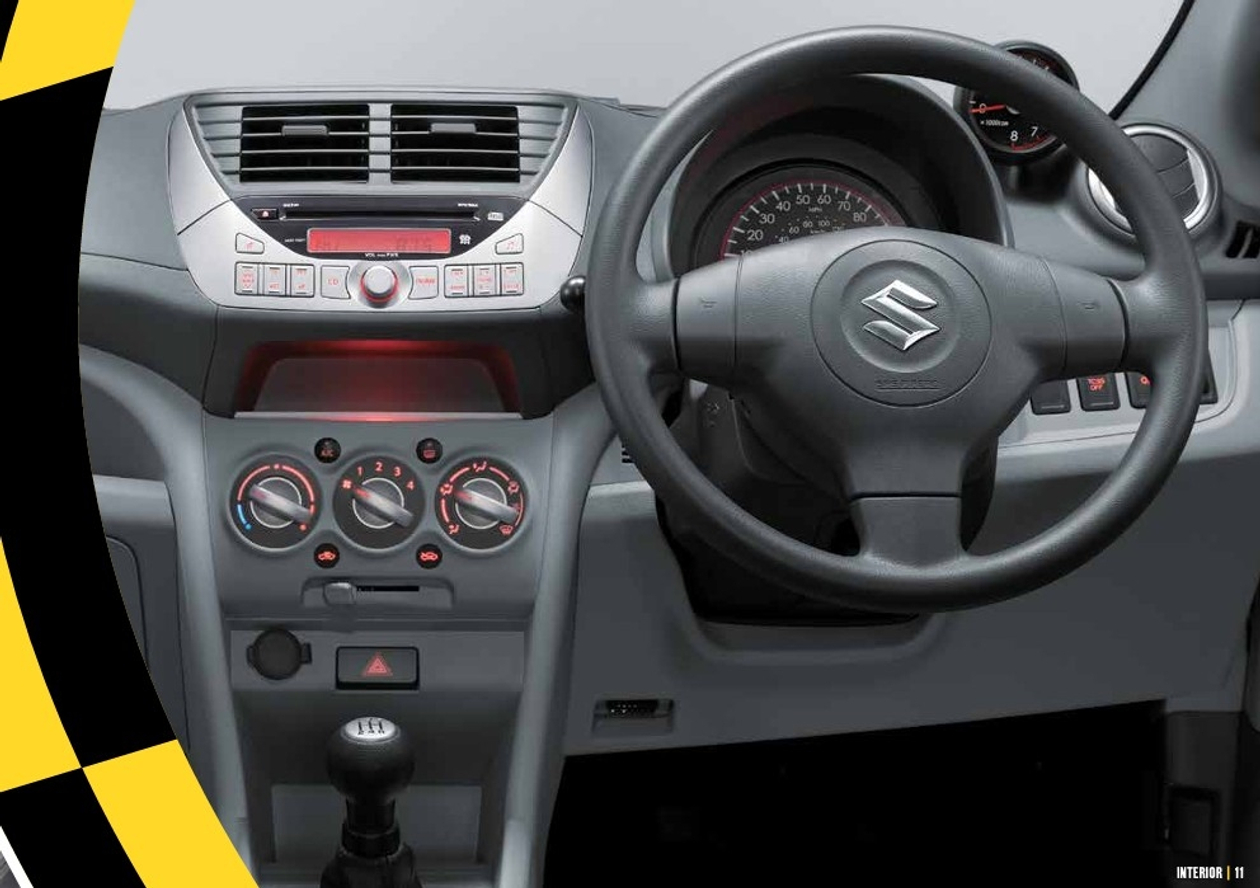
Signs of cost-cutting were hard to miss. You had manual wind-up rear windows, manual side mirrors, and only two seatbelts in the rear, officially designating it as a four-seater. Going head-to-head against the Viva, Savvy, Hyundai i10, and Kia Picanto, its primary sales pitch to local buyers was straightforward: for around RM50,000, you could drive home a Japanese badge.
How did the market receive it? According to JPJ registration data, the Alto peaked in 2011 with 976 units, while its best single month was March 2012 with 153 units. From its initial registration in July 2010 to date, only 2,783 units were registered nationwide, with White being the most popular shade at 27.2%. By comparison, the Swift moved over 40,000 units locally, chalking up 6,299 units in 2012 alone. Stacked against its sibling, the Alto remained a niche player.
To put the Alto’s uphill battle into context, one must recognise who ruled the local compact car segment: Perodua. Long before the Alto arrived, the Kancil served as the default first car for generations of Malaysians; JPJ figures show an astounding 73,958 units registered in 2001 alone, trailing only behind the Proton Wira. The mantle was later passed to the Viva; essentially, Perodua wrote the playbook on budget motoring in Malaysia.
The Alto occupied a peculiar pricing niche. It was undeniably dearer than national entry-level hatches, yet considerably more accessible than mainstream Japanese models. To a select few, the extra premium was justified simply for the prestige of not driving a national car. In online forums back then, netizen discussions even highlighted that hire purchase financing for a CBU import sometimes commanded lower interest rates than local makes.
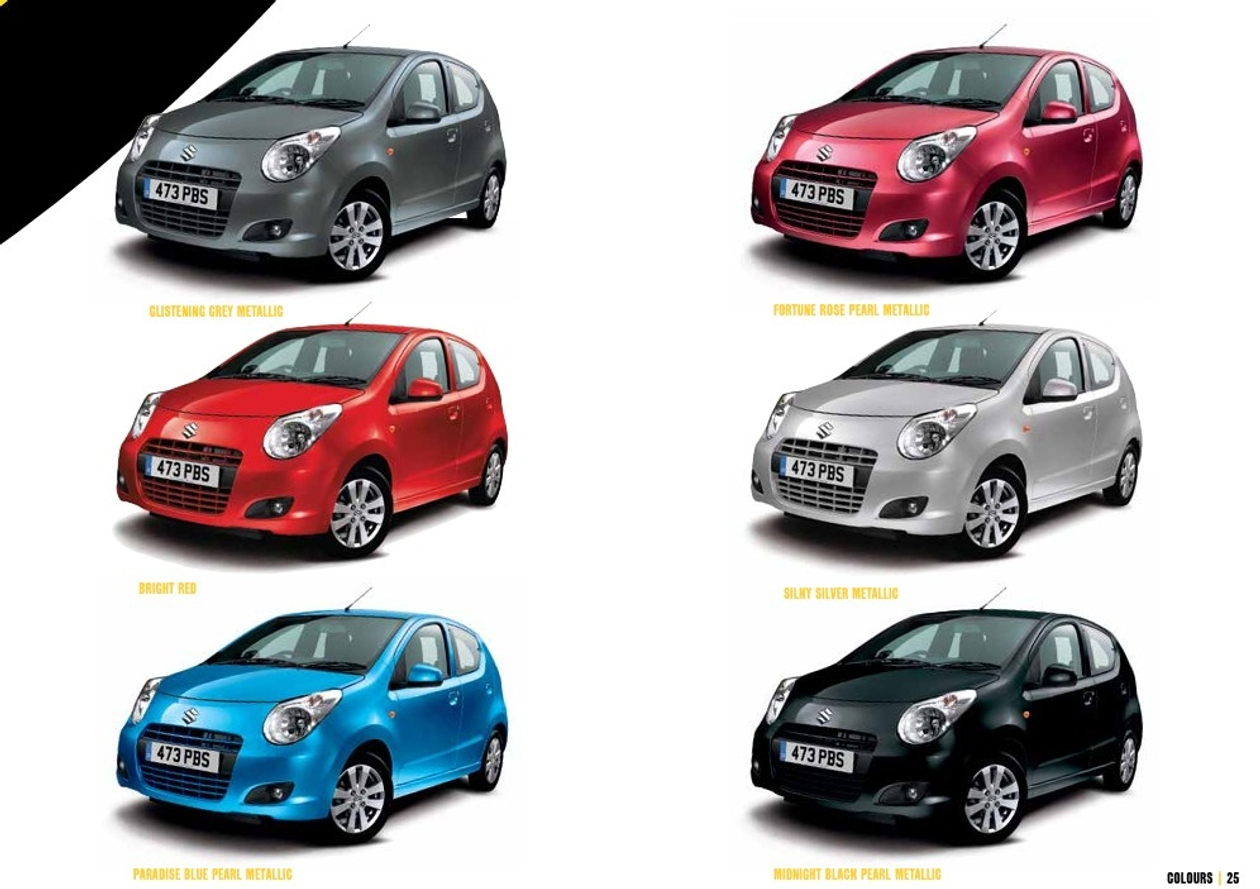
The harsh reality, however, was that in a market geared towards protecting national makes, an imported model trying to wage a price war against local stalwarts was an unfair fight from day one. Decent equipment and real-world fuel economy aside, its CBU status put it at an immediate tax disadvantage compared to CKD national offerings. When Perodua introduced the Axia in 2014, the contest was effectively put to bed.
Sales had already tapered off significantly after 2011, but the final curtain was eventually drawn in the boardroom. On 15 June 2015, Suzuki entered into an MOU and licensing agreement with Proton and DRB-HICOM, leading to the brand ceasing vehicle sales under its own network in Malaysia. By January 2016, all 29 Suzuki showrooms were converted into Proton Edar outlets, yielding the rebadged Proton Ertiga as the joint venture's only fruit. Once Proton allied with Geely, the collaboration quietly faded away.
When Suzuki officially staged a comeback in 2021, distributorship had moved to Naza Eastern Motors, spearheading the brand's revival with the Jimny and Swift Sport. As for the Alto? The model sold in Japan has since reverted to a strict 660cc Kei car platform; gaining local UNECE Vehicle Type Approval (VTA) would be an onerous hurdle, making an official local comeback highly improbable.
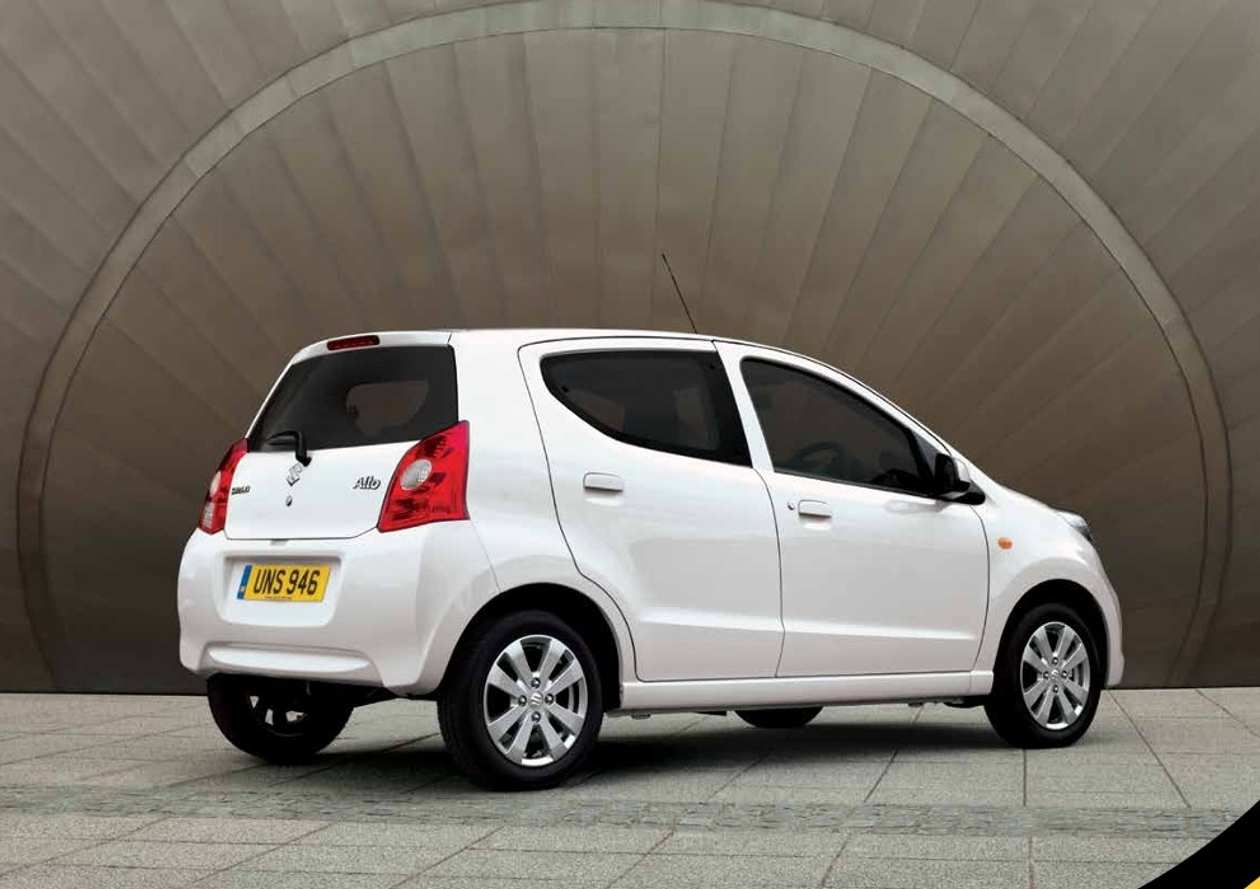
Interestingly, JPJ records continue to show sporadic new Alto registrations well into 2026. These aren't the Indian-built units of old, but rather imported recon Kei cars brought in directly from Japan. One nameplate, two vastly different destinies in Malaysia.
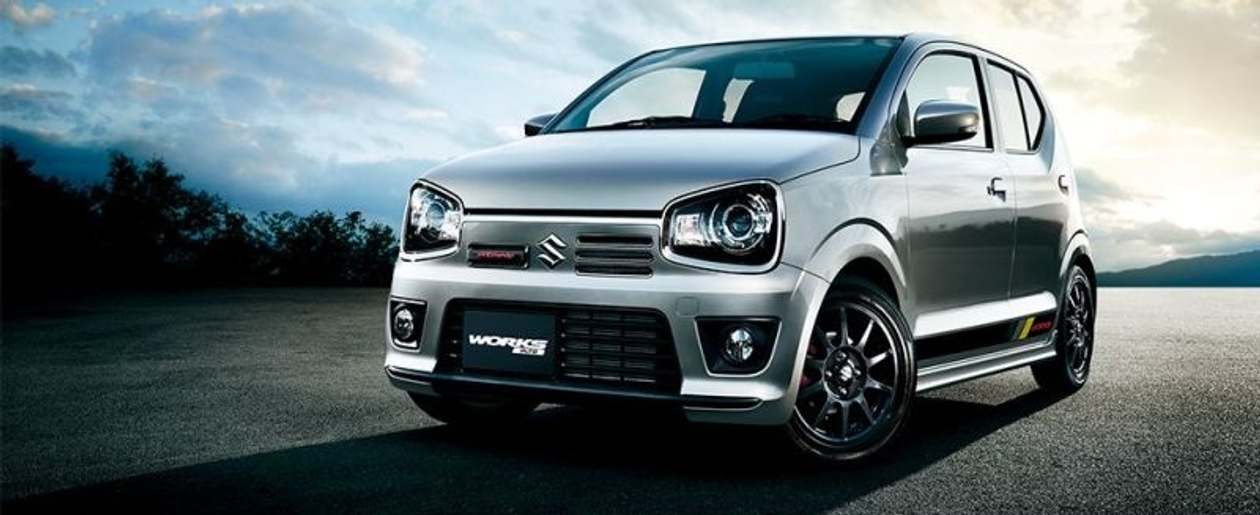
Most eighth-generation Suzuki Alto models brought in via the recon market are the Works-tuned special editions, commanding a loyal cult following among local Kei car enthusiasts. From what we understand, it currently takes around RM70,000 to RM80,000 to get behind the wheel of this pocket rocket.
So, what is the Alto—originally priced from RM44,888—worth on the used car market today? As of September 2026, listings show just 11 units up for grabs nationwide, with asking prices hovering between RM5,000 and RM10,800, averaging around RM7,800. A 2011 GLX automatic with 140,000 km on the clock can be yours for RM7,888.
At just over RM7,000, you're paying about the price of a decent kapcai or scooter. For fresh graduates needing basic daily transport or families looking for a spare runabout to go to the pasar, the value proposition is hard to ignore. Still, buyers must exercise caution: distributorship has shifted hands, and the current distributor only caters to new-generation line-ups, meaning spare parts will have to be sourced through independent workshops and specialist mechanics.
Looking back, if you had RM50,000 in your pocket back in the day, would you have opted for an Indian-built Japanese hatch, or would you have settled for the significantly cheaper Viva? Did anyone in your circle ever own an Alto? Share your thoughts with us in the comments below.
As for this writer’s family? Back then, they opted for something even more left-field: the Proton Savvy.

Your go-to source for all things automotive in Malaysia. 🚗 Latest reviews, breaking news, launches & industry trends.
+ Follow Zeekr Lounge X Park Sunway Serene is now live, and owners can enjoy lounge access 24/7!
There'll even be sales advisors on standby if you're looking to update ;)
#zeekr 1 day ago
 70,000 wire harness types and China breathing down their neck 😅🇯🇵
Japanese brands are finally teaming up on basic parts to save cash for next-gen cars.
Tap in 👇 1 day ago
 Yangwang U8 and U9 otw to Malaysia? 👀🔥 BYD Malaysia posted dancing cars on track—not local footage, so is a launch imminent?
Tap in 👇 1 day ago
Get the latest car news first!
Your go-to source for all things automotive in Malaysia. 🚗 Latest reviews, breaking news, launches & industry trends.
Zeekr Lounge X Park Sunway Serene is now live, and owners can enjoy lounge access 24/7!
There'll even be sales advisors on standby if you're looking to update ;)
#zeekr 1 day ago 70,000 wire harness types and China breathing down their neck 😅🇯🇵
Japanese brands are finally teaming up on basic parts to save cash for next-gen cars.
Tap in 👇 1 day ago Yangwang U8 and U9 otw to Malaysia? 👀🔥 BYD Malaysia posted dancing cars on track—not local footage, so is a launch imminent?
Tap in 👇 1 day ago 
© 2024 Bitauto.com. All Rights Reserved.
Bitauto (www.yiche.com and www.bitauto.com) is one of the most visited automotive websites in China. We provide detailed info on Chinese car brands available in your area. Please note that the information provided on this website is based on publicly available data and is for reference only. It may not be fully updated or accurate at all times.

Help us improve our website


