Last time, we talked about how the Hyundai Elantra, riding on its wind-sculpted Fluidic Sculpture during the peak of the Korean Wave, made many people seriously consider buying a Korean car for the very first time. Yet within the same automotive group, another brand was fighting the same battle in our country with a completely different playbook.
That was Kia.
On the evening of 25 November 2009, Naza Kia launched a C-segment sedan at Pavilion Kuala Lumpur: the Kia Forte. However, what most people saw on the road back then did not bear the Kia emblem on the front and rear, but rather the Naza badge. Just as the Elantra adopted an Inokom identity card, the Forte also had its own local name in our country: the Naza Forte.
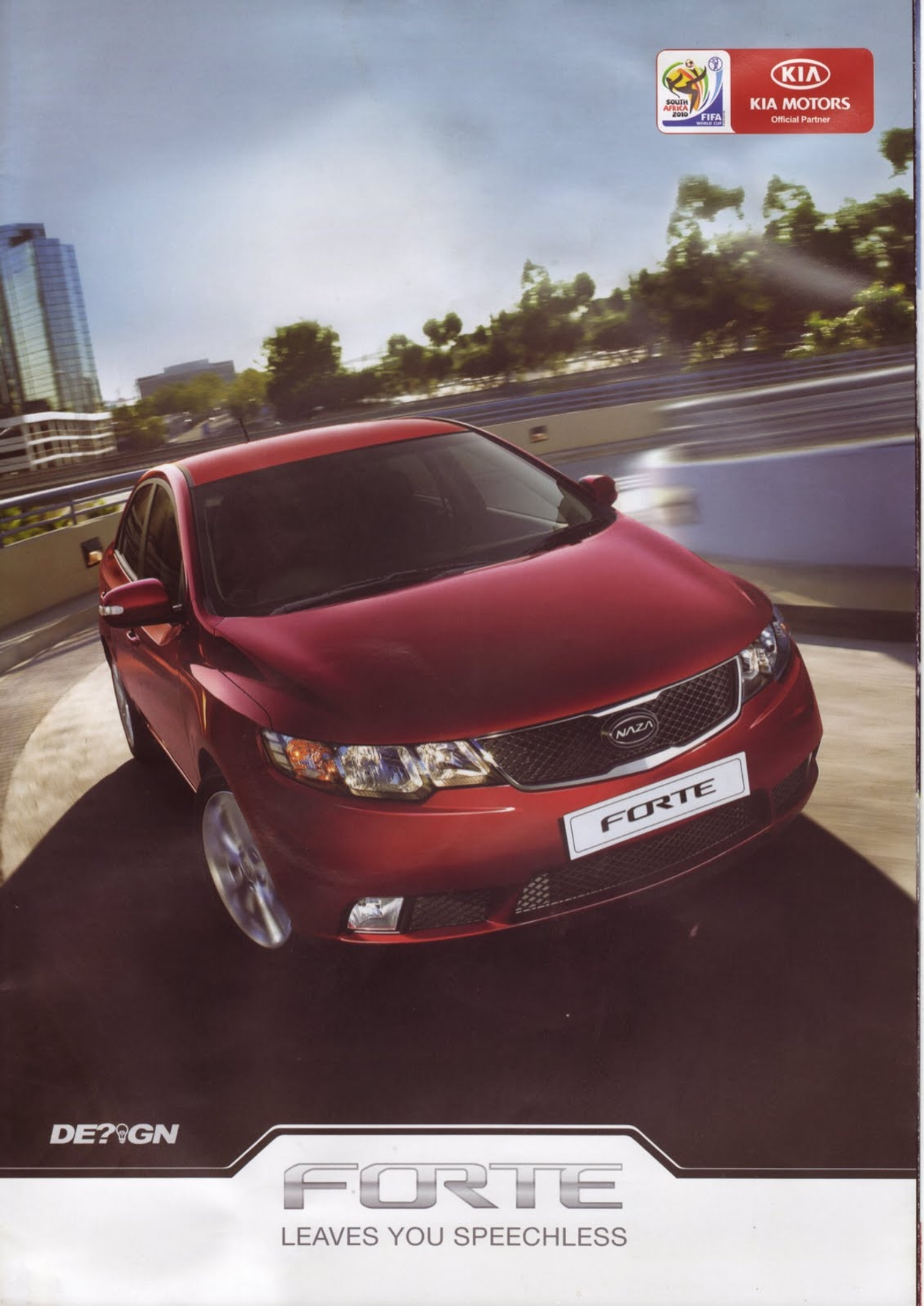
What is fascinating is the performance of the two sisters. According to open registration data from the JPJ, a total of 21,914 units of the Naza Forte were registered in our country, along with another 701 units registered under the Kia badge, combining for roughly 22,600 units; meanwhile, registrations under the Elantra's two names totaled 23,227 units. Two brands, two design philosophies, yet their final sales figures were practically identical.
This story is about that sister car to the Elantra, the one that charged into our country with the Tiger Nose grille at an even more affordable price: the Kia Forte.
To talk about the Forte, one must first talk about a German.
In 2006, Kia poached designer Peter Schreyer from Audi to serve as its Chief Design Officer. At that time, in the eyes of many, Kia was still synonymous with "cheap, practical, and devoid of character." What Schreyer wanted most was to give Kia a face recognizable at a single glance. In his own words: “It was always my goal to really create an identity.”
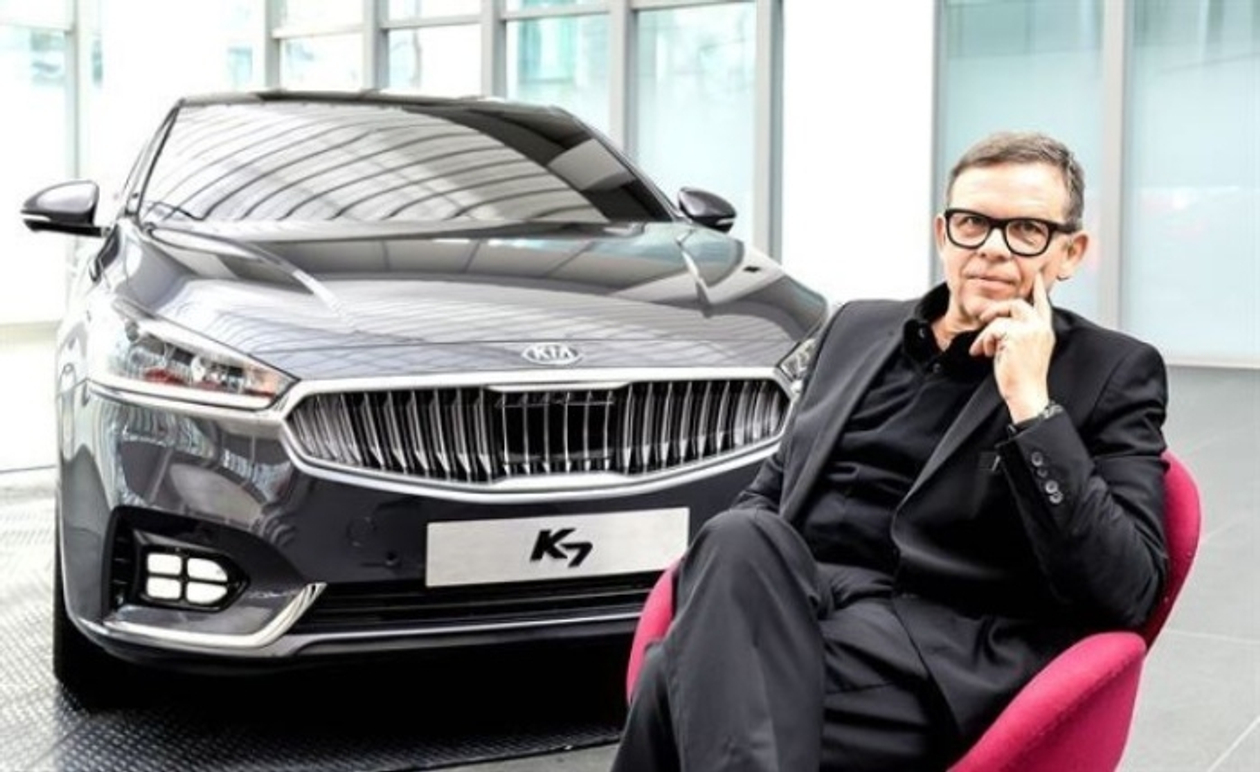
In 2007, Kia unveiled the Kee sports coupe concept at the Frankfurt Motor Show. Its front grille, pinched in the middle and resembling a tiger's nose, became the "Tiger Nose" later worn across the entire Kia model lineup.
Peter Schreyer introduces Forte design
A year later, on 22 August 2008, the Forte officially went on sale in South Korea. Penned by Kia's design studio in California, USA, it was one of Schreyer's early creations after taking the helm of the design department. Kia's goal at the time was clear: capture the hearts of younger buyers with sharper styling.
Remember what was mentioned last time? Schreyer himself once said that Kia takes an "architectural" approach, whereas Hyundai takes a "sculptural" one. If you park the Elantra and Forte side by side, you will immediately understand his point: one is full of flowing curves, the other defined by sharp, angular lines.
As it turned out, this path was the right one. In 2011, the Forte sold 76,294 units in the United States and a staggering 128,278 units in China; the 2010 model-year Forte also earned the Top Safety Pick accolade from the Insurance Institute for Highway Safety (IIHS) in the United States.
In fact, as early as May 2009, someone photographed the unlaunched Forte undergoing road tests on the streets of Shah Alam. Six months later, Naza Kia officially launched the car, offering three variants: the 1.6 EX priced at RM75,800, the 1.6 SX at RM81,800, and the range-topping 2.0 SX at RM93,800, all OTR prices.
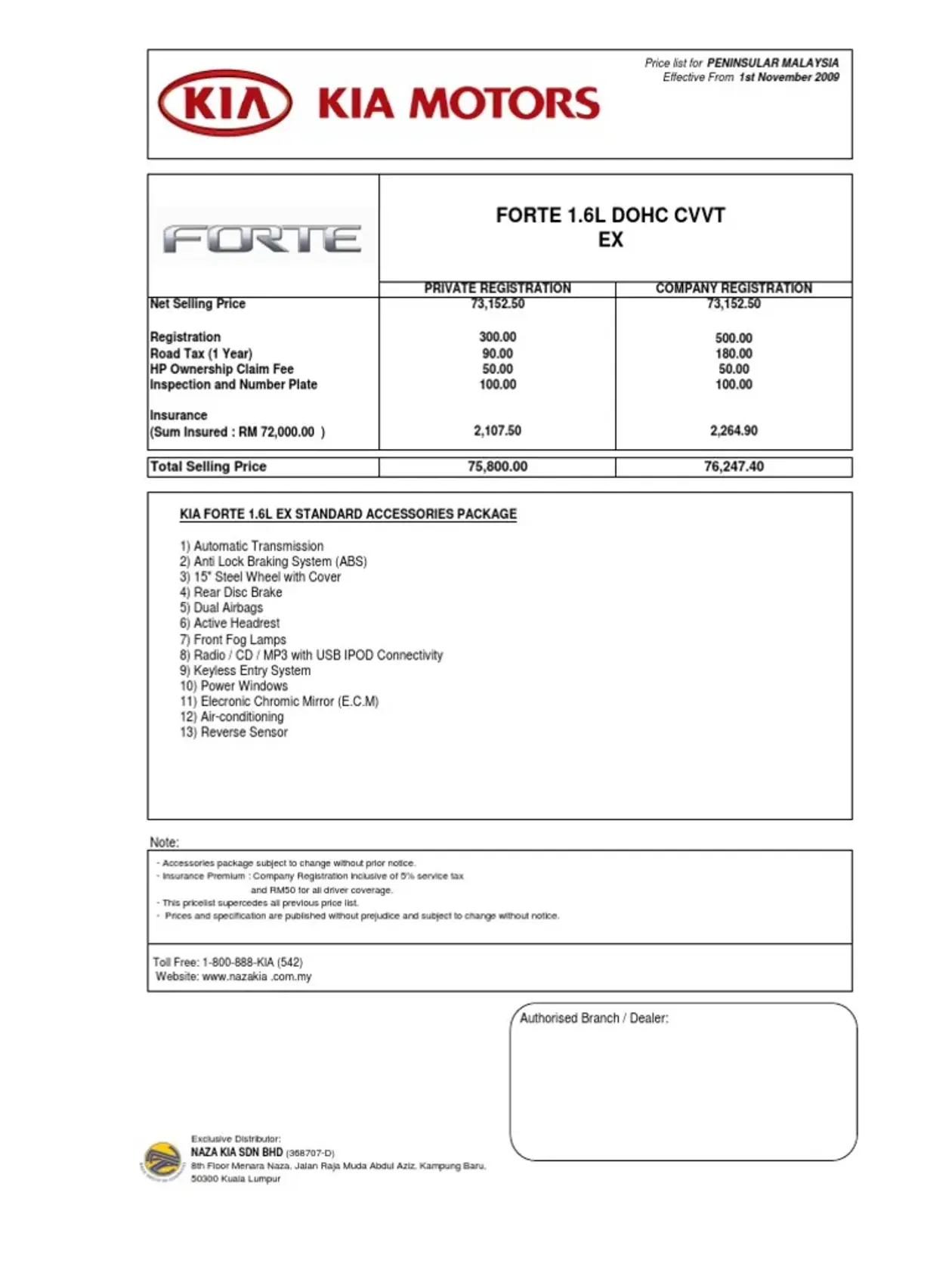
The 1.6 variants were powered by the Gamma engine producing 126 PS and 157 Nm; the 2.0 variant delivered 156 PS and 194 Nm. Equipment was its biggest selling point: the 2.0 SX came with six airbags, ABS, Electronic Stability Program, Keyless entry with push-start button, leather seats, 17-inch alloy rims, and automatic climate control.
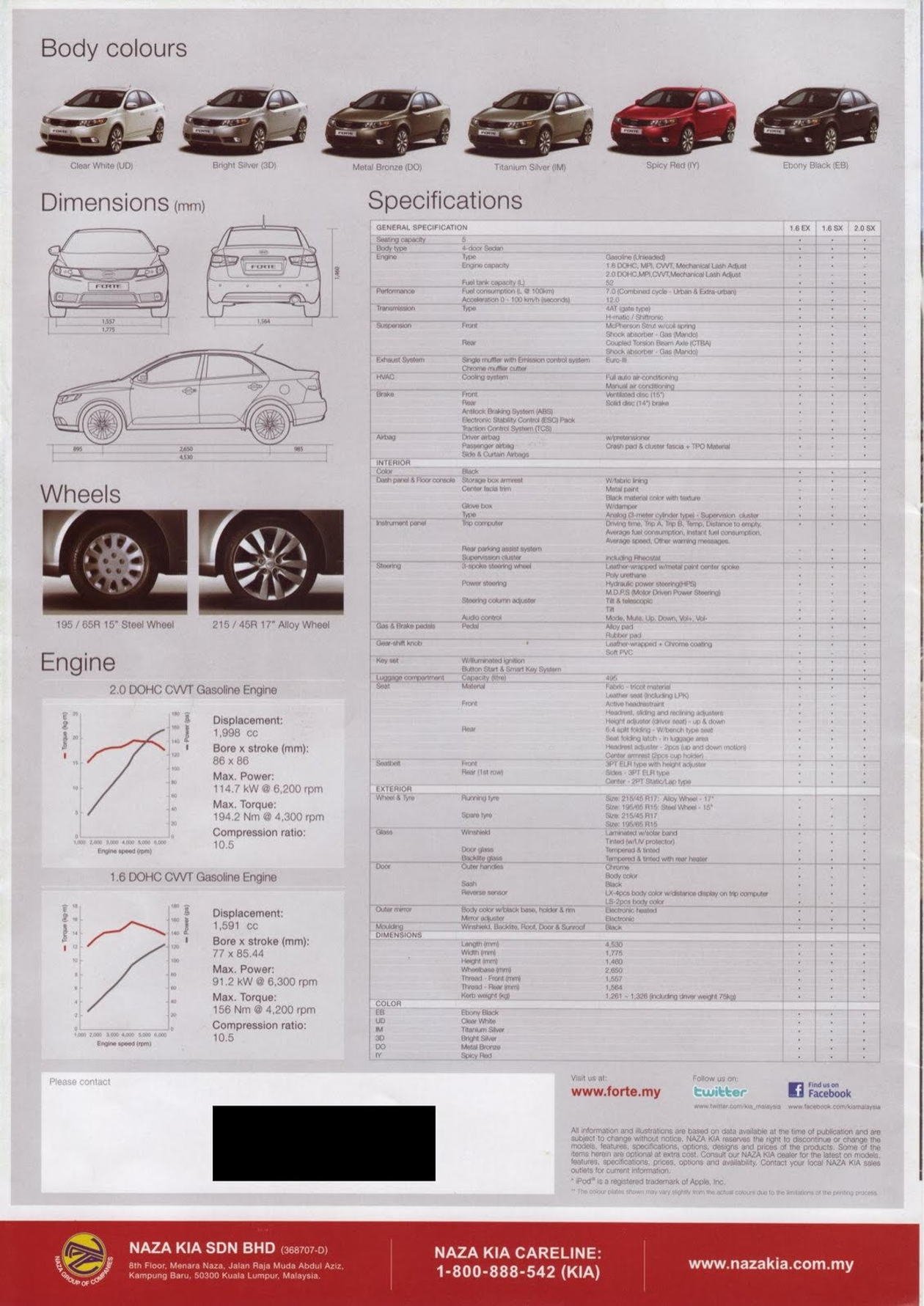
Even more interesting were its competitors. The vehicles matched against it in contemporary reports happened to be its corporate siblings: the fourth-generation Hyundai Elantra was already priced at RM95,301.80 before OTR, while the Hyundai i30 ranged between RM92,388 and RM112,888. In other words, the priciest Forte 2.0 SX was still cheaper than its sister, the Elantra, while offering equal if not superior equipment. No wonder reports at the time directly hailed it as "amazing value for money."
Naturally, netizens back then were not without reservations. The most common worries in the comment sections revolved around resale value, aftersales service, spare parts pricing, and warranty duration, while many voiced strong dissatisfaction with that Naza emblem.
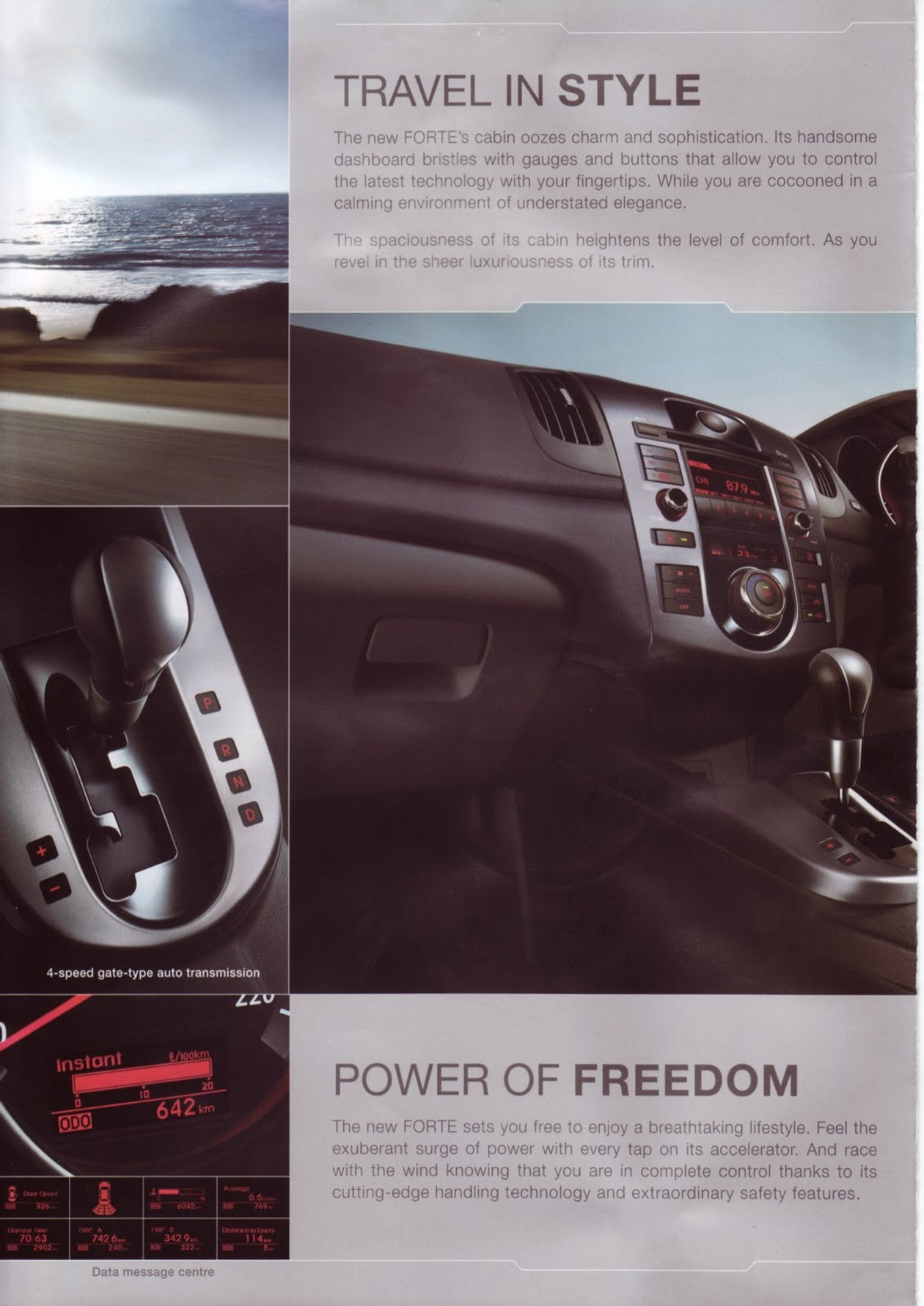
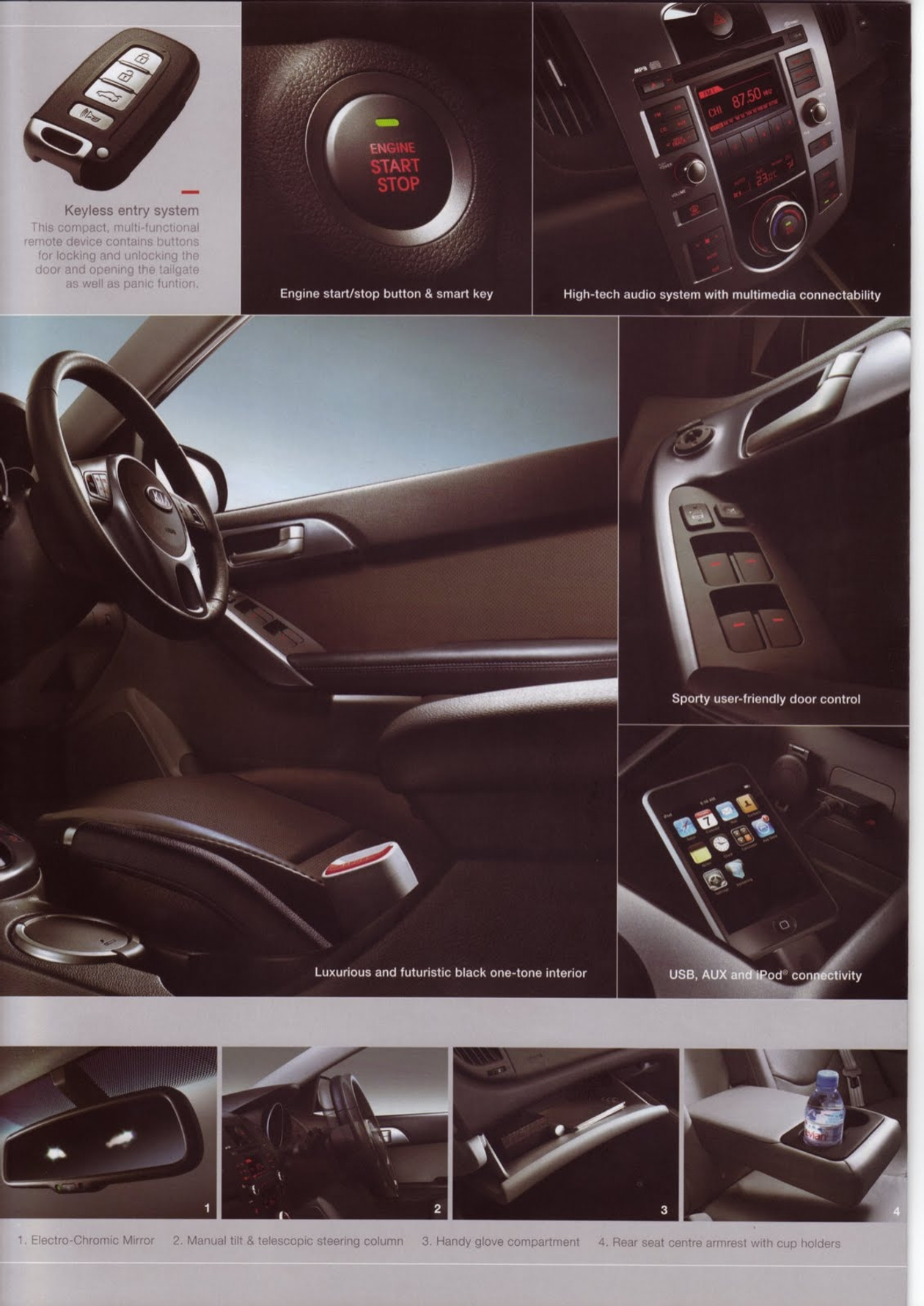
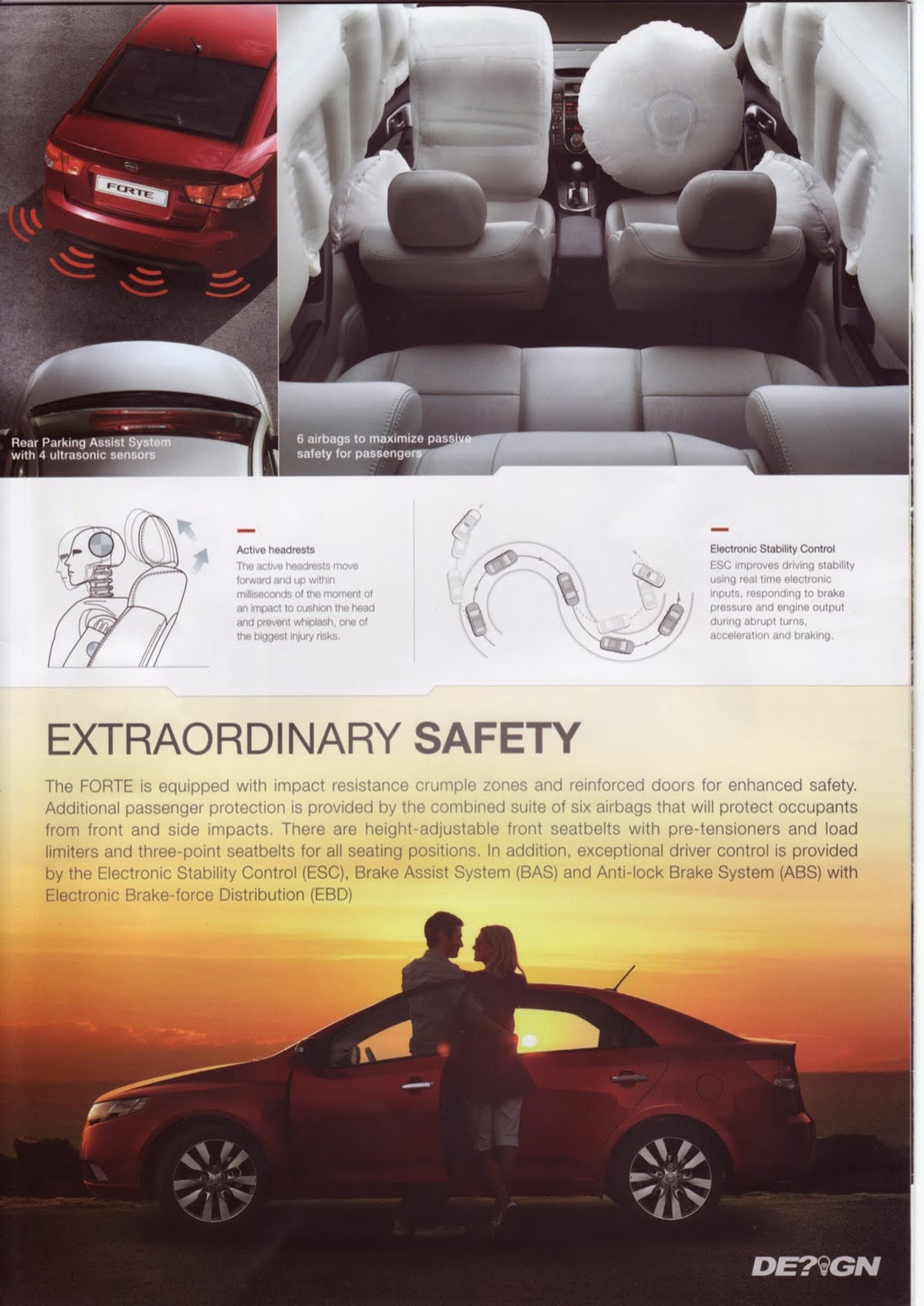
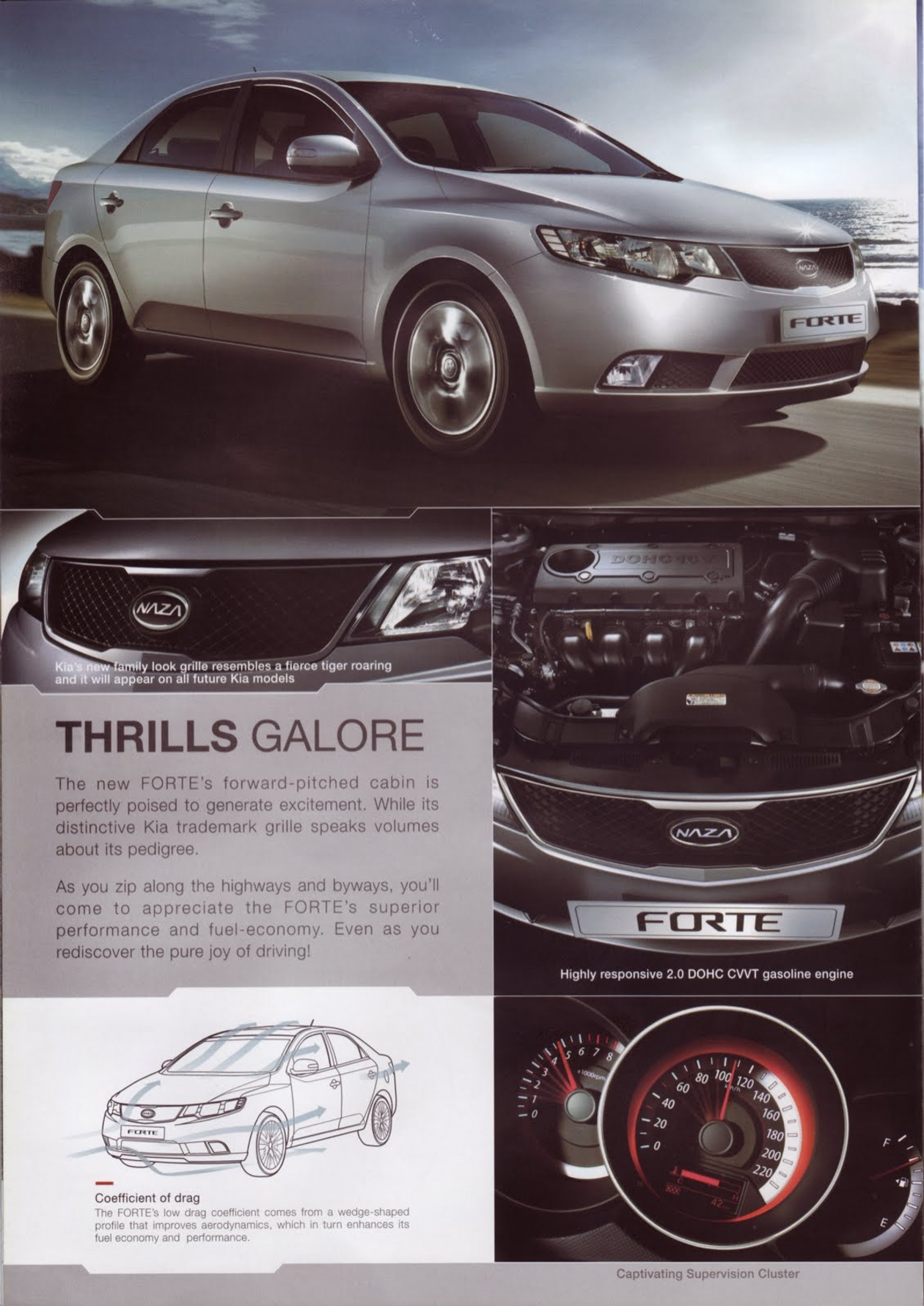
In March 2011, the Forte received an update that replaced the original 4-speed automatic with a 6-speed automatic, adding steering wheel paddle shifters, a reverse camera, and side mirror LED turn signals, while the entry-level EX variant finally ditched steel rims for alloys. Pricing was adjusted to RM78,800, RM85,800, and RM97,800. By 2012, the Naza Forte recorded 6,685 sales in a single year, peaking at 686 units in May—its finest year in our country. The most popular color was white, accounting for 44.5% of sales.
If the Forte sedan was meant for daily commuters, then the Forte Koup was crafted for young drivers craving a touch of individuality.
The name Koup, of course, was simply an alternative spelling of Coupe. Its concept car had already debuted at the New York Auto Show back in March 2008, fitted with a twin-scroll turbocharged 2.0-litre engine at the time.
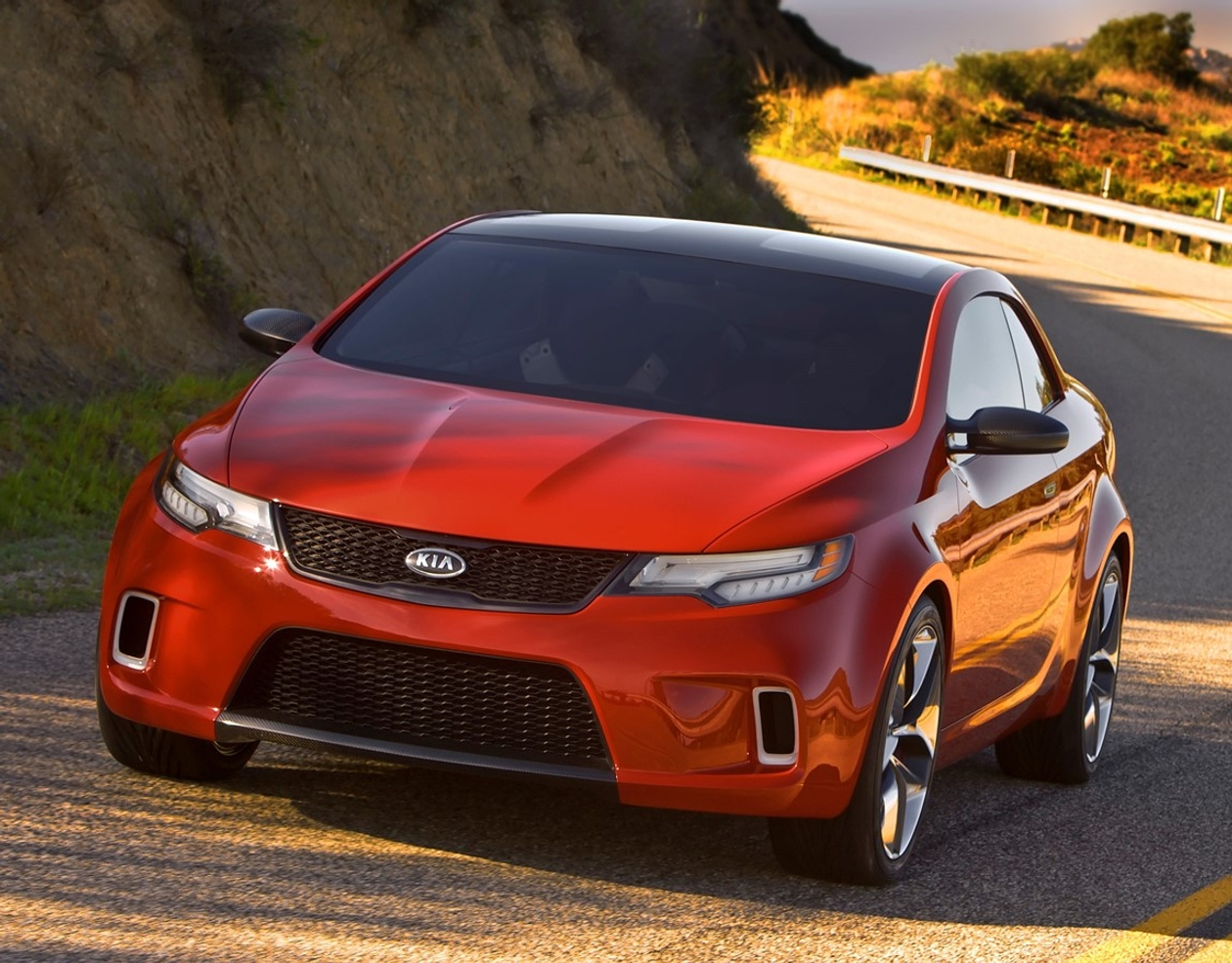
Back then, this concept car's design captivated many
On 3 March 2011, Naza Kia officially brought the Forte Koup into our country at its 3S centre in Glenmarie. This time it was fully imported (CBU), available in a single variant: a 2.0-litre Theta II engine with 156 PS and 194 Nm, paired with a 6-speed automatic transmission and steering wheel paddle shifters, achieving 0-100 km/h in 10.5 seconds. That is right—the turbocharger seen on the concept car did not make the journey to our country.
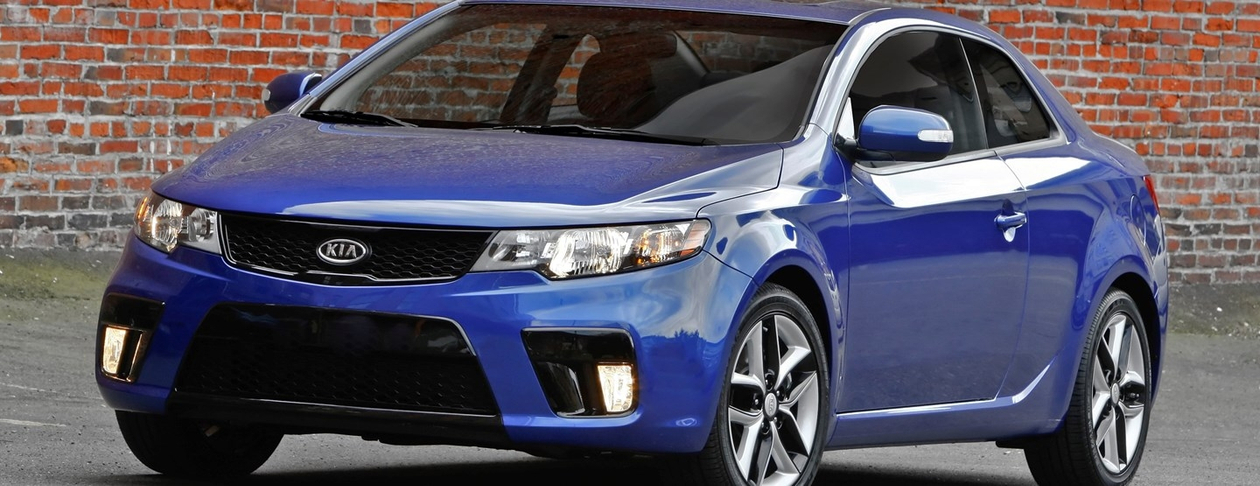
The good news :essence of the concept car's exterior was largely retained.
The bad news : it was all show and little go.
Yet what it was selling was never sheer performance, but pure personality. Leather bucket seats, an electric sunroof, cruise control, 17-inch alloy rims, and even audio speaker surrounds with ambient LED lighting. In terms of colors, alongside red, white, and black, there were vibrant choices like Sweet Orange and Santorini Blue that sounded youthful right off the bat.
The Forte Koup was priced at RM115,800 (OTR with insurance). In that era, options for buying a two-door coupe around RM110,000 to RM120,000 were remarkably scarce. For many young buyers who yearned for a two-door car but could not afford European models, the Koup was a very realistic dream.
The spirit of the Forte Koup was later passed on. In 2015, its successor, the Cerato Koup, finally arrived in our country equipped with a 1.6-litre turbo engine, estimated at around RM150,000 at the time. That turbocharger from the concept car took seven long years to truly become reality.
What is the worst nightmare for a car sold in a tropical country? Weak air-conditioning.
Among owners, the Forte's air-conditioning was an unavoidable topic. As early as 2013, an owner reported on an owners' club forum that a month-old 1.6 SX would blow warm air when switched to recirculation mode, taking about 20 minutes and only cooling down at specific driving speeds. The owner took the car back to the dealership, where technicians inspected the compressor, cooling fan, and refrigerant, but could find no issues whatsoever.
Suggestions on the forum were diverse: some suggested the automatic mode was toggling between fresh air and recirculation on its own, some suspected issues with the blower motor or wiring connectors, while others recommended replacing the cabin filter with an activated carbon unit or topping up refrigerant. This "intermittent fault that vanishes upon visiting the service centre" was precisely what owners dreaded most.
For a brand already battling consumer worries over "poor aftersales and pricey spare parts," the damage from such word-of-mouth issues was often greater than the actual defect itself.
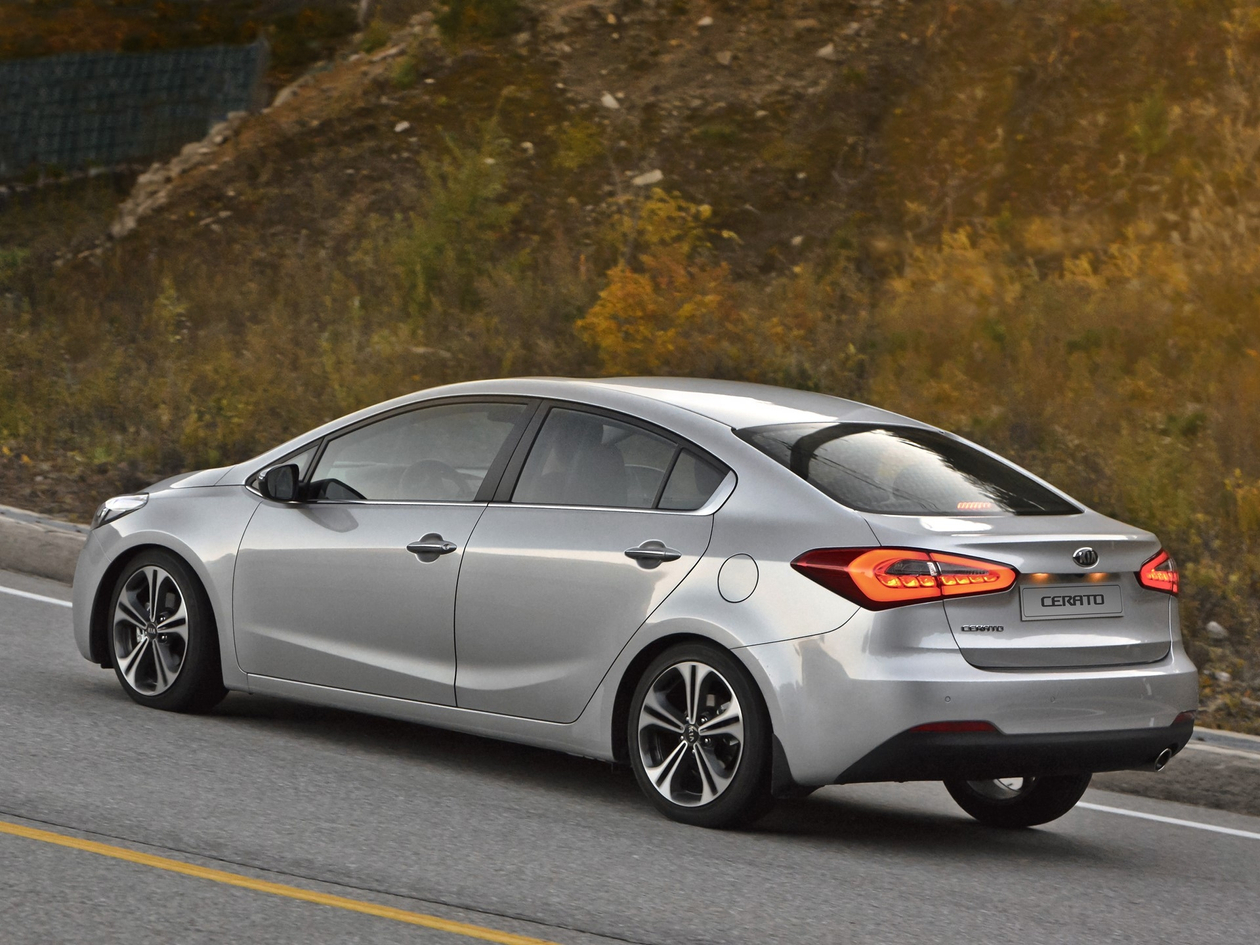
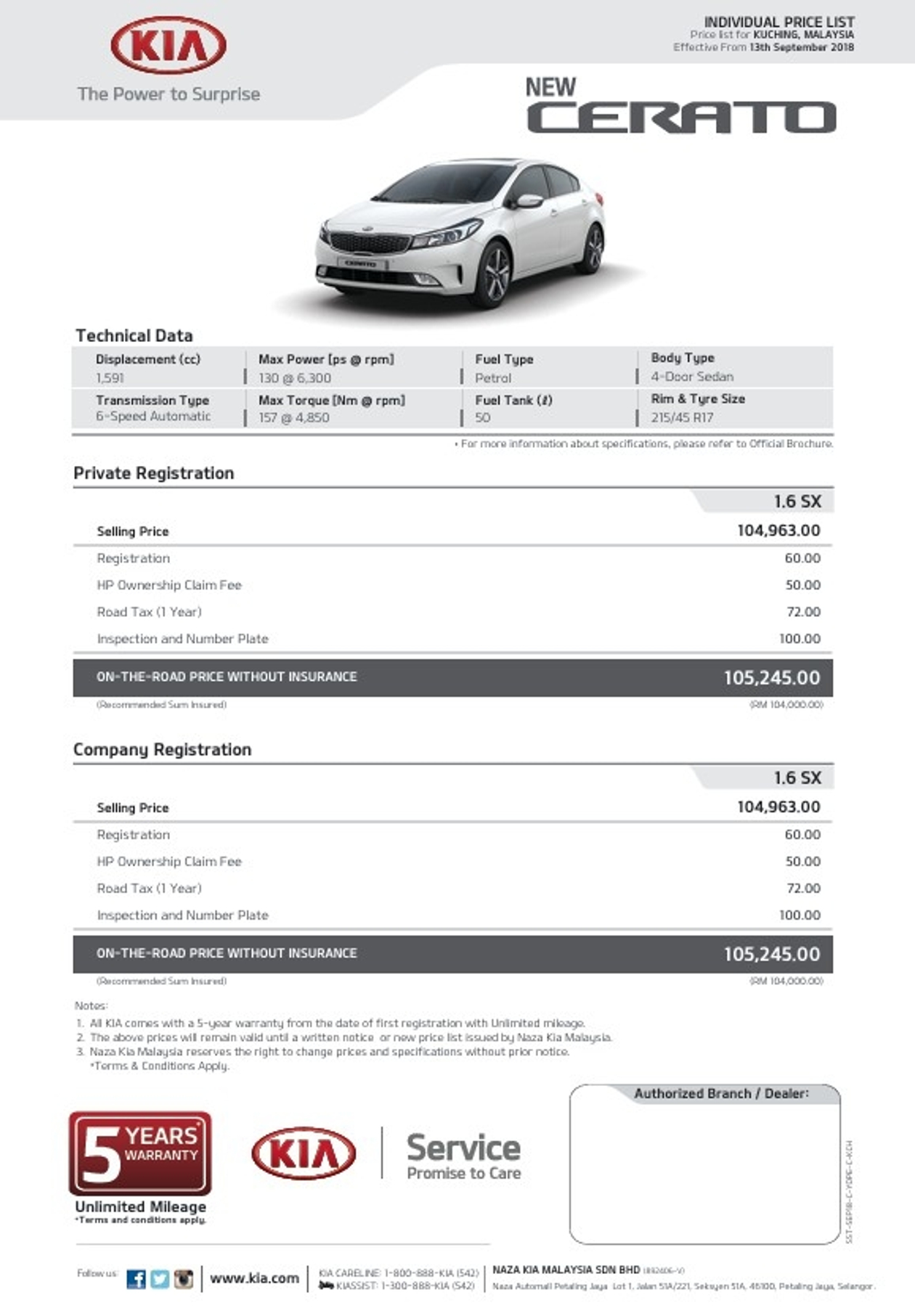
On 2 July 2013, the second-generation model went on sale in our country under the Kia Cerato nameplate, locally assembled in Gurun, Kedah. This time, the Kia badge finally sat proudly on the nose, accompanied by a standard 5-year unlimited-mileage warranty. However, pricing climbed along with it: the 1.6 variant was priced at RM99,888, while the 2.0 variant retailed for RM118,888. Rising from RM78,800 for the 1.6 EX to nearly RM100,000, that initial selling point of being "cheaper than its sister" was significantly eroded.
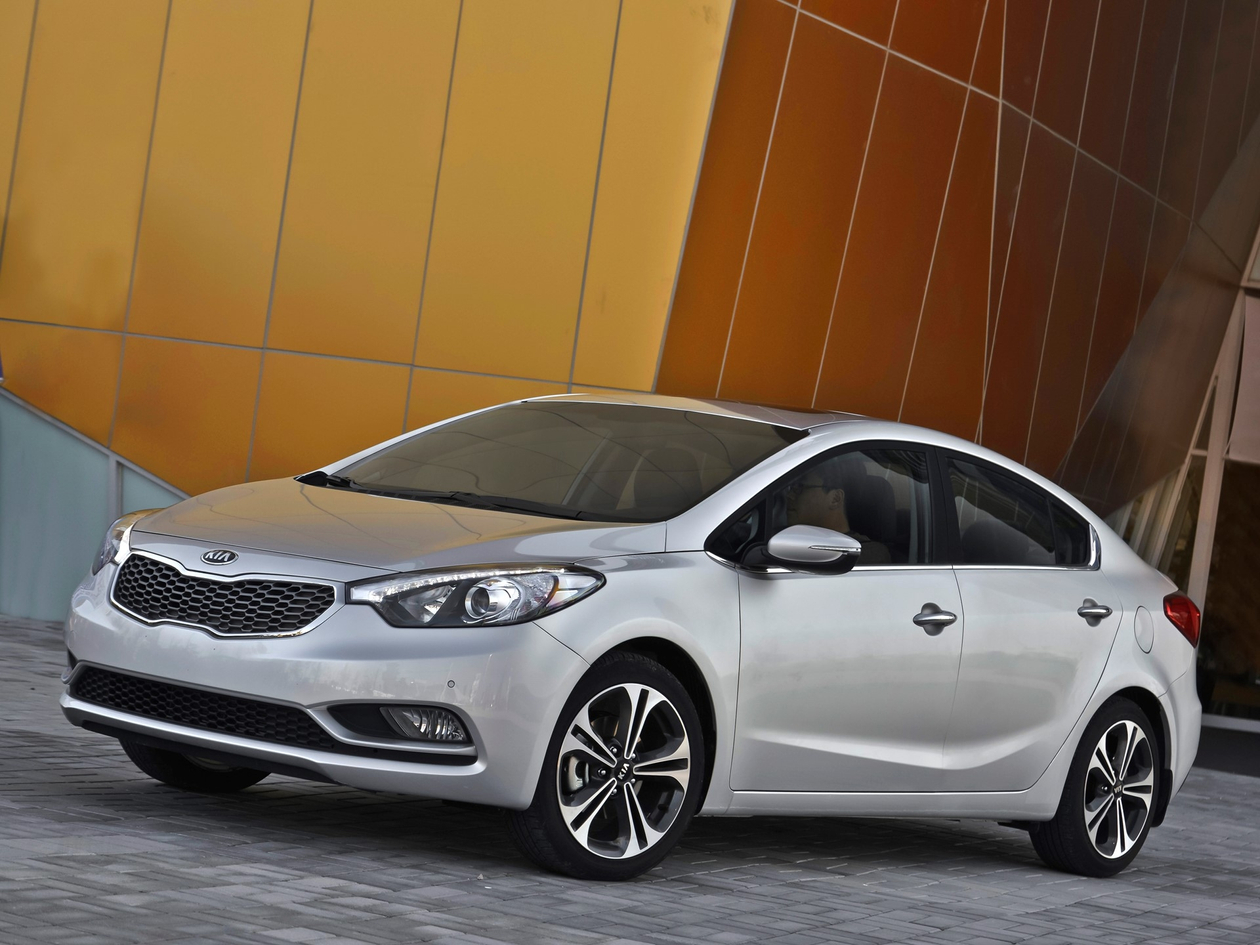
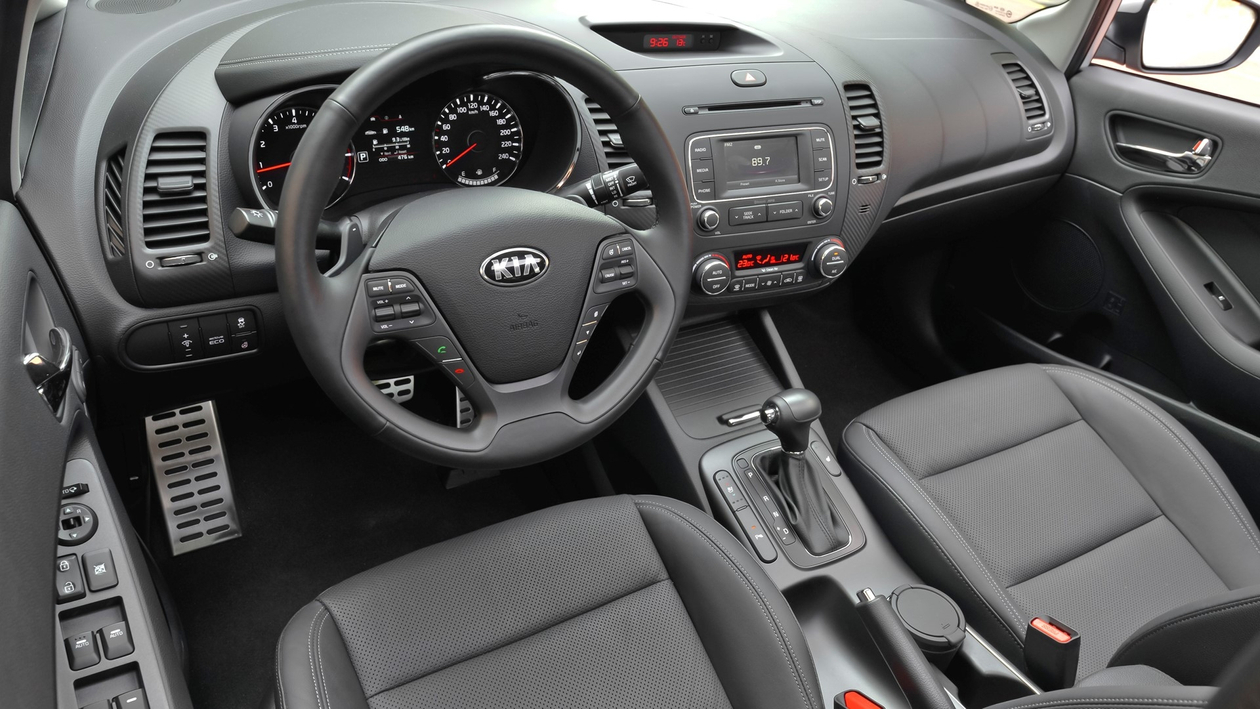
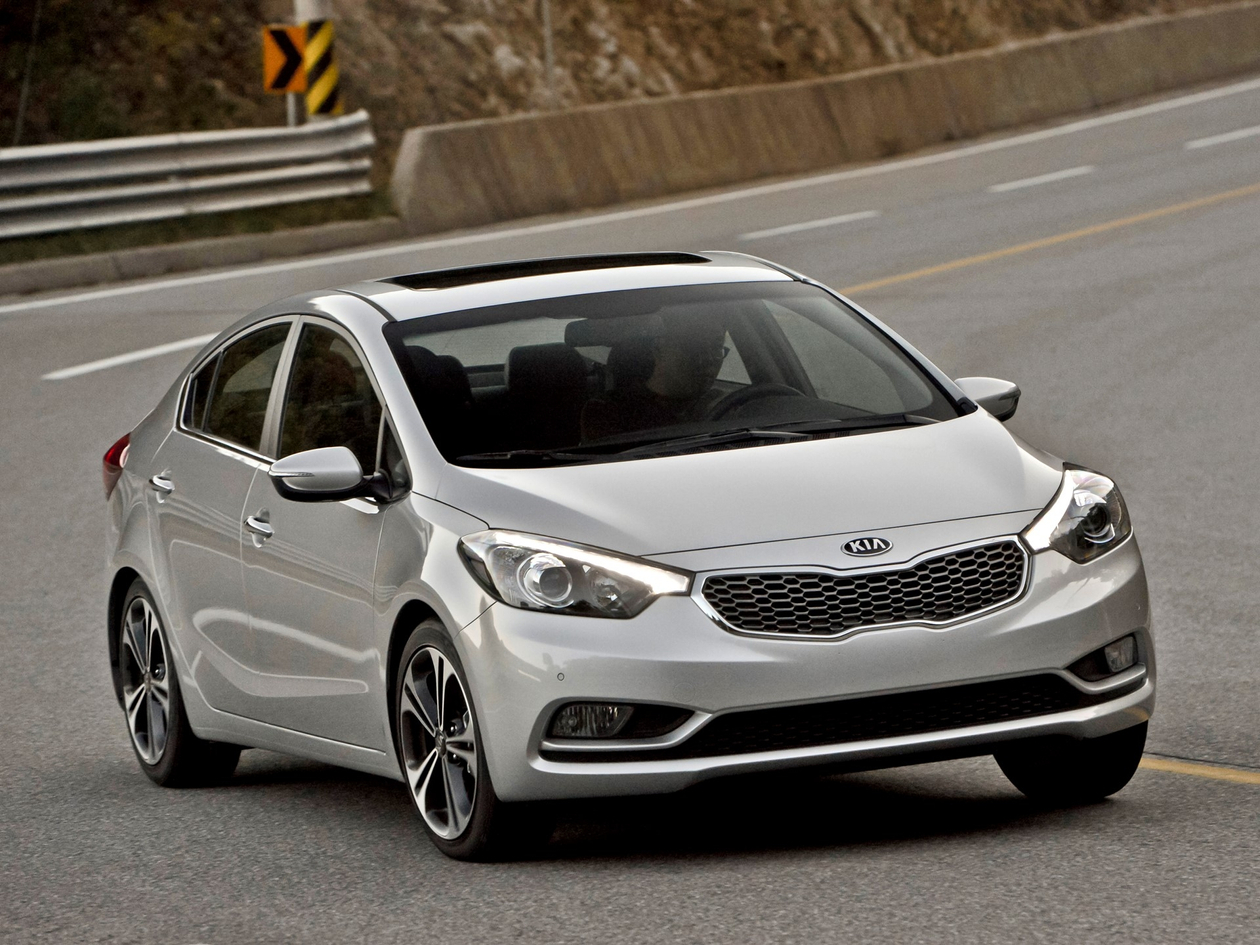
Kia Cerato K3 (YD) Pre-facelift
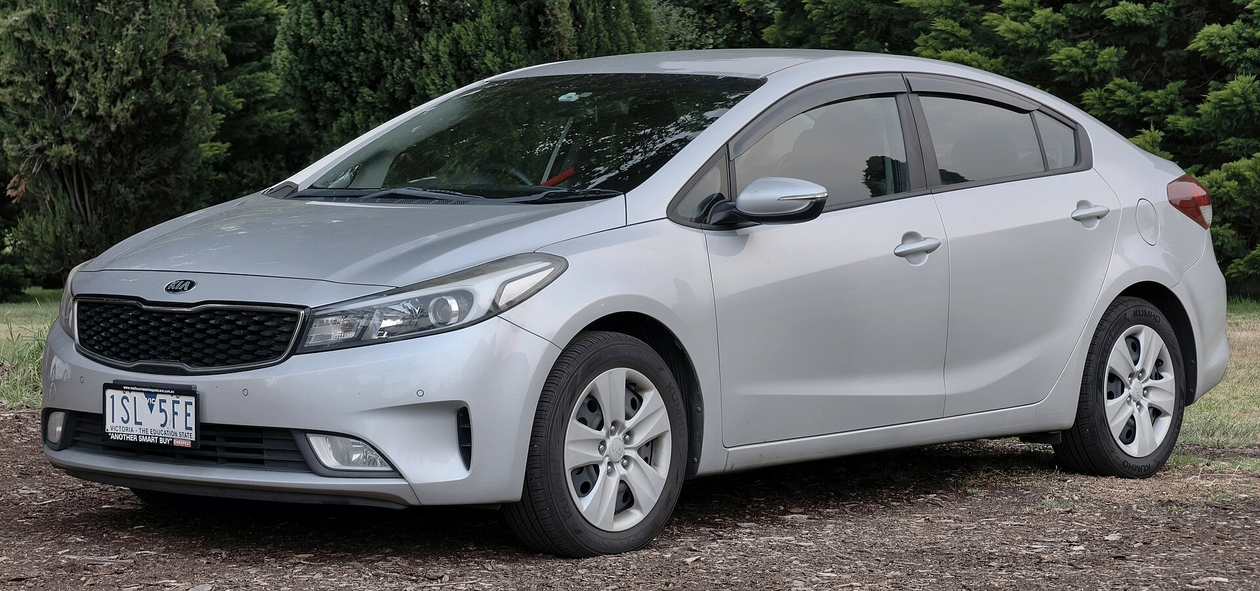
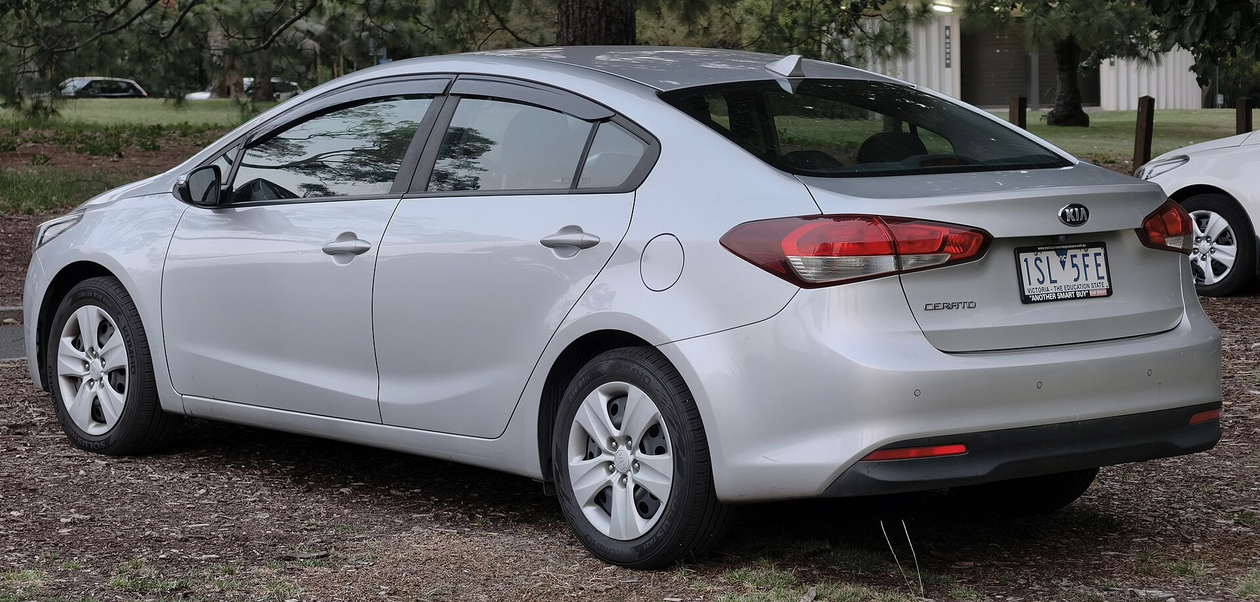
Kia Cerato K3 (YD) Facelift, also the final K3 seen in our country
The Naza Forte soldiered on in showrooms for a while longer. JPJ records show that the final brand-new Naza Forte was registered in September 2018.
Beyond the car itself, Kia's fate in our country underwent repeated reshuffling over these years. In October 2020, reports emerged that Naza Group would relinquish its distributorships for Kia and Peugeot; in 2021, Bermaz took over the distributorship and assembly of Kia in our country. By January 2026, Kia Sales Malaysia officially took over operations. That Tiger Nose, which once carried the Naza emblem, has now passed through three distributors.
The Kia Forte became a deeply generational, nostalgic model: it marked one of the starting points of the Tiger Nose era, matched the sales figures of its sister Elantra in our country at a cheaper price point, and delivered an accessible two-door coupe for around RM110,000 to RM120,000. Yet that Naza badge from back then, along with its distributor, has now been consigned to history.
In fact, it is not difficult to see that for both the Elantra and the Forte/K3/Cerato, their glory and decline shared strikingly similar origins: attractive styling designs, outstanding value for money, and constantly changing principal distributors. Whether it was the broader decline of the sedan or consumers losing faith in the distributors remains a subject of ongoing debate.

Your go-to source for all things automotive in Malaysia. 🚗 Latest reviews, breaking news, launches & industry trends.
+ Follow Tesla has finally opened orders for the driverless Cybercab and the price is surprisingly lower than a Model 3!
#TeslaCybercab #TeslaMalaysia #Cybercab #TeslaFSD #AutonomousVehicle 22 hours ago
 Pra Tonton Leapmotor B03X Di Malaysia! SUV Elektrik Kompak 382 KM WLTP & Cas 21 Minit!
Comel, boxy, dan praktikal! Direka sebagai SUV elektrik kompak segmen-B untuk pemanduan bandar, model ini membawakan beberapa spesifikasi yang cukup menarik:
🔋 Bateri LFP 53 kWh — jarak pemanduan sehingga 382 km (WLTP)
⚡ Pengecasan pantas DC 133 kW — cas 10% ke 80% dalam masa 21 minit sahaja
🚀 Kuasa 145 kW (198 hp) & tork 200 Nm — pecutan 0–100 km/j dalam 8.6 saat
📏 Saiz kompak 4.27m — lincah di ibu kota & senang nak parkir
🖥️ Skrin infotainmen besar 14.6 inci + kluster digital 8.8 inci
🧳 Ruang but 405L + Gigabox kalis air bawah lantai (jumlah 510L — siap boleh letak pek ais!)
Kalau Leapmotor B03X ini masuk pasaran Malaysia secara rasmi dengan harga yang kompetitif, pada pendapat anda model EV segmen-B mana yang paling tergugat? Komen di bawah! 👇💬
#LeapmotorB03X #LeapmotorMalaysia #BitAutoMalaysia #KeretaElektrikMalaysia #EVMalaysia#ACE2026#KeretaElektrikMalaysia #EVMalaysia #SUVKompak #InfoAutomotif #KeretaBaharu 1 day ago
 October 2026 car sales, electrified powertrains:
The Proton e.Mas 5 and 7 continue to lead Malaysia's EV adoption journey, while Zeekr takes up the third spot. iCaur also steadily gains, beating out BYD to complete the top 5.
The Yaris Cross proves to be Malaysia's new favourite hybrid SUV, as it narrowly grabs the lead ahead of the e.Mas 7 and Corolla Cross.
For PHEVs, the Proton e.Mas 7 continues to lead while the GWM Wey G9 - a car that costs roughly RM 100k more than both the Proton and Jaecoo - is in second place.
#carsales #hybrid #ev 1 day ago
Get the latest car news first!
Your go-to source for all things automotive in Malaysia. 🚗 Latest reviews, breaking news, launches & industry trends.
Tesla has finally opened orders for the driverless Cybercab and the price is surprisingly lower than a Model 3!
#TeslaCybercab #TeslaMalaysia #Cybercab #TeslaFSD #AutonomousVehicle 22 hours ago Pra Tonton Leapmotor B03X Di Malaysia! SUV Elektrik Kompak 382 KM WLTP & Cas 21 Minit!
Comel, boxy, dan praktikal! Direka sebagai SUV elektrik kompak segmen-B untuk pemanduan bandar, model ini membawakan beberapa spesifikasi yang cukup menarik:
🔋 Bateri LFP 53 kWh — jarak pemanduan sehingga 382 km (WLTP)
⚡ Pengecasan pantas DC 133 kW — cas 10% ke 80% dalam masa 21 minit sahaja
🚀 Kuasa 145 kW (198 hp) & tork 200 Nm — pecutan 0–100 km/j dalam 8.6 saat
📏 Saiz kompak 4.27m — lincah di ibu kota & senang nak parkir
🖥️ Skrin infotainmen besar 14.6 inci + kluster digital 8.8 inci
🧳 Ruang but 405L + Gigabox kalis air bawah lantai (jumlah 510L — siap boleh letak pek ais!)
Kalau Leapmotor B03X ini masuk pasaran Malaysia secara rasmi dengan harga yang kompetitif, pada pendapat anda model EV segmen-B mana yang paling tergugat? Komen di bawah! 👇💬
#LeapmotorB03X #LeapmotorMalaysia #BitAutoMalaysia #KeretaElektrikMalaysia #EVMalaysia#ACE2026#KeretaElektrikMalaysia #EVMalaysia #SUVKompak #InfoAutomotif #KeretaBaharu 1 day ago October 2026 car sales, electrified powertrains:
The Proton e.Mas 5 and 7 continue to lead Malaysia's EV adoption journey, while Zeekr takes up the third spot. iCaur also steadily gains, beating out BYD to complete the top 5.
The Yaris Cross proves to be Malaysia's new favourite hybrid SUV, as it narrowly grabs the lead ahead of the e.Mas 7 and Corolla Cross.
For PHEVs, the Proton e.Mas 7 continues to lead while the GWM Wey G9 - a car that costs roughly RM 100k more than both the Proton and Jaecoo - is in second place.
#carsales #hybrid #ev 1 day ago 
© 2024 Bitauto.com. All Rights Reserved.
Bitauto (www.yiche.com and www.bitauto.com) is one of the most visited automotive websites in China. We provide detailed info on Chinese car brands available in your area. Please note that the information provided on this website is based on publicly available data and is for reference only. It may not be fully updated or accurate at all times.

Help us improve our website


