In German, Volkswagen translates literally to "the people's car". Yet in Malaysia, for the longest time, German cars were hardly synonymous with the man on the street. Mention German engineering and thoughts immediately drifted to tauke-spec Mercedes-Benzes or upmarket BMWs, while VW occupied that niche territory for "those in the know"—hardly cheap to buy, and far from cheap to maintain.
In the early 2010s, all of that looked poised for a sea change. Volkswagen partnered with DRB-HICOM to kick off CKD local assembly operations in Pekan, Pahang, starting with the Passat, before rolling out the Polo Sedan and Polo Hatchback. Priced in the RM80k bracket, one could finally drive home a brand-new German badge for the price of a Honda City or Toyota Vios. For a couple of years, Polos were practically everywhere on local roads, leading many to believe that Volkswagen was genuinely on the brink of becoming Malaysia's next everyday ride.
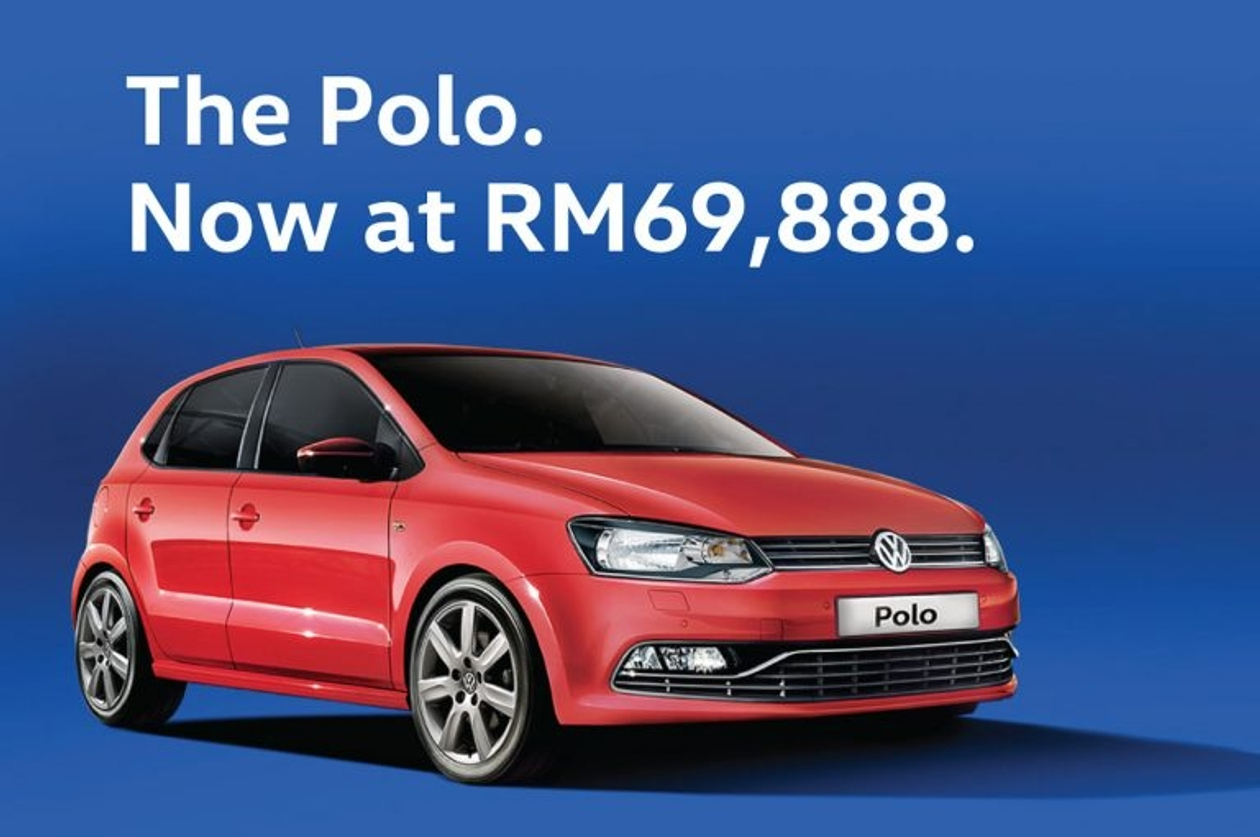
We all know how the story turned out. A transmission named DSG dragged the entire game plan through the mud. It wasn't for a lack of trying either: VW later introduced an NA engine paired with a conventional 6-speed torque converter automatic for the CKD Polo to appease the market, followed by the turbo-and-DSG Vento for driving enthusiasts. On paper, every subsequent package offered better value, but consumer confidence had already eroded beyond repair.
The Polo nameplate boasts quite a lineage. Debuting at the 1975 Geneva Motor Show, the first-generation Polo was essentially a rebadged, simplified Audi 50—a three-door hatch pushing 40 PS and weighing just 685 kg, designed purely as an honest runabout. Over five decades and with 20 million units rolled out globally, the Polo stands as Wolfsburg's most pivotal model after the iconic Golf.
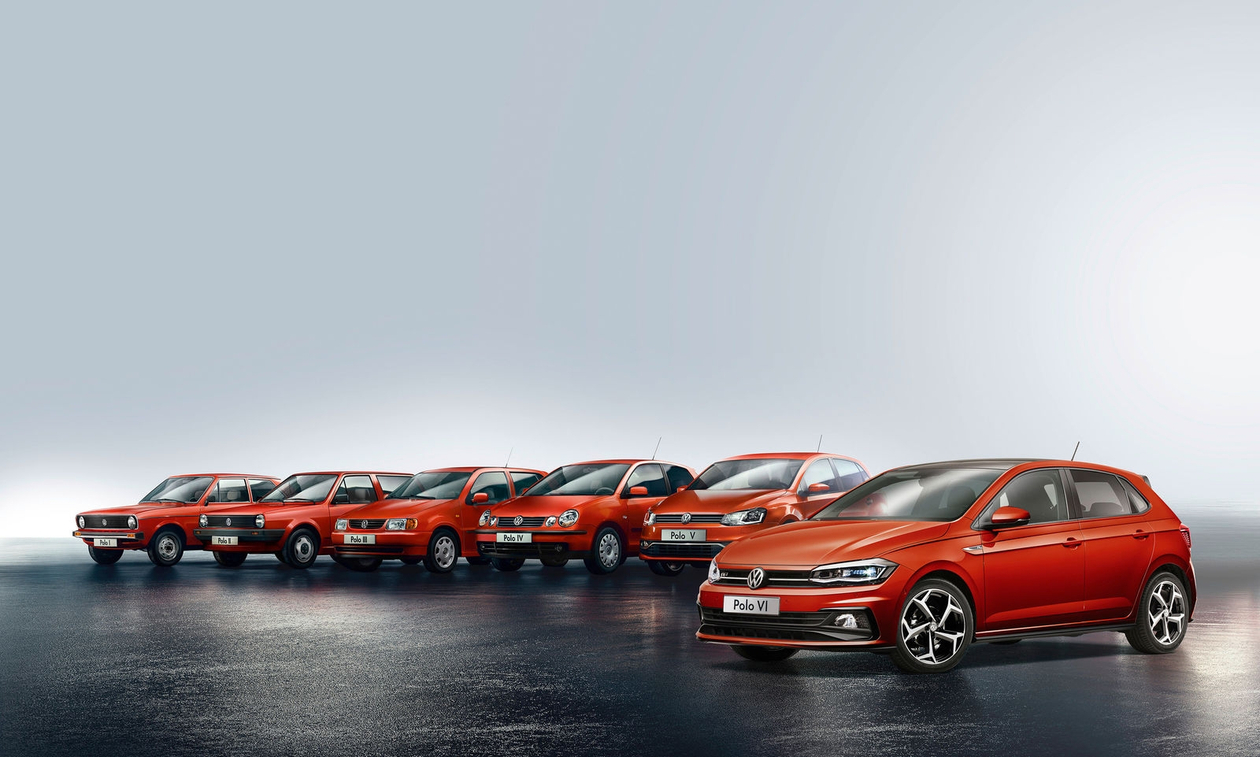
The Mk6 Polo on the far right never officially arrived on Malaysian shores
The generation that resonated most with Malaysians was the fifth iteration, codenamed internally as the 6R. Premiering at Geneva in March 2009, its styling was helmed by Walter de Silva's design team, echoing the Golf Mk6's clean, taut, and matured profile without looking overly cute. In essence, it was a junior Golf. The following year, it bagged both the 2010 European Car of the Year and World Car of the Year accolades in one fell swoop.
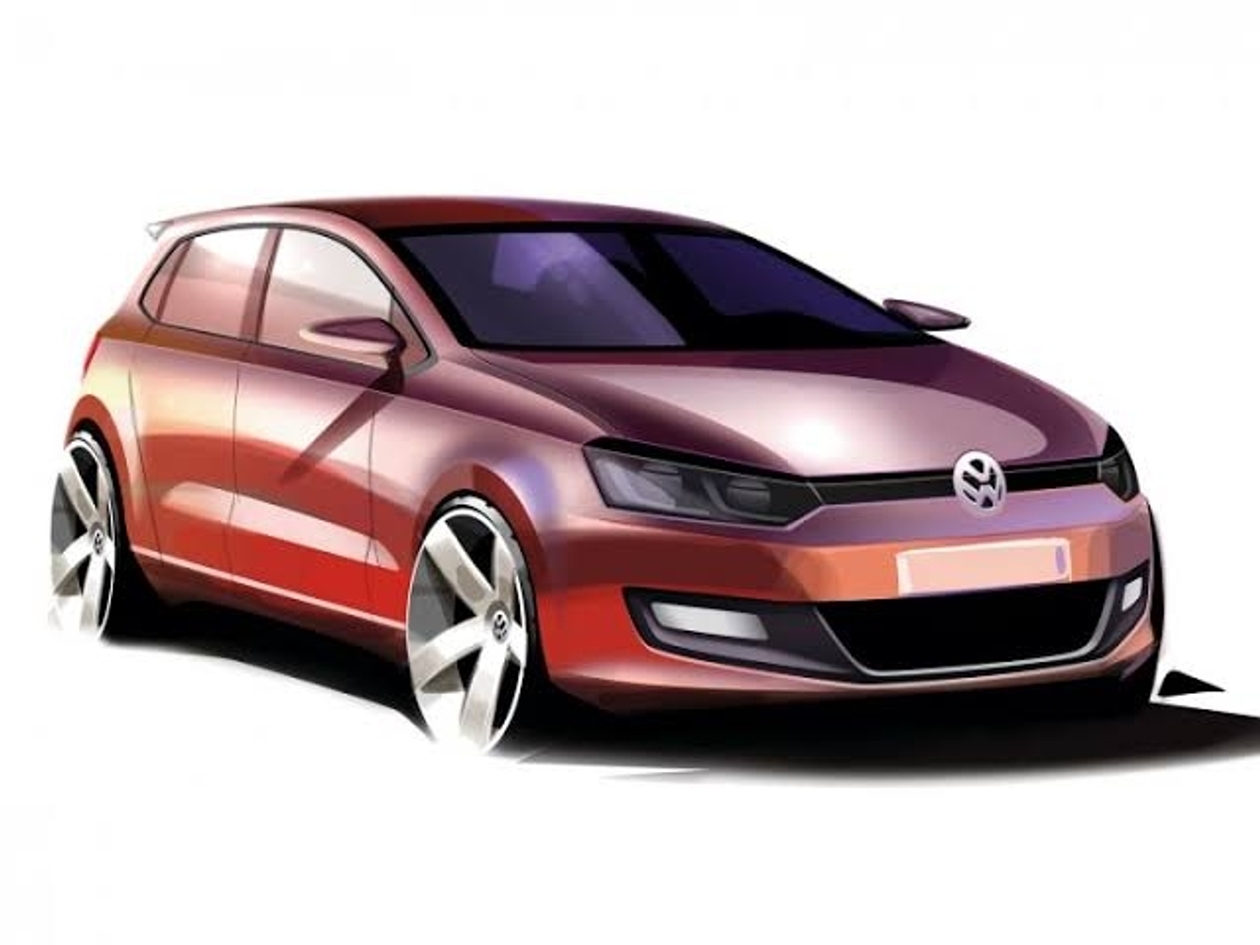
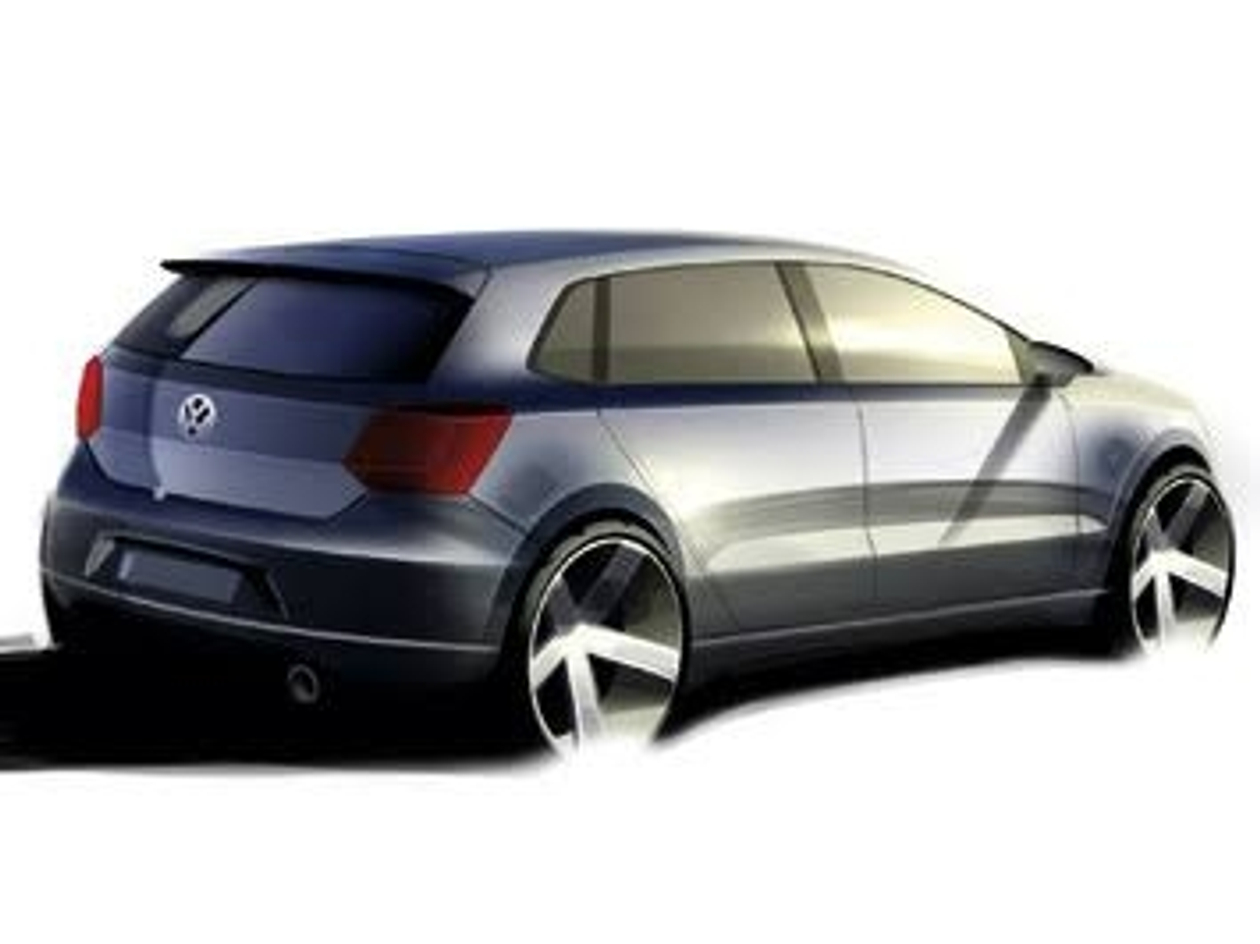
It packed serious motorsport credentials, too. The works Polo R WRC, spawned from this very generation, powered VW to four consecutive WRC Manufacturers' Championship titles between 2013 and 2016. Seeing a sub-compact car that cost just over RM80,000 in Malaysia dominate global rally stages for four straight seasons made plenty of local petrolheads view the humble Polo in a completely different light.
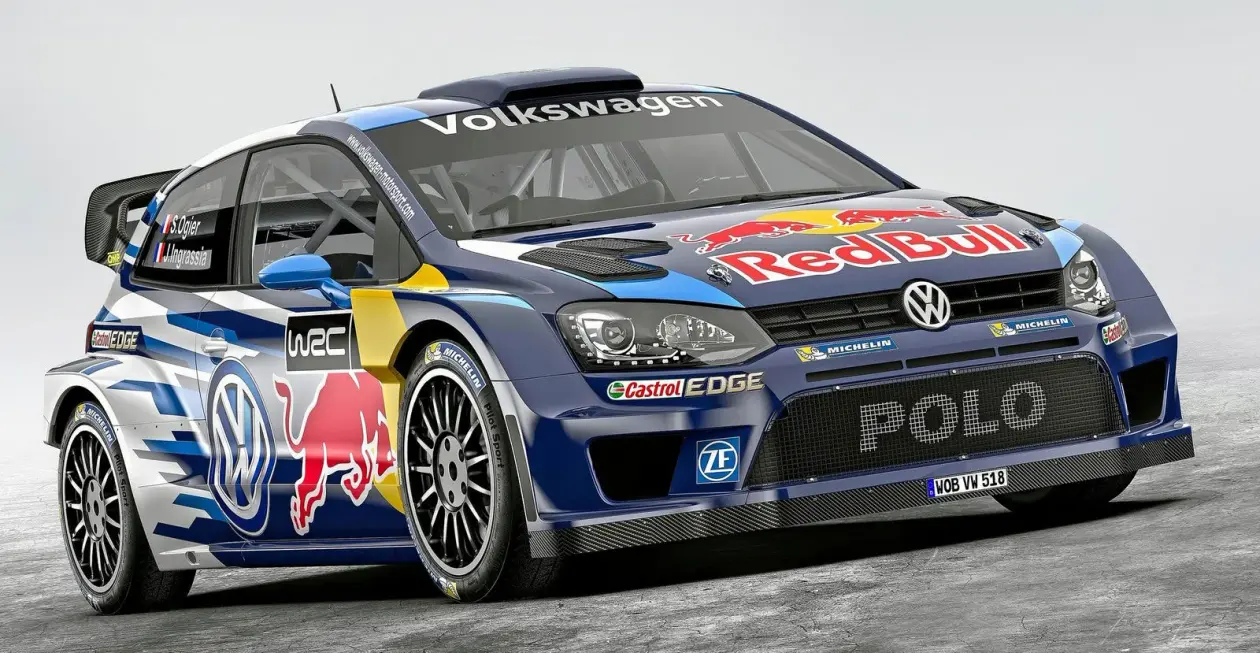
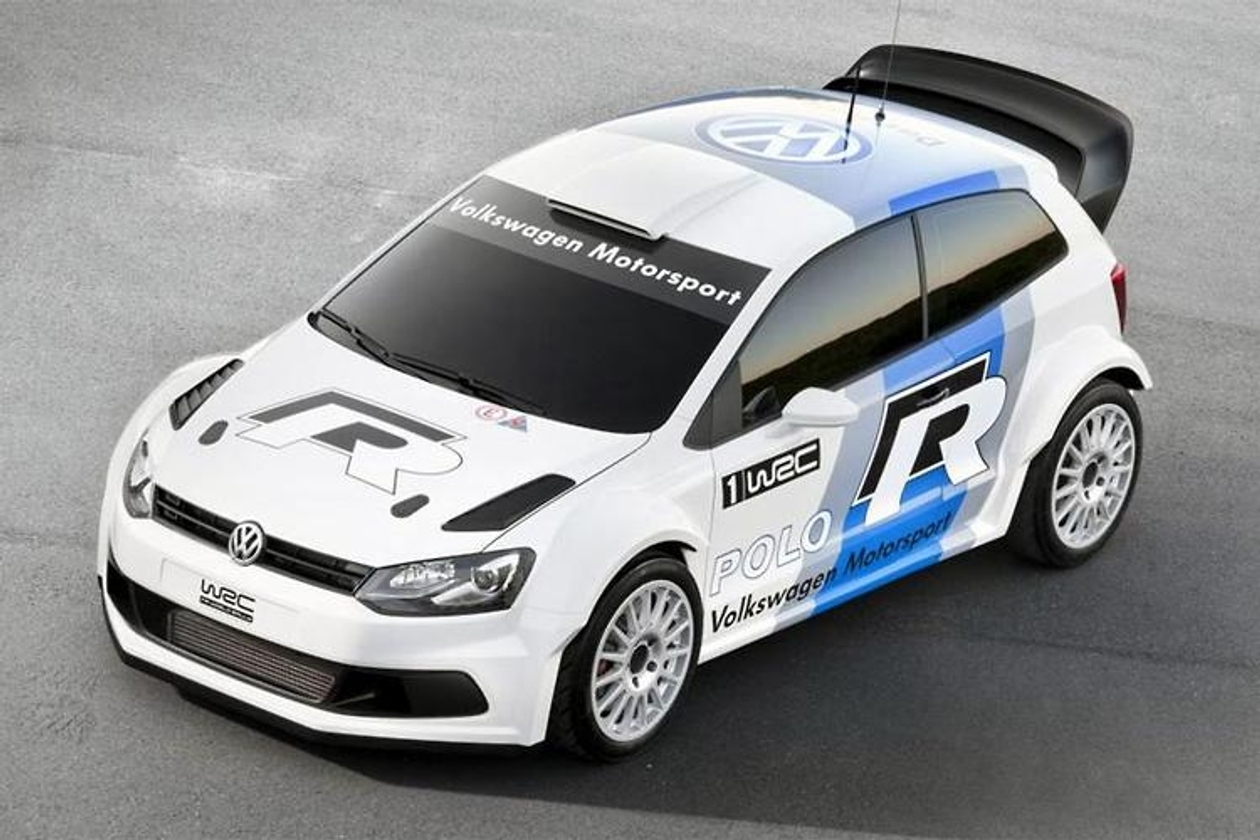
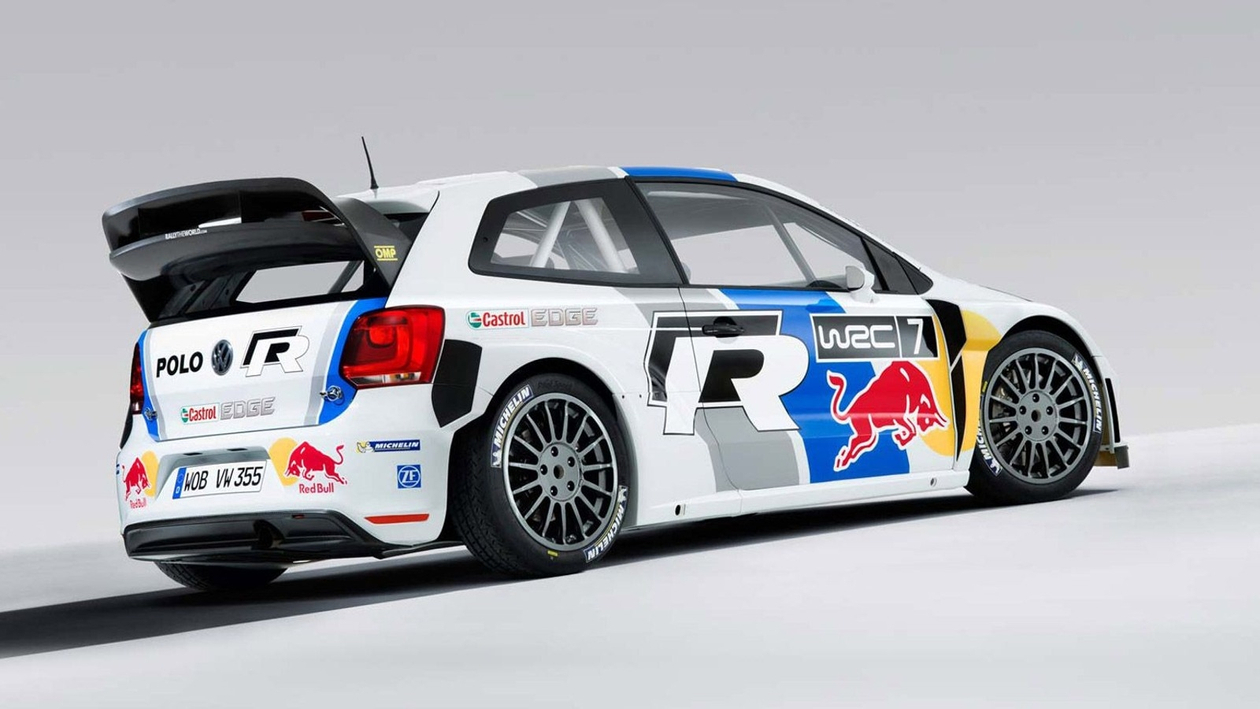
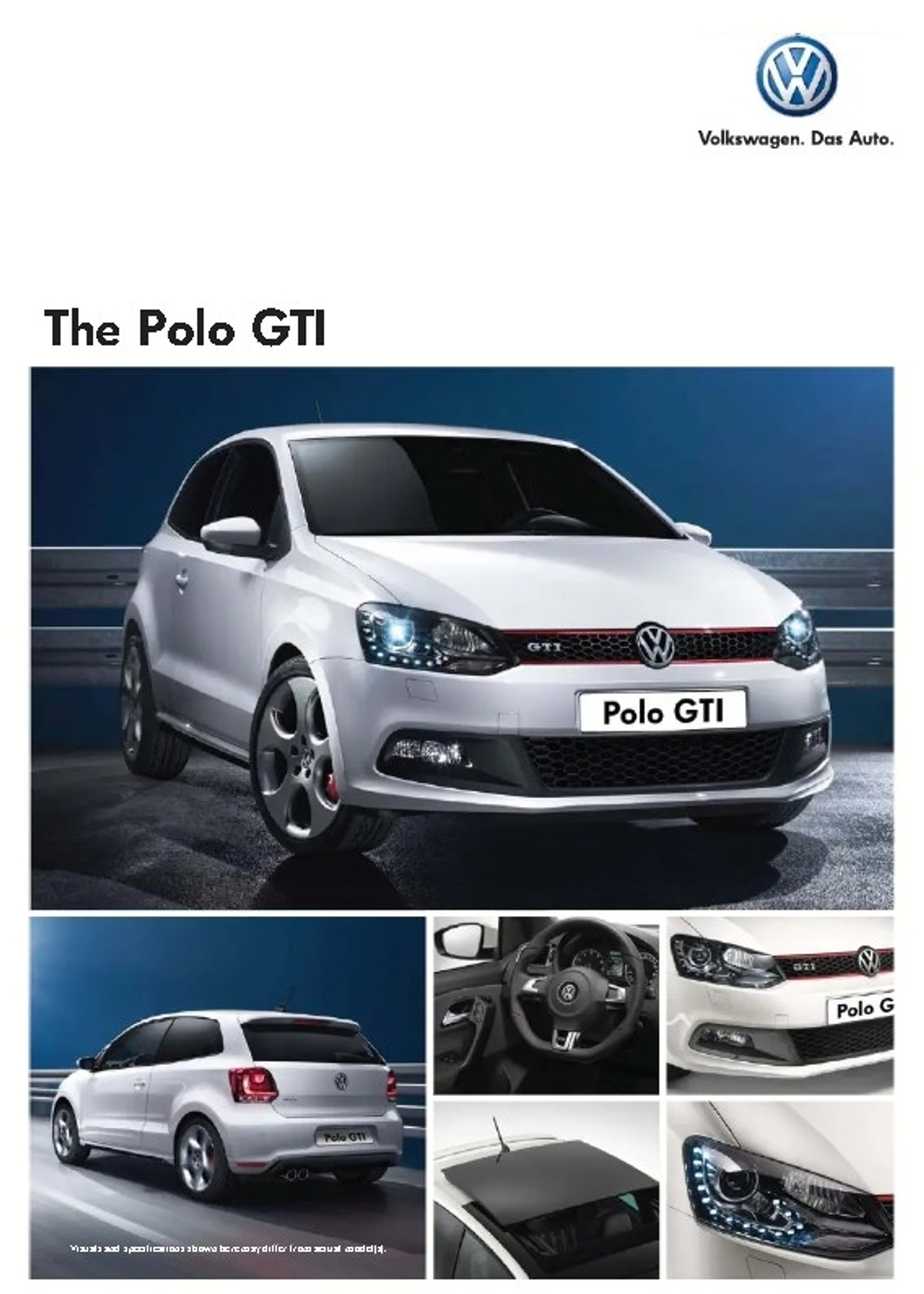
Rewind to 2010. The fifth-generation Polo debuted in Malaysia as a fully imported (CBU) 1.2 TSI, featuring a small-capacity turbo engine matched to a 7-speed dry dual-clutch transmission—the infamous DQ200 DSG. At launch, this was genuine cutting-edge stuff; gear shifts were lightning-quick, efficiency was stellar, and netizen keyboard warriors were gleefully comparing it to rival 4-speed autos, calling the competition "decades behind". By 2011, the hot Polo GTI arrived at Sepang Circuit, also rocking the 7-speed DSG. Back then, VW sat right at the intersection of technical prowess and track performance.
The teething troubles didn't take long to surface. Mechatronic units on the DQ200 started throwing tantrums, leaving drivers to grapple with harsh judders, sudden power loss, or completely stalling out in the middle of traffic. This wasn't isolated to Malaysia, either. In May 2012, VW China officially apologised and extended warranties on DQ200 and DQ250 gearboxes to 10 years or 160,000 km. In that same month, the Malaysian operation merely kicked off a voluntary "DSG service campaign", prompting owners to bring their cars in for a check. Then in May 2013, hot on the heels of Singapore's 6,181-unit recall, VW Malaysia announced a recall affecting 3,962 DSG-equipped vehicles built between June 2010 and June 2011.
What irked local owners most was the disparity in treatment. While Chinese owners were handed a 10-year factory warranty, Malaysian owners were offered what was essentially a 2-year manufacturer warranty bumped up by a 3-year extended warranty programme—with many lamenting that claims during the final three years were a massive headache. The reputational rot set in right here: a breakdown can always be repaired, but once owners felt they were getting shortchanged, restoring trust was an uphill battle.
With the DSG saga still raging, VW recalibrated its strategy. CKD assembly had commenced in March 2012 with the Passat, but the real volume drivers landed shortly after: the Polo Sedan on 31 October 2013 at RM85,888, followed by the Polo 1.6 Hatchback on 24 January 2014 at RM87,888, with an introductory price tag of RM85,888 for the first 500 bookings. This locally assembled hatch undercut the previous CBU Polo 1.2 TSI by a massive RM27,000.
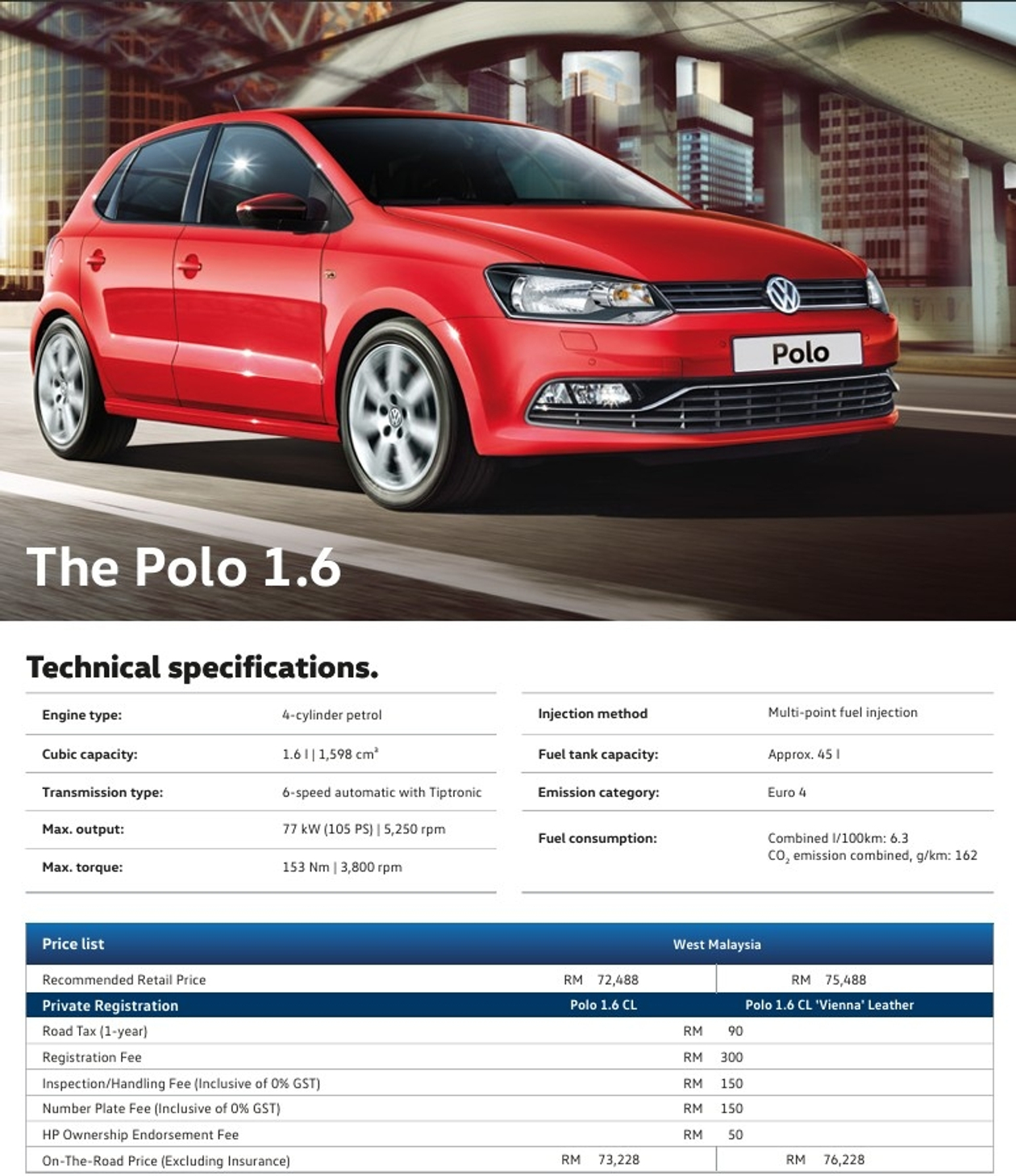
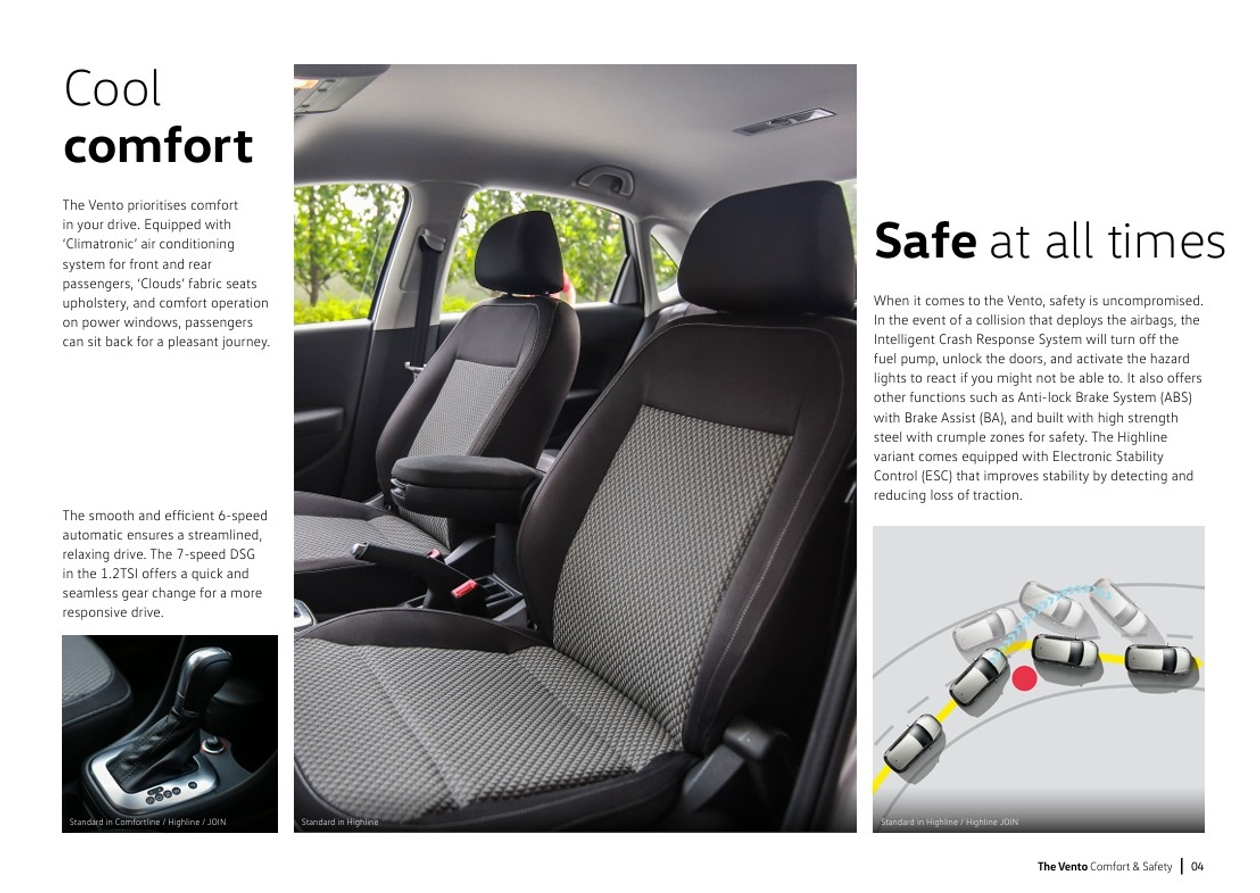
The decisive shift happened under the bonnet. Out went the turbo and the dry-clutch DSG, replaced by a straightforward 1.6-litre MPI naturally aspirated four-pot churning out 105 PS and 153 Nm, paired to a bulletproof Aisin-sourced 6-speed torque converter automatic. It matched the 1.2 TSI's power output with slightly less torque, but the mechanical simplicity offered much-needed peace of mind—a bespoke spec engineered specifically to address local anxieties. Going cheap meant cost-cutting elsewhere, of course: CKD packs were brought in from India, and plush fabric door card inserts were swapped for scratchy hard plastics. Still, to many young executives, that VW roundel on the tailgate for just over RM80,000 was irresistible. For the same money as a City or Vios, you were driving German.
The sales figures spoke for themselves. Official JPJ registration data revealed that the Polo registered a record 638 units in December 2013 alone, culminating in 4,255 units registered across 2014—its peak commercial year in Malaysia. For a season, campus car parks and office building basements were overrun with white Polos, with white paintwork making up 30% of total registrations.
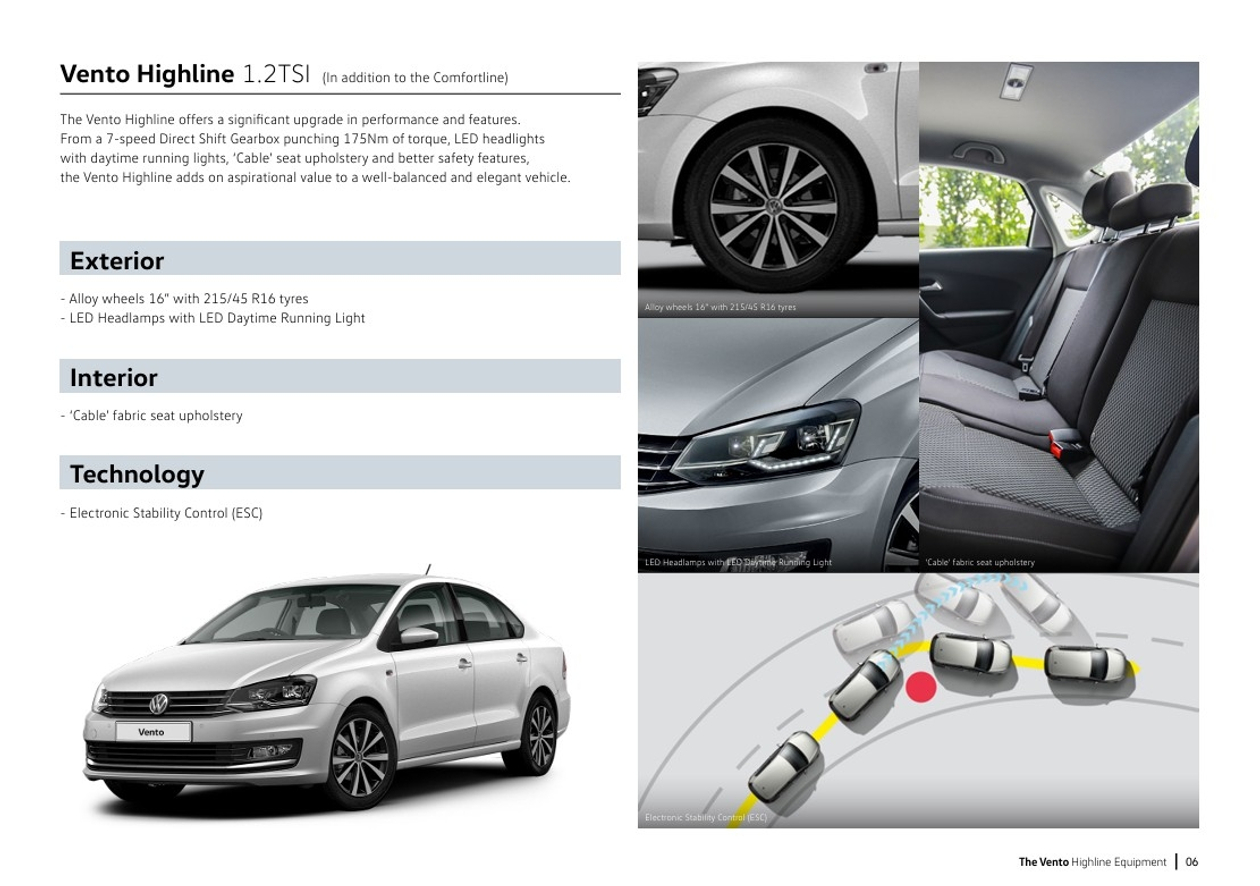
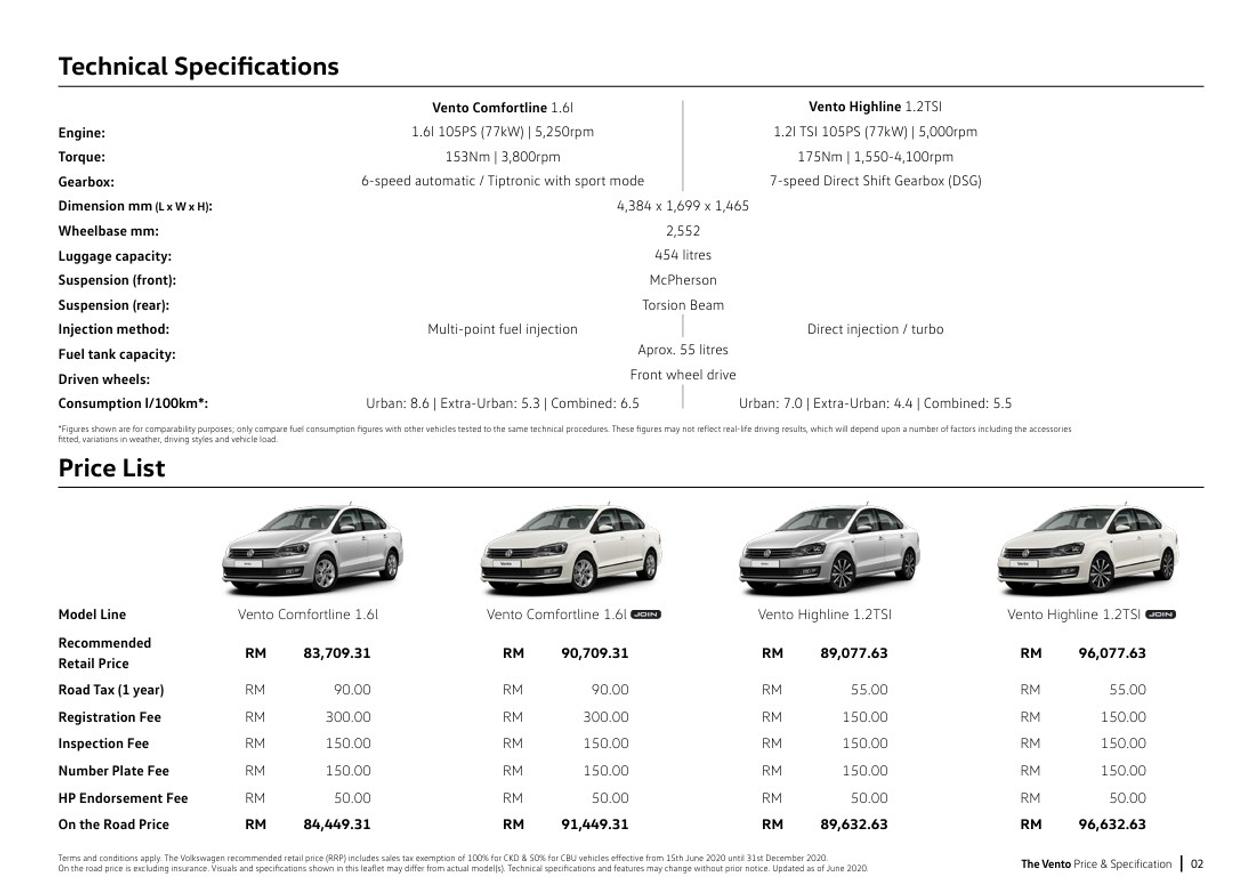
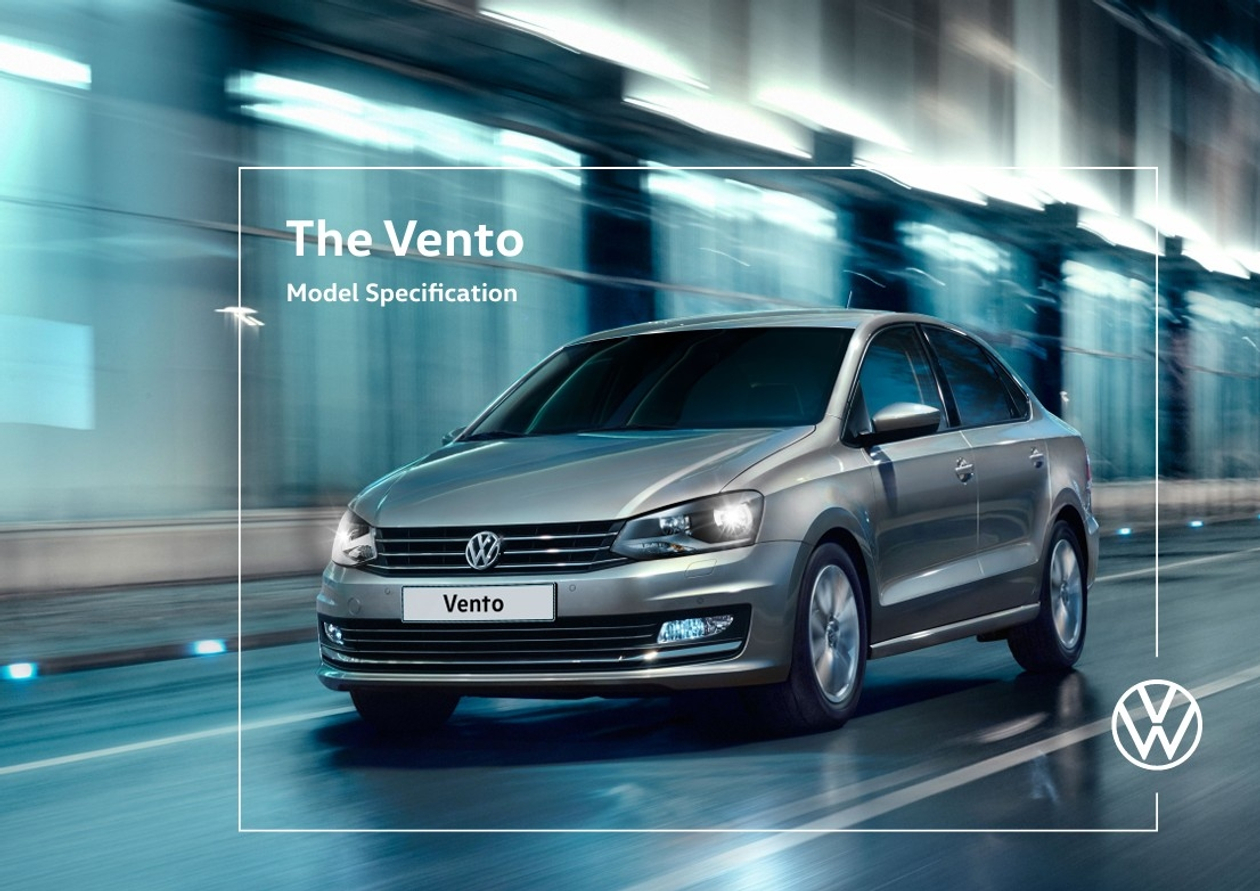
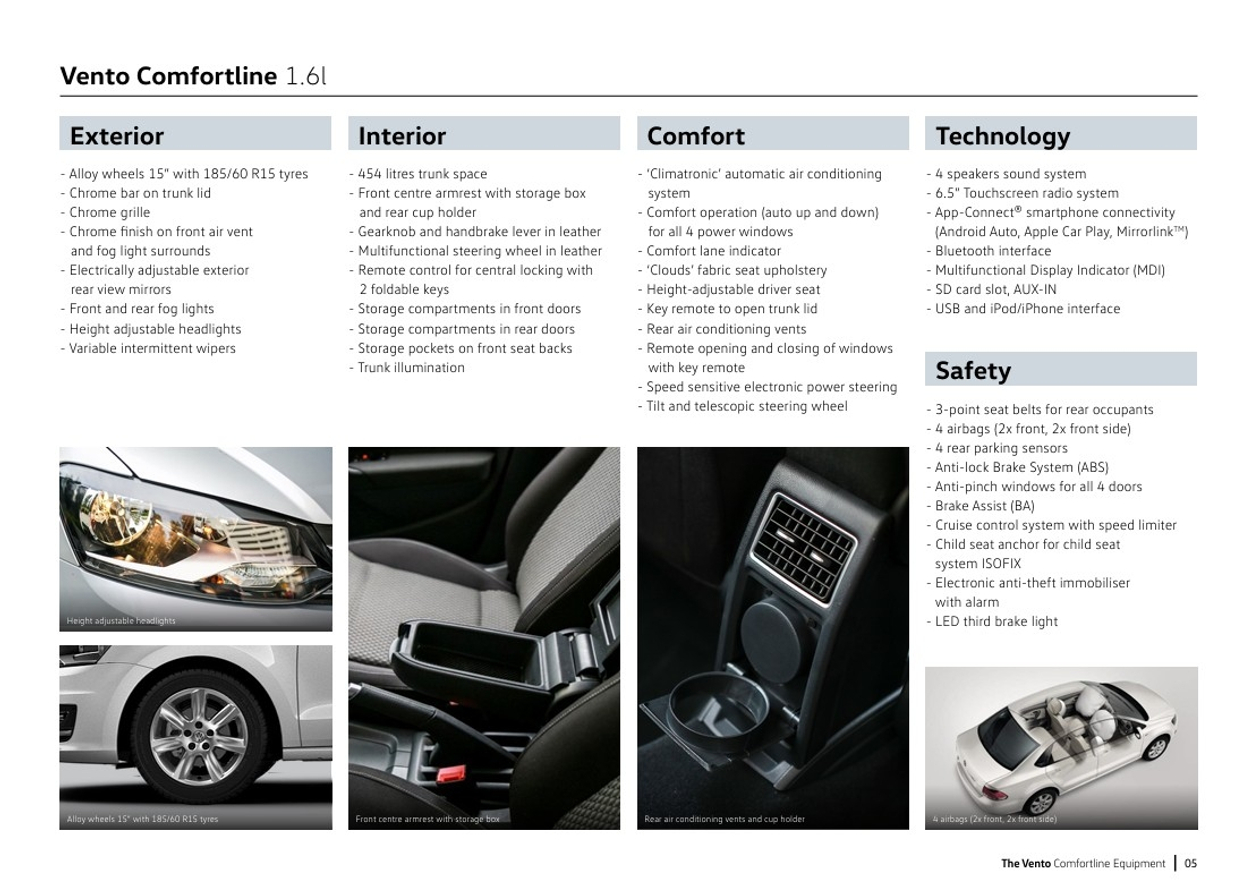
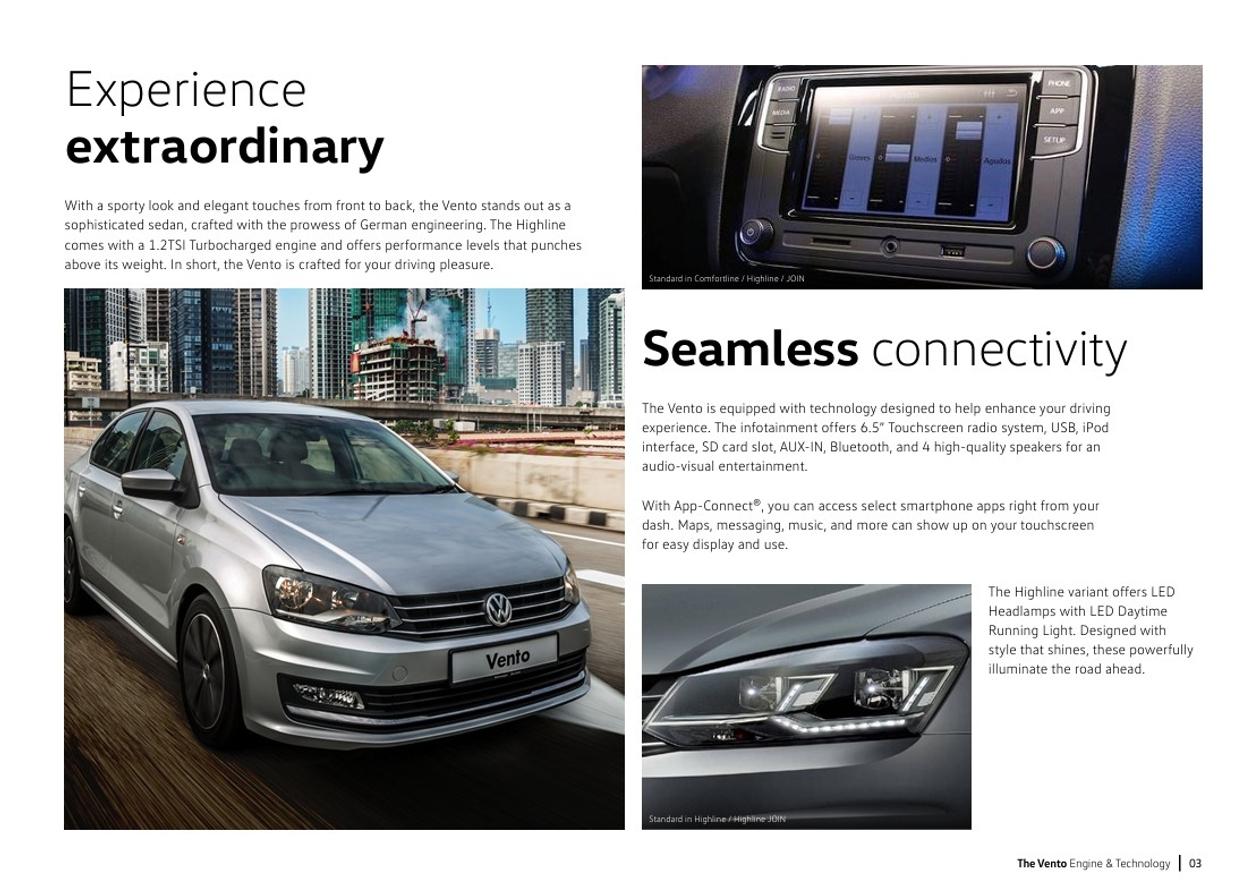
What about motorists who still wanted turbo poke? Come 2016, the Polo Sedan was updated and rebranded as the Vento, retailing between RM80,646 and RM94,461. The top-spec Highline brought back the 1.2 TSI turbo unit (105 PS and 175 Nm) coupled to the 7-speed DSG, while also throwing in previously omitted Electronic Stability Programme (ESP). Offering NA reliability at the bottom and blown TSI performance at the top was a clever product strategy on paper. Yet the moment order books opened, comment sections were promptly inundated with PTSD-style fears over the DSG. The die was cast; no matter how attractive the spec sheet, buyer sentiment had soured irrevocably.
JPJ registration figures chronicle this decline with brutal honesty. VW's golden run in Malaysia effectively spanned 2011 to 2014: the Golf peaked in 2011 with 2,413 units; the Passat topped out in 2012 with 2,871 units; and the Polo enjoyed its heyday in 2014 with 4,255 units. From then on, it was a steady downhill slide.
On the aftersales front, VW worked overtime to stop the bleeding. In 2014, a slew of customer care initiatives were rolled out, followed by an official announcement in October that "all DSG problems have been resolved". By December 2016, an additional two-year DSG warranty was granted for cars produced before end-2013. Come July 2020, yet another recall was triggered for 2011–2015 7-speed dry-clutch DSG units due to hydraulic accumulator pressure loss, involving 12,732 vehicles in Malaysia alone. From the initial 2012 service campaign to the final safety recall, the whole saga dragged on for eight agonizing years.
Even the distributorship saw an overhaul. Starting in 2017, operations were handed over to Volkswagen Passenger Cars Malaysia (VPCM). Volume closed at 6,536 units that year and recovered modestly to 7,001 units in 2018, with the new stewardship continuously championing aftersales improvements and the "human touch". The Polo Hatchback was eventually cleared out in flash promos for as low as RM69,888—nearly RM20k below its original launch sticker price. But branding is a fragile currency: it takes ten years to build trust, and just one troublesome gearbox to shatter it.
Today, total Polo registrations in Malaysia stand frozen at 20,587 units, with numbers dwindling to single digits in recent years; the Vento hasn't logged a single new registration since February 2021. For the entire VW brand, September 2026 recorded merely 121 new vehicle registrations, translating to a minuscule 0.2% market share. The bygone era of "RM80k German motoring" has since been completely superseded by Chinese makes offering "RM80k fully loaded SUVs".
A forum comment from that era captured the sentiment brilliantly. When an enthusiast asked why VW didn't simply offer Malaysians a 3-pedal manual option like India did to bypass the DSG headaches altogether, another replied: "Malaysians don't have a left foot." A cheeky burn, but painfully accurate. In a market where 90% of buyers insist on two-pedal driving, a compromised automatic transmission ruins the car—and when the transmission is this problematic, it takes down the entire marque with it.
Browse local classifieds today and you'll find 2014 to 2015 CKD Polo 1.6 Hatchbacks asking anywhere between RM12,000 and RM22,000, with residual values essentially touching rock bottom.
The real irony belongs to the fully imported CBU 1.2 TSI. Once commanding an upfront RM30k premium over its CKD 1.6 sibling, it frequently changes hands today at lower prices than the naturally aspirated model, trading for roughly RM11,000 to RM16,000. A punchier turbocharged motor, superior road tax ergonomics, and far nicer cabin trim—yet it commands less cash. Age plays a minor role, but the lion's share of that depreciation delta is simply the used market pricing in the dreaded DSG liability.
Look closely at the listings and you'll also spot plenty of CKD Polo 1.6 models slapped with GTI bodykits and replica rims. If your wallet can't stretch to maintain a bona fide GTI, transforming your garden-variety Polo into a faux-GTI is a flavour of enthusiast romance Malaysian car guys know all too well.

Your go-to source for all things automotive in Malaysia. 🚗 Latest reviews, breaking news, launches & industry trends.
+ Follow Zeekr Lounge X Park Sunway Serene is now live, and owners can enjoy lounge access 24/7!
There'll even be sales advisors on standby if you're looking to update ;)
#zeekr 1 day ago
 70,000 wire harness types and China breathing down their neck 😅🇯🇵
Japanese brands are finally teaming up on basic parts to save cash for next-gen cars.
Tap in 👇 1 day ago
 Yangwang U8 and U9 otw to Malaysia? 👀🔥 BYD Malaysia posted dancing cars on track—not local footage, so is a launch imminent?
Tap in 👇 1 day ago
Get the latest car news first!
Your go-to source for all things automotive in Malaysia. 🚗 Latest reviews, breaking news, launches & industry trends.
Zeekr Lounge X Park Sunway Serene is now live, and owners can enjoy lounge access 24/7!
There'll even be sales advisors on standby if you're looking to update ;)
#zeekr 1 day ago 70,000 wire harness types and China breathing down their neck 😅🇯🇵
Japanese brands are finally teaming up on basic parts to save cash for next-gen cars.
Tap in 👇 1 day ago Yangwang U8 and U9 otw to Malaysia? 👀🔥 BYD Malaysia posted dancing cars on track—not local footage, so is a launch imminent?
Tap in 👇 1 day ago 
© 2024 Bitauto.com. All Rights Reserved.
Bitauto (www.yiche.com and www.bitauto.com) is one of the most visited automotive websites in China. We provide detailed info on Chinese car brands available in your area. Please note that the information provided on this website is based on publicly available data and is for reference only. It may not be fully updated or accurate at all times.

Help us improve our website


