If you drove through any residential neighbourhood over a decade ago, it was virtually impossible to miss: a low-slung, sleek, clean-profiled seven-seater MPV, usually finished in black, wearing a solitary word on the tailgate: Wish.
In fact, unless you deliberately looked it up or were well-versed in JDM culture, you might have easily confused its emblem with Perodua’s badge—leaving you wondering what make of car it actually was.
According to open registration data from JPJ, a total of 55,995 units of the Toyota Wish have been registered nationwide since April 2003. That tally of nearly 56,000 units easily outstripped many mainstream nameplates, including the Hyundai Elantra, Ford Fiesta, and Proton Inspira. Indeed, despite its perceived ubiquity, the Proton Inspira only managed roughly 20,000 units throughout its run.
Yet behind this figure lies an intriguing paradox. UMW Toyota officially introduced only the first-generation Wish locally, and it struggled to find buyers; by the time the Wish hit its peak popularity here between 2013 and 2014, the second-generation model was not even offered officially. Simply put, what propelled the Wish to sales stardom was not the authorised franchise network, but row after row of independent recond car dealers.
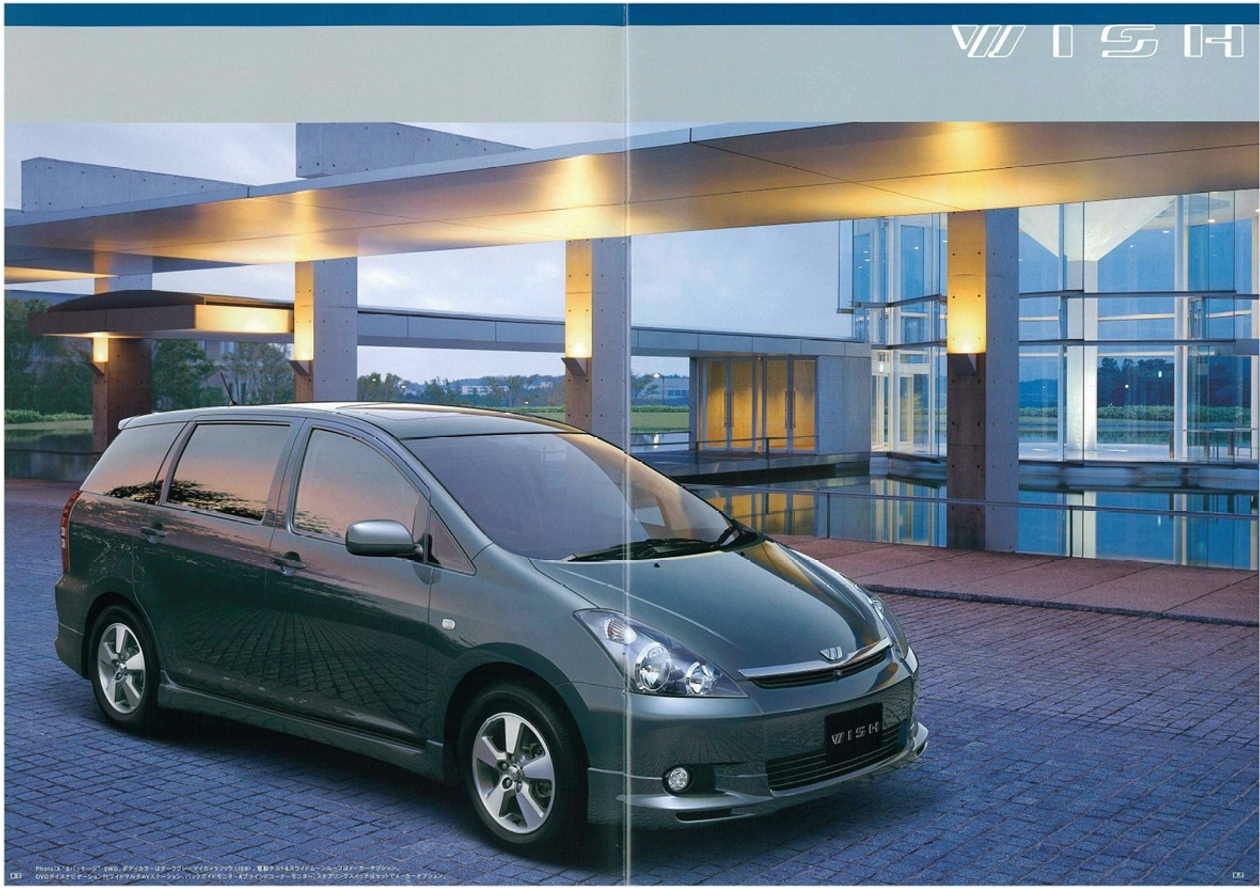
This is the story of the Toyota Wish: a family carrier that catapulted to fame in Japan courtesy of Hikaru Utada (yes, of “Automatic” fame), yet carved out its legendary status on Malaysian roads almost entirely through the grey-import market.
To understand the Wish, one must first revisit its arch-rival: the Honda Stream.
In 2000, Honda launched the Stream, shoehorning seven seats into a low-roofed wagon profile that retained the agile handling of a saloon. The recipe took the Japanese domestic market by storm, and Toyota’s direct countermove was the Wish.
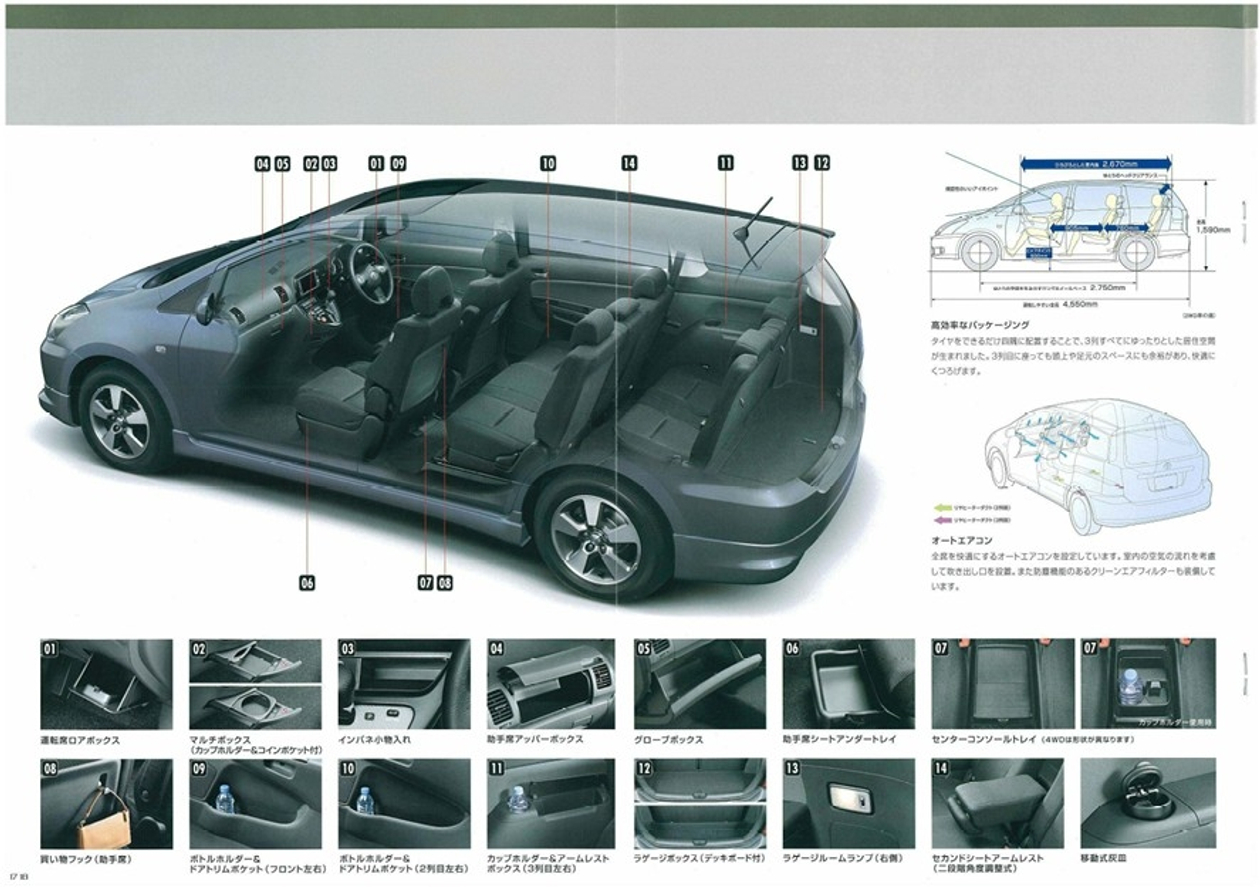
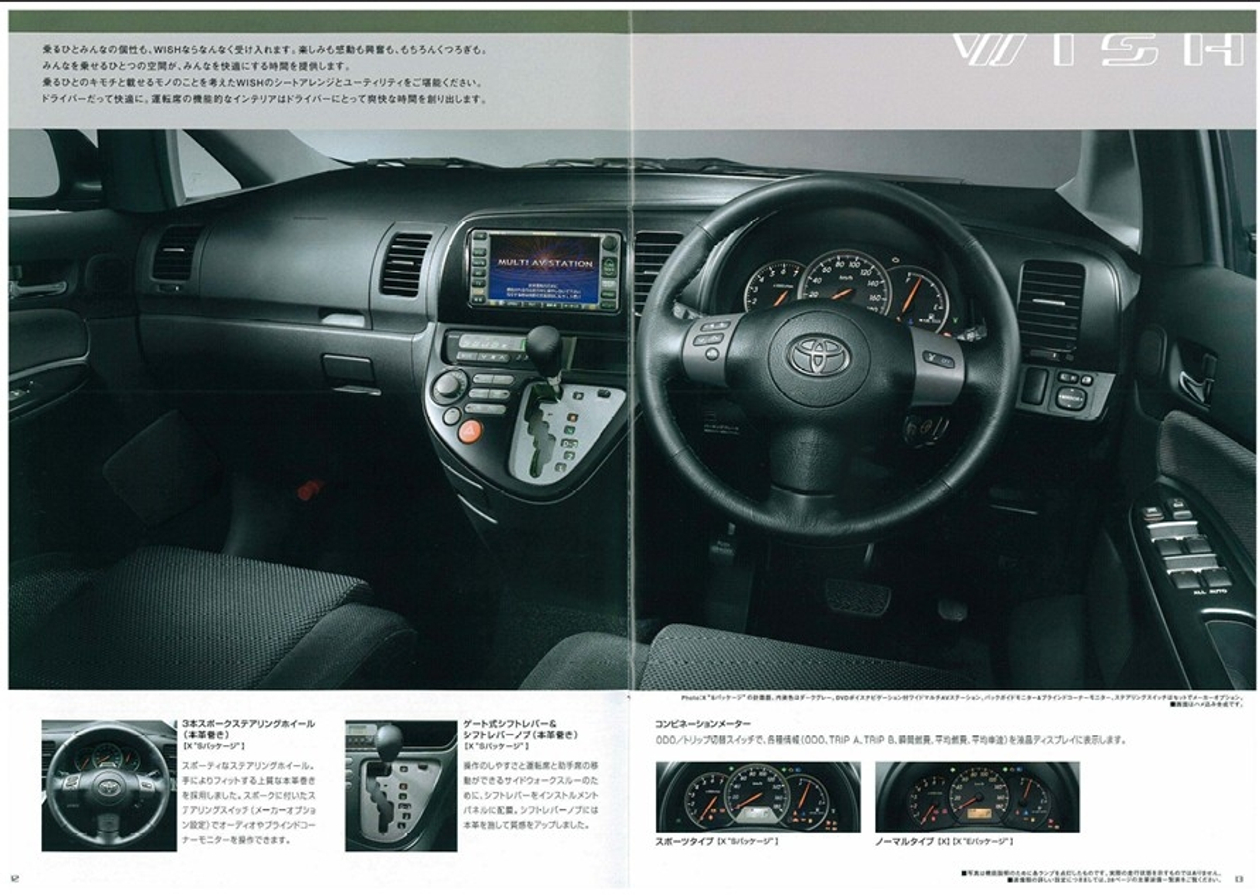
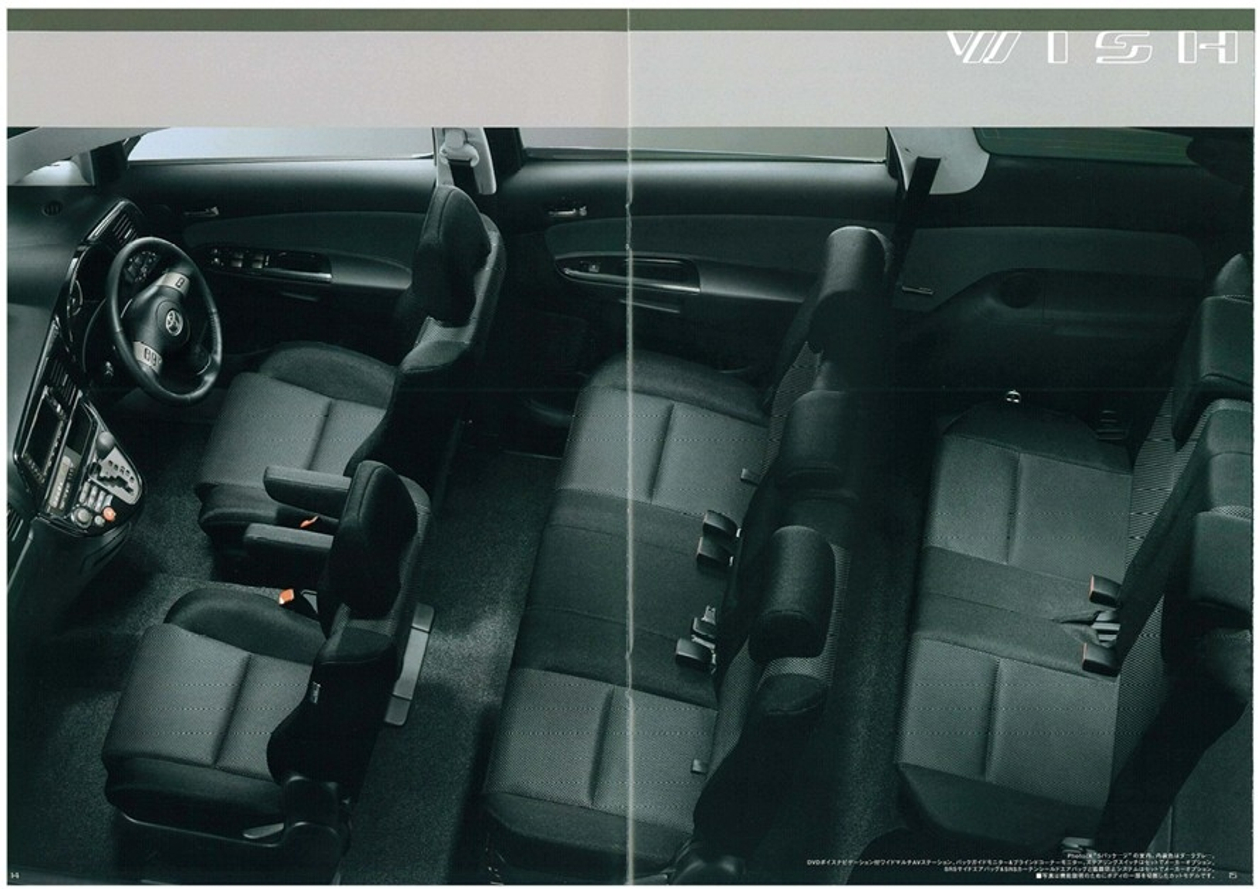
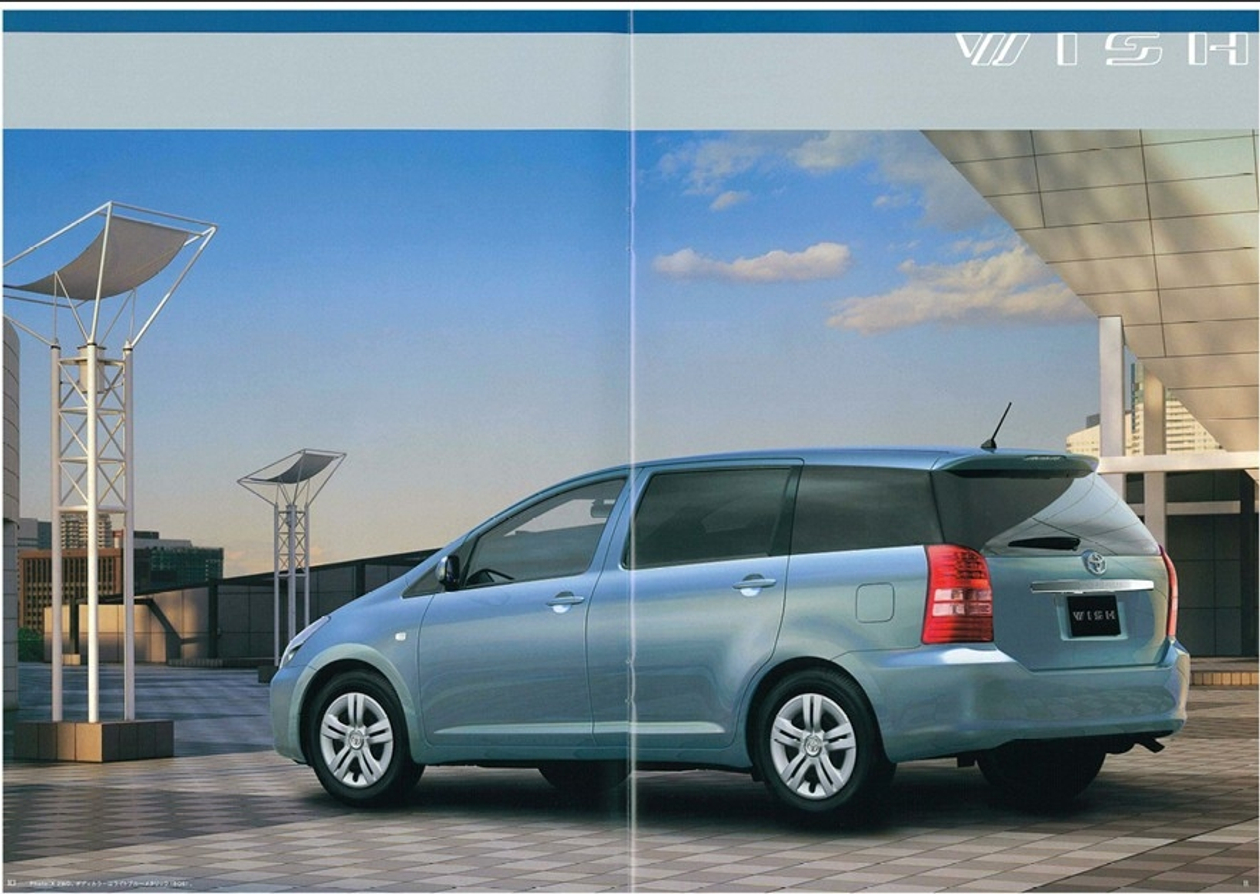
Unveiled at the Tokyo Motor Show in October 2002, the Wish officially went on sale on 20 January 2003 through the Netz and Vista dealer networks. Toyota’s brief was unambiguous: a compact seven-seater blending the packaging practicality of an estate and an MPV, paired with the on-road manners of a conventional passenger car. Its decisive weapon against the Stream was competitive pricing: starting from 1.898 million yen, Toyota estimated that on equivalent equipment levels, it undercut the Stream by roughly 100,000 yen.

Its promotional campaign proved even more potent. Toyota enlisted pan-Asian pop icon Hikaru Utada, whose track “COLORS” served as the commercial theme song alongside the punchy tagline: “Wish Comes True”. For the generation raised on hits like “First Love” and “Automatic”, the commercial became a defining cultural touchstone of the era.
Hikaru Utada Commercial Theme Song
The outcome was unequivocal. The Wish turned into an instant bestseller in Japan, routinely ranking among the top five monthly best-selling passenger cars and forcing contenders like the Stream and Mazda Premacy back to the drawing board.
In 2009, the second-generation Wish (chassis code ZGE20) broke cover, adopting updated Valvematic engines, a CVT, and tauter, more aggressive styling. This was the very generation that would go on to flood Malaysia’s used and recond showrooms in staggering numbers.
Locally, the Wish had made a cameo as early as the 2003 Kuala Lumpur International Motor Show (KLIMS). However, the official variant distributed by UMW Toyota did not arrive until mid-2006, debuting in tandem with the Yaris.
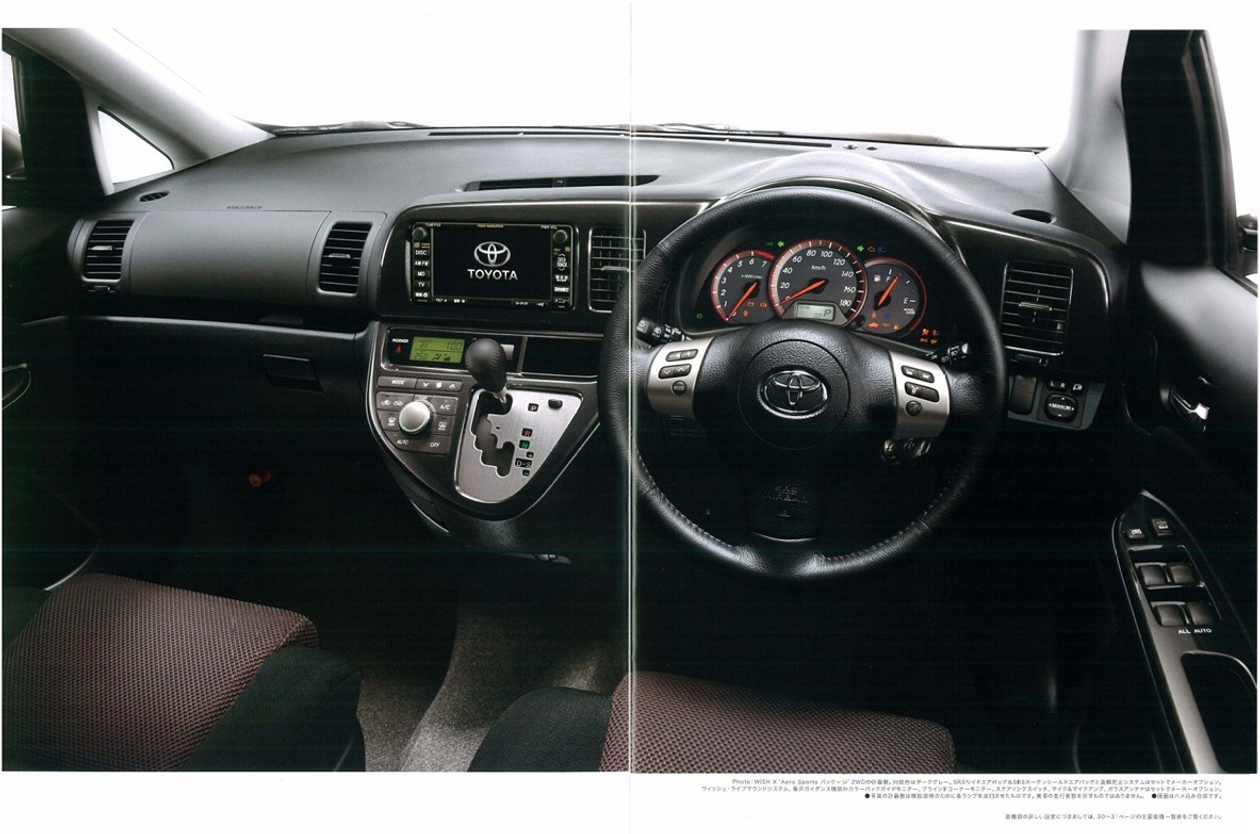
Sourced from Toyota’s Gateway assembly plant in Thailand under ASEAN Free Trade Area (AFTA) preferential duty schemes, the official CBU model shared the Camry’s 2.0-litre VVT-i petrol mill (1AZ-FE), putting out 147 PS and 190 Nm of torque. Crucially, it was paired with a conventional four-speed torque-converter automatic rather than the JDM version's CVT. Safety kit was well-specified, featuring ABS, BA, EBD, VSC, and TRC, with an aero bodykit fitted as standard across the range. The rear air-conditioning unit even incorporated a dedicated booster blower switch to channel chilled air to the third row.
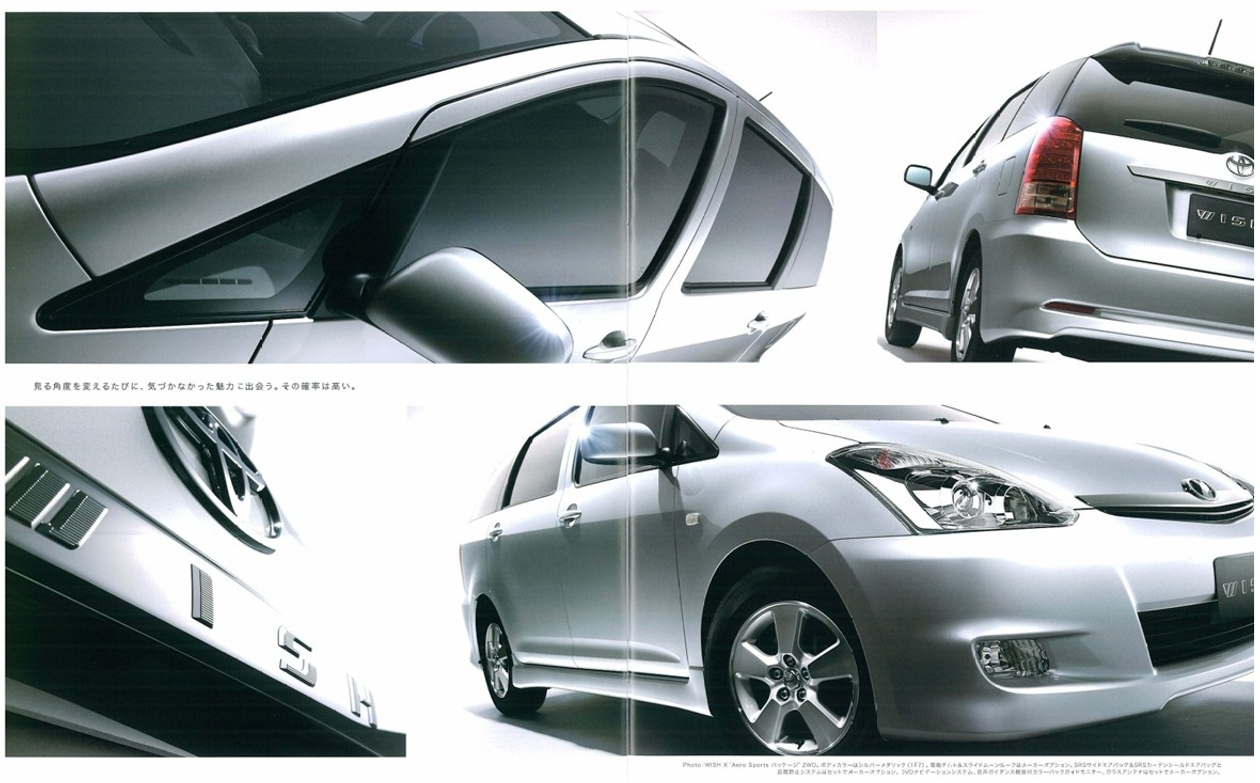
The sticking point was pricing. Contemporary launch reports pegged the three official variants between RM152,700 and RM154,800, translating to an on-the-road (OTR) figure of around RM156,900 inclusive of insurance. By then, unlicensed recond showrooms were already overflowing with Japanese-spec units commanding far lower price tags. Consequently, official showroom sales struggled to gain meaningful traction.
Its chief competitor, the Honda Stream, followed a largely parallel trajectory. Honda Malaysia had brought in the first-generation Stream as an Indonesian CBU import as far back as 2001; by 2007, the second generation switched to Japanese sourcing, offered exclusively in 1.8-litre guise, before spawning a sporty RSZ trim in 2009. For over a decade, these two Japanese compact MPVs traded blows across both official showrooms and parallel-import forecourts.
When UMW Toyota opted against introducing the second-generation model, the Wish’s local legacy was surrendered entirely to the recond market.
For Malaysian family buyers at the time, the appeal of a recond Wish was straightforward: an authentic Japanese seven-seater that avoided the cumbersome footprint of a conventional van, slipped effortlessly into multi-storey apartment bays, and significantly undercut official dealer pricing. For enthusiasts, the grey market also unlocked something the franchise distributor never could: the sprawling catalogue of JDM trim levels.
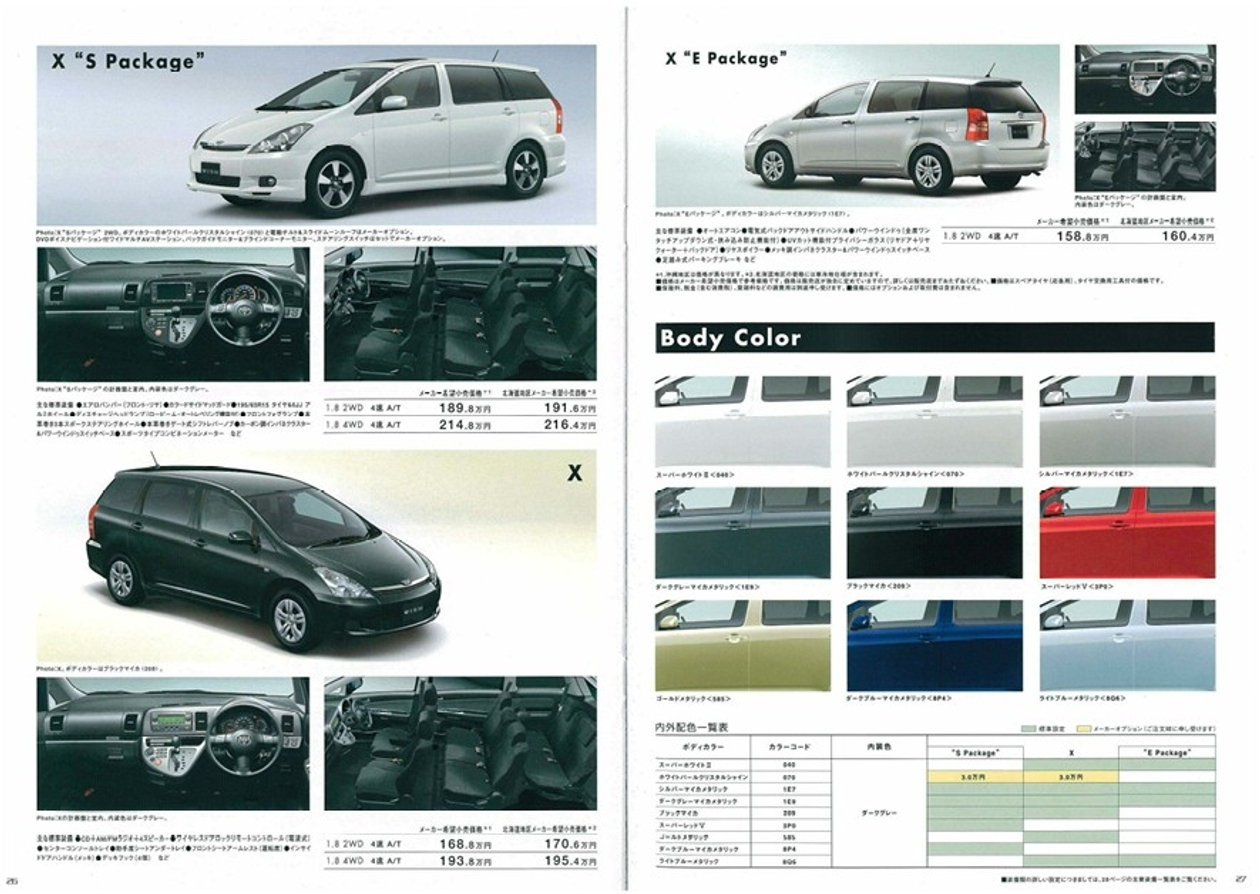
First-generation recond units (chassis code ZNE10G) featured either a 132 PS 1.8-litre engine or a 155 PS 2.0-litre direct-injection lump, spanning variants such as the X, X S, X E Package, and the facelifted Aero Sports Package. The late-2005 facelift introduced distinctive LED tail lamps, while the range-topping 2.0 Z boasted a CVT with a seven-speed manual shift mode.
Pre-facelift
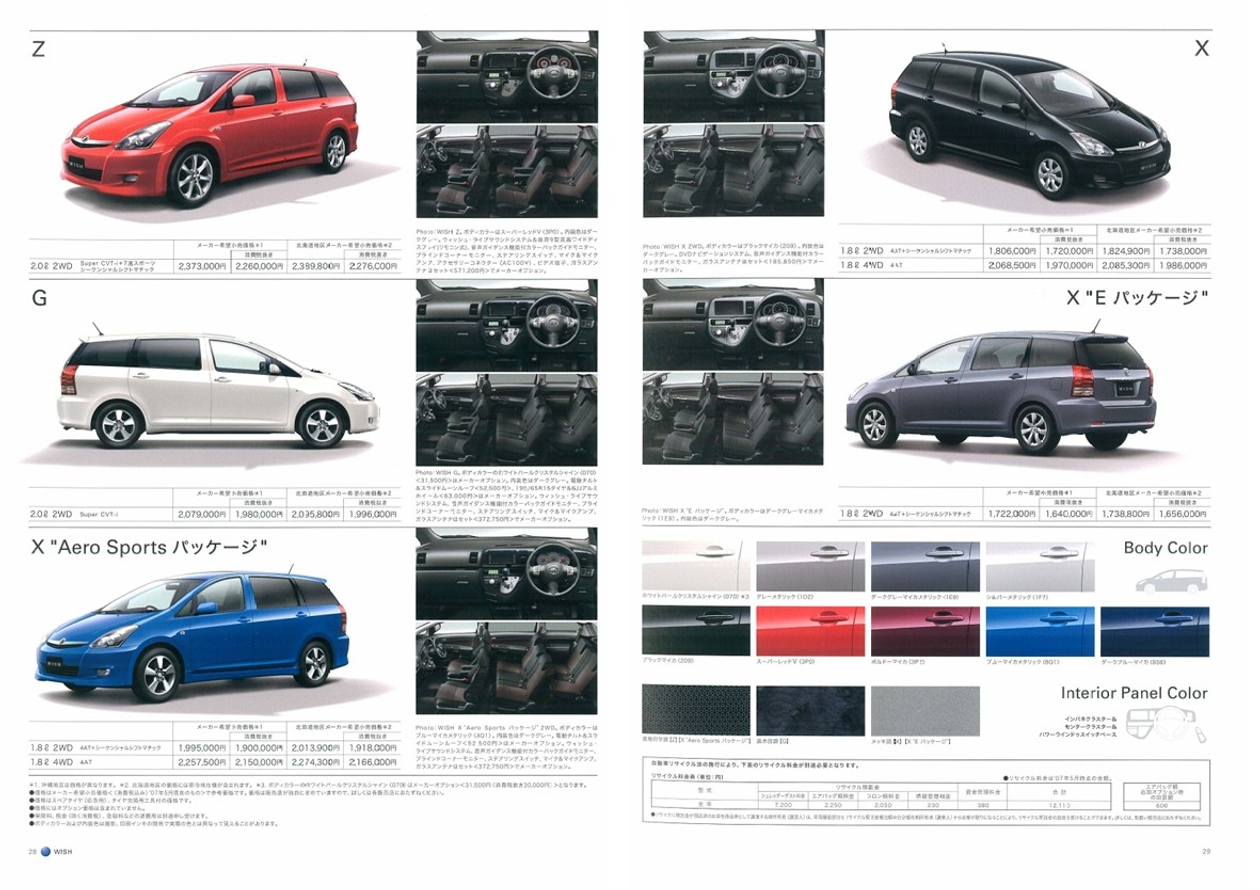
Facelift
By the time the second generation (ZGE20) arrived, parallel importers were shipping them in by the shipload. The 1.8X and 1.8S variants formed the bulk of local stock, with higher-spec 2.0G and 2.0Z models proving scarcer. This fueled the paradox outlined earlier: despite UMW Toyota having zero presence in the segment, annual Wish registrations surged to an all-time high of 4,384 units in 2014.
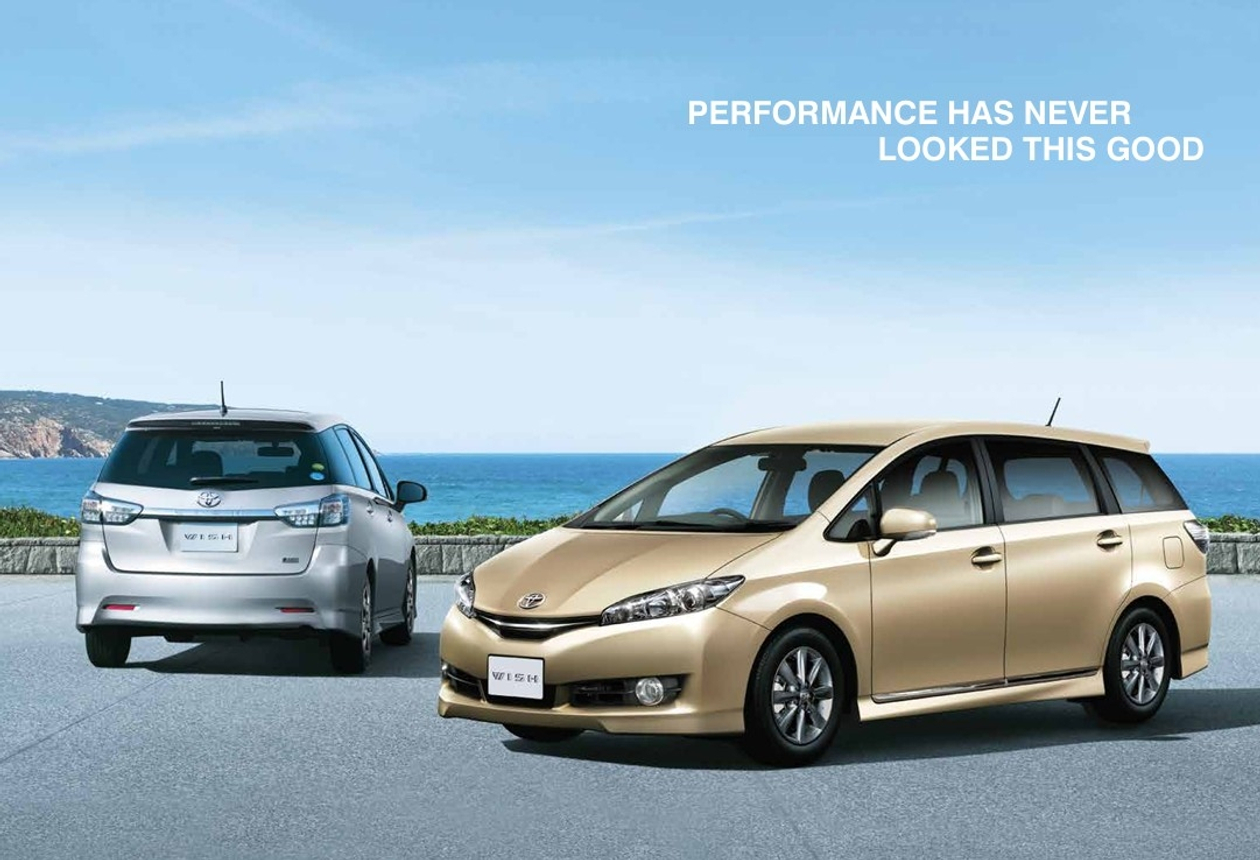
Scroll through classifieds on Mudah.my today, and the lexicon of local recond culture remains unmistakable: “S sport specs paddleshift”, “full S spec”, “Android player”, “360 camera”. Chassis codes, JDM variant acronyms, aftermarket head units, and bird’s-eye-view monitors coalesced into an insider shorthand. Much like how RAV4 circles revere the “RAV4.1”, Wish owners and prospective buyers developed a distinctive subculture all their own.
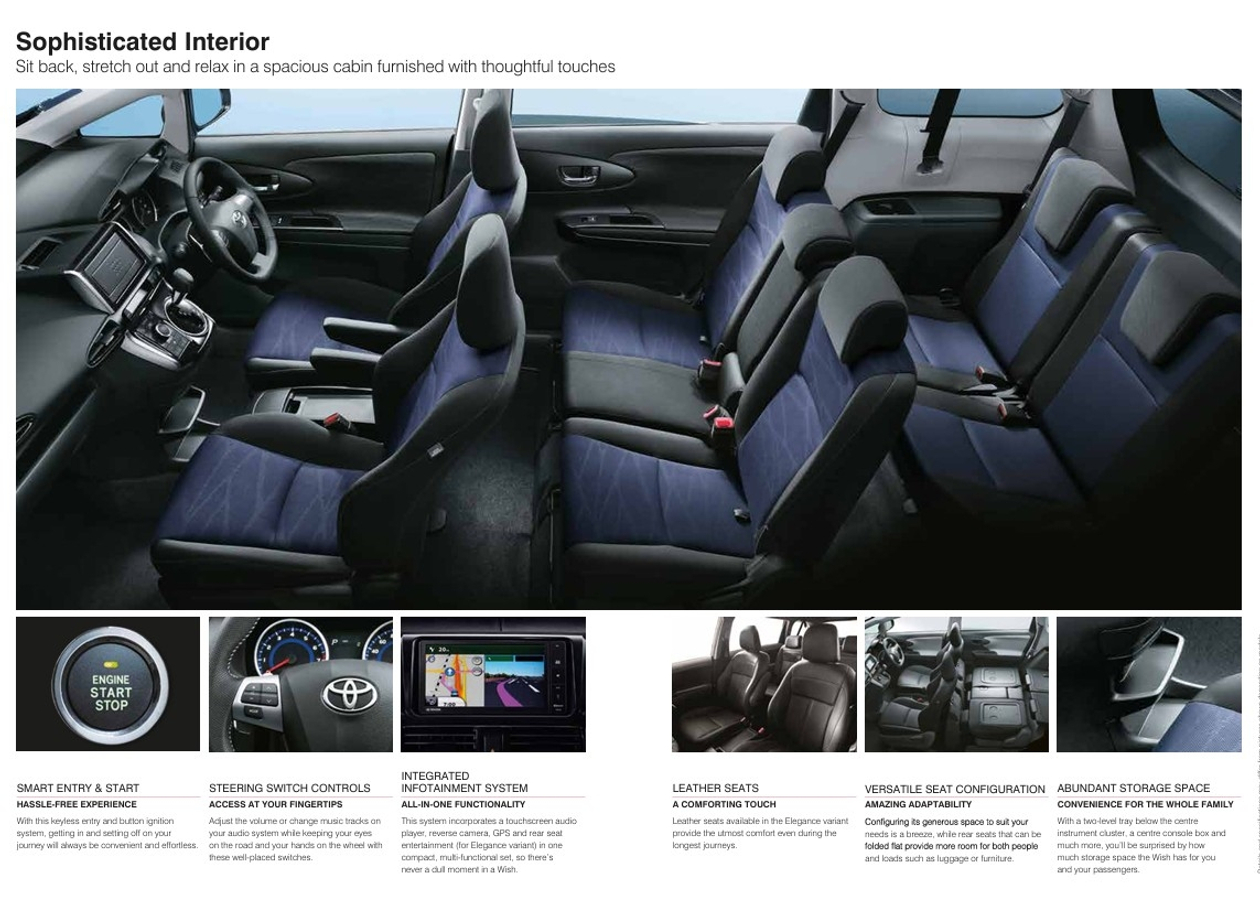
The eventual demise of the Wish was not dealt by any single competitor; rather, the entire automotive genre it represented was superseded by evolving consumer habits.
The Stream bowed out first. Undercut by cheaper budget MPVs, Stream sales dwindled until Honda pulled the plug globally in 2014, with Honda Malaysia removing it from local price lists the following year.
The Wish soldiered on for several more years. Sales concluded in Taiwan in 2016, Japanese assembly lines stopped in October 2017, and Singapore bid farewell by mid-2018. Toyota elected not to develop a direct replacement, opting instead to funnel buyers toward the compact Sienta and Prius Alpha, or step them up to boxier mid-size vans like the Noah, Voxy, and Esquire. In short, family buyers migrated either to compact, fuel-sipping B-segment haulers or full-sized vans, completely squeezing out the low-slung, car-based seven-seater.
That tectonic shift was mirrored in Malaysia’s recond forecourts. As affluent family buyers increasingly aspired to the grander road presence of recond Alphard and Vellfire models, the Wish's star steadily faded.
Today, buyers seeking budget seven-seater utility gravitate toward the Perodua Alza and Toyota Veloz twins, or ASEAN-centric models like the Mitsubishi Xpander. Those commanding budgets comparable to an imported Wish in its heyday have largely jumped into commanding three-row SUVs like the Proton X90 and Mazda CX-8, or stretched their financing for a full-size MPV.
The golden formula of combining saloon-like driving dynamics with genuine seven-seat versatility has fallen decisively out of favour with the mainstream—a quiet casualty of the all-conquering SUV craze and consumer herd mentality.
Remarkably, the Wish has not entirely vanished from the system. JPJ data indicates that as late as June 2026, first-time registrations of imported Wish units were still being recorded locally. For a vehicle that ended production nearly a decade ago, its presence on Malaysian tarmac remains stubbornly enduring.
On the Malaysian used car market, second-generation pre-facelift 2010 models currently hover around the RM50,000 mark. For an ageing MPV well over a decade old, retaining roughly 40% of its initial recond valuation is nothing short of remarkable.
Mechanically, the powertrains have proven remarkably robust over time. Online owner communities and workshop specialists note that with diligent preventive maintenance, both the 1.8-litre and 2.0-litre engines are essentially trouble-free, with many examples crossing the 200,000 km threshold without major mechanical failures. The primary caveat under harsh Malaysian operating conditions is adhering strictly to scheduled CVT fluid replacement intervals.
The Toyota Wish stands as a fascinating automotive time capsule: a bona fide Japanese chart-topper immortalised by pop culture, yet in Malaysia, an official showroom casualty that became one of the greatest success stories the grey-import sector ever witnessed. As for the kids who once peered out from its rearmost bench? They are probably out shopping for their own cars today.

Your go-to source for all things automotive in Malaysia. 🚗 Latest reviews, breaking news, launches & industry trends.
+ Follow Can you really get a luxury Chinese off-roader for RM 140k? Here's what makes it so attractive. 1 minute ago
 BYD Australia COO: 95% of parts reach dealers within 24 hours as aftersales network expands.
How would you rate BYD’s aftersales service and parts availability here? Share your honest review or servicing experience with us in the comments!
#BYDMalaysia #EV #Aftersales #CarMaintenance #MalaysianDrivers 1 minute ago
 Toyota Alphard and Vellfire finally getting some Japanese competition?
Nissan has confirmed the all-new Elgrand e-Power for Thailand this December!
It gets a 1.5-litre turbo e-POWER system, electric all-wheel drive, luxury captain's chairs and a 22-speaker Bose sound system.
Malaysia isn't confirmed yet, but would you choose this over an Alphard if Nissan brought it here?
#nissan #elgrand 1 minute ago
Get the latest car news first!
Your go-to source for all things automotive in Malaysia. 🚗 Latest reviews, breaking news, launches & industry trends.
Can you really get a luxury Chinese off-roader for RM 140k? Here's what makes it so attractive. 1 minute ago BYD Australia COO: 95% of parts reach dealers within 24 hours as aftersales network expands.
How would you rate BYD’s aftersales service and parts availability here? Share your honest review or servicing experience with us in the comments!
#BYDMalaysia #EV #Aftersales #CarMaintenance #MalaysianDrivers 1 minute ago Toyota Alphard and Vellfire finally getting some Japanese competition?
Nissan has confirmed the all-new Elgrand e-Power for Thailand this December!
It gets a 1.5-litre turbo e-POWER system, electric all-wheel drive, luxury captain's chairs and a 22-speaker Bose sound system.
Malaysia isn't confirmed yet, but would you choose this over an Alphard if Nissan brought it here?
#nissan #elgrand 1 minute ago 
© 2024 Bitauto.com. All Rights Reserved.
Bitauto (www.yiche.com and www.bitauto.com) is one of the most visited automotive websites in China. We provide detailed info on Chinese car brands available in your area. Please note that the information provided on this website is based on publicly available data and is for reference only. It may not be fully updated or accurate at all times.

Help us improve our website


