Over the past year, if you have been keeping tabs on the Malaysian automotive market, you would have noticed an interesting trend—new car launches from Chinese brands are increasingly tagged with three letters: CKD.
The CKD XPENG G6 opened for bookings in July, with deliveries starting in August.
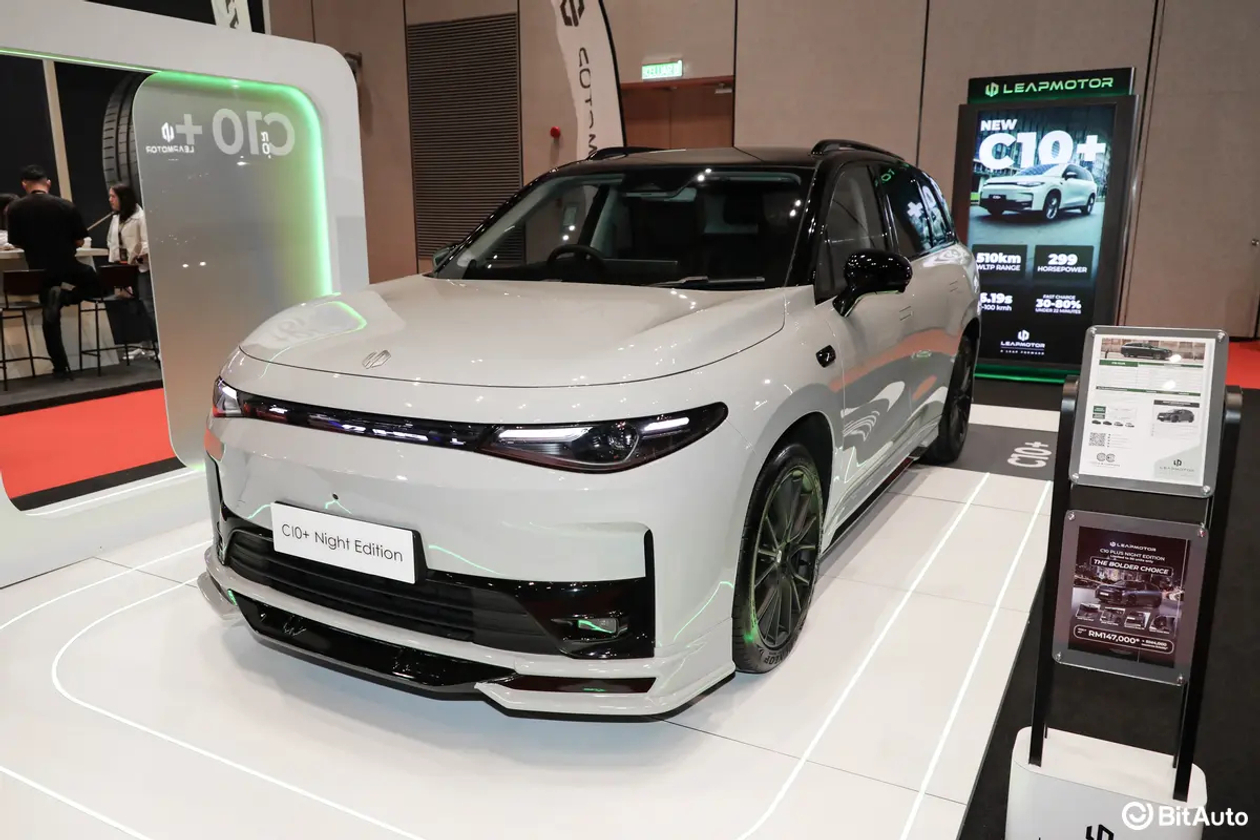
The Leapmotor C10 rolled off the assembly line at the Kulim plant in Kedah, priced at RM129,000.
The MG S5 EV officially rolled off the line in Melaka in March.
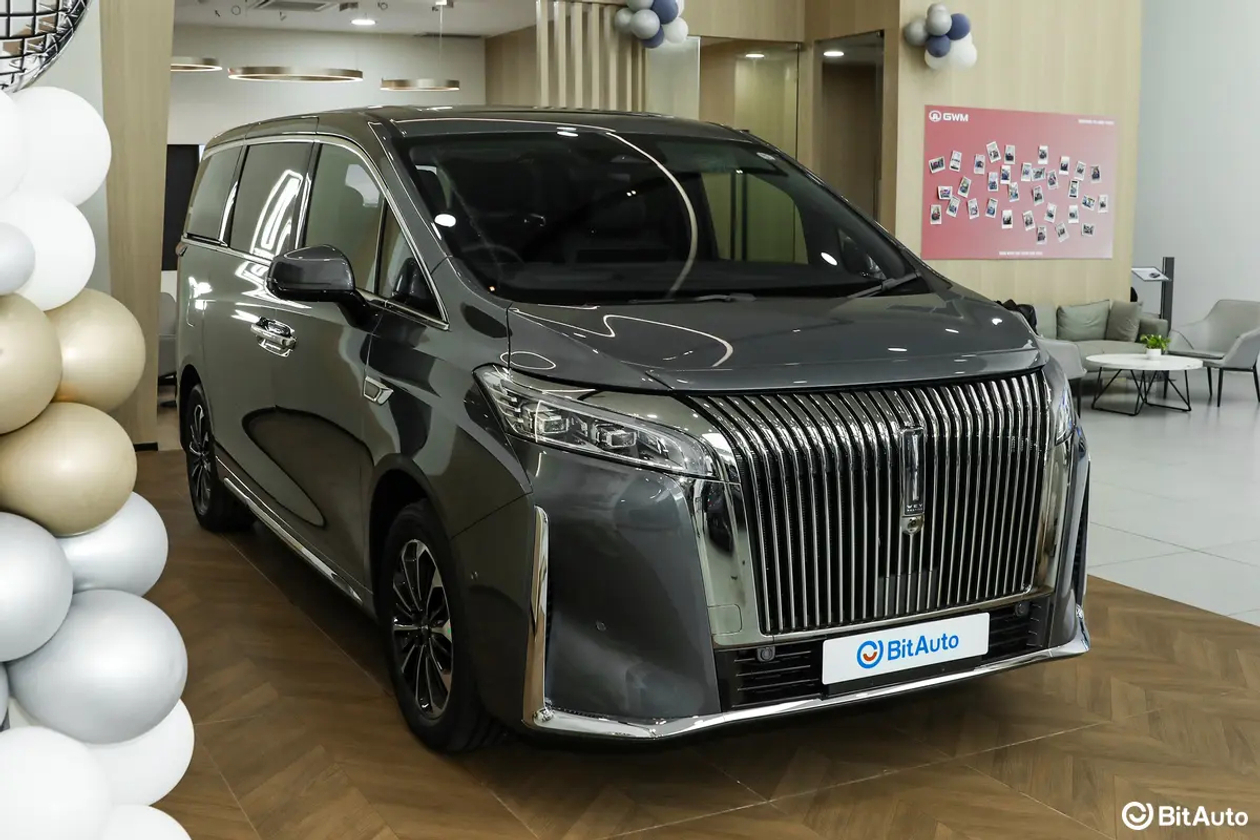
GWM WEY G9 is being assembled in Melaka and has already begun exports to Thailand.
The iCAUR 03 and V23 are co-produced at the Chery plant in Shah Alam.
SAIC, BAIC, and GAC also have their respective CKD plans.
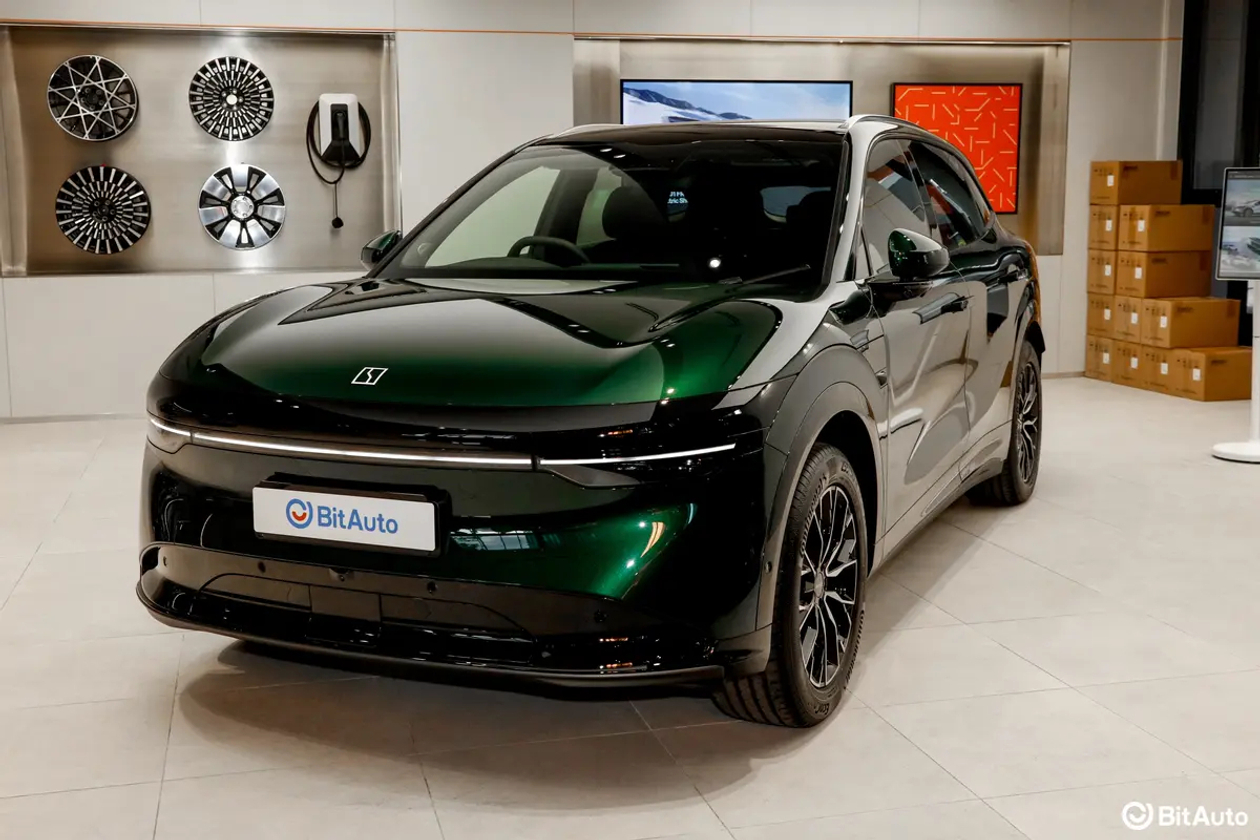
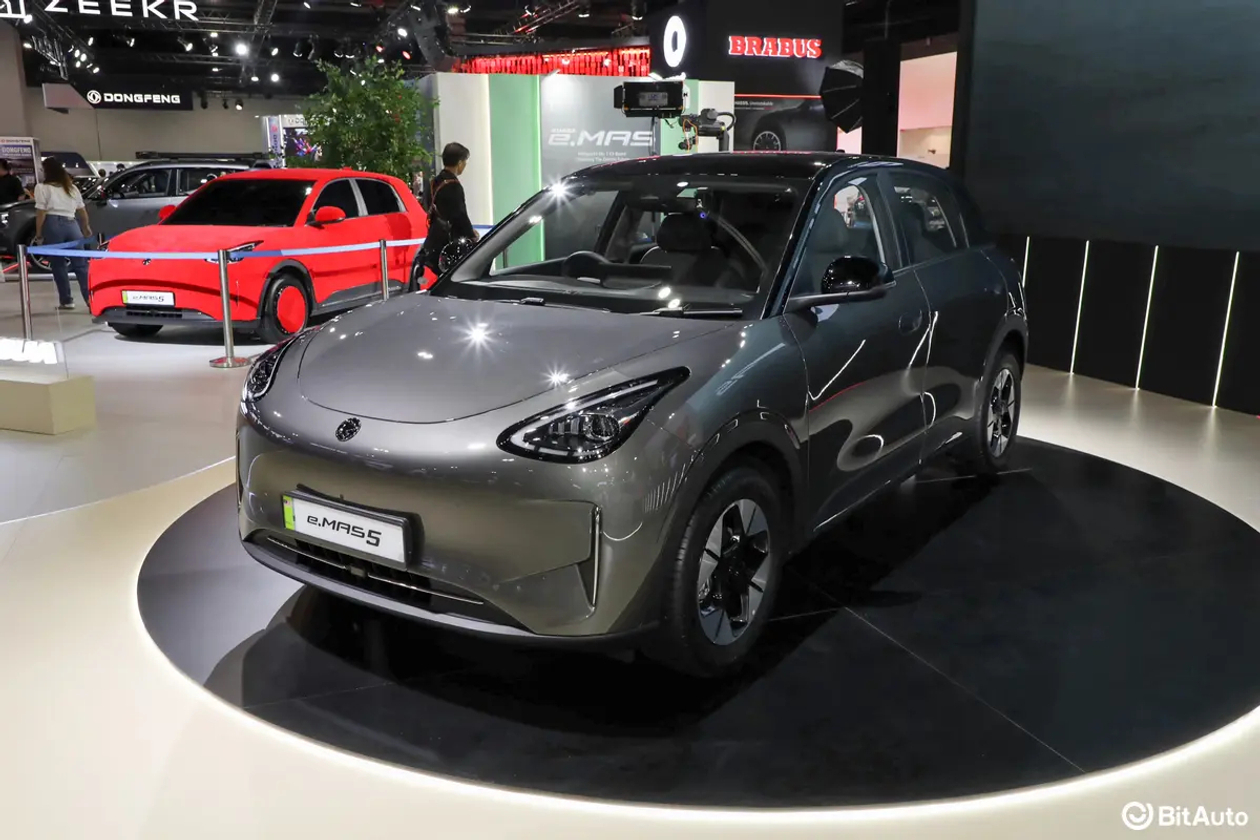
Zeekr has also confirmed that the 7X will undergo CKD assembly in Malaysia.
It is not just one or two models, but a whole wave. Chinese carmakers are suddenly jumping on the local assembly bandwagon en masse. What exactly is driving this trend?
Here is a quick look at the developments over the past few months.
XPENG announced its CKD partnership with EPMB last December, and the first locally assembled G6 rolled off the line at the EPMB plant in Melaka this June. Bookings officially opened on July 15, with pricing for the three variants matching the CBU versions—starting from RM158,888 for the Standard Range. Deliveries are expected to commence in August.
Leapmotor made its move even earlier. In June, Stellantis officially commenced local assembly of the Leapmotor C10 at its plant in Kulim, Kedah. The facility boasts an annual production capacity of 60,000 units. The C10 CKD is priced at RM129,000, RM4,000 higher than the CBU version. Currently, only the fully electric version is being produced, with plans to introduce the B10 model by the end of 2026.
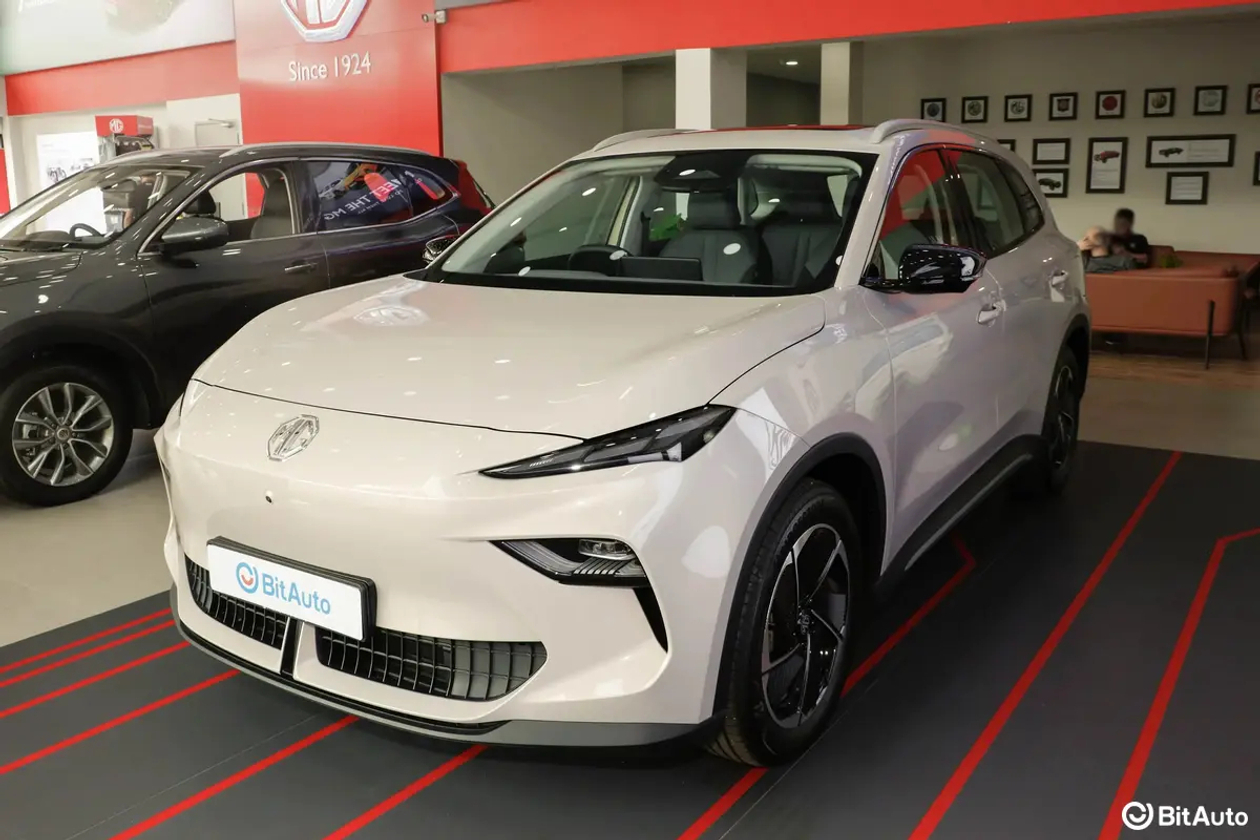
SAIC Motor chose the same CKD partner—EPMB. In October 2025, it announced plans to assemble MG-branded models in Melaka starting from the first quarter of 2026. On March 10, the first locally assembled MG S5 EV officially rolled off the line. MG currently has 26 dealerships across Malaysia.
GWM's CKD plans materialised even earlier. The WEY G9 is already being assembled at the EPMB Melaka plant and was officially launched on January 29, priced at RM269,800. This makes it Malaysia's first locally assembled plug-in hybrid MPV. More importantly, GWM has already begun exporting the CKD WEY G9 from Malaysia to Thailand, positioning Malaysia as GWM's production and export hub for ASEAN.
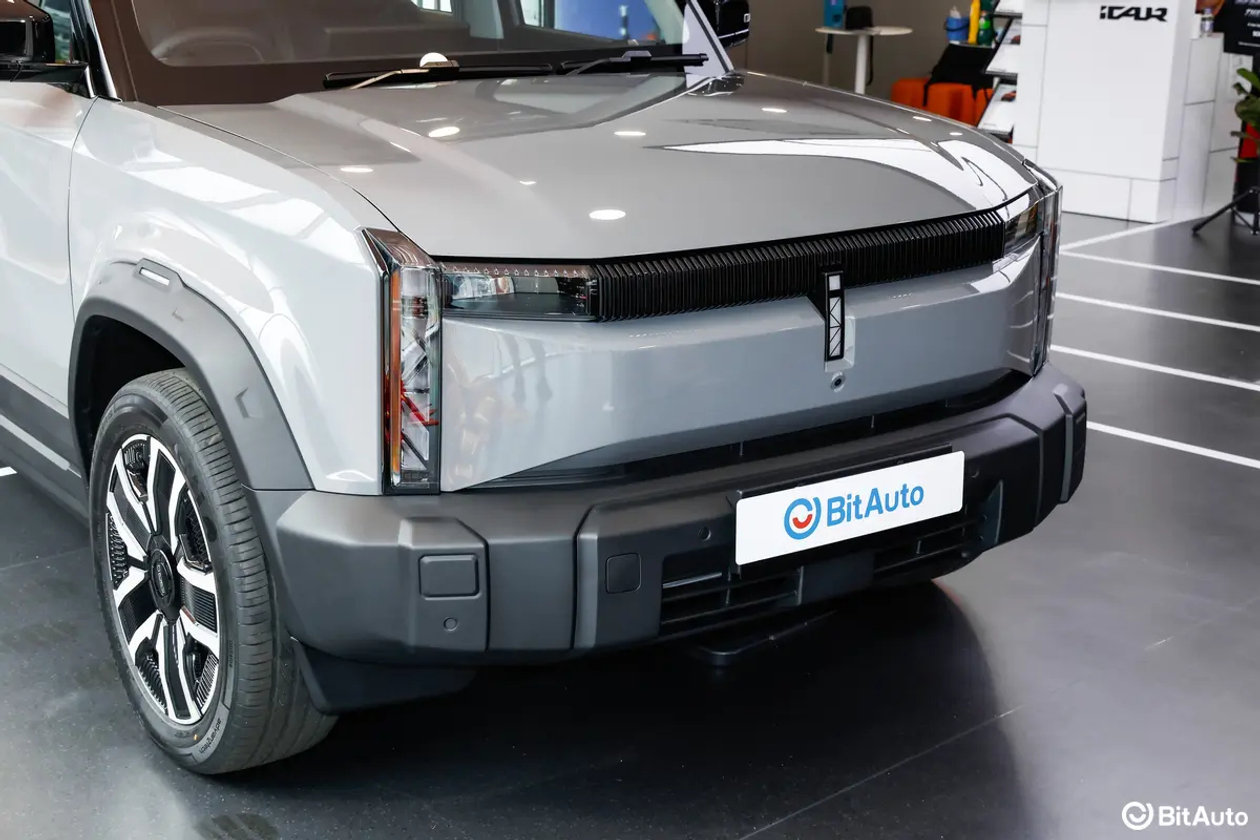
Chery Group's plant in Shah Alam is already handling CKD production for three brands: OMODA, JAECOO, and iCAUR. The CKD iCAUR 03 is slated to begin production in the second quarter of 2026, with the first batch of deliveries in May. The V23 will follow shortly after.
BAIC is also undertaking CKD assembly of the X55 and BJ40 at the EPMB Melaka plant. GAC's GS3 Emzoom is also currently sold as a CKD model. Meanwhile, Zeekr has confirmed that the 7X will be its first model to undergo CKD assembly in Malaysia, which also marks its first overseas market globally.
This CKD wave, to put it simply, is not a case of whether carmakers want to, but rather that they have to.
On July 1, 2026, Malaysia will officially implement new import regulations for electric vehicles (EVs). Fully imported (CBU) EVs must satisfy two conditions simultaneously: the Cost, Insurance, and Freight (CIF) value must not be less than RM200,000, and the electric motor output must be at least 180 kW.
Both terms must be met.
How impactful are these two thresholds?
All seven models sold by BYD in Malaysia start at prices below RM200,000, with the Dolphin and the entry-level Atto 3 failing to meet even the power output threshold. The Zeekr 7X and Chery OMODA E5 are also locked out.
In 2025, Chinese brands captured roughly 60% of Malaysia's new energy vehicle market. If they continue to rely on CBU imports, the volume-selling models of these brands will lose access to the Malaysian market.
MITI Minister Tengku Zafrul put it quite bluntly: the government welcomes foreign auto brands to set up assembly operations in Malaysia and offers attractive incentive packages. However, the catch is—you cannot just focus on selling cars; you must actively participate in building the local automotive ecosystem.
This is not the first time Malaysia has employed such tactics.
In 2022, the country introduced a four-year import duty exemption policy for EVs, with a CIF threshold of just RM100,000. The impact was indeed significant—in 2025, EV sales in Malaysia reached 44,813 units, representing a year-on-year surge of 105%.
However, once the exemption period expired at the end of 2025, the government chose to tighten the rules rather than extend them. The intent is clear: to use these barriers to force foreign investors to transition from merely selling cars to actually building them, replicating the localized industrial model that birthed Proton and Perodua.
While CBU thresholds are pushing carmakers toward CKD, the CKD route is not an easy one either.
Under the new regulations, for new CKD projects approved after September 1, 2025, the minimum vehicle retail price cannot be lower than RM100,000, and at least 80% of the production volume must be earmarked for export, leaving domestic sales capped at 20%.
Furthermore, key manufacturing processes, including body welding, painting, and final assembly, must be fully completed within Malaysia.
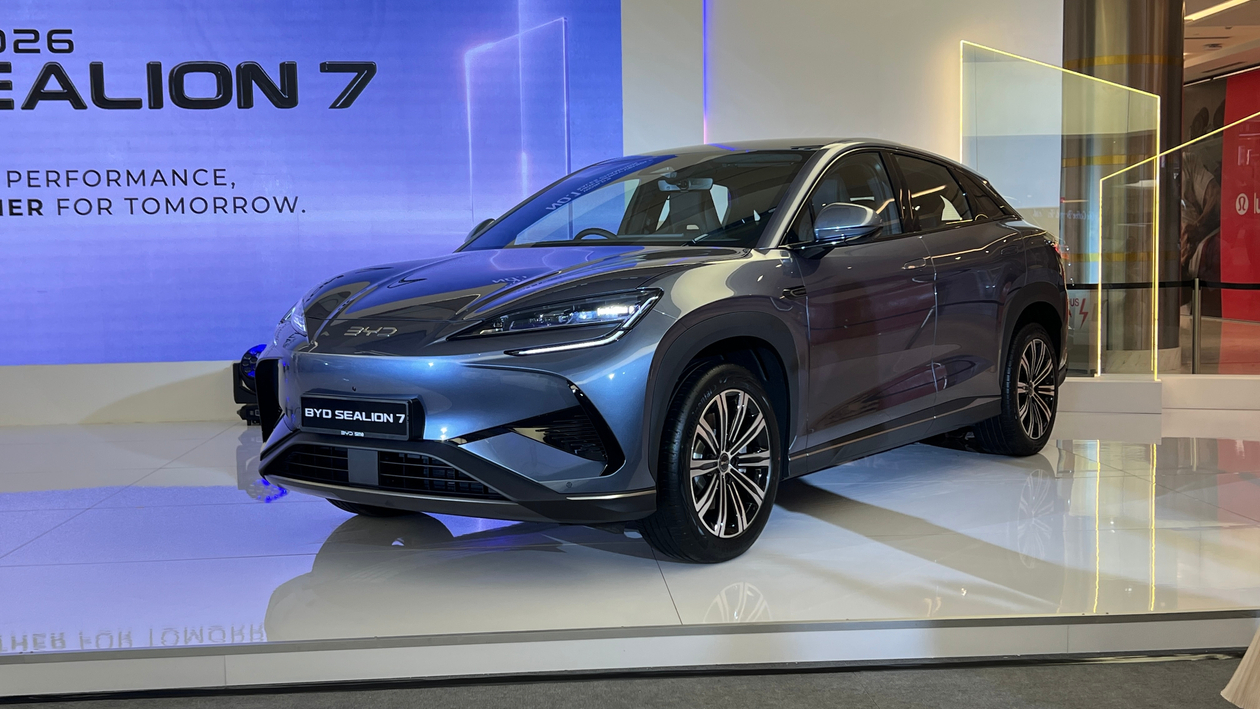
The 80% mandatory export quota is virtually unfeasible for Chinese carmakers that already have established production capacities in Thailand and Indonesia. BYD had planned a 600,000-square-metre CKD plant in Tanjung Malim, Perak—fully funded by BYD and slated to commence production in the second half of 2026—but the project has hit a snag because of this rule.
Reports indicate that progress on BYD's CKD plant has ground to a halt. MITI later clarified that domestic sales are capped at 10,000 units per year, which equates to 20% of BYD's projected total capacity.
The ministry stated that this policy is not specifically targeting BYD, but applies to all large-scale automotive assembly projects initiated in Malaysia from September 2025 onwards.
However, the policy leaves a loophole: companies utilising existing manufacturing facilities instead of building new plants are exempted from the 80% export quota.
This is why XPENG, Leapmotor, MG, and GWM have chosen to partner with local contract assemblers like EPMB.
The EPMB Melaka plant already provides contract assembly services for several Chinese brands, while Leapmotor is leveraging Stellantis's existing facility in Kulim.
By utilising operational assembly plants, these brands successfully bypass the strict conditions imposed on greenfield projects.
CKD is the first step.
EPMB has stated that it will accelerate parts localisation, including battery pack assembly.
Leapmotor's CKD initiative involves the overseas mass production and delivery of automotive-grade electric powertrains, battery packs, electronic control systems, and 800V high-voltage platforms. Stellantis has already conducted safety certification training on 800V systems for technicians at its Kulim plant.
With the Kulim facility already capable of exporting to neighbouring markets like Thailand and Indonesia, it is well-positioned to serve the wider ASEAN region.
These developments point to a broader trend: the global expansion of Chinese carmakers is shifting from "exporting vehicles" to "exporting technology".
Previously, fully built-up cars were shipped directly from China to be sold here; now, core components and technical expertise are being transferred for local assembly, local sourcing, and local talent development.
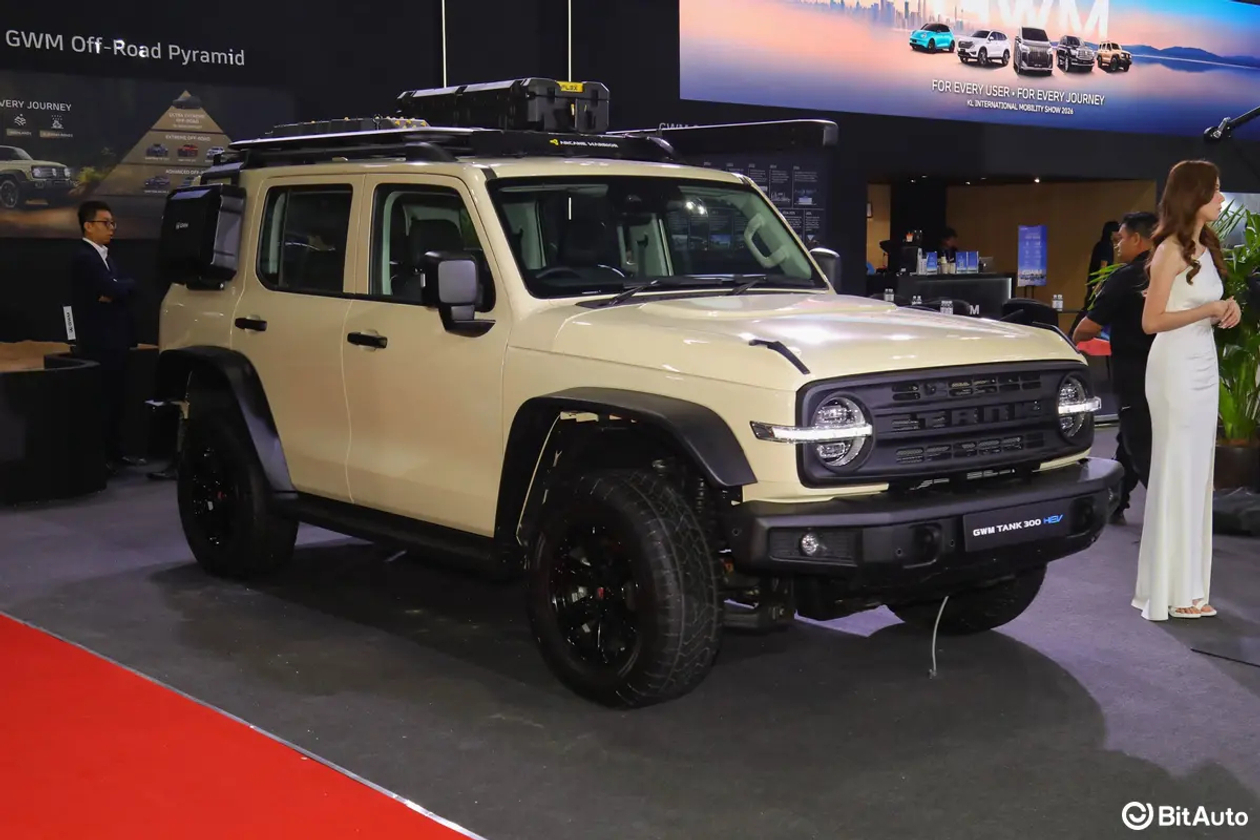
On a deeper level, Malaysia is emerging as the right-hand drive (RHD) production hub for these Chinese brands in Southeast Asia—GWM has already started exporting from Malaysia to Thailand, and the locally assembled MG S5 EV is slated for export as well.
More affordable cars, wider choices, and shorter waiting periods.
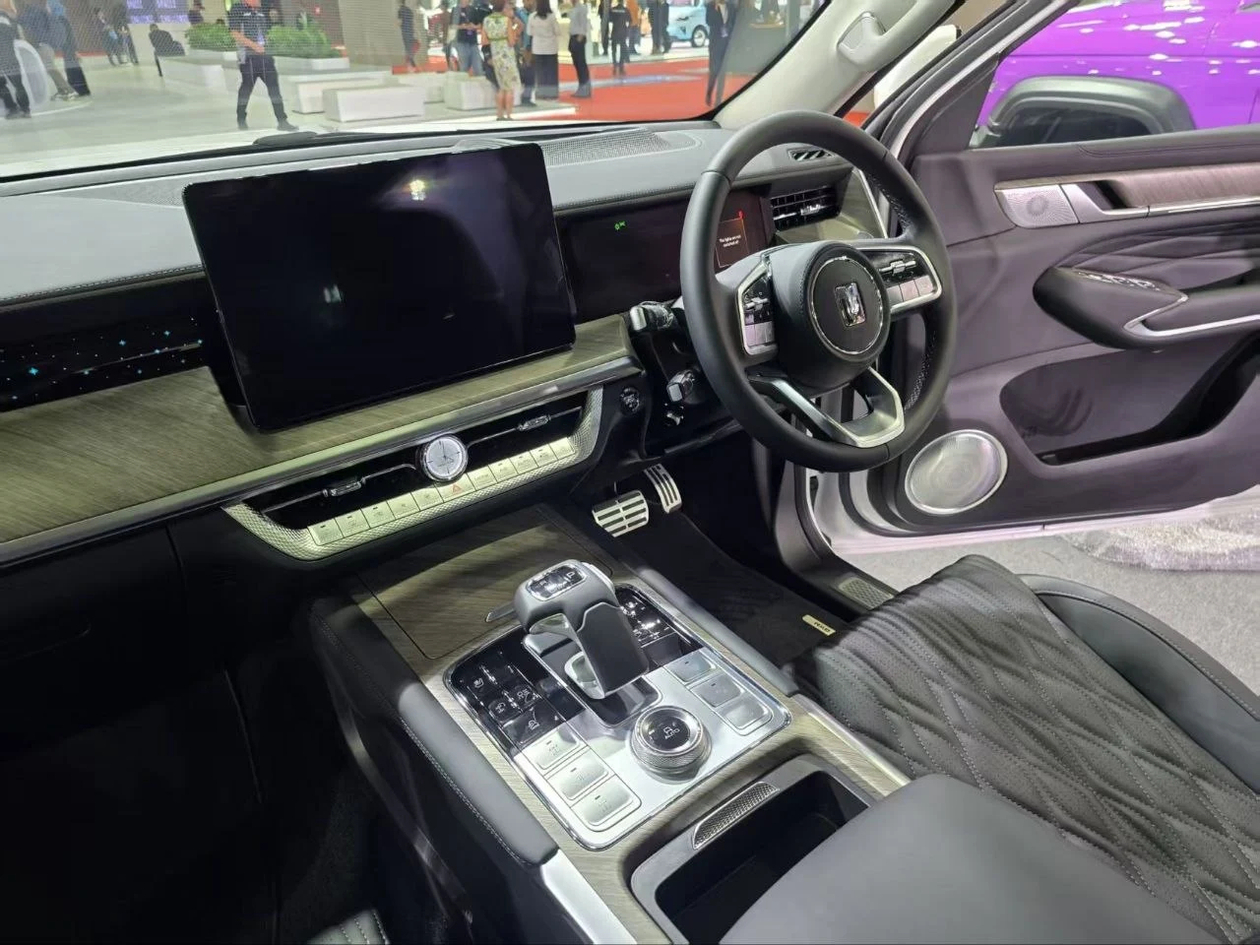
CKD assembly bypasses the heavy tariffs levied on CBU imports and enables carmakers to benefit from government tax incentives for locally assembled EVs—which enjoy a 100% exemption on import duty, excise duty, and sales tax until December 31, 2027.
Theoretically, these savings should be passed on to buyers in the form of lower retail prices.
However, the reality is not quite so straightforward. The CKD Leapmotor C10 is actually RM4,000 pricier than its CBU counterpart, while the CKD XPENG G6 has maintained the exact same pricing as the CBU version.
Local assembly does not automatically translate to a lower price tag—factors such as initial plant setup costs, local supply chain expenses, and the lack of economies of scale during the early phases all impact the final pricing.
Nonetheless, in the long run, local assembly promises a more robust local supply chain, shorter waiting times, and better spare parts availability—all of which are genuine wins for consumers.
From XPENG to Leapmotor, BYD to GWM, and SAIC to Chery, Chinese brands are leveraging CKD assembly to redefine their presence in Malaysia. They are no longer mere "foreign importers" but are actively embedding themselves into the local automotive ecosystem.
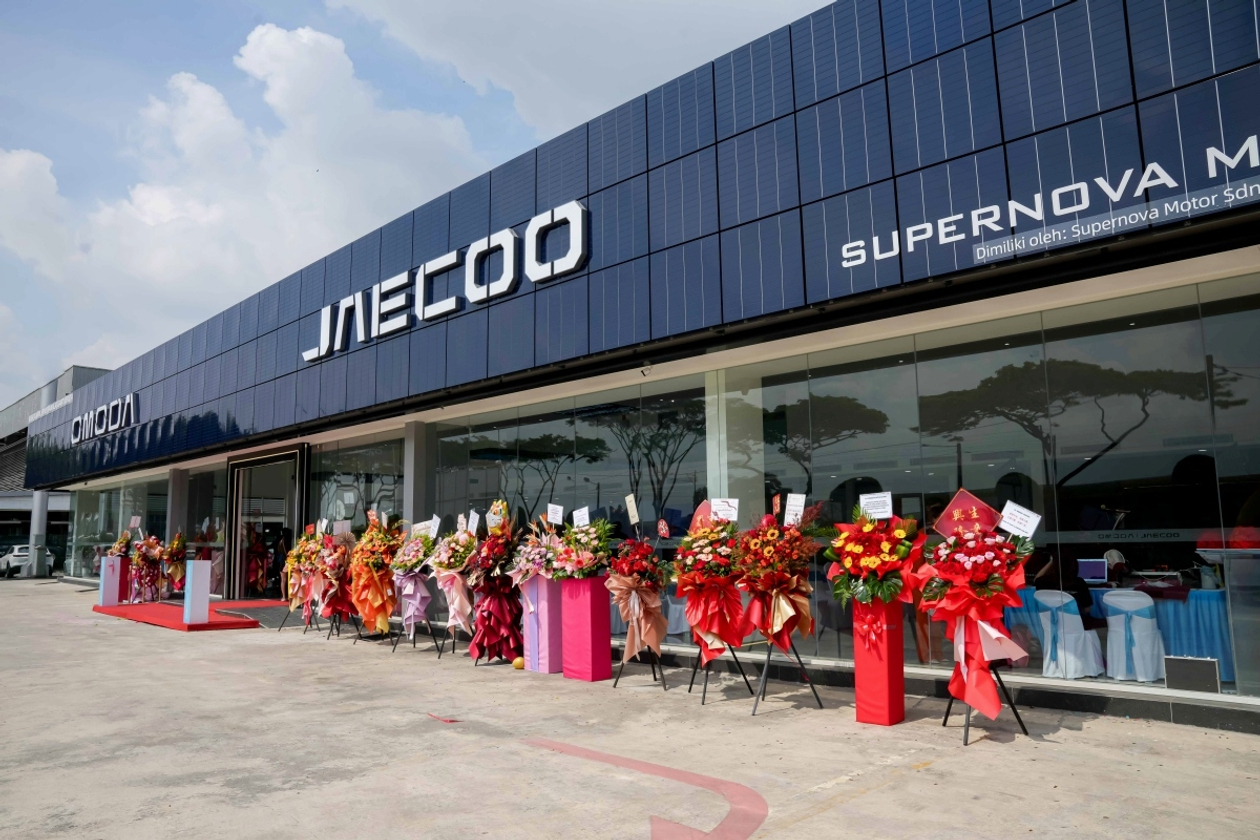
It is a challenging road ahead. Policy hurdles, export quotas, and the maturity of the local vendor ecosystem mean that every step of the way is an uphill battle.
Yet, the trajectory is clear—Malaysia is no longer content with being just a consumption market; it wants to be a manufacturing powerhouse. Similarly, Chinese carmakers are no longer satisfied with just exporting cars; they want to be integrated local players.
The convergence of these two ambitions is reshaping the regional automotive landscape. And this is only the beginning.


Your go-to source for all things automotive in Malaysia. 🚗 Latest reviews, breaking news, launches & industry trends.
+ Follow We saw this accident this morning, and here’s a reminder to everyone: please drive safe. 2 days ago
  The G50 BMW 3 series is now here, adopting much of the i3's design elements.
So, where's the BMW M3?
#bmw #BMW3Series 4 days ago
The G50 BMW 3 series is now here, adopting much of the i3's design elements.
So, where's the BMW M3?
#bmw #BMW3Series 4 days ago  DRIFT PARTY in Malaysia! Can the Xiaomi SU7, Yangwang U8 mix it up against JDM favourites in KL?
Our adventure with the Xiaomi SU7 and Yangwang U8 brings us to APDCrew circuit as we give witness a drift show. With pro drifters and fan-favourites - RX7s, S15s, Skylines, Supras, and more - in the mix, can our Xiaomi SU7 and Yangwang U8 hold their own?
It's also a quick look at Malaysian car culture, including some wildly modified minivans, and more!
#drift #malaysia #xiaomisu7 #yangwangu8 #larrychen #drifting #JDM跑車 4 days ago
DRIFT PARTY in Malaysia! Can the Xiaomi SU7, Yangwang U8 mix it up against JDM favourites in KL?
Our adventure with the Xiaomi SU7 and Yangwang U8 brings us to APDCrew circuit as we give witness a drift show. With pro drifters and fan-favourites - RX7s, S15s, Skylines, Supras, and more - in the mix, can our Xiaomi SU7 and Yangwang U8 hold their own?
It's also a quick look at Malaysian car culture, including some wildly modified minivans, and more!
#drift #malaysia #xiaomisu7 #yangwangu8 #larrychen #drifting #JDM跑車 4 days ago Get the latest car news first!
Your go-to source for all things automotive in Malaysia. 🚗 Latest reviews, breaking news, launches & industry trends.
We saw this accident this morning, and here’s a reminder to everyone: please drive safe. 2 days ago The G50 BMW 3 series is now here, adopting much of the i3's design elements.
So, where's the BMW M3?
#bmw #BMW3Series 4 days ago DRIFT PARTY in Malaysia! Can the Xiaomi SU7, Yangwang U8 mix it up against JDM favourites in KL?
Our adventure with the Xiaomi SU7 and Yangwang U8 brings us to APDCrew circuit as we give witness a drift show. With pro drifters and fan-favourites - RX7s, S15s, Skylines, Supras, and more - in the mix, can our Xiaomi SU7 and Yangwang U8 hold their own?
It's also a quick look at Malaysian car culture, including some wildly modified minivans, and more!
#drift #malaysia #xiaomisu7 #yangwangu8 #larrychen #drifting #JDM跑車 4 days ago  ProtonGWMVolkswagenJAECOOVolvoPeroduaToyotaHondaTESLAMitsubishiMazdaJetourCheryBYDLexusBMWMercedes-BenziCAURZeekrIsuzuNissanLeapmotorPorscheFordOMODAMINIMGSuzukiXPengHyundaiWulingKiaSubaruDenzaGACLand RoverDongfengCAMAudiPeugeotFotonMAXUSsmartDaihatsuJACJMCMaseratiLotusAlfa RomeoRenaultGolden DragonKaiceneSeresLamborghiniFerrariJeepRolls-RoyceLepasAston MartinMcLarenChevroletBentleyFiatBAICForthingGeelyRoeweAeolusChanganARCFOXDeepalExeedHongqiVoyahJaguarKGMBuforiAcuraCadillacDodgeAbarthINEOSMHEROJMEVFreelander
© 2024 Bitauto.com. All Rights Reserved.
Bitauto (www.yiche.com and www.bitauto.com) is one of the most visited automotive websites in China. We provide detailed info on Chinese car brands available in your area. Please note that the information provided on this website is based on publicly available data and is for reference only. It may not be fully updated or accurate at all times.
Help us improve our website


