

HomeArchitecture

Search History
Popular Searches
Dealer Login / Sign Up

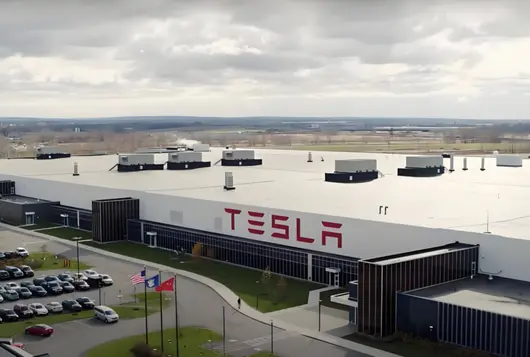
日前,有外媒放出消息,特斯拉内部正在斟酌分拆、出售甚至关停全部在华业务,目的是给特斯拉和SpaceX的合并扫除合规阻碍。这根源在于SpaceX身负美国航天军工承包商身份,手握大量涉密航天项目,并购附带极强跨国监管压力。

特斯拉中国独资工厂撑起品牌产能与盈利大盘,兼顾国内供货和海外出口。一旦砍掉这块资产,特斯拉营收、产能、估值都会迎来明显回落sh。据了解,但各类撤资方案只停留在内部讨论,没有落地时间表,后续变数极大。
SpaceX和特斯拉的并购风波
舆论认为,特斯拉卖掉国内资产就能打通特斯拉和SpaceX合并的合规通道。这套判断把全球监管想得太过简单,属于过度放大股权结构对企业经营的影响权重。

SpaceX承接美国涉密航天与军工配套业务,受到美国方面的严格约束。一旦这家企业取得特斯拉的控制权,特斯拉布局全球的各个市场,都将会迎来针对性的合规筛查。欧盟对智能汽车的跨境数据传输、数据共享划定刚性约束;东南亚新加坡、泰国、马来西亚陆续完善数据法规,搭建适配车企的数据留存、跨境审查规则。
站在企业全球化经营的视角来看,通过处置上海工厂这类核心资产换取合规空间,实际收益并不匹配经营成本。依托长三角完备的零部件供应链,上海工厂可以保持特斯拉整车制造成本,承担着大量国内交付与海外外销订单,是品牌全球产能和盈利的重要支撑。牺牲核心优质产能,仅解决单一区域的合规问题,很难适配特斯拉全球化经营的整体诉求。

以放弃核心产能、抬升制造成本、削弱全球交付效率为代价,仅换取局部合规缓冲,商业性价比极低。主流跨国车企应对多区域监管,均以柔性数字化整改为主,通过隔离内外办公链路、收紧数据权限、搭建本地数据闭环完成合规迭代。
跨国车企的跨境合规工作,需要适配不同区域的政策规则,应对分散且独立的各类监管风险。单一市场的资产调整,只能覆盖局部合规缺口,无法完成全局合规适配。市场依托资产剥离推演的合并路径,存在明显的片面性,也不符合跨国车企常态化的合规经营逻辑与商业取舍逻辑。
车企合规逻辑被简单化
本轮特斯拉撤离相关消息不断扩散,业内人士拿股权背景评判合规走向,行业对于国内汽车监管细则的理解出现偏差,忽略监管落地的真实逻辑。

国内汽车合规搭建分层管控框架,日常运营以跨境数据管控作为核心核查项,与外商投资安全审查分层并行,两套监管路径各司其职。企业日常开展生产销售时,监管人员重点核查数据存储方式、传输通道、流转范围,不会单凭投资方的背景,限制合规外资车企正常开展业务。
国内针对智能汽车车载数据划定清晰执行标准,车辆行驶轨迹、车载拍摄影像、各类驾驶行为数据只要在国内收集,都需要保存在本地服务器。所有往外输送数据的操作,都要走完报备、审批整套流程。特斯拉有不少温和方式适配规则,加固本地网络端口,划分海内外系统访问权限,搭建独立封闭的数据管理框架,就能满足全部管控要求。业内反复讨论的变卖股权、分割在华产能等方案,和监管落地执行的路径对不上,算不上适配方案。
特斯拉陆续落地账号权限划分、本地数据闭环、办公网络分区等改造工作。全球多个国家都在收紧汽车数据法规,这类改造适配大范围政策变动,服务企业长线风险把控,不会跟着特斯拉与SpaceX的并购传闻变动节奏。

外媒关于特斯拉关停工厂、撤出国内市场的说法,只是基于风险做出的极端猜想,落地的现实条件并不充足。特斯拉后续针对中国市场做出的各类改动,大多会落脚在数据防护、账号权限管理的细节打磨。国内完整的汽车上下游供应链、体量可观的消费市场具备充足吸引力,扎根本地持续运营,会是企业更稳妥的选择。单纯依靠重资产撤离应对合规,既浪费已积累的产业资源,也不符合车企常规的风控改造思路。
百姓评车
行业对特斯拉并购合规的讨论,始终陷入股权与资产切割的浅层误区。市场高估了重资产剥离的合规价值,也低估了全球监管的独立性与国内合规体系的包容性。
国内监管早已摒弃粗放的股权式管控,以数据本地化、跨境权限管控为核心的精细化规则,为外资车企留出充足的柔性整改空间,资产出售、产能撤离只是脱离行业现实的极端猜想。
说到底,车企全球化经营,拼的从来不是激进的资产取舍,而是长期、稳定、精细化的合规体系搭建,这也是行业看待本轮传闻最务实的底层逻辑。

In Malaysia's SUV market, many buyers compare Perodua Aruz and Subaru Crosstrek when choosing a car. These two models are quite close in price and positioning. Today, we will make a detailed comparison from multiple aspects to help you save time on research.
The OTR price of Perodua Aruz in Malaysia is RM 72,900 - 77,900, with a total of 2 versions, including 1.5L X (RM 72,900), 1.5L AV (RM 77,900), etc.
The OTR price of Subaru Crosstrek in Malaysia is RM 145,000 - 160,000, with a total of 1 version, including 2.0L e-Boxer (RM 150,000), etc.
In terms of price, the starting price of Perodua Aruz is indeed RM 72,100 cheaper than Subaru Crosstrek. If your budget is limited, Perodua's entry-level version can already meet daily needs. However, note that the lower cost of a few thousand may involve trade-offs in features, depending specifically on your needs.

Perodua Aruz comes with 1.5L 4-cyl, 105 hp. Official fuel consumption 6.0 L/100km.
Subaru Crosstrek comes with 1.5L Turbo, 140 hp. Official fuel consumption 7.0 L/100km.
In terms of power, Subaru Crosstrek's 1.5L Turbo has 35 more horsepower than Perodua Aruz's 1.5L 4-cyl. However, for daily driving in the city, both cars have sufficient power, you won't feel it's lacking power.

Perodua Aruz body length 4400 mm, trunk 400 L.
Subaru Crosstrek body length 4400 mm, trunk 400 L.
The dimensions of both cars are almost the same, interior space difference is not big. Cars in this class are completely sufficient for daily use.

Perodua Aruz warranty 5 years/150,000km, service interval every 10,000km or 6 months.
Subaru Crosstrek warranty 3 years/100,000km, service interval every 10,000km or 6 months.

Overall, Perodua Aruz and Subaru Crosstrek are both quite good models in the Malaysia market. Which one to choose depends mainly on your personal needs and budget. It is recommended to do your research, compare quotes from several car dealerships, and then test drive to make the final decision. Buying a car is a big matter, spending some time on research will never be wrong.

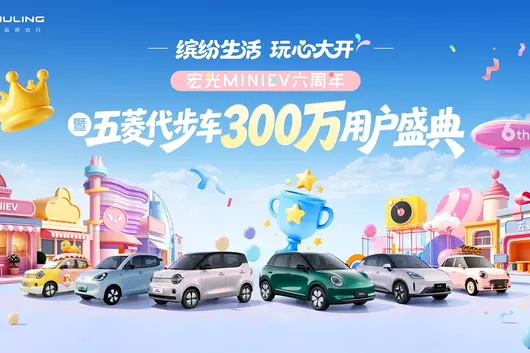
其他竞争对手一直在追逐,但五菱代步车的地位却从未被超越。
7月31日,上汽通用五菱正式宣布五菱代步车用户即将突破300万辆,达成了这一新里程碑,五菱决定将于8月7日在成都露天音乐公园举行“缤纷生活 玩心大开”宏光MINIEV六周年暨五菱代步车300万用户盛典。
届时,缤果家族全球代言人孟子义将亲临现场,与300万用户共赴一场属于“人民的代步车”的缤纷派对——从第三方视角来看,五菱代步车已经从一门“生意”做成了年轻人的“玩意”。

从2017年宝骏E100、E200的初试啼声,到宏光MINIEV家族的横空出世,再到缤果家族的缤纷绽放,五菱用了不到十年时间,将“代步车”这个原本松散的品类,牢牢刻上了自己的名字——如今,当人们提起“代步小车”,第一反应几乎就是“买辆五菱”,而其他品牌一次次试图复刻神话,却始终只能在身后追赶,从未真正撼动其王者地位。
什么是细分市场的“代名词”?就是当用户需要一辆短途通勤、买菜接娃、灵活好停的小车时,脑海中自动弹出的第一个名字,就是五菱。
宏光MINIEV家族凭借“好看、好开、好停、好省”的硬核产品力,累计收获超195万用户青睐,连续71个月稳居国内A00级纯电销量冠军,并蝉联全球微型新能源汽车累计销量第一;缤果家族则以高颜值缤纷座驾之姿,赢得超75万车主信赖。两大家族合力构筑起300万辆的销量长城,这一数字本身已是其他竞品难以企及的天花板。更关键的是,五菱不是在“造一款小车”,而是在定义一种生活方式——它让代步从“将就”变成“讲究”,从“工具”变成“玩伴”,这种心智上的先发优势,让后来者即便推出参数相近的产品,也始终无法复制那份“人民代步车”的亲切与信任。

当代年轻人选车,既要颜值在线,又要空间实用,既要灵活好开,又要省钱省心。第五代宏光MINIEV精准拿捏了这四大痛点,而每一项都是竞品模仿容易、超越极难的“硬门槛”。
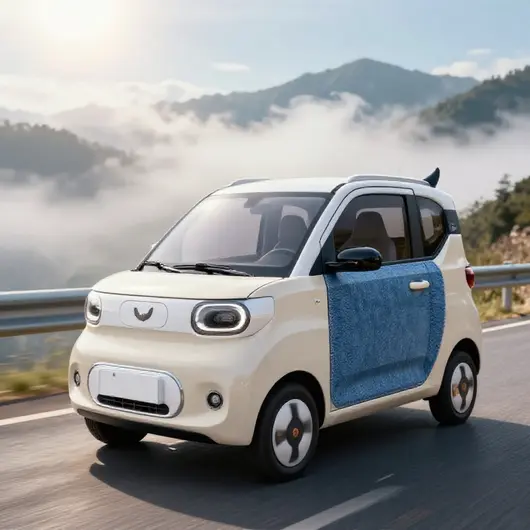
设计上,它以“甜趣方糖”语言搭配幻彩珠光车色和“焦糖奶油”内饰,副驾“百变造景空间”更让潮玩摆件随心布置,小车瞬间成为个性画板,这种自带社交属性的颜值哲学,其他品牌学其形却难学其神;空间上,四门四座设计、2190mm轴距、793mm前后排座间距,加上可拓展至838L的后备厢,让两门竞品在多人出行时捉襟见肘,而五菱却能让四人舒舒服服同车出游;操控上,4.5米超小转弯半径让窄巷掉头、侧方停车如“家常便饭”,电机零起特性带来红绿灯起步的轻快感,0-50km/h加速仅需4.9秒,城市穿梭游刃有余,全系标配ESC与双安全气囊、环状笼式车身高强钢占比60%更是刷新了人们对“小车不安全”的偏见;经济性上,百公里电耗仅8.9kWh,每公里成本约4分钱,支持直流快充的205km/301km双续航版本,让竞品在“省”字面前黯然失色——四重优势环环相扣,构成了竞品无法逾越的体验壁垒。

在产品优势的基础上,五菱还构建了“产品+口碑+生态”的三重护城河。产品层面,四门四座布局、全系标配双气囊与ESC、超745L拓展空间,这些硬性指标在同价位中扎实领先;口碑层面,超195万用户的真实使用反馈、连续71个月的销量冠军,带来的是二手保值率、维保便利性和社群活跃度的全面碾压;生态层面,五菱在全国拥有超过2800家服务网点,潮创文化、用户盛典等活动更将车主凝聚成一个有温度的大家庭——当竞品还在堆砌配置参数时,五菱早已完成了从“卖车”到“经营用户关系”的跃迁。其他品牌可以复刻一辆小车的尺寸和续航,却无法复刻300万用户共同书写的时代记忆,这或许正是“代名词”与“追赶者”之间最本质的差异。
不仅在国内,五菱已经达成了“人民的代步车”这一牢固基础,在海外,五菱代步车也在快速成长为“全球人民的代步车”:7月29日,第五代宏光MINIEV(Wuling Aira ev)在印尼国际车展正式上市,售价1.55亿印尼盾起(约合人民币5.96万元)。新车携手迪士尼·皮克斯《玩具总动员5》展开跨界联动,以更潮趣的形象触达当地年轻家庭。这不仅是一次产品出海,更是将“中国式代步”理念推向全球——在东南亚的拥挤街道、在欧洲的古老窄巷,五菱代步车所代表的“好开、好停、好省”正在成为普适需求,而五菱正以先行者姿态定义这一细分市场的全球标准,让“代步车=五菱”的认知从中国蔓延至世界。

从销量冠军到全球潮玩符号,五菱代步车用300万份信赖证明:小车亦可承载万千热爱。8月7日,成都露天音乐公园,近百台用户潮创车将齐聚现场,车主代表们将共赴这场专属于他们的“缤纷生活”盛宴。这不仅是五菱的荣耀时刻,更是对整个行业的一次宣告——在代步车这个细分赛道上,五菱早已不是领跑者,而是赛道本身;其他品牌可以拼命追逐,却始终无法超越那个叫“人民代步车”的代名词!
作者:刘隽刚
In the Malaysian SUV market, many buyers compare Proton X50 and Honda WR-V when choosing a car.
Proton X50 OTR price in Malaysia is RM 89,800 - 113,300, with a total of 4 versions, including 1.5T Executive (RM 89,800), 1.5T Premium (RM 101,800), 1.5T Flagship (RM 113,300), etc.
Honda WR-V OTR price in Malaysia is RM 89,900 - 107,900, with a total of 4 versions, including 2023 1.5L V (RM 99,900), 2023 1.5L E (RM 95,900), 2023 1.5L S (RM 89,900), etc.
From a price perspective, Proton X50's starting price is indeed RM 100 cheaper than Honda WR-V. If your budget is limited, Proton's entry-level version can already meet daily needs. However, note that the difference of a few thousand might involve trade-offs in features, depending on your specific needs.

Proton X50 adopts 4WD drive system.
Honda WR-V adopts FWD drive system.
Proton's 4WD and Honda's FWD offer different driving experiences; test drives are recommended for comparison.
Proton X50 warranty 5 years/150,000km, maintenance interval every 10,000km or 6 months.
Honda WR-V warranty 5 years/unlimited mileage, maintenance interval every 10,000km or 6 months.

Both Proton X50 and Honda WR-V are mainstream choices in the Malaysian market, suitable for family use and daily commuting. If you value brand reputation and resale value more, prioritize the one with better reputation; if you care more about value for money and features, choose the one with richer configurations. Ultimately, it is recommended to test drive both, as personal experience is the most important.

In general, both Proton X50 and Honda WR-V are excellent models in the Malaysian market. Which one to choose depends mainly on your personal needs and budget. We suggest doing your research, comparing quotes from several car dealers, and then test driving before making a final decision. Buying a car is a big matter; spending time doing research will never go wrong.


Dalam pasaran SUV di Malaysia, ramai pembeli akan membandingkan Proton X70 dan Mazda CX-3 ketika memilih kereta. Kedua-dua kenderaan ini agak hampir dari segi harga dan penstratan, hari ini kita akan buat perbandingan terperinci dari pelbagai aspek untuk membantu anda menjimatkan masa membuat penyelidikan.
Proton X70 harga OTR di Malaysia ialah RM 106,800 - 122,300, terdapat 3 versi, termasuk 1.5L Standard 2WD (RM 106,800), 1.5L Executive 2WD (RM 115,800), 1.5L Premium 2WD (RM 122,300) dan lain-lain.
Mazda CX-3 harga OTR di Malaysia ialah RM 126,159 - 139,159, terdapat 2 versi, termasuk 2023 2.0L High (RM 139,159), 2023 2.0L Plus (RM 126,159) dan lain-lain.
Dari segi harga, harga permulaan Proton X70 memang lebih murah RM 19,359 berbanding Mazda CX-3. Jika bajet anda terhad, versi permulaan Proton sudah boleh memenuhi keperluan harian. Namun, perhatikan juga, beberapa ribu ringgit yang lebih murah itu mungkin melibatkan kompromi pada pelengkapan, bergantung pada keperluan anda.

Proton X70 dilengkapi enjin 1.5L Turbo, kuasa 140 hp. Penggunaan minyak rasmi 7.0 L/100km.
Mazda CX-3 dilengkapi enjin 1.5L Turbo, kuasa 140 hp. Penggunaan minyak rasmi 7.0 L/100km.
Kedua-dua kereta menggunakan sistem kuasa yang sama, pengalaman memandu harian pada dasarnya tiada perbezaan. Dari segi penggunaan minyak juga hampir sama, tidak perlu terlalu bimbang tentang hal ini.

Penilaian keselamatan Proton X70 ialah 5★ (ASEAN NCAP), sistem keselamatan aktif termasuk ADAS (ACC, AEB, LKA, LDA, BSM, RCTA).
Penilaian keselamatan Mazda CX-3 ialah 5★ (ASEAN NCAP), sistem keselamatan aktif termasuk i-Activsense.
Penilaian keselamatan kedua-dua kereta adalah sama, dalam kelas ini pelengkapan keselamatan dianggap cukup lengkap. Keselamatan kereta baru sekarang tidaklah buruk, tidak perlu terlalu bimbang tentang hal ini.

Proton X70 menggunakan sistem pemacu FWD.
Mazda CX-3 menggunakan sistem pemacu FWD.
Sistem pemacu kedua-dua kereta adalah sama, iaitu FWD, pengalaman memandu harian tidak akan terlalu berbeza.
Proton X70 dan Mazda CX-3 kedua-duanya pilihan popular di pasaran Malaysia, sesuai untuk kegunaan keluarga, perjalanan harian. Jika anda lebih mengutamakan reputasi jenama dan nilai jual semula, boleh terutamanya pilih yang mempunyai reputasi lebih baik; jika anda lebih mementingkan nilai harga dan pelengkapan, maka pilih model yang lebih banyak kelengkapan. Akhir sekali, disarankan untuk mencuba kedua-dua model, pengalaman langsung adalah yang paling penting.
Secara keseluruhan, Proton X70 dan Mazda CX-3 adalah model kereta yang sangat baik di pasaran Malaysia. Memilih mana satu, intinya bergantung pada keperluan dan bajet peribadi anda. Kami cadangkan anda menyiapkan kajian, membandingkan harga di beberapa kedai kereta, kemudian buat test drive untuk membuat keputusan akhir. Membeli kereta adalah perkara besar, meluangkan masa untuk kajian tidak akan salah.


喺馬來西亞嘅 SUV 市場,好多買家喺揀車嗰陣都會拎 Proton X70 同 Mazda CX-60 嚟做比較。這兩款車喺價位同定位上都幾接近,今日我哋就從多個方面做個詳細比較,幫你省做功課嘅時間。
Proton X70 喺馬來西亞嘅 OTR 售價係 RM 106,800 - 122,300,合共有 3 個版本,包括 1.5L Standard 2WD(RM 106,800)、1.5L Executive 2WD(RM 115,800)、1.5L Premium 2WD(RM 122,300) 等。
Mazda CX-60 喺馬來西亞嘅 OTR 售價係 RM 200,510 - 252,873,合共有 2 個版本,包括 2026 3.3T 4WD High Plus(RM 252,873)、2025 2.5L 2WD High(RM 200,510) 等。
睇落價錢,Proton X70 嘅起步價真係比 Mazda CX-60 平咗 RM 93,710。如果你預算有限,Proton 嘅入門版已經可以滿足日常需求。但都要注意,平嗰幾千塊,可能喺配備上會有取捨,具體睇你嘅需求。

Proton X70 嘅安全評級係 5★ (ASEAN NCAP),主動安全系統包括 ADAS (ACC, AEB, LKA, LDA, BSM, RCTA)。
Mazda CX-60 嘅安全評級係 5★ (Euro NCAP),主動安全系統包括 i-Activsense Pro。
安全配備方面,兩款車都拿咗唔錯嘅評級。不過 Proton X70 嘅 ADAS (ACC, AEB, LKA, LDA, BSM, RCTA) 同 Mazda CX-60 嘅 i-Activsense Pro 喺功能上有啲差異,如果你比較睇重主動安全嘅話,可以詳細比較吓兩者嘅功能列表。

Proton X70 車身長 4400 mm,行李箱 400 L。
Mazda CX-60 車身長 4500 mm,行李箱 450 L。
空間方面,Mazda CX-60 嘅車身比 Proton X70 長咗 100 mm,乘坐空間更有優勢。不過 Proton X70 喺城市入面停車會靈活少少,各有取捨。

Proton X70 同 Mazda CX-60 都係馬來西亞市場嘅主流選擇,適合家庭使用、日常通勤。如果你更睇重品牌口碑同二手價,可以優先考慮口碑更好嗰款;如果你更在意性價比同配備,就揀配置更豐富嗰款。最後都建議兩款都去試駕,親身體驗先至係最重要。
總嚟講,Proton X70 同 Mazda CX-60 都係馬來西亞市場幾唔錯嘅車型。揀邊部車,關鍵都要睇返你嘅個人需求同預算。建議大家做好功課,多比較幾間車行嘅報價,再去試駕做最終決定。買車係件大事,花啲時間做功課絕對唔會錯。



Written by | Ying Liu
Edited by Dalu Huang
Designed by | Youmei Zhen
On June 5, 1950, Kiichiro Toyoda resigned as president. This founder, who brought the family loom business into the automotive industry, could not hand over the company directly to his children.
A labor-management standoff lasting two months ended with large-scale layoffs and executive resignations; 2,146 employees left, and the vice president and executive directors resigned alongside Kiichiro Toyoda on the same day. Over a month later, Juzo Ishida, president of Toyota Automatic Loom Works, concurrently took over as president of Toyota Motor Corporation, while Fumio Nakagawa and others from the banking background entered the new management team.
The turning point occurred on the twentieth day after Kiichiro Toyoda's resignation.
The outbreak of the Korean War brought truck orders from the US military, giving the bankrupt Toyota a reprieve. By March 1951, cumulative orders reached 4,679 units, totaling 3.66 billion yen. Factories resumed operations, and the books once again showed cash flow. By early 1952, the company was preparing to ask the founder to return and resume the presidency. However, just before the official comeback, Kiichiro Toyoda suddenly passed away at the age of 57.
Succession moments for Toyota have frequently undergone changes.
In 1967, President Fumio Nakagawa suffered a sudden heart attack after returning from a business trip to Tokyo; the presidential position remained vacant until after his funeral. In 1995, Shoichiro Toyoda was hospitalized for six months due to illness, interrupting the period of family control once again. In 2009, Akio Toyoda took charge amidst the company's predicted first annual operating loss since inception, later became involved in one of Toyota's most severe recall crises, and testified before the US Congress alongside Yoshimi Inaba, head of Toyota North America, in 2010.

Toyota also once had a secret succession.
In late 2022, at the Buriram Circuit in Thailand, Akio Toyoda asked Koji Sato, an engineer beside him, if he was willing to assume the presidency. Sato officially took office in April 2023. In April 2026, he transferred to the position of Vice Chairman and Chief Industry Officer, with Kenji Kondo succeeding him as President and CEO.
In 2026, another personnel change sparked external attention to the fifth generation of the family, but Toyota did not define it as a succession plan.
On August 1, 2026, Daisuke Toyoda, 38-year-old son of Akio Toyoda, will leave Woven by Toyota, the software company he co-created, and the first phase of Woven City, which has already been launched, as well as the second phase still under construction, to return to Toyota Motor Corporation. He will not join the board of directors, nor will he receive an executive title; instead, he will enter a department close to the vehicle development "frontline" (genba) as a project manager. Toyota has not disclosed the specific department or model.
Toyota has not publicly announced any successor. The company's history of nearly ninety years repeatedly proves that a name can provide credit during a crisis but may also raise doubts during a power transition.
The Fifth Generation Returns to the Vehicle Development Frontline
Woven City is built on the site of the old Toyota East Fuji factory, testing autonomous vehicles, robots, and logistics equipment in a real urban environment. In September 2025, Phase 1 officially launched, and the first residents began moving in, with multiple partner enterprises entering the co-creation phase; Phase 2 is currently still under construction.
As a founding member of Woven by Toyota, Senior Vice President, and core head of Woven City, Daisuke Toyoda once turned his gaze beyond automobiles. In a 2025 interview, he compared this city to his great-grandfather Kiichiro Toyoda entering the automotive industry and posed a question: "When we truly become a mobility company, will Toyota Motor still be the group's core? We don't know."
Less than a year later, he began to move back.

On June 1, 2026, Woven announced that Daisuke Toyoda would transfer to Toyota Motor Corporation on August 1. The company announcement did not disclose the new position. A Toyota spokesperson subsequently confirmed to Reuters that he would serve as a project manager, entering a department close to the vehicle development "frontline" (genba), but refused to specify the specific business division and model.
This means his work focus will shift from a city-level testing platform to vehicle development. However, since Toyota has not yet explained specific duties, it is currently impossible to judge whether he will independently be responsible for a specific model, nor can this confirm it is a succession training arrangement.
This is not his first time entering Toyota Motor Corporation. In 2016, he worked in the Electronic Control Engineering Department; in 2018, he transferred to Toyota's Advanced R&D subsidiary. Since then, his work has mainly focused on software, autonomous driving, and future mobility.
Counting from Sakichi Toyoda, he is the fifth generation of the family. Counting from Kiichiro Toyoda, the founder of Toyota Motor, he is the fourth generation of the automotive business.
However, Toyota's succession history has never followed a bloodline straight line since the first president.
1937: The First President Was Not a Blood Relative of Sakichi Toyoda
At the founding conference in August 1937, the person appointed as the first president was not Kiichiro Toyoda, who opened the automotive business, but Riichiro Toyoda. Kiichiro served as vice president and only assumed the presidency in 1941.
Riichiro was originally Riichiro Kodama. After marrying Aiko Toyoda, the eldest daughter of Sakichi Toyoda, in 1915, he was adopted by the family and changed his surname to Toyota. He came from the cotton textile industry, managed the family business for years, and naturally took the presidential seat upon the company's establishment.
In other words, the first president of Toyota Motor was both a family member and not a blood relative of Sakichi Toyoda. Marriage, adoption, management ability, and family trust, several forces together decided where this position would fall.
The early family boundaries of Toyota were inherently wider than a straight-line genealogy.
In 1936, the automotive business intentionally distanced itself from the family name. The logo solicitation received about 27,000 submissions, and finally, the brand name was changed from the Katakana writing of the family surname "トヨダ" (Toyoda) to "トヨタ" (Toyota), and the Roman alphabet spelling was also changed to "Toyota".
Toyota's official reasons included: the new name uses unvoiced sounds, sounding clearer than the voiced sound of "Toyoda"; the Katakana writing of "トヨタ" is exactly eight strokes, and eight strokes are considered related to wealth and good fortune. This name change also symbolized the enterprise moving from a small independent company to a larger-scale company.

In Chinese, both "Toyoda" and "Toyota" are written as "Toyota", a subtle distinction that is easily overlooked. But this rewrite of the Japanese and English names drew a clear line: the enterprise comes from the Toyota family but does not belong solely to the Toyota family.
Even so, the Toyota surname remains deeply embedded in the company's DNA. Sakichi Toyoda left the automatic loom and the concept of "Stop at anomaly," while Kiichiro Toyoda turned family technical accumulation toward automobiles and bred the prototype of just-in-time production. Later, Eiji Toyoda, Shoichiro Toyoda, and Akio Toyoda passed the torch to mature the production system, expand globally, and drive product transformation.
This family has never provided a stable majority shareholding, but rather an industrial narrative spanning generations. Whenever the company intrudes into unfamiliar fields or hits major crises, the Toyota surname is always pushed back to the forefront. However, after experiencing the first true life-and-death test, it proved the company could actually invite the founding family off the driver's seat.
1950: The Founder Was Forced to Leave the Management Frontline
In the spring of 1950, Toyota's cash flow had reached the breaking point. Post-war economic tightening crushed automotive demand, and steel and non-ferrous metal prices soared; bank negotiation representatives sat across the conference table, demanding business restructuring, downsizing layoffs, and spinning off the sales department separately.
In April 1950, Toyota Motor Sales Co., Ltd. was established, separating manufacturing and sales, a split that lasted 32 years.
The split failed to put out the crisis immediately.
Starting from April 11, labor and management clashed over wages, layoffs, and reconstruction plans. People at both ends of the negotiation table almost met every day, negotiating for two months straight. The company eventually closed its Shibaura and Kameido factories in Tokyo; 2,146 people left, and the total number of employees plummeted from 8,140 to 5,994. The vacant workstations in the factory area were temporarily unfilled, and those who stayed had to accept pay cuts.

On June 5, Kiichiro Toyoda, Vice President Kazuo Kumabe, and Executive Director Takahachi Nishimura resigned on the same day. After the extraordinary general meeting on July 18, Juzo Ishida, president of Toyota Automatic Loom Works, concurrently assumed the presidency of Toyota Motor Corporation, while Fumio Nakagawa from the Imperial Bank entered management.
Toyota Motor had been established for only 13 years when the founder already lost control of operations.
20 days after Kiichiro Toyoda's resignation, the Korean War broke out. The US military quickly procured trucks from Toyota, issuing a first batch of 1,000 units on July 31, followed by additions of 2,329 and 1,350 units, totaling 4,679 units and 3.66 billion yen. War orders stabilized Toyota's operations after layoffs, split, and management changes.
Kiichiro Toyoda did not return immediately.
After leaving office, he continued to privately follow passenger car development, with sketches and parts lists on his desk. By early 1952, with the company's operations improving, Juzo Ishida began arranging for his comeback. Facing the invitation, he only said: "A company that doesn't build passenger cars is not a car manufacturer."
This statement sounded tough, but Eiji Toyoda later recalled that he was actually very happy inside.

The company originally planned to officially announce his comeback at the July 1952 shareholder meeting, and the new passenger car project had already launched in January of that year. However, on March 27, Kiichiro Toyoda suddenly passed away, abruptly ending the comeback plan, and the planned welcome ceremony was never held. The development of the Crown, which later became Toyota's representative model, also launched during this period.
The founder created the automotive business himself but was forced to leave during the company's most difficult moment. Orders flooded in after he left, and when the company was ready to welcome him back, he suddenly passed away.
Toyota's first succession was not completed. The company continued to be managed by professional managers, while the founding family retreated to the edge of power for a long time, waiting for the next turning point.
1967 to 1995: Sudden Succession
On October 13, 1967, Toyota President Fumio Nakagawa attended all-day meetings in Tokyo and was driving back to Nagoya. In the dead of night, he suffered a sudden heart attack and did not wait until dawn.
The company did not announce a successor on the second day. Since other representative directors were still maintaining operations, the president position remained temporarily vacant. It was not until October 30, after the funeral ended, that Vice President Eiji Toyoda officially assumed the role.
Eiji Toyoda was the cousin of Kiichiro Toyoda. He had long been rooted in the factory and technical system, promoting the Toyota Production System to maturity together with Taiichi Ohno and others. Before being pushed to the highest position, he had worked in the company for decades.
He later recalled that the position itself did not make him feel strange, "what surprised me was the change in the attitude of people around me."

This sudden succession reflected a typical way of Toyota family influence: Family members would never sit in the highest position solely based on bloodline. However, when the company suddenly lost a leader, someone with deep internal experience who could represent the company's tradition was easier for management to accept.
Eiji Toyoda served as president for 15 years until 1982, when the manufacturing and sales companies were recombined.
At that time, Japan-US automotive trade friction intensified, and Toyota began considering overseas production. Communication costs resulting from the separation of manufacturing and sales rose higher and higher. The company urgently needed to unify products, funds, personnel, and international decision-making. In January 1982, the two signed a merger memorandum, then immediately handled merger ratios, board seats, and organizational structure.
At 9:30 AM on July 1, 53 executives attended the establishment ceremony of the new company at headquarters. Eiji Toyoda and Shoichiro Toyoda unveiled the company sign for "Toyota Motor Corporation," recombining the manufacturing and sales system separated for 32 years into one.

At the subsequent board meeting, Eiji Toyoda served as chairman, and Shoichiro Toyoda, son of Kiichiro Toyoda, became president. Eiji Toyoda wrote in a letter to employees: "Toyota's post-war era has ended."
This was a true return of the family, but still not a direct baton handover between father and son. After Kiichiro Toyoda left in 1950, three presidents passed: Juzo Ishida, Fumio Nakagawa, and Eiji Toyoda. 32 years passed before his son sat in the presidency of the merged Toyota.
Shoichiro Toyoda subsequently promoted North American localization production. In 1983, Toyota and General Motors established the New United Motor Manufacturing, Inc. (NUMMI). His younger brother, Daigo Toyoda, deeply participated in the North American production system and succeeded to the presidency in 1992.
Family continuous control lasted only three years.

Daigo Toyoda had long suffered from health issues. He resigned after being hospitalized for about six months in 1995 and transferred to Vice Chairman. Toyota did not look for another family member to fill the position but appointed Minoru Oda, who had worked in the company for about 40 years, as president.
After that, Minoru Oda, Fujio Cho, and Takeo Hashimoto successively led Toyota, and professional managers held power for 14 years.
The family did not truly leave. Shoichiro Toyoda continued to serve as chairman and honorary chairman, retaining a voice in group relations and major directions, while daily operations were handed to internal professional managers.
Toyota thus formed a structure that repeatedly appeared: the family was responsible for preserving history, sense of direction, and symbolic meaning during crises, while professional managers were responsible for maintaining operational continuity in a huge organization. The boundaries between the two were not clear, but they checked and balanced each other for a long time.
2009: The Family Returns in a Crisis
In late 2008, the global financial market was full of alarm bells, and Akio Toyoda's name began to appear frequently in succession rumors.
At that time, the global financial crisis rapidly suppressed automotive demand. Toyota had just surpassed General Motors to become the global sales champion but was expected to face its first annual operating loss since inception. Whether to have the founding family retake the helm at this moment, there were different opinions within the company.
According to Reuters reports at the time, key figures such as Fujio Cho, Minoru Oda, and Shoichiro Toyoda weighed whether to arrange a transitional manager first to let Akio Toyoda accumulate a few more years of experience. Ultimately, Toyota chose to have 52-year-old Akio Toyoda assume the role directly.
His surname was both a talisman and a shackle.

When Akio Toyoda joined the company in 1984, his father Shoichiro Toyoda warned him that no one wanted to become "the president's son's subordinate." Many employees kept their distance from him for a long time. He rotated through production, sales, North American joint ventures, and Asian and Chinese businesses, moved his desk time and time again, only entering the board of directors in 2000 and officially assuming the presidency in 2009.
Soon after taking office, a large-scale recall crisis came head-on. Between 2009 and 2011, over 10 million Toyota vehicles were recalled due to issues such as accelerator pedals and floor mats. In 2010, Akio Toyoda testified before the US Congress alongside Yoshimi Inaba, head of Toyota North America.
At that hearing, he linked his family identity with personal responsibility: "I am the grandson of the founder, and all Toyota cars carry my name. When the car gets hurt, I feel hurt too."

After this, Akio Toyoda served as president for 14 years but did not hand the position to his son. In late 2022, at the Buriram Circuit in Thailand, he asked Koji Sato, head of Lexus and GR: "Would you be willing to assume the presidency?"
Koji Sato officially took office in April 2023, and Akio Toyoda transferred to Chairman. According to his own words, an important reason for selecting Sato was that he was young, loved cars, and demonstrated Toyota's philosophy and way of doing things on the vehicle development frontline.
2026: Kenji Kondo Assumes Presidency
In February 2026, Toyota announced that Sato would transfer to Vice Chairman and Chief Industry Officer in April, with Kenji Kondo succeeding him as President and CEO.
This adjustment occurred amidst Toyota facing multiple pressures. The certification violation incident of 2024 is still testing the group's governance. At the same time, uncertainty in trade policy, costs, and industry competition is rising. Toyota listed improving profitability and reducing break-even sales volume as urgent tasks in official explanations and stated that Sato still needs to devote more energy to the Japan Automobile Manufacturers Association and industry collaboration.
Therefore, the change of command should not be simply understood as a negation of Sato's three-year term but more like a reorganization of responsibilities for operations and industry affairs.
Kenji Kondo's most important resume is serving as Executive Officer and Chief Financial Officer of Toyota Motor Corporation. He has long engaged in finance and operation management, having served as Akio Toyoda's secretary early on, and later concurrently served as a Woven director and CFO.

These experiences concentratedly reflect his trust relationship with Akio Toyoda, financial expertise, and cross-departmental experience. According to Toyota's published division of labor, Sato will mainly be responsible for industry cooperation and external affairs, while Kenji Kondo will be responsible for corporate operations, profitability improvement, and reducing break-even sales volume.
From Akio Toyoda stepping down to Koji Sato and Kenji Kondo succeeding one after another, the presidential position was handed to non-family members twice. Akio Toyoda still serves as Chairman and Representative Director, continuing to exert influence in products, culture, group relations, and manager training.
This influence cannot be explained solely from shareholding ratios.
Akio Toyoda's personal shareholding is less than 0.2%, and the total family shareholding is also lower than 2%, making it impossible to influence the board of directors with majority shareholding. Toyota's current major shareholders are mainly trust banks, financial institutions, and group enterprises; family members don't even squeeze into the top ten shareholder seats.

Scholars researching Japanese family enterprises call names, reputation, internal relations, social networks, and long-term accumulated management knowledge "soft family assets." At Toyota, it is precisely these assets that allow the family to influence corporate culture and strategy even after shareholding is constantly diluted.
This influence is also constrained by shareholders. In 2024, dragged down by certification violations and corporate governance controversies, Akio Toyoda's shareholder support rate once fell to about 72%. In 2025, the support rate rose back to 96.72%. A surname can bring authority within the company but cannot exchange for unconditional support in the capital market.
Beyond the Surname, There Is Also a System
In Toyota's current company documents, there are no clauses like "Family Priority," "Primogeniture," or "Founding Family Reserved Seat."
According to Japanese company law and Toyota's governance structure, shareholder meetings are responsible for electing directors, and the board of directors selects representative directors from them and appoints positions such as Chairman and President. Akio Toyoda personally does not possess legal "power of transmission," and Daisuke Toyoda cannot directly inherit the presidency by a surname.
Toyota did not start disclosing president training and selection mechanisms only in 2026. As late as 2023, its comprehensive report and shareholder meeting notices had already listed links such as talent training, evaluation feedback, candidate determination, and external director participation. The 2026 shareholder meeting notice, combined with the appointment of Kenji Kondo, once again and more centrally explained how this mechanism works.

Potential candidates will be sent to serve as internal company presidents, regional CEOs, and functional heads, taking on management responsibilities in product, regional, and professional posts. Candidates will also demonstrate judgment, skills, and working style through regular operational discussions and frontline work. Independent external directors observe their execution through listening to internal heads and regional executive reports and visiting business sites.
Toyota also conducts interviews with over 40 management executives and senior management talents each year to understand their personal characteristics. Candidates receive comprehensive evaluations and 360-degree feedback from multiple superiors and relevant personnel annually, with evaluation results continuously accumulated for several years. Finally, candidates must also undergo individual interviews.
Final choices are deliberated by the executive appointment meeting.

This meeting currently has three members, including two independent external directors and one internal director, with external directors holding the majority. The meeting is responsible for discussing executive and director candidates, forming appointment plans, and then submitting them to the board of directors for a vote; director candidates must finally be handed to the shareholder meeting for formal election.
Toyota told The Financial Times that the company will not be subjected to "inappropriate influence" from the Toyota family, and family members joining the company must go through the same procedures as other employees.
Beyond the system, personal trust still truly exists.
The fact that Koji Sato received the inquiry by the race track indicates that the formal nomination procedure cannot completely present the entire process of succession brewing. Long-term observation and personal trust still affect when candidates enter the formal procedure.

Akio Toyoda's arrangement for his son is constrained by company systems but also carries the consideration of family heritage.
When asked in 2025 whether Daisuke Toyoda would continue the family business, Akio Toyoda said: "He is my son, but also a completely different person." He does not want his son to replicate the path he walked but still hopes something can be passed down.
"The driver decides the flavor of the brand."
Daisuke Toyoda has participated in endurance races and also participated in the vehicle evaluation of the Toyota GR GT flagship sports car from the concept stage. Official materials list him as one of the drivers involved in development evaluation. He has provided feedback to the engineering team on vehicle performance alongside Akio Toyoda, professional drivers, and internal evaluation drivers.
These experiences can prove he understands driving and products but cannot replace a complete management resume. In public materials, he has not yet independently been responsible for a global mass-produced model, nor has he managed a large factory, a major regional market, or a business requiring profit responsibility.
The position of Project Manager is therefore worth attention. Woven and Woven City gave him experience in software, partners, and future mobility. After returning to Toyota Motor, whether he can supplement the vehicle development and operation management resume depends on specific duties and actual results.

In 1936, Toyota proactively distanced itself from the family surname in brand spelling, hoping the automotive business would grow into a socially broader enterprise. Nearly ninety years later, the Toyota family has never truly exited this company, but they also did not guard a stable hereditary channel.
The founder was once forced to resign, professional managers held power for consecutive years, and family members also left the scene in disgrace due to illness. The presidential seat can be temporarily filled after a funeral or decided with a question by the side of a track, but finally, everything must go through corporate governance procedures and the test of operational results.
The Toyota surname offers an earlier opportunity to be seen and brings a more difficult responsibility to shoulder.
On August 1, 2026, Daisuke Toyoda will enter a department close to the vehicle development frontline as a project manager. For him, this is a position transition. Whether it is also a path to higher management positions, there is no answer yet.

喺馬來西亞嘅 SUV 市場,好多買家喺揀車嘅時候都會拿 Proton X50 同 Mazda CX-3 嚟做比較。這兩款車喺價位同定位上都幾近,今日我就由多個方面做一個詳細嘅比較,幫你節省做功課嘅時間。
Proton X50 喺馬來西亞嘅 OTR 售價係 RM 89,800 - 113,300,合共有 4 個版本,包括 1.5T Executive(RM 89,800)、1.5T Premium(RM 101,800)、1.5T Flagship(RM 113,300) 等。
Mazda CX-3 喺馬來西亞嘅 OTR 售價係 RM 126,159 - 139,159,合共有 2 個版本,包括 2023 2.0L High(RM 139,159)、2023 2.0L Plus(RM 126,159) 等。
從價錢睇,Proton X50 嘅起價真係比 Mazda CX-3 平咗 RM 36,359。如果你預算有限,Proton 嘅入門版已經可以滿足日常需求。但都係要留意,平嗰幾千蚊,可能喺配備上會有取捨,具體要睇你嘅需求。
Proton X50 嘅安全評級係 5★ (ASEAN NCAP),主動安全系統包括 ADAS (ACC, AEB, LKA, LDA, BSM, RCTA)。
Mazda CX-3 嘅安全評級係 5★ (ASEAN NCAP),主動安全系統包括 i-Activsense。
兩款車嘅安全評級一樣,喺呢個級別裡面安全配備都算畀得好齊全。而家嘅新車安全性都唔差,唔使太擔心這一點。
Proton X50 車身長 4400 mm,行李箱 400 L。
Mazda CX-3 車身長 4500 mm,行李箱 450 L。
空間方面,Mazda CX-3 嘅車身比 Proton X50 長咗 100 mm,乘坐空間更有優勢。不過 Proton X50 喺城市入面泊車會靈活少少,各有取捨。
Proton X50 同 Mazda CX-3 都係馬來西亞市場嘅主流選擇,適合家庭用、日常通勤。如果你更看重品牌口碑同二手價,可以優先考慮口碑更好嗰一款;如果你更在意性價比同配備,那就揀配備更豐富嗰款。始終係建議兩款都去試駕,親身體驗先係最緊要。
總嘅嚟講,Proton X50 同 Mazda CX-3 都係馬來西亞市場好唔錯嘅車型。揀邊一輛,關鍵仲要睇你嘅個人需求同預算。建議大家做好功課,多比較幾間車行嘅報價,再去試駕做最終決定。買車係件大嚿,花少少時間做功課絕對唔會錯。

In Malaysia's SUV market, many buyers compare Proton X50 and Mazda CX-3 when choosing a car. These two cars are quite close in price and positioning. Today we will make a detailed comparison from multiple aspects to help you save time on research.
Proton X50 OTR price in Malaysia is RM 89,800 - 113,300, with a total of 4 versions, including 1.5T Executive (RM 89,800), 1.5T Premium (RM 101,800), 1.5T Flagship (RM 113,300) etc.
Mazda CX-3 OTR price in Malaysia is RM 126,159 - 139,159, with a total of 2 versions, including 2023 2.0L High (RM 139,159), 2023 2.0L Plus (RM 126,159) etc.
From the price perspective, Proton X50 starting price is indeed RM 36,359 cheaper than Mazda CX-3. If your budget is limited, Proton entry-level version already meets daily needs. But also note, the few thousand saving might involve trade-offs in features, specifically depends on your needs.
Proton X50 safety rating is 5★ (ASEAN NCAP), active safety systems include ADAS (ACC, AEB, LKA, LDA, BSM, RCTA).
Mazda CX-3 safety rating is 5★ (ASEAN NCAP), active safety systems include i-Activsense.
Both cars have the same safety rating, safety features in this class are quite complete. New cars nowadays are generally safe, no need to worry too much about this.
Proton X50 body length 4400 mm, trunk 400 L.
Mazda CX-3 body length 4500 mm, trunk 450 L.
In terms of space, Mazda CX-3 body is 100 mm longer than Proton X50, seating space has more advantage. However Proton X50 is more flexible for parking in the city, both have trade-offs.
Proton X50 and Mazda CX-3 are both mainstream choices in the Malaysian market, suitable for family use, daily commute. If you value brand reputation and resale value more, prioritize the one with better reputation; if you care more about value for money and features, choose the one with richer configuration. Finally suggest test driving both, firsthand experience is most important.
Overall, Proton X50 and Mazda CX-3 are both very good models in the Malaysian market. Which one to choose depends on your personal needs and budget. Suggest doing research, compare quotes from multiple dealers, then test drive to make final decision. Buying a car is a big matter, spending time doing research will definitely not be wrong.
Dalam pasaran SUV Malaysia, ramai pembeli membandingkan Proton X70 dan Toyota Corolla Cross semasa memilih kereta. Kedua-dua kereta ini mempunyai harga dan kedudukan yang agak hampir, hari ini kita akan buat perbandingan terperinci dari banyak aspek, membantu anda menjimatkan masa membuat kajian.
Harga OTR Proton X70 di Malaysia adalah RM 106,800 - 122,300, terdapat 3 varian, termasuk 1.5L Standard 2WD (RM 106,800), 1.5L Executive 2WD (RM 115,800), 1.5L Premium 2WD (RM 122,300) dan lain-lain.
Harga OTR Toyota Corolla Cross di Malaysia adalah RM 133,800 - 148,800, terdapat 3 varian, termasuk 2026 HEV 1.8L GR Sport (RM 148,800), 2026 HEV 1.8L Standard (RM 140,800), 2026 1.8L Standard (RM 133,800) dan lain-lain.
Dilihat dari harga, harga permulaan Proton X70 memang lebih murah RM 27,000 daripada Toyota Corolla Cross. Jika bajet anda terhad, varian asas Proton sudah cukup memenuhi keperluan harian. Tetapi perlu diingat, beberapa ribu ringgit yang lebih murah itu mungkin ada kompromi dari segi kelengkapan, bergantung pada keperluan anda.

Proton X70 dilengkapi enjin 1.5L Turbo, kuasa 140 hp. Penggunaan minyak rasmi 7.0 L/100km.
Toyota Corolla Cross dilengkapi enjin 1.5L Turbo, kuasa 140 hp. Penggunaan minyak rasmi 7.0 L/100km.
Kedua-dua kereta menggunakan set sistem pemacu yang sama, rasa memandu harian hampir tiada perbezaan. Dari segi penggunaan minyak pun hampir sama, tiada perlu terlalu bimbang tentang hal ini.
Proton X70 panjang badan 4400 mm, ruang bagasi 400 L.
Toyota Corolla Cross panjang badan 4400 mm, ruang bagasi 400 L.
Saiz kedua-dua kereta itu hampir sama, ruang dalaman hampir tidak berbeza. Kereta dalam kelas ini, cukup untuk penggunaan harian.
Proton X70 dan Toyota Corolla Cross kedua-duanya pilihan utama di pasaran Malaysia, sesuai untuk kegunaan keluarga, perjalanan harian. Jika anda lebih menitikberatkan nama baik jenama dan harga kereta terpakai, anda boleh prioritaskan yang nama baiknya lebih baik; jika anda lebih mementingkan nilai harga dan kelengkapan, pilih yang lebih lengkap. Akhir sekali, anda disarankan untuk uji kereta kedua-duanya, pengalaman sendiri adalah yang paling penting.
Secara keseluruhannya, Proton X70 dan Toyota Corolla Cross kedua-duanya model yang cukup bagus di pasaran Malaysia. Memilih yang mana, kunci utama adalah melihat keperluan dan bajet peribadi anda. Disarankan membuat kajian, bandingkan beberapa tawaran kedai kereta, baru buat uji jalan untuk keputusan akhir. Membeli kereta adalah perkara besar, luangkan masa membuat kajian pasti tidak salah.


喺馬來西亞嘅 SUV 市場,好多買家喺揀車嘅時候都會用 Proton X50 同 Chery Tiggo 8 嚟做比較。呢兩款車喺價位同定位上都幾接近,今日我哋就從多個方面做一個詳細嘅對比,幫你省咗做功課嘅時間。
Proton X50 喺馬來西亞嘅 OTR 售價係 RM 89,800 - 113,300,一共有 4 個版本,包括 1.5T Executive(RM 89,800)、1.5T Premium(RM 101,800)、1.5T Flagship(RM 113,300) 等。
Chery Tiggo 8 喺馬來西亞嘅 OTR 售價係 RM 129,750 - 129,750,一共有 1 個版本,包括 2026 1.6T Standard(RM 129,750) 等。
從價錢嚟睇,Proton X50 嘅起步價確係比 Chery Tiggo 8 平咗 RM 39,950。如果你預算有限,Proton 嘅入門版已經可以滿足日常需求。但都係要注意,平嗰幾千蚊,可能喺配備上面會有取捨,具體睇你嘅需求。
Proton X50 搭載 1.5L 4-cyl,馬力 105 hp。官方油耗 6.0 L/100km。
Chery Tiggo 8 搭載 1.5L Turbo,馬力 140 hp。官方油耗 7.0 L/100km。
動力方面,Chery Tiggo 8 嘅 1.5L Turbo 比 Proton X50 嘅 1.5L 4-cyl 多咗 35 匹馬力。不過日常喺市區開,兩款車嘅動力都夠用,唔會覺得唔夠力。
Proton X50 嘅安全評級係 5★ (ASEAN NCAP),主動安全系統包括 ADAS (ACC, AEB, LKA, LDA, BSM, RCTA)。
Chery Tiggo 8 嘅安全評級係 TBD,主動安全系統包括 Basic。
安全配備方面,兩款車都攞到唔錯嘅評級。不過 Proton X50 嘅 ADAS (ACC, AEB, LKA, LDA, BSM, RCTA) 同 Chery Tiggo 8 嘅 Basic 喺功能上面有啲差異,如果你比較睇重主動安全嘅話,可以仔細對比下兩者嘅功能列表。
Proton X50 採用 4WD 驅動方式。
Chery Tiggo 8 採用 FWD 驅動方式。
Proton 嘅 4WD 同 Chery 嘅 FWD 喺操控上面會有唔同感受,建議試駕對比。

Proton X50 同 Chery Tiggo 8 都係馬來西亞市場嘅主流選擇,適合家庭使用、日常通勤。如果你比較睇重品牌口碑同二手價,可以優先考慮口碑更好嗰一款;如果你比較在意性價比同配備,那就揀配備更豐富嗰款。最後都係建議兩款都去試駕,親身體驗先至最重要。
總括嚟講,Proton X50 同 Chery Tiggo 8 都係馬來西亞市場好唔錯嘅車型。揀邊一輛,關鍵都係睇你嘅個人需求同預算。建議大家做好功課,多比較間車行嘅報價,再去試駕先做最終決定。買車係件大事,花少少時間做功課絕對唔會錯。

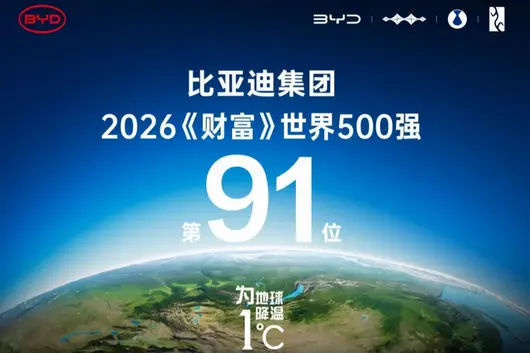
汽車說刊深度報導 | 7 月 28 日,2026 年《財富》世界 500 強榜單正式發布,比亞迪連續第五年成功上榜,位列第 91 名,持續穩固全球百強企業席位。
這份榜單排名,既是比亞迪經營規模、綜合實力的直觀印證,也是中國新能源汽車產業走向全球舞台中央的標誌性縮影。憑藉持續領跑市場銷量、長期高強度研發投入、穩步推進的全球化佈局,比亞迪已經成長為全球新能源汽車賽道不可或缺的核心力量。

經營數據勾勒出比亞迪穩健向上的發展曲線。2025 年,比亞迪全年營收達到 8040 億元,純利潤 326 億元;新能源汽車全年銷量 460 萬輛,一舉奪得全球新能源汽車銷量冠軍、中國車企銷量冠軍雙重頭銜。
進入 2026 年,增長勢頭持續延續,上半年公司累計銷量突破 180 萬輛。
7 月,比亞迪迎來歷史性節點,品牌第 1700 萬輛新能源汽車正式下線,成為全球首家達成該里程碑的車企。
產銷規模持續突破背後,是完善產品陣列、成熟製造體系與持續迭代產品力共同構築的競爭護城河。

長久以來,比亞迪堅守“技術為王,創新為本”核心發展理念,持續把研發投入放在戰略優先位置,構築起難以複製的技術壁壘。
2025 年,比亞迪研發投入高達 634 億元,同比上升 17%,連續兩年位居 A 股上市公司首位;2026 年首季研發投入 113 億元,大幅領先國內主流車企與頭部新能源品牌。截至目前,公司累計研發投入已經突破 2500 億元。
源源不絕的資金投入,推動前沿技術加速從實驗室走向量產落地。
2026 年 3 月,比亞迪正式推出第二代刀片電池與閃充技術,同步公布龐大補能網絡建設計劃,力爭年底前在國內建成 20000 座閃充站,同時在海外佈局 6000 座閃充站點,從根源緩解新能源用戶補能焦慮。

同年 5 月,比亞迪率先提出城市領航安全兜底一年的行業承諾,宣佈全系車型均可搭載天神之眼 B 輔助駕駛激光版,降低高階智駕使用門檻,推動全民城市領航時代到來。從動力電池、高壓充電技術到高階智能駕駛,比亞迪實現核心技術自主可控,走出一條自研自造、技術普惠的發展路徑。
海外市場,正成為比亞迪第二增長曲線。2025 年,比亞迪海外銷量首次突破 100 萬輛,同比暴漲 145%;2026 上半年海外銷量延續上行態勢,銷量超 78 萬輛。如今比亞迪出海戰略成型,形成“拉美領跑、歐洲突破、亞太多點開花”清晰格局。
巴西首條海外雲軌通車、巴西工廠第 10 萬輛新能源車下線;騰勢 Z、Z9GT、D9 登陸歐洲市場,打響中國高端新能源品牌影響力;專為海外市場打造的車型海獺(BYDRACCO)落地日本;泰國工廠迎來投產兩週年。
截至目前,比亞迪業務版圖拓展至全球 121 個國家及地區,全球化不再局限簡單產品出口,轉向本地化生產、本地化營運、本地化研發的高質量深耕模式。
在商業增長之外,比亞迪持續踐行綠色發展與企業社會責任。可持續發展層面,截至 6 月 30 日,比亞迪新能源汽車相較傳統燃油車,在能源生產與使用環節累計碳減排 1.49 億噸,等效植樹 24.8 億棵,持續助力全球碳中和進程。
教育公益領域,比亞迪設立 30 億元教育慈善基金,與全國 127 所高校建立捐贈合作,激勵超過 6000 名青年學子成長,以產業力量反哺社會發展,踐行企業長期價值。
作為全球新能源汽車領導者,比亞迪穩居世界 500 強百強陣營,是數十年堅持自主創新、堅定推進全球化戰略的必然成果。
面向未來,比亞迪將持續踐行可持續發展目標,依靠前沿技術、完善全球產業佈局,向着“為地球降溫 1℃”的願景持續前行。

深度點評
比亞迪連續五年站穩世界 500 強百強席位,本質上驗證了一套屬於中國新能源車企的發展範式:堅持長期主義技術投入,以規模效應反哺創新,憑藉全產業鏈優勢兼顧國內市場深耕與全球化擴張。
不同於部分車企短期追逐流量與資本紅利,比亞迪持續千億元級研發投入,構築電池、整車、智能駕駛、能源基礎設施一體化生態,擺脫對外核心零部件依賴,這也是其能夠持續抵禦行業週期波動的核心底氣。
放眼全球汽車產業格局,傳統跨國車企電動化轉型節奏放緩,新能源賽道競爭重心加速向中國企業轉移。比亞迪的全球化已經告別低價出口初級階段,轉向產品定制、海外建廠、能源網絡協同佈局,完成從“產品輸出”到“體系輸出”的躍遷。同時也要看到,海外市場貿易壁壘、本土品牌競爭、各地政策差異仍是長期挑戰。
長遠來看,比亞迪的發展故事早已超越單一企業範疇,成為中國製造業轉型升級的典型樣本。新能源汽車產業競爭已經從單一產品比拼,延伸至技術、能源基礎設施、全球化運營、可持續理念的綜合較量。
持續保持研發定力、平衡海內外市場節奏、持續完善綠色產業生態,比亞迪有望持續鞏固全球新能源汽車領導者地位,持續推動中國汽車產業實現從“汽車大國”向“汽車強國”的跨越。
喺馬來西亞嘅 SUV 市場,好多買家喺揀車嘅時候都會拿 Proton X70 同 Honda CR-V 嚟比較。呢兩款車喺價位同定位上都幾接近,而家我哋就從多個方面做一个詳細嘅比較,幫你節省做功課嘅時間。
Proton X70 喺馬來西亞嘅 OTR 售價係 RM 106,800 - 122,300,一共有 3 個版本,包括 1.5L Standard 2WD(RM 106,800)、1.5L Executive 2WD(RM 115,800)、1.5L Premium 2WD(RM 122,300) 等。
Honda CR-V 喺馬來西亞嘅 OTR 售價係 RM 178,200 - 195,900,一共有 4 個版本,包括 2026 e:HEV 2.0L 2WD RS(RM 195,900)、2026 1.5T 4WD V(RM 181,900)、2026 e:HEV 2.0L 2WD E(RM 178,200) 等。
從價錢嚟睇,Proton X70 嘅起步價確實比 Honda CR-V 平咗 RM 71,400。如果你預算有限,Proton 嘅入門版已經可以滿足日常需求。但都要注意,平嗰幾千蚊,可能喺配備上有取捨,具體要看你嘅需求。

Proton X70 嘅安全評級係 5★ (ASEAN NCAP),主動安全系統包括 ADAS (ACC, AEB, LKA, LDA, BSM, RCTA)。
Honda CR-V 嘅安全評級係 5★ (ASEAN NCAP),主動安全系統包括 Honda SENSING (ACC, CMBS, LKAS, RDM)。
兩款車嘅安全評級一樣,喺呢個級別入面安全配備都算俾得好齊全。依家嘅新車安全性都不差,唔使太擔心呢一點。

Proton X70 車身長 4400 mm,行李廂 400 L。
Honda CR-V 車身長 4500 mm,行李廂 450 L。
空間方面,Honda CR-V 嘅車身比 Proton X70 長咗 100 mm,乘坐空間更有優勢。不過 Proton X70 喺城市入面泊車會靈活啲,各有取捨。

Proton X70 同 Honda CR-V 都係馬來西亞市場嘅主流選擇,適合家庭使用、日常通勤。如果你更重視品牌口碑同二手價,可以優先考慮口碑更好嗰一款;如果你更在意性價比同配備,那就揀配置更豐富嗰款。最後都係建議兩款都去試車,親身體驗先係最重要嘅。
總括嚟講,Proton X70 同 Honda CR-V 都係馬來西亞市場好唔錯嘅車型。揀邊一輛,關鍵都係要看你嘅個人需求同預算。建議大家做好功課,多比較幾間車行嘅報價,再去試車做最終決定。買車係件大事,花少少時間做功課絕對唔會錯。

In the Malaysian SUV market, many buyers compare Proton X50 and Chery Tiggo 8 Pro when choosing a car. The two cars are quite close in price and positioning, so today we will make a detailed comparison from multiple aspects to save you time on research.
The OTR price for Proton X50 in Malaysia is RM 89,800 - 113,300, with a total of 4 versions, including 1.5T Executive (RM 89,800), 1.5T Premium (RM 101,800), 1.5T Flagship (RM 113,300) etc.
The OTR price for Chery Tiggo 8 Pro in Malaysia is RM 159,750 - 159,750, with a total of 2 versions, including 1.6L Turbo Standard (RM 130,000), 1.6L Turbo Premium (RM 145,000) etc.
From a price perspective, the starting price of Proton X50 is indeed cheaper by RM 69,950 than Chery Tiggo 8 Pro. If your budget is limited, the entry-level version of Proton can already meet daily needs. But you should also note that the few thousand cheaper might involve trade-offs in features, depending on your specific needs.
The safety rating of Proton X50 is 5★ (ASEAN NCAP), active safety systems include ADAS (ACC, AEB, LKA, LDA, BSM, RCTA).
The safety rating of Chery Tiggo 8 Pro is TBD, active safety systems include Basic.
Regarding safety features, both cars have achieved good ratings. However, there are some differences in functionality between Proton X50's ADAS (ACC, AEB, LKA, LDA, BSM, RCTA) and Chery Tiggo 8 Pro's Basic. If you value active safety highly, you can compare the feature lists of both in detail.
Proton X50 body length is 4400 mm, trunk 400 L.
Chery Tiggo 8 Pro body length is 4400 mm, trunk 400 L.
The dimensions of the two cars are almost identical, and the interior space difference is not significant. Cars in this class are fully sufficient for daily use.
Proton X50 Warranty 5 years / 150,000km, service interval every 10,000km or 6 months.
Chery Tiggo 8 Pro Warranty 3 years / 100,000km, service interval every 10,000km or 6 months.
In general, both Proton X50 and Chery Tiggo 8 Pro are quite good models in the Malaysian market. Which one to choose depends on your personal needs and budget. We recommend doing your homework, comparing quotes from several dealers, and then test driving to make the final decision. Buying a car is a major matter, spending time on research will never be wrong.
In the Malaysian SUV market, many buyers compare the Proton X50 and Chery Tiggo 7 PHEV when choosing a car. These two cars are quite close in price and positioning, so today we will make a detailed comparison from multiple aspects to help you save time on research.
The Proton X50 is sold OTR in Malaysia at RM 89,800 - 113,300, with a total of 4 versions, including 1.5T Executive (RM 89,800), 1.5T Premium (RM 101,800), 1.5T Flagship (RM 113,300), etc.
The Chery Tiggo 7 PHEV is sold OTR in Malaysia at RM 129,750 - 129,750, with a total of 2 versions, including 2025 1.5T 90km CSH (RM 129,750), What charging methods does the Tiggo 7 PHEV support? Can it be charged using a home power socket? (RM 117,478), etc.
From a pricing perspective, the Proton X50's starting price is indeed RM 39,950 cheaper than the Chery Tiggo 7 PHEV. If your budget is limited, Proton's entry-level version can already meet daily needs. However, note that the cheaper few thousand may involve trade-offs in features, it depends on your specific needs.
The Proton X50's safety rating is 5★ (ASEAN NCAP), with active safety systems including ADAS (ACC, AEB, LKA, LDA, BSM, RCTA).
The Chery Tiggo 7 PHEV's safety rating is TBD, with active safety systems including Basic.
Regarding safety features, both cars have received good ratings. However, there are some functional differences between Proton X50's ADAS (ACC, AEB, LKA, LDA, BSM, RCTA) and Chery Tiggo 7 PHEV's Basic. If you value active safety, you can carefully compare the feature lists of both.
The Proton X50 adopts a 4WD drive mode.
The Chery Tiggo 7 PHEV adopts a FWD drive mode.
Proton's 4WD and Chery's FWD will offer different driving experiences; test drive comparison is recommended.
Both Proton X50 and Chery Tiggo 7 PHEV are mainstream choices in the Malaysian market, suitable for family use and daily commuting. If you value brand reputation and resale value more, prioritize the one with a better reputation; if you care more about value for money and features, choose the one with richer configurations. Ultimately, it is recommended to test drive both; personal experience is the most important.

Overall, both Proton X50 and Chery Tiggo 7 PHEV are very good models in the Malaysian market. Which one to choose depends on your personal needs and budget. It is recommended to do research, compare quotes from several dealers, and then test drive to make the final decision. Buying a car is a big deal; spending time on research is never wrong.
In the Malaysian SUV market, many buyers compare the Proton X50 and the Chery Tiggo 7 PHEV when choosing a car. These two cars are quite close in price and positioning. Today, we will make a detailed comparison from multiple aspects to help you save time on research.
The Proton X50's OTR price in Malaysia is RM 89,800 - 113,300, with 4 versions in total, including 1.5T Executive (RM 89,800), 1.5T Premium (RM 101,800), 1.5T Flagship (RM 113,300), etc.
The Chery Tiggo 7 PHEV's OTR price in Malaysia is RM 129,750 - 129,750, with 2 versions in total, including 2025 1.5T 90km CSH (RM 129,750), What charging methods does the Tiggo 7 PHEV support? Can it be charged using a home power socket? (RM 117,478), etc.
From a price perspective, the starting price of the Proton X50 is indeed RM 39,950 cheaper than the Chery Tiggo 7 PHEV. If your budget is limited, the entry-level Proton is enough to meet daily needs. However, note that the savings might involve compromises in equipment, depending on your needs.
The Proton X50 is powered by a 1.5L 4-cylinder engine with 105 hp. Official fuel consumption is 6.0 L/100km.
The Chery Tiggo 7 PHEV is equipped with a Hybrid system, 170 hp. Official fuel consumption is 4.5 L/100km.
In terms of power, the Chery Tiggo 7 PHEV's Hybrid has 65 more horsepower than the Proton X50's 1.5L 4-cylinder. However, for daily city driving, the power of both cars is sufficient and you won't feel any lack of power.
The Proton X50 body length is 4400 mm, boot capacity 400 L.
The Chery Tiggo 7 PHEV body length is 4400 mm, boot capacity 400 L.
The dimensions of both cars are almost identical, with little difference in interior space. For this class of vehicles, it is more than enough for daily use.
Both the Proton X50 and Chery Tiggo 7 PHEV are mainstream choices in the Malaysian market, suitable for family use and daily commuting. If you value brand reputation and resale value more, prioritize the one with better reputation; if you care more about value for money and features, choose the one with richer configuration. Ultimately, it is recommended to test drive both, as experiencing it firsthand is the most important.
Overall, both the Proton X50 and Chery Tiggo 7 PHEV are excellent models in the Malaysian market. Which one to choose depends mainly on your personal needs and budget. It is recommended that you do your research, compare quotes from several dealerships, and then test drive to make a final decision. Buying a car is a major event, and taking time to research is never wrong.

喺馬來西亞嘅 SUV 市場,好多買家揀車嗰陣都會拿 寶騰 X50 同 長城 哈弗 H6 做比較。呢兩款車喺價格同定位上都幾接近,今日我哋就從多個方面做一個詳細嘅比較,幫你省返做功課嘅時間。
寶騰 X50 喺馬來西亞嘅 OTR 售價係 RM 89,800 - 113,300,一共有 4 個版本,包括 1.5T Executive(RM 89,800)、1.5T Premium(RM 101,800)、1.5T Flagship(RM 113,300) 等。
長城 哈弗 H6 喺馬來西亞嘅 OTR 售價係 RM 139,750 - 139,750,一共有 2 個版本,包括 1.5L Turbo Standard(RM 140,000)、1.5L Turbo Premium(RM 155,000) 等。
從價格嚟睇,寶騰 X50 嘅起步價確實比 長城 哈弗 H6 平咗 RM 49,950。如果你預算有限,寶騰嘅入門版已經可以滿足日常需求。但都要注意,平嗰幾千蚊,可能喺配備上會有取捨,具體要睇你嘅需求。
寶騰 X50 車身長 4400 mm,後廂 400 L。
長城 哈弗 H6 車身長 4400 mm,後廂 400 L。
兩款車嘅尺寸幾乎一樣,車內空間差別唔大。呢個級別嘅車,日常使用完全夠用。
寶騰 X50 採用 4WD 驅動方式。
長城 哈弗 H6 採用 FWD 驅動方式。
寶騰嘅 4WD 同 長城嘅 FWD 喺操控上會有唔同感受,建議試駕比較。
寶騰 X50 同 長城 哈弗 H6 都係馬來西亞市場嘅主流選擇,適合家庭使用、日常通勤。如果你更睇重品牌口碑同二手價,可以優先考慮口碑更好嗰一款;如果你更在意性價比同配備,就揀配備更豐富嗰款。最後都係建議兩款都去試駕,親身體驗先至係最緊要嘅。
總嚟講,寶騰 X50 同 長城 哈弗 H6 都係馬來西亞市場好唔錯嘅車型。揀邊一部,關鍵都要睇你嘅個人需求同預算。建議大家做好功課,多比較幾間車行嘅報價,再去試駕做最後決定。買車係件大事,花少少時間做功課絕對無錯。

喺馬來西亞嘅 SUV 市場,好多買家喺揀車嘅時候都會拿 Proton X50 同 Hyundai Tucson 黎做比較。呢兩款車喺價位同定位上都幾接近,今日我哋就從多個方面做一次詳細嘅對比,幫你省返做功課嘅時間。
Proton X50 喺馬來西亞嘅 OTR 售價係 RM 89,800 - 113,300,一共有 4 個版本,包括 1.5T Executive(RM 89,800)、1.5T Premium(RM 101,800)、1.5T Flagship(RM 113,300) 等。
Hyundai Tucson 喺馬來西亞嘅 OTR 售價係 RM 143,888 - 197,888,一共有 5 個版本,包括 2025 HEV 1.6T AT 2WD Prestige(RM 197,888)、2025 1.6T DCT 4WD Prestige(RM 186,888)、2025 1.6T DCT 2WD Prime(RM 164,888) 等。
從價錢嚟睇,Proton X50 嘅起步價確實比 Hyundai Tucson 平咗 RM 54,088。如果你預算有限,Proton 嘅入門版已經可以满足日常需求。但也要留意,平嗰幾千蚊,可能喺配備上會有取捨,具體要睇你嘅需求。
Proton X50 嘅安全評級係 5★ (ASEAN NCAP),主動安全系統包括 ADAS (ACC, AEB, LKA, LDA, BSM, RCTA)。
Hyundai Tucson 嘅安全評級係 5★ (ASEAN NCAP),主動安全系統包括 SmartSense。
兩款車嘅安全評級一樣,喺呢個級別入面安全配備都算俾得好齊全啦。而家嘅新車安全性都唔差,唔使太擔心這一點。
Proton X50 車身長 4400 mm,後備箱 400 L。
Hyundai Tucson 車身長 4400 mm,後備箱 400 L。
兩款車嘅尺寸幾乎一樣,車內空間差別唔大。呢個級別嘅車,日常使用完全夠用。
Proton X50 保修 5 年/150,000km,保養間隔 每 10,000km 或 6 個月。
Hyundai Tucson 保修 5 年/300,000km,保養間隔 每 10,000km 或 6 個月。

總體嚟講,Proton X50 同 Hyundai Tucson 都係馬來西亞市場幾好嘅車型。揀邊部,關鍵都要睇你嘅個人需求同預算。建議大家做好功課,多比較幾間車行嘅報價,先至去試駕做最終決定。買車係件大事,花少少時間做功課絕對唔會錯。

喺馬來西亞嘅 SUV 市場,好多買家喺揀車嘅時候都會拿 Proton X70 同 Honda HR-V 嚟做比較。呢兩款車喺價位同定位上都好接近,而家我哋就從多個方面嚟做一个詳細嘅對比,幫你省咗做功課嘅時間。
Proton X70 喺馬來西亞嘅 OTR 售價係 RM 106,800 - 122,300,一共有 3 個版本,包括 1.5L Standard 2WD(RM 106,800)、1.5L Executive 2WD(RM 115,800)、1.5L Premium 2WD(RM 122,300) 等。
Honda HR-V 喺馬來西亞嘅 OTR 售價係 RM 115,900 - 143,900,一共有 4 個版本,包括 2026 e:HEV 1.5L RS(RM 143,900)、2026 1.5T V(RM 137,900)、2026 1.5T E(RM 130,900) 等。
從價錢嚟睇,Proton X70 嘅起價確實比 Honda HR-V 平咗 RM 9,100。如果你預算有限,Proton 嘅入門版已經可以滿足日常需求。但亦要留意,平嗰幾千蚊,可能喺配備上會有取舍,具體要睇你嘅需求。

Proton X70 嘅安全評級係 5★ (ASEAN NCAP),主動安全系統包括 ADAS (ACC, AEB, LKA, LDA, BSM, RCTA)。
Honda HR-V 嘅安全評級係 5★ (ASEAN NCAP),主動安全系統包括 Honda SENSING (ACC, CMBS, LKAS, RDM)。
兩款車嘅安全評級一樣,喺呢個級別入面安全配備都算好齊全。而家嘅新車安全性都唔差,唔使太擔心呢一點。

Proton X70 車身長 4400 mm,行李箱 400 L。
Honda HR-V 車身長 4500 mm,行李箱 450 L。
空間方面,Honda HR-V 嘅車身比 Proton X70 長咗 100 mm,乘坐空間更有優勢。不過 Proton X70 喺城市入面泊車會靈活啲,各有取舍。
Proton X70 保用 5 年/150,000km,保養間隔 每 10,000km 或 6 個月。
Honda HR-V 保用 5 年/無限制里程,保養間隔 每 10,000km 或 6 個月。
總嚟講,Proton X70 同 Honda HR-V 都係馬來西亞市場幾唔錯嘅車型。揀邊一輛,關鍵都係要睇你嘅個人需求同預算。建議大家做好功課,多比較幾間車行嘅報價,再嚟試駕先做最終決定。買車係件大事,花少少時間做功課絕對唔會錯。


In the Malaysian SUV market, many buyers compare the Proton X50 and GWM Haval H6 when choosing a car. These two cars are quite similar in price and positioning. Today, we will make a detailed comparison from multiple aspects to help you save time on research.
The OTR price of Proton X50 in Malaysia is RM 89,800 - 113,300, with a total of 4 versions, including 1.5T Executive (RM 89,800), 1.5T Premium (RM 101,800), 1.5T Flagship (RM 113,300), etc.
The OTR price of GWM Haval H6 in Malaysia is RM 139,750 - 139,750, with a total of 2 versions, including 1.5L Turbo Standard (RM 140,000), 1.5L Turbo Premium (RM 155,000), etc.
In terms of price, the Proton X50's starting price is indeed RM 49,950 cheaper than the GWM Haval H6. If your budget is limited, Proton's entry-level version can already meet daily needs. But also note, the few thousand cheaper may involve trade-offs in features, it depends on your specific needs.
Proton X50's safety rating is 5★ (ASEAN NCAP), active safety systems include ADAS (ACC, AEB, LKA, LDA, BSM, RCTA).
GWM Haval H6's safety rating is TBD, active safety systems include Basic.
Regarding safety features, both cars have received good ratings. However, there are some differences in functionality between the Proton X50's ADAS (ACC, AEB, LKA, LDA, BSM, RCTA) and GWM Haval H6's Basic. If you value active safety, you can compare the function lists of both carefully.
Proton X50 body length 4400 mm, trunk 400 L.
GWM Haval H6 body length 4400 mm, trunk 400 L.
The dimensions of the two cars are almost identical, with little difference in interior space. Cars at this level are fully sufficient for daily use.
Proton X50 warranty 5 years/150,000km, maintenance interval every 10,000km or 6 months.
GWM Haval H6 warranty 7 years/150,000km, maintenance interval every 10,000km or 6 months.
Both Proton X50 and GWM Haval H6 are mainstream choices in the Malaysian market, suitable for family use and daily commuting. If you value brand reputation and resale value more, prioritize the one with better reputation; if you care more about value for money and features, choose the one with richer configuration. Ultimately, it is recommended to test drive both, as personal experience is most important.
Overall, Proton X50 and GWM Haval H6 are both very good models in the Malaysian market. Which one to choose depends on your personal needs and budget. It is recommended to do your research, compare quotes from a few dealerships, and then test drive to make the final decision. Buying a car is a big matter, spending time doing research will definitely not be wrong.
© 2024 Bitauto.com. All Rights Reserved.
Bitauto (www.yiche.com and www.bitauto.com) is one of the most visited automotive websites in China. We provide detailed info on Chinese car brands available in your area. Please note that the information provided on this website is based on publicly available data and is for reference only. It may not be fully updated or accurate at all times.

Help us improve our website


