

HomeBringing

Search History
Popular Searches
Dealer Login / Sign Up
In Malaysia's SUV market, many buyers compare Proton X50 and Mazda CX-5 when choosing a car. These two cars are quite close in price and positioning. Today, we will make a detailed comparison from multiple aspects to help you save time on research.
The OTR selling price of Proton X50 in Malaysia is RM 89,800 - 113,300, with a total of 4 versions, including 1.5T Executive (RM 89,800), 1.5T Premium (RM 101,800), 1.5T Flagship (RM 113,300), etc.
The OTR selling price of Mazda CX-5 in Malaysia is RM 135,469 - 166,760, with a total of 3 versions, including 2025 2.0L AT 35th Anniversary (RM 316,154), 2025 2.0L AT (RM 296,154), 2025 2.0L MT (RM 294,154), etc.
From a price perspective, Proton X50's starting price is indeed RM 45,669 cheaper than Mazda CX-5. If your budget is limited, Proton's entry-level version can already meet daily needs. But be aware, the few thousand RM difference, there might be trade-offs in equipment, depending on your needs.

Proton X50 is equipped with 1.5L 4-cyl, 105 hp. Official fuel consumption 6.0 L/100km.
Mazda CX-5 is equipped with 1.5L Turbo, 140 hp. Official fuel consumption 7.0 L/100km.
In terms of power, Mazda CX-5's 1.5L Turbo has 35 more horsepower than Proton X50's 1.5L 4-cyl. However, for daily city driving, both cars' power is sufficient, you won't feel underpowered.

Proton X50 body length 4400 mm, trunk 400 L.
Mazda CX-5 body length 4500 mm, trunk 450 L.
In terms of space, Mazda CX-5's body is 100 mm longer than Proton X50, offering more advantage in seating space. However, Proton X50 is slightly more flexible for parking in the city, each has trade-offs.

Proton X50 warranty 5 years/150,000km, maintenance interval every 10,000km or 6 months.
Mazda CX-5 warranty 5 years/150,000km, maintenance interval every 10,000km or 6 months.
Both cars have the same warranty conditions, no need to worry on this aspect. Actual maintenance costs also depend on the brand's service network and parts prices, suggest asking real owners in car owner groups for experience.

Overall, Proton X50 and Mazda CX-5 are both very good models in the Malaysian market. Which one to choose depends mainly on your personal needs and budget. It is recommended to do your homework, compare quotes from several dealerships, and then test drive to make the final decision. Buying a car is a big deal, spending some time doing homework will never go wrong.


喺馬來西亞嘅 SUV 市場,好多買家喺揀車嘅時候都會揀寶騰 X70 同豐田 Fortuner 嚟做比較。兩部車喺價位同定位上都幾接近,今日我哋就從多個方面做一個詳細嘅比較,幫你省做功課嘅時間。
寶騰 X70 喺馬來西亞嘅 OTR 售價係 RM 106,800 - 122,300,一共有 3 個版本,包括 1.5L 標準 2WD(RM 106,800)、1.5L 行政 2WD(RM 115,800)、1.5L 豪華 2WD(RM 122,300) 等。
豐田 Fortuner 喺馬來西亞嘅 OTR 售價係 RM 195,880 - 241,880,一共有 3 個版本,包括 2024 2.8T VRZ 柴油(RM 241,880)、2024 2.7L SRZ 汽油(RM 202,880)、2024 2.4L 標準柴油(RM 195,880) 等。
從價錢睇落,寶騰 X70 嘅起步價確實比豐田 Fortuner 平咗 RM 89,080。如果你預算有限,寶騰嘅入門版已經可以滿足日常需要。但都要注意,平嗰幾千蚊,可能喺配備上會有取捨,具體要看你嘅需要。

寶騰 X70 搭載 1.5L 渦輪,馬力 140 匹。官方油耗 7.0 L/100km。
豐田 Fortuner 搭載 2.5L 柴油,馬力 187 匹。官方油耗 8.5 L/100km。
動力方面,豐田 Fortuner 嘅 2.5L 柴油比寶騰 X70 嘅 1.5L 渦輪多咗 47 匹馬力。不過日常喺市區開,兩部車嘅動力都夠用,唔會覺得冇夠力。

寶騰 X70 嘅安全評級係 5★ (ASEAN NCAP),主動安全系統包括 ADAS (ACC, AEB, LKA, LDA, BSM, RCTA)。
豐田 Fortuner 嘅安全評級係 5★ (ASEAN NCAP),主動安全系統包括 。
兩部車嘅安全評級一樣,喺呢個級數入面安全配備都算給得好齊全。而家嘅新車安全性都唔差,唔使太擔心這一點。

寶騰 X70 保養 5 年/150,000km,保養間隔 每 10,000km 或 6 個月。
豐田 Fortuner 保養 5 年/無限制里程,保養間隔 每 10,000km 或 6 個月。
寶騰 X70 同豐田 Fortuner 都係馬來西亞市場嘅主流選擇,適合家庭用、日常通勤。如果你更看重品牌口碑同二手價,可以優先考慮口碑更好嗰一款;如果你更在意性價比同配備,就揀配置更豐富嗰款。最終都係建議兩部都去試駕,親身體驗先最重要。
總嘅嚟講,寶騰 X70 同豐田 Fortuner 都係馬來西亞市場幾唔錯嘅車型。揀邊一部,關鍵都係要看你嘅個人需要同預算。建議大家做好功課,多比較幾間車行嘅報價,再去試駕做最終決定。買車係件大事,花少少時間做功課絕對唔會錯。

喺馬來西亞嘅 SUV 市場,好多買家揀車嗰陣都會拎 Proton X70 同 Toyota Fortuner 嚟比較。呢兩部車喺價位同定位上都好接近,今日我哋就由多個方面嚟做詳細對比,幫你慳晒做功課嘅時間。
Proton X70 喺馬來西亞嘅 OTR 售價係 RM 106,800 - 122,300,合共 3 個版本,包括 1.5L Standard 2WD(RM 106,800)、1.5L Executive 2WD(RM 115,800)、1.5L Premium 2WD(RM 122,300) 等。
Toyota Fortuner 喺馬來西亞嘅 OTR 售價係 RM 195,880 - 241,880,合共 3 個版本,包括 2024 2.8T VRZ Diesel(RM 241,880)、2024 2.7L SRZ Petrol(RM 202,880)、2024 2.4L Standard Diesel(RM 195,880) 等。
睇過價錢之後,Proton X70 嘅起步價確實比 Toyota Fortuner 平咗 RM 89,080。如果你預算有限,Proton 嘅入門版已經可以滿足日常需要。但都要留意,平嗰幾千塊,喺配備上或有取捨,具體要看你嘅需要。
Proton X70 配備 1.5L Turbo,馬力 140 hp。官方油耗 7.0 L/100km。
Toyota Fortuner 配備 2.5L Diesel,馬力 187 hp。官方油耗 8.5 L/100km。
動力方面,Toyota Fortuner 嘅 2.5L Diesel 比 Proton X70 嘅 1.5L Turbo 多咗 47 匹馬力。不過日常喺市區行,兩部車嘅動力都夠用,唔會覺得唔夠力。
Proton X70 車身長 4400 mm,行李箱 400 L。
Toyota Fortuner 車身長 4400 mm,行李箱 400 L。
兩部車嘅尺寸幾乎一樣,車內空間分別唔大。呢個級別嘅車,日常使用完全夠用。
Proton X70 採用 FWD 驅動方式。
Toyota Fortuner 採用 FWD 驅動方式。
兩部車嘅驅動方式一樣,都係 FWD,日常駕駛感受唔會有太大分別。
總體嚟講,Proton X70 同 Toyota Fortuner 都係馬來西亞市場好唔錯嘅車型。揀邊一部,關鍵都要睇你嘅個人需要同預算。建議大家做好功課,多比較幾間車行嘅報價,再去試駕做最終決定。買車係件大事,花少少時間做功課絕對唔會錯。

喺馬來西亞嘅 SUV 市場,好多買家喺揀車嘅時候,都會拿寶騰 X70 同 豐田 Yaris Cross 嚟做比較。呢兩款車喺價位同定位上都蠻接近嘅,今日我哋就從多個方面做一個詳細嘅對比,幫你省咗做功課嘅時間。
寶騰 X70 喺馬來西亞嘅 OTR 售價係 RM 106,800 - 122,300,總共有 3 個版本,包括 1.5L Standard 2WD(RM 106,800)、1.5L Executive 2WD(RM 115,800)、1.5L Premium 2WD(RM 122,300) 等。
豐田 Yaris Cross 喺馬來西亞嘅 OTR 售價係 RM 99,900 - 109,900,總共有 2 個版本,包括 2026 1.5L Standard(RM 99,900)、2026 HEV 1.5L Standard(RM 109,900) 等。
從價錢嚟睇,豐田 Yaris Cross 嘅起步價比寶騰 X70 平咗 RM 6,900。老實講,喺呢個價位段,幾千塊嘅差距其實唔算大,關鍵仲係睇整體嘅性價比同長期使用成本。

寶騰 X70 車身長 4400 mm,行李廂 400 L。
豐田 Yaris Cross 車身長 4400 mm,行李廂 400 L。
兩款車嘅尺寸幾乎一樣,車內空間差別唔大。呢個級別嘅車,日常使用完全夠用。

寶騰 X70 保養保修 5 年/150,000km,保養間隔 每 10,000km 或 6 個月。
豐田 Yaris Cross 保養保修 5 年/無限里程,保養間隔 每 10,000km 或 6 個月。

寶騰 X70 同 豐田 Yaris Cross 都係馬來西亞市場嘅主流選擇,適合家庭使用、日常通勤。如果你更加重視品牌口碑同二手價,可以優先考慮口碑更好嗰一款;如果你更加在意性價比同配備,嗰啲就揀配置更加豐富嗰款。最終都建議兩款都去試駕,親身體驗先至最重要。
總括嚟講,寶騰 X70 同 豐田 Yaris Cross 都係馬來西亞市場幾好嘅車款。揀邊輛,關鍵仲要睇你嘅個人需求同預算。建議大家做好功課,多比較幾間車行嘅報價,再去試駕做最終決定。買車係件大事,花少少時間做功課絕對唔會錯。


In the Malaysian SUV market, many buyers, when selecting a car, compare Proton X50 and Chery Tiggo 7 PHEV. These two cars are quite close in price and positioning. Today we will make a detailed comparison from multiple aspects to help you save time on research.
The OTR price of Proton X50 in Malaysia is RM 89,800 - 113,300, with a total of 4 versions, including 1.5T Executive (RM 89,800), 1.5T Premium (RM 101,800), 1.5T Flagship (RM 113,300) etc.
The OTR price of Chery Tiggo 7 PHEV in Malaysia is RM 129,750 - 129,750, with a total of 2 versions, including 2025 1.5T 90km CSH (RM 129,750), What charging methods does the Tiggo 7 PHEV support? Can it be charged using a home power socket? (RM 117,478) etc.
From the price perspective, the starting price of Proton X50 is indeed RM 39,950 cheaper than Chery Tiggo 7 PHEV. If your budget is limited, Proton's entry version can already meet daily needs. But also note, the few thousand savings might involve trade-offs in features, depending on your specific needs.
Proton X50 is equipped with 1.5L 4-cyl, power 105 hp. Official fuel consumption 6.0 L/100km.
Chery Tiggo 7 PHEV is equipped with Hybrid, power 170 hp. Official fuel consumption 4.5 L/100km.
Regarding power, Chery Tiggo 7 PHEV's Hybrid has 65 more horsepower than Proton X50's 1.5L 4-cyl. However, for daily city driving, the power of both cars is sufficient and you won't feel a lack of power.
Proton X50 body length 4400 mm, trunk 400 L.
Chery Tiggo 7 PHEV body length 4400 mm, trunk 400 L.
The dimensions of both cars are almost identical, and interior space differences are not significant. For cars of this class, daily use is completely sufficient.
Proton X50 Warranty 5 years / 150,000km, service interval every 10,000km or 6 months.
Chery Tiggo 7 PHEV Warranty 3 years / 100,000km, service interval every 10,000km or 6 months.

Overall, Proton X50 and Chery Tiggo 7 PHEV are both very good models in the Malaysian market. Which one to choose depends mainly on your personal needs and budget. It is recommended to do your homework, compare quotes from multiple dealerships, and then test drive to make the final decision. Buying a car is a big matter, spending some time doing research will never be wrong.

In Malaysia's car market, many buyers compare Chery Tiggo 8 Pro and Volkswagen Tiguan when choosing a car. Today we make a detailed comparison from multiple aspects to help you save time doing research.

Chery Tiggo 8 Pro in Malaysia OTR price is RM 159,750 - 159,750, totally 2 versions, including 1.6L Turbo Standard (RM 130,000), 1.6L Turbo Premium (RM 145,000) etc.
Volkswagen Tiguan in Malaysia OTR price is RM 206,540 - 260,024, totally 2 versions, including 2025 Allspace 2.0T R-Line (RM 260,024), 2025 Allspace 1.4T Elegance (RM 206,540) etc.
Looking at the price, Chery Tiggo 8 Pro entry price is indeed cheaper than Volkswagen Tiguan by RM 46,790. If your budget is limited, Chery's entry model already can meet daily needs. But also note, the few thousand cheap money, might have trade-offs in equipment, specifically depends on your needs.
Chery Tiggo 8 Pro safety rating is TBD, active safety system includes Basic.
Volkswagen Tiguan safety rating is 5★ (Euro NCAP), active safety system includes IQ.Drive.
Regarding safety equipment, both cars got good ratings. However Chery Tiggo 8 Pro Basic and Volkswagen Tiguan IQ.Drive have some differences in functions, if you value active safety, can carefully compare the function lists of both.
Chery Tiggo 8 Pro body length 4400 mm, trunk 400 L.
Volkswagen Tiguan body length 4400 mm, trunk 400 L.
Both cars dimensions are almost same, interior space difference not big. This class of car, daily use completely enough.
Chery Tiggo 8 Pro warranty 3 years / 100,000 km, maintenance interval every 10,000 km or 6 months.
Volkswagen Tiguan warranty 3 years / 100,000 km, maintenance interval every 10,000 km or 6 months.
Both cars warranty conditions same, this aspect no need to worry. Actual maintenance cost still depends on brand service network and parts price, suggest ask real car owners experience in car group.
Overall, Chery Tiggo 8 Pro and Volkswagen Tiguan are all very good models in Malaysia market. Choosing which one, key is still depends on your personal needs and budget. Suggest everyone do research, compare quotes from a few car dealers, then go test drive to make final decision. Buying a car is a big matter, spend some time doing research will absolutely not be wrong.


喺馬來西亞嘅汽車市場,好多買家喺揀車嘅時候都會拿凌志 ES 同賓士 A-Class 嚟做比較。今日我哋從多個方面嚟做一次詳細嘅比較,幫你省下做功課嘅時間。


凌志 ES 喺馬來西亞嘅 OTR 售價係 RM 320,888 - 371,888,一共有 4 個版本,包括 2025 250 F Sport(RM 371,888)、2025 250 Luxury(RM 356,888)、2025 250 Premium(RM 320,888)等。
賓士 A-Class 喺馬來西亞嘅 OTR 售價係 RM 241,888 - 269,888,一共有 1 個版本,包括 Standard(RM 241,888)等。
從價錢嚟睇,賓士 A-Class 嘅起步價比凌志 ES 平咗 RM 79,000。老實講,喺呢個價位段,幾千元嘅差距其實唔算大,關鍵始終係睇整體嘅性價比同長期使用成本。

凌志 ES 車身長 4400 mm,行李箱 400 L。
賓士 A-Class 車身長 4400 mm,行李箱 400 L。
兩款車嘅尺寸幾乎一樣,車內空間差別唔大。呢個級別嘅車,日常使用完全足夠。

凌志 ES 保用 3 年/100,000km,保養間隔 每 10,000km 或 6 個月。
賓士 A-Class 保用 3 年/100,000km,保養間隔 每 10,000km 或 6 個月。
兩款車嘅保用條件一樣,呢方面唔使糾結。實際保養成本仲要睇品牌嘅服務網絡同零件價格,建議去車友群問吓真實車主嘅經驗。

凌志 ES 同賓士 A-Class 都係馬來西亞市場嘅主流選擇,適合家庭使用、日常通勤。如果你更重視品牌口碑同二手價,可以優先考慮口碑更好嗰一款;如果你更介意性價比同配備,就選配備更豐富嗰款。最終始終建議兩款都去試駕,親身體驗先係最緊要嘅。

總體嚟講,凌志 ES 同賓士 A-Class 都係馬來西亞市場好唔錯嘅車款。揀邊部車,關鍵始終係睇你嘅個人需求同預算。建議大家做好功課,多比較幾間車行嘅報價,再去試駕做最終決定。買車係件大事,花少少時間做功課絕對唔會錯。


喺馬來西亞嘅汽車市場,好多買家喺揀車嘅時候都會揀寶馬 M3 同保時捷 718 做比較。今日我哋由多個方面做一個詳細嘅比較,幫你省咗做功課嘅時間。


寶馬 M3 喺馬來西亞嘅 OTR 售價係 RM 847,800 - 847,800,一共有 1 個版本,包括 Standard(RM 847,800) 等。
保時捷 718 喺馬來西亞嘅 OTR 售價係 RM 545,000 - 1,700,000,一共有 6 個版本,包括 2025 AMG G 63(RM 1,948,888)、2025 Cayman 2.0T(RM 585,000)、2025 Boxster 2.0T(RM 545,000) 等。
從價錢睇,保時捷 718 嘅起步價比寶馬 M3 平咗 RM 302,800。老實講,喺呢個價位段,幾千塊嘅差距其實唔算大,關鍵始終係睇整體嘅性價比同長期使用成本。

寶馬 M3 採用 FWD 驅動方式。
保時捷 718 採用 FWD 驅動方式。
兩款車嘅驅動方式一樣,都係 FWD,日常駕駛感覺唔會有太大分別。

寶馬 M3 保修 5 年/無限里程,保養間隔 每 10,000km 或 6 個月。
保時捷 718 保修 3 年/100,000km,保養間隔 每 10,000km 或 6 個月。

寶馬 M3 同保時捷 718 都係馬來西亞市場嘅主流選擇,適合家庭使用、日常通勤。如果你更重視品牌口碑同二手價,可以優先考慮口碑更好嗰一款;如果你更在意性價比同配備,就揀配備更豐富嗰款。最終始終建議兩款都去試駕,親身體驗先係最重要嘅。

總嘅嚟講,寶馬 M3 同保時捷 718 都係馬來西亞市場好唔錯嘅車型。揀邊一輛,關鍵始終係睇你嘅個人需求同預算。建議大家做好功課,多比較幾間車行嘅報價,再去試駕做最終決定。買車係件大事,花少少時間做功課絕對唔會錯。


在马来西亚的汽车市场,很多买家在选车的时候都会拿 Mercedes-Benz GLB 和 Land Rover Discovery Sport 来做比较。今天我们从多个方面做一个详细的对比,帮你省下做功课的时间。


Mercedes-Benz GLB 在马来西亚的 OTR 售价是 RM 299,888 - 352,888,一共有 1 个版本,包括 Standard(RM 299,888) 等。
Land Rover Discovery Sport 在马来西亚的 OTR 售价是 RM 499,800 - 499,800,一共有 1 个版本,包括 Standard(RM 499,800) 等。
从价钱来看,Mercedes-Benz GLB 的起步价确实比 Land Rover Discovery Sport 便宜了 RM 199,912。如果你预算有限,Mercedes-Benz 的入门版已经可以满足日常需求。但也要注意,便宜的那几千块,可能在配备上会有取舍,具体要看你的需求。

Mercedes-Benz GLB 的安全评级是 5★ (Euro NCAP),主动安全系统包括 Premium ADAS。
Land Rover Discovery Sport 的安全评级是 TBD,主动安全系统包括 Basic。
安全配备方面,两款车都拿到了不错的评级。不过 Mercedes-Benz GLB 的 Premium ADAS 和 Land Rover Discovery Sport 的 Basic 在功能上有些差异,如果你比较看重主动安全的话,可以仔细对比一下两者的功能列表。

Mercedes-Benz GLB 车身长 4400 mm,后备箱 400 L。
Land Rover Discovery Sport 车身长 4400 mm,后备箱 400 L。
两款车的尺寸几乎一样,车内空间差别不大。这个级别的车,日常使用完全够用。

Mercedes-Benz GLB 和 Land Rover Discovery Sport 都是马来西亚市场的主流选择,适合家庭使用、日常通勤。如果你更看重品牌口碑和二手价,可以优先考虑口碑更好的那一款;如果你更在意性价比和配备,那就选配置更丰富的那款。最终还是建议两款都去试驾,亲身体验才是最重要的。

总的来说,Mercedes-Benz GLB 和 Land Rover Discovery Sport 都是马来西亚市场很不错的车型。选择哪一辆,关键还是要看你的个人需求和预算。建议大家做好功课,多比较几间车行的报价,再去试驾做最终决定。买车是件大事,花点时间做功课绝对不会错。


在马来西亚的轿车市场,很多买家在选车的时候都会拿 Volkswagen Arteon 和 Mercedes-Benz E-Class PHEV 来做比较。这两款车在价位和定位上都蛮接近的,今天我们就从多个方面做一个详细的对比,帮你省下做功课的时间。
Volkswagen Arteon 在马来西亚的 OTR 售价是 RM 300,962 - 300,962,一共有 2 个版本,包括 2025 2.0T R-Line(RM 300,962)、DCT(RM 240,848) 等。
Mercedes-Benz E-Class PHEV 在马来西亚的 OTR 售价是 RM 427,888 - 427,888,一共有 2 个版本,包括 E 200 Avantgarde(RM 350,000)、E 300 AMG Line(RM 400,000) 等。
从价钱来看,Volkswagen Arteon 的起步价确实比 Mercedes-Benz E-Class PHEV 便宜了 RM 126,926。如果你预算有限,Volkswagen 的入门版已经可以满足日常需求。但也要注意,便宜的那几千块,可能在配备上会有取舍,具体要看你的需求。

Volkswagen Arteon 的安全评级是 TBD,主动安全系统包括 Basic。
Mercedes-Benz E-Class PHEV 的安全评级是 5★ (Euro NCAP),主动安全系统包括 Premium ADAS。
安全配备方面,两款车都拿到了不错的评级。不过 Volkswagen Arteon 的 Basic 和 Mercedes-Benz E-Class PHEV 的 Premium ADAS 在功能上有些差异,如果你比较看重主动安全的话,可以仔细对比一下两者的功能列表。

Volkswagen Arteon 采用 FWD 驱动方式。
Mercedes-Benz E-Class PHEV 采用 FWD 驱动方式。
两款车的驱动方式一样,都是 FWD,日常驾驶感受不会有太大区别。

Volkswagen Arteon 和 Mercedes-Benz E-Class PHEV 都是马来西亚市场的主流选择,适合家庭使用、日常通勤。如果你更看重品牌口碑和二手价,可以优先考虑口碑更好的那一款;如果你更在意性价比和配备,那就选配置更丰富的那款。最终还是建议两款都去试驾,亲身体验才是最重要的。

总的来说,Volkswagen Arteon 和 Mercedes-Benz E-Class PHEV 都是马来西亚市场很不错的车型。选择哪一辆,关键还是要看你的个人需求和预算。建议大家做好功课,多比较几间车行的报价,再去试驾做最终决定。买车是件大事,花点时间做功课绝对不会错。



Apabila berlaku perselisihan, 'Raja Ning' muncul semula untuk mencetuskan heboh.
Malam 24 Julai, CATL secara serentak mengisytiharkan dua dokumen utama. Satu laporan kewangan separuh pertama 2026, hasil jualan separuh pertama 276.91 bilion yuan, pertumbuhan tahun-ke-tahun 54.80%, keuntungan bersih yang layak 43.284 bilion yuan, pertumbuhan tahun-ke-tahun 41.98%, jika diagihkan keuntungan harian 240 juta yuan.
Yang satu lagi ialah rancangan pembelian semula, cadangan membeli semula saham A dengan dana antara tidak kurang 20 bilion yuan sehingga tidak melebihi 40 bilion yuan untuk dibatalkan, had atas harga pembelian semula 573 yuan/saham, premium hampir 50% berbanding harga penutup pada hari tersebut. Jumlah had atas ini memecahkan rekod tertinggi pembelian semula tunggal dalam sejarah Saham A.
Pada tempoh yang sama, pelbagai perusahaan kenderaan utuh tenaga baharu telah menerbitkan prestasi separuh tahun, ramai yang tertekan dari segi keuntungan. Keuntungan dalam rantaian industri, kelihatan mata ke mata berpindah terkumpul pada peringkat bateri, dan ini memang sumber penting keuntungan CATL. Namun, jika membuka laporan kewangan CATL dan melihat di bahagian butiran, akan menemui satu fakta yang diabaikan oleh pihak luar.
Itu ialah enjin pertumbuhan sebenar CATL, sebenarnya bukan hanya bateri daya kenderaan. Atau dengan kata lain, catur yang sedang dimainkan CATL, jauh lebih besar daripada yang dilihat pihak luar.
Di luar Bateri Daya Kenderaan, Membina Lengkungan Pertumbuhan Kedua
Dalam laporan kewangan CATL, struktur pendapatan yang sihat adalah yang paling menarik perhatian. Pada separuh pertama, bisnes bateri daya menyumbang 192.125 bilion yuan hasil jualan, mengambil 69.38%, masih kekal menjadi bahagian terbesar mutlak. Namun, prestasi dua bisnes yang lain juga tidak boleh diabaikan, dan menunjukkan corak pertumbuhan pesat.

Pertama, bisnes bateri penyimpanan tenaga hasil jualan 53.261 bilion yuan, mengambil 19.23%, pertumbuhan tahun-ke-tahun 87.54%. Bisnes bahan bateri dan kitar semula, serta sumber mineral hasil jualan 18.811 bilion yuan, pertumbuhan tahun-ke-tahun 67.23%.
Lebih penting lagi, margin kasar bateri daya 20.63%, bateri penyimpanan 23.96% sama-sama menurun secara tahunan, namun margin kasar bisnes bahan bateri dan kitar semula mencapai 27.04%, naik 5.81 peratusan mata pada kadar sama tahun.
Itu bermakna, dalam tiga bisnes utama, satu-satunya yang mencapai peningkatan margin kasar, ialah bisnes 'kitar semula' yang paling mudah diabaikan oleh pihak luar.
Lihat ke bawah lagi, CATL juga telah mengumpulkan banyak modal dalam bidang bateri daya untuk kapal.
Sudah dikumpulkan lebih 900 bateri kapal, separuh pertama 2026 yang diserahkan kapal kontena sungai dalam bersih penuh terbitan pertama yang dieksport dari negara kita, juga diperlengkapi dengan sistem penyimpanan bateri CATL. Julai juga mengetuk saham syarikat kapal Jiangsu Kaiyang, menambah pelaburan dalam pembangunan teknologi sistem bateri kapal jauh.
Dalam bidang kenderaan komersial, bateri natrium ion sudah dihasilkan jisim dipasang ke kenderaan, Siri Tianxing merangkumi dari lori logistik hingga trak berat pelbagai skenario khusus. Dalam bidang kitar semula bateri, anak syarikat terkemuka BangPu Cycle telah membina pangkalan kitar semula terarah terbesar di seluruh negara, keupayaan memproses bateri bersara 270,000 tan setahun, kadar kitar semula Nikel, Koblak dan Mangan mencecah 99.6%. Pasukan pada tahun ini juga telah menerima dua anugerah 'Anugerah Penemu Eropah 2026' dari Biro Paten Eropah, menjadi pasukan China pertama dalam sejarah anugerah ini yang menerima dua anugerah.

Bergabung bersama semua bisnes ini, membentuk lengkungan pertumbuhan kedua CATL di luar bateri daya kenderaan.
Apabila jumlah bateri litium dibuang meningkat pada kadar lebih 20% setahun, apabila tingkap komersial kapal elektrik semakin terbuka, apabila pusat data keupayaan pengiraan AI mula menimbulkan permintaan struktur baharu bagi bekalan tenaga, CATL telah merebak ke litar-litar ini. Eksekutif syarikat juga dengan jelas menyatakan dalam persidangan prestasi, terdapat peluang struktur pasaran yang jelas dalam AIDC, CATL tidak akan hanya membekal produk tunggal, tetapi ingin memberi penyelesaian lebih komprehensif di sekitar skenario tenaga baharu.
Oleh itu, daripada laporan kewangan dapat dilihat, pertumbuhan tinggi keuntungan CATL pada separuh pertama, sebahagian besarnya datang dari penyimpanan tenaga, dari kitar semula, dari luar negara, bukan sekadar 'dapat satu sen lebih' dari pembuat kenderaan.
Tentu saja, di sini mesti mengakui satu fakta. Margin kasar bisnes bateri daya memang menurun, tekanan persaingan harga pasaran dalam negara wujud secara nyata. Dan CATL bukan tidak mempunyai kelemahan.
Zeng Yuqun sebelum ini secara terbuka menyerang 'mencuri pekerja teknologi', kehilangan tempahan di pasaran Timur Tengah, kos baharu yang dibawa dasar cukai penggunaan, semua ini adalah cabaran yang diletakkan di atas meja. Cuma, cabaran ini tidak menutup lengkungan pertumbuhan jangka panjang.
Dapatkan Wang dari 'Orang Asing', Juga Dapat Wang Masa Depan
Jika pelbagai produk ialah pertahanan pertama CATL untuk mengimbangi risiko industri, maka globalisasi ialah parit pertahanan kedua yang ia bina. Dari titik ini, CATL juga 0.5 tahap lebih laju daripada pembuat kenderaan masa kini, manfaat luar negara yang ia terima, merupakan 'hasil besar' yang pembuat kenderaan masa kini sedang berusaha merancang di luar negara untuk capai.

Sepanjang separuh pertama, hasil jualan luar negara CATL mencapai 87.1 bilion yuan, margin kasar 29.97%, hampir 9 peratus mata lebih tinggi daripada margin kasar bisnes dalam negara. Bahagian pasaran luar negara 33.7%, Hungary, Amerika Syarikat, Indonesia tiga kilang luar negara secara siri dimulakan, senarai pelanggan terkandung Volkswagen, BMW, Toyota antara pembuat kenderaan utama dunia.
Morgan Stanley dalam laporan terbaru memberi penilaian, elektifikasi kenderaan diesel, kitar super penyimpanan tenaga, kitar produk bateri natrium ion, akan bersama-sama sokong CATL untuk kekal mengekalkan pertumbuhan kukuh pada 2027.
Fokus utama, margin kasar bisnes luar negara CATL jauh lebih tinggi daripada dalam negara. Ini bermakna, keupayaan rundingan harga dalam pasaran global, sebenarnya lebih kuat daripada di dalam negara. Ini tidak sama dengan tanggapan umum pihak luar 'Buatan China berjaya dengan harga murah'.
Pengurusan CATL dalam persidangan memberikan penjelasan 'tidak bersaing dari segi harga tetapi bersaing dari segi nilai', kata-kata ini terdengar agak rasmi, tetapi jika dikaitkan dengan data margin kasar, memang ada dasar yang kukuh.
Zeng Yuqun meringkaskan satu strategi posisisan semasa CATL sebagai satu ayat, dari 'pengindustrian tenaga baharu' ke 'elektifikasi industri tenaga baharu'. Bahagian pertama adalah apa yang CATL buat dalam sepuluh tahun lepas, buat satu konsep tenaga baharu menjadi industri sebenar. Bahagian kedua adalah apa yang ia akan buat masa depan, guna tenaga baharu ubah lebih banyak industri tradisional.
Kapal, kenderaan komersial, pusat data keupayaan pengiraan, sumber mineral, semua ini ialah titik tumpuan 'elektifikasi industri tenaga baharu'. Zeng Yuqun sendiri menilai, had industri bahagian hulu masa depan mungkin mencapai seribu kali ganda sekarang.
Dan penilaian ini jika menjadi, maka 40 bilion pembelian semula yang besar juga boleh difahami.
Nilai saham semasa syarikat wujud keadaan terlalu rendah, ini adalah logik teras pembelian semula. Hari laporan kewangan dikeluarkan, harga penutup Saham A CATL 383.01 yuan, titik tinggi 52 minggu 468.75 yuan. Prestasi mencipta rekod tinggi, harga saham dalam setengah tahun turun hampir dua puluh peratus. CICC beri harga sasaran 490 yuan, UBS 600 yuan, Macquarie harga sasaran saham HK 700 dolar Hong Kong.
Dalam keadaan ini, pembelian semula 40 bilion wang sebenar, adalah satu sikap yang diberikan pengurusan kepada pasaran.

Pentingnya pelaksanaan, saham pembelian semula semua digunakan untuk pembatalan, bukan disimpan sebagai insentif ekuiti pekerja, bukan diletakkan dalam akaun saham simpanan. Ini bermakna jumlah saham tertakrul berkurang kira-kira 69.8 juta saham, diagihkan ke setiap hak pemegang saham akan meningkat.
Tentu saja, dasar kukuh ini juga perlu diberi tanda tanya. Harga lithium baru-baru ini muncul semula, tambang lithium Jingxiwo, Yichun pemulihan pengeluaran diluluskan kemungkinan dibawa fluktuasi kos, cukai penggunaan dari 2% ke 4% penghutang secara berperingkat ujian ke atas keupayaan rundingan pelanggan bahagian hulu, semua ini adalah realiti yang CATL harus hadapi seterusnya.
Walau bagaimanapun, berbanding cabaran, laporan kewangan ini memang membolehkan kita melihat ketahanan dan visi strategik yang diperlihatkan oleh ketua industri. Dari titik ini, CATL masih menjadi ketua sektor tenaga baharu yang wajar, tiada siapa-siapa lain.

On July 25, 2026, Chery Group's global cumulative sales officially broke through 20 million units. On the same day, Fengyun A9, which went on sale, was officially delivered to users as the 20 millionth car of Chery Group.
Chery Group's 20 millionth car landing on Fengyun A9 is a call across time: Fengyun is the first car created by Chery, and also Chery's first global car to go overseas, now it has been fully refreshed into new energy intelligent vehicles. Fengyun A9 is positioned as "Long-Range Intelligent Beauty Pure Electric Coupe", not an ordinary new car, but the representative work of Chery's entire product system and quality system comprehensive upgrade, representing what Chery "Sets Off Towards Beauty" looks like, and also representing Chery's sincerity of "In China, For The World".

Starting from zero to the 20 millionth unit, Chery used a 29-year entrepreneurial journey to personally experience and witness the upward path of Chinese automobile innovation development, and also explored a path of Chinese automobile globalization "In China, For The World".
29 Years and 20 Million Units: The Upward Path of Chinese Automobiles
This July coincides with the 70th anniversary of the roll-off of the first automobile in New China. In the 70-year history of China's automobile industry, Chery's 29-year entrepreneurial journey has a special sample significance.
In the 1990s, two assertions prevailed in the industry: "No prospect without joint venture with multinational corporations" and "Cannot do independent R&D without a scale of 1 million". Chery broke these assertions, insisting on the path of independent brands, independent R&D, and independent development, becoming the first Chinese brand car company to master the core technologies of the "Three Major Components".
In 2007, Chery became the first Chinese brand car company to break through 1 million cumulative sales, and afterwards was the first to cross the 2 million, 3 million, 5 million unit milestones, until today breaking through 20 million units.

Image shows Chery Rhino Battery

Image shows Chery Mo-Jia Robot
Nowadays, Chery's globalized industry covers diverse fields such as complete vehicle manufacturing, core components, automotive finance, embodied intelligent robots, modern services, intelligent technology, etc. Chery's "Super Technology Shelf" has reserved more than 400 advanced technologies, including Rhino Battery, Falcon Smart Driving Large Model, Lingxi Smart Cockpit 2.0, Ark Amphibious System, Kunpeng Tianqing 48.57% Thermal Efficiency Engine, etc., covering the "Land, Sea, and Air" technology spectrum.
In the latest announced 2026 Fortune China 500 List, Chery Automobile appeared on the list for the first time as a listed company, ranking 87th, Return on Equity (ROE) ranked first in the automotive industry.
Over 1/3 Owners Overseas: The Chinese Car Company with the Highest "Globalization Content"
This May, Dragos Stan from Romania, driving a Chery car, spent 25 days, traveling 12,000 kilometers, crossing 8 countries on the Eurasian continent, arriving at Chery's Wuhu Headquarters with zero failures. "Trust Made in China." This was a sentence Dragos said repeatedly on the road.

Image shows Dragos Stan crossing the Eurasian Continent
Similar trust is gathering into scale globally. In the first half of this year, Chery Group cumulatively exported 943,800 automobiles, a year-on-year increase of 71.5%; for four consecutive months, it broke the Chinese automobile single-month export record, with one "Made by Chery" vehicle heading overseas every 17 seconds. Now, Chery products sell well in over 130 countries and regions, with overseas users close to 7 million, accounting for about 35% of the global 20 million users—for every 3 Chery owners, 1 is overseas.
Recognition from high-regulation markets verifies the quality of user choices. January-June, Chery sold 174,000 units cumulatively in Europe, a year-on-year increase of over 212%; for four consecutive months, it ranked in the top two of the new car sales list for all markets and all brands in the UK, and JAECOO 7 even won the single-month sales champion for all markets and all brands.

Image shows Chery vehicles going overseas are about to board the ship
"Tree Planter" Logic: Wherever, For Whoever
On July 3, 2026, Pretoria, the administrative capital of South Africa. Chery announced that it will transform and upgrade the Rosslyn Plant acquired from foreign enterprises to resume production, promising to retain all original 692 employees, and drive nearly 3,000 employment jobs upstream and downstream. When the news was announced, cheers broke out on site.

Image shows Chery South Africa Rosslyn Plant Launch
Wherever Chery goes globally, it represents the image of Chinese brands. It cannot be a "Wind Tumbleweed" that moves for profit, but must be a "Tree Planter" rooted locally—wherever, for wherever, becoming part of the local community.
At home, behind Chery's 20 million cars are industrial chains, linking the industrial development, employment jobs, taxes, and livelihood projects of national bases. Only in Wuhu, Chery drives the clustering of over 3,000 supporting enterprises upstream and downstream, attracts more than 30 Fortune 500 companies to settle down, and further helps Anhui become a major automobile province稳居 "Top Three in the Nation" for automobile production, new energy vehicle production, and automobile exports.

Image shows Chery Wuhu Manufacturing Base
Overseas, Chery has also upgraded from "Product Going Overseas" to "Ecosystem Going Overseas." In 2024, Chery cooperated with Spanish EV MOTORS to revive the Spanish national brand EBRO, creating over 1,000 employment jobs, praised by both governments and the public as the "Model of China-Spain Cooperation." Currently, Chery Group has 150,000 employees globally, among which overseas employees exceed 20,000, further driving millions of employment jobs upstream and downstream.
Beyond industry rooting, the public welfare green shade of the "Tree Planter" is also extending globally. Chery practices ESG sustainable development concepts, with the carbon footprint coverage rate of models on sale reaching 100%; conducts long-term cooperation with the International Union for Conservation of Nature (IUCN), investing in Mediterranean seagrass bed restoration, Malaysia mangrove protection, and Spain, South Africa key natural protection area projects; as a global partner of the United Nations Children's Fund, since 2023, cumulatively promised to donate $12 million, to support global education projects.

Image shows Chery joins IUCN for Mediterranean seagrass bed restoration environmental protection activity
After 20 Million Units: From "Building Cars" to "Creating Beautiful Lifestyle"
After 20 million units, where does Chery go? The answer Chery gives is: Chery's mission is to help Chinese brands get stronger from big, help Chinese automobiles change the world automobile industry; Chery is not only a car company, but also a tech ecosystem company that through technological innovation, continuously breaks energy constraints, travel boundaries, and industrial bottlenecks, continuously creating beautiful lifestyles for global users—what Chery is to face is the ultimate topic of human sustainable development.
The answer has already shown its prototype: Falcon Driving Assist, Lingxi Smart Cockpit are now on main models, L3/L4 Level Autonomous Driving is accelerating mass production; eVTOL Flying Cars successfully test flight, Mo-Jia Robots have been sold to 60 countries and regions, continuously expanding travel boundaries; Rhino Solid-state Battery energy density reaches 400 Wh/kg and is sprinting towards 600 Wh/kg; Controllable Nuclear Fusion "Artificial Sun" research has also started strategic layout. Focusing on the front-line layout of cells and high computing power chips (2C Technology), Robotaxi and Mo-Jia Robots (2R Technology), green materials, green energy, green computing power (3G Technology), and spare parts boutique ecosystem, digital content subscription ecosystem (2E Ecosystem), constitutes Chery's technology foundation facing the future.

Image shows Chery Representative Technology Ecosystem Layout
70 years ago, China's automobile industry started from zero; 29 years ago, Chery Automobile started from the wasteland. 20 million units is a milestone on this entrepreneurial road, and also a new starting point for Chery's next leg.
Facing the upcoming "Standing at thirty" in 2027, Chery wants to go from "Building Cars" to "Creating Sustainable Beautiful Lifestyle"—this is the topic of Chery's "Standing at thirty", and also the agreement between this 29-year-old Chery and the "Century Chery"!

Brazil sold out 2,000 units in 24 hours, Thailand orders broke 5,000 units, domestic June sales surged 229% year-over-year, Ora brand cumulative sales exceeded 584,133 units. This is the report card Great Wall Ora 5 delivered in the past month.

Actually, such popularity didn't come from nowhere. A few days ago, Baoding, Hebei's Exploration Day might provide some answers. A few days ago, a special group of guests flew to Baoding. Great Wall Motor Global Exploration Day was held here. Investors from around the world walked into the Xushui test track to personally test drive different power versions of Great Wall Ora 5.

Why can a Chinese brand SUV be hot in multiple markets at the same time? We split the answer into three layers.
Adaptation, not replication. Great Wall Ora 5's most core product logic is "One Car, Multiple Powers" -- hybrid, pure electric, fuel three power forms developed on the same platform, covering different needs of different markets.
Sounds simple, but execution requires two completely different approaches.
Traditional practice is "One Power for the Global". The problem is, vehicle usage environments in Bangkok, Thailand and São Paulo, Brazil are different, charging conditions in Oslo, Europe and Jakarta, Indonesia are also different. Forcing one power version to cover all markets either causes culture shock in some markets, or power is useless in others.
Great Wall Ora 5 changed tactics. In Thailand, HEV hybrid version uses two-speed DHT hybrid architecture to balance city commuting energy saving and long-distance travel; in Brazil, the first batch launched is the hybrid version; in Europe, chassis settings are specially tuned for local road conditions, emphasizing driving fun. Fuel version serves as a "backup option", providing a reliable choice for areas with inconvenient charging.

Same car, different markets might receive different power versions, but every version is tailor-made for local scenarios. Global quality, global adaptation, embedded in the gene from the R&D stage.
Concrete data: Hybrid version equipped with Hi2 smart hybrid system, system combined power 166kW, peak torque 476N·m, WLTC combined fuel consumption 4.5L/100km, range over 1,100km. Pure electric version per 100km consumption about 11.6kWh.
In Thailand market, hybrid version directly faces Japanese hybrid models, cumulative orders already broke 5,000 units. In Brazil, pure electric version sold out 2,000 units in 24 hours. Same platform, same production line, make different power versions, sell to different markets, every market runs its own logic.

Trust, is tested. Product performance is one thing, making people believe is another.
The value of this summit is to let investors personally verify. Xushui test track set display zeroing, mileage actual measurement, and challenge to keep coffee from spilling on the driving track -- let overseas investors personally get hands-on, speak with data.
Pure electric version goes through auto parking, see actual performance of intelligent driving assistance; hybrid version actual measurement fuel consumption and shifting smoothness, see if "Quiet, Fast, Save, Smooth" can be implemented. These overseas investors, many are themselves decision makers of dealer networks, they say good after testing, better than any ad placement.

Great Wall Ora 5 all series models equipped with intelligent system is same -- no matter if you buy pure electric, hybrid or fuel, Coffee OS 3 smart cockpit and Coffee GPT large model voice system are standard. Intelligent experience investors feel during test drive is unified across different power versions, from hybrid version to pure electric version, no need to readapt a set of interaction logic.
This "All Series Standard" thought, in overseas market has an easily overlooked benefit: local users won't feel intelligent configuration is cut down just because they bought hybrid version, dealers don't need to do complex explanation work between different configurations. Product line clearer, trust threshold lower.

Momentum, will add up. Great Wall Ora 5 globalization rhythm is not "Scatter Net Everywhere", but "Targeted Breakthrough, Rolling Replication".
First stop is Thailand. March 12, 2026, Great Wall Ora 5 global premiere in Bangkok. Great Wall has a full-process whole vehicle production base in Rayong, Thailand, first batch of Great Wall Ora 5 models have come off the line here, supplying Thailand and surrounding markets. Great Wall plans to achieve 40% sales growth in Thailand in 2026, and add 10 billion Thai Baht investment, Great Wall Ora 5 is just the key model.
Thailand station verified two things: "One Car Multiple Powers" feasible in right-hand drive market, hybrid version in Southeast Asia market dominated by Japanese cars can fight. Result proved, feasible.
Second stop is Brazil. June 24 opened first batch 2,000 units sales, 24 hours sold out. Brazil station verified is pure electric version in Latin America market acceptance, and brand pricing strategy and channel capability. Result also proved, feasible.
Third stop is Europe. Madrid, Spain officially launched, simultaneously reached 3-year official sponsorship cooperation with Spanish professional basketball league (ACB). Italy used a exclusive event for media and creators, let European opinion leaders feel Great Wall Ora 5 up close.

Next is Australia, South Africa, Indonesia and Central and South America regions. Thailand verified product logic, Brazil verified market rhythm, Europe verified brand tone. A market's success, provides trust endorsement for next market; global momentum add up, form positive cycle.
2026 first half, Chinese cars cumulative export 5.096 million units, year-over-year growth 65.3%, June single month export first broke 1 million units. Chinese car export going out starting from "Product Output" turning to "System Rooting". Great Wall Ora 5 globalization path, exactly stepped on this turning point.
Final Thoughts
Great Wall Ora 5 overseas market response, taken apart is these three things: "One Car Multiple Powers" lets every market get product version most suitable for local; global investors personally verify, better than any marketing rhetoric; Thailand, Brazil, Europe, every step accumulating momentum for next step.
These three layers of logic ring together. Without good product, test drive experience even better is useless; without real verification, globalization layout is castle in the air; without global replication, single point market success is just isolated example.

Great Wall Ora 5 is doing, is letting global users like accept Japanese hybrid, accept a Chinese brand multiple power SUV. Brazil 24 hours sold out 2,000 units, Thailand 5,000 units orders, domestic June year-over-year surged 229%, cumulative broke 584,000 units -- these numbers speak same thing: Chinese NEV export out, can use no price to exchange market, but use product power open market.
Xushui test track inside, overseas investors step on throttle moment, feel not only a car power response, but also a Chinese car is being re-evaluated.

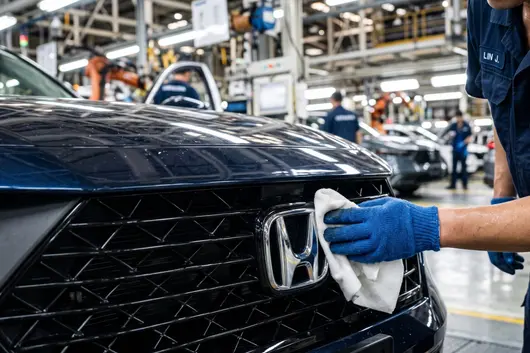
By Wan Xulong
On July 20, Honda and GAC Group announced they will extend the joint venture agreement until 2038.
The original joint venture agreement was set to expire in 2028. Honda chose to complete the renewal two years early in 2026. Mainstream analysis in overseas financial circles believes this move aims to forcibly eliminate external uncertainty regarding the future of the joint venture.
Over the past year, rumors about GAC Honda closing backward production lines and reducing capacity have continued to ferment in the market. Overseas capital markets even once interpreted these moves as a precursor to the Japanese giant preparing for strategic withdrawal. This early-signed new agreement indeed allayed so-called concerns about "withdrawal".
This new agreement is full of realistic strategic considerations in terms of duration and equity ratio.
Honda abandoned the grand narrative of a 30-year timeline when the factory was built in 1998, setting the duration conservatively at 10 years. In today's world where smart EV technology iterates rapidly, predicting the industry end-game 30 years later is meaningless. 10 years just covers the reshuffling period for the complete transition from traditional fuel vehicles to new energy.

The Chinese market has long passed the simple profit center stage, evolving into the world's most efficient smart driving testing ground and the source of 3-electric technology. Honda is actually bearing the pain of eliminating backward capacity over 10 years, relying on China's massive supply chain to complete the reconstruction of underlying technology. This is the winning hand for its survival in the new energy era.
On the other hand, the new agreement maintains the 50-50 equal equity ratio. Against the background of the comprehensive opening of joint venture equity ratios, cross-border car companies generally seek absolute control to gain more profits. Honda chose to stand still on equity, obviously having completely different ideas.
The internal combustion engine technology barrier and old system of the fuel vehicle era have become like rotting wood. Facing the brand-new electrification underlying architecture, Honda urgently needs to rely on China's extremely competitive smart driving algorithms and 3-electric supply chain system. Maintaining an equal equity ratio represents a new balancing contract exchanged for technology empowerment after the Chinese local automotive industry explodes comprehensively in core technology fields. This renewal that seems to stabilize the army's morale actually also represents the end of the era of one-way technology input. In the future, the "Joint Venture 2.0" model, where the Chinese side leads the new energy architecture while the foreign side handles brand quality control, will truly determine the future of joint venture car companies.
The Flip of the Underlying Model
In the window period created by this new 10-year contract, GAC Honda needs to undergo a painful and thorough transformation. It is transforming from a pure manufacturing execution unit in Honda's global strategy into a co-creation R&D center highly dependent on Chinese local technology empowerment.
In 1999, GAC Honda introduced the sixth-generation Accord into the Chinese market simultaneously, breaking the price monopoly of imported luxury sedans all at once. For the following 20-plus years, GAC Honda surged ahead. Many heavy-hitting products like Fit, Odyssey, Crider, and Vezel were launched consecutively, finally creating a historical peak of 808,900 annual sales units in 2020.

Supporting this premium and sales volume was Honda's advantage in internal combustion engine and vehicle engineering dimensions, which had a very high match with the domestic market at that time. These technologies not only won sales volume but also established industry standards in the Chinese market for 20 years.
In the powertrain field, Honda was jokingly referred to by the folk as "buying engines and getting a car for free". From VTEC to later i-VTEC technology, then to the Earth Dreams Technology series engines of the turbocharging and hybrid era, relying on efficient combustion technology, it achieved extremely low fuel consumption while outputting surging power. The i-MMD dual-motor hybrid system even directly raised the technology threshold of the entire Chinese hybrid market with over 40% thermal efficiency. In that stage, Honda's engine parameters were the industry benchmark that Chinese local car companies had to catch up in power R&D.
In terms of mechanical space utilization, Honda's concept of maximizing space for human seating and minimizing space occupied by machinery also profoundly reshaped China's family car market. Chinese consumers have an extreme craving for interior space. Relying on extremely exquisite chassis suspension layout and space excavation, small cars like Fit have the most outstanding seating experience among products in the same class, while Odyssey directly created the golden space standard for Chinese family MPVs. This class-skipping space performance forced all car brands attempting to enter the Chinese market to make space optimization the first priority of car building.
But now, the mechanical moat proud of the fuel vehicle era has quickly lost its protective efficiency before the 3-electric system and high-level smart driving. Facing the extremely strict iteration rhythm of the Chinese market, the foreign party finally realized that a global platform made behind closed doors cannot survive at all.
The direction of technology empowerment has undergone a historical reversal. For example, in GAC Honda's current new energy technology spectrum, the underlying Architecture W architecture has completely opened up to Chinese local supply chains. Battery packs directly adopted CATL's ternary lithium batteries, intelligent cockpits integrated iFlytek and Huawei's technical ecosystems, and high-level smart driving systems started to extend olive branches to local algorithm companies like Momenta.
Perhaps you might wonder, this migration of technological focus is already old news for many joint venture brands a few years ago, why did GAC Honda, which had deep insights into the Chinese market for more than 20 years before and produced many best-selling models fitting domestic consumer needs, seem to turn slowly? The core reason is that a set of old supply chain systems, the constraints are far beyond our understanding.
Shattering the Keiretsu System
The flip of the underlying model is accompanied by a sense of violent tearing. GAC Honda's terminal sales volume in the first half of this year encountered a severe decline of over 50 percent. Reuters and Nikkei pointed out in recent reports that this is by no means a simple macroeconomic cycle fluctuation; an irreversible structural collapse is truly happening on Japanese joint venture brands. The appearance of this collapse is the excess of backward capacity, its core originates from the complete failure of the old supply chain system.
In the past few decades, Honda, or rather the Japanese automotive industry, has been invincible worldwide. At the supply chain level, the core winning hand is a closed system known as Keiretsu.

This system is centrally scheduled by the OEM, and component enterprises at various levels form a community of interest through cross-shareholding. Inside Honda, Keihin focuses on engine control, Showa focuses on chassis suspension, and Nissin Industrial focuses on braking systems. These three core suppliers constitute Honda's unique component "Three Families".
The most significant feature of the Keiretsu model is the Design-in joint development mechanism where guest engineers enter the OEM R&D center years in advance. This highly bonded software and hardware development mode compressed component manufacturing costs to the extreme and ensured one-million-level physical quality control consistency with strict internal collaboration. Honda's ability to conquer the global market with extremely high reliability relied entirely on this solid wall built by the "Three Families".
In the Chinese market, this model was perfectly replicated by GAC Honda. In the initial stage of factory building, Honda introduced all Japanese component giants within the system to Guangzhou Huangpu, forming a closed procurement ecology that water cannot penetrate. Chinese suppliers found it extremely difficult to penetrate this solidified component list. This highly closed collaborative development mechanism once helped GAC Honda quickly align with global manufacturing standards and established a ruling market position in the following 20 years.
Entering the era of smart electric vehicles, this method showed systemic rigidity and sluggishness.
The Keiretsu model is built on the incremental improvement of internal combustion engines and mechanical hardware, its core is the highly integrated mechanical calibration of software and hardware. Smart electric vehicles require software and hardware decoupling and centralized computing architecture. Facing the leap of battery chemical materials and the explosion of smart driving algorithms, Japanese component giants cannot incubate 3-electric technology with global competitiveness at all.
The more fatal contradiction lies in the mismatch of development rhythm. Japanese traditional supply chains are used to completing a durability closed-loop verification process lasting 36 to 48 months to ensure absolute component reliability. The technical half-life of the Chinese new energy market has shortened to less than one year. Chinese local car companies use open supply chains to compress vehicle development cycles to 18 to 24 months. Facing the Chinese market where code upgrades are promoted every month, the long verification process has become shackles binding Japanese car companies.
Even if Honda tried to save itself at the cross-border level, merging Keihin, Showa, Nissin Industrial and Hitachi Automotive Systems into Hitachi Astemo, and planning to increase its shareholding to 61% this year to unify command resources and aggressively attack AI and software development. This slow speed of internal integration still cannot keep up with the iteration rhythm of China's local.
To survive, GAC Honda must personally smash this closed high wall built by Japanese suppliers.
Facing the crazy drop in sales and the dissolution of the fuel vehicle base, GAC Honda is undergoing a cruel capacity clearing and supply chain breakthrough. While gradually shutting down some old fuel vehicle production lines in Guangzhou, the brand new new energy exclusive factory located in Guangzhou Huangpu with an initial annual capacity of 120,000 vehicles is in the key period of capacity ramp-up. Using high new heavy assets to replace old assets that could originally sustain blood creation, this alternation of breaking and establishing consumes enterprise cash flow extremely.
Conducted synchronously with capacity clearing is the complete liberation of procurement power.
On the next brand new EV models, GAC Honda decisively bypassed the traditional Japanese supply chain and deeply integrated Chinese local top technology enterprises into its own R&D system. The vehicle's core power battery pack directly switched to CATL's mature solution. The intelligent cockpit underlying level fully integrated iFlytek and Huawei's technology ecosystem. High-level smart driving algorithms directly adopted the end-to-end large model provided by Chinese startup company Chudu.
Completely smashing the interest fortress of the Keiretsu system and integrating China's top local 3-electric and smart driving enterprises into its own underlying architecture is the only path for GAC Honda to adapt to the cruel evolutionary rhythm of the Chinese market. Joint venture car companies are exactly in this pain of breaking old and establishing new, searching for the possibility of regaining vitality.

Staying in the Cruellest Gym
Honda chose to complete the renewal at this node in time, essentially forcing itself to stay in the world's cruelest business gym. In this market, the response speed of smart cockpits, the generalization ability of high-level smart driving, and the thermal efficiency of power batteries are repeatedly subjected to extreme pressure by hundreds of local car companies and tens of millions of consumers every day. This high-intensity competitive environment is an industrial ecosystem that any cross-border car company cannot replicate in its local market or European and American bases.
If choosing to strategically withdraw or contract the battle lines at this time, Honda can indeed protect the short-term financial report, but it will completely lose the antenna to perceive the world's most advanced smart electrification trends. Once leaving this super technology incubator China, Honda's R&D system will quickly degenerate in the following three to five years, becoming an island completely cut off from the global top 3-electric and software supply chains.
Staying at the table, it is not only about market share in China but also about Honda's defense capability at the global level.
The strong overseas expansion of China's local new energy vehicles has been fully opened. In Southeast Asia, Middle East, and South America, etc., which are advantage markets traditionally firmly controlled by Japanese car companies, Chinese car brands are launching fierce attacks carrying high-dimensional product power polished by extreme internal competition. Honda's profit highlands in Thailand, Indonesia and other places are facing unprecedented pressure.
In order to resist this dimensionality reduction strike on the global battlefield, Honda must cultivate product R&D capabilities on the Chinese local that can confront Chinese brands head-on. This is exactly the core strategic value of the reverse joint venture model.
GAC Honda and other joint venture enterprises are undertaking an extremely critical technology feedback role. Honda deeply integrates CATL batteries, Huawei ecosystems, and local startup smart driving algorithms within the Chinese joint venture system, not just to build a few cars suited to Chinese consumer tastes. Its true intention is to use the Chinese underlying technology architecture to quickly iterate a set of new energy solutions with global competitiveness.

Recent rare alliances between Honda and Nissan in electrification and intelligence dimensions also confirm the spread of this global defense anxiety. Facing the technology sprint of Chinese car companies, Japanese giants have given up the illusion of fighting alone. GAC Honda plays a key hub role in connecting China's top supply chains and Japanese global manufacturing systems within this huge defense network.
The Chinese market is reshaping Honda's technology base. GAC Honda's 10-year renewal agreement completely ends the one-way narrative of exchanging foreign technology for the Chinese market. Joint venture car companies are transforming into core pipelines for cross-border giants to draw nutrients from China's advanced industrial chains. This life-or-death self-revolution will ultimately decide whether Honda can hold a place in the future global smart car landscape.

[Maklumat Teknologi CNMO] 21 Julai, syarikat pemanduan automatik Momenta mengumumkan Robotaxi-nya telah secara rasmi menerima lesen ujian jalan untuk kenderaan bersambung pintar bandar Shenzhen, dan akan menjalankan ujian lapangan di Shenzhen dalam masa terdekat. Ini merupakan satu lagi kualiti ujian utama yang dicapai oleh Momenta selepas Shanghai, Suzhou, dan Wuxi di bandar-bandar utama China.

Momenta
Pada masa ini, Robotaxi Momenta telah secara berperingkat dilaksanakan ujian di Shanghai, Suzhou, Wuxi, Shenzhen di China, serta Munich di Jerman dan Abu Dhabi di Emiriah Arab Bersatu. Syarikat merancang pada tahun 2026 untuk melaksanakan pemanduan automatik tahap tinggi di pelbagai bandar dan wilayah baharu di seluruh dunia, memajukan dengan mantap pengesahan senario teknologi dan penerokaan perkhidmatan pengangkutan rakyat. Rancangan penerbitan massanya telah dilaksanakan di lebih daripada 10 negara dan wilayah di Asia, Eropah, Oceania, Amerika Latin dan Afrika Utara.
Dalam aspek ekosistem kerjasama, Robotaxi Momenta telah membina kerjasama dengan platform pengangkutan global seperti Uber, Grab, Lumo, Xiangdao serta pengeluar kenderaan seperti Mercedes-Benz. Sebelum ini, wakil kerajaan dan perusahaan dari bahagian berkaitan kerajaan Singapura, Lyft telah melawat Momenta untuk perbincangan, menunjukkan minat industri antarabangsa terhadap kemajuan teknologi pemanduan automatik di China.

Rakan Kongsi Momenta
Momenta memperkenalkan model besar R7 berasaskan Model Dunia dan Pembelajaran Penguatan pada April 2026. Model asas AI Fizik ini akan menyokong Momenta dalam pelaksanaan berskala di bidang kenderaan penumpang, Robotaxi dan kenderaan logistik tanpa pemandu (Robovan).
Logik teras Model Dunia R7 terletak pada memberikan kenderaan kesedaran terhadap peraturan fizikal realiti. Berbeza dengan kaedah tradisional yang bergantung pada peraturan manual dan pengenal pasti imej, sistem ini meneraskan data pemeterusan besar untuk mempelajari kelembaman, geseran, lintasan pergerakan objek dan hukum fizikal asas, boleh menyoal secara autonomi pelbagai keadaan jalan ekor panjang jarang berlaku, menangani objek yang jatuh secara mengejut, pengangkutan bercampur di persimpangan, penyusupan kenderaan bukan bermotor dan senario lain yang sukar dicakup oleh algoritma tradisional. Struktur teknikalnya dibahagikan kepada tiga peringkat: peringkat pra-latihan Model Dunia memampatkan hukum fizikal, peringkat simulasi Model Dunia menyoal senario ekor panjang, peringkat Pembelajaran Penguatan melaksanakan pengoptimuman keputusan autonomi.

Model Kereta Rakan Kongsi Momenta
Timbalan Presiden Gu Gongyao dari Momenta mendefinisikan Model Dunia R7 sebagai "Momen ChatGPT AI Fizik", menganggap ini sebagai pegangan penting bagi AI bergerak dari dunia digital ke dunia fizik. Dalam aspek pelaksanaan penerbitan massal, Cadillac telah mengumumkan akan melancarkan industri pertama kenderaan yang dilengkapi dengan Model Dunia R7 Momenta. SAIC Volkswagen ID.ERA 9X juga akan melengkapkan Model Dunia R7 terlebih dahulu. Roewe Jia Yue 07 juga akan melengkapkan skema pemanduan bantu pintar tahap tinggi Model Dunia R7 Momenta generasi terkini.

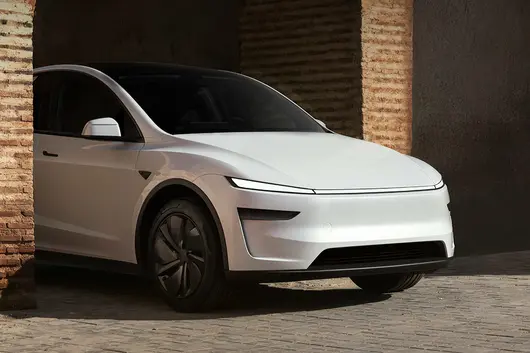
2026年6月
Model Y成为马来西亚最畅销的进口品牌电动车
Model 3成为马来西亚最畅销的纯电轿车
来自上海超级工厂的中国智造
安全、智能、好开、耐用🦾



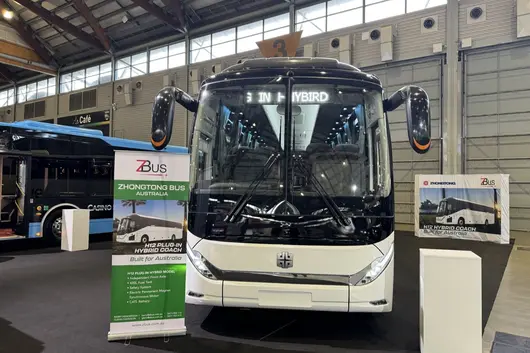
On July 15, the 2026 Australia Sydney International Bus Show (2026 Australasia Bus & Coach Expo) opened at the Sydney Olympic Park venue. The exhibition is organized by the New South Wales Bus Industry Association Bus NSW, and is the largest and most professional bus whole-industry trade event in Oceania.

Based on the high-quality development strategy, Zhongtong Bus made a strong appearance at this exhibition, gathering five classic models on three major technology routes – diesel, extended-range, and pure electric – Diesel version H12, Diesel version L7, Extended-range version H12, Extended-range version L8, Pure electric version N12, fully showcasing the global layout and high-end breakthrough of Chinese buses.
Zhongtong Bus's global exploration bears the era mark of Chinese buses, and even Chinese manufacturing, stepping onto the world stage. Since exports began in 2003, Zhongtong Bus's overseas territory has continued to expand, and its market share has steadily climbed.
According to the latest data from China Bus Statistics Information Network, in the first half of 2026, Zhongtong Bus exported 4,318 buses over 7 meters, a year-on-year increase of 23.65%, with a market share of 14.35%, demonstrating strong market resilience.
What truly allows Zhongtong Bus to stand firm in fierce competition is its "all-rounder" strength. From traditional power to extended-range hybrid, and then to pure electric, Zhongtong Bus has built a product matrix covering all technology routes, capable of providing precisely matched customized solutions based on the policy environment, climate conditions, road conditions characteristics, and operational needs of different markets.
From Singapore's narrow-body pure electric buses to Denmark's low-temperature anti-corrosion upgrades, from Dubai's first entry into high-end public transport systems to showcasing five models in Australia this time, Zhongtong Bus reads local needs first before presenting corresponding solutions. It is not standardized copying, but custom-tailored.

Behind the market breakthrough is Zhongtong Bus's long-term adherence to deep technology cultivation and forward-looking layout. As one of the first domestic enterprises to layout new energy R&D, Zhongtong Bus has continuously improved in core technology and quality control for many years, earning the pass to enter global high-end markets with solid strength.
Standing at the top bus exhibition in Oceania, facing global industry giants and Australian local operators, Zhongtong Bus not only needs to showcase products, but also needs to make clear China's smart manufacturing technical confidence and brand landscape to the world. The five boutique models exhibited this time are not only a precise response to the diversified needs of the Australian market, but also a pragmatic answer from Zhongtong serving global sustainable transportation with full-scenario solutions.

The Diesel version H12 and Diesel version L7 are two main models designed by Zhongtong Bus for high-intensity operational scenarios. The Diesel version H12 is equipped with the new generation "Golden Power Train", reducing fuel consumption by 5%~10% per 100 km compared to the industry average, balancing power and economy; The Diesel version L7 is adapted for business, tourism, group, rental and other scenarios, with a maximum climbing grade greater than 30%, powerful power, fuel-saving and efficient.

Extended-range version H12, L8, precisely anchor the dual needs of low-carbon transformation and cost reduction and efficiency increase. Targeting industry pain points such as uneven distribution of pure electric refueling facilities, limited range for long-distance operations, and high energy consumption for fuel vehicles, Zhongtong Bus relies on autonomous and controllable extended-range hybrid technology to achieve intelligent linkage of oil and electricity, energy allocation according to needs, possessing the triple advantages of ultra-long range, ultra-low energy consumption, and high adaptability, providing high cost-performance and high practicality product solutions for low-carbon transformation of passenger transportation in Australia and even globally.
Pure electric version N12 is a high-end product built by Zhongtong Bus for global traffic green intelligent transformation needs. Taking "Deep Customization" as the core, it can precisely adapt to operational scenarios of different countries. The whole vehicle is equipped with a new generation high-efficiency battery, motor, and controller system, combined with lightweight body design, lower energy consumption, more stable range, enough to support the frequent and long-term operational rhythm of urban buses. Domestically, it is the core transport capacity of urban public transport; Overseas, with the positioning of "Chinese Solutions", it deeply participates in the global traffic low-carbon revolution.

This appearance at the Sydney International Bus Show is a key step for Zhongtong Bus to perfect its global layout strategy, and also a vivid practice from "global layout" to "global deep cultivation".
In the future, Zhongtong Bus will continue to stand on a global vision, adhere to technological innovation, and deepen local adaptation, with the hard core strength of China's smart manufacturing, contributing more "Chinese Solutions" to the green upgrade and smart transformation of global public transportation.

Di pasaran SUV di Malaysia, ramai pembeli membandingkan Perodua Aruz dan Mitsubishi Xforce ketika memilih kereta. Kedua-dua kereta ini agak hampir dari segi harga dan penempatannya, hari ini kita akan buat perbandingan terperinci dari pelbagai aspek untuk membantu anda menjimatkan masa membuat kajian.
Perodua Aruz, harga OTR di Malaysia adalah RM 72,900 - 77,900, terdapat 2 versi, termasuk 1.5L X (RM 72,900), 1.5L AV (RM 77,900) dan lain-lain.
Mitsubishi Xforce, harga OTR di Malaysia adalah RM 109,930 - 119,930, terdapat 2 versi, termasuk 2026 1.5L Ultimate (RM 119,930), 2026 1.5L Urban (RM 109,930) dan lain-lain.
Dari segi harga, harga permulaan Perodua Aruz memang lebih murah RM 37,030 berbanding Mitsubishi Xforce. Jika bajet anda terhad, versi pemula Perodua sudah boleh memenuhi keperluan harian. Tetapi perlu diingat, perbezaan harga beberapa ribu ringgit itu, mungkin ada pertukaran pada kelengkapan, bergantung kepada keperluan anda.

Perodua Aruz dilengkapi dengan 1.5L 4-cyl, kuasa 105 hp. Penggunaan bahan api rasmi 6.0 L/100km.
Mitsubishi Xforce dilengkapi dengan 1.5L Turbo, kuasa 140 hp. Penggunaan bahan api rasmi 7.0 L/100km.
Dari segi kuasa, 1.5L Turbo Mitsubishi Xforce mempunyai kuasa 35 hp lebih berbanding 1.5L 4-cyl Perodua Aruz. Walau bagaimanapun, untuk penggunaan harian di bandar, kuasa kedua-dua kereta adalah mencukupi, tidak akan terasa kurang tenaga.
Penilaian keselamatan Perodua Aruz adalah 5★ (ASEAN NCAP), sistem keselamatan aktif termasuk.
Penilaian keselamatan Mitsubishi Xforce adalah 5★ (ASEAN NCAP), sistem keselamatan aktif termasuk MI-PILOT.
Kedua-dua kereta mempunyai penilaian keselamatan yang sama, pada tahap ini kelengkapan keselamatan dianggap sangat lengkap. Kereta baru sekarang tidak kurang dari segi keselamatan, tiada perlu bimbang tentang hal ini.
Perodua Aruz jaminan 5 tahun/150,000km, selang penyelenggaraan setiap 10,000km atau 6 bulan.
Mitsubishi Xforce jaminan 3 tahun/100,000km, selang penyelenggaraan setiap 10,000km atau 6 bulan.

Secara keseluruhan, Perodua Aruz dan Mitsubishi Xforce adalah kedua-dua model kereta yang sangat bagus di pasaran Malaysia. Memilih mana satu, perkara penting bergantung kepada keperluan dan bajet peribadi anda. Disarankan untuk membuat kajian, bandingkan beberapa sebut harga dari dealer, baru kemudian uji pemanduan untuk membuat keputusan akhir. Membeli kereta adalah perkara penting, menghabiskan masa untuk membuat kajian tidak akan salah.

© 2024 Bitauto.com. All Rights Reserved.
Bitauto (www.yiche.com and www.bitauto.com) is one of the most visited automotive websites in China. We provide detailed info on Chinese car brands available in your area. Please note that the information provided on this website is based on publicly available data and is for reference only. It may not be fully updated or accurate at all times.

Help us improve our website


