

HomeKinabalu

Search History
Popular Searches
Dealer Login / Sign Up

喺馬來西亞嘅 SUV 市場,好多買家喺揀車嘅時候都會用 Proton X50 同 Honda HR-V 嚟做比較。呢兩款車喺價位同定位上都幾接近,今日我哋就由多個方面做一個詳細比較,幫你節省做功課嘅時間。
Proton X50 喺馬來西亞嘅 OTR 售價係 RM 89,800 - 113,300,合共 4 個版本,包括 1.5T Executive(RM 89,800)、1.5T Premium(RM 101,800)、1.5T Flagship(RM 113,300) 等。
Honda HR-V 喺馬來西亞嘅 OTR 售價係 RM 115,900 - 143,900,合共 4 個版本,包括 2026 e:HEV 1.5L RS(RM 143,900)、2026 1.5T V(RM 137,900)、2026 1.5T E(RM 130,900) 等。
睇返價錢,Proton X50 嘅入手價確實比 Honda HR-V 平咗 RM 26,100。如果你預算有限,Proton 嘅入門版已經可以滿足日常需要。不過都要注意,平嘅幾千蚊,可能喺配備上有取舍,具體睇返你嘅需要。

Proton X50 配備 1.5L 4-cyl,馬力 105 hp。官方油耗 6.0 L/100km。
Honda HR-V 配備 1.5L Turbo,馬力 140 hp。官方油耗 7.0 L/100km。
動力方面,Honda HR-V 嘅 1.5L Turbo 比 Proton X50 嘅 1.5L 4-cyl 多咗 35 匹馬力。不過日常喺市區行,兩款車嘅動力都夠用,唔會覺得唔夠力。

Proton X50 嘅安全評級係 5★ (ASEAN NCAP),主動安全系統包括 ADAS (ACC, AEB, LKA, LDA, BSM, RCTA)。
Honda HR-V 嘅安全評級係 5★ (ASEAN NCAP),主動安全系統包括 Honda SENSING (ACC, CMBS, LKAS, RDM)。
兩款車嘅安全評級一樣,喺呢個級別入面安全配備都算好齊全。而家嘅新車安全性都唔差,唔使太擔心呢一點。

Proton X50 採用 4WD 驅動方式。
Honda HR-V 採用 FWD 驅動方式。
Proton 嘅 4WD 同 Honda 嘅 FWD 喺操控上有唔同感受,建議試駕比較。

總體嚟講,Proton X50 同 Honda HR-V 都係馬來西亞市場好唔錯嘅車型。揀邊部,關鍵都要睇你嘅個人需要同預算。建議大家做好功課,多比較幾間車行之報價,先至去試駕做最後決定。買車係件大事,花少少時間做功課絕對唔會錯。


Pada pasaran SUV Malaysia, ramai pembeli yang membandingkan Proton X70 dan Mazda CX-3 semasa memilih kereta. Kedua-dua kereta ini mempunyai harga dan kedudukan yang agak hampir, hari ini kita akan membuat perbandingan terperinci dari pelbagai aspek untuk membantu anda menjimatkan masa penyelidikan.
Harga OTR Proton X70 di Malaysia adalah RM 106,800 - 122,300, terdapat 3 variasi, termasuk 1.5L Standard 2WD (RM 106,800), 1.5L Executive 2WD (RM 115,800), 1.5L Premium 2WD (RM 122,300) dan lain-lain.
Harga OTR Mazda CX-3 di Malaysia adalah RM 126,159 - 139,159, terdapat 2 variasi, termasuk 2023 2.0L High (RM 139,159), 2023 2.0L Plus (RM 126,159) dan lain-lain.
Dari segi harga, harga permulaan Proton X70 memang lebih murah RM 19,359 daripada Mazda CX-3. Jika bajet anda terhad, versi masuk Proton sudah boleh memenuhi keperluan harian. Tetapi perlu diingat, beberapa ribu ringgit yang lebih murah ini, mungkin ada kompromi pada kelengkapan, ia bergantung pada keperluan anda.

Proton X70 dilengkapi enjin 1.5L Turbo, kuasa kuda 140 hp. Konsumsi bahan api rasmi 7.0 L/100km.
Mazda CX-3 dilengkapi enjin 1.5L Turbo, kuasa kuda 140 hp. Konsumsi bahan api rasmi 7.0 L/100km.
Kedua-dua kereta menggunakan sistem pemacu yang sama, rasa semasa memandu harian adalah hampir tiada perbezaan. Dari segi penggunaan bahan api juga hampir sama, tidak perlu terlalu bimbang tentang ini.

Panjang badan Proton X70 4400 mm, bak bagasi 400 L.
Panjang badan Mazda CX-3 4500 mm, bak bagasi 450 L.
Dari segi ruang, badan Mazda CX-3 lebih panjang 100 mm daripada Proton X70, ruang penumpang lebih unggul. Namun Proton X70 lebih cekap untuk diparkir di bandar, setiap satu ada kompromi.

Proton X70 menggunakan cara pemacu FWD.
Mazda CX-3 menggunakan cara pemacu FWD.
Cara pemacu kedua-dua kereta sama, semuanya FWD, rasa memandu harian tidak akan ada perbezaan besar.
Proton X70 berjamin 5 tahun/150,000km, jarak penyelenggaraan setiap 10,000km atau 6 bulan.
Mazda CX-3 berjamin 5 tahun/150,000km, jarak penyelenggaraan setiap 10,000km atau 6 bulan.
Kondisi jaminan kedua-dua kereta sama, dari segi ini tidak perlu bimbang. Kos penyelenggaraan sebenar bergantung pada rangkaian perkhidmatan jenama dan harga komponen, disyorkan pergi tanya ahli komuniti pemilik kereta untuk pengalaman sebenar pemilik.
Secara keseluruhannya, Proton X70 dan Mazda CX-3 adalah model kereta yang sangat baik di pasaran Malaysia. Memilih mana satu, terutamanya bergantung pada keperluan dan bajet peribadi anda. Kami cadangkan anda buat penyelidikan, bandingkan lebih banyak harga dari pengedar kereta yang berbeza, kemudian buat ujian memandu untuk membuat keputusan akhir. Membeli kereta adalah perkara besar, meluangkan masa untuk membuat penyelidikan tidak akan salah.


喺馬來西亞嘅 SUV 市場,好多買家喺揀車嘅時候都會拿 寶騰 X50 同 豐田 卡羅拉 Cross 嚟做比較。這兩款車喺價位同定位上都好接近,今日我哋就從多個方面做一個詳細嘅比較,幫你節省做功課嘅時間。
寶騰 X50 喺馬來西亞嘅 OTR 售價係 RM 89,800 - 113,300,合共有 4 個版本,包括 1.5T Executive(RM 89,800)、1.5T Premium(RM 101,800)、1.5T Flagship(RM 113,300)等。
豐田 卡羅拉 Cross 喺馬來西亞嘅 OTR 售價係 RM 133,800 - 148,800,合共有 3 個版本,包括 2026 HEV 1.8L GR Sport(RM 148,800)、2026 HEV 1.8L Standard(RM 140,800)、2026 1.8L Standard(RM 133,800)等。
由價錢睇,寶騰 X50 嘅起步價確實比 豐田 卡羅拉 Cross 平咗 RM 44,000。如果你預算有限,寶騰嘅入門版已經可以滿足日常需要。不過都要注意,平嗰幾千塊,可能喺配備上面會有取捨,具體就要睇你嘅需要。
寶騰 X50 搭載 1.5L 4-cyl,馬力 105 hp。官方油耗 6.0 L/100km。
豐田 卡羅拉 Cross 搭載 1.5L Turbo,馬力 140 hp。官方油耗 7.0 L/100km。
動力方面,豐田 卡羅拉 Cross 嘅 1.5L Turbo 比 寶騰 X50 嘅 1.5L 4-cyl 多出 35 匹馬力。不過日常喺市區開,兩款車嘅動力都夠用,唔會覺得唔夠力。
寶騰 X50 嘅安全评分係 5★ (ASEAN NCAP),主動安全系統包括 ADAS (ACC, AEB, LKA, LDA, BSM, RCTA)。
豐田 卡羅拉 Cross 嘅安全评分係 5★ (ASEAN NCAP),主動安全系統包括 TSS (PCS, LDA, ACC, LTA)。
兩款車嘅安全评分一樣,喺呢個級裏面安全配備都算好齊全。而家嘅新車安全性都唔差,唔使太擔心呢點。
寶騰 X50 車身長 4400 mm,尾箱 400 L。
豐田 卡羅拉 Cross 車身長 4400 mm,尾箱 400 L。
兩款車嘅尺寸幾乎一樣,車內空間差別唔大。呢個級嘅車,日常使用完全夠用。

寶騰 X50 保修 5 年/150,000km,保養間隔 每 10,000km 或 6 個月。
豐田 卡羅拉 Cross 保修 5 年/里程無限制,保養間隔 每 10,000km 或 6 個月。
總體嚟講,寶騰 X50 同 豐田 卡羅拉 Cross 都係馬來西亞市場幾好嘅車型。揀邊一輛,關鍵都要睇返你嘅個人需要同預算。建議大家做足功課,多比較幾間車行嘅報價,先去試駕先做最後決定。買車係件大事,花啲時間做功課絕對唔會錯。

喺馬來西亞嘅 SUV 市場,好多買家喺揀車嘅時候都會拿 Proton X70 同 Mazda CX-60 來比較。呢兩款車喺價錢同定位上都幾相近,今日我哋就從多個方面做一個詳細嘅比較,幫你省回做功課嘅時間。
Proton X70 喺馬來西亞嘅 OTR 售價係 RM 106,800 - 122,300,一共有 3 個版本,包括 1.5L Standard 2WD(RM 106,800)、1.5L Executive 2WD(RM 115,800)、1.5L Premium 2WD(RM 122,300) 等。
Mazda CX-60 喺馬來西亞嘅 OTR 售價係 RM 200,510 - 252,873,一共有 2 個版本,包括 2026 3.3T 4WD High Plus(RM 252,873)、2025 2.5L 2WD High(RM 200,510) 等。
由價錢嚟睇,Proton X70 嘅起步價確實比 Mazda CX-60 平咗 RM 93,710。如果你預算有限,Proton 嘅入門版已經可以滿足日常需要。但都要注意,平嗰幾千蚊,喺配備上可能会有取舍,具體要睇你嘅需要。

Proton X70 車身長 4400 mm,行李廂 400 L。
Mazda CX-60 車身長 4500 mm,行李廂 450 L。
空間方面,Mazda CX-60 嘅車身比 Proton X70 長咗 100 mm,乘坐空間更有優勢。不過 Proton X70 喺城市入面泊車會靈活啲,各有取舍。

Proton X70 保修 5 年/150,000km,保養間隔 每 10,000km 或 6 個月。
Mazda CX-60 保修 5 年/150,000km,保養間隔 每 10,000km 或 6 個月。
兩款車嘅保修條件一樣,呢方面唔使糾結。實際保養成本仲要睇品牌嘅服務網絡同零件價格,建議去車友群問下真實車主嘅經驗。

Proton X70 同 Mazda CX-60 都係馬來西亞市場嘅主流選擇,適合家庭使用、日常通勤。如果你更重視品牌口碑同二手價,可以優先考慮口碑更好嗰款;如果你更在意性價比同配備,嗰就揀配置更豐富嗰款。最終都係建議兩款都去試駕,親身體驗先係最重要嘅。
總體嚟講,Proton X70 同 Mazda CX-60 都係馬來西亞市場幾唔錯嘅車型。揀邊一部,關鍵都係要睇你嘅個人需要同預算。建議大家做足功課,多比較幾間車行嘅報價,再去試駕先做最終決定。買車係件大事,花少少時間做功課絕對唔會錯。


喺馬來西亞嘅 SUV 市場,好多買家喺揀車嘅時候都會拿 Proton X70 同 Mazda CX-5 嚟比較。呢兩款車喺價位同定位上都幾接近,今日我哋就從多個方面做一個詳細比較,幫你慳返啲做功課嘅時間。
Proton X70 喺馬來西亞嘅 OTR 售價係 RM 106,800 - 122,300,一共有 3 個版本,包括 1.5L Standard 2WD(RM 106,800)、1.5L Executive 2WD(RM 115,800)、1.5L Premium 2WD(RM 122,300) 等。
Mazda CX-5 喺馬來西亞嘅 OTR 售價係 RM 135,469 - 166,760,一共有 3 個版本,包括 2025 2.0L AT 35th Anniversary(RM 316,154)、2025 2.0L AT(RM 296,154)、2025 2.0L MT(RM 294,154) 等。
由價錢睇落,Proton X70 嘅起步價確實比 Mazda CX-5 平咗 RM 28,669。如果你預算有限,Proton 嘅入門版已經可以滿足日常需要。但都要注意,平嗰幾千蚊,可能喺配備上會有取捨,具體要看你嘅需求。

Proton X70 裝載 1.5L Turbo,馬力 140 hp。官方油耗 7.0 L/100km。
Mazda CX-5 裝載 1.5L Turbo,馬力 140 hp。官方油耗 7.0 L/100km。
兩款車用緊同一套動力系統,日常開起嚟嘅感覺基本無差別。油耗方面都差唔多,唔使太糾結呢一點。

Proton X70 車身長 4400 mm,後尾箱 400 L。
Mazda CX-5 車身長 4500 mm,後尾箱 450 L。
空間方面,Mazda CX-5 嘅車身比 Proton X70 長咗 100 mm,乘坐空間更有優勢。不過 Proton X70 喺城裡面停車會靈活啲,各有取捨。

Proton X70 同 Mazda CX-5 都係馬來西亞市場嘅主流選擇,適合家庭使用、日常通勤。如果你更睇重品牌口碑同二手價,可以優先考慮口碑更好嗰一款;如果你更在意性價比同配備,就揀配置更豐富嗰款。最終都係建議兩款都去試駕,親身體驗先係最重要。
總嚟講,Proton X70 同 Mazda CX-5 都係馬來西亞市場好唔錯嘅車型。揀邊一輛,關鍵都係要看你嘅個人需求同預算。建議大家做好功課,多比較幾間車行嘅報價,再去試駕做最終決定。買車係件大事,花少少時間做功課絕對唔會錯。


In the Malaysian SUV market, many buyers compare Proton X70 and Toyota Corolla Cross when choosing a car. Both cars are quite close in price and positioning. Today we will do a detailed comparison from multiple aspects to save you time on research.
The OTR price of Proton X70 in Malaysia is RM 106,800 - 122,300. There are 3 versions in total, including 1.5L Standard 2WD (RM 106,800), 1.5L Executive 2WD (RM 115,800), 1.5L Premium 2WD (RM 122,300), etc.
The OTR price of Toyota Corolla Cross in Malaysia is RM 133,800 - 148,800. There are 3 versions in total, including 2026 HEV 1.8L GR Sport (RM 148,800), 2026 HEV 1.8L Standard (RM 140,800), 2026 1.8L Standard (RM 133,800), etc.
From a price perspective, the entry price of Proton X70 is indeed RM 27,000 cheaper than Toyota Corolla Cross. If your budget is limited, Proton's entry-level version can already meet daily needs. But be aware, the few thousand cheaper might involve trade-offs in features, depending on your specific needs.
Proton X70 is equipped with 1.5L Turbo, 140 hp. Official fuel consumption 7.0 L/100km.
Toyota Corolla Cross is equipped with 1.5L Turbo, 140 hp. Official fuel consumption 7.0 L/100km.
Both cars use the same powertrain, and the driving experience is basically the same. Fuel consumption is also similar, so no need to worry too much about this.
Proton X70 safety rating is 5★ (ASEAN NCAP). Active safety systems include ADAS (ACC, AEB, LKA, LDA, BSM, RCTA).
Toyota Corolla Cross safety rating is 5★ (ASEAN NCAP). Active safety systems include TSS (PCS, LDA, ACC, LTA).
Both cars have the same safety rating. In this class, safety features are considered very complete. New cars nowadays generally have good safety, so no need to worry too much about this.
Proton X70 warranty 5 years/150,000km. Service interval every 10,000km or 6 months.
Toyota Corolla Cross warranty 5 years/unlimited mileage. Service interval every 10,000km or 6 months.
Proton X70 and Toyota Corolla Cross are both mainstream choices in the Malaysian market, suitable for family use and daily commuting. If you value brand reputation and resale value more, prioritize the one with better reputation; if you care more about cost-performance and features, choose the one with richer configuration. Ultimately, it is recommended to test drive both. Personal experience is the most important.
Overall, Proton X70 and Toyota Corolla Cross are both very good car models in the Malaysian market. Which one to choose depends on your personal needs and budget. We suggest doing research, comparing quotes from several car dealers, and then test driving to make a final decision. Buying a car is a big matter; spending some time on research will definitely not be a mistake.


In the SUV market in Malaysia, many buyers compare the Proton X70 and Honda CR-V when choosing a car. These two cars are quite close in price and positioning. Today, we will make a detailed comparison from multiple aspects to help you save time doing your research.
The OTR selling price of the Proton X70 in Malaysia is RM 106,800 - 122,300, with a total of 3 versions, including 1.5L Standard 2WD (RM 106,800), 1.5L Executive 2WD (RM 115,800), 1.5L Premium 2WD (RM 122,300), etc.
The OTR selling price of the Honda CR-V in Malaysia is RM 178,200 - 195,900, with a total of 4 versions, including 2026 e:HEV 2.0L 2WD RS (RM 195,900), 2026 1.5T 4WD V (RM 181,900), 2026 e:HEV 2.0L 2WD E (RM 178,200), etc.
From a price perspective, the starting price of the Proton X70 is indeed RM 71,400 cheaper than the Honda CR-V. If your budget is limited, the Proton entry-level version can already meet daily needs. However, it should be noted that the savings of a few thousand ringgit might involve trade-offs in equipment, depending on your specific needs.

The safety rating of the Proton X70 is 5★ (ASEAN NCAP), active safety systems include ADAS (ACC, AEB, LKA, LDA, BSM, RCTA).
The safety rating of the Honda CR-V is 5★ (ASEAN NCAP), active safety systems include Honda SENSING (ACC, CMBS, LKAS, RDM).
Both cars have the same safety rating, and safety features are quite comprehensive within this class. New cars nowadays generally have good safety, so no need to worry too much about this.

Proton X70 body length 4400 mm, trunk 400 L.
Honda CR-V body length 4500 mm, trunk 450 L.
In terms of space, the Honda CR-V body is 100 mm longer than the Proton X70, giving it an advantage in passenger space. However, the Proton X70 is a bit more flexible for parking in the city, each has its trade-offs.

Proton X70 warranty 5 years/150,000 km, service interval every 10,000 km or 6 months.
Honda CR-V warranty 5 years/unlimited mileage, service interval every 10,000 km or 6 months.
Both the Proton X70 and Honda CR-V are mainstream choices in the Malaysian market, suitable for family use and daily commuting. If you value brand reputation and resale value more, you can prioritize the one with better reputation; if you care more about cost-performance ratio and equipment, then choose the one with richer configurations. Finally, it is recommended to test drive both models, as experiencing it personally is the most important.
Overall, the Proton X70 and Honda CR-V are both very good models in the Malaysian market. Which one to choose depends mainly on your personal needs and budget. We recommend doing your research, comparing quotes from multiple dealerships, and then test driving to make a final decision. Buying a car is a major matter, spending some time researching will definitely not be wrong.


喺馬來西亞嘅 SUV 市場,好多買家喺揀車嘅時候都會用 Proton X50 同 Mazda CX-8 嚟做比較。呢兩款車喺價位同定位上都好接近,今日我哋就由多個方面做一個詳細嘅比較,幫你省返做功課嘅時間。
Proton X50 喺馬來西亞嘅 OTR 售價係 RM 89,800 - 113,300,總共有 4 個版本,包括 1.5T Executive(RM 89,800)、1.5T Premium(RM 101,800)、1.5T Flagship(RM 113,300)等。
Mazda CX-8 喺馬來西亞嘅 OTR 售價係 RM 165,360 - 201,360,總共有 5 個版本,包括 2025 2.5T 4WD High Plus Petrol(RM 201,360)、2025 2.2L 2WD High Plus Diesel(RM 193,123)、2025 2.5L 2WD High Plus Petrol(RM 186,360)等。
從價錢嚟睇,Proton X50 嘅起步價確實比 Mazda CX-8 平咗 RM 75,560。如果你預算有限,Proton 嘅入門版已經可以滿足日常需求。不過都要留意,平嗰啲千幾塊,可能喺配備上會有取舍,具體要睇你嘅需求。
Proton X50 搭載 1.5L 4-cyl,馬力 105 hp。官方油耗 6.0 L/100km。
Mazda CX-8 搭載 2.0L 4-cyl,馬力 170 hp。官方油耗 8.0 L/100km。
動力方面,Mazda CX-8 嘅 2.0L 4-cyl 比 Proton X50 嘅 1.5L 4-cyl 多咗 65 匹馬力。不過日常喺市區開,兩款車嘅動力都夠用,唔會覺得唔夠力。
Proton X50 保修 5 年/150,000km,保養間隔 每 10,000km 或 6 個月。
Mazda CX-8 保修 5 年/150,000km,保養間隔 每 10,000km 或 6 個月。
兩款車嘅保修條件一樣,呢方面唔使糾結。實際保養成本仲要睇品牌嘅服務網絡同零件價格,建議去車友群問問真實車主嘅經驗。
Proton X50 同 Mazda CX-8 都係馬來西亞市場嘅主流選擇,適合家庭使用、日常通勤。如果你更睇重品牌口碑同二手價,可以優先考慮口碑更好嗰一款;如果你更在意性價比同配備,那就揀配備更豐富嗰款。最終都建議兩款都去試駕,親身體驗先至係最重要嘅。

總括嚟講,Proton X50 同 Mazda CX-8 都係馬來西亞市場好唔錯嘅車型。揀邊一輛,關鍵仲係要睇你嘅個人需求同預算。建議大家做好功課,多比較幾間車行嘅報價,再去試駕做最終決定。買車係件大事,花啲時間做功課絕對唔會錯。

In the Malaysian SUV market, many buyers will compare Proton X50 and Mazda CX-5 when choosing a car. These two cars are quite close in price and positioning. Today, we will make a detailed comparison from multiple aspects to help you save time on research.
The OTR selling price of Proton X50 in Malaysia is RM 89,800 - 113,300, with a total of 4 versions, including 1.5T Executive (RM 89,800), 1.5T Premium (RM 101,800), 1.5T Flagship (RM 113,300), etc.
The OTR selling price of Mazda CX-5 in Malaysia is RM 135,469 - 166,760, with a total of 3 versions, including 2025 2.0L AT 35th Anniversary (RM 316,154), 2025 2.0L AT (RM 296,154), 2025 2.0L MT (RM 294,154), etc.
From the price perspective, the starting price of Proton X50 is indeed RM 45,669 cheaper than Mazda CX-5. If your budget is limited, the entry-level version of Proton can already meet daily needs. But also note, that few thousand difference might involve trade-offs in features, it depends specifically on your needs.
Proton X50 is equipped with 1.5L 4-cyl, horsepower 105 hp. Official fuel consumption 6.0 L/100km.
Mazda CX-5 is equipped with 1.5L Turbo, horsepower 140 hp. Official fuel consumption 7.0 L/100km.
In terms of power, the 1.5L Turbo of Mazda CX-5 has 35 more horsepower than the 1.5L 4-cyl of Proton X50. However, for daily driving in the city, the power of both cars is sufficient and won't feel underpowered.
Proton X50 warranty 5 years/150,000km, service interval every 10,000km or 6 months.
Mazda CX-5 warranty 5 years/150,000km, service interval every 10,000km or 6 months.
The warranty conditions for both cars are the same, no need to worry about this aspect. Actual maintenance costs depend on the brand's service network and parts prices, it is recommended to ask in car owner groups for real owners' experiences.
Proton X50 and Mazda CX-5 are both mainstream choices in the Malaysian market, suitable for family use and daily commuting. If you value brand reputation and resale value more, you can prioritize the one with better reputation; if you care more about value for money and features, then choose the model with richer configuration. Ultimately, it is recommended to test drive both, personal experience is the most important.
In general, Proton X50 and Mazda CX-5 are both quite good models in the Malaysian market. Choosing which one depends mainly on your personal needs and budget. It is recommended that everyone do their homework, compare quotes from several dealerships, and then go for a test drive to make the final decision. Buying a car is a big matter, spending some time doing research will definitely not be wrong.
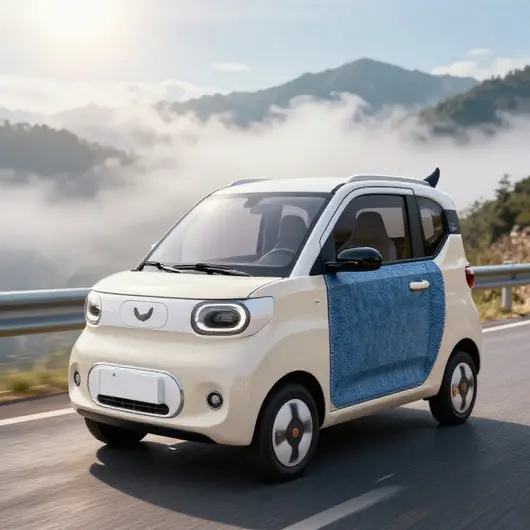
In the Malaysian SUV market, many buyers compare Proton X50 and Chery Tiggo Cross when choosing a car. The price and positioning of these two cars are quite close, today we will do a detailed comparison from multiple aspects to help you save time on research.
Proton X50 OTR price in Malaysia is RM 89,800 - 113,300, with a total of 4 versions, including 1.5T Executive (RM 89,800), 1.5T Premium (RM 101,800), 1.5T Flagship (RM 113,300), etc.
Chery Tiggo Cross OTR price in Malaysia is RM 88,750 - 99,750, with a total of 2 versions, including 2025 HEV 1.5L CSH (RM 99,750), 2025 1.5T Standard (RM 88,750), etc.
From the price perspective, Chery Tiggo Cross starts RM 1,050 cheaper than Proton X50. Honestly, at this price point, a difference of a few thousand is not significant; the key is overall value for money and long-term usage costs.
Proton X50 features 1.5L 4-cyl, 105 hp. Official fuel consumption 6.0 L/100km.
Chery Tiggo Cross features 1.5L 4-cyl, 105 hp. Official fuel consumption 6.0 L/100km.
Both cars use the same powertrain system, so the driving feel is basically the same. Fuel consumption is also similar, no need to worry too much about this.
Proton X50 safety rating is 5★ (ASEAN NCAP), active safety system includes ADAS (ACC, AEB, LKA, LDA, BSM, RCTA).
Chery Tiggo Cross safety rating is TBD, active safety system includes Basic.
Regarding safety features, both cars received decent ratings. However, there are some differences in function between Proton X50's ADAS (ACC, AEB, LKA, LDA, BSM, RCTA) and Chery Tiggo Cross's Basic. If you value active safety more, you can compare the feature lists of both in detail.
Proton X50 body length 4400 mm, trunk 400 L.
Chery Tiggo Cross body length 4400 mm, trunk 400 L.
The dimensions of both cars are almost the same, and the interior space does not differ much. For this class of cars, it is completely sufficient for daily use.

Proton X50 warranty 5 years/150,000km, maintenance interval every 10,000km or 6 months.
Chery Tiggo Cross warranty 3 years/100,000km, maintenance interval every 10,000km or 6 months.
Overall, Proton X50 and Chery Tiggo Cross are both very good models in the Malaysian market. Which one to choose mainly depends on your personal needs and budget. It is recommended to do your research, compare quotes from several dealerships, and then take a test drive for the final decision. Buying a car is a big thing, spending some time doing research will never be wrong.


In recent years, Chinese automakers have accelerated their efforts to explore overseas markets, reaching from Southeast Asia in the east, Russia and Northern Europe in the north, to the heart of Europe in the west, and South America and Australia in the south. This export map covering five continents gives today's Chinese automakers a formidable momentum of "conquering territory".
Of course, the results are also quite encouraging. According to June data, Chinese automakers have taken 13% of the European market share. The "main force" including BYD, Chery, Leapmotor, as well as SAIC MG and Geely, have surpassed Japanese car brands in one fell swoop with advantages in technology and price, becoming the fastest-growing new force in the European market.
However, facing the pressing advances of Chinese automakers, European automakers are even more vigilant than Japanese brands.Currently, Europe is discussing imposing additional tariffs on hybrid vehicles imported from China to Europe.
It is understood that in the first half of this year, Chinese automakers captured nearly one-third of the plug-in hybrid market in Europe, undoubtedly further intensifying the sense of crisis among Volkswagen. They stated that without intervention, once consumers form new brand preferences, reversing the situation will become even more difficult!

Relevant information indicates that after receiving the request, the EU has already initiated preparatory work and plans to launch an anti-subsidy investigation against Chinese plug-in hybrid models. From the perspective of Chinese automakers, this investigation means an extremely severe challenge.
Behind this变相 "ban", not only does it reflect the apprehension of the European automotive industry, but it should also trigger a rethinking and judgment by Chinese automakers regarding their overseas strategies.
Chinese Automakers' Flank Tactics Strike at Europe's Weakness
In fact, previously when the EU was preparing to impose aggressive tariffs on Chinese new energy vehicles, Volkswagen had raised objections, worrying that it might suffer counter-retaliation from China's tariff policies, putting Volkswagen China in a passive position. Ultimately, the EU decided to impose additional anti-subsidy tariffs only on pure electric vehicles from China.
But nobody expected that Chinese automakers quickly switched to the plug-in hybrid track and exported heavily to Europe. By now, they have already formed a "suppression" on local enterprises.
From Volkswagen's perspective, European automakers have invested huge funds to meet emission regulations, while Chinese automakers can obtain local policy support; the two are not equal.They emphasized that they only wanted a fair competitive environment, not pure trade protection.
In other words, the reason Volkswagen and other European automakers suffered shock from Chinese new energy vehicles is because they received different treatment; Chinese automakers enjoyed more support brought by policy tilt.

But in reality, such an explanation is somewhat far-fetched. If it were purely because of subsidy issues, the breakthrough of Chinese automakers in the European market would only be temporary and unsustainable. They could not have reached today to form a momentum that even makes Volkswagen "fearful".
Therefore, the progress of Chinese automobiles in technology, supply chain, intelligence, etc., is the real "protective charm". Additionally, it must be admitted that Chinese automakers have been more wise in judging new energy technology routes.
Compared to European automakers placing their transformation focus entirely in the pure electric field, Chinese automakers did not put all eggs in one basket. Instead, they took two routes: "Pure Electric + Plug-in Hybrid". The strategy is more flexible. If Plan A doesn't work, they can bring out Plan B to respond quickly. There will always be a way to succeed.
Perhaps initially, Volkswagen believed that by imposing additional tariffs on pure electric cars produced in China, it would not interfere with the pure electric transformation of European local automakers. But what they didn't expect was that the originally underestimated Chinese automakers used another set of plans to complete a "flanking attack" on the European automotive industry.
Nowadays, the situation of Volkswagen and a bunch of European automakers is not optimistic. They are already experiencing unprecedented pressure in China, the world's largest single automotive market. If even the European home base starts to lose ground, these enterprises that once defined the global automotive industry structure will lose the initiative of future competition faster.

For Chinese automakers, the fierce reaction of European automakers proves on one hand that Chinese automakers have made traditional giants feel panicked, but on the other hand, it also raises the alarm for Chinese automakers going overseas.
Will future exports of Chinese automakers to the European market face greater obstacles? Will Europe gradually evolve into a market similar to Thailand, protecting local automotive industries through policy tools? These issues need serious attention.
In the Second Half of Globalization, Chinese Automakers Need to Change Tactics
After all, in the past few years, the rapid growth of Chinese automakers in overseas markets relied not only on product competitiveness but also benefited from a relatively open market environment.Taking Europe as an example, to promote new energy transformation, it actively opened the market, forcing local automotive upgrades. This actually provided a chance for Chinese automakers to show their strength.
However, as Chinese brands continuously break through, they inevitably touch the core interests of local automotive industries. At this time, it is no longer just about whose product is better or whose price is lower, but it further creates a new issue: how to transform from a competitor who only "grabs share" into a true "symbiote" who integrates into the local industrial system and creates value.
In the Thailand market, Chinese automakers once faced a similar soul-searching question.

Originally, Thailand was also one of the most open markets for Chinese new energy vehicles. Under policy support and market demand promotion, Chinese brands streamed in, quickly realizing the occupation of market share within a few years.But ultimately, it triggered serious dissatisfaction in the Thai automotive industry, urging the Thai government to tighten policies, strengthening the management of imported electric vehicles from aspects such as tax incentives, localization ratios, and investment rules.
For example, currently any electric vehicle enterprise enjoying Thai government subsidies must fulfill production compensation agreements. In other words, while exporting cars to Thailand, they must also produce cars locally. In 2026, this ratio is 1:2, and in 2027 it will become 1:3.
The meaning conveyed by this move is very clear: it wants Chinese automakers to increase investment in the Thai market, rather than just selling cars and leaving. In the future, only by taking an attitude of rooting locally can they be recognized and accepted by locals.
Actually, the idea in Europe is roughly the same. Executives of the German Volkswagen Group once stated that they are not opposed to carrying out targeted cooperation with Chinese automakers, including discussing shared capacity to produce vehicles in Europe. To put it simply, Chinese automakers are not banned from making money in Europe, but the prerequisite is to earn money together.
Actually, top automakers like BYD, Geely, Chery, etc., thought of this step early and are gradually speeding up local factory building plans. Once formal production starts, it will reduce the scale of direct imports to a certain extent and lower tariff impact. However, in this process, Chinese automakers still need to pay attention to how to integrate more deeply with the local industry. Besides creating output, can they create employment opportunities and cultivate supply chain systems to contribute to local industrial upgrades?

From Thailand to Europe, on the surface, everyone seems to be guarding against a large-scale "invasion" by Chinese automakers, but it also provides assistance for the "role transition" of Chinese automakers in the globalization process.After all, true "gold content" globalization is not just about how many cars are sold, but must grow from an outsider competitor to an industry participant. Only then can they, like those traditional multinational automakers, become an indispensable part of the global automotive industry.
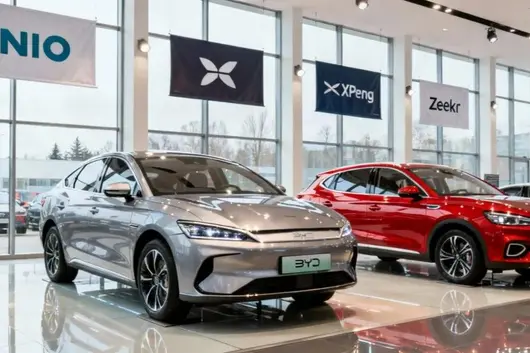

July 28, the 2026 Fortune Global 500 list was released, BYD appeared on the list for the 5th consecutive year, ranked 91st, firmly holding a position in the global top 100. This ranking is not only an affirmation of its past achievements but also marks that Chinese new energy vehicle enterprises have the core strength to compete on the same stage with world-class giants.

Looking back at 2025, BYD submitted a brilliant report card: annual revenue 804 billion yuan, net profit 32.6 billion yuan, new energy vehicle sales reached 4.6 million units, retaining the global sales champion title. Entering 2026, its momentum has not declined, sales in the first half of the year exceeded 1.8 million units, and in July it officially achieved the milestone of the 17 millionth new energy vehicle production worldwide.

Brilliant market performance is rooted in persistence in technological innovation. In 2025, BYD's R&D investment reached as high as 63.4 billion yuan, firmly ranking first among A-share listed companies. High investment brings high returns: The 2nd generation Blade Battery and Flash Charge technology released in March this year directly addressed the pain point of charging efficiency; In May, it became the first to promise to ensure safety for City Pilot, and promoted the arrival of the era of universal City Pilot, demonstrating its technical confidence and sense of responsibility as an industry leader.

The globalization strategy also ushered in a harvest period this year. After overseas sales broke through 1 million units for the first time in 2025, 780,000 units were reached in the first half of 2026, with rapid growth. From the opening of the Sky Rail in Brazil and factories achieving 100,000 units production, to the opening of the chapter of tech new luxury in the European market, to the localized deep cultivation in the Japanese and Thai markets, BYD has formed a new global pattern of "Latin America leading, Europe breakthrough, Asia multiple points blooming", with business covering 121 countries and regions globally.

While developing rapidly, BYD has always practiced sustainable development and social responsibility. As of now, its new energy vehicles have cumulatively achieved carbon emission reduction of 149 million tons, and a 3 billion yuan education charity fund has been launched, benefiting thousands of students.
From a new noble of the top 100 to firmly holding a position in the camp, BYD is steadily advancing towards the vision of "Cooling the Earth by 1°C" with the dual drive of technology and globalization.
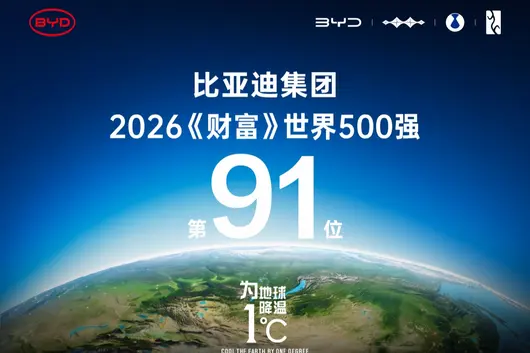

On July 25, 2026, Chengdu Science Fiction Hall. Chery Group's global cumulative total vehicle sales broke through 20 million units, and this 20 millionth unit delivered was exactly Chery's "First-generation IP" — Fengyun. From the first "Fengyun" coming off the line in Wuhu in December 1999 to the delivery of the Fengyun A9 as the 20 millionth unit in 2026, Chery completed a highly symbolic loop over 29 years.

"After 20 million units, we will no longer participate in involution." The weight of this statement by Chery Automobile Chairman Yin Tongyue can only be truly understood when placed within Chery's 29-year entrepreneurial coordinate system.
· From "Grass Hut" to 20 Million: A Turnaround Curve of Independent R&D

In March 1997, Chery's "Engine Plant No. 1" broke ground on a barren beach north of Wuhu City, driving the first stake. At that time, two sentences circulated in the Chinese auto industry: "Without joint ventures, there is no way out; without a scale of over a million units, do not talk about independent R&D."
Chery simply refused to believe this. In May 1999, the first independently developed engine fired successfully on the first attempt, breaking the prejudice that "Chinese people cannot make independent engines"; in December 1999, the No. 000001 "Fengyun" sedan rolled off the line, starting the "from 0 to 1" of independent car making; in October 2001, the first batch of 10 Fengyuns were exported to Syria via Tianjin Port, starting the precedent of mass export of Chinese sedans; in August 2007, the 1 millionth vehicle came off the line, becoming the first independent brand to cross the "million-unit threshold"; in December 2015, the 5 millionth vehicle came off the line; in 2025, Chery listed on the HKEX; on July 25, 2026, global cumulative sales exceeded 20 million units.

From taking 16 years for the first 5 million units to less than 3 years for the third 5 million units—the steepening of the sales curve reflects a trajectory of the technical system leaping from following to leading. Nowadays, Chery's technical reserves extend to multiple cutting-edge fields such as cells, chips, intelligent driving, solid-state batteries, flying cars, and humanoid robots; the "joint venture fate theory" and "scale threshold theory" crumble before tangible development results.
· Whole Vehicles and Parts: A Global Competitiveness Sample of Wuhu's "Auto City"

In 2001, the first batch of 10 Fengyun sedans from Chery were exported to the Middle East. 25 years later today, Chery's cumulative exports have approached 7 million units, ranking first in China for 23 consecutive years in passenger car brand exports, with overseas users exceeding 6.23 million.
But Chery's "whole vehicle" story has never been fighting alone. In Wuhu, Anhui, Chery has driven nearly 4,000 parts supporting enterprises to form an automotive industry cluster with global competitiveness. From the ACTECO series engines to Continuously Variable Transmissions (CVT), from the "Kunpeng Power CHERY POWER" full-domain power architecture to the full-function hybrid configuration DHT, Chery possesses production capabilities for powertrains with fully independent intellectual property rights.
More worthy of mention is that Chery is also at the forefront of parts exports — in March 2006, the first batch of Chery engines were exported to the United States, pioneering the reverse entry of China's core auto parts into the European and American markets. This dual-line export path of "whole vehicles + parts" is the key background distinguishing Chery from other independent brands.
· Finance and Capital: "Ammunition Restructuring" After HKEX Listing

In 2025, Chery listed on the HKEX, a key leap in Chery's development history. From independent entrepreneurship to an industrial financial group ringing the bell at the HKEX, Chery's capital operation capabilities themselves are a sample of the maturity of China's automotive industry.
Yin Tongyue clearly stated that the funds raised from the HKEX listing are mainly used for R&D, overseas business, and investment layouts targeting future mobility, focusing on four major sectors: electrification, intelligence, AI, and lightweighting. This marks Chery's shift from "self-sustaining" to a new stage of dual-wheel drive of "industrial capital + financial capital".
· Intelligent Technology and Humanoid Robots: Chery's "Second Stake"

On March 18, 2025, at the Chery Intelligent Strategy Conference, Yin Tongyue made a statement repeatedly quoted in the industry: "28 years ago we drove the first stake for building the factory; today we must drive the second stake — the stake for AI intelligence."
Eagle Intelligent Driving achieved full brand and model coverage in 2025; the first mass-produced end-to-end L4 intelligent driving system "Eagle Robocar" has been unveiled; Mo-Jia Humanoid Robots, Chery layouts in the humanoid robot field, extending from making cars to making robots; during the 2026 Beijing Auto Show, deep strategic cooperation was reached with NVIDIA (Intelligent Driving Computing Power), Bosch (Electrical Architecture), Qualcomm (Cockpit Chips), Volcengine (Cloud Large Model), CATL (Energy Supplement Network), shifting from "Client-Contractor" to "Joint Definition".
· Ecosystem Export: From "Selling Cars" to "Becoming a Local Member"

In the first half of 2026, Chery Group exported 943,800 units, a year-on-year surge of 71.5%, breaking China's car company monthly export records for four consecutive months, with one Chery vehicle shipping overseas every 17 seconds on average. But behind the numbers, what deserves to be written is the iteration of Chery's export philosophy — "In somewhere, For somewhere, Be somewhere" (Wherever, For wherever, Be a local member).
First is R&D localization. Building a global "1+7+N" collaborative innovation network, 8 major global R&D centers; in April 2026, the first overseas regional operation center in Barcelona, Spain was launched, with the Spanish Research Institute started simultaneously. Second is manufacturing localization. Cooperation with Spanish EV MOTORS to revive the EBRO brand; South Africa localization production project expected to launch the first model in 2027. Then is talent localization. International talent employees exceed 20,000, localization staff ratio reaches 85%. Finally is market premiumization. Chery has entered 18 European national markets, Q1 2026 European export volume 90,579 units, year-on-year growth 170%; Jaecoo brand became the fastest-growing car brand in the UK in 2025 over the past ten years.
True globalization is by no means simply product export, but the full ecosystem integration of "R&D, Manufacturing, Brand, Culture". Chery is moving from "Trade Export" to "Ecosystem Rooting" — this is the latest footnote Yin Tongyue wrote for globalization.
· Social Responsibility: Treating ESG as a "Required Course" for Globalization

In the "Chery Automobile 2025 ESG Report", Chery clearly proposed the goal of achieving carbon neutrality in its own operations by 2037 and carbon neutrality in the entire value chain by 2047. Currently, the proportion of green electricity in Chery's vehicle base exceeds 52%, and independently developed recycled low-carbon aluminum alloy technology can significantly reduce carbon emissions over the full life cycle.
Even warmer is Chery's "Business for Good". Renewed global cooperation with UNICEF, pledging to continue investing $6 million to promote global education progress; previous cooperation has helped nearly 40 million teenagers worldwide access quality education; Cooperated with IUCN to carry out Spain Marine Ecological Restoration and Malaysia Mangrove Protection projects; In 2024, partnered with 10 core suppliers to release the "Chery Automobile Sustainable Supply Chain Initiative", included in "Fortune" "China ESG Impact List" for two consecutive years, and became the only automotive enterprise selected in the "2024-2025 Forbes China Sustainable Development Industrial Enterprise" selection.
As Yin Tongyue said, Chery's globalization insight is — "Go to places others cannot go, dare not go, and are unwilling to go". And this long-termism has also earned the two-way rush of "Going wherever, creating value for the locals".
In 2027, Chery will welcome its "30th Anniversary". From the first Fengyun coming off the line in 1999 to the delivery of the Fengyun A9 as the 20 millionth unit in 2026 — this "Long-range smart and beautiful pure electric coupe" carries Chery's first-generation global model iteration upgrade results, and is also the new starting point for Chery's "Setting off towards beauty". It completely completes the Fengyun New Energy Series Plug-in Hybrid, Extended Range, Pure Electric three major power routes, marking the full implementation of Chery Electrification 2.0.
29 years, Chery stepped precisely on the two major historical turning points of China's automotive industry from "Market for Technology" to "Technology Export", from "Product Export" to "Ecosystem Export". 20 million units is not the end, but a brand new starting line for Chery to move from "China's Automobiles" to "Global Automobiles".
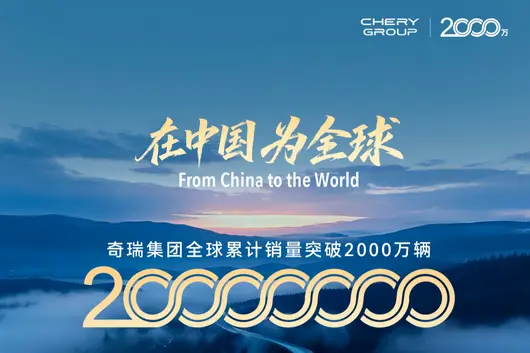

喺馬來西亞嘅 SUV 市場,好多買家喺揀車嘅時候都會拿 寶騰 X70 同 豐田 Yaris Cross 嚟比較。呢兩款車喺價位同定位上都幾接近,而家我哋就從多個方面做一個詳細嘅比較,幫你省咗做功課嘅時間。
寶騰 X70 喺馬來西亞嘅 OTR 售價係 RM 106,800 - 122,300,一共有 3 個版本,包括 1.5L Standard 2WD(RM 106,800)、1.5L Executive 2WD(RM 115,800)、1.5L Premium 2WD(RM 122,300)等。
豐田 Yaris Cross 喺馬來西亞嘅 OTR 售價係 RM 99,900 - 109,900,一共有 2 個版本,包括 二零二六 1.5L Standard(RM 99,900)、二零二六 HEV 1.5L Standard(RM 109,900)等。
從價錢睇,豐田 Yaris Cross 嘅入門價比 寶騰 X70 平咗 RM 6,900。老實講,喺呢個價位段,幾千蚊嘅差距其實唔算大,關鍵仲係睇整體嘅性價比同長遠使用成本。

寶騰 X70 配備 1.5L Turbo,馬力 140 匹。官方油耗 7.0 L/100km。
豐田 Yaris Cross 配備 1.5L 4-cyl,馬力 105 匹。官方油耗 6.0 L/100km。
動力方面,寶騰 X70 嘅 1.5L Turbo 比 豐田 Yaris Cross 嘅 1.5L 4-cyl 多咗 35 匹馬力,中段加速更有把握,尤其係行高速公路超車嘅時候。不過豐田 Yaris Cross 嘅油耗可能更友好,平日市區通勤差別唔會太大。

寶騰 X70 車身長 4400 mm,車尾箱 400 L。
豐田 Yaris Cross 車身長 4400 mm,車尾箱 400 L。
兩款車嘅尺寸幾乎一樣,車內空間分別唔大。呢個級別嘅車,日常使用完全夠用。

寶騰 X70 保用 5 年/150,000km,保養間隔 每 10,000km 或 6 個月。
豐田 Yaris Cross 保用 5 年/無限里程,保養間隔 每 10,000km 或 6 個月。
總體嚟講,寶騰 X70 同 豐田 Yaris Cross 都係馬來西亞市場好唔錯嘅車款。揀邊架,關鍵仲係要睇你嘅個人需求同預算。大家建議做好功課,多比較間車行嘅報價,先去試駕做最終決定。買車係件大事情,花少少時間做功課絕對唔會錯。


喺馬來西亞嘅 SUV 市場,好唔少買家在揀車嘅時候都會拎 寶騰 X50 同 奇瑞 Tiggo 8 Pro 來做比較。呢兩款車喺價位同定位上都蠻接近嘅,今日我哋就從多個方面做一個詳細嘅對比,幫你節省做功課嘅時間。
寶騰 X50 喺馬來西亞嘅 OTR 售價係 RM 89,800 - 113,300,一共有 4 個版本,包括 1.5T Executive(RM 89,800)、1.5T Premium(RM 101,800)、1.5T Flagship(RM 113,300) 等。
奇瑞 Tiggo 8 Pro 喺馬來西亞嘅 OTR 售價係 RM 159,750 - 159,750,一共有 2 個版本,包括 1.6L Turbo Standard(RM 130,000)、1.6L Turbo Premium(RM 145,000) 等。
從價錢嚟看,寶騰 X50 嘅起步價確實比 奇瑞 Tiggo 8 Pro 平咗 RM 69,950。如果你預算有限,寶騰嘅入門版已經可以滿足日常需求。但都要注意,平嘅嗰幾千塊,可能喺配備上會有取捨,具體要看你嘅需求。
寶騰 X50 嘅安全評級係 5★ (ASEAN NCAP),主動安全系統包括 ADAS (ACC, AEB, LKA, LDA, BSM, RCTA)。
奇瑞 Tiggo 8 Pro 嘅安全評級係 TBD,主動安全系統包括 Basic。
安全配備方面,兩款車都拿到唔錯嘅評級。不過 寶騰 X50 嘅 ADAS (ACC, AEB, LKA, LDA, BSM, RCTA) 同 奇瑞 Tiggo 8 Pro 嘅 Basic 喺功能上有啲差異,如果你比較看重主動安全嘅話,可以仔細對比吓兩者嘅功能列表。
寶騰 X50 採用 4WD 驅動方式。
奇瑞 Tiggo 8 Pro 採用 FWD 驅動方式。
寶騰嘅 4WD 同 奇瑞嘅 FWD 喺操控上會有不同感受,建議試駕對比。
寶騰 X50 同 奇瑞 Tiggo 8 Pro 都係馬來西亞市場嘅主流選擇,適合家庭使用、日常通勤。如果你更看重品牌口碑同二手價,可以優先考慮口碑更好嗰一款;如果你更在意性價比同配備,嗰就揀配置更豐富嗰款。最終都係建議兩款都去試駕,親身體驗先係最重要嘅。
總之嚟講,寶騰 X50 同 奇瑞 Tiggo 8 Pro 都係馬來西亞市場幾唔錯嘅車型。揀邊一輛,關鍵都要睇你嘅個人需求同預算。建議大家做好功課,多比較幾間車行嘅報價,再去試駕做最終決定。買車係件大事,花點時間做功課絕對唔會錯。
喺馬來西亞嘅 SUV 市場,好多買家喺揀車嗰陣,都會拿 Proton X50 同 Chery Tiggo 7 PHEV 做比較。這兩款車喺價錢同定位上都幾接近,今日我哋就從多個方面做一個詳細嘅對比,幫你節省做功課嘅時間。
Proton X50 喺馬來西亞嘅 OTR 售價係 RM 89,800 - 113,300,合共 4 個版本,包括 1.5T Executive(RM 89,800)、1.5T Premium(RM 101,800)、1.5T Flagship(RM 113,300)等。
Chery Tiggo 7 PHEV 喺馬來西亞嘅 OTR 售價係 RM 129,750 - 129,750,合共 2 個版本,包括 2025 1.5T 90km CSH(RM 129,750)、Tiggo 7 PHEV 支援邊種充電方法?可唔可以喺家用電源插座充電?(RM 117,478)等。
從價錢嚟睇,Proton X50 嘅起步價確實比 Chery Tiggo 7 PHEV 平咗 RM 39,950。如果你預算有限,Proton 嘅入門版已經可以滿足日常需要。但都要留意,便宜嗰幾千蚊,可能喺配備上會有取舍,具體睇你嘅需要。
Proton X50 嘅安全評級係 5★ (ASEAN NCAP),主動安全系統包括 ADAS (ACC, AEB, LKA, LDA, BSM, RCTA)。
Chery Tiggo 7 PHEV 嘅安全評級係 TBD,主動安全系統包括 Basic。
安全配備方面,兩款車都拿到唔錯嘅評級。不過 Proton X50 嘅 ADAS (ACC, AEB, LKA, LDA, BSM, RCTA) 同 Chery Tiggo 7 PHEV 嘅 Basic 喺功能上有啲分別,如果你比較看重主動安全嘅話,可以仔細對比吓兩者嘅功能清單。
Proton X50 車身長 4400 mm,尾箱 400 L。
Chery Tiggo 7 PHEV 車身長 4400 mm,尾箱 400 L。
兩款車嘅尺寸幾乎一樣,車內空間分別唔大。呢個級別嘅車,日常使用完全夠用。
Proton X50 保養保用 5 年/150,000km,保養間隔 每 10,000km 或 6 個月。
Chery Tiggo 7 PHEV 保養保用 3 年/100,000km,保養間隔 每 10,000km 或 6 個月。

Proton X50 同 Chery Tiggo 7 PHEV 都係馬來西亞市場嘅主流選擇,適合家庭使用、日常通勤。如果你更看重品牌口碑同二手價,可以優先考慮口碑更好嗰一款;如果你更在意性價比同配備,就揀配置更豐富嗰款。最終都係建議兩款都去試駕,親身體驗先至最重要。

總嚟講,Proton X50 同 Chery Tiggo 7 PHEV 都係馬來西亞市場好好嘅車型。揀邊一輛,關鍵都要睇你嘅個人需要同預算。建議大家做好功課,多比較幾間車行嘅報價,先至去試駕做最終決定。買車係件大事,花啲時間做功課絕對唔會錯。
In the Malaysian SUV market, many buyers compare Proton X50 and Chery Tiggo 9 when choosing a car. These two cars are quite close in price and positioning. Today, we will make a detailed comparison from multiple aspects to help you save time on research.
Proton X50 OTR price in Malaysia is RM 89,800 - 113,300, with 4 variants in total, including 1.5T Executive (RM 89,800), 1.5T Premium (RM 101,800), 1.5T Flagship (RM 113,300), etc.
Chery Tiggo 9 OTR price in Malaysia is RM 166,800 - 179,800, with 1 variant in total, including 2026 2.0T Standard (RM 179,750), etc.
From the price perspective, the starting price of Proton X50 is indeed RM 77,000 cheaper than Chery Tiggo 9. If your budget is limited, Proton's entry-level version can already meet daily needs. But also note, the few thousand ringgit cheaper, there might be compromises in equipment, it depends on your specific needs.
Proton X50 is equipped with 1.5L 4-cyl, 105 hp. Official fuel consumption 6.0 L/100km.
Chery Tiggo 9 is equipped with 2.0L 4-cyl, 170 hp. Official fuel consumption 8.0 L/100km.
In terms of power, Chery Tiggo 9's 2.0L 4-cyl has 65 horsepower more than Proton X50's 1.5L 4-cyl. However, for daily driving in the city, both cars have sufficient power and won't feel underpowered.
Proton X50 safety rating is 5★ (ASEAN NCAP), active safety systems include ADAS (ACC, AEB, LKA, LDA, BSM, RCTA).
Chery Tiggo 9 safety rating is TBD, active safety systems include Basic.
In terms of safety features, both cars have received good ratings. However, there are some differences in function between Proton X50's ADAS (ACC, AEB, LKA, LDA, BSM, RCTA) and Chery Tiggo 9's Basic. If you value active safety, you can compare the function lists of both carefully.
Proton X50 adopts 4WD drive method.
Chery Tiggo 9 adopts FWD drive method.
Proton's 4WD and Chery's FWD will have different handling feelings, test drive comparison is recommended.

Overall, Proton X50 and Chery Tiggo 9 are both very good models in the Malaysian market. Which one to choose depends on your personal needs and budget. It is recommended to do research, compare quotes from several car dealerships, then test drive to make the final decision. Buying a car is a big matter, spending time on research will definitely not be wrong.

喺 馬來西亞嘅 SUV 市場,好多買家喺揀車嘅時候都會拎 寶騰 X50 同 長城哈弗 H6 來做比較。這兩款車喺價位同定位上都好接近,今日我哋就由多個方面做一個詳細嘅對比,幫你節省做功課嘅時間。
寶騰 X50 喺 馬來西亞嘅 OTR 售價係 RM 89,800 - 113,300,一共有 4 個版本,包括 1.5T Executive(RM 89,800)、1.5T Premium(RM 101,800)、1.5T Flagship(RM 113,300)等。
長城哈弗 H6 喺 馬來西亞嘅 OTR 售價係 RM 139,750 - 139,750,一共有 2 個版本,包括 1.5L Turbo Standard(RM 140,000)、1.5L Turbo Premium(RM 155,000)等。
從價錢睇,寶騰 X50 嘅起價確實比 長城哈弗 H6 平咗 RM 49,950。如果你預算有限,寶騰嘅入門版已經可以滿足日常需要。但都要注意,平嗰幾千塊,可能喺配備上會有所取捨,具體要看你嘅需要。
寶騰 X50 嘅安全评分係 5★ (ASEAN NCAP),主動安全系統包括 ADAS (ACC, AEB, LKA, LDA, BSM, RCTA)。
長城哈弗 H6 嘅安全评分係 TBD,主動安全系統包括 Basic。
安全配備方面,兩款車都拿到唔錯嘅評級。不過 寶騰 X50 嘅 ADAS (ACC, AEB, LKA, LDA, BSM, RCTA) 同 長城哈弗 H6 嘅 Basic 喺功能上有少少差異,如果你比較重視主動安全嘅話,可以仔細比較下兩者嘅功能列表。
寶騰 X50 採用 4WD 驅動方式。
長城哈弗 H6 採用 FWD 驅動方式。
寶騰嘅 4WD 同 長城嘅 FWD 喺操控上會有唔同感覺,建議試駕比較。
寶騰 X50 同 長城哈弗 H6 都係 馬來西亞市場嘅主流選擇,適合家庭用、日常通勤。如果你更重視品牌口碑同二手價,可以優先考慮口碑更好嗰一款;如果你更在意性價比同配備,那就揀配備更豐富嗰款。最終始終建議兩款都去試駕,親身體驗先最重要。
總括嚟講,寶騰 X50 同 長城哈弗 H6 都係 馬來西亞市場幾唔錯嘅車款。揀邊一輛,關鍵始終要睇你嘅個人需要同預算。建議大家做好功課,多比較幾間車行嘅報價,再去試駕做最終決定。買車係件大事,花少少時間做功課絕對唔會錯。

喺馬來西亞嘅 SUV 市場,好多買家在揀車嘅時候都會拿 寶騰 X50 同 現代 Tucson 嚟做比較。呢兩款車喺價碼同定位上都幾近,今日我哋就從多個方面做一個詳細嘅比較,幫你節省做功課嘅時間。
寶騰 X50 喺馬來西亞嘅 OTR 售價係 RM 89,800 - 113,300,總共 4 個版本,包括 1.5T Executive(RM 89,800)、1.5T Premium(RM 101,800)、1.5T Flagship(RM 113,300) 等。
現代 Tucson 喺馬來西亞嘅 OTR 售價係 RM 143,888 - 197,888,總共 5 個版本,包括 2025 HEV 1.6T AT 2WD Prestige(RM 197,888)、2025 1.6T DCT 4WD Prestige(RM 186,888)、2025 1.6T DCT 2WD Prime(RM 164,888) 等。
從價錢嚟睇,寶騰 X50 嘅起步價確實比 現代 Tucson 平咗 RM 54,088。如果你預算有限,寶騰嘅入門版已經可以滿足日常需求。但亦都要注意,平啲嘅幾千塊,喺配備上可能會有所取舍,具體要看你嘅需求。
寶騰 X50 裝載 1.5L 4-cyl,馬力 105 hp。官方油耗 6.0 L/100km。
現代 Tucson 裝載 1.5L Turbo,馬力 140 hp。官方油耗 7.0 L/100km。
動力方面,現代 Tucson 嘅 1.5L Turbo 比 寶騰 X50 嘅 1.5L 4-cyl 多咗 35 匹馬力。不過日常喺市區行,兩款車嘅動力都足夠,唔會覺得唔夠力。
寶騰 X50 嘅安全評級係 5★ (ASEAN NCAP),主動安全系統包括 ADAS (ACC, AEB, LKA, LDA, BSM, RCTA)。
現代 Tucson 嘅安全評級係 5★ (ASEAN NCAP),主動安全系統包括 SmartSense。
兩款車嘅安全評級一樣,喺呢個級別入面安全配備都好齊全。而家嘅新車安全性都唔差,唔使太擔心呢一點。
寶騰 X50 保養保修 5年/150,000km,保養間隔 每10,000km或6個月。
現代 Tucson 保養保修 5年/300,000km,保養間隔 每10,000km或6個月。

寶騰 X50 同 現代 Tucson 都係馬來西亞市場嘅主流選擇,適合家庭使用、日常通勤。如果你更睇重品牌口碑同二手價,可以優先考慮口碑更好嗰一款;如果你更在意性價比同配備,那就揀配備更豐富嗰款。最終都係建議兩款都去試駕,親身體驗先係最重要嘅。

總體嚟講,寶騰 X50 同 現代 Tucson 都係馬來西亞市場好唔錯嘅車型。揀邊一輛,關鍵都係睇你嘅個人需求同預算。建議大家做好功課,多比較幾間車行嘅報價,再去試駕做最終決定。買車係件大事,花啲時間做功課絕對唔會錯。

喺馬來西亞嘅 SUV 市場,好多買家喺揀車嘅時候都會拿 Proton X50 同 Subaru Crosstrek 嚟做比較。
Proton X50 喺馬來西亞嘅 OTR 售價係 RM 89,800 - 113,300,合共 4 個版本,包括 1.5T Executive(RM 89,800)、1.5T Premium(RM 101,800)、1.5T Flagship(RM 113,300)等。
Subaru Crosstrek 喺馬來西亞嘅 OTR 售價係 RM 145,000 - 160,000,合共 1 個版本,包括 2.0L e-Boxer(RM 150,000)等。
睇返價錢,Proton X50 嘅起步價確實比 Subaru Crosstrek 平咗 RM 55,200。如果你預算有限,Proton 嘅入門版已經可以滿足日常需要。不過都要留意,平嗰幾千蚊,可能喺配備上要有取舍,具體要看你嘅需要。
Proton X50 嘅安全評級係 5★ (ASEAN NCAP),主動安全系統包括 ADAS (ACC, AEB, LKA, LDA, BSM, RCTA)。
Subaru Crosstrek 嘅安全評級係 5★ (Euro NCAP),主動安全系統包括 EyeSight。
安全配備方面,兩部車都獲咗唔錯嘅評級。不過 Proton X50 嘅 ADAS (ACC, AEB, LKA, LDA, BSM, RCTA) 同 Subaru Crosstrek 嘅 EyeSight 喺功能上有啲分別,如果你比較重視主動安全嘅話,可以仔細對比一下佢哋嘅功能列表。
Proton X50 採用 4WD 驅動方式。
Subaru Crosstrek 採用 FWD 驅動方式。
Proton 嘅 4WD 同 Subaru 嘅 FWD 喺操控上會有唔同感受,建議試駕對比。
Proton X50 保修 5 年/150,000km,保養間隔 每 10,000km 或 6 個月。
Subaru Crosstrek 保修 3 年/100,000km,保養間隔 每 10,000km 或 6 個月。

總體嚟講,Proton X50 同 Subaru Crosstrek 都係馬來西亞市場相當唔錯嘅車型。揀邊部,關鍵仍然係要睇你嘅個人需要同預算。建議大家做好功課,多比較幾間車行嘅報價,先至去試駕做最後決定。買車係件大事,花少少時間做功課絕對唔會錯。
© 2024 Bitauto.com. All Rights Reserved.
Bitauto (www.yiche.com and www.bitauto.com) is one of the most visited automotive websites in China. We provide detailed info on Chinese car brands available in your area. Please note that the information provided on this website is based on publicly available data and is for reference only. It may not be fully updated or accurate at all times.

Help us improve our website


