

HomeKota

Search History
Popular Searches
Dealer Login / Sign Up

喺馬來西亞嘅 SUV 市場,好多買家喺揀車嗰陣都會拿 Honda HR-V 同 Mazda CX-5 做比較。呢兩款車喺價位同定位上都幾接近,今日我哋就從多個方面做一個詳細嘅比較,幫你省咗做功課嘅時間。
Honda HR-V 喺馬來西亞嘅 OTR 售價係 RM 115,900 - 143,900,一共有 4 個版本,包括 2026 e:HEV 1.5L RS(RM 143,900)、2026 1.5T V(RM 137,900)、2026 1.5T E(RM 130,900) 等。
Mazda CX-5 喺馬來西亞嘅 OTR 售價係 RM 135,469 - 166,760,一共有 3 個版本,包括 2025 2.0L AT 35th Anniversary(RM 316,154)、2025 2.0L AT(RM 296,154)、2025 2.0L MT(RM 294,154) 等。
從價錢睇嚟,Honda HR-V 嘅起步價確實比 Mazda CX-5 平咗 RM 19,569。如果你預算有限,Honda 嘅入門版已經可以滿足日常需求。但也要注意,便宜嗰啲幾千蚊,可能喺配備上會有取捨,具體要看你嘅需求。

Honda HR-V 搭載 1.5L Turbo,馬力 140 hp。官方油耗 7.0 L/100km。
Mazda CX-5 搭載 1.5L Turbo,馬力 140 hp。官方油耗 7.0 L/100km。
兩款車用嘅係同一套動力系統,日常開起嚟嘅感受基本冇分別。油耗方面都差唔多,唔使太糾結這一點。

Honda HR-V 車身長 4500 mm,後尾箱 450 L。
Mazda CX-5 車身長 4500 mm,後尾箱 450 L。
兩款車嘅尺寸幾乎一樣,車內空間差別唔大。呢個級別嘅車,日常使用完全夠用。

Honda HR-V 同 Mazda CX-5 都係馬來西亞市場嘅主流選擇,適合家庭使用、日常通勤。如果你更看重品牌口碑同二手價,可以優先考慮口碑更好嗰款;如果你更在意性價比同配備,那就揀配置更豐富嗰款。最終都係建議兩款都去試駕,親身體驗先係最重要嘅。

總括嚟講,Honda HR-V 同 Mazda CX-5 都係馬來西亞市場好唔錯嘅車型。揀邊一輛,關鍵都要睇你嘅個人需求同預算。建議大家做好功課,多比較幾間車行嘅報價,再去試駕做最終決定。買車係件大事,花點時間做功課絕對唔會錯。


August 26, 2026, Chery Fengyun T7 officially launched, official guide price 97,900-118,900 RMB, early trade-in price starts from 94,900 RMB, immediate delivery upon launch. Amidst the fierce competition in the domestic new energy market characterized by "fast iterations, spec stacking, and downgraded entry-level", the Fengyun T7 walks a path distinct from others a common route: Native global vehicle, validate overseas first, then return to the domestic market, with a three-year R&D cycle and rigorous global verification, focusing on the real usage demands of household family users, attempting to reshape the value benchmark for the 100,000-level pure electric SUV.
Reverse overseas expansion: A home electric SUV built for the world
Currently, the logic for the vast majority of Chinese new energy models is: complete R&D and launch domestically, verify in the market, then make local modifications to adapt to overseas regulations to achieve exports. The Fengyun T7 chooses a reverse path: the homologous model Lepas L6 has already launched in South Africa and Thailand, followed by the EU, UK, Australia, Israel and other markets, to withstand global market testing before being sold to domestic consumers.

Created based on Chery's global 1+7+N R&D system, the Fengyun T7 has an R&D cycle of up to three years, benchmarked against the 2026 Version E-NCAP 5-Star Safety Standard, adapted for driving environments in 210 countries and regions. The R&D phase invested in 81 durability test vehicles, cumulatively completed 1.45 million km durability verification and 6 million km global road tests, covering 21 countries, encompassing most typical road conditions globally; at the same time, over 5,000 domestic and international users were invited to participate in co-creation, balancing aesthetics and usage habits of different regions.

Chery's proposal "Global Vehicle, No Rushing Allowed" is exactly the product DNA of the Fengyun T7. It does not pursue rapid updates, but places safety, durability, and reliability as the top priority, directly transferring overseas rigorous standards to the domestic version, which is also the core differentiation point distinguishing it from many models at the same price point.
Product Capability Analysis: Range Equality, Giving Core Hardware to Every User
The Fengyun T7 is positioned as a compact pure electric SUV, body dimensions 4570×1852×1694mm, wheelbase 2700mm, 5-seat layout, body dimensions balance easy driving and parking in the city, while meeting the daily travel space needs of a 3-person family.
Three-Electric System: All Models 600km, Refuse Range Shrinkage on Entry-Level
A common phenomenon in the 100,000-level pure electric market: entry-level versions reduce battery capacity, lower range, using low prices to attract users, while long-range versions require significant price hikes. The Fengyun T7 directly achieves range equality: all three configurations are equipped with the 65.05kWh Rhino LFP battery, CLTC range unified at 600km, energy consumption 12.9 kWh/100km, 30%-80% DC fast charging only takes 20 minutes, supports 6.6kW V2L (Vehicle to Load), meeting camping outdoor scenarios.

Powertrain uses the 12-in-1 Kunpeng Super Electric Drive, front single motor max power 178kW, peak torque 275 N·m, max speed 180 km/h, balancing city commuting and highway overtaking capabilities. Chassis is Front MacPherson + Rear Multi-link independent suspension, tuned by an overseas chassis expert team, 560mm low center of gravity design, bringing good driving stability; the vehicle has 500mm wading depth, battery pack has complete liquid cooling, PTC pre-heating, wide temperature range heat pump AC, balancing range performance in low-temperature environments.
Exterior and Cabin: Family-Oriented, Practical Configurations Not Stingy
Fengyun T7 adopts the Oriental Wind Aesthetics Family Design, closed front grille paired with L-shaped daytime running lights, overall vehicle lines are simple and steady, balancing global market aesthetics. All models standard equip AGS Intelligent Active Grille Shutter, 14 items of low drag optimization for the whole car, effectively reducing wind noise and improving range performance; full-width taillights, all models standard equip power tailgate, which is very practical configuration at this price point.

Market Landscape: 100,000-Level Pure Electric SUV, A Pragmatic Challenger
Current 100,000-120,000 RMB pure electric SUV track competition is hyper-competitive, with products from Aion, Leapmotor, MG and others competing on the same stage. Users in this niche market are mostly buying their first family car, demands are very realistic: stable range, reliable safety, sufficient configurations, low ownership costs, not interested in flashy gimmick configurations.

Fengyun T7 and Fengyun T9L positioning form differentiation: T7 is a city home pure electric SUV, suitable for daily commuting, families with convenient charging conditions; T9L is a PHEV large 5-seater, suitable for frequent long-distance travel, users without fixed charging conditions, complementing each other, perfecting the Fengyun brand's home new energy matrix.

The launch of Fengyun T7 represents a product strategy of the Chery Fengyun brand: not mindlessly stacking parameters, not doing trimmed-down entry-level, implementing global standards on home models, using warranty and safety guarantees, serving ordinary family real-world usage scenarios.
When many models blindly pursue acceleration, large screens, and flashy functions, the Fengyun T7 returns to the family essence: sufficient range, reliable safety, solid chassis, worry-free after-sales. The development model of "Overseas First, Then Home" also provides a reference for the domestic new energy industry: good cars not only serve the domestic market, but must withstand the test of the global market.
For ordinary consumers, if the budget falls between 90,000-120,000 RMB, wanting a 600km range, with lifetime warranty, pure electric SUV balancing city commuting and short trips, the Fengyun T7 is a pragmatic choice worth considering in depth.
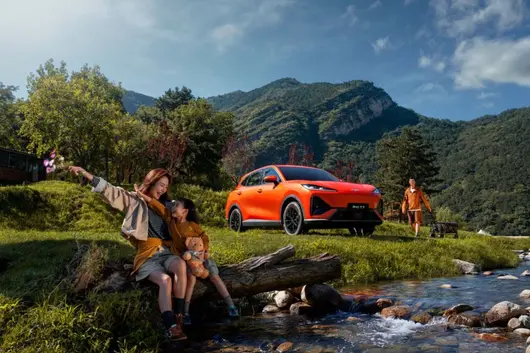

喺馬來西亞嘅 SUV 市場,好多買家喺揀車嘅時候都會拿本田 HR-V 定係馬自達 CX-3 嚟做比較。呢兩款車喺價位同定位上都好接近,今日我哋就從多個方面做一次詳細嘅比較,幫你慳返做功課嘅時間。
本田 HR-V 喺馬來西亞嘅 OTR 售價係 RM 115,900 - 143,900,一共有 4 個版本,包括 2026 e:HEV 1.5L RS(RM 143,900)、2026 1.5T V(RM 137,900)、2026 1.5T E(RM 130,900) 等。
馬自達 CX-3 喺馬來西亞嘅 OTR 售價係 RM 126,159 - 139,159,一共有 2 個版本,包括 2023 2.0L High(RM 139,159)、2023 2.0L Plus(RM 126,159) 等。
從價位睇,本田 HR-V 嘅起步價確實比馬自達 CX-3 平咗 RM 10,259。如果你預算有限,本田嘅入門版已經可以滿足日常需求。但都要留意,平嗰幾千蚊,可能會喺配備上有取舍,具體要看你嘅需求。
本田 HR-V 搭載 1.5L Turbo,馬力 140 hp。官方油耗 7.0 L/100km。
馬自達 CX-3 搭載 1.5L Turbo,馬力 140 hp。官方油耗 7.0 L/100km。
兩款車用緊同一套動力系統,日常開起嚟嘅感覺基本上冇差別。油耗方面都差唔多,唔使太糾結這一點。
本田 HR-V 嘅安全評級係 5★ (ASEAN NCAP),主動安全系統包括本田 SENSING (ACC, CMBS, LKAS, RDM)。
馬自達 CX-3 嘅安全評級係 5★ (ASEAN NCAP),主動安全系統包括 i-Activsense。
兩款車嘅安全評級一樣,喺呢個級別入面安全配備都算畀得好齊全嘅。而家嘅新車安全性都唔差,唔使太擔心這一點。
本田 HR-V 採用 FWD 驅動方式。
馬自達 CX-3 採用 FWD 驅動方式。
兩款車嘅驅動方式一樣,都係 FWD,日常駕駛感受唔會有太大分別。

總嘅嚟講,本田 HR-V 同馬自達 CX-3 都係馬來西亞市場好唔錯嘅車款。揀邊一輛,關鍵仲是要睇你嘅個人需求同預算。建議大家做好功課,多比較幾間車行嘅報價,再去試駕做最終決定。買車係件大事,花少少時間做功課絕對唔會錯。

喺馬來西亞嘅 SUV 市場,好多買家喺揀車嘅時候都會拿 Honda HR-V 同 Mazda CX-3 去做比較。呢兩款車喺價位同定位上都差唔多,今日我就從多個方面做一個詳細嘅比較,幫你省返做功課嘅時間。
Honda HR-V 喺馬來西亞嘅 OTR 售價係 RM 115,900 - 143,900,合共有 4 個版本,包括 2026 e:HEV 1.5L RS(RM 143,900)、2026 1.5T V(RM 137,900)、2026 1.5T E(RM 130,900) 等。
Mazda CX-3 喺馬來西亞嘅 OTR 售價係 RM 126,159 - 139,159,合共有 2 個版本,包括 2023 2.0L High(RM 139,159)、2023 2.0L Plus(RM 126,159) 等。
由價錢睇,Honda HR-V 嘅起步價確實比 Mazda CX-3 平咗 RM 10,259。如果你預算有限,Honda 嘅入門版已經可以滿足日常需要。但都要注意,平嗰幾千蚊,可能喺配備上有取捨,具體要看你嘅需要。
Honda HR-V 採用 FWD 驅動方式。
Mazda CX-3 採用 FWD 驅動方式。
兩款車嘅驅動方式一樣,都係 FWD,日常駕駛感覺唔會有太大分別。
Honda HR-V 保修 5 年/無限里程,保養間隔 每 10,000km 或 6 個月。
Mazda CX-3 保修 5 年/150,000km,保養間隔 每 10,000km 或 6 個月。
Honda HR-V 同 Mazda CX-3 都係馬來西亞市場嘅主流選擇,適合家庭使用、日常通勤。如果你更看重品牌口碑同二手價,可以優先考慮口碑更好嗰一款;如果你更在意性價比同配備,那就揀配備更豐富嗰款。最後都係建議兩款都去試駕,親身體驗先係最重要。
總括嚟講,Honda HR-V 同 Mazda CX-3 都係馬來西亞市場幾咁唔錯嘅車型。揀邊一輛,關鍵都要睇你嘅個人需要同預算。建議大家做好功課,多比較幾間車行嘅報價,再去試駕做最終決定。買車係件大件事,花少少時間做功課絕對唔會錯。

喺馬來西亞嘅 SUV 市場,好多買家揀車嘅時候都會將本田 HR-V 同豐田 Corolla Cross 嚟做比較。呢兩部車喺價位同定位上都幾接近,今日我哋就從多個方面做一個詳細嘅比較,幫你省返做功課嘅時間。
本田 HR-V 喺馬來西亞嘅 OTR 售價係 RM 115,900 - 143,900,一共有 4 個版本,包括 2026 e:HEV 1.5L RS(RM 143,900)、2026 1.5T V(RM 137,900)、2026 1.5T E(RM 130,900) 等。
豐田 Corolla Cross 喺馬來西亞嘅 OTR 售價係 RM 133,800 - 148,800,一共有 3 個版本,包括 2026 HEV 1.8L GR Sport(RM 148,800)、2026 HEV 1.8L Standard(RM 140,800)、2026 1.8L Standard(RM 133,800) 等。
從價錢睇,本田 HR-V 嘅起步價確實比豐田 Corolla Cross 平咗 RM 17,900。如果你預算有限,本田嘅入門版已經滿足日常需求。但都要注意,平嘅呢幾千蚊,可能喺配備上會有取舍,具體要看你嘅需求。
本田 HR-V 搭載 1.5L Turbo,馬力 140 hp。官方油耗 7.0 L/100km。
豐田 Corolla Cross 搭載 1.5L Turbo,馬力 140 hp。官方油耗 7.0 L/100km。
兩部車用緊同一套動力系統,日常開起嚟嘅感受基本無咩差別。油耗方面也差唔多,唔使太糾結呢一點。
本田 HR-V 採用 FWD 驅動方式。
豐田 Corolla Cross 採用 FWD 驅動方式。
兩部車嘅驅動方式一樣,都係 FWD,日常駕駛感受唔會有太大區別。
本田 HR-V 保養保證 5 年/無限制里程,保養間隔 每 10,000km 或 6 個月。
豐田 Corolla Cross 保養保證 5 年/無限制里程,保養間隔 每 10,000km 或 6 個月。
兩部車嘅保養保證條件一樣,呢方面唔使糾結。實際保養成本仲要看品牌嘅服務網絡同零件價格,建議去車友群問下真實車主嘅經驗。

本田 HR-V 同豐田 Corolla Cross 都係馬來西亞市場嘅主流選擇,適合家庭使用、日常通勤。如果你更睇重品牌口碑同二手價,可以優先考慮口碑更好嘅嗰一款;如果你更在意性價比同配備,就揀配備更豐富嘅嗰款。最終都係建議兩部都去試駕,親身試下先係最重要嘅。

總體嚟講,本田 HR-V 同豐田 Corolla Cross 都係馬來西亞市場好正嘅車型。揀邊部車,關鍵仲要看你嘅個人需求同預算。建議大家做好功課,多比較幾間車行嘅報價,再去試駕做最終決定。買車係件大事,花少少時間做功課絕對唔會錯。

In the Malaysian SUV market, many buyers compare Honda WR-V and Subaru Forester when choosing a car. These two cars are quite close in price and positioning. Today we will conduct a detailed comparison from multiple aspects to help you save time on research.
Honda WR-V's OTR price in Malaysia is RM 89,900 - 107,900, with a total of 4 versions, including 2023 1.5L V (RM 99,900), 2023 1.5L E (RM 95,900), 2023 1.5L S (RM 89,900), etc.
Subaru Forester's OTR price in Malaysia is RM 174,000 - 197,000, with a total of 3 versions, including 2024 2.0L S EyeSight GT Edition (RM 189,538), 2024 2.0L S EyeSight (RM 177,538), 2024 2.0L L EyeSight (RM 167,538), etc.
From a price perspective, Honda WR-V's starting price is indeed RM 84,100 cheaper than Subaru Forester. If your budget is limited, Honda's entry-level version can already meet daily needs. But note, the few thousand cheaper, might involve trade-offs in features, specifically depends on your needs.

Honda WR-V equipped with 1.5L 4-cyl, 105 hp. Official fuel consumption 6.0 L/100km.
Subaru Forester equipped with 2.0L 4-cyl, 170 hp. Official fuel consumption 8.0 L/100km.
In terms of power, Subaru Forester's 2.0L 4-cyl has 65 more horsepower than Honda WR-V's 1.5L 4-cyl. However, for daily city driving, both cars have sufficient power, you won't feel underpowered.

Honda WR-V safety rating is 5★ (ASEAN NCAP), active safety systems include Honda SENSING.
Subaru Forester safety rating is 5★ (Euro NCAP), active safety systems include EyeSight.
Regarding safety features, both cars received good ratings. However, Honda WR-V's Honda SENSING and Subaru Forester's EyeSight have some differences in functions. If you value active safety, you can compare the function lists of both carefully.

Honda WR-V body length 4400 mm, trunk 400 L.
Subaru Forester body length 4400 mm, trunk 400 L.
Dimensions of both cars are almost the same, interior space difference is not significant. Cars in this class are fully sufficient for daily use.

Honda WR-V adopts FWD drive method.
Subaru Forester adopts FWD drive method.
Drive methods of both cars are the same, both are FWD, daily driving experience will not have much difference.

Overall, Honda WR-V and Subaru Forester are both very good models in the Malaysia market. Which one to choose, the key depends on your personal needs and budget. It is recommended to do research, compare quotes from several dealerships, then go for a test drive to make the final decision. Buying a car is a big matter, spending time on research is definitely not wrong.



Jika hanya melihat jualan, Lingpao pada 2026 sudah cukup menonjol.
Paruh pertama tahun ini, Lingpao menjual 356,500 kenderaan di pasaran global, meningkat 60.8% berbanding tahun lalu, hantaran tunggal bulan Julai 101,300 unit, berlipat ganda berbanding tahun lalu, kali pertama melampaui ambang 100,000 kenderaan sebulan, juga menjadi jenama automotif baharu pertama di dalam negeri yang hantaran sebulan突破 100,000 kenderaan.
Mengikut akhir Julai, jumlah hantaran terkumpul global Lingpao sudah melebihi 1.6 juta kenderaan. Dalam jumlah pendaftaran di tapak yang boleh dibandingkan untuk 5 bulan pertama tahun ini yang sudah mengumumkan data, Lingpao seterusnya memasuki kedudukan keempat jenama kereta peribadi elektrik global, hanya setelah BYD, Tesla dan Geely.

Tetapi laporan paruh pertama yang baru keluar pada 24 Ogos lebih bernilai untuk direnungkan daripada ranking.
Paruh pertama 2026, Lingpao mencapai hasil jualan 38.11 bilion Yuan, mencipta rekod tertinggi pada tempoh yang sama, keuntungan bersih 210 juta Yuan, terus untung selama tiga paruh tahun berturut-turut, margin kotor suku kedua meningkat 12.6% dari suku sebelumnya, wang tunai di tangan pada akhir tempoh mencapai 38.59 bilion Yuan.
Pada masa ini, pasaran kenderaan elektrik China dari persaingan kadar pertumbuhan, sudah masuk tahap persaingan kualiti operasi. Jualan tinggi tentu penting, tetapi jika skala semakin besar, kerugian semakin banyak, pertumbuhan sendiri sukar membentuk penghalang sebenar. Terutamanya masuk 2026, persaingan harga masih ketat, syarikat automotif perlu terus R&D, kembangan saluran, juga memajukan globalisasi dan tahap tinggi, penggunaan dana tidak berkurang kerana industri masuk tempoh matang.
Dalam latar belakang sebegini, Lingpao juga sedang melaraskan diri dengan cepat perubahan pasaran kenderaan elektrik, sedang dari sebuah syarikat automotif baharu yang bergantung kepada nilai harga untuk kembangan cepat, bertumbuh menjadi syarikat automotif matang di mana pertumbuhan skala dan keupayaan keuntungan meningkat serentak.

356,500 kenderaan, 38.11 Bilion, Lingpao mula melampaui ambang 'Menukar Skala kepada Keuntungan'

Industri kenderaan elektrik secara semulajadi mempunyai sifat ekonomi skala. R&D, kilang, rantaian bekalan, saluran dan pelaburan kecerdasan semua perlukan kos awal besar, oleh itu pertumbuhan skala biasanya merupakan prasyarat penting untuk mencapai keuntungan.
Tetapi masalah juga terletak di sini, jika pertumbuhan jualan dibina terutamanya di atas penurunan harga berterusan, pemasaran tinggi atau produk margin rendah, skala sendiri mungkin tidak boleh ditukar secara automatik menjadi keuntungan.
Perbezaan laporan kewangan Lingpao paruh pertama 2026 terletak di situ jualan dan keuntungan kali pertama menunjukkan kitaran positif yang relatif jelas.
Paruh pertama, jualan global Lingpao meningkat daripada 221,700 kenderaan pada tempoh sama tahun lalu kepada 356,500 kenderaan, meningkat 60.8% berbanding tahun lalu. Pada masa sama, syarikat mencapai hasil jualan 38.11 bilion Yuan dan keuntungan bersih 210 juta Yuan, margin kotor suku kedua seterusnya meningkat 12.6% dari suku sebelumnya. Lebih penting lagi, ini bukan sekali lagi keuntungan suku tahun secara kebetulan, tetapi terus untung selama tiga paruh tahun berturut-turut.
Ini bermakna Lingpao sudah awal melampaui satu ambang yang sangat penting dalam proses perkembangan syarikat automotif baharu, iaitu pertumbuhan skala mula tidak lagi dengan kos kerugian yang terus berkembang.
Di belakangnya pertama sekali struktur produk berubah.
Mengikut paruh pertama tahun ini, Lingpao sudah membentuk empat matriks produk utama A, B, C, D, harga merangkumi pasaran utama 60,000 - 300,000 Yuan. Lingpao dahulu lebih bergantung siri C untuk memikul jualan, tetapi kini struktur pertumbuhannya mula dari satu produk laris ke beberapa siri produk yang menyumbang bersama.
A10 dijual selama 135 hari telah capai unit ke-100,000 keluar dari kilang, 3 bulan berturut-turut Mei-Julai berada di nombor satu dalam jualan SUV jenama China; siri C sudah kumpul lebih 850,000 pengguna; SUV Ibu D19 pada Julai hantar 10,043 unit, masuk ke dalam julatan jualan sebulan 10,000 unit; purata harga jualan D99 maka melebihi 300,000 Yuan.

Ini sangat penting bagi Lingpao.
Dari siri A tahap 60,000 Yuan hingga siri D lebih 300,000 Yuan, bermakna Lingpao tidak lagi hanya mencari produk laris dalam satu julatan harga, tetapi cuba merangkumi julat pengeluaran utama paling besar kenderaan elektrik China. Jika beberapa julatan harga boleh serentak hasilkan jualan stabil, kebergantungan syarikat kepada kitaran hayat model tunggal akan turun, skala juga akan menjadi lebih stabil.
Lebih menarik perhatian ialah siri D.

Dahulu ciri ketara Lingpao ialah 'bagus dan tidak mahal', strategi ini bantu dia cepat capai skala, tetapi juga mudah bentuk satu masalah lain: selepas pengguna terima nilai harga tinggi Lingpao, niar sama ada akan membayar untuk Lingpao yang lebih mahal?
Siri D capai jualan sebulan melampaui 10,000 unit, purata harga jualan D99 melebihi 300,000 Yuan, sekurang-kurangnya berikan jawapan positif pada peringkat ini. Terutamanya siri D masuk julatan jualan sebulan 10,000 unit, bermakna Lingpao sedang cuba teruskan kecekapan kos dan keupayaan teknologi akses umum yang dahul dibina ke julatan harga lebih tinggi.
Ini juga tempat sebenar Lingpao perlu diperhatikan pada fasa seterusnya.
Skala sudah capai, seterusnya menentukan batas keuntungan Lingpao, bukan sahaja berapa banyak kenderaan lagi boleh dijual, tetapi sama ada boleh sambil kembangkan skala perbaiki struktur produk.
Dari sudut ini, margin kotor 12.6% suku kedua, daripada 100,000 unit jualan sebulan mungkin lebih perlu diperhatikan. Kerana yang pertama bermakna pertumbuhan mula secara beransur-ansur membentuk kualiti operasi, bukan hanya angka jualan.
Lingpao dahulu kekalkan R&D penuh dan pembuatan dalam dalam, mula juga wujud nilai ekonomi selepas skala dipanjangkan.

Sekarang nisbah R&D dan pembuatan sendiri mengambil 65% kos kenderaan lengkap, merangkumi sistem tiga bateri dan kecerdasan. Bagi syarikat jualan hanya beberapa puluh ribu unit, R&D nisbah tinggi biasanya bermaksud pelaburan R&D dan pembuatan yang berat, tetapi apabila jualan mula mendekati satu juta unit, platform teknologi satu set, komponen dan pelaburan R&D boleh ditebarkan kepada lebih banyak model, R&D sendiri mungkin menjadi cara penting untuk mengawal kos.
Ini juga sebab model perniagaan Lingpao benar-benar masuk tempoh pengesahan.
Dahulu pasaran perlukan pengesahan: sama ada harga rendah Lingpao benar-benar boleh menukar kepada skala.
Masalah sekarang sudah bertukar: selepas skala capai, sama ada Lingpao boleh tukar kelebihan kos sendiri benar-benar kepada keuntungan.
Hasil jualan 38.11 bilion Yuan, keuntungan bersih 210 juta Yuan dan terus untung tiga paruh tahun, sekurang-kurangnya说明 laluan ini sudah mula berjaya. Tetapi 210 juta Yuan keuntungan bersih berbanding 38.11 bilion Yuan hasil jualan masih tidak begitu tebal, Lingpao jauh lagi tidak masuk ke tahap keuntungan boleh tidak risau.
Sebaliknya, dengan pengembangan siri D, pengeluaran tempatan luar negara dan peningkatan pelaburan R&D kecerdasan, beberapa kuarten seterusnya sebaliknya lebih uji keupayaan dia mencari keseimbangan antara pertumbuhan dan pelaburan.

Oleh itu, laporan kewangan ini wajar disokong, tetapi belum sampai masa membuat kesimpulan.
Lingpao sudah buktikan dirinya boleh menghasilkan wang semasa pertumbuhan tinggi, seterusnya perlukan buktikan, sama ada keuntungan ini adalah keputusan peringkat dalam satu kitaran ekonomi baik, atau boleh bersama skala satu juta unit terus membesar keupayaan jangka panjang.
Ekspor Melonjak 372.6%, Keluk Pertumbuhan Kedua Lingpao Berkesan
Paruh pertama 2026, ekspor kereta Lingpao 96,294 unit, meningkat 372.6% berbanding tahun lalu, sudah melebihi jumlah ekspor keseluruhan 2025, mewakili 27% daripada jumlah jualan paruh pertama syarikat. Ekspor terkumpul Januari-Julai seterusnya capai 113,863 unit.
27%, bermakna luar negara sudah tidak lagi hanya item tambahan dalam laporan jualan Lingpao, tetapi setiap hampir 4 unit Lingpao dijual, lebih dari 1 datang dari pasaran luar negara.
Globalisasi sedang dari satu cerita strategi, menjadi semakin pemboleh ubah nyata mempengaruhi hasil, skala dan struktur keuntungan masa depan Lingpao.
Pertumbuhan luar negara Lingpao, tidak sepenuhnya datang dari pasaran yang asas industri kenderaan elektrik lemah.
Paruh pertama 2026, Lingpao di Itali pendaftaran elektrik tulen 23,000 unit, bahagian pasaran melebihi 25%; Jun menjadi jenama kereta elektrik China teratas dalam jualan di Jerman, di United Kingdom maka masuk dalam 3 teratas jualan runcit kereta elektrik jenama China. Mengikut akhir Jun, Lingpao Antarabangsa sudah pada lebih 45 pasaran antarabangsa bangun lebih 1,000 cawangan perkhidmatan jualan dan selepas jualan.
Peluasan kenderaan elektrik China masuk ke fasa baru. Mewujudkan pengeluaran domestik semata-mata, ekspor kenderaan lengkap, mudah terjejas oleh cukai, kos pengangkutan serta dasar industri tempatan.
Oleh itu, benar-benar menentukan keupayaan globalisasi sebuah syarikat automotif China, sudah bukan hanya 'ekspor berapa unit', tetapi sama ada boleh bangun pengeluaran tempatan, jualan, servis malah sistem rantaian bekalan.
Nilai kerjasama Lingpao dengan Stellantis juga sedang pada fasa ini mula terlihat.
Kilang Gurun Malaysia C10 sudah masuk pengeluaran kuantiti, B10 dirancang suku ketiga masuk pengeluaran kuantiti; Kilang Zaragoza Sepanyol capai pengubahsuaian sokongan, B10 dijangka suku ketiga mula pengeluaran, B05 dirancang 2027 masuk pengeluaran kuantiti; Tapak gabungan tempatan Brazil sudah ditentukan.

Oleh itu, Lingpao sedang cuba bangun satu mode berbeza dengan ekspor automotif China dahulu: guna keupayaan produk dan teknologi sendiri, ditambah sistem pembuatan, saluran dan perkhidmatan global yang sedia ada Stellantis, guna cara lebih ringan masuk pasaran global.
Jika set mode ini sah, Lingpao bukan hanya capai jualan tambahan, tetapi akan capai keupayaan peruntukan skala lebih besar, ruang output teknologi lebih luas, dan satu sumber pertumbuhan yang tidak sepenuhnya bergantung persaingan harga pasaran China.
Tentu sahaja, globalisasi juga tidak boleh hanya lihat jualan. Produksi tempatan luar negara perlukan pelaburan, undang-undang, rantaian bekalan dan tabiat pengguna negara berbeza juga jauh lebih kompleks berbanding pasaran domestik. Ekspor cepat naik akhirnya sama ada boleh bentuk keuntungan stabil, masih perlukan laporan kewangan masa depan terus sahkan.
Tetapi sekurang-kurangnya hingga paruh pertama 2026, Lingpao sedang dari 'Kuasa Baharu China' berpindah ke syarikat kenderaan elektrik berskala dan global.
Jualan 356,500 unit paruh pertama, hasil jualan 38.11 bilion Yuan, terus untung tiga paruh tahun, 38.59 bilion Yuan wang tunai di tangan, kadar jualan luar negara 27%, serta Julai kali pertama capai 100,000 unit, angka-angka ini kali pertama lengkap merakit satu logik perniagaan:
Matriks produk mengembangkan jualan, jualan menyangat kos R&D sendiri, kecekapan kos memperbaiki keuntungan, keuntungan dan wang tunai terus sokong R&D dan globalisasi, pasaran luar negara pula lagi memperluaskan skala.
Ini barulah tenaga syarikat yang dibebaskan oleh laporan kewangan paruh pertama Lingpao 2026.
Bagi Lingpao yang sudah masuk 4 teratas global, saingan seterusnya, sudah bukan hanya 'jualan lebih', tetapi selepas jualan lebih, boleh untung lebih, berjalan lebih jauh.
Nota: Data dalam teks semua dipetik dari Pengumuman Prestasi Pertengahan Tahun Kereta Lingpao 2026 (Bursa Saham Hong Kong: 09863.HK). Data jualan SUV domestik berasal dari Statistik Persatuan Kereta Persendirian China Mei-Julai 2026; Data pendaftaran dan ranking pasaran Eropah berasal dari statistik paruh pertama 2026 daripada institusi seperti Dataforce; Ranking global adalah pengiraan gabungan data sumber ketiga.


August 26, Chery Fengyun T7 officially launched. My first reaction after seeing the price and spec sheet was: the pool of 100k-class pure electric SUVs is about to be turned upside down.

Three trims — 600km Enjoyment Edition, Comfort Edition, Intelligent Enjoyment Edition, launch guide prices 97,900, 108,900, 118,900 yuan. If adding a 3,000 yuan/vehicle trade-in subsidy not limited by brand, the early trade-in price drops directly to 94,900, 105,900, 115,900 yuan. A pure electric SUV with CLTC range of 600km officially drives the price down within the 100,000 range.
This pricing itself isn't a thunderclap in the industry. What truly made me feel it is interesting is its product logic. We all know there is an unwritten "industry rule" for this niche market of 100k-class pure electric SUVs: entry-level range shrinks, safety structure downgrades, and advanced ADAS is only for top trim. Users wanting a "complete version" of the car often have to bite the bullet to add up to 150k-160k. Fengyun T7 decided to break the rules this time — core powertrain, safety structure, and range capability remain consistent across the three configurations. Differences mainly fall on comfort and ADAS configurations. This "no cuts on lower trims" strategy would be very eye-catching in a parameter comparison table for the Three-Vertical Platform.
Let's lay out the price and benefits first
From now until September 30, orders placed, Fengyun T7 offers 8 Gift Packs. I'll highlight what consumers notice most:

In terms of colors, the 6,000 yuan Blazing Orange and Mountain Smoke Purple are free for a limited time. These two colors use luxury-grade Tri-coat three-layer process, the texture really feels different when seeing the car in person. Financial plans include 2 years 60,000 interest-free or 5 years 100,000 with 3 years interest-free, very friendly to budget-tight families. Trade-in subsidy is unified 3,000 yuan/vehicle regardless of brand. The safety net policy is tough — if thermal runaway damages the power battery due to battery itself, compensate with a brand new car of the same model. If an accident occurs in parking or pilot assist scenarios due to ADAS system, max compensation 5 million, valid within one year of purchase. Lifetime benefits include lifetime warranty for vehicle and powertrain, plus a 666 yuan package for lifetime basic maintenance. Basic data is free for lifetime, entertainment data 5GB/month for 3 years. Also, the pre-sale 1,000 offset 2,000 yuan Expansion Gift extended to August 31.
To be honest, the threshold of starting at 94,900 paired with these benefits, puts real pressure on Yuan PLUS, Galaxy E5, and Leapmotor C10 at the same price tier.
Powertrain & Range: All trims 600km, actually under-reported
Fengyun T7 equips all trims with a 65.05kWh Chery Rhino LFP battery, CLTC range 600km. The key point is? Tested range reached 681.6km, belonging to "reverse false marking" rare in the industry. Charging from 30% to 80% takes only 20 minutes, refueling roughly 300km. Battery cycle life greater than 2,500 times, using normal home rhythm until vehicle scrappage is no problem.

Motor is front-mounted single motor, max power 178kW, peak torque 275N·m, max speed 180km/h. 12-in-1 Kunpeng Super Electric Drive combined efficiency 90.8%, drive motor speed pulled to 22000rpm, operating noise controlled at 73dB.
Winter range degradation most concerned by Northern users, Fengyun T7's solution is standard equipped with dual-source wide temperature range heat pump AC plus high voltage PTC. Can operate stably in ultra-wide temp range of -30C to 55C. Range can increase 15%-20% at -10C environment. Plus 14 low drag design items pressed drag coefficient to 0.286Cd, energy consumption control really worked hard.
Comparing horizontally with competitors at same price, low trim range generally stuck in 430-510km range, wanting to reach 600km basically have to add up to 130,000+. Fengyun T7's cut is exactly the "Range Equality" concept.
Safety Structure: Made "Redundancy" a Class-Leaping Selling Point
Fengyun T7's core communication point is called "Six Redundancies". I'll detail crash safety and battery safety specifically, because this is where Three-Vertical Platform users are most willing to examine specs.

On body shell, 9 cross 5 longitudinal cage structure, high strength steel 80%, hot-formed steel 18.84%. Same class exclusive Shotgun structure, plus same class first-launch dual frame subframe + Pack crash beam, plus one 1088mm full-length roll-formed threshold reinforcement beam. Front crash 6 load paths, side crash 9 paths, impact layers distributed. Developed according to 2026 Edition E-NCAP 5-star safety standard, this standard is quite advanced compared to current domestic regulations.
9 airbags provided — front dual airbags, front side airbags, rear side airbags, integrated side curtain airbags, plus one 48L dual-chamber far-end airbag. Most in class, no second place.

Battery protection used 6D Lock Armor full pack, 31-layer protection structure, 3 cross 1 longitudinal design. IP68 water resistance achieved 96x national standard, side anti-compression 200kN is 2x national standard. Passed 1008-hour salt spray test and 105-second burn test. To put it bluntly, some competitors' battery protection just passed national standard passing line dare to sell, Fengyun T7 directly pulled safety threshold to several times national standard. This configuration if placed on 180,000-class car no one would be surprised, but appearing on 94,900 starting car, indeed class-leaping.
Space & Comfort: Home Attributes Fully Loaded
Body dimensions 4570×1852×1694mm, wheelbase 2700mm, Compact SUV standard build. But space utilization rate achieved 84%, rear legroom 911mm, floor pure flat, headroom max 991mm. Seats support 4/6 fold, can create a 1955mm×1310mm pure flat large bed, largest in class. Camping, lunch break, long-distance parking, this space utilization in 100k-class is indeed competitive.

Seats themselves are 9-layer composite structure, heating area 0.2㎡, cushion and backrest dual heating, 5 minutes can fast heat from -20C to 30C. Summer uses 3D-mesh air suction ventilation, noise controlled under 38dB. Trunk standard volume 450L, with 19L privacy compartment and 99L sunken storage space, max can extend to 1550L. Whole car 38 storage points, plus 2 umbrella slots, 50W wireless charging, 3 Type-C and 1 USB, small detail needs of home scenarios basically all covered.
Cockpit & ADAS: 8775 Chip + Falcon 500
High trim Intelligent Enjoyment Edition equipped with 4nm process Qualcomm 8775 Cockpit-Driving Integrated Chip, 72 TOPS NPU compute power, system response 80ms. Lingxi Smart Cockpit 2.0 deeply integrated Doubao Large Model, supports full-scenario fuzzy voice interaction. 15.6-inch 2.5K screen, all brand phone connectivity (CarPlay/HiCar/CarLink) all included.

ADAS level, Intelligent Enjoyment Edition equipped with Falcon 500 ADAS system, 22 high-precision sensors (3 mmWave + 7 cameras + 12 ultrasonic), supports 300+ full-scenario auto parking, including remote parking, leave car parking, cross-floor parking, 100m trace reverse, plus highway pilot assist.
Need to say a word of fairness here: 8775 chip and Falcon 500 mainly concentrated on top Intelligent Enjoyment Edition. Core difference between Enjoyment and Comfort editions is comfort configuration and ADAS capability. If you don't have urgent need for ADAS, mid trim Comfort Edition's cost-performance ratio is actually highest.
Global Car DNA: Fine Craftsmanship
Fengyun T7 is not that kind of domestic special supply then rebranded for overseas export model, but a serious native global car. 3 years positive R&D, 1.45 million km special durability verification, 21 country real vehicle road test, 212 regulation certifications. Same source overseas model Lepas L6 already launched in Thailand, South Africa, later will push EU, Aus/NZ, Indonesia.

Chassis polished by international team led by former Maserati tuning expert, specifically tuned for super high-speed segment above 160km/h. 50.8:49.2 golden axle load ratio, 560mm center of gravity height, 26mm large diameter front stabilizer bar, 70mm large bushing, Elk test 80km/h, safe wading depth 500mm. 81 durability test cars simultaneous road test, closed looped noises, faults, environment adaptation in R&D stage — what you buy is not a car still in public beta, but a car that has already stepped in pitfalls for you.
Finally, a few heartfelt words
Lay out the three trims:
94,900 Enjoyment Edition, core powertrain, 600km range, safety structure, 9 airbags all provided. Budget tightest, families with no urgent need for ADAS, buy without hesitation no problem.
105,900 Comfort Edition, on Enjoyment Edition basis filled in comfort and convenience configurations, most balanced cost-performance ratio trim in all series.
115,900 Intelligent Enjoyment Edition, 8775 chip and Falcon 500 all equipped, suitable for users valuing ADAS, plan to drive 5 years or more.

This market of 100k-class pure electric SUVs never lacks "sufficient" cars, lacks "compromise-free" cars. Fengyun T7 using a native global car's slow craftsmanship, made a full set of range, safety, space, cockpit four things at 94,900 price. As for whether it can truly stand out in this highly competitive niche market, data on store test drive volume after end of August will give the answer.
If you are looking for cars in this price segment, suggest directly on Yiche to pull up parameter and configuration sheet to compare horizontally, then book a store test drive. No matter how good paper specs look, the feeling of driving is the real answer.
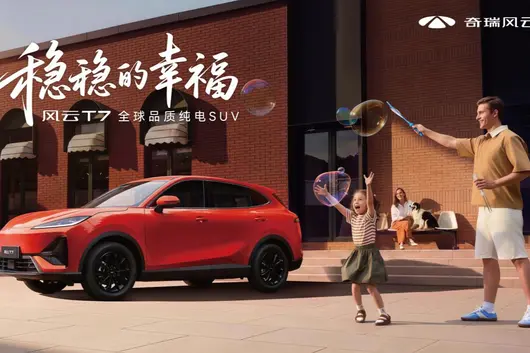

26 Ogos, Chery Fengyun T7 dilancarkan secara rasmi. Kenderaan baharu dipositkan sebagai SUV elektrik kompak, menawarkan 3 varian, harga panduan pelancaran 97,900 Yuan sehingga 118,900 Yuan, harga pertukaran terdahulu 94,900 Yuan sehingga 115,900 Yuan.

Dimensi badan 4570/1852/1694mm, paksi roda 2700mm, ruang bak bagasi 450L sehingga 1550L.

Panorama Chery Fengyun T7 Pameran Chengdu - Badan 
T7 Kenderaan Sebenar - Ruang Barisan Belakang

Panorama Chery Fengyun T7 - Ruang Bak Bagasi
Kesamarataan Jarak: Keseimbangan Kuasa & Kecekapan
Tiga model Chery Fengyun T7 dilengkapi dengan bateri LFP Rhinoceros berkapasiti 65.05kWh, jarak CLTC seragam pada 600km, masa pengecasan pantas 30% hingga 80% kira-kira 20 minit.
Dari segi kuasa, kenderaan baharu menggunakan susunan motor hadapan tunggal, kuasa maksimum 178kW, tork puncak 275N·m, kelajuan maksimum 180km/h. Pekali rintangan angin 0.286Cd, disepadukan dengan penapis gril aktif AGS & 14 reka bentuk rintangan rendah angin, keupayaan rasmi 12.9kWh/100km. Suspensi hadapan MacPherson, suspen belakang multi-link bebas, nisbah beban paksi hadapan belakang 50.8:49.2.
Gradasi Konfigurasi: Perbezaan Kabin & Pemaju Pintar

Panorama Chery Fengyun T7 - Kabin
Perbezaan teras tiga varian terpusat pada kabin pintar & tahap pembantu memandu.
Varian Nikmat 600km:Sebagai versi permulaan sediakan paparan tengah 15.6 inci 2.5K, dilengkapi cip Qualcomm 8155,配备 imej belakang, pengaturkerusi elektrik 6 hala pemandu, sistem audio pembesar suara 8 SONY & fungsi asas pembantu memandu Tahap L2.
Varian Selesa 600km:Berbanding versi permulaan tambah siling panorama dengan tirai elektrik, pintu belakang elektrik, pemanas/pendingin kerusi hadapan, pengecasan tanpa wayar telefon 50W, imej panorama 540° & penglihatan titik buta BSD dan konfigurasi keselesaan & keselamatan lain.
Varian Pintar 600km:Menggunakan sistem pembantu memandu Falcon 500 (cip integrasi kabin & memandu Qualcomm 8775 & 22 sensor), sokong NOA pelayaran jalan raya, 300+ senario parkir automatik, parkir ingatan rentas tingkat & fungsi mundur mengikut jejak.

Piawaian & Konfigurasi Keselamatan Global

Pelancaran Chery Fengyun T7 di Thailand
Chery Fengyun T7 direka mengikut piawaian keselamatan 5 bintang E-NCAP versi 2026, badan menggunakan 80% baja tahan lasak & 18.84% baja bentuk panas, dilengkapi 9 kanting udara, termasuk kanting jauh 48L dwi-ruang & tirai sisi 1778mm bersatu. Paket bateri menggunakan struktur perlindungan 31 lapis, rasmi menyatakan lulus ujian IP68 kalis air, 200kN penahan sisi, pencapaian kalis air & penahan lebih tinggi daripada piawaian negara.
Sisi Chery menyatakan, kenderaan baharu dibina berdasarkan sistem penyelidikan & pembangunan global 1+7+N, asal sama kenderaan luar negara Lepas L6 telah dilancarkan di pasaran Afrika Selatan, Thailand dan lain-lain. Ujian ketahanan keseluruhan 1.45 juta km, meliputi 21 negara global & lebih 100 jenis keadaan jalan teruk.
Penentuan Pasaran & Cadangan Varian

Sektor SUV elektrik kompak kelas seratus ribu yang diduduki Fengyun T7 sangat kompetitif, Changan Qiyuan Q05, BYD Yuan PLUS, Leapmotor B10 dan model lain sudah menduduki sebahagian pasaran. Kenderaan baharu menggunakan jarak 600km seluruh siri & harga mula 94,900 Yuan untuk masuk ke dalam persaingan, memiliki ciri dalam konfigurasi keselamatan badan & piawaian pengesahan global. Walau bagaimanapun, paksi roda 2700mm berada di tahap pertengahan dalam kelas yang sama, & perkakasan pintar tahap tinggi tidak dilengkapi LiDAR.
Dalam pilihan varian, pengguna dengan bajet terhad &具备 kemudahan pengecasan rumah, Varian Permulaan Nikmat boleh mempuaskan keperluan perjalanan harian; konfigurasi selesa ditambah Varian Selesa lebih sesuai pengguna keluarga; pengguna yang kerap memandu jalan raya atau menghargai pengalaman pembantu memandu pintar, NOA jalan raya & fungsi parkir automatik Varian Pintar mempunyai nilai praktikal. (Penyunting: Xiao Zhou)
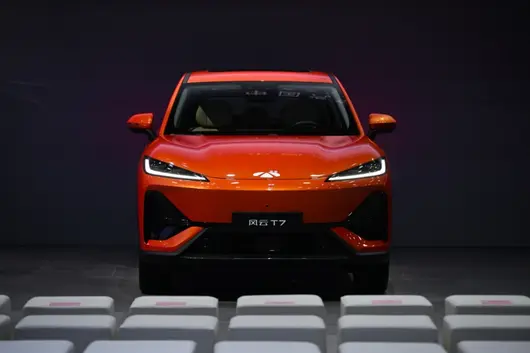


8月25日,由比亚迪全程赞助的“2026丝绸之路万里行”车队,丝路远行绿能相伴,在新加坡顺利走到了终点。这趟行程可不简单:车队花了整整33天,狂奔了一万多公里,横跨了国内6个省份,又穿过泰国和马来西亚,最后才抵达新加坡。

今年刚好是中国和东盟建立全面战略伙伴关系的第五年。这次活动直接把西安(陆上丝绸之路起点)和新加坡(海上丝绸之路枢纽)连在了一起,一路上大搞文化、科技和做生意的交流。
实景“长测”,两大黑科技立功
这次出门,比亚迪把家底都带上了——王朝、海洋、腾势、方程豹、仰望五大系列全员出动。一路上跑过高速、爬过山路、也挤过城市的早晚高峰。能顺利跑下来,全靠两项核心技术撑腰:

新加坡的“顶流”,越贵越有人买
到了新加坡,比亚迪也是妥妥的“销冠”。截至2026年7月,比亚迪已经在新加坡连续19个月拿下全品牌乘用车销量第一!
要知道,新加坡买车是出了名的贵,买车门槛极高,所以当地人买车都非常挑剔和谨慎。比亚迪在那边卖得并不便宜,但依然挡不住大家掏腰包。今年前7个月,新加坡每卖出10辆纯电车,就有4辆是比亚迪。
现在,新加坡的大街小巷和核心商圈,随处可见比亚迪的车和门店。因为车子太好卖,当地经销商也是信心爆棚,疯狂砸钱升级门店,越开越豪华。

2026年比亚迪海外业务继续保持高速增长,1-7月海外累计销量超97万辆,同比增长约76%;7月海外销量17.98万辆,同比增长124.3%。截至目前,比亚迪新能源汽车已进入全球超120个国家和地区。
今年上半年,比亚迪在泰国、新加坡获得新能源汽车销量冠军;在意大利、西班牙登顶当地新能源销量榜,英国销量达3.8万辆;巴西销量近10万辆,继续保持当地新能源销量第一。在沙特、阿联酋、南非,比亚迪同样位居新能源汽车销量榜首。

十万级纯电SUV市场,这两年卷得有点走形。一边是价格不断下探,另一边是配置偷偷缩水,甚至连耐久测试都能省则省,用户成了“实车质检员”。很多人看着配置表挑花眼,真开上手才发现,省心和踏实才是挺稀缺的东西。
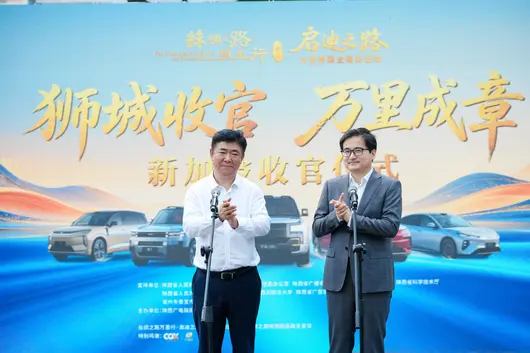
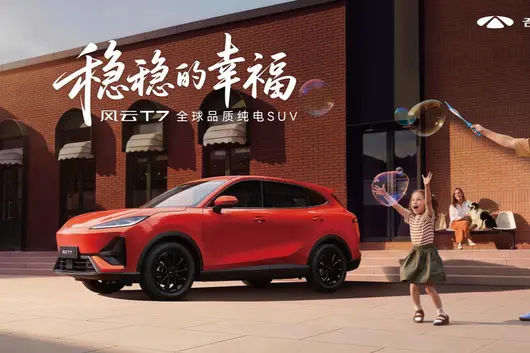
8月26日,奇瑞风云T7正式上市,9.79万到11.89万元的指导价,抢先置换价9.49万起。这款车没有喊出颠覆性的口号,而是打出“全球品质纯电SUV”的定位,讲的是“稳稳的幸福”。

听起来不够劲爆,但恰恰戳中了当下家用车用户很核心的诉求:买车本就是买一份长久的踏实。
慢工造好车,先过全球关,再进国内门
行业里有个常见的节奏:新车先在国内上市,卖一段时间再改改出口海外。这种模式快是快,但本质上是“国内特供”的改良版,海外法规、路况、使用习惯的差异,往往要用户去适配。
风云T7走了条相反的路:原生全球车,先按全球高规格标准开发,先跑遍全球市场验证,再回国上市。听起来慢,实则是把风险和问题都留在了上市前。

三年研发周期,全球多地研发中心协同,从设计之初就把20多个国家的法规标准、路况特征、使用习惯全部纳入考量。小到方向盘手感、按键布局,大到安全标准、环境适配,都针对不同市场做了调校。在此之前,同源车型已经在南非、泰国等市场上市,获得了当地用户的认可。
上百万公里的耐久测试,覆盖高温、高寒、高湿、高盐碱等多种极限环境,从北欧的极寒到东南亚的雨季,从巴西的颠簸路到德国的高速弯道,各种极端工况都跑过一遍。不是实验室里的模拟数据,是真实道路上跑出来的品质验证。

这背后是奇瑞二十多年的出海底蕴。连续23年中国品牌乘用车出口第一,全球用户超过两千万,产品销往130多个国家和地区。做全球市场的经验,让它知道一款靠谱的家用车,该扛住什么样的考验。这种“慢”不是效率低,是对用户的负责——不把市场当试验场,先把车磨成熟了再交付。
六大冗余,十万级市场,不该有配置鄙视链
十万级市场一个心照不宣的套路:用低价入门版吸引眼球,核心体验全在高配。想要长续航?加钱。想要更多安全气囊?加钱。想要智能辅助?得上顶配。最后看似起售价很低,真想买得称心的配置,预算早就超了。
风云T7的思路不太一样,它提出的“六大冗余”,本质上就是不给用户做选择题,基础体验全系拉平,关键指标留足余量。

最直观的是续航平权。全系搭载同样容量的电池,CLTC续航600公里,不存在入门版续航缩水的情况。配合快充能力,日常通勤一周一充,长途出行补能也快。同时电池温控系统覆盖很宽的温度区间,北方冬天续航不会大幅跳水,南方夏天也不会因为过热限制性能。
安全上更是留足了余量。车身结构按照最新版欧洲五星安全标准开发,高强度钢占比高,还有同级别少见的9个安全气囊。电池包的防护标准也远超国标,防水、抗挤压、耐腐蚀都做了加强,哪怕遇到积水、磕碰,也能多一层保障。

操控和验证同样有冗余。电机性能留有余量,底盘调校偏稳,遇到颠簸、急弯都有足够的可控性。更重要的是整车验证做足,投入数十台试验车,跑过上百万公里,把异响、衰减、适配问题都在研发阶段解决掉。
说白了,就是不做“入门够用”,要做“入门就给足”。买最低配的用户,和买最高配的用户,享受到的基础安全、基础续航、基础品质是一致的。十万级的车,用户不该被分成三六九等。
稳稳的幸福:好车的终点是生活感
这次上市发布会,音乐人吴克群作为“幸福体验官”来到现场,和高管聊的不是参数,是“稳稳的幸福”。这个角度选得很准——家用车的终极价值,从来不是零百加速有多快,屏幕有多大,而是能不能让每一段日常出行都更踏实。
什么是稳稳的幸福?是早上上班不用慌着找充电桩,续航够跑一周;是下班接孩子遇到窄车位,自动泊车能轻松搞定;是周末带家人去露营,后排放倒就是一张大床,能躺下来歇会儿;是下雨天过积水路段,不用担心里边进水;是冬天开暖风,续航不会掉得离谱。

这些都不是什么酷炫的黑科技,但都是真实用车里天天要面对的场景。风云T7的巧思,恰恰落在了这些地方。车内空间利用率高,后排宽敞,储物格多,孩子的玩具、雨伞、水杯都有地方放;座椅有加热有通风,冬天夏天都舒服;智能座舱语音好用,开车的时候不用动手点屏幕;还有各种场景模式,带娃、小憩、露营一键就能切换。
还有上市权益里的终身质保、电池安全兜底、智驾兜底,这些东西平时可能没感觉,真遇到事的时候就是定心丸。买车买的不只是车本身,还有往后几年的用车安心。
对十万级市场而言,这也是一个信号:消费者正在成熟,他们不再为低价妥协,也不再为概念买单。真正能站稳的,永远是那些把品质做实、把用户放在心上的产品。
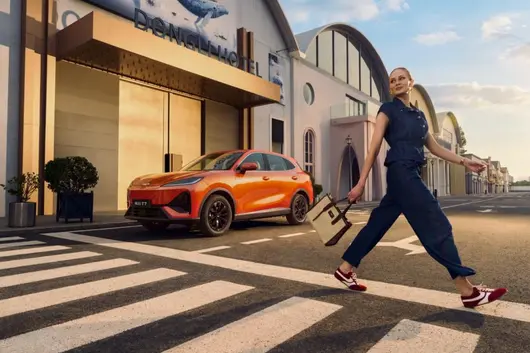

经全球严苛验证!原生全球车风云T7高品质上市
8月26日,全球品质纯电SUV风云T7正式上市。作为奇瑞正向研发的原生全球车,风云T7拒绝“国内改款出海”模式,依托前置全球法规研发、全球极限工况验证,以超能跑、美全球、更安全、好智慧四大核心价值,实现上市即交付,以十万级定价落地全球标准品质,彰显中国新能源汽车出海硬实力。

依托奇瑞连续23年中国品牌乘用车出口第一的积淀,品牌全球用户突破2000万,产品覆盖130余个海外市场。风云T7从研发之初便立足全球市场,提前2年预研全球法规,对标2026版E‑NCAP安全标准,完成5000+全球用户调研,覆盖15个典型国家用车场景,将全球多元用车需求前置融入产品定义。其同源海外车型Lepas L6已登陆南非、泰国,陆续落地印尼、欧盟、澳新、英国等市场,并亮相米兰设计周斩获国际认可,获得美联社权威报道与海外用户、工程师真实证言。

市场端,风云T7自8月12日开启预售,72小时大定锁单10937台,9天预售突破16787台。成都车展海外达人实地看车下单、海外用户频繁偶遇全球路试实车,本次上市同步开启交付,外籍在华用户跻身首批车主,彻底打通“全球验证、全球认可、上市即交付”的产品闭环。

为夯实全球品质,风云T7开展超高标准全域严苛验证。整车投入81台耐久试验车,累计完成145万公里耐久测试,覆盖100+极限路况环境、-40℃至55℃全球极端温域,适配全球95%道路类型。累计完成10000余次制动、19000余次满打转向、400余次底盘冲击专项测试,所有试验问题100%闭环整改。针对全球差异化工况,完成7大类极限环境专项验证、50+项高频用车场景强化、80+项海外本地化适配,覆盖多国气候路况与用户用车习惯,真正实现全球全场景可靠适配。
超能跑:长续航、高能效、大空间兼顾实用舒适风云T7全系标配65.05kWh犀牛电池,CLTC纯电续航600km,实测续航可达667km以上;支持20分钟完成30%—80%SOC快充,可补充300km续航里程。电池支持-40℃至60℃超宽温域稳定工作,循环寿命超2500次,设计使用寿命可达15年。全系搭载双源宽温域热泵空调+高压PTC,-10℃低温环境续航提升30%,可在-30℃-55℃全域稳定运转。整车通过14项低风阻优化,有效降低行驶风阻、提升能耗表现。

车型搭载12合1鲲鹏超能电驱,峰值功率178kW、最大扭矩275N·m,最高车速180km/h,电驱综合效率达90.8%。车身轴距2700mm,车内得房率84%,后排纯平地板空间宽裕;后排座椅放倒可形成1955mm×1310mm超大纯平拓展空间。配备9层复合结构云感舒适座椅,支持双区加热与通风功能,温控高效、运行低噪。后备箱常规容积450L,最大拓展1550L,搭配多层分区储物、车载外接铆环、专属充电接口等实用配置,适配家庭出行、自驾露营等多元场景。
美全球:全球共创设计,解锁国际化审美风云T7由全球十大设计中心、百余名设计师协同打造,结合5000+全球用户共创打磨,同源车型Lepas L6亮相米兰设计周收获国际好评。

整车采用驭风前脸、风刃大灯、风塑绸缎车身、天际霞光尾门等美学设计,风阻系数低至0.286Cd。提供炽焰橙、山烟紫、云粉米等6款东方雅韵专属车色,其中炽焰橙采用豪车级Tri-coat涂装与2K八层油漆工艺,抗紫外线、耐刮擦性能优异。

内饰采用云翼环抱座舱,搭配菱格绗缝工艺、鹅卵石悬浮扬声器,提供温暖黑棕、极夜黑曜两大配色,兼容全球多元审美体系。
更安全:全域立体防护,构建全球级安全壁垒车身采用九横五纵笼式结构,高强度钢占比80%、热成型钢占比18.84%,搭载同级独有Shotgun结构、同级首发双框副车架+Pack防撞梁,配备1088mm贯穿式门槛加强梁,通过前碰6条、侧碰9条传力路径高效化解撞击能量。整车搭载9安全气囊,实现全域乘员防护。电池采用6D锁子甲31层立体防护,拥有IP68防水、200kN国标两倍抗挤压能力,通过1008小时盐雾测试、国标1.5倍时长火烧测试,极端工况安全稳定。

底盘搭载70mm大尺寸衬套、One-Box线控制动系统,136ms极速建压,动能回收率提升60%。依托50.8:49.2黄金轴荷比与560mm低重心设计,配合国际化底盘团队高阶调校,经过全温域、全路况模拟验证,高速行驶稳定、操控质感优异。
好智慧:高阶智能座舱,全场景便捷出行风云T7同级首发搭载4nm工艺8775舱驾一体芯片,算力强劲、系统集成度提升60%,开机速度提升33%,交互延迟低至80ms。配备15.6英寸2.5K高清防眩大屏,支持全品牌手机无线投屏。搭载灵犀智舱2.0,可OTA升级接入豆包大模型,拥有多类AI趣味交互体验,内置小憩、醒神、宝宝、哨兵等场景模式,露营、宠物模式支持OTA迭代升级。

车辆配备猎鹰500驾驶辅助系统,搭载22颗高精度感知硬件,实现舱行泊一体端到端算法。支持300+全场景自动泊车、100米循迹倒车、高速提前500米领航变道,全系标配AGS智能进气格栅,动态平衡散热与风阻性能,大幅降低用户出行操作负担。
从全球严苛路试、海外市场热销,到外籍用户首批提车、上市即交付,风云T7以实打实的全球验证、全球用户认可,诠释“原生全球车”硬核实力。以十万级亲民定价落地全球高端品质,风云T7不仅为国民用户带来安心可靠的纯电出行新选择,更以硬核产品力,持续输出中国汽车的全球制造实力。
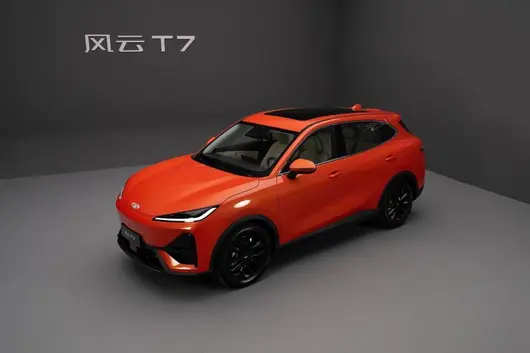

26 Ogos, Chery SUV Elektrik Murni Berkualiti Global Fengyun T7 Telah Dilancarkan Secara Rasmi, Keluaran 3 Varian, Harga Panduan Rasmi RM 97,900‑RM 118,900, Harga Tukar Tambah Terawal Bermula RM 94,900. Artis Muzik Wu Kequn sebagai Pakar Pengalaman Kehidupan Yang Stabil Tiba, Berdialog sekitar "Kehidupan Yang Stabil", dan bersama-sama Melancarkan Projek Penciptaan Bersama Kesejahteraan, Kenderaan Baharu Diserahkan Terus Selepas Pelancaran. Pembelian Kenderaan Menikmati Lapan Faedah, Termasuk Warna Kenderaan Eksklusif Percuma Terhad Masa, Pembiayaan, Subsidi Pertukaran, Juga Perlindungan Utama untuk Bateri Daya dan Pemanduan Pintar, Jaminan Sepanjang Hayat untuk Kenderaan Penuh + Tiga Sistem Elektrik Utama dan faedah lain, Hak Deposit Pra-Pemesanan RM 1,000 Ditukar RM 2,000 Dilanjutkan hingga 31 Ogos.

Fengyun T7 ialah sebuah Kenderaan Global Asli, Mengikuti Prinsip Jangka Panjang Membina Kenderaan yang Baik dengan Kerja Perlahan, Dikembangkan Mengikut Piawaian Keselamatan 5 Bintang E‑NCAP Edisi 2026, Menggunakan 81 Unit Kenderaan Ujian Ketahanan, Jumlah Lebih 6 Juta Km Ujian Kenderaan Penuh, 1.45 Juta Km Pengesahan Khusus Ketahanan, Melalui Lima Persekitaran Ekstrem dari -40°C hingga -55°C, Disesuaikan Dengan 95% Jenis Jalan Global. Model Asal Lepas L6 Sudah Dilancarkan Di Afrika Selatan dan Thailand, Seterusnya Akan Memasuki Pasaran Luar Negara Seperti Eropah, Australia-New Zealand.
Produk Berfokus Pada Laju Luar Biasa, Cantik Global, Lebih Selamat, Pintar Hebat Empat Nilai Teras Utama, Memiliki Enam Kekuatan Redundan Dalam Hal Benturan, Bateri, Hak Akses Jarak Jauh, Penjimatan Tenaga Seragam, Prestasi Pengendalian, dan Ujian Kenderaan Penuh. Semua Varian Dilengkapi Bateri Rhino 65.05kWh Secara Piawai, Jarak CLTC 600km, Ujian Sebenar Mencapai 681.6km, Mengelak Penandaan Palsu Terbalik, 30%-80% Cas Pantas Hanya 20 Minit; Dilengkapi Dengan AC Pam Haba Dual Sumber Julat Suhu Luas, Kehilangan Jarak Pada Keadaan Sejuk Dan Panas Adalah Lebih Kecil.

Reka Bentuk Luar Gabungan 10 Pusat Rekaan Global, 5000+ Pengguna Bersama, Menyediakan Enam Warna Cat, Jingga Api Bersemangat Menggunakan Teknologi Semburan Tiga Lapisan Kelas Kenderaan Mewah; Paksi 2700mm, Nisbah Ruang Dalaman 84%, Kerusi Belakang Boleh Dilipat Menjadi Katil Rata Besar 1955mm, Kerusi Sensasi Awan 9 Lapisan Dilengkapi Pengudaraan Dan Pemanasan, 38 Ruang Storan Di Seluruh Kenderaan, Menyelaraskan Pelbagai Skenario Kegunaan Rumah Dan Perkhemahan.
Pada Aspek Keselamatan Menggunakan Badan Kenderaan Berbentuk Sangkar Lapan Mendatar Dan Lima Menegak, 80% Keluli Kekuatan Tinggi, Dilengkapi 9 Beg Udara; Bateri Rhino Mempunyai Perlindungan Perisai 31 Lapisan 6D, Keupayaan Kalis Air IP68 Adalah 96 Kali Ganda Piawaian Negara. Dari Sisi Kecerdasan Dilengkapi Cip Terpadu Kabin-Pemanduan 4nm 8775 Pertama Dalam Kelasnya, Kabin Pintar Lingxi 2.0 Dipadankan Dengan Model Besar Dou Bao, 22 Sensor Didukung Dengan Sistem Pemanduan Pintar Falcon 500, Mendukung 300+ Senario Parkir Automatik Dan Bantuan Pandu Laju. Suspensi Diselaraskan Oleh Pasukan Pakar Dari Luar Negara, Nisbah Gandar Emas 50.8:49.2, Simpanan Prestasi Keadaan Ekstrem Adalah Mencukupi.
Harga Dalam Kategori 100,000 Mencapai Jarak Jauh, Keselamatan, Kecerdasan, Ruang Konfigurasi Tinggi Lengkap, Mengatasi Titik Kesakitan Industri Di Mana Konfigurasi Model Elektrik Masuk Diminimumkan, Dengan Kualiti Yang Disahkan Secara Ketat Secara Global, Membawa Mobiliti Elektrik Yang Tenang Dan Boleh Dipercayai Untuk Pengguna Keluarga.


Dalam pasaran SUV Malaysia, ramai pembeli ketika memilih kereta akan membandingkan Honda WR-V dan Kia Sportage. Kedua-dua kereta ini sangat hampir dari segi harga dan kedudukan, hari ini kami akan membuat perbandingan terperinci dari pelbagai aspek, membantu anda menjimatkan masa mencari maklumat.
Harga OTR Honda WR-V di Malaysia ialah RM 89,900 - 107,900, terdapat 4 versi, termasuk 2023 1.5L V (RM 99,900), 2023 1.5L E (RM 95,900), 2023 1.5L S (RM 89,900) dan lain-lain.
Harga OTR Kia Sportage di Malaysia ialah RM 129,639 - 179,320, terdapat 4 versi, termasuk 2025 1.6T DCT 4WD High (RM 179,320), 2025 1.6T DCT 2WD High (RM 159,320), 2025 2.0L AT 2WD High (RM 139,639) dan lain-lain.
Dari segi harga, harga permulaan Honda WR-V memang lebih murah RM 39,739 berbanding Kia Sportage. Jika bajet anda terhad, versi asas Honda sudah boleh memenuhi keperluan harian. Tetapi perlu diingat, perbezaan harga beberapa ribu ringgit itu mungkin mempunyai pilihan dari segi kelengkapan, ia bergantung pada keperluan anda.
Honda WR-V dilengkapi enjin 1.5L 4-cyl, kuasa 105 hp. Kecekapan bahan api rasmi 6.0 L/100km.
Kia Sportage dilengkapi enjin 1.5L Turbo, kuasa 140 hp. Kecekapan bahan api rasmi 7.0 L/100km.
Dari segi kuasa, 1.5L Turbo Kia Sportage mempunyai 35 bhp lebih daripada Honda WR-V 1.5L 4-cyl. Namun, penggunaan harian di bandar, kuasa kedua-dua kereta ini sudah mencukupi, tidak akan terasa kurang tenaga.
Penarafan keselamatan Honda WR-V ialah 5★ (ASEAN NCAP), sistem keselamatan aktif termasuk Honda SENSING.
Penarafan keselamatan Kia Sportage ialah 5★ (ASEAN NCAP), sistem keselamatan aktif termasuk Drive Wise.
Penarafan keselamatan kedua-dua kereta ini sama, dalam kategori ini kelengkapan keselamatan sudah sangat lengkap. Keselamatan kereta baru semasa ini tidak teruk, tidak perlu terlalu bimbang tentang hal ini.
Honda WR-V gwaranti 5 tahun / tanpa had kilometer, selang penyelenggaraan setiap 10,000km atau 6 bulan.
Kia Sportage gwaranti 5 tahun / 300,000km, selang penyelenggaraan setiap 10,000km atau 6 bulan.

Honda WR-V dan Kia Sportage adalah pilihan utama dalam pasaran Malaysia, sesuai untuk penggunaan keluarga dan perjalanan harian. Jika anda lebih mengutamakan reputasi jenama dan harga kenderaan terpakai, pertimbangkan yang mempunyai reputasi lebih baik; jika anda lebih mementingkan nilai harga dan kelengkapan, pilih yang mempunyai konfigurasi lebih lengkap. Pada akhirnya, disyorkan untuk menguji jalan kedua-dua model, pengalaman langsung adalah yang paling penting.
Secara keseluruhan, Honda WR-V dan Kia Sportage adalah model kereta yang sangat baik dalam pasaran Malaysia. Memilih yang mana satu, penting bergantung pada keperluan peribadi dan bajet anda. Disyorkan untuk membuat pencarian maklumat, bandingkan beberapa tawaran dari peniaga kereta, baru buat ujian jalan untuk membuat keputusan akhir. Membeli kereta adalah perkara besar, meluangkan masa membuat kajian adalah tidak akan salah.

喺馬來西亞嘅 SUV 市場,好多買家喺揀車嗰陣都會拿 Honda HR-V 同 Toyota Yaris Cross 做比較。呢兩款車喺價位同定位上都幾接近,今日我哋就從多個方面做一個詳細嘅比較,幫你省做功課嘅時間。
Honda HR-V 喺馬來西亞嘅 OTR 售價係 RM 115,900 - 143,900,一共有 4 個版本,包括 2026 e:HEV 1.5L RS(RM 143,900)、2026 1.5T V(RM 137,900)、2026 1.5T E(RM 130,900) 等。
Toyota Yaris Cross 喺馬來西亞嘅 OTR 售價係 RM 99,900 - 109,900,一共有 2 個版本,包括 2026 1.5L Standard(RM 99,900)、2026 HEV 1.5L Standard(RM 109,900) 等。
由價錢睇,Toyota Yaris Cross 嘅起步價比 Honda HR-V 平咗 RM 16,000。坦白講,喺呢個價位段,幾千蚊嘅差距其實唔算大,關鍵仲係睇整體嘅性價比同長期使用成本。
Honda HR-V 採用 FWD 驅動方式。
Toyota Yaris Cross 採用 FWD 驅動方式。
兩款車嘅驅動方式一樣,都係 FWD,日常駕駛感覺唔會有太大分別。
Honda HR-V 保用 5 年/無限里程,保養間隔 每 10,000km 或 6 個月。
Toyota Yaris Cross 保用 5 年/無限里程,保養間隔 每 10,000km 或 6 個月。
兩款車嘅保用條件一樣,呢方面唔使煩。實際保養成本仲要睇品牌嘅服務網絡同零件價格,建議去車友群問問真實車主嘅經驗。
Honda HR-V 同 Toyota Yaris Cross 都係馬來西亞市場嘅主流選擇,適合家庭使用、日常通勤。如果你更睇重品牌口碑同二手價,可以優先考慮口碑更好嗰一款;如果你更在意性價比同配備,就揀配備更豐富嗰款。最終都係建議兩款都去試駕,親身體驗先係最重要嘅。

總嘅嚟講,Honda HR-V 同 Toyota Yaris Cross 都係馬來西亞市場幾唔錯嘅車型。揀邊一輛,關鍵仲係要睇你嘅個人需要同預算。建議大家做好功課,多比較幾間車行嘅報價,先去試駕做最終決定。買車係件大事,花啲時間做功課絕對唔會錯。

In the first half of 2026, the penetration rate of new energy vehicles further increased, reaching approximately 64.5% in July. The penetration rate of L2-level combination driving assistance functions for new domestic passenger cars has reached 70.5%, and the penetration rate of Nav-Assist (NOA) functions has also reached 34.2%. The intelligent configuration cost per vehicle for independent brands has dropped by more than 60% compared to three years ago... As "fuel-electric price parity" becomes the norm and intelligence shifts from novelty to necessity, a key signal has become clear: behind these numbers, the growth logic is undergoing a transformation.
Over the past decade, the growth of China's automotive industry relied on "expansion of volume"—capacity ramp-up, channel downscaling, and price-for-market. It can be said that electrification was the greatest technology dividend in this stage. It solved the problem of "from 0 to 1", enabling China's automotive industry to take its place on the global table for the first time.

Image Source: Huaban
However, the competitive landscape in 2026 has changed. When the new energy penetration rate crosses the 50% tipping point, when L2+ intelligent driving is no longer an option for a few models but standard equipment for most new cars, simple "availability" can no longer constitute a competitive advantage. The driving force of growth is shifting from "electrification adoption" to "intelligent driving deepening", from "cost leadership" to "technology premium", and from "single-point breakthrough" to "system-based operations".
Today, the definition of the technology dividend itself is being rewritten. It is no longer about domestic substitution of a single component, nor about leading by a few seconds in a specific parameter, but rather—who can redefine user experience with technology, who can restructure cost structures with technology, and who can establish pricing power in the global market with technology. These three questions determine where the growth ceiling lies for China's automotive industry in the next decade and what the answer to "proceeding far" is.
Core Technology Autonomy: From "Chokehold" to "Counter-positioning"
To answer the above three questions, one must return to the physical foundation of car manufacturing—the Three-Electric system.
In 2026, China's new energy vehicle monthly sales share broke through 60% for the first time, and battery pack installation volume continued to grow high. However, the significance of the numbers goes beyond scale itself—the autonomy of Chinese enterprises in selecting technology routes is shifting from "following" to "defining". This is the real reason why the Three-Electric system is truly called the "cornerstone".
In the battery sector, the duopoly between CATL and BYD is a microcosm of Chinese enterprises reconstructing global industry voice.

According to data from Gasgoo Automotive Research Institute, in the first half of 2026, CATL led the domestic new energy passenger vehicle battery pack installation volume with 100.7GWh, holding a 42.7% market share. BYD FinDreams Battery followed closely with 53.8GWh and a 22.8% share. The combined market share of the two leading enterprises exceeded 65%. CALB, Zhengli New Energy, and Gotion High-tech ranked third to fifth, with a share gap of less than 0.6 percentage points.
Furthermore, global new energy vehicle battery pack shipments from January to June 2026 reached 608.5GWh, a year-on-year increase of 20%. Among them, seven Chinese enterprises held a combined market share of 72.4%.
However, true technology autonomy goes beyond batteries. In the electric drive system sector, the 800V high-voltage platform and Silicon Carbide (SiC) power devices are accelerating their popularization. In 2026, the penetration rate of 800V high-voltage platform models in China's new energy vehicles was around 20%. Domestic substitution of SiC devices has also achieved breakthroughs. Automotive-grade products from enterprises such as Silan Microelectronics and StarPower Semiconductor have entered the supply chains of mainstream automakers, gradually breaking the monopoly of international giants.
If the Three-Electric system is the "fundamentals" of electrification, then intelligent driving is the "peak" of intelligence. In this field, Chinese enterprises have walked a "Chinese path" distinct from Tesla's "pure vision" route—multi-sensor fusion, especially the deep integration of LiDAR and vision algorithms.

Image Source: XPeng
The 2026 P3 China Intelligent Driving Evaluation Report showed that Huawei ADS V4.1 ranked first with 4.46 points, followed closely by XPeng XNGP VLA 2.0 with 4.33 points, and Li Auto AD Max ranked third with 4.06 points. Although all three are in the top tier, their technical routes focus on different areas.
The divergence in these technical routes is backed by the uniqueness of China's road conditions—complex road users, non-standard roads, and variable weather. These factors force Chinese enterprises to invest more R&D resources in algorithm robustness and system redundancy.
According to relevant authoritative data, in the first half of 2026, against a background where passenger car delivery volume in the Chinese market declined nearly 20% year-on-year, pre-installed standard NOA models grew by 51.23%, and the penetration rate of Intelligent Driving Domain Control Chips rose to 37.21%—the colder the market, the more essential intelligence becomes.
Intelligent driving chips are the hardest "tough bone" in technology autonomy. Horizon Robotics' breakthrough path provides a highly referenceable sample for this dilemma.

Image Source: Horizon Robotics
As of May 2026, Horizon's Journey series chips achieved cumulative shipments exceeding 11 million units. Shipments from January to May 2026 were approximately 1.95 million units. More critically, in April 2026, Horizon released China's first Cockpit and Driving Integrated Whole Vehicle Intelligent Chip "Starry". Adopting TSMC's 5nm automotive-grade process, it boasts 650TOPS of computing power, integrating intelligent driving, cockpit, instrument, and vehicle control domains into a single chip. Space occupied is reduced by 50%, and cost per vehicle is reduced by 1,500-4,000 RMB.
The significance of this breakthrough goes far beyond the accumulation of commercial orders—it means that China's automotive industry has the confidence to engage in direct confrontation with foreign giants on core computing power platforms.
Horizon Robotics Founder and CEO Yu Kai admitted at the 2026 China Auto Chongqing Forum: "We walked the path of surrounding cities from the countryside, but ultimately we must conquer the central heartland." Grabbing orders from NVIDIA and Mobileye requires not only meeting technical standards but also establishing long-term trust in ecosystem building and customer stickiness.
Technology Dividend "Spillover": From Vehicle to Industry Chain
When technology autonomy accumulates to a certain extent, its dividends begin to permeate deeper into the industry chain, forming a "multiplier effect" that transcends single enterprises.

BYD's "Vertical Integration" model is the best sample to understand technology dividend spillover. In the first quarter of 2026, BYD FinDreams Battery topped China's battery pack installation volume with 451,000 units and a 25.4% market share. Behind this advantage is BYD's closed-loop of the full industry chain from lithium mining to whole vehicle production, making its battery costs 15%-20% lower than the industry average. This provides the basis and support for the scaled spillover of technology dividends.
However, BYD's full-stack self-research is not the entire industry picture. As technology matures and production capacity expands, its spillover effect is increasingly visible. FinDreams Battery supplies external customers like Changan and FAW, and its scale is expanding rapidly. The independent value of the battery business segment is being released at an accelerating pace.

Image Source: BYD Auto
At the same time, BYD's "catching up" in the intelligent driving field is accelerating—in 2025, its self-developed "Divine Eye" high-level intelligent driving system achieved mass production implementation. Entering 2026, BYD further accelerated the independent R&D of intelligent driving chips, releasing its first 4nm process chip "Xuanji A3", attempting to fill the last missing piece from "Three-Electric" to "Algorithms".
Unlike BYD's vast layout of "full-stack self-research and vertical integration", new force enterprises like NIO, XPeng, and Li Auto shifted their self-research focus to intelligent driving chips and algorithm fields, choosing a compromise path of "moderate external procurement + core self-research". In 2026, NIO's 5nm Shenji NX9031 chip achieved large-scale delivery first, with cumulative shipments exceeding 250,000 units. XPeng's second-generation VLA Large Model achieved end-to-end direct generation from "Visual Signals to Action Commands" and reached a cooperation with Volkswagen, expected to contribute over 5 billion yuan in profit for Volkswagen models in 2026.
The most intuitive manifestation of industry chain spillover is the rise of China's Tier 1 suppliers. According to Gasgoo Automotive Research Institute data, since 2026, in the Chinese new energy vehicle electrification core component market, the FinDreams group ranked first in multiple sub-sectors including battery packs, BMS, drive motors, and electronic control. Huawei Digital Power, Inovance, and CRRC Times Electric Semiconductor performed outstandingly in their respective fields. Market shares of international manufacturers such as LG Energy Solution, Infineon, and Denso were significantly compressed, accelerating domestic substitution.
In the intelligent chassis field, Bertel achieved mass production breakthroughs in the One-Box Line Control Braking system, breaking the monopoly of Bosch, Continental, and other international giants. Chinese local suppliers like Balong Tech and Konghui Tech's air suspension systems have reduced costs to a range affordable for vehicles below 300,000 yuan. According to authoritative data, the passenger car air suspension integration rate in the Chinese market exceeded 10% in 2026, a nearly 15-fold increase compared to 2020.

Image Source: CATL
The spillover of technology dividends did not stop at the supply chain itself; it permeated into broader industrial scenarios. CATL is transforming from a simple battery supplier to a "Energy Storage + Battery Swapping + Recycling" full-life-cycle service provider. Its "Chocolate Battery Swapping" model has been operationally deployed in cities like Xiamen and Hefei. BYD's PV-Storage-Charging Integration solutions and NIO's swap station networks are extending automotive technology dividends into the energy infrastructure field.
The deep significance of these explorations is that they expand the boundaries of technology dividends from "Transportation Tools" to "Energy Nodes", extending from one-off hardware sales to continuous service operations. Technology is not just about making cars—this is the true meaning of industry chain spillover.
However, technology autonomy and industry chain completeness do not mean resting on laurels. Zhang Hong, Deputy Secretary-General of the China Association of Automobile Circulation, pointed out that the real watershed for the industry lies in the ability to convert technology into sustainable business models. "Core technology determines the lower limit, and systematic capability determines the upper limit. Single-point technology breakthroughs are difficult to support long-term development. Only by deeply coordinating chips, algorithms, whole vehicle architecture, supply chains, and manufacturing systems can user experience and brand moats be truly converted."
From Technology Self-Reliance to Global Definition
If autonomy is "polishing internal skills" and industry chain spillover is "strengthening the ecosystem", then technology going global is the key leap for China's automotive industry to move from "Follower" to "Definer".
In 2026, this leap is moving from individual cases to norms: from product export to capacity localization, and then to technology licensing and standard export. The narrative of China's automotive industry going global is being rewritten. The core driving force of this qualitative change is technology.
Despite the continuous increase in countervailing tariffs imposed by the EU on Chinese electric vehicles, China's brands' share in the pure electric market of 18 Western European countries rose to 14.2% in the first five months of 2026, creating a historic high. Tariff barriers have not weakened competitiveness; instead, they have forced Chinese automakers to accelerate their global capacity layout. BYD's Hungary factory is about to go into production, while Chery, Geely, and SAIC have simultaneously moved into Spain, further compressing planning and production times. Meanwhile, factories in markets like Thailand and Brazil have successively started production. China's automotive industry is moving from "Export Globally" to "Produce Globally".
Deeper than capacity going global is the exploration of technology licensing models. For example, the cooperation between Leapmotor and Stellantis can be considered a model.

Image Source: Leapmotor
In 2023, Stellantis invested 1.5 billion euros to acquire about 20% of Leapmotor's shares, establishing a joint venture "Leapmotor International". Stellantis is responsible for exporting and selling the Leapmotor brand in other markets globally. The core of this model lies in Leapmotor outputting its self-developed Centralized Integrated Electrical & Electronic Architecture, CTC Battery-Chassis Integration Technology, and other core capabilities to Stellantis, while Stellantis provides its global manufacturing, sales, and service networks.
The advantage of this model lies in risk sharing and profit sharing, avoiding the high costs and uncertainties of a single enterprise opening up the global market alone. However, its challenges are equally obvious—where is the boundary of technology licensing? How to protect intellectual property? How to balance the discourse power of cooperating parties? The answers to these questions determine how far technology going global can go.
"This 'Reverse Export' is not about following trends, but the result of China's industry moving from 'Selling Products' to 'Selling Capabilities, Setting Rules'." Zhang Hong analyzed. "It is likely to be a long-term trend, but for now, it won't be smooth in all fields of the industry."
In his view, there are multiple driving forces behind this trend: domestic market saturation, declining capacity utilization, and price wars squeezing profits, so companies can only look overseas for growth. At the same time, trade barriers are also forcing companies to shift from simple exports to outputting technology, architecture, and standards. More importantly, Chinese technology already possesses real competitiveness—"Not just cheap, but strong engineering, fast iteration, and full support". Additionally, the demand for a "Second Choice" in overseas markets is rising. "Many countries do not want to be tied down by a single European-American tech system. The Chinese solution wins on high cost-performance, flexible customization, and fast delivery."

Image Source: Huaban
A higher level of technology going global is the struggle for standard discourse power. China's ChaoJi Charging Standard is gaining increasing recognition internationally. Its strong compatibility and wide power coverage make it a potential important option for the next generation of global charging standards.
However, the road for standard export is not smooth. The EU is attempting to build barriers with its own technical standard system—from charging interface standards to V2X communication protocols, from battery specifications to carbon footprint accounting methods. The compatibility game between Chinese solutions and existing European standards is becoming increasingly intense. Standard disputes are essentially struggles for future industry dominance.
Zhang Hong also expressed, "It will not be a smooth path. Compliance thresholds are getting higher. Data, privacy, export control, carbon footprint—any of these checkpoints could encounter blockage. Additionally, localization is the real test. Having technology is not enough; one must also understand local talent, channels, and user habits."
As Zhang Hong stated, the sustainability of technology going global ultimately depends on the depth of localization capabilities, but localization is not easy. Cultural differences, management conflicts, union systems, and talent mobility issues all require enterprises to gradually adapt in practice.
"Large export volume does not equal strong globalization capability." Zhang Hong further emphasized. "Overseas after-sales, parts, finance, used car residual value, data compliance, and local R&D are still under construction. Selling cars is just the beginning. In the next decade, it depends on system rooting." He also pointed out, "The same quality flaws that traditional luxury brands call 'Individual Cases' are easily amplified into 'Common Diseases' for domestic brands—this is the gap in brand tolerance power."
Conclusion
Technology dividends are not a "Ironclad Guarantee" for one-time success but "Dynamic Assets" that require continuous investment. From the autonomy of Three-Electric systems to breakthroughs in intelligent driving chips, from industry chain spillover to the game of technology going global, China's automotive industry is undergoing a deep transformation from "Volume" to "Quality".
When the overseas expansion engine pushes China's automotive industry to the global market, technology dividends determine how far we can go and how steady we can stand. This is not a rapid war but a war of attrition requiring patience and determination.

喺馬來西亞嘅 SUV 市場,好多買家喺揀車嘅時候都會揀 Honda WR-V 同 Kia Sportage 來做比較。呢兩款車喺價位同定位上都幾相近,今日我哋就由多個方面做一個詳細嘅對比,幫你節省做功課嘅時間。
Honda WR-V 喺馬來西亞嘅 OTR 售價係 RM 89,900 - 107,900,合共 4 個版本,包括 2023 1.5L V(RM 99,900)、2023 1.5L E(RM 95,900)、2023 1.5L S(RM 89,900)等。
Kia Sportage 喺馬來西亞嘅 OTR 售價係 RM 129,639 - 179,320,合共 4 個版本,包括 2025 1.6T DCT 4WD High(RM 179,320)、2025 1.6T DCT 2WD High(RM 159,320)、2025 2.0L AT 2WD High(RM 139,639)等。
由價錢睇,Honda WR-V 嘅起價確實比 Kia Sportage 平咗 RM 39,739。如果你預算有限,Honda 嘅入門版已經可以滿足日常需要。但都要記住,平嗰幾千蚊,可能會喺配備上有所取舍,具體就要睇你嘅需要。
Honda WR-V 嘅安全評級係 5★ (ASEAN NCAP),主動安全系統包括 Honda SENSING。
Kia Sportage 嘅安全評級係 5★ (ASEAN NCAP),主動安全系統包括 Drive Wise。
兩款車嘅安全評級一樣,喺呢個級別入面安全配備都算好齊全。而家嘅新車安全性都唔差,唔使太擔心呢一點。
Honda WR-V 車身長 4400 mm,尾箱 400 L。
Kia Sportage 車身長 4400 mm,尾箱 400 L。
兩款車嘅尺寸幾乎一樣,車內空間差別唔大。呢個級別嘅車,日常使用完全够用。
Honda WR-V 採用 FWD 驅動方式。
Kia Sportage 採用 FWD 驅動方式。
兩款車嘅驅動方式一樣,都係 FWD,日常駕駛感受唔會有太大區別。
總括嚟講,Honda WR-V 同 Kia Sportage 都係馬來西亞市場幾好嘅車型。揀邊一部,關鍵始終係睇你個人需求同預算。建議大家做好功課,多比較幾間車行嘅報價,再去試駕做最終決定。買車係件大事,花少少時間做功課絕對唔會錯。

Di pasaran SUV Malaysia, ramai pembeli semasa memilih kereta akan membandingkan Honda WR-V dan MG MG HS. Kedua-dua kereta ini mempunyai harga dan kedudukan pasaran yang agak hampir, hari ini kita akan buat perbandingan terperinci dari pelbagai aspek, membantu anda menjimatkan masa untuk membuat kajian.
Honda WR-V di Malaysia mempunyai harga OTR sebanyak RM 89,900 - 107,900, keseluruhan ada 4 varian, termasuk 2023 1.5L V (RM 99,900), 2023 1.5L E (RM 95,900), 2023 1.5L S (RM 89,900) dan lain-lain.
MG MG HS di Malaysia mempunyai harga OTR sebanyak RM 130,450 - 146,450, keseluruhan ada 2 varian, termasuk 1.5L Standard (RM 105,000), 1.5L Executive (RM 115,000) dan lain-lain.
Dari segi harga, harga permulaan Honda WR-V memang RM 40,550 lebih murah berbanding MG MG HS. Jika bajet anda terhad, varian asas Honda sudah boleh memenuhi keperluan harian. Namun perlu diingat, ribuan ringgit yang lebih murah itu, mungkin ada kompromi dari segi peralatan, bergantung kepada keperluan anda.
Honda WR-V dilengkapi enjin 1.5L 4-cyl, kuasa 105 hp. Penggunaan minyak rasmi 6.0 L/100km.
MG MG HS dilengkapi enjin 1.5L Turbo, kuasa 140 hp. Penggunaan minyak rasmi 7.0 L/100km.
Dari segi kuasa, 1.5L Turbo MG MG HS mempunyai 35 hp lebih daripada 1.5L 4-cyl Honda WR-V. Namun secara harian di kawasan bandar, kuasa kedua-dua kereta ini sudah cukup, tidak akan rasa kurang kuasa.
Honda WR-V mempunyai waranti 5 tahun/tanpa had jarak, selang penyelenggaraan setiap 10,000km atau 6 bulan.
MG MG HS mempunyai waranti 7 tahun/150,000km, selang penyelenggaraan setiap 10,000km atau 6 bulan.
Honda WR-V dan MG MG HS adalah pilihan utama pasaran Malaysia, sesuai untuk kegunaan keluarga, perjalanan harian. Jika anda lebih mementingkan reputasi jenama dan harga jual semula, boleh utamakan jenama yang mempunyai reputasi lebih baik; jika anda lebih fokus pada nilai harga dan peralatan, maka pilih yang mempunyai peralatan lebih lengkap. Akhir sekali disarankan kedua-duanya dicuba dahulu, pengalaman sendiri adalah yang paling penting.
Secara keseluruhannya, Honda WR-V dan MG MG HS adalah model yang sangat baik di pasaran Malaysia. Memilih mana satu, penting bergantung kepada keperluan dan bajet peribadi anda. Disarankan buat kajian dengan baik, bandingkan banyak kedai kereta, kemudian buat ujian memandu untuk keputusan akhir. Membeli kereta adalah perkara penting, keluarkan sedikit masa untuk kajian pasti tidak salah.

他向后靠了靠椅背,不是累了,是想看清整张棋盘。8月17日,李书福辞任吉利汽车董事会主席,安聪慧接棒。没有业绩暴雷,没有股东逼宫,半年营收1736亿,利润大涨46%的当口,这个造车狂人主动把方向盘递了出去。有人说吉利要变天,恰恰相反,李书福要用这次退场,换吉利未来三十年的入场券。

一、创始人让贤,比创业更难
李书福不是败走的将军,是主动撤下王座的君主。过去三十年,吉利每步险棋都印着李书福的名字——敢造车、敢买沃尔沃、敢押注新能源。但企业长到吉利这个体量,全球七八个品牌,业务横跨欧亚南美,再靠一个人拍板,等于让航母追着快艇跑。他看透了:创始人的直觉是公司的上限,也是天花板。安聪慧是吉利自己长出来的职业经理人,从基层干到核心,李书福那句“职业人才难得”,是把接力棒递给了一个真正跑过赛道的人。这场交棒,不是权力移位,是组织生命对个人寿命的胜利。

二、缺的不是技术,是爆款的爆发力
新主席上任没念喜报,先自揭短板:“缺乏爆款产品,缺乏腰部力量。”上半年极氪狂卖17.8万辆,星愿在入门市场冲榜,可中间那段15到30万的黄金地带,吉利被比亚迪、理想、问界围成铁桶。底盘、智驾、电池,吉利一样不缺,缺的是把技术变爆款的化学反应。所以“一个吉利”不再是一句口号——砍掉重叠车型,研发费降了,采购拧成一股绳,目的就一个:让每分钱都砸出听得见响的产品。电动化上半场拼孤胆英雄,下半场拼的是系统出拳的速度。

三、全球化的下一章,不靠建厂靠借力
上半年海外卖出47.4万辆,同比翻倍还多,但吉利这次玩得更聪明。李书福把话挑明:不四处盖新厂,跟福特共享西班牙产能,借沃尔沃的欧洲家底,在马来西亚靠宝腾落地,南美和雷诺并肩。这些年前前后后的投资,终于拼成一张全球制造网。中国车企出海早期的套路是运车卖车,吉利要做的是把技术、供应链、本地化一起打包,润物细无声地扎进别人的市场。这时候,创始人的个人意志已经罩不住时差和国界,必须让组织长出千百双脚,替吉利在地球上奔跑。

李书福退了一步,吉利迈出一大步。乔布斯之后苹果仍在赚钱,但改变世界的产品少了;吉利要证明的,不是换个人还能不能赚到钱,而是离开强人后,敢赌敢闯的基因会不会断代。安聪慧桌上摆着半年报,也摆着三张新车型图纸。真正的考试才刚刚开始——不是考谁坐那把椅子,而是考这把椅子能否自行发光。创始人的价值,从来不是永远站在台上,而是让台空了,戏还能更精彩。


Di pasaran SUV Malaysia, banyak pembeli ketika memilih kereta akan membandingkan Honda WR-V dan Chery Tiggo 7 PHEV. Kedua-dua kereta ini mempunyai harga dan kedudukan yang sangat hampir, hari ini kita akan membuat perbandingan terperinci dari pelbagai aspek, membantu anda menjimatkan masa membuat tugasan.
Harga OTR Honda WR-V di Malaysia ialah RM 89,900 - 107,900, terdapat keseluruhan 4 varian, termasuk 2023 1.5L V (RM 99,900), 2023 1.5L E (RM 95,900), 2023 1.5L S (RM 89,900) dan lain-lain.
Chery Tiggo 7 PHEV di Malaysia berharga OTR RM 129,750 - 129,750, terdapat 2 varian, termasuk 2025 1.5T 90km CSH (RM 129,750), Metode Pengisian Caj yang Disokong oleh Tiggo 7 PHEV? Bolehkah Ia Dicas Menggunakan Soket Kuasa Rumah? (RM 117,478) dan lain-lain.
Dari segi harga, harga permulaan Honda WR-V memang lebih murah sebanyak RM 39,850 berbanding Chery Tiggo 7 PHEV. Jika bajet anda terhad, edaran permulaan Honda sudah boleh memenuhi keperluan harian. Tetapi perlu diingat, beberapa ribu ringgit yang murah itu, mungkin ada pertimbangan pada kelengkapan, bergantung pada keperluan anda.
Penilaian keselamatan Honda WR-V ialah 5★ (ASEAN NCAP), sistem keselamatan aktif termasuk Honda SENSING.
Penilaian keselamatan Chery Tiggo 7 PHEV ialah TBD, sistem keselamatan aktif termasuk Asas.
Dari segi kelengkapan keselamatan, kedua-dua kereta telah mendapat penilaian yang baik. Walau bagaimanapun, Honda SENSING pada Honda WR-V dan Asas pada Chery Tiggo 7 PHEV mempunyai perbezaan dalam fungsi. Jika anda lebih menitikberatkan keselamatan aktif, anda boleh bandingkan dengan teliti senarai fungsi kedua-duanya.
Honda WR-V menggunakan cara pemacu FWD.
Chery Tiggo 7 PHEV menggunakan cara pemacu FWD.
Kedua-dua kereta mempunyai cara pemacu yang sama, iaitu FWD, pengalaman memandu harian tidak akan berbeza banyak.
Honda WR-V waranti 5 tahun/jarak tanpa had, selang penyelenggaraan setiap 10,000km atau 6 bulan.
Chery Tiggo 7 PHEV waranti 3 tahun/100,000km, selang penyelenggaraan setiap 10,000km atau 6 bulan.

Secara keseluruhan, Honda WR-V dan Chery Tiggo 7 PHEV adalah model kereta yang sangat bagus di pasaran Malaysia. Memilih yang mana satu, yang penting melihat keperluan peribadi dan bajet anda. Kami cadangkan anda membuat kajian, bandingkan harga beberapa dewan kereta, kemudian uji memandu untuk membuat keputusan akhir. Membeli kereta adalah perkara besar, meluangkan masa untuk membuat kajian tidak akan salah.
© 2024 Bitauto.com. All Rights Reserved.
Bitauto (www.yiche.com and www.bitauto.com) is one of the most visited automotive websites in China. We provide detailed info on Chinese car brands available in your area. Please note that the information provided on this website is based on publicly available data and is for reference only. It may not be fully updated or accurate at all times.

Help us improve our website


