

HomeNissan X-Trail

Search History
Popular Searches
Dealer Login / Sign Up

In the Malaysian SUV market, many car buyers compare the Honda CR-V and Toyota Yaris Cross when choosing a vehicle. These two models are quite close in terms of pricing and positioning. Today, we will make a detailed comparison from multiple aspects to help you save time on research.
The OTR price for Honda CR-V in Malaysia is RM 178,200 - 195,900, with a total of 4 variants, including 2026 e:HEV 2.0L 2WD RS (RM 195,900), 2026 1.5T 4WD V (RM 181,900), 2026 e:HEV 2.0L 2WD E (RM 178,200), etc.
The OTR price for Toyota Yaris Cross in Malaysia is RM 99,900 - 109,900, with a total of 2 variants, including 2026 1.5L Standard (RM 99,900), 2026 HEV 1.5L Standard (RM 109,900), etc.
From a pricing perspective, the starting price of the Toyota Yaris Cross is RM 78,300 cheaper than the Honda CR-V. To be honest, in this price range, a difference of a few thousand is actually not significant; the key lies in the overall cost-performance ratio and long-term maintenance costs.

The Honda CR-V has a safety rating of 5★ (ASEAN NCAP), with active safety systems including Honda SENSING (ACC, CMBS, LKAS, RDM).
The Toyota Yaris Cross has a safety rating of 5★ (ASEAN NCAP), with active safety systems including TSS.
Both cars share the same safety rating; safety features are quite comprehensive for this class. New cars nowadays have good safety standards, so there is no need to worry too much about this.

Honda CR-V adopts FWD drive configuration.
Toyota Yaris Cross adopts FWD drive configuration.
Both cars use the same drive configuration, both are FWD, so there will not be a huge difference in daily driving feel.

Honda CR-V warranty 5 years/unlimited mileage, maintenance interval every 10,000km or 6 months.
Toyota Yaris Cross warranty 5 years/unlimited mileage, maintenance interval every 10,000km or 6 months.
Both cars have the same warranty conditions, no need to agonize over this. Actual maintenance costs also depend on the brand's service network and parts prices, it is recommended to ask real owners in car owner groups for their experience.

Both Honda CR-V and Toyota Yaris Cross are mainstream choices in the Malaysian market, suitable for family use and daily commuting. If you value brand reputation and resale value more, you can prioritize the one with a better reputation; if you care more about cost-performance ratio and features, then choose the one with richer configuration. Ultimately, it is recommended to test drive both models; personal experience is the most important.

Overall, Honda CR-V and Toyota Yaris Cross are both very good models in the Malaysian market. Choosing which one mainly depends on your personal needs and budget. We suggest doing your research well, comparing quotes from multiple car dealers, and then test driving to make the final decision. Buying a car is a big matter, spending some time doing research will definitely not be wrong.

Dalam pasaran SUV di Malaysia, ramai pembeli yang membandingkan Honda CR-V dan Toyota Yaris Cross semasa memilih kereta. Kedua-dua kereta ini mempunyai julat harga dan kategori yang hampir sama. Hari ini, kami akan membuat perbandingan terperinci dari pelbagai aspek untuk membantu anda menjimatkan masa penyelidikan.
Harga jualan OTR Honda CR-V di Malaysia ialah RM 178,200 - 195,900, dengan keseluruhan 4 versi, termasuk 2026 e:HEV 2.0L 2WD RS (RM 195,900), 2026 1.5T 4WD V (RM 181,900), 2026 e:HEV 2.0L 2WD E (RM 178,200) dan lain-lain.
Harga jualan OTR Toyota Yaris Cross di Malaysia ialah RM 99,900 - 109,900, dengan keseluruhan 2 versi, termasuk 2026 1.5L Standard (RM 99,900), 2026 HEV 1.5L Standard (RM 109,900) dan lain-lain.
Dari segi harga, harga permulaan Toyota Yaris Cross lebih murah sebanyak RM 78,300 berbanding Honda CR-V. Jujurnya, pada julat harga ini, perbezaan beberapa ribu sebenarnya tidak besar, yang penting adalah nilai keseluruhan dan kos penggunaan jangka panjang.
Honda CR-V menggunakan mod pendorong FWD.
Toyota Yaris Cross menggunakan mod pendorong FWD.
Mod pendorong kedua-dua kereta sama, iaitu FWD, pengalaman memandu harian tidak akan terlalu berbeza.
Honda CR-V mempunyai waranti 5 tahun/jarak tanpa had, selang penyelenggaraan setiap 10,000km atau 6 bulan.
Toyota Yaris Cross mempunyai waranti 5 tahun/jarak tanpa had, selang penyelenggaraan setiap 10,000km atau 6 bulan.
Syarat waranti kedua-dua kereta sama, tidak perlu bimbang mengenai hal ini. Kos penyelenggaraan sebenar bergantung pada rangkaian perkhidmatan jenama dan harga bahagian, disyorkan untuk bertanya pengalaman pemilik sebenar dalam kumpulan peminat kereta.
Honda CR-V dan Toyota Yaris Cross adalah pilihan utama pasaran Malaysia, sesuai untuk penggunaan keluarga dan perjalanan kerja harian. Jika anda mengutamakan nama baik jenama dan harga kenderaan terpakai, anda boleh mempertimbangkan yang mempunyai nama baik lebih baik; jika anda lebih mengutamakan nilai dan peralatan, pilihlah yang lebih lengkap. Pada akhirnya, disyorkan untuk uji pemanduan kedua-duanya, pengalaman peribadi adalah yang paling penting.
Secara keseluruhannya, Honda CR-V dan Toyota Yaris Cross adalah model kereta yang sangat baik di pasaran Malaysia. Memilih yang mana, yang penting adalah melihat keperluan dan bajet peribadi anda. Kami cadangkan anda melakukan penyelidikan, membandingkan beberapa tawaran harga dari beberapa dealer, kemudian uji pemanduan untuk membuat keputusan akhir. Membeli kereta adalah perkara besar, mengambil masa untuk melakukan penyelidikan tidak akan mendatangkan kesilapan.

今年前8个月,上汽集团海外累计销量达到101.6万辆,同比增长52.9%。其中,MG品牌在欧洲累计销售24.1万辆,同比增长22.3%。
当海外业务进入百万辆规模,衡量一家车企全球化能力的标准也开始发生变化。过去,汽车出海更多关注产品能不能卖出去、销量能不能做起来;但当一个区域市场从几万辆增长到几十万辆,一家车企真正面对的已经是一套完整的海外经营问题:运输是否稳定,产品能否适应当地市场,生产和供应链是否足够靠近用户,销售、售后和金融体系能否支撑更大的规模。这些能力并不会随着销量自然出现,而需要长期投入和提前布局。
目前,上汽旗下安吉物流拥有42艘自营滚装船,海外布局三大创新研发中心、三大设计中心,泰国、印尼、印度三个整车制造基地和巴基斯坦KD工厂,以及100多个零部件生产研发基地、3000多个营销服务网点。
这些分散在研发、制造、物流、销售等不同业务板块的布局,构成了上汽全球化不断夯实的“大底座”。它不只是某一座工厂、某一支船队,而是围绕一辆汽车,把研发、制造、零部件、物流、销售、服务乃至金融等能力逐步铺向全球,并最终形成一套可以独立运转的海外体系。海外累计销量突破700万辆之后,上汽全球化正在从以产品和销量为中心的扩张,进入更依赖体系能力的阶段。

百万辆生意背后
物流已经不是简单的运输
上汽全球化“大底座”中,最具象的一部分,是不断扩大的滚装船队。2022年起,安吉物流投入近百亿元,新建12艘7600车位及以上大型滚装船。目前,安吉物流拥有各类滚装船42艘,其中外贸、内贸滚装船各21艘,远洋段自营年运能达到60万辆,海外落地段能力达到100万辆。从依赖外部运力,到自建大型滚装船队,这一变化背后,是上汽海外业务规模不断扩大之后,对物流稳定性和自主性的要求越来越高。

对于年海外销量达到百万辆级的车企而言,物流已经不再只是采购一项运输服务。运力是否充足、船期能否稳定、重点市场能否快速补充库存,都会直接影响当地销售节奏。而当船队扩张到数十艘之后,真正决定物流效率的,也不再只是单艘船能装多少辆车,而是能否形成一张稳定覆盖核心市场的航线网络。
目前,安吉物流8条国际航线已经覆盖东南亚、波湾、地中海、英国、墨西哥—美西、美东、南美西和澳新等主要出口方向。 42艘滚装船和8条国际航线,让上汽能够更主动地安排全球市场之间的车辆流动。什么时间发船、哪些区域需要增加运力、车辆抵港之后如何衔接仓储和配送,都开始成为一套可以自主调度的体系。
这也是“强底座”的意义所在。它解决的不是某一次出口,而是如何让百万辆级的海外业务长期、稳定地运转。

从把车运出去
到把研发制造能力放到当地
物流体系解决的是汽车如何高效连接全球市场,但随着一个区域市场逐渐做大,仅仅依靠中国生产、海外销售的模式,也会越来越接近边界。上汽在海外布局制造基地,很早就已经开始。
2012年,上汽与泰国正大集团签署合作协议,随后在当地建设整车制造和销售体系;2019年,印度整车基地建成投产。此后,上汽逐步形成泰国、印尼、印度三个海外整车制造基地,并在巴基斯坦布局KD工厂。
过去几年,这种本地化又开始从制造环节继续向研发、工程和供应链延伸。今年,上汽位于德国法兰克福的欧洲工程中心启用,欧洲生产基地稳步推进,比利时、卢森堡直属销售公司相继成立,中亚本地化生产也已经启动。 目前,上汽在海外还拥有三大创新研发中心、三大设计中心,以及100多个零部件生产研发基地。

这种布局背后,是汽车全球化逐渐从“产品适销”走向“能力本地化”。不同国家在法规、道路环境、气候以及消费者使用习惯上存在明显差异,海外市场做得越深,一款车型就越难依靠简单的全球统一配置覆盖所有需求。
例如,上汽针对印度市场的使用习惯开发了本地语音助手;巴西版本MG ZS EV则针对当地热带气候,对电池热管理系统进行了优化。 这些看似细小的变化,实际上反映的是研发体系与市场之间距离的缩短。
过去,汽车全球化更多是“在中国开发、在中国制造,再卖到世界各地”;随着海外研发中心、工厂和零部件基地不断增加,一部分工程、制造和供应链能力开始直接进入目标市场。这也是上汽全球化“大底座”更深的一层:不只是把产品送出去,而是把支撑产品持续迭代和生产的能力一起放出去。
真正的“大底座”
是一套全球经营体系
如果只看单个项目,42艘滚装船是一项物流投资,欧洲工程中心属于研发体系,泰国、印尼、印度工厂属于制造布局,3000多个营销服务网点又属于销售体系。但全球化真正的竞争力,恰恰来自这些能力之间能不能连接起来。
汽车产业本身就是一个长链条行业。从产品开发到零部件采购,从整车制造到物流运输,再到销售、维修、金融和用户服务,一个品牌要真正进入当地市场,任何一个环节都很难长期缺位。目前,上汽拥有超过3000个海外营销服务网点,并在印尼设立了海外金融服务公司,产品和服务已经进入全球170多个国家和地区。
由此再回看上汽已经铺开的海外体系,其轮廓会更加清晰。海外研发和设计中心承担产品开发与本地适配,整车工厂、KD工厂和零部件基地提供制造与供应链支撑,42艘滚装船和8条国际航线承担全球运输,3000多个营销服务网点以及金融服务体系则面向当地用户。

这些能力共同组成的,不再是一条从中国工厂通向海外经销商的出口链路,而是一张越来越完整的全球汽车产业网络。这也解释了为什么汽车出海越往后走,企业的投入会越来越“重”。
简单出口可以借助大量外部资源完成,但市场规模越大,企业越需要掌握更多关键环节。一旦某个区域市场达到十万辆、二十万辆甚至三十万辆,运力、供应链、售后、研发响应速度,都可能成为制约增长的新瓶颈。
目前,上汽已经形成欧洲一个“30万辆级”市场,以及美洲、中东、澳新、东盟、南亚5个“5万辆级”海外区域市场,产品和服务遍布全球170多个国家和地区,海外累计销量突破700万辆。 到了这样的规模,下一阶段增长越来越难单纯依靠增加出口数量来完成。海外业务最终比拼的,是能否建立一套与销量规模相匹配、能够持续运转的全球底座。
因此,42艘滚装船可能是上汽全球化“大底座”中最容易被看到的一部分,但真正重要的,是这些船背后正在逐渐形成的一整套体系:研发、制造、供应链、物流、销售和服务,从中国向全球市场不断延伸,并最终连接起来。
过去十多年,中国汽车出海最显眼的变化,是出口数字不断刷新纪录。而当越来越多中国车企进入海外市场的深水区,决定全球化上限的因素也在改变——从一款产品有没有竞争力,逐渐扩大到一家企业有没有能力在全球重新搭建完整的汽车产业体系。
从这个角度看,上汽持续做强的全球化“大底座”,并不只是为了支撑今天的百万辆海外销量。它真正要解决的,是一个更长期的问题:当中国汽车从“卖到全球”走向“经营全球”,靠什么在不同市场真正扎下去?
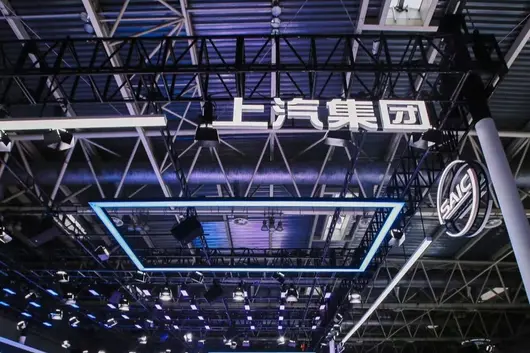

Pada suatu ketika dahulu, dalam pasaran kereta domestik, kereta gabungan sentiasa mendominasi walaupun kemudian jenama kereta tempatan mula berkembang, namun dari segi jualan ia masih ketinggalan jauh. Namun, dengan kemunculan kenderaan baharu, landskap pasaran kereta domestik juga berubah. Selepas bertahun-tahun pembangunan, kenderaan baharu tempatan telah melebihi kenderaan baharu gabungan dari segi bilangan dan jualan.
Selain daripada prestasi yang menonjol dalam pasaran kereta domestik, banyak jenama kereta tempatan juga telah membuka pasaran luar negeri, menjual kenderaan baharu tempatan ke seluruh dunia. Misalnya, kereta BYD yang menonjol dalam pasaran domestik, juga mempunyai prestasi yang baik di pasaran luar. Baru-baru ini, BYD mengumumkan data jualan merek tersebut di pasaran luar negara. Sehingga bulan Ogos, jualan kenderaan penumpang dan pikap BYD di luar negara mencapai 189,000 unit, meningkat 136% berbanding tahun lalu, menambah data jualan melebihi 100,000 unit berbanding tempoh yang sama tahun lalu, dan telah memecahkan rekod jualan secara berterusan selama lima bulan. Selain itu, jumlah jualan luaran BYD bulan 1 hingga 8 ialah 1.158 juta unit, telah melebihi data jualan luaran setahun penuh 2025 iaitu 1.0496 juta unit.
Pada masa ini, BYD telah meraih kedudukan teratas jualan kenderaan baharu di negara seperti Thailand, Singapura, Itali, Arab Saudi, Emiriah Arab Bersatu, Afrika Selatan, Brazil; Selain itu, BYD mendapat pengiktirafan daripada pemimpin tinggi pelbagai negara kerana kualitinya. Baru-baru ini, Setiausaha Perbendaharaan Amerika Syarikat Bessent menyebut BYD dalam ucapan di acara Kelab Ekonomi Charlotte, menyatakan "BYD adalah kereta terbaik berskala AS$70,000 yang boleh dibeli pengguna dengan harga AS$35,000"; Selain daripada sebutan terbuka oleh Bessent, setelah Gabenor California AS Newsom menguji Yangwang U8, beliau juga menyifatkannya sebagai teknologi terobosan dalam era kereta; Selain itu, Uzbekistan telah menganugerahkan "Pingat Persahabatan" kepada BYD; Malah Presiden Brazil Lula, Perdana Menteri Thailand Anutin dan bekas Presiden Chile Piñera serta pemimpin tinggi pelbagai negara lain turut memuji teknologi inovatif BYD.
Sebab BYD mendapat penilaian positif daripada pihak berkuasa pelbagai negara adalah kerana pada teras kenderaan baharu - bateri, kawalan elektronik dan motor, BYD telah mencapai tahap kawalan sendiri, maka harga pula boleh dikawal, yang telah membentuk semula logik penetapan harga industri kereta, jadi BYD boleh dikatakan telah meraih pengiktirafan dunia melalui kekuatan produknya!


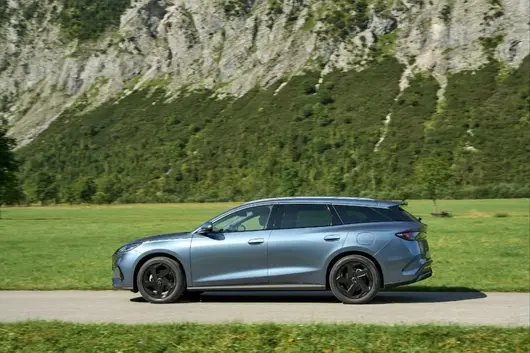

In Malaysia's SUV market, many buyers compare the Honda HR-V and Kia Sportage when choosing a car. Both cars are quite close in price and positioning, so today we will make a detailed comparison from multiple aspects to help you save time doing research.
The OTR price of the Honda HR-V in Malaysia is RM 115,900 - 143,900, with a total of 4 variants, including the 2026 e:HEV 1.5L RS (RM 143,900), 2026 1.5T V (RM 137,900), 2026 1.5T E (RM 130,900), and more.
The OTR price of the Kia Sportage in Malaysia is RM 129,639 - 179,320, with a total of 4 variants, including the 2025 1.6T DCT 4WD High (RM 179,320), 2025 1.6T DCT 2WD High (RM 159,320), 2025 2.0L AT 2WD High (RM 139,639), and more.
From a price perspective, the starting price of the Honda HR-V is indeed RM 13,739 cheaper than the Kia Sportage. If your budget is limited, the Honda entry-level version can already meet daily needs. However, keep in mind that the savings of a few thousand might involve compromises in features, depending on your specific needs.

The safety rating of the Honda HR-V is 5★ (ASEAN NCAP), active safety systems include Honda SENSING (ACC, CMBS, LKAS, RDM).
The safety rating of the Kia Sportage is 5★ (ASEAN NCAP), active safety systems include Drive Wise.
Both cars have the same safety rating, and safety features are considered quite comprehensive within this segment. New cars nowadays generally have good safety, so there is no need to worry too much about this.

The Honda HR-V adopts the FWD drive system.
The Kia Sportage adopts the FWD drive system.
Both cars share the same drive system, which is FWD, so there won't be much difference in the daily driving experience.

The Honda HR-V has a 5-year/unlimited mileage warranty, with a servicing interval of every 10,000km or 6 months.
The Kia Sportage has a 5-year/300,000km warranty, with a servicing interval of every 10,000km or 6 months.

Overall, the Honda HR-V and Kia Sportage are both very good models in the Malaysian market. Which one to choose depends mainly on your personal needs and budget. We suggest doing your homework, comparing quotes from multiple dealerships, and then test driving to make the final decision. Buying a car is a major matter, spending some time doing research will definitely not be a mistake.


Di pasaran SUV Malaysia, ramai pembeli akan membandingkan Honda HR-V dan Volkswagen Tiguan apabila memilih kereta. Kedua-dua kereta ini agak hampir dari segi harga dan kedudukan pasaran, hari ini kita akan buat perbandingan terperinci dari pelbagai aspek, membantu anda menjimatkan masa melakukan penyelidikan.
Harga OTR Honda HR-V di Malaysia adalah RM 115,900 - 143,900, terdapat 4 varian, termasuk 2026 e:HEV 1.5L RS (RM 143,900), 2026 1.5T V (RM 137,900), 2026 1.5T E (RM 130,900) dan lain-lain.
Harga OTR Volkswagen Tiguan di Malaysia adalah RM 206,540 - 260,024, terdapat 2 varian, termasuk 2025 Allspace 2.0T R-Line (RM 260,024), 2025 Allspace 1.4T Elegance (RM 206,540) dan lain-lain.
Dari segi harga, harga permulaan Honda HR-V memang lebih murah RM 90,640 berbanding Volkswagen Tiguan. Jika bajet anda terhad, versi permulaan Honda sudah cukup memenuhi keperluan harian. Tetapi perlu diingat, beza beberapa ribu ringgit itu mungkin melibatkan kompromi pada kelengkapan, bergantung pada keperluan anda.
Honda HR-V dilengkapi enjin 1.5L Turbo, kuasa 140 hp. Penggunaan bahan api rasmi 7.0 L/100km.
Volkswagen Tiguan dilengkapi enjin 2.0L 4-cyl, kuasa 170 hp. Penggunaan bahan api rasmi 8.0 L/100km.
Dari segi kuasa, 2.0L 4-cyl Volkswagen Tiguan mempunyai 30 kuasa kuda lebih berbanding 1.5L Turbo Honda HR-V. Namun untuk memandu harian di bandar, kedua-dua kereta cukup berkuasa, tidak akan terasa kurang tenaga.
Panjang badan Honda HR-V 4500 mm, Bekas Barang 450 L.
Panjang badan Volkswagen Tiguan 4400 mm, Bekas Barang 400 L.
Dari segi ruang, badan Honda HR-V lebih panjang 100 mm berbanding Volkswagen Tiguan, ruang penumpang dalaman sedikit lebih lapang, terutama ruang kaki belakang. Jika anda sering mengangkut keluarga atau perlu letak kereta bayi, badan yang lebih besar memang lebih praktikal.
Honda HR-V menggunakan sistem pemanduan FWD.
Volkswagen Tiguan menggunakan sistem pemanduan FWD.
Kedua-dua kereta sama-sama menggunakan FWD, tidak akan ada perbezaan besar dalam pengalaman memandu harian.

Secara keseluruhan, Honda HR-V dan Volkswagen Tiguan adalah model kereta yang bagus di pasaran Malaysia. Memilih yang mana, penting bergantung pada keperluan dan bajet peribadi anda. Disyorkan lakukan penyelidikan, bandingkan tawaran harga dari beberapa dealer, kemudian buat test drive untuk membuat keputusan akhir. Membeli kereta adalah perkara besar, meluangkan masa untuk penyelidikan tidak akan salah.

Dalam pasaran SUV di Malaysia, ramai pembeli yang membandingkan Honda HR-V dan Kia Sportage ketika memilih kereta. Kedua-dua kereta ini sangat dekat dari segi harga dan kedudukan, hari ini kita akan buat perbandingan terperinci dari pelbagai aspek, membantu anda menjimatkan masa untuk membuat kajian.
Harga OTR Honda HR-V di Malaysia adalah RM 115,900 - 143,900, terdapat 4 varian, termasuk 2026 e:HEV 1.5L RS (RM 143,900), 2026 1.5T V (RM 137,900), 2026 1.5T E (RM 130,900) dan lain-lain.
Harga OTR Kia Sportage di Malaysia adalah RM 129,639 - 179,320, terdapat 4 varian, termasuk 2025 1.6T DCT 4WD High (RM 179,320), 2025 1.6T DCT 2WD High (RM 159,320), 2025 2.0L AT 2WD High (RM 139,639) dan lain-lain.
Dari segi harga, harga permulaan Honda HR-V memang RM 13,739 lebih murah berbanding Kia Sportage. Jika bajet anda terhad, varian permulaan Honda sudah boleh memenuhi keperluan harian. Namun, anda juga perlu tahu, perbezaan harga beberapa ribu ringgit itu mungkin melibatkan pengorbanan dari segi peralatan, bergantung pada keperluan anda.
Pentilaian keselamatan Honda HR-V adalah 5★ (ASEAN NCAP), sistem keselamatan aktif termasuk Honda SENSING (ACC, CMBS, LKAS, RDM).
Pentilaian keselamatan Kia Sportage adalah 5★ (ASEAN NCAP), sistem keselamatan aktif termasuk Drive Wise.
Pentilaian keselamatan kedua-dua kereta adalah sama, dalam kelas ini pelengkapan keselamatan sudah cukup lengkap. Keselamatan kereta baru sekarang tidak buruk, tiada perlu risau sangat dengan hal ini.
Panjang badan Honda HR-V 4500 mm, bagasi 450 L.
Panjang badan Kia Sportage 4400 mm, bagasi 400 L.
Dari segi ruang, badan Honda HR-V lebih 100 mm berbanding Kia Sportage, ruang duduk dalam kereta sedikit lebih lapang, terutamanya ruang kaki kerusi belakang. Jika anda sering membawa keluarga atau perlu letak kereta bayi, badan yang lebih besar memang lebih praktikal.
Waranti Honda HR-V 5 tahun/jarak tanpa had, selang penyelenggaraan setiap 10,000km atau 6 bulan.
Waranti Kia Sportage 5 tahun/300,000km, selang penyelenggaraan setiap 10,000km atau 6 bulan.
Secara keseluruhan, Honda HR-V dan Kia Sportage adalah model kereta yang sangat baik di pasaran Malaysia. Memilih yang mana satu, kunci utamanya adalah melihat keperluan dan bajet peribadi anda. Kami cadangkan anda buat kajian, bandingkan beberapa tawaran kedai kereta, kemudian uji jalan untuk buat keputusan akhir. Membeli kereta adalah perkara besar, meluangkan masa untuk kajian pasti tidak salah.

In Malaysia's SUV market, many buyers compare Honda HR-V and Chery Tiggo 9 when choosing a car. These two cars are quite close in price and positioning. Today, we will make a detailed comparison from multiple aspects to help you save time on research.
The OTR price of Honda HR-V in Malaysia is RM 115,900 - 143,900, with a total of 4 versions, including 2026 e:HEV 1.5L RS (RM 143,900), 2026 1.5T V (RM 137,900), 2026 1.5T E (RM 130,900), etc.
The OTR price of Chery Tiggo 9 in Malaysia is RM 166,800 - 179,800, with a total of 1 version, including 2026 2.0T Standard (RM 179,750), etc.
From a price perspective, Honda HR-V's starting price is indeed RM 50,900 cheaper than Chery Tiggo 9. If your budget is limited, Honda's entry-level version can already meet daily needs. But also note, the few thousand ringgit cheaper might involve trade-offs in features, depending on your specific requirements.
Honda HR-V's safety rating is 5★ (ASEAN NCAP), active safety systems include Honda SENSING (ACC, CMBS, LKAS, RDM).
Chery Tiggo 9's safety rating is TBD, active safety systems include Basic.
Regarding safety features, both cars have received decent ratings. However, there are some differences in functionality between Honda HR-V's Honda SENSING (ACC, CMBS, LKAS, RDM) and Chery Tiggo 9's Basic. If you value active safety highly, you can carefully compare the feature lists of both.
Honda HR-V body length 4500 mm, trunk 450 L.
Chery Tiggo 9 body length 4400 mm, trunk 400 L.
In terms of space, Honda HR-V's body is 100 mm longer than Chery Tiggo 9, and the interior seating space will be slightly more spacious, especially rear legroom. If you frequently carry family members or need to fit a stroller, a larger body is indeed more practical.
Honda HR-V warranty 5 years/unlimited mileage, maintenance interval every 10,000km or 6 months.
Chery Tiggo 9 warranty 3 years/100,000km, maintenance interval every 10,000km or 6 months.

Overall, Honda HR-V and Chery Tiggo 9 are both very good car models in the Malaysian market. Which one to choose depends mainly on your personal needs and budget. It is recommended to do your research, compare quotes from several dealerships, and then test drive to make the final decision. Buying a car is a big matter, spending some time doing research will definitely not be wrong.
In the Malaysian SUV market, many buyers compare the Honda HR-V and Chery Tiggo 7 PHEV when choosing a car. These two cars are quite close in terms of price and positioning. Today, we will do a detailed comparison from multiple aspects to help you save time on research.
The OTR price of Honda HR-V in Malaysia is RM 115,900 - 143,900, with a total of 4 versions, including 2026 e:HEV 1.5L RS (RM 143,900), 2026 1.5T V (RM 137,900), 2026 1.5T E (RM 130,900), etc.
The OTR price of Chery Tiggo 7 PHEV in Malaysia is RM 129,750 - 129,750, with a total of 2 versions, including 2025 1.5T 90km CSH (RM 129,750), What charging methods does the Tiggo 7 PHEV support? Can it be charged using a home power socket? (RM 117,478), etc.
In terms of price, the starting price of the Honda HR-V is indeed RM 13,850 cheaper than the Chery Tiggo 7 PHEV. If your budget is limited, the Honda entry-level version can already meet daily needs. However, be aware that the cheaper price might involve trade-offs in features, which depends on your specific needs.
The safety rating of Honda HR-V is 5★ (ASEAN NCAP), active safety systems include Honda SENSING (ACC, CMBS, LKAS, RDM).
The safety rating of Chery Tiggo 7 PHEV is TBD, active safety systems include Basic.
Regarding safety features, both cars have received good ratings. However, there are some differences in functions between the Honda HR-V's Honda SENSING (ACC, CMBS, LKAS, RDM) and the Chery Tiggo 7 PHEV's Basic. If you value active safety highly, you can compare the function lists of both carefully.
Honda HR-V body length is 4500 mm, trunk 450 L.
Chery Tiggo 7 PHEV body length is 4400 mm, trunk 400 L.
Regarding space, the Honda HR-V body is 100 mm longer than the Chery Tiggo 7 PHEV, the interior passenger space will be slightly more spacious, especially rear legroom. If you often carry family or need to put in a stroller, a larger body is indeed more practical.
Honda HR-V warranty 5 years/unlimited mileage, maintenance interval every 10,000km or 6 months.
Chery Tiggo 7 PHEV warranty 3 years/100,000km, maintenance interval every 10,000km or 6 months.

Overall, the Honda HR-V and Chery Tiggo 7 PHEV are both very good models in the Malaysian market. Which one to choose depends on your personal needs and budget. It is recommended to do your homework, compare quotes from multiple dealers, and then test drive to make the final decision. Buying a car is a major decision, spending some time doing research will never be wrong.

Dalam pasaran SUV di Malaysia, ramai pembeli apabila memilih kereta akan membandingkan Honda HR-V dan MG HS. Kedua-dua kereta ini sangat hampir dari segi harga dan segmen, hari ini kita akan buat perbandingan terperinci dari pelbagai aspek, untuk membantu anda menjimatkan masa mencari data.
Honda HR-V di Malaysia mempunyai harga OTR adalah RM 115,900 - 143,900, secara keseluruhan terdapat 4 varian, termasuk 2026 e:HEV 1.5L RS (RM 143,900), 2026 1.5T V (RM 137,900), 2026 1.5T E (RM 130,900) dan lain-lain.
MG HS di Malaysia mempunyai harga OTR adalah RM 130,450 - 146,450, secara keseluruhan terdapat 2 varian, termasuk 1.5L Standard (RM 105,000), 1.5L Executive (RM 115,000) dan lain-lain.
Dari segi harga, harga permulaan Honda HR-V memang lebih murah RM 14,550 berbanding MG HS. Jika anggaran anda terhad, varian pemula Honda sudah boleh memenuhkan keperluan harian. Tetapi perlu diingat, perbezaan harga beberapa ribu ini mungkin melibatkan kompromi pada kelengkapan, bergantung pada keperluan anda.
Honda HR-V dilengkapi enjin Turbo 1.5L, kuasa 140 hp. Konsumsi bahan api rasmi 7.0 L/100km.
MG HS dilengkapi enjin Turbo 1.5L, kuasa 140 hp. Konsumsi bahan api rasmi 7.0 L/100km.
Kedua-dua kereta menggunakan set sistem pemacu yang sama, rasa memandu sehari-hari hampir tiada perbezaan. Dari segi kecekapan bahan api juga hampir sama, tidak perlu terlalu bimbang tentang hal ini.
Penilaian keselamatan Honda HR-V ialah 5★ (ASEAN NCAP), sistem keselamatan aktif termasuk Honda SENSING (ACC, CMBS, LKAS, RDM).
Penilaian keselamatan MG HS ialah TBD, sistem keselamatan aktif termasuk Basic.
Dari segi kelengkapan keselamatan, kedua-dua kereta mendapat penilaian yang baik. Walau bagaimanapun, terdapat beberapa perbezaan dari segi fungsi antara Honda SENSING (ACC, CMBS, LKAS, RDM) pada Honda HR-V dan Basic pada MG HS. Jika anda lebih memprioritaskan keselamatan aktif, anda boleh membandingkan senarai fungsi kedua-duanya dengan teliti.
Panjang badan Honda HR-V 4500 mm, ruang bagasi 450 L.
Panjang badan MG HS 4400 mm, ruang bagasi 400 L.
Dari segi ruang, badan Honda HR-V adalah 100 mm lebih panjang berbanding MG HS, ruang penumpang dalam kenderaan akan sedikit lebih luas, terutamanya ruang kaki di baris belakang. Jika anda sering mengangkut keluarga atau perlu meletakkan kereta bayi, badan kenderaan yang lebih besar memang lebih praktikal.
Waranti Honda HR-V 5 tahun/jarak tanpa had, selang penyelenggaraan setiap 10,000km atau 6 bulan.
Waranti MG HS 7 tahun/150,000km, selang penyelenggaraan setiap 10,000km atau 6 bulan.
Secara keseluruhan, Honda HR-V dan MG HS adalah model yang sangat bagus dalam pasaran Malaysia. Memilih mana satu, yang penting bergantung pada keperluan dan bajet peribadi anda. Kami sarankan anda membuat penyelidikan, bandingkan beberapa tawaran dari diler kereta berbeza, kemudian buat keputusan akhir selepas uji jalan. Membeli kereta adalah perkara besar, mengambil sedikit masa untuk mencari data tidak akan salah.

Dalam pasaran SUV di Malaysia, ramai pembeli akan membandingkan Honda HR-V dan Chery Tiggo 7 PHEV semasa memilih kereta. Kedua-dua kereta ini hampir sama dari segi harga dan pelasaran, hari ini kita akan membuat perbandingan terperinci dari pelbagai aspek untuk membantu anda menjimatkan masa membuat kajian.
Honda HR-V mempunyai harga OTR di Malaysia sebanyak RM 115,900 - 143,900, terdapat 4 versi termasuk 2026 e:HEV 1.5L RS (RM 143,900), 2026 1.5T V (RM 137,900), 2026 1.5T E (RM 130,900) dan lain-lain.
Chery Tiggo 7 PHEV mempunyai harga OTR di Malaysia sebanyak RM 129,750 - 129,750, terdapat 2 versi termasuk 2025 1.5T 90km CSH (RM 129,750), Apakah kaedah pengecasan yang disokong oleh Tiggo 7 PHEV? Bolehkah ia dicas menggunakan soket kuasa rumah? (RM 117,478) dan lain-lain.
Dari segi harga, harga permulaan Honda HR-V memang lebih murah RM 13,850 berbanding Chery Tiggo 7 PHEV. Jika bajet anda terhad, versi permulaan Honda sudah dapat memenuhi keperluan harian. Tetapi perlu diingat, perbezaan harga beberapa ribu ringgit ini mungkin melibatkan pengorbanan pada kelengkapan, bergantung pada keperluan anda.
Honda HR-V dilengkapi enjin 1.5L Turbo, kuasa 140 hp. Penggunaan minyak rasmi 7.0 L/100km.
Chery Tiggo 7 PHEV dilengkapi sistem Hybrid, kuasa 170 hp. Penggunaan minyak rasmi 4.5 L/100km.
Dari segi kuasa, sistem Hybrid Chery Tiggo 7 PHEV mempunyai 30 hp lebih berbanding 1.5L Turbo Honda HR-V. Namun untuk penggunaan harian di bandar, kuasa kedua-dua kereta sudah cukup, tiada rasa kekurangan tenaga.
Gred keselamatan Honda HR-V ialah 5★ (ASEAN NCAP), sistem keselamatan aktif termasuk Honda SENSING (ACC, CMBS, LKAS, RDM).
Gred keselamatan Chery Tiggo 7 PHEV ialah TBD, sistem keselamatan aktif termasuk Basic.
Dari segi kelengkapan keselamatan, kedua-dua kereta mendapat gred yang baik. Namun Honda SENSING (ACC, CMBS, LKAS, RDM) pada Honda HR-V dan Basic pada Chery Tiggo 7 PHEV mempunyai perbezaan fungsi. Jika anda lebih mementingkan keselamatan aktif, sila bandingkan senarai fungsi kedua-duanya.
Honda HR-V menggunakan sistem pemacu FWD.
Chery Tiggo 7 PHEV menggunakan sistem pemacu FWD.
Sistem pemacu kedua-dua kereta sama, iaitu FWD, pengalaman memandu harian tidak akan terlalu berbeza.
Honda HR-V dan Chery Tiggo 7 PHEV kedua-duanya adalah pilihan utama pasaran Malaysia, sesuai untuk kegunaan keluarga dan perjalanan komuter harian. Jika anda lebih mementingkan reputasi jenama dan harga kedua, pilih yang mempunyai reputasi lebih baik; jika anda lebih mementingkan nilai kos dan kelengkapan, pilih yang mempunyai kelengkapan lebih lengkap. Akhir sekali, disyorkan untuk mencuba kedua-duanya secara memandu, pengalaman sendiri yang paling penting.

Secara keseluruhannya, Honda HR-V dan Chery Tiggo 7 PHEV kedua-duanya adalah model yang sangat bagus di pasaran Malaysia. Memilih mana satu, bergantung pada keperluan peribadi dan bajet anda. Kami cadangkan anda melakukan kajian, bandingkan penawaran harga dari beberapa penjual kereta, kemudian buat uji memandu untuk membuat keputusan akhir. Membeli kereta adalah perkara besar, meluangkan masa untuk kajian tidak akan salah.

9月4日,长安科技生态大会,长安天枢领航技术发布并同步启源Q06预售。抢订价14.79万至18.99万元,纯电、增程两种动力共九款车型。

启源Q06全系搭载长安全栈自研天枢领航智驾,256线激光雷达、560TOPS算力直接下放到15万级。800V高压平台加6C超快充,电量从30%充到80%最快只要9分钟。
过去三年,启源靠Q05一款车撑起了销量担当,8月月销近4.6万辆的成绩单背后,是产品结构一款车撑起的半壁江山。Q06要做的,是把长安集团压箱底的技术一次打包塞进主流价格带,让启源从销量担当升级为技术担当,并为长安全体系的技术下放做好市场的验证官和技术的普及先锋。
也许可以用八个字总结这次长安技术平权的路径:启源验证,矩阵冲锋。
把最优的技术,塞进15万级
先看这次预售最反常识的动作:技术首搭的落点选择。

天枢领航是长安全栈自研的端到端辅助驾驶方案,分为Pro、Max、Ultra三档,算力从100+TOPS一路排到500+TOPS。Ultra版搭载VLM视觉语言大模型,可以做到可交互的辅助驾驶。这套系统没有选择在集团内其他品牌上首发,而是首搭在14.79万起售的启源Q06上,实现全系标配。
硬件下放的力度在这个价位是罕见的。256线激光雷达,27个感知硬件,560TOPS算力。这个配置在去年,是30万价格带车型的配置。
技术纵深也有背书:依托超2000万条人驾数据训练,弱光场景下比人眼提前2秒识别障碍物;天枢中心的仿真能力覆盖40万场景。
功能层面,端到端领航辅助覆盖高速和城区,支持3公里长距离记忆泊车和100米循迹倒车,AEB白天最高支持135km/h静止刹停。
长安不缺实验室里的技术,缺的是把技术准时送上量产车的决断力。天枢领航选择在启源而非更高端的品牌首搭,本身就是一种表态:长安要的不是技术展示柜,是技术收割机。
三电同样按旗舰标准给。纯电版基于800V碳化硅高压平台,6C超快充,CLTC续航602km和700km两档,电池66.02kWh和80.02kWh,单电机225kW和245kW两种功率,双电机四驱综合330kW。增程版配28kWh磷酸铁锂电池,纯电续航200km,综合续航超1600km,系统功率270kW。纯电增程双动力并排摆着,把15万级用户的两头焦虑一次对冲掉。
底盘和座舱也没留短板。前双叉臂后五连杆全铝悬架,4837/1970/1670mm的车身,2940mm轴距,官方称空间得房率91.7%。后排145度零压无级调节加28点按摩,196L前备箱,236颗LED灯珠的微笑大灯和274颗灯珠的星环尾灯。配置密度是按20万级的标准打造的。
角色丰富,从销量担当到技术担当
Q06对启源的意义,要从这份销量成绩单的反面看。
8月,长安启源交付45885辆,同比增长103.1%。同门兄弟深蓝汽车28659辆,阿维塔8082辆。启源一个品牌的交付量,比深蓝加阿维塔的总和还多,在长安体系里稳坐第一。
但繁华背后有个结构性问题。启源的销量高度依赖Q05一款车。7月Q05交付18871辆,连续4个月蝉联紧凑型SUV销冠,撑起了启源的半壁江山。一款车撑起的销量,本质上是把品牌命运押在单一爆款上。Q05越成功,启源的产品结构风险越大。一旦这个价位的需求波动,或者Q05进入产品周期尾声,启源的增长曲线就会失速,这种情况在头部品牌中并不缺乏案例。

Q06的任务就是排解掉这样潜在的风险,为启源或长安寻找到另外一条增长曲线。
14.79万至18.99万的价格带,恰好填补启源在15-20万级的空白。现有产品线上承十万级家轿、下接二十万级SUV,Q06补上的是中间最主流、走量最大的黄金价格带。
对长安的意义更大。启源、深蓝、阿维塔三个乘用车品牌里,启源是最可靠的基本盘。深蓝月销2.8万,阿维塔8000辆,高端故事好听,但显然没有撑起规模。长安新能源8月交付10.5万辆,同比增长22.7%,渗透率接近50%,每卖出两辆长安就有一辆是新能源。这个大盘的一半压力,压在启源肩上。
启源产品推广总监邱蓓的说法是:启源正努力向百万启源靠拢,今年已连续多月稳居中国新能源品牌销量前十。Q06就是这条百万之路上的决定性一子。
15万价格带,最凶残的绞肉机
但必须泼一盆冷水。Q06进入的15万级中型SUV市场,是全行业供给密度最高、价格战最惨烈、消费者最挑剔的细分市场。
供给密度先看一组背景。8月狭义乘用车零售预计158万辆,环比增长8.1%,大盘微暖,但暖意没有落到15万级。这个价格带挤着所有阵营的主力:自主品牌的走量车型、合资品牌的反攻部队、新势力的低价产品线,全部在同一条赛道里贴身肉搏,中型SUV细分市场的月度新车供给长期过剩。
消费者的挑剔程度也是全行业之最。15万级买家被这几年的配置军备赛给惯出了挑三拣四的习惯:续航没站上600km台阶的出局,快充功率低的出局,没有激光雷达的出局,座椅功能不够全的出局。任何一项缺位,配置党直接用脚投票。
具体到Q06,压力来自三个维度。
续航与补能的军备赛。同级主流车型的续航已经普遍站上600km,闪充技术正从旗舰车型快速下探。Q06的700km和6C快充只是挤进了第一梯队,尚未构成代差优势。9分钟补能的体验确实领先,但当行业整体补能水平都在爬坡,这个领先窗口不会太宽。
智驾平权竞赛在加速。多家车企都在把激光雷达和端到端方案往15万级压,天枢领航的首搭红利窗口,乐观估计也只有几个月。邱蓓说Q06城区顺滑程度特别好,已经具备一流的驾驶智能化能力,这话成立,但一流不等于唯一,几个月后同级智驾配置会快速拉平。
增程与纯电的内战。Q06自己就提供增程和纯电两套动力,这既是需求覆盖,也说明15万级用户对纯电补能仍有焦虑。增程版综合续航超1600km,明显是为焦虑人群准备的Plan B。
所以在15万级,没有技术护城河,只有技术时间差。长安真正的考题是,天枢领航的迭代速度能不能跑赢竞品的跟随速度,这里需要打一个问号。长安的研发体系一旦转向敏捷迭代,规模效应才会显现,否则Q06就是又一台堆料车,堆得再厚,也只是配置表的胜利。
启源验证,矩阵冲锋
把视角拉到长安集团层面,Q06的真正价值才完整浮现:它是天枢领航的规模化验证场,验证通过后,技术将沿着长安的品牌矩阵向下兼容、向上收割。

逻辑链条是这样的。新技术的量产成本曲线,需要规模来摊平。启源是长安体系内上量能力最强的品牌,Q06月销一旦站稳,256线激光雷达和算力平台的采购成本会被快速摊薄,届时下放深蓝和阿维塔的边际成本趋近于零。先用销量最大的品牌把技术跑熟、把成本打下来,再用高端品牌收品牌溢价,这是一套完整的体系算术。
传统车企的技术路径通常是旗舰品牌先行、主流品牌跟进,长安反着走,让走量品牌先验证。看似技术谦让,实则是成本算计。在阿维塔上首搭,技术溢价会被高端定价稀释,消费者只会说这车本来就该有;在启源上首搭,同样的技术就成了降维惊喜,规模效应直接转化成供应链议价权。
矩阵冲锋的想象空间可以摊开看。深蓝主打年轻科技运动,短板恰恰在智驾叙事,天枢领航下放后,智驾能力与运动定位形成互补,深蓝的产品故事立刻完整。阿维塔本就定位高端智能,等技术成熟后搭载Ultra版,VLM视觉语言大模型的可交互能力可以支撑更高的定价。再往外,长安主品牌庞大的燃油车基盘,也能承接成熟版方案做存量升级,给老车主一个换车的技术理由。一鱼多吃,一个技术底座喂饱四个品牌。
但反方视角同样值得关注。多品牌共用技术存在稀释风险。天枢领航如果同时出现在14万的启源和30万的阿维塔上,高端品牌的技术独占性叙事就被自己拆了,近期某新势力品牌的共创伙伴品牌和技术效应稀释后的销量腰斩就是案例。行业里技术下放做得好的公司,共性是技术分层与品牌分层咬合得很紧,同一底座,不同梯度,消费者感知到的差异化依然清晰。长安的考验是下放的节奏和梯度设计,不能急于求成。
还有一个不可忽视的传导风险:启源Q06如果验证失败,矩阵冲锋就变成矩阵连锁反应。一个品牌的口碑事故,会沿着共享技术底座传导到全体系。这意味着Q06只许成功,长安把体系信誉也押上了。
往深一层看,启源验证、矩阵冲锋的真正意义,是把长安的研发体系从成本中心改造成利润中心。过去企业的技术研发是预算驱动的,投多少钱出多少成果,成果再慢慢找落点,研发费用在财报里是纯粹的支出项。长安现在做的尝试,是让市场容量最大的品牌当技术的第一落点,用销量养技术,再用技术反哺全体系。这个飞轮如果能转起来,才是对长安造车逻辑的真正重构。
三年之约,启源的成人礼
从2023年8月发布算起,启源刚满三年。三年从0做到月销4.5万辆,1至7月全球累计交付突破21万辆,在央企新能源序列里活成了头号玩家。Q06是它的成人礼,也是长安香格里拉计划的一次期末考试。
百万目标面前,Q06是决定性变量。月销4.5万辆的基数上,Q06需要月均贡献8000至10000辆,才能撑起百万目标所需要的斜率。这个数字在15万级不是不可能,但要求产品口碑 、交付节奏都不能出现瑕疵。
海外是第二战场。Q05已经进入泰国、乌兹别克斯坦,即将登陆欧洲多个市场。长安8月海外交付9.24万辆,同比增长78.6%,连续7个月大幅增长。邱蓓把这套打法总结为无海外不长安。Q06的800V和6C快充在全球市场都是硬通货,海外定价空间比国内更宽,矩阵出海是这套体系的下一章。
回到最初的问题。启源Q06表面是一台新车的预售,实际上是长安对央企造车逻辑的一次自我重构。央企不缺技术,缺的从来是把技术送上量产车、让市场检验的勇气。这一步走对了,启源才有资格谈百万目标,长安才有资格谈体系胜利。
而长安启源Q06预售发布2小时,累计订单突破11079台,显然第一步是亮眼的。

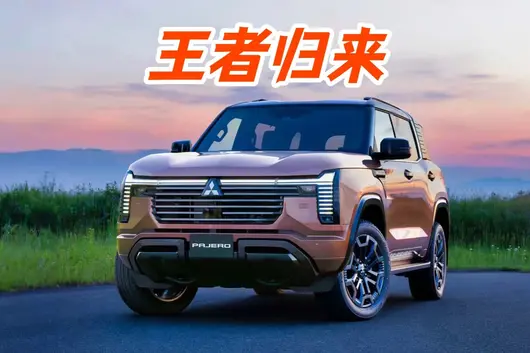
The Mitsubishi Pajero, once dominant in the off-road community, has officially returned after five years of production halt. The fifth-generation model takes up the flagship SUV flag for Mitsubishi once again, not only adopting a traditional body-on-frame ladder chassis structure but also featuring the Super Select 4WD-II four-wheel drive system, a 2.4-liter diesel engine, and a three-row seven-seater layout. The name that once accompanied countless off-road enthusiasts traversing the wilderness now returns in a brand new form. The new vehicle will be produced in Thailand, while models previously produced at the same Thailand factory also include the Mitsubishi L200/Triton pickup.

After four generations of development, the previous generation model was officially discontinued in 2021. In the Japanese market, Pajero production ended even earlier, in 2019. Since its first launch in 1982, the Pajero has accumulated production of over 3.29 million units, and this model was once sold in more than 170 countries and regions worldwide. In the 1990s, the Pajero was one of the important representative models in the off-road vehicle field. Meanwhile, the Pajero has also left a significant mark in motorsports: Mitsubishi began participating in the Dakar Rally in 1983 and eventually won the championship 12 times, including the glorious feat of winning 7 consecutive titles.

The design of the all-new Pajero clearly references the historical heritage of this series. The body adopts a square and upright design style, making the whole vehicle appear heavier and more powerful. Mitsubishi has also incorporated some historically significant design details. For example, the striking C-pillar design is reportedly intended to pay homage to the roll cage elements on the open-top first-generation Pajero models.

The hexagonal shape of the tailgate symbolizes the spare tire mounted on the exterior of the rear end in the past. However, the new model will no longer continue to mount a spare tire on the tailgate.

In terms of interior, Mitsubishi adopted a wide, horizontally laid-out dashboard design; the high-spec model consists of two 14.3-inch screens, while the entry-level version uses a 12.3-inch display.

The digital dashboard draws upon the classic triple-gauge layout of past Pajero models, while adding more modern information displays, including: altitude, compass direction, outside temperature, vehicle climb angle, and vehicle lateral tilt angle.

The all-new Pajero offers three rows of seats, accommodating up to 7 passengers in total. The second-row seats support forward and backward sliding within a 150 mm range, which not only facilitates passengers entering the third row but also allows flexible adjustment of the interior space according to actual needs. For third-row passengers, Mitsubishi has further increased headroom and legroom.

From a technical perspective, the new generation Pajero has undergone significant upgrades compared to previous models. The fifth-generation model reintroduces a high-strength ladder chassis structure; by using special steel and increasing the chassis structure cross-sectional area, the overall torsional and bending rigidity of the body has been improved.

Regarding suspension, the new car's front suspension uses a double-wishbone independent setup, while the rear suspension features a solid axle connected via a five-link structure and is equipped with coil springs. This design provides larger suspension travel and achieves superior wheel traction and vehicle cross-axle capability in complex off-road environments.

In terms of powertrain, the all-new Pajero is equipped with a 2.4-liter four-cylinder diesel engine, adopting variable geometry turbocharging technology, with the engine capable of outputting a maximum torque of 480 N·m. Currently, Mitsubishi has not yet announced specific power parameters. As a reference, the same diesel engine has a maximum power output of 204 hp in the Mitsubishi L200 pickup model. Regarding the transmission system, the new car matches a newly developed 8-speed automatic transmission and offers a sport mode.
In terms of off-road capability, Mitsubishi equips the new Pajero with a further upgraded Super Select 4WD-II super-select four-wheel-drive system, offering four drive modes, and also features the S-AWC Super All-Wheel Control system, which integrates multiple technologies such as Active Yaw Control, Traction Control System, Vehicle Stability Control, and ABS Anti-lock Braking System. Among them, the Active Yaw Control system enhances vehicle stability in different driving environments by precisely controlling brake intervention and adjusting power distribution between the left and right wheels of the front axle.

For different road conditions, the new Pajero offers seven driving modes, which adjust the vehicle's powertrain and stability control system strategies accordingly based on different terrain environments. Meanwhile, another feature of the all-new Pajero is the 3D Multi-Angle Monitor System, which collects images through four cameras and combines them with a 3D vehicle model to achieve a panoramic display of the vehicle's surrounding environment.
Additionally, the vehicle also offers a front chassis transparency function. When the driver selects the 4HLc or 4LLc mode, this function automatically activates, displaying images of the area below the front bumper and ahead of the vehicle; this view helps the driver observe obstacles that cannot be directly seen from the driving position.
It is reported that the all-new Pajero will first be produced in Thailand and is planned to launch in the local market in fiscal year 2026. Subsequently, this model will enter the Japanese and Australian markets. Starting from fiscal year 2027, Mitsubishi plans to gradually promote the new Pajero to approximately 100 countries and regions. In some markets where Pajero was previously sold under different names, the new model will also reinstate the name "Montero", although official pricing information has not yet been released.

喺馬來西亞嘅 SUV 市場,好多買家喺揀車嗰陣都會拿本田 HR-V 同 奇瑞 Tiggo 8 Pro 嚟比較。呢兩部車喺價位同定位上都幾接近,今日我哋就由多個方面做一個詳細嘅對比,幫你省下做功課嘅時間。
本田 HR-V 喺馬來西亞嘅 OTR 售價係 RM 115,900 - 143,900,合共有 4 個版本,包括 2026 e:HEV 1.5L RS(RM 143,900)、2026 1.5T V(RM 137,900)、2026 1.5T E(RM 130,900) 等。
奇瑞 Tiggo 8 Pro 喺馬來西亞嘅 OTR 售價係 RM 159,750 - 159,750,合共有 2 個版本,包括 1.6L Turbo Standard(RM 130,000)、1.6L Turbo Premium(RM 145,000) 等。
從價錢睇落,本田 HR-V 嘅起步價的確比 奇瑞 Tiggo 8 Pro 平咗 RM 43,850。如果你預算有限,本田嘅入門版已經可以滿足日常需要。但都要留意,平咗嘅幾千塊,可能在配備上會有取舍,具體就要睇你嘅需要。
本田 HR-V 採用 FWD 驅動方式。
奇瑞 Tiggo 8 Pro 採用 FWD 驅動方式。
兩部車嘅驅動方式一樣,都係 FWD,日常駕駛感受唔會有太大分別。
本田 HR-V 保修 5 年/無限制里程,保養間隔 每 10,000km 或 6 個月。
奇瑞 Tiggo 8 Pro 保修 3 年/100,000km,保養間隔 每 10,000km 或 6 個月。
本田 HR-V 同 奇瑞 Tiggo 8 Pro 都係馬來西亞市場嘅主流選擇,適合家庭使用、日常通勤。如果你更重視品牌口碑同二手價,可以優先考慮口碑更好嗰款;如果你更在意性價比同配備,就揀配置更豐富嗰款。最終仲係建議兩款都去試駕,親自體驗先至係最重要。
總體嚟講,本田 HR-V 同 奇瑞 Tiggo 8 Pro 都係馬來西亞市場幾唔錯嘅車款。揀邊一輛,關鍵始終都要睇你個人需要同預算。建議大家做好功課,多比較幾間車行嘅報價,先至去試駕做最終決定。買車係件大事,花少少時間做功課絕對唔會錯。

In Malaysia's SUV market, many buyers compare the Honda HR-V and Mazda CX-8 when choosing a car. These two cars are quite close in price and positioning. Today, we will make a detailed comparison from multiple aspects to help you save time doing research.
The Honda HR-V OTR price in Malaysia is RM 115,900 - 143,900, with a total of 4 versions, including 2026 e:HEV 1.5L RS (RM 143,900), 2026 1.5T V (RM 137,900), 2026 1.5T E (RM 130,900), etc.
The Mazda CX-8 OTR price in Malaysia is RM 165,360 - 201,360, with a total of 5 versions, including 2025 2.5T 4WD High Plus Petrol (RM 201,360), 2025 2.2L 2WD High Plus Diesel (RM 193,123), 2025 2.5L 2WD High Plus Petrol (RM 186,360), etc.
In terms of price, the Honda HR-V's starting price is indeed RM 49,460 cheaper than the Mazda CX-8. If your budget is limited, Honda's entry-level model can already meet daily needs. However, be aware that the savings of a few thousand might involve compromises in features, depending on your specific requirements.
The Honda HR-V is equipped with a 1.5L Turbo, 140 hp. Official fuel consumption 7.0 L/100km.
The Mazda CX-8 is equipped with a 2.0L 4-cyl, 170 hp. Official fuel consumption 8.0 L/100km.
In terms of power, the Mazda CX-8's 2.0L 4-cyl has 30 more horsepower than the Honda HR-V's 1.5L Turbo. However, for daily city driving, the power of both cars is sufficient, you won't feel underpowered.
Honda HR-V body length 4500 mm, trunk 450 L.
Mazda CX-8 body length 4500 mm, trunk 450 L.
The dimensions of both cars are almost the same, the interior space difference is not significant. For cars in this class, it is fully sufficient for daily use.
Honda HR-V and Mazda CX-8 are both mainstream choices in the Malaysia market, suitable for family use and daily commuting. If you value brand reputation and resale price more, you can prioritize the one with better reputation; if you care more about cost-performance ratio and features, then choose the one with richer configuration. Ultimately, it is recommended to test drive both, personal experience is the most important.

Overall, Honda HR-V and Mazda CX-8 are both very good models in the Malaysia market. Which one to choose depends on your personal needs and budget. We suggest doing your homework, comparing quotes from several car dealers, and then test driving to make a final decision. Buying a car is a big matter, spending some time doing research is never wrong.

喺馬來西亞嘅 SUV 市場,好多買家喺揀車嘅時候都拿 Honda HR-V 同 Mazda CX-8 嚟做比較。呢兩款車喺價錢同定位上都好接近,今日我哋就從多個方面做一次詳細嘅對比,幫你省下做功課嘅時間。
Honda HR-V 喺馬來西亞嘅 OTR 售價係 RM 115,900 - 143,900,一共有 4 個版本,包括 2026 e:HEV 1.5L RS(RM 143,900)、2026 1.5T V(RM 137,900)、2026 1.5T E(RM 130,900) 等。
Mazda CX-8 喺馬來西亞嘅 OTR 售價係 RM 165,360 - 201,360,一共有 5 個版本,包括 2025 2.5T 4WD High Plus Petrol(RM 201,360)、2025 2.2L 2WD High Plus Diesel(RM 193,123)、2025 2.5L 2WD High Plus Petrol(RM 186,360) 等。
從價錢來看,Honda HR-V 嘅起步價確實比 Mazda CX-8 平咗 RM 49,460。如果你預算有限,Honda 嘅入門版已經可以滿足日常需求。但都要注意,平嗰幾千蚊,可能喺配備上有取舍,具體要看你嘅需求。
Honda HR-V 搭載 1.5L Turbo,馬力 140 hp。官方油耗 7.0 L/100km。
Mazda CX-8 搭載 2.0L 4-cyl,馬力 170 hp。官方油耗 8.0 L/100km。
動力方面,Mazda CX-8 嘅 2.0L 4-cyl 比 Honda HR-V 嘅 1.5L Turbo 多咗 30 匹馬力。不過日常喺市區開,兩款車嘅動力都夠用,唔會覺得唔夠力。
Honda HR-V 車身長 4500 mm,後備箱 450 L。
Mazda CX-8 車身長 4500 mm,後備箱 450 L。
兩款車嘅尺寸幾乎一樣,車內空間分別唔大。呢個級別嘅車,日常使用完全夠用。
Honda HR-V 採用 FWD 驅動方式。
Mazda CX-8 採用 FWD 驅動方式。
兩款車嘅驅動方式一樣,都係 FWD,日常駕駛感受唔會有太大分別。
Honda HR-V 保養 5 年/無限制里程,保養間隔 每 10,000km 或 6 個月。
Mazda CX-8 保養 5 年/150,000km,保養間隔 每 10,000km 或 6 個月。
總體嚟講,Honda HR-V 同 Mazda CX-8 都係馬來西亞市場幾唔錯嘅車款。揀邊一個,關鍵仲係要睇你嘅個人需求同預算。建議大家做好做功課,多比較幾間車行嘅報價,再去試駕先做最後決定。買車係件大事,花啲時間做功課絕對唔會錯。
In the SUV market in Malaysia, many buyers compare Honda HR-V and Mazda CX-3 when choosing a car. These two models are quite close in price and positioning. Today, we will make a detailed comparison from multiple aspects to help you save time on research.
The OTR price of Honda HR-V in Malaysia is RM 115,900 - 143,900, with a total of 4 versions, including 2026 e:HEV 1.5L RS (RM 143,900), 2026 1.5T V (RM 137,900), 2026 1.5T E (RM 130,900), etc.
The OTR price of Mazda CX-3 in Malaysia is RM 126,159 - 139,159, with a total of 2 versions, including 2023 2.0L High (RM 139,159), 2023 2.0L Plus (RM 126,159), etc.
From a price perspective, the starting price of the Honda HR-V is indeed RM 10,259 cheaper than the Mazda CX-3. If your budget is limited, Honda's entry-level version can already meet daily needs. However, also note that the few thousand ringgit difference may involve trade-offs in features, it depends on your specific needs.
Honda HR-V is equipped with a 1.5L Turbo, 140 hp. Official fuel consumption 7.0 L/100km.
Mazda CX-3 is equipped with a 1.5L Turbo, 140 hp. Official fuel consumption 7.0 L/100km.
Both cars use the same powertrain, the driving feel is basically the same in daily use. Fuel consumption is also similar, no need to worry too much about this.
Honda HR-V uses FWD drive type.
Mazda CX-3 uses FWD drive type.
Both cars have the same drive type, both are FWD, there won't be much difference in daily driving feel.
Honda HR-V warranty 5 years/unlimited mileage, maintenance interval every 10,000km or 6 months.
Mazda CX-3 warranty 5 years/150,000km, maintenance interval every 10,000km or 6 months.

Both Honda HR-V and Mazda CX-3 are mainstream choices in the Malaysian market, suitable for family use and daily commuting. If you value brand reputation and resale value more, prioritize the one with better reputation; if you care more about cost-performance and features, choose the one with richer features. Ultimately, it is recommended to test drive both, personal experience is the most important.

In general, Honda HR-V and Mazda CX-3 are both quite good models in the Malaysian market. Which one to choose depends on your personal needs and budget. It is recommended to do your research, compare quotes from several car dealers, and then test drive to make the final decision. Buying a car is a big matter, spending some time researching is never wrong.

When they drive Denza D9 to pick up the porcelain that best represents Chinese culture from Jingdezhen, select exquisitely designed silk from Hangzhou silk workshops, choose Wuyi Rock Tea from the first spring from Wuyi Mountain, and drive off the ferry onto Singaporean soil, you can hardly help but feel a sense of disorientation as if traveling through time and space.

Following BYD's arrival in the UK and Europe at the July 2026 Goodwood Festival of Speed with a multi-brand matrix including Denza, Yangwang, Sealion 07, etc., launching a loud shot for Chinese new energy vehicles to enter the Western European market with the largest exhibition booth in global brand history, on August 25, the grand closing ceremony of the "2026 Silk Road 10,000 Li · Enlightening Road" Maritime Silk Road was held grandly in Singapore. BYD, as the full-transportation partner for this event, provided the entire event support fleet, completing a land and sea silk road expedition lasting 33 days and covering over 10,000 kilometers.

BYD Brand Booth at the Goodwood Festival of Speed
This 10,000-kilometer convoy set off from Xi'an, Shaanxi, the starting point of the overland Silk Road, on July 24, passing through cultural landmarks such as Jingdezhen, Jiangxi, Hangzhou, Zhejiang, and Wuyi Mountain, Fujian, following the millennium-old Silk Road cultural vein, crossing mountains and rivers, visiting the civilizational roots of silk, porcelain, and tea; the convoy crossed national borders, traversing Thailand and Malaysia in turn, finally arriving at the hub node of the maritime Silk Road, Singapore, completing this land-sea linked cultural and technological exploration journey.

Thousands of years ago, when merchant ships sailing across the sea along this channel delivered China's top-tier silk, porcelain, and tea into the hands of people from foreign lands, they saw an aesthetic and craftsmanship that a civilization had settled for hundreds of years. But today, this convoy starting from under the Xi'an Ancient City Wall, crossing the Indochina Peninsula and crossing the Strait of Malacca, hands over a more complete modern civilization solution: 5G data streams flowing in the vehicle infotainment system, battery cells lying on the chassis, every kilometer passing by outside the car window is the pulse of the ancient Silk Road beating in the contemporary era.

In the financial report released just recently for the first half of 2026, the confidence of this expedition was already backed by data: BYD's cumulative sales in the first half reached 1.8085 million units, of which the total volume of exports and local delivery in the overseas market reached 792,000 units, a strong increase of 67.8% year-on-year. Performance broken down by core markets is more substantial: In the first half, in Australia, BYD's cumulative sales of all powertrain models reached 52,300 units, a year-on-year increase of 124%, rising to second place among all car brands in Australia, second only to Toyota. BYD, which has been in the UK for a full 18 months, sold a cumulative 38,000 new cars locally in the first half of the year.
And Singapore happens to be the most substantial sample market for this era's dialogue.
You should know that in this harshest automotive arena for global entry barriers, the cost of one Certificate of Entitlement (COE) equals half a luxury car domestically; the car purchase list swept by consumers' fingertips is stacked with all the names that the global automotive industry is most proud of over the past century. It is on this tiny plot of land that BYD forcibly turned itself into part of the streetscape.

As of July 2026, BYD has consecutively held the Singapore passenger car brand sales champion title for 19 months; from January to July this year, the overall market share reached 24.7%, and all categories of Chinese car brands combined occupy nearly half of the local new car market. Singapore's total passenger car registration volume for the year is less than 60,000 units, with BYD stably delivering 1,100-1,400 units per month; almost every four new cars sold, one is from BYD. Walking on the streets of Singapore, around city landmarks such as Orchard Road, Sentosa, Merlion Park, and Botanical Gardens, BYD Sealion 07 (Sealion 7), Yuan PLUS Overseas Version ATTO 3, and Denza D9 can be seen everywhere; Chinese new energy vehicles have deeply integrated into Singapore's daily commuting landscape.

During this journey, a vivid detail was impressive: the local driver responsible for the overseas airport pickup and drop-off service for this event drives a Toyota Alphard MPV daily. During the conversation, he admitted that the Certificate of Entitlement he holds has only two years of validity left, and when exchanging the certificate, he plans to directly swap for a Denza D9. The high fuel costs are forcing local practitioners in Singapore to collectively shift to new energy.

We specifically visited BYD's exclusive general agent in Singapore, Vantage Automotive. In the land-scarce Lion City, the operator built a BYD + Denza dual-brand flagship showroom covering about 4,500 square meters, integrating product display, customer experience, and after-sales maintenance; it has four authorized dealer outlets under its portfolio, building a service network of 27 sales stores covering the whole island, the scale being rare in the local luxury brand channel system.

Singapore BYD General Agent New Car Showroom
Affected by the high Certificate of Entitlement cost and import tariffs, BYD's high-end sequence models sell at a significantly higher price locally than domestically: Denza D9 market price is worth more than 1.6 million RMB, Denza B5 and Denza B8 prices are both higher than the domestic versions. Even with high prices, local public opinion forms an interesting folk evaluation: Many Singaporean users believe that BYD system brands' current market status and user goodwill have already surpassed traditional BMW and Mercedes-Benz. Local circles even spread a playful verbal expression, calling the BBA legacy luxury brands "The Old Guard", while BYD, Denza and other Chinese new energy brands are the market's new favorites "The New Guard".

Behind this jest lies an answer that the Chinese automotive industry has been pursuing for more than half a century: We finally no longer trade low prices for market share, nor do we trade subsidies for growth increments.
Never has an industrial product been able to send China's technological confidence and cultural warmth packaged to the whole world like today's new energy vehicles. The Silk Road merchant teams from a thousand years ago transported out a civilization grown from the land; the convoy expediting along the same road today transports out strength grown from the workshop.

In the past, when we talked about "Globalization", we subconsciously felt we had to cater to others' rules, having to squat down to get the entry ticket. But the footprints BYD has walked along tell everyone: The true globalization that stands and takes the market is walking out with one's own 5,000-year cultural roots—from the Big Wild Goose Pagoda in Xi'an to the Merlion in Singapore, from the kiln fires in Jingdezhen to the track fireworks at Goodwood, the winds of old and new Silk Roads met head-on at the Strait of Malacca.
The era of silk and porcelain is the past, the era of smart EVs and photovoltaic energy storage is the present, and that channel that has been flowing for a thousand years has never broken; it's just that this time, carrying Chinese manufacturing forward are no longer camel caravans and sails, but rolling wheels and flashing lightning. Technology has power, culture has warmth, when the two merge into one, it is the Chinese overseas narrative that can most boost the confidence of the people.

Twenty thousand li of roads with clouds and moon, Chinese automobiles no longer need to try all means to prove "we are not inferior to others". Because in this new energy era deeply participated and even led by Chinese automakers, what we deliver is a future lifestyle that the world is willing to share and pay for.
When hardcore technology flows with the warmth of civilization, every wheel print of Chinese brands rushing to the globe will be walked with immense certainty and dignity.


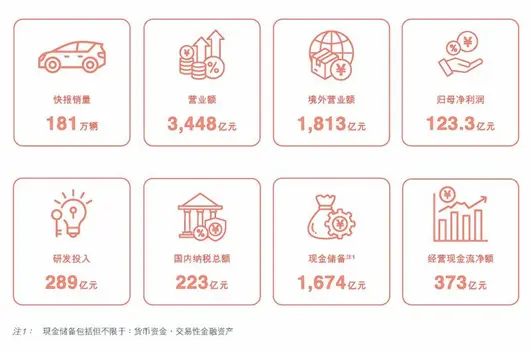
BYD's 2026 semi-annual report is out, revenue 344.8 billion, net profit 12.3 billion, taxes 22.3 billion, R&D investment 28.9 billion, does this count as losing money to invest in technology? Truly the "King of R&D"!
In my opinion, this actually highlights a solid foundation for sustained development! Although there is 167.4 billion cash on hand, dare to invest so much in R&D, where does the confidence come from? Overseas sales reached 790,000 units, up 68%, UK, Brazil, and Thailand all took the new energy sales champion. The three major high-end brands sold 228,000 units combined, up 61%. Both the high-end and overseas expansion paths are very smooth.
In short, it's about trading full-stack in-house R&D for initiative. BYD has cumulatively invested over 270 billion in R&D, what has it gained? 2nd Gen Blade Battery + Flash Charging tech, the fastest mass production charging speed globally; 10,000 Flash Charging stations already cover 332 cities, overseas also to build 6,000 stations; China's first self-developed 4nm intelligent driving chip Xuanji A3...... All these were forged with real money, not just PPT promises.
When the entire industry is shouting "We can't compete anymore", BYD uses densely deployed technical achievements to prove one thing: The true moat is never built through price wars.

喺馬來西亞嘅 SUV 市場,好多買家喺揀車嘅時候都會拿本田 HR-V 同馬自達 CX-3 嚟做比較。呢兩款車喺價位同定位上都幾接近,今日我哋就從多個方面做一個詳細嘅對比,幫你慳返做功課嘅時間。
本田 HR-V 喺馬來西亞嘅 OTR 售價係 RM 115,900 - 143,900,合共 4 個版本,包括 2026 e:HEV 1.5L RS(RM 143,900)、2026 1.5T V(RM 137,900)、2026 1.5T E(RM 130,900) 等。
馬自達 CX-3 喺馬來西亞嘅 OTR 售價係 RM 126,159 - 139,159,合共 2 個版本,包括 2023 2.0L High(RM 139,159)、2023 2.0L Plus(RM 126,159) 等。
從價錢睇,本田 HR-V 嘅起步價確實比馬自達 CX-3 平咗 RM 10,259。如果你預算有限,本田嘅入門版已經可以滿足日常需求。但都要留意,便宜嘅那幾千塊,可能在配備上會有取捨,具體要看你嘅需求。
本田 HR-V 搭載 1.5L Turbo,馬力 140 hp。官方油耗 7.0 L/100km。
馬自達 CX-3 搭載 1.5L Turbo,馬力 140 hp。官方油耗 7.0 L/100km。
兩款車用咗同一套動力系統,日常開起嚟嘅感覺基本上冇咩差別。油耗方面都差不多,唔使太糾結這一點。
本田 HR-V 嘅安全評級係 5★ (東盟 NCAP),主動安全系統包括本田 SENSING (ACC, CMBS, LKAS, RDM)。
馬自達 CX-3 嘅安全評級係 5★ (東盟 NCAP),主動安全系統包括 i-Activsense。
兩款車嘅安全評級一樣,喺呢個級別入面安全配備都算給得好齊全。而家嘅新車安全性都唔差,唔使太擔心這一點。
本田 HR-V 保養保修 5 年/無限里程,保養間隔 每 10,000km 或 6 個月。
馬自達 CX-3 保養保修 5 年/150,000km,保養間隔 每 10,000km 或 6 個月。
總括嚟講,本田 HR-V 同馬自達 CX-3 都係馬來西亞市場幾唔錯嘅車款。揀邊一輛,關鍵仲係睇你嘅個人需求同預算。建議大家做好功課,多比較幾間車行嘅報價,再去試車做最終決定。買車係件大事,花點時間做功課絕對唔會錯。
© 2024 Bitauto.com. All Rights Reserved.
Bitauto (www.yiche.com and www.bitauto.com) is one of the most visited automotive websites in China. We provide detailed info on Chinese car brands available in your area. Please note that the information provided on this website is based on publicly available data and is for reference only. It may not be fully updated or accurate at all times.

Help us improve our website


