

HomeNissan X-Trail

Search History
Popular Searches
Dealer Login / Sign Up

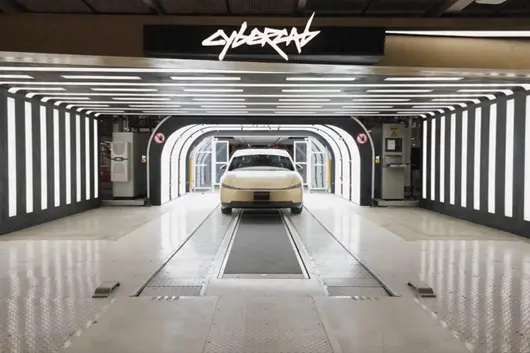
Tesla CEO Elon Musk posted on social media on the 9th local time, stating that redesigning the Cybercab production process achieved a production speed more than 5 times faster than traditional car manufacturing models. He explained that relying on the Unboxed (disassembly modular production) mode, various assembly modules are produced in parallel, and the entire vehicle is assembled at the final step; the production line footprint is halved, and output increases. The Cybercab, which started production at the Texas Gigafactory in February 2026, has become an industry focus again thanks to the astonishing production capacity achieved in just over half a year.

Of course, there are still unresolved issues. As of early September, only 45 Cybercabs are registered in Texas, accounting for 11% of the total 420 registered autonomous vehicles in Tesla's Texas. The effect of cost reduction remains to be verified by the actual utilization rate and final vehicle selling price. Drastic changes in production models are not exclusive to Tesla. Vehicle manufacturers like Ford and Hyundai Motor Group are reworking their assembly lines in their own ways. The century-old underlying logic of automobile manufacturing is wavering. This article reviews the technical routes of each company.

After Henry Ford, the iteration of production models
In 1913, Henry Ford introduced assembly line assembly at his Highland Park Plant in Michigan. The body moves along the conveyor belt, and workers at fixed stations repeatedly complete assigned tasks. The Model T went off the line in 90 minutes, and cars truly went to the masses. This model became the standard paradigm of the automotive industry for over a hundred years thereafter.
The electrification era is overturning this logic. Internal combustion engines and gearboxes are eliminated, and the number of parts is greatly reduced; simplified vehicle structures centered around batteries and motors have spawned new assembly processes. Starting with Tesla, Ford, Hyundai Motor Group, Toyota, Volkswagen, and BYD, each car manufacturer has offered different solutions. The focus of EV competition is shifting from batteries and software to the manufacturing process itself.

Tesla Abandoning Conveyor Belts
Tesla first unveiled the Unboxed modular production process on Investor Day in March 2023, redefining the concept of sequential assembly. Instead of completing the entire vehicle sequentially along a long assembly line, the 5 major modules—front cabin large die-cast parts, rear cabin large die-cast parts, structural battery pack, interior, and pre-painted exterior coverings—are manufactured synchronously on independent lines, and finally assembled into a complete vehicle at once in the final assembly area.

In traditional car manufacturing, painting is an independent process after the body is completed. The Unboxed mode directly colors the component panels in advance, eliminating the whole vehicle painting step. Tesla's goal is to reduce the Model Y production cost by nearly half and compress the single vehicle assembly time to 5-10 seconds. Referencing the 33-second production cycle of a single Model Y at Shanghai Gigafactory, the target speed is equivalent to more than 3 times the current level.
The United States Patent and Trademark Office granted Tesla the Unboxed process patent in September 2025. The first model to implement this process is the autonomous Robotaxi Cybercab, mass-produced at the Texas Gigafactory in February 2026. Existing mass-produced models such as Model 3, Model Y, and Cybertruck have not fully implemented this process yet. The planned budget-friendly new cars under $30,000 mass-produced in the middle of 2026 will also adopt this production method. However, there is also industry skepticism: Can this production line achieve multi-model co-line production? Referencing Tesla's past record of multiple production delays, whether this process can land stably on schedule remains to be seen.

Ford: Three-Path Split "Assembly Tree" Production Line
As the pioneer of assembly lines, Ford, after over a century, is personally deconstructing the production system it invented itself. Universal EV Production System (Universal EV Production System): Splits a single long production line into front, middle, and rear three branches, finally converging for final assembly, Ford calls this Assembly Tree (assembly tree). This architecture was made possible by eliminating internal combustion engine and gearbox assembly processes: The middle production line responsible for assembling batteries, seats, center consoles, and carpets serves as the main trunk, while front and rear cabin large aluminum die-cast parts are completed on independent lines and then merge into final assembly. Parts and tools are transported along the assembly tree to corresponding workstations, reducing workers' body twisting and large arm reaching actions.

This system was first implemented at Ford's Louisville Assembly Plant in Kentucky. Ford invested $2 billion to retrofit this plant and $3 billion in the Michigan battery plant, totaling an investment of $5 billion. The scrap metal from demolition reached 25,000 tons, and installing the new truss structure consumed a total weld length of 700 miles (about 1,126 km). The plant's first mass-produced model is the $30,000 level mid-size electric pickup Fathom. Ford stated that the assembly speed of this universal EV production system increased by 40% compared to traditional lines; the factory added dedicated workstations where software can be pre-flashed before module assembly; the plant's 5G network supports synchronized quality inspection during the assembly process. Parts mass production is scheduled for Q1 2027, and official mass production for consumers is expected in 2028.
Ford stopped electric pickup F-150 Lightning production in December 2025, with the official reason being the inability to find a viable profit path. This massive investment in the Louisville plant forms a sharp contrast with it, reflecting Ford's shift in electrification focus towards affordable high-volume models.

Hyundai Motor Group: Exploring Two Process Routes in Parallel
Hyundai Motor Group has not selected a single route but is synchronously advancing differentiated manufacturing innovation in Singapore, the US, and Ulsan.
The Hyundai Motor Group Global Innovation Center HMGICS located in Jurong, Singapore, directly abandons conveyor belts. The factory layout includes 27 oval independent work cells to achieve multi-model flexible mixed-line production. AGV unmanned transfer robots can carry up to 3 tons of car body, transporting between work cells, replacing conveyor belts. Boston Dynamics' quadruped robot Spot captures assembly points to complete quality inspection. The factory produces both IONIQ5 and autonomous Robotaxis simultaneously, with an annual capacity of over 30,000 units, leaning towards an experimental factory for small batches and multi-varieties.

The HMGMA (North American Gigafactory) in Ellaville, Georgia, US, scales the cell mode up to mass production scale. It adopts manufacturing platforms verified by HMGICS, with an annual capacity of 300,000 units; 161 Autonomous Mobile Robots (AMR) achieve logistics automation for interior assembly; the battery module factory is directly connected to the vehicle factory via a tunnel conveyor belt, improving logistics efficiency. The factory started producing the IONIQ5, added the Kia Sorento Hybrid model on June 2, 2026, and continues to expand co-line models.

The third route is in Ulsan, South Korea. Unlike 1996's Asan plant where Hyundai built a new vehicle plant, they chose to build a giant die-cast dedicated production line within the existing Ulsan factory. Using 6,000-ton or larger large-scale die-casting equipment to form car body parts in one piece, greatly reducing the number of parts and welding processes. Industry forecasts predict this process will be featured first on the 2026 large electric SUV Genesis GV90.

Hyundai Motor Group's route differs from Tesla and Ford, belonging to a dual-line parallel strategy: The Singapore factory focuses on the Cell cell mode for small batches and multi-varieties; the Georgia and Ulsan factories target large-scale mass production, developing large die-casting and automated logistics. Not pursuing a single standard answer, they implement multiple solutions in parallel based on production capacity scale and product goals.

Toyota, Volkswagen, BYD: Their Respective Routes?
Toyota still relies on the two pillars of the TPS Toyota Production System: Just-in-Time production and Jidoka (Autonomation), while conducting new trials. In June 2023, the Technical Workshop unveiled the self-driving assembly line: EVs rely on their own sensors to move autonomously through various processes, eliminating the need for conveyor belts. The goal is to reduce equipment investment and adapt to multi-variety, small-batch production. Meanwhile, next-generation EVs (prioritizing Lexus) will implement large die-casting processes starting from the 2026 model year, with the vehicle body split into three major parts (front, middle, rear) assembled integrally.

Volkswagen once launched the Trinity project benchmarking against Tesla, planning to build a new factory in Wolfsburg, compressing single-vehicle manufacturing time to 10 hours, only one-third of ID.3's current production duration. However, software R&D delays, management changes, and stagnant European EV demand led to repeated postponements. In 2026, Volkswagen is considering closing 4 factories in Germany and laying off up to 100,000 people. This case fully illustrates that even grand manufacturing innovation concepts are easily shelved in the face of financial crises.
Chinese BYD does not fuss over production line forms, focusing instead on vertical supply chain integration. 70-80% of core parts such as batteries, power semiconductors, motors, and electronic controls are developed and produced in-house, building a system immune to external supply chain fluctuations. The Shenzhen headquarters final assembly line produces a complete vehicle every 51 seconds. R&D of parts allows battery technology iterations to be synchronized to vehicle design and manufacturing processes quickly, which is the core reason behind its high cadence.

The Key in the End: Cost and Execution Capability
Each company's route is different, but the general direction is converging: Relying on large die-casting to reduce parts; abandoning fixed conveyor belts, shifting to flexible logistics with robots and AGVs; completing software flashing in advance during the assembly stage. Every company is utilizing the simplified vehicle structure brought by electrification to forge their own path.

But the implementation progress differs significantly among companies: Hyundai Motor Group operates a small-scale Singapore test line while advancing Georgia and Ulsan mass production lines, and has even integrated hybrid models into production. Tesla and Ford have set commercialization timelines using Cybercab and Fathom as explicit new vehicle carriers, but it still takes time to reach stable mass production. In contrast, Volkswagen proves that manufacturing innovation is easily downgraded due to corporate financial conditions.
Now, the EV markets in various global regions are cooling and heating differently, and manufacturing innovation has become a cost-reduction measure that determines the life or death of car companies. It cannot be determined yet which process will become the industry new standard, but the conveyor belt assembly line that has lasted for a hundred years is no longer the only solution.

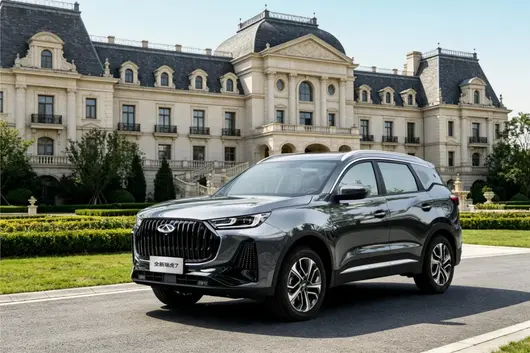
喺 7 萬至 12 萬元 A 級燃油 SUV 呢個最捲、亦最考驗「真功夫」嘅細分市場,用戶買車最怕兩件事:一係睇住配置表好滿,開兩年小毛病不斷;二係國內一個價、出海一個標準,所謂「全球車」只係宣傳詞。瑞虎 7 系列過去幾年嘅市場反饋,恰好在回應呢兩個痛點。自 2016 年上市以來,瑞虎 7 已進入全球 100 多個國家和地區,系列累計用戶突破百萬,近期官方傳播口徑進一步提到全球 193 萬用戶規模,並長期位居中國品牌 A 級 SUV 出口前列。更關鍵係,佢嘅口碑唔係靠單點爆款堆出嚟,而係國內通勤家庭、海外多氣候用戶共同「開」出嚟。

全球品質:唔係出口先做標準,而係按全球標準做家用
瑞虎 7 嘅「全球車」屬性,首先體現在標準而非口號。奇瑞公開資料稱,瑞虎 7 系列研發階段覆蓋中國、東盟、澳洲、歐洲等多區域法規與使用場景,並喺巴西複雜路況、印尼高溫高濕、中東高溫沙塵等環境下做針對性驗證;瑞虎 7 PLUS 相關傳播亦強調高強度車身、關鍵部位 6 塊本特勒熱成型鋼、環抱式 6 安全氣囊等被動安全配置。安全認證方面,系列傳播中多次提到中國、東盟、澳洲、歐洲等多項五星安全評價,其中瑞虎 7 PLUS 官網及早期全球車資料均涉及澳大利亞 A-NCAP 五星等國際背書;設計端則拿過德國紅點獎,避免「平靚正」嘅固有印象。

第三方可靠性數據俾佢加咗第二層信用。J.D. Power《2026 中國車輛可靠性研究(VDS)》中,瑞虎 7/瑞虎 7 PLUS 進入中型經濟型 SUV 細分市場第一;該研究基於購車 13 至 48 個月真實車主反饋,看嘅係長期使用而唔係試駕第一日。對編輯成稿來說,句話比「終身質保」更硬:終身質保係廠方敢承諾,VDS 係車主肯打分。

用戶口碑:19 萬公里同一年 2.5 萬公里,都在講「省心」
國內一位瑞虎 7 車主晒出 19 萬公里里程,總結就一句「唔出錯」,用於通勤、長途、坐滿家庭出行;陝西、甘肅等地經銷商收集嘅車主反饋入面,1.5T 版本常被提到「市區輕快、接送細路夠用、錶顯 7 個多油」,全家五口後排唔擠,嬰兒車、露營裝備、超市採購一車裝落。有首購用戶提 1.5T 暢享類版本,落地上八萬多,強調「唔加裝修、保險上牌透明」,呢類評價對 7 萬至 9 萬級用戶最有代入感。

海外口碑更直白。南美一位車主開瑞虎 7 Sport 九個月留言「只有快樂」;另一位海外用戶一年跑 2.5 萬公里,評價「保養唔肉痛、保險平、一定滿分」;巴西有 50 年駕齡老司機試完後用「舒適、動力強、性價比遠超預期」形容;歐洲車主則更關注整車質保政策,認為廠方敢給長期兜底,先敢買中國品牌燃油 SUV。從國內 19 萬公里到海外一年幾萬公里,跨市場樣本拼埋嚟嘅關鍵詞高度一致:可靠、養得平、空間大。


A 級本體:2670 軸距、475—1500 公升、7 萬級自動波
回到產品本身,瑞虎 7 把「A 級價值」做得好實。以現售全新瑞虎 7 及瑞虎 7 PLUS 為基準:車身約 4530×1862×1695mm,軸距 2670mm,定位緊湊型/A 級;後排腿部對 175cm 試坐人士約兩拳,地台接近全平,五口之家長途唔撞膝;車廂常規 475L,摺埋擴展至 1500L,嬰兒車、摺疊自行車、露營箱都能塞,PLUS 高階版還提供 24.6 吋曲面環繞屏、Lion 車聯網、8155 芯片、CarPlay/HiCar、360°或 540°影像。

全新瑞虎 7 嘅低配唔係「夠用就得」,而係以紮實硬件訂定入門舒適新標準——多連桿底盤、零重力座椅、遠程控溫、全平後排四大支柱,俾 8 萬元左右預算都能享受越級乘駕質感。若你重視日常通勤同家庭出行嘅體感舒適,佢確實做到咗「低配唔嬲」。

動力與用車成本:1.5T 通勤、1.6T 顧長途
瑞虎 7 動力按場景分兩條線。全家滿員出發時,1.5T 高效渦輪增壓引擎同 9 速 CVT 波箱嘅黃金組合足夠好用,最大功率 115kW、最大扭矩 230N·m,起步輕快、高速巡航穩陣,換檔順暢無頓挫。同時,全球五星安全標準打造嘅磐石車身守護家人安全。

而為咗讓用戶徹底消除後顧之憂,瑞虎 7 推出首任非營運車主即可享受整車終身質保。這意味著,相比市面上普遍嘅 3 年或 10 萬公里質保,瑞虎 7 將呢份保障延伸到車輛嘅整個使用週期。購車時嘅優惠係看得見嘅實惠,而終身質保則是未來十年甚至更久用車生活中省落嘅真金白銀。

點解佢配叫 A 級價值標杆
A 級 SUV 嘅標杆唔在於堆幾多螢幕,而係喺「價格、空間、可靠、安全、保有量」五件事同時唔使偏科。瑞虎 7 通過「低價高配」策略同全球化技術背書,精準滿足家庭用戶對舒適、安全、智能嘅需求。其連續三年蟬聯中國品牌 A 級 SUV 出口冠軍嘅銷量成績,進一步印證咗佢作為「價值標杆」嘅市場認可,佢唔一定喺每一個單項都最激進,但把家用 SUV 最在意嘅「唔壞、唔貴、唔擠、唔減配」全做咗。

對年輕家庭而言,第一部車往往決定未來十年對品牌嘅信任。A 級價值標杆唔該由合資品牌定義,亦唔該由單項參數定義,而該由長期真實用車口碑定義。

結語
A 級家用 SUV 用戶要嘅從來唔係最型,而係最穩;全球品質加上本地口碑,先係呢個價位真正難以取代嘅標杆。一句說話定性:瑞虎 7 嘅口碑唔係某一項參數爆表,而係把「配置越級 + 全球驗證 + 終身質保」做成家庭用車嘅長遠帳。

Dalam pasaran SUV di Malaysia, banyak pembeli yang membandingkan Honda CR-V dan Hyundai Tucson apabila memilih kereta. Kedua-dua kereta ini hampir sama dari segi harga dan penjenamaan. Hari ini, kita akan buat perbandingan terperinci dari pelbagai aspek untuk membantu anda menjimatkan masa penyelidikan.
Harga OTR Honda CR-V di Malaysia adalah RM 178,200 - 195,900, terdapat 4 varian, termasuk 2026 e:HEV 2.0L 2WD RS (RM 195,900), 2026 1.5T 4WD V (RM 181,900), 2026 e:HEV 2.0L 2WD E (RM 178,200) dan lain-lain.
Harga OTR Hyundai Tucson di Malaysia adalah RM 143,888 - 197,888, terdapat 5 varian, termasuk 2025 HEV 1.6T AT 2WD Prestige (RM 197,888), 2025 1.6T DCT 4WD Prestige (RM 186,888), 2025 1.6T DCT 2WD Prime (RM 164,888) dan lain-lain.
Dari segi harga, harga permulaan Hyundai Tucson adalah RM 34,312 lebih murah berbanding Honda CR-V. Jujur berkata, pada julat harga ini, jurang beberapa ribu ringgit sebenarnya tidak terlalu besar, yang penting adalah melihat nilai keseluruhan dan kos penggunaan jangka panjang.

Panjang badan Honda CR-V 4500 mm, ruang bagasi 450 L.
Panjang badan Hyundai Tucson 4400 mm, ruang bagasi 400 L.
Dari segi ruang, badan Honda CR-V adalah 100 mm lebih panjang berbanding Hyundai Tucson, ruang duduk dalam kenderaan akan sedikit lebih lapang, terutamanya ruang kaki di kerusi belakang. Jika anda sering membawa keluarga atau perlu meletakkan kereta bayi, badan kereta yang lebih besar memang lebih praktis.

Honda CR-V menggunakan gaya pemanduan FWD.
Hyundai Tucson menggunakan gaya pemanduan FWD.
Gaya pemanduan kedua-dua kereta adalah sama, iaitu FWD, pengalaman memandu harian tidak akan ada perbezaan besar.

Honda CR-V dan Hyundai Tucson kedua-duanya merupakan pilihan utama pasaran Malaysia, sesuai untuk kegunaan keluarga dan perjalanan harian. Jika anda lebih mengutamakan nama baik jenama dan harga kedua, bolehlah mempertimbangkan yang mempunyai nama lebih baik; jika anda lebih menekankan nilai harga dan kelengkapan, pilih yang memiliki kelengkapan lebih banyak. Akhir sekali, disarankan untuk memandu kedua-dua model untuk uji jalan, pengalaman peribadi adalah yang paling penting.

Kesimpulannya, Honda CR-V dan Hyundai Tucson kedua-duanya adalah model kereta yang sangat baik di pasaran Malaysia. Memilih yang mana satu, yang penting adalah melihat keperluan dan bajet peribadi anda. Disarankan untuk membuat penyelidikan yang teliti, membandingkan beberapa tawaran dari banyak dealer kereta, kemudian memandu uji untuk membuat keputusan akhir. Membeli kereta adalah perkara besar, meluangkan masa untuk penyelidikan pasti tidak akan salah.


Di pasaran SUV Malaysia, ramai pembeli membandingkan Honda CR-V dan Mitsubishi Xforce apabila memilih kereta.
Harga OTR Honda CR-V di Malaysia ialah RM 178,200 - 195,900, terdapat 4 varian, termasuk 2026 e:HEV 2.0L 2WD RS (RM 195,900), 2026 1.5T 4WD V (RM 181,900), 2026 e:HEV 2.0L 2WD E (RM 178,200) dan lain-lain.
Harga OTR Mitsubishi Xforce di Malaysia ialah RM 109,930 - 119,930, terdapat 2 varian, termasuk 2026 1.5L Ultimate (RM 119,930), 2026 1.5L Urban (RM 109,930) dan lain-lain.
Dilihat dari harga, harga permulaan Mitsubishi Xforce lebih murah RM 68,270 berbanding Honda CR-V. Jujur berkata, dalam segmen harga ini, perbezaan beberapa ribu tidak besar, yang penting adalah nilai keseluruhan dan kos penggunaan jangka panjang.
Honda CR-V dilengkapi enjin 2.0L 4-silinder, kuasa 170 hp. Konsumsi bahan api rasmi 8.0 L/100km.
Mitsubishi Xforce dilengkapi enjin 1.5L Turbo, kuasa 140 hp. Konsumsi bahan api rasmi 7.0 L/100km.
Dari segi kuasa, 2.0L 4-silinder Honda CR-V mempunyai 30 hp lebih berbanding 1.5L Turbo Mitsubishi Xforce, memberikan keyakinan lebih baik pada pecutan tengah, terutamanya semasa memotong di lebuh raya. Namun, konsumsi bahan api Mitsubishi Xforce mungkin lebih jimat, perbezaan untuk pengangkutan bandar harian tidak terlalu besar.
Panjang badan Honda CR-V 4500 mm, ruang muatan 450 L.
Panjang badan Mitsubishi Xforce 4400 mm, ruang muatan 400 L.
Dari segi ruang, badan Honda CR-V 100 mm lebih panjang daripada Mitsubishi Xforce, ruang penumpang dalam kereta akan sedikit lebih luas, terutamanya ruang kaki di kerusi belakang. Jika anda sering membawa keluarga atau perlu memuatkan kereta bayi, badan kereta yang lebih besar memang lebih praktikal.
Honda CR-V menggunakan sistem penggawaian FWD.
Mitsubishi Xforce menggunakan sistem penggawaian FWD.
Kedua-dua kereta menggunakan sistem penggawaian yang sama, iaitu FWD, pengalaman memandu harian tidak akan berbeza banyak.

Secara keseluruhan, Honda CR-V dan Mitsubishi Xforce adalah model kereta yang sangat baik di pasaran Malaysia. Memilih yang mana, yang penting adalah keperluan dan bajet peribadi anda. Kami mengesyorkan anda membuat kajian, membandingkan banyak tawaran dari beberapa premis jualan kereta, kemudian melakukan uji untuk membuat keputusan akhir. Membeli kereta adalah perkara besar, meluangkan masa untuk kajian pasti tidak salah.

喺馬來西亞嘅 SUV 市場,好多買家喺揀車嘅時候都會拿 Honda CR-V 同 Hyundai Santa Fe 黎做比較。這兩款車喺價位同埋定位上都好接近,今日我哋就從多個方面做一個詳細嘅比較,幫你省下做功課嘅時間。
Honda CR-V 喺馬來西亞嘅 OTR 售價係 RM 178,200 - 195,900,一共有 4 個版本,包括 2026 e:HEV 2.0L 2WD RS(RM 195,900)、2026 1.5T 4WD V(RM 181,900)、2026 e:HEV 2.0L 2WD E(RM 178,200) 等。
Hyundai Santa Fe 喺馬來西亞嘅 OTR 售價係 RM 225,000 - 270,000,一共有 3 個版本,包括 2025 2.5T DCT 4WD Calligraphy 6 Seats(RM 270,000)、2025 HEV 1.6T AT 2WD Prestige 7 Seats(RM 245,000)、2025 HEV 1.6T AT 2WD Prime 7 Seats(RM 225,000) 等。
從價錢來看,Honda CR-V 嘅起步價確實係比 Hyundai Santa Fe 便宜咗 RM 46,800。如果你預算有限,Honda 嘅入門版已經可以滿足日常需求。但也要注意,便宜嗰幾千塊,可能喺配備上會有取捨,具體要看你嘅需求。
Honda CR-V 採用 FWD 驅動方式。
Hyundai Santa Fe 採用 FWD 驅動方式。
兩款車嘅驅動方式一樣,都係 FWD,日常駕駛感受唔會有太大區別。
Honda CR-V 保修 5 年/無限制里程,保養間隔 每 10,000km 或 6 個月。
Hyundai Santa Fe 保修 5 年/300,000km,保養間隔 每 10,000km 或 6 個月。
Honda CR-V 同 Hyundai Santa Fe 都係馬來西亞市場嘅主流選擇,適合家庭使用、日常通勤。如果你更看重品牌口碑同二手價,可以優先考慮口碑更好嗰款;如果你更在意性價比同配備,那就揀配置更豐富嗰款。最終都建議兩款都去試駕,親身體驗先係最重要嘅。

總體嚟講,Honda CR-V 同 Hyundai Santa Fe 都係馬來西亞市場好唔錯嘅車型。揀邊架車,關鍵仲係要看你嘅個人需求同埋預算。建議大家做好功課,多比較幾間車行嘅報價,再去試駕做最終決定。買車係件大事,花少少時間做功課絕對唔會錯。

喺馬來西亞嘅 SUV 市場,好多買家喺揀車嗰陣,都會拿 Honda CR-V 同 MG MG HS 嚟做比較。呢兩款車喺價位同定位上都好接近,今日我哋就由多個方面做一个詳細嘅比較,幫你省咗做功課嘅時間。
Honda CR-V 喺馬來西亞嘅 OTR 售價係 RM 178,200 - 195,900,一共有 4 個版本,包括 2026 e:HEV 2.0L 2WD RS(RM 195,900)、2026 1.5T 4WD V(RM 181,900)、2026 e:HEV 2.0L 2WD E(RM 178,200) 等。
MG MG HS 喺馬來西亞嘅 OTR 售價係 RM 130,450 - 146,450,一共有 2 個版本,包括 1.5L Standard(RM 105,000)、1.5L Executive(RM 115,000) 等。
從價錢睇,MG MG HS 嘅起價比 Honda CR-V 平咗 RM 47,750。老實講,喺呢個價位段,幾千蚊嘅差額其實唔算大,關鍵仲睇整體嘅性價比同長期使用成本。
Honda CR-V 配備 2.0L 4-cyl,馬力 170 hp。官方油耗 8.0 L/100km。
MG MG HS 配備 1.5L Turbo,馬力 140 hp。官方油耗 7.0 L/100km。
動力方面,Honda CR-V 嘅 2.0L 4-cyl 比 MG MG HS 嘅 1.5L Turbo 多咗 30 匹馬力,中段加速更有信心,尤其係行高速超車嗰陣。不過 MG MG HS 嘅油耗可能更抵用,日常市區通勤差別唔會太大。
Honda CR-V 車身長 4500 mm,行李箱 450 L。
MG MG HS 車身長 4400 mm,行李箱 400 L。
空間方面,Honda CR-V 嘅車身比 MG MG HS 長咗 100 mm,車內坐位空間會稍微闊少少,尤其係後座腳位空間。如果你經常載家人或者需要放嬰兒車,車身大少少確實更實用。
Honda CR-V 採用 FWD 驅動方式。
MG MG HS 採用 FWD 驅動方式。
兩款車嘅驅動方式一樣,都係 FWD,日常駕駛感受唔會有太大分別。
Honda CR-V 同 MG MG HS 都係馬來西亞市場嘅主流選擇,適合家庭使用、日常通勤。如果你更看重品牌口碑同二手價,可以優先考慮口碑更好嗰一款;如果你更在意性價比同配備,那就揀配備更豐富嗰款。最後都建議兩款都去試車,親身體驗先係最緊要。
總括嚟講,Honda CR-V 同 MG MG HS 都係馬來西亞市場幾唔錯嘅車型。揀邊一輛,關鍵都係睇你嘅個人需求同預算。建議大家做好功課,多比較間間車行嘅報價,再去試車做最終決定。買車係件大事,花少少時間做功課絕對唔會錯。

In the Malaysian SUV market, many buyers compare Honda CR-V and Chery Tiggo 8 PHEV when choosing a car. These two models are quite close in price and positioning. Today, we will make a detailed comparison from multiple aspects to help you save time doing research.
The OTR selling price of Honda CR-V in Malaysia is RM 178,200 - 195,900, with a total of 4 versions, including 2026 e:HEV 2.0L 2WD RS (RM 195,900), 2026 1.5T 4WD V (RM 181,900), 2026 e:HEV 2.0L 2WD E (RM 178,200), etc.
The OTR selling price of Chery Tiggo 8 PHEV in Malaysia is RM 159,750 - 159,750, with a total of 2 versions, including 1.6L Turbo Standard (RM 130,000), 1.6L Turbo Premium (RM 145,000), etc.
In terms of price, the starting price of Chery Tiggo 8 PHEV is RM 18,450 cheaper than Honda CR-V. Honestly, in this price range, a difference of a few thousand is not really that big; the key is to look at the overall cost-effectiveness and long-term usage cost.
Honda CR-V is equipped with 2.0L 4-cyl, 170 hp. Official fuel consumption 8.0 L/100km.
Chery Tiggo 8 PHEV is equipped with Hybrid, 170 hp. Official fuel consumption 4.5 L/100km.
In terms of power, the Hybrid in Chery Tiggo 8 PHEV has 0 more horsepower than the 2.0L 4-cyl in Honda CR-V. However, for daily driving in the city, the power of both cars is sufficient, and you won't feel it lacks power.
The safety rating of Honda CR-V is 5★ (ASEAN NCAP). Active safety systems include Honda SENSING (ACC, CMBS, LKAS, RDM).
The safety rating of Chery Tiggo 8 PHEV is TBD. Active safety systems include Basic.
Regarding safety features, both cars have received decent ratings. However, there are some differences in functionality between Honda CR-V's Honda SENSING (ACC, CMBS, LKAS, RDM) and Chery Tiggo 8 PHEV's Basic. If you value active safety, you can compare the feature lists of both in detail.
Honda CR-V warranty 5 years/unlimited mileage, service interval every 10,000km or 6 months.
Chery Tiggo 8 PHEV warranty 3 years/100,000km, service interval every 10,000km or 6 months.
Honda CR-V and Chery Tiggo 8 PHEV are both mainstream choices in the Malaysian market, suitable for family use and daily commuting. If you value brand reputation and resale value more, consider the one with the better reputation first; if you care more about cost-effectiveness and features, choose the one with richer specifications. Ultimately, we recommend test driving both; experiencing it firsthand is the most important.
Overall, Honda CR-V and Chery Tiggo 8 PHEV are both very good models in the Malaysian market. Which one to choose depends mainly on your personal needs and budget. We recommend doing your research, comparing quotes from several dealerships, and then test driving to make the final decision. Buying a car is a big matter; spending some time doing research will definitely not go wrong.

In the Malaysian SUV market, many buyers compare the Honda CR-V and the Chery Tiggo 8 Pro when choosing a car. Both cars are quite close in price and positioning, so today we will do a detailed comparison from multiple aspects to help you save time on research.
The Honda CR-V's OTR price in Malaysia is RM 178,200 - 195,900, with a total of 4 versions, including 2026 e:HEV 2.0L 2WD RS (RM 195,900), 2026 1.5T 4WD V (RM 181,900), 2026 e:HEV 2.0L 2WD E (RM 178,200), etc.
The OTR price of the Chery Tiggo 8 Pro in Malaysia is RM 159,750 - 159,750, with a total of 2 versions, including 1.6L Turbo Standard (RM 130,000), 1.6L Turbo Premium (RM 145,000), etc.
From a price perspective, the starting price of the Chery Tiggo 8 Pro is RM 18,450 cheaper than the Honda CR-V. Honestly, in this price range, a difference of a few thousand is not that big. The key lies in overall cost-effectiveness and long-term usage costs.
The Honda CR-V is equipped with a 2.0L 4-cyl, 170 hp. Official fuel consumption 8.0 L/100km.
The Chery Tiggo 8 Pro is equipped with a 2.0L 4-cyl, 170 hp. Official fuel consumption 8.0 L/100km.
Both cars use the same powertrain, so the driving feel is basically the same. Fuel consumption is also similar, so there is no need to worry too much about this.
The Honda CR-V body length is 4500 mm, trunk 450 L.
The Chery Tiggo 8 Pro body length is 4400 mm, trunk 400 L.
Regarding space, the Honda CR-V body is 100 mm longer than the Chery Tiggo 8 Pro, so the interior seating space is slightly more spacious, especially the rear legroom. If you often carry family or need to put in a stroller, a larger body is indeed more practical.
The Honda CR-V uses FWD drive system.
The Chery Tiggo 8 Pro uses FWD drive system.
Both cars have the same drive system, both are FWD, so there will not be too much difference in daily driving feel.
Honda CR-V warranty 5 years/unlimited mileage, maintenance interval every 10,000km or 6 months.
Chery Tiggo 8 Pro warranty 3 years/100,000km, maintenance interval every 10,000km or 6 months.
Overall, both the Honda CR-V and the Chery Tiggo 8 Pro are quite good models in the Malaysian market. Which one to choose depends on your personal needs and budget. We recommend doing your research well, comparing quotes from several dealerships, and going for a test drive for the final decision. Buying a car is a big matter, spending some time doing research will definitely not be wrong.

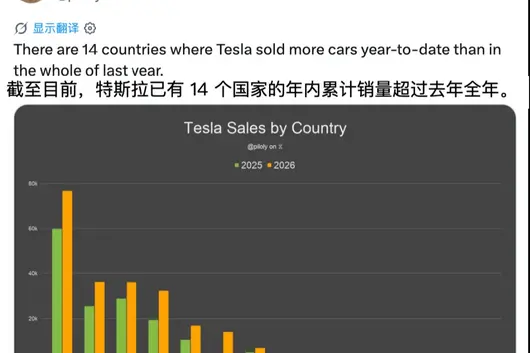
據海外博主@piloly 最新統計銷量數據顯示,截至2026 年 8 月,特斯拉今年在全球14 個國家的累計銷量均已超過2025 年全年。
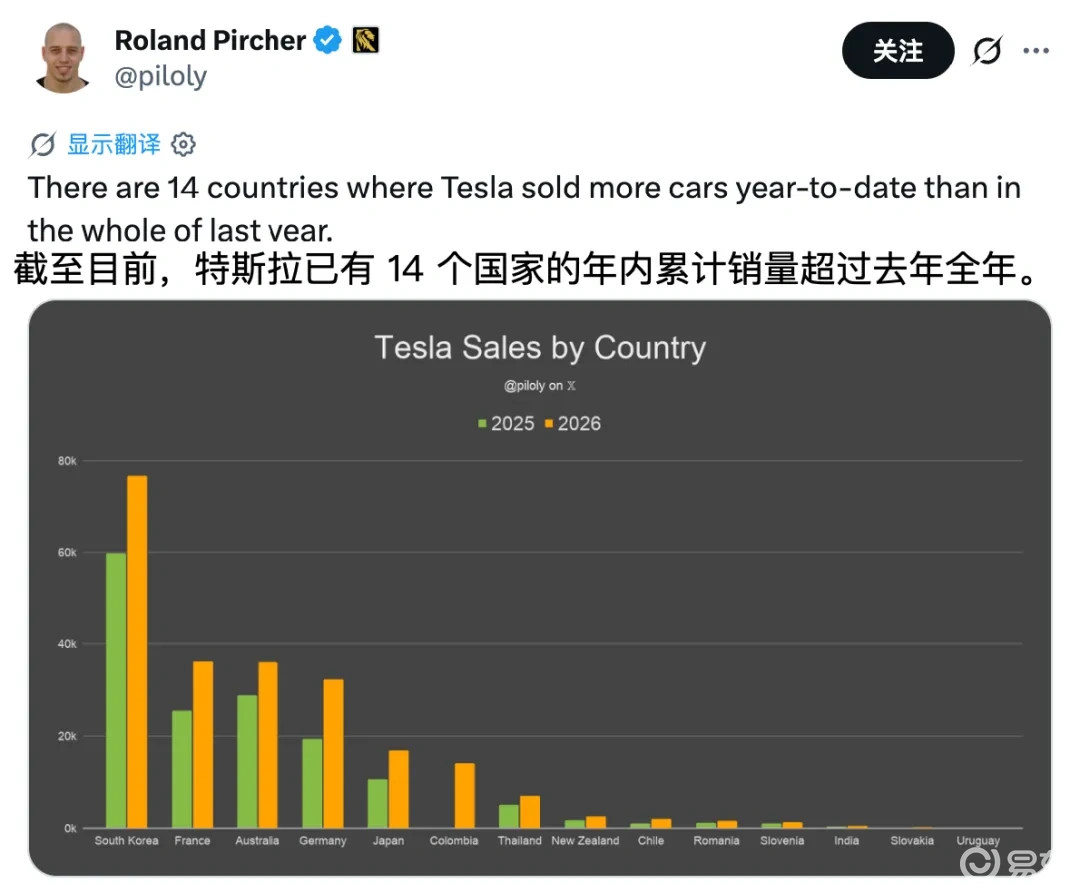
具體來看,這 14 個國家包括韓國、法國、澳洲、德國、日本、哥倫比亞、泰國、新西蘭等,涵蓋亞洲、歐洲、大洋洲及南美洲等多個區域。
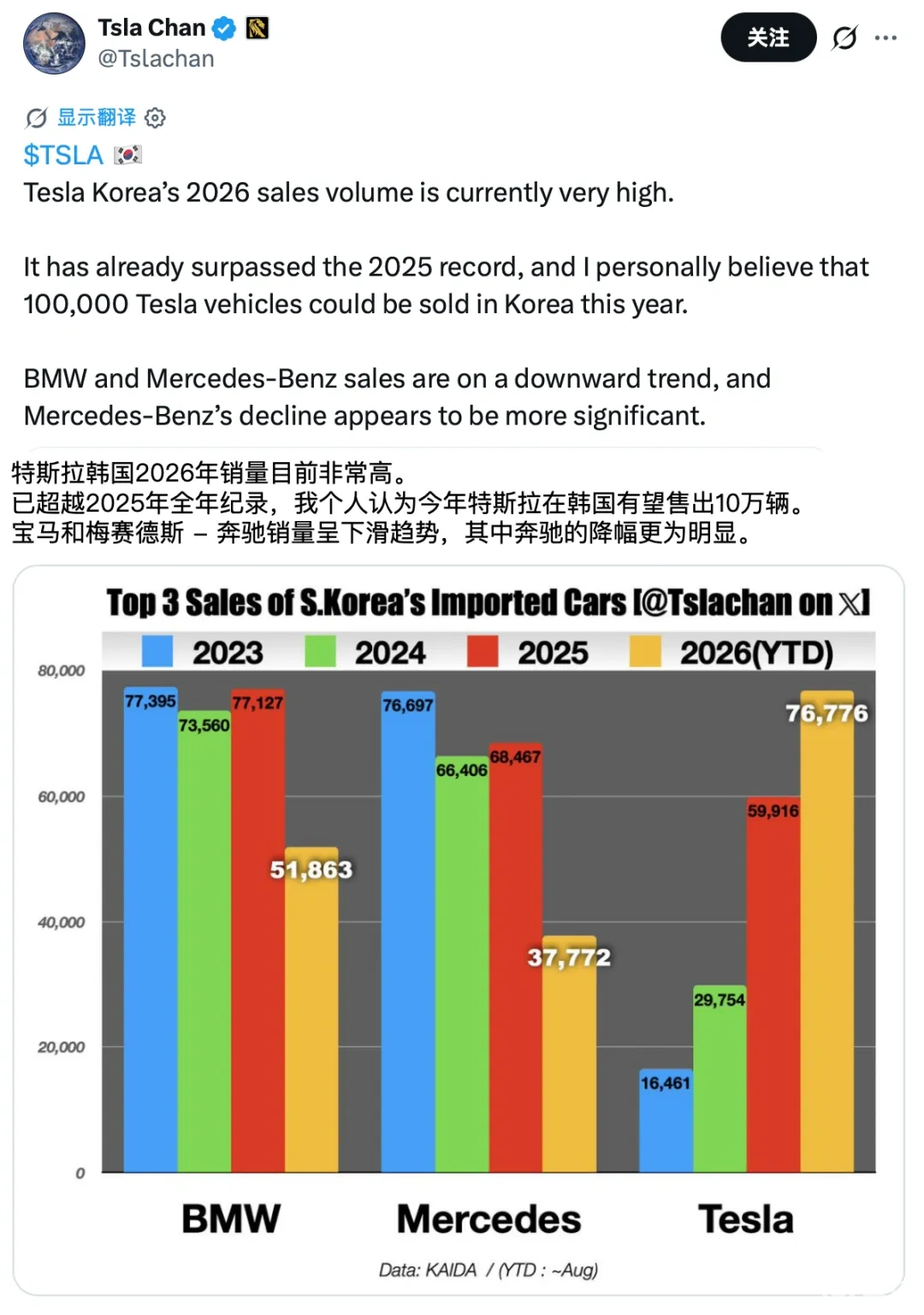
其中,截至今年 8 月,特斯拉在韓國市場累計銷量已突破 7.6 萬輛,單月銷量再度破萬,並自今年 2 月起連續7 個月穩居韓國進口車銷量榜首。8 月 Model Y 亦超越多款韓國本土熱門車型,成為當地最暢銷乘用車。
與韓國市場類似,法國市場此前長期由雷諾等法國本土品牌主導,特斯拉憑藉強大的產品實力迎來銷量快速增長。2026 年 1~8 月,特斯拉法國累計銷量達 3.6 萬輛,同比增長148%。Model Y 在今年 6 月、8 月,兩次成為法國全品類最暢銷車型。

在澳洲市場,特斯拉 8 月總交付量較去年同期增長 163%。今年 Model Y 在 5 月、6 月、8 月先後三次成為澳洲市場全品類最暢銷車型。

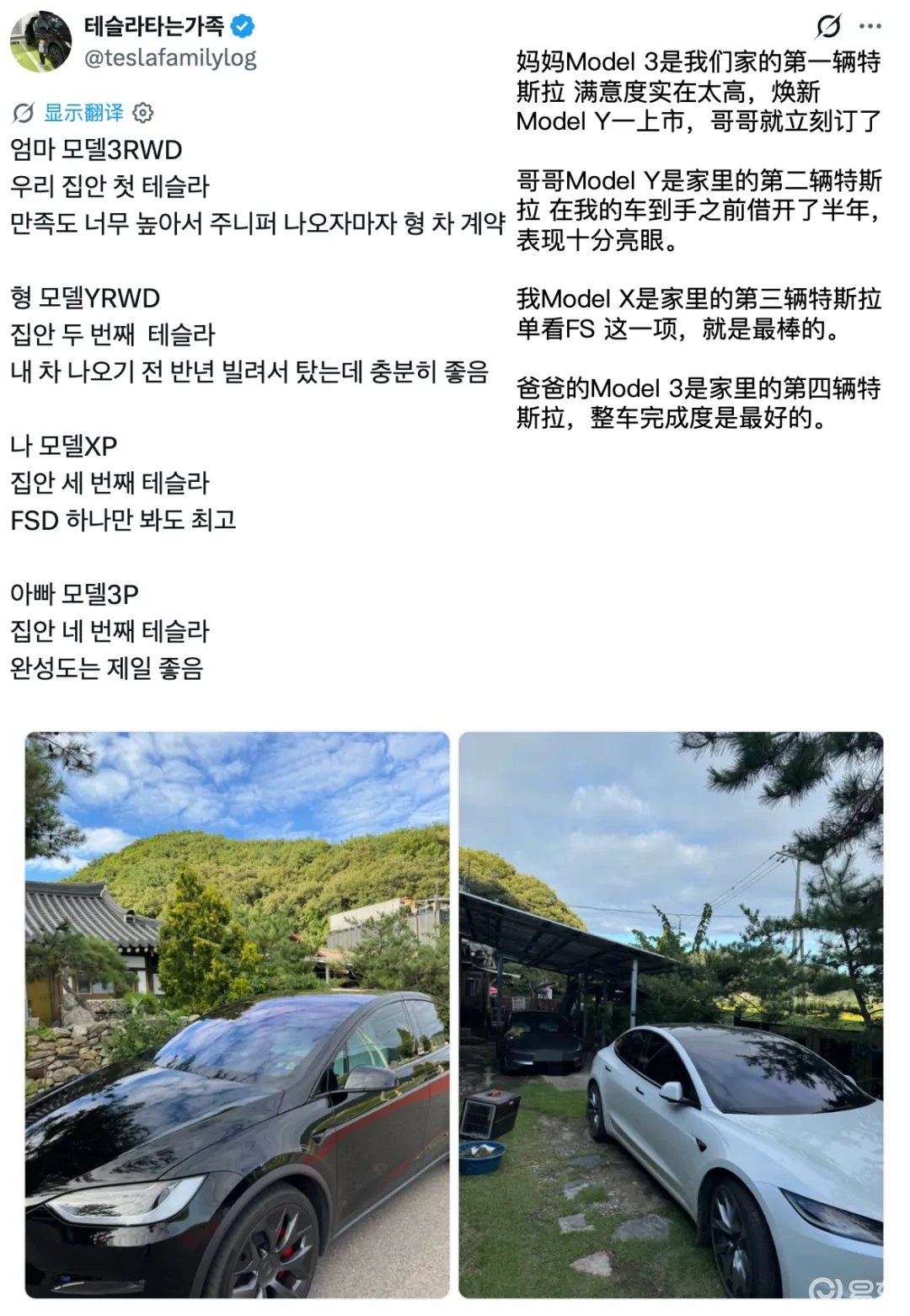
實打實的銷量數據之外,車主的真實選擇也持續印證著特斯拉的熱銷實力。車主@teslafamilylog 分享出自家嘅經歷:自從媽媽買下第一台 Model 3,全家人很快被特斯拉圈粉,佢同哥哥、爸爸又先後購入 3 台,四台車直接承包咗全家嘅出行。

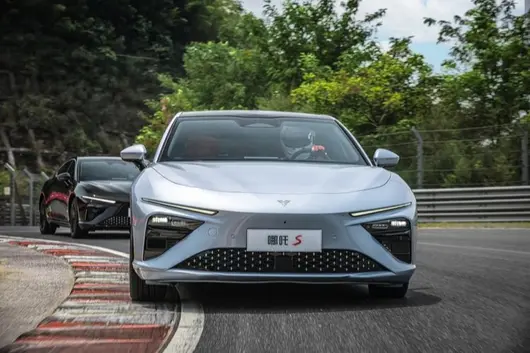
Adakah kereta Nezha akan dihidupkan semula? Bagi pemilik lama Nezha, ini mungkin berita baik.
11 September, mesyuarat keempat pemegang hak kredit kes penyusunan semula Hozon New Energy, ibu perusahaan Nezha, telah diadakan. "Rancangan Penyusunan Semula (Draf)" pertama kali mendedahkan pelabur penyusunan semula ialah Zhejiang Taiyi Shenglian, yang berhasrat melabur 3 bilion yuan untuk memperoleh sekitar 70.62% ekuiti.

3 bilion, adakah ia benar-benar mencukupi untuk sebuah syarikat kereta yang mempunyai liabiliti melebihi 26 bilion dan kerugian bersih 18.3 bilion? Mengapa Taiyi Shenglian perlu membelanjakan 3 bilion yuan untuk menyelamatkan sebuah syarikat kereta yang "sudah hampir pupus"? Sekalipun judi besar, apakah sebenarnya yang dipertaruhkan dengan 3 bilion ini?
Pertaruhan Pertama: Taruhan pada "Kelayakan Eksklusif"
Ibu perusahaan Nezha, Hozon New Energy, memegang kelayakan "Ganda" lengkap untuk kenderaan baharu sepenuhnya yang dikeluarkan oleh Biro Pembangunan dan Reformasi Negara dan Kementerian Perindustrian dan Teknologi Maklumat. Selepas tahun 2023, kelulusan untuk kenderaan baharu menjadi lebih ketat, dan setelah kuarans terakhir untuk kenderaan penumpang elektrik baharu dikeluarkan oleh Biro Pembangunan dan Reformasi Negara, pintu itu hampir ditutup. Pemain baharu yang ingin memasuki pasaran, hampir tiada jalan. Li Auto ketika itu membelanjakan 650 juta yuan untuk mengakuisisi Lifan, perkara yang dipandang adalah "Lisensi" ini.
Kelayakan itu sendiri adalah aset yang jarang, dan Nezha memegang kelayakan "Ganda" yang sedia ada, lengkap, dan telah menjalani proses pengeluaran. Walau bagaimanapun, mengikut peraturan semasa, Nezha perlu menghasilkan sekurang-kurangnya 2,000 kenderaan pada tahun 2026 untuk memegang lisensi ini. Oleh itu, jika tidak bertindak lagi, tiada peluang lagi.
Pertaruhan Kedua: Taruhan pada Kapasiti Sedia Ada dan Laluan Keluar Laut
Nezha mempunyai tiga tapak di Tongxiang, Zhejiang; Yichun, Jiangxi; dan Nanning, Guangxi yang dibina mengikut piawaian barisan pengeluaran pintar, dengan kapasiti pengeluaran tahunan keseluruhan kira-kira 300,000 kenderaan, dan mempunyai kilang luar negara di Thailand dan Indonesia. Walaupun barisan pengeluaran terhenti, asas masih ada. Menghidupkan semula barisan pengeluaran sedia ada, jauh lebih murah dan lebih cepat daripada membina kilang dari sifar.
Lebih penting adalah laluan luar negara. Pada tahun 2023, Nezha menghantar 127,500 kenderaan sepanjang tahun, di mana penjualan luar negara hampir 20,000 kenderaan, meningkat 567% dari tahun ke tahun, menduduki kejuaraan penjualan keluar negara pemain baharu. Kilang Thailand mempunyai kapasiti pengeluaran tahunan 30,000 kenderaan, merupakan pemain baharu pertama yang menubuhkan kilang di tiga negara Thailand, Indonesia, dan Malaysia. Nezha X pernah menerima lebih 7,000 pesanan di 7 negara luar negara.
Oleh itu, fasa pertama pelan penyusunan semula ialah menghidupkan semula pengeluaran Nezha X, menumpukan pada pasaran luar negara, dengan sasaran penjualan tahunan 10,000 unit, kerana pasaran kereta dalam negara sekarang sangat kompetitif, manakala pasaran luar negara masih mempunyai potensi besar.
Pertaruhan Ketiga: Ingin Memasuki Industri Kereta dengan Kos Rendah
Di sebalik pemodal, Taiyi Shenglian, ialah Presiden Shanzi High-Tech, Ye Ji, tetapi pelaburan kali ini menggunakan platform di luar syarikat awam, mengelakkan proses kelulusan pelaburan 3 bilion yuan yang rumit bagi syarikat awam, dan mengasingkan risiko hutang bilion yuan Nezha di luar sistem syarikat awam.
Shanzi High-Tech sentiasa bereksperimen di tepi pembuatan kereta, sendiri sedang mengatur布局 perniagaan kereta penuh. Pada tahun 2023, mengakuisisi Hebei Hongxing Auto untuk mendapatkan kelayakan kenderaan penumpang, bekerjasama dengan Geely menghidupkan semula kilang Hafei Auto asal untuk menghasilkan model yang disediakan khusus untuk pasaran Rusia, syarikat berkaitan juga menubuhkan Qianhe Auto di Tongxiang, dengan bekas eksekutif Tesla Zhu Renjie sebagai CEO.
Penilaian Ye Ji mengenai perniagaan kereta penuh adalah jelas: elakkan persaingan langsung di pasaran tenaga baharu dalam negara, tumpukan pada pasaran luar negara seperti Asia Tengah, Timur Tengah, Afrika, dll. Nezha tepat mempunyai kilang di Asia Tenggara, laluan luar negara dan asas eksport sedia ada. Shanzi High-Tech mempunyai bekalan rangkaian dan layout pembuatan kereta penuh, Nezha mempunyai kelayakan, kapasiti dan laluan keluar laut, sumber kedua-dua pihak memang boleh digabungkan. Walaupun 3 bilion kelihatan banyak, berbanding masuk ke industri kereta dari sifar, risikonya jauh lebih sedikit. Tanpa 20 bilion, cuba mencipta pemain baharu pembuatan kereta dari sifar, jangan fikir langsung.
Walaupun begitu, prospek judi besar ini masih tidak jelas. 3 bilion adalah dalam keadaan disubskripsi, rancangan penyusunan semula juga memerlukan undian pemegang hutang dan keputusan mahkamah. Hutang biasa Nezha pada masa ini adalah kira-kira 11.7 bilion yuan, sama ada pengeluaran sebenar dapat diteruskan bergantung pada dana yang diperbelanjakan dan integrasi kapasiti. Pasaran luar negara juga menghadapi pelbagai halangan seperti undang-undang tempatan, laluan, pesaing, dll. Penyatuan semula bekalan dan penghidupan semula kilang memerlukan masa.
3 bilion tidak membeli masa hadapan Nezha, tetapi gabungan aset yang tidak dapat dibeli di tempat lain di tangan Nezha. Satu kelayakan pembuatan kereta sedia ada, tiga tapak pengeluaran yang boleh dihidupkan semula, satu laluan keluar laut yang telah berjaya dijalankan, ditambah 440,000 pemilik kenderaan sedia ada dan nama jenama "Nezha" yang diketahui oleh seluruh negara.
Logik modal bukanlah "sah ke tidak", tetapi "berbaloi ke tidak". Dengan 3 bilion untuk menggerakkan platform pembuatan kereta sedia ada, bagi modal yang ingin masuk ke litar kereta penuh tetapi terhalang oleh kelayakan dan kapasiti, ini adalah satu judi yang layak untuk dipertaruhkan. Doakan Nezha Auto berjaya!

Di pasaran SUV Malaysia, ramai pembeli semasa memilih kereta akan membandingkan Honda CR-V dan Chery Tiggo 7 PHEV. Kedua-dua kereta ini agak dekat dari segi harga dan posisi, hari ini kita akan buat perbandingan terperinci dari banyak aspek, membantu anda menjimatkan masa untuk membuat kajian.
Honda CR-V di Malaysia harga OTR adalah RM 178,200 - 195,900, secara keseluruhannya ada 4 versi, termasuk 2026 e:HEV 2.0L 2WD RS (RM 195,900), 2026 1.5T 4WD V (RM 181,900), 2026 e:HEV 2.0L 2WD E (RM 178,200) dan lain-lain.
Chery Tiggo 7 PHEV di Malaysia harga OTR adalah RM 129,750 - 129,750, secara keseluruhannya ada 2 versi, termasuk 2025 1.5T 90km CSH (RM 129,750), Apakah kaedah pengecasan yang disokong oleh Tiggo 7 PHEV? Bolehkah ia dicas menggunakan soket kuasa rumah? (RM 117,478) dan lain-lain.
Dari segi harga, harga permulaan Chery Tiggo 7 PHEV lebih murah RM 48,450 berbanding Honda CR-V. Jujur kata, dalam julat harga ini, perbezaan beberapa ribu sebenarnya tidak terlalu besar, yang penting masih lihat kepada nisbah harga dan prestasi keseluruhan serta kos penggunaan jangka panjang.
Honda CR-V dilengkapi dengan 2.0L 4-cyl, tenaga kuda 170 hp. Penggunaan minyak rasmi 8.0 L/100km.
Chery Tiggo 7 PHEV dilengkapi dengan Hybrid, tenaga kuda 170 hp. Penggunaan minyak rasmi 4.5 L/100km.
Dari segi kuasa, Hybrid Chery Tiggo 7 PHEV mempunyai 0 hp lebih berbanding 2.0L 4-cyl Honda CR-V. Namun untuk penggunaan harian di bandar, kuasa kedua-dua kereta cukup, tidak akan terasa kurang kuasa.
Honda CR-V menggunakan sistem penggerak FWD.
Chery Tiggo 7 PHEV menggunakan sistem penggerak FWD.
Cara pemanduan kedua-dua kereta sama, kedua-duanya FWD, rasa memandu harian tidak akan banyak beza.
Honda CR-V waranti 5 tahun/ unlimited jarak, selang servis setiap 10,000km atau 6 bulan.
Chery Tiggo 7 PHEV waranti 3 tahun/100,000km, selang servis setiap 10,000km atau 6 bulan.

Honda CR-V dan Chery Tiggo 7 PHEV adalah pilihan utama di pasaran Malaysia, sesuai untuk kegunaan keluarga, pengangkutan harian. Jika anda lebih mengutamakan reputasi merek dan harga kereta terpakai, boleh utamakan model yang mempunyai reputasi lebih baik; Jika anda lebih mengambil berat mengenai nisbah harga dan kelengkapan, maka pilih model yang mempunyai kelengkapan lebih lengkap. Pada akhirnya, disarankan untuk mencuba kedua-dua model, pengalaman langsung adalah yang paling penting.

Secara keseluruhannya, Honda CR-V dan Chery Tiggo 7 PHEV adalah model yang sangat bagus di pasaran Malaysia. Memilih mana sebuah, yang penting lihat kepada keperluan dan bajet anda sendiri. Disarankan membuat kajian terlebih dahulu, bandingkan lebih banyak tawaran dari beberapa showroom, baru buat keputusan selepas ujian memandu. Membeli kereta adalah perkara besar, menghabiskan masa untuk kajian tidak akan salah.
In the Malaysia SUV market, many buyers compare Honda CR-V and Chery Tiggo 7 Pro when choosing a car. These two models are quite close in price and positioning. Today we will make a detailed comparison from multiple aspects to help you save time doing research.
The OTR selling price of Honda CR-V in Malaysia is RM 178,200 - 195,900, with a total of 4 versions, including 2026 e:HEV 2.0L 2WD RS (RM 195,900), 2026 1.5T 4WD V (RM 181,900), 2026 e:HEV 2.0L 2WD E (RM 178,200), etc.
The OTR selling price of Chery Tiggo 7 Pro in Malaysia is RM 123,750 - 123,750, with a total of 2 versions, including 1.6L Turbo Standard (RM 125,000), 1.6L Turbo Premium (RM 140,000), etc.
From a price perspective, the starting price of Chery Tiggo 7 Pro is RM 54,450 cheaper than Honda CR-V. Honestly, in this price range, a difference of a few thousand actually does not matter much; the key is still looking at overall value for money and long-term usage costs.
Honda CR-V body length 4500 mm, trunk 450 L.
Chery Tiggo 7 Pro body length 4400 mm, trunk 400 L.
In terms of space, the Honda CR-V body is 100 mm longer than Chery Tiggo 7 Pro, the interior seating space will be slightly more spacious, especially rear legroom. If you often carry family members or need to put a stroller in, a larger body is indeed more practical.
Honda CR-V adopts FWD drive mode.
Chery Tiggo 7 Pro adopts FWD drive mode.
The drive modes of both cars are the same, both are FWD, daily driving feel will not have too much difference.
Honda CR-V and Chery Tiggo 7 Pro are both mainstream choices in the Malaysia market, suitable for family use and daily commuting. If you value brand reputation and resale value more, you can prioritize the one with a better reputation; if you care more about value for money and features, choose the one with richer specifications. Ultimately, it is recommended to test drive both; personal experience is the most important.
Overall, Honda CR-V and Chery Tiggo 7 Pro are both very good car models in the Malaysia market. Choosing which one depends on your personal needs and budget. We suggest doing thorough research, comparing quotes from several dealerships, and then test driving to make the final decision. Buying a car is a major decision; spending time on research will never be wrong.

喺馬來西亞嘅 SUV 市場,好多買家在選車嘅時候都會拎 Honda CR-V 同 Mazda CX-30 來比較。呢兩款車喺價位同定位上都幾接近,今日我哋就從多個方面做個詳細比較,幫你省下做功課嘅時間。
Honda CR-V 喺馬來西亞嘅 OTR 售價係 RM 178,200 - 195,900,一共有 4 個版本,包括 2026 e:HEV 2.0L 2WD RS(RM 195,900)、2026 1.5T 4WD V(RM 181,900)、2026 e:HEV 2.0L 2WD E(RM 178,200)等。
Mazda CX-30 喺馬來西亞嘅 OTR 售價係 RM 122,409 - 146,409,一共有 4 個版本,包括 2025 2.0L High+ Premium(RM 146,409)、2025 2.0L High+(RM 138,409)、2025 2.0L High(RM 130,409)等。
從價錢來看,Mazda CX-30 嘅起步價比 Honda CR-V 平咗 RM 55,791。老實講,喺呢個價位段,幾千蚊嘅差距其實唔算大,關鍵仲係睇整體嘅性價比同長期使用成本。
Honda CR-V 配備 2.0L 4-cyl,馬力 170 hp。官方油耗 8.0 L/100km。
Mazda CX-30 配備 1.5L Turbo,馬力 140 hp。官方油耗 7.0 L/100km。
動力方面,Honda CR-V 嘅 2.0L 4-cyl 比 Mazda CX-30 嘅 1.5L Turbo 多咗 30 匹馬力,中段加速更有信心,尤其係跑高速公路嗰陣同超車嘅時候。不過 Mazda CX-30 嘅油耗可能更經濟,日常市區通勤差別唔會太大。
Honda CR-V 嘅安全評級係 5★ (ASEAN NCAP),主動安全系統包括 Honda SENSING (ACC, CMBS, LKAS, RDM)。
Mazda CX-30 嘅安全評級係 5★ (ASEAN NCAP),主動安全系統包括 i-Activsense。
兩款車嘅安全評級一樣,喺呢個級距入面安全配備都算好齊全。而家嘅新車安全性都唔差,唔使太擔心呢一點。
Honda CR-V 車身長 4500 mm,後備箱 450 L。
Mazda CX-30 車身長 4500 mm,後備箱 450 L。
兩款車嘅尺寸幾近一樣,車內空間差別唔大。呢個級距嘅車,日常使用完全夠用。

Honda CR-V 同 Mazda CX-30 都係馬來西亞市場嘅主流選擇,適合家庭使用、日常通勤。如果你更睇重品牌口碑同二手價,可以優先考慮口碑更好嗰一款;如果你更在意性價比同配備,那就揀配置更豐富嗰款。最後仲係建議兩款都去試駕,親身體驗先係最重要。

總括來說,Honda CR-V 同 Mazda CX-30 都係馬來西亞市場幾好嘅車型。揀邊架,關鍵仲係睇你嘅個人需求同預算。建議大家做好功課,多比較幾間車行之報價,再去試駕先至做最終決定。買車係件大事,花少少時間做功課絕對唔會錯。

喺馬來西亞嘅 SUV 市場,好多買家喺揀車嗰陣都會用本田 CR-V 同馬自達 CX-30 嚟比較。呢兩部車喺價位同定位上都幾接近,今日我哋就從多個方面做一個詳細比較,幫你省做功課嘅時間。
本田 CR-V 喺馬來西亞嘅 OTR 售價係 RM 178,200 - 195,900,一共有 4 個版本,包括 2026 e:HEV 2.0L 2WD RS(RM 195,900)、2026 1.5T 4WD V(RM 181,900)、2026 e:HEV 2.0L 2WD E(RM 178,200) 等。
馬自達 CX-30 喺馬來西亞嘅 OTR 售價係 RM 122,409 - 146,409,一共有 4 個版本,包括 2025 2.0L High+ Premium(RM 146,409)、2025 2.0L High+(RM 138,409)、2025 2.0L High(RM 130,409) 等。
由價錢嚟睇,馬自達 CX-30 嘅起價比本田 CR-V 平咗 RM 55,791。坦白講,喺呢個價位段,幾千蚊嘅差距其實唔算大,關鍵仲係睇整體嘅性價比同長期使用成本。
本田 CR-V 嘅安全評級係 5★ (ASEAN NCAP),主動安全系統包括本田 SENSING (ACC, CMBS, LKAS, RDM)。
馬自達 CX-30 嘅安全評級係 5★ (ASEAN NCAP),主動安全系統包括 i-Activsense。
兩部車嘅安全評級一樣,喺呢個級別入面安全配備都算好齊全。依家嘅新車安全性都唔差,唔使太擔心呢一點。
本田 CR-V 車身長 4500 mm,行李箱 450 L。
馬自達 CX-30 車身長 4500 mm,行李箱 450 L。
兩部車嘅尺寸幾乎一樣,車內空間差別唔大。呢個級別嘅車,日常使用完全夠用。
本田 CR-V 採用 FWD 驅動方式。
馬自達 CX-30 採用 FWD 驅動方式。
兩部車嘅驅動方式一樣,都係 FWD,日常駕駛感受唔會有太大分別。
總體嚟講,本田 CR-V 同馬自達 CX-30 都係馬來西亞市場幾唔錯嘅車款。揀邊一部,關鍵仲係睇你嘅個人需求同預算。建議大家做足功課,多比較幾間車行嘅報價,先至去試駕做最終決定。買車係件大事,花少少時間做功課絕對唔會錯。

如今的比亚迪,早已凭实打实的产品力站稳全球市场,收获了多国政要和海外消费者的双重认可,彻底打响了中国智造的招牌。
美国财政部长贝森特曾公开评价比亚迪:花3.5万美元,就能买到价值7万美元的顶级车型。这番超高评价,直白点出了比亚迪超高的性价比,越级的产品体验,远超车辆本身的售价,也是国际权威对其品质的有力认证。

不止贝森特,比亚迪的硬核实力收获了全球多国高层的背书。美国加州州长体验仰望U8后,称赞其拥有跨时代的突破性技术;乌兹别克斯坦总统为比亚迪颁发国家级友谊勋章,肯定其产业贡献。巴西、泰国、智利等多国政要,也纷纷点赞比亚迪的技术创新与绿色发展价值,彰显了品牌的全球公信力。

与此同时,比亚迪也彻底改写了全球汽车的评价标准,不再是品牌溢价说了算,而是靠核心技术、真实配置和用户体验说话,收获无数海外网友好评。


以产品力赢得世界认可!今年前八个月,比亚迪海外销量已突破115.8万辆,远超去年全年海外销量,登顶多个国家新能源销冠,真正成为风靡全球的国民座驾。

In Malaysia's SUV market, many buyers compare Honda CR-V and Mazda CX-3 when choosing a car. These two models are quite close in price and positioning. Today, we will do a detailed comparison from multiple aspects to help you save time on research.
The OTR price of Honda CR-V in Malaysia is RM 178,200 - 195,900, with a total of 4 versions, including 2026 e:HEV 2.0L 2WD RS (RM 195,900), 2026 1.5T 4WD V (RM 181,900), 2026 e:HEV 2.0L 2WD E (RM 178,200), etc.
The OTR price of Mazda CX-3 in Malaysia is RM 126,159 - 139,159, with a total of 2 versions, including 2023 2.0L High (RM 139,159), 2023 2.0L Plus (RM 126,159), etc.
From a price perspective, the starting price of Mazda CX-3 is RM 52,041 cheaper than Honda CR-V. To be honest, in this price segment, a gap of a few thousand is actually not significant; the key is looking at overall value for money and long-term ownership costs.
The Honda CR-V body length is 4500 mm, trunk 450 L.
The Mazda CX-3 body length is 4500 mm, trunk 450 L.
The dimensions of the two cars are almost the same, and the interior space difference is not significant. For this class of cars, it is completely sufficient for daily use.
Honda CR-V warranty 5 years/unlimited mileage, service interval every 10,000km or 6 months.
Mazda CX-3 warranty 5 years/150,000km, service interval every 10,000km or 6 months.
Both Honda CR-V and Mazda CX-3 are mainstream choices in the Malaysian market, suitable for family use and daily commuting. If you value brand reputation and resale value more, you can prioritize the one with better reputation; if you care more about value for money and features, then choose the one with richer features. Ultimately, it is recommended to test drive both models; personal experience is the most important.

In general, both Honda CR-V and Mazda CX-3 are very good models in the Malaysian market. Which one to choose mainly depends on your personal needs and budget. It is recommended to do your research, compare quotes from several dealerships, and then go for a test drive to make the final decision. Buying a car is a big matter, spending time on research will never go wrong.
In Malaysia's SUV market, many buyers compare Honda CR-V and Mazda CX-3 when choosing a car. These two models are quite close in price and positioning. Today, we will make a detailed comparison from multiple aspects to help you save time on research.
Honda CR-V OTR price in Malaysia ranges from RM 178,200 to 195,900, with 4 versions in total, including 2026 e:HEV 2.0L 2WD RS (RM 195,900), 2026 1.5T 4WD V (RM 181,900), 2026 e:HEV 2.0L 2WD E (RM 178,200), etc.
Mazda CX-3 OTR price in Malaysia ranges from RM 126,159 to 139,159, with 2 versions in total, including 2023 2.0L High (RM 139,159), 2023 2.0L Plus (RM 126,159), etc.
In terms of price, Mazda CX-3's starting price is RM 52,041 cheaper than Honda CR-V. Honestly, in this price range, a difference of a few thousand isn't significant. The key is to look at overall value for money and long-term ownership costs.
Honda CR-V safety rating is 5★ (ASEAN NCAP), active safety systems include Honda SENSING (ACC, CMBS, LKAS, RDM).
Mazda CX-3 safety rating is 5★ (ASEAN NCAP), active safety systems include i-Activsense.
The safety ratings for both cars are the same, and safety features in this class are quite comprehensive. New car safety standards aren't poor nowadays, so there's no need to worry too much about this.
Honda CR-V adopts FWD drive system.
Mazda CX-3 adopts FWD drive system.
Both cars use the same drive system, both are FWD, so there won't be a significant difference in daily driving experience.
Honda CR-V and Mazda CX-3 are both mainstream choices in the Malaysian market, suitable for family use and daily commuting. If you value brand reputation and resale value more, you can prioritize the one with the better reputation; if you care more about value for money and features, then choose the one with richer configurations. Ultimately, it is recommended to test drive both, as personal experience is the most important.
Overall, Honda CR-V and Mazda CX-3 are both very good models in the Malaysian market. Which one to choose depends mainly on your personal needs and budget. It is recommended to do your research, compare quotes from multiple dealerships, and then test drive to make the final decision. Buying a car is a major decision, spending some time on research will never go wrong.
In the Malaysian SUV market, many buyers compare Honda CR-V and Toyota Fortuner when choosing a car. These two cars are quite close in price and positioning. Today, we will make a detailed comparison from multiple aspects to help you save time doing research.
Honda CR-V's OTR price in Malaysia is RM 178,200 - 195,900. There are 4 versions in total, including 2026 e:HEV 2.0L 2WD RS (RM 195,900), 2026 1.5T 4WD V (RM 181,900), 2026 e:HEV 2.0L 2WD E (RM 178,200), etc.
Toyota Fortuner's OTR price in Malaysia is RM 195,880 - 241,880. There are 3 versions in total, including 2024 2.8T VRZ Diesel (RM 241,880), 2024 2.7L SRZ Petrol (RM 202,880), 2024 2.4L Standard Diesel (RM 195,880), etc.
Looking at the price, the starting price of Honda CR-V is indeed RM 17,680 cheaper than Toyota Fortuner. If your budget is limited, Honda's entry-level version is already sufficient for daily needs. However, note that the few thousand ringgit cheaper might involve trade-offs in features, depending on your specific requirements.
Honda CR-V features a 2.0L 4-cyl, 170 hp. Official fuel consumption 8.0 L/100km.
Toyota Fortuner features a 2.5L Diesel, 187 hp. Official fuel consumption 8.5 L/100km.
In terms of power, Toyota Fortuner's 2.5L Diesel has 17 more horsepower than Honda CR-V's 2.0L 4-cyl. However, for daily driving in the city, the power of both cars is sufficient, you won't feel it lacks power.
Honda CR-V's safety rating is 5★ (ASEAN NCAP), active safety systems include Honda SENSING (ACC, CMBS, LKAS, RDM).
Toyota Fortuner's safety rating is 5★ (ASEAN NCAP), active safety systems include.
Both cars have the same safety rating. In this class, safety features are considered quite complete. New car safety is not bad nowadays, no need to worry too much about this.
Honda CR-V body length 4500 mm, trunk 450 L.
Toyota Fortuner body length 4400 mm, trunk 400 L.
In terms of space, Honda CR-V's body is 100 mm longer than Toyota Fortuner, passenger space inside will be slightly more spacious, especially rear legroom. If you frequently carry family or need to place a stroller, a slightly larger body is indeed more practical.

Honda CR-V and Toyota Fortuner are both mainstream choices in the Malaysian market, suitable for family use and daily commuting. If you value brand reputation and resale value more, you can prioritize the one with better reputation; if you care more about cost-performance and features, choose the one with richer configuration. In the end, it is recommended to test drive both, personal experience is the most important.

Overall, Honda CR-V and Toyota Fortuner are both very good models in the Malaysian market. Which one to choose depends on your personal needs and budget. It is recommended to do your homework, compare quotes from multiple dealerships, and then test drive to make a final decision. Buying a car is a big matter, spending time doing homework will never be wrong.

喺馬來西亞嘅 SUV 市場,好多買家喺揀車嘅時候都會拎 Honda CR-V 同 Mazda CX-30 來比較。这两款車喺價位同定位上都好接近,今日我哋就從多個方面做一個詳細嘅比較,幫你省返做功課嘅時間。
Honda CR-V 喺馬來西亞嘅 OTR 售價係 RM 178,200 - 195,900,一共有 4 個版本,包括 2026 e:HEV 2.0L 2WD RS(RM 195,900)、2026 1.5T 4WD V(RM 181,900)、2026 e:HEV 2.0L 2WD E(RM 178,200) 等。
Mazda CX-30 喺馬來西亞嘅 OTR 售價係 RM 122,409 - 146,409,一共有 4 個版本,包括 2025 2.0L High+ Premium(RM 146,409)、2025 2.0L High+(RM 138,409)、2025 2.0L High(RM 130,409) 等。
從價錢嚟睇,Mazda CX-30 嘅起步價比 Honda CR-V 便宜咗 RM 55,791。老實講,喺呢個價位段,幾千塊嘅差距其實唔算大,關鍵都係睇整體嘅性價比同長期使用成本。
Honda CR-V 車身長 4500 mm,尾箱 450 L。
Mazda CX-30 車身長 4500 mm,尾箱 450 L。
兩款車嘅尺寸幾乎一樣,車內空間差別唔大。呢個級別嘅車,日常使用完全夠用。
Honda CR-V 採用 FWD 驅動方式。
Mazda CX-30 採用 FWD 驅動方式。
兩款車嘅驅動方式一樣,都係 FWD,日常駕駛感覺唔會有太大分別。
Honda CR-V 同 Mazda CX-30 都係馬來西亞市場嘅主流選擇,適合家庭使用、日常通勤。如果你更重視品牌口碑同二手價,可以優先考慮口碑更好嗰一款;如果你更在意性價比同配備,那就揀配備更豐富嗰款。最終都係建議兩款都去試駕,親身體驗先係最重要嘅。
總體嚟講,Honda CR-V 同 Mazda CX-30 都係馬來西亞市場幾不錯嘅車型。揀邊一部,關鍵都係要睇你嘅個人需求同預算。建議大家做足功課,多比較幾間車行嘅報價,再去試駕做最終決定。買車係件大事,花少少時間做功課絕對無錯。

喺馬來西亞嘅 SUV 市場,好多買家喺揀車嘅時候都會拿 Honda CR-V 同 Toyota Fortuner 嚟做比較。兩款車喺價位同定位上都幾接近嘅,今日我哋就從多個方面做一個詳細嘅對比,幫你省咗做功課嘅時間。
Honda CR-V 喺馬來西亞嘅 OTR 售價係 RM 178,200 - 195,900,一共有 4 個版本,包括 2026 e:HEV 2.0L 2WD RS(RM 195,900)、2026 1.5T 4WD V(RM 181,900)、2026 e:HEV 2.0L 2WD E(RM 178,200)等。
Toyota Fortuner 喺馬來西亞嘅 OTR 售價係 RM 195,880 - 241,880,一共有 3 個版本,包括 2024 2.8T VRZ Diesel(RM 241,880)、2024 2.7L SRZ Petrol(RM 202,880)、2024 2.4L Standard Diesel(RM 195,880)等。
從價錢嚟睇,Honda CR-V 嘅起步價確實比 Toyota Fortuner 便宜咗 RM 17,680。如果你預算有限,Honda 嘅入門版已經可以滿足日常需求。但要小心,便宜嗰幾千蚊,可能喺配備上會有取捨,具體要看你嘅需求。
Honda CR-V 嘅安全評級係 5★ (ASEAN NCAP),主動安全系統包括 Honda SENSING (ACC, CMBS, LKAS, RDM)。
Toyota Fortuner 嘅安全評級係 5★ (ASEAN NCAP),主動安全系統包括 。
兩款車嘅安全評級一樣,喺呢個級別入面安全配備都算好齊全嘅。而家嘅新車安全性都幾唔差,唔使太擔心呢一點。
Honda CR-V 採用 FWD 驅動方式。
Toyota Fortuner 採用 FWD 驅動方式。
兩款車嘅驅動方式一樣,都係 FWD,日常駕駛感受唔會有太大分別。
Honda CR-V 同 Toyota Fortuner 都係馬來西亞市場嘅主流選擇,適合家庭使用、日常通勤。如果你更看重品牌口碑同二手價,可以優先考慮口碑更好嗰款;如果你更在意性價比同配備,那就揀配備更豐富嗰款。最終都建議兩款都去試駕,親身體驗先係最重要嘅。
總嚟講,Honda CR-V 同 Toyota Fortuner 都係馬來西亞市場幾唔錯嘅車型。揀邊一部,關鍵仲係睇你嘅個人需求同預算。建議大家做足功課,多比較幾間車行嘅報價,再去試駕做最終決定。買車係件大事,花少少時間做功課絕對唔會錯。
© 2024 Bitauto.com. All Rights Reserved.
Bitauto (www.yiche.com and www.bitauto.com) is one of the most visited automotive websites in China. We provide detailed info on Chinese car brands available in your area. Please note that the information provided on this website is based on publicly available data and is for reference only. It may not be fully updated or accurate at all times.

Help us improve our website


