

HomePerodua Kelisa

Search History
Popular Searches
Dealer Login / Sign Up

In Malaysia's SUV market, many buyers compare the Proton X90 and GWM Haval H6 when choosing a car. These two models are quite close in price and positioning. Today, we will make a detailed comparison from multiple aspects to help you save time doing homework.
The OTR price of the Proton X90 in Malaysia is RM 106,800 - 122,800, with a total of 4 versions, including 2026 1.5T Prime X (RM 122,800), 2026 1.5T Prime (RM 116,800), 2026 1.5T Lite (RM 106,800), etc.
The OTR price of the GWM Haval H6 in Malaysia is RM 139,750 - 139,750, with a total of 2 versions, including 1.5L Turbo Standard (RM 140,000), 1.5L Turbo Premium (RM 155,000), etc.
In terms of price, the starting price of the Proton X90 is indeed RM 32,950 cheaper than the GWM Haval H6. If you are on a budget, the Proton entry-level version can already meet daily needs. However, be aware that saving a few thousand dollars might involve trade-offs in features, depending on your specific needs.

The Proton X90 is equipped with 1.5L Turbo, 140 hp. Official fuel consumption 7.0 L/100km.
The GWM Haval H6 is equipped with Hybrid, 170 hp. Official fuel consumption 4.5 L/100km.
In terms of power, the GWM Haval H6's Hybrid has 30 more horsepower than the Proton X90's 1.5L Turbo. However, for daily city driving, both cars have sufficient power, you won't feel underpowered.

The Proton X90's safety rating is 5★ (ASEAN NCAP), active safety systems include ADAS (ACC, AEB, LKA, LDA, BSM, RCTA).
The GWM Haval H6's safety rating is TBD, active safety systems include Basic.
Regarding safety features, both cars have received good ratings. However, there are some functional differences between the Proton X90's ADAS (ACC, AEB, LKA, LDA, BSM, RCTA) and the GWM Haval H6's Basic. If you value active safety, you can compare their feature lists carefully.

The Proton X90 adopts FWD drive mode.
The GWM Haval H6 adopts FWD drive mode.
Both cars have the same drive mode, both are FWD, there won't be much difference in daily driving feel.
The Proton X90 and GWM Haval H6 are both mainstream choices in the Malaysian market, suitable for family use and daily commuting. If you value brand reputation and resale value more, you can prioritize the one with better reputation; if you care more about cost-performance and features, choose the one with more configurations. Ultimately, it is recommended to test drive both, personal experience is the most important.
Overall, the Proton X90 and GWM Haval H6 are both very good models in the Malaysian market. Choosing which one depends on your personal needs and budget. It is recommended to do your homework, compare quotes from several dealerships, and then test drive to make the final decision. Buying a car is a big matter, spending some time doing homework will never be wrong.


Di pasaran SUV Malaysia, ramai pembeli membandingkan Proton X90 dan Hyundai Tucson semasa memilih kereta. Kedua-dua kereta ini agak dekat dari segi harga dan kedudukan, hari ini kita akan buat perbandingan terperinci dari pelbagai aspek, membantu anda jimat masa membuat kajian.
Proton X90 di Malaysia dengan harga OTR ialah RM 106,800 - 122,800, terdapat 4 varian, termasuk 2026 1.5T Prime X (RM 122,800), 2026 1.5T Prime (RM 116,800), 2026 1.5T Lite (RM 106,800) dan lain-lain.
Hyundai Tucson di Malaysia dengan harga OTR ialah RM 143,888 - 197,888, terdapat 5 varian, termasuk 2025 HEV 1.6T AT 2WD Prestige (RM 197,888), 2025 1.6T DCT 4WD Prestige (RM 186,888), 2025 1.6T DCT 2WD Prime (RM 164,888) dan lain-lain.
Dari segi harga, harga permulaan Proton X90 memang lebih murah RM 37,088 berbanding Hyundai Tucson. Jika bajet anda terhad, varian permulaan Proton sudah boleh memuaskan keperluan harian. Tetapi mesti ingat, berapakah ribuan yang lebih murah ini, mungkin ada kompromi dari segi kelengkapan, ia bergantung pada keperluan anda.
Proton X90 dilengkapi enjin 1.5L Turbo, kuasa 140 hp. Konsumsi minyak rasmi 7.0 L/100km.
Hyundai Tucson dilengkapi enjin 1.5L Turbo, kuasa 140 hp. Konsumsi minyak rasmi 7.0 L/100km.
Kedua-dua kereta menggunakan sistem penggerak yang sama, rasa memandu sehari-hari pada dasarnya tiada perbezaan. Dari segi konsumsi minyak juga hampir sama, tidak perlu terlalu bimbang mengenai perkara ini.
Penilaian keselamatan Proton X90 adalah 5★ (ASEAN NCAP), sistem keselamatan aktif termasuk ADAS (ACC, AEB, LKA, LDA, BSM, RCTA).
Penilaian keselamatan Hyundai Tucson adalah 5★ (ASEAN NCAP), sistem keselamatan aktif termasuk SmartSense.
Kedua-dua kereta mempunyai penilaian keselamatan yang sama, dalam kategori ini kelengkapan keselamatan dianggap lengkap. Kereta baru kini tidak kurang dari segi keselamatan, tidak perlu terlalu risau mengenai perkara ini.
Panjang badan Proton X90 4400 mm, ruang bagasi 400 L.
Panjang badan Hyundai Tucson 4400 mm, ruang bagasi 400 L.
Saiz kedua-dua kereta hampir sama, ruang dalaman tiada perbezaan besar. Kereta dalam kategori ini, untuk kegunaan harian sudah cukup.

Proton X90 dan Hyundai Tucson adalah pilihan utama pasaran Malaysia, sesuai untuk kegunaan keluarga, perjalanan harian. Jika anda lebih mementingkan reputasi jenama dan harga jualan semula, anda boleh memberi keutamaan kepada jenama yang lebih baik; jika anda lebih mementingkan nisbah harga dan kelengkapan, pilihlah yang lebih kaya dengan konfigurasinya. Akhir sekali disyorkan untuk memandu kedua-dua model, pengalaman peribadi adalah yang paling penting.

Secara keseluruhan, Proton X90 dan Hyundai Tucson adalah model yang sangat baik di pasaran Malaysia. Memilih yang mana, kunci masih bergantung kepada keperluan peribadi dan bajet anda. Disarankan melakukan persiapan terlebih dahulu, bandingkan harga dari beberapa dealer kereta, kemudian buat ujian memandu untuk keputusan akhir. Membeli kereta adalah perkara besar, meluangkan masa untuk membuat persediaan tidak akan salah.

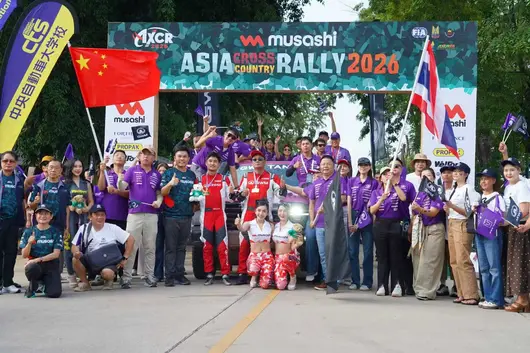
2026 FIA Asia Cross Country Rally (Asia Cross Country Rally, abbreviated as AXCR) has officially concluded. After multiple stages and a continuous test on nearly 2000 kilometers of complex road conditions, Mamba Racing Shocks (Mamba Racing Shocks) has successfully completed a practical test of a high-intensity international event again.
In this event, Mamba Racing Shocks not only competed in the T2 Production Group with Great Wall Motors Thailand EK Group Racing Team, but also provided shock absorber support for Indonesian rally driver Memen's T1 race car. The practical applications across different race cars, different categories, and different driving styles further validated the performance, reliability, and ability of Mamba 3.0 Bore Adjustable Shock Absorbers to adapt to complex off-road environments.

It is worth mentioning that this is the third consecutive year that Mamba Racing Shocks has competed in the FIA Asia Cross Country Rally. From continuously participating in international off-road events to collaborating with manufacturer teams and overseas drivers, Mamba is accumulating data and experience through real competitions, converting them into product technology reserves for ordinary off-road users.
Partnering with Great Wall Motors Tank 300, Completing the Rigorous Test of the T2 Production Group
As one of the highly anticipated Chinese off-road forces in this AXCR, the Great Wall Motors Thailand EK Group Racing Team sent the Tank 300 race car to compete in the T2 Production Group, and campaigned multiple stages with Mamba Racing Shocks.
Finally, with the help of Mamba Racing Shocks, the team's two drivers Olan (Olan Sornsirirat) and Thovald (Thovald Thovaldsen) finished fourth and sixth in the T2 Production Group respectively, successfully completing this event.

Compared to T1 race cars with greater modification freedom, T2 group race cars are based on production models and present different requirements for original platform performance, durability, and the matching between the suspension system and the whole vehicle.

The AXCR competition environment is particularly complex. During long-distance races lasting multiple consecutive days, race cars need to face repeated impacts from high-speed gravel roads, muddy roads, continuous potholes, cross-axles, and road surfaces of different hardness. Shock absorbers must not only withstand single large impacts, but more importantly, maintain relatively stable damping performance in long-duration, high-frequency working conditions.

For T2 race cars built on the Tank 300 basis, the suspension needs to control body posture at high speeds and ensure wheels maintain effective ground contact as much as possible in complex off-road conditions. Therefore, the true value of a shock absorber system is not only reflected in "stiffness" or "long travel," but more importantly in damping control, heat fade control, continuous working stability, and adaptability to different road conditions across multiple dimensions.
Completing an international off-road rally like AXCR, which features long distances and multiple stages, is in itself a systematic verification of the comprehensive performance of shock absorbers.

Leading the T1 Petrol Group for the First Five Stages, Indonesian Driver Recognizes Mamba 3.0 Shock Absorber
Aside from the Great Wall Motors Thailand EK Group Racing Team, Mamba Racing Shocks also collaborated with Indonesian rally driver Memen (Memen Harianto) in this event, providing shock absorber support for his T1 group race car.
Compared to the T2 Production Group, T1 group race cars have a higher degree of professional modification, which also means the race cars are faster and the suspension bears greater impact loads, putting higher requirements on shock absorber tuning and continuous working ability.

During the competition, Memen performed brilliantly, leading the T1 Petrol Group continuously for the first five stages, fully demonstrating the competitiveness of the race car in complex off-road environments. Unfortunately, in the last stage, Memen's race car was forced to withdraw from the race due to engine overheating, failing to convert the previously accumulated lead advantage into final results. However, the engine failure did not affect his evaluation of the race car's suspension system performance.
After practical use across multiple stages, Memen gave positive evaluation and recognition to the Mamba 3.0 Bore Adjustable Shock Absorbers equipped for this competition.

This has special significance for Mamba. Because compared to single team testing, the use of different country drivers, different race car platforms, and different competition categories can bring more dimensional data feedback. Especially professional rally drivers are more sensitive to the perception of suspension support, rebound response, continuous bump control, and high-speed stability. These feedbacks can also help Mamba further optimize product tuning.
Why are off-road rallies so demanding for shock absorbers?
For off-road race cars, shock absorbers are not simply comfort components, but one of the core chassis components that directly affect vehicle speed, handling, and reliability.
In long-distance off-road rallies like AXCR, a high-performance shock absorber system often needs to face challenges in three aspects simultaneously.
First is high-frequency continuous impact. When race cars pass gravel, potholes, and damaged roads at high speeds, shock absorbers need to complete compression and rebound quickly. If damping response is not stable enough, the vehicle may easily exhibit excessive bouncing, affecting tire contact with the ground and the driver's control over the race car.

Second is heat generated during long-time operation. Off-road shock absorbers generating significant heat through continuous high-speed operation, while temperature changes may further affect damping oil and internal working conditions. Therefore, heat dissipation ability and damping stability under high-temperature conditions are important indicators for measuring the performance of professional off-road shock absorbers.
Third is adaptability between different road conditions. AXCR is not a single road condition event; in the same competition day, high-speed dirt roads, mud, potholes, and technical off-road sections may appear. This means the race car suspension must find a more reasonable balance between different operating conditions.
It is precisely for this reason that Mamba chooses to take competitions as an important scenario for product development and verification.

3.0 Bore Adjustable Shock Absorbers, Validating Performance and Reliability on the Track
In this AXCR competition, the 3.0 Bore Adjustable Shock Absorbers heavily utilized by Mamba are products developed specifically for high-intensity off-road usage environments.
A larger shock absorber bore diameter can provide more sufficient space for internal work and lay the foundation for thermal management under long-duration, high-intensity conditions; meanwhile, adjustable damping design can be tuned specifically according to race car weight, road surface characteristics, driving style, and different stage requirements.
For professional off-road race cars, there is no simple answer of a set of parameters that applies to all environments for shock absorbers.
High-speed gravel roads require vehicles to have good body control capabilities, continuous pothole road surfaces test the suspension's handling of high-frequency impacts more, and when facing large drops and larger instantaneous impacts, sufficient support and cushioning ability are needed.
Therefore, adjustability, stability, high-temperature resistance, and the ability to withstand continuous high-intensity work have become very important product capabilities for professional off-road shock absorbers.
From the Tank 300 T2 race car successfully completing the race, to Memen leading the T1 Petrol Group for the first five stages, the performance of Mamba 3.0 Bore Adjustable Shock Absorbers on different race car platforms has further verified the product's ability to cope with the complex environment of international off-road rallies.

Competing in AXCR for Three Consecutive Years, Competition is not the End but the R&D Site
For Mamba Racing Shocks, the 2026 FIA Asia Cross Country Rally has another layer of meaning — this is the brand's third consecutive year participating in the AXCR event.
Continuous participation and one-time event exposure have an essential difference.
For Mamba, off-road events are not only a platform for brand communication, but also an important R&D scenario for product testing, technical verification, and data accumulation. Problems exposed by race cars under extreme operating conditions, driver feedback on different damping settings, and data after shock absorbers operate continuously over long distances can all become important references for subsequent product development and upgrades.
This year, whether partnering with Great Wall Motors Tank 300 to compete in the T2 Production Group, or collaborating with Indonesian drivers to challenge the T1 Group, Mamba has further expanded the verification scope of products in different race cars, different categories, and different usage environments.

At the same time, as the competition progressed, Mamba Racing Shocks also received attention from the competition organizers and other participating drivers.
For Chinese auto parts brands moving towards overseas markets, this verification from real international competition environments is particularly important. Compared to simply displaying products through parameters, continuously participating in high-intensity competitions allows overseas teams, drivers, and off-road users to more intuitively understand the actual performance of products.

From Track to Users, Race Data Feeds Back to Mamba's Full Series of Products
Participating in competitions is ultimately not to create products that can only be used for race cars.
Mamba Racing Shocks continuously participates in domestic and international off-road events. A more important goal is to accelerate product verification through extreme environments and feed back the experience and data accumulated in competitions into the development of the full series of products.
The usage scenarios of professional race cars and ordinary off-road users are not exactly the same, but there are commonalities in the core needs for shock absorbers: when facing long-distance travel, unpaved roads, high-temperature environments, and continuous bumps, reliable support, stable damping, and sufficient durability are all required.
The race track can further amplify these operating conditions.
An international off-road rally lasting several days is equivalent to letting the product undergo continuous testing in a highly concentrated extreme environment. Therefore, from race car damping settings, temperature changes, to work performance under different road conditions, to data obtained from disassembly and inspection after the race, all can provide references for further optimization of civilian products.
This also forms a product development path that Mamba is adhering to:
Validate technology through events, drive R&D through data, and feed development results back to civilian products.

With the conclusion of the 2026 FIA Asia Cross Country Rally, Mamba Racing Shocks' third consecutive AXCR journey has temporarily come to an end. But for the brand, this is not the end.
In the future, Mamba Racing Shocks (Mamba Racing Shocks) will continue to participate in more domestic and international automotive events, continuously validating products through richer vehicle models, more complex competition environments, and higher intensity practical tests. At the same time, the brand will also continuously apply data from the track, driver feedback, and tuning experience to product development and upgrades.
From Chinese off-road tracks to FIA international events, from Tank 300 to professional race cars driven by drivers from different countries, Mamba is building its own technical database through real competitions one by one.
The race track is a place to verify performance and also the starting point for next-generation product development.
For more and more users who love off-road, long-distance travel, and performance driving, Mamba hopes to eventually transform the technical experience of undergoing rigorous tests on international race tracks into shock absorber products that are more reliable, more mature, and better meet real off-road needs.


喺馬來西亞嘅 SUV 市場,好多買家喺揀車嗰陣都會拿 Proton X90 同 Hyundai Tucson 嚟做比較。呢兩款車喺價位同定位上都幾接近,今日我哋就從多個方面做一個詳細嘅對比,幫你慳返做功課嘅時間。
Proton X90 喺馬來西亞嘅 OTR 售價係 RM 106,800 - 122,800,合共 4 個版本,包括 2026 1.5T Prime X(RM 122,800)、2026 1.5T Prime(RM 116,800)、2026 1.5T Lite(RM 106,800) 等。
Hyundai Tucson 喺馬來西亞嘅 OTR 售價係 RM 143,888 - 197,888,合共 5 個版本,包括 2025 HEV 1.6T AT 2WD Prestige(RM 197,888)、2025 1.6T DCT 4WD Prestige(RM 186,888)、2025 1.6T DCT 2WD Prime(RM 164,888) 等。
由價錢睇,Proton X90 嘅起價確實比 Hyundai Tucson 平咗 RM 37,088。如果你預算有限,Proton 嘅入門版已經可以滿足日常需要。但都要注意,平嗰幾千蚊,喺配備上面可能有取捨,具體要看你嘅需要。
Proton X90 嘅安全評級係 5★ (ASEAN NCAP),主動安全系統包括 ADAS (ACC, AEB, LKA, LDA, BSM, RCTA)。
Hyundai Tucson 嘅安全評級係 5★ (ASEAN NCAP),主動安全系統包括 SmartSense。
呢兩款車嘅安全評級一樣,喺呢個級數入面,安全配備都算畀得好齊全㗎。依家嘅新車安全性都唔差,唔使太擔心呢一點。
Proton X90 車身長 4400 mm,後尾箱 400 L。
Hyundai Tucson 車身長 4400 mm,後尾箱 400 L。
呢兩款車嘅尺寸幾近一樣,車內空間分別唔大。呢級數嘅車,日常使用完全夠用。
Proton X90 採用 FWD 驅動方式。
Hyundai Tucson 採用 FWD 驅動方式。
呢兩款車嘅驅動方式一樣,都係 FWD,日常駕駛感受唔會有太大分別。
總嚟講,Proton X90 同 Hyundai Tucson 都係馬來西亞市場幾唔錯嘅車型。揀邊一輛,關鍵都要睇你嘅個人需要同預算。建議大家做好功課,多比較幾間車行嘅報價,先至去試駕做最終決定。買車係件大事,花少少時間做功課絕對唔會錯。

喺馬來西亞嘅 SUV 市場,好多買家在揀車嗰陣都會拎 Proton X90 同 Mitsubishi Xforce 嚟做比較。呢兩款車喺價位同定位上都幾接近嘅,今日我哋就從多個方面做一個詳細嘅對比,幫你省做下功課嘅時間。
Proton X90 喺馬來西亞嘅 OTR 售價係 RM 106,800 - 122,800,一共有 4 個版本,包括 2026 1.5T Prime X(RM 122,800)、2026 1.5T Prime(RM 116,800)、2026 1.5T Lite(RM 106,800) 等。
Mitsubishi Xforce 喺馬來西亞嘅 OTR 售價係 RM 109,930 - 119,930,一共有 2 個版本,包括 2026 1.5L Ultimate(RM 119,930)、2026 1.5L Urban(RM 109,930) 等。
由價錢睇落,Proton X90 嘅起步價確實比 Mitsubishi Xforce 平咗 RM 3,130。如果你預算有限,Proton 嘅入門版已經可以滿足日常需求。但都要留意,平啲嘅嗰幾千蚊,可能喺配備上會有取捨,具體要看你嘅需求。
Proton X90 嘅安全評級係 5★ (ASEAN NCAP),主動安全系統包括 ADAS (ACC, AEB, LKA, LDA, BSM, RCTA)。
Mitsubishi Xforce 嘅安全評級係 5★ (ASEAN NCAP),主動安全系統包括 MI-PILOT。
兩款車嘅安全評級一樣,喺呢個級別入面安全配備都算畀得好齊全啦。而家嘅新車安全性都唔差,唔使太擔心呢一點。
Proton X90 車身長 4400 mm,尾箱 400 L。
Mitsubishi Xforce 車身長 4400 mm,尾箱 400 L。
兩款車嘅尺寸幾乎一樣,車內空間差別唔大。呢個級別嘅車,日常使用完全夠用。
Proton X90 保修 5 年/150,000km,保養間隔 每 10,000km 或 6 個月。
Mitsubishi Xforce 保修 3 年/100,000km,保養間隔 每 10,000km 或 6 個月。

Proton X90 同 Mitsubishi Xforce 都係馬來西亞市場嘅主流選擇,適合家庭使用、日常通勤。如果你更鍾意品牌口碑同二手價,可以優先考慮口碑更好嗰款;如果你更在意性價比同配備,就揀配置更豐富嗰款。最終都建議兩款都去試駕,親自體驗先至最緊要。
總嘅嚟講,Proton X90 同 Mitsubishi Xforce 都係馬來西亞市場幾好嘅車款。揀邊輛,關鍵仲係睇你嘅個人需求同預算。建議大家做足功課,多比較幾間車行嘅報價,再去試駕先做最終決定。買車係件大事,花少少時間做功課絕對唔會錯。
In the Malaysian SUV market, many buyers compare Proton X90 and GWM Haval H6 when choosing a car. The price and positioning of these two cars are quite close. Today, we will make a detailed comparison from multiple aspects to help you save time on research.
Proton X90 OTR price in Malaysia is RM 106,800 - 122,800, with a total of 4 versions, including 2026 1.5T Prime X (RM 122,800), 2026 1.5T Prime (RM 116,800), 2026 1.5T Lite (RM 106,800), etc.
GWM Haval H6 OTR price in Malaysia is RM 139,750 - 139,750, with a total of 2 versions, including 1.5L Turbo Standard (RM 140,000), 1.5L Turbo Premium (RM 155,000), etc.
From the price perspective, Proton X90's starting price is indeed RM 32,950 cheaper than GWM Haval H6. If your budget is limited, Proton's entry-level version is already sufficient for daily needs. However, also note that the few thousand yuan cheaper may involve trade-offs in features, depending on your specific needs.
Proton X90 is equipped with 1.5L Turbo, horsepower 140 hp. Official fuel consumption 7.0 L/100km.
GWM Haval H6 is equipped with Hybrid, horsepower 170 hp. Official fuel consumption 4.5 L/100km.
In terms of power, GWM Haval H6's Hybrid has 30 more horsepower than Proton X90's 1.5L Turbo. However, for daily city driving, the power of both cars is sufficient and does not feel weak.
Proton X90 body length 4400 mm, trunk 400 L.
GWM Haval H6 body length 4400 mm, trunk 400 L.
The dimensions of both cars are almost the same, interior space differences are not significant. For this class of cars, daily use is fully sufficient.
Proton X90 and GWM Haval H6 are both mainstream choices in the Malaysian market, suitable for family use and daily commuting. If you value brand reputation and resale value more, you can prioritize the one with better reputation; if you care more about cost-performance ratio and features, then choose the one with richer configuration. Ultimately, it is recommended to test drive both, personal experience is the most important.
Overall, Proton X90 and GWM Haval H6 are both very good car models in the Malaysian market. Which one to choose depends mainly on your personal needs and budget. It is recommended to do your homework, compare quotes from several dealers, and then test drive to make the final decision. Buying a car is a big matter, spending some time doing research will definitely not be wrong.

In Malaysia's SUV market, many buyers compare Proton X90 and Chery Tiggo 9 when choosing a car. Both cars are quite close in price and positioning. Today, we will make a detailed comparison from multiple aspects to help you save time on research.
Proton X90 OTR price in Malaysia is RM 106,800 - 122,800, totaling 4 variants, including 2026 1.5T Prime X (RM 122,800), 2026 1.5T Prime (RM 116,800), 2026 1.5T Lite (RM 106,800), etc.
Chery Tiggo 9 OTR price in Malaysia is RM 166,800 - 179,800, totaling 1 variant, including 2026 2.0T Standard (RM 179,750), etc.
Looking at the price, Proton X90's starting price is indeed RM 60,000 cheaper than Chery Tiggo 9. If your budget is limited, Proton's entry-level version is enough for daily needs. However, note that the few thousand cheaper may involve trade-offs in features, it depends on your specific needs.
Proton X90 body length 4400 mm, trunk 400 L.
Chery Tiggo 9 body length 4400 mm, trunk 400 L.
Both cars' dimensions are almost identical, interior space difference is not significant. Cars at this level are completely sufficient for daily use.
Proton X90 adopts FWD drive method.
Chery Tiggo 9 adopts FWD drive method.
Both cars have the same drive method, both are FWD, daily driving feel won't be much different.
Proton X90 and Chery Tiggo 9 are both mainstream choices in the Malaysia market, suitable for family use and daily commuting. If you value brand reputation and resale price more, you can prioritize the one with better reputation; if you care more about cost-performance and features, choose the one with richer configuration. Ultimately, it is recommended to test drive both models, personal experience is the most important.

Overall, Proton X90 and Chery Tiggo 9 are both quite good car models in the Malaysia market. Which one to choose mainly depends on your personal needs and budget. It is recommended to do research, compare quotes from several dealers, then go test drive to make the final decision. Buying a car is a major matter, spending time on research will definitely not be wrong.
In the Malaysian SUV market, many buyers compare Proton X90 and Chery Tiggo 7 PHEV when choosing a car. The price and positioning of these two models are quite close. Today, we will make a detailed comparison from multiple aspects to help you save time on research.
Proton X90 OTR price in Malaysia is RM 106,800 - 122,800, with a total of 4 versions, including 2026 1.5T Prime X (RM 122,800), 2026 1.5T Prime (RM 116,800), 2026 1.5T Lite (RM 106,800), etc.
Chery Tiggo 7 PHEV OTR price in Malaysia is RM 129,750 - 129,750, with a total of 2 versions, including 2025 1.5T 90km CSH (RM 129,750), What charging methods does the Tiggo 7 PHEV support? Can it be charged using a home power socket? (RM 117,478), etc.
From a price perspective, the starting price of the Proton X90 is indeed RM 22,950 cheaper than the Chery Tiggo 7 PHEV. If your budget is limited, Proton's entry-level version can already meet daily needs. But be aware that the few thousand dollars cheaper might involve trade-offs in features, depending on your specific needs.
Proton X90 equipped with 1.5L Turbo, 140 hp. Official fuel consumption 7.0 L/100km.
Chery Tiggo 7 PHEV equipped with Hybrid, 170 hp. Official fuel consumption 4.5 L/100km.
In terms of power, the Hybrid in the Chery Tiggo 7 PHEV has 30 more horsepower than the 1.5L Turbo in the Proton X90. However, for daily driving in the city, the power of both cars is sufficient and won't feel lacking.
Proton X90 body length 4400 mm, trunk 400 L.
Chery Tiggo 7 PHEV body length 4400 mm, trunk 400 L.
The dimensions of both cars are almost identical, and the interior space difference is minimal. Cars in this class are more than enough for daily use.
Proton X90 adopts FWD drive system.
Chery Tiggo 7 PHEV adopts FWD drive system.
The drive systems of both cars are the same, both are FWD, so there won't be a significant difference in driving feel.

Proton X90 warranty 5 years/150,000km, service interval every 10,000km or 6 months.
Chery Tiggo 7 PHEV warranty 3 years/100,000km, service interval every 10,000km or 6 months.

Overall, both Proton X90 and Chery Tiggo 7 PHEV are very good models in the Malaysian market. Which one to choose depends mainly on your personal needs and budget. We recommend doing your research, comparing quotes from several dealerships, and then test driving to make a final decision. Buying a car is a big matter, taking time to research is never wrong.
In Malaysia's SUV market, many buyers compare the Proton X90 and Chery Tiggo 7 PHEV when choosing a car. These two models are quite close in price and positioning. Today, we will make a detailed comparison from multiple aspects to save you time doing research.
The OTR price of Proton X90 in Malaysia is RM 106,800 - 122,800. There are 4 versions in total, including 2026 1.5T Prime X (RM 122,800), 2026 1.5T Prime (RM 116,800), 2026 1.5T Lite (RM 106,800), etc.
The OTR price of Chery Tiggo 7 PHEV in Malaysia is RM 129,750 - 129,750. There are 2 versions in total, including 2025 1.5T 90km CSH (RM 129,750), What charging methods does the Tiggo 7 PHEV support? Can it be charged using a home power socket? (RM 117,478), etc.
From a price perspective, the starting price of Proton X90 is indeed RM 22,950 cheaper than Chery Tiggo 7 PHEV. If your budget is limited, Proton's entry-level version can already meet daily needs. However, keep in mind that the few thousand less expensive might have trade-offs in features, which depends on your specific requirements.
The Proton X90 safety rating is 5★ (ASEAN NCAP). Active safety systems include ADAS (ACC, AEB, LKA, LDA, BSM, RCTA).
The Chery Tiggo 7 PHEV safety rating is TBD. Active safety systems include Basic.
Regarding safety features, both cars have received decent ratings. However, there are some functional differences between Proton X90's ADAS (ACC, AEB, LKA, LDA, BSM, RCTA) and Chery Tiggo 7 PHEV's Basic. If you value active safety, you can compare the feature lists of both in detail.
Proton X90 body length is 4400 mm, trunk 400 L.
Chery Tiggo 7 PHEV body length is 4400 mm, trunk 400 L.
The dimensions of both cars are almost identical, and the interior space difference is not significant. For cars in this class, it is more than enough for daily use.
Proton X90 adopts FWD drive mode.
Chery Tiggo 7 PHEV adopts FWD drive mode.
Both cars have the same drive mode, both are FWD, so the daily driving experience will not differ significantly.
Overall, Proton X90 and Chery Tiggo 7 PHEV are both very good models in the Malaysian market. Choosing which one depends mainly on your personal needs and budget. It is recommended that you do your research, compare quotes from several car dealerships, and go for a test drive to make the final decision. Buying a car is a big matter, spending some time doing research will definitely not be a mistake.
In the SUV market in Malaysia, many buyers compare Proton X90 and Chery Tiggo 8 PHEV when choosing a car. These two cars are quite close in price and positioning. Today, we will make a detailed comparison from multiple aspects to help you save time doing research.
The OTR price of Proton X90 in Malaysia is RM 106,800 - 122,800, with a total of 4 versions, including 2026 1.5T Prime X (RM 122,800), 2026 1.5T Prime (RM 116,800), 2026 1.5T Lite (RM 106,800), etc.
The OTR price of Chery Tiggo 8 PHEV in Malaysia is RM 159,750 - 159,750, with a total of 2 versions, including 1.6L Turbo Standard (RM 130,000), 1.6L Turbo Premium (RM 145,000), etc.
From a price perspective, the starting price of Proton X90 is indeed RM 52,950 cheaper than Chery Tiggo 8 PHEV. If your budget is limited, Proton's entry-level version can already meet daily needs. But also note, the few thousand cheaper price may involve trade-offs in features, it depends on your specific needs.
Proton X90 safety rating is 5★ (ASEAN NCAP), active safety systems include ADAS (ACC, AEB, LKA, LDA, BSM, RCTA).
Chery Tiggo 8 PHEV safety rating is TBD, active safety systems include Basic.
Regarding safety features, both cars received good ratings. However, the ADAS (ACC, AEB, LKA, LDA, BSM, RCTA) of Proton X90 and the Basic of Chery Tiggo 8 PHEV differ in functionality, if you value active safety, you can compare the feature lists of both carefully.
Proton X90 uses FWD drive system.
Chery Tiggo 8 PHEV uses FWD drive system.
The drive systems of both cars are the same, both are FWD, daily driving experience will not have much difference.
Proton X90 warranty 5 years/150,000km, maintenance interval every 10,000km or 6 months.
Chery Tiggo 8 PHEV warranty 3 years/100,000km, maintenance interval every 10,000km or 6 months.
Proton X90 and Chery Tiggo 8 PHEV are both mainstream choices in the Malaysian market, suitable for family use, daily commuting. If you value brand reputation and resale value more, you can prioritize the one with better reputation; if you care more about value for money and features, then choose the one with richer configuration. Ultimately, it is recommended to test drive both, personal experience is the most important.
In general, Proton X90 and Chery Tiggo 8 PHEV are both very good car models in the Malaysian market. Which one to choose depends mainly on your personal needs and budget. We suggest doing your homework, compare quotes from several car dealerships, and then test drive to make the final decision. Buying a car is a big matter, spending some time doing homework will never be wrong.

Import kereta elektrik dengan harga dalam lingkungan RM200,000 (kira-kira 75.15 juta Won Korea) dan kuasa maksimum di bawah 241 hp dilarang dijual; dasar ini bertujuan menggalakkan pengilang kereta membina kilang tempatan!

Pihak berkuasa Malaysia mula memperketatkan kawalan import syarikat EV China yang dipacu oleh BYD.
Jualan kereta baharu di Malaysia pada tahun 2025 mencecah 820,752 unit, mencatat rekod tertinggi sepanjang sejarah. Sebelumnya, Indonesia kekal menjadi juara jualan kereta di Asia Tenggara; sebelum pandemik COVID-19, jualan kereta baharu tahunan Indonesia stabil melepasi 1 juta unit.

Walau bagaimanapun, dipengaruhi oleh keadaan ekonomi domestik, jualan kereta di Indonesia pada tahun 2025 turun 7.2% daripada 856,000 unit pada 2024, merosot kepada 803,000 unit. Sebaliknya, jualan Malaysia meningkat sedikit sebanyak 0.5% secara tahunan, menduduki tempat pertama pasaran kereta Asia Tenggara.
Pihak berkuasa Malaysia menetapkan dua ambang kemasukan import EV: Pertama, kuasa maksimum kenderaan mesti mencecah lebih daripada 241 hp; Kedua, harga jual mesti melebihi RM200,000. Secara mudahnya, semua EV bukan mewah eksklusif dilarang import dan dijual.
Brand seperti BYD yang menyasarkan EV kecil murah untuk merampas pasaran, dan Zeekr (Zeekr) dengan model utama sedan sederhana, akan mengalami impak langsung.
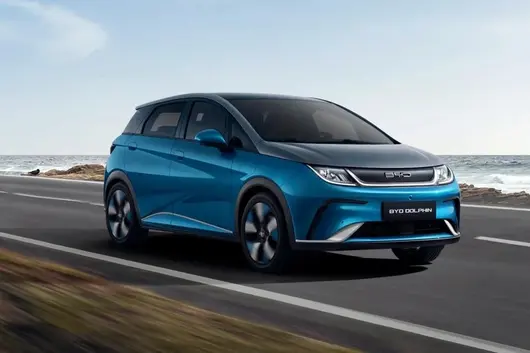
BYD kini mempunyai 7 model di Malaysia, dari model asas Dolphin, Yuan PLUS (Atto 3) hingga model premium Singa Laut 7 (Sealion 7), harga permulaan semua model adalah di bawah RM200,000. Model utama Zeekr, iaitu Zeekr 7X, harga permulaannya juga kurang daripada RM200,000, tidak memenuhi standard jualan import.

Zeekr 7X
Pembatasan Malaysia terhadap import EV China adalah untuk melindungi pengilang kereta tempatan, di sisi lain juga untuk mendesak syarikat EV China berpelaburan dan membina kilang di sana. Berdasarkan statistik Kementerian Pengangkutan Malaysia, EV China telah menguasai kira-kira 60% bahagian pasaran EV negara tersebut.
Malaysia juga menetapkan syarat sekatan pengeluaran EV tempatan, melindungi pasaran tempatan secara dwi: Harga minimum EV pengeluaran tempatan adalah RM100,000, dan bahagian jualan domestik tidak melebihi 20%, sekurang-kurangnya 80% pengeluaran mesti untuk eksport, jika tidak tidak dibenarkan memulakan pengeluaran. Selain itu, dasar memaksa tiga proses utama iaitu las, cat, dan pemasangan lengkap mesti disiapkan di dalam Malaysia, untuk menghalang EV China yang masuk banyak ke pasaran tempatan.
Selepas pasaran Eropah, Malaysia kuasa ekonomi Asia Tenggara juga membina halangan perdagangan terhadap syarikat kereta China, syarikat EV China terpaksa menyesuaikan strategi jualan luar negara. Diketahui dasar sekatan Malaysia sudah menunjukkan hasil, beberapa syarikat kereta China seperti XPeng, MG, Wuling telah merancang berkerjasama dengan rakan tempatan, melancarkan projek pengeluaran kenderaan penuh di Malaysia.


The narrative of "cool domestically and hot internationally" has become the main theme of China's automotive market.
According to the latest data from CPCA, July domestic passenger car retail sales reached 1.461 million units, a 20.9% year-over-year decline. Year-to-date cumulative retail sales stand at 10.173 million units, down 20.3% from last year.
Meanwhile, July passenger car exports hit 918,000 units, surging 87.8% year-over-year, with the proportion of export volume to total manufacturer sales climbing to 41% (37% last month, 21% in the same period of 2025).

Regarding the "cool domestic market," CPCA analysis suggests this is due to the resonance of multiple factors, including oil price rebounds, weakening macroeconomics, seasonal slumps, prior demand exhaustion, and policy shifts.
Conversely, the contraction of domestic demand has accelerated the pace of Chinese car companies "going global"—since the domestic market is overcrowded, they go overseas to find blue oceans.
On this rising export curve, BYD's performance has been the most striking.
Data released by BYD shows that overseas sales reached 179,800 units in July, a 124.3% year-over-year increase. Even according to CPCA's statistical standards, BYD's 174,000 unit NEV export sales in July exceeded the combined total of the second-ranked (Chery, 83,000 units) and third-ranked (Tesla, 66,000 units) exporters, establishing a fractured leading advantage.

More importantly, BYD's export proportion of total sales in July rose to 43.1%. It is worth noting that just two years ago in 2024, this proportion was only a little over 10%.
This means BYD is no longer a Chinese brand simply relying on the domestic market, but a truly global car company. This has prompted the outside world to re-examine the strategic vision previously proposed by Wang Chuanfu of "achieving the largest scale globally in five years."
If BYD wants to "achieve the #1 global scale," it will face Toyota, this "giant."
Toyota's strength lies in its global production and sales network and extreme cost control in the fuel vehicle era. What BYD currently demonstrates is the ability to reconstruct the global market on the new energy track.
CPCA data shows that July NEV passenger car exports reached 540,000 units, up 147.8% year-over-year, accounting for 58.8% of total exports, an increase of 14 percentage points compared to the same period last year.
According to CPCA Secretary-General Cui Dongshu's statistics, from January to June 2026, China's NEV passenger car world share reached 62%, and the share in the plug-in hybrid field was as high as 71%.

The share of Chinese NEVs worldwide is rising rapidly. As the global NEV sales champion, BYD is actually standing at the forefront of the global output of China's supply chain.
Data shows that in the first half of 2026, Toyota's global sales were 5.0089 million units, ranking first globally for seven consecutive years; BYD's first-half global sales were 1.8085 million units, ranking sixth. The difference between the two was 3.62 million units, but the speed of narrowing the gap is accelerating—the gap was 13.4 times in 2021, narrowed to 2.7 times in 2023, and by the first half of 2026, the gap between the two is less than 1.7 times.
It took BYD less than two years to increase the export proportion from 10% to 40%. If the overseas market can maintain this growth rate, and Toyota continues to struggle in the quagmire of electrification transformation, then "surpassing" will no longer be a "whether possible" question, but a "when it happens" question.
But sales figures are just the most superficial things. What is truly worth thinking about is, what does BYD rely on to fill this gap of over 3 million units?
Toyota's foundation is a global fuel vehicle system that has been operating for decades; from supply chain to channels to brand perception, it is all stacked up by time.
BYD's opportunity lies in the fact that the technical logic and cost structure of NEVs are completely different from fuel vehicles. It does not need to fight position warfare in Toyota's home field, but uses a new product logic to find its entry point in every regional market.
BYD's overseas strategy can be summarized as "precise entry" and "deep localization." This strategy shows highly flexible adaptability in different regional markets. A highly representative case is the launch of BYD's K-Car in the Japanese market.

On July 28, BYD's pure electric K-Car "Sea Otter Racco," built specifically for the Japanese market, was launched. As of August 9, in less than two weeks, orders broke 1,000 units, with 80% coming from the top-spec version. For any car company wanting to penetrate the Japanese market, this is a capital worth "boasting" about.
It is worth noting that the Japanese market has long been a solid fortress of the global auto industry, with local brands holding absolute dominance. Even "giants" like Volkswagen and Hyundai find it difficult to open the Japanese market. Especially the K-Car market, which has an annual retail volume exceeding 1.6 million units and is known as the totem of Japanese auto culture, has been monopolized for over thirty years by three local giants: Suzuki, Daihatsu, and Honda.
More importantly, due to the adoption of Chinese self-developed parts, the Sea Otter can only receive a subsidy of 150,000 yen in Japan, while local competitors like Nissan Sakura can receive 580,000 yen. Under the subsidy disadvantage of three times that of competitors, orders still exceeded expectations. This directly shows that BYD has already possessed the strength to directly confront Japanese car companies in manufacturing processes and cost control.

An earlier example is BYD's Shark Pickup launched for the Americas, Australia, and other markets. It accurately hit the pain point of combining commercial and home use in the local market, becoming one of the best-selling Chinese brand models. CPCA data shows that BYD Shark Pickup overseas market monthly average sales are about 3,000 units, with sales in some months even exceeding 4,500 units.
Data released by BYD shows that under the boost of the Shark Pickup and subsequent imported Seagull and other NEV models, Brazil has become BYD's largest overseas market, with cumulative export volume reaching 194,700 units in the first half. Meanwhile, just on July 16, the 100,000th car of BYD Brazil factory officially rolled off the production line.
From Japan's exquisite K-Car to America's tough Pickup, BYD is no longer exporting "global products," but providing "regional customization." This transformation allows it to quickly fill the market void left by traditional brands.
Orient Securities forecasts that BYD's 2026 full-year sales will exceed 5 million units, with overseas sales between 1.8 million and 1.9 million units, a year-over-year growth of 75%.
Morgan Stanley predicts that BYD overseas sales will reach 1.6 million to 1.8 million units, with a year-over-year growth of 68% to 89%. It estimates that the company's passenger car share in markets like Brazil, Thailand, and Australia has exceeded 5%, and NEV sales share in multiple regions exceeds 20%.
Under the dual drive of "involution" and "going overseas," Chinese car companies represented by BYD are gradually transforming "surpassing Toyota" from a vision into reality through differentiated product strategies and deep localization layout. Whether it is the K-Car in the Japanese market or the Shark Pickup in the Americas, it proves that China's automotive industry has the ability to compete in the global diverse market.
In the future, with more companies like BYD digging deep in the overseas market, China's automotive industry's global share is expected to further increase, and the industry trend of "East Rising, West Declining" will be irreversible.

Dalam pasaran SUV di Malaysia, ramai pembeli semasa memilih kereta akan membandingkan Proton X90 dan GWM Haval H6. Kedua-dua kereta ini agak hampir dari segi harga dan penentuan pasaran, hari ini kita akan membuat perbandingan terperinci dari pelbagai aspek untuk membantu anda menjimatkan masa membuat kajian.
Proton X90 mempunyai harga OTR di Malaysia sebanyak RM 106,800 - 122,800, terdiri daripada 4 varian, termasuk 2026 1.5T Prime X (RM 122,800), 2026 1.5T Prime (RM 116,800), 2026 1.5T Lite (RM 106,800) dan lain-lain.
GWM Haval H6 mempunyai harga OTR di Malaysia sebanyak RM 139,750 - 139,750, terdiri daripada 2 varian, termasuk 1.5L Turbo Standard (RM 140,000), 1.5L Turbo Premium (RM 155,000) dan lain-lain.
Dari segi harga, harga permulaan Proton X90 memang lebih murah RM 32,950 berbanding GWM Haval H6. Jika bajet anda terhad, varian permulaan Proton sudah boleh memenuhi keperluan harian. Namun, perhatikan juga, perbezaan harga beberapa ribu itu mungkin mempunyai pertukaran dari segi kelengkapan, ia bergantung pada keperluan anda.
Proton X90 menggunakan sistem pemacu FWD.
GWM Haval H6 menggunakan sistem pemacu FWD.
Kedua-dua kereta menggunakan sistem pemacu yang sama, iaitu FWD, pengalaman memandu harian tidak akan banyak berbeza.
Proton X90 menjamin 5 tahun / 150,000 km, selang penyelenggaraan setiap 10,000 km atau 6 bulan.
GWM Haval H6 menjamin 7 tahun / 150,000 km, selang penyelenggaraan setiap 10,000 km atau 6 bulan.
Proton X90 dan GWM Haval H6 adalah pilihan utama pasaran Malaysia, sesuai untuk kegunaan keluarga dan perjalanan harian. Jika anda lebih menekankan reputasi jenama dan harga semasa jualan semula, anda boleh utamakan yang mempunyai reputasi lebih baik; jika anda lebih mengutamakan nilai harga dan kelengkapan, pilihlah model yang lebih lengkap. Pada akhirnya, disarankan untuk memandu uji kedua-duanya, pengalaman sendiri adalah yang paling penting.
Secara keseluruhannya, Proton X90 dan GWM Haval H6 adalah model kereta yang sangat baik di pasaran Malaysia. Memilih mana satu, kunci utama adalah melihat keperluan dan bajet peribadi anda. Kami menyarankan anda membuat kajian terlebih dahulu, bandingkan beberapa tawaran kedai kereta, kemudian buat keputusan akhir selepas memandu uji. Membeli kereta adalah perkara besar, meluangkan masa membuat kajian tidak akan salah.

Di pasaran SUV Malaysia, ramai pembeli membandingkan Proton X90 dan MG HS semasa memilih kereta. Kedua-dua kereta ini sangat hampir dari segi harga dan pelan penempatan, hari ini kita akan buat perbandingan terperinci dari pelbagai aspek untuk bantu anda jimat masa membuat kajian.
Harga OTR Proton X90 di Malaysia adalah RM 106,800 - 122,800, ada 4 varian termasuk 2026 1.5T Prime X (RM 122,800), 2026 1.5T Prime (RM 116,800), 2026 1.5T Lite (RM 106,800) dan lain-lain.
Harga OTR MG HS di Malaysia adalah RM 130,450 - 146,450, ada 2 varian termasuk 1.5L Standard (RM 105,000), 1.5L Executive (RM 115,000) dan lain-lain.
Dari segi harga, harga permulaan Proton X90 memang RM 23,650 lebih murah daripada MG HS. Jika bajet terhad, varian asas Proton sudah cukup untuk keperluan harian. Tetapi perlu diingat, perbezaan harga ribuan yang murah itu mungkin melibatkan kompromi dalam kelengkapan, lihat keperluan anda.
Rating Keselamatan Proton X90 adalah 5★ (ASEAN NCAP), sistem keselamatan aktif termasuk ADAS (ACC, AEB, LKA, LDA, BSM, RCTA).
Rating Keselamatan MG HS adalah TBD, sistem keselamatan aktif termasuk Basic.
Dari segi kelengkapan keselamatan, kedua-dua kereta mendapat rating yang baik. Namun perbezaan fungsi antara ADAS (ACC, AEB, LKA, LDA, BSM, RCTA) Proton X90 dan Basic MG HS, jika anda mementingkan keselamatan aktif, boleh bandingkan senarai fungsi kedua-duanya.
Proton X90 waranti 5 tahun / 150,000km, selang penyelenggaraan setiap 10,000km atau 6 bulan.
MG HS waranti 7 tahun / 150,000km, selang penyelenggaraan setiap 10,000km atau 6 bulan.
Proton X90 dan MG HS adalah pilihan utama pasaran Malaysia, sesuai untuk kegunaan keluarga dan perjalanan harian. Jika anda mementingkan reputasi jenama dan harga pasaran kedua, utamakan yang lebih popular; jika lebih mementingkan nilai berbanding harga dan kelengkapan, pilih yang pakej lebih lengkap. Akhir sekali disarankan kedua-dua kereta dicuba, pengalaman langsung paling penting.
Secara keseluruhan, Proton X90 dan MG HS adalah model yang sangat baik di pasaran Malaysia. Pilihan yang tepat bergantung pada keperluan peribadi dan bajet anda. Disarankan buat kajian, bandingkan tawaran pelbagai dealer, dan uji pemanduan untuk keputusan akhir. Membeli kereta adalah perkara besar, luangkan masa membuat kajian pasti tidak salah.
Dalam pasaran SUV di Malaysia, ramai pembeli semasa memilih kereta akan membandingkan Proton X90 dan Chery Tiggo 7 PHEV. Kedua-dua kereta ini dekat dari segi harga dan penjenamaan, hari ini kita akan buat perbandingan terperinci dari pelbagai aspek untuk membantu anda menjimatkan masa mencari maklumat.
Harga OTR Proton X90 di Malaysia ialah RM 106,800 - 122,800, terdapat 4 versi, termasuk 2026 1.5T Prime X (RM 122,800), 2026 1.5T Prime (RM 116,800), 2026 1.5T Lite (RM 106,800) dan lain-lain.
Harga OTR Chery Tiggo 7 PHEV di Malaysia ialah RM 129,750 - 129,750, terdapat 2 versi, termasuk 2025 1.5T 90km CSH (RM 129,750), Apakah kaedah pengecasan yang disokong oleh Tiggo 7 PHEV? Bolehkah ia dicas menggunakan soket kuasa rumah? (RM 117,478) dan lain-lain.
Dari segi harga, harga permulaan Proton X90 memang RM 22,950 lebih murah berbanding Chery Tiggo 7 PHEV. Jika bajet anda terhad, varian asas Proton sudah cukup memenuhi keperluan harian. Tetapi perlu diingat, beberapa ribu ringgit yang lebih murah itu mungkin melibatkan kompromi dari segi kelengkapan, bergantung pada keperluan anda.
Penilaian keselamatan Proton X90 ialah 5★ (ASEAN NCAP), sistem keselamatan aktif termasuk ADAS (ACC, AEB, LKA, LDA, BSM, RCTA).
Penilaian keselamatan Chery Tiggo 7 PHEV ialah TBD, sistem keselamatan aktif termasuk Basic.
Dari segi kelengkapan keselamatan, kedua-dua kereta mendapat penilaian yang bagus. Namun, terdapat perbezaan fungsi antara ADAS Proton X90 (ACC, AEB, LKA, LDA, BSM, RCTA) dan Basic Chery Tiggo 7 PHEV. Jika anda lebih mengutamakan keselamatan aktif, sila bandingkan senarai fungsi kedua-duanya dengan teliti.
Panjang badan Proton X90 4400 mm, ruang bagasi 400 L.
Panjang badan Chery Tiggo 7 PHEV 4400 mm, ruang bagasi 400 L.
Saiz kedua-dua kereta hampir sama, perbezaan ruang dalaman tidak banyak. Untuk kereta dalam kelas ini, ia cukup untuk kegunaan harian.
Proton X90 menggunakan cara pemanduan FWD.
Chery Tiggo 7 PHEV menggunakan cara pemanduan FWD.
Kedua-dua kereta menggunakan cara pemanduan yang sama, iaitu FWD, pengalaman memandu harian tidak akan berbeza banyak.
Secara keseluruhannya, Proton X90 dan Chery Tiggo 7 PHEV adalah model yang sangat bagus di pasaran Malaysia. Memilih kereta mana, kunci tetap pada keperluan peribadi dan bajet anda. Disarankan untuk membuat riset terlebih dahulu, bandingkan beberapa sebut harga antara kedai kereta berbeza, kemudian uji pemanduan untuk membuat keputusan akhir. Membeli kereta adalah perkara besar, mengambil masa membuat riset pasti tidak salah.

喺馬來西亞嘅 SUV 市場,好買家喺揀車嘅時候都會拿 寶騰 X90 同 名爵 MG HS 嚟做比較。呢兩部車喺價錢同定位上都好接近,今日起我哋就從多個方面做個詳細對比,幫你省做功課嘅時間。
寶騰 X90 喺馬來西亞嘅 OTR 售價係 RM 106,800 - 122,800,一共有 4 個版本,包括 2026 1.5T Prime X(RM 122,800)、2026 1.5T Prime(RM 116,800)、2026 1.5T Lite(RM 106,800) 等。
名爵 MG HS 喺馬來西亞嘅 OTR 售價係 RM 130,450 - 146,450,一共有 2 個版本,包括 1.5L Standard(RM 105,000)、1.5L Executive(RM 115,000) 等。
從價錢嚟講,寶騰 X90 嘅入門價確實比 名爵 MG HS 平咗 RM 23,650。如果你預算有限,寶騰嘅入門版已經可以滿足日常需求。但都要注意,平嗰幾千塊,可能喺配備上會有取捨,具體要睇你嘅需求。
寶騰 X90 嘅安全評級係 5★ (ASEAN NCAP),主動安全系統包括 ADAS (ACC, AEB, LKA, LDA, BSM, RCTA)。
名爵 MG HS 嘅安全評級係 TBD,主動安全系統包括 Basic。
安全配備方面,兩部車都拿到唔錯嘅評級。不過 寶騰 X90 嘅 ADAS (ACC, AEB, LKA, LDA, BSM, RCTA) 同 名爵 MG HS 嘅 Basic 喺功能上有啲差異,如果你比較重視主動安全嘅話,可以仔細對比下兩者嘅功能列表。
寶騰 X90 採用 FWD 驅動方式。
名爵 MG HS 採用 FWD 驅動方式。
兩部車嘅驅動方式一樣,都係 FWD,日常駕駛感受唔會有太大分別。
寶騰 X90 保養 5年/150,000km,保養間隔 每10,000km或6個月。
名爵 MG HS 保養 7年/150,000km,保養間隔 每10,000km或6個月。
總括嚟講,寶騰 X90 同 名爵 MG HS 都係馬來西亞市場好唔錯嘅車款。揀邊架,關鍵都係睇你嘅個人需求同預算。建議大家做足功課,多比較幾間車行嘅報價,先去試駕先做最終決定。買車係一件大事,花少少時間做功課絕對唔會錯。
喺馬來西亞嘅 SUV 市場,好多買家喺揀車嘅時候都會拎 Proton X90 同 Chery Tiggo 7 PHEV 嚟比較。呢兩款車喺價同定位上都好接近,今日我哋就從多個方面做一次詳細嘅比較,幫你節省咗做功課嘅時間。
Proton X90 喺馬來西亞嘅 OTR 售價係 RM 106,800 - 122,800,一共有 4 個版本,包括 2026 1.5T Prime X(RM 122,800)、2026 1.5T Prime(RM 116,800)、2026 1.5T Lite(RM 106,800)等。
Chery Tiggo 7 PHEV 喺馬來西亞嘅 OTR 售價係 RM 129,750 - 129,750,一共有 2 個版本,包括 2025 1.5T 90km CSH(RM 129,750)、Tiggo 7 PHEV 支持咩充電方法?係咪可以用家居插座充電?(RM 117,478)等。
由價錢睇落,Proton X90 嘅起步價的確比 Chery Tiggo 7 PHEV 平咗 RM 22,950。如果你預算有限,Proton 嘅入門版已經可以滿足日常需求。但都要留意,平嗰幾千蚊,可能喺配備上會有取舍,具體就要睇你嘅需求。
Proton X90 搭載 1.5L Turbo,馬力 140 hp。官方油耗 7.0 L/100km。
Chery Tiggo 7 PHEV 搭載 Hybrid,馬力 170 hp。官方油耗 4.5 L/100km。
動力方面,Chery Tiggo 7 PHEV 嘅 Hybrid 比 Proton X90 嘅 1.5L Turbo 多咗 30 匹馬力。不過日常喺市區開,兩款車嘅動力都夠用,唔會覺得唔夠力。
Proton X90 採用 FWD 驅動方式。
Chery Tiggo 7 PHEV 採用 FWD 驅動方式。
兩款車嘅驅動方式一樣,都係 FWD,日常駕駛感受唔會有太大分別。
Proton X90 保養 5 年/150,000km,保養間隔 每 10,000km 或 6 個月。
Chery Tiggo 7 PHEV 保養 3 年/100,000km,保養間隔 每 10,000km 或 6 個月。
Proton X90 同 Chery Tiggo 7 PHEV 都係馬來西亞市場嘅主流選擇,適合家庭用途、日常通勤。如果你更睇重品牌口碑同二手價,可以優先考慮口碑更好嗰一款;如果你更在意性價比同配備,就揀配備更豐富嗰款。最終都係建議兩款都去試駕,親身體驗先係最重要。
總體嚟講,Proton X90 同 Chery Tiggo 7 PHEV 都係馬來西亞市場幾唔錯嘅車型。揀邊一部,關鍵係要睇你嘅個人需求同預算。建議大家做好功課,多比較幾間車行嘅報價,先去試駕做最後決定。買車係件大事,花少少時間做功課絕對無錯。
In Malaysia's SUV market, many buyers compare Proton X90 and Chery Tiggo 8 when selecting a car. These two cars are quite close in price and positioning. Today, we will make a detailed comparison from multiple aspects to help you save time on research.
Proton X90's OTR selling price in Malaysia is RM 106,800 - 122,800, with a total of 4 versions, including 2026 1.5T Prime X (RM 122,800), 2026 1.5T Prime (RM 116,800), 2026 1.5T Lite (RM 106,800), etc.
Chery Tiggo 8's OTR selling price in Malaysia is RM 129,750 - 129,750, with a total of 1 version, including 2026 1.6T Standard (RM 129,750), etc.
In terms of price, the starting price of Proton X90 is indeed RM 22,950 cheaper than Chery Tiggo 8. If your budget is limited, Proton's entry-level version can already meet daily needs. However, also note, that saving of a few thousand may involve trade-offs in features, it depends on your specific needs.
Proton X90 body length is 4400 mm, trunk 400 L.
Chery Tiggo 8 body length is 4400 mm, trunk 400 L.
The dimensions of the two cars are almost identical, the interior space difference is not significant. For this class of car, it is more than enough for daily use.
Proton X90 adopts FWD drive mode.
Chery Tiggo 8 adopts FWD drive mode.
The drive mode of both cars is the same, both are FWD, the daily driving experience will not differ too much.
Proton X90 and Chery Tiggo 8 are both mainstream choices in the Malaysian market, suitable for family use and daily commuting. If you value brand reputation and resale value more, you can prioritize the one with better reputation; if you care more about value for money and features, then choose the one with richer configuration. In the end, it is recommended to test drive both, personal experience is the most important.

Overall, Proton X90 and Chery Tiggo 8 are both very good car models in the Malaysian market. Which one to choose, it mainly depends on your personal needs and budget. We suggest doing your research, comparing quotes from several dealerships, then test drive to make the final decision. Buying a car is a major decision, spending some time on research will definitely not be wrong.

12 Ogos, siri Chery Fengyun SUV elektrik baharu yang sepenuhnya, iaitu Fengyun T7, secara rasmi memulakan pra-jualan, dengan 3 konfigurasi yang dilancarkan. Harga petunjuk pra-jualan adalah RM 68,000 - RM 82,000, serentak dengan melancarkan 7 faedah pembelian kereta. Sebagai model yang menonjolkan 'piawaian global', ia tidak menimbun terlalu banyak hiasan kosong, sebaliknya berpusat pada penggunaan keluarga pengguna yang kerap, meletakkan usaha pada perkara yang lebih konkrit. 
Kini banyak kereta baharu apabila dilancarkan mempunyai wajah yang menarik, dibuka dua tiga tahun kemudian kelihatan lama, Fengyun T7 telah mempertimbangkan hal ini pada peringkat reka bentuk. Berlandaskan sumber reka bentuk global Chery, model asal Lepas L6 sebelum ini telah melangkah di Milan Design Week, kali ini rupa luar Fengyun T7 menggabungkan gaya antarabangsa yang minimalis dan keanggunan Timur, reka bentuk muka hadapan yang mengimbangi angin, garisan badan yang membentuk angin agak tahan lama, 6 pilihan warna kereta semuanya mematuhi piawaian ketahanan cuaca luar negara yang ketat, terdedah terik matahari dan hujan untuk masa yang lama juga tidak mudah pudar. 
Dalaman menyediakan dua gaya iaitu Hitam Coklat Hangat dan Hitam Obsidian Malam Sepi, kabin peluk sayap awan dibalut dengan pakej lembut yang besar, di bahagian butiran pembesar suara terapung batu-batu kecil, teknik jahitan berlian mempunyai rasa halus. Lebih praktikal, pihak rasmi menyebut kulit dalaman, jalur ketitisan, dan komponen plastik telah melalui rawatan anti-pengetatan, anti-pudar, untuk pengguna keluarga yang merancang memandu satu kereta untuk masa yang lama, ini lebih konkrit daripada lampu suasana yang canggih. 
Keselamatan adalah garis dasar banyak keluarga memilih kereta, konfigurasi Fengyun T7 di sini agak seragam: seluruh model direka mengikut piawaian E-NCAP 5 bintang versi 2026, 80% badan menggunakan keluli berkekuatan tinggi, di antaranya 18.84% adalah keluli bentuk panas, disepadukan dengan struktur sangkar 9 melintang 5 memanjang, laluan transmisi hentaman hingga 15, sedaya upaya menyediakan ruang hidup penumpang. Balon udara tidak dikurangkan, keseluruhan model dilengkapi 9 balon udara keselamatan, termasuk 48L balon jauh beruang dua dan balon sisi kerusi belakang, perlindungan untuk ahli keluarga kerusi belakang lebih lengkap.
Dalam aspek keselamatan bateri, bateri Rhino mencapai kekedapan air IP68, pihak rasmi mendakwa keupayaan kekedapan air adalah 96 kali piawaian negara, menghadapi banjir musim panas, senario air payah di luar bandar lebih yakin. Yang lebih patut disebut adalah penggunaan pengujian: 3 tahun kitaran pembangunan, mengeluarkan 81 unit kereta tahan lama khas ujian jalan serentak, jumlah ujian jarak lebih 6 juta kilometer, juga secara khusus untuk musim hujan Asia Tenggara, suhu tinggi Timur Tengah, kelembapan tinggi Indonesia persekitaran ekstrem telah dilakukan pengesahan kereta sebenar, untuk pengguna yang sering memandu jarak jauh, memandu sendiri, data ujian jalan ini lebih bermakna daripada jadual parameter. 
Banyak model elektrik versi konfigurasi rendah jangkauan sering 'dikurangkan sedikit', Fengyun T7 kali ini berjaya keadilan jangkauan: keseluruhan model standard 65.05kWh bateri Rhino, CLTC jangkauan 600km, ujian rasmi jangkauan melebihi 667km, dalam taraf tertentu mengurangkan kebimbangan 'jangkauan palsu'. Kecekapan tenaga juga biasa-biasa sahaja, cas pantas 30%-80% hanya perlu 20 minit, cas sementara harian agak mudah.
Menyesuaikan dengan kesakitan pengguna utara dalam menggunakan kereta musim sejuk, ia dilengkapi dengan pengurusan haba serpihan satu dan AC pam haba dua sumber serantau + PTC tekanan tinggi, boleh bekerja stabil dalam julat suhu sangat luas -30°C hingga 55°C,配合 AGS gril pintar dan 14 penambahbaikan rintangan angin rendah, pemanasan musim sejuk lebih jimat, pengaliran udara musim panas lebih cekap, tenaga kelajuan tinggi dan rendah lebih stabil, lebih mesra keluarga perjalanan merentas wilayah.
Konfigurasi pintar tidak menimbun parameter, kegunaan baik adalah terasKini kereta baharu semua berlumba kuasa cip, Fengyun T7 dipasang cip 8775 satu kapsul dan pemandu yang digunakan proses 4nm, kuasa 72TOPS, kelajuan respons 80ms membuat operasi kereta lebih licin, kelajuan mula naik berbanding generasi sebelumnya meningkat 33%. 15.6 inci 2.5K skrin HD menyokong anti silau, anti pantulan, anti jari, penggunaan harian tidak mudah tinggal kesan jari, pantulan cahaya menjejaskan penglihatan.
Koneksi kereta meliputi CarPlay, HUAWEI HiCar, CarLink sambungan tanpa wayar, disesuaikan 99% atau lebih telefon, tidak perlu ragu merek telefon boleh layar lancar tanpa henti. Kapsul Pintar Lingxi 2.0 'Rakan Kecil Qi' menyokong pelbagai mod interaksi manusia benar, tertanam dalam 小憩, Camping, Hewan 6 mod senario, untuk pengguna keluarga berfaedah kuat.
Dari segi bantuan pemanduan, sistem Falcon 500 dilengkapi 3 radar gelombang milimeter, 7 kamera, 12 radar ultrasonik, jumlah 22 sensor, menyokong 300+ senario letak kereta automatik, letak kereta jalan mati, undur mengikut jejak satu butang, letak kereta merentas tingkat, fungsi lain lebih mesra pengguna dengan teknik letak biasa, tidak banyak fungsi hiasan, semuanya digunakan kerap harian.

Sebagai SUV kegunaan rumah, ruang adalah petunjuk keras. Saiz badan Fengyun T7 4570×1852×1694mm, jarak paksi 2700mm, kadar ruang dalam kenderaan 84%, lantai rata belakang sepenuhnya, ruang kaki 911mm lebih mesra penumpang belakang, belakang direndahkan boleh membentuk ruang rata 1955mm, ruang muatan biasa 450L, setelah diperluaskan boleh mencapai 1550L, peralatan kempering, barang bagasi besar boleh masuk.
Kerusi menggunakan 9 lapisan pengisian rasa awan, lembut tidak runtuh, menyokong pengudaraan pemanasan, 3 tahap kawalan suhu dalam persekitaran -20℃ 5 minit boleh dipanaskan ke 30℃, musim panas pengudaraan menggunakan reka bentuk sedut, belakang tidak mudah berpeluh. Keseluruhan kenderaan 38 ruang simpanan, ditambah 4 cincin rivet menanggung 300kg dan 2 cangkuk menanggung 3kg, mengukuhkan peralatan kempering, barang besar lebih selamat.
Papan pemuka oleh pasukan yang dipimpin oleh pakar talaan papan pemuka Maserati yang pernah, nisbah paksi emas 50.8:49.2 boleh menolak dorongan stereng dan ekor,配合 Chery 26 tahun pengalaman talaan papan pemuka, kualiti belok, garis lurus berkualiti di atas harga sama lebih kukuh, tidak ada rasa longgar. 
Selain produk itu sendiri, faedah pasca jual Fengyun T7 juga agak konkrit: dalam dua jaminan utama, bateri kuasa sendiri menyebabkan runaway haba rosak, Chery akan membayar kereta baharu model yang sama atau tidak kurang daripada konfigurasi kereta asal; dalam satu tahun pembelian kereta, sebab sistem bantuan pemanduan pintar menyebabkan kemalangan, pampungan tertinggi RM 3.15 Juta. Dua hak sepanjang hayat termasuk jaminan sepanjang hayat kenderaan bernilai RM 6,300 (termasuk 3 sistem kuasa, barang mudah rosak kecuali), serta RM 420 membeli pakej penyelenggaraan asas sepanjang hayat bernilai RM 2,520 (1 kali/tahun), terus mengurangkan kos fikiran pemeliharaan kereta selepas pengguna.
Dari pandangan kedudukan produk, Fengyun T7 tidak berjalan 'menimbun konfigurasi, gaulkan konsep' rantaian, tetapi menghabiskan kos pada kesakitan pengguna jangka panjang: bahan tahan lama, ujian keselamatan kukuh, jangkauan tidak dikurangkan, konfigurasi pintar berguna, talaan papan pemuka matang, ditambah faedah pasca jual yang langsung pada kesakitan, untuk pengguna keluarga bajet RM 63,000 - RM 82,000, melihat pengalaman jangka panjang, adalah pilihan realistis yang layak dimasukkan dalam senarai pilihan. Sekarang kereta baharu telah dibuka pra-jualan, pengguna berminat boleh datang ke kedai mengalami kemudian buat keputusan.
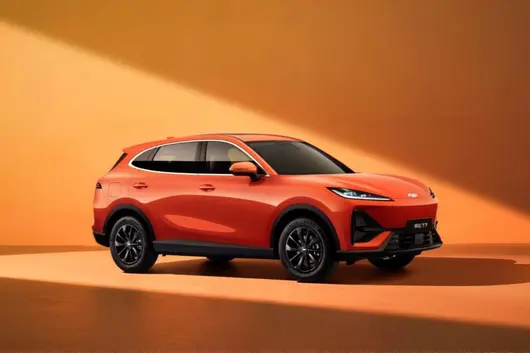

近期,奇瑞全新 QQ3 以海外命名"Chery Q"正式登陸東南亞市場,喺泰國、印尼雙市場先後上市,成為奇瑞 QQ 全球化戰略嘅首個海外落地陣地。

Chery Q 喺泰國同印尼雙市場幾乎同期落地,均交出超預期嘅訂單成績。自 3 月 24 日喺曼谷國際車展啟動預售以來,短短十日內訂單便突破 1,000 輛;截至 6 月 24 日正式上市,累計訂單已強勢突破 3,000 輛。喺印尼市場,截至 7 月 25 日/7 月底訂單已超過 6,000 輛。呢唔係單一市場嘅偶然爆發,而係中國精品細車喺東南亞市場嘅體系化競爭力驗證。

2006 年,老款 QQ 走進泰國同印尼,成為一代東南亞人嘅青春記憶。2026 年,全新 QQ3 以 Chery Q 嘅名回歸,用 20 年時間完成由「國民代步車」到「全球精品細車」嘅品牌躍遷。泰國奇瑞總經理 Jim Lee 喺發布會上直言:「奇瑞 QQ 陪伴泰國用戶行過 20 年,呢就係我哋深耕本地市場最大嘅底氣。」印尼市場同樣因「懷舊」吸引大量中年家庭用戶預訂 Chery Q。

Chery Q 喺泰國 62% 嘅訂單嚟自女性用戶,大量年輕人喺 Facebook、Instagram 自發打卡分享。真實用戶口碑遠比官方宣傳更具說服力。產品優勢同當地用戶地形高度匹配:小巧易停車(曼谷狹窄街巷)、用車成本極低(百公里電費僅 5 泰銖)、雨季涉水無憂(IP68 防水)、設計可愛辨識度高(「造型可愛、回頭率高」)。

Chery Q 並非針對東南亞嘅廉價特供車,而係同國內全新 QQ3 完全同平台、同標準、同品質嘅全球化產品。奇瑞汽車股份有限公司副總裁,奇瑞品牌國內業務事業群執行副總經理章紅玉明確表態:「由底盤架構、電池安全到車身結構,我哋同步適配東南亞右舵法規,經歷全球多地域嚴苛測試,唔做減配、唔做特供。」印尼奇瑞促銷公司 (Chery Sales Indonesia, CSI) 總經理助理曾碩同樣強調:「奇瑞喺印尼,品質永遠優先於利潤。」
© 2024 Bitauto.com. All Rights Reserved.
Bitauto (www.yiche.com and www.bitauto.com) is one of the most visited automotive websites in China. We provide detailed info on Chinese car brands available in your area. Please note that the information provided on this website is based on publicly available data and is for reference only. It may not be fully updated or accurate at all times.

Help us improve our website


