

HomeTravel

Search History
Popular Searches
Dealer Login / Sign Up

喺馬來西亞嘅 SUV 市場,好多買車嘅人喺揀車嘅時候都會拿 Proton X70 同 Mazda CX-8 嚟做比較。這兩款車喺價位同定位上都幾接近,今日我哋就從多個方面做一個詳細嘅比較,幫你省做功課嘅時間。
Proton X70 喺馬來西亞嘅 OTR 售價係 RM 106,800 - 122,300,合共有 3 個版本,包括 1.5L Standard 2WD(RM 106,800)、1.5L Executive 2WD(RM 115,800)、1.5L Premium 2WD(RM 122,300) 等。
Mazda CX-8 喺馬來西亞嘅 OTR 售價係 RM 165,360 - 201,360,合共有 5 個版本,包括 2025 2.5T 4WD High Plus Petrol(RM 201,360)、2025 2.2L 2WD High Plus Diesel(RM 193,123)、2025 2.5L 2WD High Plus Petrol(RM 186,360) 等。
從價錢來看,Proton X70 嘅起步價確實比 Mazda CX-8 平咗 RM 58,560。如果你預算有限,Proton 嘅入門版已經可以滿足日常需求。不過都需要注意,平嗰幾千蚊,可能喺配備上面會有取捨,具體要睇你嘅需求。

Proton X70 配備 1.5L Turbo,馬力 140 hp。官方油耗 7.0 L/100km。
Mazda CX-8 配備 2.0L 4-cyl,馬力 170 hp。官方油耗 8.0 L/100km。
動力方面,Mazda CX-8 嘅 2.0L 4-cyl 比 Proton X70 嘅 1.5L Turbo 多咗 30 匹馬力。不過日常喺市區開,兩款車嘅動力都夠用,唔會覺得夠唔力。

Proton X70 嘅安全評級係 5★ (ASEAN NCAP),主動安全系統包括 ADAS (ACC, AEB, LKA, LDA, BSM, RCTA)。
Mazda CX-8 嘅安全評級係 5★ (ASEAN NCAP),主動安全系統包括 Brand ADAS。
兩款車嘅安全評級一樣,喺呢個級別入面安全配備都算俾得好齊全。而家嘅新車安全性都唔差,唔使太擔心這一點。

Proton X70 車身長 4400 mm,後備箱 400 L。
Mazda CX-8 車身長 4500 mm,後備箱 450 L。
空間方面,Mazda CX-8 嘅車身比 Proton X70 長咗 100 mm,乘搭空間更有優勢。不過 Proton X70 喺城市入面停車會靈活啲,各有取捨。
Proton X70 同 Mazda CX-8 都係馬來西亞市場嘅主流選擇,適合家庭使用、日常通勤。如果你更睇重品牌口碑同二手價,可以優先考慮口碑更好嗰一款;如果你更在意性價比同配備,那就揀配置更豐富嗰款。最終都係建議兩款都去試駕,親身體驗先係最重要嘅。
總體嚟講,Proton X70 同 Mazda CX-8 都係馬來西亞市場幾唔錯嘅車型。揀邊一輛,關鍵都要睇你嘅個人需求同預算。建議大家做好功課,多比較幾間車行之報價,再去試駕做最終決定。買車係件大事,花少少時間做功課絕對唔會錯。



非洲資源國收緊原礦出口,國內新能源產業鏈面對供應難題。
作者丨張恆
2026 年以來,辛巴威、剛果(金)、莫桑比克、馬拉威等非洲重要礦產國相繼出台政策,收緊鋰、鈷、石墨等新能源核心礦產出口。
多國政策同步轉向,明顯是有備而來,目的就是針對中國新能源產業鏈。
非洲多國收緊礦產出口
此番政策收緊的信號最先由辛巴威釋放。2026 年 2 月,該國突然緊急叫停鋰原礦與鋰精礦出口,甚至攔下部分已完成裝船、即將啟運的貨物。彼時已有市場人士判斷,這並非短期臨時管控。
果不其然,到了 5 月,辛巴威正式將鋰、鈷、石墨等 14 類礦產劃定為國家戰略資源,強制要求外資礦業企業引入本土股東,同時必須在境內建設深加工項目,牢牢鎖住產業鏈附加值。
緊隨其後,剛果(金)針對鈷礦設置了兩年總量 9.66 萬噸的出口配額,直接大幅減少低端鈷原料流出。

這一輪資源保護政策浪潮快速向東非、南非擴散,多國逐步形成共識,統一限制未經冶煉加工的原礦、粗精礦直接對外出口。
非洲多國政策步調高度一致,給中國新能源產業鏈帶來了嚴峻挑戰。
回望過去十幾年發展,非洲資源開發熱潮與中國新能源汽車產業崛起高度同步,深度捆綁。
中國新能源產業從零突圍,動力電池、整車產能連年高速擴張,但本土鋰、鈷資源儲量不足、開採成本高企,難以承接需求。非洲坐擁全球頂尖新能源礦產稟賦,卻受限於資金、技術、基礎設施不足,無法開發變現。
在這種互補性下,中非形成成熟穩固的產業鏈分工。中國企業出海完善當地基建、投資礦山,投入資金與全套採礦技術,助力非洲礦產落地開發;非洲則穩定低價供應粗礦原料,支撐中國新能源產業做大做強。
數據上,剛果(金)貢獻全球 76% 的鈷礦產量,中國三元電池鈷原料九成以上依賴非洲進口;辛巴威鋰精礦超九成出口至中國,佔中國進口總量的 15.5%;莫桑比克、馬達加斯加天然石墨持續供給中國負極材料,是動力電池剛需原料。

依靠非洲大批量、穩定可靠的初級礦產供給,中國掌握了全球超 80% 鈷冶煉、70% 以上鋰鹽加工產能,建成全球規模第一的動力電池與新能源汽車製造體系。可以說,過去十年中國新能源產業的快速發展,依靠的就是中非的資源戰略合作。
隨著中國新能源產業逐步走向成熟,海外合作方的態度似乎有所改變。
過往十餘年間,非洲礦產資源國大多停留於礦石開採、前期分類、倉儲物流等環節,僅賺取基礎勞務與資源開採收益;中國則承接礦產深加工,覆蓋冶煉、正極材料、電池製造等下游環節。
中國新能源產業鏈日趨成熟後,非洲資源國不再滿足於單純出口低附加值初級原礦。各國借鑑印尼治理鎳產業鏈的經驗,看準了中國對其礦產資源的進口依賴度,陸續收緊原礦出口管控、設置配額門檻,強制外來資本在當地落地深加工工廠、吸納本土資本參股,倒逼產業鏈增值收益留在屬地。

維繫了十餘年的雙向互利合作格局被打破。非洲資源國試圖從上游資源端重塑產業鏈利益分配,此舉無異於對中國新能源供應鏈的一次釜底抽薪。
車企利潤承壓
當前,國內整車行業利潤已經極度稀薄。中汽協數據顯示,2026 年上半年整車製造平均淨利潤率僅 1.5%,創下十年新低。
一輛均價 20 萬元的車,車企平均淨利潤僅 3000 元,遠低於國內規模工業企業平均盈利水平。持續數年價格戰壓縮定價空間,行業緩衝成本波動的餘地很小。
2026 年二季度集中披露的業績預告直觀顯現了成本壓力,賽力斯預計上半年歸母淨虧損 15 億至 18 億元,北汽藍谷預計上半年歸母淨利潤虧損 17.7 億至 19.7 億元。終端市場競爭白熱化,車企不敢輕易上調售價,原材料上漲帶來的新增成本,只能企業內部消化。
碳酸鋰價格的上行就是車企利潤承壓的原因之一。電池級碳酸鋰自 2025 年末 7 萬至 10 萬元/噸,一路上行,2026 年 5 月最高接近 20 萬元/噸,價格近乎翻倍。
行業通用的測算是,碳酸鋰每上漲 1 萬元/噸,60 度純電車電池成本增加 300 元;長續航車型單車成本上浮可達 400 元。對比年初低點,大容量純電車剛性成本增加 2000 至 3000 元,三元鋰電池車型疊加了鈷價波動,負擔更重。

如果非洲各國持續加碼出口限制,鋰、鈷原料價格維持高位,車企處境會進一步惡化。產能利用率不足的弱勢廠商,虧損壓力將持續放大。
面對上游的隱患,中國產業鏈沒有選擇坐以待斃。
一方面,頭部礦業與車企順應非洲本土化要求,在當地落地冶煉產能。華友鈷業在辛巴威布局硫酸鋰產線,礦產就地加工,滿足當地政策要求;洛陽鉬業擴容剛果(金)本土鈷冶煉產能,規避原礦出口配額約束。這種重資產投入週期漫長。
另一方面,貨源布局走向多元化,部分企業加速開發澳洲、南美鋰礦資源,同步挖掘國內青海、川西鋰資源潛力,打造“海外多點供給 + 國內自有礦產”雙保險。比亞迪、寧德時代、吉利等企業拓寬海外礦產合作,分散地緣政策風險。
此外,依靠技術迭代減少稀有金屬依賴也成為了行業研發趨勢。低鈷、無鈷方案持續普及,中端車型大規模搭載磷酸鐵鋰電池,降低對剛果(金)鈷礦需求。同時,動力電池回收體系不斷完善,退役電池提煉再生鋰、鈷,逐步形成城市礦山,緩解海外原礦進口壓力。

非洲多國收緊礦產出口,是想重新分配新能源產業鏈的利益。國內產業鏈想要抵禦外部資源波動,不能長期依賴低價進口礦產,持續推進供應鏈多元化、材料技術迭代,才能逐步擺脫海外資源掣肘。【版權聲明】本文系《汽車人》原創,出版方所有,未經翻譯或部分複製,違者必究。


In the Malaysian SUV market, many buyers compare Proton X70 and Mazda CX-60 when choosing a car. These two cars are quite close in price and positioning. Today, we will do a detailed comparison from multiple aspects to help you save time on research.
Proton X70 OTR price in Malaysia is RM 106,800 - 122,300, totaling 3 versions, including 1.5L Standard 2WD (RM 106,800), 1.5L Executive 2WD (RM 115,800), 1.5L Premium 2WD (RM 122,300), etc.
Mazda CX-60 OTR price in Malaysia is RM 200,510 - 252,873, totaling 2 versions, including 2026 3.3T 4WD High Plus (RM 252,873), 2025 2.5L 2WD High (RM 200,510), etc.
From a price standpoint, the starting price of Proton X70 is indeed RM 93,710 cheaper than Mazda CX-60. If your budget is limited, Proton's entry-level version can already meet daily needs. But please also note, the cheaper part might have trade-offs in features, depending on your specific needs.

Proton X70 is equipped with 1.5L Turbo, 140 hp. Official fuel consumption 7.0 L/100km.
Mazda CX-60 is equipped with 2.0L 4-cyl, 170 hp. Official fuel consumption 8.0 L/100km.
In terms of power, Mazda CX-60's 2.0L 4-cyl has 30 more hp than Proton X70's 1.5L Turbo. However, for daily driving in the city, the power of both cars is sufficient, you won't feel it lacks power.

Proton X70 body length 4400 mm, trunk 400 L.
Mazda CX-60 body length 4500 mm, trunk 450 L.
In terms of space, Mazda CX-60's body is 100 mm longer than Proton X70, offering an advantage in passenger space. However, Proton X70 is a bit more flexible for parking in the city, each has trade-offs.

Proton X70 adopts FWD drive mode.
Mazda CX-60 adopts FWD drive mode.
The drive modes of both cars are the same, both are FWD, there won't be much difference in daily driving feel.
Overall, Proton X70 and Mazda CX-60 are both very good models in the Malaysian market. Which one to choose depends on your personal needs and budget. We suggest everyone do their research well, compare quotes from several dealerships, then test drive to make the final decision. Buying a car is a major matter, spending some time on research will never be wrong.


In Malaysia's SUV market, many buyers compare Perodua Aruz and Mitsubishi Xforce when choosing a car. These two models are quite close in price and positioning. Today, we will do a detailed comparison from multiple aspects to help you save time on research.
The OTR selling price of Perodua Aruz in Malaysia is RM 72,900 - 77,900, with a total of 2 variants, including 1.5L X (RM 72,900), 1.5L AV (RM 77,900), etc.
The OTR selling price of Mitsubishi Xforce in Malaysia is RM 109,930 - 119,930, with a total of 2 variants, including 2026 1.5L Ultimate (RM 119,930), 2026 1.5L Urban (RM 109,930), etc.
In terms of price, the entry-level price of Perodua Aruz is indeed RM 37,030 cheaper than Mitsubishi Xforce. If your budget is limited, Perodua's entry-level version can already meet daily needs. However, note that the few thousand ringgit cheaper may involve trade-offs in features, depending on your specific requirements.

Perodua Aruz safety rating is 5★ (ASEAN NCAP), active safety systems include.
Mitsubishi Xforce safety rating is 5★ (ASEAN NCAP), active safety systems include MI-PILOT.
Both cars have the same safety rating, safety features are quite comprehensive within this class. New car safety these days is not lacking, no need to worry too much about this point.

Perodua Aruz adopts FWD drive mode.
Mitsubishi Xforce adopts FWD drive mode.
Both cars have the same drive mode, both are FWD, daily driving experience will not differ much.

Perodua Aruz and Mitsubishi Xforce are both mainstream choices in the Malaysian market, suitable for family use, daily commuting. If you value brand reputation and resale value more, consider the one with better reputation first; if you care more about cost-performance and features, choose the one with richer configuration. Ultimately, it is recommended to test drive both, personal experience is the most important.

In general, Perodua Aruz and Mitsubishi Xforce are both very good car models in the Malaysian market. Which one to choose depends on your personal needs and budget. It is recommended to do your research, compare quotes from several dealerships, and then test drive to make a final decision. Buying a car is a big matter, spending time on research will never be wrong.


In the Malaysian SUV market, many buyers compare the Proton X70 and Mazda CX-3 when choosing a car. These two cars are quite close in price and positioning. Today, we will make a detailed comparison from multiple aspects to save you time doing research.
The OTR price for the Proton X70 in Malaysia is RM 106,800 - 122,300, with a total of 3 versions, including 1.5L Standard 2WD (RM 106,800), 1.5L Executive 2WD (RM 115,800), 1.5L Premium 2WD (RM 122,300), etc.
The OTR price for the Mazda CX-3 in Malaysia is RM 126,159 - 139,159, with a total of 2 versions, including 2023 2.0L High (RM 139,159), 2023 2.0L Plus (RM 126,159), etc.
In terms of price, the starting price of the Proton X70 is indeed RM 19,359 cheaper than the Mazda CX-3. If your budget is limited, the entry-level Proton can already meet daily needs. But keep in mind, those few thousand cheaper might have trade-offs in features, depending on your specific needs.

The safety rating of the Proton X70 is 5★ (ASEAN NCAP), active safety systems include ADAS (ACC, AEB, LKA, LDA, BSM, RCTA).
The safety rating of the Mazda CX-3 is 5★ (ASEAN NCAP), active safety system includes i-Activsense.
Both cars have the same safety rating. In this class, safety features are quite complete. New cars today are generally safe, so no need to worry too much about this point.

The Proton X70 body length is 4400 mm, trunk 400 L.
The Mazda CX-3 body length is 4500 mm, trunk 450 L.
In terms of space, the Mazda CX-3 body is 100 mm longer than the Proton X70, offering better passenger space. However, the Proton X70 is more flexible for parking in the city, each has trade-offs.

The Proton X70 and Mazda CX-3 are both mainstream choices in the Malaysian market, suitable for family use and daily commuting. If you value brand reputation and resale value more, consider the one with better reputation first; if you care more about value for money and features, choose the better equipped one. Ultimately, it is recommended to test drive both models; experiencing it firsthand is the most important.
Overall, the Proton X70 and Mazda CX-3 are both very good models in the Malaysian market. Which one to choose depends mainly on your personal needs and budget. It is recommended to do your research, compare quotes from several car dealerships, and then test drive to make the final decision. Buying a car is a big matter; spending some time doing research will never go wrong.


Recently, the U.S. Trade Representative Office issued a new Section 301 tariff announcement, categorizing 60 countries and regions into different tax brackets. This tariff package is not only levied in addition to the old Section 301 tariffs, but tire products are prominently included with no room for exemption. This policy adjustment marks a reconstruction of global trade rules and also forces China's tire industry, which relies heavily on external markets, to face a fundamental shift in its export environment.

Export Paths Blocked: Direct Export and Southeast Asia Transit Double-Pronged Restrictions
China's tire direct export and transshipment trade space is facing severe squeezing. On July 15, the U.S. Department of Commerce concluded the sunset review of Chinese passenger car and light truck tires, pushing the combined tax rate to a historical high of 190%, basically blocking the direct export path to North America. Meanwhile, the EU previously announced anti-dumping duties of 24.4%-45.3% on relevant Chinese tires, weakening the price competitiveness of Chinese products in Europe.
More severe is the synergy of U.S. and EU tariff policies. In the U.S. new Section 301 tariff list, Southeast Asian countries such as Vietnam and Thailand are in the same 12.5% tax bracket as China, which echoes the EU's recent anti-circumvention investigations initiated against Southeast Asia. When Chinese enterprises attempt to avoid tariffs by transiting through Southeast Asian capacity, the U.S. and Europe have set up an "Origin Trap." Combined with anti-dumping investigations by Brazil and Peru and environmental barriers of the Eurasian Economic Union, trade barriers globally targeting Chinese tires are continuously rising.

Profit Model Under Pressure: "False Globalization" Faces Compliance Challenges
As the world's largest tire producer, 80% of domestic capacity is concentrated in low-end products, and the long-term "trading price for volume" model has become a key focus of anti-dumping investigations by various countries. Data shows that in 2025, China's tire export volume was huge, but profit accounted for only 8%. In the face of tariff barriers exceeding 100%, this meager profit space is instantly squeezed away.
Under tariff pressure, domestic tire companies have sparked a boom in overseas factory construction. In the first half of 2026, more than a dozen projects announcing overseas expansion were declared, with total investment exceeding 20 billion yuan. However, simple capacity transfer is facing compliance challenges. A certain enterprise's Southeast Asia factory faced suspension due to EU anti-circumvention investigations immediately after production start; another enterprise was still levied high tariffs due to not meeting U.S. "content of origin" standards. Compared to the full-chain localization models of foreign giants like Michelin and Bridgestone, "False Globalization" staying at the "assembly workshop" stage with supply chains still bound to China appears weak in the face of tariff barriers.

Industry Accelerates Transformation: Deep Localization Becomes Consensus for Breaking the Deadlock
When low-price advantages are limited, China's tire industry is forced to face the reconstruction of the industry's underlying logic. Linglong Tire, in its Serbia factory, explored a "R&D + Production + Supply" three-in-one deep localization model by achieving European local procurement, forming an R&D team targeting EU regulations, and entering the OEM market. At the same time, Zhongce Rubber, Double Coin Tire, etc., are doubling down on local supply chains, and Sailun Group introduced Industry 4.0 standards at its Cambodia factory.
The tightening of new Section 301 tariffs and global trade barriers objectively accelerates industry reshuffling and transformation. When Southeast Asia transit paths are blocked and low-price models are unsustainable, this industry adjustment triggered by tariffs is pushing Chinese tires to move from "Global Factory" to "Global Brand". Future market competition will gradually shift from capacity scale contests to a comprehensive battle of technological innovation, brand value, and global operational capabilities.


近日,美国贸易代表办公室发布新301关税公告,将60个国家和地区划分至不同档位税率。这套关税不仅与旧301关税叠加征收,且轮胎产品赫然在列,无任何豁免余地。这一政策调整标志着全球贸易规则的重构,也使得高度依赖外部市场的中国轮胎产业面临出口环境的根本性转变。
出口路径受阻:直接出口与东南亚中转双重受限
中国轮胎的直接出口与转口贸易空间正遭遇严重挤压。7月15日,美国商务部对华乘用车及轻卡轮胎日落复审终裁落槌,叠加税率推至190%的历史高位,导致直接出口北美的路径基本封死。同时,欧盟此前宣布对华相关轮胎征收24.4%-45.3%的反倾销税,削弱了中国产品在欧洲的价格竞争力。
更为严峻的是欧美关税政策的协同性。在美国新301关税清单中,越南、泰国等东南亚国家与中国同处12.5%税率档位,这与欧盟近期对东南亚发起的反规避调查形成呼应。当中国企业试图通过东南亚产能中转规避关税时,欧美已布下“原产地陷阱”。叠加巴西、秘鲁的反倾销调查及欧亚经济联盟的环保壁垒,全球针对中国轮胎的贸易壁垒正持续高筑。
盈利模式承压:“假全球化”遭遇合规挑战
作为全球最大轮胎生产国,国内80%的产能集中于低端产品,长期的“以价换量”模式成为各国反倾销调查的重点。数据显示,2025年中国轮胎出口量巨大,但利润额仅占8%。在超100%的关税壁垒面前,这种微薄的利润空间瞬间被挤压殆尽。
关税压力下,国内轮胎企业掀起了海外建厂热潮。2026年上半年,宣布海外扩产的项目超十几个,总投资额超200亿元。然而,单纯的产能转移正面临合规挑战。某企业东南亚工厂投产即遭遇欧盟反规避调查停产;另有企业因未达美国“原产地含量”标准仍被征收高额关税。对比米其林、普利司通等外资巨头全链路本地化的模式,停留在“组装车间”阶段、供应链仍绑定国内的“假全球化”,在关税壁垒前显得不堪一击。
产业加速转型:深度本地化成破局共识
当低价优势受限,中国轮胎业被迫直面产业底层逻辑的重构。玲珑轮胎在塞尔维亚工厂通过实现欧洲本地采购、组建针对欧盟法规的研发团队及进入主机厂原配市场,探索出“研发+生产+配套”三位一体的深度本地化模式。同时,中策橡胶、双钱轮胎等加码本地化产业链,赛轮集团在柬埔寨工厂引入工业4.0标准。
新301关税及全球贸易壁垒的收紧,客观上加速了行业的洗牌与蜕变。当东南亚中转路径受阻、低价模式难以为继,这场由关税引发的产业调整,正促使中国轮胎从“全球工厂”向“全球品牌”迈进。未来的市场竞争,将逐渐从产能规模的较量,转向技术创新、品牌价值与全球运营能力的综合比拼。

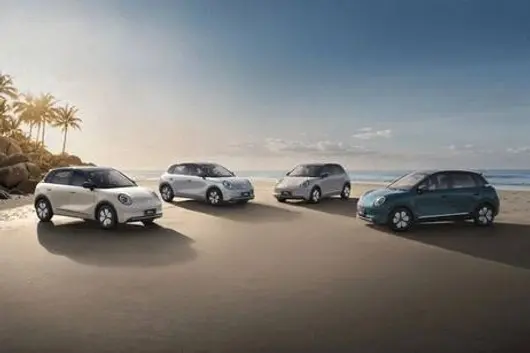
随着五菱代步车用户突破300万,上汽通用五菱将于8月7日举行“缤纷生活 玩心大开”宏光MINIEV 六周年暨五菱代步车300万用户盛典!届时,缤果家族全球代言人孟子义也将亲临现场,与五菱代步车300万用户共同打造一场属于用户的盛典派对。


从2017年至今,上汽通用五菱持续深耕代步车市场,通过推出宝骏E100、E200、宏光MINIEV、缤果家族等车型,一步步完善代步车的产品矩阵。当然,发展至今,五菱代步车销量也将突破300万。最值得一提的是作为“人民的代步车”宏光MINIEV家族凭借“好看、好开、好停、好省”的产品实力累计收获超195万位用户青睐,并已连续71个月获得国内A00级纯电销量冠军,稳居全球微型新能源汽车累计销量第一。缤果家族同样以高颜值缤纷座驾之姿,收获超75万车主信赖,为用户带来缤纷多彩的出行体验。

加速出海,"人民的代步车"迈向全球
而作为五菱全球新能源战略的关键,7月29日第五代宏光MINIEV(Wuling Aira ev)在印尼国际车展(GIIAS)上正式宣布在印尼上市,官方售价1.55 亿印尼盾起(约为人民币59,615元)。

作为一款四门四座纯电代步车,第五代宏光MINIEV 既可以是大学生、职场新人、年轻家庭的第一台车,也是成熟家庭增购代步的首选。第五代宏光MINIEV轻松覆盖日常高频短途场景,完美契合用户对代步车好开、好停、好省的诉求。为贴近年轻家庭与新生代用户,本次新车更是在印尼携手迪士尼·皮克斯《玩具总动员5》开启跨界联动,以更潮趣的形象,让全球人民每日乐享轻松出行。宏光MINIEV出海不仅为五菱代步车的全球销量再添新翼,也以扎实的产品实力将简单代步的理念传递至更广阔的国际市场。
可以说,从销量冠军到全球同行的潮玩符号,五菱代步车印证了小车亦可承载万千热爱。8月7日,在成都露天音乐公园,近百台用户潮创车将齐聚现场,五菱车主代表将共赴这场专属于他们的“缤纷生活”盛宴。

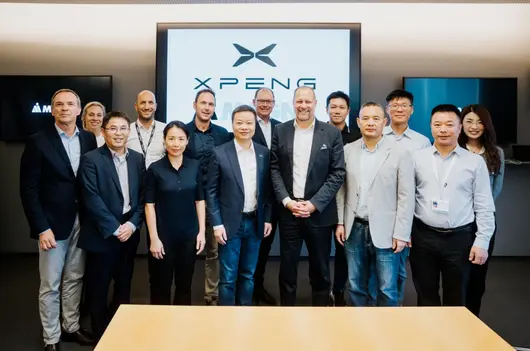
2026年7月,中国汽车出海迎来密集信号。小鹏汽车在德国慕尼黑完成MONA L03全球上市,随后在墨尔本发布澳大利亚长期战略。一个月内,这家新势力车企在欧洲与澳洲市场同步落子,其全球化步伐明显提速。
数据显示,小鹏汽车全球累计销量已突破120万辆。2025年海外交付量达4.5万辆,同比增长96%。进入2026年,小鹏汽车海外月销量据悉已接近1万台。小鹏董事长何小鹏提出的目标是:2026年海外销量翻倍至9万辆以上,海外收入占比突破20%,未来五年海外销量占总体销量的一半。
据小鹏相关人员,今年上半年,小鹏海外销量增速明显,欧洲市场同比增长154%,亚太市场同比增长144%,全年海外销量有望实现翻倍增长。并同步表示,公司已制定详细的全球化战略规划,目标到2030年实现海外销量100万辆。
这些数字背后,是一场从“卖车”到“建体系”的转型。
从“整车出口”到“本地扎根”
单纯依靠整车出口的出海模式,正面临越来越高的贸易壁垒。小鹏选择的路径是:在海外建立生产基地和本地化服务体系。

图片来源:小鹏汽车
在生产端,小鹏目前已布局三个海外生产基地。2025年7月,印尼成为小鹏首个海外本地化生产国家,首台当地生产的X9完成交付。同年9月,小鹏与麦格纳合作的奥地利格拉茨工厂启动量产,首批G6与G9下线,这是麦格纳首次为中国车企进行整车组装。2026年6月,小鹏汽车马来西亚马六甲工厂正式投产,主打右舵版G6。
这三个工厂分别对应东南亚左舵市场、东南亚右舵市场以及欧洲市场,从而形成差异化的产能布局。小鹏方面表示,公司正加快推进多地本地化生产布局,拉丁美洲及欧洲新生产基地也在规划中。并进一步介绍:小鹏将采取“全球化车型、本地化生产、本地化研发”模式,目前已在全球设立8大研发中心和6大生产基地。
在销售与服务端,小鹏的海外销售网络已覆盖65个国家和地区,拥有467家门店。以澳大利亚市场为例,小鹏计划六个月内推出五款新车,布局3家旗舰体验中心和50个销售网点。公司还在墨尔本设立了由联邦快递管理的原厂零部件仓库,可实现主要州次日达。

图片来源:小鹏汽车
这种“产品+渠道+备件”的同步落地,与小鹏此前的渠道风波形成对照——从依赖单一经销商转向多模式并行,是品牌在海外市场走向成熟的必经之路。
值得注意的是,小鹏还在探索更深层的本地化。2025年9月,小鹏在慕尼黑启用欧洲首个研发中心,这已是其全球第九个研发中心。何小鹏近期表示,公司正在研究利用德国车企闲置产能较高的工厂进行生产的可能性。
从研发到生产再到服务,小鹏试图在欧洲建立完整的产业闭环,而不仅仅是把车运过去卖掉。
智驾出海:一张最难打的牌
如果说生产和服务是出海的“硬件”,那智能驾驶可以说是小鹏手中的“软件王牌”,当然也是最具不确定性的变量。

图片来源:小鹏汽车
2026年7月,何小鹏亲赴德国慕尼黑,完成了第二代VLA(Vision-Language-Action)大模型的本地化验收测试。这套基于中国路况训练的系统,在欧洲城市主干道、窄路小巷、大曲率弯道等场景中表现出稳定适配能力。小鹏由此成为国内首家以“同一套模型”贯通中国与欧洲智驾体系的车企。
这背后的技术逻辑是:不依赖高精地图和预设规则,而是通过感知场景语义作出驾驶决策。与传统方案相比,这种路线免去了进入新市场时地图采集和合规审批的长周期。另外,该模型还能同时支撑L2辅助驾驶和L4自动驾驶。

图片来源:小鹏汽车
在落地节奏上,小鹏计划2026年底在欧洲开放高速NGP功能,2027年起通过OTA推送城区NOA。澳大利亚市场的智驾落地时间同样定在2027年。
但挑战同样明显。高阶智驾在右舵市场的推进,仍需跨越严苛的本地法规审批壁垒,并在陌生的交通体系中完成深度的场景语义适配。
2026年6月,联合国WP.29正式发布自动驾驶系统全球统一技术法规(ADS GTR),2027年欧盟新规也将实施。小鹏的VLA模型在慕尼黑的成功验收,某种程度上是对这些新规的提前“压力测试”。
结语
从印尼到奥地利,从马来西亚到澳大利亚,小鹏正试图在多个市场同时搭建“研发—生产—销售—服务—智驾”的完整链条。这不再是一家企业卖更多车的故事,而是中国智能汽车如何在全球建立体系化竞争力的样本。
但硬币的另一面同样清晰:2026年一季度小鹏国内交付同比下滑33.3%。海外扩张既是主动的战略突围,也折射出国内市场竞争加剧下的现实压力。当一家企业在多个陌生市场同时铺开,对资金、人才、管理和合规能力的要求都将指数级上升。对正处于出海关键期的小鹏而言,真正的挑战或许还在后面。

喺馬來西亞嘅 SUV 市場,好多買家喺揀車嗰陣都會拿 Proton X50 同 Honda HR-V 嚟做比較。呢兩款車喺價位同定位上都幾接近,今日我哋就由多個方面做一個詳細比較,幫你省返做功課嘅時間。
Proton X50 喺馬來西亞嘅 OTR 售價係 RM 89,800 - 113,300,合共 4 個版本,包括 1.5T Executive(RM 89,800)、1.5T Premium(RM 101,800)、1.5T Flagship(RM 113,300)等。
Honda HR-V 喺馬來西亞嘅 OTR 售價係 RM 115,900 - 143,900,合共 4 個版本,包括 2026 e:HEV 1.5L RS(RM 143,900)、2026 1.5T V(RM 137,900)、2026 1.5T E(RM 130,900)等。
由價錢睇嚟,Proton X50 嘅起步價確實比 Honda HR-V 平咗 RM 26,100。如果你預算有限,Proton 嘅入門版已經可以滿足日常需要。但都要注意,便宜嗰幾千蚊,可能喺配備上會有取捨,具體要睇你嘅需要。

Proton X50 嘅安全评分係 5★ (ASEAN NCAP),主動安全系統包括 ADAS (ACC, AEB, LKA, LDA, BSM, RCTA)。
Honda HR-V 嘅安全评分係 5★ (ASEAN NCAP),主動安全系統包括 Honda SENSING (ACC, CMBS, LKAS, RDM)。
兩款車嘅安全评分一樣,喺呢個級距入面安全配備都算好齊。而家新車嘅安全性都幾唔錯,唔使太擔心呢一點。
Proton X50 採用 4WD 驅動方式。
Honda HR-V 採用 FWD 驅動方式。
Proton 嘅 4WD 同 Honda 嘅 FWD 喺操控上會有唔同感受,建議試駕比較。

Proton X50 保養 5 年/150,000km,保養間隔 每 10,000km 或 6 個月。
Honda HR-V 保養 5 年/無限制里程,保養間隔 每 10,000km 或 6 個月。

Proton X50 同 Honda HR-V 都係馬來西亞市場嘅主流選擇,適合家庭使用、日常通勤。如果你更睇重品牌口碑同二手價,可以優先考慮口碑更好嗰款;如果你更在意性價比同配備,就揀配置更豐富嗰款。始終都建議兩款都去試駕,親身體驗先係最重要。

總體嚟講,Proton X50 同 Honda HR-V 都係馬來西亞市場好唔錯嘅車型。揀邊一輛,關鍵都要睇你嘅個人需求同預算。建議大家做好功課,多比較幾間車行嘅報價,先去試駕做最終決定。買車係件大事,花少少時間做功課絕對唔會錯。


喺馬來西亞嘅 SUV 市場,好多買家喺揀車嘅時候都會拿 Proton X70 同 Mazda CX-60 做比較。兩款車喺價位同定位上都好接近,今日我哋就從多個方面做一個詳細嘅比較,幫你節省做功課嘅時間。
Proton X70 喺馬來西亞嘅 OTR 售價係 RM 106,800 - 122,300,一共有 3 個版本,包括 1.5L Standard 2WD(RM 106,800)、1.5L Executive 2WD(RM 115,800)、1.5L Premium 2WD(RM 122,300) 等。
Mazda CX-60 喺馬來西亞嘅 OTR 售價係 RM 200,510 - 252,873,一共有 2 個版本,包括 2026 3.3T 4WD High Plus(RM 252,873)、2025 2.5L 2WD High(RM 200,510) 等。
從價錢嚟睇,Proton X70 嘅起步價確實比 Mazda CX-60 平咗 RM 93,710。如果你預算有限,Proton 嘅入門版已經可以滿足日常需要。但都要注意,平嗰幾千蚊,可能喺配備上會有取捨,具體就要睇你嘅需要。
Proton X70 搭載 1.5L Turbo,馬力 140 hp。官方油耗 7.0 L/100km。
Mazda CX-60 搭載 2.0L 4-cyl,馬力 170 hp。官方油耗 8.0 L/100km。
動力方面,Mazda CX-60 嘅 2.0L 4-cyl 比 Proton X70 嘅 1.5L Turbo 多咗 30 匹馬力。不過日常喺市區開,兩款車嘅動力都夠用,唔會覺得唔夠力。
Proton X70 嘅安全評級係 5★ (ASEAN NCAP),主動安全系統包括 ADAS (ACC, AEB, LKA, LDA, BSM, RCTA)。
Mazda CX-60 嘅安全評級係 5★ (Euro NCAP),主動安全系統包括 i-Activsense Pro。
安全配備方面,兩款車都拿到唔錯嘅評級。不過 Proton X70 嘅 ADAS (ACC, AEB, LKA, LDA, BSM, RCTA) 同 Mazda CX-60 嘅 i-Activsense Pro 喺功能上有啲分別,如果你比較重視主動安全嘅話,可以仔細比較下兩者嘅功能列表。
Proton X70 保修 5 年/150,000km,保養間隔 每 10,000km 或 6 個月。
Mazda CX-60 保修 5 年/150,000km,保養間隔 每 10,000km 或 6 個月。
兩款車嘅保修條件一樣,呢方面唔使糾結。實際保養成本仲要睇品牌嘅服務網絡同零件價格,建議去車友群問下真實車主嘅經驗。
Proton X70 同 Mazda CX-60 都係馬來西亞市場嘅主流選擇,適合家庭使用、日常通勤。如果你更重視品牌口碑同二手價,可以優先考慮口碑更好嗰一款;如果你更在意性價比同配備,那就選配置更豐富嗰款。最終都係建議兩款都去試車,親身體驗先係最緊要嘅。
總體嚟講,Proton X70 同 Mazda CX-60 都係馬來西亞市場幾唔錯嘅車型。邊輛揀,關鍵都要睇你嘅個人需要同預算。建議大家做好功課,多比較幾間車行嘅報價,再去試車做最終決定。買車係件大事,花啲時間做功課絕對唔會錯。

In Malaysia's SUV market, many buyers compare Proton X50 and Honda HR-V when choosing a car. These two cars are quite close in price and positioning. Today, we will make a detailed comparison from multiple aspects to help you save time on research.
Proton X50's OTR price in Malaysia is RM 89,800 - 113,300. There are 4 versions in total, including 1.5T Executive (RM 89,800), 1.5T Premium (RM 101,800), 1.5T Flagship (RM 113,300), etc.
Honda HR-V's OTR price in Malaysia is RM 115,900 - 143,900. There are 4 versions in total, including 2026 e:HEV 1.5L RS (RM 143,900), 2026 1.5T V (RM 137,900), 2026 1.5T E (RM 130,900), etc.
From a price perspective, the starting price of Proton X50 is indeed RM 26,100 cheaper than Honda HR-V. If your budget is limited, Proton's entry-level version can already meet daily needs. But note, those few thousand cheaper might involve trade-offs in features, depending on your specific needs.
Proton X50 is equipped with 1.5L 4-cyl, 105 hp. Official fuel consumption 6.0 L/100km.
Honda HR-V is equipped with 1.5L Turbo, 140 hp. Official fuel consumption 7.0 L/100km.
In terms of power, Honda HR-V's 1.5L Turbo has 35 more horsepower than Proton X50's 1.5L 4-cyl. However, for daily city driving, both cars have enough power and won't feel underpowered.
Proton X50's safety rating is 5★ (ASEAN NCAP). Active safety systems include ADAS (ACC, AEB, LKA, LDA, BSM, RCTA).
Honda HR-V's safety rating is 5★ (ASEAN NCAP). Active safety systems include Honda SENSING (ACC, CMBS, LKAS, RDM).
Both cars have the same safety rating. Safety features are quite comprehensive in this class. New cars nowadays are generally safe, so no need to worry too much about this.
Proton X50 body length 4400 mm, trunk 400 L.
Honda HR-V body length 4500 mm, trunk 450 L.
In terms of space, Honda HR-V's body is 100 mm longer than Proton X50, offering better passenger space. However, Proton X50 is a bit more flexible for parking in the city. It's a trade-off.
Both Proton X50 and Honda HR-V are mainstream choices in the Malaysian market, suitable for family use and daily commuting. If you value brand reputation and resale value more, prioritize the one with better reputation. If you care more about value for money and features, choose the one with richer configuration. Ultimately, it is suggested to test drive both. Personal experience is the most important.
Overall, Proton X50 and Honda HR-V are both very good models in the Malaysian market. Which one to choose mainly depends on your personal needs and budget. It is suggested to do your research, compare quotes from several dealerships, and then test drive to make the final decision. Buying a car is a big matter. Spending some time doing research will never be wrong.

喺馬來西亞嘅 SUV 市場,好多買家喺揀車嘅時候都會拿 Proton X70 同 Mazda CX-60 嚟做比較。呢兩款車喺價位同定位上都幾接近,今日我哋就由多個方面做一個詳細嘅比較,幫你節省做功課嘅時間。
Proton X70 喺馬來西亞嘅 OTR 售價係 RM 106,800 - 122,300,合共 3 個版本,包括 1.5L Standard 2WD(RM 106,800)、1.5L Executive 2WD(RM 115,800)、1.5L Premium 2WD(RM 122,300)等。
Mazda CX-60 喺馬來西亞嘅 OTR 售價係 RM 200,510 - 252,873,合共 2 個版本,包括 2026 3.3T 4WD High Plus(RM 252,873)、2025 2.5L 2WD High(RM 200,510)等。
由價錢睇,Proton X70 嘅起步價確實比 Mazda CX-60 平咗 RM 93,710。如果你預算有限,Proton 嘅入門版已經可以滿足日常需要。但要留意,平嗰幾千蚊,可能在配備上會有取捨,具體就要睇你需要點。
Proton X70 搭載 1.5L Turbo,馬力 140 hp。官方油耗 7.0 L/100km。
Mazda CX-60 搭載 2.0L 4-cyl,馬力 170 hp。官方油耗 8.0 L/100km。
動力方面,Mazda CX-60 嘅 2.0L 4-cyl 比 Proton X70 嘅 1.5L Turbo 多咗 30 匹馬力。不過日常喺市區開,兩款車嘅動力都夠用,唔會覺得唔夠力。
Proton X70 車身長 4400 mm,行李廂 400 L。
Mazda CX-60 車身長 4500 mm,行李廂 450 L。
空間方面,Mazda CX-60 嘅車身比 Proton X70 長咗 100 mm,乘坐空間更有優勢。不過 Proton X70 喺城市入面停車會靈活少少,各有取捨。
Proton X70 保修 5 年/150,000km,保養間隔 每 10,000km 或 6 個月。
Mazda CX-60 保修 5 年/150,000km,保養間隔 每 10,000km 或 6 個月。
兩款車嘅保修條件一樣,呢方面唔使糾結。實際保養成本仲要睇品牌嘅服務網絡同零件價格,建議去車友群搵真實車主嘅經驗。
總嚟講,Proton X70 同 Mazda CX-60 都係馬來西亞市場幾好嘅車型。揀邊一輛,關鍵仲係要睇你嘅個人需要同預算。建議大家做足功課,多比較幾間車行嘅報價,再去試駕做最後決定。買車係件大事,花少少時間做功課絕對唔會錯。

In the SUV market in Malaysia, many buyers compare the Proton X50 and Toyota Yaris Cross when choosing a car. These two cars are quite close in price and positioning. Today, we will make a detailed comparison from multiple aspects to help you save time doing research.
The Proton X50 OTR price in Malaysia is RM 89,800 - 113,300, with 4 variants in total, including 1.5T Executive (RM 89,800), 1.5T Premium (RM 101,800), 1.5T Flagship (RM 113,300), etc.
The Toyota Yaris Cross OTR price in Malaysia is RM 99,900 - 109,900, with 2 variants in total, including 2026 1.5L Standard (RM 99,900), 2026 HEV 1.5L Standard (RM 109,900), etc.
From a price perspective, the Proton X50's starting price is indeed RM 10,100 cheaper than the Toyota Yaris Cross. If your budget is limited, Proton's entry-level version can already meet daily needs. But note, the few thousand dollars difference might involve trade-offs in features, depending on your specific needs.
The Proton X50 safety rating is 5★ (ASEAN NCAP), active safety systems include ADAS (ACC, AEB, LKA, LDA, BSM, RCTA).
The Toyota Yaris Cross safety rating is 5★ (ASEAN NCAP), active safety systems include TSS.
Both cars have the same safety rating; safety features are quite comprehensive for this class. New cars nowadays are not lacking in safety, so no need to worry too much about this point.
Proton X50 body length 4400 mm, trunk 400 L.
Toyota Yaris Cross body length 4400 mm, trunk 400 L.
The dimensions of both cars are almost identical, with little difference in interior space. For this class of car, it is more than enough for daily use.
Proton X50 uses 4WD drive method.
Toyota Yaris Cross uses FWD drive method.
Proton's 4WD and Toyota's FWD will feel different in handling; test drive comparison is recommended.

Overall, the Proton X50 and Toyota Yaris Cross are both very good models in the Malaysian market. Which one to choose depends mainly on your personal needs and budget. We suggest doing your research, comparing quotes from several car dealerships, and then test driving to make a final decision. Buying a car is a big matter; spending some time doing research will never be wrong.
In the Malaysian SUV market, many buyers often compare the Proton X50 and Toyota Yaris Cross when choosing a car. These two cars are quite close in price and positioning, so today we will make a detailed comparison from multiple aspects to help you save time on research.
The OTR price for Proton X50 in Malaysia is RM 89,800 - 113,300, totaling 4 versions, including 1.5T Executive (RM 89,800), 1.5T Premium (RM 101,800), 1.5T Flagship (RM 113,300), etc.
The OTR price for Toyota Yaris Cross in Malaysia is RM 99,900 - 109,900, totaling 2 versions, including 2026 1.5L Standard (RM 99,900), 2026 HEV 1.5L Standard (RM 109,900), etc.
From the price perspective, the entry price of Proton X50 is indeed cheaper by RM 10,100 compared to Toyota Yaris Cross. If your budget is limited, the entry-level Proton should already meet daily needs. However, note that the few thousand difference in price might come with compromises on features, which depends on your specific needs.
Proton X50 is equipped with a 1.5L 4-cyl engine, horsepower 105 hp. Official fuel consumption is 6.0 L/100km.
Toyota Yaris Cross is equipped with a 1.5L 4-cyl engine, horsepower 105 hp. Official fuel consumption is 6.0 L/100km.
Both cars use the same powertrain, so the driving experience feels basically the same. Fuel consumption is also similar, so there is no need to worry too much about this point.
The safety rating for Proton X50 is 5★ (ASEAN NCAP). Active safety systems include ADAS (ACC, AEB, LKA, LDA, BSM, RCTA).
The safety rating for Toyota Yaris Cross is 5★ (ASEAN NCAP). Active safety systems include TSS.
Both cars have the same safety rating, and safety features in this segment are considered quite comprehensive. New cars nowadays generally have good safety, so there is no need to worry too much about this.
Proton X50 body length is 4400 mm, trunk capacity 400 L.
Toyota Yaris Cross body length is 4400 mm, trunk capacity 400 L.
Both cars have almost the same dimensions, and the interior space difference is not significant. Cars in this class are more than sufficient for daily use.
Proton X50 warranty is 5 years / 150,000km, service interval every 10,000km or 6 months.
Toyota Yaris Cross warranty is 5 years / unlimited mileage, service interval every 10,000km or 6 months.
Overall, both the Proton X50 and Toyota Yaris Cross are quite good models in the Malaysian market. Which one to choose depends mainly on your personal needs and budget. We suggest you do your research, compare quotes from multiple dealerships, and then go for a test drive to make the final decision. Buying a car is a major matter, and spending time on research is never wrong.

喺馬來西亞嘅 SUV 市場,好多買家喺揀車嘅時候都會拿 Proton X70 同 Mazda CX-3 嚟比較。這兩款車喺價位同定位上都幾接近,今日我哋就從多個方面做一個詳細比較,幫你省做功課嘅時間。
Proton X70 喺馬來西亞嘅 OTR 售價係 RM 106,800 - 122,300,一共有 3 個版本,包括 1.5L Standard 2WD(RM 106,800)、1.5L Executive 2WD(RM 115,800)、1.5L Premium 2WD(RM 122,300) 等。
Mazda CX-3 喺馬來西亞嘅 OTR 售價係 RM 126,159 - 139,159,一共有 2 個版本,包括 2023 2.0L High(RM 139,159)、2023 2.0L Plus(RM 126,159) 等。
從價錢嚟睇,Proton X70 嘅起價確實比 Mazda CX-3 便宜咗 RM 19,359。如果你預算有限,Proton 嘅入門版已經可以滿足日常需要。但都要注意,便宜嗰幾千蚊,可能喺配備上會有取捨,具體要睇你嘅需求。
Proton X70 搭載 1.5L Turbo,馬力 140 hp。官方油耗 7.0 L/100km。
Mazda CX-3 搭載 1.5L Turbo,馬力 140 hp。官方油耗 7.0 L/100km。
兩款車用同一套動力系統,日常開起嚟嘅感覺基本冇分別。油耗方面都差唔多,唔使太糾結這一點。
Proton X70 採用 FWD 驅動方式。
Mazda CX-3 採用 FWD 驅動方式。
兩款車嘅驅動方式一樣,都係 FWD,日常駕駛感覺唔會有太大區別。
Proton X70 保修 5 年/150,000km,保養間隔 每 10,000km 或 6 個月。
Mazda CX-3 保修 5 年/150,000km,保養間隔 每 10,000km 或 6 個月。
兩款車嘅保修條件一樣,呢方面唔使糾結。實際保養成本仲要睇品牌嘅服務網絡同零件價格,建議去車友群問問真實車主嘅經驗。
Proton X70 同 Mazda CX-3 都係馬來西亞市場嘅主流選擇,適合家庭使用、日常通勤。如果你更看重品牌口碑同二手價,可以優先考慮口碑更好嗰一款;如果你更在意性價比同配備,那就揀配置更豐富嗰款。最終都係建議兩款都去試駕,親身體驗先係最重要。
總體嚟講,Proton X70 同 Mazda CX-3 都係馬來西亞市場幾唔錯嘅車型。揀邊一輛,關鍵仲係要睇你嘅個人需要同預算。希望大家做好功課,多比較幾間車行嘅報價,再去試駕做最終決定。買車係件大事,花少少時間做功課絕對唔會錯。
In Malaysia's SUV market, many buyers compare the Proton X50 and Toyota Corolla Cross when choosing a car. The price and positioning of these two models are quite close. Today, we will make a detailed comparison from multiple aspects to help you save time on research.
The OTR price of the Proton X50 in Malaysia is RM 89,800 - 113,300, with a total of 4 versions, including 1.5T Executive (RM 89,800), 1.5T Premium (RM 101,800), 1.5T Flagship (RM 113,300), etc.
The OTR price of the Toyota Corolla Cross in Malaysia is RM 133,800 - 148,800, with a total of 3 versions, including 2026 HEV 1.8L GR Sport (RM 148,800), 2026 HEV 1.8L Standard (RM 140,800), 2026 1.8L Standard (RM 133,800), etc.
From the price perspective, the Proton X50 starting price is indeed RM 44,000 cheaper than the Toyota Corolla Cross. If your budget is limited, Proton's entry-level version is already sufficient for daily needs. But keep in mind that the few thousand price difference might involve compromises in features, depending on your specific needs.
The Proton X50 has a body length of 4400 mm and a trunk capacity of 400 L.
The Toyota Corolla Cross has a body length of 4400 mm and a trunk capacity of 400 L.
The dimensions of both cars are almost identical, the interior space does not differ much. Cars in this class are more than sufficient for daily use.
The Proton X50 uses a 4WD drive system.
The Toyota Corolla Cross uses an FWD drive system.
Proton's 4WD and Toyota's FWD will offer different driving experiences in terms of handling, test drives are recommended for comparison.
The Proton X50 and Toyota Corolla Cross are both mainstream choices in the Malaysian market, suitable for family use and daily commuting. If you value brand reputation and resale value more, you can prioritize the one with better reputation; if you care more about cost-performance and features, then choose the model with richer configurations. Ultimately, it is recommended to test drive both models, as personal experience is the most important.

Overall, the Proton X50 and Toyota Corolla Cross are both very good models in the Malaysian market. Which one to choose depends mainly on your personal needs and budget. It is recommended to do your research, compare quotes from multiple dealerships, then test drive to make the final decision. Buying a car is a major matter, spending some time on research is never wrong.

In the Malaysian SUV market, many buyers compare the Proton X70 and Toyota Yaris Cross when choosing a car. These two models are quite close in terms of price and positioning. Today, we will make a detailed comparison from multiple aspects to help you save time doing research.
The Proton X70 OTR price in Malaysia is RM 106,800 - 122,300, with a total of 3 versions, including 1.5L Standard 2WD (RM 106,800), 1.5L Executive 2WD (RM 115,800), 1.5L Premium 2WD (RM 122,300), etc.
The Toyota Yaris Cross OTR price in Malaysia is RM 99,900 - 109,900, with a total of 2 versions, including 2026 1.5L Standard (RM 99,900), 2026 HEV 1.5L Standard (RM 109,900), etc.
From a price perspective, the starting price of the Toyota Yaris Cross is RM 6,900 cheaper than the Proton X70. Honestly, in this price range, the gap of a few thousand is actually not significant. The key is to look at the overall cost-performance ratio and long-term usage costs.
The Proton X70 is equipped with a 1.5L Turbo, with 140 hp. Official fuel consumption is 7.0 L/100km.
The Toyota Yaris Cross is equipped with a 1.5L 4-cyl, with 105 hp. Official fuel consumption is 6.0 L/100km.
In terms of power, the Proton X70's 1.5L Turbo has 35 more horsepower than the Toyota Yaris Cross's 1.5L 4-cyl, providing more confidence in mid-range acceleration, especially when overtaking on highways. However, the Toyota Yaris Cross may have more favorable fuel economy, and the difference in daily city commuting will not be too large.
The Proton X70 body length is 4400 mm, with a trunk of 400 L.
The Toyota Yaris Cross body length is 4400 mm, with a trunk of 400 L.
The dimensions of the two cars are almost the same, and the interior space is not significantly different. For cars in this class, it is completely sufficient for daily use.
Both Proton X70 and Toyota Yaris Cross are mainstream choices in the Malaysian market, suitable for family use and daily commuting. If you value brand reputation and resale value more, prioritize the one with better reputation; if you care more about cost-performance ratio and features, choose the one with richer configuration. Ultimately, it is recommended to test drive both models, as experiencing it firsthand is the most important.
Overall, both Proton X70 and Toyota Yaris Cross are very good models in the Malaysian market. Choosing which one depends on your personal needs and budget. It is recommended to do your homework well, compare quotes from multiple car dealerships, and then test drive before making the final decision. Buying a car is a major matter, spending some time doing homework will never be wrong.


喺馬來西亞嘅 SUV 市場,好多買家喺揀車嗰陣都會拿 Proton X50 同 Mazda CX-5 嚟做比較。這兩款車喺價位同定位上都幾接近,今日我哋就從多個方面做一個詳細嘅比較,幫你節省做功課嘅時間。
Proton X50 喺馬來西亞嘅 OTR 售價係 RM 89,800 - 113,300,一共有 4 個版本,包括 1.5T Executive(RM 89,800)、1.5T Premium(RM 101,800)、1.5T Flagship(RM 113,300) 等。
Mazda CX-5 喺馬來西亞嘅 OTR 售價係 RM 135,469 - 166,760,一共有 3 個版本,包括 2025 2.0L AT 35th Anniversary(RM 316,154)、2025 2.0L AT(RM 296,154)、2025 2.0L MT(RM 294,154) 等。
由價錢睇,Proton X50 嘅起步價確實比 Mazda CX-5 平咗 RM 45,669。如果你預算有限,Proton 嘅入門版已經可以滿足日常需要。但都要注意,平嗰幾千蚊,可能喺配備上會有取捨,具體睇你嘅需要。
Proton X50 搭載 1.5L 4-cyl,馬力 105 hp。官方油耗 6.0 L/100km。
Mazda CX-5 搭載 1.5L Turbo,馬力 140 hp。官方油耗 7.0 L/100km。
動力方面,Mazda CX-5 嘅 1.5L Turbo 比 Proton X50 嘅 1.5L 4-cyl 多咗 35 匹馬力。不過日常喺市區行,兩款車嘅動力都夠用,唔會覺得唔夠力。
Proton X50 車身長 4400 mm,尾箱 400 L。
Mazda CX-5 車身長 4500 mm,尾箱 450 L。
空間方面,Mazda CX-5 嘅車身比 Proton X50 長咗 100 mm,乘坐空間更有優勢。不過 Proton X50 喺城市入面泊車會靈活少少,各有取捨。
Proton X50 採用 4WD 驅動方式。
Mazda CX-5 採用 FWD 驅動方式。
Proton 嘅 4WD 同 Mazda 嘅 FWD 喺操控上會有唔同感受,建議試駕比較。

總體嚟講,Proton X50 同 Mazda CX-5 都係馬來西亞市場幾唔錯嘅車型。揀邊一輛,關鍵仲係睇你個人需要同預算。建議大家做好功課,多比較幾間車行嘅報價,再去試駕先做最終決定。買車係件大事,花啲時間做功課絕對唔會錯。

喺馬來西亞嘅 SUV 市場,好多買家喺揀車嗰陣,都會拎寶騰 X50 同奇瑞 Tiggo 7 Pro 嚟比較。這兩款車喺價位同定位上都幾近,今日我哋就由多個方面做一個詳細嘅比較,幫你節省做功課嘅時間。
寶騰 X50 喺馬來西亞嘅 OTR 售價係 RM 89,800 - 113,300,總共有 4 個版本,包括 1.5T Executive(RM 89,800)、1.5T Premium(RM 101,800)、1.5T Flagship(RM 113,300)等。
奇瑞 Tiggo 7 Pro 喺馬來西亞嘅 OTR 售價係 RM 123,750 - 123,750,總共有 2 個版本,包括 1.6L Turbo Standard(RM 125,000)、1.6L Turbo Premium(RM 140,000)等。
從價錢嚟睇,寶騰 X50 嘅起步價確實比奇瑞 Tiggo 7 Pro 平咗 RM 33,950。如果你預算有限,寶騰嘅入門版已經可以滿足日常需求。但都要注意,平嗰幾千蚊,可能喺配備上有取捨,具體要看你嘅需求。
寶騰 X50 配備 1.5L 4-cyl,馬力 105 hp。官方油耗 6.0 L/100km。
奇瑞 Tiggo 7 Pro 配備 1.5L Turbo,馬力 140 hp。官方油耗 7.0 L/100km。
動力方面,奇瑞 Tiggo 7 Pro 嘅 1.5L Turbo 比寶騰 X50 嘅 1.5L 4-cyl 多咗 35 匹馬力。不過日常喺市區開,兩款車嘅動力都夠用,唔會覺得唔夠力。
寶騰 X50 車身長 4400 mm,後尾箱 400 L。
奇瑞 Tiggo 7 Pro 車身長 4400 mm,後尾箱 400 L。
兩款車嘅尺寸幾近一樣,車內空間差別唔大。呢個級別嘅車,日常使用完全夠用。
寶騰 X50 採用 4WD 驅動方式。
奇瑞 Tiggo 7 Pro 採用 FWD 驅動方式。
寶騰嘅 4WD 同奇瑞嘅 FWD 喺操控上會有唔同感受,建議試駕比較。
寶騰 X50 保養 5 年/150,000km,保養間隔 每 10,000km 或 6 個月。
奇瑞 Tiggo 7 Pro 保養 3 年/100,000km,保養間隔 每 10,000km 或 6 個月。
總體來說,寶騰 X50 同奇瑞 Tiggo 7 Pro 都係馬來西亞市場好唔錯嘅車型。揀邊一輛,關鍵始終睇你嘅個人需求同預算。建議大家做好功課,多比較幾間車行嘅報價,先至試駕做最終決定。買車係件大事,花少少時間做功課絕對唔會錯。
© 2024 Bitauto.com. All Rights Reserved.
Bitauto (www.yiche.com and www.bitauto.com) is one of the most visited automotive websites in China. We provide detailed info on Chinese car brands available in your area. Please note that the information provided on this website is based on publicly available data and is for reference only. It may not be fully updated or accurate at all times.

Help us improve our website


