

HomeVolkswagen Golf

Search History
Popular Searches
Dealer Login / Sign Up

車市喧囂!日均三款新車嘅頻率,令大多數產品如流星般“一閃而過”。然而,華境 S 上市四個月嚟交付量卻持續攀升,8 月交付 7306 輛,累計交付突破 2 萬輛。
沒有先發優勢,沒有滔天聲量,華境 S 卻成為“三境”體系中表現最亮眼嗰個。點解?
一個“超高性價比”稱讚嘅品牌,卻猛然喺 20 萬級智能大六座市場打開咗缺口。點解?
一個常年冇出格行為同營銷舉措嘅車企,去年嘅銷量卻偷偷實現咗 165 萬輛?點解?
帶住種種疑問同不解,9 月 22 號,“汽車情報”同汽象自媒體聯合理會成員一道,深入柳州五菱工廠,進行參觀調研、交流座談,以期揭開心中嘅謎團。

三大產品體系全面躍遷
要理解五菱,首先要理清佢嘅產品體系。今日嘅上汽通用五菱,已經構建起商用車、乘用車、高端智能汽車三大體系產品,各自承擔清晰嘅戰略使命。
商用車版塊,通俗嚟講就係掛紅標嘅五菱,目前涵蓋之光、宏光、揚光、榮光四大產品系。隨著新能源時代嘅到嚟,五菱商用車不斷加大新能源煥新力度,同時根據市場變化不斷做大車身尺寸,進一步滿足使用需求。2025 年,五菱商用車銷量達 57.8 萬輛,全國市場份額超過三分之一,佔比達 39.3%,穩居冠軍寶座;其中,新能源車型銷量 14.8 萬輛,同比增長 110%。
值得一提係,五菱揚光系列作為紅標商用車嘅核心產品,針對唔同用戶推出咗差異化車型:26 款揚光面向城鎮個別工商戶,揚光 Pro 瞄準專業城配公司,揚光 L 服務同城貨運平台司機。一個車系、三類人群,本質上係對商用車碎片化需求嘅深度回應。

乘用車版塊,就係“掛銀標”嘅五菱,主要有宏光 MINIEV、繽果同星光三大族系,承擔着“向下扎根、向上突破”嘅雙重任務。直至而家,“向下扎根”嘅宏光 MINIEV 家族累計銷量超 195 萬輛,係中國品牌純電市場銷量最高嘅單一車型,無一;繽果家族累計銷量超 75 萬輛,喺 A0 級市場穩居前三。“向上突破”嘅成果同樣都值得關注:星光 730 蟬聯九個月 15 萬以內 MPV 銷冠,星光 L 上市首月銷量即破萬,喺今時今日高度內捲嘅大環境下,依然係現象級存在。

高端智能製造方面,華境則係破局者,亦係五菱品牌向上、價值向上嘅“戰略級”武器。作為與華為深度合作嘅產物,首款車型華境 S 全係標配華為乾崑智駕、鴻蒙座艙同乾崑車雲,作為一款與問界 M9 同級嘅大六座 SUV,佢 15.98 萬 -20.38 萬嘅平民售價,以“科技平權”嘅姿態贏得咗市場垂愛。上市四個月,累計交付已达 2 萬輛。

如果你對五菱嘅印象仲停留喺“幾萬塊嘅代步車”,呢三大矩陣展現出嘅產品譜系同價格覆蓋範圍,恐怕已經超出想像。一個覆蓋由商用到乘用、由 5 萬至 20 萬以上價格區間嘅完整品牌體系,已經悄然成型,一個全新嘅五菱正迎面走嚟。
國內國外兩大市場協同發力
好多人喺審視五菱時,往往把華境 S 嘅成功歸功於“抱咗華為嘅大腿”,點解要把問題諗簡單咗。
展開五菱與華為嘅合作時間線,呢場長達八年嘅“長跑”:2018 年,雙方喺工業物聯網 5G 領域展開合作;2019 年共建智能聯網示範區;2023 年推進技術集成 I²MS;2025 年 9 月正式簽署“三智”深化合作協議;2026 年 4 月,雙方簽署全面深化戰略合作協議;5 月 8 號,華境 S 正式上市。

這種由底層技術到產品定義再到生態營運嘅層層遞進,構成咗五菱與華為合作嘅獨特路徑。
華境 S 嘅成功,唔係偶然,更加係五菱品牌向上信心同決心嘅展現。
但五菱被低估嘅,唔止呢一面。海外市場,係另一條長期被忽視嘅增長曲線。
調研之中,汽車情報“了解”到,而家五菱出海嘅途徑一共有四大路線。喺拉丁美洲同非洲中東地區,五菱掛通用旗下嘅雪佛蘭 LOGO 出售;喺印尼,上汽通用五菱設立咗自己嘅企業,掛住五菱 LOGO 出售;喺印度工廠,五菱則使用咗上汽旗下嘅 MG LOGO。正因為呢個原因,與眾多企業嘅高調出海唔同,五菱今年嘅出口量已經偷偷達到 25 萬,同比增長近 50%。海外累計銷量,已經突破 160 萬輛大關。喺全球範圍,上汽通用五菱嘅總體產銷量已經喺本月突破咗 3200 萬,亦由此成為我國首個“三千萬俱樂部”成員。

更加值得關注嘅,仲有五菱出海模式嘅升級。喺 2026 年東博會上,五菱發布咗"Global5 全球戰略”,以貿易、經銷、產銷、全產業鏈同技術授權五種梯度化合作模式,適配唔同國家同市場嘅發展階段。
【結語】當一家企業能夠同時做到“5 萬元嘅車做到極致性價比”同“20 萬元嘅車全係標配華為乾崑智駕”,當佢嘅產品既喺廣大鄉鎮嘅物流場景穿梭又能喺北上廣深等一線城市馳騁……我哋或許應該重新審視對呢家企業嘅刻板印象咗。毋庸置疑,嗰個悶聲唔聲嘅五菱,正喺用一場體系化嘅戰略躍遷,完成由“國民神車”至“全球智能出行品牌”嘅身份重塑。


Pasar automotif yang bising! Kadar tiga kenderaan baharu setiap hari menyebabkan kebanyakan produk "muncul lalu hilang" seperti meteor. Walau bagaimanapun, jumlah penghantaran Huajing S terus meningkat selama empat bulan sejak pelancaran, penghantaran Ogos sebanyak 7,306 unit, jumlah terkumpul melebihi 20,000 unit.
Tanpa kelebihan permulaan, tanpa suara bising yang besar, Huajing S sebaliknya menjadi yang paling cemerlang dalam sistem "Tiga Dimensi". Mengapa?
Merek yang terkenal dengan "nilai kos faedah yang sangat tinggi", sebaliknya secara tiba-tiba membuka jalan di pasar kenderaan enam kerusi pintar kelas 200,000. Mengapa?
Kilang automobil yang tidak pernah mempunyai tingkah laku dan langkah pemasaran yang luar biasa sepanjang tahun, sebaliknya secara rahsia meningkatkan jualan tahun lalu sebanyak 1.65 juta unit? Mengapa?
Dengan pelbagai keraguan dan kekeliruan, pada 22 September, "Maklumat Automotif" bersama ahli Persekutuan Media Swasta Qixiang, mengembara ke Pabrik Wuling Liuzhou, untuk melakukan lawatan kajian, perbincangan dan perbincangan, dengan tujuan untuk membuka misteri di hati mereka.
tiga Sistem Produk Terjun Sepenuh
Untuk memahami Wuling, pertama sekali kita perlu mengurutkan sistem produknya. SAIC-GM-Wuling hari ini telah membina tiga sistem produk iaitu Kenderaan Komersial, Kenderaan Peribadi, dan Kenderaan Cerdas Kelas Atas, masing-masing memikul misi strategik yang jelas.
Bidang Kenderaan Komersial, secara mudahnya ialah Wuling yang memakai Merek Merah, pada masa ini merangkumi empat siri produk Zhiguang, Hongguang, Yangguang dan Rongguang. Bersama dengan kedatangan era automotif baharu, Wuling Kenderaan Komersial semakin menambah penambahbaikan automotif baharu, dan pada masa yang sama terus memperbesar saiz badan berdasarkan perubahan pasaran untuk memenuhi keperluan penggunaan. Pada tahun 2025, jualan Kenderaan Komersial Wuling mencapai 578,000 unit, bahagian pasaran nasional melebihi sepertiga, sebanyak 39.3%, kekal di tempat kejuaraan; di mana jualan model automotif baharu 148,000 unit, meningkat sebanyak 110% setahun.
Perlu disebutkan, siri Wuling Yangguang sebagai produk teras Kenderaan Komersial Merek Merah, telah mempromosikan model yang berbeza bagi pengguna yang berbeza: Edisi 26 Yangguang untuk individu dan perniagaan di bandar dan desa, Yangguang Pro menepati syarikat pengedaran bandar profesional, Yangguang L untuk pemandu platform penghantaran bandar. Satu siri kenderaan, tiga kumpulan orang, pada asasnya ialah respons mendalam kepada keperluan Kenderaan Komersial yang berpecah.
Bidang Kenderaan Peribadi, iaitu Wuling yang memakai "Merek Perak", terutamanya tiga keluarga Hongguang MINIEV, Bingo dan Starlight, memikul tugas dwi "akar ke bawah, terobos ke atas". Sehingga kini, Hongguang MINIEV "akar ke bawah" telah mencapai jualan terkumpul melebihi 1.95 juta unit, merupakan model tunggal dengan jualan tertinggi di pasaran automotif elektrik jenama China, tiada pilihan lain; keluarga Bingo mencapai jualan terkumpul melebihi 750,000 unit, kekal di tiga besar di pasar kelas A0. Hasil "terobos ke atas" juga wajar digalakkan: Starlight 730 kekal menjadi juara jualan MPV di bawah 150,000 selama sembilan bulan berturut-turut, jualan bulan pertama pelancaran Starlight L segera memecahkan 10,000 unit, dalam persekitaran persaingan yang sangat sengit hari ini, masih merupakan wujudan fenomena.
Dalam bidang Pembuatan Pintar Kelas Atas, Huajing adalah pengusik, juga senjata "strategik" Wuling untuk naik ke atas jenama dan nilai. Sebagai hasil kerjasama mendalam dengan Huawei, model pertama Huajing S adalah standard sistem pemanduan autonomi Qiankun Huawei, kabin Hongmeng dan cloud Qiankun untuk semua model, sebagai kenderaan SUV enam kerusi besar yang setara dengan AITO M9, harga rakyat 159,800 - 203,800 Yuan, dengan sikap "demokratisasi teknologi" memperoleh cinta pasaran. Empat bulan setelah pelancaran, jumlah penghantaran terkumpul telah mencapai 20,000 unit.
Jika tanggapan anda terhadap Wuling masih berada di "kenderaan perjalanan beberapa puluh ribu yuan", siri produk dan liputan harga yang dipaparkan oleh tiga matriks ini, mungkin sudah luar jangkaan. Satu sistem jenama yang lengkap yang meliputi dari Kenderaan Komersial hingga Kenderaan Peribadi, daripada 50,000 hingga melebihi 200,000 kawasan harga, telah secara senyap-senyap terbentuk, satu Wuling baharu sedang berjalan ke hadapan.
Dua Pasaran Dalam dan Luar Negara Bekerjasama Berdaya Tarik
Ramai orang yang menilai Wuling, sering mengesyorkan kejayaan Huajing S dikira kepada "memeluk paha Huawei", maka itu bermaksud masalah terlalu mudah.
Membuka garis masa kerjasama Wuling dan Huawei, ini adalah "larian jarak jauh" yang berlangsung selama lapan tahun: Pada 2018, kedua-dua pihak memulakan kerjasama di bidang Internet Perkara Industri 5G; 2019 bekerjasama membina Zon Demo Rangkaian Cerdas; 2023 memajukan integrasi teknologi I²MS; September 2025 menandatangani secara rasmi "Tiga Kecerdasan" perjanjian kerjasama penyahkhususan; April 2026, kedua-dua pihak menandatangani perjanjian strategik penyahkhususan; 8 Mei, Huajing S secara rasmi dilancarkan.
Jalur peningkatan berlapis dari teknologi asas hingga definisi produk hingga operasi ekosistem ini, membentuk laluan unik kerjasama Wuling dan Huawei.
Kejayaan Huajing S, bukan kebetulan, malah merupakan manifestasi keyakinan dan tekad jenama Wuling untuk naik ke atas.
Tetapi Wuling yang dipandang rendah, bukan hanya satu aspek ini. Pasaran luar negara, ialah satu lagi kurva pertumbuhan yang diabaikan dalam jangka masa panjang.
Dalam kajian, "Maklumat Automotif" mengetahui, sehingga kini terdapat empat laluan untuk Wuling keluar ke luar negara. Di kawasan Amerika Latin dan Timur Tengah Afrika, Wuling menjual menggunakan Logo Chevrolet di bawah GM; di Indonesia, SAIC-GM-Wuling menubuhkan perniagaan sendiri, menjual menggunakan Logo Wuling; di kilang India, Wuling telah menggunakan Logo MG di bawah SAIC. Sebab itulah, berbeza dengan pengeluar luar negara yang tinggi, jualan eksport Wuling tahun ini telah secara senyap mencapai 250,000 unit, meningkat hampir 50% tahun ke tahun. Jualan terkumpul luar negara, telah memecahkan had 1.6 juta unit. Pada skala global, jumlah pengeluaran dan jualan SAIC-GM-Wuling telah pada bulan ini memecahkan 32 juta, dan dengan ini menjadi anggota pertama "Klub 30 Juta" negara kita.
Lebih bernilai untuk diperhatikan, juga peningkatan model eksport Wuling. Pada Pameran China-ASEAN 2026, Wuling telah mengumumkan "Strategi Global5", dengan lima model kerjasama berbeza tahap iaitu Perdagangan, Penjualan, Pengeluaran dan Penjualan, Rantaian Nilai Penuh dan Pengenalan Teknologi, untuk menyesuaikan peringkat pembangunan negara dan pasaran yang berbeza.
【Penutup】Apabila satu syarikat dapat serentak melakukan "mempunyai nilai kos faedah tertinggi untuk kenderaan 50,000 Yuan" dan "sistem lengkap kenderaan 200,000 Yuan dilengkapi sistem pemanduan autonomi Qiankun Huawei", apabila produknya boleh merayau di skenario logistik di bandar perbandaran dan kampung yang luas dan juga merayau di bandar besar teratas seperti Beijing, Shanghai, Guangzhou, Shenzhen ... kita mungkin perlu menyemak semula stereotaip kita terhadap syarikat ini. Tidak diragui, Wuling yang tidak bersuara itu, sedang menggunakan lompatan strategik berstruktur untuk menyelesaikan semula identiti dari "Kenderaan Legendaris Negara" kepada "Merek Perjalanan Pintar Global".

Di pasaran SUV Malaysia, banyak pembeli sering membandingkan Toyota Yaris Cross dan Chery Tiggo 8 PHEV semasa memilih kereta. Kedua-dua kereta ini mempunyai harga dan segmentasi yang agak hampir, hari ini kita akan membuat perbandingan terperinci dari pelbagai aspek untuk membantu anda menjimatkan masa membuat kajian.
Toyota Yaris Cross dijual di Malaysia pada harga OTR RM 99,900 - 109,900, terdapat 2 versi, termasuk 2026 1.5L Standard (RM 99,900), 2026 HEV 1.5L Standard (RM 109,900) dan lain-lain.
Chery Tiggo 8 PHEV dijual di Malaysia pada harga OTR RM 159,750 - 159,750, terdapat 2 versi, termasuk 1.6L Turbo Standard (RM 130,000), 1.6L Turbo Premium (RM 145,000) dan lain-lain.
Dari segi harga, Toyota Yaris Cross memang lebih murah RM 59,850 berbanding Chery Tiggo 8 PHEV. Jika bajet anda terhad, model asas Toyota sudah boleh memenuhi keperluan harian. Namun perlu diingat, perbezaan harga yang agak kecil ini mungkin mempunyai pilihan dalam peralatan, ia bergantung kepada keperluan anda.

Toyota Yaris Cross dilengkapi enjin 1.5L 4-silinder, kuasa 105 hp. Penggunaan bahan api rasmi 6.0 L/100km.
Chery Tiggo 8 PHEV dilengkapi Hybrid, kuasa 170 hp. Penggunaan bahan api rasmi 4.5 L/100km.
Dari segi kuasa, Hybrid pada Chery Tiggo 8 PHEV mempunyai 65 kuasa kuda lebih daripada 1.5L 4-silinder pada Toyota Yaris Cross. Namun untuk memandu harian di bandar, kedua-dua kereta ini cukup kuat, anda tidak akan terasa kurang tenaga.

Tahap keselamatan Toyota Yaris Cross ialah 5★ (ASEAN NCAP), sistem keselamatan aktif termasuk TSS.
Tahap keselamatan Chery Tiggo 8 PHEV ialah TBD, sistem keselamatan aktif termasuk Basic.
Dari segi peralatan keselamatan, kedua-dua kereta ini mendapat penilaian yang baik. Namun terdapat perbezaan fungsi antara TSS pada Toyota Yaris Cross dan Basic pada Chery Tiggo 8 PHEV, jika anda lebih memberi keutamaan kepada keselamatan aktif, boleh bandingkan senarai fungsi kedua-duanya dengan teliti.

Toyota Yaris Cross mempunyai garansi 5 tahun/jarak tanpa had, selang penyelenggaraan setiap 10,000km atau 6 bulan.
Chery Tiggo 8 PHEV mempunyai garansi 3 tahun/100,000km, selang penyelenggaraan setiap 10,000km atau 6 bulan.
Toyota Yaris Cross dan Chery Tiggo 8 PHEV kedua-duanya merupakan pilihan utama pasaran Malaysia, sesuai untuk kegunaan keluarga dan perjalanan harian. Jika anda lebih mempercayai reputasi jenama dan harga terpakai, boleh utamakan jenama yang lebih terkenal; jika anda lebih peduli nisbah harga-kuasa dan peralatan, pilih yang mempunyai konfigurasi lebih lengkap. Akhir sekali, kami sarankan anda membandingkan kedua-duanya melalui ujian memandu, pengalaman sendiri adalah yang paling penting.
Secara keseluruhan, Toyota Yaris Cross dan Chery Tiggo 8 PHEV adalah model yang cukup baik di pasaran Malaysia. Memilih yang mana satu, kuncinya adalah melihat keperluan peribadi dan bajet anda. Kami cadangkan anda membuat kajian terlebih dahulu, bandingkan sebut harga dari beberapa kedai kereta, kemudian buat keputusan akhir selepas ujian memandu. Membeli kereta adalah perkara penting, meluangkan masa membuat kajian tidak akan salah.


Pasaran SUV di Malaysia, ramai pembeli membandingkan Toyota Yaris Cross dan Chery Tiggo 8 PHEV ketika memilih kereta.
Toyota Yaris Cross dijual pada harga OTR di Malaysia antara RM 99,900 - 109,900, terdapat 2 versi, termasuk 2026 1.5L Standard (RM 99,900), 2026 HEV 1.5L Standard (RM 109,900) dan lain-lain.
Chery Tiggo 8 PHEV dijual pada harga OTR di Malaysia antara RM 159,750 - 159,750, terdapat 2 versi, termasuk 1.6L Turbo Standard (RM 130,000), 1.6L Turbo Premium (RM 145,000) dan lain-lain.
Dari segi harga, Toyota Yaris Cross bermula RM 59,850 lebih murah daripada Chery Tiggo 8 PHEV. Jika anda mempunyai bajet terhad, versi permulaan Toyota sudah mencukupi untuk keperluan harian. Namun, perlu diingat, perbezaan harga yang murah itu mungkin melibatkan pengurangan pada kelengkapan, bergantung kepada keperluan anda.
Penghargaan keselamatan Toyota Yaris Cross ialah 5★ (ASEAN NCAP), sistem keselamatan aktif termasuk TSS.
Penghargaan keselamatan Chery Tiggo 8 PHEV ialah TBD, sistem keselamatan aktif termasuk Basic.
Dari segi kelengkapan keselamatan, kedua-dua kereta mendapat penilaian yang baik. Namun, terdapat perbezaan fungsi antara TSS Toyota Yaris Cross dan Basic Chery Tiggo 8 PHEV. Jika anda mengutamakan keselamatan aktif, anda boleh membandingkan senarai fungsi kedua-duanya dengan teliti.
Panjang badan Toyota Yaris Cross 4400 mm, ruang bagasi 400 L.
Panjang badan Chery Tiggo 8 PHEV 4400 mm, ruang bagasi 400 L.
Saiz kedua-dua kereta hampir sama, ruang dalaman tidak banyak berbeza. Kereta kelas ini, sangat memadai untuk penggunaan harian.
Toyota Yaris Cross waranti 5 tahun / jarak tanpa had, selang servis setiap 10,000km atau 6 bulan.
Chery Tiggo 8 PHEV waranti 3 tahun / 100,000km, selang servis setiap 10,000km atau 6 bulan.
Toyota Yaris Cross dan Chery Tiggo 8 PHEV adalah pilihan utama di pasaran Malaysia, sesuai untuk kegunaan keluarga, perjalanan harian. Jika anda mengutamakan reputasi jenama dan harga jual semula, pertimbangkan yang mempunyai reputasi lebih baik; jika anda mengutamakan nisbah harga dan prestasi serta kelengkapan, pilih yang mempunyai konfigurasi lebih lengkap. Akhir sekali, cadangkan anda melakukan ujian memandu pada kedua-dua model, pengalaman sendiri adalah yang paling penting.
Secara keseluruhan, Toyota Yaris Cross dan Chery Tiggo 8 PHEV adalah model yang sangat baik di pasaran Malaysia. Memilih yang mana satu, penting bergantung pada keperluan dan bajet peribadi anda. Disarankan untuk membuat kajian terlebih dahulu, bandingkan harga daripada beberapa dealer kereta, kemudian buat ujian memandu sebelum membuat keputusan muktamad. Membeli kereta adalah perkara besar, meluangkan masa untuk membuat penyelidikan pasti tidak akan salah.

Dalam pasaran SUV Malaysia, ramai pembeli semasa memilih kereta membandingkan Toyota Yaris Cross dan Chery Tiggo 7 Pro. Kedua-dua model ini mempunyai harga dan sasaran pasaran yang hampir, hari ini kami akan membuat perbandingan terperinci dari pelbagai aspek untuk membantu anda menjimatkan masa membuat kajian.
Toyota Yaris Cross dijual di Malaysia pada harga OTR RM 99,900 - 109,900, terdapat 2 varian, antaranya 2026 1.5L Standard (RM 99,900), 2026 HEV 1.5L Standard (RM 109,900) dan lain-lain.
Chery Tiggo 7 Pro dijual di Malaysia pada harga OTR RM 123,750 - 123,750, terdapat 2 varian, antaranya 1.6L Turbo Standard (RM 125,000), 1.6L Turbo Premium (RM 140,000) dan lain-lain.
Dari segi harga, Toyota Yaris Cross bermula lebih murah RM 23,850 berbanding Chery Tiggo 7 Pro. Jika bajet anda terhad, varian permulaan Toyota sudah mencukupi untuk keperluan harian. Namun, perlu diingat, penjimatan beberapa ribu ringgit itu mungkin melibatkan kompromi pada ciri-ciri, bergantung pada keperluan anda.
Toyota Yaris Cross dilengkapi enjin 1.5L 4-cyl, kuasa 105 hp. Penggunaan bahan api rasmi 6.0 L/100km.
Chery Tiggo 7 Pro dilengkapi enjin 1.5L Turbo, kuasa 140 hp. Penggunaan bahan api rasmi 7.0 L/100km.
Dari segi prestasi, 1.5L Turbo Chery Tiggo 7 Pro mempunyai 35 kuasa kuda lebih daripada 1.5L 4-cyl Toyota Yaris Cross. Namun, untuk penggunaan harian di kawasan bandar, kuasa kedua-dua model ini sudah mencukupi dan tidak akan berasa kurang.
Pentauliahan keselamatan Toyota Yaris Cross adalah 5★ (ASEAN NCAP), sistem keselamatan aktif termasuk TSS.
Pentauliahan keselamatan Chery Tiggo 7 Pro adalah TBD, sistem keselamatan aktif termasuk Basic.
Dari segi kelengkapan keselamatan, kedua-dua kereta menerima pentauliahan yang baik. Namun, TSS Toyota Yaris Cross dan Basic Chery Tiggo 7 Pro mempunyai perbezaan fungsi. Jika anda mengutamakan keselamatan aktif, bandingkan senarai fungsi kedua-duanya.
Panjang badan Toyota Yaris Cross 4400 mm, kapasiti bagasi 400 L.
Panjang badan Chery Tiggo 7 Pro 4400 mm, kapasiti bagasi 400 L.
Saiz kedua-dua kereta hampir sama, ruang dalam kenderaan juga tidak banyak perbezaan. Untuk kelas ini, penggunaan harian sudah cukup.
Toyota Yaris Cross memiliki waranti 5 tahun/ tanpa had jarak, selang servis setiap 10,000km atau 6 bulan.
Chery Tiggo 7 Pro memiliki waranti 3 tahun/100,000km, selang servis setiap 10,000km atau 6 bulan.
Secara keseluruhannya, Toyota Yaris Cross dan Chery Tiggo 7 Pro adalah model kereta yang bagus di pasaran Malaysia. Memilih mana satu, penting lihat keperluan dan bajet peribadi anda. Disyorkan buat kajian, bandingkan beberapa tawaran jualan, kemudian uji kenderaan untuk keputusan akhir. Membeli kereta adalah perkara penting, luangkan masa untuk kajian tidak akan rugi.

喺馬來西亞嘅 SUV 市場,好多買家喺揀車嘅時候都會拿 Toyota Yaris Cross 同 Chery Tiggo 8 Pro 做比較。呢兩部車喺價錢同定位上都係好接近嘅,今日我哋就從多個方面做一個詳細嘅比較,幫你節省做功課嘅時間。
Toyota Yaris Cross 喺馬來西亞嘅 OTR 售價係 RM 99,900 - 109,900,一共有 2 個版本,包括 2026 1.5L Standard(RM 99,900)、2026 HEV 1.5L Standard(RM 109,900) 等。
Chery Tiggo 8 Pro 喺馬來西亞嘅 OTR 售價係 RM 159,750 - 159,750,一共有 2 個版本,包括 1.6L Turbo Standard(RM 130,000)、1.6L Turbo Premium(RM 145,000) 等。
從價錢來看,Toyota Yaris Cross 嘅起步價確實比 Chery Tiggo 8 Pro 平咗 RM 59,850。如果你預算有限,Toyota 嘅入門版已經可以滿足日常需求。但都係要留意,平嗰幾千蚊,可能喺配備上有取捨,具體要看你嘅需求。
Toyota Yaris Cross 配備 1.5L 4-cyl,馬力 105 hp。官方油耗 6.0 L/100km。
Chery Tiggo 8 Pro 配備 2.0L 4-cyl,馬力 170 hp。官方油耗 8.0 L/100km。
動力方面,Chery Tiggo 8 Pro 嘅 2.0L 4-cyl 比 Toyota Yaris Cross 嘅 1.5L 4-cyl 多咗 65 匹馬力。不過日常喺市區開,兩部車嘅動力都夠用,唔會覺得唔夠勁。
Toyota Yaris Cross 嘅安全評級係 5★ (ASEAN NCAP),主動安全系統包括 TSS。
Chery Tiggo 8 Pro 嘅安全評級係 TBD,主動安全系統包括 Basic。
安全配備方面,兩部車都拿到唔錯嘅評級。不過 Toyota Yaris Cross 嘅 TSS 同 Chery Tiggo 8 Pro 嘅 Basic 喺功能上有啲差異,如果你比較睇重主動安全嘅話,可以仔細比較下兩者嘅功能列表。
Toyota Yaris Cross 車身長 4400 mm,行李廂 400 L。
Chery Tiggo 8 Pro 車身長 4400 mm,行李廂 400 L。
兩部車嘅尺寸幾乎一樣,車內空間差別唔大。呢個級別嘅車,日常使用完全夠用。
Toyota Yaris Cross 保修 5 年/無限制里程,保養間隔 每 10,000km 或 6 個月。
Chery Tiggo 8 Pro 保修 3 年/100,000km,保養間隔 每 10,000km 或 6 個月。
總體嚟講,Toyota Yaris Cross 同 Chery Tiggo 8 Pro 都係馬來西亞市場好唔錯嘅車型。揀邊一部,關鍵都係要看你嘅個人需求同預算。建議大家做好功課,多比較間車行嘅報價,再去試駕做最終決定。買車係件大事,花點時間做功課絕對唔會錯。

喺馬來西亞嘅 SUV 市場,好多買家喺揀車嘅時候都會拿 Toyota Yaris Cross 同 Chery Tiggo 8 Pro 嚟做比較。呢兩款車喺價位同定位上都幾相近,今日我哋就從多個方面做一個詳細嘅對比,幫你節省咗做功課嘅時間。
Toyota Yaris Cross 喺馬來西亞嘅 OTR 售價係 RM 99,900 - 109,900,一共有 2 個版本,包括 2026 1.5L Standard(RM 99,900)、2026 HEV 1.5L Standard(RM 109,900)等等。
Chery Tiggo 8 Pro 喺馬來西亞嘅 OTR 售價係 RM 159,750 - 159,750,一共有 2 個版本,包括 1.6L Turbo Standard(RM 130,000)、1.6L Turbo Premium(RM 145,000)等等。
從價錢嚟睇,Toyota Yaris Cross 嘅入門價確實比 Chery Tiggo 8 Pro 平咗 RM 59,850。如果你預算有限,Toyota 嘅入門版已經可以滿足日常需求。但都要注意,平嗰幾千塊,可能喺配備上會有取捨,具體要睇你嘅需求。
Toyota Yaris Cross 搭載 1.5L 4-cyl,馬力 105 hp。官方油耗 6.0 L/100km。
Chery Tiggo 8 Pro 搭載 2.0L 4-cyl,馬力 170 hp。官方油耗 8.0 L/100km。
動力方面,Chery Tiggo 8 Pro 嘅 2.0L 4-cyl 比 Toyota Yaris Cross 嘅 1.5L 4-cyl 多咗 65 匹馬力。不過日常喺市區開,兩款車嘅動力都夠用,唔會覺得唔夠力。
Toyota Yaris Cross 車身長 4400 mm,後備箱 400 L。
Chery Tiggo 8 Pro 車身長 4400 mm,後備箱 400 L。
兩款車嘅尺寸幾乎一樣,車內空間分別唔大。呢個級別嘅車,日常使用完全夠用。
Toyota Yaris Cross 保養 5 年/無限里程,保養間隔 每 10,000km 或 6 個月。
Chery Tiggo 8 Pro 保養 3 年/100,000km,保養間隔 每 10,000km 或 6 個月。
總體嚟講,Toyota Yaris Cross 同 Chery Tiggo 8 Pro 都係馬來西亞市場幾唔錯嘅車型。揀邊一輛,關鍵始終要睇你嘅個人需求同預算。建議大家做好功課,多比較幾間車行嘅報價,再嚟試駕做最終決定。買車係件大事情,花少少時間做功課絕對唔會錯。

In Malaysia's SUV market, many buyers compare the Toyota Yaris Cross and Mazda CX-8 when choosing a car. These two models are quite close in price and positioning. Today, we will make a detailed comparison from multiple aspects to help you save time on research.
The OTR price of the Toyota Yaris Cross in Malaysia is RM 99,900 - 109,900, with a total of 2 versions, including 2026 1.5L Standard (RM 99,900), 2026 HEV 1.5L Standard (RM 109,900), etc.
The OTR price of the Mazda CX-8 in Malaysia is RM 165,360 - 201,360, with a total of 5 versions, including 2025 2.5T 4WD High Plus Petrol (RM 201,360), 2025 2.2L 2WD High Plus Diesel (RM 193,123), 2025 2.5L 2WD High Plus Petrol (RM 186,360), etc.
From a price perspective, the starting price of the Toyota Yaris Cross is indeed RM 65,460 cheaper than the Mazda CX-8. If your budget is limited, Toyota's entry-level version can already meet daily needs. But also note, the few thousand cheaper may involve trade-offs in features, depending on your specific needs.
The Toyota Yaris Cross is equipped with a 1.5L 4-cyl, 105 hp. Official fuel consumption 6.0 L/100km.
The Mazda CX-8 is equipped with a 2.0L 4-cyl, 170 hp. Official fuel consumption 8.0 L/100km.
In terms of power, the Mazda CX-8's 2.0L 4-cyl has 65 more horsepower than the Toyota Yaris Cross's 1.5L 4-cyl. However, for daily driving in the city, the power of both cars is sufficient and won't feel lacking.
The Toyota Yaris Cross safety rating is 5★ (ASEAN NCAP), active safety systems include TSS.
The Mazda CX-8 safety rating is 5★ (ASEAN NCAP), active safety systems include Brand ADAS.
Both cars have the same safety rating, and safety features in this class are quite comprehensive. New cars nowadays don't lack in safety, no need to worry too much about this.
The Toyota Yaris Cross body length is 4400 mm, trunk 400 L.
The Mazda CX-8 body length is 4500 mm, trunk 450 L.
In terms of space, the Mazda CX-8 body is 100 mm longer than the Toyota Yaris Cross, with better passenger space. However, the Toyota Yaris Cross is a bit more flexible for parking in the city, each has its trade-offs.

The Toyota Yaris Cross adopts FWD drive configuration.
The Mazda CX-8 adopts FWD drive configuration.
Both cars have the same drive configuration, both are FWD, there won't be a big difference in daily driving experience.

Overall, both the Toyota Yaris Cross and Mazda CX-8 are very good models in the Malaysian market. Which one to choose depends on your personal needs and budget. We recommend doing your homework, comparing quotes from several dealerships, and test driving before making a final decision. Buying a car is a big matter, spending some time doing homework is never wrong.

In the Malaysian SUV market, many buyers compare Toyota Yaris Cross and Mazda CX-8 when choosing a car. These two cars are quite close in price and positioning. Today, we will do a detailed comparison from multiple aspects to help you save time on research.
Toyota Yaris Cross OTR price in Malaysia is RM 99,900 - 109,900, total 2 versions, including 2026 1.5L Standard (RM 99,900), 2026 HEV 1.5L Standard (RM 109,900) etc.
Mazda CX-8 OTR price in Malaysia is RM 165,360 - 201,360, total 5 versions, including 2025 2.5T 4WD High Plus Petrol (RM 201,360), 2025 2.2L 2WD High Plus Diesel (RM 193,123), 2025 2.5L 2WD High Plus Petrol (RM 186,360) etc.
From a price perspective, the Toyota Yaris Cross starting price is indeed RM 65,460 cheaper than Mazda CX-8. If your budget is limited, Toyota's entry-level version can already meet daily needs. However, also note that the cheaper price might involve trade-offs in equipment, depending on your specific needs.
Toyota Yaris Cross comes with 1.5L 4-cyl, 105 hp. Official fuel consumption 6.0 L/100km.
Mazda CX-8 comes with 2.0L 4-cyl, 170 hp. Official fuel consumption 8.0 L/100km.
In terms of power, Mazda CX-8's 2.0L 4-cyl has 65 more horsepower than Toyota Yaris Cross's 1.5L 4-cyl. However, for daily city driving, both cars have enough power, you won't feel lacking power.
Toyota Yaris Cross safety rating is 5★ (ASEAN NCAP), active safety systems include TSS.
Mazda CX-8 safety rating is 5★ (ASEAN NCAP), active safety systems include Brand ADAS.
Both cars have the same safety rating, safety features in this class are considered quite complete. New car safety is not bad nowadays, no need to worry too much about this.
Toyota Yaris Cross uses FWD drive type.
Mazda CX-8 uses FWD drive type.
Both cars have the same drive type, both are FWD, daily driving experience will not have big difference.
Overall, Toyota Yaris Cross and Mazda CX-8 are both very good models in the Malaysian market. Which one to choose depends on your personal needs and budget. We recommend doing your research, compare quotes from several dealerships, then go test drive to make the final decision. Buying a car is a big thing, spending time doing research will definitely not be wrong.

In Malaysia's SUV market, many buyers compare Toyota Yaris Cross and Mazda CX-5 when selecting a car. These two cars are quite close in price and positioning. Today we will make a detailed comparison from multiple aspects to help you save time on research.
The OTR price of Toyota Yaris Cross in Malaysia is RM 99,900 - 109,900, with a total of 2 versions, including 2026 1.5L Standard (RM 99,900), 2026 HEV 1.5L Standard (RM 109,900), etc.
The OTR price of Mazda CX-5 in Malaysia is RM 135,469 - 166,760, with a total of 3 versions, including 2025 2.0L AT 35th Anniversary (RM 316,154), 2025 2.0L AT (RM 296,154), 2025 2.0L MT (RM 294,154), etc.
In terms of price, Toyota Yaris Cross's starting price is indeed RM 35,569 cheaper than Mazda CX-5. If your budget is limited, Toyota's entry-level version can already meet daily needs. However, be aware that the few thousand ringgit difference might involve trade-offs in features, depending on your specific needs.
Toyota Yaris Cross is equipped with 1.5L 4-cyl, horsepower 105 hp. Official fuel consumption 6.0 L/100km.
Mazda CX-5 is equipped with 1.5L Turbo, horsepower 140 hp. Official fuel consumption 7.0 L/100km.
In terms of power, Mazda CX-5's 1.5L Turbo has 35 more horsepower than Toyota Yaris Cross's 1.5L 4-cyl. However, for daily city driving, the power of both cars is sufficient and will not feel underpowered.
Toyota Yaris Cross safety rating is 5★ (ASEAN NCAP), active safety systems include TSS.
Mazda CX-5 safety rating is 5★ (ASEAN NCAP), active safety systems include.
Both cars have the same safety rating, and safety features are considered very complete at this level. New cars nowadays do not lack in safety, so there is no need to worry too much about this.
Toyota Yaris Cross warranty 5 years/unlimited mileage, service interval every 10,000km or 6 months.
Mazda CX-5 warranty 5 years/150,000km, service interval every 10,000km or 6 months.

Toyota Yaris Cross and Mazda CX-5 are both mainstream choices in the Malaysian market, suitable for family use and daily commuting. If you value brand reputation and resale value more, you can prioritize the one with better reputation; if you care more about value for money and features, then choose the one with richer configuration. Ultimately, it is recommended to test drive both, as personal experience is the most important.

Overall, Toyota Yaris Cross and Mazda CX-5 are both very good car models in the Malaysian market. Which one to choose ultimately depends on your personal needs and budget. It is suggested to do your research, compare quotes from several dealers, and then test drive to make the final decision. Buying a car is a major decision, spending time doing research will never be wrong.

In the Malaysian SUV market, many buyers compare Toyota Yaris Cross and Mazda CX-30 when choosing a car. These two cars are quite close in price and positioning. Today we will make a detailed comparison from multiple aspects to help you save time on research.
The OTR price for Toyota Yaris Cross in Malaysia is RM 99,900 - 109,900, with 2 versions in total, including 2026 1.5L Standard (RM 99,900), 2026 HEV 1.5L Standard (RM 109,900), etc.
The OTR price for Mazda CX-30 in Malaysia is RM 122,409 - 146,409, with 4 versions in total, including 2025 2.0L High+ Premium (RM 146,409), 2025 2.0L High+ (RM 138,409), 2025 2.0L High (RM 130,409), etc.
From the price perspective, the starting price of Toyota Yaris Cross is indeed RM 22,509 cheaper than Mazda CX-30. If your budget is limited, Toyota's entry-level version can already meet daily needs. But note, the difference of a few thousand might involve trade-offs in features, it depends on your specific needs.
Toyota Yaris Cross is equipped with 1.5L 4-cyl, 105 hp. Official fuel consumption 6.0 L/100km.
Mazda CX-30 is equipped with 1.5L Turbo, 140 hp. Official fuel consumption 7.0 L/100km.
In terms of power, the 1.5L Turbo of Mazda CX-30 has 35 more hp than the 1.5L 4-cyl of Toyota Yaris Cross. However, for daily city driving, both cars have sufficient power and won't feel underpowered.
Toyota Yaris Cross adopts FWD drive method.
Mazda CX-30 adopts FWD drive method.
The drive method for both cars is the same, both are FWD, there won't be a big difference in daily driving experience.
Toyota Yaris Cross warranty 5 years/unlimited mileage, maintenance interval every 10,000km or 6 months.
Mazda CX-30 warranty 5 years/150,000km, maintenance interval every 10,000km or 6 months.

Both Toyota Yaris Cross and Mazda CX-30 are mainstream choices in the Malaysian market, suitable for family use and daily commuting. If you value brand reputation and resale value more, prioritize the one with better reputation; if you care more about value for money and features, choose the one with richer configuration. Ultimately, it is recommended to test drive both, personal experience is the most important.

Overall, Toyota Yaris Cross and Mazda CX-30 are both very good models in the Malaysian market. Choosing which one mainly depends on your personal needs and budget. We suggest doing your research, comparing quotes from several dealerships, and then test driving before making a final decision. Buying a car is a major event, spending time on research will definitely not be wrong.

Dalam pasaran SUV di Malaysia, ramai pembeli semasa memilih kereta membandingkan Toyota Yaris Cross dengan Mazda CX-8. Kedua-dua kereta ini berada agak dekat dari segi harga dan penempatan. Hari ini, kita akan membuat perbandingan terperinci dari pelbagai aspek untuk membantu anda menjimatkan masa membuat kajian.
Harga OTR Toyota Yaris Cross di Malaysia adalah RM 99,900 - 109,900, terdapat 2 varian, termasuk 2026 1.5L Standard (RM 99,900), 2026 HEV 1.5L Standard (RM 109,900) dan sebagainya.
Harga OTR Mazda CX-8 di Malaysia adalah RM 165,360 - 201,360, terdapat 5 varian, termasuk 2025 2.5T 4WD High Plus Petrol (RM 201,360), 2025 2.2L 2WD High Plus Diesel (RM 193,123), 2025 2.5L 2WD High Plus Petrol (RM 186,360) dan sebagainya.
Dari segi harga, harga permulaan Toyota Yaris Cross memang RM 65,460 lebih murah berbanding Mazda CX-8. Jika bajet anda terhad, versi asas Toyota sudah cukup memenuhi keperluan harian. Namun, perbezaan harga ribuan ringgit itu mungkin menampakkan pertukaran dalam pelengkapan, ia bergantung kepada keperluan anda.
Panjang badan Toyota Yaris Cross 4400 mm, bagasi 400 L.
Panjang badan Mazda CX-8 4500 mm, bagasi 450 L.
Dari segi ruang, badan Mazda CX-8 lebih panjang 100 mm berbanding Toyota Yaris Cross, ruang duduk lebih baik. Namun Toyota Yaris Cross lebih mudah diparkir di bandar, kedua-duanya ada kelebihan masing-masing.
Toyota Yaris Cross menggunakan pemacu FWD.
Mazda CX-8 menggunakan pemacu FWD.
Kedua-dua kereta mempunyai cara pemacu yang sama, iaitu FWD, pengalaman memandu harian tiada perbezaan besar.
Toyota Yaris Cross dan Mazda CX-8 kedua-duanya pilihan utama pasaran Malaysia, sesuai untuk kegunaan keluarga, perjalanan harian. Jika anda lebih mementingkan reputasi dan harga jualan semula, pilih yang lebih terkenal; jika anda lebih mementingkan nilai dan pelengkapan, pilih yang lebih banyak pelengkapan. Akhir sekali disarankan untuk uji pemandu kedua-dua model, pengalaman sendiri paling penting.
Secara keseluruhannya, Toyota Yaris Cross dan Mazda CX-8 adalah model kereta yang baik di pasaran Malaysia. Memilih mana satu, kunci utama adalah keperluan peribadi dan bajet anda. Disarankan buat kajian, bandingkan beberapa tawaran kedai kereta, kemudian uji pemandu untuk membuat keputusan akhir. Membeli kereta adalah perkara besar, luangkan masa membuat kajian tidak akan salah.

喺馬來西亞嘅 SUV 市場,好多買家喺揀車嘅時候都會拿 豐田 Yaris Cross 同 奇瑞 Tiggo Cross 嚟做比較。這兩款車喺價位同定位上都幾接近嘅,而我哋而家就從多個方面做一個詳細嘅比較,幫你省返做功課嘅時間。
豐田 Yaris Cross 喺馬來西亞嘅 OTR 售價係 RM 99,900 - 109,900,一共有 2 個版本,包括 2026 1.5L Standard(RM 99,900)、2026 HEV 1.5L Standard(RM 109,900) 等。
奇瑞 Tiggo Cross 喺馬來西亞嘅 OTR 售價係 RM 88,750 - 99,750,一共有 2 個版本,包括 2025 HEV 1.5L CSH(RM 99,750)、2025 1.5T Standard(RM 88,750) 等。
從價錢嚟睇,奇瑞 Tiggo Cross 嘅起步價比 豐田 Yaris Cross 平咗 RM 11,150。老實講,喺呢個價位段,幾千塊嘅差距其實唔算大,關鍵仲係睇整體嘅性價比同埋長期使用成本。
豐田 Yaris Cross 搭載 1.5L 4-cyl,馬力 105 hp。官方油耗 6.0 L/100km。
奇瑞 Tiggo Cross 搭載 1.5L 4-cyl,馬力 105 hp。官方油耗 6.0 L/100km。
兩款車用緊同一套動力系統,日常開起嚟嘅感覺基本上冇咩分別。油耗方面都差唔多,唔使太糾結呢一點。
豐田 Yaris Cross 嘅安全評級係 5★ (ASEAN NCAP),主動安全系統包括 TSS。
奇瑞 Tiggo Cross 嘅安全評級係 TBD,主動安全系統包括 Basic。
安全配備方面,兩款車都拿到唔錯嘅評級。不過 豐田 Yaris Cross 嘅 TSS 同 奇瑞 Tiggo Cross 嘅 Basic 喺功能上有啲差異,如果你比較睇重主動安全嘅話,可以仔細比較吓兩者嘅功能列表。
豐田 Yaris Cross 車身長 4400 mm,後廂 400 L。
奇瑞 Tiggo Cross 車身長 4400 mm,後廂 400 L。
兩款車嘅尺寸幾乎一樣,車內空間分別唔大。呢個級別嘅車,日常使用完全夠用。

豐田 Yaris Cross 保用 5 年/無限里程,保養間隔 每 10,000km 或 6 個月。
奇瑞 Tiggo Cross 保用 3 年/100,000km,保養間隔 每 10,000km 或 6 個月。

總嘅嚟講,豐田 Yaris Cross 同 奇瑞 Tiggo Cross 都係馬來西亞市場幾唔錯嘅車款。揀邊一部,關鍵仲係睇你嘅個人需求同預算。建議大家做好功課,多比較幾間車行嘅報價,先去試駕先至做最終決定。買車係件大事,花少少時間做功課絕對唔會錯。


2025年,整个东盟市场汽车销量325万辆,在全球各区域市场中排名第五,规模远不及中美欧,但这个整体处于发展中的区域,有庞大的人口红利,以及仍待释放的需求,也是中国车企出海最重要的目的地之一。

经过几年的快速增长,比亚迪、吉利、奇瑞、长城、名爵等品牌,已经在多个东盟国家进入主流榜单。接下来我们将基于7月份的销量数据,聚焦印尼、马来西亚、泰国、菲律宾、越南等五个东盟国家,看看中国车企在当地都取得了怎样的成绩。
五个东南亚国家里,7月份合计总销量大约32万辆,其中规模最大的马来西亚和印尼单月都超过8万辆,越南、泰国位于第二梯队,单月规模接近6万辆,菲律宾则在3.7万辆左右。
注:本文销量数据来自外网统计,类似Omoda/Jaecoo等中国车企面向海外市场的品牌,都计入中国品牌,另外部分来自宝腾品牌基于吉利平台、架构的贴牌车型,也挤入中国品牌车型。
01
印尼:比亚迪进入Top 3,中国品牌份额超二成

在人口数量、汽车市场规模上,印尼都是东南亚的领头羊,不过其在汽车市场的地位并不稳固,马来西亚在身后紧追不舍。
7月份印尼新车销量8.11万辆,同比大涨34%,增速甚至超过了越南,今年前七个月累计销量51.8万辆,增速也达到18.9%。

品牌总榜里,丰田、大发两个日系品牌占据冠亚军,份额分别达到26.7%和17.4%,再加上后面的品牌,日系阵营在印尼的份额轻轻松松超过了四分之三,而且大发、三菱、日野、五十铃等品牌,依然保持着强劲的增长。

比亚迪是目前唯一挤入Top 5的中国品牌,而且排名已经进入前三,超越了三菱和铃木,7月销量6569辆,同比增幅达到1.8倍,在印尼占据了8.1%的份额。另外奇瑞旗下的Jaecoo是新加入者,7月也以3200辆的规模位列第八。
再往后看,吉利、五菱、奇瑞、名爵、小鹏、埃安、捷途共7个中国品牌集中在11-20名区间里,销量规模从300到将近2000辆。

单看中国品牌榜,绝大多数都呈现出远超当地总体市场的增速,比亚迪贡献中国品牌总体近四成销量,前五个中国品牌合计接近九成,奇瑞、埃安、腾势等品牌也遭遇了不小的下滑,说明目前中国车企在当地整体大步增长的同时,少部分品牌已经出现了掉队的迹象。

印尼车型榜反映出了强烈的实用主义,大发Gran Max Pikap排名第一,说明小型商用皮卡仍是市场刚需;丰田Kijang Innova、Avanza、三菱Xpander、丰田Rush等车型,体现了家庭和中小企业对七座、空间、耐用性、转售价值的长期偏好。铃木New Carry、Daihatsu Sigra、Calya等则对应低成本运输和首购需求。
这种偏好与印尼的用车环境相关:家庭人口多、跨城和载物需求强,购车决策通常同时考虑座位数、耐用性、融资成本和售后半径。传统热销车未必技术最先进,但维修便利、保值稳定、家庭与商用兼顾。中国车型要进入主流,必须把这些理性因素与新能源使用成本结合起来,而不能只强调智能配置。

中国车型里,比亚迪Atto 1(海鸥)以总榜第二成为最醒目的中国车型,核心原因是把纯电门槛压到约2亿印尼盾(约7.6万人民币)级别,同时车身紧凑、适合雅加达等城市通勤。它不是替代Gran Max或Innova,而是给城市家庭第二辆车、年轻用户和城市的高频通勤,提供一个低于传统电动车预期的选择。

Jaecoo J5进入总榜第六,说明中国品牌的吸引力并不只靠低价。J5以SUV姿态、较大的电池、完整的安全与舒适配置切入2.5亿—3.2亿印尼盾(约9.5-12万人民币)区间,直接面对原本考虑日系紧凑SUV的用户,核心卖点是用接近燃油SUV的预算,提供更大的尺寸感、更多配置和新能源身份。

比亚迪M6(宋MAX)和吉利EX2的风格则另有不同,M6进入总榜,切入印尼最重要的MPV场景,说明电动化开始从个人小车扩展到家庭多人出行;EX2则以介于Atto 1和J5之间的价格与尺寸,满足对科技配置和空间有更高要求的用户。
整体来讲,中国车型在印尼市场的格局不是单一爆款,而是小型纯电、SUV、MPV三条线都在同时推进。
小结:
中国品牌对印尼原有格局的挑战,首先落在日系二线和韩系品牌身上。比亚迪已经超过三菱、铃木的7月单品牌销量,Jaecoo也进入总榜前十,传统格局中丰田之后由日系二线承接的秩序被打破,本田的大幅下滑进一步放大了这一空档。
不过对于丰田,中国品牌尚未具备真正的挑战力,丰田与大发合计份额仍超过四成,且在MPV、低价车和商用车领域拥有渠道、金融、二手残值和零部件网络优势。Atto 1与Jaecoo J5的突破主要集中在新能源乘用车,尚未进入Gran Max、Kijang Innova所代表的高强度商用和大家庭核心场景。
印尼下一阶段的关键,比亚迪需要避免过度依赖Atto 1,Jaecoo需要证明J5之后还有第二款稳定车型,吉利要把高增长转化为渠道与售后能力,五菱则要利用早期积累更新产品。只要这些品牌继续把价格、尺寸和配置优势转化为可靠使用口碑,日系二线所受压力会明显大于丰田。
02
马来西亚:六成份额被本土车企占据,吉利借宝腾蚕食日系
马来西亚和印尼的市场规模非常接近,7月份销量80030辆,同比增长6.5%,1-7月累计48.9万辆,同比增长了4.4%。

简单提一下Perodua,这是马来西亚第二家国家车企,1993年成立,最初定位比宝腾明显要低,通过和日本大发的合作,获得了平台、动总、制造体系等系统性支持,从低价车起步打开市场,目前已经覆盖七座车、入门代步车和轿车市场。

如今的Perodua,占据马来西亚市场将近40%的份额,7月销量3.18万辆,超过之后第二、三名宝腾和丰田的总和。如果依然把宝腾视作马来西亚本土品牌的话,那么两家车企的份额就达到了61%,留给其它系别的份额就不足四成了。
不过趋势方面,宝腾7月同比大涨29%,1-7月累计涨幅38.7%,Perodua的单月和累计则都下滑了近5%,涨跌之下,马来西亚头把交椅,是有可能在未来两年易主的。
整体品牌榜,Omoda Jaecoo、比亚迪、捷途、奇瑞四个品牌挤入Top 10,唯一新势力零跑进入了20名,特斯拉仅位列第三。马来西亚留给海外品牌不到四成市场,日系品牌就占据了近三成。

把所有中国品牌放进来,7月份销量破千的有Omoda、Jaecoo、比亚迪和捷途,增长最强的捷途、极氪和零跑,都在成倍增长。所有这些中国品牌加到一起,在马来西亚的份额达到了8.9%。
不过,这并非中国车企在当地的全部成绩,马来西亚与其他市场最大的不同,是除了比亚迪、捷途、Jaecoo等中国车标直接进入外,吉利也通过对宝腾的入股,将中国的相关平台和产品,转化成了本土品牌销量。宝腾品牌的很多热销车,其实都是吉利的贴牌产品。

车型方面,马来西亚消费者最看重价格、使用成本和品牌信任。Perodua Bezza、宝腾Saga、Perodua Axia、Myvi、Alza位居前列,说明小型轿车、掀背车和低价MPV仍是基本盘。这些车型共同优势是购置门槛低、油耗可控、维修便利、保值稳定,非常适合首购和家庭第二辆车。
这种偏好背后是强烈的国民品牌信任。Perodua和宝腾拥有更深的经销网络、金融方案与二手车认知,消费者即使关注新能源,也往往先问维修是否方便、二手车是否好卖。中国品牌相关车型借助宝腾进入榜单,本质上降低了新技术的信任成本。宝腾车型的热销,也说明消费者并不排斥中国平台,关键在于它是否通过本土品牌完成信任转换。

e.MAS 5(银河星愿)排名总榜第六,是一款与吉利星愿/EX2同源的入门纯电车,切入了年轻用户和城市通勤;e.MAS 7则定位更高的纯电SUV。X50和S70长期承担宝腾在紧凑SUV和轿车市场的销量任务。

把这些吉利贴牌车纳入中国车型榜单,会发现前4名全部被宝腾品牌占据,再加上之后的宝腾X70和X90,为中国车型额外贡献了10.7%的份额。这样来看,中国车型在马来西亚市场的总体份额,已经达到了近20%。
其它中国品牌里,捷途T2强调方盒子造型和户外感,与马来西亚传统小型车形成鲜明区隔;Jaecoo J7、J5以SUV设计和配置吸引中产用户;比亚迪Atto 3依靠较早进入新能源市场建立认知;极氪7X、零跑B10等则面向更高预算的智能电动车用户。这些车型销量尚不算大,但已覆盖从入门纯电到中高端SUV的多个价格带。
可以看出,马来西亚中国车型靠的不是单纯的便宜,设计、屏幕、辅助驾驶、电动化性能制造新鲜感,都起到了相当的作用。
小结:
在马来西亚市场,中国品牌尚未威胁Perodua的第一位置,但已经开始压缩外资第二梯队。Omoda Jaecoo、比亚迪、捷途进入第五至第七,使马自达、三菱等传统品牌被挤到更靠后的位置;更重要的是,宝腾借助中国相关车型实现增长,间接削弱丰田、本田在非本土品牌中的优势。
未来马来西亚市场的关键,是两条中国路径如何分工。宝腾可以继续扩大e.MAS系列,中国品牌直接进入的难度会提高,因为消费者可能更愿意选择拥有本土品牌身份和售后网络的同类产品。
而如果比亚迪、捷途、Jaecoo能够建立清晰标签,则可以在更年轻、更个性化的用户中避开与宝腾正面重叠。马来西亚的竞争本质,不是中国品牌对抗本土品牌,而是中国体系同时进入本土品牌内部和外部市场。
03
泰国:中国品牌合力超丰田,总体份额超三分之一

今年7月份,泰国新车销量5.92万辆,同比大涨了20.1%,这是该国取得的连续第五个单月增长,其中纯电车型的交付量大涨了1.2倍,渗透率达到35%,同期油车动力同比跌幅达到了34.5%。
泰国市场的第一个特殊性,是其汽车产量要远高于本土销量,各系别的车企都选择将泰国作为面向东南亚市场的出口基地。7月份泰国汽车产量达到11.7万辆,几乎是当地新车销量的两倍。

品牌层面,丰田以33.5%的份额排名依然稳居第一,之后的二、三名分别是日系的五十铃和本田,但销量规模都和丰田差了数倍。不过再往后的4-9名,全部都已经被中国品牌所占据。
7月份日系品牌在泰国市场的份额达到55%,这已经是中国品牌加速崛起之后降下来的,除了日系品牌外,欧系、韩系、美系品牌在当地的存在感都非常弱,福特、特斯拉销量都刚刚过千,份额总计不到4%。

把所有中国品牌都列进来,总体份额已经达到了36.77%,其中Omoda Jaecoo、比亚迪、吉利和名爵,份额都达到了5%左右,长城、埃安、深蓝各约3%,都已经开始在当地建立辨识度和存在感。

泰国车型榜首先体现的是皮卡和小型车的传统,丰田Hilux、五十铃D-MAX代表商用、农业、工程和乡村用户,对耐用性、载重、维修半径和二手残值高度敏感;丰田Yaris Ativ则代表城市首购和低成本通勤。前三甲仍由这类传统强项占据,说明泰国汽车消费的底层需求还没有被改写。

Yaris Cross之后,吉利星愿和Jaecoo 5 EV直接进入总榜第五、第六,星愿的优势在于小巧、价格门槛相对低、适合城市日常通勤;Jaecoo 5 EV则把SUV造型、配置和纯电身份结合在较低价位,满足泰国年轻家庭对空间和形象的需求。

深蓝S05、欧拉5、名爵S5 EV、埃安UT、名爵4 EV、iCAR V23也进入总榜Top20,说明中国品牌并非只依靠一款产品。它们的共同点是以电动车为切口,提供更鲜明的智能座舱、设计和配置;差异在于,有的强调城市两厢,有的强调家用SUV,有的强调个性化外观。对于尚未完全信任电动车的消费者,中国品牌用密集车型供给降低了试错门槛。
这些中国车型热销,还与泰国市场对电动车认知较早有关。名爵、长城等品牌此前已建立了一定渠道和用户基础,新进入的吉利、Jaecoo、深蓝、埃安则可以借助已经形成的充电、试驾和口碑环境。
小结:
中国品牌对泰国的冲击,首先体现在五十铃、本田和三菱等传统第二梯队。7月中国品牌合计是五十铃与本田合计的2.4倍,第四至第九名又被中国品牌占满,这意味着日系品牌在乘用车和新能源交叉市场,已经失去了原来的自然排序优势。
丰田的第一名仍难撼动,因为Hilux和Yaris Ativ不仅是销量车型,更是泰国渠道、金融、二手残值和社会使用习惯的代表。中国车型尚未在皮卡和高强度商用场景形成同等信任。吉利星愿接近Yaris Cross,是乘用车端的突破;但要真正挑战丰田,则需要进入皮卡、混动或本地生产主流车等方法进一步深入。
04
菲律宾:日系高度主导,三家中国品牌攻入腰部

菲律宾是一个人口不算少、但经济欠发达的区域,7月份新车销量3.73万辆,同比下滑2.5%,是五个东南亚市场唯一遭遇下滑,且1-7月累计下滑更大的市场,跌幅达到10.2%,总计24.2万辆。

我们关于菲律宾市场获取到的数据比较有限,仅找到了7月份覆盖到第11名的品牌榜。从数据能看出,丰田占47.69%,三菱占16.80%,两者合计64.49%。其余品牌份额均不足5%,说明菲律宾消费者仍高度依赖丰田、三菱的渠道、可靠性、零部件供应和二手残值。
与2025年全年数据相比,今年以来菲律宾市场头部格局的变化很小:丰田仍接近五成,三菱仍是第二名,铃木仍在4%左右。而在榜单腰部的位置,福特、日产的份额有所回落,名爵、吉利、Omoda&Jaecoo进入了2%-3%区间。
也就是说,中国品牌还远未触及市场金字塔顶部,但已经让腰部竞争从传统品牌内部排序变成新旧品牌混合竞争。

铃木、本田、福特、五十铃、日产构成传统腰部阵营,份额大致在2.6%—4.5%之间。这个区间正是中国品牌目前最现实的突破口:名爵、吉利、Omoda&Jaecoo分别位列第八至第十,份额约2.3%-2.6%,已经与日产、五十铃非常接近。
中国品牌三者合计2708辆、占7.25%。虽然仍远低于丰田和三菱,但已超过铃木,也超过本田与福特合计。菲律宾的变化不是头部易主,而是腰部品牌开始拥挤:传统日系二线、福特和中国新品牌正在争夺同一批对价格、配置和新鲜感更敏感的用户。另外,越南的VinFast也以2.18%的份额进入第11。
小结:
对大量菲律宾家庭用户而言,车辆既是通勤工具,也是跨城探亲、接送和副业资产;可靠性和维修便利往往比配置更重要。丰田、三菱长期投入渠道和零部件体系,使消费者形成了较强的路径依赖。中国品牌若没有清晰的车型口碑,即便单月份额上升,也容易出现交付后热度回落。
这也意味着中国品牌在菲律宾不能只依靠配置或价格,如果售后网点、配件供应、金融方案和二手残值跟不上,消费者即使被车型吸引,也可能在最后决策时回到丰田、三菱。
名爵、吉利、Omoda&Jaecoo的销量都在900辆上下,说明三者都还没有形成压倒性的单品优势,但也意味着差距很小。任何一个品牌只要出现一款定位清晰的SUV、跨界车或混动车,并配合核心城市渠道建设,就可能率先突破月销千辆并拉开与中国同行的差距。
05
越南:VinFast主导本国市场,中国品牌几近缺席

越南整体市场规模虽然有限,但增长非常强劲。今年7月份,越南市场新车销量5.9万辆,同比大涨了26.1%,1-7月累计销量38.8万辆,同比增幅甚至更高,达到28.6%。

越南市场的格局非常奇特,本土品牌VinFast一家占据超过三分之一的份额,是第二名丰田的三倍以上,且7月份Vinfast销量同比增幅高达89.7%,可见这家车企如今不仅占据了主导,其份额依然在快速增长。
再往后看,丰田和Thaco-Kia小幅增长,现代、三菱基本持平,福特明显下滑。日系品牌在当地份额总计不到30%,不及VinFast一家,韩系的现代、起亚总计拿下了14%份额,是日系的一半。外资品牌并没有全部失去市场,但增长权、话题权和新能源定义权,已经在向VinFast集中。
对于我们来说,VinFast这个名字还很陌生,这是一个2017年由越南民企集团Vingroup创立的品牌,早期以燃油车切入,2019年形成整车制造能力,2021年开始交付电动车,随后迅速停止燃油车生产并转向全电动产品,并且在2023年登陆纳斯达克。

车型榜显示,目前在越南最受欢迎的,是低门槛、小尺寸、用途清晰的本土电动车。7月车型前五全部来自VinFast,VF3定位城市通勤,VF5/Herio Green覆盖小型SUV和两厢代步,Limo Green偏向MPV和多人出行,Minio Green进一步下探入门市场,VF6承接更高一级的家用SUV需求。
这些车型热销的原因,不只是便宜,VF3的小车身和低价格,降低了首次购车门槛,VF5、VF6提供更符合家庭使用的空间和坐姿,Limo Green则适合多人乘坐和高频运营场景。VinFast把电动车从少数人的尝新消费,拆成不同价位、不同用途的日常工具,这正是其销量能快速放大的关键。
相比之下,外资车型仍集中在传统优势细分市场。丰田Yaris Cross是少数保持高增长的海外品牌车型,马自达CX-5、三菱Xpander、福特Ranger和丰田Vios则都承受了不小的下滑压力。

至于中国品牌,基本还没能在越南形成影响力,7月进入品牌Top15的,只有商用车企Dothanh-JMC,销量248辆、份额0.4%,中国乘用车品牌无一上榜,目前越南的热销车型逻辑已经被VinFast定义,中国品牌目前既不是新能源领导者,也不是本土情绪受益者。
很明显,针对越南市场,中国车企无法简单复制在泰国、印尼的打法,中国品牌在其他市场常以新能源先发者切入,但这个位置在越南已经被VinFast占据,中国品牌如果以低价小车进入,也会正面撞上VF3和Minio Green。
短期看,越南市场值得观察的重点,是中国品牌何时能在当地出现一款月销千辆以上的车型,这个和毗邻的东南亚市场,在人口基数、经济增速上,都有着难以忽视的潜力,如今很多中国企业已经进驻越南,中国车企何时能实现这点,还是个未知。
小结:
短期内,中国品牌难以挑战丰田和三菱。丰田份额接近五成,领先优势不仅是销量,还包括渠道覆盖、车队采购、维修体系和消费者信任;三菱也有稳固的MPV、SUV和商用车基础。中国品牌真正的机会,是先超越日产、五十铃、福特和本田,把第三至第七名变成新的竞争区。
菲律宾更适合集中资源打造少数清晰车型,而不是复制泰国的多品牌扩张。市场规模较小、头部集中度高,品牌过多容易造成渠道和售后负担。名爵可依靠较早建立的品牌认知,吉利可强调设计与技术,Omoda&Jaecoo则可突出SUV和新能源形象。谁能先把品牌标签落到一款稳定热销车型上,谁就更可能从第八至第十名进入前五。
06
驾仕总结
东南亚整体市场有限,但各个单一市场的格局都大有不同。
在印尼和泰国,中国品牌已经在日系强势市场形成直接冲击;吉利对宝腾的入股,如今在销量、份额上已经展现出了充分的回报;菲律宾市场依然高度集中,中国品牌需要从腰部阵营慢慢寻找突破口;形成本土产业链的越南,有着自己独特的一套市场逻辑,是最难攻破的市场。
不过,中国车企在东南亚市场成为主流玩家,已经是既定事实,这个始终被日系主导的区域,也会在一个新势力的影响下,迎来一段长时间的格局重塑。
(END)

In the SUV market in Malaysia, many buyers compare Toyota Yaris Cross and Mazda CX-30 when choosing a car. These two cars are quite close in price and positioning. Today we will conduct a detailed comparison from multiple aspects to save you time doing research.
The Toyota Yaris Cross OTR price in Malaysia is RM 99,900 - 109,900, there are 2 versions in total, including 2026 1.5L Standard (RM 99,900), 2026 HEV 1.5L Standard (RM 109,900) etc.
The Mazda CX-30 OTR price in Malaysia is RM 122,409 - 146,409, there are 4 versions in total, including 2025 2.0L High+ Premium (RM 146,409), 2025 2.0L High+ (RM 138,409), 2025 2.0L High (RM 130,409) etc.
From a price perspective, the starting price of Toyota Yaris Cross is indeed RM 22,509 cheaper than Mazda CX-30. If your budget is limited, Toyota's entry-level version can already meet daily needs. However, be aware that the savings of a few thousand ringgit might mean compromises on features, depending on your specific requirements.
The Toyota Yaris Cross safety rating is 5★ (ASEAN NCAP), active safety system includes TSS.
The Mazda CX-30 safety rating is 5★ (ASEAN NCAP), active safety system includes i-Activsense.
Safety ratings for both cars are the same, and safety features are quite comprehensive for this class. Safety in new cars nowadays is generally good, so there is no need to worry too much about this.
Toyota Yaris Cross uses FWD drive configuration.
Mazda CX-30 uses FWD drive configuration.
Both cars have the same drive configuration, both are FWD, so there won't be a significant difference in the daily driving experience.
Toyota Yaris Cross warranty 5 years/unlimited mileage, maintenance interval every 10,000km or 6 months.
Mazda CX-30 warranty 5 years/150,000km, maintenance interval every 10,000km or 6 months.
Overall, both Toyota Yaris Cross and Mazda CX-30 are excellent models in the Malaysian market. Which one to choose ultimately depends on your personal needs and budget. It is recommended that you do your homework, compare quotes from multiple dealerships, and go for a test drive to make the final decision. Buying a car is a major decision, and spending some time doing research will never go wrong.

In the Malaysian SUV market, many buyers compare the Toyota Yaris Cross and Mazda CX-3 when choosing a car. These two models are quite close in price and positioning, so today we will do a detailed comparison from multiple aspects to save you time on research.
The OTR price for Toyota Yaris Cross in Malaysia is RM 99,900 - 109,900, with a total of 2 versions, including 2026 1.5L Standard (RM 99,900), 2026 HEV 1.5L Standard (RM 109,900), and more.
The OTR price for Mazda CX-3 in Malaysia is RM 126,159 - 139,159, with a total of 2 versions, including 2023 2.0L High (RM 139,159), 2023 2.0L Plus (RM 126,159), and more.
From a pricing perspective, the starting price of Toyota Yaris Cross is indeed RM 26,259 cheaper than Mazda CX-3. If your budget is limited, Toyota's entry-level version can already meet daily needs. But keep in mind, those few thousand dollars cheaper might have compromises in features, which depends on your specific needs.
The safety rating for Toyota Yaris Cross is 5★ (ASEAN NCAP), and the active safety system includes TSS.
The safety rating for Mazda CX-3 is 5★ (ASEAN NCAP), and the active safety system includes i-Activsense.
Both cars have the same safety rating, and safety features are quite comprehensive in this class. New cars nowadays generally have good safety, so there is no need to worry too much about this point.
The body length of Toyota Yaris Cross is 4400 mm, and the trunk capacity is 400 L.
The body length of Mazda CX-3 is 4500 mm, and the trunk capacity is 450 L.
In terms of space, the Mazda CX-3 body is 100 mm longer than Toyota Yaris Cross, offering an advantage in passenger space. However, Toyota Yaris Cross will be a bit more flexible for parking in the city, each having its trade-offs.
Toyota Yaris Cross warranty is 5 years/unlimited mileage, maintenance interval is every 10,000km or 6 months.
Mazda CX-3 warranty is 5 years/150,000km, maintenance interval is every 10,000km or 6 months.

In summary, Toyota Yaris Cross and Mazda CX-3 are both excellent models in the Malaysian market. Which one to choose mainly depends on your personal needs and budget. We recommend doing your research, comparing quotes from multiple dealers, and then test driving to make the final decision. Buying a car is a big matter, spending time on research will never be wrong.

In the Malaysian SUV market, many buyers compare Honda CR-V and Audi Q5 when choosing a car. These two cars are quite close in price and positioning, so today we will do a detailed comparison from multiple aspects to help you save time on research.
The OTR price of the Honda CR-V in Malaysia is RM 178,200 - 195,900, with a total of 4 versions, including 2026 e:HEV 2.0L 2WD RS (RM 195,900), 2026 1.5T 4WD V (RM 181,900), 2026 e:HEV 2.0L 2WD E (RM 178,200), etc.
The OTR price of the Audi Q5 in Malaysia is RM 354,174 - 423,174, with a total of 2 versions, including 40 TDI (RM 320,000), 45 TFSI (RM 350,000), etc.
From a price perspective, the starting price of the Honda CR-V is indeed RM 175,974 cheaper than the Audi Q5. If your budget is limited, Honda's entry-level version can already meet daily needs. But be aware, the few thousand bucks cheaper might involve trade-offs in features, depending on your specific needs.

The Honda CR-V comes with a 2.0L 4-cyl, horsepower 170 hp. Official fuel consumption 8.0 L/100km.
The Audi Q5 comes with a 2.0L Turbo, horsepower 220 hp. Official fuel consumption 9.5 L/100km.
In terms of power, the Audi Q5's 2.0L Turbo has 50 more horsepower than the Honda CR-V's 2.0L 4-cyl. However, for daily driving in the city, the power of both cars is sufficient, and you won't feel it lacks power.
The safety rating of the Honda CR-V is 5★ (ASEAN NCAP), active safety systems include Honda SENSING (ACC, CMBS, LKAS, RDM).
The safety rating of the Audi Q5 is 5★ (Euro NCAP), active safety systems include Pre Sense + ACC.
Regarding safety features, both cars have received decent ratings. However, there are some differences in function between the Honda CR-V's Honda SENSING (ACC, CMBS, LKAS, RDM) and the Audi Q5's Pre Sense + ACC. If you value active safety, you can compare the feature lists of both carefully.

The Honda CR-V body length is 4500 mm, trunk 450 L.
The Audi Q5 body length is 4400 mm, trunk 400 L.
In terms of space, the Honda CR-V body is 100 mm longer than the Audi Q5, so the interior seating space will be slightly more spacious, especially the rear legroom. If you often carry family or need to fit a stroller, a slightly larger body is indeed more practical.

Both the Honda CR-V and Audi Q5 are mainstream choices in the Malaysian market, suitable for family use and daily commuting. If you value brand reputation and resale value more, you can prioritize the one with the better reputation; if you care more about value for money and features, then choose the one with richer configurations. Ultimately, it is recommended to test drive both, as experiencing it firsthand is the most important.

Overall, the Honda CR-V and Audi Q5 are both very good models in the Malaysian market. Which one to choose depends mainly on your personal needs and budget. It is recommended that everyone do their homework, compare quotes from several dealerships, and then test drive to make the final decision. Buying a car is a big deal, spending some time doing research will definitely not be wrong.


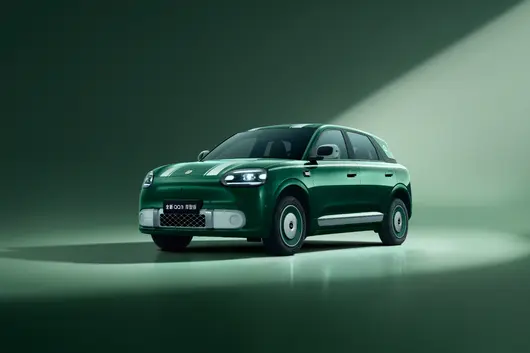
On September 22, Chery held the "QQ Show and Friends" / QQ3 Modern Edition Launch Event at Jiuzi Square, Wuhu, Anhui. The new Chery QQ3 Modern Edition has officially launched. The car's official guide price is 88,900 Yuan, the trade-in price is 86,900 Yuan, and the limited-time trade-in price starts from 83,900 Yuan.
Purchasing benefits include four tiers: trade-in subsidy of 2,000 Yuan, trade-in subsidy of 5,000 Yuan (trade-in and purchase subsidy cannot be enjoyed simultaneously); financial plans up to 70,000 Yuan 36-month 0% interest, starting from 0 Yuan down payment for all series; lifetime free basic data + 2 years of entertainment data (10GB/month), lifetime OTA; lifetime warranty for the first non-commercial owner, 8-year/150,000 km battery degradation guarantee, lifetime roadside assistance. Orders placed within the limited time can also select Sun Li signed car models, factory-original Wind Trace Racing Stripes, etc. Specific qualifications, regional price differences, and trade-in audits are subject to Chery QQ and dealer current policies.

The Chery QQ3 Modern Edition is not a brand new platform vehicle, but an original factory adaptation of the "Neo Retro" retro style based on the existing Chery QQ3. Compared to the standard version, the differences mainly lie in color schemes, exterior kits, interior materials, and some comfort configurations. The target users are groups who want personalized transportation but do not want to modify colors or parts themselves later.
Exterior offers two exclusive color schemes: "Modern Era" and "Anne Pearl", equipped with Time Badge Wheels, Wind Trace Racing Stripes, Retro White Front and Rear Bumpers, Gilded Chrome Trim; wheel arches and side skirts are changed to match the body color; paint uses 6-layer 2K process, suppliers include Kansai, PPG. The overall idea is to incorporate modification directions such as Chinese style, holidays, pets, city retro, etc., into the factory configuration list, reducing user later registration and adaptation costs.
Dimensions and Space: A0-Class Pure EV, Wheelbase 2700mmThe new QQ3 Modern Edition body dimensions are 4229/1812/1573mm, wheelbase 2700mm; multiple storage areas throughout the car, rear seats support expansion, conventional trunk and folded loading are subject to the official configuration sheet. The front trunk is a 70L drainable electric compartment, supporting 8 opening methods, including outside voice, App, etc.; more practical for city item retrieval, camping miscellaneous items, wet part storage compared to traditional small cars.

The interior is dominated by "Cloud Velvet Beige", the ceiling, A/B pillars, and sun visors are wrapped in velvet, the central control and door panels add houndstooth texture, the armrest box matches contrasting tape; provides dual soft light makeup mirrors, 50W wireless charging, 256-color ambient light, steering wheel heating, front seat heating/ventilation, etc. Materials are more "delicate" compared to commuting cars at the same price point.
Cockpit and Intelligent Driving: 8155 + 15.6-inch Screen, L2 and Auto ParkingThe cockpit is equipped with Qualcomm 8155, 15.6-inch 2.5K central control screen, built-in Carmind AI agent, supports natural language interaction, vehicle status Q&A, intelligent car control, compatible with CarPlay/HiCar/CarLink. In terms of assisted driving, equipped with 540° panoramic image, 12 ultrasonic radars, 100+ scenario automatic parking; L2 assistance covers adaptive cruise, lane keeping, AEB, blind spot monitoring, front and rear collision warning, door opening warning, etc. Outside voice can control front and rear luggage compartments, supports shouting, App can remotely prepare car, control AC and seat functions.
The safety structure is a 5-longitudinal 8-transverse cage body, high-strength steel proportion 82%, hot-formed steel about 16%, integrated hot-formed door ring 1300MPa, all series 6 airbags; battery is Rhino Battery, equipped with CATL cells, IP68 protection, vehicle passes China Automotive Technology and Research Center NESTA six-dimensional electrical safety certification. Active safety includes AEB, BSD, etc.
Power is divided into two gears:
58kW motor, 90N·m, 29.48kWh battery, CLTC 310km;
90kW motor, 115N·m, 41.28kWh battery, CLTC 420km.
All series rear-motor rear-wheel drive, front MacPherson + rear multi-link independent suspension, minimum turning radius 5.2 meters; fast charge 30%-80% fastest about 16.5 minutes, all series 6.6kW external discharge. Rear drive + independent rear suspension is rare in A0 pure EVs, helpful for city lane changing and shock filtering.


Background data provided by Chery: QQ series cumulative sales 1.6 million+, covering 100+ countries and regions; new QQ3 sales exceed 10,000 for 5 consecutive months, August delivery 19,103 units, month-over-month growth 64.07%; currently overseas and domestic orders exceed 100,000 units, among them Thailand, Indonesia etc. markets pre-sale orders exceed 20,000. The Modern Edition's task is not to lower the sales floor, but to make differentiation with "Factory Retro + Thicker Interior + Front Trunk/External Discharge" in the 80,000 Yuan pure EV class, when comparing to Seagull, Bingo, Star Wish, Nano 01 it will be more inclined to personality and scenario, not solely relying on low price.
New QQ3 Modern Edition, does not change platform, does not change powertrain main body, makes colors, stripes, interior materials that users often modify themselves into factory original, then stacks 8155, 70L front trunk, rear-drive independent suspension, 83,900 Yuan trade-in price is still very attractive.

In the Malaysian SUV market, many buyers compare the Honda CR-V and Mercedes-Benz GLC when choosing a car. These two models are quite close in price and positioning. Today, we will conduct a detailed comparison from multiple aspects to help you save time on research.
The Honda CR-V's OTR price in Malaysia is RM 178,200 - 195,900, with a total of 4 versions, including 2026 e:HEV 2.0L 2WD RS (RM 195,900), 2026 1.5T 4WD V (RM 181,900), 2026 e:HEV 2.0L 2WD E (RM 178,200), etc.
The Mercedes-Benz GLC's OTR price in Malaysia is RM 336,888 - 336,888, with a total of 2 versions, including GLC 200 (RM 290,000), GLC 300 (RM 340,000), etc.
From a price perspective, the Honda CR-V's starting price is indeed RM 158,688 cheaper than the Mercedes-Benz GLC. If your budget is limited, Honda's entry-level version can already meet daily needs. However, note that the few thousand difference might mean compromises in features, depending on your specific requirements.
Honda CR-V is equipped with 2.0L 4-cyl, 170 hp. Official fuel consumption 8.0 L/100km.
Mercedes-Benz GLC is equipped with 2.0L Turbo, 220 hp. Official fuel consumption 9.5 L/100km.
In terms of power, the Mercedes-Benz GLC's 2.0L Turbo has 50 more horsepower than the Honda CR-V's 2.0L 4-cyl. However, for daily city driving, both cars have sufficient power and won't feel lacking.
Honda CR-V body length 4500 mm, trunk 450 L.
Mercedes-Benz GLC body length 4400 mm, trunk 400 L.
In terms of space, the Honda CR-V's body is 100 mm longer than the Mercedes-Benz GLC, offering slightly more interior passenger space, especially rear legroom. If you frequently carry family or need to store a stroller, the larger body is indeed more practical.
Honda CR-V warranty 5 years/unlimited mileage, maintenance interval every 10,000km or 6 months.
Mercedes-Benz GLC warranty 3 years/100,000km, maintenance interval every 10,000km or 6 months.
Overall, the Honda CR-V and Mercedes-Benz GLC are both excellent models in the Malaysian market. Choosing which one depends primarily on your personal needs and budget. We recommend doing your research, comparing quotes from multiple dealerships, and test driving before making a final decision. Buying a car is a big deal, spending time researching will never be wrong.

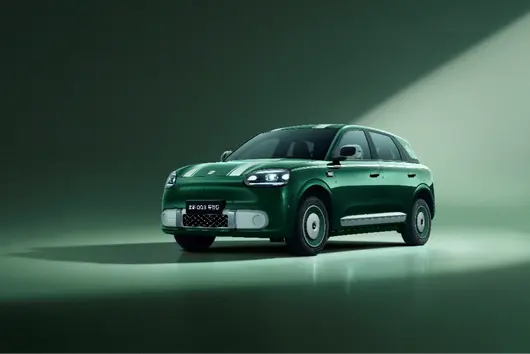
9 月 22 日,奇瑞全新 QQ3 摩登版喺蕪湖鳩茲廣場正式上市。新車官方指導價 8.89 萬元,增購價 8.69 萬元,限時置換價 8.39 萬元。發布會現場以「QQ3 快樂秀場」為主題,奇瑞 QQ 全球代言人孫俪、脫口秀演員步驚雲、馮子豪、島主一同到場,共同見證呢款復古風格純電細車嘅登場。

整場發布會弱化傳統發布會嘅講解感,加入脫口秀表演、潮流打卡、改裝車展示等互動內容。現場展出國風細車、加州假日、貓貓車、手繪車等六台 QQ3 改裝作品,展現呢台車較高嘅改裝可玩性,亦體現品牌同用戶共創嘅思路。

全新 QQ3 摩登版採用 Neo Retro 復古設計思路,融合經典復古元素同現代工藝。車漆使用 6 層 2K 噴塗工藝,搭配時光徽章輪轂、風跡競速拉花、復古白前後擋等專屬套件,提供摩登時代、安妮珍珠兩款專屬配色。座艙內配備雲絨米內飾、天鵝絨頂棚同千鳥格紋理飾板,從外觀到內飾都強化精緻感。

車身同電池係呢台車安全層面嘅重點。新車採用籠式磐石車身,高強度鋼佔比 82%,搭載 1300MPa 一體式熱成型門環。犀牛電池選用寧德時代電芯,整車通過中汽中心 NESTA 六維電安全認證。

智能化同實用性配置都有唔少睇頭。車機搭載 8155 芯片、15.6 吋 2.5K 中控屏以及 Carmind AI 智能體。輔助層面配備 540°全景影像、12 個超聲波雷達、全場景自動泊車同 L2 級輔助駕駛。同時帶有 70L 電動前備廂,支持多種開啟方式,搭配 6.6kW 外放電,適應短途出遊、戶外使用等場景。

就市場表現嚟睇,全新 QQ3 上市後市場熱度幾好,截至今日海外同內地訂單突破 10 萬台,8 月銷量 19103 台,連續 5 個月銷量破萬。海外市場方面,泰國、印尼預售訂單已經突破 2 萬台,QQ 系列累計銷量超過 160 萬台,產品銷往全球百餘個國家同地區。

活動現場,孫俪分享咗試駕全新 QQ3 摩登版嘅感受,評價車輛設計經典精緻,同時傳遞鬆弛悅己嘅生活態度,同埋參與首批車主交付環節。

由初代 QQ 到而家嘅全新 QQ3 摩登版,QQ 品牌延續親民、陪伴嘅產品基調。摩登版嘅推出,喺原有車型基礎上,增加復古精緻嘅版本選擇,面向喜歡個性代步、看重顏值同改裝潛力嘅用戶。未來 QQ 品牌都會繼續依托用戶共創,拓展小型純電車嘅玩法。

© 2024 Bitauto.com. All Rights Reserved.
Bitauto (www.yiche.com and www.bitauto.com) is one of the most visited automotive websites in China. We provide detailed info on Chinese car brands available in your area. Please note that the information provided on this website is based on publicly available data and is for reference only. It may not be fully updated or accurate at all times.

Help us improve our website


