

Homecuisine

Search History
Popular Searches
Dealer Login / Sign Up

Is Neta Auto coming back to life? For Neta Auto's old owners, this might be good news.
On September 11, the fourth creditors' meeting for the bankruptcy reorganization case of Hozon New Energy, the parent company of Neta Auto, was held. The "Reorganization Plan (Draft)" revealed for the first time that the reorganization investor is Zhejiang Taiyi Shenglian, intending to contribute 3 billion yuan to acquire approximately 70.62% equity.

3 billion yuan, is it really enough for a car company with liabilities exceeding 26 billion yuan and net losses of 18.3 billion yuan? So why did Taiyi Shenglian spend 3 billion yuan to save a car company that is "already done for"? Even if it is a high-stakes gamble, what exactly are these 3 billion yuan betting on?
First Bet: Betting on an "Exclusive Qualification License"
Neta's parent company, Hozon New Energy, holds the complete new energy vehicle "dual qualifications" issued by the National Development and Reform Commission (NDRC) and the Ministry of Industry and Information Technology (MIIT). After 2023, approvals for new vehicle manufacturing qualifications tightened comprehensively. After the NDRC issued the last batch of new pure electric passenger car qualifications, the door was basically closed. For new players wanting to enter, there is almost no way. In the past, Li Auto spent 650 million yuan to acquire Lifan, valuing this very "qualification".
Qualifications are scarce assets themselves, and what Neta holds is ready-made, complete, dual qualifications that have already run through the mass production process. However, according to current regulations, Neta needs to complete production of at least 2,000 vehicles in 2026 to keep this license. So, if they don't act now, there really will be no more chances.
Second Bet: Betting on Existing Production Capacity and Overseas Channels
Neta has three bases built according to intelligent production line standards in Tongxiang, Zhejiang, Yichun, Jiangxi, and Nanning, Guangxi, with a total annual capacity of about 300,000 vehicles. There are also overseas factories in Thailand and Indonesia. Although the production lines have halted, the foundation remains. Restarting existing production lines is much cheaper and much faster than building a factory from scratch.
Even more crucial are overseas channels. In 2023, Neta delivered 127,500 vehicles for the whole year, of which overseas sales were nearly 20,000 units, a year-on-year increase of 567%, ranking first among new EV players in overseas sales. The Thailand factory has an annual capacity of 30,000 vehicles and is the first new automaker to establish factories in Thailand, Indonesia, and Malaysia. The Nezha X once secured over 7,000 orders in 7 overseas countries.
So the first phase of the reorganization plan is to resume production of Nezha X and focus on the overseas market, with an annual sales target of 10,000 units, after all the domestic car market is extremely competitive right now, while the overseas market still has great potential.
Third Bet: Wanting to Enter the Automotive Industry at Low Cost
Behind the investor Taiyi Shenglian is Shanzi Gaoke Chairman Ye Ji, but this investment uses a platform outside the listed company, avoiding the complex approval process for 3 billion yuan investments by listed companies, and isolating the billion-yuan debt risk of Neta from outside the listed company system.
Shanzi Gaoke has been conducting crazy experiments on the edge of making cars and is inherently laying out whole vehicle business. In 2023, it acquired Hebei Hongxing Automotive to obtain passenger car qualifications, joined hands with Geely to revitalize the former Hafei Motor factory for producing models exclusively for the Russian market. An affiliated company also established Qianhe Auto in Tongxiang, with former Tesla executive Zhu Renjie serving as CEO.
Ye Ji's judgment on whole vehicle business is very clear: avoid direct competition in the domestic new energy market and focus on overseas markets such as Central Asia, Middle East, and Africa. Neta happens to have factories in Southeast Asia, overseas channels, and an existing export foundation. Shanzi Gaoke has a parts supply chain and whole vehicle manufacturing layout, while Neta has qualifications, capacity, and overseas channels. The resources of both parties can indeed be combined. Although 3 billion yuan looks like a lot, compared to entering the automotive industry from scratch, the risk is much higher. Without 20 billion yuan, you shouldn't even think about building a new automotive force from scratch.
But even so, the prospect of this high-stakes gamble is still unclear. The 3 billion yuan is currently in a subscribed status, and the reorganization draft also requires creditor voting and court ruling. Neta's current ordinary claims are about 11.7 billion yuan. Whether it can truly resume production still depends on paid-in capital and capacity integration. The overseas market also faces multiple thresholds such as local regulations, channels, and competitors. Supply chain reconstruction and factory resumption both require time.
3 billion yuan doesn't buy Neta's present, but the combination of assets that Neta holds that cannot be bought elsewhere. A ready-made automotive qualification, three production bases that can be restarted, an overseas channel that has already been run through, plus 440,000 existing car owners and the brand name "Nezha" that everyone across the country recognizes.
The logic of capital has never been "is it worth it", but "is it cost-effective". Using 3 billion yuan to leverage a ready-made car making platform, for capital that wants to enter the whole vehicle track but is trapped by qualifications and capacity, this is a gamble worth betting on. Wish Neta Auto good luck!
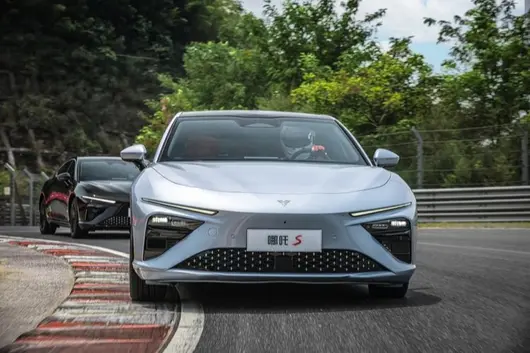

Dalam pasaran SUV di Malaysia, ramai pembeli membandingkan Honda CR-V dan Chery Tiggo 7 PHEV semasa memilih kereta. Kedua-dua kereta ini mempunyai harga dan kedudukan pasaran yang hampir sama. Hari ini kita akan membuat perbandingan terperinci dari pelbagai aspek, membantu anda menjimatkan masa untuk meneliti.
Honda CR-V mempunyai harga OTR di Malaysia sebanyak RM 178,200 - 195,900, dengan 4 varian termasuk 2026 e:HEV 2.0L 2WD RS (RM 195,900), 2026 1.5T 4WD V (RM 181,900), 2026 e:HEV 2.0L 2WD E (RM 178,200) dan lain-lain.
Chery Tiggo 7 PHEV mempunyai harga OTR di Malaysia sebanyak RM 129,750 - 129,750, dengan 2 varian termasuk 2025 1.5T 90km CSH (RM 129,750), Apakah kaedah pengecasan yang disokong oleh Tiggo 7 PHEV? Bolehkah ia dicas menggunakan soket kuasa rumah? (RM 117,478) dan lain-lain.
Dari segi harga, harga permulaan Chery Tiggo 7 PHEV adalah RM 48,450 lebih murah berbanding Honda CR-V. Jujur berkata, dalam julat harga ini, perbezaan beberapa ribu ringgit sebenarnya tidak besar, yang penting adalah nilai keseluruhan dan kos penggunaan jangka panjang.

Honda CR-V dilengkapi enjin 2.0L 4-silinder, kuasa 170 hp. Penggunaan minyak rasmi 8.0 L/100km.
Chery Tiggo 7 PHEV dilengkapi Hybrid, kuasa 170 hp. Penggunaan minyak rasmi 4.5 L/100km.
Dari segi kuasa, Hybrid pada Chery Tiggo 7 PHEV mempunyai 0 hp lebih berbanding 2.0L 4-silinder Honda CR-V. Walau bagaimanapun, untuk penggunaan harian di bandar, kedua-dua kereta ini mempunyai kuasa yang mencukupi dan tidak akan terasa kekurangan tenaga.

Honda CR-V panjang badan 4500 mm, ruang bagasi 450 L.
Chery Tiggo 7 PHEV panjang badan 4400 mm, ruang bagasi 400 L.
Dari segi ruang, badan Honda CR-V adalah 100 mm lebih panjang daripada Chery Tiggo 7 PHEV, ruang penumpang dalaman sedikit lebih luas, terutamanya ruang kaki di kerusi belakang. Jika anda kerap membawa keluarga atau perlu menaruh stroller, badan kereta yang lebih besar memang lebih praktikal.

Honda CR-V menggunakan sistem penggerak FWD.
Chery Tiggo 7 PHEV menggunakan sistem penggerak FWD.
Dua-dua kereta ini mempunyai cara penggerak yang sama, iaitu FWD, pengalaman memandu harian tidak akan berbeza banyak.

Honda CR-V jaminan 5 tahun/jarak tanpa had, selang penyelenggaraan setiap 10,000km atau 6 bulan.
Chery Tiggo 7 PHEV jaminan 3 tahun/100,000km, selang penyelenggaraan setiap 10,000km atau 6 bulan.

Secara keseluruhan, Honda CR-V dan Chery Tiggo 7 PHEV kedua-duanya merupakan model yang sangat baik dalam pasaran Malaysia. Memilih mana satu, yang penting melihat keperluan dan bajet peribadi anda. Kami cadangkan anda meneliti terlebih dahulu, bandingkan beberapa sebut harga daripada pengedar kereta berbeza, kemudian buat keputusan akhir selepas memandu uji. Membeli kereta adalah perkara besar, meluangkan masa untuk meneliti tidak akan salah.


Di pasaran SUV di Malaysia, ramai pembeli membandingkan Honda CR-V dan Chery Tiggo 8 PHEV semasa memilih kereta. Kedua-dua kereta ini mempunyai harga dan kedudukan yang hampir sama, hari ini kita akan buat perbandingan terperinci dari pelbagai aspek, membantu anda menjimatkan masa membuat kajian.
Honda CR-V dijual di Malaysia dengan harga OTR sebanyak RM 178,200 - 195,900, ada 4 varian, termasuk 2026 e:HEV 2.0L 2WD RS (RM 195,900), 2026 1.5T 4WD V (RM 181,900), 2026 e:HEV 2.0L 2WD E (RM 178,200) dan lain-lain.
Chery Tiggo 8 PHEV dijual di Malaysia dengan harga OTR sebanyak RM 159,750 - 159,750, ada 2 varian, termasuk 1.6L Turbo Standard (RM 130,000), 1.6L Turbo Premium (RM 145,000) dan lain-lain.
Dari segi harga, harga permulaan Chery Tiggo 8 PHEV adalah RM 18,450 lebih murah daripada Honda CR-V. Jujur berkata, dalam julat harga ini, perbezaan beberapa ribu tidak dianggap besar, yang penting adalah nisbah harga dan prestasi keseluruhan serta kos penggunaan jangka panjang.
Honda CR-V dilengkapi 2.0L 4-cyl, kuasa 170 hp. Penggunaan minyak rasmi 8.0 L/100km.
Chery Tiggo 8 PHEV dilengkapi Hybrid, kuasa 170 hp. Penggunaan minyak rasmi 4.5 L/100km.
Dari segi kuasa, Hybrid pada Chery Tiggo 8 PHEV mempunyai 0 hp lebih daripada 2.0L 4-cyl pada Honda CR-V. Namun sehari-hari di bandar, kedua-dua kereta ini cukup kuat, tidak terasa kurang kuasa.
Honda CR-V panjang badan 4500 mm, bak bagasi 450 L.
Chery Tiggo 8 PHEV panjang badan 4400 mm, bak bagasi 400 L.
Dari segi ruang, badan Honda CR-V lebih panjang 100 mm daripada Chery Tiggo 8 PHEV, ruang duduk penumpang dalam kereta akan lebih lega sedikit, terutamanya ruang kaki di kerusi belakang. Jika anda kerap mengangkut keluarga atau perlu muatkan kereta bayi, badan yang lebih besar memang lebih praktikal.
Honda CR-V waranti 5 tahun/milai tanpa had, selang penyelenggaraan setiap 10,000km atau 6 bulan.
Chery Tiggo 8 PHEV waranti 3 tahun/100,000km, selang penyelenggaraan setiap 10,000km atau 6 bulan.
Secara keseluruhan, Honda CR-V dan Chery Tiggo 8 PHEV adalah model kereta yang sangat baik di pasaran Malaysia. Memilih mana satu, penting untuk lihat keperluan dan bajet peribadi anda. Disarankan membuat kajian dengan baik, bandingkan beberapa tawaran dari showroom kereta, baru uji memandu buat keputusan akhir. Membeli kereta adalah perkara besar, luangkan masa membuat kajian tidak akan salah.

Di pasaran SUV Malaysia, ramai pembeli semasa memilih kereta sering membandingkan Honda CR-V dan Chery Tiggo 8 Pro. Kedua-dua kereta ini dalam segmen harga dan kedudukan agak hampir, hari ini kita akan membuat perbandingan terperinci dari pelbagai aspek, membantu anda menjimatkan masa membuat kajian.
Harga OTR Honda CR-V di Malaysia adalah RM 178,200 - 195,900, terdapat 4 versi, termasuk 2026 e:HEV 2.0L 2WD RS (RM 195,900), 2026 1.5T 4WD V (RM 181,900), 2026 e:HEV 2.0L 2WD E (RM 178,200) dan lain-lain.
Harga OTR Chery Tiggo 8 Pro di Malaysia adalah RM 159,750 - 159,750, terdapat 2 versi, termasuk 1.6L Turbo Standard (RM 130,000), 1.6L Turbo Premium (RM 145,000) dan lain-lain.
Dari segi harga, harga permulaan Chery Tiggo 8 Pro lebih murah RM 18,450 berbanding Honda CR-V. Secara jujur, dalam segmen harga ini, perbezaan beribu ringgit sebenarnya tidak besar, kunci utamanya adalah melihat nisbah harga prestasi keseluruhan dan kos penggunaan jangka panjang.
Honda CR-V dilengkapi dengan enjin 2.0L 4-silinder, kuasa 170 hp. Penggunaan bahan api rasmi 8.0 L/100km.
Chery Tiggo 8 Pro dilengkapi dengan enjin 2.0L 4-silinder, kuasa 170 hp. Penggunaan bahan api rasmi 8.0 L/100km.
Kedua-dua kereta menggunakan sistem pemacu yang sama, rasa memandu harian hampir tiada perbezaan. Dari segi penggunaan bahan api juga hampir sama, tidak perlu terlalu bimbang tentang ini.
Gred keselamatan Honda CR-V adalah 5★ (ASEAN NCAP), sistem keselamatan aktif termasuk Honda SENSING (ACC, CMBS, LKAS, RDM).
Gred keselamatan Chery Tiggo 8 Pro adalah TBD, sistem keselamatan aktif termasuk Basic.
Dari segi kelengkapan keselamatan, kedua-dua kereta mendapat gred yang bagus. Namun Honda SENSING (ACC, CMBS, LKAS, RDM) Honda CR-V dan Basic Chery Tiggo 8 Pro terdapat perbezaan dari segi fungsi, jika anda lebih mengutamakan keselamatan aktif, boleh bandingkan dengan teliti senarai fungsi kedua-dua.
Honda CR-V menggunakan cara pemacu FWD.
Chery Tiggo 8 Pro menggunakan cara pemacu FWD.
Cara pemacu kedua-dua kereta sama, semuanya FWD, rasa memandu harian tidak akan berbeza banyak.
Secara keseluruhan, Honda CR-V dan Chery Tiggo 8 Pro kedua-duanya adalah model kereta yang sangat bagus di pasaran Malaysia. Memilih yang mana satu, kunci utama adalah melihat keperluan peribadi dan bajet anda. Disarankan untuk anda membuat kajian, bandingkan sebut harga dengan beberapa pengedar kereta, kemudian buat uji pemandu untuk membuat keputusan akhir. Membeli kereta adalah perkara besar, meluangkan sedikit masa membuat kajian pasti tidak akan salah.


Volume increased, but profits did not follow.
Against the backdrop of the domestic automotive market decline and overseas boom, every traditional listed auto company stands at a crossroads, though everyone's feeling is different.
In this context, Changan Automobile, upgraded to a central automotive SOE, delivered its first semi-annual report after promotion, and the financial data does not look good.
01
In H1 2026, Changan Automobile's revenue was 65.634 billion yuan, down 9.71% year-on-year; net profit attributable to shareholders was 817 million yuan, down 64.32% year-on-year; net profit excluding non-recurring gains and losses was only 251 million yuan, plummeting 83.01% year-on-year. Gross margin was 14.5%, slightly down 0.08 percentage points year-on-year.

On the surface, this is a report card with declining revenue, profit, and gross margin. But carefully reviewing this semi-annual report reveals the situation is not as simple as it appears.
In the first half, Changan Automobile recorded a net exchange loss of about 230 million yuan, while last year's same period had a net exchange gain of about 1.356 billion yuan. One in and one out, the difference is 1.586 billion yuan. This is also an objective reality faced by all listed Chinese automotive companies.
Affected by this, Changan Automobile's financial expenses changed from a net gain of 1.957 billion yuan in the first half of last year to a net expense of 69 million yuan now, a difference as high as 2.026 billion yuan.
Changan Automobile also admitted in the semi-annual report: "After deducting the impact of exchange gains, the net profit attributable to shareholders of the listed company increased by 12% year-on-year." In other words, more than 64% of the decline in net profit was largely caused by exchange rate fluctuations.
 [Image Source: Changan Automobile Announcement]
Apart from exchange losses, Changan Automobile accrued about 456 million yuan in asset impairment provisions in the first half, among which inventory price decline provisions reached 468 million yuan, while last year's same period was only 59 million yuan. If this impairment is deducted, the net profit for the first half could reach 1.273 billion yuan.
The combination of these two non-recurring factors is the real driver behind the sharp decline in this automotive central enterprise's profits.
Changan Automobile mentioned at the performance explanation meeting that, affected by the overall industry downturn in the first half, market demand continued to weaken. The company went all out to stabilize operations and grab sales volume. Although the half-year results were below expectations due to the general environment, it still stabilized the core business.
But in the view of AutosKline, guarding the core business itself has already consumed a large amount of resources.
02
In the first half, Changan Automobile's total sales volume was 1.1189 million units, down 17.44% year-on-year. Among them, new energy vehicle sales were 414,200 units, down 8.3% year-on-year.
But excluding the gap of about 70,000 units from the Lumin model which stopped production this year, the new energy sales actually grew by about 11% year-on-year. This means the sales growth of other products is just enough to fill the exit of old products.
 [Image Source: Changan Automobile Announcement]
In this view, the contraction of fuel vehicles is the more troublesome problem.
Data from the China Association of Automobile Manufacturers shows that the domestic fuel vehicle market contracted by 27.8% year-on-year in the first half. Changan Automobile's main fuel models such as CS75 PLUS, sales volume dropped nearly 40% year-on-year.
Looking by brand, the situation is more differentiated.
Changan Qiyuan delivered 173,800 units in the first half, achieved profitability in a single quarter in the second quarter, becoming the first brand in Changan Automobile's new energy sector to achieve self-sustaining growth. At the same time, Deepal Automobile delivered 164,200 units, a year-on-year growth of 14.6%, overseas sales 35,800 units, skyrocketing by 141%.
Avatr, which was highly expected internally by Changan Automobile, became the group's financial bleeding point. It delivered only 31,500 units in the first half, a year-on-year plunge of 46.74%. Cumulative losses over 4 years of establishment exceeded 13.2 billion yuan, to the point where Zhu Huarong proposed an integration plan for Avatr and Deepal Automobile in April this year for cost reduction and efficiency improvement.
 [Image Source: Avatr Prospectus]
The Changan fuel vehicle main lineup, as the main force of fuel cars, delivered about 329,800 units cumulatively in the first half. Affected by the overall contraction of the fuel vehicle market, sales continued to be under pressure. The highlight lies in the performance of hybrid models.
AutosKline believes that in the process of switching from old to new drivers of momentum, Changan Automobile is experiencing a period of transition. The profit pool of fuel vehicles is quickly drying up, and although the scale of new energy business is expanding, profitability has not caught up yet.
03
In comparison, the overseas market became a highlight for Changan Automobile in the first half, just like most listed auto companies.
In the first half of this year, Changan Automobile's overseas sales were 455,000 units, a year-on-year increase of 51.9%; overseas income was 21.942 billion yuan, a year-on-year increase of 78.77%, with the share of total revenue rising from 16.89% to 33.43%. Overseas gross margin was 20.13%, far higher than the 11.67% of domestic business.
Changan Automobile's overseas strategy is named "Embrace All Waters". It was upgraded to version 2.0 in April this year, establishing the four principles of "Long-term, Localization, Systematization, and ESG Integration". The goal is to achieve overseas sales of 1.5 to 1.8 million units by 2030.

In the first half, its Brazil factory officially started production, the Thailand factory's 20,000th vehicle came off the line, and the overseas sales network has expanded to 129 countries and regions. However, the two subsidiaries responsible for exports encountered increased revenue but not increased profit.
Chongqing Xingzhi Technology revenue was 10.905 billion yuan, a year-on-year growth of 85%, net profit 165 million yuan, down 65% year-on-year; Changan International Sales Service revenue was 4.316 billion yuan, a year-on-year growth of 25.6%, net profit 137 million yuan, down 58% year-on-year; overseas gross margin also decreased by 2.1 percentage points year-on-year.
04
The costs of overseas channel construction, brand promotion, and localized operations are being incurred in advance, and profits are naturally eroded. More importantly, the larger the export scale, the greater the exchange rate risk exposure.
According to foreign currency monetary items disclosed in the semi-annual report, as of June 30, Changan Automobile's foreign currency assets totaled about 7.967 billion yuan, foreign currency liabilities about 3.356 billion yuan, net foreign currency exposure about 4.612 billion yuan.

As Changan Automobile stated in the semi-annual report, if the Renminbi appreciates or depreciates by 5% against the US dollar, it will increase or decrease net profit by about 66.1935 million yuan as a result.
Although Changan Automobile has already carried out forward foreign exchange hedging business, the amount sold for hedging in the first half was about 372 million yuan. Relative to over 4.6 billion yuan of net exposure, the coverage ratio is less than 10%, making it difficult to effectively hedge exchange rate fluctuation impact.
05
In addition, from the end of the first half to the release of the latest August sales data, Changan Automobile's overall situation has not improved.
Total sales for the first 8 months of this year were 1.4772 million units, down 17.92% year-on-year. The decline rate is still expanding compared to the first half. Independent brands' sales for the first 8 months were down 20.18% year-on-year, compared to 19.91% in the first half. The decline is also expanding.
The only comforting thing is new energy. Changan Automobile's August new energy single-month sales broke through 100,000 units, a year-on-year growth of 12.98%, and new energy penetration rate broke through 51%.
 [Image Source: Changan Automobile Announcement]
From accumulated data, new energy's first 8 months cumulative sales were 589,500 units. The year-on-year decline has narrowed from 8.3% in the first half to 5.03%. Qiyuan, Deepal and other brands continued to scale up, becoming main drivers.
But if placed under the group's overall performance, this result is obviously not enough.
At the beginning of the year, the group set an annual sales target of 3.3 million units. The completion rate for the first 8 months was less than 45%. In the remaining 4 months, monthly average needs to exceed 450,000 units to meet the target. In the current market environment, this is an impossible mission.
06
For such reality, perhaps Changan Automobile itself is also hard to feel satisfied.
At the semi-annual performance explanation meeting on August 31, facing online investor questions, Changan Automobile management's answer left people bewildered.
When investors asked about HEV model sales, Changan Automobile answered how advanced the Blue Whale Ultra Engine hybrid technology is; when asked about second-half performance outlook, the official answer was "Will continue to deeply promote three major plans" and "Persist in value orientation, volume and profit balanced operating principle"; when asked about capacity utilization rate, it only said "See disclosed relevant reports", turning to explain how to improve operational efficiency.

Behind these answers to non-questions, reflects Changan Automobile's caution and avoidance when communicating with investors under operational pressure. No matter how grand the enterprise high-level strategy is depicted, it cannot cover the reality of operational difficulties.
In the first half, Changan Automobile's three core strategies - Smart "Beidou Tianshu", New Energy "Shangri-La", and Overseas "Embrace All Waters", all made progress in technology and scale. But between strategy and profit, there are multiple variables such as product, market, cost, exchange rate, etc.
R&D investment has not yet converted to significant profit contribution. New energy brands are still continuously losing money. Fuel vehicle base accelerates contraction. Export business volume increases but profit does not.
07
After the semi-annual report release, multiple mainstream brokerages' judgment on Changan Automobile was highly consistent. They believe its short-term performance is dragged by exchange rate and other non-recurring factors, but the medium-to-long term logic of overseas expansion, new energy loss reduction, and smart technology remains unchanged.
CITIC Securities believes Q2 product structure continued to optimize, overseas sales hit a quarterly high. At the same time, based on domestic demand pressure, it lowered the full-year earnings forecast. Guoyuan Securities values Tianshu Smart Driving completion from hardware to complete solution loop.
However, institutions' prediction for full-year net profit ranges from 2 billion yuan to 5.6 billion yuan, divergence is quite large. Most research reports also warned of domestic demand continuing to bear pressure, industry competition intensifying, overseas trade barriers and exchange rate fluctuation, etc. risks.

For this semi-annual report, capital market feedback was relatively flat. On the first trading day after the semi-annual report release (August 31), Changan Automobile micro-dropped 0.42%. In that week, its stock price only micro-grew 0.28%, closing at 7.12 yuan. The stock price being nearly zero fluctuation might be because the profit performance forecast released in July already released most negative news in advance.
But if the time line is lengthened, since this year, Changan Automobile stock price has fallen from 11.74 yuan at year start to 7.11 yuan at noon close on September 10, a decline of 39.44%.
Views of AutosKline:
Changan Automobile's semi-annual report is a typical answer sheet for a traditional auto giant experiencing pain during key transition period.
Exchange losses and asset impairment amplified the profit decline. But even excluding these factors, fuel vehicle base contraction, new energy not yet profitable, overseas expansion investment period triple pressure superposition is the truly structural problem to face.
Beidou Tianshu, Shangri-La, Embrace All Waters, these strategy names are loud enough. Technical level also indeed let outside world see this central enterprise's strength. But Changan Automobile needs to prove not only owning advanced technology, but more is products can sell well, money can earn.
Text is original by AutosKline, content reference materials from listed company announcements and industry public information (related companies and institutions should be responsible for the authenticity of truth); some parts from Internet images, copyright belongs to original owner.
This account article, without authorization, cannot reprint, violators will be prosecuted. At the same time, article content does not constitute investment advice to anyone! Stock market risk is high, investment must be cautious!


In the Malaysian SUV market, many buyers compare the Honda CR-V and Chery Tiggo 7 Pro when choosing a car. These two vehicles are quite close in price and positioning. Today, we will make a detailed comparison from multiple aspects to help you save time doing your research.
The Honda CR-V OTR price in Malaysia is RM 178,200 - 195,900, with a total of 4 versions, including 2026 e:HEV 2.0L 2WD RS (RM 195,900), 2026 1.5T 4WD V (RM 181,900), 2026 e:HEV 2.0L 2WD E (RM 178,200), etc.
The Chery Tiggo 7 Pro OTR price in Malaysia is RM 123,750 - 123,750, with a total of 2 versions, including 1.6L Turbo Standard (RM 125,000), 1.6L Turbo Premium (RM 140,000), etc.
From a price perspective, the Chery Tiggo 7 Pro starting price is RM 54,450 cheaper than the Honda CR-V. Honestly, in this price segment, a difference of a few thousand is actually not that big; the key is to look at overall cost-performance and long-term usage costs.
The Honda CR-V is equipped with a 2.0L 4-cyl, 170 hp. Official fuel consumption 8.0 L/100km.
The Chery Tiggo 7 Pro is equipped with a 1.5L Turbo, 140 hp. Official fuel consumption 7.0 L/100km.
Regarding performance, the Honda CR-V's 2.0L 4-cyl has 30 more horsepower than the Chery Tiggo 7 Pro's 1.5L Turbo, making mid-range acceleration more confident, especially when overtaking on highways. However, the Chery Tiggo 7 Pro's fuel consumption might be more friendly, and the difference in daily city commuting won't be too big.
Honda CR-V body length 4500 mm, trunk 450 L.
Chery Tiggo 7 Pro body length 4400 mm, trunk 400 L.
In terms of space, the Honda CR-V body is 100 mm longer than the Chery Tiggo 7 Pro, making the passenger space inside slightly more spacious, especially the rear seat legroom. If you often carry family or need to fit a stroller, a larger body is indeed more practical.
Honda CR-V adopts FWD drive mode.
Chery Tiggo 7 Pro adopts FWD drive mode.
Both cars have the same drive mode, both are FWD, there won't be a big difference in daily driving feel.
Honda CR-V warranty 5 years/unlimited mileage, maintenance interval every 10,000km or 6 months.
Chery Tiggo 7 Pro warranty 3 years/100,000km, maintenance interval every 10,000km or 6 months.
Overall, the Honda CR-V and Chery Tiggo 7 Pro are both very good models in the Malaysian market. Which one to choose depends on your personal needs and budget. We suggest you do your research, compare quotes from several dealerships, and then test drive to make the final decision. Buying a car is a big matter, spending some time researching is never wrong.

[Lead: Zotye Auto, dormant for many years, is attempting to return to the auto market. However, today's China auto market is no longer the market when Zotye rose years ago. Facing industry overcapacity, price wars, and restructuring, can Zotye make a comeback? Now, can this industry still accommodate Zotye?]
Zhang Dachuan
Recently, Zotye Auto announced that its all-new A0-segment Wink Y01 has completed styling freezing and officially entered the batch trial manufacturing phase. According to the plan, Zotye hopes to promote the model for mass production in 2026.

△Zotye Auto announced the all-new A0-segment Wink Y01 has completed styling freezing
It is worth noting that to get rid of the market image of the past "Measuring Tape Department", Zotye repeatedly emphasized in its publicity that the Wink Y01 is an "All-New Independently Developed" model, trying to rebuild the market's cognition of its independent R&D ability. Zotye Auto, which was once a prominent figure in the China auto market, is now sending out signals of returning to the market. However, for the China auto market which has undergone profound changes, re-launching a new model is just the beginning. Whether Zotye can truly achieve a resurgence still faces significant challenges.

△To get rid of the market image of the past "Measuring Tape Department", Zotye repeatedly emphasized the Wink Y01 as an "All-New Independently Developed" model
Can Zotye Flip with One New Car?
The Wink Y01 body dimensions are 3912×1745×1545mm, wheelbase 2520mm, overall dimensions between BYD Seagull and Dolphin. As a pure EV positioned in the A0 segment, although the threshold for manufacturing NEVs has been greatly reduced compared to the traditional fuel vehicle era, for Zotye, it is not easy to achieve "mass sales" with such a model.
A0-segment pure EVs are becoming one of the fast-growing yet most fiercely competitive sub-segments in the China NEV market. With consumers' requirements for space, range, safety, and intelligent configurations continuously improving, A0-segment models are gradually replacing some traditional A00-segment products, becoming an important choice for urban commuting and family second cars. Currently, models like Seagull, Xingyuan, and Wuling Bingo, backed by major car companies like BYD, Geely, and SAIC, have already occupied the main positions of this market. The price range of mainstream products has generally entered the 60,000–100,000 yuan range, with some models further dropping to around 60,000 yuan. More importantly, competition in this market has no longer just been simple "low price + range", but gradually shifted to comprehensive competition in space, intelligent cockpit, assisted driving, configurations, design, and overall product power.

△The A0-segment pure EV market is one of the most competitive sub-segments
Contrast the Zotye Wink Y01; to break out in such a market environment, it first needs to have enough obvious advantages in pricing, and at the same time must find its differentiated selling points in product configurations and user experience.
Compared to top car companies like BYD and Geely, Zotye has almost no scale advantage. Especially BYD has already formed a highly vertically integrated industry chain, possessing strong cost control capabilities from batteries, motors, and electronic control to a large number of core components. In this situation, if Zotye wants to keep the selling price of the Wink Y01 at a level that is sufficiently attractive while guaranteeing product quality, it is actually not easy.

△Currently, the gap in technology reserves between Zotye and mainstream car companies like BYD is obvious
And in terms of technology reserves, the gap between Zotye and current market mainstream car companies may be even more obvious. Especially in the fields of intelligent cockpits and intelligent driving, large car companies like Geely and BYD can already rapidly downscale mature technical solutions from mid-to-high-end models to entry-level models. For these enterprises, a set of software, algorithms, and electronic/electrical architectures that have completed R&D and verification can quickly amortize costs through massive sales. This is exactly the weakness Zotye finds hardest to make up.
Therefore, the real issue for the Wink Y01 is not whether "it can be built", but after it is built, whether it can provide a product power that is sufficiently competitive with a sufficiently low price, and whether consumers are willing to choose it. For Zotye today, this is likely much more difficult than simply restarting the production line itself.
Overseas Markets Are Not a Safe Haven
In the information disclosed by Zotye, the overseas market layout has attracted considerable attention.
In June this year, Zotye and Indonesia's BPKN preliminarily reached a consensus on a strategic cooperation of the whole new energy vehicle industry chain, planning to promote SKD assembly, annual production of 150,000 intelligent complete vehicles and battery-pack integrated factories in stages, and layout for Southeast Asia export; in July, it signed a main KD cooperation agreement with India's Kaly Emotors, planning to build an SKD project with an annual production of 30,000 sets, introducing A0-segment models and gradually expanding to A-segment and B-segment models.

△Zotye layout of overseas markets
However, at present, Zotye's overseas business is still at a very early stage. From cooperation agreements to truly achieving mass production and scaled sales, there is still a long way to go. In addition to meeting local regulatory certification requirements, it is also necessary to establish sales, after-sales, and supply chain systems, and to rebuild brand cognition in the fiercely competitive Southeast Asia market. It is especially worth noting that Southeast Asia is not a "blank market"; Chinese brands like BYD, MG, Great Wall, and Geely have entered and established a certain market foundation first.
At the same time, ASEAN main markets are also gradually shifting from purely encouraging NEV imports to paying more attention to local production and industrial investment. If Chinese car companies hope to develop long-term in the future, relying solely on complete vehicle export is not easy. KD/SKD, local production, channels, and after-sales systems all need continuous investment.

△Chinese car companies entering overseas markets is not smooth sailing
More importantly, the overseas market is also not a "back road" that can be easily walked. Neta Auto is a typical case. Neta's delivery volume in 2022 once reached about 150,000 units, after which it quickly fell into business difficulties. Although it invested heavily in overseas markets like Thailand, it did not change the overall operating situation, and its market share in Thailand dropped from about 12% in 2023 to about 4% in early 2025. This shows that having an overseas market and having factories does not mean getting sales volume, and certainly does not mean being able to sustain profitability. For Zotye, the overseas market can become a breakthrough point for restarting, but at least for now, it cannot be said to be the company's "safe haven".
What is the Significance of Zotye's Resurrection?
For Zotye's shareholders and local governments hoping to save jobs, taxes, and local auto industry chains, Zotye resuming production is certainly significant. But if looking at the entire China auto industry, Zotye's comeback is hard to say there is any positive significance.

△Zotye production resumption is significant for shareholders and local governments
Because the China auto industry today, most does not lack capacity, the most lack is products and enterprises that can truly create value. In 2025, China auto production and sales volume reached 34.531 million units and 34.4 million units respectively, breaking through 30 million units for the third consecutive year, NEVs also entered a high-speed popularization stage. But at the same time, price wars, overcapacity, and enterprise elimination are still the most prominent keywords of the industry.
Zotye's own situation also illustrates this point. In 2025, the company's operating income was only 521 million yuan, and the net loss attributable to the parent company was 367 million yuan; the complete vehicle business was basically in a stagnant state. More importantly, the current auto competition environment is completely different from the era when Zotye was rapidly developing. BYD, Geely, Chery, Changan, and many new force brands have already established obvious advantages in new energy, intelligence, and supply chains. For Zotye returning to the market, the real question is not "whether there are factories", but what to produce, what products to sell, and why consumers should choose Zotye.

△Domestic mainstream car companies already have obvious advantages in the smart electrification track
Therefore, for Zotye, resuming production is just the first step. The real challenge is to rebuild R&D, product, supply chain, channel, and brand capabilities. If it is just reactivating factories and then participating in domestic and international market price competition again, what it brings is likely just more capacity, not the incremental value that the industry truly needs. So, from the perspective of the entire China auto industry, what is truly worth paying attention to is not "another car company resuming production", but whether Zotye can truly create new products, technology, and business value. After all, the auto industry needs more competitive enterprises, not more factories that can produce cars.
Comment
Zotye Auto is attempting to return to the China auto market again, but in today's auto industry, resuming production is just the beginning and does not represent how many opportunities. In the past few years, too many car companies and brands have fallen. With the domestic market tending to be saturated and overcapacity, enterprises like Zotye re-entering the field, if lacking true product and technology competitiveness, may only further intensify the price war and overcapacity of the low-end market. Currently, the auto market competition is especially cruel. Zotye urgently needs to think clearly; only by finding new paths and new models is there a chance for rebirth.
(This article is original from "Heyan Reads Cars", unauthorized, no reprinting)
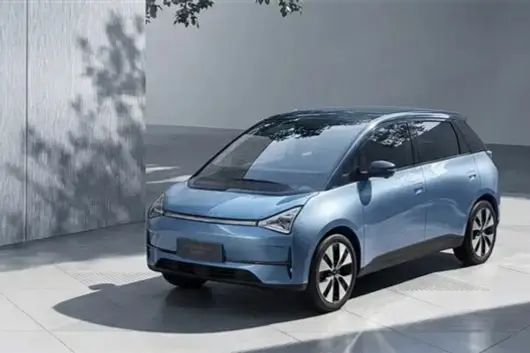

Pada pasaran SUV di Malaysia, banyak pembeli yang sering membandingkan Honda CR-V dan Chery Tiggo 8 ketika memilih kereta. Kedua-dua kereta ini mempunyai harga dan kedudukan pasaran yang agak hampir, hari ini kita akan membuat perbandingan terperinci dari pelbagai aspek untuk membantu anda menjimatkan masa membuat penyelidikan.
Harga OTR Honda CR-V di Malaysia ialah RM 178,200 - 195,900, mempunyai jumlah 4 varian, termasuk 2026 e:HEV 2.0L 2WD RS (RM 195,900), 2026 1.5T 4WD V (RM 181,900), 2026 e:HEV 2.0L 2WD E (RM 178,200) dan lain-lain.
Harga OTR Chery Tiggo 8 di Malaysia ialah RM 129,750 - 129,750, mempunyai jumlah 1 varian, termasuk 2026 1.6T Standard (RM 129,750) dan lain-lain.
Dari segi harga, harga permulaan Chery Tiggo 8 lebih murah RM 48,450 berbanding Honda CR-V. Jujur dikatakan, dalam kategori harga ini, perbezaan ribuan ringgit sebenarnya tidak begitu besar, yang penting adalah lihat pada kos faedah keseluruhan dan kos penggunaan jangka panjang.
Panjang badan Honda CR-V 4500 mm, ruang bagasi 450 L.
Panjang badan Chery Tiggo 8 4400 mm, ruang bagasi 400 L.
Dari segi ruang, badan Honda CR-V lebih panjang 100 mm berbanding Chery Tiggo 8, ruang duduk dalam kenderaan sedikit lebih luas, terutamanya ruang kaki di kerusi belakang. Jika anda kerap membawa keluarga atau perlu meletakkan kerusi bayi, badan kereta yang lebih besar memang lebih praktikal.
Jaminan Honda CR-V tempoh 5 tahun/jarak tanpa had, selang penyelenggaraan setiap 10,000km atau 6 bulan.
Jaminan Chery Tiggo 8 tempoh 3 tahun/100,000km, selang penyelenggaraan setiap 10,000km atau 6 bulan.
Honda CR-V dan Chery Tiggo 8 adalah pilihan utama di pasaran Malaysia, sesuai untuk kegunaan keluarga dan perjalanan harian. Jika anda lebih menghargai reputasi jenama dan nilai jualan semula, anda boleh memprioritaskan model dengan reputasi lebih baik; Jika anda lebih mengutamakan nilai kegunaan dan kelengkapan, pilih model dengan spesifikasi lebih lengkap. Pada akhirnya, disyorkan kedua-dua model untuk dicuba diuji, pengalaman sendiri adalah yang paling penting.

Secara keseluruhannya, Honda CR-V dan Chery Tiggo 8 adalah model kereta yang sangat baik di pasaran Malaysia. Memilih yang mana satu, penting untuk melihat keperluan dan bajet peribadi anda. Disarankan semua membuat penyelidikan, membandingkan beberapa tawaran dari agensi kereta, kemudian melakukan ujian memandu untuk membuat keputusan akhir. Membeli kereta adalah perkara besar, meluangkan masa untuk membuat penyelidikan pasti tidak akan salah.

喺馬來西亞嘅 SUV 市場,好多買家喺揀車嘅時候都會拿 Honda CR-V 同 Chery Tiggo 8 嚟做比較。這兩款車喺價位同定位上都幾接近,今日我哋就從多個方面做一個詳細嘅比較,幫你省做功課嘅時間。
Honda CR-V 喺馬來西亞嘅 OTR 售價係 RM 178,200 - 195,900,一共 4 個版本,包括 2026 e:HEV 2.0L 2WD RS(RM 195,900)、2026 1.5T 4WD V(RM 181,900)、2026 e:HEV 2.0L 2WD E(RM 178,200) 等。
Chery Tiggo 8 喺馬來西亞嘅 OTR 售價係 RM 129,750 - 129,750,一共 1 個版本,包括 2026 1.6T Standard(RM 129,750) 等。
由價錢睇嚟,Chery Tiggo 8 嘅入門價比 Honda CR-V 平咗 RM 48,450。講真個,喺呢個價位段,幾千塊嘅差距其實唔算大,關鍵始終係睇整體嘅性價比同長期使用成本。
Honda CR-V 採 FWD 驅動方式。
Chery Tiggo 8 採 FWD 驅動方式。
兩款車嘅驅動方式一樣,都係 FWD,日常駕駛感覺唔會有太大分別。
Honda CR-V 保用 5 年/無限制里程,保養間隔 每 10,000km 或 6 個月。
Chery Tiggo 8 保用 3 年/100,000km,保養間隔 每 10,000km 或 6 個月。
Honda CR-V 同 Chery Tiggo 8 都係馬來西亞市場嘅主流選擇,適合家庭使用、日常通勤。如果你更重視品牌口碑同二手價,可以優先考慮口碑更好嗰一款;如果你更在意性價比同配備,那就揀配置更豐富嗰款。最終始終建議兩款都去試駕,親身體驗先係最重要嘅。
總體嚟講,Honda CR-V 同 Chery Tiggo 8 都係馬來西亞市場幾唔錯嘅車型。揀邊輛,關鍵始終都要睇你個人嘅需求同預算。建議大家做好功課,多比較幾間車行嘅報價,再去試駕做最終決定。買車係件大事,花少少時間做功課絕對唔會錯。

喺馬來西亞嘅 SUV 市場,好多買家在揀車嘅時候都會拿本田 CR-V 同馬自達 CX-80 做比較。呢兩款車喺價位同定位上都幾接近,今日我哋就由多個方面做一個詳細嘅比較,幫你節省做功課嘅時間。
本田 CR-V 喺馬來西亞嘅 OTR 售價係 RM 178,200 - 195,900,合共 4 個版本,包括 2026 e:HEV 2.0L 2WD RS(RM 195,900)、2026 1.5T 4WD V(RM 181,900)、2026 e:HEV 2.0L 2WD E(RM 178,200) 等。
馬自達 CX-80 喺馬來西亞嘅 OTR 售價係 RM 296,610 - 296,610,合共 1 個版本,包括 2025 2.5L 65km High Plus(RM 296,610) 等。
從價錢來看,本田 CR-V 嘅起步價確實比馬自達 CX-80 平咗 RM 118,410。如果你預算有限,本田嘅入門版已經可以滿足日常需要。但亦都要留意,平嗰幾千蚊,喺配備上可能會有所取舍,具體要睇你嘅需要。
本田 CR-V 搭載 2.0L 4-cyl,馬力 170 匹。官方油耗 8.0 公升/100 公里。
馬自達 CX-80 搭載 2.0L Turbo,馬力 220 匹。官方油耗 9.5 公升/100 公里。
動力方面,馬自達 CX-80 嘅 2.0L Turbo 比本田 CR-V 嘅 2.0L 4-cyl 多咗 50 匹馬力。不過日常喺市區行,兩款車嘅動力都夠用,唔會覺得唔夠力。
本田 CR-V 保修 5 年/無限里程,保養間隔 每 10,000 公里或 6 個月。
馬自達 CX-80 保修 5 年/150,000 公里,保養間隔 每 10,000 公里或 6 個月。
本田 CR-V 同馬自達 CX-80 都係馬來西亞市場嘅主流選擇,適合家庭用、日常通勤。如果你更睇重品牌口碑同二手價,可以優先考慮口碑更好嗰一款;如果你更在意性價比同配備,那就揀配置更豐富嗰款。最終都係建議兩款都去試駕,親身體驗先至係最重要嘅。

總括嚟講,本田 CR-V 同馬自達 CX-80 都係馬來西亞市場唔錯嘅車型。揀邊一輛,關鍵都係要睇你嘅個人需求同預算。建議大家做好功課,多比較幾間車行嘅報價,再去試駕做最終決定。買車係件大事,花少少時間做功課絕對唔會錯。

In Malaysia's SUV market, many buyers compare the Honda CR-V and Mazda CX-9 when choosing a car. These two cars are quite close in price and positioning, so today we will make a detailed comparison from multiple aspects to save you time doing research.
The OTR price for the Honda CR-V in Malaysia is RM 178,200 - 195,900, with a total of 4 versions, including the 2026 e:HEV 2.0L 2WD RS (RM 195,900), 2026 1.5T 4WD V (RM 181,900), 2026 e:HEV 2.0L 2WD E (RM 178,200), and others.
The OTR price for the Mazda CX-9 in Malaysia is RM 328,810 - 345,810, with a total of 2 versions, including the 2023 2.5T 4WD (RM 345,810), 2023 2.5T 2WD (RM 328,810), and others.
From a price perspective, the Honda CR-V's starting price is indeed RM 150,610 cheaper than the Mazda CX-9. If your budget is limited, the Honda entry-level version is already sufficient for daily needs. However, note that saving a few thousand might involve trade-offs in features, depending on your specific needs.
The Honda CR-V's safety rating is 5★ (ASEAN NCAP), with active safety systems including Honda SENSING (ACC, CMBS, LKAS, RDM).
The Mazda CX-9's safety rating is 5★ (ASEAN NCAP), with active safety systems including Brand ADAS.
Both cars have the same safety rating, and safety features are quite comprehensive for this class. Safety standards for new cars nowadays are generally good, so no need to worry too much about this.
The Honda CR-V body length is 4500 mm, with a trunk capacity of 450 L.
The Mazda CX-9 body length is 4500 mm, with a trunk capacity of 450 L.
The dimensions of both cars are almost identical, with minimal difference in interior space. Vehicles in this class are more than sufficient for daily use.
Both the Honda CR-V and Mazda CX-9 are mainstream choices in the Malaysian market, suitable for family use and daily commuting. If you value brand reputation and resale value more, prioritize the one with the better reputation; if you care more about value and features, choose the one with richer configuration. Ultimately, it is recommended to test drive both, as personal experience is the most important.

Overall, both the Honda CR-V and Mazda CX-9 are very good models in the Malaysian market. Which one to choose mainly depends on your personal needs and budget. We suggest doing your homework, comparing quotes from multiple dealerships, and then test driving to make the final decision. Buying a car is a big decision, spending time researching will never be wrong.

Dalam pasaran SUV di Malaysia, ramai pembeli membandingkan Honda CR-V dan Mazda CX-30 ketika memilih kereta. Kedua-dua kereta ini agak hampir dari segi harga dan penempatan, hari ini kita akan buat perbandingan terperinci dari pelbagai aspek untuk membantu anda menjimatkan masa membuat persiapan.
Harga OTR Honda CR-V di Malaysia adalah RM 178,200 - 195,900, ada 4 varian termasuk 2026 e:HEV 2.0L 2WD RS (RM 195,900), 2026 1.5T 4WD V (RM 181,900), 2026 e:HEV 2.0L 2WD E (RM 178,200) dan lain-lain.
Harga OTR Mazda CX-30 di Malaysia adalah RM 122,409 - 146,409, ada 4 varian termasuk 2025 2.0L High+ Premium (RM 146,409), 2025 2.0L High+ (RM 138,409), 2025 2.0L High (RM 130,409) dan lain-lain.
Dari segi harga, permulaan Mazda CX-30 lebih murah RM 55,791 berbanding Honda CR-V. Jujur, dalam julat harga ini, perbezaan ribuan ringgit sebenarnya tidak besar, perkara penting adalah melihat keseluruhan nilai dan kos penggunaan jangka panjang.
Penilaian keselamatan Honda CR-V ialah 5★ (ASEAN NCAP), sistem keselamatan aktif termasuk Honda SENSING (ACC, CMBS, LKAS, RDM).
Penilaian keselamatan Mazda CX-30 ialah 5★ (ASEAN NCAP), sistem keselamatan aktif termasuk i-Activsense.
Penilaian keselamatan kedua-dua kereta sama, dalam tahap ini peralatan keselamatan dianggap cukup lengkap. Keselamatan kereta baharu sekarang tidak kurang bagus, tiada perlu risau tentang hal ini.
Honda CR-V panjang badan 4500 mm, ruang bagasi 450 L.
Mazda CX-30 panjang badan 4500 mm, ruang bagasi 450 L.
Dimensi kedua-dua kereta hampir sama, perbezaan ruang dalaman tidak banyak. Kereta tahap ini, penggunaan harian sudah cukup.
Jaminan Honda CR-V 5 tahun/jarak tanpa had, jarak penyelenggaraan setiap 10,000km atau 6 bulan.
Jaminan Mazda CX-30 5 tahun/150,000km, jarak penyelenggaraan setiap 10,000km atau 6 bulan.

Secara keseluruhannya, Honda CR-V dan Mazda CX-30 adalah model yang cukup bagus di pasaran Malaysia. Memilih yang mana, perkara penting bergantung pada keperluan peribadi dan bajet anda. Kami mengesyorkan anda sediakan maklumat, bandingkan tawaran harga dari beberapa dealer, baru buat keputusan akhir selepas ujian memandu. Membeli kereta adalah perkara besar, meluangkan masa untuk penyelidikan tidak akan salah.

喺馬來西亞嘅 SUV 市場,好多買家喺揀車嘅時候都會將 Honda CR-V 同 Mazda CX-5 嚟做比較。這兩款車喺價位同定位上都幾接近嘅,今日我哋就從多個方面做一個詳細比較,幫你節省做功課嘅時間。
Honda CR-V 喺馬來西亞嘅 OTR 售價係 RM 178,200 - 195,900,總共有 4 個版本,包括 2026 e:HEV 2.0L 2WD RS(RM 195,900)、2026 1.5T 4WD V(RM 181,900)、2026 e:HEV 2.0L 2WD E(RM 178,200)等。
Mazda CX-5 喺馬來西亞嘅 OTR 售價係 RM 135,469 - 166,760,總共有 3 個版本,包括 2025 2.0L AT 35th Anniversary(RM 316,154)、2025 2.0L AT(RM 296,154)、2025 2.0L MT(RM 294,154)等。
從價錢嚟睇,Mazda CX-5 嘅起步價比 Honda CR-V 平咗 RM 42,731。實講,喺呢個價位段,幾千塊嘅差距其實唔算大,關鍵仲要睇整體嘅性價比同長遠使用成本。
Honda CR-V 嘅安全評級係 5★ (ASEAN NCAP),主動安全系統包括 Honda SENSING (ACC, CMBS, LKAS, RDM)。
Mazda CX-5 嘅安全評級係 5★ (ASEAN NCAP),主動安全系統包括。
兩款車嘅安全評級一樣,喺呢個級別裡面安全配備都算好齊全。而家嘅新車安全性都唔差,唔使太擔心這一點。
Honda CR-V 採用 FWD 驅動方式。
Mazda CX-5 採用 FWD 驅動方式。
兩款車嘅驅動方式一樣,都係 FWD,日常駕駛感受唔會有太大區別。
Honda CR-V 同 Mazda CX-5 都係馬來西亞市場嘅主流選擇,適合家庭使用、日常通勤。如果你更睇重品牌口碑同二手價,可以優先考慮口碑更好嗰款;如果你更在意性價比同配備,那就揀配備更豐富嗰款。最終始終建議兩款都去試駕,親自體驗先至最緊要。

總體嚟講,Honda CR-V 同 Mazda CX-5 都係馬來西亞市場幾好嘅車型。揀邊一輛,關鍵仲要睇你嘅個人需求同預算。建議大家做好功課,多比較幾間車行嘅報價,先去試駕先至做最終決定。買車係件大事,花少少時間做功課絕對唔會錯。

Di pasaran SUV di Malaysia, ramai pembeli membandingkan Honda CR-V dan Toyota Harrier ketika memilih kereta. Kedua-dua kereta ini mempunyai harga dan kedudukan yang agak hampir. Hari ini kami akan membuat perbandingan terperinci dari pelbagai aspek untuk membantu anda menjimatkan masa membuat kajian.
Harga OTR Honda CR-V di Malaysia ialah RM 178,200 - 195,900, keseluruhan 4 varian, termasuk 2026 e:HEV 2.0L 2WD RS (RM 195,900), 2026 1.5T 4WD V (RM 181,900), 2026 e:HEV 2.0L 2WD E (RM 178,200) dan lain-lain.
Harga OTR Toyota Harrier di Malaysia ialah RM 289,000 - 289,000, keseluruhan 1 varian, termasuk 2026 HEV 2.5L Standard (RM 289,000) dan lain-lain.
Dari segi harga, harga permulaan Honda CR-V memang lebih murah RM 110,800 berbanding Toyota Harrier. Jika bajet anda terhad, varian asas Honda sudah boleh memenuhi keperluan harian. Namun perlu diingat, beberapa ribuan ringgit yang lebih murah itu mungkin ada pengorbanan dari segi kelengkapan, ia bergantung pada keperluan anda.
Penilaian keselamatan Honda CR-V ialah 5★ (ASEAN NCAP), sistem keselamatan aktif termasuk Honda SENSING (ACC, CMBS, LKAS, RDM).
Penilaian keselamatan Toyota Harrier ialah 5★ (ASEAN NCAP), sistem keselamatan aktif termasuk Brand ADAS.
Kedua-dua kereta ini mempunyai penilaian keselamatan yang sama, dalam kategori ini kelengkapan keselamatan dianggap sangat lengkap. Kereta baharu sekarang tidak buruk dari segi keselamatan, tidak perlu terlalu bimbang mengenai hal ini.
Honda CR-V menggunakan sistem pemacu FWD.
Toyota Harrier menggunakan sistem pemacu FWD.
Kedua-dua kereta ini menggunakan sistem pemacu yang sama, iaitu FWD, pengalaman memandu harian tidak akan terlalu berbeza.
Jaminan Honda CR-V 5 tahun/tanpa had jarak, selang servis setiap 10,000km atau 6 bulan.
Jaminan Toyota Harrier 5 tahun/tanpa had jarak, selang servis setiap 10,000km atau 6 bulan.
Syarat jaminan kedua-dua kereta ini sama, tidak perlu bimbang mengenai hal ini. Kos penyelenggaraan sebenar bergantung pada rangkaian perkhidmatan jenama dan harga komponen, disarankan bertanya kepada pemilik sebenar dalam kumpulan pengguna kereta mengenai pengalaman mereka.

Secara keseluruhannya, Honda CR-V dan Toyota Harrier adalah model kereta yang sangat baik di pasaran Malaysia. Memilih mana satu, utamanya bergantung pada keperluan dan bajet peribadi anda. Disarankan untuk membuat kajian yang baik, bandingkan harga daripada lebih banyak dealer kereta, kemudian lakukan ujian memandu untuk membuat keputusan akhir. Membeli kereta adalah perkara besar, menghabiskan masa membuat kajian tidak akan pernah salah.

喺美國夏洛特經濟俱樂部(Charlotte Economics Club)一場重要演說之中,美國財政部長史考特·貝森特(Scott Bessent)將目光聚焦於中國汽車品牌比亞迪。呢個舉動本身已釋放強烈信號:喺全球汽車產業格局劇烈重組之下,中國品牌已不可忽視。

貝森特喺演說中直言不諱咁指出,比亞迪係消費者花費 3.5 萬美元所能買到嘅、擁有價值 7 萬美元級別體驗嘅出色汽車。呢番嚟自美國高級別官員嘅公開評價,迅速喺國際輿論場引發廣泛關注。佢唔只係對單一品牌產品力嘅認可,更折射出全球市場對中國新能源汽車技術積澱同製造水準嘅重新審視。
呢個評價並非孤立嘅讚譽,而係建立在紮實嘅市場表現之上。數據顯示,截至 8 月,比亞迪乘用車同皮卡海外銷售達到 18.9 萬輛,按年增長 134.6%,較去年同期增加超過 10 萬輛,連續第五個月刷新海外銷量紀錄。更惹人關注嘅係,1-8 月比亞迪海外累計銷售 115.8 萬輛,呢個數字已經超越咗 2025 年全年 104.96 萬輛嘅海外銷量預期目標。元 UP、海豚家族、宋 PLUS 等多款車型成為海外市場嘅主力軍,佢哋喺東南亞、歐洲、南美等多個區域展現出強大嘅市場滲透力。
點解比亞迪能夠喺激烈嘅國際競爭中脫穎而出?核心係佢深厚嘅技術護城河。比亞迪實現咗電池、電機、電控三大核心技術嘅完全自主可控。呢種全產業鏈自研嘅能力,令比亞迪能夠從源頭把控成本同品質,透過規模化精緻製造,將技術優勢轉化為產品優勢。喺海外市場上,標價約 7 萬美元嘅高端用車體驗,比亞迪以 3.5 萬美元嘅定價面向全球消費者,呢並唔係簡單嘅價格戰,而係對傳統海外品牌溢價邏輯嘅改寫。

喺歐美傳統車廠長期主導嘅全球汽車價值鏈之中,品牌溢價往往係建立在百年歷史積澱之上。然而,隨著電動化、智能化浪潮嘅推進,競爭嘅核心要素發生咗根本性轉移。消費者不再僅僅為品牌 Logo 買單,而係更加關注車輛嘅三電效率、智能輔助駕駛能力、空間利用率以及整體擁車成本。比亞迪憑藉刀片電池嘅安全性、DM-i 超級混動系統嘅低油耗以及 e 平台 3.0 嘅高效集成,提供咗超越同價位傳統燃油車嘅使用體驗。
貝森特所稱嘅“價值 7 萬美元級別”,實質上係指比亞迪喺配置豐富度、動力性能、靜謐性以及科技配置上,達到咗傳統豪華品牌中高價位車型嘅水準。例如,佢搭載嘅雲輦系統能夠显著提升行驶质感,DiLink 智能網聯系統提供咗流畅嘅人机交互體驗。呢啲曾經被視為豪華車專屬嘅功能,而家喺比亞迪車型上成為標配,從而極大咗提升咗產品嘅性價比感知。
面對外界關於“低價低質”嘅刻板印象,比亞迪用真實嘅交付成績做出咗有力回應。喺歐洲市場,比亞迪 ATTO 3(即國內元 PLUS)多次登上多國純電 SUV 銷量榜首;喺泰國、巴西等新興市場,比亞迪更加係迅速佔據市場份額前列。呢啲成績嘅取得,唔離不開比亞迪堅持合規深耕海外市場嘅戰略定力。由建立本地化銷售網絡到完善售後服務體系,由參與當地基礎設施建設到遵守各國法律法規,比亞迪正逐步建構起全球化嘅運營能力。
中國新能源汽車憑硬實力奔赴全球新賽道。呢條賽道唔再係簡單嘅規模擴張,而係技術、品牌、服務全方位嘅綜合較量。比亞迪嘅成功案例表明,中國制造正係向“中國智造”加速轉型,透過技術創新提升附加值,透過全球化佈局增強抗風險能力。
值得注意嘅係,比亞迪喺海外嘅快速擴張亦引發咗部分傳統利益相關者嘅焦慮。貿易壁壘、反補貼調查等非市場手段層出不窮。然而,市場規律終究由消費者投票決定。當一款產品能夠以更低成本提供更高價值時,任何行政手段都難以長期阻擋佢普及嘅趨勢。貝森特嘅言論雖然出自美國官員之口,但反映係全球理性消費者對優質產品嘅渴望。
未來,比亞迪將繼續加大喺海外市場嘅投入。除咗整車出口,比亞迪仲喺匈牙利、泰國、巴西等地建設生產基地,推動本地化生產。呢種“全球製造、全球銷售”嘅模式,將進一步降低物流成本,縮短交付週期,仲更好地適應當地市場需求。同時,比亞迪亦加緊同國際知名零部件供應商嘅合作,融入全球供應鏈體系,實現互利共贏。
由深圳起步到走向世界,比亞迪嘅成長軌跡係中國汽車工業崛起嘅縮影。佢證明咗只要堅持技術創新、堅守品質底線、尊重市場規則,中國品牌完全有能力喺全球舞臺上贏到尊重。貝森特嘅點名,只係一個開始。隨著更多好似比亞迪呢樣嘅中國企業走向海外,全球汽車產業嘅版圖將被重新繪製。對於全球消費者而言,呢即係代表有更多選擇、更優價格同更好體驗。而呢,正係自由貿易同技術進步帶來嘅超大紅利。

In the Malaysian SUV market, many buyers compare the Honda HR-V and Hyundai Tucson when choosing a car. These two models are quite close in price and positioning. Today, we will make a detailed comparison from multiple aspects to help you save time on research.
Honda HR-V OTR price in Malaysia is RM 115,900 - 143,900. There are 4 versions in total, including 2026 e:HEV 1.5L RS (RM 143,900), 2026 1.5T V (RM 137,900), 2026 1.5T E (RM 130,900), etc.
Hyundai Tucson OTR price in Malaysia is RM 143,888 - 197,888. There are 5 versions in total, including 2025 HEV 1.6T AT 2WD Prestige (RM 197,888), 2025 1.6T DCT 4WD Prestige (RM 186,888), 2025 1.6T DCT 2WD Prime (RM 164,888), etc.
From a price perspective, the Honda HR-V starting price is indeed RM 27,988 cheaper than the Hyundai Tucson. If your budget is limited, the Honda entry-level version already meets daily needs. But note, that few thousand difference might involve trade-offs in features, depending on your specific requirements.

Honda HR-V is equipped with a 1.5L Turbo, horsepower 140 hp. Official fuel consumption 7.0 L/100km.
Hyundai Tucson is equipped with a 1.5L Turbo, horsepower 140 hp. Official fuel consumption 7.0 L/100km.
Both cars use the same powertrain, the daily driving experience feels basically the same. Fuel consumption is also similar, no need to worry too much about this.

Honda HR-V safety rating is 5★ (ASEAN NCAP), active safety systems include Honda SENSING (ACC, CMBS, LKAS, RDM).
Hyundai Tucson safety rating is 5★ (ASEAN NCAP), active safety systems include SmartSense.
Both cars have the same safety rating, safety features are quite comprehensive for this level. New cars nowadays are not lacking in safety, no need to worry too much about this.

Honda HR-V body length 4500 mm, trunk 450 L.
Hyundai Tucson body length 4400 mm, trunk 400 L.
In terms of space, the Honda HR-V body is 100 mm longer than the Hyundai Tucson, interior passenger space will be slightly more spacious, especially rear legroom. If you often carry family or need to fit a stroller, a larger body is indeed more practical.

Honda HR-V warranty 5 years/unlimited mileage, maintenance interval every 10,000km or 6 months.
Hyundai Tucson warranty 5 years/300,000km, maintenance interval every 10,000km or 6 months.

In summary, Honda HR-V and Hyundai Tucson are both very good models in the Malaysian market. Which one to choose depends mainly on your personal needs and budget. We suggest doing your research, compare quotes from several dealerships, and then test drive to make the final decision. Buying a car is a big matter, spending time on research will never be wrong.


Dalam pasaran SUV di Malaysia, ramai pembeli membandingkan Honda HR-V dan Hyundai Santa Fe semasa memilih kereta. Kedua-dua kereta ini mempunyai harga dan penempatan pasaran yang hampir sama. Hari ini, kita akan membuat perbandingan terperinci dari pelbagai aspek untuk membantu anda menjimatkan masa membuat penyelidikan.
Harga OTR Honda HR-V di Malaysia ialah RM 115,900 - 143,900, terdapat 4 varian, termasuk 2026 e:HEV 1.5L RS (RM 143,900), 2026 1.5T V (RM 137,900), 2026 1.5T E (RM 130,900) dan lain-lain.
Harga OTR Hyundai Santa Fe di Malaysia ialah RM 225,000 - 270,000, terdapat 3 varian, termasuk 2025 2.5T DCT 4WD Calligraphy 6 Seats (RM 270,000), 2025 HEV 1.6T AT 2WD Prestige 7 Seats (RM 245,000), 2025 HEV 1.6T AT 2WD Prime 7 Seats (RM 225,000) dan lain-lain.
Dari segi harga, harga permulaan Honda HR-V memang RM 109,100 lebih murah daripada Hyundai Santa Fe. Jika bajet anda terhad, varian asas Honda sudah memadai untuk keperluan harian. Tetapi perlu diingat, perbezaan harga ribuan ringgit ini mungkin melibatkan kompromi pada kelengkapan, bergantung pada keperluan anda.
Honda HR-V dilengkapi enjin 1.5L Turbo, kuasa 140 hp. Penggunaan bahan api rasmi 7.0 L/100km.
Hyundai Santa Fe dilengkapi enjin 2.0L 4-silinder, kuasa 170 hp. Penggunaan bahan api rasmi 8.0 L/100km.
Dari segi kuasa, enjin 2.0L 4-silinder Hyundai Santa Fe mempunyai 30 hp lebih tinggi daripada 1.5L Turbo Honda HR-V. Namun untuk penggunaan harian di bandar, kedua-dua kereta mempunyai kuasa yang mencukupi dan tidak berasa kurang tenaga.
Penilaian keselamatan Honda HR-V ialah 5★ (ASEAN NCAP), sistem keselamatan aktif termasuk Honda SENSING (ACC, CMBS, LKAS, RDM).
Penilaian keselamatan Hyundai Santa Fe ialah TBD, sistem keselamatan aktif termasuk Basic.
Dari segi kelengkapan keselamatan, kedua-dua kereta mendapat penilaian yang baik. Namun terdapat perbezaan fungsi antara Honda SENSING (ACC, CMBS, LKAS, RDM) Honda HR-V dan Basic Hyundai Santa Fe. Jika anda memprioritaskan keselamatan aktif, anda boleh bandingkan senarai fungsi kedua-dua dengan teliti.
Panjang badan Honda HR-V 4500 mm, ruang bagasi 450 L.
Panjang badan Hyundai Santa Fe 4400 mm, ruang bagasi 400 L.
Dari segi ruang, badan Honda HR-V 100 mm lebih panjang daripada Hyundai Santa Fe, ruang duduk dalam akan sedikit lebih lapang, terutama ruang kaki penumpang belakang. Jika anda sering membawa keluarga atau perlu menyimpan kerusi bayi, badan yang sedikit lebih besar memang lebih praktikal.

Honda HR-V menggunakan cara penggerak FWD.
Hyundai Santa Fe menggunakan cara penggerak FWD.
Kedua-dua kereta menggunakan cara penggerak yang sama, iaitu FWD, pengalaman memandu harian tidak akan terlalu berbeza.

Secara keseluruhannya, Honda HR-V dan Hyundai Santa Fe adalah model kereta yang sangat baik di pasaran Malaysia. Memilih mana satu, kuncinya bergantung pada keperluan dan bajet individu anda. Disarankan untuk membuat penyelidikan terlebih dahulu, bandingkan tawaran dari beberapa diler, kemudian buat ujian memandu untuk membuat keputusan akhir. Membeli kereta adalah perkara besar, meluangkan sedikit masa untuk membuat penyelidikan tidak akan salah.

Dalam pasaran SUV di Malaysia, ramai pembeli membandingkan Honda HR-V dan Hyundai Tucson semasa memilih kereta.
Harga OTR Honda HR-V di Malaysia ialah RM 115,900 - 143,900, terdapat keseluruhan 4 versi, termasuk 2026 e:HEV 1.5L RS (RM 143,900), 2026 1.5T V (RM 137,900), 2026 1.5T E (RM 130,900) dan lain-lain.
Harga OTR Hyundai Tucson di Malaysia ialah RM 143,888 - 197,888, terdapat keseluruhan 5 versi, termasuk 2025 HEV 1.6T AT 2WD Prestige (RM 197,888), 2025 1.6T DCT 4WD Prestige (RM 186,888), 2025 1.6T DCT 2WD Prime (RM 164,888) dan lain-lain.
Dari segi harga, harga permulaan Honda HR-V memang lebih murah RM 27,988 berbanding Hyundai Tucson. Jika bajet anda terhad, versi permulaan Honda sudah boleh memenuhi keperluan harian. Namun, perlu diingat, perbezaan harga beribu ringgit itu mungkin melibatkan kompromi pada kelengkapan, bergantung pada keperluan anda.
Penilaian keselamatan Honda HR-V ialah 5★ (ASEAN NCAP), sistem keselamatan aktif termasuk Honda SENSING (ACC, CMBS, LKAS, RDM).
Penilaian keselamatan Hyundai Tucson ialah 5★ (ASEAN NCAP), sistem keselamatan aktif termasuk SmartSense.
Kedua-dua kereta mempunyai penilaian keselamatan yang sama, pelengkapan keselamatan dalam kelas ini dianggap cukup lengkap. Keselamatan kereta baru masa ini tidak buruk, tiada perlu risau terlalu banyak mengenai hal ini.
Jaminan Honda HR-V 5 tahun / tanpa had jarak, selang penyelenggaraan setiap 10,000km atau 6 bulan.
Jaminan Hyundai Tucson 5 tahun/300,000km, selang penyelenggaraan setiap 10,000km atau 6 bulan.
Honda HR-V dan Hyundai Tucson adalah pilihan utama di pasaran Malaysia, sesuai untuk kegunaan keluarga dan perjalanan harian. Jika anda lebih mengutamakan reputasi jenama dan nilai jualan semula, pertimbangkan yang memiliki reputasi lebih baik; jika anda lebih mengutamakan nilai dan kelengkapan, pilih yang mempunyai konfigurasi lebih lengkap. Akhir sekali, disarankan untuk memandu kedua-dua model untuk pengalaman sendiri, yang paling penting adalah pengalaman langsung.
Secara keseluruhannya, Honda HR-V dan Hyundai Tucson adalah model yang sangat baik di pasaran Malaysia. Memilih mana satu, bergantung pada keperluan peribadi dan bajet anda. Kami menasihatkan anda untuk membuat kajian, bandingkan sebut harga dari pelbagai kedai kereta, kemudian buat keputusan akhir setelah memandu. Membeli kereta adalah perkara besar, meluangkan masa membuat kajian tidak akan salah.

In the SUV market in Malaysia, many buyers compare Honda HR-V and Mitsubishi Xforce when choosing a car. These two cars are quite close in terms of price and positioning. Today, we will make a detailed comparison from multiple aspects to help you save time on research.
Honda HR-V has an OTR selling price in Malaysia of RM 115,900 - 143,900, with a total of 4 versions, including 2026 e:HEV 1.5L RS (RM 143,900), 2026 1.5T V (RM 137,900), 2026 1.5T E (RM 130,900), etc.
Mitsubishi Xforce has an OTR selling price in Malaysia of RM 109,930 - 119,930, with a total of 2 versions, including 2026 1.5L Ultimate (RM 119,930), 2026 1.5L Urban (RM 109,930), etc.
From the price perspective, the starting price of Mitsubishi Xforce is RM 5,970 cheaper than Honda HR-V. Honestly, in this price range, a difference of a few thousand is not significant. The key is still to look at overall cost-effectiveness and long-term usage costs.
Honda HR-V adopts FWD drive method.
Mitsubishi Xforce adopts FWD drive method.
The drive method of both cars is the same, both are FWD, and there will not be much difference in daily driving experience.
Honda HR-V warranty 5 years/unlimited mileage, maintenance interval every 10,000km or 6 months.
Mitsubishi Xforce warranty 3 years/100,000km, maintenance interval every 10,000km or 6 months.
Both Honda HR-V and Mitsubishi Xforce are mainstream choices in the Malaysian market, suitable for family use and daily commuting. If you value brand reputation and resale value more, you can prioritize the one with better reputation; if you care more about cost-effectiveness and features, then choose the one with richer configuration. In the end, it is recommended to test drive both, personal experience is the most important.

Overall, Honda HR-V and Mitsubishi Xforce are both very good car models in the Malaysian market. Which one to choose depends on your personal needs and budget. We recommend doing your research, comparing quotes from several dealerships, and then test driving to make a final decision. Buying a car is a big matter, spending time on research is never wrong.

Dalam pasaran SUV di Malaysia, ramai pembeli yang membandingkan Honda HR-V dan Mitsubishi Xforce ketika memilih kereta. Kedua-dua kereta ini mempunyai kelas harga dan kedudukan pasaran yang agak hampir, hari ini kita akan membuat perbandingan terperinci dari pelbagai aspek untuk membantu anda menjimatkan masa membuat penyelidikan.
Honda HR-V mempunyai harga OTR di Malaysia sebanyak RM 115,900 - 143,900, terdapat 4 varian, termasuk 2026 e:HEV 1.5L RS (RM 143,900), 2026 1.5T V (RM 137,900), 2026 1.5T E (RM 130,900) dan lain-lain.
Mitsubishi Xforce mempunyai harga OTR di Malaysia sebanyak RM 109,930 - 119,930, terdapat 2 varian, termasuk 2026 1.5L Ultimate (RM 119,930), 2026 1.5L Urban (RM 109,930) dan lain-lain.
Dari segi harga, harga permulaan Mitsubishi Xforce adalah RM 5,970 lebih murah daripada Honda HR-V. Jujurlah, dalam kelas harga ini, jurang beberapa ribu sebenarnya tidak terlalu besar, kuncinya tetap pada nisbah harga dan prestasi serta kos penggunaan jangka panjang.
Honda HR-V menggunakan cara pemacu FWD.
Mitsubishi Xforce menggunakan cara pemacu FWD.
Kedua-dua kereta ini mempunyai cara pemacu yang sama, iaitu FWD, tiada bezan besar dalam rasa pemanduan harian.
Honda HR-V waranti 5 tahun/tanpa had jarak, selang penyelenggaraan setiap 10,000km atau 6 bulan.
Mitsubishi Xforce waranti 3 tahun/100,000km, selang penyelenggaraan setiap 10,000km atau 6 bulan.
Honda HR-V dan Mitsubishi Xforce adalah pilihan utama pasaran Malaysia, sesuai untuk kegunaan keluarga dan perjalanan harian. Jika anda lebih memprioritaskan reputasi jenama dan harga jual semula, pilih yang mempunyai reputasi lebih baik; jika anda lebih mengambil kira nisbah harga dan peralatan, pilih yang mempunyai peralatan lebih lengkap. Akhir sekali, disarankan kedua-duanya dipandu untuk uji jalan, pengalaman sendiri adalah paling penting.
Secara keseluruhannya, Honda HR-V dan Mitsubishi Xforce adalah model kereta yang sangat bagus di pasaran Malaysia. Memilih mana satu, kunci utamanya masih bergantung pada keperluan dan bajet peribadi anda. Kami cadangkan anda melakukan penyelidikan, bandingkan sebutan harga daripada beberapa kedai kereta, kemudian buat ujian jalan untuk membuat keputusan akhir. Membeli kereta adalah perkara besar, meluangkan masa untuk melakukan penyelidikan pasti tidak salah.
© 2024 Bitauto.com. All Rights Reserved.
Bitauto (www.yiche.com and www.bitauto.com) is one of the most visited automotive websites in China. We provide detailed info on Chinese car brands available in your area. Please note that the information provided on this website is based on publicly available data and is for reference only. It may not be fully updated or accurate at all times.

Help us improve our website


