

Homecuisine

Search History
Popular Searches
Dealer Login / Sign Up

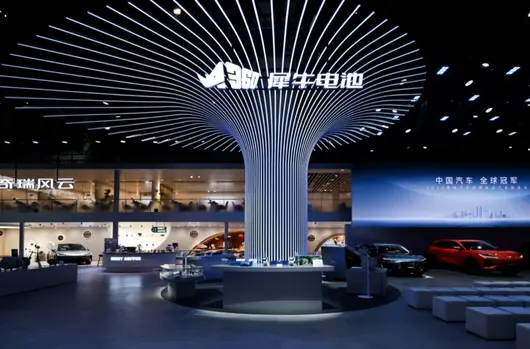
8月21日,2026成都车展拉开帷幕,奇瑞集团以“中国汽车 全球冠军”为主题,携旗下奇瑞、星途、捷途、iCAR、纵横五大品牌共38款车型登陆5号馆。其中,奇瑞品牌带来12款车型,风云A9和风云T7“颜值双子星”同台登场、QQ3摩登版开启抢鲜体验、全球品质家轿新标杆艾瑞泽7迎来全球首秀。

“真正的全球车,不是在国内完成开发后再改出去,而是从研发起始就锚定全球。”奇瑞汽车股份有限公司执行副总裁李学用在现场表示。
全球成绩单:份额跃至第九,单月出口首破20万辆
2026年,奇瑞在全球汽车格局中迎来“新坐标”。据乘联会秘书长崔东树基于世界汽车组织等机构数据统计,2026年上半年,奇瑞集团全球销量份额达4.1%,与美国福特并列全球第九,和比亚迪、吉利一起,成为全球销量前十阵营中首次出现的“中国三席”。
截至7月底,奇瑞全球累计汽车用户突破2016万,其中海外累计用户超699万,连续23年中国汽车品牌出口第一。今年1-7月,奇瑞累计出口汽车114.6万辆,同比增长71.2%,7月份更是以202533辆的成绩,成为中国首个单月出口突破20万辆的车企。

平均每16秒,就有一辆“奇瑞造”驶向全球。欧洲正成为奇瑞全球增长的重要引擎——上半年奇瑞在欧洲累计销量17.4万辆,同比增长212%,其中新能源8.6万辆,同比增长385%。中国每出口5辆汽车,就有1辆来自奇瑞。
风云T7:预售9天订单破1.6万,8月26日上市
作为奇瑞智电时代首款原生全球车型,风云T7是本届车展的焦点。新车采用“驭风美学”外观设计,搭载65.05kWh犀牛电池,CLTC纯电续航600km(实测无空调工况可达647km),支持40分钟快充至80%。安全层面依托磐石车身与9安全气囊;智能化方面配备舱驾一体8775芯片、灵犀智舱2.0及猎鹰500驾驶辅助系统。

风云T7预售价10.99万-12.99万元,预售9天订单量突破16787台。目前该车已在南非、泰国上市,8月将登陆中国和印尼市场,9月在欧盟上市,10月登陆英国、澳大利亚等地。
奇瑞还给出了“兜底”政策:电池热失控赔新车、智驾事故最高赔付500万元,叠加整车及三电终身质保。35岁以下用户占比65.2%——这台“原生全球车”瞄准的正是年轻家庭的纯电首购市场。
艾瑞泽7全球首秀:一台“从水中长出来”的家轿
艾瑞泽7是本届车展的另一个重磅车型。新车从水的动静变化中汲取灵感,形成独特的“动水之势”设计语言。前脸的“涟漪格栅”来自石子投入水面荡开的波纹,“逐浪前脸”把浪潮的动势融入车头姿态,车身主色调“特罗姆瑟极夜蓝”取自挪威极夜的天空色。

动力方面,艾瑞泽7提供C-DM超能电混和ICE鲲鹏燃油两种选择,一车双能。从研发阶段就面向全球市场,做了全温域(-40℃到50℃)、全路型、全湿度、全海拔的极限测试。
QQ3摩登版与展台体验
作为全新QQ3的001号官改版本,QQ3摩登版开启抢鲜下订。新车融入Neo Retro设计理念,将汽车百年工业中的经典元素与智电时代的科技相融合。

此外,奇瑞展台打造了“科技生态岛”主题,观众可近距离观看电池穿刺、电芯挤压泡水等安全演示。8月22日还举办了“神仙颜值主题日”活动。瑞享生活生态空间设有潮改街区、野趣营地等五大区域。
立足2016万全球用户的新起点,奇瑞正以全球化体系、前瞻性技术和年轻化表达,持续推进品牌的全方位向上。

喺馬來西亞嘅 SUV 市場,好多買家揀車都會拿 Honda WR-V 同 Chery Tiggo Cross 做比較。這兩款車喺價位同定位上都幾接近,今日我哋就從多個方面做一個詳細嘅比較,幫你省下做功課嘅時間。
Honda WR-V 喺馬來西亞嘅 OTR 售價係 RM 89,900 - 107,900,一共有 4 個版本,包括 2023 1.5L V(RM 99,900)、2023 1.5L E(RM 95,900)、2023 1.5L S(RM 89,900)等。
Chery Tiggo Cross 喺馬來西亞嘅 OTR 售價係 RM 88,750 - 99,750,一共有 2 個版本,包括 2025 HEV 1.5L CSH(RM 99,750)、2025 1.5T Standard(RM 88,750)等。
從價錢睇,Chery Tiggo Cross 嘅起步價比 Honda WR-V 平咗 RM 1,150。老實講,喺呢個價位段,幾千蚊嘅差距其實唔算大,關鍵仲要睇整體嘅性價比同長期使用成本。

Honda WR-V 採 FWD 驅動方式。
Chery Tiggo Cross 採 FWD 驅動方式。
兩款車嘅驅動方式一樣,都係 FWD,日常駕駛感受唔會有太大區別。

Honda WR-V 保修 5 年/無限制里程,保養間隔 每 10,000km 或 6 個月。
Chery Tiggo Cross 保修 3 年/100,000km,保養間隔 每 10,000km 或 6 個月。

Honda WR-V 同 Chery Tiggo Cross 都係馬來西亞市場嘅主流選擇,適合家庭使用、日常通勤。如果你更睇重品牌口碑同二手價,可以優先考慮口碑更好嗰一款;如果你更在意性價比同配備,那就揀配置更豐富嗰款。最終仲係建議兩款都去試駕,親身體驗先係最重要。

總嘅嚟講,Honda WR-V 同 Chery Tiggo Cross 都係馬來西亞市場好唔錯嘅車款。揀邊一輛,關鍵仲要睇你嘅個人需求同預算。建議大家做好功課,多比較幾間車行嘅報價,再去試駕做最終決定。買車係件大事,花少少時間做功課絕對唔會錯。


喺馬來西亞嘅 SUV 市場,好多買家喺揀車嘅時候都會拿 Honda WR-V 同 Mazda CX-5 嚟做比較。這兩款車喺價位同定位上都幾接近,今日我哋就從多個方面做一個詳細嘅比較,幫你省返做功課嘅時間。
Honda WR-V 喺馬來西亞嘅 OTR 售價係 RM 89,900 - 107,900,一共有 4 個版本,包括 2023 1.5L V(RM 99,900)、2023 1.5L E(RM 95,900)、2023 1.5L S(RM 89,900) 等。
Mazda CX-5 喺馬來西亞嘅 OTR 售價係 RM 135,469 - 166,760,一共有 3 個版本,包括 2025 2.0L AT 35th Anniversary(RM 316,154)、2025 2.0L AT(RM 296,154)、2025 2.0L MT(RM 294,154) 等。
從價錢嚟睇,Honda WR-V 嘅起步價確實比 Mazda CX-5 平咗 RM 45,569。如果你預算有限,Honda 嘅入門版已經可以滿足日常需求。但都要注意,平嗰幾千蚊,可能喺配備上會有取舍,具體要睇你嘅需求。
Honda WR-V 嘅安全評級係 5★ (ASEAN NCAP),主動安全系統包括 Honda SENSING。
Mazda CX-5 嘅安全評級係 5★ (ASEAN NCAP),主動安全系統包括。
兩款車嘅安全評級一樣,喺呢個級別入面安全配備都算給得好齊全了。而家嘅新車安全性都唔差,唔使太擔心這一點。
Honda WR-V 車身長 4400 mm,行李廂 400 L。
Mazda CX-5 車身長 4500 mm,行李廂 450 L。
空間方面,Mazda CX-5 嘅車身比 Honda WR-V 長咗 100 mm,乘坐空間更有優勢。不過 Honda WR-V 喺城市入面泊車會靈活啲,各有取舍。
Honda WR-V 保用 5 年/無限里程,保養間隔 每 10,000km 或 6 個月。
Mazda CX-5 保用 5 年/150,000km,保養間隔 每 10,000km 或 6 個月。

總之嚟講,Honda WR-V 同 Mazda CX-5 都係馬來西亞市場幾好嘅車型。揀邊一部,關鍵都要睇你嘅個人需求同預算。建議大家做好功課,多比較幾間車行嘅報價,再去試駕做最終決定。買車係件大事,花啲時間做功課絕對無錯。

喺馬來西亞嘅 SUV 市場,好多買家喺揀車嘅時候都會拿 Honda WR-V 同 Mazda CX-30 嚟做比較。呢兩款車喺價位同定位上都幾接近,今日我哋就由多個方面做個詳細嘅對比,幫你節省做功課嘅時間。
Honda WR-V 喺馬來西亞嘅 OTR 售價係 RM 89,900 至 107,900,一共有 4 個版本,包括 2023 1.5L V(RM 99,900)、2023 1.5L E(RM 95,900)、2023 1.5L S(RM 89,900) 等等。
Mazda CX-30 喺馬來西亞嘅 OTR 售價係 RM 122,409 至 146,409,一共有 4 個版本,包括 2025 2.0L High+ Premium(RM 146,409)、2025 2.0L High+(RM 138,409)、2025 2.0L High(RM 130,409) 等等。
由價錢睇落,Honda WR-V 嘅起步價確係比 Mazda CX-30 平咗 RM 32,509。如果你預算有限,Honda 嘅入門版已經可以滿足日常需要。但都要注意,平嗰幾千蚊,可能喺配備上有取捨,具體就要睇你嘅需要。
Honda WR-V 車身長 4400 mm,後行李廂 400 L。
Mazda CX-30 車身長 4500 mm,後行李廂 450 L。
空間方面,Mazda CX-30 嘅車身比 Honda WR-V 長咗 100 mm,坐駕空間更有優勢。不過 Honda WR-V 喺城入面泊車會靈活少少,各有取捨。
Honda WR-V 保養 5 年/里程無限制,保養間隔 每 10,000 公里或 6 個月。
Mazda CX-30 保養 5 年/150,000 公里,保養間隔 每 10,000 公里或 6 個月。
Honda WR-V 同 Mazda CX-30 都係馬來西亞市場嘅主流選擇,適合家庭使用、日常通勤。如果你更睇重品牌口碑同二手價,可以優先考慮口碑更好嗰款;如果你更在意性價比同配備,就揀配置更豐富嗰款。最後都建議兩款都去試駕,親身體驗先最重要。

總括嚟講,Honda WR-V 同 Mazda CX-30 都係馬來西亞市場好唔錯嘅車型。揀邊輛,關鍵都要睇你個人需要同預算。建議大家做好功課,多比較間車行嘅報價,先至去試駕做最後決定。買車係件大事,花少少時間做功課絕對無錯。

这两天我们看了吉利的中期业绩发布会,里边重点提到“123456”战略,以及第五代补能技术。
那从一个局外人的视角来理解这个事情,其实就是吉利想要给自己的全球化提速。
你仔细观察一下,会发现现在国内大部分车企所谓的“产品全球化”,是一种伪全球化,它们要么是产品在国内制造,然后运出去卖掉,要么是在当地建厂,原汤化原食。

但吉利的全球化不是这种模式,它是用别人的工厂造自己的车,所以你看为什么吉利要花2.21亿欧元入股西班牙福特工厂,为什么要把马来西亚宝腾工厂的产能从20万辆升级到50万辆,其实都是“本地造车”的2.0版本。

虽然很多人可能觉得,一台车的组装、供货、渠道销售都被外国人包办,就已经不算是“中国车”,但国外消费者看到中国以外的产地,理论上确实更容易走量,毕竟人家的刻板印象就是“中国制造便宜但不敢买”。
其实第五代补能技术解决的也是同一个问题,就是解决更底层的用户恐惧,因为只有用户敢买,车才卖得出去。

所以吉利全球化的真正内容,就是把“中国车”从产品上撕掉,最终把自己变成一个没有国籍属性的全球品牌。
消费者能拒绝“中国制造”,但很难拒绝一台在西班牙生产、欧洲人组装、技术标准透明的车。

In Malaysia's SUV market, many buyers compare Proton X90 and Mitsubishi Xforce when selecting a car. These two cars are quite close in price and positioning. Today, we will do a detailed comparison from multiple aspects to help you save time on research.
The OTR price for Proton X90 in Malaysia is RM 106,800 - 122,800. There are 4 versions in total, including 2026 1.5T Prime X (RM 122,800), 2026 1.5T Prime (RM 116,800), 2026 1.5T Lite (RM 106,800), etc.
The OTR price for Mitsubishi Xforce in Malaysia is RM 109,930 - 119,930. There are 2 versions in total, including 2026 1.5L Ultimate (RM 119,930), 2026 1.5L Urban (RM 109,930), etc.
In terms of price, Proton X90's starting price is indeed RM 3,130 cheaper than Mitsubishi Xforce. If your budget is limited, Proton's entry-level version can already meet daily needs. However, please note that the few thousand ringgit saved might involve trade-offs in features, depending on your specific needs.

Proton X90 is equipped with a 1.5L Turbo, 140 hp. Official fuel consumption 7.0 L/100km.
Mitsubishi Xforce is equipped with a 1.5L Turbo, 140 hp. Official fuel consumption 7.0 L/100km.
Both cars use the same powertrain system, the driving experience is basically the same. Fuel consumption is also similar, no need to worry too much about this point.

Proton X90 body length is 4400 mm, trunk 400 L.
Mitsubishi Xforce body length is 4400 mm, trunk 400 L.
The dimensions of both cars are almost identical, the interior space difference is minimal. For this class of cars, it is more than sufficient for daily use.

Proton X90 adopts FWD drive mode.
Mitsubishi Xforce adopts FWD drive mode.
Both cars have the same drive mode, both are FWD, daily driving experience will not differ significantly.

Proton X90 and Mitsubishi Xforce are both mainstream choices in the Malaysian market, suitable for family use and daily commuting. If you value brand reputation and resale price more, you can prioritize the one with better reputation; if you care more about cost-performance ratio and features, choose the one with richer configurations. Ultimately, it is recommended to test drive both, personal experience is the most important.
In general, Proton X90 and Mitsubishi Xforce are both very good models in the Malaysian market. Which one to choose depends mainly on your personal needs and budget. We recommend doing your research, compare quotes from several car dealerships, and then test drive to make the final decision. Buying a car is a big matter, spending some time doing research will definitely not be wrong.


In the Malaysian SUV market, many buyers tend to compare the Proton X90 and Hyundai Tucson when choosing a vehicle. Both cars are quite close in price and positioning, so today we will make a detailed comparison from multiple aspects to save you time on research.
The Proton X90 OTR price in Malaysia is RM 106,800 - 122,800, with a total of 4 versions, including 2026 1.5T Prime X (RM 122,800), 2026 1.5T Prime (RM 116,800), 2026 1.5T Lite (RM 106,800), etc.
The Hyundai Tucson OTR price in Malaysia is RM 143,888 - 197,888, with a total of 5 versions, including 2025 HEV 1.6T AT 2WD Prestige (RM 197,888), 2025 1.6T DCT 4WD Prestige (RM 186,888), 2025 1.6T DCT 2WD Prime (RM 164,888), etc.
From a price perspective, the Proton X90's starting price is indeed RM 37,088 cheaper than the Hyundai Tucson. If your budget is limited, the Proton entry-level version is already sufficient for daily needs. But keep in mind, that savings of a few thousand might mean trade-offs in features, depending on your specific needs.
The Proton X90 is equipped with a 1.5L Turbo, 140 hp. Official fuel consumption is 7.0 L/100km.
The Hyundai Tucson is equipped with a 1.5L Turbo, 140 hp. Official fuel consumption is 7.0 L/100km.
Both cars use the same powertrain system, the driving feel is basically the same for daily use. Fuel consumption is also similar, no need to worry too much about this.
The Proton X90 safety rating is 5★ (ASEAN NCAP), active safety systems include ADAS (ACC, AEB, LKA, LDA, BSM, RCTA).
The Hyundai Tucson safety rating is 5★ (ASEAN NCAP), active safety system includes SmartSense.
Both cars have the same safety rating, safety features are quite comprehensive in this class. New car safety is generally good nowadays, no need to worry too much about this.
Proton X90 warranty is 5 years/150,000km, service interval every 10,000km or 6 months.
Hyundai Tucson warranty is 5 years/300,000km, service interval every 10,000km or 6 months.

Overall, Proton X90 and Hyundai Tucson are both very good models in the Malaysian market. Which one to choose mainly depends on your personal needs and budget. We recommend doing your research, comparing quotes from multiple dealerships, and test driving to make the final decision. Buying a car is a big matter, spending time on research will never be wrong.

喺馬來西亞嘅 SUV 市場,好多買家喺揀車嗰陣都會拎 Proton X90 同 Volkswagen Tiguan 嚟比較。呢兩部車喺價位同定位上都好接近,今日我哋就從多個方面做一個詳細嘅比較,幫你省下做功課嘅時間。
Proton X90 喺馬來西亞嘅 OTR 售價係 RM 106,800 - 122,800,總共有 4 個版本,包括 2026 1.5T Prime X(RM 122,800)、2026 1.5T Prime(RM 116,800)、2026 1.5T Lite(RM 106,800) 等。
Volkswagen Tiguan 喺馬來西亞嘅 OTR 售價係 RM 206,540 - 260,024,總共有 2 個版本,包括 2025 Allspace 2.0T R-Line(RM 260,024)、2025 Allspace 1.4T Elegance(RM 206,540) 等。
由價錢睇,Proton X90 嘅起步價確實比 Volkswagen Tiguan 平咗 RM 99,740。如果你預算有限,Proton 嘅入門版已經可以滿足日常需要。但都要注意,平嗰幾千蚊,可能喺配備上會有取捨,具體就要睇你嘅需要。
Proton X90 搭載 1.5L Turbo,馬力 140 hp。官方油耗 7.0 L/100km。
Volkswagen Tiguan 搭載 2.0L 4-cyl,馬力 170 hp。官方油耗 8.0 L/100km。
動力方面,Volkswagen Tiguan 嘅 2.0L 4-cyl 比 Proton X90 嘅 1.5L Turbo 多咗 30 匹馬力。不過日常喺市區開,兩部車嘅動力都夠用,唔會覺得唔夠力。
Proton X90 車身長 4400 mm,後備廂 400 L。
Volkswagen Tiguan 車身長 4400 mm,後備廂 400 L。
兩部車嘅尺寸幾乎一樣,車內空間差別唔大。呢個級別嘅車,日常使用完全夠用。
Proton X90 採用 FWD 驅動方式。
Volkswagen Tiguan 採用 FWD 驅動方式。
兩部車嘅驅動方式一樣,都係 FWD,日常駕駛感覺唔會有太大分別。

總體嚟講,Proton X90 同 Volkswagen Tiguan 都係馬來西亞市場好唔錯嘅車型。揀邊一部,關鍵始終睇你個人需求同預算。建議大家做好功課,多比較幾間車行嘅報價,再去試駕做最終決定。買車係件大事,花少少時間做功課絕對唔會錯。

In Malaysia's SUV market, many buyers compare Proton X90 and MG MG HS when choosing a car. These two cars are quite close in price and positioning. Today we will make a detailed comparison from multiple aspects to help you save time on research.
The OTR price of Proton X90 in Malaysia is RM 106,800 - 122,800, with a total of 4 versions, including 2026 1.5T Prime X (RM 122,800), 2026 1.5T Prime (RM 116,800), 2026 1.5T Lite (RM 106,800), etc.
The OTR price of MG MG HS in Malaysia is RM 130,450 - 146,450, with a total of 2 versions, including 1.5L Standard (RM 105,000), 1.5L Executive (RM 115,000), etc.
From a price perspective, the starting price of Proton X90 is indeed RM 23,650 cheaper than MG MG HS. If your budget is limited, Proton's entry-level version can already meet daily needs. But note, the few thousand cheaper might involve trade-offs in features, depending on your specific needs.
The safety rating of Proton X90 is 5★ (ASEAN NCAP), active safety systems include ADAS (ACC, AEB, LKA, LDA, BSM, RCTA).
The safety rating of MG MG HS is TBD, active safety systems include Basic.
Regarding safety features, both cars received decent ratings. However, there are some differences in function between Proton X90's ADAS (ACC, AEB, LKA, LDA, BSM, RCTA) and MG MG HS's Basic. If you value active safety more, you can compare the function lists of both in detail.
Proton X90 adopts FWD drive mode.
MG MG HS adopts FWD drive mode.
Both cars have the same drive mode, both are FWD, daily driving experience will not differ too much.
Proton X90 warranty 5 years/150,000km, service interval 10,000km or 6 months.
MG MG HS warranty 7 years/150,000km, service interval 10,000km or 6 months.
Overall, Proton X90 and MG MG HS are both very good models in the Malaysian market. Which one to choose depends mainly on your personal needs and budget. We suggest doing your research, comparing quotes from several dealerships, and then test driving to make a final decision. Buying a car is a big deal, spending time researching is never wrong.

Di pasaran SUV Malaysia, ramai pembeli membandingkan Proton X90 dan Chery Tiggo 9 semasa memilih kereta. Kedua-dua kereta ini agak hampir dari segi harga dan pelan pasaran, hari ini kita akan buat perbandingan terperinci dari pelbagai aspek, membantu anda menjimatkan masa membuat penyelidikan.
Harga OTR Proton X90 di Malaysia ialah RM 106,800 - 122,800, terdapat 4 versi, termasuk 2026 1.5T Prime X (RM 122,800), 2026 1.5T Prime (RM 116,800), 2026 1.5T Lite (RM 106,800) dan lain-lain.
Harga OTR Chery Tiggo 9 di Malaysia ialah RM 166,800 - 179,800, terdapat 1 versi, termasuk 2026 2.0T Standard (RM 179,750) dan lain-lain.
Dari segi harga, harga permulaan Proton X90 memang lebih murah RM 60,000 berbanding Chery Tiggo 9. Jika bajet anda terhad, versi permulaan Proton sudah boleh memenuhi keperluan harian. Tetapi perlu juga diambil perhatian, perbezaan harga tersebut mungkin ada pengorbanan dari segi kelengkapan, ia bergantung pada keperluan anda.
Penilaian keselamatan Proton X90 ialah 5★ (ASEAN NCAP), sistem keselamatan aktif termasuk ADAS (ACC, AEB, LKA, LDA, BSM, RCTA).
Penilaian keselamatan Chery Tiggo 9 ialah TBD, sistem keselamatan aktif termasuk Basic.
Dari segi kelengkapan keselamatan, kedua-dua kereta telah mendapat penilaian yang baik. Walau bagaimanapun, ADAS (ACC, AEB, LKA, LDA, BSM, RCTA) Proton X90 dan Basic Chery Tiggo 9 mempunyai beberapa perbezaan dari segi fungsi, jika anda lebih mengutamakan keselamatan aktif, boleh bandingkan senarai fungsi kedua-duanya.
Proton X90 menjamin 5 tahun/150,000km, selang servis setiap 10,000km atau 6 bulan.
Chery Tiggo 9 menjamin 3 tahun/100,000km, selang servis setiap 10,000km atau 6 bulan.
Proton X90 dan Chery Tiggo 9 adalah pilihan utama pasaran Malaysia, sesuai untuk penggunaan keluarga, perjalanan harian. Jika anda lebih mengutamakan reputasi jenama dan harga kereta kedua, boleh utamakan yang mempunyai reputasi lebih baik; jika anda lebih mengutamakan nilai harga dan kelengkapan, maka pilih yang mempunyai konfigurasi lebih kaya. Akhir sekali disarankan kedua-dua model disewa ujian, pengalaman langsung adalah yang paling penting.

Secara keseluruhan, Proton X90 dan Chery Tiggo 9 adalah model kereta yang sangat baik di pasaran Malaysia. Memilih mana satu, utamanya bergantung pada keperluan dan bajet peribadi anda. Disarankan membuat penyelidikan dahulu, membandingkan beberapa tawaran dari kedai kereta, kemudian pergi ujian memandu untuk membuat keputusan akhir. Membeli kereta adalah perkara besar, meluangkan masa untuk membuat penyelidikan pasti tidak salah.

Chery Fengyun T7 telah dibuka pra-penjualan rasmi, terdapat 3 varian, harga pra-penjualan 109,900 hingga 129,900 Yuan. Bayar deposit 1000 Yuan boleh membuka 7 faedah pembelian, kebimbangan utama dari membeli sehingga penggunaan jangka panjang hampir terliput sepenuhnya.

Asal: Kerja teliti, kualiti yang telah disahkan pasaran global
Kereta ini melalui 'Ujian Pasaran Luar Negara', bukan kereta baharu yang tergesa-gesa:
2 tahun perancangan, 3 tahun penyelidikan dan pembangunan, melibatkan 81 unit kenderaan ujian, jarak ujian kumulatif melebihi 6,000,000 kilometer, persekitaran ekstrem seperti musim hujan Asia Tenggara, panas Tengah Timur, kelembapan tinggi Indonesia semuanya diuji dengan kenderaan sebenar.
Model luar negara sekelas Lepas L6 pernah tampil di Pameran Reka Bentuk Milan, bermaksud ia terlebih dahulu disahkan oleh pasaran global, kemudian kembali ke negara asal dengan kualiti yang matang.
Cat badan kereta menggunakan teknologi tahan cuaca antarabangsa, dalaman dilapik lembut, komponen mudah haus telah dioptimumkan untuk tahan lama, tidak mudah nampak lusus selepas beberapa tahun.
Jarak Perjalanan: Keseluruhan model 600km piawaian sama, walaupun suhu rendah juga boleh dipercayai
Tiada perbezaan rawatan jarak tinggi dan rendah, semua model dilengkapi bateri kapasiti tinggi 65.05kWh secara piawai:
Jarak CLTC 600km, ujian sebenar boleh capai 667km, tergolong kelebihan spesifikasi; cas pantas 30%-80% hanya perlukan 20 minit, kecekapan cas tinggi.
Dilengkapi sistem pam haba dwi-sumber luas, -30°C hingga 55°C julat suhu sangat luas boleh bekerja stabil, musim sejuk di utara buka pemanas juga tidak terlalu menyusut tenaga, jarak semua skenario sangat kukuh.
Ruang dan Pemanduan: Cukup praktikal untuk keluarga, kerangka telah dipertingkatkan
Gandar 2700mm, kecekapan penggunaan ruang dalaman 84%:
Ruang kaki baris belakang 911mm, lantai rata sepenuhnya, memuat tiga orang pun tidak sesak; ruang bagasi biasa 450L, boleh dikembangkan hingga 1550L ruang rata jika baris belakang dilipat, sesuai untuk angkut barang atau berkemah. Keseluruhan kereta ada 38 tempat simpanan, juga disediakan mata tetap luar.
Kerangka dibina oleh pasukan pakar laras bekas Maserati, nisbah beban gandar 50.8:49.2 hampir 50:50, pusingan stabil, kualiti laluan lurus baik, menggabungkan keselesaan keluarga dan rasa pemanduan asas.

Kecerdasan: Cip integrasi kabin-pemanduan, keupayaan parkir maksimum
Dilengkapi cip integrasi kabin-pemanduan 8775 proses 4nm, kuasa kira 72TOPS, capai koordinasi kabin-pemanduan:
Skrin anti-pendaran 2.5K saiz 15.6 inci, sokong hubungan tanpa wayar telefon utama; sistem kereta ada 6 persona suara, ada skena eksklusif seperti kemah, berehat sebentar.
Sistem bantuan pemanduan Helang 500 dilengkapi 22 sensor tepat tinggi, sokong 300+ skenario parkir automatik, parkir jalan buntu, undur laluan skena sukar juga dapat liput.
Keselamatan + Faedah: Perlindungan Intipati, tiada risau penggunaan kereta
Keselamatan dan perkhidmatan selepas jualan adalah titik terang utama kereta ini, kesungguhan sangat cukup:
Badan kereta dibandingkan dengan piawaian 5 bintang E-NCAP edisi 2026, 80% keluli kekuatan tinggi + 18.84% keluli bentuk haba membina struktur sangkar, semua model dilengkapkan piawai 9 beg udara.
Bateri Rhinoceros dilengkapi pelindungan 6D pelbagai lapisan, keupayaan kalis air IP68 mencapai 96 kali piawaian negara, situasi terendam air dan banjir dalam ada jaminan.

Dua janji perlindungan: Bateri kuasa kehilangan kawalan haba sendiri, ganti kereta baru sama model terus; kemalangan dalam skena bantuan pemanduan pintar, ganti maks 5 juta.
Kos penjagaan kereta telus: Pembelian kereta dapat jaminan keseluruhan seumur hidup, tambah 666 Yuan dapat pakej penyelenggaraan asas seumur hidup, tambah deposit 1000 Yuan tolak 2000 Yuan, warna khas percuma had masa, kos jangka panjang sangat rendah.
Dalam persekitaran peredaran industri yang pantas, Fengyun T7 adalah pemain serba boleh yang digilap dengan kerja teliti, dalam SUV Elektrik Keluarga Kelas 100,000, jarak, keselamatan, jaminan selepas jualan diberikan kukuh, sesuai untuk pengguna keluarga yang mengejar kepraktisan dan ketahanan.
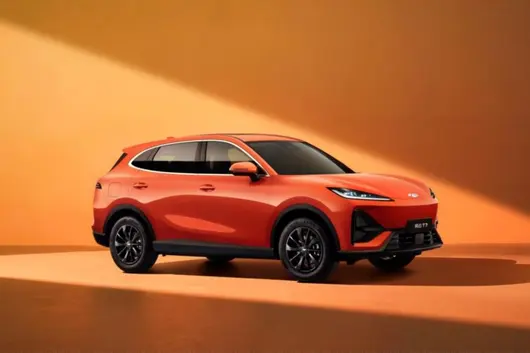

With the theme "Quality cars take time, sorry to keep you waiting", the Chery Fengyun T7 Pure Electric SUV officially launched its pre-sale on August 12. This new car accumulates 23 years of Chery's global technological strength, adopts a R&D strategy of testing overseas first, and whole vehicle R&D, manufacturing, and testing are all benchmarked against international standards. The new car has three different versions available, with a pre-sale guide price from 109,900 to 129,900 RMB. Users only need to pay a 1,000 CNY deposit to unlock the seven exclusive car buying benefits set by the official.

Currently, the domestic new energy vehicle industry continues to move towards overseas markets. Chery Fengyun T7 has completed product development around family daily travel needs, covering various usage scenarios such as city commuting, long-distance travel, outdoor play, and group travel. It has completed product configuration layout from six dimensions: appearance and interior, vehicle safety, range and recharging, smart system, driving space, and vehicle usage guarantee.

Fengyun T7 R&D benchmarks the 2026 version E-NCAP five-star safety standard, functional safety reaches ASIL D level. The project advanced for five years, investing 81 test vehicles for durability road tests. The whole vehicle accumulated 6 million km of testing, and special durability test mileage was 1.45 million km. Vehicles completed real-vehicle verification in multiple locations such as Southeast Asia, Middle East, and Indonesia in high temperature, waterlogging, and high humidity environments. The body uses a nine horizontal five vertical cage structure. Steel includes 80% high-strength steel and 18.84% hot-formed steel. It is equipped with a dual-frame subframe and dedicated battery anti-collision beam, setting 15 collision energy transmission paths. Standard equipment includes 9 airbags, equipped with 48L dual-chamber remote airbags and rear side airbags. The vehicle is equipped with Rhino Power Battery, featuring a six-layer protection structure, battery protection level reaches IP68, capable of resisting extrusion, puncture, impact and other damages. Car buyers can enjoy two bottom-line rights. If the power battery is damaged due to thermal runaway due to quality issues, the manufacturer compensates with a new vehicle. Within one year of purchase, if the assisted driving system causes an accident in parking or smart pilot scenarios, related losses can be compensated up to 5 million CNY.

Vehicle body dimensions 4570x1852x1694mm, wheelbase 2700mm, interior space utilization rate 84%. Rear row uses fully flat floor design, rear legroom 911mm. Standard trunk capacity 450L, rear seats folded down expands capacity to 1550L, interior can form 1955mm fully flat placement space. Seats use nine-layer filling structure, equipped with three-level heating and air intake ventilation functions. In minus 20°C environment, it can heat up to 30°C in 5 minutes. Interior has 38 storage points, equipped with four 300kg load-bearing rivet rings and two 3kg load-bearing hooks. Chassis tuning work was completed by an overseas team with Maserati tuning experience. Whole vehicle axle load ratio 50.8:49.2. Chery self-developed dual-axle K&C test bench provides technical support for chassis development.

The whole vehicle is equipped with a 4nm process 8775 Cockpit-Driving Integrated Chip, computing power 72 TOPS, system response speed 80ms, boot efficiency increased by 33%. Interior equipped with 15.6-inch 2.5K central control large screen, screen supports anti-glare, anti-fingerprint treatment, can wirelessly connect CarPlay, HUAWEI HiCar and other mobile phone interconnection systems. Lingxi Smart Cockpit 2.0 built-in six voice interaction images, equipped with Napping, Camping, Pet, Awakening and other six scenario modes. Falcon 500 Driving Assistance System equipped with 22 sensors, including 3 millimeter-wave radars, 7 cameras, 12 ultrasonic radars, supports 300+ scenario automatic parking, covering dead-end parking, cross-floor parking, track reverse functions.

The three models are uniformly equipped with 65.05kWh Rhino Battery, CLTC standard range 600km, road test range over 667km, charging time from 30% to 80% is 20 minutes. Vehicle equipped with dual-source wide-range heat pump air conditioning with high-voltage PTC component, operating temperature range -30°C to 55°C, equipped with AGS intelligent front grille and 14 vehicle body low wind resistance optimization designs, adaptable to driving in different climates and road conditions.

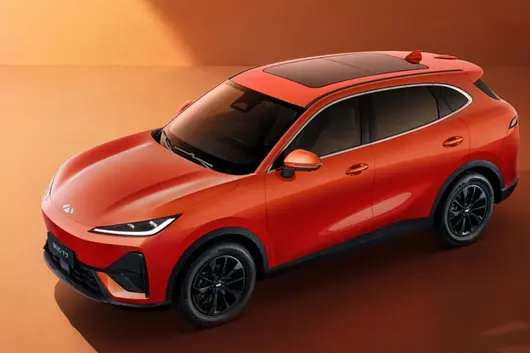
The new car exterior was developed with the participation of Chery's ten global design centers, over 5,000 domestic and overseas users participated in vehicle co-creation. The same platform model Lepas L6 was exhibited at Milan Design Week. Body lines use wind-sculpted satin styling, equipped with wind-harness front face and skyline glow taillights, providing Blaze Orange, Mountain Smoke Purple, Cloud Pink Beige, Flowing Light Silver, Green Bamboo Grey, Ink Stone Black six paint color options, paint produced according to overseas weatherability standards. Interior provides Warm Black Brown, Polar Night Obsidian two interior color schemes, using Cloud Wing Hugged Cockpit Layout, large area soft wrapping covers interior areas, matched with pebble-shaped speakers and diamond quilted seats, interior leather, plastic, and seals all undergo anti-aging treatment.

Car purchase comes with two lifetime usage rights. The whole vehicle includes a lifetime warranty for the three-electric system, excluding consumable parts and special components; consumers pay 666 CNY to purchase a lifetime basic maintenance package, can enjoy one basic maintenance service per year. The seven rights corresponding to the 1,000 CNY deposit include value 6,000 CNY custom paint free use, 1,000 CNY deposit deducted as 2,000 CNY purchase price, priority pickup, etc.
Fengyun T7 from design R&D to field testing all adopts global unified standards. Product configuration is centered around family travel essential needs, no unnecessary gimmick configurations, balancing daily commuting, long-distance travel and other multi-scenario vehicle usage. Complete car purchase and vehicle usage guarantee system, adaptable to family users with high-quality travel needs.

文丨陈伟东
当新能源赛道陷入参数内卷、迭代提速的浮躁周期,真正沉下心打磨产品的车企愈发稀缺。
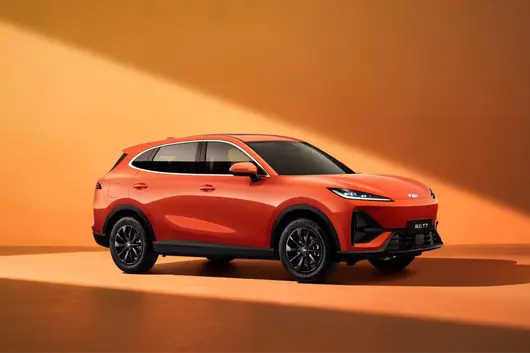
8月12日,奇瑞风云T7正式开启预售。不同于行业“快速上新、快速迭代”的节奏,风云T7以长期主义造车理念历经多年深度打磨,依托奇瑞全球化研发、测试、制造体系,完成多地域、全工况严苛验证,以经过全球市场验证的成熟品质,回归家用纯电最本真的产品价值。
拒绝速成造车
作为奇瑞面向全球家庭打造的高品质纯电SUV,风云T7从研发之初便立足全球统一标准,不做“特供版”、不搞区域差异化减配。整车对标2026版E-NCAP五星安全体系打造,功能安全达到行业顶级ASIL-D等级,从车身结构、电池防护到智能安全配置,全部按照全球最严苛法规前置设计。
为适配全球多元路况与气候环境,风云T7完成跨大洲全场景极限试炼:从北欧零下极寒、中东高温暴晒,到东南亚湿热雨淋、海外非铺装烂路,覆盖全球95%典型路况与-40℃至55℃极限温域。针对不同地区用车痛点,整车完成防水、抗老化、防腐、底盘防护、热泵温控等上千项专项优化,确保无论南方雨季、北方寒冬、高原强紫外环境,都能保持稳定可靠的整车状态。

在耐久验证层面,风云T7投入数十台专属测试车辆,累计完成超600万公里全域路试、145万公里专项耐久测试。超长周期、高强度实测,提前筛除量产隐患,让车辆耐用性、稳定性远超行业常规标准。
依托奇瑞23年出口领跑、2000万全球用户的制造积淀,风云T7同源海外车型已率先登陆泰国、南非等市场,凭借稳定品质收获海外用户口碑。此番国内预售,是全球成熟品质反向回馈中国家庭。
全系真配置平权
当下家用纯电市场普遍存在“入门减配、高配溢价”的现象,消费者往往需要在续航、安全、空间、舒适之间取舍。风云T7彻底打破配置分层套路,以全系标配的全能实力,实现家用纯电六大核心需求一步到位。
续航层面,风云T7全系搭载高规格犀牛电池,CLTC纯电续航600km,实测续航实现反向虚标。依托先进热管理系统与低风阻车身设计,有效解决冬季续航缩水痛点;22分钟即可完成30%-80%快充,日常通勤、长途出行无需电量焦虑,电池超长寿命更保障十年用车无忧。

安全层面,风云T7把顶配安全下放全系。整车采用高占比高强度钢笼式车身,搭配专属副车架结构、贯穿式加强门槛,车身抗撞能力全面拉满。全车标配9安全气囊,包含大体积双腔远端气囊与超长侧气帘,配合电池6D锁子甲级防护、IP68顶级防水防撞能力,经过多重极限碰撞测试验证,全方位守护家庭出行安全。
智能体验上,车型搭载4nm高阶车规芯片,算力充足、交互流畅,搭载升级灵犀智舱与豆包大模型,语音识别精准、场景逻辑贴合家用习惯。同时配备全场景智能泊车、高速领航、循迹倒车等实用智驾功能,弱化花哨功能、强化真实好用,降低家庭用户驾驶负担。
空间与舒适性是风云T7的核心优势。凭借高效空间布局,新车实现超高车内得房率,后排宽敞纯平,乘坐舒展不局促。座椅支持通风、加热等舒适功能,后排可一键放倒形成超大纯平空间,兼顾日常载人、休憩午休、户外露营多重场景。

底盘由国际团队专业调校,实现前后均衡轴荷与超低车身重心,兼顾城市代步的平顺静谧与高速行驶的稳定质感,烂路滤震、高速操控表现全面优于同级家用SUV。
设计上,风云T7延续风云序列东方美学理念,线条克制简约、造型大气耐看,拒绝过度夸张的潮流化设计,实现久看不腻的高级质感。多款专属车漆配色适配家庭审美,全车细节兼顾空气动力学、隔音性能与耐久抗老化能力,颜值与实用性双向平衡。
为家庭用户打造“经得起时间考验”的电车
新能源行业高速迭代,不少新品追求快速落地、快速出圈,牺牲了验证周期与耐久品质。而奇瑞风云T7坚持好车快不了一点的研发理念:不赶短期热度、不凑参数噱头,把时间花在测试、验证、优化上。

从用户调研、全球工况适配,到百万公里耐久路试、海外市场先行验证,风云T7把所有不确定性解决在上市之前。不盲目堆料,不制造配置焦虑,只为交付一台安全、耐用、省心、全能的家用纯电SUV。
此次正式开启预售,意味着历经千锤百炼的奇瑞风云T7正式登陆家庭主流市场。以全球标准、全域实力、全系真配置,风云T7将重塑15万级家用纯电SUV价值标杆,让普通家庭也能买到经过全球验证、十年不过时、省心耐用的高品质纯电车。

Author | Janson
Editor | Zhihao
Overseas revenue grew by 164% year-on-year; ADAS business begins scaling up.
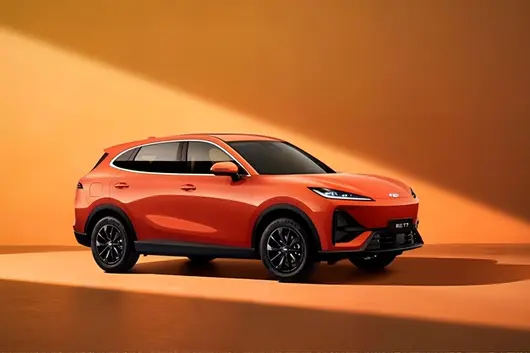
CheXidong reported on August 13, last night, WeRide released its Q2 2026 results; overseas business grows at high speed, Robotaxi commercialization process accelerates further.

▲ WeRide's main financial data for Q2 2026
In Q2 this year, WeRide achieved revenue of 232 million yuan, a 82.2% increase year-on-year, and a 103.1% increase quarter-on-quarter; gross profit reached 86.87 million yuan, a 143.3% increase year-on-year; gross margin increased from 28.1% in the same period last year to 37.5%, increasing by 9.4 percentage points year-on-year.
Looking at the revenue structure, WeRide's growth is mainly driven by L4 business expansion, and L2++/L3 solutions beginning to scale up.
Among them, L4 business revenue in Q2 reached 125 million yuan, a 47.3% increase year-on-year, and a 130.6% increase quarter-on-quarter; L2++/L3 business revenue surged 2593.8% year-on-year, and quarter-on-quarter growth was 219.3%.
At the same time, the overseas market became the fastest growing business segment. In Q2, WeRide's overseas revenue grew by 164.4% year-on-year, and quarter-on-quarter growth was 169.3%; overseas revenue in the first half of the year grew by 154.4% year-on-year.
WeRide also stated at the earnings call that the asset-light model for overseas Robotaxi has been proven viable; a single Robotaxi can bring WeRide more than 40,000 to 50,000 US dollars (equivalent to 270,000-338,500 yuan) in recurring revenue annually.
However, WeRide has not yet achieved profitability.
In Q2, WeRide's net loss was 401 million yuan, narrowing by about 1.4% compared to the 406 million yuan in the same period last year; adjusted net loss was 338 million yuan, expanding by about 12.6% year-on-year.
Overall, WeRide's Q2 Robotaxi operational efficiency and commercial revenue are improving, but there is still some distance from overall profitability.
01.
Q2 Revenue of 232 Million Yuan
Gross Margin Rises to 37.5%
In Q2 this year, WeRide achieved revenue of 232 million yuan, an 82.2% increase compared to the 127 million yuan in the same period last year, and a 103.1% increase compared to Q1 this year.
Among them, product revenue was 92.32 million yuan, a 54.4% increase year-on-year; service revenue reached 139 million yuan, a 106.8% increase year-on-year; service business contributed about 60% of revenue.

▲ WeRide's Detailed Financial Information for Q2
During the same period, WeRide's revenue cost was 145 million yuan, a 58.4% increase year-on-year, growth rate lower than revenue growth.
Affected by this, Q2 gross profit grew from 35.7 million yuan in the same period last year to 86.87 million yuan, a year-on-year increase of over one times; comprehensive gross margin reached 37.5%, an increase of 9.4 percentage points compared to 28.1% in the same period last year.
WeRide stated that the increase in gross margin mainly came from two aspects: first, the growth of L2++/L3 business revenue with relatively higher gross margin, and second, the improvement in overseas L4 business revenue contribution.
Regarding R&D expenses, WeRide's Q2 R&D expenditure was 434 million yuan, a 36.2% increase year-on-year.

▲ WeRide R&D Expenses
WeRide stated that the increase in R&D expenditure was mainly due to increases in personnel and outsourcing labor costs, depreciation and amortization, and cloud service fees.
Finally, WeRide's Q2 operating loss was 422 million yuan, narrowing by about 7% compared to the 454 million yuan in the same period last year; net loss was 401 million yuan, narrowing by about 1.4% compared to the same period last year.

▲ WeRide Loss Situation
Basic and diluted loss per American Depositary Share was 1.23 yuan, compared to 1.35 yuan in the same period last year.
Overall from the first half of the year, WeRide's cumulative revenue was 346 million yuan, a 73.3% increase year-on-year; gross profit was 126 million yuan, a 107.1% increase year-on-year; gross margin increased from 30.6% in the same period last year to 36.6%.

▲ WeRide EBITDA Loss
In the first half of the year, WeRide's net loss was 790 million yuan, basically flat with the 792 million yuan in the same period last year; adjusted net loss was 665 million yuan, higher than the 595 million yuan in the same period last year; EBITDA was -667 million yuan, narrowing by 6.5% compared to the -713 million yuan in the same period last year.
02.
L2++/L3 Revenue Surges 26 Times
Overseas Market Becomes Main Growth Driver
From specific business view, L4 remains WeRide's largest business segment.
In Q2, WeRide's L4 business revenue reached 125 million yuan, a 47.3% increase year-on-year, and a 130.6% increase quarter-on-quarter.
According to WeRide's definition, L4 business mainly includes selling autonomous driving vehicles, and providing autonomous driving operation and technical support services, with main product lines covering Robotaxi and Robobus, etc.
Meanwhile, in Q2, WeRide's one-piece end-to-end L2++/L3 solution WRD 3.0 shipment volume was about 30,000 sets, related business revenue grew by 2593.8% year-on-year, equivalent to about 27 times the same period last year; quarter-on-quarter growth was 219.3%.

▲ WeRide WRD 3.0
So far, WeRide has received L2++ mass production design wins for over 30 car models.
WRD 3.0 has also conducted road tests and localization adaptation verification in overseas markets such as France, Germany, and Japan.
At the same time, the overseas market is becoming the main source of incremental growth. In Q2, WeRide's overseas revenue grew by 164.4% year-on-year, and quarter-on-quarter growth was 169.3%; overseas revenue in the first half of the year grew by 154.4% year-on-year.
So far, WeRide's autonomous driving testing or operation business has covered more than 60 cities in 13 countries worldwide.
In terms of Europe, WeRide and Uber plan to launch Spain's first commercialized Robotaxi pilot in Madrid this year, which is the fourth joint deployment project globally and the first time entering the European market together.
In addition, WeRide has also made layouts in Zurich, Switzerland, and the Danish market.

▲ WeRide's Robotaxi in Madrid
In terms of the Middle East, WeRide has achieved pure unmanned operation of Robotaxi in Abu Dhabi and Dubai, with approved service scope covering more than 70% of the core urban area. As of July 31, 2026, the Robotaxi fleet size of the company in the Middle East region is about 400 vehicles.
03.
Robotaxi Average Daily Orders per Vehicle Exceed 21
Domestic Ride-hailing Revenue Increases 140% Quarter-on-Quarter
Besides overseas revenue growth, WeRide's domestic Robotaxi operational efficiency is also improving.
In Q2, WeRide's domestic Robotaxi average daily orders per vehicle exceeded 21, a quarter-on-quarter increase of about 24%; the peak daily completed orders per vehicle reached 28; platform registered users grew quarter-on-quarter by 35%, driving domestic ride-hailing revenue growth of about 140% quarter-on-quarter in a single quarter.

▲ WeRide Robotaxi
From the perspective of Robotaxi commercialization, orders per vehicle is one of the core indicators affecting the vehicle economics model.
From this point, average daily orders per vehicle exceeding 21, and ride-hailing revenue increasing about 140% quarter-on-quarter, indicate that WeRide's domestic Robotaxi fleet utilization is improving.
Regarding service areas, WeRide continues to expand the pure unmanned Robotaxi operation scope in Beijing and Guangzhou.
Among them, Guangzhou's service area has covered Huangpu, Tianhe, and Haizhu districts, expanded to 3 times compared to the end of 2025, and achieved 7x24 hour commercial operation.
As of the end of July 2026, WeRide's global L4 fleet size is about 3,400 vehicles, of which Robotaxi exceeds 1,800. This means Robotaxi has accounted for more than half of the company's L4 fleet and has become its largest L4 product line.

▲ WeRide Robobus
Besides Robotaxi, WeRide is also advancing the autonomous driving minibus business.
Currently, the autonomous driving minibus operated by WeRide in Zurich has cancelled front-row safety officers; minibuses deployed in Leuven, Belgium are planned to cancel front-row safety officers this year in Q3 and start commercial operation. In addition, the company also provides autonomous driving minibus services in markets such as Japan, Saudi Arabia, Singapore, and UAE.
04.
WeRide Han Xu:
Overseas Asset-light Model Replicable, Relying on Technical Service Fees
At the earnings call, WeRide founder, Chairman & CEO Han Xu, and CFO, International Head Li Xuan, answered questions from investors and institutions. CheXidong summarized the Q&A:
1. How does the company allocate resources for L4, L2++/L3, and AI infrastructure businesses? What are the goals for the second half of the year?
Currently, WeRide's L4, L2++/L3, and AI infrastructure businesses are not independent of each other, but share a technology foundation composed of GENESIS world model and WITT physical AI cognitive foundation large model, etc.
Among them, the high-value data generated by L4 fleets in real operations can continuously improve system safety, robustness, and generalization capabilities; the constantly expanding L2++/L3 mass production fleets can collect broader road data, reverse accelerate L4 model iteration, and expand coverage of long-tail scenarios.
Regarding business goals, WeRide will continue to expand Robotaxi business scale, promote more car manufacturers to adopt its L2++/L3 solutions, and strive to output AI infrastructure capabilities to more robotics companies.
Among them, expanding the installation scale of L2++/L3 solutions will be the core goal of the company's next stage.
2. How does overseas business expand, and can the asset-light model be replicated in different markets?
The overseas market has become an important growth engine for WeRide. WeRide mainly adopts an asset-light model overseas, i.e., the company does not hold vehicle assets put into operation, but is responsible for local adaptation of autonomous driving technology, regulatory compliance, and "virtual driver" technology licensing, and collects continuous technical service fees and mileage-based fees. Vehicle investment and daily operations are mainly the responsibility of local partners.
According to this model, a single Robotaxi can bring WeRide more than 40,000 to 50,000 US dollars (equivalent to 270,000-338,500 yuan) in recurring revenue annually. As the fleet size in a single city expands and operational density improves, per-vehicle revenue and profitability still have further growth space.
3. What are the latest developments in L2++/L3 business? How to view OEMs entering the Robotaxi field?
WeRide's one-piece end-to-end L2++/L3 solution WRD 3.0 has entered the mass production stage from the design win stage.
As of the end of June 2026, the cumulative delivery of vehicles equipped with WeRide L2++/L3 solutions has exceeded 30,000 units. The company plans to increase the installation volume to 100,000 units by the end of 2026, and achieve cumulative delivery of over 500,000 units in 2027.
WeRide's competitive advantage in this business comes from the GENESIS and WITT two models and the AI infrastructure behind them. Relying on model training and distillation capabilities, the company can develop end-to-end intelligent driving systems with a relatively small scale team, while deploying models on cost-relative lower vehicle-end hardware.
Regarding the trend of some OEMs entering the Robotaxi market using ADAS technology and mass-produced vehicle data, Han Xu expressed welcome to more participants joining the competition, but at the same time believes that there is still a large difference between ADAS and L4 Robotaxi.
4. What specific problems can the WITT model solve?
WITT's core capability is to extract and verify "physical facts" from large-scale vehicle operation videos, and further analyze the connections and causal relationships between different facts.
After the collaboration of the two models, a closed loop can be formed from real data understanding, physical fact extraction, to simulation scenario generation and algorithm training, thereby supplementing the long-tail data required for autonomous driving training, improving training efficiency and reducing training costs.
Regarding vehicle-end deployment, Han Xu stated that relying on model distillation capabilities, WeRide can run relevant intelligent driving systems on a platform with about 200 TOPS computing power, while some competing solutions may use computing power reaching about 2,000 TOPS.
5. Without controlling vehicles and user traffic, how does the asset-light model maintain discourse power?
An investor pointed out that in WeRide's asset-light model, if platforms like Uber allocate orders to other autonomous driving suppliers, how does WeRide maintain cooperation stability? Do relevant agreements include exclusivity clauses or minimum business volume commitments?
WeRide hopes to build an ecosystem composed of ride-hailing platforms, local operators, and service suppliers in each market, rather than relying on a single partner.
WeRide's core chips in the cooperation relationship are mainly safety records, regulatory licenses, technical localization, and actual deployment capabilities.
WeRide has obtained autonomous driving licenses in 8 markets and is carrying out L4 business in multiple countries. As regulatory frameworks in different markets gradually converge, the safety verification, technical adaptation, and regulatory communication experience accumulated by the company in one region can also help reduce compliance costs of entering other markets.
In other words, WeRide's discourse power in the asset-light model does not come from vehicle ownership or user traffic, but from regulatory-recognized autonomous driving technology, safety records, and cross-market landing capabilities.
05.
Conclusion: Autonomous Driving Competition is About Efficiency
WeRide's Q2 performance indicates that the autonomous driving industry is shifting from technology verification to scaled commercial implementation
Robotaxi fleet continuous expansion, per-vehicle order volume increase, superimposed L2++/L3 solution accelerating vehicle installation, industry revenue sources gradually moving from project-based to parallel operation and mass production.
In the future, whoever can achieve stable orders, controllable costs, and sustainable cash flow first, is more likely to truly cross the autonomous driving commercialization inflection point.
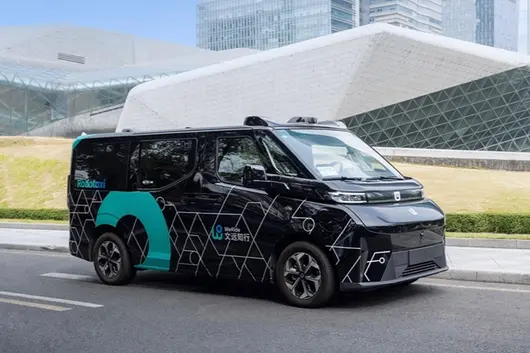

8 月 12 日,奇瑞風雲 T7 以「慢功造好車,久等了」為主題正式開啟預售。新車共推出 3 款配置,預售價 10.99 萬 -12.99 萬元。新車定位全球品質純電 SUV,預計 8 月底正式上市。

車身尺寸 4570×1852×1694mm,軸距 2700mm,空間利用率 84%。後備箱常規 450L,放倒後可形成 1955mm 純平大床。全車 38 處儲物空間。


該車同源車型 Lepas L6 已在泰國、南非等海外市場先行上市,後續還將登陸歐盟、澳新等市場,採用「先出海、再回國」的反向輸入路徑。新車嚴格按 2026 版 E-NCAP 五星安全標準開發,累計完成超 600 萬公里整車耐久測試。

風雲 T7 全系標準配備 65.05kWh 犀牛磷酸鋰鐵電池,CLTC 續航統一為 600 公里,實測可達 667 公里。30%-80% 快充僅需 20-22 分鐘。支援 6.6kW 外放電。動力方面搭載 178kW 單電機,峰值扭力 275N·m。底盤為前麥弗遜 + 後多連桿獨立懸掛。

智能層面,新車搭載 4nm 製程高通 SA8775 艙駕一體晶片,NPU 算力 72TOPS。配備 15.6 英寸 2.5K 懸浮中控螢幕,內置豆包大模型靈犀智艙 2.0。全車 22 顆高精度傳感器,高配支援高速 NOA、200+ 場景自動泊車、100 米循跡倒車。

安全方面,車身採用 80% 高強度鋼 +18.84% 熱成型鋼,九橫五縱籠式車身結構。標準配備 9 個安全氣囊,含 48L 雙腔遠端氣囊。犀牛電池通過 2026 版新國標認證,循環壽命超 2500 次。

答答點評:
風雲 T7 的核心策略好直接:全系 600 公里續航唔搞高低配,10.99 萬起畀後多連桿懸掛同 8775 晶片,呢套組合喺 10 萬級純電 SUV 入面確實少見。先跑完全球市場再回國賣,驗證週期拉長到四年,質控上比快節奏出車嘅對手多咗一層保障。全系標準配備 9 氣囊同 80% 高強鋼車身,安全配置亦冇縮水。對預算 10-12 萬、注重續航真實性同整車耐久性嘅家庭用戶嚟講,呢台車算係把同價位競品嘅及格線往上抬咗一截。
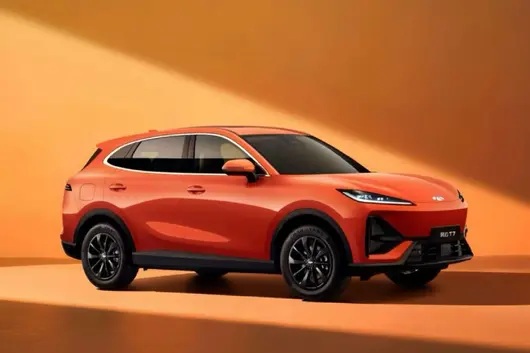

8月12日,奇瑞风云序列全新纯电SUV—风云T7正式开启预售。新车共推出3款版型,预售指导价格10.99万元至12.99万元。当行业追逐“12个月出一款新车”的速成节奏时,这台历经2年策划、3年研发的全球品质纯电SUV,选择用一场“慢功造好车,久等了”的发布会告诉市场——有些事快不来,有些路绕不过。

先出海、再归国,一台“反向”而来的全球车
风云T7不是一台“中国特供车”。它在海外叫LEPAS L6,南非已开启预售,泰国已于7月24日上市,8月登陆印尼,9月进入欧盟,10月抵达澳新和英国。一台车要同时满足130多个国家和地区的法规标准、气候条件、路况特征和使用习惯,研发周期注定短不了。

这正是风云T7“慢”的底层逻辑——它不是先在国内造好、再想办法卖到国外,而是一开始就按照全球标准研发、在全球跑完了验证、带着海外市场的真实反馈才回到国内。
慢在研发:3年打磨,全球体系支撑
依托奇瑞全球1+7+N研发体系,风云T7历经3年完整研发周期。走访15个典型国家,完成5000余份全球用户调研,把不同市场的需求提前纳入产品定义。累计投入963台试验车,全球耐久测试里程达到145万公里。测试覆盖欧盟、澳新、中东、南非、俄罗斯、墨西哥、巴西等100多个极限路况环境。整车累计测试里程超600万公里。
慢在设计:全球审美,用户共创

奇瑞10大全球设计中心、百余名设计师协同打造,汇聚全球5000+用户深度共创。同源车型LEPAS L6亮相米兰设计周,广受国际认可。驭风前脸、风塑绸缎车身、天际霞光尾门,平衡国际简约审美与东方雅致气韵。6款专属东方雅韵车色——炽焰橙、山烟紫、云粉米、流光银、青竹灰、墨石黑,其中炽焰橙采用豪车级2K 8层高外观油漆,抗紫外线、耐刮擦。云翼环抱座舱搭配大面积软包覆,温暖黑棕与极夜黑曜两种内饰风格各美其美。
慢在标准:锚定2026版E-NCAP五星安全
风云T7按照史上最严苛的2026版E-NCAP五星安全标准设计。2026版E-NCAP将整车安全拆解为安全驾驶、碰撞规避、碰撞保护、碰撞后安全四大维度,任何一项存在短板,五星评级便无法达成。新车同时达到功能安全ASIL D最高等级和全球数据合规要求。

车身采用80%高强度钢、18.84%热成型钢打造九横五纵笼式车身。同级独有的shotgun结构、双框副车架+PACK防撞梁,前碰6条/侧碰9条碰撞传力路径最大化分散能量。9安全气囊同级最多,包含48L双腔远端气囊和后排侧气囊。犀牛电池6D超强防护,31层防护结构,IP68防水达国标96倍。
慢在验证:五大极限环境,全域从容
风云T7跨越高温、高寒、高湿、高盐碱、高原五大极限环境。全域适配区间覆盖-40℃到55℃-3。81台专属耐久车同步路试。北欧极寒工况下,同级首发的双源宽温域热泵+高压PTC系统让冬季续航提升30%;热带多雨地带,500mm越野级涉水能力从容应对;中东高温暴晒区域配备4.5L大容量清洗液罐;巴西砂石路增设电池前后梁防护。全球全路况适应,南非非铺装泥沼脱困、巴西140mm高减速带从容通过。
六大刚需,满配即标配

出行刚需:全系标配65.05kWh犀牛电池,CLTC续航600km,实测达667+km。30%-80%快充仅需20分钟。百公里电耗低至10.7kWh。智能刚需:4nm高通SA8775舱驾一体芯片,NPU算力72TOP。15.6英寸2.5K悬浮中控大屏,灵犀智舱2.0融合豆包大模型,支持全场景语音交互。舒享刚需:4570mm车长、2700mm轴距,84%得房率。前排座椅全系标配加热/通风,可完全放倒形成1955mm×1310mm纯平大床。后备箱450L,最大可拓展至1550L。安心刚需:整车终身质保(含三电) +666元购价值3999元终身基础保养。动力电池安全兜底、智驾事故兜底(最高500万)。
预售权益:7重好礼,诚意拉满
预售期间支付1000元订金可享7重权益:1000元抵2000元购车款、优先提车权、价值6000元炽焰橙/山烟紫专属车色限时免费、动力电池安全兜底、智驾事故兜底(一年内最高500万)、整车含三电终身质保、666元购终身基础保养套餐。
风云T7不是一台“快”出来的车。它用慢换来了全球标准的硬核品质,用10.99万元起的价格把全球车带进中国家庭。#全球车快不了一点#,#风云T7慢功造好车#——这不是口号,是145万公里跑出来的答案。


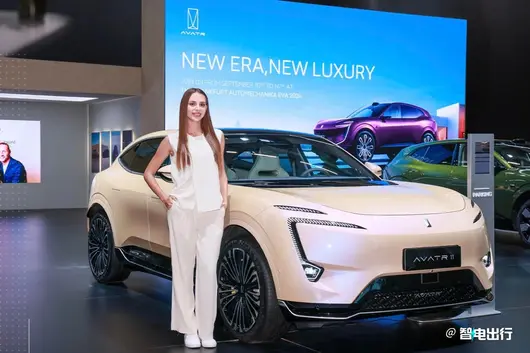
Di bawah ikatan modal, arah jalan teknologi berubah, model luar negara baharu Avatr akan meninggalkan sepenuhnya Pemanduan Pintar Huawei Qiankun!
Dalam keseluruhan ekosistem kerjasama Huawei Qiankun, AITO dan Avatr adalah dua jenama yang paling mendalam bekerjasama. Dalam struktur pemilikan Yinwang, Huawei memegang 80%, Avatr dan Seres (ibu bapa AITO) masing-masing memegang 10% saham. Kedua-dua juga merupakan dua pemegang saham kereta yang tinggal di Yinwang. Avatr melabur 11.5 bilion Yuan tunai dalam Yinwang, bukan sahaja bermitra dalam perniagaan teras sistem Qiankun, tetapi juga mempunyai status pemegang saham, ikatan operasi dan modal yang mendalam.
Sebelum ini, semua model eksport Avatr yang telah keluar ke luar negara, dilengkapi sepenuhnya dengan sistem Pemanduan Pintar Huawei Qiankun, dari platform pengiraan perkakasan MDC, LiDAR hingga keseluruhan sistem algoritma Qiankun, semua mengikut skim Pemanduan Pintar Huawei yang sama asal di dalam negara, hanya kerana sekatan peraturan di pelbagai negara luar, fungsi Pemanduan Lanjutan NCA bandar disembunyikan secara perisian, fungsi Pemanduan Laju, parkir automatik kekal boleh digunakan.

Dan kini, rakan kongsi kerjasama yang mempunyai ikatan ekuiti ini, menghadapi titik persimpangan penting dalam proses keluar ke luar negara, mengeluarkan berita utama secara terbuka: Selepas ini semua versi eksport luar negara yang dibangunkan sepenuhnya dan iterasi perubahan, termasuk Avatr 11, 12, 07, 07L, tidak akan lagi dilengkapi dengan skim Pemanduan Pintar Huawei Qiankun yang lengkap, sepenuhnya beralih ke sistem Pemanduan Pintar Tianzhu yang dibangunkan sendiri oleh Changan. Situasi di mana model eksport luar negara pernah dilengkapi sepenuhnya dengan Huawei Qiankun sekali gus menjadi masa lalu.
Sampai kini, Avatr telah merealisasikan eksport kereta utuh, 11, 12, 07 telah dijual secara pukal ke Thailand, Singapura, Timur Tengah, Amerika Latin dan 43 negara dan kawasan lain. Kenderaan stok luar negara yang telah diserahkan, kekal mengekalkan konfigurasi perkakasan Pemanduan Pintar Huawei yang lengkap. Pihak rasmi menegaskan, kenderaan luar negara yang telah terjual tidak akan diubah suai perkakasan kembali ke kilang, mengekalkan konfigurasi Pemanduan Pintar asal tidak berubah, penyesuaian kali ini hanya menyasarkan model luar negara yang dibangunkan dan dipulakan baharu pada masa hadapan.

Mengikut perancangan produk, Avatr 07L dirancang untuk melancarkan eksport pada akhir tahun 2026, versi luar negara model yang panjangkan ini, akan menjadi produk perwakilan selepas pertukaran teknologi. Selepas ini model Avatr 11, 12 ubah suai baharu, 07 dan versi luar negara 07L yang dipulakan, perkakasan domain Pemanduan Pintar, sistem algoritma akan menyelesaikan penggantian keseluruhan, tidak lagi mengikut skim teknologi Huawei Qiankun ADS.
Berkaitan sistem kokpit, pihak rasmi hanya memperjelaskan perancangan pertukaran pada peringkat Pemanduan Pintar, adakah Kokpit Harmony akan terus dipasang pada kenderaan baharu luar negara, belum ditentukan secara terbuka. Dalam aspek perkhidmatan pasca jualan, Avatr menyatakan bahawa di peringkat perkhidmatan pasca jualan luar negara, akan kekal mengekalkan kerjasama berkaitan dengan Huawei.
Penyesuaian arah jalan teknologi yang besar ini, berlaku di bawah latar belakang hubungan ekuiti antara kedua-dua pihak. Apabila dicari sebabnya, pasaran berbeza di seluruh dunia wujudkan kelayakan peraturan berbeza dan realiti persekitaran geopolitik, beralih ke skim Tianzhu Pemanduan yang dibangunkan sendiri, bermaksud membolehkan perniagaan luar negara Avatr menguasai hak kepimpinan teknologi yang lengkap, mengelak ketidakpastian kepatuhan yang dibawa oleh skim teknologi luar negara tunggal keluar ke luar negara.
Sebagai kontras yang jelas, AITO yang juga pemegang saham Yinwang, meneruskan mod Pemanduan Dipilih, semua produk mengekalkan Pemanduan Pintar Qiankun untuk output ke pasaran global.
Kini kerja penandatanganan kontrak pengedar pasaran Avatr Eropah sudah dilaksanakan, segera akan memulakan pelancaran rasmi pasaran Eropah. Skim Pemanduan Pintar yang dibangunkan sendiri Changan ini, akan mengiringi kenderaan baharu yang keluar ke luar negara pada masa hadapan, melengkapkan pelaksanaan ke pasaran global. (Gambar dari internet)

喺馬來西亞嘅 SUV 市場,好多買家喺揀車嘅時候都會拿 寶騰 X90 同 馬自達 CX-60 嚟做比較。呢兩款車喺價位同定位上都相當接近,今日我哋就從多個方面做一個詳細嘅比較,幫你省下做功課嘅時間。
寶騰 X90 喺馬來西亞嘅 OTR 售價係 RM 106,800 - 122,800,一共有 4 個版本,包括 2026 1.5T Prime X(RM 122,800)、2026 1.5T Prime(RM 116,800)、2026 1.5T Lite(RM 106,800) 等。
馬自達 CX-60 喺馬來西亞嘅 OTR 售價係 RM 200,510 - 252,873,一共有 2 個版本,包括 2026 3.3T 4WD High Plus(RM 252,873)、2025 2.5L 2WD High(RM 200,510) 等。
由價錢嚟睇,寶騰 X90 嘅起價確實比 馬自達 CX-60 平咗 RM 93,710。如果你預算有限,寶騰嘅入門版已經可以滿足日常需求。但要留意,平嗰啲幾千蚊,喺配備上或有取舍,具體要睇你嘅需求。
寶騰 X90 搭載 1.5L Turbo,馬力 140 hp。官方油耗 7.0 L/100km。
馬自達 CX-60 搭載 2.0L 4-cyl,馬力 170 hp。官方油耗 8.0 L/100km。
動力方面,馬自達 CX-60 嘅 2.0L 4-cyl 比 寶騰 X90 嘅 1.5L Turbo 多咗 30 匹馬力。不過日常喺市區開,兩款車嘅動力都夠用,唔會覺得唔夠力。
寶騰 X90 嘅安全評級係 5★ (ASEAN NCAP),主動安全系統包括 ADAS (ACC, AEB, LKA, LDA, BSM, RCTA)。
馬自達 CX-60 嘅安全評級係 5★ (Euro NCAP),主動安全系統包括 i-Activsense Pro。
安全配備方面,兩款車都攞到唔錯嘅評級。不過 寶騰 X90 嘅 ADAS (ACC, AEB, LKA, LDA, BSM, RCTA) 同 馬自達 CX-60 嘅 i-Activsense Pro 喺功能上有啲差異,如果你比較看重主動安全嘅話,可以仔細對比一下兩者嘅功能列表。
寶騰 X90 採用 FWD 驅動方式。
馬自達 CX-60 採用 FWD 驅動方式。
兩款車嘅驅動方式一樣,都係 FWD,日常駕駛感受唔會有太大分別。

總嘅嚟講,寶騰 X90 同 馬自達 CX-60 都係馬來西亞市場好好嘅車型。揀邊一輛,關鍵仲係要睇你嘅個人需求同預算。建議大家做好功課,多比較間間車行嘅報價,然後再去試駕做最終決定。買車係件大事,花啲時間做功課絕對唔會錯。

In the Malaysian SUV market, many buyers compare Proton X90 and Toyota Yaris Cross when choosing a car.
Proton X90's OTR price in Malaysia is RM 106,800 - 122,800, with a total of 4 versions, including 2026 1.5T Prime X (RM 122,800), 2026 1.5T Prime (RM 116,800), 2026 1.5T Lite (RM 106,800), etc.
Toyota Yaris Cross's OTR price in Malaysia is RM 99,900 - 109,900, with a total of 2 versions, including 2026 1.5L Standard (RM 99,900), 2026 HEV 1.5L Standard (RM 109,900), etc.
From a price perspective, the starting price of Toyota Yaris Cross is RM 6,900 cheaper than Proton X90. Honestly, in this price segment, a difference of a few thousand is actually not significant; the key lies in overall value for money and long-term usage costs.
Proton X90 is equipped with 1.5L Turbo, 140 hp. Official fuel consumption 7.0 L/100km.
Toyota Yaris Cross is equipped with 1.5L 4-cyl, 105 hp. Official fuel consumption 6.0 L/100km.
Regarding power, the 1.5L Turbo in Proton X90 has 35 more horsepower than the 1.5L 4-cyl in Toyota Yaris Cross, providing more confidence in mid-range acceleration, especially when overtaking on highways. However, the fuel consumption of Toyota Yaris Cross might be more friendly, and the difference during daily city commuting won't be significant.
Proton X90 warranty 5 years/150,000km, maintenance interval every 10,000km or 6 months.
Toyota Yaris Cross warranty 5 years/unlimited mileage, maintenance interval every 10,000km or 6 months.
Both Proton X90 and Toyota Yaris Cross are mainstream choices in the Malaysian market, suitable for family use and daily commuting. If you value brand reputation and resale value more, you can prioritize the one with better reputation; if you care more about value for money and features, choose the one with richer configuration. Ultimately, it is recommended to test drive both, as personal experience is the most important.

Overall, both Proton X90 and Toyota Yaris Cross are very good models in the Malaysian market. Choosing which one depends on your personal needs and budget. It is recommended to do your homework, compare quotes from several dealerships, and then test drive to make a final decision. Buying a car is a big deal, spending time doing research will never be wrong.

In Malaysia's SUV market, many buyers compare Proton X90 and Honda HR-V when choosing a car. These two cars are quite close in price and positioning. Today we will make a detailed comparison from multiple aspects to help you save time on research.
The OTR price of Proton X90 in Malaysia is RM 106,800 - 122,800, with 4 versions in total, including 2026 1.5T Prime X (RM 122,800), 2026 1.5T Prime (RM 116,800), 2026 1.5T Lite (RM 106,800), etc.
The OTR price of Honda HR-V in Malaysia is RM 115,900 - 143,900, with 4 versions in total, including 2026 e:HEV 1.5L RS (RM 143,900), 2026 1.5T V (RM 137,900), 2026 1.5T E (RM 130,900), etc.
From a price perspective, the starting price of Proton X90 is indeed RM 9,100 cheaper than Honda HR-V. If your budget is limited, Proton's entry-level version is already sufficient for daily needs. But note that the few thousand cheaper might involve trade-offs in features, it depends on your specific needs.
Proton X90 is equipped with 1.5L Turbo, 140 hp. Official fuel consumption 7.0 L/100km.
Honda HR-V is equipped with 1.5L Turbo, 140 hp. Official fuel consumption 7.0 L/100km.
Both cars use the same powertrain system. The daily driving experience is basically the same. Fuel consumption is also similar, no need to worry too much about this point.
Proton X90 body length 4400 mm, trunk 400 L.
Honda HR-V body length 4500 mm, trunk 450 L.
In terms of space, Honda HR-V's body is 100 mm longer than Proton X90, offering more passenger space. However, Proton X90 is more flexible for parking in the city. Each has its trade-offs.
Proton X90 adopts FWD drive method.
Honda HR-V adopts FWD drive method.
Both cars have the same drive method, both are FWD. There won't be a significant difference in daily driving feel.

Proton X90 warranty 5 years/150,000km, service interval every 10,000km or 6 months.
Honda HR-V warranty 5 years/unlimited mileage, service interval every 10,000km or 6 months.
Overall, Proton X90 and Honda HR-V are both quite good models in the Malaysian market. Choosing which one depends on your personal needs and budget. We suggest doing your homework, compare quotes from several dealerships, and then go test drive to make the final decision. Buying a car is a big matter. Spending time on research will never be wrong.
© 2024 Bitauto.com. All Rights Reserved.
Bitauto (www.yiche.com and www.bitauto.com) is one of the most visited automotive websites in China. We provide detailed info on Chinese car brands available in your area. Please note that the information provided on this website is based on publicly available data and is for reference only. It may not be fully updated or accurate at all times.

Help us improve our website


