

Homehomeland

Search History
Popular Searches
Dealer Login / Sign Up

喺馬來西亞嘅 SUV 市場,好多買家喺揀車嘅時候都會拿 Toyota Harrier 同 Volvo XC40 嚟做比較。呢兩款車喺價位同定位上都幾接近嘅,而家我哋就從多個方面做一個詳細嘅對比,幫你慳返做功課嘅時間。
Toyota Harrier 喺馬來西亞嘅 OTR 售價係 RM 289,000 - 289,000,總共有 1 個版本,包括 2026 HEV 2.5L Standard(RM 289,000)等。
Volvo XC40 喺馬來西亞嘅 OTR 售價係 RM 278,888 - 278,888,總共有 1 個版本,包括 2025 2.0T Plus(RM 278,888)等。
由價錢睇落,Volvo XC40 嘅起步價比 Toyota Harrier 平咗 RM 10,112。老實講,喺呢個價位段,幾千塊嘅差距其實唔算大,關鍵主要睇整體嘅性價比同長期使用成本。

Toyota Harrier 搭載 2.0L Turbo,馬力 220 hp。官方油耗 9.5 L/100km。
Volvo XC40 搭載 2.0L Turbo,馬力 220 hp。官方油耗 9.5 L/100km。
兩款車用緊同一套動力系統,日常行起嚟嘅感覺基本冇分別。油耗方面都係差不多,唔使太糾結呢一點。

Toyota Harrier 嘅安全評級係 5★ (ASEAN NCAP),主動安全系統包括 Brand ADAS。
Volvo XC40 嘅安全評級係 5★ (Euro NCAP),主動安全系統包括 Pilot Assist, City Safety(標準)。
安全配備方面,兩款車都揸到唔錯嘅評級。不過 Toyota Harrier 嘅 Brand ADAS 同 Volvo XC40 嘅 Pilot Assist, City Safety(標準)喺功能上有啲差異,如果你比較重視主動安全嘅話,可以仔細對比下兩者嘅功能列表。

Toyota Harrier 車身長 4400 mm,車廂 400 L。
Volvo XC40 車身長 4400 mm,車廂 400 L。
兩款車嘅尺寸幾乎一樣,車內空間差別唔大。呢個級別嘅車,日常使用完全夠用。

Toyota Harrier 保修 5 年/無限里程,保養間隔 每 10,000km 或 6 個月。
Volvo XC40 保修 5 年/無限里程,保養間隔 每 10,000km 或 6 個月。

總體嚟講,Toyota Harrier 同 Volvo XC40 都係馬來西亞市場幾唔錯嘅車型。揀邊一部,關鍵主要睇你個人需求同預算。建議大家做好功課,多比較幾間車行嘅報價,再去試駕做最終決定。買車係件大事,花少少時間做功課絕對唔會錯。


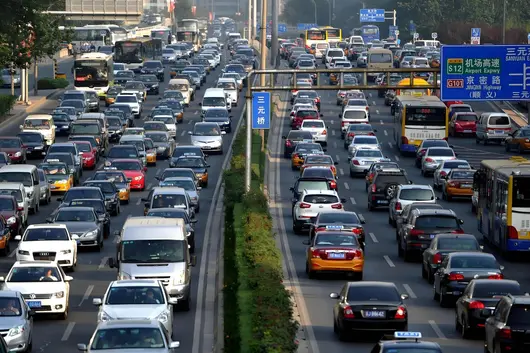
Penetration rate 67%, but new energy vehicles have not defeated fuel cars!
In September 2026, retail sales of conventional fuel passenger cars were 530,000, a year-on-year decrease of 43%. The sales share of fuel cars in China's passenger car market fell below one-third for the first time in history. New energy vehicle penetration rose to 67%, setting a new historical record. Many people immediately declared a death sentence for fuel cars here and announced victory for new energy vehicles.

But breaking down these numbers, the 67% penetration rate is indeed a real figure, but it is simultaneously a number accelerated by policy, amplified by replacement traffic, and highly differentiated in terms of power form.
It proves that new energy vehicles have crossed the threshold accepted by consumers, but perhaps they have not yet proved that they have crossed the threshold of sustainable growth without external support.
#Behind the 67% penetration rate, how much is inflated?#
In the early stage of new energy development, a large portion of sales actually relied on the B-end, after all, it is difficult for a new thing to directly gain recognition from C-end consumers when entering the market.
Like in the past period, the proportion of new energy vehicles in newly registered ride-hailing cars was as high as 92%. The penetration of new energy in the urban logistics delivery field is also accelerating. During these years, brands like Aion reached up to 26% share in the new ride-hailing market during peak sales periods. Basically, 1 out of every 4 new ride-hailing cars was an Aion.
The characteristic of this B-end procurement is centralized and large volume. It can quickly push up the penetration rate number, but it does not reflect the result of ordinary families voting with their wallets in the showroom, but rather batch decisions under operating costs and policy drivers.
Returning to this year, this "accusation" of high B-end share might not hold true as before. Data shows, the private car purchase share rose from 67% in 2020 to 84% in 2025. The share of family second cars broke through 50% for the first time. After the ride-hailing market tended to be saturated, the B-end share shrank to 9%.
The sales foundation of new energy vehicles is shifting from "operational support volume" to "private consumer take-over". New energy brands like Aion and Hongqi, which once highly relied on the B-end, have been struggling to reduce B-end share and rebuild C-end recognition over the past two years. This process itself shows that penetration built relying on the B-end is unsustainable, and the market is actively correcting it.
But if therefore one thinks 67% is already a "purely market-oriented" result, then it ignores two important influencing factors.

First, currently domestic new energy policies are still supporting the bottom. In 2025, the scale of trade-in exceeded 11.5 million vehicles. More than half of domestic retail participated in trade-ins, pulling a large amount of future demand to the present. In 2026, subsidies changed from fixed amounts to proportional calculation and upper limit control. The average subsidy for scrapping updates and replacement updates decreased by about 20% and 30% compared to 2025, respectively. Purchase tax also adjusted from fully exempt to half exempt.
After policy retreat, cumulative retail of passenger cars from January to September 2026 decreased by 22% year-on-year. Although cumulative retail of new energy vehicles remained growing, the growth rate narrowed significantly compared to the previous two years. This means that in the 67% penetration rate, there is embedded a layer of cost paid by finance, and a layer of replacement traffic consumed in advance.
Secondly, the denominator calculating this penetration is contracting. 67% is new energy retail volume divided by total passenger car retail volume. In September 2026, total passenger car retail was 1.618 million, a year-on-year drop of nearly 28%. When the denominator itself is shrinking rapidly, part of the penetration rise comes from "fuel cars falling faster", not "new energy rising enough".
In September, new energy retail was 1.084 million, also down 16.4% year-on-year. New energy and fuel cars were both in a decline interval in 2026. The new high in penetration rate was completed in a shrinking market. Therefore, reading this number as "new energy is crushing fuel cars" at this time is obviously a misjudgment.
Besides, part of the retail statistics scope includes exports. A large number of new cars sold overseas are counted in the total, but it is not a market happening in China. From January to September 2026, new energy vehicle exports were 4.006 million, growing 1.3 times year-on-year. Exports are real industrial achievements, but they are not evidence that "Chinese consumers chose new energy". If exports are stripped from the numerator of penetration, the real penetration of domestic C-end new energy will naturally be lower than 67%.
#Export share over half, relying on competitiveness or production capacity transfer?#
Aside from domestic sales share, a better means to measure the value of China's new energy is to look at whether it also gained recognition in overseas markets?
In September 2026, new energy passenger car exports were 558,000, up 163.5% year-on-year. The share of new energy in passenger car exports continued to rise. Against such data background, has China's new energy already possessed global brand competitiveness?
To answer this question, we need to judge from two aspects, namely "share acquisition driven by product power" and "capacity release under production capacity pressure". The two cannot be distinguished in total numbers, but are completely different in strategic meaning.
First look at this layer of production capacity pressure. In the first half of 2026, the auto industry capacity utilization rate was only 70.6%, lower than the 75% healthy line.
Export volume has accounted for 39.34% of total domestic vehicle production, close to four-tenths. A certain domestic overseas-head brand had total sales of 1.3575 million in the first half, exports 943,800 vehicles, share about 69.5%. This situation where one car company's 70% sales come from overseas is hard to judge as a natural result of competitiveness going global, and looks more like a passive choice due to domestic base contraction.

Against this, some institutions also made judgments. Morgan Stanley believes Chinese car companies rely on pushing millions of cars overseas to maintain factory operations; otherwise, capacity utilization would be below 50%. After all, capacity transfer is a layer of background color that cannot be peeled off from high export growth, but this also does not need to be denied, after all, export profits can also exchange for domestic financial bleeding, but packaging this as China's new energy global competitiveness is somewhat inappropriate.
Currently, China's new energy going overseas may mainly rely on systemic cost advantages. For example, BYD ATTO 3 terminal sales price in Germany is about 38,000 Euros, domestic Yuan PLUS is about 140,000 RMB. Even adding 10% basic tariff, up to 35.3% countervailing tax and 19% VAT, Chinese car companies' single vehicle profit in Europe is still significantly higher than domestic.
After tariffs were imposed in Europe, China's new energy did not collapse line by line. Actually, it relied on this cost advantage. Behind the 45% comprehensive tax rate, Chinese brand sales in Europe actually exceeded Japanese brands in monthly registration volume for the first time in May 2026. The "cheaper than you even after tax" systemic cost advantage is still able to manifest.
But in the Southeast Asian market, some Chinese car companies concentratedly swarmed into the A-segment new energy track. Prices highly overlap in the 100,000 to 150,000 RMB range. They moved the domestic "trading price for volume, fast stock distribution" tactic exactly as is to there. In the Thai market, the average price of Chinese brand electric vehicles dropped from about 1.2 million Thai Baht in 2023 to an 800,000 Baht range in 2026. Single vehicle gross profit compressed by 15% to 20%.
Channel end saw dealers belonging to the same Chinese brand diverting goods across regions. Individual enterprises compressed after-sales spare parts reserves to boost short-term sales. Overseas channels were simplified to "find agents, wholesale". Therefore, in the Southeast Asian market, the weight of "capacity transfer" in export high growth is significantly higher. It is not because the product is not good enough, but because the tactic itself is a continuation of domestic involution.
So at this time look again at the question raised earlier: Export share over half, is it competitiveness or capacity transfer?
In Europe, the component of competitiveness is heavier. Tariffs failed to stop sales, showing cost advantage and product definition capability are real. But this competitiveness is still built on "relative price-performance ratio", not brand premium; in Southeast Asia and the Middle East, the components of capacity transfer and involution overflow are heavier. Short-term shipment looks good, but long-term might overdraft the collective reputation of Chinese brands.
#Share less than one-third, fuel cars sentenced to death?#
Fuel cars are indeed receding in the incremental market, but the number "one-third" cannot directly reflect the final outcome of fuel cars, and even makes it impossible to lightly predict the future of fuel cars.
Why say so, because behind this number there are three facts that cannot be ignored.
The first fact: In the current Chinese auto market, the stock of fuel cars is 320 million vehicles, not simply one-third.
As of 2026, the national stock of fuel cars is about 320 million, accounting for 88% of the total domestic cars. The 67% new energy passenger car penetration rate talks about new car sales, while the average lifecycle of a fuel car is over ten years. Even if the new car market completely stops selling pure fuel cars starting tomorrow, the 320 million stock will still run on the road for over ten years.
Sales share and stock share are two time scales. Deriving the latter's extinction curve from the former is the error most easily made by linear thinking. Fuel car maintenance, servicing, parts, used car circulation, constitute a chain industry based on stock. The profit pool of this industry chain will not evaporate overnight just because new car penetration exceeds half.

The second fact: Some say gas stations are decreasing, but the current fuel car refueling system is not decoration. 110,000 gas stations cannot directly turn oil to electricity. Its current state looks more like a network undergoing self-upgrade.
Currently, according to public data, there are about 110,000 gas stations nationwide, serving an average of about 2,900 fuel cars per station. This density means the fuel car refueling system cannot have the possibility of systemic collapse before stock is scrapped on a large scale. More importantly, gas stations themselves are changing from "refueling" to "comprehensive energy service stations".
Many stations are refueling while installing fast charging piles. If a gas station can serve fuel cars and electric cars simultaneously, then the boundary between "fuel car supporting" and "new energy supporting" becomes blurred. At this time, using "number of gas stations" to argue for the vitality of fuel cars is naturally inappropriate.
The third fact, and most easily ignored: HEV is not new energy, but it is holding the position for fuel cars.
HEV (oil-electric hybrid) does not belong to the new energy category. It is classified into the fuel car camp in China, but exactly this "non-new energy" category has become the only direction still in positive growth in the fuel car big market.
In August 2026, HEV wholesale sales were 107,000, up 54% year-on-year; September HEV retail was about 115,000 to 120,000, the only category maintaining growth in the fuel camp; Globally, in the first half of 2026, pure gasoline cars accounted for 49% of new car sales, HEV accounted for 18%. The internal combustion engine has not disappeared, it is transforming from "unique power source" to "an efficient component in the power system".
So at this time, the judgment "fuel car share falls below one-third" depends on how you define "fuel car". If only pure fuel (without any electrification) is counted, the share is indeed shrinking rapidly. But if HEV is counted in the fuel car camp (policy caliber is indeed so), the actual position of fuel cars is far more than one-third.
HEV's counter-trend growth shows that a large number of consumers need "fuel-saving cars that don't need charging", not "electric cars that need changing refueling habits". This demand is real, scalable, and will not be completely replaced by pure electricity in the short term. Equating "pure fuel share decline" with "internal combustion engine technology exit" will underestimate the technical depth of traditional car companies in hybrid and efficient internal combustion engines, and also overestimate the speed of pure electricity replacement.
#New energy prosperity, is someone forced to bear the cost?#
New energy penetration rate reached 67%, not denying it showed a more prosperous trend compared to before. As for true or false prosperity, it needs to be viewed more calmly.
If "true" is defined as private consumption becoming the main force, then it is true; if "true" is defined as not relying on subsidies, not relying on replacement overdraft, not relying on capacity transfer, then it has not been fully achieved. But using "true or false" as a direct judgment might be too arbitrary. A more accurate question is: In this round of new energy prosperity, who bears the cost, who obtains the benefits, who digests the risk.

Consumers bear a part; they exchanged lower usage costs for range anxiety and refueling inconvenience; Finance bears a part; purchase tax exemption and replacement subsidies are real concessions; Car companies bear a part; the price war and capacity expansion costs are appearing on the income statement; Export markets also bear a part; high growth is triggering more and more trade barriers and localization requirements.
So prosperity is not false, but it is a prosperity with cost, a prosperity with structural differentiation, a prosperity far from the "crushing" degree.
67% penetration rate proves new energy has crossed the acceptance threshold, but it has not proved new energy has crossed the threshold of "sustainable growth without external support", nor has it proved fuel cars' resilience in stock, refueling network and hybrid form can be ignored.
Fuel cars were not sentenced to death, new energy has not received a life-exemption gold medal. China's auto market in 2026 is not a war where the outcome is already decided, but a transition period where two power systems, two cost structures, and two growth logics are running simultaneously, squeezing each other, shaping each other. At this time, if the transition period is taken as the final outcome, the thinking is somewhat too naive.

Dalam pasaran SUV di Malaysia, ramai pembeli membandingkan Toyota Harrier dan Hyundai Santa Fe semasa memilih kereta. Kedua-dua kereta ini sangat hampir dari segi harga dan kedudukan pasaran, hari ini kita akan buat perbandingan terperinci dari pelbagai aspek, membantu anda menjimatkan masa membuat penyelidikan.
Harga OTR Toyota Harrier di Malaysia adalah RM 289,000 - 289,000, terdapat keseluruhan 1 varian, termasuk 2026 HEV 2.5L Standard (RM 289,000) dan lain-lain.
Harga OTR Hyundai Santa Fe di Malaysia adalah RM 225,000 - 270,000, terdapat keseluruhan 3 varian, termasuk 2025 2.5T DCT 4WD Calligraphy 6 Seats (RM 270,000), 2025 HEV 1.6T AT 2WD Prestige 7 Seats (RM 245,000), 2025 HEV 1.6T AT 2WD Prime 7 Seats (RM 225,000) dan lain-lain.
Daripada segi harga, Hyundai Santa Fe lebih murah RM 64,000 berbanding Toyota Harrier. Jujurlah, dalam julat harga ini, beza beberapa ribu sebenarnya tidak besar, perkara utama masih bergantung pada kos kecekapan keseluruhan dan kos penggunaan jangka panjang.
Pengkelasan keselamatan Toyota Harrier ialah 5★ (ASEAN NCAP), sistem keselamatan aktif termasuk ADAS Jenama.
Pengkelasan keselamatan Hyundai Santa Fe ialah TBD, sistem keselamatan aktif termasuk Asas.
Daripada segi peralatan keselamatan, kedua-dua kereta mendapat pengkelasan yang baik. Namun, ADAS Jenama Toyota Harrier dan Asas Hyundai Santa Fe mempunyai sedikit perbezaan dari segi fungsi, jika anda lebih mengutamakan keselamatan aktif, anda boleh bandingkan senarai fungsi kedua-duanya dengan teliti.
Panjang kenderaan Toyota Harrier ialah 4400 mm, ruang belakang 400 L.
Panjang kenderaan Hyundai Santa Fe ialah 4400 mm, ruang belakang 400 L.
Saiz kedua-dua kereta hampir sama, ruang dalaman tidak banyak berbeza. Untuk kereta dalam kelas ini, ia cukup untuk penggunaan harian.
Toyota Harrier mempunyai tempoh jaminan 5 tahun / tiada had jarak, selang servis setiap 10,000km atau 6 bulan.
Hyundai Santa Fe mempunyai tempoh jaminan 5 tahun / 300,000km, selang servis setiap 10,000km atau 6 bulan.

Secara keseluruhan, Toyota Harrier dan Hyundai Santa Fe adalah model kereta yang sangat baik di pasaran Malaysia. Memilih yang mana, perkara utama bergantung pada keperluan dan bajet peribadi anda. Disarankan anda membuat penyelidikan, membandingkan tawaran harga dari beberapa agensi kereta, kemudian melakukan ujian jalan untuk membuat keputusan akhir. Membeli kereta adalah perkara besar, meluangkan masa untuk membuat penyelidikan tidak akan salah.

Di pasaran SUV Malaysia, ramai pembeli membandingkan Toyota Harrier dan Chery Tiggo 8 Pro semasa memilih kereta. Kedua-dua kereta ini hampir sama dari segi harga dan peruntukan, hari ini kita akan buat perbandingan terperinci dari pelbagai aspek, membantu anda menjimatkan masa untuk membuat kajian.
Harga OTR Toyota Harrier di Malaysia ialah RM 289,000 - 289,000, terdapat 1 varian, termasuk 2026 HEV 2.5L Standard (RM 289,000) dan lain-lain.
Harga OTR Chery Tiggo 8 Pro di Malaysia ialah RM 159,750 - 159,750, terdapat 2 varian, termasuk 1.6L Turbo Standard (RM 130,000), 1.6L Turbo Premium (RM 145,000) dan lain-lain.
Dari segi harga, harga permulaan Chery Tiggo 8 Pro lebih murah RM 129,250 berbanding Toyota Harrier. Jujurnya, pada julat harga ini, perbezaan beberapa ribu tidak dianggap besar, yang penting adalah nilai keseluruhan dan kos penggunaan jangka panjang.
Toyota Harrier dilengkapi enjin 2.0L Turbo, kuasa 220 hp. Penggunaan minyak rasmi 9.5 L/100km.
Chery Tiggo 8 Pro dilengkapi enjin 2.0L 4-silinder, kuasa 170 hp. Penggunaan minyak rasmi 8.0 L/100km.
Dari segi kuasa, enjin 2.0L Turbo Toyota Harrier mempunyai 50 kuda api lebih daripada enjin 2.0L 4-silinder Chery Tiggo 8 Pro, memberikan lebih keyakinan dalam pecutan pertengahan, terutamanya ketika memotong di lebuh raya. Namun, penggunaan minyak Chery Tiggo 8 Pro mungkin lebih mesra, perbezaan untuk perjalanan harian di bandar tidak akan terlalu besar.
Penilaian keselamatan Toyota Harrier ialah 5★ (ASEAN NCAP), sistem keselamatan aktif termasuk Brand ADAS.
Penilaian keselamatan Chery Tiggo 8 Pro ialah TBD, sistem keselamatan aktif termasuk Basic.
Dari segi peralatan keselamatan, kedua-dua kereta mendapat penilaian yang baik. Namun, Brand ADAS pada Toyota Harrier dan Basic pada Chery Tiggo 8 Pro mempunyai perbezaan dari segi fungsi, jika anda lebih mementingkan keselamatan aktif, boleh bandingkan senarai fungsi kedua-duanya dengan teliti.
Toyota Harrier jaminan 5 tahun/jarak tanpa had, selang penyelenggaraan setiap 10,000km atau 6 bulan.
Chery Tiggo 8 Pro jaminan 3 tahun/100,000km, selang penyelenggaraan setiap 10,000km atau 6 bulan.
Toyota Harrier dan Chery Tiggo 8 Pro adalah pilihan utama di pasaran Malaysia, sesuai untuk kegunaan keluarga dan perjalanan harian. Jika anda lebih mengutamakan reputasi jenama dan harga jualan semula, pilihlah yang mempunyai reputasi lebih baik; jika anda lebih mementingkan nilai harga dan kelengkapan, pilihlah yang mempunyai lebih banyak. Akhir sekali, disarankan untuk memandu kedua-duanya, pengalaman sendiri adalah yang paling penting.
Secara keseluruhan, Toyota Harrier dan Chery Tiggo 8 Pro adalah model kereta yang sangat baik di pasaran Malaysia. Memilih yang mana, yang penting adalah melihat keperluan peribadi dan bajet anda. Disarankan membuat kajian, membandingkan beberapa tawaran dari dealer kereta berbeza, kemudian memandu uji untuk membuat keputusan akhir. Membeli kereta adalah perkara besar, meluangkan masa untuk membuat kajian tidak akan salah.

Di pasaran SUV Malaysia, ramai pembeli semasa memilih kereta akan membandingkan Toyota Harrier dan Chery Tiggo 8 Pro. Kedua-dua kereta ini mempunyai harga dan kedudukan pasaran yang agak hampir, hari ini kita akan membuat perbandingan terperinci dari pelbagai aspek, membantu anda menjimatkan masa membuat penyelidikan.
Toyota Harrier di Malaysia berharga OTR RM 289,000 - 289,000, terdapat 1 varian, termasuk 2026 HEV 2.5L Standard (RM 289,000) dan lain-lain.
Chery Tiggo 8 Pro di Malaysia berharga OTR RM 159,750 - 159,750, terdapat 2 varian, termasuk 1.6L Turbo Standard (RM 130,000), 1.6L Turbo Premium (RM 145,000) dan lain-lain.
Dari segi harga, harga permulaan Chery Tiggo 8 Pro lebih murah RM 129,250 berbanding Toyota Harrier. Jujur dikatakan, dalam julat harga ini, perbezaan beratus-ratus ringgit sebenarnya tidak besar, yang penting adalah nilai kos keseluruhan dan kos penggunaan jangka panjang.
Toyota Harrier panjang badan 4400 mm, ruang bagasi 400 L.
Chery Tiggo 8 Pro panjang badan 4400 mm, ruang bagasi 400 L.
Dimensi kedua-dua kereta hampir sama, perbezaan ruang dalaman tidak besar. Untuk kereta di kelas ini, penggunaan harian cukup memadai.
Toyota Harrier menggunakan cara pemanduan FWD.
Chery Tiggo 8 Pro menggunakan cara pemanduan FWD.
Cara pemanduan kedua-dua kereta sama, iaitu FWD, pengalaman memandu harian tidak akan berbeza banyak.
Toyota Harrier dan Chery Tiggo 8 Pro adalah pilihan utama pasaran Malaysia, sesuai untuk kegunaan keluarga, perjalanan harian. Jika anda lebih menghargai reputasi jenama dan harga kedua, boleh utamakan mana yang lebih baik reputasinya; jika anda lebih mengutamakan nilai kos dan peralatan, maka pilih mana yang lebih banyak peralatan. Akhir sekali disarankan kedua-dua kereta dicuba, pengalaman sendiri adalah yang paling penting.
Secara keseluruhan, Toyota Harrier dan Chery Tiggo 8 Pro adalah model kereta yang sangat bagus di pasaran Malaysia. Memilih mana satu, yang penting adalah keperluan peribadi dan bajet anda. Disarankan anda membuat penyelidikan, bandingkan kutipan harga beberapa dealership, baru pergi uji jalan buat keputusan akhir. Membeli kereta adalah perkara besar, luangkan masa membuat penyelidikan tidak akan salah.

In Malaysia's SUV market, many buyers compare Toyota Harrier and Mazda CX-9 when choosing a car. These two models are quite close in price and positioning. Today, we will make a detailed comparison from multiple aspects to save you time doing research.
Toyota Harrier's OTR price in Malaysia is RM 289,000 - 289,000, with a total of 1 version, including 2026 HEV 2.5L Standard (RM 289,000), etc.
Mazda CX-9's OTR price in Malaysia is RM 328,810 - 345,810, with a total of 2 versions, including 2023 2.5T 4WD (RM 345,810), 2023 2.5T 2WD (RM 328,810), etc.
From a price perspective, Toyota Harrier's starting price is indeed RM 39,810 cheaper than Mazda CX-9. If your budget is limited, Toyota's entry-level version can already meet daily needs. But note, the few thousand cheaper may involve trade-offs in features, depending on your needs.
Toyota Harrier is equipped with 2.0L Turbo, 220 hp. Official fuel consumption 9.5 L/100km.
Mazda CX-9 is equipped with 2.0L Turbo, 220 hp. Official fuel consumption 9.5 L/100km.
Both cars use the same powertrain system, the driving experience feels basically the same daily. Fuel consumption is also similar, no need to worry too much about this point.
Toyota Harrier warranty 5 years/unlimited mileage, maintenance interval every 10,000km or 6 months.
Mazda CX-9 warranty 5 years/150,000km, maintenance interval every 10,000km or 6 months.
Toyota Harrier and Mazda CX-9 are mainstream choices in the Malaysian market, suitable for family use, daily commuting. If you value brand reputation and resale value more, prioritize the one with better reputation; if you care more about cost-performance and features, choose the one with richer configurations. Ultimately, we recommend test driving both, as personal experience is most important.

Overall, Toyota Harrier and Mazda CX-9 are both very good models in the Malaysian market. Which one to choose depends on your personal needs and budget. We recommend doing your research, comparing quotes from several dealerships, and then test driving to make a final decision. Buying a car is a big matter, spending some time doing research will never be wrong.

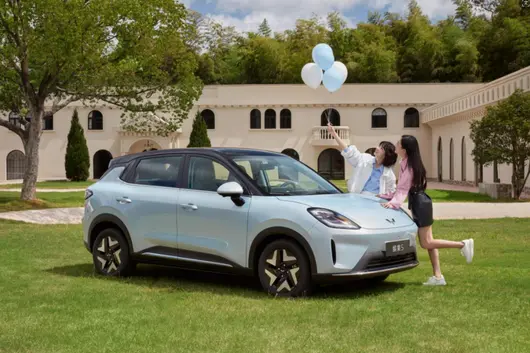
前幾年行業里扎堆湧入 A0 級純電賽道嘅時候,好多人認為係個門檻唔高嘅生意——造個圓潤可愛嘅殼,裝夠用嘅電池,定個有吸引力嘅價格,就能靠低價走量搵到錢。現實係,打幾年「硬仗」之後,存活下來嘅車型寥寥無幾。喺呢樣市場環境入面,繽果家族累計交付突破 80 萬輛嘅數字,就更加難能可貴。

80 萬呢個數字喺 A0 級細分賽道入面分量好重。呢個價位嘅用戶,買車都係拿住日常通勤嘅薪金反復比較做出嘅,決定格外務實——會介意真實使用感受,會計充電成本、保養成本、後期換車嘅殘值,任何華而不實嘅宣傳點,都好難打動呢群用戶。能攞到 80 萬用戶基本盤,繽果家族靠就係这么多年跟住用戶反饋慢慢迭代產品,並通過完善產品矩陣,覆蓋唔同用戶嘅代步需求:有初入職場嘅年輕女性,有需要兼顧家庭出行嘅小家庭用戶,有住遠郊需要長續航嘅通勤用戶,每個版本都對應住真實存在嘅用車場景。

自 2023 年繽果上市,三年之間繽果完成由單一車型向產品家族嘅升級,家族陣容不斷豐富。產品唔止喺國內市場站穩腳跟,仲出海佈局印尼、泰國、巴基斯坦多個國家;2026 年 8-9 月,繽果家族連續單月銷量突破 2 萬輛,躋身小型新能源轎車銷量 TOP2 陣營。

作為家族入面嘅走量主力,繽果 Pro 將家用代步場景嘅細節做足。空間上,五門結構讓後排進出唔使麻煩前排乘客翻摺座椅,後排腿部餘量足夠日常坐兩個成年人唔會擠,週末約朋友近郊出行,放倒後排座椅就能放下露營帳篷、摺疊野餐車,後備箱嘅規整度好高,放入兩個登機箱加一星期嘅鮮食採購物資毫無壓力。

加上繽果 Pro 車身尺寸控制得好緊湊,喺舊區狹窄嘅側位泊位、商圈門口嘅臨停泊位,打兩把方向就能停得入,新手司機都唔會因為停車頭痛。安全層面,全車三電系統做咗全場景日常防護,夏天露天停車場暴曬、冬天低溫出門、雨天路過積水路段,都有相應嘅結構設計兜底,基礎行車安全配置配齊,胎壓監測提示清晰,540°全景影像嘅畫質夠睇,窄路會車、倒車嘅時候能幫手看清輪邊盲區,減少新手司機容易碰到嘅小刮小蹭。同時,繽果 Pro 依靠 80 項高階配置全系標配嘅誠意,打破咗行業低配丐版、高配加價嘅慣例。

主打年輕運動嘅繽果 S,除咗大眾熟悉嘅 525km 長續航版本,亦做咗唔少針對性嘅體驗升級。住遠郊、每日跨城區通勤幾十公里嘅用戶,唔使再為了長續航揀尺寸大、停車吃力嘅緊湊級車型,一星期充一次電就能覆蓋全部通勤路程,下班順路補能就得,唔使專門繞路擠佔休息時間。

外觀加入咗運動化嘅細節套件,線條比基本款更利落,配色亦更加跳脫,配合年輕用戶嘅審美偏好。智能座艙部分搭載靈語 AI 大模型,上車之後喊一聲就能完成開窗、調冷氣、設導航、切歌嘅操作,開車嘅時候唔使伸手去觸摸螢幕,識別響應快,而且支持連續語音指令識別。

硬核產品力亦收獲大量行業權威獎項:繽果 S 拿下國際 CMF 設計獎、華輅獎年度品質轎車,係唯一獲得「2025 中國十佳車身」嘅 A0 級車型;繽果 Pro 搭載嘅十二合一電驅系統,拿到國內首個中國汽研五星品質電驅認證,設計、車身安全、三電實力均獲得專業層面嘅高度肯定。

代步車賽道嘅競爭,從來唔係比邊個嘅參數更嚇人、邊個嘅營銷聲量更大,比嘅係邊個對用戶需求把控更精準。繽果家族將空間、智能、安全體驗做紮實,自然就可以獲得用戶嘅長期認可。

Dalam pasaran SUV di Malaysia, ramai pembeli membandingkan Toyota Fortuner dan Mercedes-Benz GLA semasa memilih kereta. Kedua-dua kereta ini mempunyai harga dan kedudukan yang agak hampir, hari ini kita akan membuat perbandingan terperinci dari pelbagai aspek, membantu anda menjimatkan masa membuat kajian.
Harga OTR Toyota Fortuner di Malaysia ialah RM 195,880 - 241,880, terdapat 3 varian, termasuk 2024 2.8T VRZ Diesel (RM 241,880), 2024 2.7L SRZ Petrol (RM 202,880), 2024 2.4L Standard Diesel (RM 195,880) dan lain-lain.
Harga OTR Mercedes-Benz GLA di Malaysia ialah RM 258,888 - 295,888, terdapat 1 varian, termasuk Standard (RM 258,888) dan lain-lain.
Daripada harga, harga permulaan Toyota Fortuner memang lebih rendah RM 63,008 berbanding Mercedes-Benz GLA. Jika bajet anda terhad, varian masuk Toyota sudah boleh memenuhi keperluan harian. Namun, perhatikan, perbezaan harga itu mungkin melibatkan kompromi dalam peralatan, bergantung pada keperluan anda.

Toyota Fortuner dilengkapi dengan enjin 2.5L Diesel, kuasa 187 hp. Konsumsi minyak rasmi 8.5 L/100km.
Mercedes-Benz GLA dilengkapi dengan enjin 2.0L Turbo, kuasa 220 hp. Konsumsi minyak rasmi 9.5 L/100km.
Daripada segi kuasa, enjin 2.0L Turbo Mercedes-Benz GLA mempunyai 33 hp lebih daripada 2.5L Diesel Toyota Fortuner. Walau bagaimanapun, untuk penggunaan harian di bandar, kuasa kedua-dua kereta sudah mencukupi, tidak akan terasa kurang.

Penilaian keselamatan Toyota Fortuner ialah 5★ (ASEAN NCAP), sistem keselamatan aktif termasuk.
Penilaian keselamatan Mercedes-Benz GLA ialah 5★ (Euro NCAP), sistem keselamatan aktif termasuk Premium ADAS.

Toyota Fortuner panjang badan 4400 mm, bahagian bagasi 400 L.
Mercedes-Benz GLA panjang badan 4400 mm, bahagian bagasi 400 L.
Saiz kedua-dua kereta hampir sama, ruang dalaman tiada perbezaan besar. Kereta pada tahap ini, penggunaan harian sudah memadai.

Toyota Fortuner dan Mercedes-Benz GLA kedua-duanya pilihan utama dalam pasaran Malaysia, sesuai untuk kegunaan keluarga, perjalanan harian. Jika anda lebih mengutamakan reputasi jenama dan nilai jualan semula, pilih yang lebih berreputasi; jika anda lebih mementingkan nilai dan peralatan, pilih yang lebih lengkap. Pada akhirnya disyorkan kedua-duanya untuk ujian memandu, pengalaman sendiri adalah yang paling penting.
Secara keseluruhan, Toyota Fortuner dan Mercedes-Benz GLA kedua-duanya adalah model kereta yang sangat baik dalam pasaran Malaysia. Memilih mana satu, penting bergantung pada keperluan dan bajet peribadi anda. Disyorkan untuk membuat kajian, bandingkan tawaran harga beberapa kedai kereta, kemudian buat ujian memandu untuk keputusan akhir. Membeli kereta adalah perkara besar, meluangkan masa membuat kajian tidak akan salah.


The 1 millionth mass-produced Geely Xingyuan rolled off the line today at the Geely Automobile Xiangtan Manufacturing Base.

From the 1st to the 1 millionth unit, the Geely Xingyuan took only 24 months, with an average of 1 car rolling off the line every 55 seconds.

Looking globally, a scale of 1 million units usually takes three to five years or even longer, and it is mostly the accumulation of multiple models under the brand.
At the beginning of the launch in 2024, the Geely Xingyuan reshaped the standard for A0-level pure electric compact cars around users' real pain points with "Five Major Disruptive Innovations" in space, intelligence, range, handling, and safety. The 70L front trunk, CATL battery cells, rear-drive independent suspension, etc., are standard across the series. Product configurations prioritize user experience and revolve around users' high-frequency usage scenarios. Once the standard was set, peers followed and optimized, and A0-level compact cars thus moved from "good enough" to "high quality and good price".
Million Units Rolled Off Line in Two Years: Geely Xingyuan Refreshes Global Acceleration
As a leader in the A0-level compact car market, the Geely Xingyuan has firmly secured the sales champion title across all categories without qualifiers since its global launch, relying on solid product strength and continuously accumulated user reputation, becoming a "phenomenal" hit product in the Chinese car market. It became the sales champion of all-category vehicles in 2025. In the first half of 2026, cumulative sales exceeded 249,000 units, a 21% year-on-year increase, firmly ranking at the top of the sales list for all-market vehicles in the first half. Entering the second half, the explosive power of the Geely Xingyuan became even more shocking, with sales breaking 60,000 for two consecutive months in August and September, becoming the only model on the current market to break 60,000 sales for two consecutive months. Not only did it achieve a gap-leading position in the A0-level pure electric track, but it also continued to top the sales list of all categories in the Chinese car market.
While leading the way domestically, the global map of the Geely Xingyuan is also accelerating expansion. Currently, the Geely Xingyuan has landed in more than 30 countries worldwide and has successively achieved the top electric car sales in Thailand, the first place in pure electric vehicles in Jordan, and the second place in pure electric vehicles in Mexico. In August this year, the Geely Xingyuan opened up markets in Europe and Oceania such as Australia, the UK, and France, becoming Top 2 in exports of Chinese new energy hatchback models in the first half of 2026.
The Geely Automobile Xiangtan Manufacturing Base Behind "1 Million Units Rolled Off Line in 24 Months"
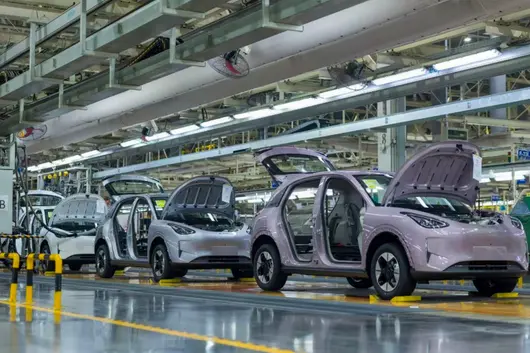
The Geely Automobile Xiangtan Manufacturing Base relies on 40 years of underlying technology accumulation and global system capabilities of the Geely Group. It has deeply cultivated Hunan for twenty years, giving birth to multiple million-unit models successively, and has now been upgraded to a global manufacturing base that emphasizes both new energy vehicles and export vehicles. Under the double-shift production mode, the factory can roll off one whole vehicle every 55 seconds on average; in 2025, automotive production and sales exceeded 640,000 units/sets, setting a new historical record. The intelligent manufacturing system and full-process quality control provide a solid guarantee for the quality consistency of the 1 million Geely Xingyuan units. The record of "1 million units rolled off line in 24 months" is not only a manifestation of speed but also a commitment to quality.

After Driving 200,000 Kilometers, Geely Xingyuan Performance Indistinguishable from New Car
As the king of sales for all-category vehicles, the confidence of the Geely Xingyuan has never relied on paper parameters, but rather on solid actual product experience.
To verify durability, reliability, and other issues most concerned by users, the Geely Xingyuan partnered with CATARC, using a user vehicle with a mileage of 200,000 kilometers to conduct rigorous tests on range and handling.
This initial generation Xingyuan Dream Edition with a mileage of 200,000 kilometers and a range of 310 km, supported by the standard CATL battery cells, liquid-cooled temperature control system, and full-link energy management across the series, after driving on 60% urban roads and 40% expressway/high-viaduct sections, achieved an actual measured range of 309 km, a range achievement rate of 99.7%, with performance almost indistinguishable from a new car.

After 200,000 kilometers, handling remains stable. Benefiting from the rear-motor rear-wheel drive + multi-link independent suspension and Lotus tuning technology support, this Geely Xingyuan serving for 200,000 kilometers achieved a moose test score of 78.1 km/h, which is very close to the 80.7 km/h score in the new car stage, demonstrating good body stability and controllability.


16 Oktober, Changan Automobile mengeluarkan pengumuman, Zhu Huarong terus memegang jawatan Setiausaha Parti dan Pengerusi Kumpulan Kereta China Changan Berhad (secara ringkas dipanggil "China Changan Automobile"), menyusun operasi kereta keseluruhan di bawah kumpulan daripada aras grup untuk perancangan keseluruhan dan pembangunan jangka panjang, tidak lagi memegang sebarang jawatan di Changan Automobile dan mana-mana anak syarikat terkumpul. Presiden Changan Automobile sebelum ini, Zhao Fei, dinaikkan pangkat menjadi Pengerusi, Naib Presiden Pelaksana Tetap sebelum ini, Ye Pei, dinaikkan pangkat menjadi Presiden.
Jika hanya melihat perubahan pessoal, ini nampaknya hanya penyesuaian jawatan pengurusan. Tetapi meletakkan latar belakang sambutan ulang tahun pertama pendirian China Changan Automobile, penyelarasan reformasi perusahaan milik negara dan kereta yang berterusan, penyesuaian kali ini yang benar-benar menarik perhatian, mungkin adalah satu masalah yang lebih mendalam: Apabila integrasi korporat telah menyiapkan binaan organisasi awal, bagaimana lagi untuk meluruskan hubungan antara grup dan syarikat tersenarai awam, membolehkan perancangan strategik dan operasi pasaran memainkan peranan masing-masing, dan membentuk kerjasama yang lebih efektif?
 Gambar Rekod: Zhu Huarong menyertai aktiviti Mesyuarat Internet Dunia 2023 Wuzhen Coffee Gathering · Perbincangan Malam Automotif
Melihat semula ketika China Changan Automobile ditubuhkan, Zhu Huarong pernah menyatakan: "Changan baru bukan hanya sekadar bertukar papan tanda, mengintegrasikan struktur mudah, kita perlu membuat eksperimen dalam mekanisme, membina keupayaan operasi yang menyesuaikan dengan irama pasaran di bawah logik perusahaan milik negara pusat."
Kini, reformasi ini sedang bergerak dari aras binaan organisasi,进一步 menuju ke aras mekanisme operasi. Sebelumnya,寰球汽车 (Huanqiu Automotive) semasa berkomunikasi dengan Li Jin, Naib Presiden dan Pakar Utama Kumpulan Think Tank Pengurusan Perusahaan Milik Negara, beliau pernah menyatakan, reformasi keretaperusahaan milik negara pusat dalam putaran baharu, yang benar-benar penting sudah tidak hanya susunan semula dari segi skala, tetapi lebih kepada selepas penimbalan semula sumber, boleh atau tidak boleh menghasilkan "tindak balas kimia" baharu.
"Tindak balas kimia" ini, terutamanya terlihat pada pembentukan semula keupayaan perusahaan. Hari ini menilai daya saing sebuah perusahaan kereta, tidak boleh hanya melihat indikator tradisional seperti jumlah pengeluaran dan jualan, skala aset, tetapi perlu melihat sama ada ia mampu membentuk keupayaan baharu secara berterusan. Inovasi di sini, tidak hanya terhad kepada terobosan teknologi, tetapi juga termasuk bagaimana produk ditakrifkan, bagaimana organisasi bekerjasama, bagaimana pengguna diuruskan, bagaimana rantai bekalan diintegrasikan, dan bagaimana model perniagaan menyesuaikan diri dengan perubahan pasaran secara berterusan. Siapa yang boleh membentuk keupayaan ini lebih cepat, lebih ada peluang untuk menguasai inisiatif dalam peringkat seterusnya.
Dan pembentukan keupayaan ini, tidak dapat dipisahkan daripada sokongan organisasi dan mekanisme. Penjelasan pihak China Changan Automobile terhadap pelarasan kali ini, menyediakan titik masuk yang penting. Pada peringkat awal penubuhan grup, bagi memastikan penyusunan semula perusahaan milik negara pusat baharu berjalan lancar dan Changan Automobile beroperasi normal, diambil amalan pengurusan di mana seorang memegang banyak jawatan. Seiring完善 (penyempurnaan) pengurusannya, bagaimana lagi untuk mengukuhkan peranan kepimpinan strategik grup, pada masa yang sama meningkatkan keupayaan operasi bebas syarikat tersenarai awam, menjadi masalah teras yang perlu diselesaikan dalam pelarasan kali ini.
 Gambar Rekod: Zhao Fei menyertai aktiviti Mesyuarat Internet Dunia 2025 Wuzhen Coffee Gathering · Perbincangan Malam Automotif
Dari susunan selepas pelarasan, sempadan tanggungjawab antara grup dan syarikat tersenarai awam semakin jelas. Zhu Huarong fokus kepada perancangan strategik di aras grup China Changan Automobile, Zhao Fei memegang jawatan Pengarah Urusan Grup dan Pengerusi Changan Automobile, bertanggungjawab menyambungkan strategik grup dan pembangunan syarikat tersenarai awam, Ye Pei memegang jawatan Presiden Changan Automobile, lebih fokus kepada pengurusan dan operasi syarikat tersenarai awam.
Di sebalik ini, sebenarnya adalah penyelarasan semula hubungan antara perancangan strategik grup dan operasi pasaran syarikat tersenarai awam. Bagi China Changan Automobile Group, perlu menyusun susun atur perniagaan, penimbalan sumber dan kolaborasi industri dari dimensi strategik yang lebih tinggi, mempromosikan pembangunan keseluruhan grup berhubung dengan keperluan strategik negara. Bagi syarikat tersenarai awam seperti Changan Automobile, tugas teras adalah menghadapi persaingan pasaran secara langsung, lebih cepat bertindak balas kepada keperluan pengguna, membentuk terobosan dalam produk, teknologi, pemasaran dan kecekapan operasi. Kedua-duanya memerlukan pembahagian tanggungjawab dan hak yang jelas, juga memerlukan mekanisme kerjasama yang efektif.
Seperti yang dinyatakan oleh Profesor Li Jin, pembangunan industri kereta tenaga baharu, sudah tidak hanya merupakan masalah industri, tetapi melibatkan keseluruhan kualiti pembangunan ekonomi negara. Dalam pandangannya, pada masa hadapan, perusahaan milik negara pusat mesti melakukan pelarasan mendalam daripada perspektif persaingan global, bukannya hanya mengejar pengembangan skala. Pelarasan ini, termasuk terobosan teknologi, juga perubahan mekanisme.

Apa yang sedang dilalui oleh Changan Automobile, adalah perubahan sedemikian. Dari segi penimbunan teknologi, perbelanjaan penyelidikan dan pembangunan Changan Automobile pada tahun 2025 mencapai 7.67%, mempunyai lebih 7,500 pakar kecerdasan buatan, secara kumulatif membina lebih 400,000 skenario ujian simulasi maya, sistem bantuan memandu pintar "Tianshu Linghang" yang direka sepenuhnya oleh sendiri juga mula mencapai pengkomersialan berskala. Changan Qiyuan Q06 dilancarkan, bilangan pesanan terkumpul dalam masa 24 jam突破 35,000 unit, menunjukkan keupayaan teknologi sedang dipercepatkan menukar kepada prestasi produk dan pasaran.
Dari segi susun atur global, langkah Changan juga semakin dipercepat. Pada masa ini, operasinya meliputi 149 negara dan wilayah, kilang kereta keseluruhan tenaga baharu di Thailand sudah beroperasi, dan membina 17 kilang KD di 8 negara seperti Brazil, kapasiti penghasilan luar negara mencapai 446,000 unit. Menurut pengurus, jualan luar negara Changan tahun ini dijangka mencapai lebih 900,000 unit, tahun depan merancang untuk memacu jualan luar negara jenama sendiri Changan mencapai penggandaan.
Prestasi ini menunjukkan, Changan sudah mempunyai asas penimbunan teknologi dan globalisasi. Tetapi semakin dalam penekanan globalisasi, semakin tinggi tuntutan terhadap keupayaan operasi keseluruhan perusahaan. Dengan kata lain, seiring Changan bergerak dari produk keluar ke luar negara menuju ke susun atur global berasaskan sistem, persaingan tidak lagi terhad kepada prestasi produk tunggal atau perniagaan tunggal, tetapi sama ada keseluruhan organisasi boleh beroperasi secara efisien mengelilingi keperluan pasaran. Selepas korporat, sama ada boleh membentuk keupayaan sistem yang lebih kuat, sedang menjadi soalan yang mesti dijawab Changan dalam pembangunan peringkat seterusnya.

"Organisasi dua tahap, satu kecekapan" yang dicadangkan oleh pihak Changan Automobile, adalah tindakan balas terhadap masalah ini. Walaupun grup dan syarikat tersenarai awam memikul tanggungjawab berbeza, pembahagian aras organisasi tidak boleh menjadi sumber kerugian kecekapan. Peristiwa penting memerlukan统筹 (penyusunan) grup, perniagaan khusus hendaklah mendekati pasaran, membuat keputusan dengan cepat. Melalui maklumat langsung, menekan proses, mengurangkan pengaliran dalaman yang tidak perlu, membolehkan kepimpinan strategik grup dan tindakan balas pasaran syarikat tersenarai awam membentuk kekuatan, bukan membiarkan kedua-dua organisasi beroperasi secara bersendirian.
Bersempena dengan pelarasan struktur pentadbiran, terdapat juga pengoptimuman pasukan pengurusan. Dalam pelarasan kali ini, Yang Dayong dinaikkan pangkat menjadi Naib Presiden Pelaksana Tetap, Deng Chenghao dinaikkan pangkat menjadi Naib Presiden Pelaksana, tanggungjawab beberapa pengurus juga membuat penyesuaian berkaitan. Mengikut penjelasan rasmi, pelarasan kali ini tidak hanya melibatkan struktur profesional, tetapi juga mengambil kira struktur umur dan pengalaman. Tujuannya bukan hanya mengejar penghayatan pasukan pengurusan, tetapi mengoptimumkan lagi susun atur kelas, membiarkan bakat yang mempunyai latar belakang profesional berbeza, familiar dengan peraturan pembangunan industri, memikul tanggungjawab yang sesuai, pada masa mengekalkan kesinambungan strategik, meningkatkan keupayaan hidup organisasi dan pelaksanaan.
Jika dilihat dari perspektif yang lebih luas, pelarasan kali ini juga boleh dilihat dari latar belakang penyelarasan reformasi kereta perusahaan milik negara pusat yang berterusan. Sama ada susun atur industri "Tiga Besar Tiga Kecil", atau "Kereta Baharu, Bahagian Baharu, Perkhidmatan Baharu, Ekosistem Baharu" empat arah perniagaan yang dicadangkan oleh China Changan Automobile, reformasi tidak boleh berhenti pada penyusunan semula binaan organisasi, yang lebih penting adalah membiarkan perniagaan yang berbeza membentuk kerjasama efektif.

Profesor Li Jin pernah menyatakan, pasaran kereta tenaga baharu sudah masuk dari fasa pengembangan tulen ke fasa persaingan pemilihan yang lebih baik, bagaimana perusahaan milik negara pusat dan perusahaan milik negara memainkan peranan kepimpinan, mengoptimumkan susun atur pasaran, akan memberi kesan langsung kepada masa depan keseluruhan industri. Ini adalah soalan yang perlu dijawab oleh reformasi kereta perusahaan milik negara pusat pada masa ini.
Seperti yang dikatakan oleh Zhu Huarong, permintaan kerajaan pusat agar perusahaan milik negara pusat "menembusi jalan darah dalam persaingan sengit". Dalam pandangannya, ini bukan hanya terobasaran dalam sasaran jualan, tetapi juga maju ke arah perusahaan berkelas dunia. Berada dalam industri automotif dengan persaingan tinggi, perusahaan milik negara pusat mesti membina mekanisme operasi dan keupayaan operasi yang efisien. Bagi China Changan Automobile, sistem tidak boleh diubah, tetapi mekanisme boleh disempurnakan secara berterusan. Aras kerajaan pusat juga dengan jelas menyatakan, mekanisme masih mempunyai ruang untuk disempurnakan.
Dalam kata lain, bagi perusahaan milik negara pusat automotif, menyervis keperluan strategik negara dan mengambil bahagian dalam persaingan pasaran tidak bercanggah. Sebaliknya, semakin menghadap persaingan global yang sengit, semakin perlu melalui penyempurnaan mekanisme, meluruskan hubungan tanggung jawab dan hak, meningkatkan kecekapan penimbalan semula sumber. Kepertigaan reformasi, bukan hanya pada penyusunan semula industri, tetapi lebih penting adalah membina satu set mekanisme operasi yang boleh menyesuaikan diri dengan perubahan pasaran, menyokong persaingan jangka panjang.
Penyatuan organisasi menyelesaikan bagaimana sumber digabungkan, perubahan mekanisme menjawab bagaimana sumber menjana nilai. Bagi Changan, ujian sebenar, sama ada melalui pelarasan kali ini, membolehkan keupayaan penyusunan strategik grup dan keupayaan operasi pasaran syarikat tersenarai awam membentuk kekuatan. Dari erti kata ini, pelarasan struktur hanyalah titik permulaan, bagaimana membiarkan organisasi lebih efisien, membiarkan sumber lebih baik melayani pasaran, itulah jawapan sebenar yang perlu diberikan oleh reformasi ini.

In Malaysia's SUV market, many buyers compare Toyota Fortuner and Subaru Crosstrek when choosing a car. Both vehicles are quite close in price and positioning. Today, we will make a detailed comparison from multiple aspects to help you save time on research.
Toyota Fortuner's OTR price in Malaysia is RM 195,880 - 241,880, with a total of 3 versions, including 2024 2.8T VRZ Diesel (RM 241,880), 2024 2.7L SRZ Petrol (RM 202,880), 2024 2.4L Standard Diesel (RM 195,880), etc.
Subaru Crosstrek's OTR price in Malaysia is RM 145,000 - 160,000, with a total of 1 version, including 2.0L e-Boxer (RM 150,000), etc.
In terms of price, Subaru Crosstrek's starting price is RM 50,880 cheaper than Toyota Fortuner. Honestly, in this price range, a difference of a few thousand isn't actually significant; the key is still looking at overall value for money and long-term usage costs.
Toyota Fortuner is equipped with a 2.5L Diesel, horsepower 187 hp. Official fuel consumption 8.5 L/100km.
Subaru Crosstrek is equipped with a 1.5L Turbo, horsepower 140 hp. Official fuel consumption 7.0 L/100km.
In terms of power, Toyota Fortuner's 2.5L Diesel has 47 more horsepower than Subaru Crosstrek's 1.5L Turbo, providing more confidence in mid-range acceleration, especially when overtaking on highways. However, Subaru Crosstrek's fuel consumption might be more favorable, with little difference in daily city commuting.
Toyota Fortuner body length 4400 mm, trunk 400 L.
Subaru Crosstrek body length 4400 mm, trunk 400 L.
The dimensions of the two cars are almost the same, with little difference in interior space. For this class of vehicles, daily use is perfectly sufficient.
Toyota Fortuner and Subaru Crosstrek are both mainstream choices in the Malaysian market, suitable for family use and daily commuting. If you value brand reputation and resale value more, you can prioritize the one with better reputation; if you care more about cost-performance ratio and features, choose the one with richer configurations. Ultimately, it is recommended to test drive both; personal experience is the most important.

Overall, Toyota Fortuner and Subaru Crosstrek are both excellent models in the Malaysian market. Choosing which one depends mainly on your personal needs and budget. It is recommended to do your research, compare quotes from several dealerships, and then test drive to make the final decision. Buying a car is a big deal, and spending time doing your research will never be wrong.

10月16日,长安汽车宣布换帅。朱华荣不再担任长安汽车及控股子公司任何职务,继续担任中国长安汽车集团党委书记、董事长;赵非升任长安汽车董事长,叶沛升任总裁。

公告不长,但这次换帅的底牌,是一组并不轻松的数字:前三季度全年目标完成率仅51.7%,上半年归母净利润8.17亿元,同比下滑64.32%,扣非净利润2.51亿元,同比下滑83.01%;相对亮眼的是海外,前三季度累计交付72.97万辆,同比增长56.8%,9月单月海外销量占比约44%。
这些数字勾勒出的,是一张并不均衡的成绩单。对新班子而言,接手的不是单线战场,而是国内守利润、海外拼兑现的双线局。

此次换帅,落在长安动作最密集的一段时间里。近年来,长安在产品、组织和海外布局上连续出手:车型从63款精简至36款,阿维塔与深蓝推进中后台整合,泰国工厂爬坡、巴西工厂投产、欧洲基地选址推进。这些动作对应的,是国内燃油车大盘收缩、长安新能源接棒偏慢,以及海外出口增长快但本土化盈利还没跟上。
如今,动作已经铺开,接下来真正考验的是执行节奏,同样的战略,能不能在单车均价、新能源单车亏损和海外区域盈利上形成可验证的改善。换帅之后,新班子接手的正是这道执行题。

先看国内。当下燃油车国内市场规模上半年同比下降27.8%,这是行业性收缩;但长安的销量基本盘仍相当程度压在燃油车上,新能源板块的接棒速度没有跑赢大盘收缩的速度。2026年前三季度,长安新能源销量占比为41.6%,而同期行业新能源渗透率已站上53.6%。
长安的电动化进度并非停滞,但跑输大盘的差距是明确的:行业每卖出两辆车就有一辆以上是新能源,长安每卖出五辆才刚过两辆。这才是利润表承压的结构性注脚。长安上半年归母净利润同比下滑64.32%,扣非净利润同比下滑83.01%,销量阶段性承压和汇兑收益减少是直接归因,但结构切换的速度差才是更值得盯住的那条线。行业利润率同期已跌至3.8%左右,继续以价换量的空间在收窄。

面对困境,长安的应对已经落到产品和组织层面。车型总数从63款精简至36款,压缩43%,目标是长出6个年销超过30万辆的大单品。阿维塔与深蓝推进平台架构、三电系统、智能驾驶软件栈和供应链采购的打通共享,公用资源成本预计降低20%—30%。终端层面,启源Q05连续多月位居紧凑级纯电SUV销量前列,启源品牌二季度实现单季度盈利,阿维塔同比减亏;启源单车均价同比提升1.2万元,阿维塔单车均价同比提升0.2万元,说明“不盲目跟进价格战”在部分产品线上开始产生均价支撑。但这些仍是单季度、单品牌级别的改善,降本效果要到2026年底整合完成后才会更完整地体现在报表上。国内这道执行题,短期看的是新能源渗透率能否止跌、单车亏损能否收窄,中期看的是36款车型里能不能长出真正走量的大单品。

如果说,国内还在换挡,海外则已经放量,但放量本身也带着需要兑现的课题。上半年海外营收219.42亿元,同比增长78.77%,占整体营收的比重从上年同期的16.89%拉到33.43%;海外毛利率20.13%,显著高于国内的11.67%。前三季度海外累计72.97万辆,同比增长56.8%,9月单月占比逼近44%,全年75万辆的海外目标已经触手可及。但2026年上半年,境外营业成本增速83.59%快于收入增速78.77%,境外毛利率同比收窄2.1个百分点,“增量不增利”的苗头已经出现在报表里。欧洲市场的关税结构是更硬的约束:中国产电动车面临10%基础关税,叠加最高35.3%的反补贴税,综合税率上限接近45%,单纯依靠整车出口维持价格竞争力越来越困难。

对此,长安的解法是把产能推到市场前。泰国罗勇工厂2025年5月全面运营,年产能10万辆,2027年扩至20万辆,辐射东南亚及欧洲右舵市场;巴西工厂2026年3月投产,实现“当地造、供当地、融当地”。欧洲本地化基地的选址也在推进,规划2028年18万辆产能,远期30至35万辆,目标是以本土制造规避关税、缩短供应链半径。更长期的框架是“1+N”全球制造与供应链体系,每个海外大区设一个主基地,辐射多个KD/CKD组装节点,把出海从整车贸易推向区域闭环。海外这道执行题,短期看的是泰国、巴西工厂的产能利用率和本地采购比例,中期看的是出口增速能不能逐步换成区域盈利。

长安面前的两道题,本质上周期不同:国内新能源接棒,看的是接下来几个季度的渗透率和单车亏损;海外本地化盈利,看的是以年计的产能利用率和本地采购比例。同一套班子要同时跑两个周期的账,这才是“双线局”真正的难点。如今,换帅只完成了交棒,而真正的考验在接下来几个季度的报表里。

喺馬來西亞嘅 SUV 市場,好多買家喺揀車嘅時候都會拿豐田 Fortuner 同寶馬 X1 嚟做比較。呢兩款車喺價位同定位上都幾近,今日我就從多個方面做一個詳細嘅對比,幫你省做功課嘅時間。
豐田 Fortuner 喺馬來西亞嘅 OTR 售價係 RM 195,880 - 241,880,一共有 3 個版本,包括 2024 2.8T VRZ 柴油(RM 241,880)、2024 2.7L SRZ 汽油(RM 202,880)、2024 2.4L 標準柴油(RM 195,880) 等。
寶馬 X1 喺馬來西亞嘅 OTR 售價係 RM 252,800 - 252,800,一共有 2 個版本,包括 sDrive18i(RM 220,000)、sDrive20i(RM 250,000) 等。
由價錢睇,豐田 Fortuner 嘅起價確實比寶馬 X1 平咗 RM 56,920。如果你預算有限,豐田嘅入門版已經可以满足日常需要。但要留意,平嗰幾千蚊,可能喺配備上會有取舍,具體要看你嘅需要。
豐田 Fortuner 嘅安全評級係 5★ (東協 NCAP),主動安全系統包括 。
寶馬 X1 嘅安全評級係 5★ (歐盟 NCAP),主動安全系統包括 Premium ADAS。
豐田 Fortuner 採納 FWD 驅動方式。
寶馬 X1 採納 FWD 驅動方式。
兩款車嘅驅動方式一樣,都係 FWD,日常駕駛感受唔會有太大分別。
豐田 Fortuner 同寶馬 X1 都係馬來西亞市場嘅主流選擇,適合家庭用、日常通勤。如果你更重視品牌口碑同二手價,可以優先考慮口碑更好嗰一款;如果你更在意性價比同配備,那就揀配置更豐富嗰款。最後都係建議兩款都去試駕,親身體驗先係最重要。

總體嚟講,豐田 Fortuner 同寶馬 X1 都係馬來西亞市場相當唔錯嘅車型。揀邊一部,關鍵都要睇你嘅個人需求同預算。建議大家做好功課,多比較幾間車行嘅報價,再去試駕做最終決定。買車係件大事,花啲時間做功課絕對無錯。

喺馬來西亞嘅 SUV 市場,好多買家揀車嘅時候都愛拎 豐田 Fortuner 同 速霸陸 Crosstrek 嚟比較。呢兩部車喺售價同定位上都幾接近,今日我哋就由多個方面做詳細比較,幫你節省咗做功課嘅時間。
豐田 Fortuner 喺馬來西亞嘅 OTR 售價係 RM 195,880 - 241,880,總共有 3 個版本,包括 2024 2.8T VRZ Diesel(RM 241,880)、2024 2.7L SRZ Petrol(RM 202,880)、2024 2.4L Standard Diesel(RM 195,880) 等。
速霸陸 Crosstrek 喺馬來西亞嘅 OTR 售價係 RM 145,000 - 160,000,總共有 1 個版本,包括 2.0L e-Boxer(RM 150,000) 等。
從價錢嚟睇,速霸陸 Crosstrek 嘅起步價比 豐田 Fortuner 便宜咗 RM 50,880。講句老實話,喺呢個價位段,幾千塊嘅差距其實唔算大,關鍵都係睇整體嘅性價比同長期使用成本。
豐田 Fortuner 搭載 2.5L Diesel,馬力 187 hp。官方油耗 8.5 L/100km。
速霸陸 Crosstrek 搭載 1.5L Turbo,馬力 140 hp。官方油耗 7.0 L/100km。
動力方面,豐田 Fortuner 嘅 2.5L Diesel 比 速霸陸 Crosstrek 嘅 1.5L Turbo 多咗 47 匹馬力,中段加速更有信心,尤其係跑高速公路超車嘅時候。不過 速霸陸 Crosstrek 嘅油耗可能更加友好,日常市區通勤差異唔會太大。
豐田 Fortuner 採用 FWD 驅動方式。
速霸陸 Crosstrek 採用 FWD 驅動方式。
兩款車嘅驅動方式一樣,都係 FWD,日常駕駛感受唔會有太大區別。
豐田 Fortuner 保修 5 年/無限制里程,保養間隔 每 10,000km 或 6 個月。
速霸陸 Crosstrek 保修 3 年/100,000km,保養間隔 每 10,000km 或 6 個月。
豐田 Fortuner 同 速霸陸 Crosstrek 都係馬來西亞市場嘅主流選擇,適合家庭使用、日常通勤。如果你更重視品牌口碑同二手價,可以優先考慮口碑更好嗰一款;如果你更在意性價比同配備,那就揀配備更豐富嗰款。最終都係建議兩款都去試駕,親身體驗先係最重要嘅。

總體嚟講,豐田 Fortuner 同 速霸陸 Crosstrek 都係馬來西亞市場幾不錯嘅車款。揀邊一輛,關鍵都要睇你嘅個人需求同預算。建議大家做好功課,多比較幾間車行之報價,先至去試駕做最終決定。買車係件大事,花少少時間做功課絕對唔會錯。

In the Malaysian SUV market, many buyers compare the Toyota Fortuner and Volkswagen Tiguan when choosing a car. These two models are quite close in price and positioning. Today, we will conduct a detailed comparison from multiple aspects to help you save time on research.
The Toyota Fortuner OTR price in Malaysia is RM 195,880 - 241,880, with a total of 3 variants, including the 2024 2.8T VRZ Diesel (RM 241,880), 2024 2.7L SRZ Petrol (RM 202,880), 2024 2.4L Standard Diesel (RM 195,880) among others.
The Volkswagen Tiguan OTR price in Malaysia is RM 206,540 - 260,024, with a total of 2 variants, including the 2025 Allspace 2.0T R-Line (RM 260,024), 2025 Allspace 1.4T Elegance (RM 206,540) among others.
From a pricing perspective, the Toyota Fortuner's starting price is indeed RM 10,660 cheaper than the Volkswagen Tiguan. If your budget is limited, Toyota's entry-level version can already meet daily needs. However, note that the few thousand ringgit saved may involve trade-offs in equipment, depending on your specific needs.
Toyota Fortuner is equipped with a 2.5L Diesel engine, horsepower 187 hp. Official fuel consumption 8.5 L/100km.
Volkswagen Tiguan is equipped with a 2.0L 4-cyl engine, horsepower 170 hp. Official fuel consumption 8.0 L/100km.
In terms of power, the Toyota Fortuner's 2.5L Diesel has 17 more horsepower than the Volkswagen Tiguan's 2.0L 4-cyl, providing more confidence in mid-range acceleration, especially when overtaking on highways. However, the Volkswagen Tiguan's fuel consumption might be more favorable, and the difference in daily city commuting will not be significant.
Toyota Fortuner body length 4400 mm, trunk 400 L.
Volkswagen Tiguan body length 4400 mm, trunk 400 L.
The dimensions of both cars are almost identical, and the interior space difference is not significant. For cars in this class, it is fully sufficient for daily use.
Toyota Fortuner warranty 5 years/unlimited mileage, service interval every 10,000km or 6 months.
Volkswagen Tiguan warranty 3 years/100,000km, service interval every 10,000km or 6 months.

Overall, both Toyota Fortuner and Volkswagen Tiguan are excellent models in the Malaysian market. Choosing which one depends mainly on your personal needs and budget. We recommend doing your research, comparing quotes from several dealerships, and then test driving to make the final decision. Buying a car is a major affair, spending some time on research will definitely not be a mistake.

In the SUV market in Malaysia, many buyers compare Toyota Fortuner and Ford Everest when choosing a car. Both cars are quite close in price and positioning, so today we will make a detailed comparison from multiple aspects to help you save time doing research.
The OTR price of Toyota Fortuner in Malaysia is RM 195,880 - 241,880, with a total of 3 versions, including 2024 2.8T VRZ Diesel (RM 241,880), 2024 2.7L SRZ Petrol (RM 202,880), 2024 2.4L Standard Diesel (RM 195,880), etc.
The OTR price of Ford Everest in Malaysia is RM 266,338 - 430,838, with a total of 6 versions, including 2026 3.0T 4WD Platinum (RM 430,838), 2026 2.0T 4WD Platinum (RM 348,838), 2026 2.0T 4WD Sport (RM 316,838), etc.
From a price perspective, Toyota Fortuner's starting price is indeed RM 70,458 cheaper than Ford Everest. If your budget is limited, Toyota's entry-level version can already meet daily needs. But keep in mind, the few thousand ringgit saved might involve trade-offs in features, depending on your specific needs.
Toyota Fortuner is equipped with a 2.5L Diesel engine, 187 hp. Official fuel consumption 8.5 L/100km.
Ford Everest is equipped with a 2.5L Diesel engine, 187 hp. Official fuel consumption 8.5 L/100km.
Both cars use the same powertrain system, and the driving experience on a daily basis is basically the same. Fuel consumption is also similar, so no need to worry too much about this.
Toyota Fortuner's safety rating is 5★ (ASEAN NCAP), active safety systems include.
Ford Everest's safety rating is 5★ (ASEAN NCAP), active safety systems include Co-Pilot360.
Both cars have the same safety rating, and safety features are quite comprehensive for this class. New cars nowadays do not lack in safety, so no need to worry too much about this.
Toyota Fortuner comes with a 5-year/unlimited mileage warranty, maintenance interval every 10,000km or 6 months.
Ford Everest comes with a 3-year/100,000km warranty, maintenance interval every 10,000km or 6 months.

Both Toyota Fortuner and Ford Everest are mainstream choices in the Malaysian market, suitable for family use and daily commuting. If you value brand reputation and resale price more, you can prioritize the one with better reputation; if you care more about price-performance ratio and features, then choose the model with richer specifications. Ultimately, it is recommended to test drive both cars, as personal experience is the most important.
Overall, both Toyota Fortuner and Ford Everest are excellent car models in the Malaysian market. Which one to choose, the key still depends on your personal needs and budget. We suggest doing your homework well, comparing quotes from multiple dealerships, then going for a test drive to make the final decision. Buying a car is a big matter, spending some time doing research will never be wrong.

Dalam pasaran SUV di Malaysia, ramai pembeli yang membandingkan Toyota Fortuner dan Volkswagen Tiguan semasa memilih kereta. Kedua-dua kereta ini agak serupa dari segi harga dan kedudukan pasaran. Hari ini, kita akan melakukan perbandingan terperinci dari pelbagai aspek untuk membantu anda menjimatkan masa mencari maklumat.
Harga OTR Toyota Fortuner di Malaysia adalah RM 195,880 - 241,880, terdapat 3 varian secara keseluruhan, termasuk 2024 2.8T VRZ Diesel (RM 241,880), 2024 2.7L SRZ Petrol (RM 202,880), 2024 2.4L Standard Diesel (RM 195,880) dan lain-lain.
Harga OTR Volkswagen Tiguan di Malaysia adalah RM 206,540 - 260,024, terdapat 2 varian secara keseluruhan, termasuk 2025 Allspace 2.0T R-Line (RM 260,024), 2025 Allspace 1.4T Elegance (RM 206,540) dan lain-lain.
Dari segi harga, harga permulaan Toyota Fortuner memang RM 10,660 lebih murah daripada Volkswagen Tiguan. Jika bajet anda terhad, varian permulaan Toyota sudah boleh memenuhi keperluan harian. Tetapi perlu diambil perhatian, ribuan ringgit yang lebih murah tersebut mungkin memerlukan penyesuaian pada kelengkapan, bergantung kepada keperluan anda.
Toyota Fortuner dilengkapi enjin 2.5L Diesel, kuasa 187 hp. Penggunaan minyak rasmi 8.5 L/100km.
Volkswagen Tiguan dilengkapi enjin 2.0L 4-silinder, kuasa 170 hp. Penggunaan minyak rasmi 8.0 L/100km.
Dari segi kuasa, 2.5L Diesel Toyota Fortuner mempunyai 17 hp lebih banyak berbanding 2.0L 4-silinder Volkswagen Tiguan, memberikan keyakinan lebih dalam pecutan tengah, terutamanya ketika menyalip di lebuh raya. Namun, penggunaan minyak Volkswagen Tiguan mungkin lebih mesra, perbezaan dalam perjalanan harian di bandar tidak terlalu besar.
Toyota Fortuner menggunakan sistem pemacu FWD.
Volkswagen Tiguan menggunakan sistem pemacu FWD.
Kedua-dua kereta menggunakan sistem pemacu yang sama, iaitu FWD, pengalaman memandu harian tidak akan berbeza besar.
Toyota Fortuner jaminan 5 tahun/jarak tidak terhad, selang penyelenggaraan setiap 10,000km atau 6 bulan.
Volkswagen Tiguan jaminan 3 tahun/100,000km, selang penyelenggaraan setiap 10,000km atau 6 bulan.
Toyota Fortuner dan Volkswagen Tiguan adalah pilihan utama pasaran Malaysia, sesuai untuk kegunaan keluarga, perjalanan harian. Jika anda lebih utamakan nama baik jenama dan harga jualan semula, pilih model dengan nama baik lebih baik; jika anda lebih prihatin dengan nisbah harga dan prestasi, pilih model dengan kelengkapan lebih lengkap. Akhir sekali, disarankan untuk memandu uji kedua-duanya, pengalaman langsung adalah yang paling penting.
Secara keseluruhannya, Toyota Fortuner dan Volkswagen Tiguan adalah model yang sangat baik di pasaran Malaysia. Memilih kereta mana, bergantung terutamanya pada keperluan dan bajet peribadi anda. Cadangkan anda mencari maklumat, bandingkan sebutan harga dari beberapa dealer kereta, kemudian memandu uji untuk membuat keputusan akhir. Membeli kereta adalah perkara besar, meluangkan masa mencari maklumat tidak akan salah.

喺馬來西亞嘅 SUV 市場,好多買家喺揀車嘅時候都會拿豐田 Fortuner 同福斯 Tiguan 嚟做比較。呢兩部車喺價位同定位上都好接近,今日我哋就從多個方面做個詳細比較,幫你省返做功課嘅時間。
豐田 Fortuner 喺馬來西亞嘅 OTR 售價係 RM 195,880 - 241,880,一共有 3 個版本,包括 2024 2.8T VRZ Diesel(RM 241,880)、2024 2.7L SRZ Petrol(RM 202,880)、2024 2.4L Standard Diesel(RM 195,880) 等。
福斯 Tiguan 喺馬來西亞嘅 OTR 售價係 RM 206,540 - 260,024,一共有 2 個版本,包括 2025 Allspace 2.0T R-Line(RM 260,024)、2025 Allspace 1.4T Elegance(RM 206,540) 等。
由價錢睇,豐田 Fortuner 嘅起頭價確實比福斯 Tiguan 平咗 RM 10,660。如果你預算有限,豐田嘅入門版已經可以满足日常需要。但亦要留意,平嗰幾千蚊,可能喺配備上會有取捨,具體要看你嘅需要。
豐田 Fortuner 配備 2.5L Diesel,馬力 187 匹。官方油耗 8.5 L/100km。
福斯 Tiguan 配備 2.0L 4-cyl,馬力 170 匹。官方油耗 8.0 L/100km。
動力方面,豐田 Fortuner 嘅 2.5L Diesel 比福斯 Tiguan 嘅 2.0L 4-cyl 多咗 17 匹馬力,中段加速更有信心,尤其係行高速公路超車嗰陣。不過福斯 Tiguan 嘅油耗可能更友好,日常市區通勤分別唔會太大。
豐田 Fortuner 車身長 4400 mm,後廂 400 L。
福斯 Tiguan 車身長 4400 mm,後廂 400 L。
兩款車嘅尺寸幾乎一樣,車廂空間分別唔大。呢個級別嘅車,日常使用完全夠用。
豐田 Fortuner 採用 FWD 驅動方式。
福斯 Tiguan 採用 FWD 驅動方式。
兩款車嘅驅動方式一樣,都係 FWD,日常駕駛感受唔會有太大分別。
豐田 Fortuner 同福斯 Tiguan 都係馬來西亞市場嘅主流選擇,適合家庭用車、日常通勤。如果你更重視品牌口碑同二手價,可以優先考慮口碑更好嗰款;如果你更在意性價比同配備,就揀配備更豐富嗰款。最終都係建議兩款都去試駕,親身體驗先至最重要。
總體嚟講,豐田 Fortuner 同福斯 Tiguan 都係馬來西亞市場幾唔錯嘅車型。揀邊一部,關鍵仲係要看你嘅個人需要同預算。建議大家做好功課,多比較幾間車行嘅報價,再去試駕先至做最終決定。買車係件大事,花少少時間做功課絕對唔會錯。

喺馬來西亞嘅 SUV 市場,好多買家揀車嗰陣都會拎豐田 Fortuner 同起亞 Sportage 嚟做比較。呢兩部車喺價位同定位上都幾接近,今日我哋就從多個方面做一個詳細嘅比較,幫你省返做功課嘅時間。
豐田 Fortuner 喺馬來西亞嘅 OTR 售價係 RM 195,880 - 241,880,一齊有 3 個版本,包括 2024 2.8T VRZ Diesel(RM 241,880)、2024 2.7L SRZ Petrol(RM 202,880)、2024 2.4L Standard Diesel(RM 195,880) 咁樣。
起亞 Sportage 喺馬來西亞嘅 OTR 售價係 RM 129,639 - 179,320,一齊有 4 個版本,包括 2025 1.6T DCT 4WD High(RM 179,320)、2025 1.6T DCT 2WD High(RM 159,320)、2025 2.0L AT 2WD High(RM 139,639) 咁樣。
由價錢睇,起亞 Sportage 嘅起步價比豐田 Fortuner 平咗 RM 66,241。坦白講,喺呢個價位段,幾千元嘅差距其實唔算大,關鍵都係睇整體嘅性價比同長期使用成本。
豐田 Fortuner 配備 2.5L Diesel,馬力 187 hp。官方油耗 8.5 L/100km。
起亞 Sportage 配備 1.5L Turbo,馬力 140 hp。官方油耗 7.0 L/100km。
動力方面,豐田 Fortuner 嘅 2.5L Diesel 比起亞 Sportage 嘅 1.5L Turbo 多咗 47 匹馬力,中段加速更有信心,尤其係跑高速路超車嗰陣。不過起亞 Sportage 嘅油耗可能更加友好,日常市區通勤差別唔會太大。
豐田 Fortuner 車身長度 4400 mm,後備箱 400 L。
起亞 Sportage 車身長度 4400 mm,後備箱 400 L。
兩款車嘅尺寸幾乎一樣,車廂空間差別唔大。呢個級別嘅車,日常使用完全夠用。
豐田 Fortuner 採用 FWD 驅動方式。
起亞 Sportage 採用 FWD 驅動方式。
兩款車嘅驅動方式一樣,都係 FWD,日常駕駛感受唔會有太大分別。

豐田 Fortuner 保修 5 年/無限制里程,保養間隔 每 10,000km 或 6 個月。
起亞 Sportage 保修 5 年/300,000km,保養間隔 每 10,000km 或 6 個月。

總嚟講,豐田 Fortuner 同起亞 Sportage 都係馬來西亞市場好唔錯嘅車款。揀邊一部,關鍵仲係睇你嘅個人需要同預算。建議大家做好功課,多比較幾間車行嘅報價,再去試駕先做最後決定。買車係件大事,花少少時間做功課絕對唔會錯。

In Malaysia's SUV market, many buyers compare Toyota Fortuner and Hyundai Santa Fe when choosing a car. These two cars are quite close in price and positioning. Today, we will make a detailed comparison from multiple aspects to help you save time on research.
Toyota Fortuner's OTR price in Malaysia is RM 195,880 - 241,880, with a total of 3 versions, including 2024 2.8T VRZ Diesel (RM 241,880), 2024 2.7L SRZ Petrol (RM 202,880), 2024 2.4L Standard Diesel (RM 195,880) and so on.
Hyundai Santa Fe's OTR price in Malaysia is RM 225,000 - 270,000, with a total of 3 versions, including 2025 2.5T DCT 4WD Calligraphy 6 Seats (RM 270,000), 2025 HEV 1.6T AT 2WD Prestige 7 Seats (RM 245,000), 2025 HEV 1.6T AT 2WD Prime 7 Seats (RM 225,000) and so on.
In terms of price, Toyota Fortuner's starting price is indeed RM 29,120 cheaper than Hyundai Santa Fe. If you have a limited budget, Toyota's entry-level version can already meet daily needs. However, be aware that saving a few thousand may involve trade-offs in features; it ultimately depends on your specific requirements.
Toyota Fortuner is equipped with a 2.5L Diesel, 187 hp. Official fuel consumption 8.5 L/100km.
Hyundai Santa Fe is equipped with a 2.0L 4-cyl, 170 hp. Official fuel consumption 8.0 L/100km.
In terms of power, Toyota Fortuner's 2.5L Diesel has 17 more horsepower than Hyundai Santa Fe's 2.0L 4-cyl, offering more confidence in mid-range acceleration, especially when overtaking on the highway. However, Hyundai Santa Fe's fuel consumption might be more efficient; the difference in daily city commuting won't be significant.
Toyota Fortuner body length 4400 mm, trunk 400 L.
Hyundai Santa Fe body length 4400 mm, trunk 400 L.
The dimensions of the two cars are almost identical, with little difference in interior space. For this class of car, it is more than sufficient for daily use.
Toyota Fortuner and Hyundai Santa Fe are both mainstream choices in the Malaysian market, suitable for family use and daily commuting. If you value brand reputation and resale value more, consider the one with better reputation; if you care more about cost-performance and features, choose the one with richer configuration. Ultimately, we recommend test driving both, as personal experience is the most important.
Overall, Toyota Fortuner and Hyundai Santa Fe are both excellent models in the Malaysian market. Which one to choose depends mainly on your personal needs and budget. We recommend doing your research, compare quotes from several dealerships, then test drive to make the final decision. Buying a car is a major commitment; spending time doing research is never a mistake.
© 2024 Bitauto.com. All Rights Reserved.
Bitauto (www.yiche.com and www.bitauto.com) is one of the most visited automotive websites in China. We provide detailed info on Chinese car brands available in your area. Please note that the information provided on this website is based on publicly available data and is for reference only. It may not be fully updated or accurate at all times.

Help us improve our website


