

Homestraits

Search History
Popular Searches
Dealer Login / Sign Up

In Malaysia's SUV market, many buyers compare the Honda HR-V and Toyota Corolla Cross when choosing a car. The price and positioning of these two cars are quite close. Today, we will do a detailed comparison from multiple aspects to help you save time on research.
The OTR price of the Honda HR-V in Malaysia is RM 115,900 - 143,900, with a total of 4 versions, including the 2026 e:HEV 1.5L RS (RM 143,900), 2026 1.5T V (RM 137,900), 2026 1.5T E (RM 130,900), etc.
The OTR price of the Toyota Corolla Cross in Malaysia is RM 133,800 - 148,800, with a total of 3 versions, including the 2026 HEV 1.8L GR Sport (RM 148,800), 2026 HEV 1.8L Standard (RM 140,800), 2026 1.8L Standard (RM 133,800), etc.
In terms of price, the Honda HR-V's starting price is indeed RM 17,900 cheaper than the Toyota Corolla Cross. If your budget is limited, Honda's entry-level version can already meet daily needs. However, keep in mind that the few thousand RM saved might involve compromises in features, depending on your specific needs.

The Honda HR-V's safety rating is 5★ (ASEAN NCAP), with active safety systems including Honda SENSING (ACC, CMBS, LKAS, RDM).
The Toyota Corolla Cross's safety rating is 5★ (ASEAN NCAP), with active safety systems including TSS (PCS, LDA, ACC, LTA).
Both cars have the same safety rating. Within this class, safety features are quite comprehensive. New cars nowadays generally have good safety, so there is no need to worry too much about this.

The Honda HR-V body length is 4500 mm, with a trunk of 450 L.
The Toyota Corolla Cross body length is 4400 mm, with a trunk of 400 L.
Regarding space, the Honda HR-V's body is 100 mm longer than the Toyota Corolla Cross, providing slightly more interior passenger space, especially rear legroom. If you frequently carry family or need to fit a stroller, the larger body is indeed more practical.

The Honda HR-V adopts FWD drive mode.
The Toyota Corolla Cross adopts FWD drive mode.
Both cars use the same drive mode, FWD, so there won't be much difference in daily driving experience.

Overall, both the Honda HR-V and Toyota Corolla Cross are excellent models in the Malaysian market. Which one to choose depends mainly on your personal needs and budget. We recommend doing your research, comparing quotes from multiple dealerships, and then test driving to make the final decision. Buying a car is a big deal, and taking time to research is never wrong.


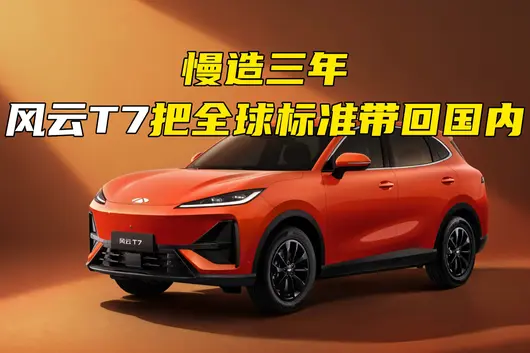
On the evening of August 26, at the Chery Fengyun T7 launch event venue, musician Wu Kequn took the stage as a "Happiness Experience Officer" and discussed "building good cars through slow craft" with Executive Vice President Li Xueyong. The audience seated below was not a common tactic of trendy stars endorsing the event, but a sentence that sounded slightly counter-trend: while others race with "speed is the only invincible strategy," Fengyun T7 insists on being slow.

Where is the slowness? A three-year R&D cycle, 1.45 million kilometers in durability verification, tuning across Northern Europe's extreme cold, Middle East's extreme heat, and Brazil's gravel roads. Designed according to the 2026 version E-NCAP five-star standard, it was first verified in overseas markets such as South Africa, Thailand, and the European Union before launching domestically. This "go overseas first then return home" approach is not uncommon among domestic all-electric SUVs—most cars do the reverse, selling first domestically and then figuring out how to update for overseas sales.

The Fengyun T7 offers three versions: Enjoyment Edition at 97,900 yuan, Comfort Edition at 108,900 yuan, and Smart Edition at 118,900 yuan, with a priority trade-in price starting at 94,900 yuan. At this price point, paired with 600 km CLTC range, plus a lifetime warranty and a series of safety net benefits, it targets "peace of mind," which is what 100,000 yuan class family users care about most.

Range is the bold story it dares to tell. Standard across the range is a 65.05kWh battery, rated at 600 kilometers, but actual tests have run 681.6 kilometers; the official stance is "understated rating." It can charge from 30% to 80% in 20 minutes. For users who commute a week plus travel to suburbs on weekends, this recharging rhythm causes basically no anxiety. Winter range was also optimized with a dual-source heat pump, increasing range by about 30% at -10 degrees Celsius.

Safety equipment is well-equipped: 80% high-strength steel ratio, 9 airbags, battery 6D armor-like protection, and IP68 water resistance reaching 96 times the national standard. Among the ADAS safety net benefits, there is a very special one: if an accident is judged to be caused by system reasons within one year, compensation of up to 5 million yuan is provided. This writing of "willing to back its own technology" is not common in the 100,000 yuan class market.

Of course, it is not without compromises. Intelligence-wise, it premiered a 4nm chip and Doubao large model, supporting highway pilot and over 300 parking scenarios, but whether the overall ADAS experience is truly smooth as parameters suggest remains to be verified after large-scale user usage. Compared to piling up specs, Fengyun T7 wants to sell the two words "reliability"—it prioritizes verification mileage and global standards, solving problems like noise, failures, and environmental adaptation during the R&D stage first.

At the end of the launch event, Wu Kequn and Li Xueyong jointly launched the "Happiness Co-creation Plan." In a time competing on specs and speed, a car willing to spend three years polishing slowly, running through global standards first before returning home, grounded the phrase "steady happiness" with actual action.

8月26日,雁栖湖畔。奇瑞风云T7上市发布会的舞台上,吴克群以“幸福体验官”的身份站了出来。这个曾经唱着《为你写诗》的男人,如今跟现场观众聊起了“稳稳的幸福”。说实话,汽车发布会请明星站台早就不新鲜了,但吴克群这次倒不像是来念台本的——他说自己从舞台走向不同城市,体悟平凡安稳的生活,这种感触跟风云T7想传递的内核莫名同频。
但真正让我觉得有点意思的,不是明星,是奇瑞在这场发布会上说的一句大实话: “全球车快不了一点。”

这句话放在今天这个“半年一改款、一年一换代”的新能源市场,几乎有点不合时宜。可仔细想想,奇瑞说这话是有底气的。
这家连续23年排在中国品牌乘用车出口第一的车企,全球用户已经突破2000万,产品卖到130多个国家和地区。风云T7是奇瑞智电时代的第一款原生全球车型,从研发之初就把全球210个国家和地区的法规标准、用车需求前置到了产品定义里。说白了,这车不是先造出来再想着往哪儿卖,而是一开始就按照全球市场的尺子来量。

然后呢?然后就是整整3年的研发周期,整车累计测试里程超过600万公里,耐久专项验证145万公里。从巴西的高减速坎到墨西哥的鹅卵石路,从德国高速的大曲率弯道到南非的非铺装泥路,风云T7的测试足迹覆盖了全球95%以上的道路类型。-40℃到55℃的超宽温域,五大极端环境挨个跑了一遍。
这种“先全球后国内”的开发逻辑,在10万级纯电SUV市场几乎找不到第二个样本。
当然,消费者不会为“全球验证”四个字买单。他们关心的是:这车到底能跑多远?安不安全?值不值这个价?

先说续航。风云T7全系标配65.05kWh的犀牛电池,CLTC续航600km。但有意思的是媒体实测跑出了681.6公里——标600跑680,行业里管这叫“反向虚标”。在十万级纯电SUV市场,入门版续航缩水几乎是行业潜规则,风云T7反手就是一个全系续航平权。30%到80%的快充20分钟搞定,电池循环寿命超过2500次、能用15年。零下10°C续航还能提升30%——全系标配的双源宽温域热泵空调和AGS智能进气格栅起了作用。
再说安全。高强度钢占比80%、热成型钢18.84%的磐石车身,同级独有的Shotgun结构分散碰撞能量,9安全气囊——这些数据放在一起,已经超出10万级车型的常规配置清单。更值得关注的是,风云T7是按照2026版E-NCAP五星安全标准开发的。换句话说,这车的安全标准提前两年对齐了欧洲最严苛的碰撞测试要求。

电池防护同样没含糊。IP68防水能力是国标的96倍,侧边抗挤压200kN是国标的2倍。1008小时盐雾腐蚀测试、1.5倍国标时长的火烧测试,一套组合拳下来,电池安全冗余留得相当足。
智能方面,风云T7首发了4nm制程的8775舱驾一体芯片,NPU算力72TOPS。15.6英寸2.5K屏、响应延迟80ms。猎鹰500驾驶辅助系统集成了22颗传感器,支持300多种场景的自动泊车和100米循迹倒车。这些配置单看参数可能不觉得稀奇,但放在9.49万起的价位上,就有点意思了。
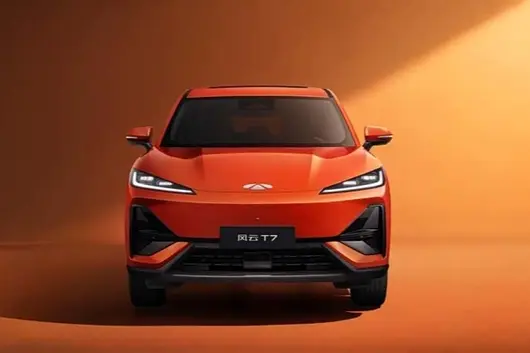
设计上,风云T7走的是“东方驭风美学”路线。0.286Cd的风阻系数在同级里算得上优秀。炽焰橙那款用了Tri-coat颜色技术,2K 8层车漆工艺,不同光线下色彩层次会变化——这种细节通常只出现在30万以上的车上。

但最让我在意的,不是这些参数本身,而是奇瑞做这件事的逻辑。
10万级纯电SUV市场,竞争早就白热化了。比亚迪元PLUS、埃安Y、零跑B10,个个都是狠角色。大多数品牌在这个价位段的打法很直接:能省则省,能砍则砍,把看得见的地方做漂亮,看不见的地方能过就行。
奇瑞走了一条相反的路。把全球最严苛的标准先过一遍,再拿回国内卖——这种“先难后易”的开发逻辑,在快鱼吃慢鱼的新能源赛道里,显得有点笨。但笨有笨的好处。风云T7的同源车型Lepas L6已经在南非、泰国上市,还进了米兰设计周。全球市场的认可,某种程度上是对这种“慢功夫”的验证。

当然,这车也不是没有争议。高阶智驾只给到顶配,中低配在智能化上有所克制。跟深蓝S05比,风云T7在尺寸和动力上不占优势。但换个角度看,9.49万的起步价、全系600km续航、全球安全标准——这种“把预算花在刀刃上”的做法,或许才是家庭用户真正需要的。
发布会那天,吴克群成了风云T7的1号车主。我不知道他是不是真的会天天开这车,但有一件事是可以确定的:在这个价格把全球标准做成标配的车,市场上确实不多见。
奇瑞说“全球车快不了一点”。慢是慢了,但至少方向是对的。
## 标题建议

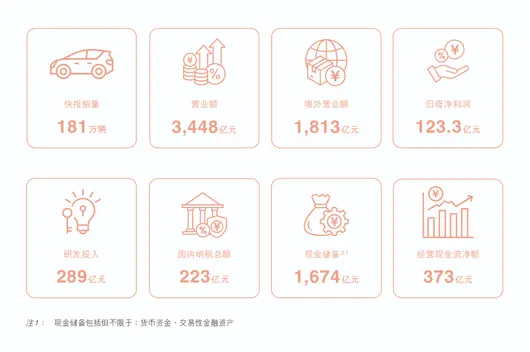
8月28日晚,比亚迪(002594.SZ)发布2026年上半年财报,经营韧性保持稳健:营业收入3448亿元,归母净利润123亿元,研发投入289亿元,现金储备1674亿元。值得关注的是,二季度净利润同比增长30%,毛利率延续升势,达到18.9%,创近一年新高,盈利能力稳步提升。

当前汽车行业竞争加剧,比亚迪凭借稳健的经营底盘和不断优化的业务结构,上半年发展态势持续向好,行业龙头地位进一步巩固。
海外高端双轮驱动,增长结构持续向优
上半年,比亚迪海外销量达79万辆,同比增长68%,业务覆盖全球超120个国家和地区,在英国、巴西、泰国等核心市场登顶新能源汽车品牌销冠。伴随海外本地化产能的陆续释放及渠道体系的持续完善,海外板块已成为拉动公司业绩增长的重要引擎。
同期,高端产品矩阵加速上量,方程豹、腾势及仰望三大品牌合计销量22.8万辆,同比增长61%,占总销量比重升至12.6%,其中方程豹品牌销量达16万辆,同比增长163%;腾势品牌亦表现亮眼,6月销量首次突破2万辆,产品均价达36万元;仰望则是国产新能源百万级豪车中销量最快破万的品牌。

国际化与高端化双线并进,推动公司产品结构持续优化、盈利能力稳步增强,二季度净利润同比增长30%,毛利率达到18.9%,创近一年新高。尽管净利润短期承压,但细究其因,主要是今年汇率波动产生的汇兑损失,公司主营业务盈利保持平稳,发展韧性愈发凸显。
巨额研发筑牢护城河,技术成果密集落地
经营质量稳步攀升,核心驱动力在于技术的持续突破。2026年上半年,公司研发投入289亿元,远超同期净利润,蝉联A股“研发之王”,累计研发投入已突破2700亿元。
高强度的研发投入,正在加速转化为可感知的技术成果。今年3月发布的第二代刀片电池及闪充技术,创造全球量产最快充电速度纪录,一举攻克了“充电慢”和“低温充电难”的世界性难题,获工信部权威认可。技术突破之外,第二代刀片电池产能与闪充站建设都在同步提速,依托“闪充中国”战略,目前全国已建成10000座闪充站,覆盖332座城市,并计划一年内在海外部署6000座闪充站,助力全球电动化跨越式发展。

智能化领域同样取得关键进展,继为智能泊车安全兜底后,比亚迪在5月率先承诺为城市领航安全兜底,成为全球唯一“双兜底”企业,以实际行动推动辅助驾驶普及。截至7月31日,比亚迪辅助驾驶车型保有量超过352万辆,天神之眼每天生成数据超2.2亿公里。同期发布的璇玑A3,为中国首款自研4nm制程智驾芯片,从底层芯片到系统软件,比亚迪持续推进垂直整合与全栈自研,引领全球汽车行业智能化变革。
发展不忘担当,积极履行社会责任
践行社会责任,比亚迪以行动作答。2026年上半年,比亚迪国内纳税总额223亿元,远超同期净利润。在可持续发展方面,公司坚定锚定“2045年实现全价值链碳中和”的目标,ESG表现稳居国内企业第一梯队。1-6月,比亚迪新能源汽车全生命周期碳减排量达2317万吨,相当于植树3.86亿棵,为低碳转型贡献切实力量。
结语
2026年上半年,全球汽车产业加速重构,行业盈利普遍承压。比亚迪逆势突围,二季度业绩再上新阶。随着下半年技术成果持续涌现,高端车型占比稳步提升,全球化布局进入收获期,企业盈利能力与发展潜力将进一步凸显,全年业绩有望逐季向好、持续攀升。从技术突破到全球布局,从高端突围到责任担当,公司正以全方位竞争力重塑增长逻辑,引领全球产业变革。


“Global power battery market share climbed to fifth place, net profit surged 278% year-on-year, revenue increased 43% year-on-year.”
On August 25, Gotion High-Tech released a very bright semi-annual performance report. In the first half of the year, Gotion High-Tech achieved operating revenue of 27.776 billion yuan, a year-on-year increase of 43.22%; net profit attributable to shareholders reached 1.386 billion yuan, a year-on-year increase of as high as 278.05%. More noteworthy is that in the first half of this year, Gotion's global power battery installed capacity market share has risen to 4.6%, firmly ranking in the global top five, domestic ranking improved further, leaping to third place. In terms of energy storage business, Gotion High-Tech also ranked within the global top ten.
The financial report clearly shows Gotion High-Tech's development status in the first half of 2026: Rapid growth in the main power battery business brings continuous elevation in market ranking; sustained investment in global capacity and technical R&D; operational profitability remains in the recovery and climbing stage.
01
Revenue Surges, Profitability Enters Recovery Channel
From the perspective of operational fundamentals, Gotion High-Tech's expansion momentum remains strong. The revenue scale of 27.776 billion yuan in the first half, power battery business contributed 81.36% of it.
In terms of profitability, the scale of main business profit continues to expand. During the reporting period, Gotion High-Tech's gains from changes in fair value reached 996 million yuan, mainly from the appreciation of trading financial assets; government subsidies were 330 million yuan, the two combined occupy a large proportion in net profit attributable to shareholders. At the same time, net profit after deducting non-recurring gains and losses was 107 million yuan, a year-on-year increase of 46.71%, and operating quality is gradually improving.

It is worth mentioning the strong growth in the power battery business. This sector's revenue reached 22.597 billion yuan, a year-on-year increase of 61.01%, indicating that economies of scale are becoming apparent.
02
Energy Storage Slightly Declines, Other Businesses Show Strong Resilience
Different from the rapid advance of power batteries, Gotion High-Tech's energy storage business saw a phased adjustment. In the first half of 2026, energy storage battery system revenue was 3.689 billion yuan, a year-on-year decline of 19.14%, revenue share contracted to 13.28%; but the sector's gross margin slightly rose to 19.50%, profitability remains superior to power battery business.

In the first half of this year, the share of Gotion High-Tech's energy storage revenue dropped significantly. Gotion High-Tech did not provide excessive explanation in the financial report. I consider the factors are mainly from project implementation rhythm, intensifying market competition, and internal production line resources tilting towards power battery business.
Another reason may be that Gotion High-Tech's energy storage business is in the product iteration window. New products launched during the reporting period such as the "Qianyuan Smart Storage 2.0" system and "NaChen" sodium-ion battery are still in the market introduction stage, it takes time from technical launch to scaled delivery. Once new products scale up, the energy storage sector is expected to regain growth.
In terms of other businesses, power transmission and distribution product business showed resilience, achieving revenue 401 million yuan, a year-on-year increase of 62.67%; other business revenue 1.088 billion yuan, a year-on-year increase of 97.71%, complementing the main business, enriching company revenue structure, hedging the fluctuation risk of the two core businesses.
03
Customer Premiumization and Diversification
Gotion High-Tech's customer expansion is also effective.
In the power lithium battery field, Gotion High-Tech has equipped multiple main models of brands such as Chery Exeed, Fengyun series, Geely Galaxy, Leapmotor, achieving batch assembly and stable mass production delivery.
More noteworthy is, the company added Volkswagen ID series high-end vehicle projects during the reporting period, the passenger car customer matrix realized an iteration upgrade from independent brands to international top brands. This is another important milestone of deepening synergy at the business level between Volkswagen China and the company after Volkswagen China became the company's largest shareholder.
In the energy storage field, Gotion High-Tech has carried out energy storage system and cell business cooperation with European energy storage customers such as InoBat Europe. In the domestic market, Gotion High-Tech has also established cooperation with State Grid, China Southern Power Grid, and major power groups, participating in tendering and bidding and delivery of multiple energy storage projects.

In emerging power application fields, Gotion High-Tech has deployed multi-scenario customers such as electric heavy trucks, two-wheeled electric vehicles, and low-altitude aircraft. The "DianLala Mobile Storage-Charging-Swapping Integrated Solution" launched for the commercial vehicle market adapts to diverse cross-border transport scenarios and has obtained preliminary recognition from some logistics and commercial vehicle customers, opening up new growth space for the business.
04
Going Global Enters Harvest Period
Besides business and customer diversification, the market also needs to be diversified. Just like the development of the automobile industry this year, the growth potential for battery companies is all in going overseas.
Gotion High-Tech's global layout belongs to companies that walk earlier and further in the industry. The financial report shows, overseas revenue is 9.476 billion yuan, accounting for 34.11% of total revenue, this number is in a relatively leading position among top battery companies.
In terms of overseas customer development, Gotion High-Tech has established deep cooperative relationships with international customers such as VinFast, Rivian, PowerCo, Volkswagen. Among them, synergy with Volkswagen Group is particularly prominent. The company not only achieved batch cell supply to Volkswagen Anhui Parts Company (related party transaction amount 395 million yuan during the reporting period), but also obtained designations for Volkswagen ID series high-end vehicles; at the same time, it undertook development and cell procurement orders for Volkswagen's battery company PowerCo, related party transaction amount reached 1.292 billion yuan.

In addition, its procurement amount with Tata Components Gotion Green Energy Application Co., Ltd. reached 1.310 billion yuan, and sales amount with Skoda Auto reached 870 million yuan. Gotion High-Tech is also continuously expanding customers in the three regions of Americas, Europe-Africa, and Asia-Pacific, products have achieved batch overseas shipping, overseas business is transitioning to a continuous scale-up phase.
Customer increase inevitably brings capacity expansion. Construction in progress of Gotion High-Tech grew 63% compared to the beginning of the year, mainly in overseas markets such as USA, Morocco, Southeast Asia. Among them, the Morocco base added 772 million yuan in investment during the reporting period, cumulative investment has exceeded 1.14 billion yuan. USA base cumulative investment has exceeded 4.9 billion yuan, it is the company's largest single overseas investment project.
More noteworthy is, the gross margin of the company's overseas business reached 18.05%, significantly higher than the domestic 14.34%, it is visible that "going global" not only brings scale growth, but also plays a role in optimizing overall profit structure.
05
Technology and Full Industry Chain Layout Continue to Add Momentum
After looking at the market, let's look at R&D, technology, and industry chain layout.
Specifically, Gotion High-Tech's R&D investment is still continuing to grow. During the reporting period, Gotion High-Tech R&D investment reached 1.125 billion yuan, a year-on-year increase of 7.58%. The results are obvious, more and more technical results are moving from the laboratory to mass production.
During the reporting period, multiple new products were released externally, including G-Core 2nd Gen Ultra-Fast Charging Battery, G-Wall Hybrid Solid-Liquid Smart Battery, Jinshi All-Solid-State Battery, 5th Gen LFP All-Scenario Battery, Qichen 3rd Gen LMFP Battery, NaChen Sodium-Ion Battery, fast charging, solid-state, sodium battery multiple routes advance in parallel, adapting to passenger cars, energy storage, commercial vehicles and other multi-scenario.

At the industry chain level, Gotion High-Tech has laid out lithium mines, nickel resources, precursors, cathode and anode materials upwards, and opened up battery recycling downwards, increasing upstream material self-sufficiency rate, hedging raw material price fluctuation risk, and enhancing supply chain security. Eight Global R&D Centers are distributed in China, Japan, Singapore, USA and other places, industrial-academic-research collaborative innovation continues to advance, providing support for product iteration.

From the current view, Gotion High-Tech's global capacity layout has taken shape, technical reserves have entered a stage of intensive release, and customer structure continues to evolve towards premiumization. As the company said in the financial report, the industry trend of shifting from "scale expansion" to "value competition", for top companies with global layout capabilities and technical iteration strength, is an opportunity rather than a challenge.

Recently, US authoritative media "Tire Business" released the latestGlobal Tire Top 75 based on each company's 2025 sales revenue. What changes occurred in the rankings of global companies? How did Chinese tires perform?

Sales Unit: USD Billion
Global Tire Top 10, Only One Declined
Michelin retained the champion with sales revenue of 24.097 billion USD, but this figure declined by 6.04% compared to last year,it is the only company in the Top 10 to decline. Michelin attributes the decline to the unstable global trade situation and international tensions and conflicts.

Bridgestone ranked second with sales revenue of 19.627 billion USD,that companyaims to surpass Michelin when it celebrates its 100th anniversary in 2031to become the world's largest tire company.
Goodyear ranked third with sales revenue of 16.895 billion USD. In 2025, the company sold its chemical business, off-highway tire business, and usage rights for the Dunlop brand.
It is worth mentioning that after Yokohama acquired Goodyear's off-highway tire business, it replaced Sumitomo Rubber's position, ranking sixth globally.
Two Chinese companies, Zhongce and Sailun, continue to firmly hold positions in the Global Top 10, and both companies' operating revenue achieved double-digit year-over-year growth.
In terms of the 11-20 strong ranks,Double Star Group旗下双星轮胎、锦湖轮胎两大品牌,2025 年销售额合计 40.24 亿美元,entering the Global Top 11,global ranking rose 38 positions compared to last year.

Two new companies joined the list this year: Dunlop Aviation Tires Co., Ltd. and Thailand Inoue Rubber Public Co., Ltd. India's Emerald Tires and Argentina's FATE (which closed its tire factory) dropped off the list.
Chinese Tires: Large but Not Strong
In the Global Tire Top 75 this year,there are a total of 39 Chinese companies (including Taiwan Province), accounting for 52%, far ahead of the second country by company count on the list—India (8 companies).

According to statistics from Cheyuan Cheze, the total sales revenue of the Global Top 75 this year (enterprises with N.A. sales revenue in either 2025 or 2024 are not included in the statistics, same as below)is approximately 180.721 billion USD, compared to last year's 173.017 billion USDgrowth of approximately 4.45%.
Among them, 39Chinese tire companieshave total sales revenue of approximately 45.014 billion USD,with a year-over-year growth of approximately 5.26%. Chinese companies' sales revenueaccounted for approximately 24.66% of the Global Top 75, increasing by 0.19 percentage points year-over-year.

Sales Unit: USD Billion
The sales proportion is far lower than the proportion of company count, which indirectly confirms the seriousness of problems such as homogenization and low-price competition among Chinese tires.
Among the 39 Chinese companies (Yongsheng Rubber, Zhengdao Tires, Tianjin Wanda data missing),19 companies saw sales revenue increase year-over-year, accounting for approximately 49%; 17 companies saw sales revenue decline, accounting for approximately 43%.

Among them, Zhongce Rubber (13.76%), Sailun Tires (18.61%), Linglong Tires (14.14%), Chengshan (10.03%), General Shares (24.45%), Huasheng Rubber (11.38%), Fengshen Tires (13.41%), Wanli Tires (22.37%), Fomes (12.37%), Yuelong Rubber (13.29%),total of 10 Chinese companies achieved double-digit sales growth.
At the same time,a total of 23 Chinese companies saw their global ranking rise or remain stable this year. Among them, Double Star Tires rose 38 positions, General Shares rose 6 positions, Tianjin Wanda rose 5 positions, Wanli Tires rose 4 positions.
2026, A Tire Market with Increased Revenue but Not Profit
Entering 2026, the operational trends of the Chinese tire industry show a significant divergence between "body temperature" and "pulse":Output rose counter-trend, but exports and capacity utilization both face pressure, the industry is undergoing deep adjustment.
According to the latest data released by the National Bureau of Statistics, in July 2026 national rubber tire outer tire production was 102.658 million tires,year-over-year significant growth of 8.1%, creating the highest monthly growth rate in the past five months; cumulative production from January-July was 709 million tires, cumulative year-over-year rebounded to 2.8%.

Chinese tires rely mainly on exports. According to data released by the General Administration of Customs of China, cumulative exports of Chinese rubber tires from January-July were 5.76 million tons, with a year-over-year growth of 2.4%; export value was approximately 96.27 billion CNY, with a year-over-year decline of 3.0%.
From January-June 2026, the capacity utilization rate of semi-steel tires and all-steel tires in industry sample enterprises dropped to 69.36%, 65.69%; inventory days for semi-steel tires and all-steel tires increased to 52 days and 48 days respectively.
The domestic tire market started July with a clear turning point: 71% of semi-steel tire factories saw orders decrease month-over-month, 68% of all-steel tire factories saw orders decrease month-over-month,the industry's "price-for-volume" strategy is difficult to sustain.
Combining the annual Top 75 structure and the latest operational data from January-July 2026, a few judgments can be made on the upcoming 2026 annual list:
In the top tier camp, the status of the four billion-dollar club members is difficult to shake in the short term, but based on each company's financial report performance continuing the downward trend,sales revenue of the top 6 in the 2026 annual list will likely continue to face collective pressure.

In the Chinese camp, Zhongce Rubber and Sailun Tires, as the only two Chinese companies to enter the Global Top 10, with sales growth of 16.05% for Sailun Group and 18.02% for Zhongce Rubber in the first half of 2026,their positions are expected to continue to be stable with growth. The double-digit growth trend of companies such as Linglong Tires, Chengshan, and General Shares will also promote the Chinese camp's collective movement in the upper-middle section.
The true test is not the number of seats on the list, but profit. From January-July 2026, export value declined by 3.0% year-over-year, semi-steel tire capacity utilization rate fell below 65%, the industry's "volume up profit down" characteristic is very significant, after the EU anti-dumping hammer fell,the model solely relying on domestic exports has reached its end.

For Chinese tires, the rank jump on the 2026 annual Top 75 list is just a surface appearance, the true deciding factor lies in: Who can avoid trade barriers through overseas production capacity layout, who can break "low-price involution" through brand elevation, who can hedge cost pressure through digital intelligence transformation.
Only those companies that actively attack the upstream of the value chain can be the first to touch the dawn of warming in the industry winter. Chinese tires, the future is still promising.


A new EV player signing a strategic deepening agreement with First Automotive Works ("the Eldest Son of the Republic") is not surprising in itself. What is truly worth questioning is: why did FAW choose Leapmotor instead of other players with higher sales?

On the same day, Leapmotor released its semi-annual report. Net profit of 210 million yuan, profitable for three consecutive half-year periods, ranked fourth in global new energy vehicle registrations, and exceeded 100,000 units for the first time in July.

The two matters serve as footnotes to each other. The semi-annual report proves Leapmotor's financial health and technical depth, while the strategic cooperation verifies that its industrial value has received endorsement at the level of central state-owned enterprises. When a company established only 11 years ago can sit down with a giant with a 66-year history and cumulative 66 million users to discuss "strategic symbiosis," this is not a simple upgrade of cooperation, but a substantial transfer of discourse power.

Profitability is a result, not a cause
Many people attribute Leapmotor's continuous profitability to "cost-performance" or "good but not expensive." This is an understanding of the result, not an analysis of the cause.
The semi-annual report has a detail easily overlooked: gross margin in the second quarter rose sequentially to 12.6%, with cash on hand of 38.59 billion yuan. Continued improvement in gross margins indicates economies of scale are being realized, while positive cash flow means Leapmotor does not need continuous financing to maintain operations. Among new forces, few can achieve this.

But more worthy of attention is the underlying logic of the cost structure. Leapmotor has self-built 18 core component factories, with over 65% of vehicle costs achieved through self-research and self-manufacturing, and a platform commonization rate of 88%. The industrial meaning of these numbers is that when competitors purchase core components from suppliers, Leapmotor's marginal cost curve is steeper. For every additional car sold, the advantage of cost amortization expands. This is precisely the fundamental reason why it can bring high-level assisted driving down to the A Series, implement 800V in the B Series, and pack the D Series with features while still maintaining price competitiveness.

In other words, Leapmotor's profitability does not rely on "selling expensive," but on "manufacturing cheap." The difficulty of making money in the 100,000 yuan price segment market is a dimension higher than the 300,000 yuan price segment market.
From "Follower" to "Definer"
What is most interesting about Leapmotor's cooperation with FAW is not the cooperation itself, but the change in cooperation mode.
The cooperation model between traditional central SOEs and new forces is usually capital equity plus technology introduction, with the initiative lying on the SOE side. But this agreement includes the phrasing "strategic symbiosis," and covers forward-looking fields such as embodied intelligent robots. This means the relationship is no longer a simple "Client-Vendor," but equal collaboration with complementary capabilities. FAW provides the manufacturing system, supply chain management, and channel depth. Leapmotor provides the Electronic and Electrical Architecture, Full-domain Self-research Capabilities, and Intelligent Technology Stack.

A deeper signal is that as a benchmark for China's automotive industry, FAW's choice of technology route itself carries industry weathervane significance. Choosing Leapmotor's LEAP4.0 Central Domain Control Architecture as the collaboration basis is equivalent to endorsing the "Central Integration + Cockpit-Driving Integration" technology direction. With intelligent competition entering the second half, the value of this recognition is no less than capital cooperation itself.

And the upcoming technology launch event by Leapmotor in September, the Intelligent Driving World Model, and latest results in battery, motor, and electronic control will further verify whether its technical reserves have the ability to sustain leadership. If the World Model can reach the industry's first tier, Leapmotor will evolve from "Product Definer" to "Technology Standard Setter".
Globalization is not a story, it is mathematics
Leapmotor exported 96,294 units in the first half of the year, up 372.6% year-on-year, already surpassing the full previous year. Market share in Italy's pure electric segment exceeds 25%, ranking first consecutively, and it became the highest-selling Chinese EV brand in Germany.

Behind these data is a key logic: going global is not "shipping cars there to sell," but "establishing a sustainable business model locally." Leapmotor has laid out localized production in Malaysia, Spain, and Brazil, and the battery factory supporting the European Stellantis plant is about to go into mass production. When a Chinese EV maker can occupy the top spot in the pure electric markets of traditional automotive powerhouses like Italy and Germany, it no longer relies on price advantages, but on comprehensive parity in product definition and technical strength.

The ranking of fourth in global new energy vehicle registrations further confirms that scale has crossed the threshold of "visibility" and entered the reach of "mainstream players." In contrast, among Leapmotor's previous top tier of new forces, no single company has achieved the pace of simultaneous advancement in globalization layout and localized production.
Summary: The Tipping Point Has Arrived
Leapmotor is at the tipping point of crossing from "New Forces" to "New Mainstream".
On the one hand, the ABCD four product matrices have completed full price range coverage. From the 63,900 yuan A05 to the D99 with an average price over 300,000 yuan, the multi-polar drive structure is already formed, and the cycle fluctuation risk of a single hit product is greatly smoothed.
On the other hand, with capacity synergy and channel resources brought by the FAW strategic cooperation, plus the globalization support of the Stellantis overseas system, Leapmotor has essentially constructed a "Domestic + Overseas, New Forces + Central SOE" dual-track growth model.

What does this mean? It means Leapmotor is evolving from a "Product-based company" to a "System-based company." The former relies on hit products to drive growth, while the latter relies on platformization, scale, and globalization to counteract the cycle.
When a car company simultaneously possesses healthy financial statements, a complete technology stack, a mature global network, and strategic backing at the central SOE level, it no longer needs to prove to the market "whether it can survive". The real question is: where is its ceiling?
And the answer Leapmotor gives may be much larger than most people imagine.

Dalam pasaran SUV di Malaysia, ramai pembeli membandingkan Honda WR-V dan MG MG HS ketika memilih kereta. Kedua-dua kereta ini mempunyai harga dan penjenamaan yang agak hampir, hari ini kita akan membuat perbandingan terperinci dari pelbagai aspek, membantu anda menjimatkan masa untuk membuat kajian.
Honda WR-V mempunyai harga OTR di Malaysia ialah RM 89,900 - 107,900, terdapat keseluruhan 4 varian, termasuk 2023 1.5L V (RM 99,900), 2023 1.5L E (RM 95,900), 2023 1.5L S (RM 89,900) dan lain-lain.
MG MG HS mempunyai harga OTR di Malaysia ialah RM 130,450 - 146,450, terdapat keseluruhan 2 varian, termasuk 1.5L Standard (RM 105,000), 1.5L Executive (RM 115,000) dan lain-lain.
Dari segi harga, harga permulaan Honda WR-V memang lebih murah RM 40,550 daripada MG MG HS. Jika bajet anda terhad, varian asas Honda sudah boleh memenuhi keperluan harian. Tetapi perlu diingat, beberapa ribu ringgit yang lebih murah itu mungkin ada pengorbanan dalam kelengkapan, bergantung pada keperluan anda.

Honda WR-V dipasang enjin 1.5L 4-silinder, kuasa 105 hp. Penggunaan bahan api rasmi 6.0 L/100km.
MG MG HS dipasang enjin 1.5L Turbo, kuasa 140 hp. Penggunaan bahan api rasmi 7.0 L/100km.
Dari segi kuasa, enjin 1.5L Turbo MG MG HS mempunyai 35 kuasa kuda lebih daripada enjin 1.5L 4-silinder Honda WR-V. Namun untuk penggunaan harian di bandar, kuasa kedua-dua kereta sudah memadai, tidak rasa kurang tenaga.

Penilaian keselamatan Honda WR-V ialah 5★ (ASEAN NCAP), sistem keselamatan aktif termasuk Honda SENSING.
Penilaian keselamatan MG MG HS ialah TBD, sistem keselamatan aktif termasuk Basic.
Dari segi peralatan keselamatan, kedua-dua kereta mendapat penilaian yang baik. Namun Honda SENSING pada Honda WR-V dan Basic pada MG MG HS mempunyai perbezaan dari segi fungsi, jika anda mengutamakan keselamatan aktif, boleh bandingkan senarai fungsi mereka.

Honda WR-V waranti 5 tahun/jarak tanpa had, selang penjagaan setiap 10,000km atau 6 bulan.
MG MG HS waranti 7 tahun/150,000km, selang penjagaan setiap 10,000km atau 6 bulan.
Secara keseluruhan, Honda WR-V dan MG MG HS adalah model kereta yang cukup baik di pasaran Malaysia. Memilih yang mana satu, penting adalah melihat keperluan dan bajet peribadi anda. Kami cadangkan anda buat kajian, bandingkan pelbagai tawaran harga dari showroom, kemudian uji kenderaan untuk membuat keputusan akhir. Membeli kereta adalah perkara besar, meluangkan masa membuat kajian tidak akan salah.


喺馬來西亞嘅 SUV 市場,好買家喺揀車嘅時候都會拿 Honda WR-V 定 Mitsubishi Xforce 嚟做比較。這兩款車喺價位同定位上都蠻接近,今日我哋就從多個方面做一個詳細嘅比較,幫你省做功課嘅時間。
Honda WR-V 喺馬來西亞嘅 OTR 售價係 RM 89,900 - 107,900,一共有 4 個版本,包括 2023 1.5L V(RM 99,900)、2023 1.5L E(RM 95,900)、2023 1.5L S(RM 89,900) 等。
Mitsubishi Xforce 喺馬來西亞嘅 OTR 售價係 RM 109,930 - 119,930,一共有 2 個版本,包括 2026 1.5L Ultimate(RM 119,930)、2026 1.5L Urban(RM 109,930) 等。
從價錢來看,Honda WR-V 嘅起價確實比 Mitsubishi Xforce 平咗 RM 20,030。如果你預算有限,Honda 嘅入門版已經可以满足日常需求。但都要注意,平嘅嗰幾千蚊,可能喺配備上會有取捨,具體要看你嘅需求。
Honda WR-V 搭載 1.5L 4-cyl,馬力 105 hp。官方油耗 6.0 L/100km。
Mitsubishi Xforce 搭載 1.5L Turbo,馬力 140 hp。官方油耗 7.0 L/100km。
動力方面,Mitsubishi Xforce 嘅 1.5L Turbo 比 Honda WR-V 嘅 1.5L 4-cyl 多咗 35 匹馬力。不過日常喺市區開,兩款車嘅動力都夠用,唔會覺得唔夠力。
Honda WR-V 保修 5 年/無限制里程,保養間隔 每 10,000km 或 6 個月。
Mitsubishi Xforce 保修 3 年/100,000km,保養間隔 每 10,000km 或 6 個月。
Honda WR-V 同 Mitsubishi Xforce 都係馬來西亞市場嘅主流選擇,適合家庭使用、日常通勤。如果你更睇重品牌口碑同二手價,可以優先考慮口碑更好嗰一款;如果你更在意性價比同配備,嗰就揀配置更豐富嗰款。最後都建議兩款都去試車,親身體驗先最重要。

總括嚟講,Honda WR-V 同 Mitsubishi Xforce 都係馬來西亞市場幾不錯嘅車型。揀邊輛,關鍵仲係要看你嘅個人需求同預算。建議大家做好功課,多比較幾間車行嘅報價,先去試車做最終決定。買車係件大事,花點時間做功課絕對唔會錯。

Di pasaran SUV Malaysia, ramai pembeli sering membandingkan Honda WR-V dan MG MG HS semasa memilih kereta. Kedua-dua kereta ini sangat hampir dari segi harga dan penjenamaan, hari ini kita akan melakukan perbandingan terperinci dari pelbagai aspek untuk membantu anda menjimatkan masa untuk membuat penyelidikan.
Honda WR-V di Malaysia mempunyai harga OTR RM 89,900 - 107,900, dengan jumlah 4 varian, termasuk 2023 1.5L V (RM 99,900), 2023 1.5L E (RM 95,900), 2023 1.5L S (RM 89,900) dan lain-lain.
MG MG HS di Malaysia mempunyai harga OTR RM 130,450 - 146,450, dengan jumlah 2 varian, termasuk 1.5L Standard (RM 105,000), 1.5L Executive (RM 115,000) dan lain-lain.
Dari segi harga, harga permulaan Honda WR-V memang RM 40,550 lebih murah daripada MG MG HS. Jika bajet anda terhad, varian permulaan Honda sudah dapat memenuhkan keperluan harian. Namun, berhati-hatilah, beberapa ribu ringgit yang lebih murah ini mungkin mempunyai kompromi dari segi peralatan, bergantung pada keperluan anda.
Honda WR-V dilengkapi enjin 1.5L 4-silinder, kuasa 105 hp. Penggunaan bahan api rasmi 6.0 L/100km.
MG MG HS dilengkapi enjin 1.5L Turbo, kuasa 140 hp. Penggunaan bahan api rasmi 7.0 L/100km.
Dari segi kuasa, Turbo 1.5L MG MG HS mempunyai 35 hp lebih daripada 4-silinder 1.5L Honda WR-V. Walau bagaimanapun, untuk penggunaan harian di bandar, kuasa kedua-dua kereta sudah mencukupi dan tidak terasa kurang tenaga.
Panjang kenderaan Honda WR-V 4400 mm, ruang bagasi 400 L.
Panjang kenderaan MG MG HS 4400 mm, ruang bagasi 400 L.
Saiz kedua-dua kereta adalah hampir sama, ruang dalaman tidak terlalu berbeza. Kereta dalam kategori ini, sudah cukup untuk penggunaan harian.
Honda WR-V dan MG MG HS adalah pilihan utama di pasaran Malaysia, sesuai untuk penggunaan keluarga dan perjalanan harian. Jika anda lebih mengutamakan reputasi jenama dan harga jualan semula, pertimbangkan model yang mempunyai reputasi lebih baik; jika anda lebih mementingkan nisbah harga dan prestasi, pilih model dengan konfigurasi lebih lengkap. Pada akhirnya, disarankan untuk memandu ujian kedua-dua model, pengalaman sendiri adalah yang paling penting.
Secara keseluruhan, Honda WR-V dan MG MG HS adalah model yang sangat baik di pasaran Malaysia. Memilih yang mana satu, kunci utamanya bergantung pada keperluan dan bajet peribadi anda. Disarankan untuk membuat penyelidikan, membandingkan beberapa sebut harga dari dealer kereta, baru kemudian pergi memandu ujian untuk membuat keputusan akhir. Membeli kereta adalah perkara besar, meluangkan masa untuk membuat penyelidikan tidak akan salah.

Pada pasaran SUV di Malaysia, ramai pembeli membandingkan Honda WR-V dan Chery Tiggo 7 PHEV apabila memilih kereta. Kedua-dua kereta ini mempunyai harga dan kedudukan yang agak hampir, hari ini kita akan membuat perbandingan terperinci dari pelbagai aspek untuk membantu anda menjimatkan masa membuat kajian.
Harga OTR Honda WR-V di Malaysia ialah RM 89,900 - 107,900, terdapat 4 varian, termasuk 2023 1.5L V (RM 99,900), 2023 1.5L E (RM 95,900), 2023 1.5L S (RM 89,900) dan lain-lain.
Harga OTR Chery Tiggo 7 PHEV di Malaysia ialah RM 129,750 - 129,750, terdapat 2 varian, termasuk 2025 1.5T 90km CSH (RM 129,750), Apakah kaedah pengecasan yang disokong oleh Tiggo 7 PHEV? Bolehkah ia dicas menggunakan soket kuasa rumah? (RM 117,478) dan lain-lain.
Daripada segi harga, harga permulaan Honda WR-V memang RM 39,850 lebih murah berbanding Chery Tiggo 7 PHEV. Jika bajet anda terhad, versi masuk Honda sudah boleh memenuhi keperluan harian. Tetapi perlu diingat, beberapa ribu ringgit yang lebih murah itu mungkin ada pengorbanan dari segi kelengkapan, ia bergantung kepada keperluan anda.
Penilaian keselamatan Honda WR-V ialah 5★ (ASEAN NCAP), sistem keselamatan aktif termasuk Honda SENSING.
Penilaian keselamatan Chery Tiggo 7 PHEV ialah TBD, sistem keselamatan aktif termasuk Basic.
Dari segi kelengkapan keselamatan, kedua-dua kereta mendapat penilaian yang baik. Walau bagaimanapun, Honda SENSING pada Honda WR-V dan Basic pada Chery Tiggo 7 PHEV mempunyai perbezaan dalam fungsi, jika anda lebih mengutamakan keselamatan aktif, anda boleh bandingkan senarai fungsi kedua-dua-duanya dengan teliti.
Panjang badan Honda WR-V 4400 mm, muatan belakang 400 L.
Panjang badan Chery Tiggo 7 PHEV 4400 mm, muatan belakang 400 L.
Saiz kedua-dua kereta itu hampir sama, ruang dalam kenderaan tidak terlalu berbeza. Untuk kereta dalam julat ini, ia cukup untuk kegunaan harian.
Honda WR-V menggunakan penggerak FWD.
Chery Tiggo 7 PHEV menggunakan penggerak FWD.
Kedua-dua kereta menggunakan cara penggerak yang sama, iaitu FWD, pengalaman memandu harian tidak akan banyak berbeza.

Secara keseluruhannya, Honda WR-V dan Chery Tiggo 7 PHEV adalah model kereta yang sangat baik di pasaran Malaysia. Memilih salah satu daripada mereka, perkara utama adalah melihat keperluan dan bajet anda sendiri. Kami menyarankan anda melakukan kajian terlebih dahulu, bandingkan harga daripada lebih banyak dealership, dan kemudian buat ujian memandu untuk membuat keputusan akhir. Membeli kereta adalah perkara besar, meluangkan masa untuk melakukan kajian tidak akan rugi.

Pasar SUV di Malaysia, ramai pembeli membandingkan Honda WR-V dan Chery Tiggo 8 Pro ketika memilih kereta. Kedua-dua kereta ini mempunyai harga dan posisi yang agak hampir, hari ini kami akan membuat perbandingan terperinci dari pelbagai aspek, membantu anda menjimatkan masa membuat penyelidikan.
Harga OTR Honda WR-V di Malaysia adalah RM 89,900 - 107,900, terdapat 4 varian, termasuk 2023 1.5L V (RM 99,900), 2023 1.5L E (RM 95,900), 2023 1.5L S (RM 89,900) dan lain-lain.
Harga OTR Chery Tiggo 8 Pro di Malaysia adalah RM 159,750 - 159,750, terdapat 2 varian, termasuk 1.6L Turbo Standard (RM 130,000), 1.6L Turbo Premium (RM 145,000) dan lain-lain.
Dari segi harga, harga permulaan Honda WR-V memang lebih murah RM 69,850 berbanding Chery Tiggo 8 Pro. Jika bajet anda terhad, varian permulaan Honda sudah boleh memenuhi keperluan harian. Tetapi perlu diambil kira, perbezaan harga ribuan ringgit itu, mungkin ada kompromi pada pelengkapan, bergantung pada keperluan anda.
Taraf keselamatan Honda WR-V ialah 5★ (ASEAN NCAP), sistem keselamatan aktif termasuk Honda SENSING.
Taraf keselamatan Chery Tiggo 8 Pro ialah TBD, sistem keselamatan aktif termasuk Basic.
Dari segi pelengkapan keselamatan, kedua-dua kereta mendapat taraf yang baik. Namun, Honda SENSING pada Honda WR-V dan Basic pada Chery Tiggo 8 Pro mempunyai perbezaan dari segi fungsi, jika anda lebih mengutamakan keselamatan aktif, boleh dibandingkan senarai fungsi kedua-duanya dengan teliti.
Panjang kenderaan Honda WR-V ialah 4400 mm, kapasiti bagasi 400 L.
Panjang kenderaan Chery Tiggo 8 Pro ialah 4400 mm, kapasiti bagasi 400 L.
Saiz kedua-dua kereta itu hampir sama, ruang dalaman tidak banyak berbeza. Kereta dalam kategori ini, cukup untuk kegunaan harian.
Jaminan Honda WR-V adalah 5 tahun/mileaj tanpa had, selang servis setiap 10,000km atau 6 bulan.
Jaminan Chery Tiggo 8 Pro adalah 3 tahun/100,000km, selang servis setiap 10,000km atau 6 bulan.
Honda WR-V dan Chery Tiggo 8 Pro adalah pilihan utama di pasaran Malaysia, sesuai untuk kegunaan keluarga, perjalanan harian. Jika anda lebih mengutamakan reputasi jenama dan harga jualan semula, boleh utamakan yang mempunyai reputasi lebih baik; jika anda lebih mementingkan nilai dan pelengkapan, pilih yang mempunyai konfigurasi lebih banyak. Akhir sekali, disarankan untuk membandar kedua-duanya dengan ujian memandu, pengalaman sendiri adalah yang paling penting.
Secara keseluruhan, Honda WR-V dan Chery Tiggo 8 Pro adalah model kereta yang sangat baik di pasaran Malaysia. Memilih mana satu, teruskan bergantung pada keperluan peribadi dan bajet anda. Disarankan untuk membuat penyelidikan, membandar harga beberapa showroom, kemudian buat ujian memandu untuk membuat keputusan akhir. Membeli kereta adalah perkara besar, meluangkan masa membuat penyelidikan pasti tidak akan salah.

Dalam pasaran SUV di Malaysia, banyak pembeli membandingkan Honda WR-V dan Chery Tiggo 7 Pro apabila memilih kereta. Kedua-dua model ini mempunyai harga dan penarafan yang cukup hampir, hari ini kita akan melakukan perbandingan terperinci dari pelbagai aspek untuk membantu anda menjimatkan masa membuat kajian.
Harga OTR Honda WR-V di Malaysia adalah RM 89,900 - 107,900, terdapat 4 varian, termasuk 2023 1.5L V (RM 99,900), 2023 1.5L E (RM 95,900), 2023 1.5L S (RM 89,900) dan lain-lain.
Harga OTR Chery Tiggo 7 Pro di Malaysia adalah RM 123,750 - 123,750, terdapat 2 varian, termasuk 1.6L Turbo Standard (RM 125,000), 1.6L Turbo Premium (RM 140,000) dan lain-lain.
Dari segi harga, harga permulaan Honda WR-V memang RM 33,850 lebih murah berbanding Chery Tiggo 7 Pro. Jika bajet anda terhad, varian asas Honda sudah cukup untuk keperluan harian. Namun, ambil perhatian, perbezaan ribuan ringgit tersebut mungkin melibatkan sedikit kekurangan pada kelengkapan, ia bergantung sepenuhnya pada keperluan anda.
Honda WR-V dilengkapi enjin 1.5L 4-silinder, kuasa 105 hp. Penggunaan bahan api rasmi 6.0 L/100km.
Chery Tiggo 7 Pro dilengkapi enjin 1.5L Turbo, kuasa 140 hp. Penggunaan bahan api rasmi 7.0 L/100km.
Dari segi prestasi kuasa, enjin 1.5L Turbo pada Chery Tiggo 7 Pro mempunyai 35 hp lebih berbanding enjin 1.5L 4-silinder Honda WR-V. Walau bagaimanapun, untuk penggunaan harian di bandar, kedua-dua kereta ini mempunyai kuasa yang mencukupi dan tidak terasa kurang tenaga.
Panjang Honda WR-V ialah 4400 mm, saiz bagasi 400 L.
Panjang Chery Tiggo 7 Pro ialah 4400 mm, saiz bagasi 400 L.
Saiz kedua-dua kereta ini hampir sama, ruang dalaman tidak banyak berbeza. Kereta dalam kelulusan ini, untuk penggunaan harian sudah cukup.
Honda WR-V menggunakan sistem pemanduan FWD.
Chery Tiggo 7 Pro menggunakan sistem pemanduan FWD.
Sistem pemanduan kedua-dua kereta adalah sama, iaitu FWD, pengalaman memandu harian tidak akan berbeza banyak.
Honda WR-V dan Chery Tiggo 7 Pro adalah pilihan utama di pasaran Malaysia, sesuai untuk kegunaan keluarga dan perjalanan harian. Jika anda lebih mementingkan reputasi jenama dan harga jual semula, anda boleh utamakan model yang mempunyai reputasi lebih baik; jika anda lebih mengutamakan nilai harga dan kelengkapan, pilihlah model yang mempunyai kelengkapan lebih lengkap. Pada akhirnya, disarankan untuk menguji pemanduan kedua-duanya, pengalaman peribadi adalah yang paling penting.
Secara keseluruhannya, Honda WR-V dan Chery Tiggo 7 Pro adalah model kereta yang sangat baik di pasaran Malaysia. Memilih mana satu, kuncinya adalah melihat keperluan dan bajet peribadi anda. Kami sarankan anda membuat kajian terlebih dahulu, bandingkan beberapa sebut harga daripada pengedar, kemudian buat ujian pemanduan sebelum membuat keputusan akhir. Membeli kereta adalah perkara besar, meluangkan masa untuk membuat kajian pasti tidak salah.

Di pasaran SUV Malaysia, ramai pembeli semasa memilih kereta sering membandingkan Honda WR-V dan Chery Tiggo Cross. Kedua-dua kereta ini mempunyai harga dan positioning yang agak hampir, hari ini kita akan buat perbandingan terperinci dari pelbagai aspek untuk membantu anda menjimatkan masa membuat kajian.
Honda WR-V harga OTR di Malaysia adalah RM 89,900 - 107,900, terdapat 4 varian, termasuk 2023 1.5L V (RM 99,900), 2023 1.5L E (RM 95,900), 2023 1.5L S (RM 89,900) dan lain-lain.
Chery Tiggo Cross harga OTR di Malaysia adalah RM 88,750 - 99,750, terdapat 2 varian, termasuk 2025 HEV 1.5L CSH (RM 99,750), 2025 1.5T Standard (RM 88,750) dan lain-lain.
Dari segi harga, harga permulaan Chery Tiggo Cross lebih murah daripada Honda WR-V sebanyak RM 1,150. Jujur berkata, dalam julat harga ini, perbezaan beberapa ribu sebenarnya tidak besar, yang penting adalah melihat nisbah nilai keseluruhan dan kos penggunaan jangka panjang.
Honda WR-V dilengkapi enjin 1.5L 4-cyl, kuasa 105 hp. Kadar minyak rasmi 6.0 L/100km.
Chery Tiggo Cross dilengkapi enjin 1.5L 4-cyl, kuasa 105 hp. Kadar minyak rasmi 6.0 L/100km.
Kedua-dua kereta menggunakan sistem kuasa yang sama, perasaan memandu harian pada dasarnya tiada perbezaan. Dari segi penggunaan minyak juga hampir sama, tidak perlu terlalu bimbang tentang hal ini.
Peringkat keselamatan Honda WR-V adalah 5★ (ASEAN NCAP), sistem keselamatan aktif termasuk Honda SENSING.
Peringkat keselamatan Chery Tiggo Cross adalah TBD, sistem keselamatan aktif termasuk Basic.
Dari segi peralatan keselamatan, kedua-dua kereta mendapat peringkat yang baik. Namun Honda SENSING pada Honda WR-V dan Basic pada Chery Tiggo Cross mempunyai beberapa perbezaan dari segi fungsi, jika anda lebih mementingkan keselamatan aktif, anda boleh bandingkan senarai fungsi kedua-duanya dengan teliti.
Honda WR-V menggunakan cara pemacu FWD.
Chery Tiggo Cross menggunakan cara pemacu FWD.
Cara pemacu kedua-dua kereta adalah sama, keduanya FWD, perasaan memandu harian tidak akan ada perbezaan yang besar.

Secara keseluruhan, Honda WR-V dan Chery Tiggo Cross adalah kereta yang bagus di pasaran Malaysia. Memilih mana satu, yang penting adalah melihat keperluan peribadi dan bajet anda. Kami sarankan anda buat kajian, bandingkan beberapa harga dari dealer, buat ujian memandu dahulu sebelum buat keputusan akhir. Membeli kereta adalah perkara besar, meluangkan masa untuk kajian tidak akan salah.

Dalam pasaran SUV di Malaysia, ramai pembeli membandingkan Honda WR-V dan Chery Tiggo Cross ketika memilih kereta. Kedua-dua kereta ini mempunyai harga dan kedudukan pasaran yang hampir sama. Hari ini kita akan membuat perbandingan terperinci dari pelbagai aspek untuk membantu anda menjimatkan masa membuat penyelidikan.
Honda WR-V mempunyai harga OTR di Malaysia antara RM 89,900 hingga 107,900, terdapat 4 varian, termasuk 2023 1.5L V (RM 99,900), 2023 1.5L E (RM 95,900), 2023 1.5L S (RM 89,900) dan lain-lain.
Chery Tiggo Cross mempunyai harga OTR di Malaysia antara RM 88,750 hingga 99,750, terdapat 2 varian, termasuk 2025 HEV 1.5L CSH (RM 99,750), 2025 1.5T Standard (RM 88,750) dan lain-lain.
Dari segi harga, harga permulaan Chery Tiggo Cross lebih murah RM 1,150 berbanding Honda WR-V. Jujur berkata, dalam julat harga ini, perbezaan beberapa ribu sebenarnya tidak terlalu besar, yang penting adalah melihat nilai keseluruhan dan kos penggunaan jangka panjang.
Honda WR-V menggunakan cara pemanduan FWD.
Chery Tiggo Cross menggunakan cara pemanduan FWD.
Kedua-dua kereta ini sama-sama menggunakan FWD, pengalaman memandu sehari-hari tidak akan berbeza jauh.
Honda WR-V waranti 5 tahun/jarak tanpa had, selang servis setiap 10,000km atau 6 bulan.
Chery Tiggo Cross waranti 3 tahun/100,000km, selang servis setiap 10,000km atau 6 bulan.
Honda WR-V dan Chery Tiggo Cross adalah pilihan utama di pasaran Malaysia, sesuai untuk kegunaan keluarga dan perjalanan harian. Jika anda lebih mengutamakan nama jenama dan harga jual semula, pilih yang lebih terkemuka; jika anda lebih mementingkan nilai dan kelengkapan, pilih yang lebih lengkap. Akhir sekali, disarankan untuk membuat ujian pemanduan bagi kedua-duanya, pengalaman sendiri adalah yang paling penting.
Secara keseluruhannya, Honda WR-V dan Chery Tiggo Cross adalah model yang sangat baik di pasaran Malaysia. Memilih mana-mana, semuanya bergantung pada keperluan dan bajet peribadi anda. Disarankan membuat penyelidikan, bandingkan harga dari beberapa dealer, kemudian buat ujian pemanduan untuk membuat keputusan akhir. Membeli kereta adalah perkara besar, mengambil masa untuk membuat penyelidikan tidak akan meleset.

喺馬來西亞嘅 SUV 市場,好多買家喺揀車嘅時候都會拿 Honda WR-V 同 Chery Tiggo 7 Pro 嚟做比較。呢兩款車喺價位同定位上都幾相近嘅,今日我哋就從多個方面做一個詳細嘅比較,幫你攞返做功課嘅時間。
Honda WR-V 喺馬來西亞嘅 OTR 售價係 RM 89,900 - 107,900,總共 4 個版本,包括 2023 1.5L V(RM 99,900)、2023 1.5L E(RM 95,900)、2023 1.5L S(RM 89,900) 等。
Chery Tiggo 7 Pro 喺馬來西亞嘅 OTR 售價係 RM 123,750 - 123,750,總共 2 個版本,包括 1.6L Turbo Standard(RM 125,000)、1.6L Turbo Premium(RM 140,000) 等。
由價錢嚟睇,Honda WR-V 嘅起步價確實比 Chery Tiggo 7 Pro 平咗 RM 33,850。如果你預算有限,Honda 嘅入門版已經可以滿足日常需要。但亦要小心,平嗰幾千塊,可能喺配備上會有取舍,具體要看你嘅需要。
Honda WR-V 配備 1.5L 4-cyl,馬力 105 hp。官方油耗 6.0 L/100km。
Chery Tiggo 7 Pro 配備 1.5L Turbo,馬力 140 hp。官方油耗 7.0 L/100km。
由動力嚟講,Chery Tiggo 7 Pro 嘅 1.5L Turbo 比 Honda WR-V 嘅 1.5L 4-cyl 多咗 35 匹馬力。不過日常喺市區開,兩款車嘅動力都夠用,唔會覺得唔夠力。
Honda WR-V 嘅安全評級係 5★ (ASEAN NCAP),主動安全系統包括 Honda SENSING。
Chery Tiggo 7 Pro 嘅安全評級係 TBD,主動安全系統包括 Basic。
安全配備方面,兩款車都拿到唔錯嘅評級。不過 Honda WR-V 嘅 Honda SENSING 同 Chery Tiggo 7 Pro 嘅 Basic 喺功能上有啲分別,如果你比較睇重主動安全嘅話,可以詳細比較吓兩者嘅功能列表。
Honda WR-V 採用 FWD 驅動方式。
Chery Tiggo 7 Pro 採用 FWD 驅動方式。
兩款車嘅驅動方式一樣,都係 FWD,日常駕駛感覺唔會有太大分別。
總括嚟講,Honda WR-V 同 Chery Tiggo 7 Pro 都係馬來西亞市場好唔錯嘅車款。揀邊一輛,關鍵仲係要看你嘅個人需要同預算。建議大家做好功課,多比較幾間車行嘅報價,再去做試駕做最終決定。買車係件大事,花少少時間做功課絕對無錯。

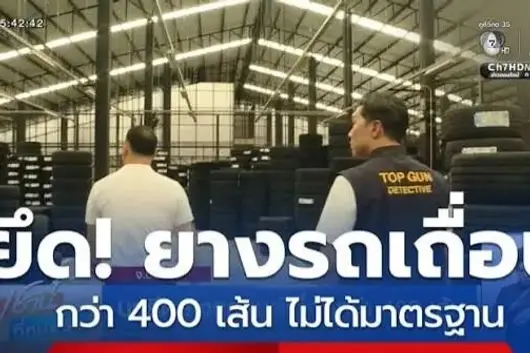
8 月 20 日,泰國工業部特別調查小隊突擊搜查咗暖武里府嘅一家輪胎倉庫,查獲 408 條不合格輪胎,涉案金額近 250 萬泰銖。

其中 314 條輪胎缺少標準認證標籤,94 條標籤資訊遭篡改。泰方雖已扣押全部涉案輪胎,但並未公佈涉事嘅具體品牌,令涉事品牌成謎。泰方明確表示,下一步將喺進口同製造兩端嚴查輪胎來源,違規銷售方最高将面临 50 萬泰銖罰款及 6 個月監禁。

此次突擊搜查並唔係孤立事件,係泰國近年嚟針對問題輪胎持續整頓嘅延續。2025 年,泰國警方喺羅勇府查獲約 7.45 萬條涉嫌非法加工嘅輪胎,部分產品胎側存在打磨痕跡,品牌名稱同生產日期被人為去除,相關案件波及部分中國輪胎品牌,喺當地引發負面影響。同年 4 月,有外媒披露,一家中資輪胎製造商涉嫌將缺陷輪胎走私至泰國,經非法改裝同重新標記後冒充新胎銷售,甚至貼上「泰國製造」標籤意圖出口第三國。泰國工業部對此高度關注,擔憂此類行為損害「泰國製造」嘅全球聲譽。

喺製造端,中資企業浦林成山(01809.HK)嘅泰國工廠都經歷咗一場「合規羅生門」。2025 年 8 月,泰國工業園區管理局(IEAT)被媒體曝出下令「永久關閉」該工廠,指控佢存在無 TIS 認證非法生產、撕毀輪胎生產日期、違規處置超 65 噸危險工業廢物等系統性違規行為。然而,浦林成山喺公告中稱只收到「暫時停產通知」,將問題歸結為炭黑包裝袋處理違規同擴產線排放待驗收。經過整改同 28 日「觀察期」後,該工廠於 9 月 5 日再次宣佈暫時停產。官方通報嘅嚴厲指控同企業公告嘅輕描淡寫形成巨大反差,令事件真相撲朔迷離。


泰國針對輪胎行業嘅監管風暴,折射出中企出海面臨嘅複雜合規環境。喺此次行業洗牌中,中資企業陣營呈現「冰火兩重天」。以浦林成山為代表嘅涉事企業正面臨生存大考,復產時間表同品牌聲譽面臨不確定性;而中策橡膠、玲瓏輪胎、森麒麟等嚴格遵守當地法規嘅企業,則繼續喺泰國同全球市場高歌猛進。

業內指出,隨著全球 ESG 標準趨嚴,東道國對環保、質量、認證嘅容忍度已降至冰點。中國輪胎企業曾依賴嘅「成本優勢」同「政策紅利」正讓位予高昂嘅「合規成本」。由「野蠻生長」向「合規經營」轉型,將合規內化為企業基因,已成喺中國製造業全球化進程中必須跨越嘅門檻。

喺馬來西亞嘅 SUV 市場,好多買家喺揀車嘅時候都會拿本田 WR-V 同馬自達 CX-5 嚟做比較。呢兩款車喺價位同定位上都幾接近,今日我哋就從多個方面做一個詳細嘅比較,幫你省咗做功課嘅時間。
本田 WR-V 喺馬來西亞嘅 OTR 售價係 RM 89,900 - 107,900,一共 4 個版本,包括 2023 1.5L V(RM 99,900)、2023 1.5L E(RM 95,900)、2023 1.5L S(RM 89,900) 等。
馬自達 CX-5 喺馬來西亞嘅 OTR 售價係 RM 135,469 - 166,760,一共 3 個版本,包括 2025 2.0L AT 35th Anniversary(RM 316,154)、2025 2.0L AT(RM 296,154)、2025 2.0L MT(RM 294,154) 等。
由價錢睇,本田 WR-V 嘅起步價確實比馬自達 CX-5 平咗 RM 45,569。如果你預算有限,本田嘅入門版已經可以滿足日常需求。但都要注意,平嗰幾千蚊,可能喺配備上會有取舍,具體要睇你嘅需求。
本田 WR-V 嘅安全評級係 5★ (ASEAN NCAP),主動安全系統包括本田 SENSING。
馬自達 CX-5 嘅安全評級係 5★ (ASEAN NCAP),主動安全系統包括 。
兩款車嘅安全評級一樣,喺呢個級別入面安全配備都算給得好齊全。而家嘅新車安全性都唔差,唔使太擔心呢一點。
本田 WR-V 車身長 4400 mm,車廂 400 L。
馬自達 CX-5 車身長 4500 mm,車廂 450 L。
空間方面,馬自達 CX-5 嘅車身比本田 WR-V 長咗 100 mm,乘坐空間更有優勢。不過本田 WR-V 喺城市入面泊車會靈活啲,各有取舍。
本田 WR-V 保修 5 年/無限里程,保養間隔 每 10,000km 或 6 個月。
馬自達 CX-5 保修 5 年/150,000km,保養間隔 每 10,000km 或 6 個月。

本田 WR-V 同馬自達 CX-5 都係馬來西亞市場嘅主流選擇,適合家庭使用、日常通勤。如果你更看重品牌口碑同二手價,可以優先考慮口碑更好嗰款;如果你更在意性價同配備,就揀配置更豐富嗰款。最後始終建議兩款都去試駕,親身經歷先係最重要嘅。

總括嚟講,本田 WR-V 同馬自達 CX-5 都係馬來西亞市場幾不錯嘅車款。揀邊一輛,關鍵都要睇你嘅個人需求同預算。建議大家做足功課,多比較幾間車行之報價,先至去試駕做最終決定。買車係件大事,花少少時間做功課絕對唔會錯。

In the Malaysian SUV market, many buyers compare the Proton X90 and Subaru Crosstrek when choosing a car. The prices and positioning of these two cars are quite close. Today, we will make a detailed comparison from multiple aspects to help you save time on research.
The OTR price of the Proton X90 in Malaysia is RM 106,800 - 122,800, with a total of 4 versions, including 2026 1.5T Prime X (RM 122,800), 2026 1.5T Prime (RM 116,800), 2026 1.5T Lite (RM 106,800), etc.
The OTR price of the Subaru Crosstrek in Malaysia is RM 145,000 - 160,000, with a total of 1 version, including 2.0L e-Boxer (RM 150,000), etc.
From a price perspective, the starting price of the Proton X90 is indeed RM 38,200 cheaper than the Subaru Crosstrek. If your budget is limited, Proton's entry-level version can already meet daily needs. However, also note that the few thousand dollars saved might require compromises in features, depending on your specific needs.

The Proton X90 is equipped with a 1.5L Turbo, 140 hp. Official fuel consumption 7.0 L/100km.
The Subaru Crosstrek is equipped with a 1.5L Turbo, 140 hp. Official fuel consumption 7.0 L/100km.
Both cars use the same powertrain, and the driving experience daily is basically no difference. Fuel consumption is also about the same, no need to worry too much about this point.
Proton X90 warranty 5 years/150,000km, maintenance interval every 10,000km or 6 months.
Subaru Crosstrek warranty 3 years/100,000km, maintenance interval every 10,000km or 6 months.
Proton X90 and Subaru Crosstrek are both mainstream choices in the Malaysian market, suitable for family use and daily commuting. If you value brand reputation and resale value more, you can prioritize the one with better reputation; if you care more about cost-performance ratio and features, then choose the model with richer configurations. Ultimately, it is suggested to test drive both, personal experience is the most important.

Overall, Proton X90 and Subaru Crosstrek are both very good models in the Malaysian market. Which one to choose ultimately depends on your personal needs and budget. It is recommended to do your homework, compare quotes from several dealerships, and then test drive to make the final decision. Buying a car is a big matter, spending time on research will definitely not be wrong.


喺馬來西亞嘅 SUV 市場,好買家喺揀車嗰陣都會拿 Proton X90 同 Subaru Crosstrek 嚟比較。呢兩款車喺價位同定位上都幾相近,今日我哋就從多個方面做一個詳細嘅比較,幫你攞攞做功課嘅時間。
Proton X90 喺馬來西亞嘅 OTR 售價係 RM 106,800 - 122,800,合共有 4 個版本,包括 2026 1.5T Prime X(RM 122,800)、2026 1.5T Prime(RM 116,800)、2026 1.5T Lite(RM 106,800) 等。
Subaru Crosstrek 喺馬來西亞嘅 OTR 售價係 RM 145,000 - 160,000,合共有 1 個版本,包括 2.0L e-Boxer(RM 150,000) 等。
從價錢睇落嚟,Proton X90 嘅起步價確實比 Subaru Crosstrek 平咗 RM 38,200。如果你預算有限,Proton 嘅入門版已經可以滿足日常需要。但都係要留意,平嗰幾千蚊,可能喺配備上會有取舍,具體睇你嘅需要。
Proton X90 嘅安全評級係 5★ (ASEAN NCAP),主動安全系統包括 ADAS (ACC, AEB, LKA, LDA, BSM, RCTA)。
Subaru Crosstrek 嘅安全評級係 5★ (Euro NCAP),主動安全系統包括 EyeSight。
安全配備方面,兩款車都拿到幾唔錯嘅評級。不過 Proton X90 嘅 ADAS (ACC, AEB, LKA, LDA, BSM, RCTA) 同 Subaru Crosstrek 嘅 EyeSight 喺功能上有啲差異,如果你比較看重主動安全嘅話,可以仔細對比吓兩者嘅功能列表。
Proton X90 車身長 4400 mm,車尾箱 400 L。
Subaru Crosstrek 車身長 4400 mm,車尾箱 400 L。
兩款車嘅尺寸幾乎一樣,車內空間差別唔大。呢個級別嘅車,日常使用完全夠用。
Proton X90 採用 FWD 驅動方式。
Subaru Crosstrek 採用 FWD 驅動方式。
兩款車嘅驅動方式一樣,都係 FWD,日常駕駛感受唔會有太大分別。
總體嚟講,Proton X90 同 Subaru Crosstrek 都係馬來西亞市場幾唔錯嘅車型。揀邊一輛,關鍵都係睇你嘅個人需求同預算。建議大家做好功課,多比較幾間車行嘅報價,先好去試駕先做最後決定。買車係件大事,花少少時間做功課絕對唔會錯。
© 2024 Bitauto.com. All Rights Reserved.
Bitauto (www.yiche.com and www.bitauto.com) is one of the most visited automotive websites in China. We provide detailed info on Chinese car brands available in your area. Please note that the information provided on this website is based on publicly available data and is for reference only. It may not be fully updated or accurate at all times.

Help us improve our website


