

Hometraditional

Search History
Popular Searches
Dealer Login / Sign Up

Dalam pasaran SUV di Malaysia, ramai pembeli membandingkan Proton X70 dan Subaru Crosstrek semasa memilih kereta. Kedua-dua kereta ini mempunyai kedudukan harga dan penentuan pasaran yang hampir sama, hari ini kita akan membuat perbandingan terperinci dari pelbagai aspek untuk membantu anda menjimatkan masa membuat kajian.
Harga OTR Proton X70 di Malaysia adalah RM 106,800 - 122,300, terdapat 3 varian, termasuk 1.5L Standard 2WD (RM 106,800), 1.5L Executive 2WD (RM 115,800), 1.5L Premium 2WD (RM 122,300) dan lain-lain.
Harga OTR Subaru Crosstrek di Malaysia adalah RM 145,000 - 160,000, terdapat 1 varian, termasuk 2.0L e-Boxer (RM 150,000) dan lain-lain.
Dari segi harga, harga permulaan Proton X70 memang lebih murah RM 38,200 berbanding Subaru Crosstrek. Jika bajet anda terhad, versi masuk Proton sudah memadai untuk keperluan harian. Tetapi perlu diingat, perbezaan harga beberapa ribu mungkin ada kompromi pada ciri-ciri, ia bergantung pada keperluan anda.

Proton X70 dilengkapi enjin 1.5L Turbo, kuasa 140 hp. Penggunaan minyak rasmi 7.0 L/100km.
Subaru Crosstrek dilengkapi enjin 1.5L Turbo, kuasa 140 hp. Penggunaan minyak rasmi 7.0 L/100km.
Kedua-dua kereta menggunakan sistem pemacu yang sama, rasa memandu sehari-hari pada dasarnya tiada perbezaan. Penggunaan minyak juga hampir sama, tidak perlu terlalu mempertikaikan hal ini.

Pengkelasan keselamatan Proton X70 ialah 5★ (ASEAN NCAP), sistem keselamatan aktif termasuk ADAS (ACC, AEB, LKA, LDA, BSM, RCTA).
Pengkelasan keselamatan Subaru Crosstrek ialah 5★ (Euro NCAP), sistem keselamatan aktif termasuk EyeSight.
Dari segi kelengkapan keselamatan, kedua-dua kereta memperoleh pengkelasan yang baik. Walau bagaimanapun, ADAS (ACC, AEB, LKA, LDA, BSM, RCTA) Proton X70 dan EyeSight Subaru Crosstrek mempunyai beberapa perbezaan dalam fungsi, jika anda lebih mengutamakan keselamatan aktif, anda boleh membandingkan senarai fungsi kedua-duanya dengan teliti.

Proton X70 menggunakan cara pemacu FWD.
Subaru Crosstrek menggunakan cara pemacu FWD.
Kedua-dua kereta menggunakan cara pemacu yang sama, iaitu FWD, rasa memandu sehari-hari tidak akan berbeza banyak.
Secara keseluruhan, Proton X70 dan Subaru Crosstrek adalah model kereta yang sangat bagus di pasaran Malaysia. Memilih yang mana bergantung pada keperluan peribadi dan bajet anda. Kami cadangkan anda membuat kajian, bandingkan tawaran dari beberapa kedai kereta, kemudian ujian pemandu untuk membuat keputusan akhir. Membeli kereta adalah perkara besar, meluangkan masa membuat kajian pasti tidak salah.


Dalam pasaran SUV Malaysia, ramai pembeli akan membandingkan Proton X70 dan Subaru Forester semasa memilih kereta. Kedua-dua kereta ini hampir sama dari segi harga dan penentuan pasaran, hari ini kita akan membuat perbandingan terperinci dari pelbagai aspek, membantu anda menjimatkan masa membuat kajian.
Harga OTR Proton X70 di Malaysia ialah RM 106,800 - 122,300, terdapat keseluruhan 3 versi, termasuk 1.5L Standard 2WD (RM 106,800), 1.5L Executive 2WD (RM 115,800), 1.5L Premium 2WD (RM 122,300) dan lain-lain.
Harga OTR Subaru Forester di Malaysia ialah RM 174,000 - 197,000, terdapat keseluruhan 3 versi, termasuk 2024 2.0L S EyeSight GT Edition (RM 189,538), 2024 2.0L S EyeSight (RM 177,538), 2024 2.0L L EyeSight (RM 167,538) dan lain-lain.
Dari segi harga, harga permulaan Proton X70 memang lebih murah RM 67,200 berbanding Subaru Forester. Jika bajet anda terhad, versi pemula Proton sudah dapat memenuhi keperluan harian. Namun, perlu diingat, harga yang lebih murah itu mungkin melibatkan kompromi dalam peralatan, bergantung pada keperluan anda.

Proton X70 dilengkapi enjin 1.5L Turbo, kuasa 140 hp. Konsumsi bahan api rasmi 7.0 L/100km.
Subaru Forester dilengkapi enjin 2.0L 4-cyl, kuasa 170 hp. Konsumsi bahan api rasmi 8.0 L/100km.
Dari segi kuasa, 2.0L 4-cyl Subaru Forester mempunyai 30 kuasa kuda lebih berbanding 1.5L Turbo Proton X70. Namun, untuk penggunaan harian di bandar, kuasa kedua-dua kereta sudah mencukupi, anda tidak akan rasa kurang tenaga.
Proton X70 panjang badan 4400 mm, ruang muatan 400 L.
Subaru Forester panjang badan 4400 mm, ruang muatan 400 L.
Saiz kedua-dua kereta hampir sama, ruang dalaman tidak berbeza banyak. Kereta dalam kelas ini sudah mencukupi untuk kegunaan harian.

Proton X70 jaminan 5 tahun/150,000km, selang penyelenggaraan setiap 10,000km atau 6 bulan.
Subaru Forester jaminan 3 tahun/100,000km, selang penyelenggaraan setiap 10,000km atau 6 bulan.
Secara keseluruhan, Proton X70 dan Subaru Forester kedua-duanya adalah model kereta yang sangat bagus di pasaran Malaysia. Memilih mana satu, utama bergantung pada keperluan dan bajet peribadi anda. Disarankan membuat kajian terlebih dahulu, bandingkan harga daripada lebih banyak salon kereta, kemudian buat ujian memandu untuk keputusan akhir. Membeli kereta adalah perkara besar, meluangkan masa membuat kajian tidak akan salah.



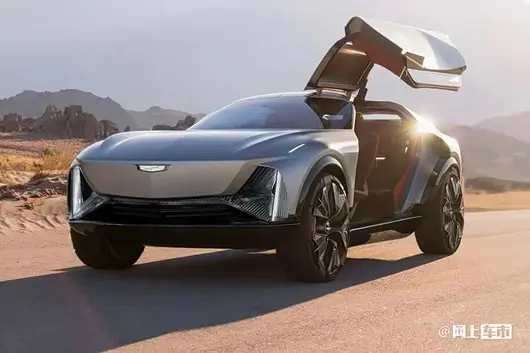
(Kenderaan Konsep, Hanya Ilustrasi)
Perjanjian konsesi SAIC-GM diperbaharui selama 20 tahun, manakala dalam beberapa tahun kebelakangan ini, perbaharuan kontrak dengan GAC Honda dan SAIC Volkswagen hanya diperbaharui selama 10 tahun. Terdapat dua perubahan paling penting dalam perbaharuan kontrak! Dari 'Pembangunan R&D China' ke 'Definisi China', perkara ini amat jarang berlaku dalam syarikat automotif konsesi, boleh dikatakan membuka satu lagi trend baharu! Kejayaan besar 'Mod Zijing' pada tahun 2025 sudah cukup untuk menunjukkan kuasa mod ini. Struktur pembaruan tenaga baharu penyepaduan merentasi seluruh domain pertama yang dibangunkan di bawah kepimpinan pasukan China dalam syarikat konsesi—'Struktur Penyepaduan Super Xiaoyao'—telah menyiapkan pelan teknologi tenaga baharu lengkap seperti elektrik tulen, hibrid bersambung, dan penambah jarak. Zijing hanya dalam tempoh 1 tahun telah membina rangkaian produk merangkumi sedan, SUV dan MPV, kecekapan pelancaran produk adalah yang teratas dalam konsesi!

(Struktur Penyepaduan Super Xiaoyao)
Masa depan SAIC-GM, merancang kereta baharu seperti apa, teknologi seperti apa dibangunkan, semuanya ada kepimpinan dari pihak China, tidak perlu lagi melalui kelulusan Detroit. Bukan sahaja menguasai inisiatif sepenuhnya, malah meningkatkan kecekapan dengan ketara, boleh bertindak balas dengan pantas ke atas pasaran sama seperti jenama China tempatan. Oleh itu baru boleh melancarkan 30 model kereta tenaga baharu dalam tempoh 5 tahun. Dan definisi produk, pembangunan tanpa campur tangan pihak asing, juga akan menurunkan kos pembangunan, benar-benar mencapai pembangunan produk baharu, laju! Banyak! Berdaya saing! 30 model kereta tenaga baharu dibangunkan di China termasuk jenama Cadillac!

Perubahan penting yang kedua ialah SAIC-GM mula secara rasmi mengeksport secara besar-besaran. Sebenarnya syarikat konsesi semua mengeksport, tidak baru! Tetapi perbezaan terbesar SAIC-GM ialah General Motors menyerahkan kepimpinan produk pasaran global di luar Amerika Utara kepada SAIC-GM. Ini perlu dimulakan dengan strategi global General Motors. Selepas Mary Barra mengambil alih jawatan Pengerusi General Motors dan juga CEO pada tahun 2016, memulakan strategi fokus ke Amerika Utara dan pengebisan global, menjual dan menutup kilang di Eropah, India, Australia, Thailand, Indonesia dan lain-lain. Dalam pembangunan produk, fokus kepada pengguna Amerika Utara, suka trak pickup, enjin V8 minyak besar. Pasaran di luar Amerika Utara kekurangan pelaburan pembangunan kereta baharu. Produk tenaga baharu SAIC-GM tepat untuk mengisi kekosongan ini! SAIC-GM pada peringkat pertama akan memasuki pasaran Timur Tengah, Afrika, Amerika Selatan, Mexico, Asia Tenggara, Australia-New Zealand dan lain-lain. Pada Oktober tahun ini Buick Zijing E7 akan mula mengeksport secara rasmi.

Dulu pihak Amerika mengeluarkan produk, pihak China bertugas menjual. Sekarang pihak China, mendefinisikan dan membangunkan produk, pihak Amerika bertugas menjual ke seluruh dunia. Dari 'Pertukaran Pasaran dengan Teknologi' ke 'Pertukaran Teknologi dengan Pasaran'! SAIC-GM mencapai Syarikat Konsesi 2.0, dari Pembuatan China, ke Pembangunan China, sekali lagi dinaik taraf ke 'Definisi China'!

喺馬來西亞嘅 SUV 市場,好多買家喺揀車嘅時候都會拿寶騰 X70 同福斯途觀來做比較。這兩款車喺價位同定位上都好接近,今日我哋就由多個方面做一次詳細嘅對比,幫你節省做功課嘅時間。
寶騰 X70 喺馬來西亞嘅 OTR 售價係 RM 106,800 - 122,300,一共有 3 個版本,包括 1.5L Standard 2WD(RM 106,800)、1.5L Executive 2WD(RM 115,800)、1.5L Premium 2WD(RM 122,300) 等。
福斯途觀喺馬來西亞嘅 OTR 售價係 RM 206,540 - 260,024,一共有 2 個版本,包括 2025 Allspace 2.0T R-Line(RM 260,024)、2025 Allspace 1.4T Elegance(RM 206,540) 等。
由價錢睇落,寶騰 X70 嘅起步價確實比福斯途觀平咗 RM 99,740。如果你預算有限,寶騰嘅入門版已經可以滿足日常需要。但要留意,平嗰幾千塊,可能喺配備上有取舍,具體睇你需要。

寶騰 X70 裝配 1.5L Turbo,馬力 140 hp。官方油耗 7.0 L/100km。
福斯途觀裝配 2.0L 4-cyl,馬力 170 hp。官方油耗 8.0 L/100km。
动力方面,福斯途觀嘅 2.0L 4-cyl 比寶騰 X70 嘅 1.5L Turbo 多咗 30 匹馬力。不過日常喺市區行,兩款車嘅動力都夠用,唔會覺得唔夠力。
寶騰 X70 嘅安全評級係 5★ (ASEAN NCAP),主動安全系統包括 ADAS (ACC, AEB, LKA, LDA, BSM, RCTA)。
福斯途觀嘅安全評級係 5★ (Euro NCAP),主動安全系統包括 IQ.Drive。
安全配備方面,兩款車都拿到唔錯嘅評級。不過寶騰 X70 嘅 ADAS (ACC, AEB, LKA, LDA, BSM, RCTA) 同福斯途觀嘅 IQ.Drive 喺功能上有少少分別,如果你比較重視主動安全嘅話,可以仔細對比吓兩者嘅功能清單。

寶騰 X70 保養 5 年/150,000km,保養間隔 每 10,000km 或 6 個月。
福斯途觀保養 3 年/100,000km,保養間隔 每 10,000km 或 6 個月。
寶騰 X70 同福斯途觀都係馬來西亞市場嘅主流選擇,適合家庭用、日常通勤。如果你更重視品牌口碑同二手價,可以優先考慮口碑更好嗰一款;如果你更在意性價比同配備,那就揀配備更豐富嗰款。最後都係建議兩款都去試駕,親身體驗先係最重要嘅。
總體嚟講,寶騰 X70 同福斯途觀都係馬來西亞市場幾唔錯嘅車款。揀邊一輛,關鍵都要睇你嘅個人需要同預算。建議大家做好功課,多比較幾間車行嘅報價,再去試駕做最終決定。買車係件大事,花少少時間做功課絕對唔會錯。


In the Malaysian SUV market, many buyers compare Proton X70 and Mitsubishi Xforce when choosing a car. The price and positioning of these two cars are quite close. Today, we will do a detailed comparison from multiple aspects to help you save time on research.
Proton X70's OTR price in Malaysia is RM 106,800 - 122,300. There are 3 versions in total, including 1.5L Standard 2WD (RM 106,800), 1.5L Executive 2WD (RM 115,800), 1.5L Premium 2WD (RM 122,300), etc.
Mitsubishi Xforce's OTR price in Malaysia is RM 109,930 - 119,930. There are 2 versions in total, including 2026 1.5L Ultimate (RM 119,930), 2026 1.5L Urban (RM 109,930), etc.
From a price perspective, Proton X70's starting price is indeed RM 3,130 cheaper than Mitsubishi Xforce. If your budget is limited, Proton's entry-level version can already meet daily needs. But keep in mind, the few thousand cheaper might involve compromises in features, depending on your specific requirements.

Proton X70 is equipped with 1.5L Turbo, 140 hp. Official fuel consumption is 7.0 L/100km.
Mitsubishi Xforce is equipped with 1.5L Turbo, 140 hp. Official fuel consumption is 7.0 L/100km.
Both cars use the same powertrain system, the daily driving experience feels basically the same. Fuel consumption is also about the same, no need to worry too much about this.

Proton X70's safety rating is 5★ (ASEAN NCAP), active safety systems include ADAS (ACC, AEB, LKA, LDA, BSM, RCTA).
Mitsubishi Xforce's safety rating is 5★ (ASEAN NCAP), active safety systems include MI-PILOT.
Both cars have the same safety rating, safety features are quite comprehensive for this level. New cars nowadays have good safety, no need to worry too much about this.

Proton X70 adopts FWD drive configuration.
Mitsubishi Xforce adopts FWD drive configuration.
Both cars have the same drive configuration, both are FWD, there won't be a big difference in daily driving experience.
Overall, Proton X70 and Mitsubishi Xforce are both very good models in the Malaysian market. Choosing which one depends mainly on your personal needs and budget. We recommend doing your research, comparing quotes from multiple dealerships, then go for a test drive to make the final decision. Buying a car is a big deal, spending time on research will never be wrong.



A toy costing a few yuan triggered a huge storm in late July.
The incident started when a blogger made a bamboo cicada for his daughter, filmed a nostalgic video for the post-80s and 90s generations. Netizens, hearing the "wa wa" sound when shaking the "bamboo cicada", were reminded of Richard Yu's amazed comments on new products at launch events.
Some people made funny videos, paired with captions like "The best toy within 10 million". The videos were mass reported by Huawei Terminal and taken down. Netizens' rebellious emotions were ignited.
"The best toy within 10 million", seemingly a joke, is actually a deconstruction of the AITO M9 promotional slogan. That is, through this joking method, make "The best car within 10 million" completely become a joke.
Huawei's fierce reaction exceeded public expectations, revealing the cruelty of the current car market from the side.
In July, domestic new energy vehicles were still galloping, but under the gallop, another situation was gradually emerging.
Half Joy, Half Concern
The polarization that started in April has greatly deepened by July.
In July, divided by 90,000, car companies were divided into two clear camps. The first tier kept climbing. BYD, SAIC, Geely, Chery, Leapmotor, Changan, six car companies, all achieved year-on-year growth, and month-on-month fluctuation only appeared in SAIC and Geely.
The second tier seemed firmly locked at 40,000 monthly sales. NIO, XPeng, Li Auto, AITO, Hyper, Aion are all like this. These car companies, in July, most did not achieve both year-on-year and month-on-month growth. Especially compared to June, only Hyper Aion saw month-on-month growth.

There is a huge gap between the two tiers. The 6th place Changan is more than twice the 7th place HarmonyOS Intelligent Vehicle, and January-July sales volume reached 3 times. The second tier catching up to the first tier has already become very difficult.
The median and mean further verify this polarization trend. Among the 15 car companies or brands currently announced, the median is 38,027 units, with year-on-year and month-on-year declines of 6% and 15% respectively.
The mean is basically flat with June, with year-on-year growth reaching 28%. Mean growth means overall sales are still increasing. Median decline means car companies in the middle of sales are facing challenges. In other words, the incremental sales were all eaten up by the first tier.
If in the early stage of industry development this is not a problem, but at this stage, for the second tier car companies, days are becoming very difficult.
4 Brands Monthly Sales Break 100,000
Among the 29 brands with announced sales for July, 22 brands achieved monthly sales over 10,000.
Brands that did not exceed 10,000 monthly sales also include BYD Yangwang, Jishi Motors, NIO Firefly, etc. These brands are either special price segment brands, niche models, or new brands, currently in the production capacity climb stage. Excluding these brands, monthly sales over 10,000 is already the basic threshold for sitting at the table, and competition difficulty is increasing.
Among the 22 brands with monthly sales over 10,000, 4 have already broken 100,000 monthly sales. Besides the strong BYD Dynasty and Ocean series, and Geely Galaxy series, Leapmotor became a new member, and Leapmotor is the first new EV maker to break 100,000 monthly sales.
In the below 100,000 yuan price range, there are 11 brands with monthly sales over 100,000. Among them, BYD Fang Cheng Bao sales volume broke 40,000. But it can also be seen that the gap between the two tiers is huge, and brand sales also present extreme polarization. Among numerous brands, breaking through to create a hit is becoming increasingly unlikely.

Under horizontal competition, breaking out becomes more difficult. Vertical achievement of own strategy might bring some comfort, but the reality is, more than half of 2026 has passed, and most car companies' sales target achievement status has not yet broken 50%.
Among car companies that announced annual sales targets, Zeekr's progress is far ahead, completing 71% of the annual target in 7 months. The Galaxy series is also strong, having completed 63%.
Progress on targets for other car companies has not exceeded half, and pressure to sprint for annual targets remains huge. NIO's sales target is relatively small, currently completed 48%. Leapmotor showed bright performance, but the million-unit sales target is large, and the difficulty of completion is high.
Xiaomi's production capacity seems still unable to further improve, maintaining around 30,000 units for 4 consecutive months. To complete the 2026 annual 550,000 unit delivery target, it needs to wait for further production capacity pull-up.

From sales performance, it can be seen that the Matthew effect is very obvious. Whether car companies or sub-brands under car companies, polarization is obvious, and the gap between the two tiers is huge.
Continuation of this situation makes survival status increasingly poor for car companies with weak sales growth.
At the current stage, car company costs are continuously increasing. Seres founder Zhang Xinghai previously gave detailed data. Storage chip price increase rose up to 5 times, lithium carbonate price climbed from 80,000 yuan/ton to 180,000 yuan/ton last August. Dual raw material price increase directly led to AITO single car manufacturing cost increase of 15,000 to 20,000 yuan. Under this situation, profits of most car companies are squeezed significantly.
Data from CPCA shows that January-June auto industry profit margin is 3.8%, downstream industrial enterprise profit margin is 6.5%. Auto industry is obviously still relatively low.
Closing in on Q2 financial report season, many car companies disclosed profit forecasts. The second-tier Seres, GAC, BAIC BluePark all showed losses. Among them, GAC expected loss 4.06-4.57 billion yuan, BAIC BluePark expected loss 1.795-1.995 billion yuan, Seres expected loss 1.5-1.8 billion yuan.
Price reduction means further profit pressure, which might directly threaten operational stability.
Moreover, even with price reduction, it does not equal sales growth. On one hand, the incremental era is heading towards its end.
"Oil-Electricity Equal Rights" curtain opens. Starting from January 1, 2027, energy saving cars half levy car and vessel tax policy, and pure electric commercial vehicles, plug-in (including extended range) hybrid cars, fuel cell commercial vehicles car and vessel tax exemption will be cancelled. This means, the new energy vehicle car and vessel tax preferential policy implemented for 15 years officially enters withdrawal countdown.
Preferential policy cancellation will also cause consumption willingness to slide, and car companies' incremental space will further shrink.
On the other hand, the market is already very internalized, everyone is reducing prices in disguise. Car companies are not conducting price wars on the surface, but secretly all lowering prices and increasing configurations. Data from CPCA shows that January-June, new energy vehicle new car discounted model average price 247,000 yuan discount force arithmetic average reached 30,000 yuan, discount force reached 12%.
Technical innovation is not necessarily a panacea. An innovative product design will quickly become a standard. Relying on one technology or product design to gain excessive market returns has become very difficult.
Under this situation, many car companies' stock prices continue to fall, and car companies have to buy back to maintain stock prices.
SAIC Group announced controlling shareholder promises not to reduce shares held in any way within 6 months. Seres has already bought back 8.9755 million shares, using fund total 587 million yuan. JAC Motors has already bought back 1.5467 million shares, using fund total 34.9948 million yuan.
Under this cruel situation, car companies' survival status is not good, and seeking overseas growth has also become a must-have option.
Going Overseas: New Forces Set Sail
Overseas markets are still led by traditional car companies.
Chery is still the navigator among overseas car companies, and growth momentum is very fierce. According to listed company caliber, Chery July overseas sales 196,300 units, has achieved "walking on two legs". This sales volume is 5th consecutive month breaking historical high.
BYD is closely chasing, July overseas sales 179,800 units, 4th consecutive month breaking historical high, consecutive 9 months sales breakthrough 100,000 units. If only looking at new energy vehicles, BYD might have already led.
In July, BYD Brazil factory 100,000th new energy vehicle officially rolled off production line, factory on-job employee scale reached 5,500 people. Denza's first hypercar listed in UK, Denza Z starting price 1.3 million yuan, global pre-sale orders over 1,000 units. BYD new energy vehicles in Thailand market cumulative delivery volume officially broke 130,000 units.
Currently, BYD is strengthening global influence. The group reached global strategic cooperation relationship with Paris Saint-Germain Football Club (PSG). Both sides will promote cooperation landing through global communication activities, fan interaction forms, etc.
Geely although not rapid growth, also broke 100,000 units for 2 consecutive months, 7th consecutive month breaking historical high. This is a very strong performance. In addition, Great Wall also created new high for 4 consecutive months.
Although SAIC failed to break new high, it has also been stabilizing monthly sales over 100,000 units for consecutive 5 months.

Say, traditional car companies are ushering in a comprehensive explosion in overseas markets. To a certain extent, this can alleviate the tight domestic state.
New forces also saw huge potential in overseas markets. Since this year, car companies such as NIO, XPeng, Li Auto have obviously accelerated overseas layout actions.
XPeng announced its Australia long-term strategy, planning to introduce XPeng high-level intelligent assisted driving locally in 2027. In addition, XPeng Australia New Zealand subsidiary will launch 5 new models within 6 months, and plans to layout 3 flagship tech experience centers and 50 outlets in Australia.
Besides Australia, XPeng also held Mona L03 launch event in Munich, Germany. Planned to land in 65 countries and regions this year, expanding XPeng Group international product lineup.
Li Auto cooperated with Kazakhstan local car group Allur to reach strategic cooperation, will utilize Allur Kostanai factory to start local assembly production. All new Li Auto L9 also listed in Kazakhstan in July, pricing far exceeded domestic.
Leapmotor B10 completed Mexico localization certification, officially landed local market and started delivery, opening North American market expansion process. Currently, Leapmotor B10 has entered Mexico local stores. Leapmotor C10, C16 will also gradually enter market.
Overseas competition has become the only way for car companies. In the stage where domestic market polarization is obvious and market pattern gradually stabilizes, overseas vast markets may become the key to the next stop for car companies.
Xiaomi Overturns Table, Volume Models Released Dense
July is not a big month for product launches. Many car companies put volume models into July launches.
This month's highlight is Xiaomi.
On the night of July 30, Xiaomi Pengcheng held a technical launch event, releasing 2 new cars. Equipped with Xiaomi self-developed Kunlun Extended Range Engine, fuel compatibility performance is broad, can add 92, 95, 98 different grade gasoline. Under WLTC working conditions, Pengcheng N70 lowest fuel consumption is 5.7L/100km, CLTC pure electric range highest can reach 505km, full oil full electricity comprehensive range all break 1,500km.
Lei Jun also focused introduced rear row variable diverse cockpit scene, seats support front row 180° rotation, second row horizontal movement.
The most explosive is price. N90 Max pre-sale price 299,900 yuan, N70 Max pre-sale price 259,900 yuan. Two new cars will be officially launched in September. According to usual laws, new cars might further lower prices. This means, this 9-series full-size SUV has been pressed to within 300,000 yuan by Xiaomi. For AITO M9, Li Auto L9, Zeekr 9x, NIO ES9 and other competitors, it might be a considerable shock.

However, some netizens questioned, new cars put 400V platform on 300,000 class flagship models, no rear wheel steering, no steer-by-wire chassis, battery supplier downgrade, electric drive and intelligent driving hardware intentionally diluted in launch event. But from current market reaction view, Xiaomi Pengcheng will likely give this already very fierce market, add another layer of fire.
Except Xiaomi, other hot car companies also released volume models.
NIO series Firefly announced, Halo Xunguang series first model "Habitat" officially launched, whole vehicle price starting at 133,300 yuan.
XPeng MONA L03 launched 9 models in China market, price 123,800 to 156,800 yuan. L03 positioning compact SUV, providing pure electric and extended range two power.
Leapmotor new B series officially launched. B10 positioning pure electric compact SUV, B01 positioning pure electric compact sedan. Full series standard equip Qualcomm SA8295P chip, all-domain 800V SiC high pressure system + 3C fast charge etc. B10 price starting at 99,800 yuan, B01 price starting at 95,800 yuan.
New generation Li Auto L6 officially launched, only providing Ultra one version, national unified retail price 249,800 yuan.
Traditional car company aspect, Geely series Lynk & Co 07GT officially launched, releasing 4 models. Geely Galaxy TT Ultra officially opened pre-sale, new car positioning pure electric mid-large sedan, Ultra is high config version, later will also supplement price lower models. Zeekr 9X 5-seat version officially launched.
Dongfeng series Voyah Pursuit Light S published quad drive top config model, pre-sale price 309,900 yuan. Later will also supplement long range rear drive version and standard range version. New car positioning pure electric mid-large SUV, product orientation more lean towards young and sports.
BYD Ocean network series Seal 08 officially launched, new car releasing 6 configurations.
Time enters Q3, car companies' second half year sprint is about to open curtain. Considering relevant subsidies start reducing, this half year will be manufacturers' last timing to sprint sales.
Fighting for "Domestic BBA"
"NIO, XPeng, Li Auto" these three new forces sales comparison is becoming meaningless.
On one hand, Leapmotor's sudden appearance, made three car companies become the second game of competitive new forces. On the other hand, XPeng, NIO layout in low price segment, three new forces are no longer mid-high end, luxury car sales direct comparison.
First half year, Li Auto, AITO, NIO, Zeekr, launched fierce battle in full-size SUV, 400,000 yuan above luxury car price segment. These four car companies are currently accelerating grabbing BBA customers.

This trend started with Li Auto L9. Relying on precise grasp of dad and baby family demands, Li Auto car first tested the water. From June 2022 first unit delivery to June 2026, Li Auto L9 completed 300,000 units cumulative delivery in 4 years. Early, Li Auto could rely on one model to hard resist NIO, XPeng. Precise layout on dad market was key.
AITO pushed this market to climax. September 2023, AITO M9 suddenly appeared, 100,000 units sold in a year, consecutive 21 months toping 500,000 yuan above luxury car sales first place.
Before a few years, relying on early layout, intelligent driving and cockpit field leading, AITO and Li Auto enjoyed market dividends. But market pattern will not remain unchanged. AITO M9 and Li Auto L9 lead advantage will soon be caught up.
Zeekr's success comes from 9X and 8X success. Since listing on September 29, 2025, 9X in China 500,000 yuan class high-end SUV market segment, has been toping sales list for 7 consecutive months. This May, Zeekr 8X sales 6,103 units, grabbing transaction average price 300,000-500,000 yuan interval hybrid SUV sales first place.
NIO is following slowly, ES8 and ES9 launched successively. NIO's advantage lies in its battery swap products. Through BaaS rent power mode, NIO pressed ES9 starting price to within 400,000 yuan. July, NIO ES9 also achieved good sales. New ES8 reached 130,000th unit delivery in 305 days. NIO ES9 since May 28 started delivery, 30 days delivery broke 10,000 units, refreshed 500,000 yuan above high-end pure electric vehicle fastest delivery record.
From sales view, in mid-high end and luxury car price segment, July, Zeekr ran to front. Li Auto, AITO, NIO main brands closely chasing. These four car companies' current difference is not big.
Which of these four will be Domestic BBA, or whether these four can all be Domestic BBA, has become more interesting to watch.
Volume Sales, Difficulties All Over
Compared to mid-high end struggle, price reduction seems the simplest option for new forces.
XPeng exiting Mona series, NIO launching Onvo series, Firefly series, are all precise snipers to sales.
But from result side, mass consumer market is not a market where you take what you want. Even positioning mid-high end, does not mean these car companies can use low price to snatch other car companies' shares.
Taking NIO as example, it launched 100,000-200,000 yuan price segment Onvo brand, 100,000 yuan below Firefly brand. But until July, Onvo contribution sales was 10,155 units. Stable above 10,000 units for 3 consecutive months, but recent 2 months month-on-month both showed decline. Firefly similarly struggled to start, until now failed to break monthly sales of 10,000.
XPeng did not announce Mona series contribution sales, but from XPeng's overall sales view, still did not break 40,000 units threshold. Therefore, low price might relieve sales pressure in short term, substantial sales changes still need long process.
This point is also reflected in Hyper Aion traditional car company brand merchants. Once, Aion sales exceeded NIO, XPeng, Li Auto. But in current stage development, gradually lost speed. July sales 34,987 units, still in flat state.
This point Geely and Leapmotor performed better. Leapmotor does not rely on brand, but is truly high price low config. July, Leapmotor sales first time stood on 100,000 units, consecutive 4th month sales creating historical high, throwing other new forces far behind.
Geely Galaxy is also embodiment of product power. Focusing on friendly commute, home rigid demand, focusing on high cost-performance, low usage cost and reliable quality. July sales 107,800 units, consecutive 2nd month breaking 100,000, becoming a strong challenger to BYD.

Mass consumer market, brand is perhaps not the most important factor, higher cost-performance, more reliable product experience.
Xiaomi, HarmonyOS: Internet Car Companies Growth Troubles
Xiaomi and Huawei are both facing their own troubles.
July, Xiaomi sales still stopped around 30,000 units. This of course relates to production capacity. But in December last year, Xiaomi's production capacity was once pulled to 50,000 units, and once consecutive 3 months broke 40,000 units. Now Xiaomi still controls production capacity at 30,000 units, still not well digesting orders. Since this year, Xiaomi's stock price has fallen 30% from peak period, huge pressure.
Same situation HarmonyOS Intelligent Vehicle also encountered. July, HarmonyOS Intelligent Vehicle sales 45,046 units. After May 20,000 in June, it dropped back to 40,000. This is far from the limit of HarmonyOS Intelligent Vehicle. In recent years, HarmonyOS Intelligent Vehicle's "friends circle" continuously expanded. Now there are already "Five Worlds Three Realms", but at current stage, this ecosystem performance is not optimistic.
AITO needs not say. AITO-led Seres car sales only 20,480 units. Sales returned to March water level. Ambitious Luxeed, started delivery in May, until July barely reached 20,000 unit delivery. Stelato cooperating with Chery, finally broke 10,000 this month, reached 10,709 units, but still did not break new high.
Under low sales momentum, cost cooperating with Huawei is becoming prominent. In 2025, Seres paid Huawei over 20 billion yuan procurement fee. These rigid cost expenditures are increasingly eye-catching under current situation.
July, Seres released Q2 loss warning. Among them, AITO car 2026 half-year deduct non-net loss reached 1.7-1.95 billion yuan. HarmonyOS insists on high-end route. Under normal conditions, car companies' profit margin has guarantee. But with supply chain price rise, car company competition intensifies, enterprises on HarmonyOS industry chain face operation pressure.
Facing current situation, Xiaomi gave solution. Launching extended range brand Pengcheng, opening sales again through new products. However, this heat maintained through freshness will eventually return to calm. Xiaomi and Huawei have walked through dividend period. Need stronger product power.
Fierce competition is indeed the current reality of new energy car companies. For many car companies, this is a difficult cycle. But continuously evolving Chinese car companies are comprehensively realizing overtaking on the curve.
Chinese car companies' difficulty is the difficulty of walking uphill. Compared to this, since this year, traditional luxury car three giants BBA (Mercedes-Benz, BMW, Audi) collectively reduced prices. Japanese car companies three strong (Honda, Toyota, Nissan) first half year China sales collectively declined. Among them Honda year-on-year declined 34.7%. Under big trend, Chinese car companies are grabbing territory of old forces, grabbing era opportunity. Need technology and experience more surpassing the era. This is a process. This difficult situation will eventually gradually be overcome.

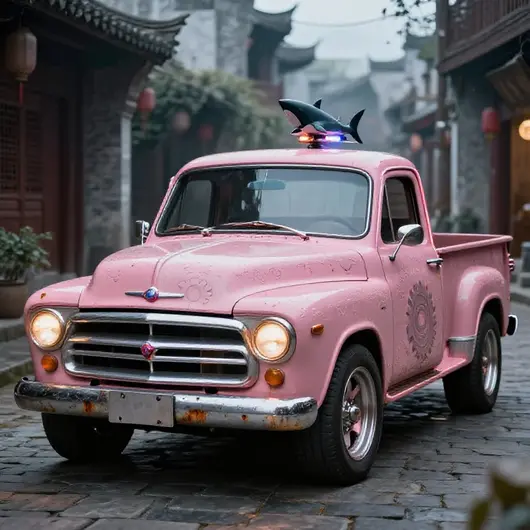
Dalam pasaran SUV di Malaysia, ramai pembeli semasa memilih kereta akan membandingkan antara Proton X70 dan Hyundai Tucson. Kedua-dua kereta ini mempunyai julat harga dan posisi pasaran yang sangat hampir, hari ini kita akan membuat perbandingan terperinci dari pelbagai aspek, membantu anda menjimatkan masa untuk melakukan kajian.
Harga OTR Proton X70 di Malaysia adalah RM 106,800 - 122,300, terdapat 3 varian, termasuk 1.5L Standard 2WD (RM 106,800), 1.5L Executive 2WD (RM 115,800), 1.5L Premium 2WD (RM 122,300) dan lain-lain.
Harga OTR Hyundai Tucson di Malaysia adalah RM 143,888 - 197,888, terdapat 5 varian, termasuk 2025 HEV 1.6T AT 2WD Prestige (RM 197,888), 2025 1.6T DCT 4WD Prestige (RM 186,888), 2025 1.6T DCT 2WD Prime (RM 164,888) dan lain-lain.
Ditinjau dari segi harga, harga permulaan Proton X70 memang lebih murah sebanyak RM 37,088 berbanding Hyundai Tucson. Jika bajet anda terhad, varian asas Proton sudah cukup untuk memenuhi keperluan harian. Namun perlu diingat, perbezaan harga beberapa ribu itu mungkin ada kompromi pada peralatan, bergantung pada keperluan spesifik anda.

Proton X70 panjang kenderaan 4400 mm, kapasiti beg bagasi 400 L.
Hyundai Tucson panjang kenderaan 4400 mm, kapasiti beg bagasi 400 L.
Saiz kedua-dua kereta adalah hampir sama, perbezaan ruang dalaman tidak banyak. Untuk kereta dalam kelas ini, penggunaan harian sudah mencukupi.

Proton X70 menggunakan sistem penggerak FWD.
Hyundai Tucson menggunakan sistem penggerak FWD.
Sistem penggerak kedua-dua kereta adalah sama, iaitu FWD, pengalaman memandu harian tidak akan berbeza banyak.

Proton X70 dan Hyundai Tucson adalah pilihan utama dalam pasaran Malaysia, sesuai untuk kegunaan keluarga, perjalanan harian. Jika anda lebih mengutamakan reputasi jenama dan harga jualan semula, boleh优先考虑 model dengan reputasi yang lebih baik; jika anda lebih mengendahkan nisbah harga-nilai dan peralatan, maka pilih model yang lebih kaya dengan peralatan. Akhirnya adalah disyorkan untuk mencuba kedua-dua model, pengalaman langsung adalah yang paling penting.
Secara keseluruhannya, Proton X70 dan Hyundai Tucson adalah model yang sangat baik dalam pasaran Malaysia. Memilih yang mana, kuncinya bergantung pada keperluan dan bajet peribadi anda. Kami mengesyorkan anda membuat kajian, membandingkan lebih banyak sebutan harga dari kedai kereta, kemudian buat ujian memandu untuk membuat keputusan akhir. Membeli kereta adalah perkara penting, meluangkan masa untuk membuat kajian tidak akan salah.


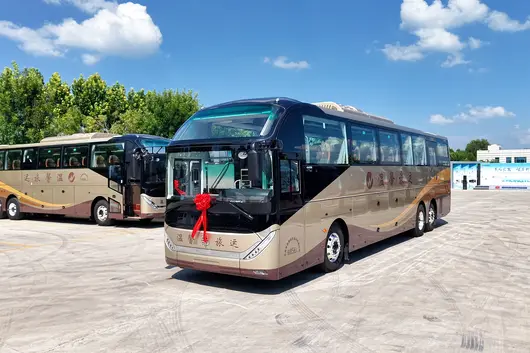
The tide of the Dongjiang River rises, widening both banks; the wind in the Bay Area is strong, making it a good time to set sail. On August 3, 2026, a grand delivery ceremony was held at the Zhongtong Bus factory, where a batch of Zhongtong H13E large-capacity pure electric tour and group coaches were officially delivered to Dongguan Wenzhen Tourism Passenger Transport Co., Ltd. (referred to as "Dongguan Wenzhen Tour & Transport").

This delivery marks a capacity upgrade for Dongguan Wenzhen Tour & Transport and a key strategic advancement in its development — taking green high-end capacity as a fulcrum, upgrading service from "transportation assurance" to "high-end experience", empowering green and efficient operations in diverse travel scenarios.
Closely aligned with the passenger flow characteristics of the Greater Bay Area, extra-long range adapts to diverse scenarios
The Greater Bay Area of China, one of the most economically dynamic regions, features intense cross-city travel. Services such as tour charters, corporate commuting, educational trips, and scenic area shuttles overlap, demanding higher requirements for vehicle range, operational reliability, and service quality.
Dongguan Wenzhen Tour & Transport has cultivated the Greater Bay Area passenger transport market for many years. Its business covers tourism reception, corporate commuting assurance, student educational travel, etc. It has established an "Direct to Scenic Areas + Cross-City Shuttle + Educational Team Building + Government-Enterprise Commuting" full-scenario operation system and has grown into a representative enterprise in the comprehensive tourism passenger transport industry of the Greater Bay Area.

To adapt to the region's diversified and high-intensity operational needs, and achieve a leap from "basic travel assurance" to "high-quality experience", Dongguan Wenzhen Tour & Transport introduced a batch of Zhongtong H13E models. This model is equipped with a 650.19kWh high-performance battery, using the core advantage of extra-long range to solve industry operational pain points.
At the delivery ceremony, the person in charge of Dongguan Wenzhen Tour & Transport introduced that the multi-scenario intertwined operation mode in the Greater Bay Area has strict requirements for vehicle range and reliability. The H13E is a 13-meter class pure electric tour and group benchmark model custom-built by Zhongtong Bus for the unique working conditions of the Bay Area. The ultra-large battery configuration brings solid and long-lasting range capability, perfectly adapting to long-distance cross-city and long-term on-site operation needs. It effectively reduces the frequency of recharging midway, greatly improves single-vehicle availability and operational efficiency, and comprehensively optimizes passenger travel experience with stable driving quality, empowering high-end passenger transport services for enterprises.
Progressing in Sync with the Greater Bay Area, Deepening Green Passenger Transport with Foresight
With the in-depth promotion of the "Dual Carbon" strategy, zero-emission, high-efficiency new energy models have become the core lever for the transformation, upgrading, and high-quality development of the passenger transport industry.

Based on achieving capacity upgrades and cost reduction with efficiency through the product's core strength, this batch implementation of Zhongtong H13E is an important strategic layout for Dongguan Wenzhen Tour & Transport to keep up with industry trends and deeply cultivate green passenger transport.
Compared to traditional fuel models, the Zhongtong H13E has prominent energy-saving and consumption-reduction advantages. Calculated based on the industry standard working condition of 300 kilometers per day operation, the vehicle's pure electric drive can reduce energy consumption costs per kilometer by more than 60%, maintenance costs decrease by about 40%. In full lifecycle operations, it can save enterprises a significant amount of operational expenses, truly converting the advantages of low cost and high availability into core market competitiveness for enterprises.

Market choice is the most direct verification of the product. From January to July 2026, Zhongtong tour and group bus market share continued to rise, and sales of 8-meter and above medium and large tour and group buses increased significantly year-on-year. Among them, the Zhongtong H Series, with core advantages such as high comfort, high safety, and high energy saving, has become one of the main models for capacity renewal in domestic top-tier travel and transport enterprises.
Relying on continuously iterated product technology and a global service guarantee system, the multi-power Zhongtong H Series buses not only continue to receive customer repurchase in important domestic tourism and commuting markets, but are also exported to multiple countries and regions such as Chile, Portugal, Singapore, and the UAE, becoming an important force for Chinese buses going global with green technology.
Delivery is just the prologue! The batch of Zhongtong pure electric buses rushing to Dongguan is a deepening of cooperation and another journey of co-creating value. Taking this as a new starting point, Zhongtong Bus will continue to refine products and cultivate services. With green smart travel solutions, it will empower industry upgrades and gather strength to sail towards a cleaner, more efficient, and better future.
(This article is provided by the enterprise)

August 4, GAC Group released the July production and sales announcement. Data indicates that January through July, GAC Group's automotive sales exceeded 886,000 units, up 1.28% year-on-year. New energy vehicle sales reached 311,700 units, up 66.20% year-on-year. Energy-saving and new energy vehicle sales share further increased to 63.96%. Own brand export volume cumulatively reached 145,000 units, up 130%, already surpassing the 2025 full-year level.

This July, GAC Group welcomed an important milestone in development, with cumulative production and sales breaking through 30 million units, entering a new stage of scaled development. At the same time, GAC Group also topped the Fortune Global 500 list for 14 consecutive years.
Strong Growth of Own Brands, Stable Foundation of Joint Venture Brands
Since the beginning of this year, own brands have maintained strong growth momentum, becoming the core growth engine of GAC Group. Cumulative sales of own brands from January to July exceeded 400,000 units, a year-on-year surge of 33.31%. Among them, July sales exceeded 54,200 units, up 19.91% year-on-year.
Hyper and AION Business Unit cumulative sales from January to July reached 210,400 units, surging 62.08% compared to the same period last year, and continuing to maintain double-digit growth momentum in July, with sales increasing 36.37% year-on-year to 28,807 units. Among them, AION i60 monthly sales continued to exceed 10,000; AION N60 launched two months ago, cumulative delivery broke 12,000 units, accounting for 73.3% in the 100,000-150,000 RMB laser radar intelligent driving pure electric SUV segment; Hyper S600 began delivery simultaneously. In addition, AION product matrix upgraded again in July, launching AION Ray series for the first time, injecting new vitality into brand development.

Hyper S600

AION Ray 7
GAC Trumpchi cumulative sales this year have exceeded 187,100 units, up 9.83% year-on-year, with July sales reaching 22,739 units. In July, GAC Trumpchi product lineup welcomed dual car updates. 2027 Trumpchi Wangxiang S7 PHEV officially went on sale, 5th Gen Trumpchi GS4 arrived at a 79,800 yuan accessible price point to cross segments, meeting users' diverse car-buying needs.

Trumpchi Wangxiang S7 PHEV
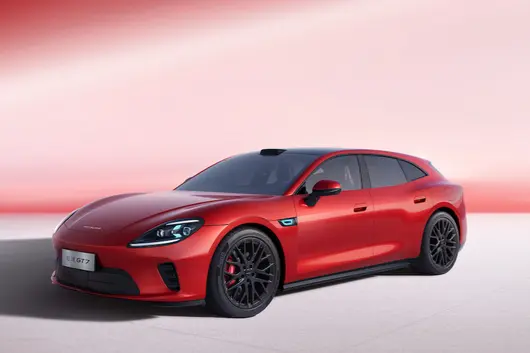
Qijing is a high-end smart electric vehicle brand jointly created by GAC Group and Huawei Qiankun. The first model, Qijing GT7 officially launched at the end of June, and user deliveries began in July. In the first month after launch, Qijing GT7 sales reached 2,658 units, gaining market and consumer recognition. Enjoy Huawei Qiankun Intelligent Driving ADS 5 upon delivery, leading intelligent driving experience, ultimate handling performance, extraordinary aesthetic design, combined with GAC solid quality and safety endorsement, together becoming core factors to move users to order. On the channel side, Qijing has landed nearly 300 stores in over 90 cities nationwide. With steady delivery of Qijing GT7, brand's second model Qijing GX7 is also speeding up, will be officially released this year, Qijing "One Realm Dual Top Streams" product matrix gradually taking shape, brand officially moving towards a new development stage.

Qijing GT7
Joint venture brands continue to rely on flagship models to solidify the core base. GAC Toyota cumulative sales from January to July have exceeded 402,500 units, with July sales reaching 46,500 units. Camry, Highlander, and Sienna three flagship models monthly sales were 22,843 units, sales share reached 49%; bZ Series continued to maintain monthly sales breaking 10,000 momentum, July sales 12,002 units, share over 25%, main model bZ3X sales 9,546 units, consecutively multiple months firmly ranking in the first tier of joint venture new energy vehicle sales.

GAC Toyota bZ Series
GAC Honda July sales 11,686 units. "2026 First Half China Car Resale Value Research Report" shows Accord with 55.90% three-year resale value rate won joint venture mid-size car champion again; Breeze with 58.19% three-year resale value rate ranked second in joint venture compact SUV. This July, GAC Honda cumulative sales broke 11 million units, at the same time both parties shareholders signed renewal agreement, extending cooperation period to 2038, jointly accelerating electrification and intelligence transformation. According to planning, GAC Honda will launch 5 new models in the next two years, including two localized new energy models and new iteration hybrid products.

GAC Honda Breeze
Own Brands Run "Acceleration" Overseas, Cumulative Exports Break 140,000 Units
Going global is becoming GAC's "First Growth Curve". July, GAC own brand export volume reached 23,575 units, up 119% year-on-year; January-July cumulative export volume 145,000 units, up 130%, already exceeded 2025 full-year level.
This July GAC in global five major regional markets, along localized production, new product launch, policy synergy three dimensions fully accelerated expansion. Among them Americas market terminal sales volume year-on-year increase 139%, Uruguay, Costa Rica, Colombia, Brazil and other markets sales volume all realized multiple-fold growth year-on-year, at the same time approved to join Brazil "Green Mobility and Innovation Plan", deeply integrating into local national green development strategy; CIS region terminal sales volume year-on-year increase 112%, global 7th KD Factory landed in Kazakhstan, GS8 simultaneous offline production.

GAC GS8 Offline Production at Kazakhstan Production Base
In Asia Pacific market, GAC July terminal sales volume year-on-year increase 78%, Thailand factory has cumulatively exceeded 10,000 units whole vehicle offline, multiple new cars landed Philippines; in Middle East and Africa region, GAC terminal sales volume year-on-year increase 51%, July officially landed Morocco market, first batch will launch three SUVs, covering fuel, hybrid, plug-in hybrid diverse power. At the same time, GAC breakthrough steadily in Europe. In Greece pure electric passenger car market, GAC market share has increased to 7.7%, ranked second in market, at the same time multiple country models preheat preparation launch.

Thailand Rayong Factory Completed 10,000th Whole Vehicle Offline
Investment Ecosystem Shows Results, Charging Network Speeds Up Again
GAC Group continues to deepen industrial chain layout around future automotive development trends, consolidate autonomous and controllable foundation in key fields such as chips, autonomous driving, embodied intelligence, aerospace etc. This July, GAC intensively gained multiple industrial investment results.
July 27, GAC invested in domestic DRAM storage chip enterprise CXMT in 2021 landed STAR Market, created A-share within year, STAR Market financing highest record. Early in same month, early invested silicon carbide power device manufacturer Basic Semiconductor, autonomous driving technology company Momenta both landed Hong Kong Stock Exchange, navigation positioning chip manufacturer Herun Electronics ChiNext Board IPO received acceptance.
So far, GAC has invested including Horizon Robotics, GXC Semiconductor, Pony.ai, WeRide, Qingtao Energy etc. over 140 high-quality enterprises, cumulatively cultivated at least 48 invested enterprises listed.
Outside investment layout, GAC simultaneously accelerated charging ecology landing supporting. So far, GAC "9 Vertical 10 Horizontal" charging network has covered national 31 provinces 213 cities, achieved core urban areas "straight line 1 km must have station"; self-operated charging piles over 27,000 poles, among them supercharging poles have broken 20,000 poles; additionally, China EV charging pile 3C Certification has implemented from August 1, GAC multiple charging pile products already first obtained 3C Certification, covering public fast charging, heavy truck charging, destination slow charging etc. scenarios, providing convenient and safe charging service for new energy vehicle owners.

GAC Energy "9 Vertical 10 Horizontal" Charging Network
Written at the End
Since entering third quarter, GAC Group new car plans continue. Trumpchi first hardcore off-road SUV Yue 7, AION brand new super electric coupe RAY 7, Qijing GX7 etc., second half year multiple heavy weight models all worth expectation. For GAC Group, surrounding "Stabilize Joint Ventures, Strengthen Own Brands, Expand Ecosystem" three core tasks, achieving high-quality development, only then have chance in new round industrial upgrade wave to get new entry ticket! (Article/MANGO)

In Malaysia's SUV market, many buyers compare Perodua Ativa and Honda WR-V when selecting a car.
The OTR price for Perodua Ativa in Malaysia is RM 62,500 - 73,400, with 3 versions available, including 1.0L Turbo X (RM 62,500), 1.0L Turbo H (RM 67,300), 1.0L Turbo AV (RM 73,400), etc.
The OTR price for Honda WR-V in Malaysia is RM 89,900 - 107,900, with 4 versions available, including 2023 1.5L V (RM 99,900), 2023 1.5L E (RM 95,900), 2023 1.5L S (RM 89,900), etc.
From a price perspective, Perodua Ativa's starting price is indeed RM 27,400 cheaper than Honda WR-V. If your budget is limited, Perodua's entry-level model can already meet daily needs. However, note that the few thousand difference might involve trade-offs in features, depending on your specific requirements.

Perodua Ativa has a safety rating of 5★ (ASEAN NCAP), with active safety systems including ASA 3.0 + ACC + LDA + LKA + BSM + RCTA.
Honda WR-V has a safety rating of 5★ (ASEAN NCAP), with active safety system including Honda SENSING.
Both cars share the same safety rating, and safety features are quite comprehensive in this segment. New car safety standards are generally good these days, so there is no need to worry too much about this.

Perodua Ativa body length is 4400 mm, trunk capacity 400 L.
Honda WR-V body length is 4400 mm, trunk capacity 400 L.
The dimensions of both cars are almost identical, with minimal difference in interior space. Vehicles in this class are more than sufficient for daily use.

Perodua Ativa uses FWD drive configuration.
Honda WR-V uses FWD drive configuration.
Both cars use the same drive configuration, both are FWD, so there should not be much difference in daily driving experience.

Overall, Perodua Ativa and Honda WR-V are both excellent models in the Malaysian market. Which one to choose mainly depends on your personal needs and budget. It is recommended to do your research, compare quotes from several dealerships, and then test drive to make the final decision. Buying a car is a major decision; spending time on research will never go wrong.


In the Malaysian SUV market, many buyers compare the Perodua Ativa and Honda WR-V when choosing a car. These two cars are quite close in price and positioning. Today we will make a detailed comparison from multiple aspects to help you save time on research.
The OTR price of Perodua Ativa in Malaysia is RM 62,500 - 73,400, with a total of 3 versions, including 1.0L Turbo X (RM 62,500), 1.0L Turbo H (RM 67,300), 1.0L Turbo AV (RM 73,400), etc.
The OTR price of Honda WR-V in Malaysia is RM 89,900 - 107,900, with a total of 4 versions, including 2023 1.5L V (RM 99,900), 2023 1.5L E (RM 95,900), 2023 1.5L S (RM 89,900), etc.
In terms of price, Perodua Ativa's starting price is indeed RM 27,400 cheaper than Honda WR-V. If your budget is limited, Perodua's entry-level version can already meet daily needs. However, also note that the few thousand cheaper may involve trade-offs in features, depending on your specific needs.
Perodua Ativa's safety rating is 5★ (ASEAN NCAP), active safety systems include ASA 3.0 + ACC + LDA + LKA + BSM + RCTA.
Honda WR-V's safety rating is 5★ (ASEAN NCAP), active safety systems include Honda SENSING.
Both cars have the same safety rating, safety features in this class are considered quite comprehensive. New cars these days have good safety, no need to worry too much about this.
Perodua Ativa body length 4400 mm, trunk 400 L.
Honda WR-V body length 4400 mm, trunk 400 L.
Both cars have almost identical dimensions, interior space difference is not significant. Cars in this class are completely sufficient for daily use.
Perodua Ativa warranty 5 years/150,000km, maintenance interval every 10,000km or 6 months.
Honda WR-V warranty 5 years/unlimited mileage, maintenance interval every 10,000km or 6 months.
Both Perodua Ativa and Honda WR-V are mainstream choices in the Malaysian market, suitable for family use and daily commuting. If you value brand reputation and resale price more, you can prioritize the one with better reputation; if you care more about cost-performance and features, choose the one with richer configuration. Ultimately it is recommended to test drive both, personal experience is the most important.

Overall, Perodua Ativa and Honda WR-V are both very good models in the Malaysian market. Which one to choose depends on your personal needs and budget. It is recommended to do your homework, compare quotes from several car dealers, and then test drive to make a final decision. Buying a car is a big matter, spending time doing homework will definitely not be wrong.

In the Malaysian SUV market, many buyers compare Perodua Ativa and Honda WR-V when choosing a car. These two cars are quite close in price and positioning, so today we will make a detailed comparison from multiple aspects to help you save time on research.
The OTR price for Perodua Ativa in Malaysia is RM 62,500 - 73,400, with a total of 3 versions, including 1.0L Turbo X (RM 62,500), 1.0L Turbo H (RM 67,300), 1.0L Turbo AV (RM 73,400) etc.
The OTR price for Honda WR-V in Malaysia is RM 89,900 - 107,900, with a total of 4 versions, including 2023 1.5L V (RM 99,900), 2023 1.5L E (RM 95,900), 2023 1.5L S (RM 89,900) etc.
From a pricing perspective, Perodua Ativa's starting price is indeed RM 27,400 cheaper than Honda WR-V. If your budget is limited, Perodua's entry-level version can already meet daily needs. But also note that the few thousand cheaper may involve trade-offs in features, specifically depending on your needs.
Perodua Ativa is equipped with 1.5L 4-cyl, horsepower 105 hp. Official fuel consumption 6.0 L/100km.
Honda WR-V is equipped with 1.5L 4-cyl, horsepower 105 hp. Official fuel consumption 6.0 L/100km.
Both cars use the same powertrain, the driving experience is basically the same. Fuel consumption is also similar, no need to agonize over this point.
Perodua Ativa safety rating is 5★ (ASEAN NCAP), active safety system includes ASA 3.0 + ACC + LDA + LKA + BSM + RCTA.
Honda WR-V safety rating is 5★ (ASEAN NCAP), active safety system includes Honda SENSING.
Both cars have the same safety rating, safety features are quite comprehensive in this class. New cars nowadays are not lacking in safety, no need to worry too much about this.
Perodua Ativa warranty 5 years/150,000km, maintenance interval Every 10,000km or 6 months.
Honda WR-V warranty 5 years/unlimited mileage, maintenance interval Every 10,000km or 6 months.
Overall, Perodua Ativa and Honda WR-V are both very good models in the Malaysian market. Which one to choose, the key is to look at your personal needs and budget. We suggest everyone do research, compare quotes from several dealerships, then test drive to make the final decision. Buying a car is a big matter, spending time on research will absolutely not be wrong.
In the Malaysian SUV market, many buyers compare Perodua Ativa and Mazda CX-30 when choosing a car. These two cars are quite close in terms of price and positioning. Today we will make a detailed comparison from multiple aspects to save you time doing research.
Perodua Ativa OTR price in Malaysia is RM 62,500 - 73,400, with a total of 3 versions, including 1.0L Turbo X (RM 62,500), 1.0L Turbo H (RM 67,300), 1.0L Turbo AV (RM 73,400), etc.
Mazda CX-30 OTR price in Malaysia is RM 122,409 - 146,409, with a total of 4 versions, including 2025 2.0L High+ Premium (RM 146,409), 2025 2.0L High+ (RM 138,409), 2025 2.0L High (RM 130,409), etc.
In terms of price, the starting price of Perodua Ativa is indeed RM 59,909 cheaper than Mazda CX-30. If your budget is limited, Perodua's entry-level version can already meet daily needs. But also note, the few thousand RM savings may involve trade-offs in equipment, it depends on your specific needs.
Perodua Ativa equipped with 1.5L 4-cyl, 105 hp power. Official fuel consumption 6.0 L/100km.
Mazda CX-30 equipped with 1.5L Turbo, 140 hp power. Official fuel consumption 7.0 L/100km.
In terms of power, Mazda CX-30's 1.5L Turbo has 35 hp more than Perodua Ativa's 1.5L 4-cyl. However, for daily city driving, the power of both cars is sufficient, you won't feel a lack of power.
Perodua Ativa safety rating is 5★ (ASEAN NCAP), active safety systems include ASA 3.0 + ACC + LDA + LKA + BSM + RCTA.
Mazda CX-30 safety rating is 5★ (ASEAN NCAP), active safety systems include i-Activsense.
Both cars have the same safety rating, safety features in this class are considered quite complete. New car safety these days is generally not bad, no need to worry too much about this point.
Perodua Ativa body length 4400 mm, trunk 400 L.
Mazda CX-30 body length 4500 mm, trunk 450 L.
In terms of space, Mazda CX-30's body is 100 mm longer than Perodua Ativa, passenger space has an advantage. However, Perodua Ativa is a bit more flexible for parking in the city, both have trade-offs.

Perodua Ativa warranty 5 years/150,000km, maintenance interval every 10,000km or 6 months.
Mazda CX-30 warranty 5 years/150,000km, maintenance interval every 10,000km or 6 months.
Both cars have the same warranty conditions, no need to fret about this aspect. Actual maintenance costs depend on the brand's service network and parts prices, it is recommended to ask real owners in car owner groups for their experience.
In summary, Perodua Ativa and Mazda CX-30 are both very good car models in the Malaysian market. Which one to choose mainly depends on your personal needs and budget. We recommend doing your research, comparing quotes from several car dealers, then test driving to make the final decision. Buying a car is a big matter, spending some time doing your research will definitely not be a mistake.
In the Malaysian SUV market, many buyers compare Perodua Ativa and Mazda CX-30 when choosing a car. These two cars are quite close in price and positioning. Today, we will make a detailed comparison from multiple aspects to help you save time doing research.
The OTR price of Perodua Ativa in Malaysia is RM 62,500 - 73,400, with a total of 3 versions, including 1.0L Turbo X (RM 62,500), 1.0L Turbo H (RM 67,300), 1.0L Turbo AV (RM 73,400), etc.
The OTR price of Mazda CX-30 in Malaysia is RM 122,409 - 146,409, with a total of 4 versions, including 2025 2.0L High+ Premium (RM 146,409), 2025 2.0L High+ (RM 138,409), 2025 2.0L High (RM 130,409), etc.
From a pricing perspective, the starting price of Perodua Ativa is indeed RM 59,909 cheaper than the Mazda CX-30. If your budget is limited, Perodua's entry-level version already meets daily needs. However, keep in mind, the few thousand difference might involve compromises in features, depending on your specific requirements.
Perodua Ativa's safety rating is 5★ (ASEAN NCAP), active safety systems include ASA 3.0 + ACC + LDA + LKA + BSM + RCTA.
Mazda CX-30's safety rating is 5★ (ASEAN NCAP), active safety systems include i-Activsense.
Both cars have the same safety rating, and safety features are quite comprehensive within this class. New cars nowadays generally have good safety, no need to worry too much about this.
Perodua Ativa body length 4400 mm, trunk 400 L.
Mazda CX-30 body length 4500 mm, trunk 450 L.
In terms of space, the Mazda CX-30 body is 100 mm longer than Perodua Ativa, offering better passenger space. However, Perodua Ativa is more flexible for parking in the city, each has trade-offs.
Perodua Ativa warranty 5 years/150,000km, maintenance interval every 10,000km or 6 months.
Mazda CX-30 warranty 5 years/150,000km, maintenance interval every 10,000km or 6 months.
Warranty conditions are the same for both cars, no need to worry about this aspect. Actual maintenance costs also depend on the brand's service network and parts prices, suggest asking real owners in car communities for experience.
Both Perodua Ativa and Mazda CX-30 are mainstream choices in the Malaysian market, suitable for family use and daily commuting. If you value brand reputation and resale price more, prioritize the one with better reputation; if you care more about value for money and features, choose the one that is better equipped. Ultimately, it is recommended to test drive both, as personal experience is the most important.
Overall, Perodua Ativa and Mazda CX-30 are both quite good models in the Malaysian market. Which one to choose depends on your personal needs and budget. It is recommended to do research, compare quotes from several car dealerships, and then test drive to make a final decision. Buying a car is a big matter, spending time doing research will definitely not go wrong.
In the SUV market in Malaysia, many buyers compare Perodua Ativa and Mazda CX-30 when choosing a car. These two models are quite close in price and positioning. Today, we will make a detailed comparison from multiple aspects to help you save time on research.
The OTR price of Perodua Ativa in Malaysia is RM 62,500 - 73,400, with a total of 3 versions, including 1.0L Turbo X (RM 62,500), 1.0L Turbo H (RM 67,300), 1.0L Turbo AV (RM 73,400), etc.
The OTR price of Mazda CX-30 in Malaysia is RM 122,409 - 146,409, with a total of 4 versions, including 2025 2.0L High+ Premium (RM 146,409), 2025 2.0L High+ (RM 138,409), 2025 2.0L High (RM 130,409), etc.
In terms of price, the starting price of Perodua Ativa is indeed RM 59,909 cheaper than Mazda CX-30. If your budget is limited, Perodua's entry-level version can already meet daily needs. But note also, that saving a few thousand might involve trade-offs in features, depending on your specific requirements.
Perodua Ativa is equipped with 1.5L 4-cyl, 105 hp power. Official fuel consumption is 6.0 L/100km.
Mazda CX-30 is equipped with 1.5L Turbo, 140 hp power. Official fuel consumption is 7.0 L/100km.
In terms of power, the Mazda CX-30's 1.5L Turbo has 35 more horsepower than the Perodua Ativa's 1.5L 4-cyl. However, for daily city driving, the power of both cars is sufficient, you won't feel it lacks power.
Perodua Ativa's safety rating is 5★ (ASEAN NCAP), active safety systems include ASA 3.0 + ACC + LDA + LKA + BSM + RCTA.
Mazda CX-30's safety rating is 5★ (ASEAN NCAP), active safety systems include i-Activsense.
Both cars have the same safety rating, and safety features are quite complete for this class. New cars nowadays are not lacking in safety, no need to worry too much about this.
Perodua Ativa uses FWD drive mode.
Mazda CX-30 uses FWD drive mode.
Both cars use the same drive mode, both FWD, daily driving experience will not have much difference.
Both Perodua Ativa and Mazda CX-30 are mainstream choices in the Malaysia market, suitable for family use and daily commuting. If you value brand reputation and resale value more, you can prioritize the one with better reputation; if you care more about cost-performance and features, choose the one with richer configurations. Finally, it is recommended to test drive both, personal experience is the most important.
Overall, both Perodua Ativa and Mazda CX-30 are very good models in the Malaysia market. Which one to choose mainly depends on your personal needs and budget. It is recommended to do research, compare quotes from several dealers, and then test drive to make the final decision. Buying a car is a big matter, spending some time doing research will never go wrong.
喺馬來西亞嘅 SUV 市場,好多買家喺揀車嘅時候都會拿 Perodua Ativa 同 Chery Tiggo 7 Pro 嚟作比較。這兩款車喺價位同定位上都幾接近,今日我哋就從多個角度做一個詳細嘅比較,幫你節省做功課嘅時間。
Perodua Ativa 喺馬來西亞嘅 OTR 售價係 RM 62,500 - 73,400,一共有 3 個版本,包括 1.0L Turbo X(RM 62,500)、1.0L Turbo H(RM 67,300)、1.0L Turbo AV(RM 73,400) 等。
Chery Tiggo 7 Pro 喺馬來西亞嘅 OTR 售價係 RM 123,750 - 123,750,一共有 2 個版本,包括 1.6L Turbo Standard(RM 125,000)、1.6L Turbo Premium(RM 140,000) 等。
從價格來看,Perodua Ativa 嘅起步價確實比 Chery Tiggo 7 Pro 便宜咗 RM 61,250。如果你預算有限,Perodua 嘅入門版已經可以滿足日常需求。但都要注意,便宜嗰幾千蚊,可能喺配備上會有取捨,具體要看你嘅需求。
Perodua Ativa 嘅安全評級係 5★ (ASEAN NCAP),主動安全系統包括 ASA 3.0 + ACC + LDA + LKA + BSM + RCTA。
Chery Tiggo 7 Pro 嘅安全評級係 TBD,主動安全系統包括 Basic。
安全配備方面,兩款車都拿到唔錯嘅評級。不過 Perodua Ativa 嘅 ASA 3.0 + ACC + LDA + LKA + BSM + RCTA 同 Chery Tiggo 7 Pro 嘅 Basic 喺功能上有少少分別,如果你比較睇重主動安全嘅話,可以仔細比較下兩者嘅功能列表。
Perodua Ativa 車身長 4400 mm,尾箱 400 L。
Chery Tiggo 7 Pro 車身長 4400 mm,尾箱 400 L。
兩款車嘅尺寸幾乎一樣,車內空間分別唔大。呢個級別嘅車,日常使用完全夠用。
Perodua Ativa 保修 5 年/150,000km,保養間隔 每 10,000km 或 6 個月。
Chery Tiggo 7 Pro 保修 3 年/100,000km,保養間隔 每 10,000km 或 6 個月。
Perodua Ativa 同 Chery Tiggo 7 Pro 都係馬來西亞市場嘅主流選擇,適合家庭使用、日常通勤。如果你更睇重品牌口碑同二手價,可以優先考慮口碑更好嗰一款;如果你更在意性價比同配備,就選配備更豐富嗰款。最終都係建議兩款都去試駕,親身體驗先係最重要嘅。
總嘅嚟講,Perodua Ativa 同 Chery Tiggo 7 Pro 都係馬來西亞市場好唔錯嘅車款。揀邊一輛,關鍵係睇你嘅個人需求同預算。建議大家做好功課,多比較幾間車行嘅報價,再去試駕做最終決定。買車係件大事,花少少時間做功課絕對唔會錯。

喺馬來西亞嘅 SUV 市場,好多買家喺揀車嗰陣都會拿 Perodua Ativa 同 Mitsubishi Xforce 嚟做比較。呢兩款車喺價位同定位上都幾接近,今日我哋就從多個方面做一次詳細嘅比較,幫你省返做功課嘅時間。
Perodua Ativa 喺馬來西亞嘅 OTR 售價係 RM 62,500 - 73,400,一共 3 個版本,包括 1.0L Turbo X(RM 62,500)、1.0L Turbo H(RM 67,300)、1.0L Turbo AV(RM 73,400)等等。
Mitsubishi Xforce 喺馬來西亞嘅 OTR 售價係 RM 109,930 - 119,930,一共 2 個版本,包括 2026 1.5L Ultimate(RM 119,930)、2026 1.5L Urban(RM 109,930)等等。
從價錢睇,Perodua Ativa 嘅起步價真係比 Mitsubishi Xforce 平咗 RM 47,430。如果你預算有限,Perodua 嘅入門版已經可以滿足日常需求。但都要留意,便宜嗰幾千蚊,可能喺配備上會有取捨,具體就要睇你嘅需求。
Perodua Ativa 搭載 1.5L 4-cyl,馬力 105 hp。官方油耗 6.0 L/100km。
Mitsubishi Xforce 搭載 1.5L Turbo,馬力 140 hp。官方油耗 7.0 L/100km。
動力方面,Mitsubishi Xforce 嘅 1.5L Turbo 比 Perodua Ativa 嘅 1.5L 4-cyl 多咗 35 匹馬力。不過日常喺市區開,兩款車嘅動力都夠用,唔會覺得唔夠力。
Perodua Ativa 採用 FWD 驅動方式。
Mitsubishi Xforce 採用 FWD 驅動方式。
兩款車嘅驅動方式一樣,都係 FWD,日常駕駛感受唔會有太大分別。
Perodua Ativa 保養保證 5 年/150,000km,保養間隔 每 10,000km 或 6 個月。
Mitsubishi Xforce 保養保證 3 年/100,000km,保養間隔 每 10,000km 或 6 個月。
Perodua Ativa 同 Mitsubishi Xforce 都係馬來西亞市場嘅主流選擇,適合家庭使用、日常通勤。如果你更睇重品牌口碑同二手價,可以優先考慮口碑更好嗰款;如果你更在意性價比同配備,就揀配置更豐富嗰款。最後都係建議兩款都去試車,親身體驗先係最重要。
總括嚟講,Perodua Ativa 同 Mitsubishi Xforce 都係馬來西亞市場好好嘅車型。揀邊輛,關鍵都係要看你嘅個人需求同預算。建議大家做功課,多比較幾間車行嘅報價,再去做試車做最終決定。買車係件大事,花啲時間做功課絕對唔會錯。

喺馬來西亞嘅 SUV 市場,好多買家喺揀車嘅時候都會拿 Perodua Aruz 同 Proton X50 嚟做比較。這兩款車喺價位同定位上都好接近,今日我哋就從多個方面做個詳細比較,幫你慳返做功課嘅時間。
Perodua Aruz 喺馬來西亞嘅 OTR 售價係 RM 72,900 - 77,900,合共有 2 個型號,包括 1.5L X(RM 72,900)、1.5L AV(RM 77,900)等。
Proton X50 喺馬來西亞嘅 OTR 售價係 RM 89,800 - 113,300,合共有 4 個型號,包括 1.5T Executive(RM 89,800)、1.5T Premium(RM 101,800)、1.5T Flagship(RM 113,300)等。
睇落價錢,Perodua Aruz 嘅起步價真係比 Proton X50 平咗 RM 16,900。如果你預算有限,Perodua 嘅入門版已經可以應付日常需求。但都要注意,平嗰幾千蚊,可能喺配備上會取捨,具體睇返你嘅需求。

Perodua Aruz 配 1.5L 4-cyl,馬力 105 hp。官方油耗 6.0 L/100km。
Proton X50 配 1.5L 4-cyl,馬力 105 hp。官方油耗 6.0 L/100km。
兩款車用嘅係同一套動力系統,日常駕駛嘅感受基本無分別。油耗方面都差唔多,唔使太糾結這一點。
Perodua Aruz 採用 FWD 驅動方式。
Proton X50 採用 4WD 驅動方式。
Perodua 嘅 FWD 同 Proton 嘅 4WD 喺操控上會有唔同感受,建議試駕比較。
Perodua Aruz 保修 5 年/150,000km,保養間隔 每 10,000km 或 6 個月。
Proton X50 保修 5 年/150,000km,保養間隔 每 10,000km 或 6 個月。
兩款車嘅保修條件一樣,呢方面唔使擔心。實際保養成本仲要睇品牌嘅服務網絡同零件價格,建議去車友群問吓真實車主嘅經驗。

Perodua Aruz 同 Proton X50 都係馬來西亞市場嘅主流選擇,適合家庭使用、日常通勤。如果你更睇重品牌口碑同二手價,可以优先考虑口碑更好嗰款;如果你更介意性價比同配備,那就揀配備更豐富嗰款。最終始終建議兩款都去試駕,親身體驗先至最重要。
總嚟講,Perodua Aruz 同 Proton X50 都係馬來西亞市場好唔錯嘅車型。揀邊一輛,關鍵始終係睇你嘅個人需求同預算。建议大家做好功課,多比較幾間車行嘅報價,先至試駕做最終決定。買車係件大事,花少少時間做功課絕對唔會錯。


In Malaysia's SUV market, many buyers compare Perodua Ativa and Chery Tiggo Cross when choosing a car. Both cars are quite close in terms of price and positioning. Today we will do a detailed comparison from multiple aspects to help you save time on research.
The OTR price of Perodua Ativa in Malaysia is RM 62,500 - 73,400, with a total of 3 versions, including 1.0L Turbo X (RM 62,500), 1.0L Turbo H (RM 67,300), 1.0L Turbo AV (RM 73,400), etc.
The OTR price of Chery Tiggo Cross in Malaysia is RM 88,750 - 99,750, with a total of 2 versions, including 2025 HEV 1.5L CSH (RM 99,750), 2025 1.5T Standard (RM 88,750), etc.
From a price perspective, the starting price of Perodua Ativa is indeed RM 26,250 cheaper than Chery Tiggo Cross. If your budget is limited, Perodua's entry-level version can already meet daily needs. But note that the few thousand cheaper price might involve trade-offs in features, depending on your needs.
Perodua Ativa is equipped with a 1.5L 4-cyl, 105 hp. Official fuel consumption 6.0 L/100km.
Chery Tiggo Cross is equipped with a 1.5L 4-cyl, 105 hp. Official fuel consumption 6.0 L/100km.
Both cars use the same powertrain system, the driving experience feels basically the same. Fuel consumption is also about the same, no need to worry too much about this point.
Perodua Ativa's safety rating is 5★ (ASEAN NCAP), active safety systems include ASA 3.0 + ACC + LDA + LKA + BSM + RCTA.
Chery Tiggo Cross's safety rating is TBD, active safety system includes Basic.
Regarding safety features, both cars have received good ratings. However, Perodua Ativa's ASA 3.0 + ACC + LDA + LKA + BSM + RCTA and Chery Tiggo Cross's Basic have some differences in functionality. If you value active safety, you can compare their function lists closely.
Perodua Ativa body length 4400 mm, trunk 400 L.
Chery Tiggo Cross body length 4400 mm, trunk 400 L.
The dimensions of both cars are almost the same, interior space difference is not significant. For cars at this level, it is completely sufficient for daily use.

Perodua Ativa warranty 5 years/150,000km, maintenance interval every 10,000km or 6 months.
Chery Tiggo Cross warranty 3 years/100,000km, maintenance interval every 10,000km or 6 months.
Overall, Perodua Ativa and Chery Tiggo Cross are both very good car models in the Malaysian market. Which one to choose depends mainly on your personal needs and budget. We suggest doing research, comparing quotes from several dealerships, and going for a test drive for the final decision. Buying a car is a big matter, spending time doing research is definitely not wrong.

2026年上半年,汽车行业竞争持续加剧,市场结构加速迭代,奇瑞集团依托清晰的战略布局、深厚的自主技术积淀与成熟的全球化运营体系,在销量规模、品质口碑、全球化进程、前沿科技布局四大维度实现全面突破,接连斩获销量历史新高、行业权威品质认证、全球产销里程碑、《财富》世界500强席位等一系列标志性成果,以稳定的增长韧性、领先的经营效益与多元化科技布局,交出一份含金量充足的半年度高质量发展答卷。

从市场销量维度来看,2026年上半年奇瑞集团累计整车销量达到135.75万辆,同比增长7.7%,刷新品牌创立以来同期销量最高纪录,稳固了自主品牌头部阵营地位。亮眼的数据背后,出口与新能源两大业务构成拉动增长的核心双引擎,成为奇瑞区别于多数同行的核心优势。上半年奇瑞海外出口总量94.38万辆,同比大幅增长71.5%,换算下来市场平均每17秒就有一台奇瑞整车发往全球各地。依托过硬的产品实力,品牌在欧洲、英国、澳大利亚等全球高法规标准市场持续实现市场份额突破,目前奇瑞全球海外用户规模已接近700万,占品牌全部用户总量的35%,海外市场已成为支撑品牌长期发展的核心基本盘。

在出海模式层面,奇瑞早已跳出单纯出口车辆的初级贸易模式,构建起行业独有的“融入式出海”全新范式。目前奇瑞在西班牙、南非、巴西、俄罗斯、泰国、伊朗布局六大海外制造核心节点,搭建起覆盖全球重点市场的本地化生产网络。其中西班牙EBRO工厂深耕欧洲本土市场,南非罗斯林工厂承接百年汽车制造基地产能,各大海外工厂均坚持深度属地化运营,大量雇佣本地员工、培育本土上下游供应链、遵守当地法规并落地各类公益项目,摒弃简单复制国内工厂的扩张思路,实现从“单纯卖车”到“扎根当地、共生发展”的模式升级,为中国品牌全球化发展提供可复制、可参考的产业样本。
产品与服务品质层面,奇瑞在2026年实现行业标志性突破,一举包揽J.D.Power新车质量IQS、产品魅力APEAL、购车体验PXI、售后服务CSI四大核心研究自主品牌第一名,成为国内汽车行业首个达成该项测评“四满贯”的车企。四项权威测评覆盖车辆出厂品质、驾乘产品体验、终端购车服务、售后维保全生命周期,全维度领先的测评结果,充分印证奇瑞长期坚持的品质制造体系落地成效,实现“销量稳步提升,口碑同步夯实”的良性发展格局。与此同时,奇瑞前沿智能产业布局落地见效,旗下墨甲机器人业务完成全球化规模化落地,产品进驻全球60多个国家、覆盖上百类商用与工业场景,截至上半年全球累计销量突破2000台,人形机器人业务正式成为奇瑞科技出海的全新名片,标志奇瑞已从传统整车制造企业,向多赛道科技集团转型。

2026年上半年至7月,奇瑞接连迎来两大足以载入品牌发展史的关键里程碑。第一个里程碑为7月25日达成的全球累计销量突破2000万辆。回望29年发展历程,奇瑞始终坚守自主研发路线,打破行业“无合资难发展”“低体量无法自研核心技术”等固有偏见,走出一条完全自主可控的中国汽车发展道路。2000万辆不是发展终点,而是全新起点,当前奇瑞已同步布局高阶智能驾驶、飞行汽车、具身智能机器人、“3G战略”乃至可控核聚变等前沿赛道,持续打破传统车企产业边界,向全球化高科技集团稳步进化。

另一重磅里程碑是奇瑞汽车以独立上市公司主体,成功入围2026《财富》世界500强榜单,位列第383位,同时也是本年度中国大陆地区唯一新晋入榜的整车企业。经营效益层面,奇瑞净资产收益率ROE超过36%,在本届世界500强企业中排名全球第30,在所有上榜中国企业里位居首位。不同于不少依靠营收体量上榜的企业,奇瑞此次以独立上市主体身份登榜,体现企业现代化治理体系、市场化运营机制全面成熟,更打破了行业只比拼产销规模的单一评价标准,证明奇瑞在规模增长之外,同时具备行业领先的盈利能力与高效资产周转能力,完成从单纯规模扩张到高质量效益增长的关键战略转身。
多重亮眼成果叠加,充分展现奇瑞2026上半年全方位、多层次的综合竞争实力。站在半年发展节点,依托庞大的全球用户基础、完善的海外制造网络、行业领先的品质背书与多元前沿技术储备,奇瑞增长动能持续充足。下半年,奇瑞将持续放大出口、新能源双增长曲线优势,依托2000万全球用户积淀与世界500强平台势能,持续深耕自主核心技术创新,深化全球本土化生态布局,稳步推进全球化高科技集团建设,持续夯实自主品牌高质量发展根基,向全球市场传递中国汽车产业向上突破的核心力量。
© 2024 Bitauto.com. All Rights Reserved.
Bitauto (www.yiche.com and www.bitauto.com) is one of the most visited automotive websites in China. We provide detailed info on Chinese car brands available in your area. Please note that the information provided on this website is based on publicly available data and is for reference only. It may not be fully updated or accurate at all times.

Help us improve our website


