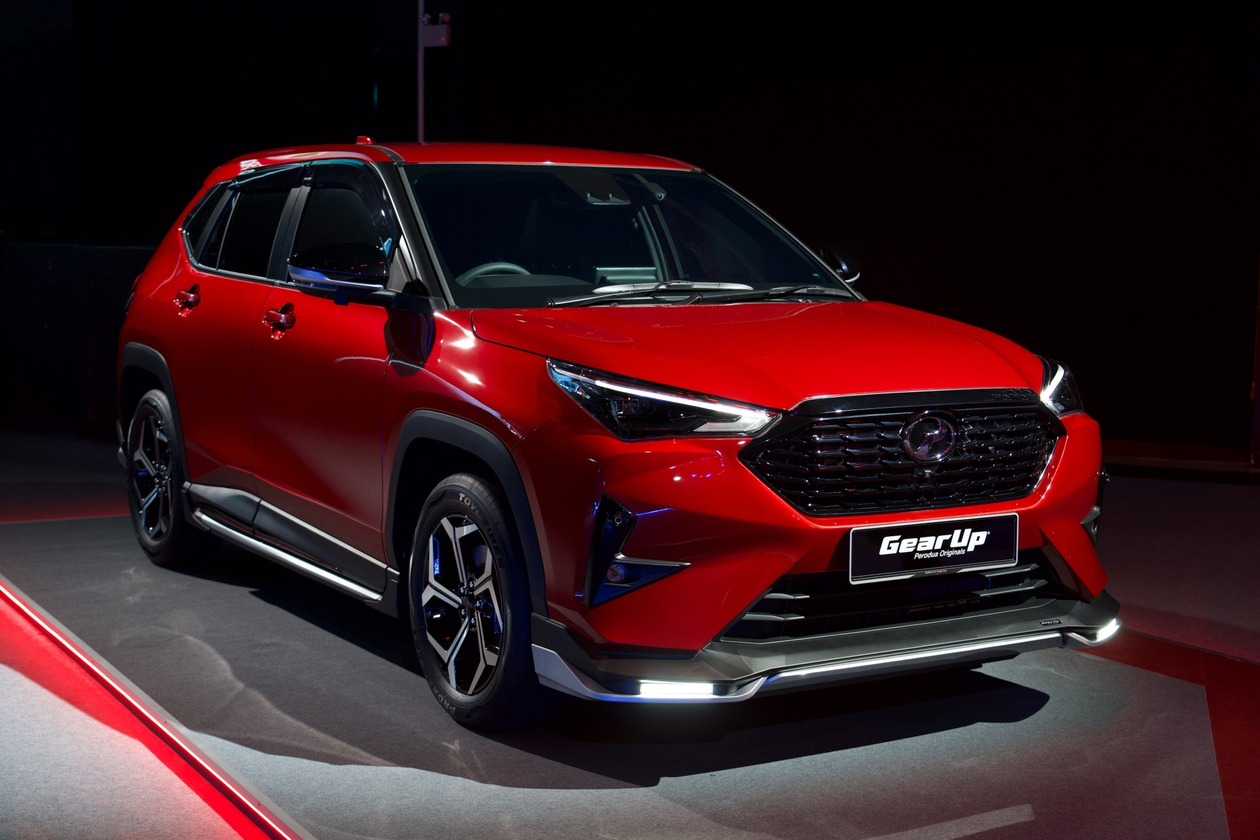
Malaysia’s SUV race tightened further in the first half of 2026, with SUVs and JIPs logging 116,733 registrations and taking 28.5% of the overall market.
The numbers underline how the segment has moved beyond simple growth and into the centre of brand competition, where manufacturers are fighting for buyers who prioritise space, practicality, technology, safety, and ownership value.
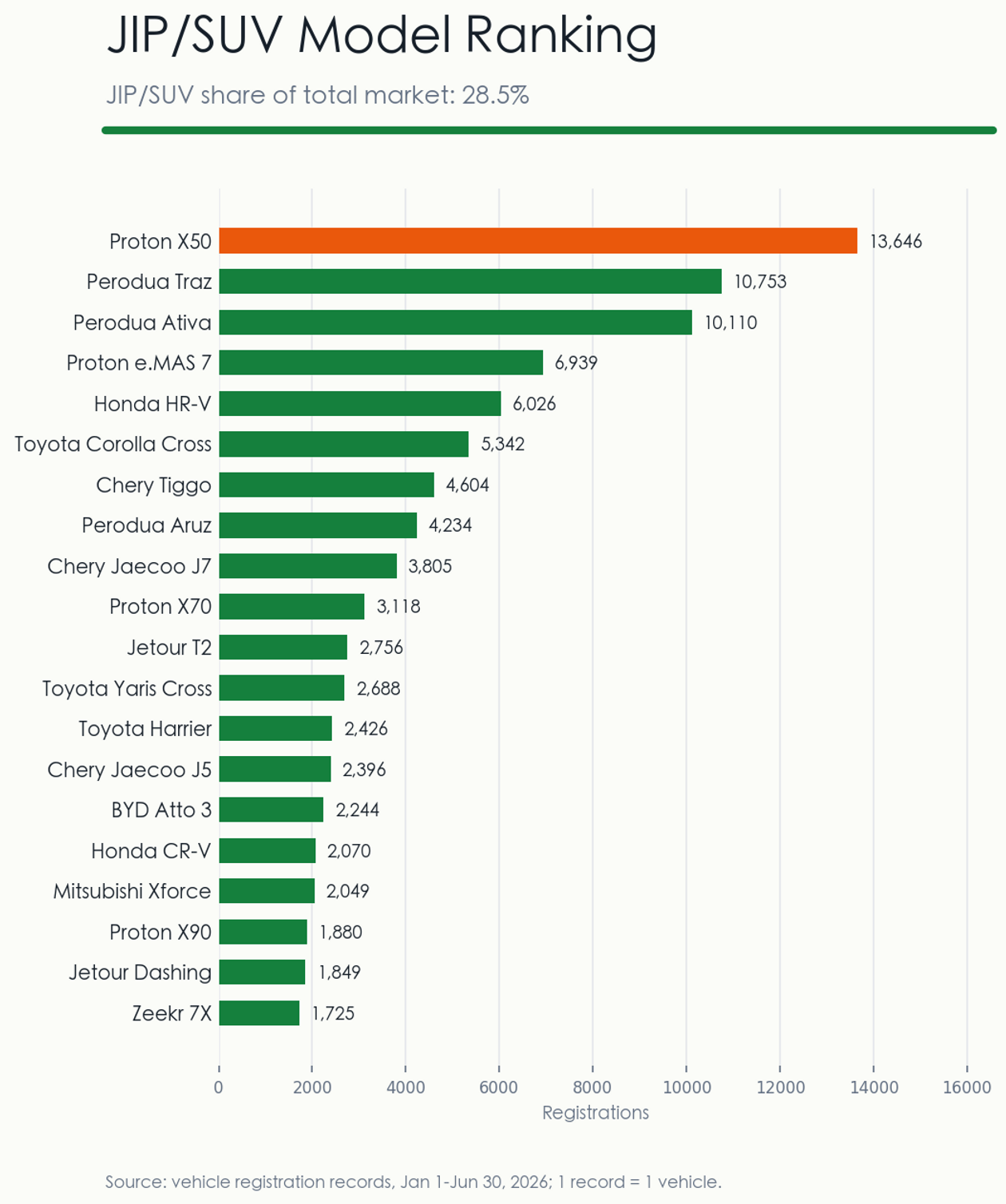
Proton and Perodua continue to lead the volume fight, with the Proton X50, Perodua Traz and Perodua Ativa among the strongest performers in the segment.
That dominance shows how national brands remain the default choice for many Malaysian SUV buyers, especially in price-sensitive but feature-conscious entry and compact SUV categories.
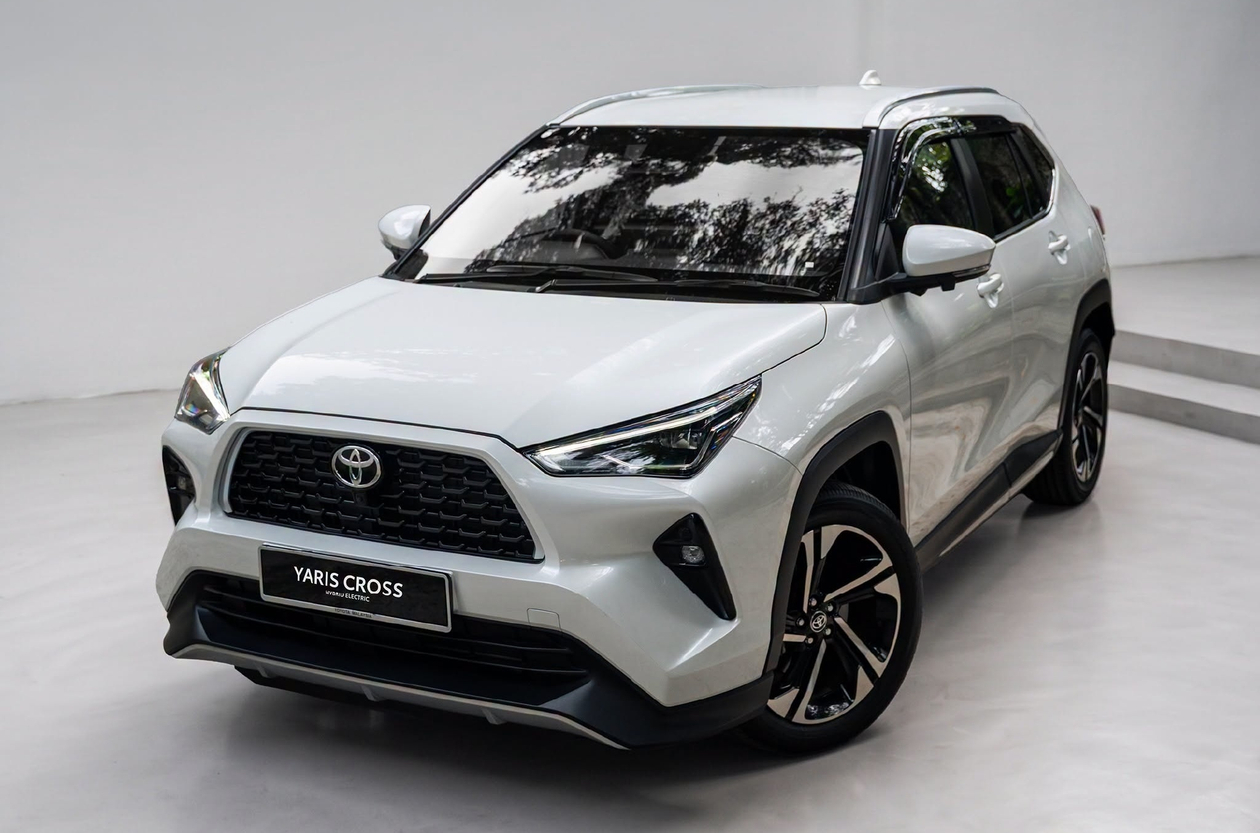
Japanese brands are still firmly in the mix. The Honda HR-V, Toyota Corolla Cross and Toyota Yaris Cross continue to anchor that part of the market, giving buyers established alternatives with strong name recognition and broad appeal.
At the same time, Chinese marques have become increasingly important in shaping the market’s direction. Chery, Jetour, BYD, Zeekr and GWM are pushing harder with SUVs that typically lean on richer equipment lists and newer technology as key selling points.
That strategy has made SUVs the preferred gateway for Chinese brands seeking broader acceptance in Malaysia, particularly in the mid-range market where equipment and perceived value often matter as much as badge value.
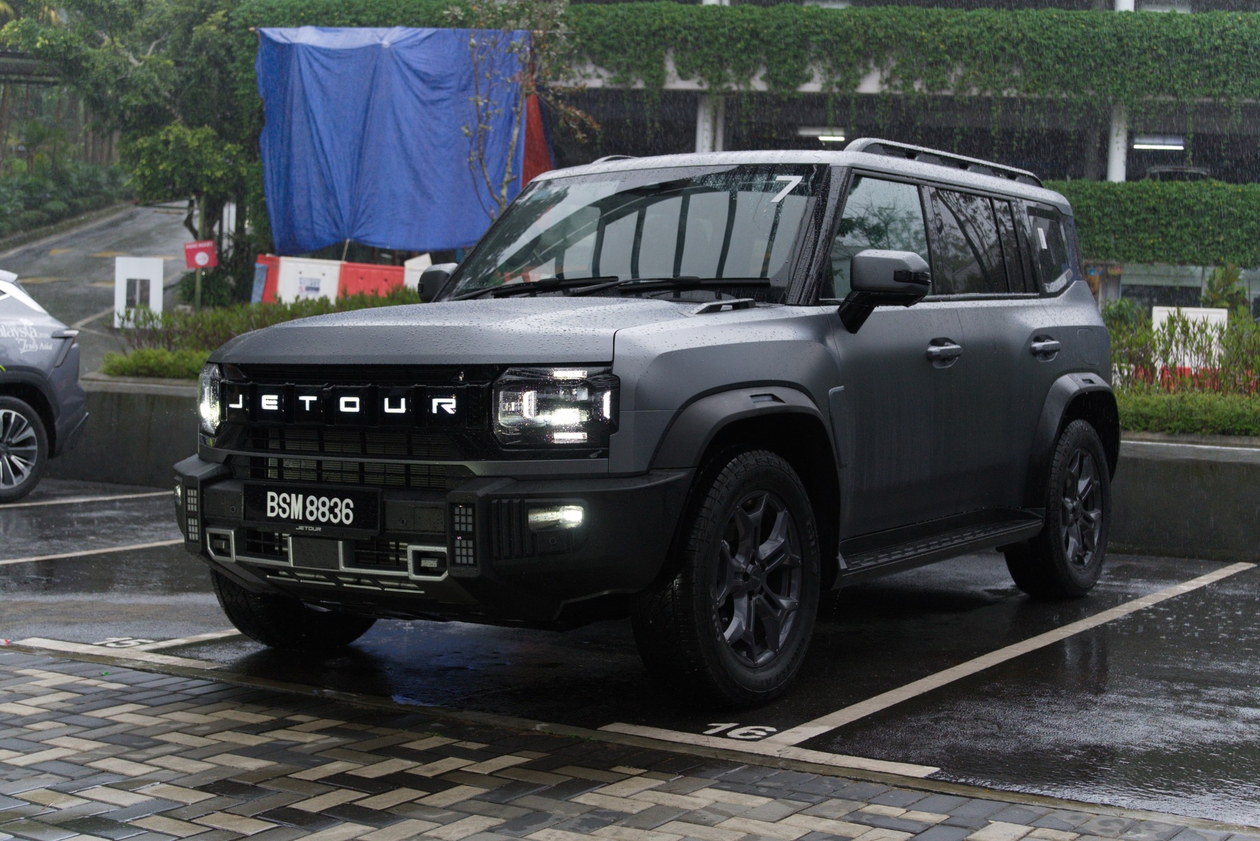
Competition is especially intense in the RM 100,000 to RM 180,000 price bracket, where models such as the Chery Tiggo 9, Jetour Dashing, Jetour T2 and the wider Jaecoo range have increased pressure on established players.
The trend also points to a broader shift in Malaysia’s market mix, with growth increasingly moving away from traditional passenger cars and towards higher-value family SUVs.
With more SUVs expected to launch over the next couple of months, such as the AMA02 Proton Saga Cross and third-gen KM Mazda CX-5, buyers are definitely spoilt for choice. Question is, which SUV is your pick?

Your go-to source for all things automotive in Malaysia. 🚗 Latest reviews, breaking news, launches & industry trends.
+ Follow This weekend is your chance to own a Volvo Selekt Certified Used Car, priced from just RM 148,000.
What are you waiting for?
#volvo 1 minute ago
This weekend is your chance to own a Volvo Selekt Certified Used Car, priced from just RM 148,000.
What are you waiting for?
#volvo 1 minute ago  We saw this accident this morning, and here’s a reminder to everyone: please drive safe. 2 days ago
  The G50 BMW 3 series is now here, adopting much of the i3's design elements.
So, where's the BMW M3?
#bmw #BMW3Series 4 days ago
The G50 BMW 3 series is now here, adopting much of the i3's design elements.
So, where's the BMW M3?
#bmw #BMW3Series 4 days ago Get the latest car news first!
Your go-to source for all things automotive in Malaysia. 🚗 Latest reviews, breaking news, launches & industry trends.
This weekend is your chance to own a Volvo Selekt Certified Used Car, priced from just RM 148,000.
What are you waiting for?
#volvo 1 minute ago We saw this accident this morning, and here’s a reminder to everyone: please drive safe. 2 days ago The G50 BMW 3 series is now here, adopting much of the i3's design elements.
So, where's the BMW M3?
#bmw #BMW3Series 4 days ago  ProtonGWMVolkswagenJAECOOVolvoPeroduaToyotaHondaTESLAMitsubishiMazdaJetourCheryBYDLexusBMWMercedes-BenziCAURZeekrIsuzuNissanLeapmotorPorscheFordOMODAMINIMGSuzukiXPengHyundaiWulingKiaSubaruDenzaGACLand RoverDongfengCAMAudiPeugeotFotonMAXUSsmartDaihatsuJACJMCMaseratiLotusAlfa RomeoRenaultGolden DragonKaiceneSeresLamborghiniFerrariJeepRolls-RoyceLepasAston MartinMcLarenChevroletBentleyFiatBAICForthingGeelyRoeweAeolusChanganARCFOXDeepalExeedHongqiVoyahJaguarKGMBuforiAcuraCadillacDodgeAbarthINEOSMHEROJMEVFreelander
© 2024 Bitauto.com. All Rights Reserved.
Bitauto (www.yiche.com and www.bitauto.com) is one of the most visited automotive websites in China. We provide detailed info on Chinese car brands available in your area. Please note that the information provided on this website is based on publicly available data and is for reference only. It may not be fully updated or accurate at all times.
Help us improve our website


