Effective 1 July, the Ministry of Investment, Trade and Industry (MITI) has implemented a new policy targeting fully imported (CBU) electric vehicles.Under these new regulations, all CBU EVs imported into Malaysia must meet two strict criteria: a minimum Cost, Insurance, and Freight (CIF) value of RM200,000, and a maximum power output of at least 180 kW (approximately 245 PS or 241 hp).
Both conditions are mandatory.
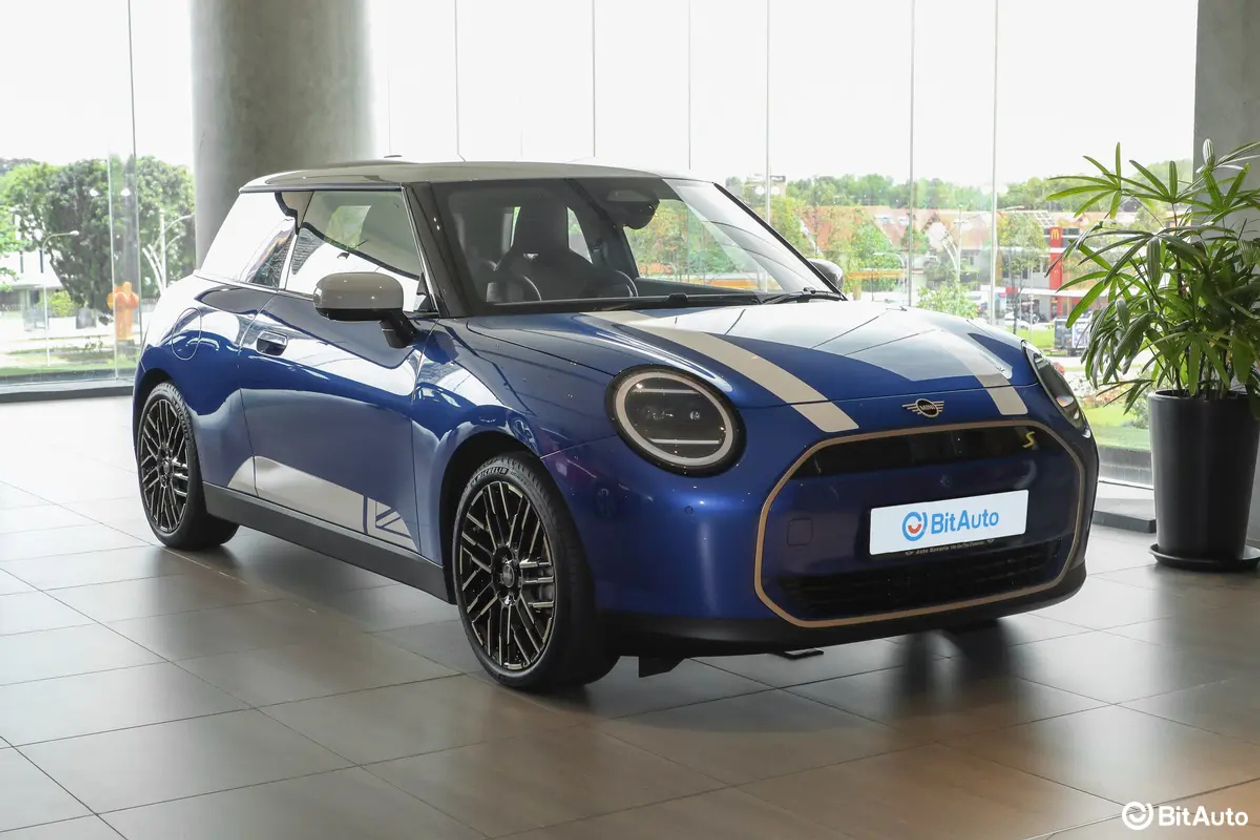
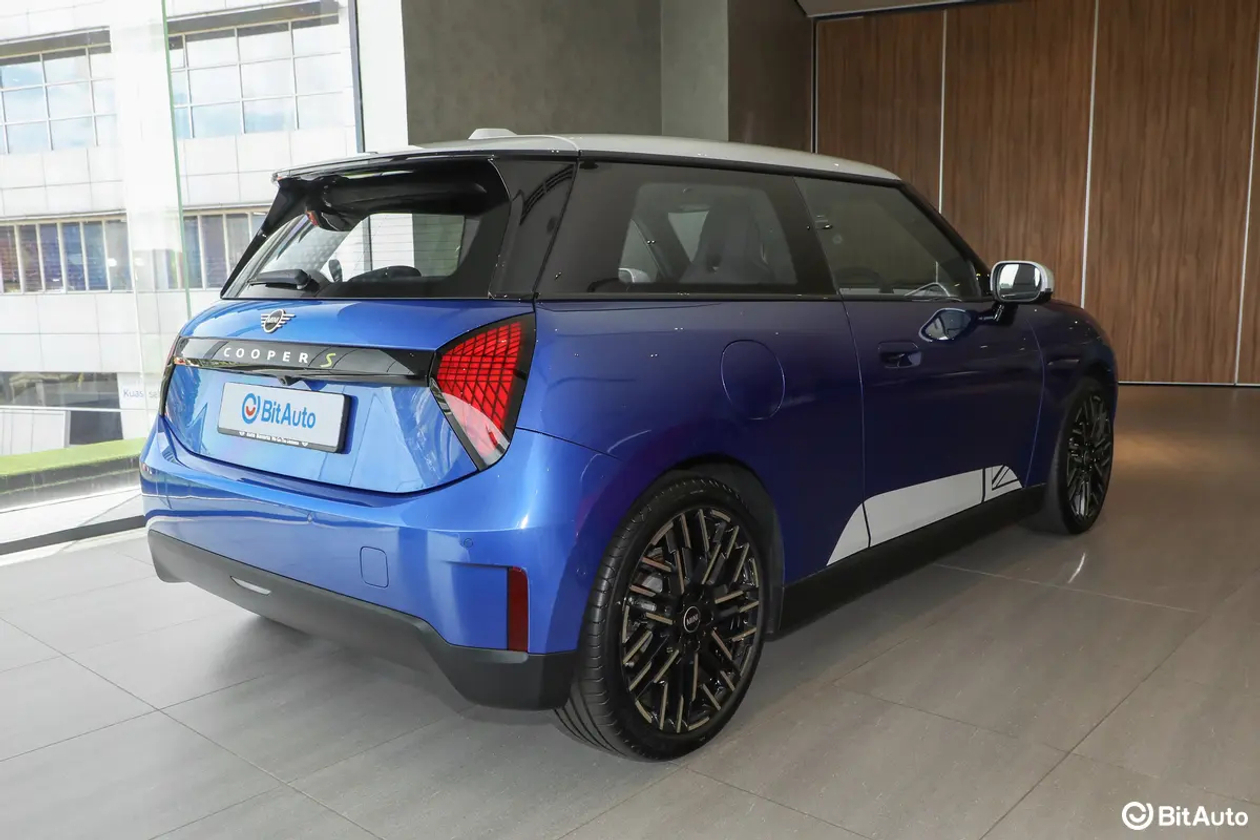
Unfortunately, the current MINI Cooper SE – a CBU electric hot hatch imported from China – fails on both counts.
Let's break down the details of this new policy.
MITI officially released a press statement on 6 May 2026, confirming revisions to the import policy for EVs starting 1 July. The updated regulations dictate that:
The CIF (Cost, Insurance, and Freight) value must be at least RM200,000– this refers to the cost of the EV upon arrival at Malaysian ports, before taxes, duties, dealer margins, and other local costs are factored in.
The electric motor's power output must be at least 180 kW (around 245 PS).
Again, both conditions must be met simultaneously.
Crucially, this new ruling does not just apply to upcoming models—it also affects CBU EVs currently on sale in the local market. This means existing models that do not meet these requirements can no longer be sold.
In a written parliamentary reply dated 15 July 2026, MITI reiterated that the government has no plans to reverse this policy. The ministry stated that the measures are intended to regulate EV imports while safeguarding the development of the local automotive ecosystem. While CBU avenues are now restricted, the government will maintain the 100% duty exemption (import duty, excise duty, and sales tax) for locally assembled (CKD) EVs until 31 December 2027.
It lacks both the required power output and the minimum CIF value.
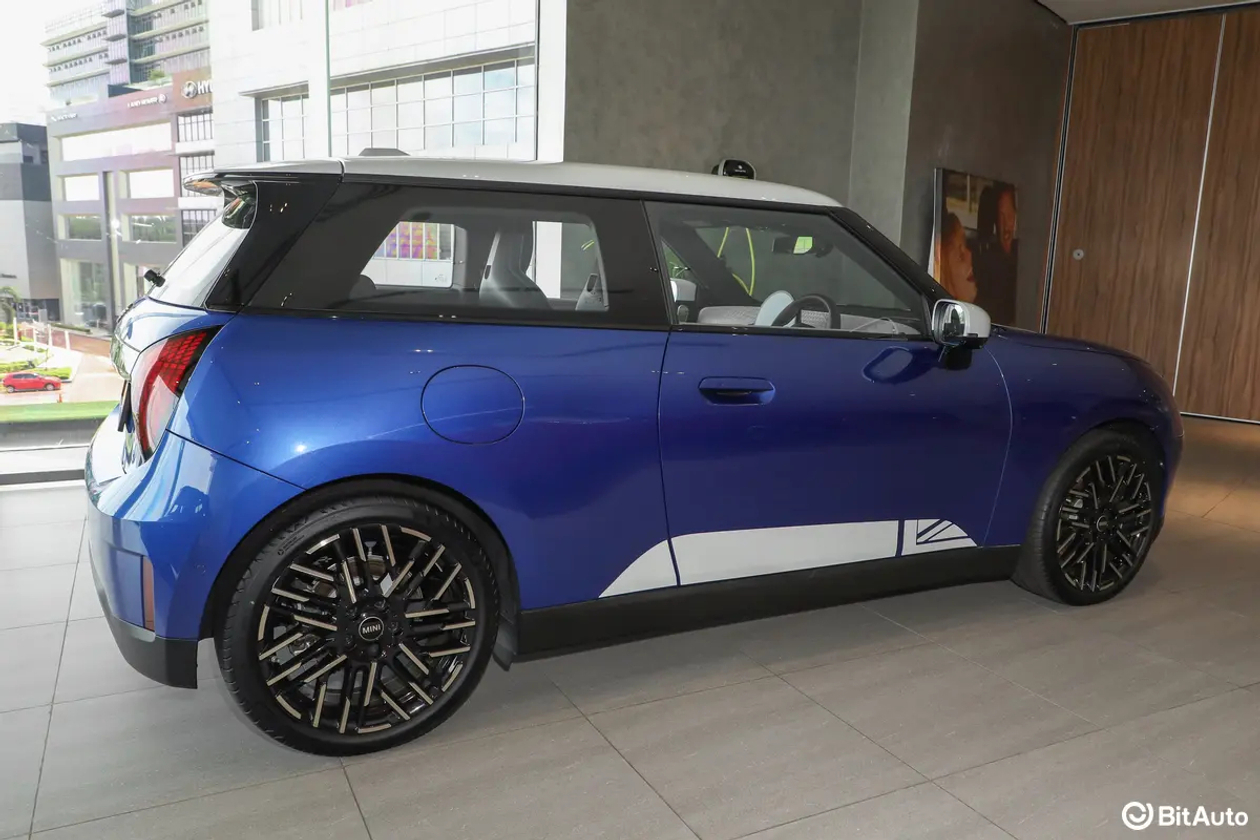
The J01-generation MINI Cooper SE currently sold in Malaysia features a front-mounted electric motor producing 218 PS (approx. 160 kW) and 330 Nm of torque. It does the 0-100 km/h sprint in 6.7 seconds, with a top speed of 170 km/h.
However, the new policy mandates a minimum threshold of 180 kW (approx. 245 PS) .
160 kW < 180 kW – on power figures alone, the MINI Cooper SE fails to make the cut.
In Malaysia, the MINI Cooper SE is officially priced at RM193,888 (with a standard 2-year warranty) or RM200,188 (with the 4-year warranty and service package). Crucially, these are retail prices, not the CIF value .
As a reminder, the CIF value is the cost of the vehicle landed at port before local taxes, duties, and dealer markups are applied. Given the retail price, the actual CIF value of the MINI Cooper SE is significantly below the RM200,000 mark.
CIF < RM200,000 – this means it fails to meet the second requirement as well.
Failing on both fronts, the discontinuation of the MINI Cooper SE was inevitable.
It is worth noting the manufacturing background of the current J01 MINI Cooper.
The J01 is built by Spotlight Automotive, a joint venture between the BMW Group and Great Wall Motor (GWM), at its plant in Zhangjiagang, Jiangsu Province, China. Production at MINI's home plant in Oxford, UK, is scheduled to start in 2026.
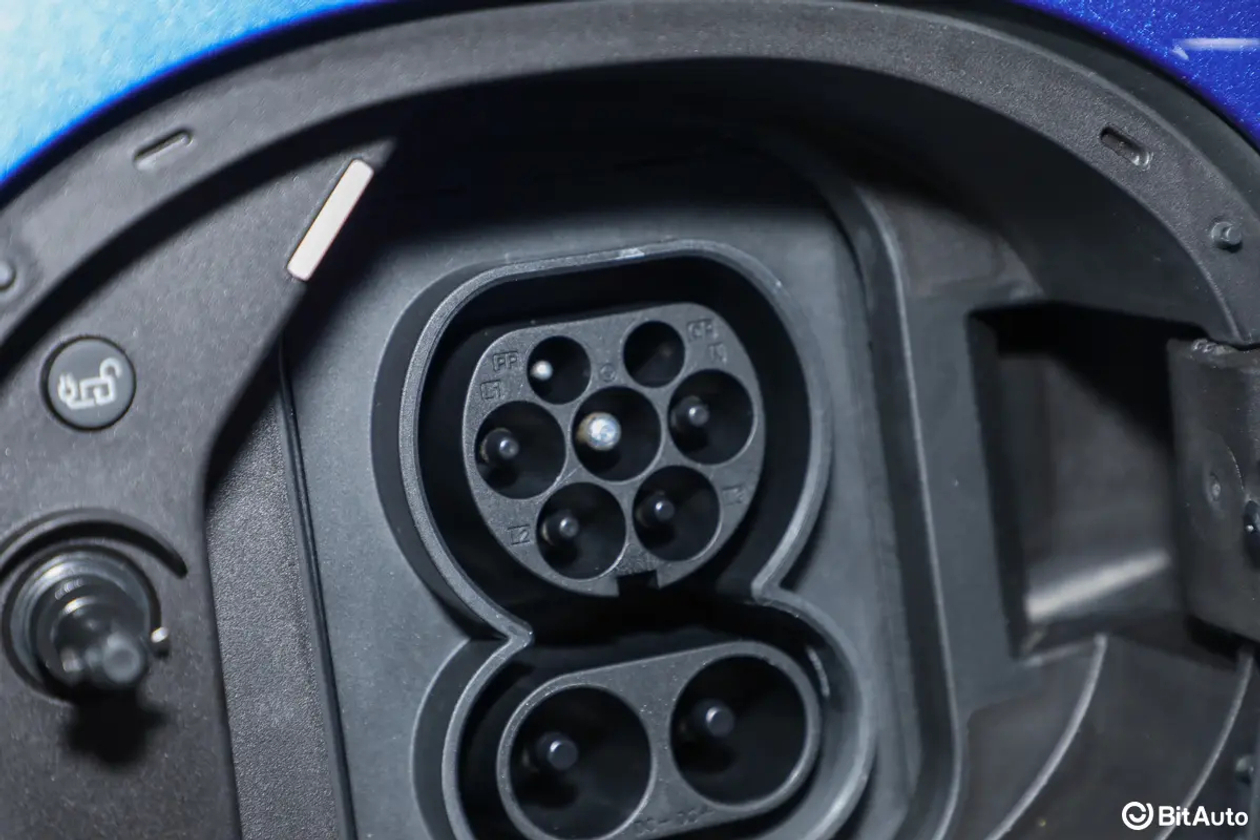
As such, all J01 MINI Cooper SE units currently sold in Malaysia are CBU units imported from China.
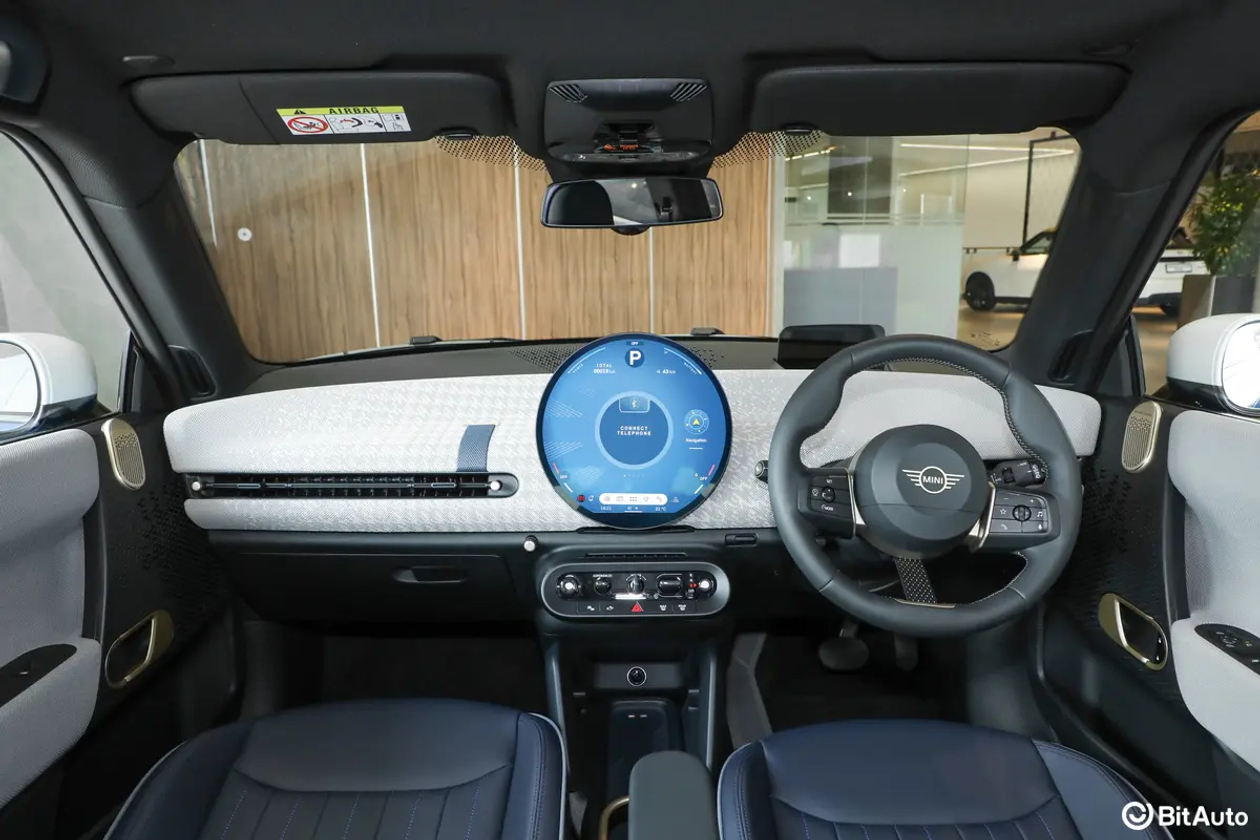
When MITI announced the policy, it clarified that distributors are permitted to sell off their existing unregistered stock under the previous terms and pricing until they are fully cleared.
This means: the MINI Cooper SE will not disappear overnight post-1 July; rather, it will be sold on a "while stocks last" basis.
Currently, MINI dealers still have limited units available. For prospective buyers who have been sitting on the fence, this is likely your absolute last chance to own one. Once this existing batch is sold out, no new shipments of the MINI Cooper SE can be imported, as they would fail to clear customs under the new regulations.
If you are considering picking up a MINI Cooper SE, here are a few things to keep in mind:
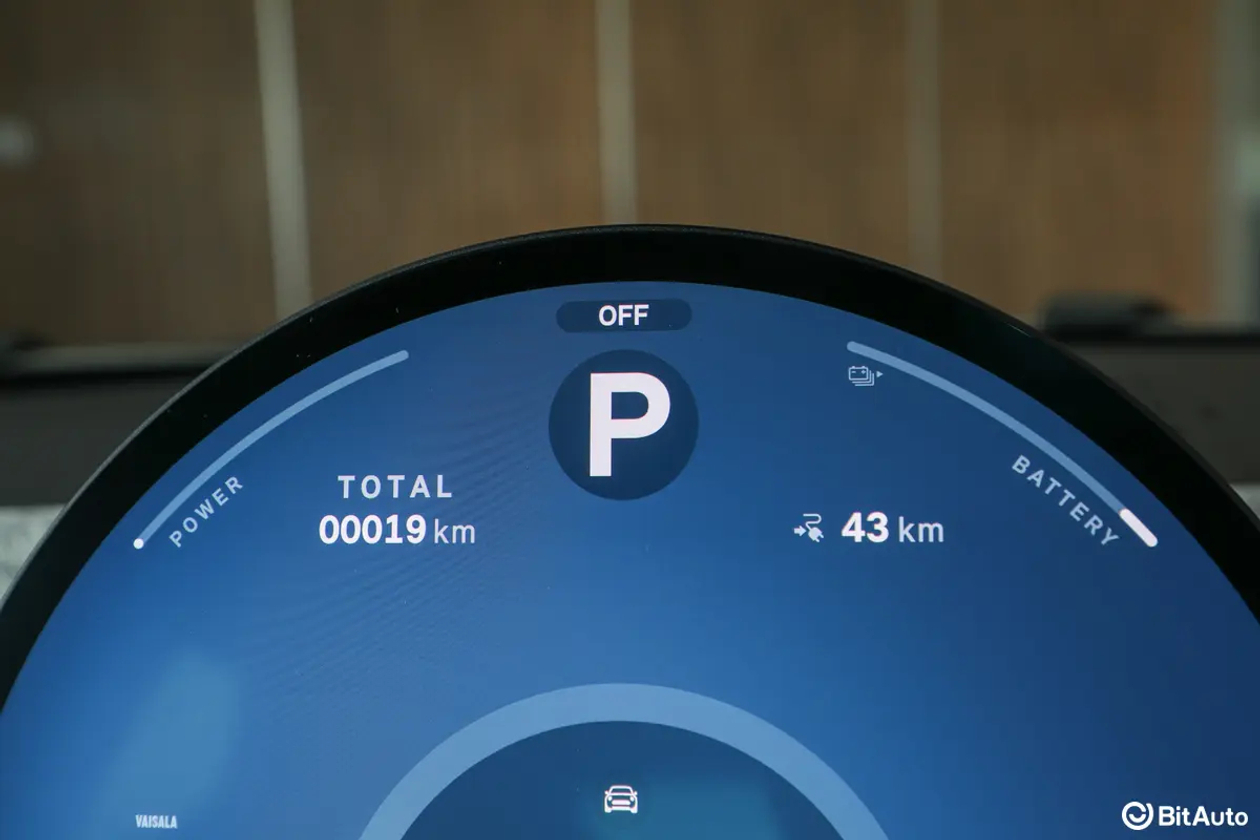
Attractive pricing– at RM193,888, you will be hard-pressed to find another CBU EV at this price point under the new policy. The new rules effectively raise the entry barrier for CBU EVs to around the RM300,000 mark.
Decent specifications– with a 54.2 kWh battery, it offers a WLTP-rated range of up to 402 km (a massive jump from the previous generation's 232 km). It supports 11 kW AC charging and up to 95 kW DC fast charging, allowing a 10-80% state of charge (SoC) in just 30 minutes.
Iconic design and brand appeal– as the all-electric version of the fifth-generation MINI Cooper, it retains the brand's signature "go-kart" handling characteristics.
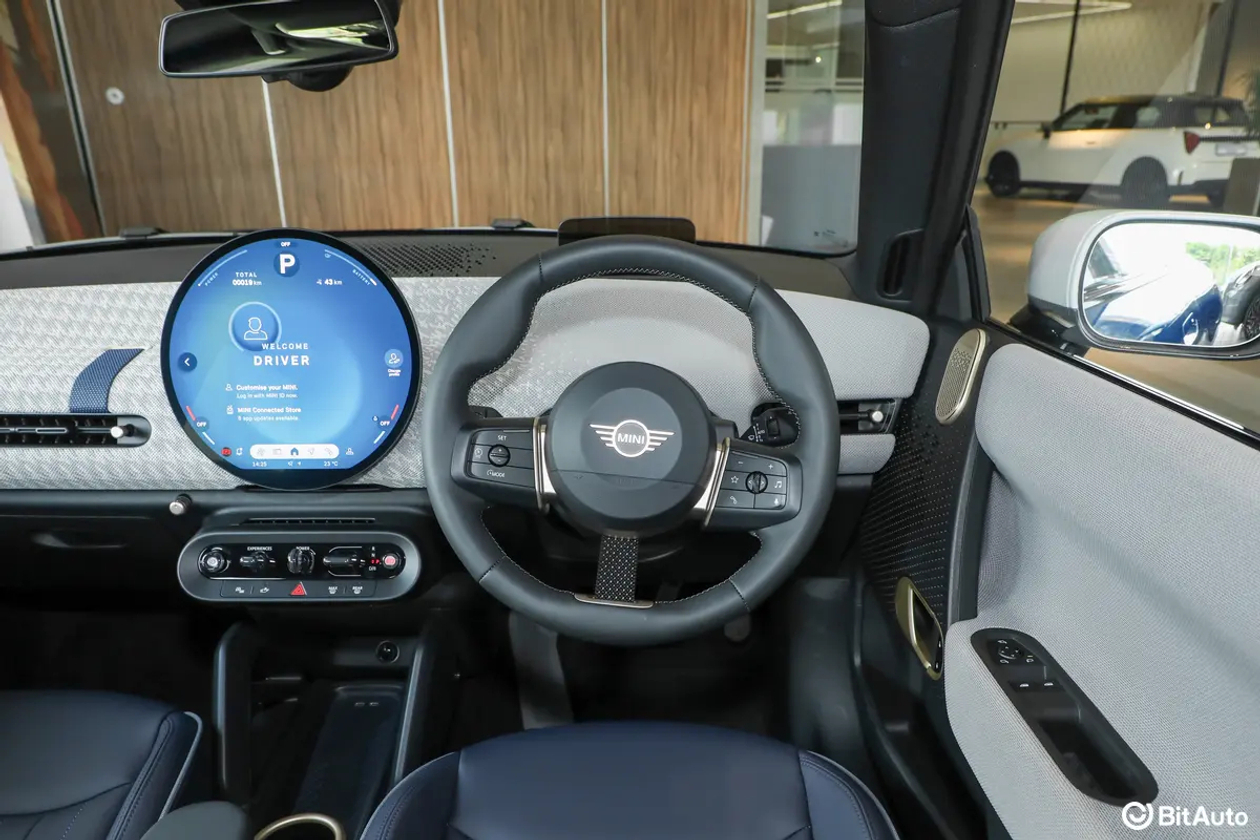
No full Level 2 semi-autonomous driving aids– while the MINI Cooper SE gets autonomous emergency braking (AEB), lane keeping assist, lane departure warning, and blind spot monitoring as standard, it lacks Adaptive Cruise Control (ACC). You will need to spec the optional Driving Assistant Plus package to get ACC and lane centring assist.
Aftersales support remains unaffected– the sales halt does not affect existing owners. BMW Group Malaysia will continue to honour warranties and provide regular servicing for all registered units.
Resale value is a question mark– with the model discontinued, used market dynamics could go either way. While its rarity could hold up prices, rapid advancements in EV battery tech mean long-term depreciation is still something to keep an eye on.
If you are serious about getting one, this is your final window of opportunity.
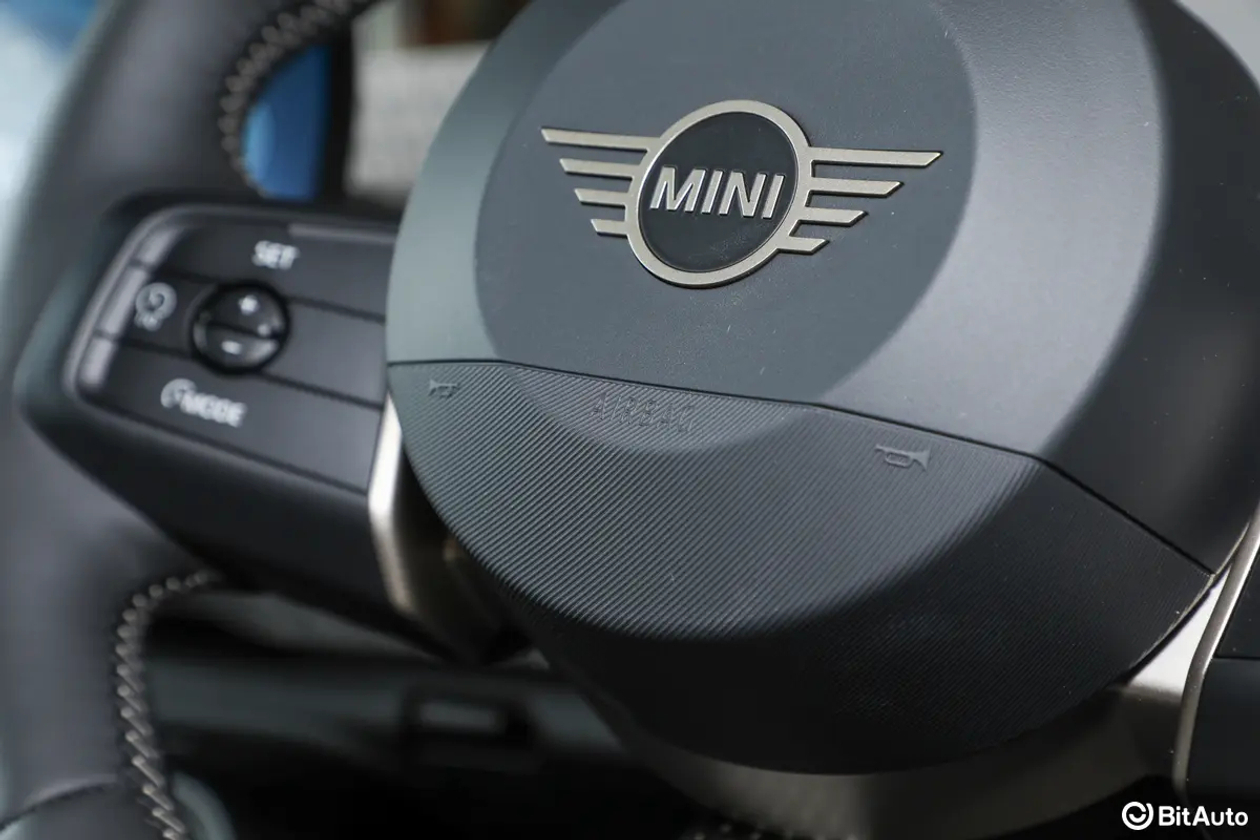
With the new policy in force since 1 July, remaining dealership stocks are selling fast. Since MITI has ruled out any U-turns on this policy, there will definitely be no new shipments of the MINI Cooper SE arriving.
For RM193,888, you get a 218 PS all-electric MINI – under the new post-July policy climate, this is likely the last time you will ever see a fully imported electric hot hatch at this price point.


Your go-to source for all things automotive in Malaysia. 🚗 Latest reviews, breaking news, launches & industry trends.
+ Follow 电池越大越好?对混合动力车来说,未必!
丰田混合动力系统的小电池,负责回收制动能量、辅助起步,并与汽油引擎配合提升效率。电池虽小,作用可不小! 1 minute ago
电池越大越好?对混合动力车来说,未必!
丰田混合动力系统的小电池,负责回收制动能量、辅助起步,并与汽油引擎配合提升效率。电池虽小,作用可不小! 1 minute ago  It looks like Malaysia will soon be welcoming two more electrified MPVs.
And one of them is a very quirky MPV. 1 minute ago
It looks like Malaysia will soon be welcoming two more electrified MPVs.
And one of them is a very quirky MPV. 1 minute ago  Some said that this camouflaged car is a Proton eMas 3, but we beg to differ.
We think that this might be hiding something else instead.
#proton #protonemas5 1 minute ago
Some said that this camouflaged car is a Proton eMas 3, but we beg to differ.
We think that this might be hiding something else instead.
#proton #protonemas5 1 minute ago Get the latest car news first!
Your go-to source for all things automotive in Malaysia. 🚗 Latest reviews, breaking news, launches & industry trends.
电池越大越好?对混合动力车来说,未必!
丰田混合动力系统的小电池,负责回收制动能量、辅助起步,并与汽油引擎配合提升效率。电池虽小,作用可不小! 1 minute ago It looks like Malaysia will soon be welcoming two more electrified MPVs.
And one of them is a very quirky MPV. 1 minute ago Some said that this camouflaged car is a Proton eMas 3, but we beg to differ.
We think that this might be hiding something else instead.
#proton #protonemas5 1 minute ago 
© 2024 Bitauto.com. All Rights Reserved.
Bitauto (www.yiche.com and www.bitauto.com) is one of the most visited automotive websites in China. We provide detailed info on Chinese car brands available in your area. Please note that the information provided on this website is based on publicly available data and is for reference only. It may not be fully updated or accurate at all times.

Help us improve our website


