For years, cars are often judged by what they offer on paper — how much they cost, how much room they have and how well they hold their value. For automakers, the pressure is just as straightforward: sell more cars, gain more market share and keep prices competitive.
But Mazda has never quite followed that formula.
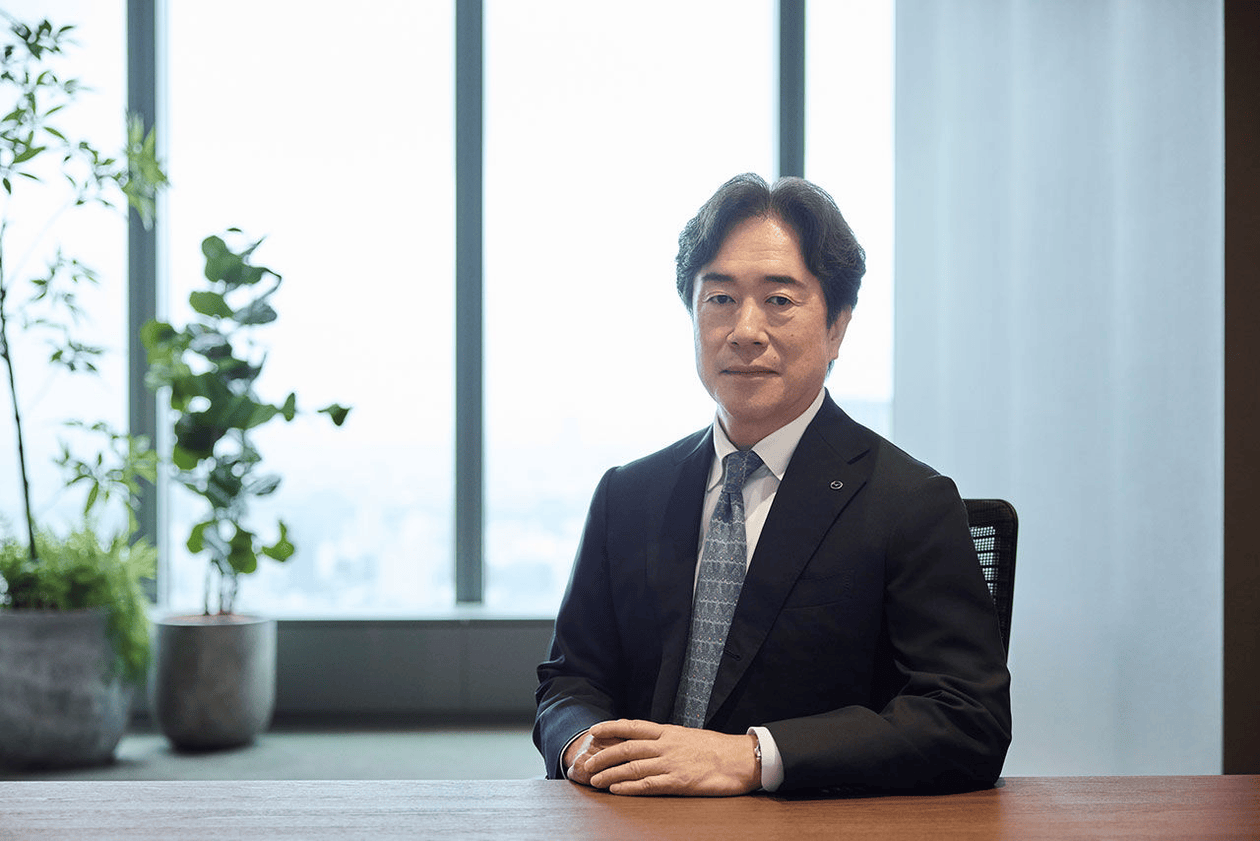
Masahiro Moro, Representative Director, President, and CEO of Mazda Motor Corporation
In a recent discussion about the company's vision, Mazda President and CEO Masahiro Moro explained why the automaker is putting less emphasis on size and sales volume, and more on what makes the brand worth choosing in the first place.
Masahiro Moro, who joined Mazda in 1983, has held senior roles in global marketing, Mazda Motor Europe and Mazda North American Operations before becoming the company's President and CEO in 2023.
Masahiro Moro has been open about the mistakes Mazda made in the past, particularly during the 1990s.
Back then, Mazda was caught up in the same thinking that shaped much of the industry: bigger sales meant a stronger business.
The company cut prices in an effort to move more cars, but the strategy came at a cost. Mazda gradually found itself competing more on price, while the character that set its cars apart began to fade.
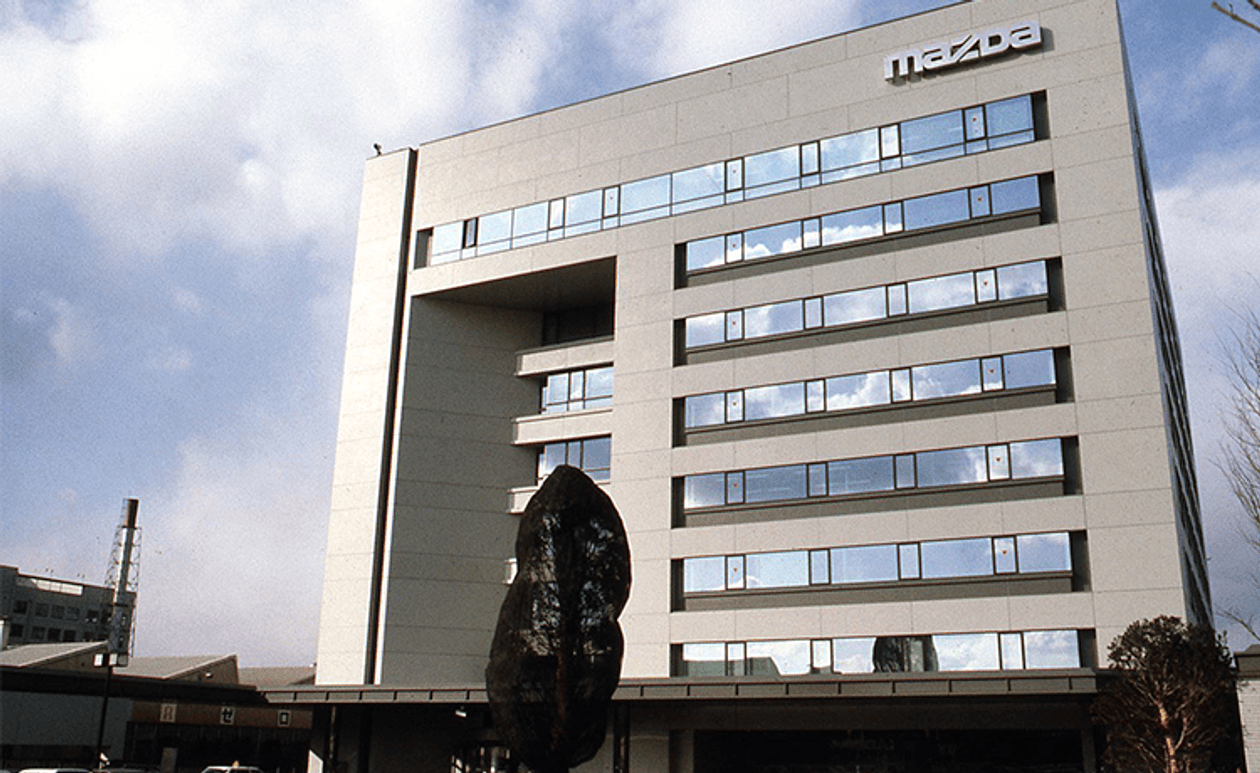
That approach eventually caught up with the company. The 2008 global financial crisis hit Mazda hard, leaving it with cumulative losses of more than JPY 250 billion.
At its lowest point, there was even speculation that the company might not survive as an independent automaker.
The lesson was a difficult one. If Mazda could not compete with the industry's giants on scale, it would have to find another way to compete — by creating more value in the cars and the brand itself.
Read Also: 106 years of Mazda: This carmaker didn't always make cars, here's how they started
For Mazda, the question is no longer simply how many cars it can sell, but why someone would choose one in the first place.
Moro believes that a strong brand is not built through engineering alone. It comes from the people behind it, and the passion they bring to what they do.
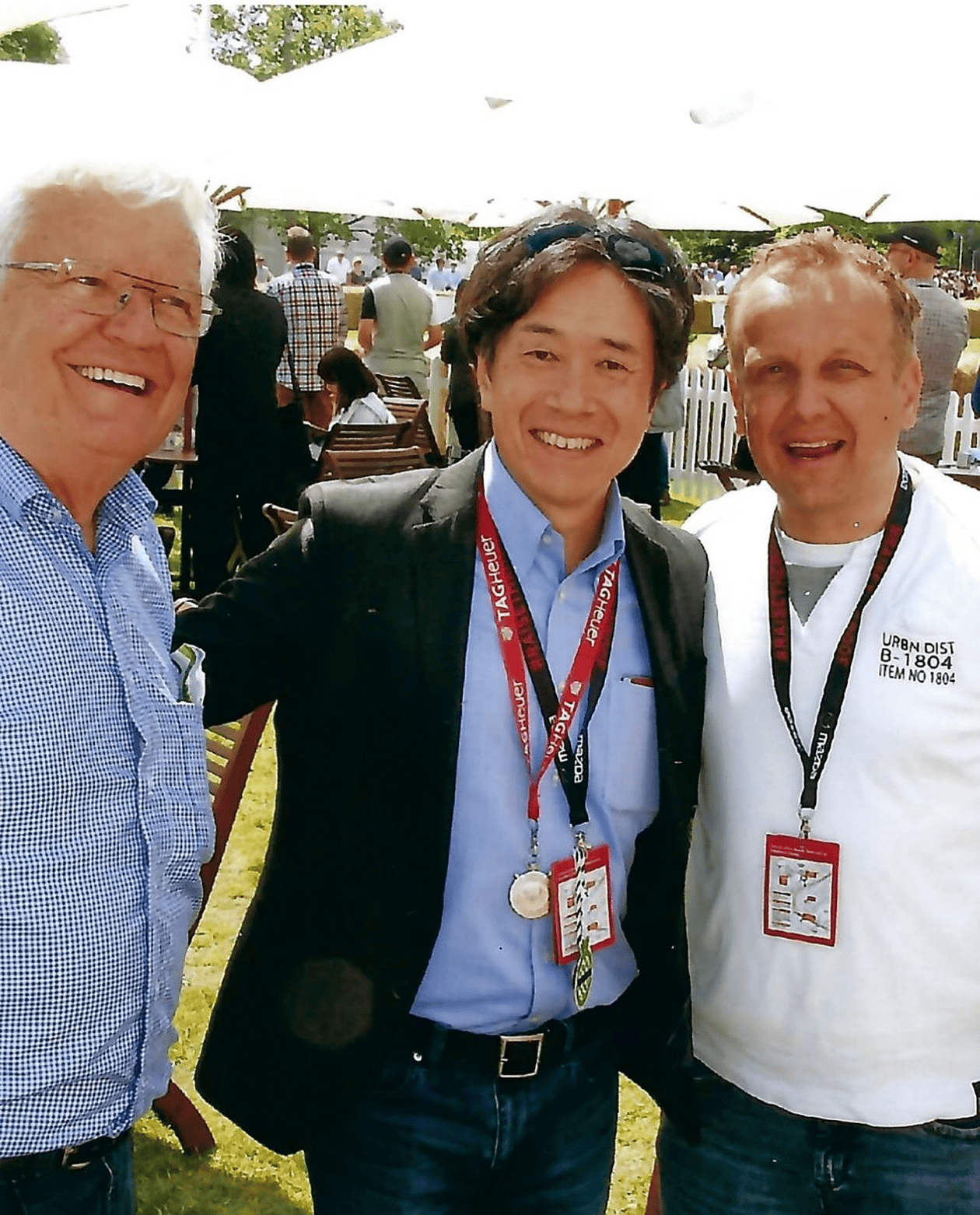
During his time in Europe, he saw how some of the strongest automotive brands were not necessarily the biggest. What made them stand out was a clear identity and a sense of character.
That thinking has become central to Mazda's strategy. Rather than asking how it can sell more cars, the company is asking a more fundamental question: who chooses Mazda, and why?
If you have driven an MX-5, you probably understand what Moro means by value.
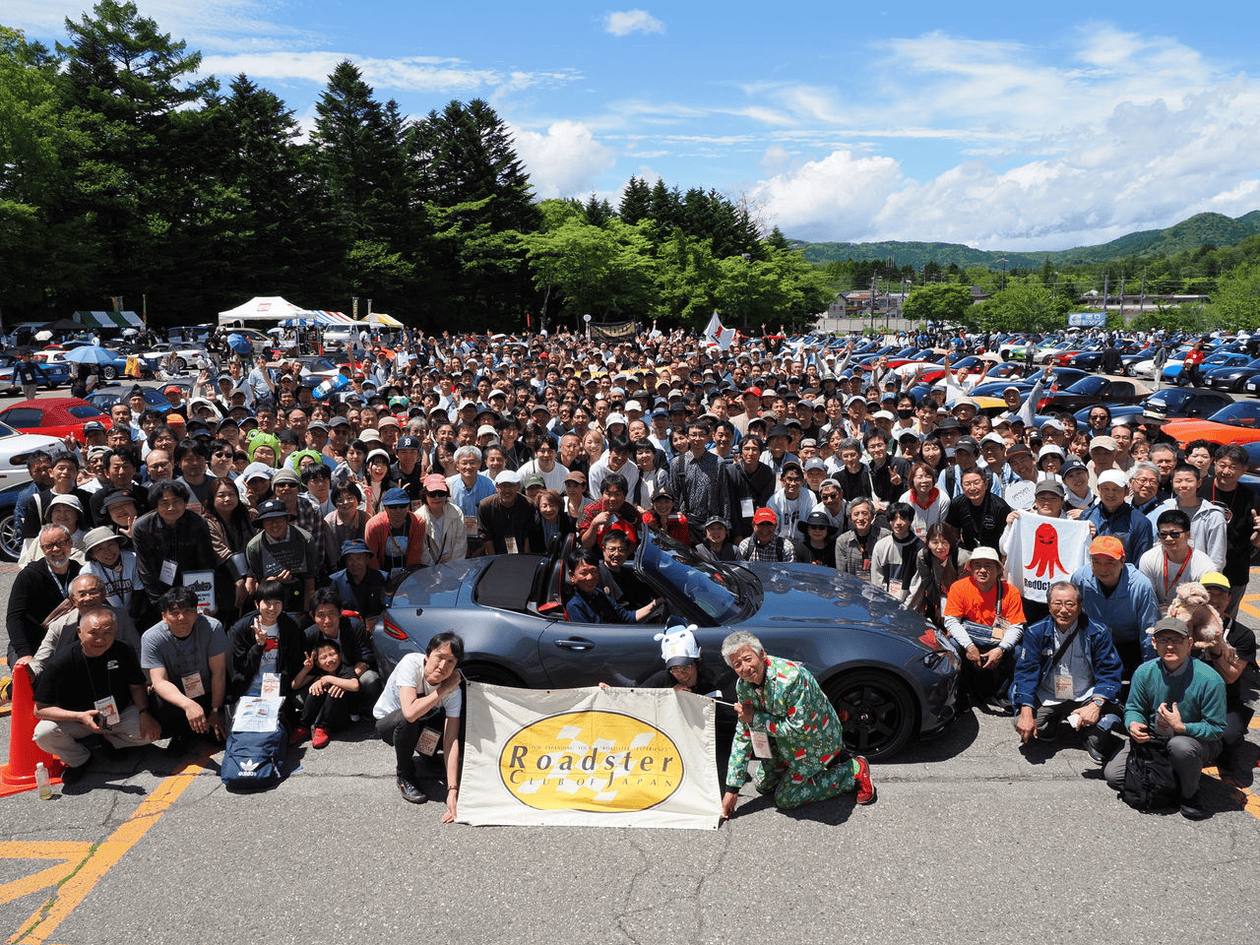
It has no rear seats and little room for luggage, and practicality has never been its main selling point. Yet since its launch in 1989, the MX-5 has sold more than 1.2 million units worldwide over 36 years.
Its appeal comes from delivering Mazda's Jinba-ittai philosophy — the connection between driver and car.
Mazda knows it cannot compete with larger carmakers in every area. Instead, it makes compromises where it can, while putting its resources into the things that matter most to the brand, including driving dynamics, design and engine efficiency.
For Mazda, those limitations have become part of the creative process — finding different ways to do more with what it has.
As the industry moves towards carbon neutrality, electrification is often treated as the obvious way forward. Moro, however, takes a more measured view.
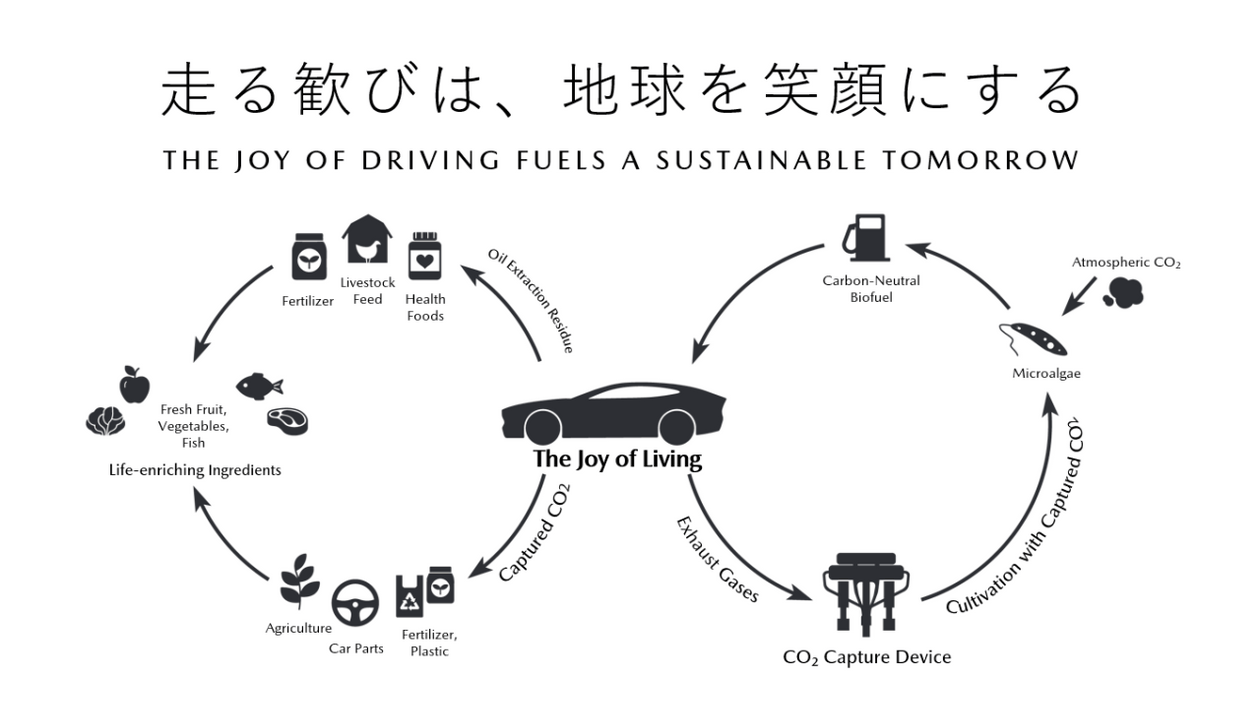
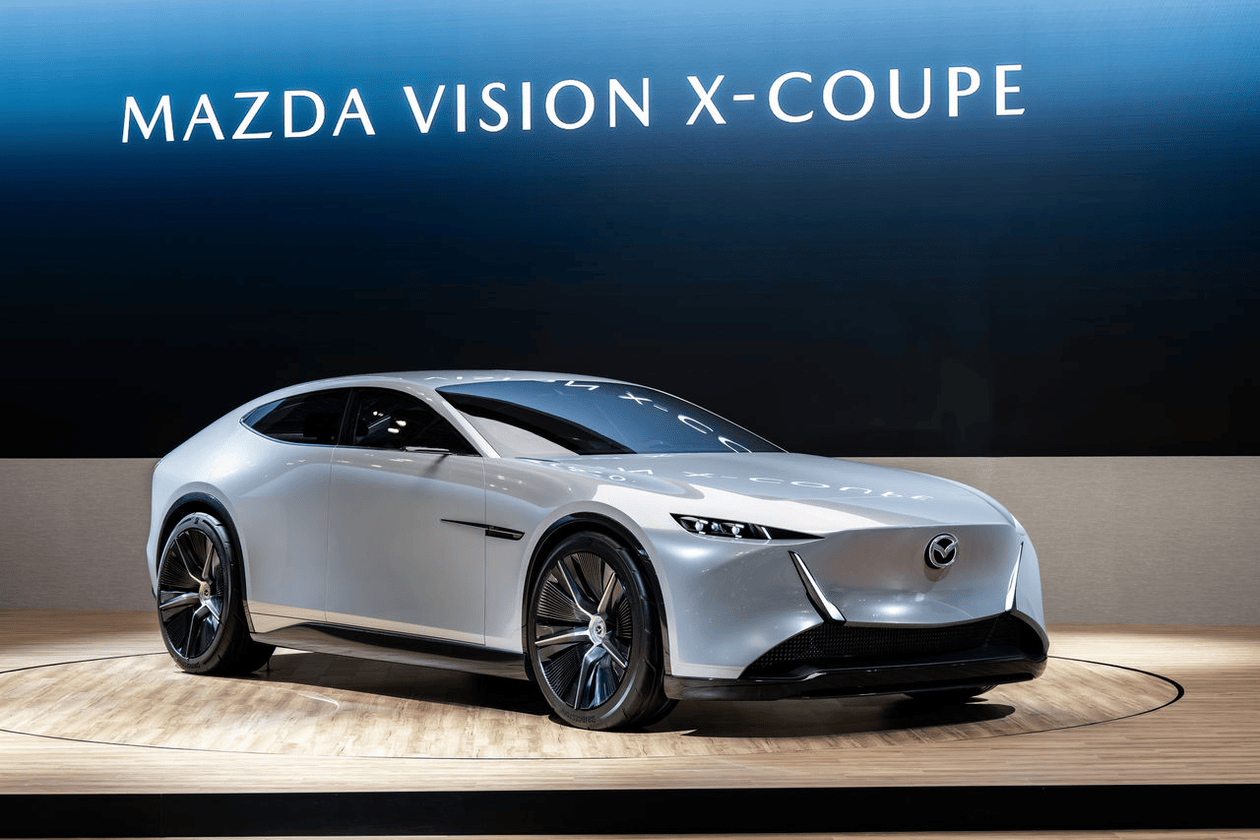
At the 2025 Japan Mobility Show, Mazda showed the Vision X-Coupe concept, which explored a different approach: using carbon-neutral fuel alongside carbon capture technology to reduce the emissions associated with driving.
This is not an argument against EVs. Rather, it reflects that there may be more than one way to reduce emissions. In a country such as Japan, where domestic energy resources are limited, simply increasing electricity use may not always be the most practical way to reduce the environmental impact.
Mazda is headquartered in Hiroshima, and the city's history remains closely tied to the company's identity.
In the difficult years after the war, Mazda employees resumed production of three-wheeled trucks just four months after the devastation. Many had lost their homes and families, yet they returned to work with a shared goal: helping rebuild Hiroshima with their own hands.
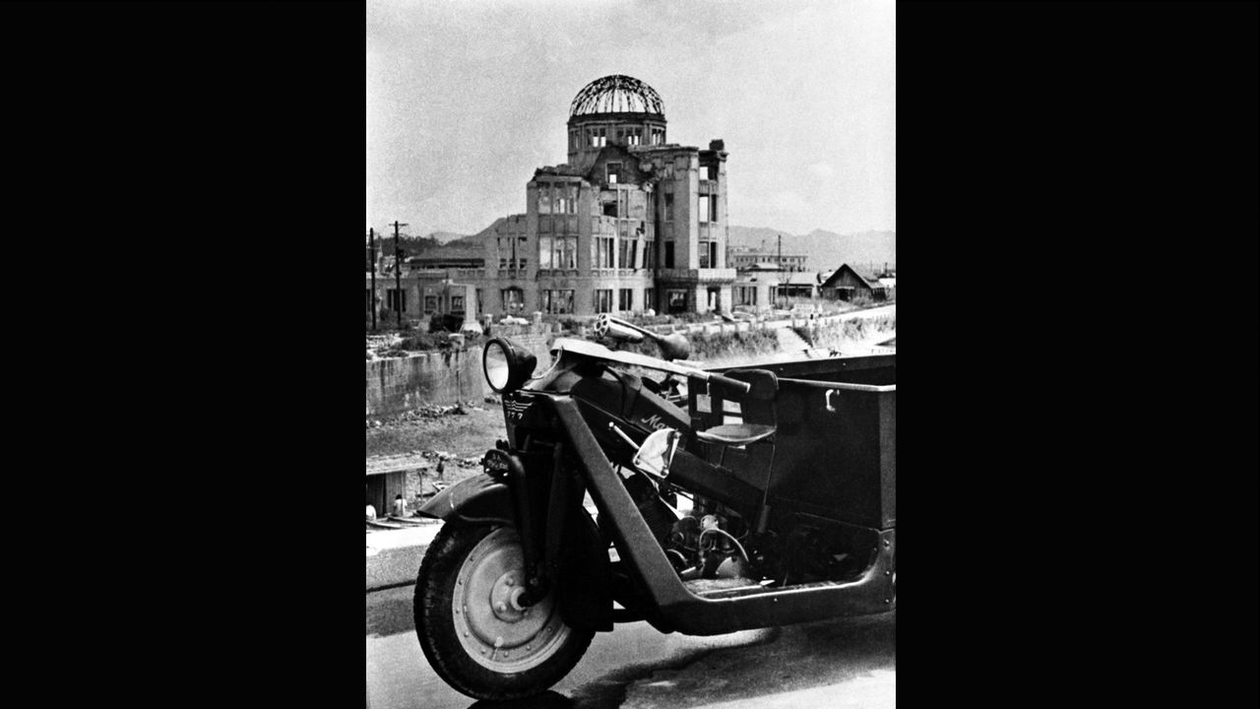
That resilience of finding a way forward despite difficult circumstances continues to shape Mazda today. For Moro, the company's purpose goes beyond simply selling cars, whether the challenge is maintaining a sustainable business or addressing climate change.
Mazda is not trying to win the same race as the industry's biggest carmakers. Rather than relying on lower prices and higher volumes, it is choosing to focus on what it can do differently.
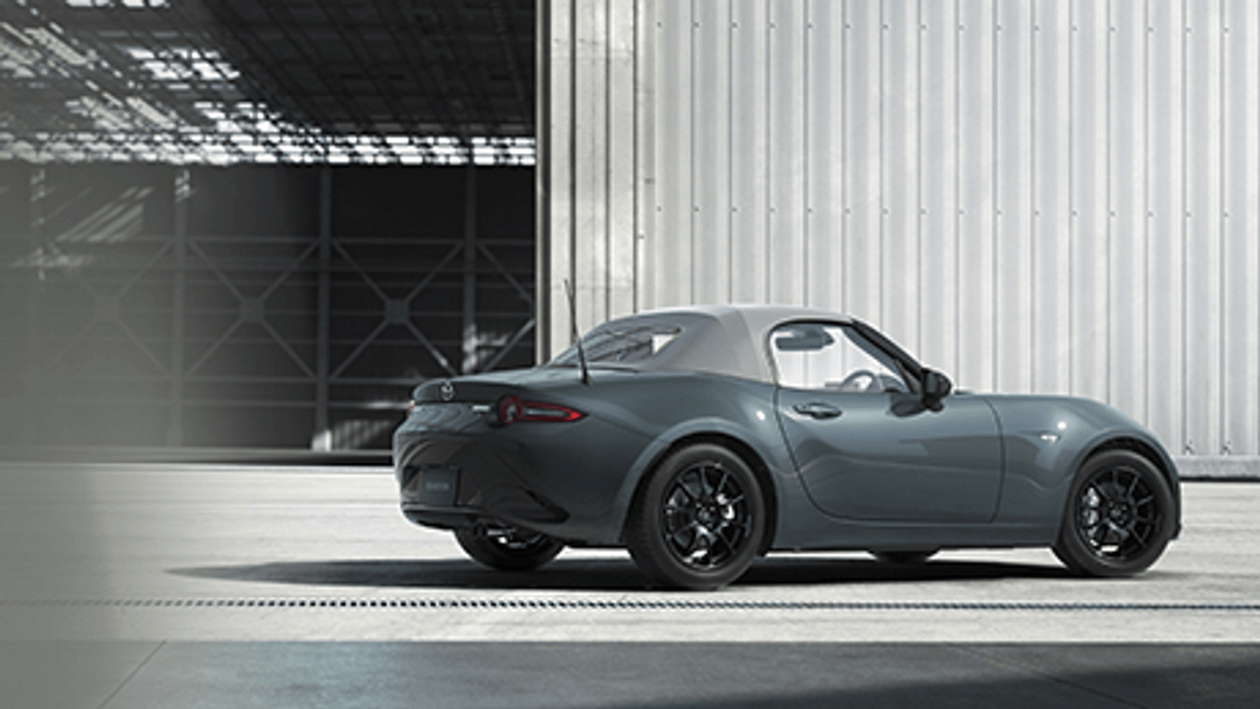
For drivers who care about the experience behind the wheel, that can mean more than simply getting from one place to another. It is about the sense of connection that Mazda has long tried to build into its cars — the idea captured by its Jinba-ittai philosophy.
For Mazda, being smaller does not necessarily mean being at a disadvantage. If the company can give people a reason to choose its cars and feel good about that choice, then sheer size may not matter as much as it once did.
As Moro puts it, "lf we can achieve that and become a brand people choose, it doesn't matter how big or small we are — our strength goes deeper than that."
Read Also: Mazda MX-5 gets new Zinc Green Metallic paint: Industrial aesthetics meet modern texture

Your go-to source for all things automotive in Malaysia. 🚗 Latest reviews, breaking news, launches & industry trends.
+ Follow This weekend is your chance to own a Volvo Selekt Certified Used Car, priced from just RM 148,000.
What are you waiting for?
#volvo 1 minute ago
This weekend is your chance to own a Volvo Selekt Certified Used Car, priced from just RM 148,000.
What are you waiting for?
#volvo 1 minute ago  We saw this accident this morning, and here’s a reminder to everyone: please drive safe. 2 days ago
  The G50 BMW 3 series is now here, adopting much of the i3's design elements.
So, where's the BMW M3?
#bmw #BMW3Series 4 days ago
The G50 BMW 3 series is now here, adopting much of the i3's design elements.
So, where's the BMW M3?
#bmw #BMW3Series 4 days ago Get the latest car news first!
Your go-to source for all things automotive in Malaysia. 🚗 Latest reviews, breaking news, launches & industry trends.
This weekend is your chance to own a Volvo Selekt Certified Used Car, priced from just RM 148,000.
What are you waiting for?
#volvo 1 minute ago We saw this accident this morning, and here’s a reminder to everyone: please drive safe. 2 days ago The G50 BMW 3 series is now here, adopting much of the i3's design elements.
So, where's the BMW M3?
#bmw #BMW3Series 4 days ago  ProtonGWMVolkswagenJAECOOVolvoPeroduaToyotaHondaTESLAMitsubishiMazdaJetourCheryBYDLexusBMWMercedes-BenziCAURZeekrIsuzuNissanLeapmotorPorscheFordOMODAMINIMGSuzukiXPengHyundaiWulingKiaSubaruDenzaGACLand RoverDongfengCAMAudiPeugeotFotonMAXUSsmartDaihatsuJACJMCMaseratiLotusAlfa RomeoRenaultGolden DragonKaiceneSeresLamborghiniFerrariJeepRolls-RoyceLepasAston MartinMcLarenChevroletBentleyFiatBAICForthingGeelyRoeweAeolusChanganARCFOXDeepalExeedHongqiVoyahJaguarKGMBuforiAcuraCadillacDodgeAbarthINEOSMHEROJMEVFreelander
© 2024 Bitauto.com. All Rights Reserved.
Bitauto (www.yiche.com and www.bitauto.com) is one of the most visited automotive websites in China. We provide detailed info on Chinese car brands available in your area. Please note that the information provided on this website is based on publicly available data and is for reference only. It may not be fully updated or accurate at all times.
Help us improve our website


