
Search History
Popular Searches
English
Dealer Login / Sign Up
Faced with the overwhelming influx of affordable Chinese electric vehicles (EVs), Thailand's automotive industry has reached a breaking point.
On May 14, a powerful coalition of 10 major automotive associations submitted an urgent proposal to the Thai government, demanding a significant increase in excise tax on CBU (Completely Built-Up) imported EVs — raising it to at least 32%. The goal is to protect the local automotive supply chain, which is currently facing its most severe crisis in decades.
For Malaysia, which faces similar challenges in balancing affordable EVs with industrial protection, Thailand's situation serves as an important case study.
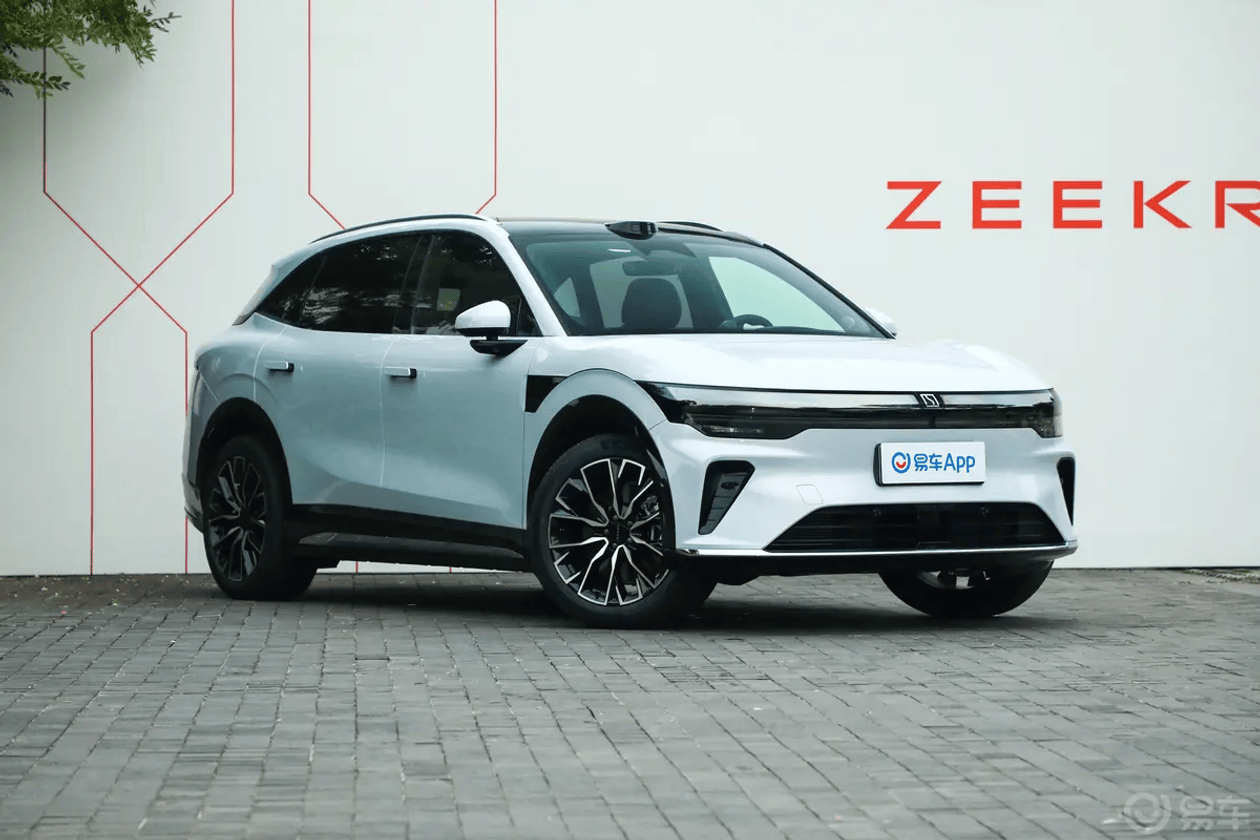
Led by the Electric Vehicle Association of Thailand (EVAT) and the Thai Auto-Parts Manufacturers Association (TAPMA), the coalition represents over 1,500 companies. They argue that China's cost advantages, combined with existing policy loopholes, are threatening the survival of local parts suppliers.
Their key demands include:
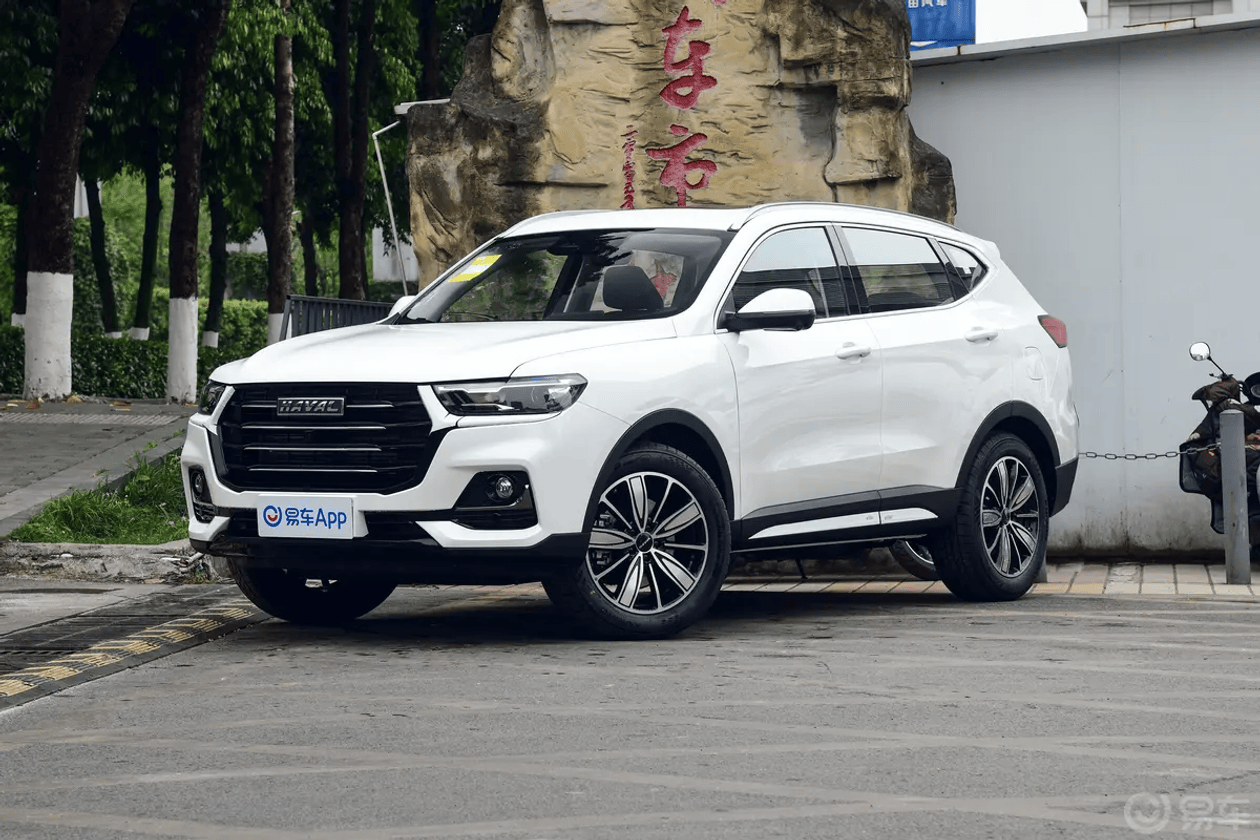
The Thai industry has been blunt: producing an EV in Thailand costs 30% to 40% more than importing one from China. Without stronger tax barriers, Thailand's long-held status as the "Detroit of the East" could collapse rapidly.
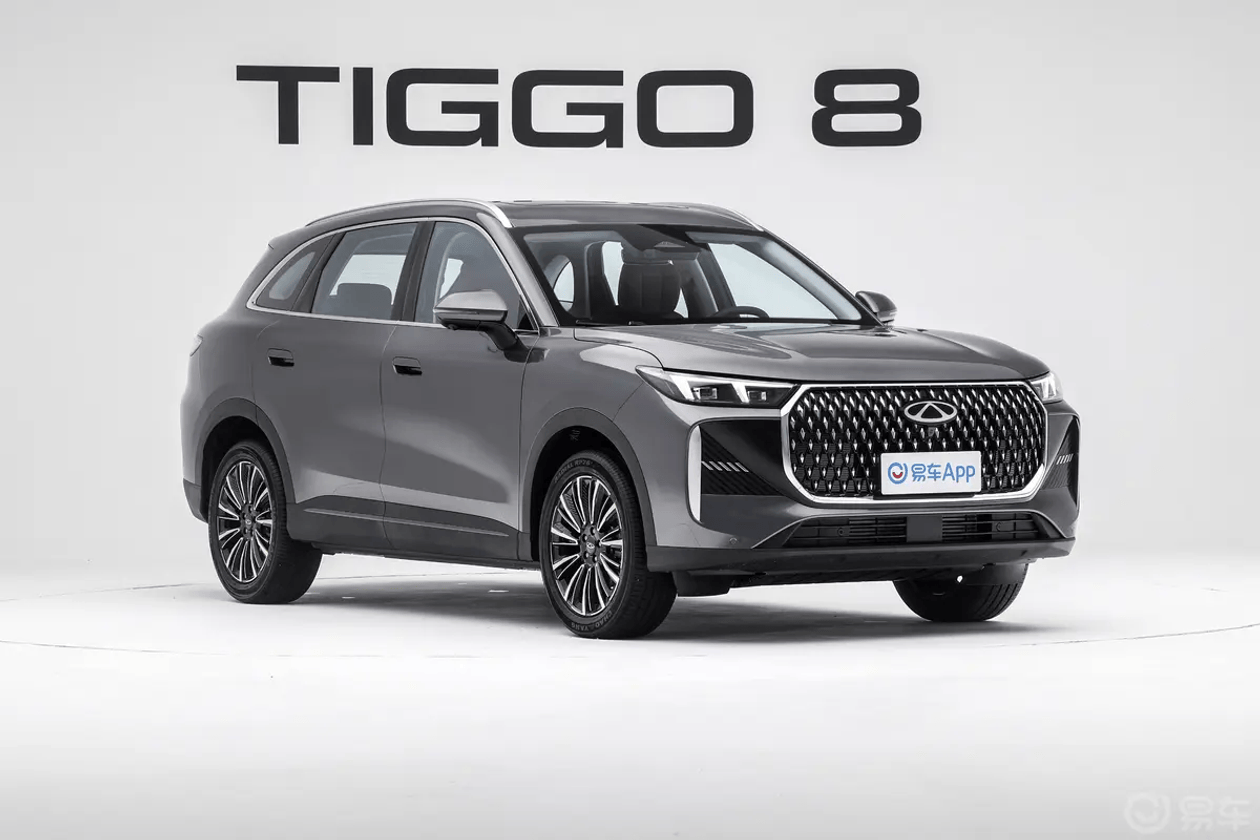
While Thailand is still in the lobbying phase, Malaysia's Ministry of Investment, Trade and Industry (MITI) has already taken proactive steps. Recent policies include:
The clear objective is to protect the mass market (RM100,000–RM200,000 segment) for national brands like Proton and Perodua, particularly models such as the upcoming Proton e.MAS 5, from being undercut by low-priced Chinese imports like the BYD Dolphin and GWM Ora Good Cat.
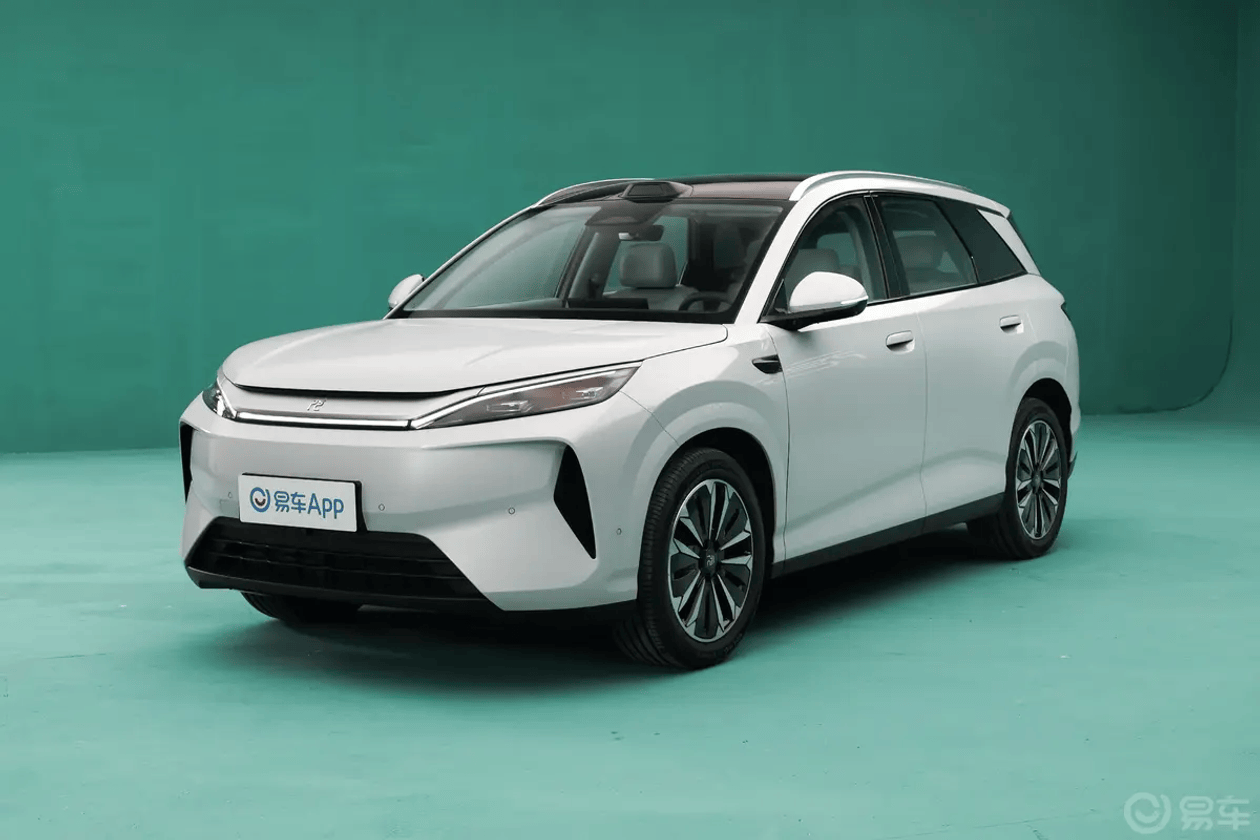
For consumers in both Malaysia and Thailand, higher taxes mean more expensive cars. However, for the national economy, these protective measures are seen as essential to safeguard the local automotive ecosystem and tens of thousands of jobs from being wiped out by aggressive pricing.
The tension between offering "cheap cars" and protecting local livelihoods is only just beginning.

Your go-to source for all things automotive in Malaysia. 🚗 Latest reviews, breaking news, launches & industry trends.
+ Follow Those shopping for a premium SUV should seriously consider the Volvo XC60 - one of the most established and well-known models
Here's what you need to know about Volvo's long-standing XC60. 5 hours ago
Those shopping for a premium SUV should seriously consider the Volvo XC60 - one of the most established and well-known models
Here's what you need to know about Volvo's long-standing XC60. 5 hours ago  For RM 171k, you get a made-in-Japan Mazda CX5. Worth it? #mazda #cx5 #mazdamalaysia 10 hours ago
  Made in Japan dari harga RM 171k?? Semestinya Mazda CX5 terbaru! #mazda #cx5 #mazdamalaysia 10 hours ago
 Get the latest car news first!
Your go-to source for all things automotive in Malaysia. 🚗 Latest reviews, breaking news, launches & industry trends.
Those shopping for a premium SUV should seriously consider the Volvo XC60 - one of the most established and well-known models
Here's what you need to know about Volvo's long-standing XC60. 5 hours ago For RM 171k, you get a made-in-Japan Mazda CX5. Worth it? #mazda #cx5 #mazdamalaysia 10 hours ago Made in Japan dari harga RM 171k?? Semestinya Mazda CX5 terbaru! #mazda #cx5 #mazdamalaysia 10 hours ago  ProtonGWMVolkswagenJAECOOVolvoPeroduaToyotaHondaTESLAMitsubishiMazdaJetourCheryBYDLexusBMWMercedes-BenziCAURZeekrIsuzuNissanLeapmotorPorscheFordOMODAMINIMGSuzukiXPengHyundaiWulingKiaSubaruDenzaGACLand RoverDongfengCAMAudiPeugeotFotonMAXUSsmartDaihatsuJACJMCMaseratiLotusAlfa RomeoRenaultGolden DragonKaiceneSeresLamborghiniFerrariJeepRolls-RoyceLepasAston MartinMcLarenChevroletBentleyBoon KoonFiatBAICForthingGeelyRoeweAeolusChanganARCFOXDeepalExeedHongqiVoyahJaguarKGMBuforiAcuraCadillacDodgeAbarthINEOSMHEROJMEVFreelanderXiaomiYANGWANG
 © 2024 Bitauto.com. All Rights Reserved.
Bitauto (www.yiche.com and www.bitauto.com) is one of the most visited automotive websites in China. We provide detailed info on Chinese car brands available in your area. Please note that the information provided on this website is based on publicly available data and is for reference only. It may not be fully updated or accurate at all times.
Help us improve our website


