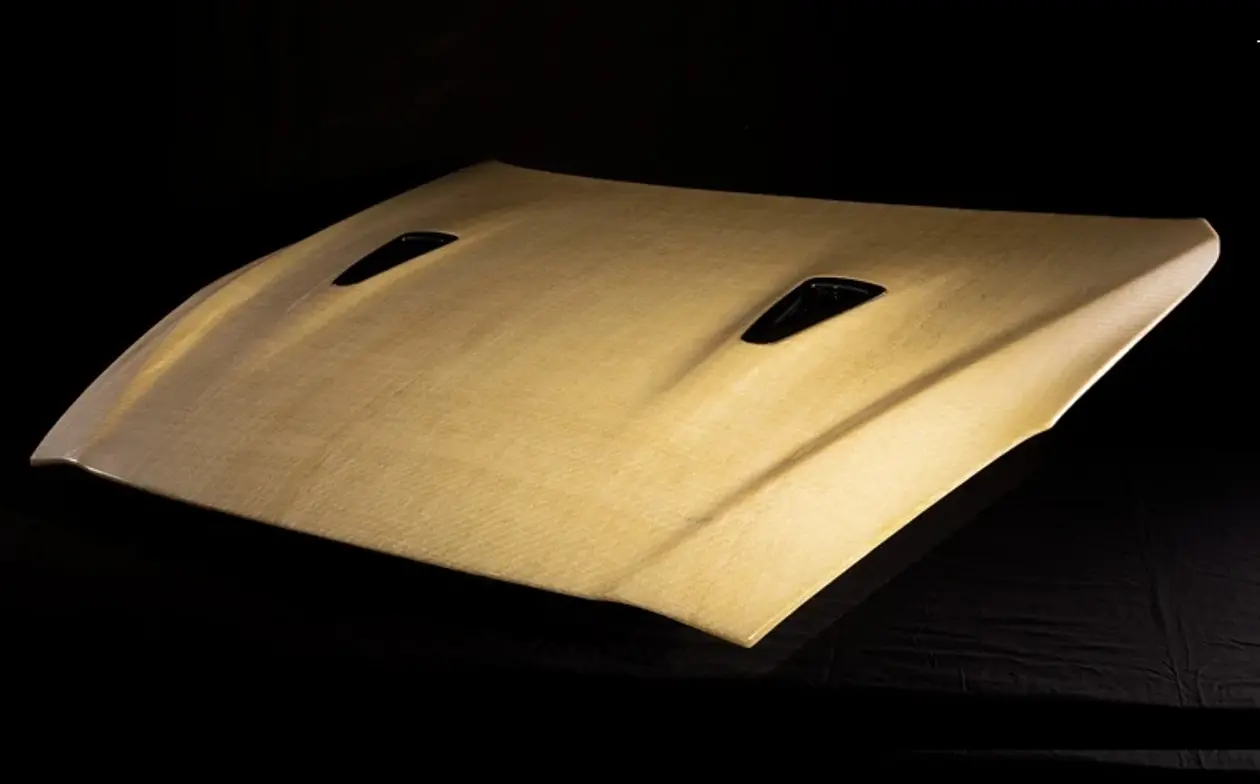
Nissan has developed a new automotive composite material using fibres extracted from pineapple leaves, potentially offering a more sustainable alternative to conventional materials used in vehicle body panels.
Nissan has announced a collaboration with Japanese company Food Reborn to develop what it claims are the world's first automotive exterior body panels made from natural fibre-reinforced plastic (NFRP) using pineapple leaf fibres.
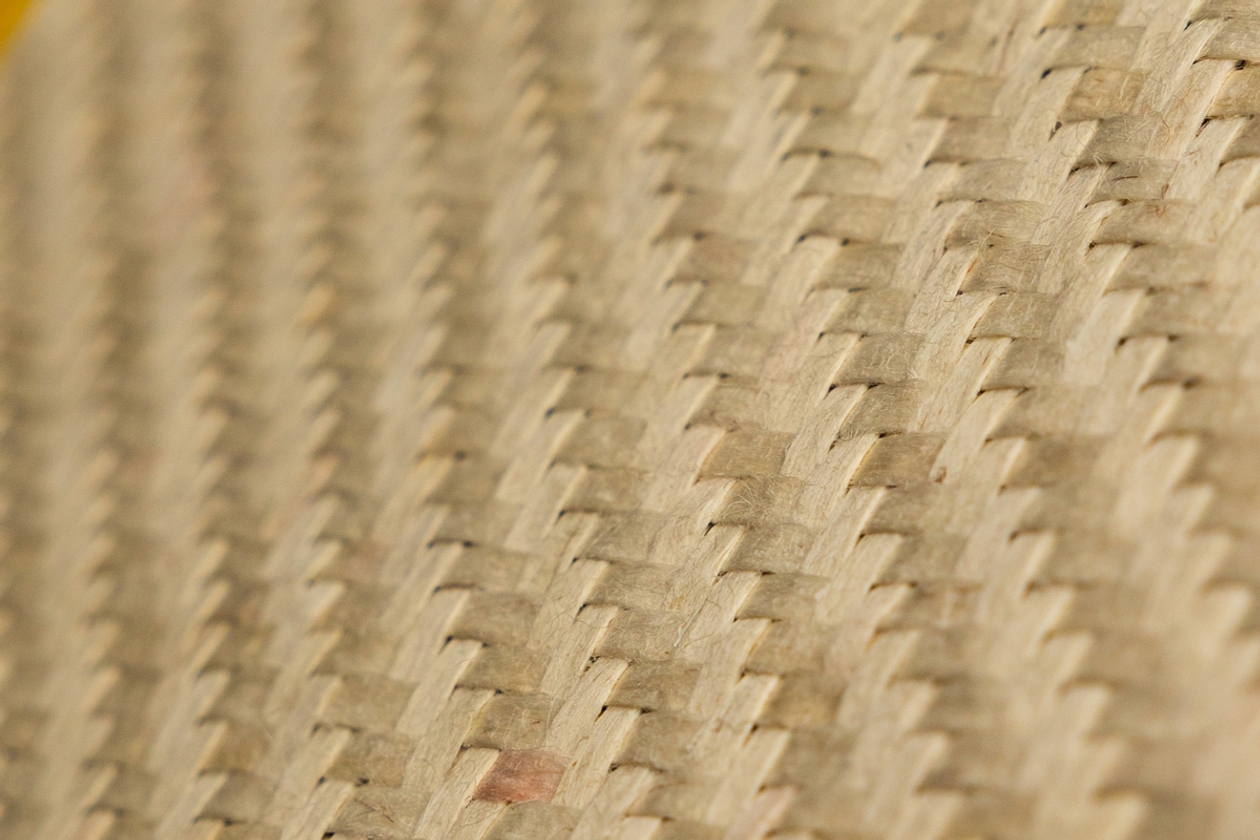
The development makes use of pineapple leaves, an agricultural byproduct that is typically discarded after harvesting.
According to Nissan, more than 50 million tonnes of pineapple leaves go unused globally each year, presenting an opportunity to turn agricultural waste into useful industrial materials.
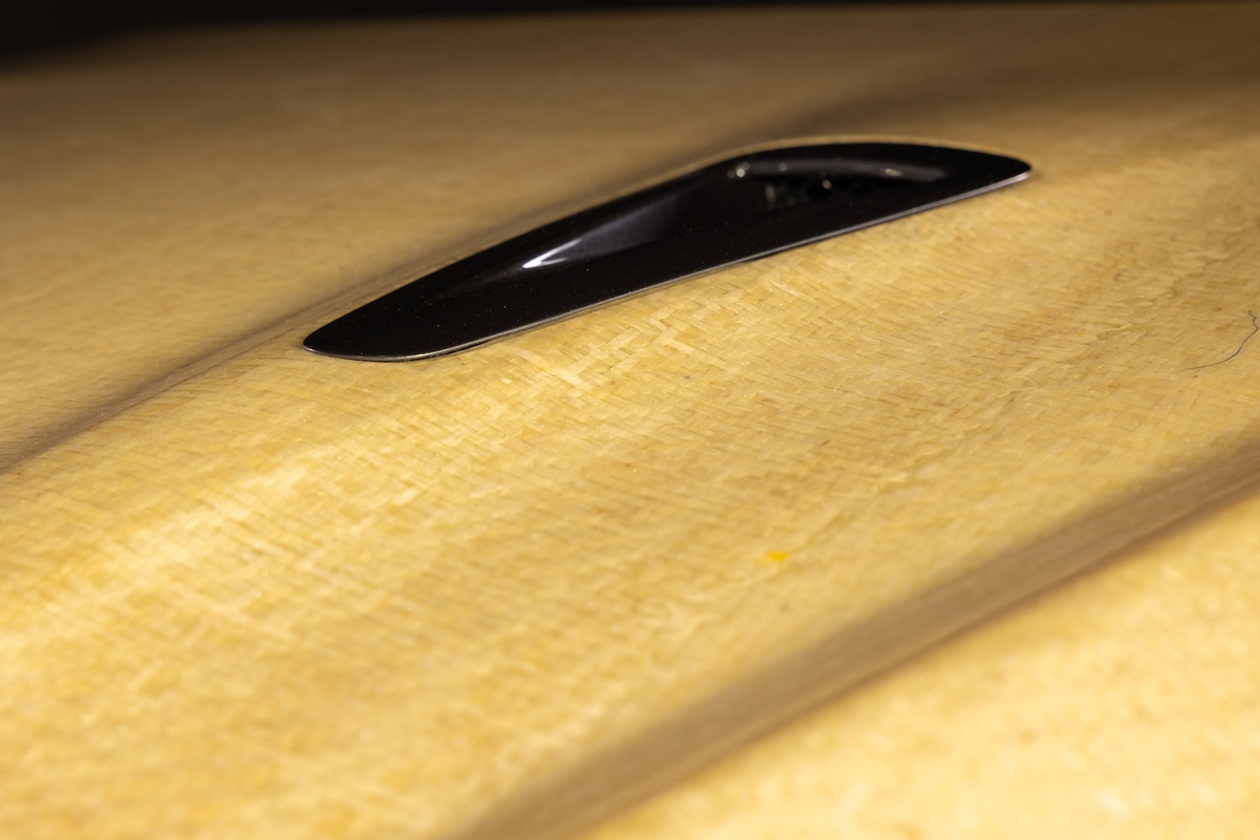
The companies have developed a manufacturing process that extracts fibres from pineapple leaves, converts them into flat yarn and weaves them into fabric.
This fabric is then combined with resin to produce a composite material that can be moulded into automotive components, including exterior body panels.
Nissan claims the resulting material offers higher tensile strength than conventional flax-based natural fibre composites, based on its internal testing.
Beyond reducing dependence on conventional raw materials, Nissan says the technology could help address the growing demand for more sustainable materials in motorsport.
Certain production-based racing categories already require natural fibre-reinforced composites when exterior body panels are modified. However, limited suppliers and high costs have restricted their wider adoption.
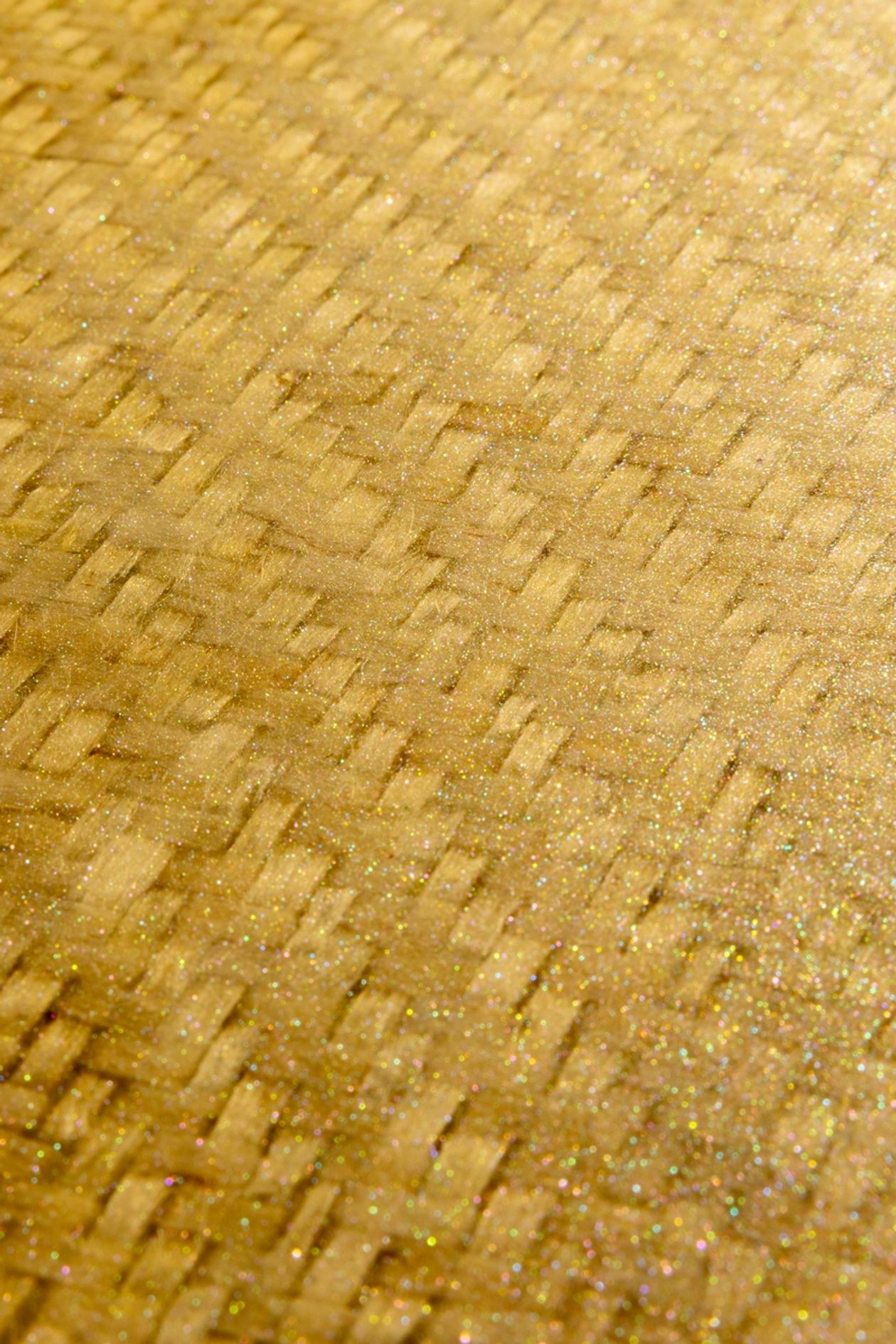
Nissan will license its manufacturing expertise to Food Reborn, including the production of flat yarn, woven fabric and prepreg materials, where fibres are pre-impregnated with resin for subsequent moulding.
The companies will showcase an exterior body panel produced using the new material at the SAMPE Japan Advanced Materials Technology Exhibition, held from 18 to 20 November 2026 in Tokyo.
While the technology could eventually be applied to production vehicles, Nissan has not announced a timeline for commercial adoption or identified any specific models that will use it.
The development forms part of Nissan's Green Program 2030, which aims to reduce resource consumption and environmental impact throughout its operations.

Your go-to source for all things automotive in Malaysia. 🚗 Latest reviews, breaking news, launches & industry trends.
+ Follow Those right-hand-drive Xpeng models are already in the UK. Malaysia next? 1 hour ago
 When they wanted the D but need to pay double the price... 1 hour ago
 Should Jetour Malaysia bring a budget compact SUV like this to rival the X50 and Perodua Traz? 1 hour ago
Get the latest car news first!
Your go-to source for all things automotive in Malaysia. 🚗 Latest reviews, breaking news, launches & industry trends.

© 2024 Bitauto.com. All Rights Reserved.
Bitauto (www.yiche.com and www.bitauto.com) is one of the most visited automotive websites in China. We provide detailed info on Chinese car brands available in your area. Please note that the information provided on this website is based on publicly available data and is for reference only. It may not be fully updated or accurate at all times.

Help us improve our website


