On 28 August, Mitsubishi Motors Malaysia officially launched the Triton Single Cab AT. This marks the first time the Triton Single Cab variant is offered with an automatic transmission.
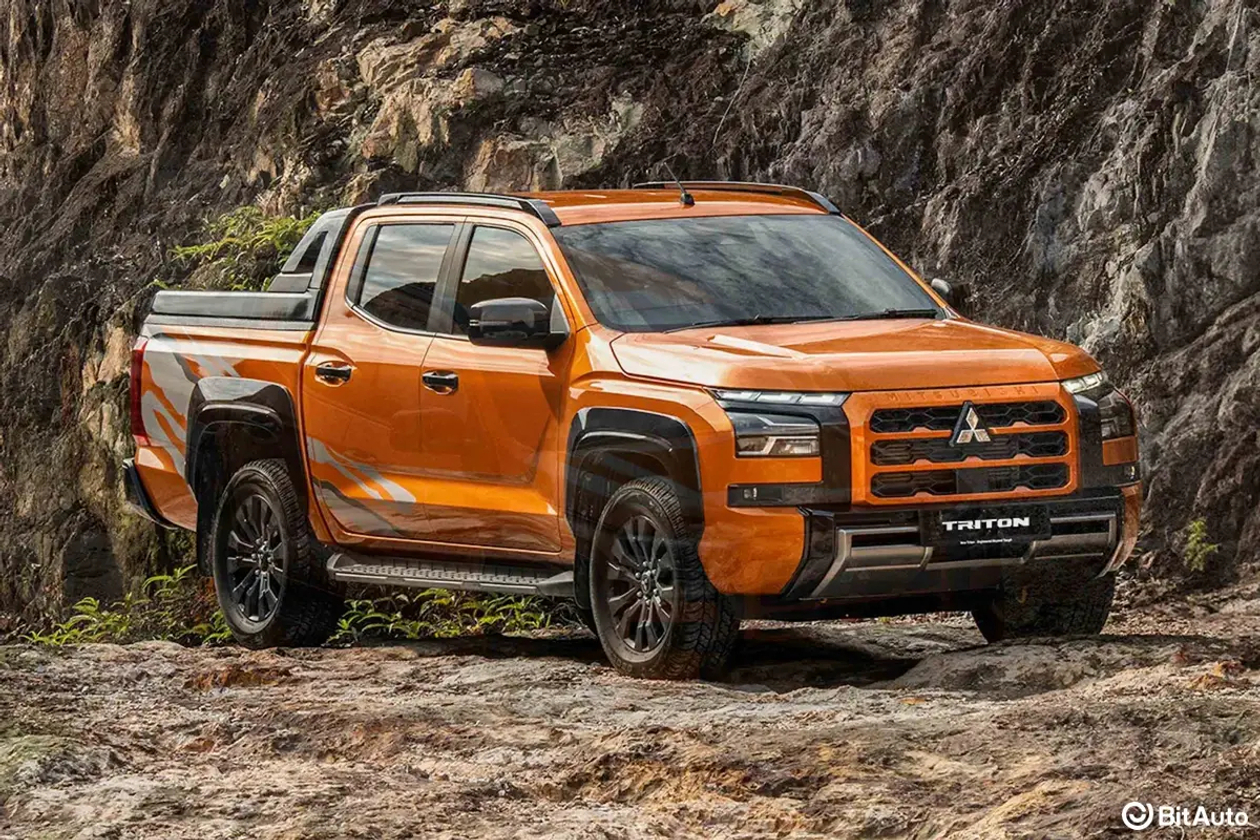
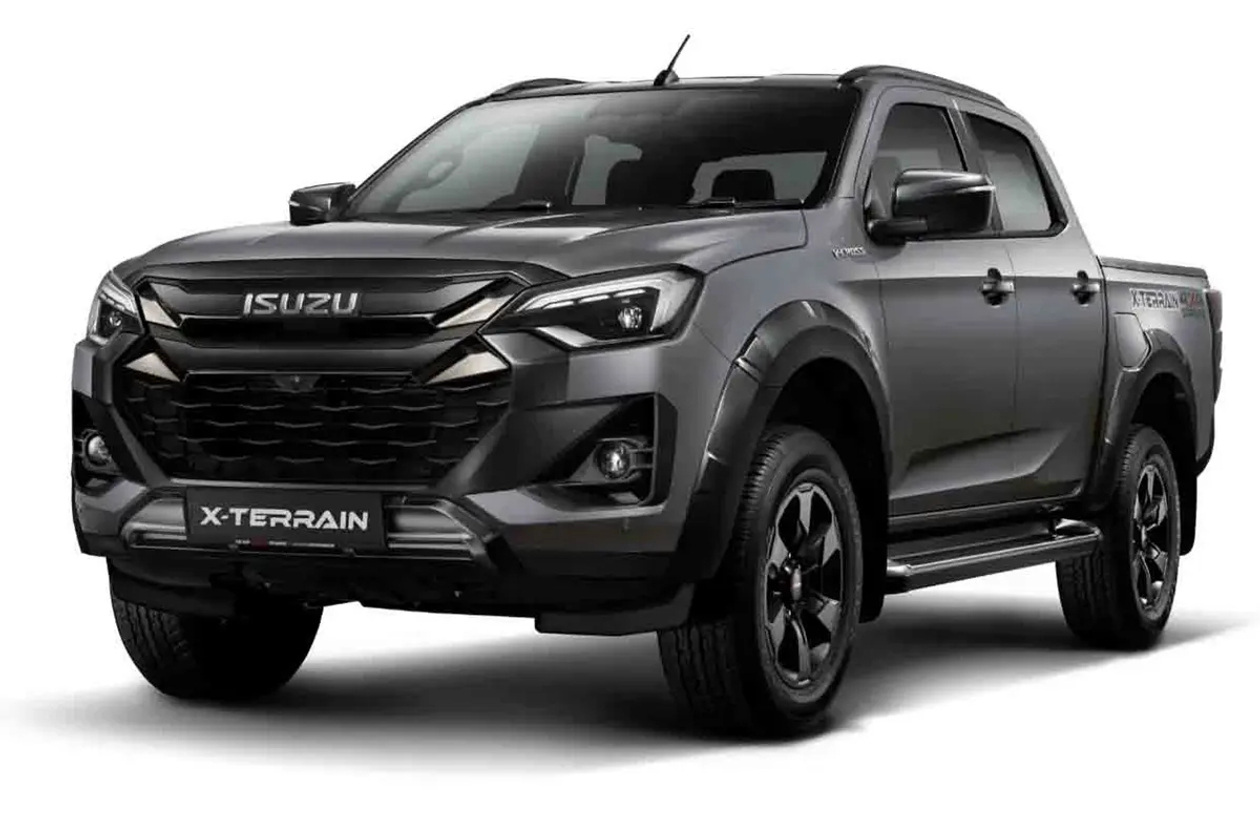
Interestingly, its rival, the Isuzu D-Max Single Cab AT, was launched back at the end of March this year. Both brands' single-cab pickups have now entered the automatic era, but they are taking completely different approaches.
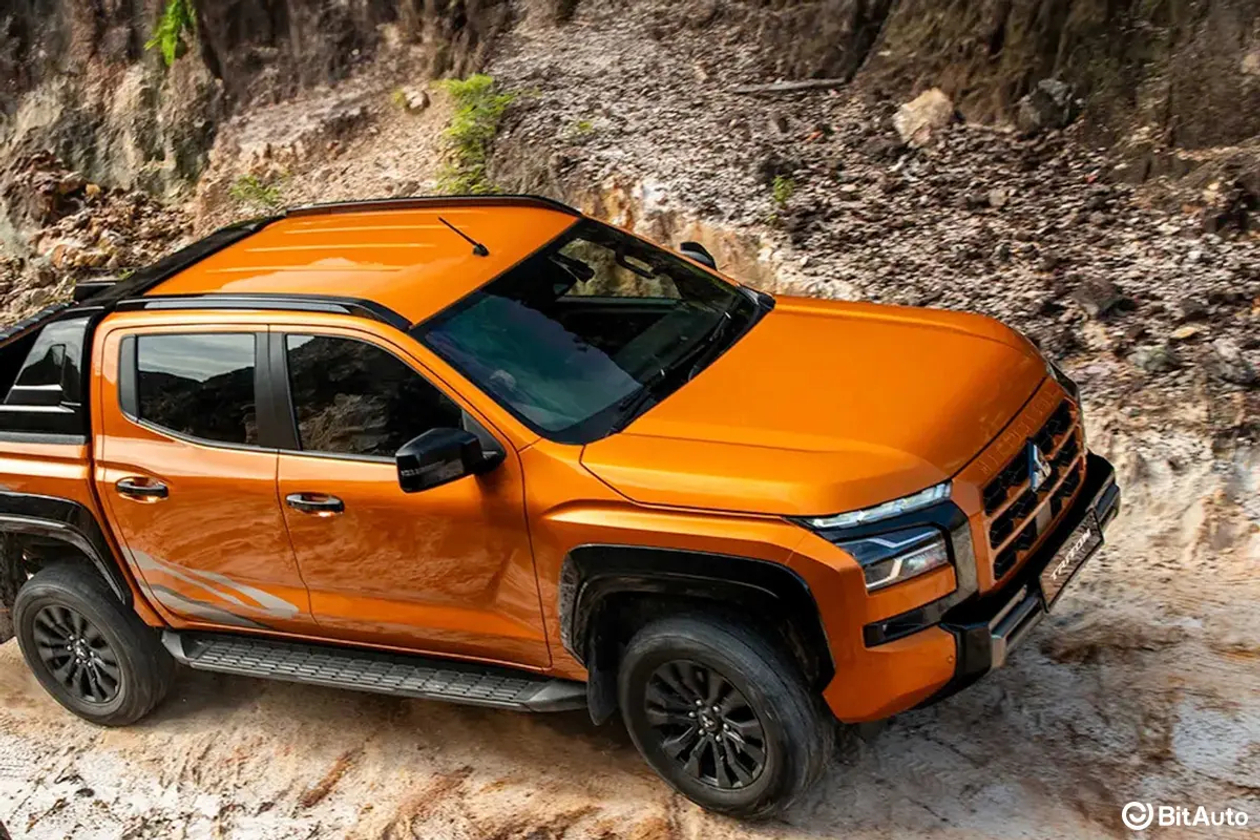
The Triton Single Cab AT is priced at RM107,980 (individual OTR without insurance for Peninsular Malaysia). This makes it RM6,000 more expensive than the manual variant.
Only one body colour is available: Solid White. It is backed by a 5-year or 200,000 km warranty. A limited-time promotion offers a RM4,000 diesel subsidy.
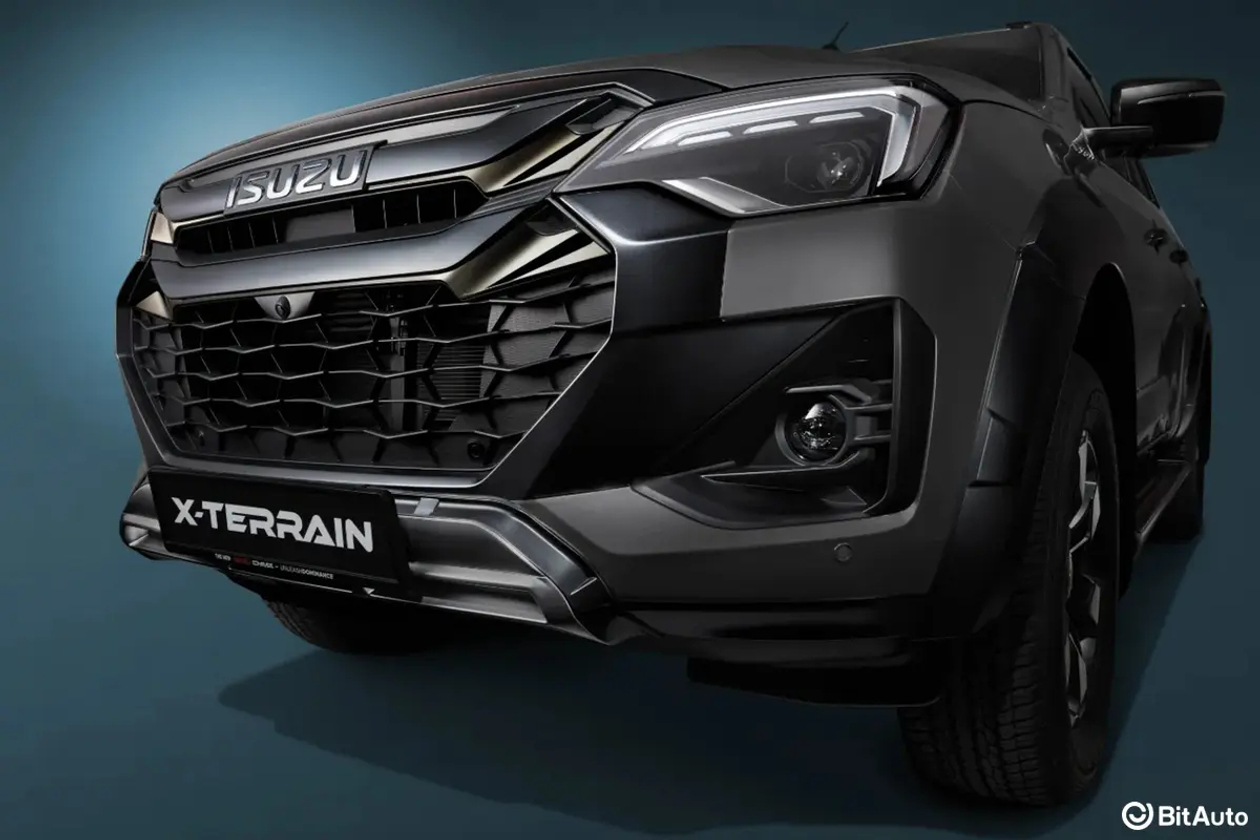
The price of the D-Max 2.2L Single Cab AT is RM109,121.20 (Peninsular Malaysia, individual OTR without insurance). It comes with a 5-year or 150,000 km warranty.
Comparing the retail prices, the Triton is RM1,141 cheaper. Once you factor in the Triton's RM4,000 diesel subsidy, the actual cost savings are close to RM5,000.
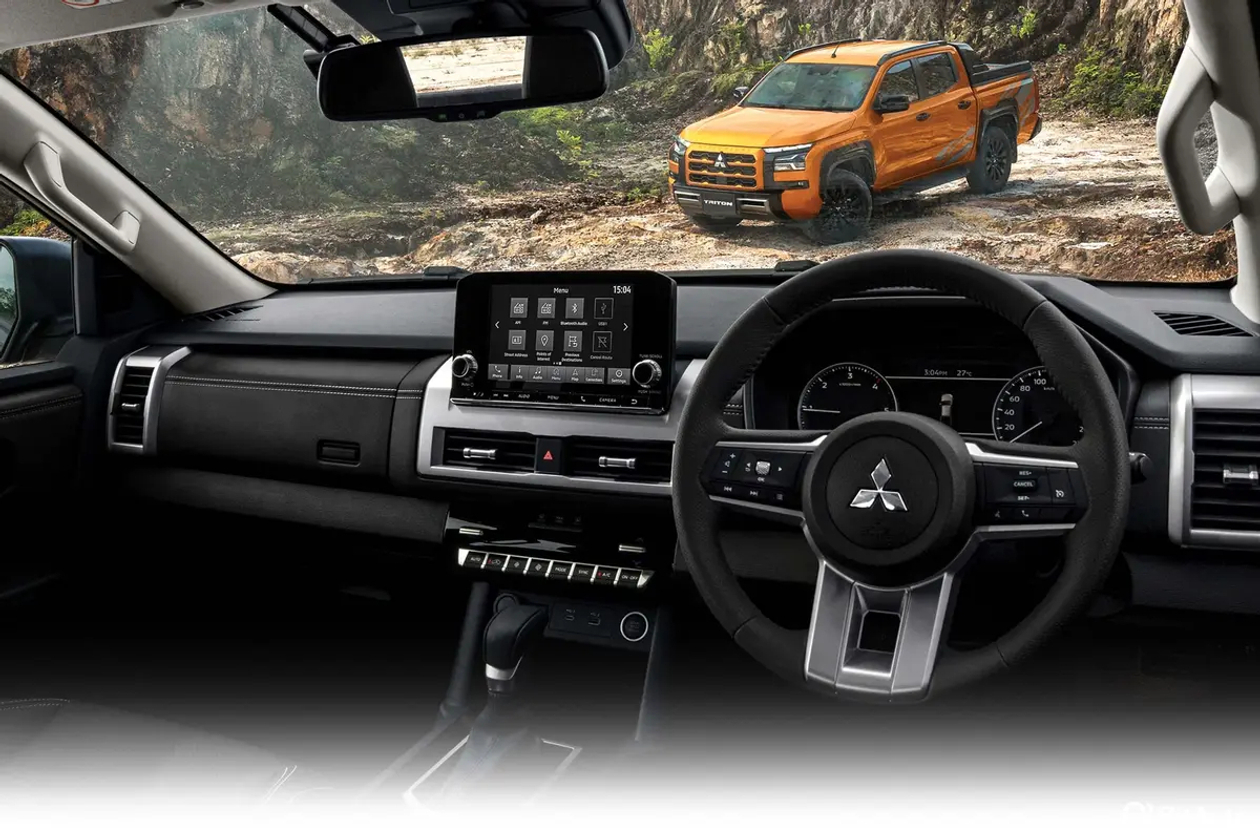
Triton is powered by a 2.4-litre turbodiesel engine, producing 184 PS and 430 Nm of peak torque. It is paired with a six-speed automatic transmission. The Easy Select 4WD system offers three drive modes: 2H, 4H, and 4L.
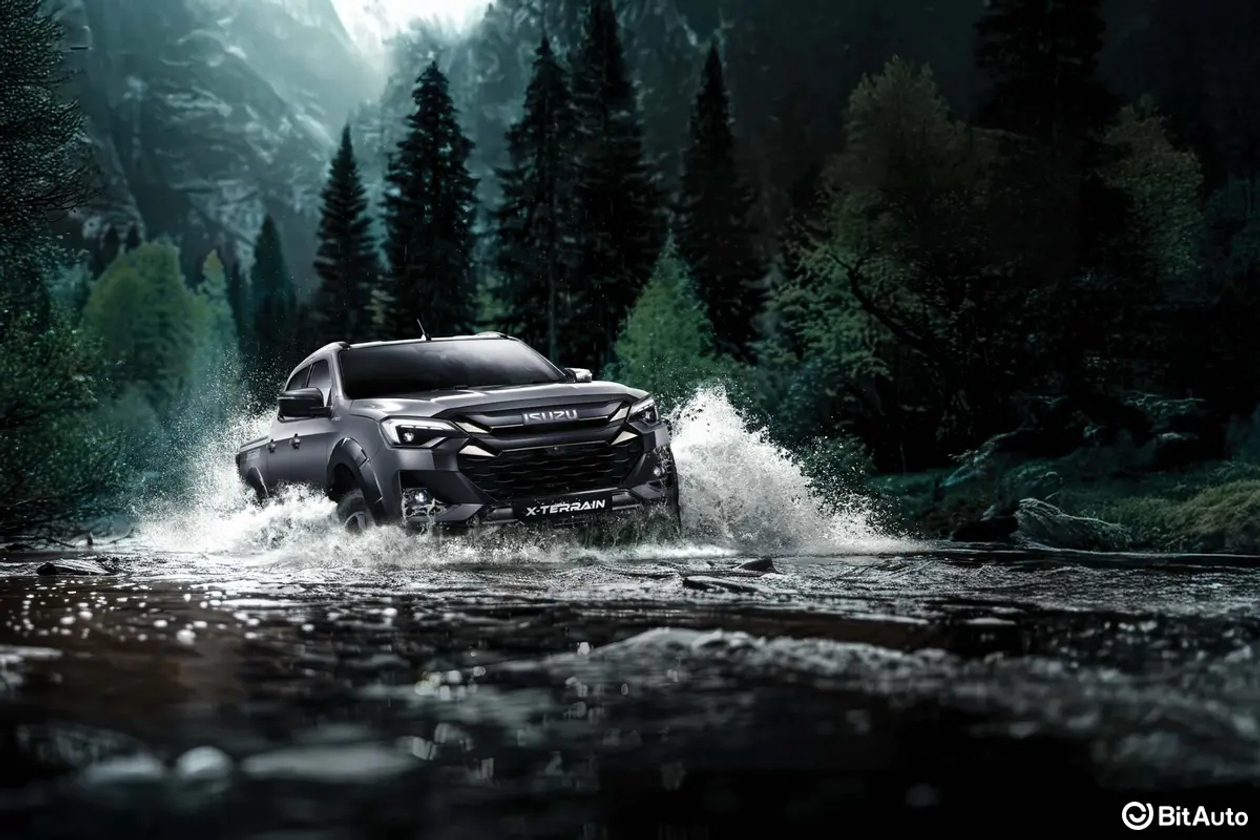
D-Max is powered by a new 2.2-litre turbodiesel engine, producing 163 PS at 3,600 rpm and 400 Nm from 1,600 to 2,400 rpm. This is paired with an eight-speed automatic transmission.
There is a difference of 21 PS and 30 Nm between the two. For commercial operators who regularly haul heavy loads, negotiate steep inclines, or cover long distances, the Triton's extra grunt is a tangible advantage.
Triton features a maximum payload capacity of 1,145 kg. Its cargo bed measures 2,340 x 1,580 x 515 mm. It rides on 17-inch steel wheels wrapped in 265/65 all-terrain tyres.
D-Max has a slightly longer cargo bed at 2,345 mm, but its maximum payload is capped at around 1,000 kg. Dimensions-wise, the D-Max measures 5,330 mm long, 1,810 mm wide, and 1,770 mm tall, with a 3,125 mm wheelbase.
Mitsubishi officially brands the Triton's 1,145 kg payload as best-in-class. For business owners who need to haul cargo, this 145 kg deficit on the D-Max is definitely worth noting.
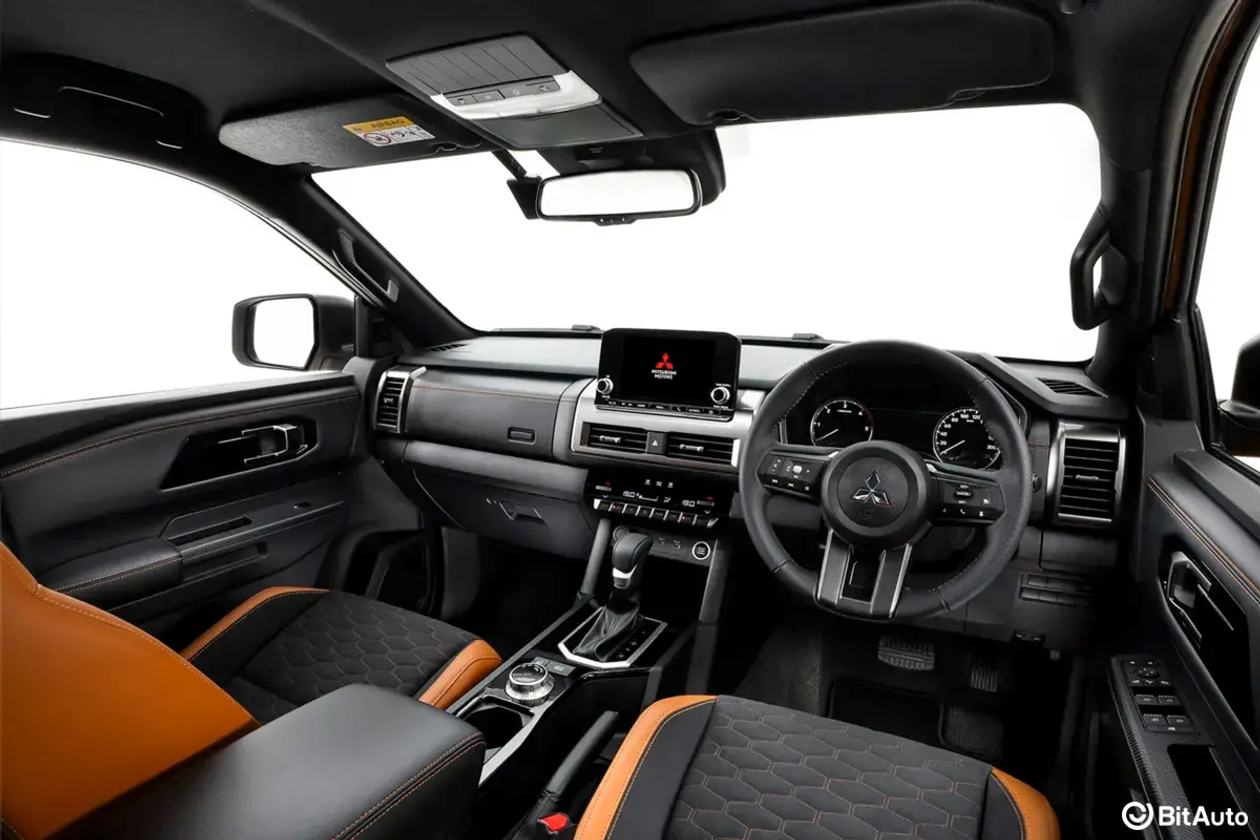
Triton Single Cab AT's standard kit includes reverse sensors, a rear differential lock, a bedliner, a black rear bumper, black vinyl seats, automatic headlights, automatic wipers, and black door handles. On the safety front, it comes with three airbags, including a driver's knee airbag.
D-Max 2.2L Single Cab AT's standard features include 16-inch steel wheels, manual air-conditioning, a basic Bluetooth head unit with two speakers, a height-adjustable driver's seat, a manual key-start system, and hill start assist. Safety-wise, it gets dual airbags, ABS/EBD, and electronic stability control.
While both trucks feature a rear differential lock, Triton adds it as a new standard feature, whereas Isuzu had already standardized the rear diff lock across the entire D-Max lineup (including the Single Cab) back in 2023.
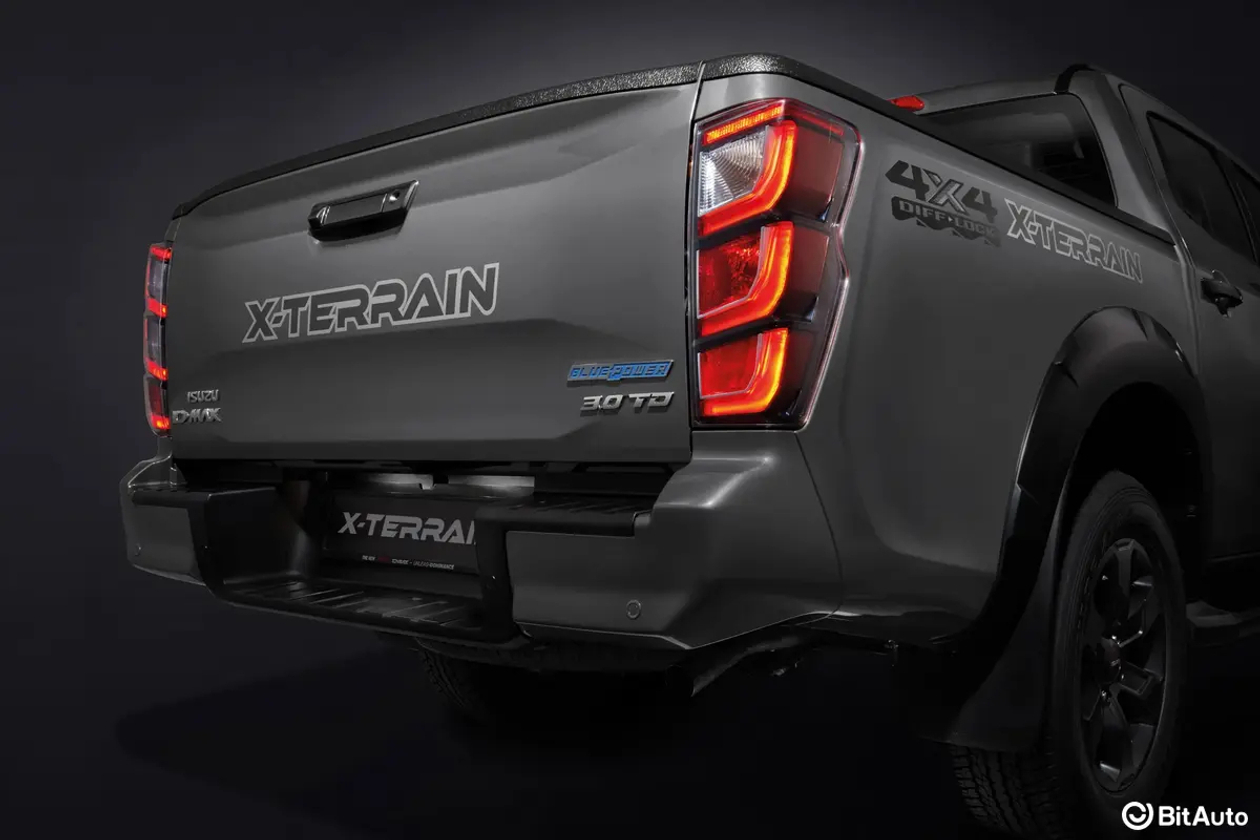
The Triton's three airbags (including the knee airbag) give it a safety edge. Meanwhile, the D-Max's eight-speed automatic transmission allows the engine to cruise at lower RPMs on the highway, theoretically translating to better fuel economy and a quieter cabin.
Road tax: Both vehicles run on diesel engines above 2.0L, placing their annual road tax in a similar bracket.
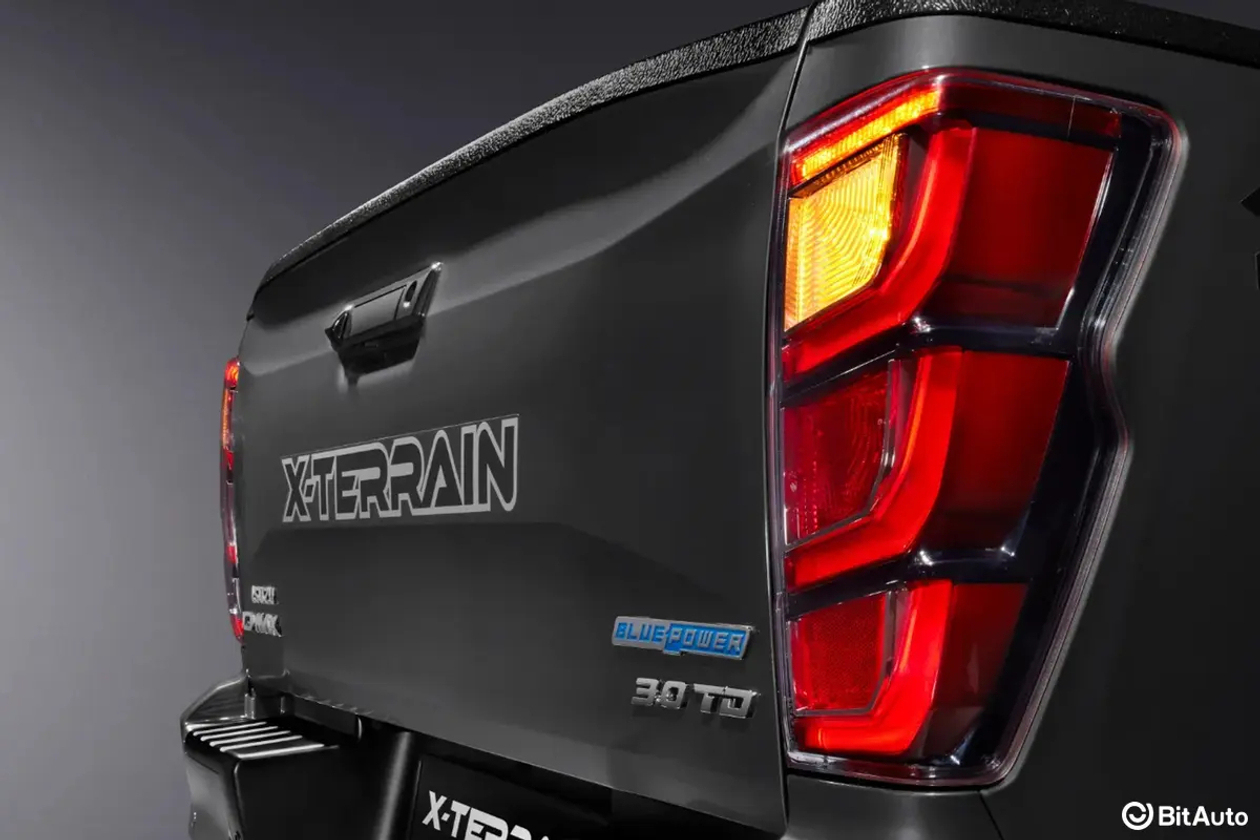
Fuel consumption: Isuzu claims an 8.7% improvement in fuel efficiency for the D-Max's new 2.2L engine, making it theoretically thriftier than the Triton's 2.4L unit.
Warranty: The Triton comes with a 5-year/200,000 km warranty, whereas the D-Max offers 5 years/150,000 km. The extra 50,000 km coverage on the Triton will be highly appealing to high-mileage commercial operators.
Diesel subsidy: Triton offers a limited-time RM4,000 diesel subsidy, whereas the D-Max currently does not have any ongoing campaign.
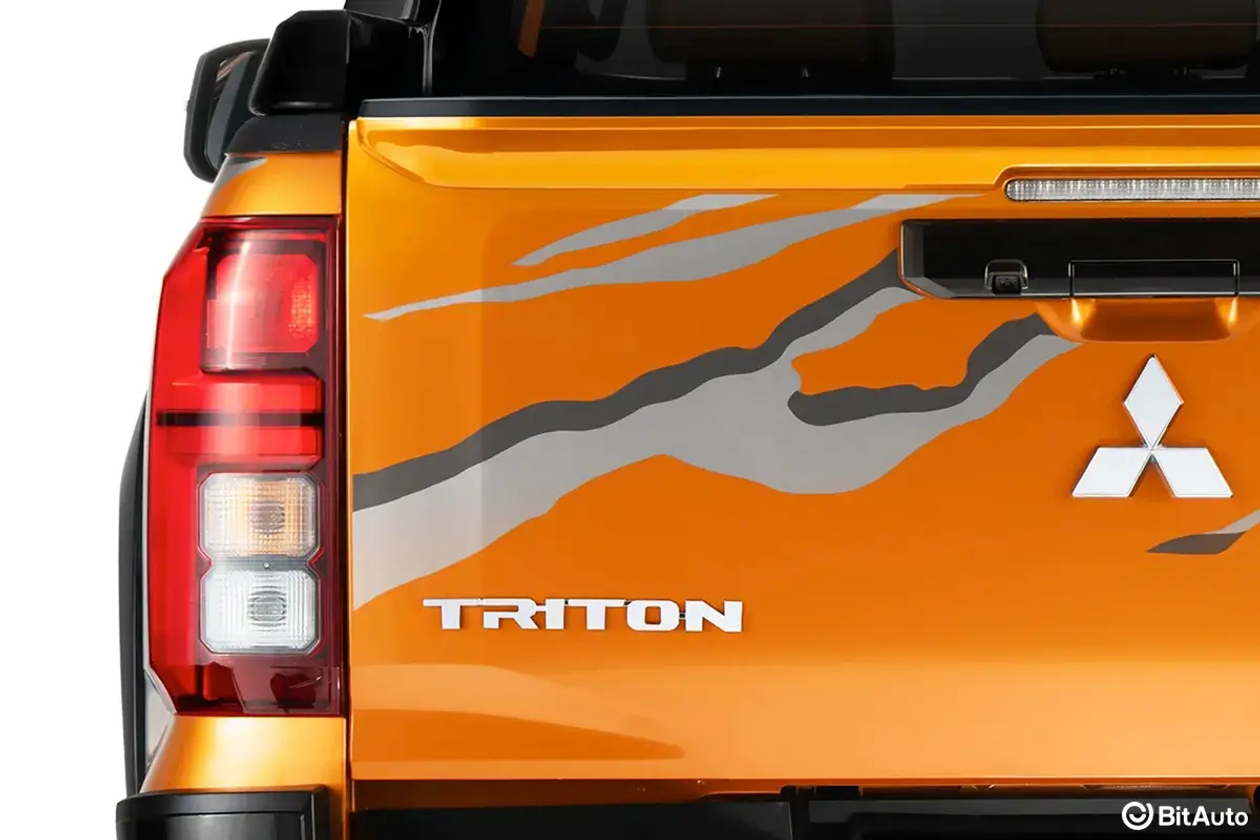
You need more power (184 PS vs 163 PS) and greater torque (430 Nm vs 400 Nm).
You prioritize safety with its three-airbag setup (including the driver's knee airbag).
You want a longer mileage warranty coverage (200,000 km vs 150,000 km).
You want to take advantage of the RM4,000 diesel subsidy promotion.
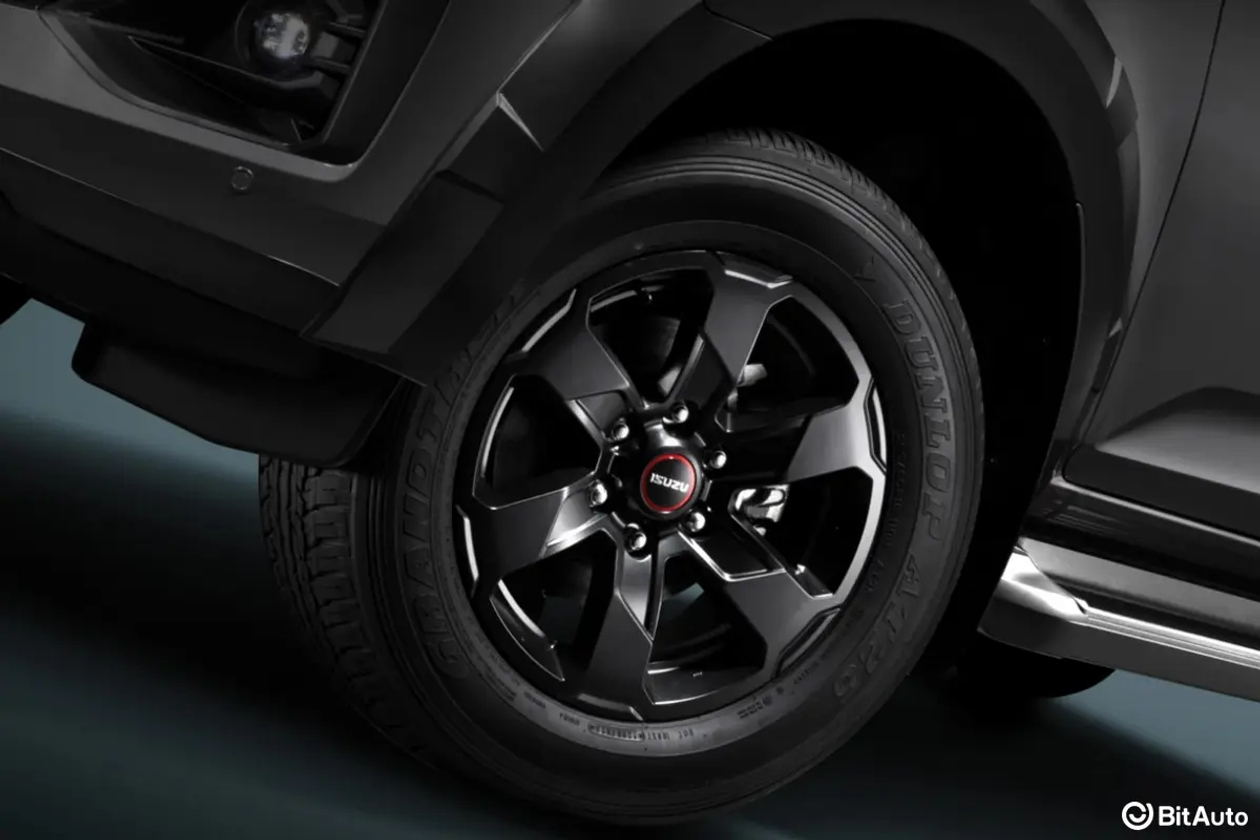
You place fuel economy at the top of your list (with the new 2.2L engine being 8.7% more efficient).
You highly trust Isuzu's reputation for diesel engine reliability.
You want a more relaxed highway cruise courtesy of the eight-speed automatic gearbox.
You are not particularly fussed by the RM1,141 price difference.
In summary, the Triton edges ahead in performance, safety kit, and warranty mileage. The D-Max claws back with superior fuel efficiency and Isuzu's legendary diesel reliability.
Both trucks are excellent in their own right, catering to slightly different requirements. One is a punchy, heavy-duty hauler with added safety, while the other is a fuel-sipping, durable cruiser built for the long haul.


Your go-to source for all things automotive in Malaysia. 🚗 Latest reviews, breaking news, launches & industry trends.
+ Follow Proton Saga & EV Terajui Pasaran September 2026! Supercar Tesla Bertenaga Roket SpaceX! 🚀
Adakah Proton Saga kembali merampas takhta kereta paling laris di Malaysia? Dan sejauh mana Proton menerajui pasaran Kenderaan Elektrik (EV) tempatan? 🚗⚡
#BitAutoMalaysia #protonsaga #ProtoneMAS #mitsubishixforce #teslaroadster #spacex #BeritaAutomotif #CarNewsMalaysia #EV 3 hours ago
Proton Saga & EV Terajui Pasaran September 2026! Supercar Tesla Bertenaga Roket SpaceX! 🚀
Adakah Proton Saga kembali merampas takhta kereta paling laris di Malaysia? Dan sejauh mana Proton menerajui pasaran Kenderaan Elektrik (EV) tempatan? 🚗⚡
#BitAutoMalaysia #protonsaga #ProtoneMAS #mitsubishixforce #teslaroadster #spacex #BeritaAutomotif #CarNewsMalaysia #EV 3 hours ago  Xiaomi SU7 drives up Genting Highlands with DropTheTop - and what this teaches us about car culture!
#xiaomisu7 #xiaomi #gentinghighlands #touge 6 hours ago
Xiaomi SU7 drives up Genting Highlands with DropTheTop - and what this teaches us about car culture!
#xiaomisu7 #xiaomi #gentinghighlands #touge 6 hours ago  Remember the Proton Arena?
Well, Toyota seems to be developing a new pick-up truck with that same concept, adapting a Corolla Cross as a pick-up truck.
Malaysia how?
#toyota 9 hours ago
Remember the Proton Arena?
Well, Toyota seems to be developing a new pick-up truck with that same concept, adapting a Corolla Cross as a pick-up truck.
Malaysia how?
#toyota 9 hours ago Get the latest car news first!
Your go-to source for all things automotive in Malaysia. 🚗 Latest reviews, breaking news, launches & industry trends.
Proton Saga & EV Terajui Pasaran September 2026! Supercar Tesla Bertenaga Roket SpaceX! 🚀
Adakah Proton Saga kembali merampas takhta kereta paling laris di Malaysia? Dan sejauh mana Proton menerajui pasaran Kenderaan Elektrik (EV) tempatan? 🚗⚡
#BitAutoMalaysia #protonsaga #ProtoneMAS #mitsubishixforce #teslaroadster #spacex #BeritaAutomotif #CarNewsMalaysia #EV 3 hours ago Xiaomi SU7 drives up Genting Highlands with DropTheTop - and what this teaches us about car culture!
#xiaomisu7 #xiaomi #gentinghighlands #touge 6 hours ago Remember the Proton Arena?
Well, Toyota seems to be developing a new pick-up truck with that same concept, adapting a Corolla Cross as a pick-up truck.
Malaysia how?
#toyota 9 hours ago 
© 2024 Bitauto.com. All Rights Reserved.
Bitauto (www.yiche.com and www.bitauto.com) is one of the most visited automotive websites in China. We provide detailed info on Chinese car brands available in your area. Please note that the information provided on this website is based on publicly available data and is for reference only. It may not be fully updated or accurate at all times.

Help us improve our website


