The Proton eMas 5 registered 2,402 units in July, breaking straight into the top ten overall sales. However, with its price hovering around RM70,000, it remains out of reach for many budget-conscious buyers.
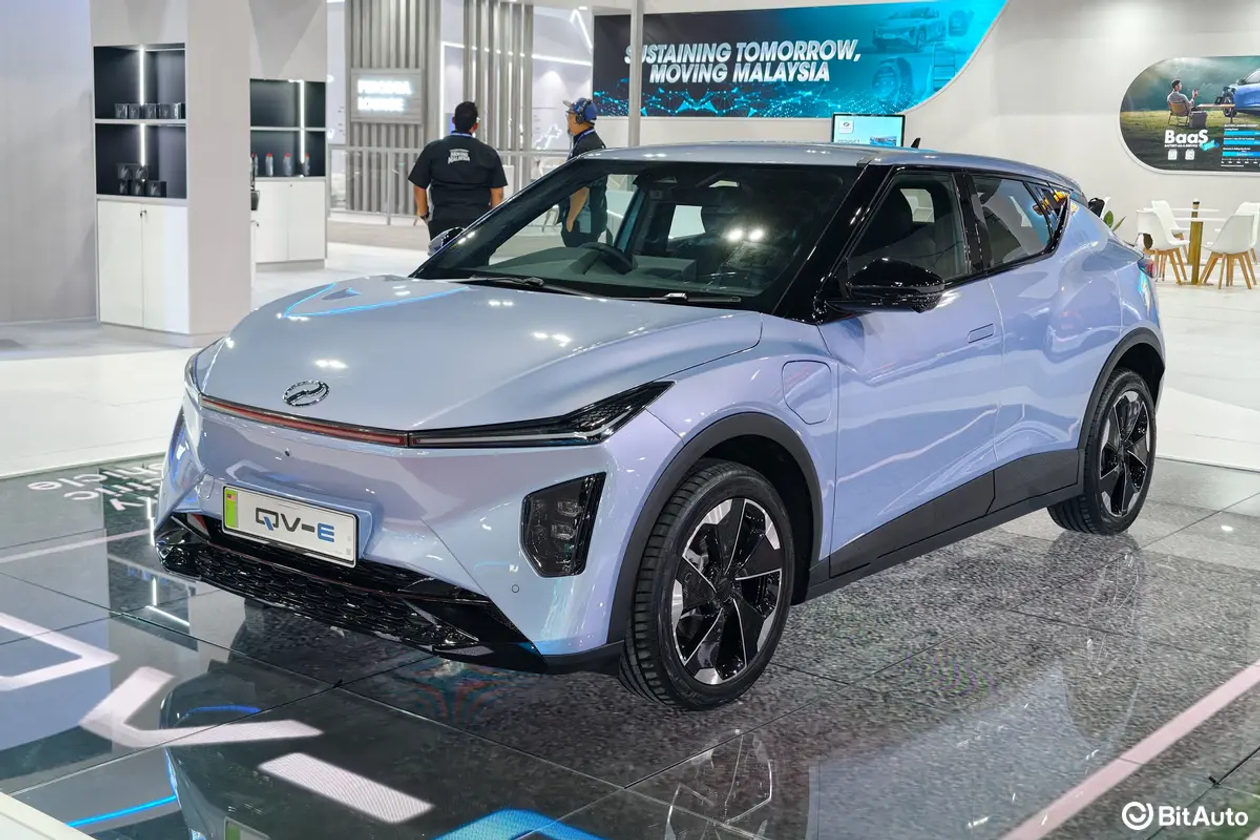
The model that truly lowers the entry barrier for EVs below the RM70,000 mark is the Perodua QV-E. Priced from RM63,499 (BaaS), it is currently Malaysia’s cheapest national EV.
On the other hand, the BYD Atto 2 is around RM100,000, making it nearly RM20,000 more expensive than the QV-E.
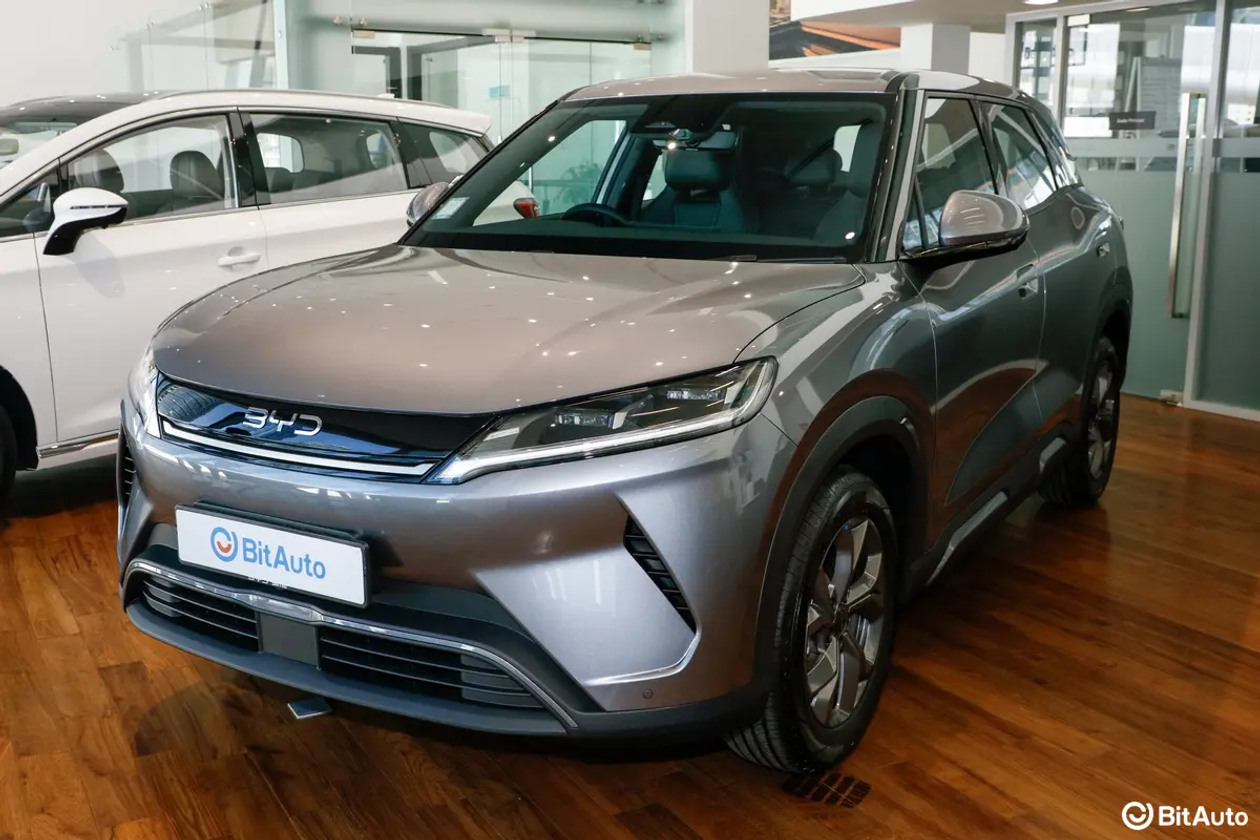
One is Malaysia’s first homegrown fully electric vehicle, while the other is the entry-level SUV from the world’s top-selling EV brand. With a price gap of RM20,000, what exactly does that extra money buy you?
The pricing structure for the Perodua QV-E is somewhat complex, offering two purchase options.
Outright purchase: RM87,499 (limited-time promo price, down from the original RM93,999).
Battery-as-a-Service (BaaS): RM63,499, plus a monthly battery leasing fee of RM215 on a 9-year contract.
Opting for the BaaS scheme allows you to drive the car home for just RM63,499, but with an additional RM215 monthly commitment. Over nine years, the battery leasing costs accumulate to RM23,220, bringing the total cost to RM86,719—which is actually RM780 cheaper than buying the car outright.
The pros of BaaS are the lower upfront barrier, but the con is that you do not own the battery, which will impact its resale value when you decide to sell the car.
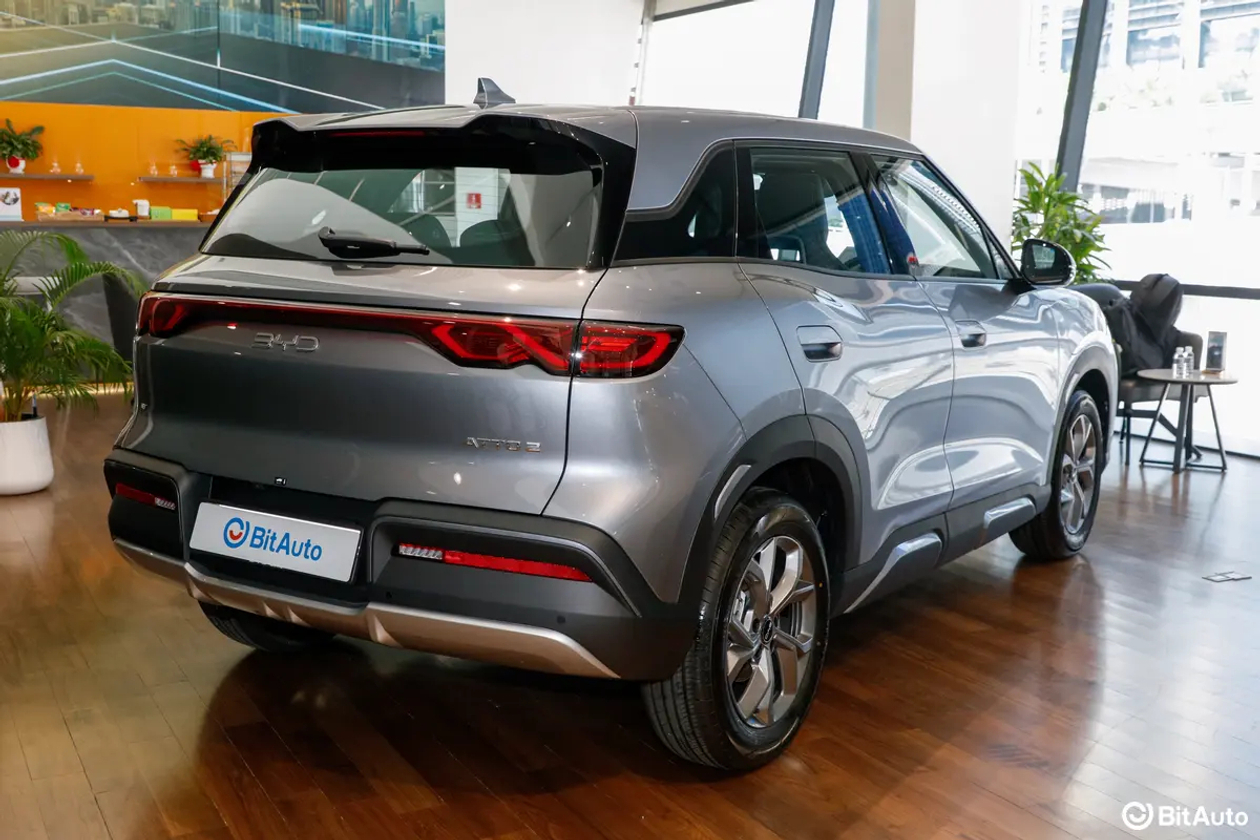
The BYD Atto 2 keeps things much simpler. Offered in a sole Premium variant as a fully imported (CBU) model, it is priced around RM100,000. There are no battery leasing schemes or complicated options—just pay outright and take delivery.
The difference in entry barrier is stark. At RM63,499, the QV-E under the BaaS scheme is nearly RM36,500 cheaper than the Atto 2. Even if you choose the outright purchase option, the QV-E still undercuts the Atto 2 by RM12,500.
Both cars are front-wheel drive with a single motor.
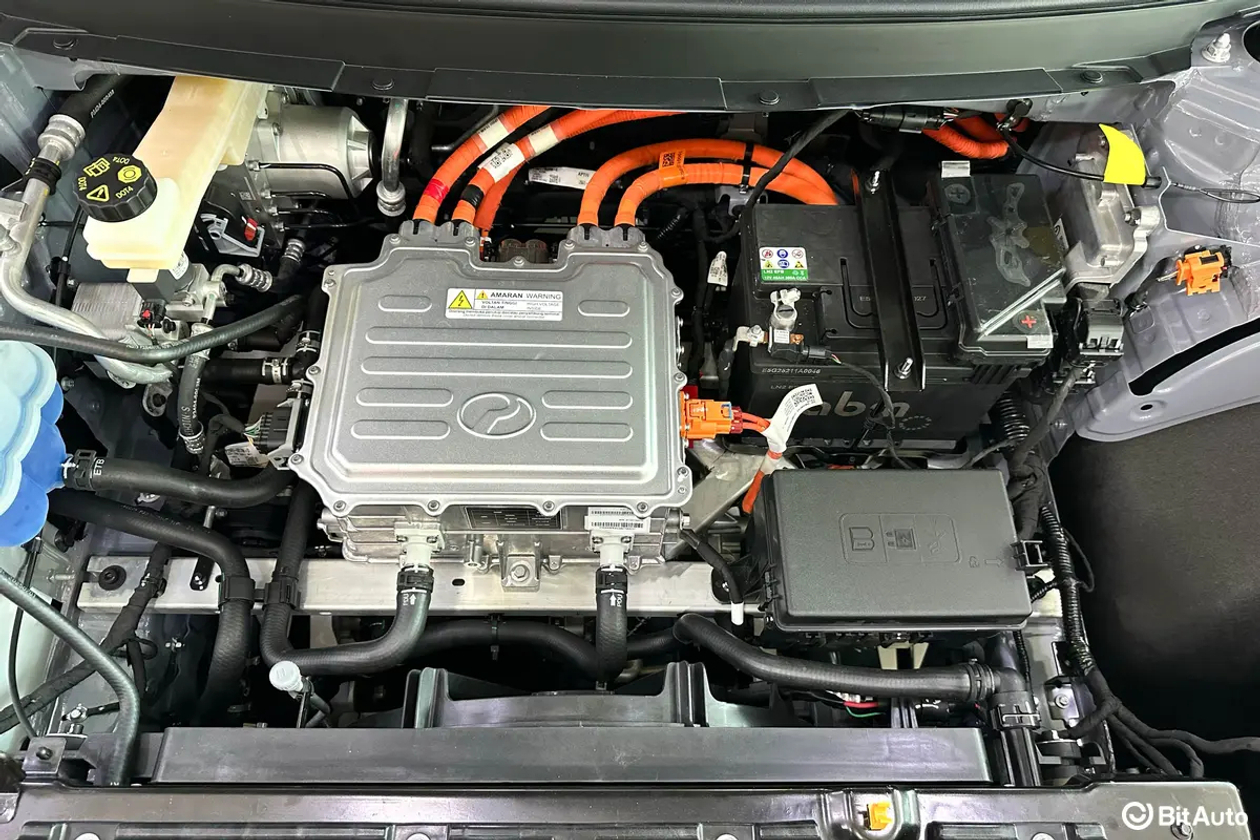
The QV-E features a front-mounted electric motor putting out 204 PS and 285 Nm of torque. Powered by a 52.5 kWh LFP battery, it claims a WLTP-rated range of 370 km and completes the 0-100 km/h sprint in 7.5 seconds.
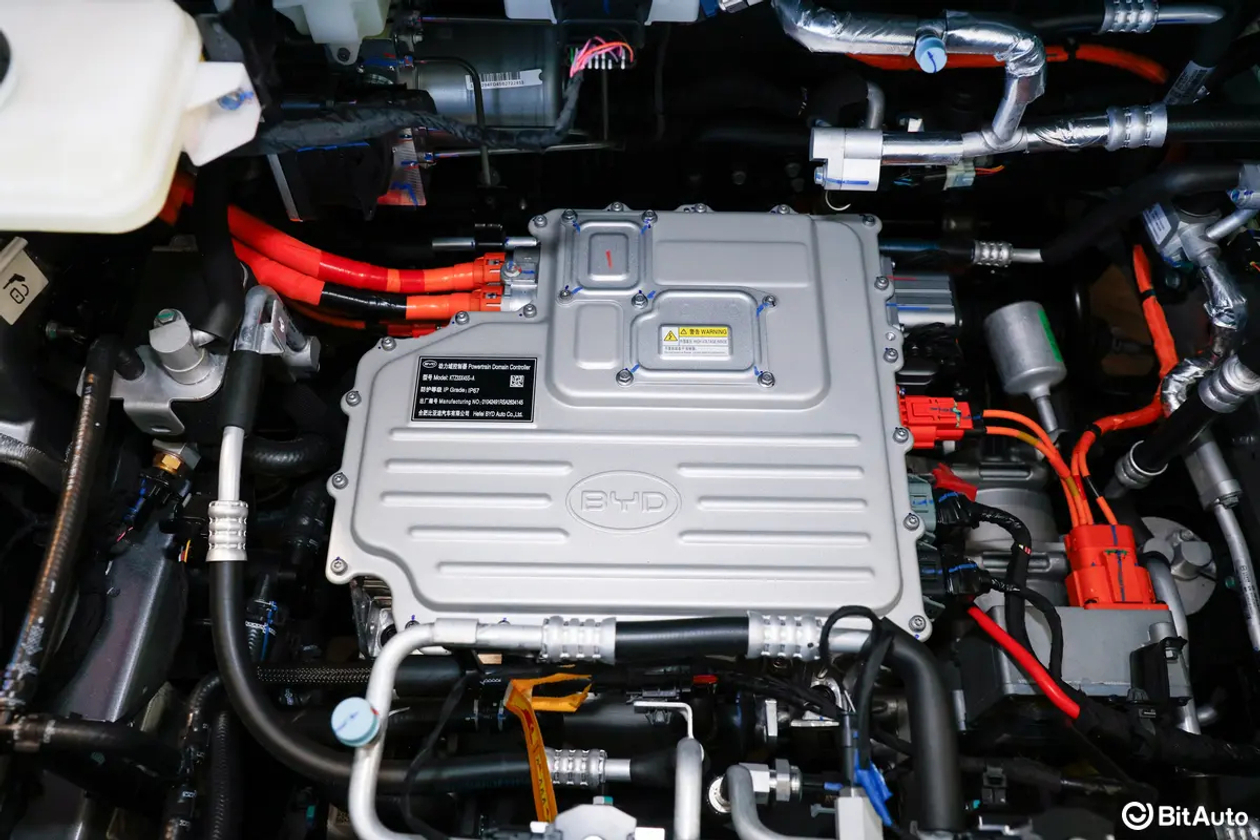
The Atto 2 also uses a front-wheel-drive single-motor setup, producing 175 hp (approx. 177 PS) paired with a 51.1 kWh battery. It offers a WLTP range of 345 km and does the 0-100 km/h run in 7.9 seconds.
On paper, the QV-E wins across the board: 204 PS vs 175 PS, 370 km vs 345 km, and 7.5 seconds vs 7.9 seconds. Perodua has certainly not held back in performance.
However, one detail is worth highlighting. Despite having similar battery capacities (52.5 kWh vs 51.1 kWh), the QV-E squeezed out an extra 25 km of range. This suggests better energy management or superior aerodynamics on Perodua.
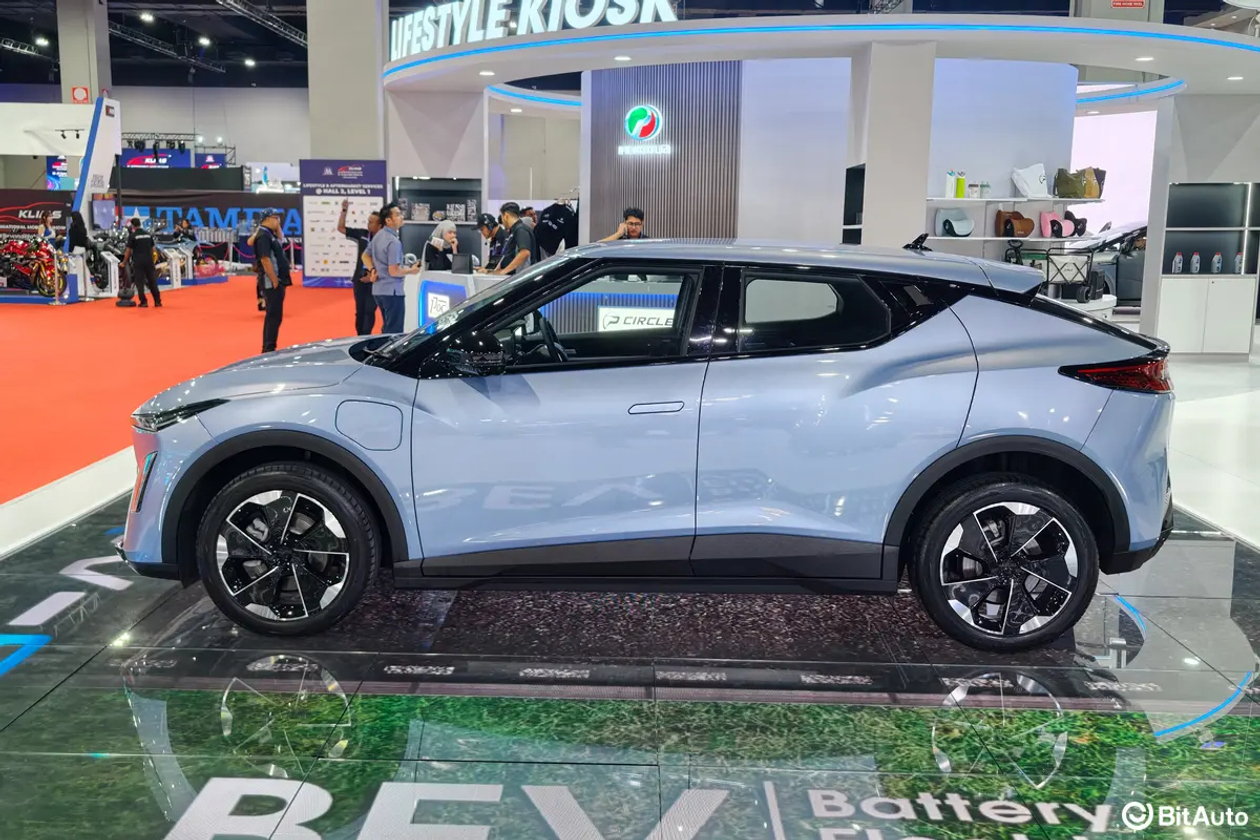
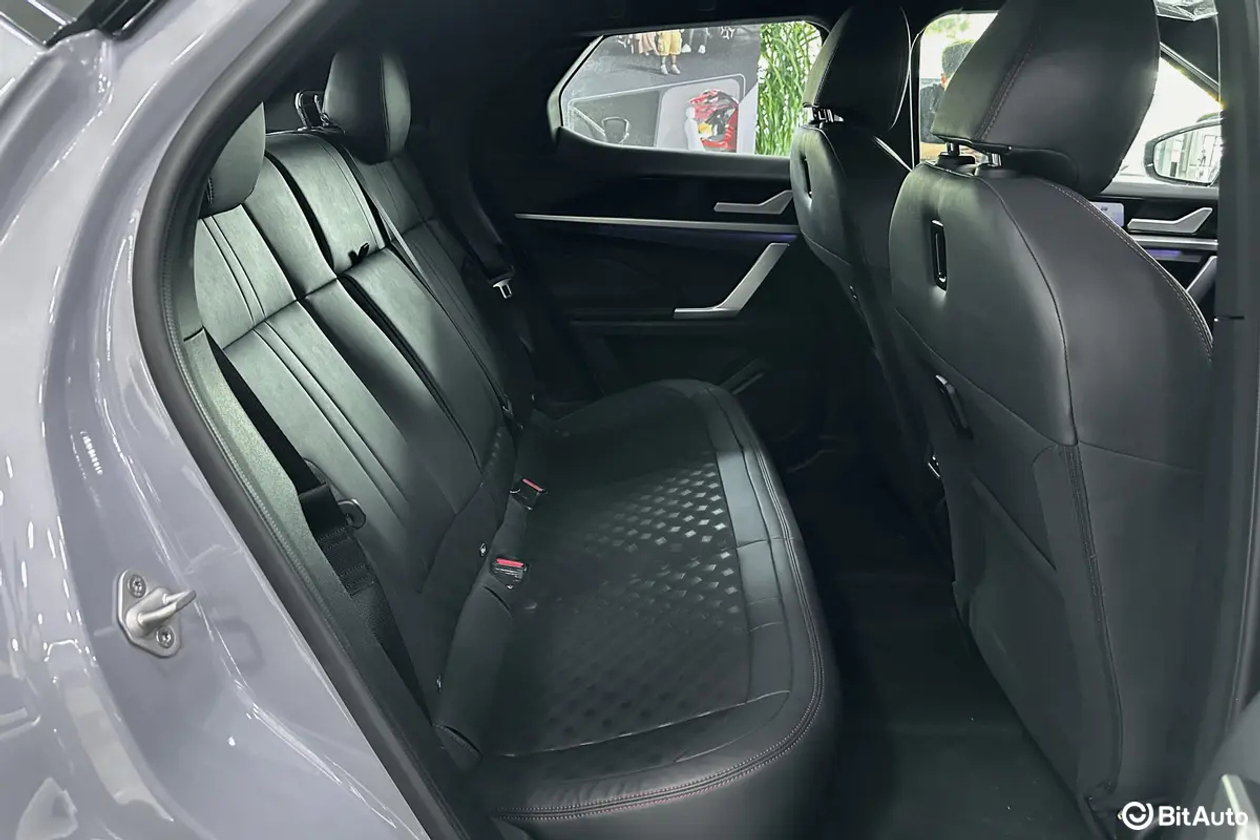
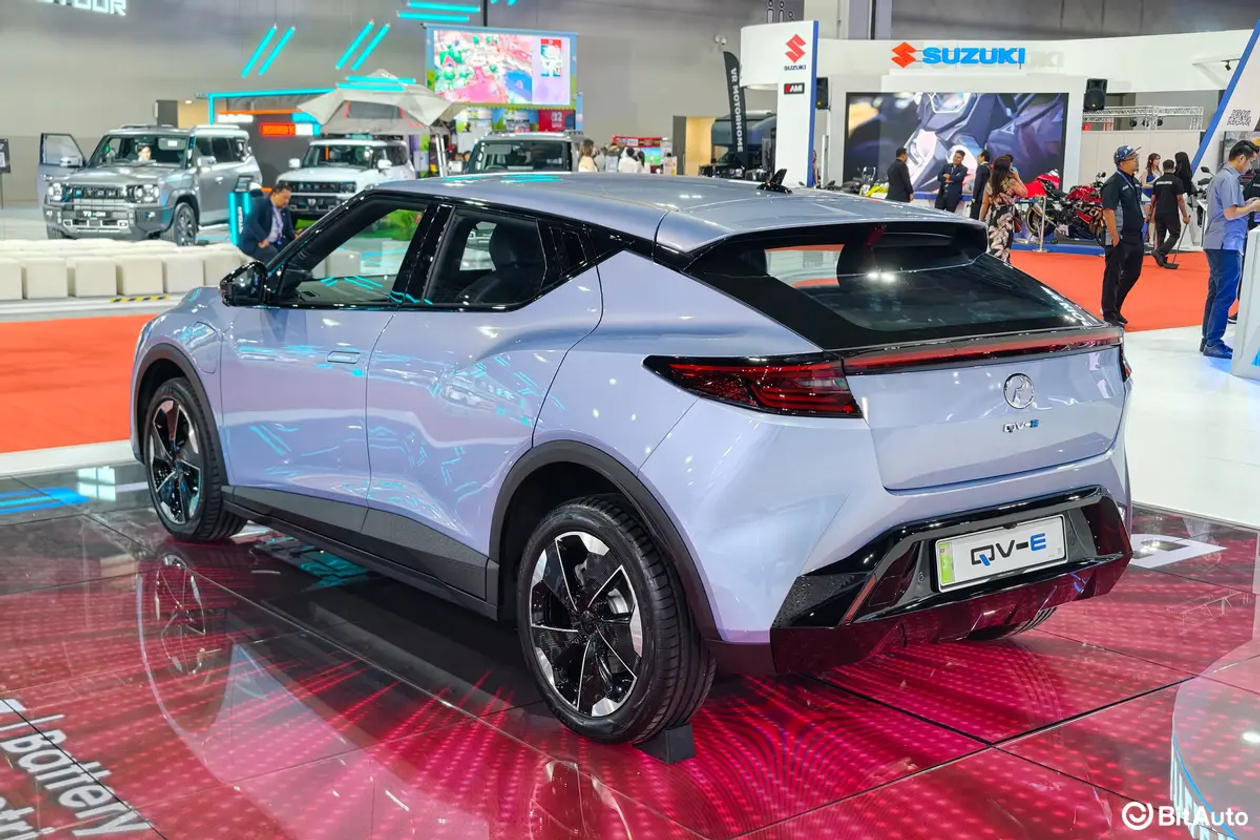
The QV-E's footprint sits between the Proton eMas 5 and the BYD Dolphin. With a 2,680 mm wheelbase, it is significantly larger than a Myvi. While its exact dimensions have yet to be fully detailed, early info suggests the rear legroom should be more generous than what the Atto 2 offers.
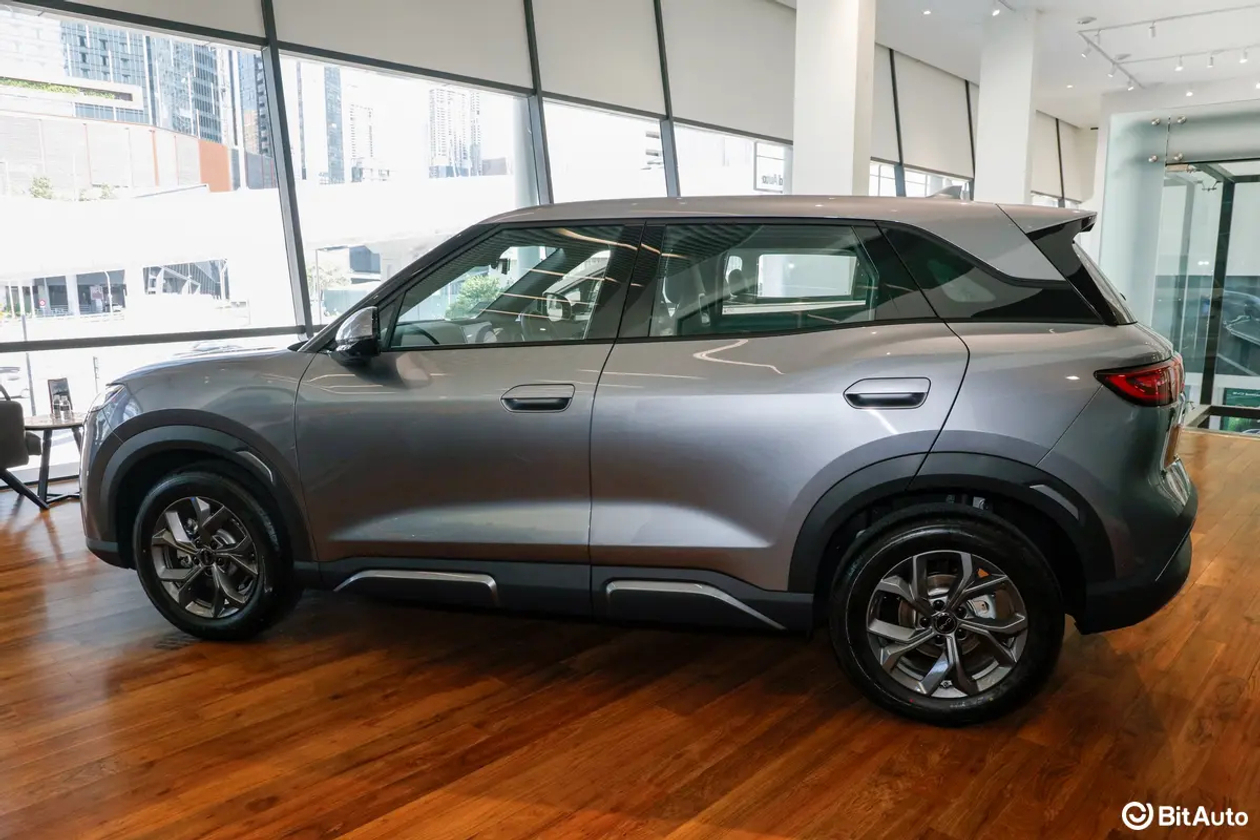
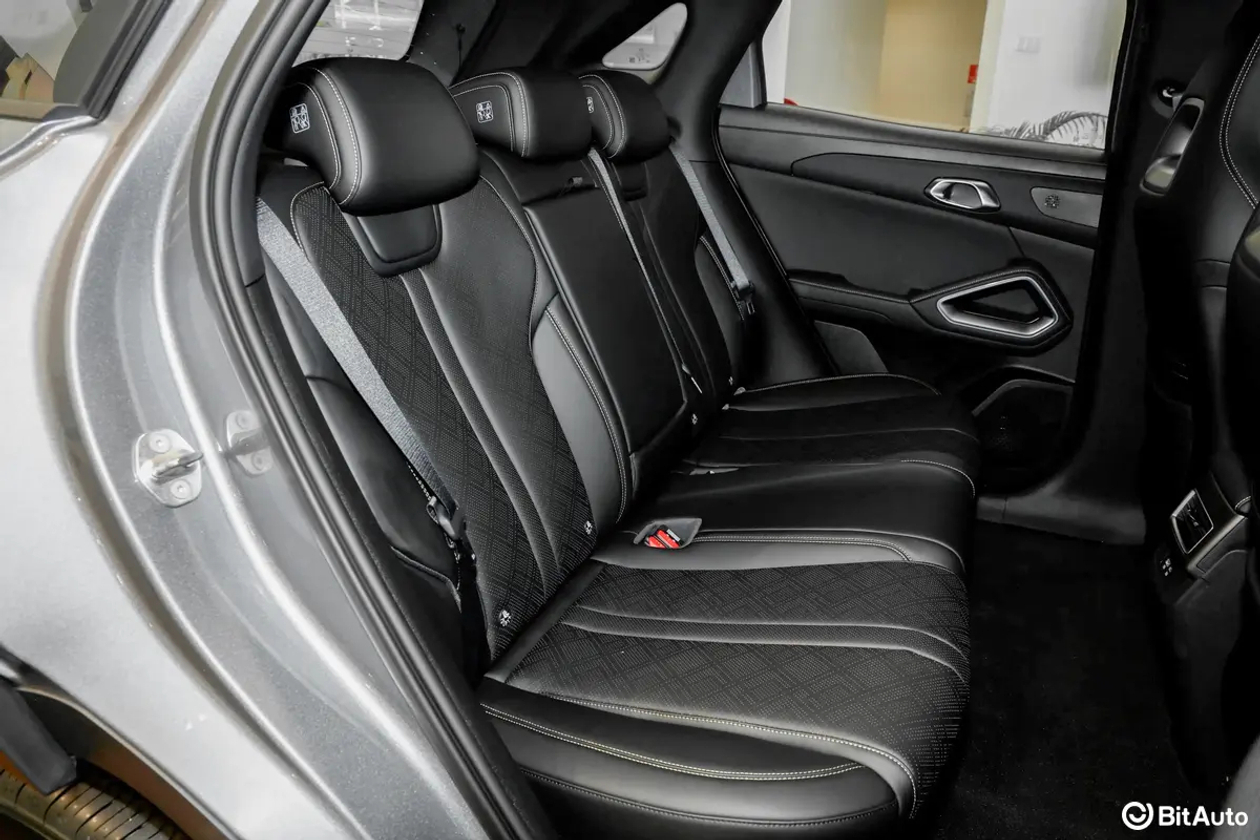
The Atto 2 is a compact SUV specifically for urban commuting, measuring one size smaller than the Atto 3. Its main selling point is agility, making it easier to maneuver through tight city streets and narrow parking bays.
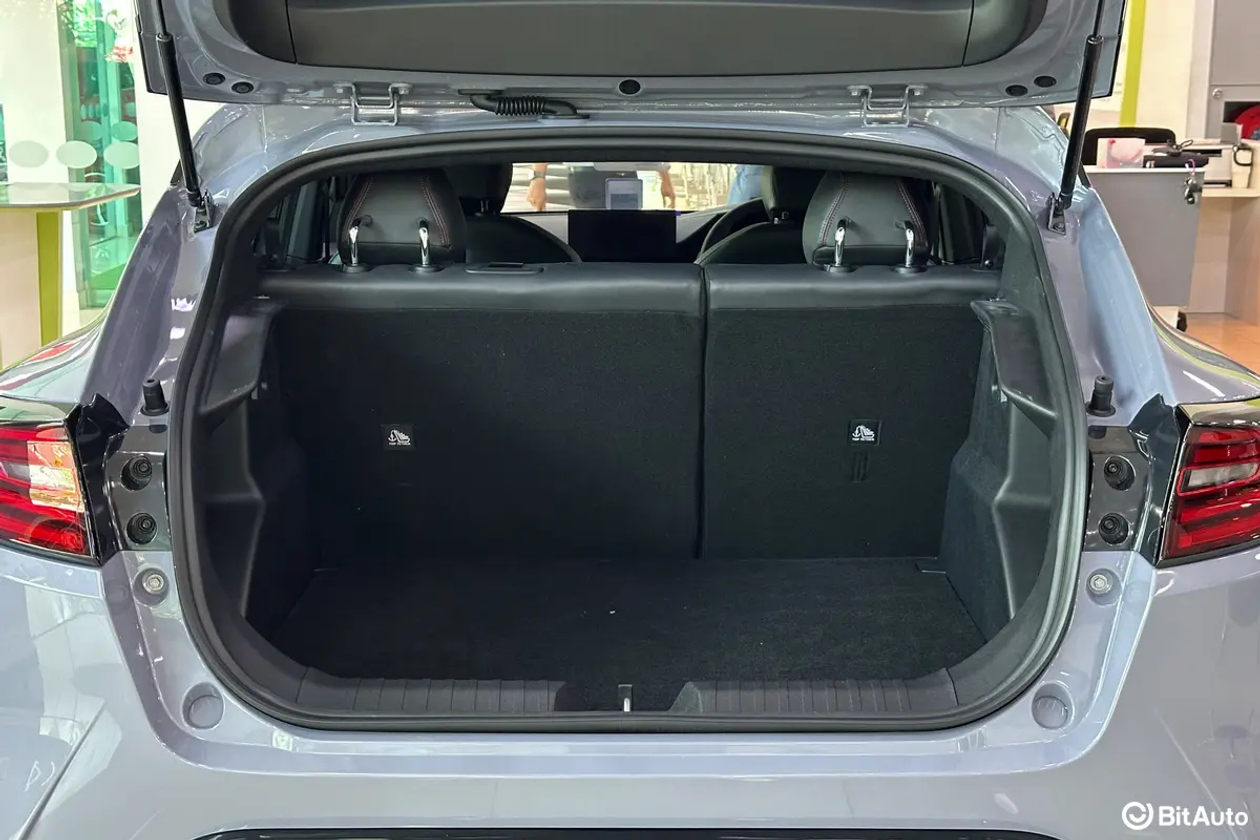
QV-E
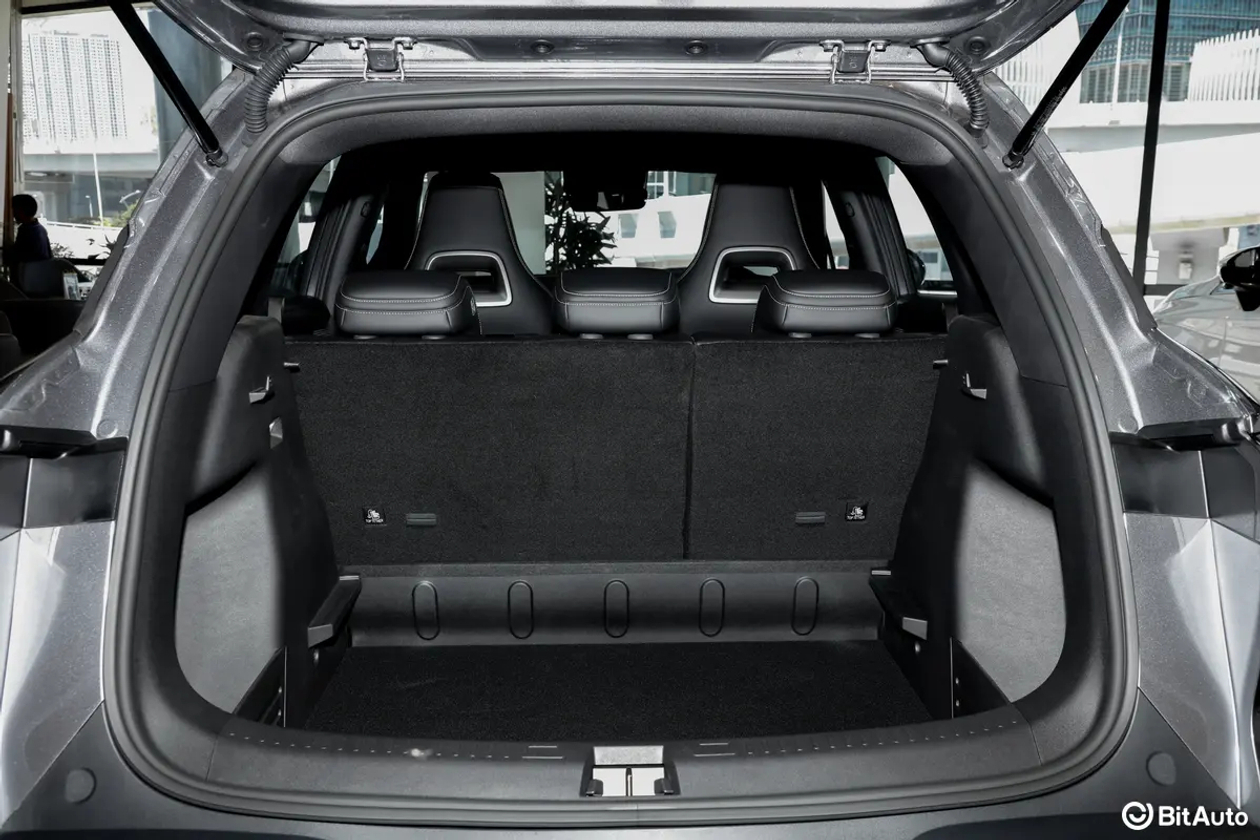
Atto 2
As for cargo space, the QV-E's fastback silhouette might compromise its boot aperture and depth. The Atto 2, featuring a conventional SUV shape, should provide better boot practicality and vertical loading space. That said, official boot volume figures for both models have yet to be disclosed.
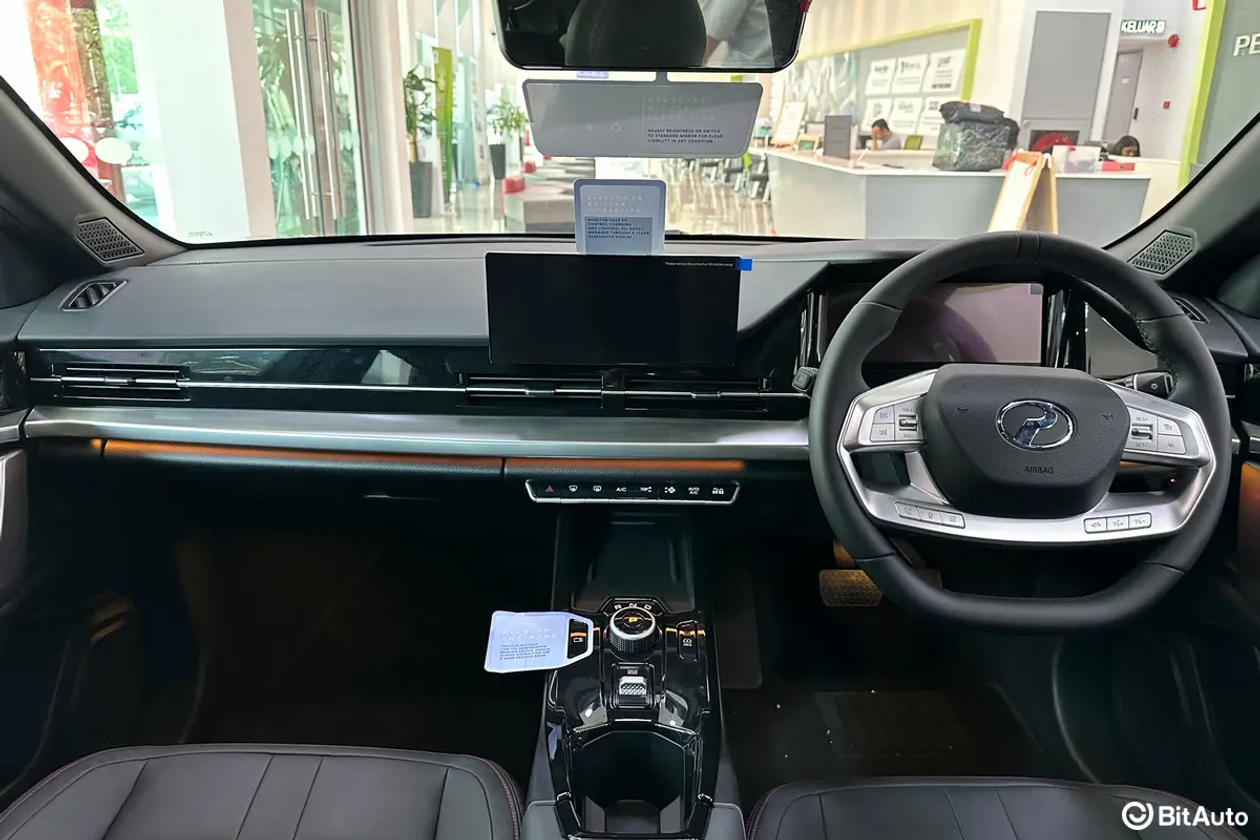
The QV-E's kit list is highly impressive for the price. It comes loaded with a 10.25-inch infotainment touchscreen featuring wireless Apple CarPlay and Android Auto, a 360-degree camera system, a wireless charger, a power-adjustable driver’s seat, a digital rearview mirror, a telescopic steering column, and a comprehensive suite of Advanced Driver Assistance Systems (ADAS).
Getting all these features in a vehicle starting from RM63,499 represents outstanding value for money.
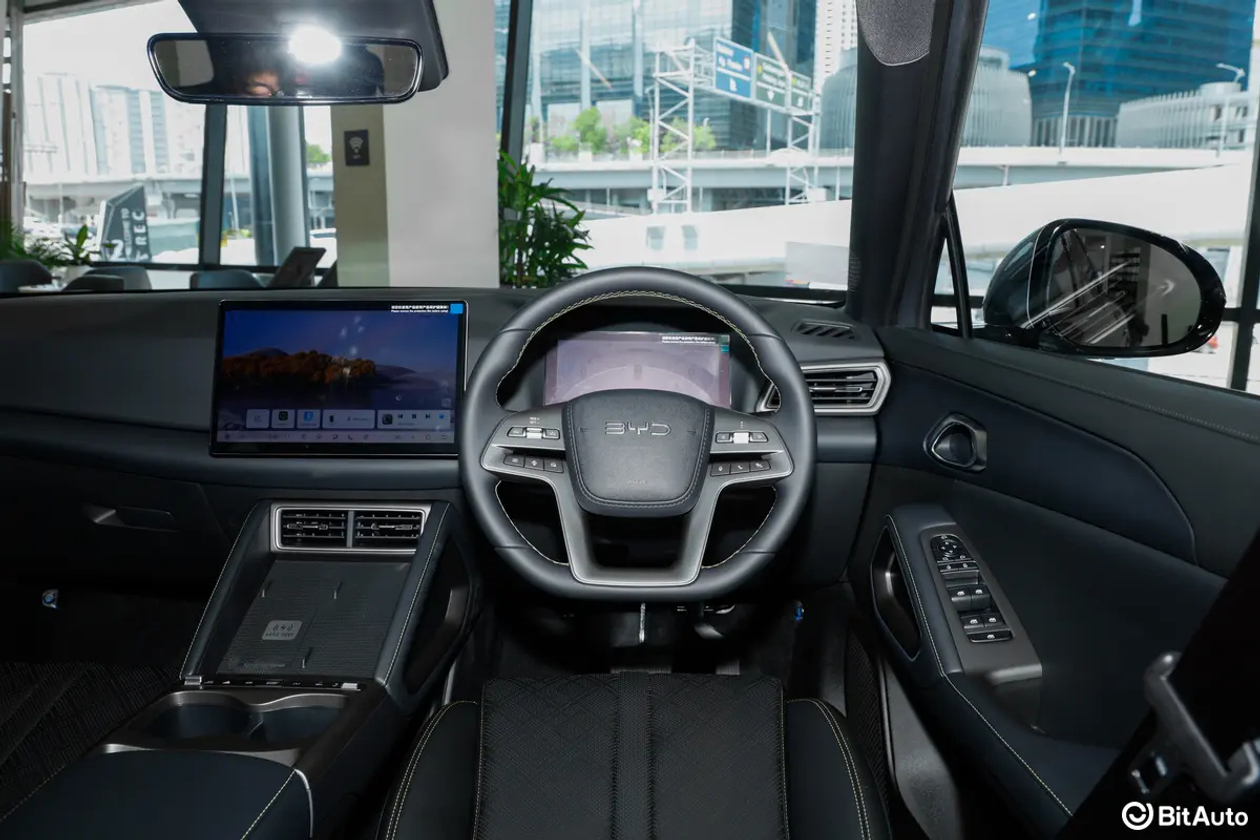
As BYD's entry-level SUV, the Atto 2 is no slouch in terms of equipment either. Its infotainment screen is similar in size to the QV-E's and also supports smartphone connectivity.
However, as a fully imported (CBU) model, its localised systems (like navigation and voice control) might not feel as well-adapted as the Perodua’s. The Atto 2 also features ADAS, though the exact list of functions is pending official confirmation.
On the safety front, both vehicles come with multiple airbags and Electronic Stability Control (ESC) as standard. Being Perodua’s maiden EV, how the QV-E fares in crash safety tests will be interesting to watch. Conversely, the Atto 2, as a global BYD model, already boasts a proven safety record in international crash tests.
As both are pure EVs, their annual road tax is calculated based on motor output. With the QV-E (approx. 150 kW) and the Atto 2 (approx. 130 kW) falling into similar brackets, the road tax difference will be negligible. The real differentiator lies in charging costs.
With both cars claiming ranges between 340 km and 370 km, your charging frequency for daily commutes will be largely the same. However, energy consumption figures for the Atto 2 are still under wraps, and the QV-E’s real-world efficiency has yet to be tested. In theory, a heavier car with a more powerful motor will consume more energy.
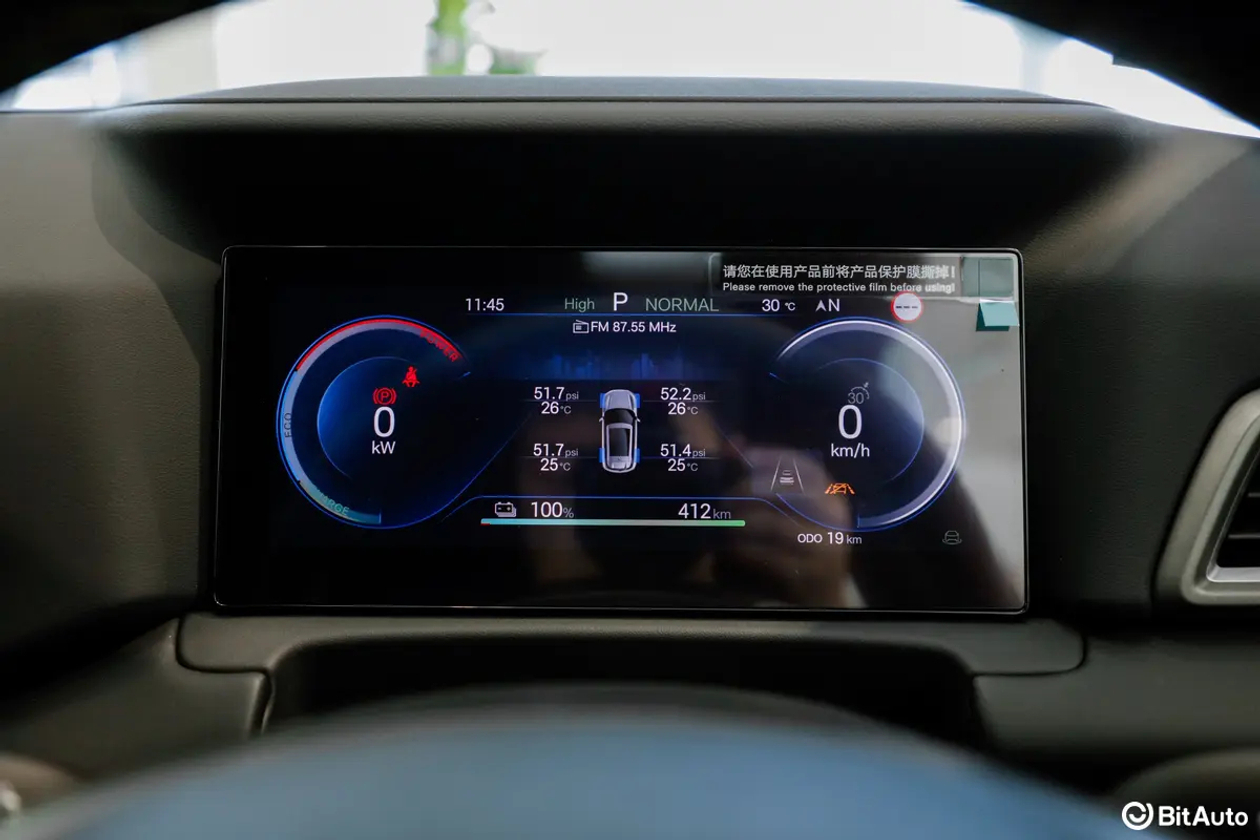
On the maintenance side, because there is no internal combustion engine to service, routine maintenance is limited to brake fluid, cabin filters, and battery health checks.
Perodua's massive service network is a major plus, offering unmatched accessibility and affordable pricing. While BYD's dealer network is expanding rapidly, its service coverage and long-term maintenance costs are still in the verification phase.
Warranty coverage is another key consideration. As the QV-E is Perodua’s first foray into EVs, buyers will be paying close attention to its battery warranty terms. The Atto 2, being a global product, comes backed by BYD's established and mature battery warranty framework.
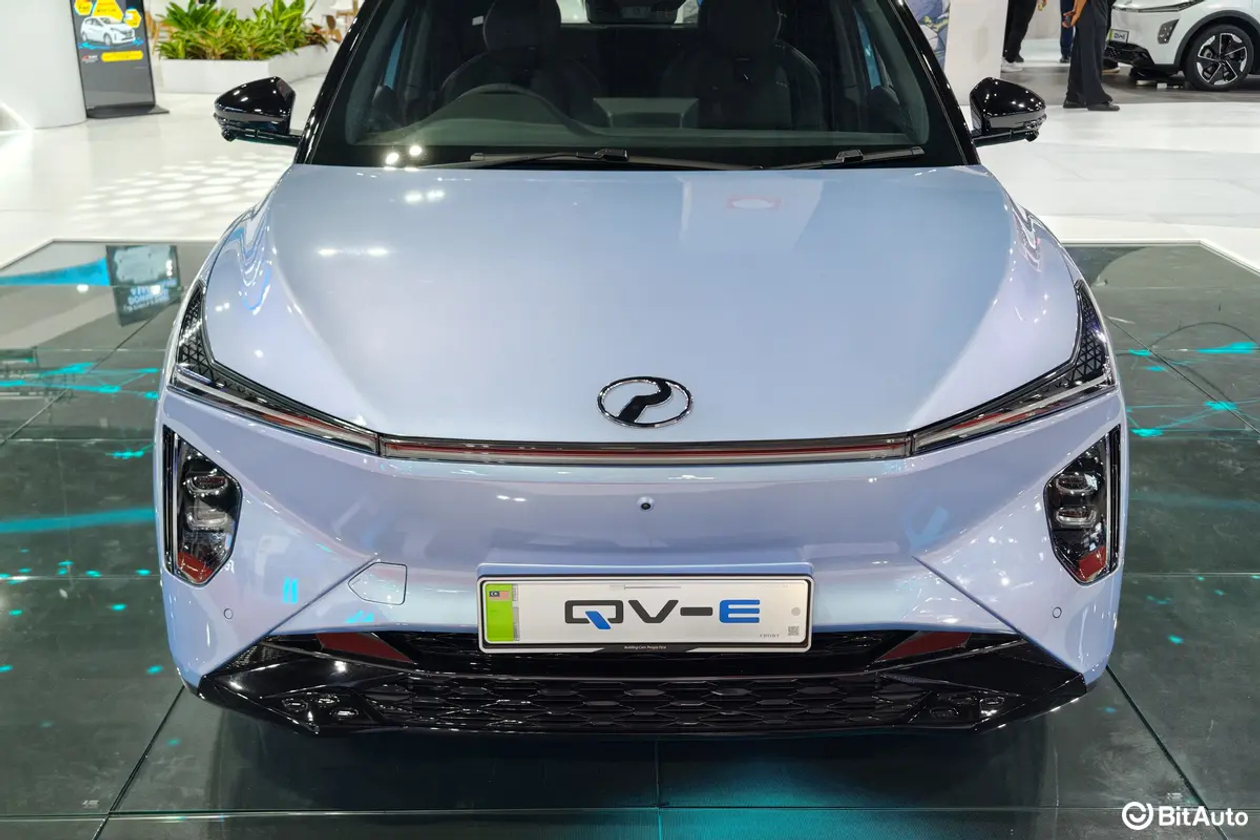
If you are on a tight budget and want to keep initial costs as low as possible, the QV-E’s BaaS option at RM63,499 is the lowest entry point into EV ownership in Malaysia today.
Even if you choose to buy it outright, the RM87,499 price tag still undercuts the Atto 2 by RM12,500. For that, you get a punchy 204 PS motor, 370 km of range, and a full suite of ADAS.
The trade-off is putting your trust in a newly developed EV platform with unproven long-term reliability.
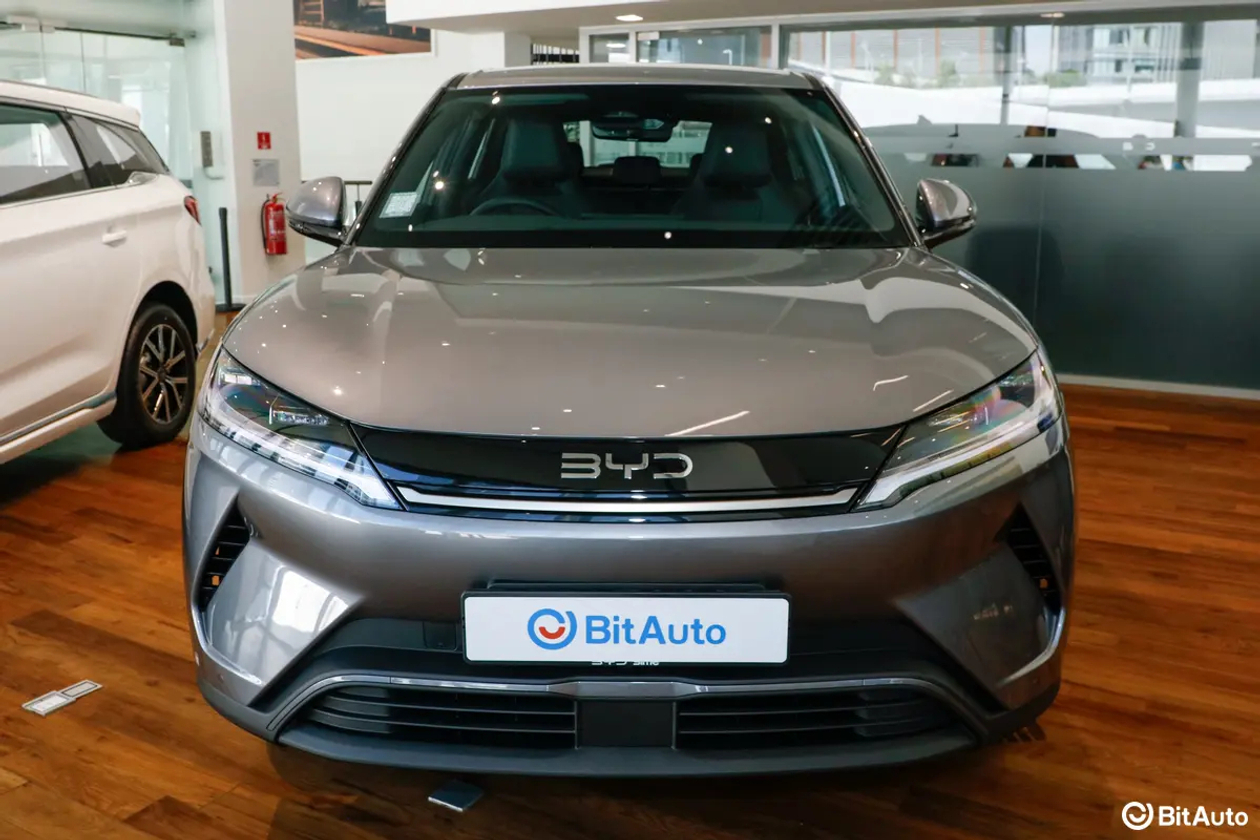
If you are willing to spend an extra RM12,500 to RM36,500, the Atto 2 gives you the backing of BYD's global EV expertise, mature battery technology, and a track record proven in international markets.
As a CBU import, it might mean higher insurance premiums and parts costs down the road, but it also promises global-tier build quality and quality control. The downsides are its higher price point and a spec sheet that might not be quite as generous as the QV-E.
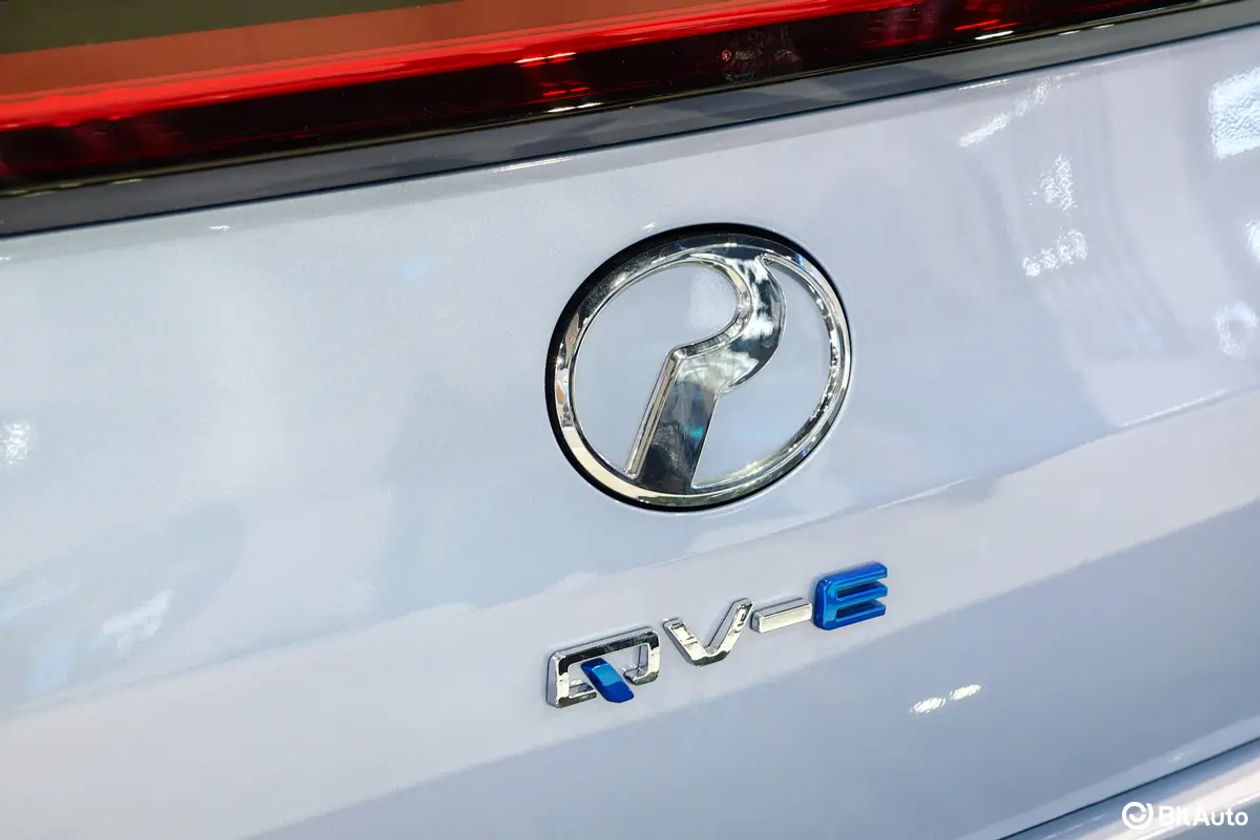
The QV-E is Perodua's first stab at the EV market, but its RM63,499 starting price and 204 PS output have certainly sent shockwaves through the budget EV segment.
The Atto 2 is a global strategic model that relies on BYD’s established tech ecosystem to win over buyers who don't mind paying a premium of around RM100,000 for brand reputation and peace of mind.


Your go-to source for all things automotive in Malaysia. 🚗 Latest reviews, breaking news, launches & industry trends.
+ Follow The Proton Saga has once again inched ahead of the Perodua Bezza in September, becoming the best-selling model for that month.
Could the Bezza topple the Saga for October, or will the Saga continue its reign? 9 hours ago
The Proton Saga has once again inched ahead of the Perodua Bezza in September, becoming the best-selling model for that month.
Could the Bezza topple the Saga for October, or will the Saga continue its reign? 9 hours ago  If the AMA02 Proton Saga Cross / X30 looked like this, would you buy one?
Theottle rendered this and we think it looks amazing! 10 hours ago
If the AMA02 Proton Saga Cross / X30 looked like this, would you buy one?
Theottle rendered this and we think it looks amazing! 10 hours ago  There is one car on the market right now, that for less than RM 120k, can get you:
- Perfect driving position
- Seats that don't make your back hurt in long drives
- A drive that you can't forget, even more so in the corners
Answer in the comments. 14 hours ago
There is one car on the market right now, that for less than RM 120k, can get you:
- Perfect driving position
- Seats that don't make your back hurt in long drives
- A drive that you can't forget, even more so in the corners
Answer in the comments. 14 hours ago Get the latest car news first!
Your go-to source for all things automotive in Malaysia. 🚗 Latest reviews, breaking news, launches & industry trends.
The Proton Saga has once again inched ahead of the Perodua Bezza in September, becoming the best-selling model for that month.
Could the Bezza topple the Saga for October, or will the Saga continue its reign? 9 hours ago If the AMA02 Proton Saga Cross / X30 looked like this, would you buy one?
Theottle rendered this and we think it looks amazing! 10 hours ago There is one car on the market right now, that for less than RM 120k, can get you:
- Perfect driving position
- Seats that don't make your back hurt in long drives
- A drive that you can't forget, even more so in the corners
Answer in the comments. 14 hours ago 
© 2024 Bitauto.com. All Rights Reserved.
Bitauto (www.yiche.com and www.bitauto.com) is one of the most visited automotive websites in China. We provide detailed info on Chinese car brands available in your area. Please note that the information provided on this website is based on publicly available data and is for reference only. It may not be fully updated or accurate at all times.

Help us improve our website


