On 3 August, Perodua did something that caught the attention of many prospective car buyers. The entire Axia range received a significant price cut, with the entry-level 1.0G slashed from RM38,600 to RM33,900 – a drop of RM4,700. In the 2026 new car market, this price point makes it one of the most affordable brand-new cars you can buy.
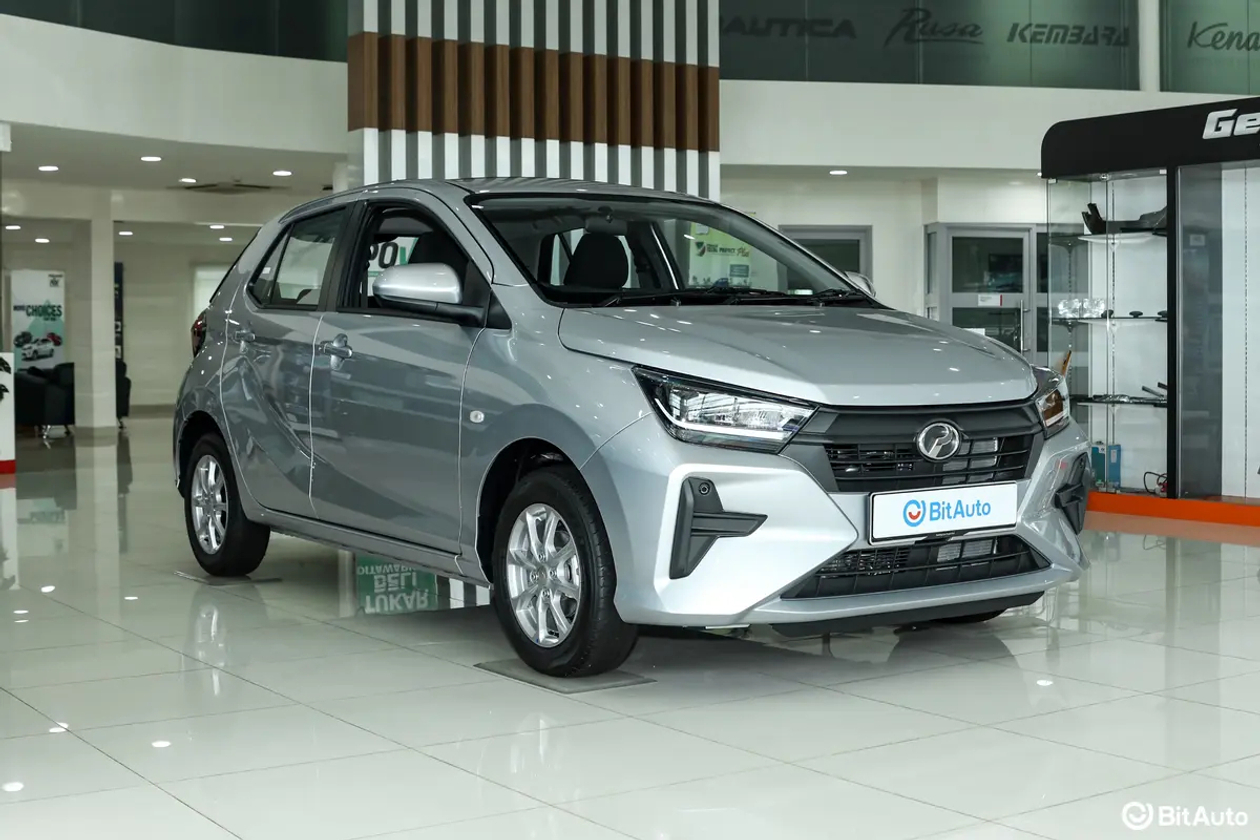
But here lies the question. Following the Axia's price drop, the price gap between it and its "big brother", the Myvi, has become even wider. The third-generation Myvi (D51A) is currently priced from RM46,500 to RM59,900. The entry-level Myvi 1.3 G without PSDA goes for RM46,500, making it RM12,600 dearer than the Axia 1.0G.
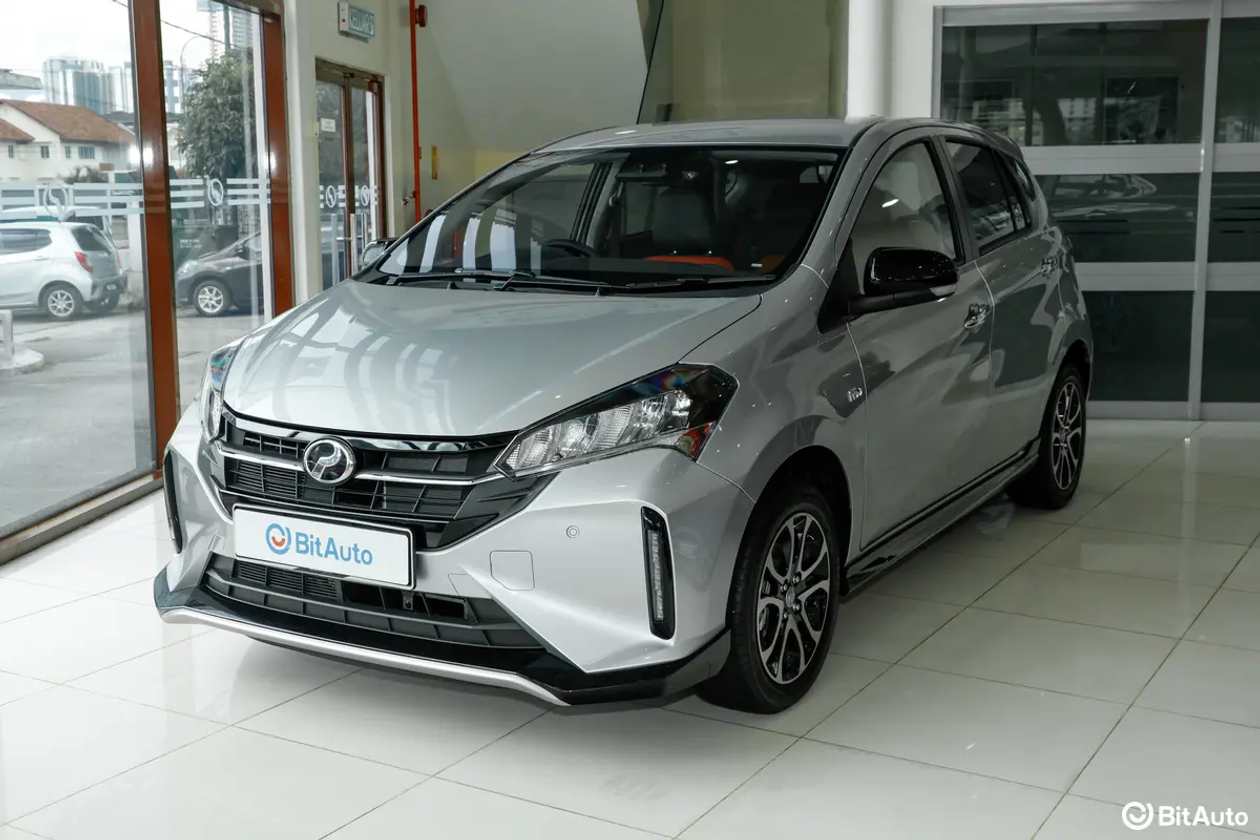
Both are Perodua models, both are five-door hatchbacks, and both hold "national icon" status. Yet, their positioning and target markets are completely different. Today, we pit these two hatchbacks against each other to help buyers with a budget of RM35,000 to RM60,000 decide: should you pocket the RM12,000 savings and go with the Axia, or stretch your budget for the Myvi?
The price reduction on 3 August marks the most significant adjustment since the current-generation Axia made its debut. Perodua President and CEO Datuk Seri Zainal Abidin Ahmad stated that the price drop is a result of the company's continuous improvements in operational efficiency, with all specifications and quality standards retained.
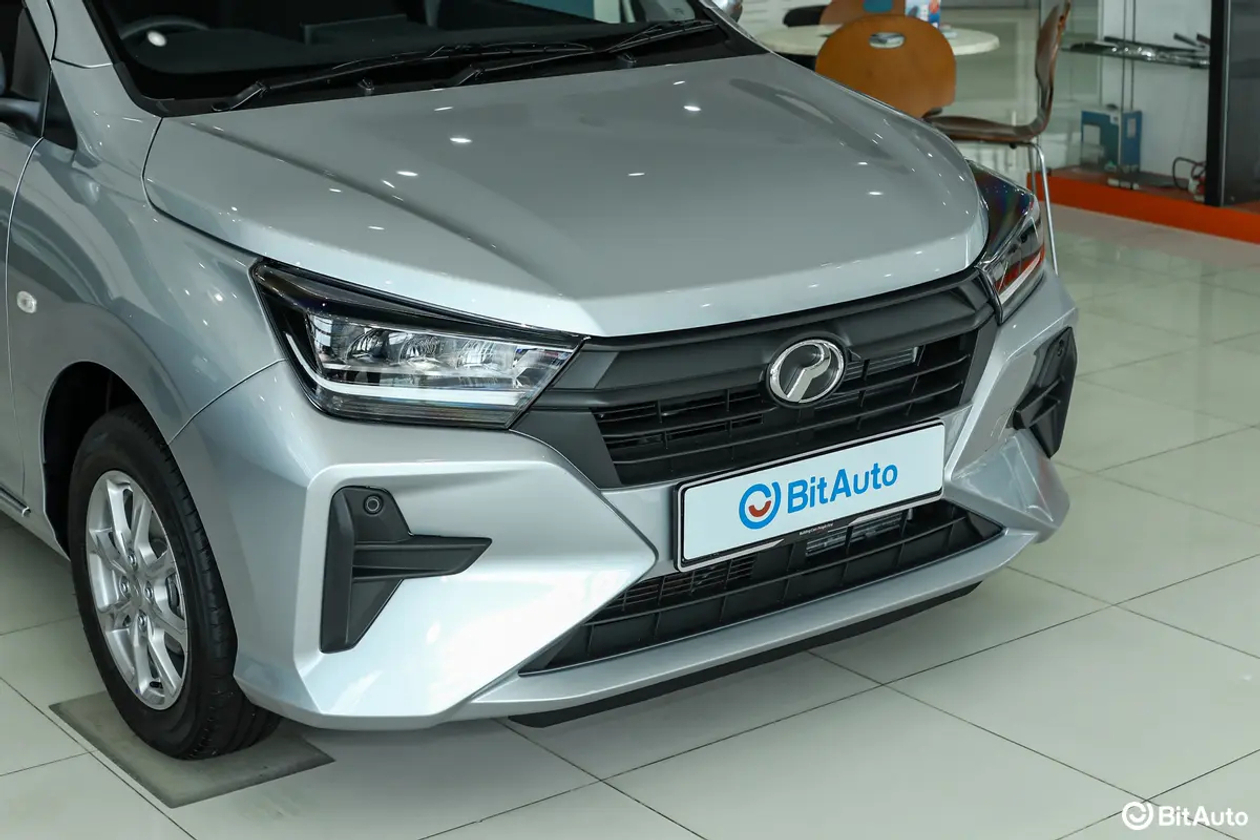
Following the adjustment, the pricing for the four Axia variants is as follows:
1.0G: RM33,900 (Previously RM38,600, down by RM4,700)
1.0X: RM38,500 (Previously RM40,000, down by RM1,500)
1.0SE: RM43,000 (Previously RM44,000, down by RM1,000)
1.0AV: RM49,000 (Previously RM49,500, down by RM500)
Meanwhile, the Myvi is available in five variants:
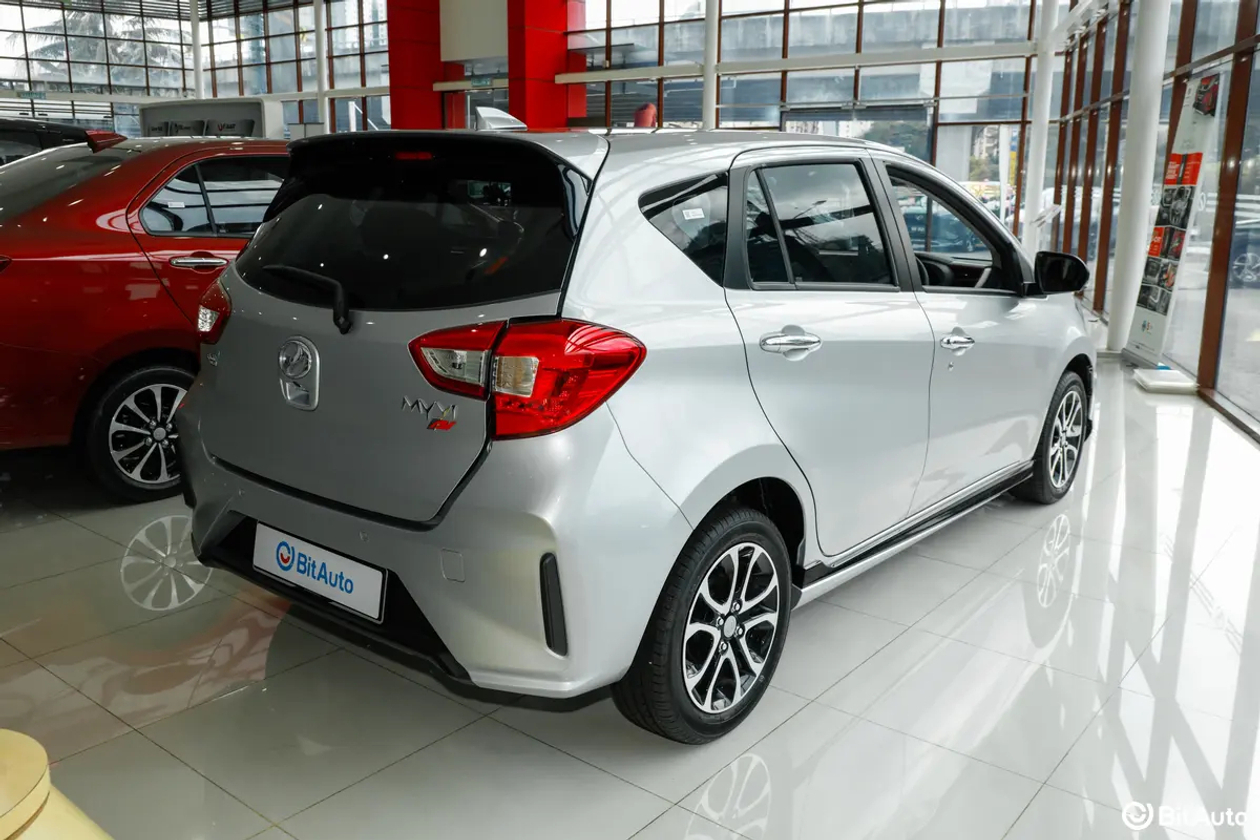
1.3 G without PSDA: RM46,500
1.3 G: RM48,500
1.5 X: RM50,900
1.5 H: RM54,900
1.5 AV: RM59,900
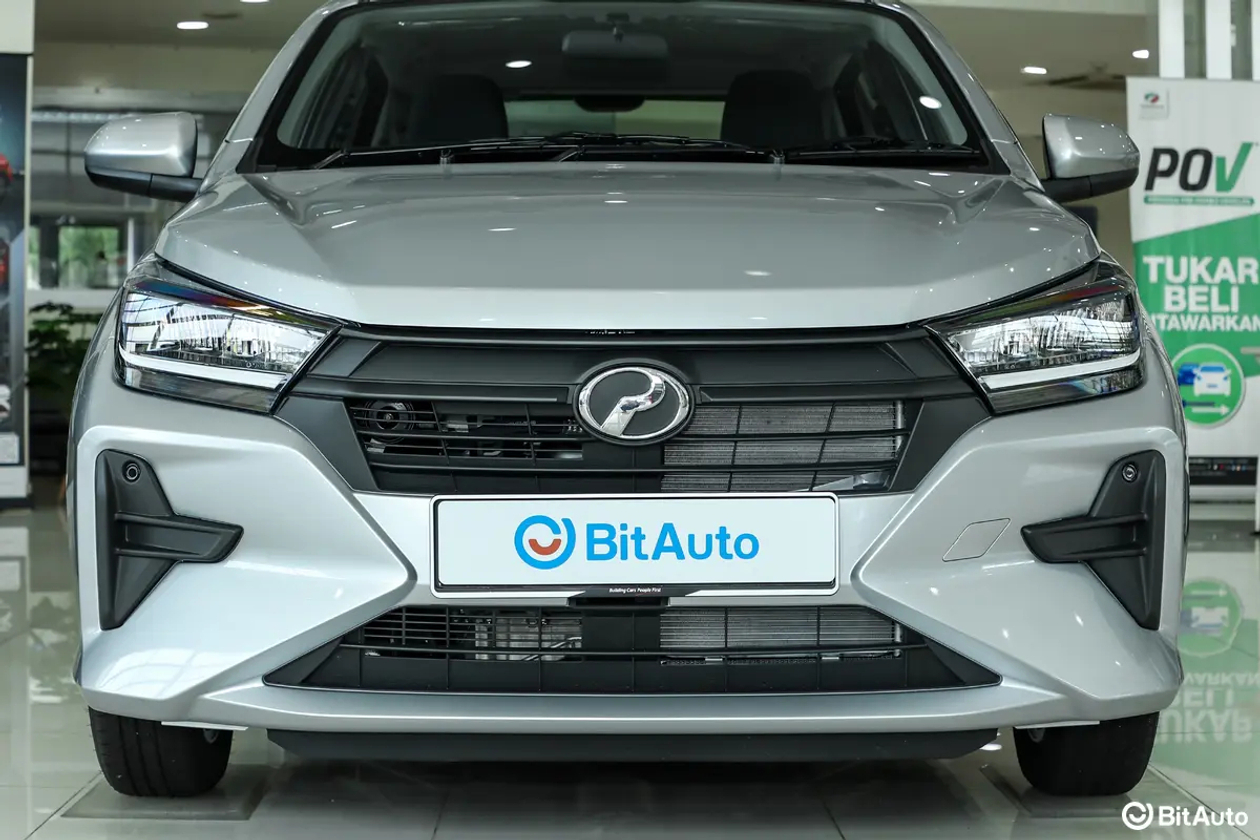
A quick comparison: the range-topping Axia AV at RM49,000 is just RM2,500 more expensive than the entry-level Myvi 1.3 G without PSDA (RM46,500). In other words, top-spec Axia money only gets you a baseline Myvi. What does this price gap indicate? It shows that these two cars target entirely different segments. The Axia serves as the ultimate "affordable brand-new car", whereas the Myvi positions itself as a "value-for-money B-segment hatchback".
This is the most significant mechanical difference between the two hatchbacks.
The Axia is powered solely by a 998cc three-cylinder naturally aspirated engine putting out 67 hp and 91 Nm of torque, paired with a D-CVT. The main draws of this setup are excellent fuel economy and low maintenance costs, which are perfect for city runs. However, on the highway with a full load of four passengers and the air-con running, you will need to plan your overtaking manoeuvres well in advance.
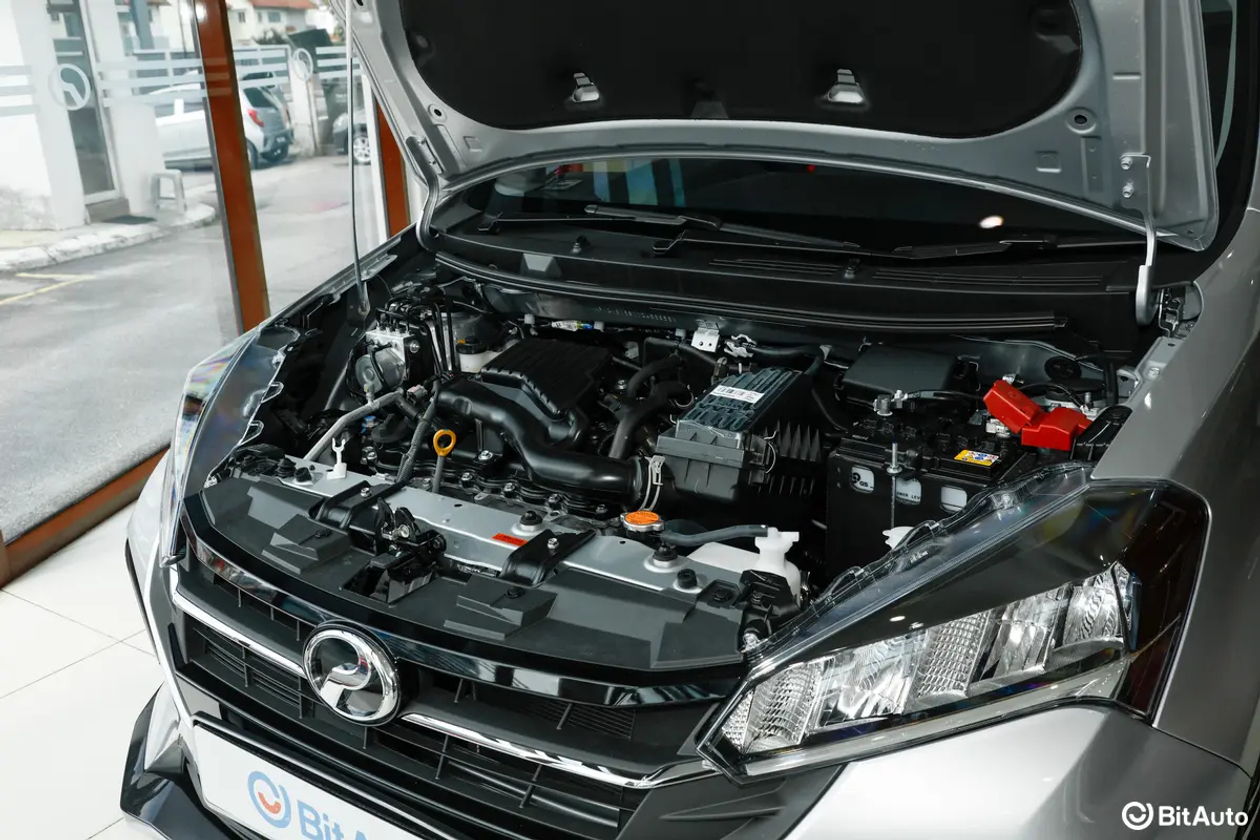
The Myvi offers two engine options. The 1.3 G variant features a 1,329cc four-cylinder engine making 94 hp and 121 Nm of torque, while the 1.5 X, H, and AV variants get a larger 1,496cc four-cylinder unit pushing out 102 hp and 136 Nm of torque.
The figures speak for themselves: the Axia makes 67 hp, the Myvi 1.3 makes 94 hp, and the Myvi 1.5 pushes out 102 hp. The Myvi 1.3 has an extra 27 hp and 30 Nm over the Axia, while the Myvi 1.5 ups the ante by 35 hp and 45 Nm.
The 0-100 km/h acceleration times tell a similar story. The Myvi 1.3 clocks in at 11.5 seconds, while the Myvi 1.5 does it in 10.2 seconds. In real-world driving, the Myvi's effortless nature when overtaking, conquering highway slopes, or carrying a full load is something the smaller Axia simply cannot replicate.
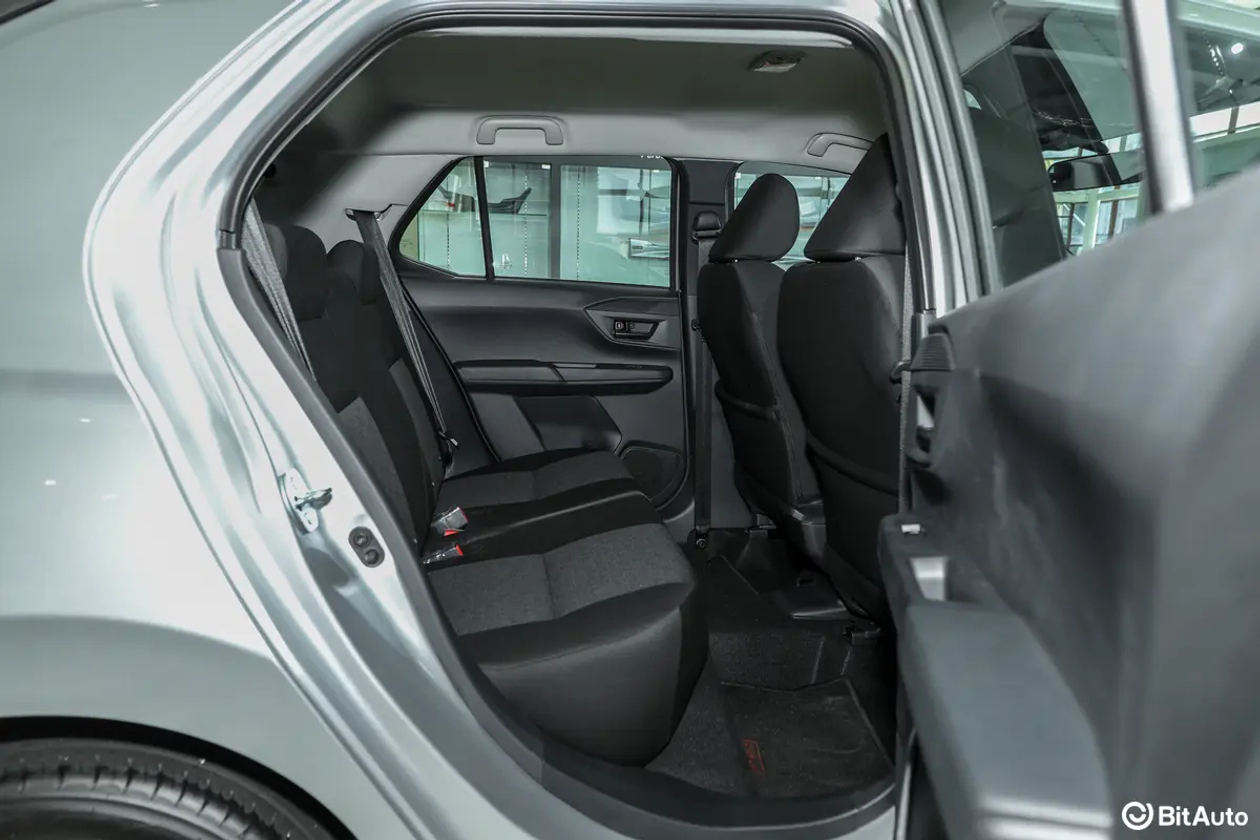
Interestingly, the current-gen Axia (D74A) features a wheelbase of 2,525 mm, which is 25 mm longer than the Myvi's (D51A) 2,500 mm. However, wheelbase figures do not tell the whole story.
In terms of overall dimensions, the Myvi measures 3,895 mm long and 1,735 mm wide, whereas the Axia measures 3,760 mm long and 1,655 mm wide. The Axia is noticeably narrower and shorter overall.
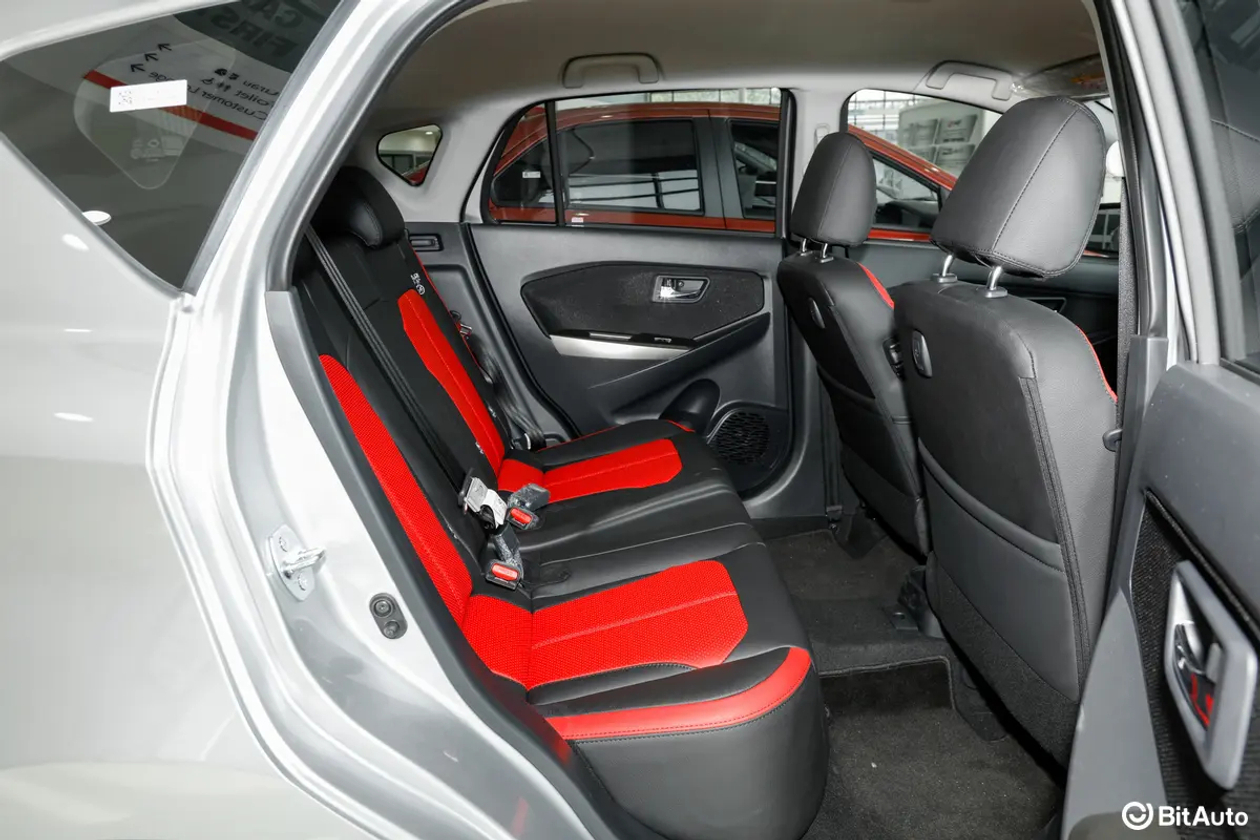
As for boot space, the Myvi offers 277 litres compared to the Axia's 265 litres. The 12-litre deficit is roughly equivalent to a small backpack. For grocery runs or fitting a baby stroller, both cars are up to the task. However, if you frequently transport bulkier items, the Myvi's wider body and extra boot volume give it the upper hand.
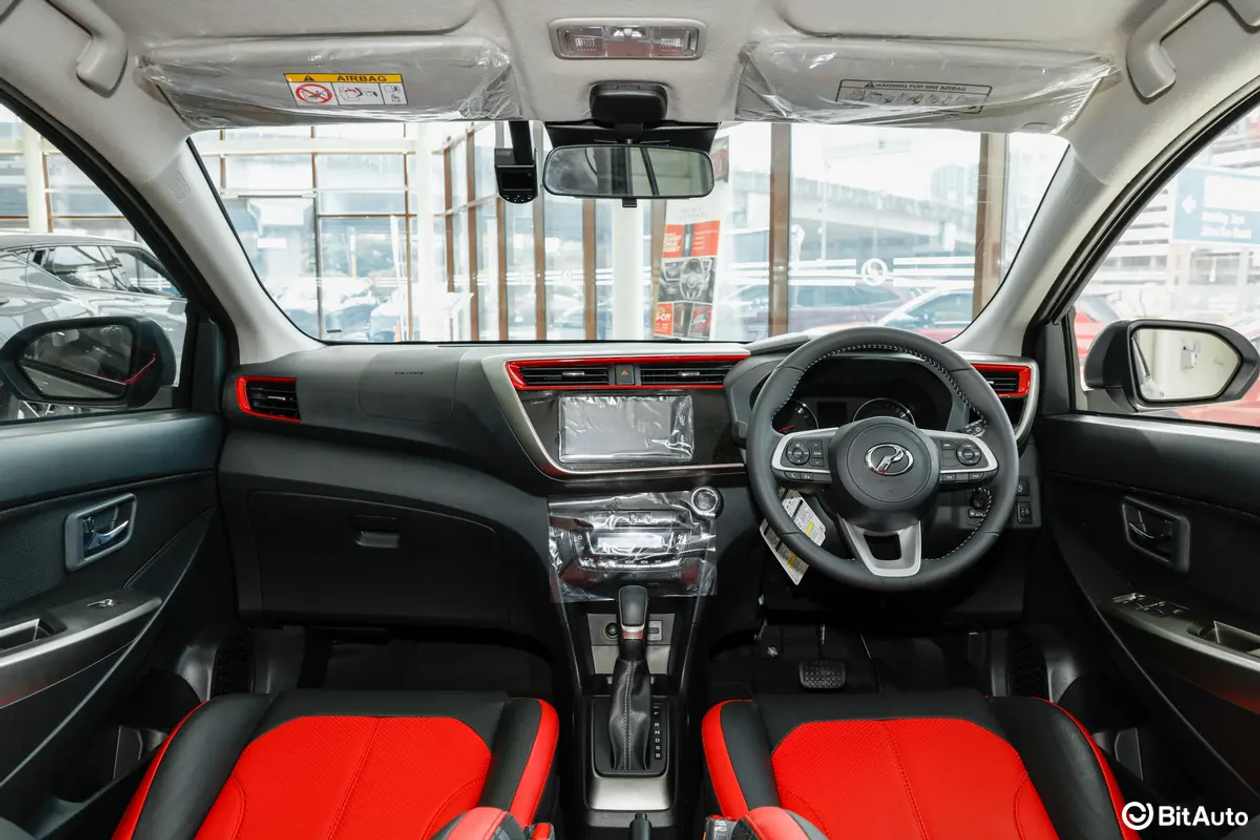
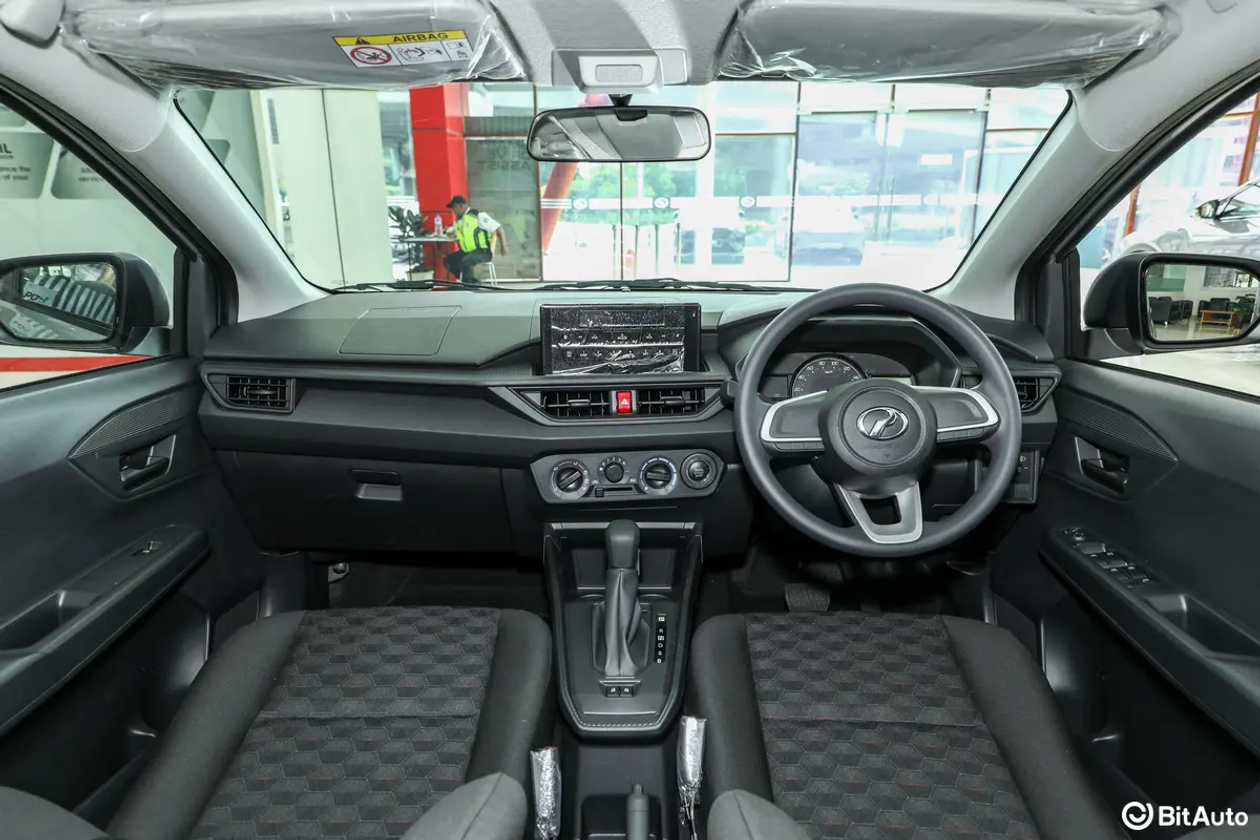
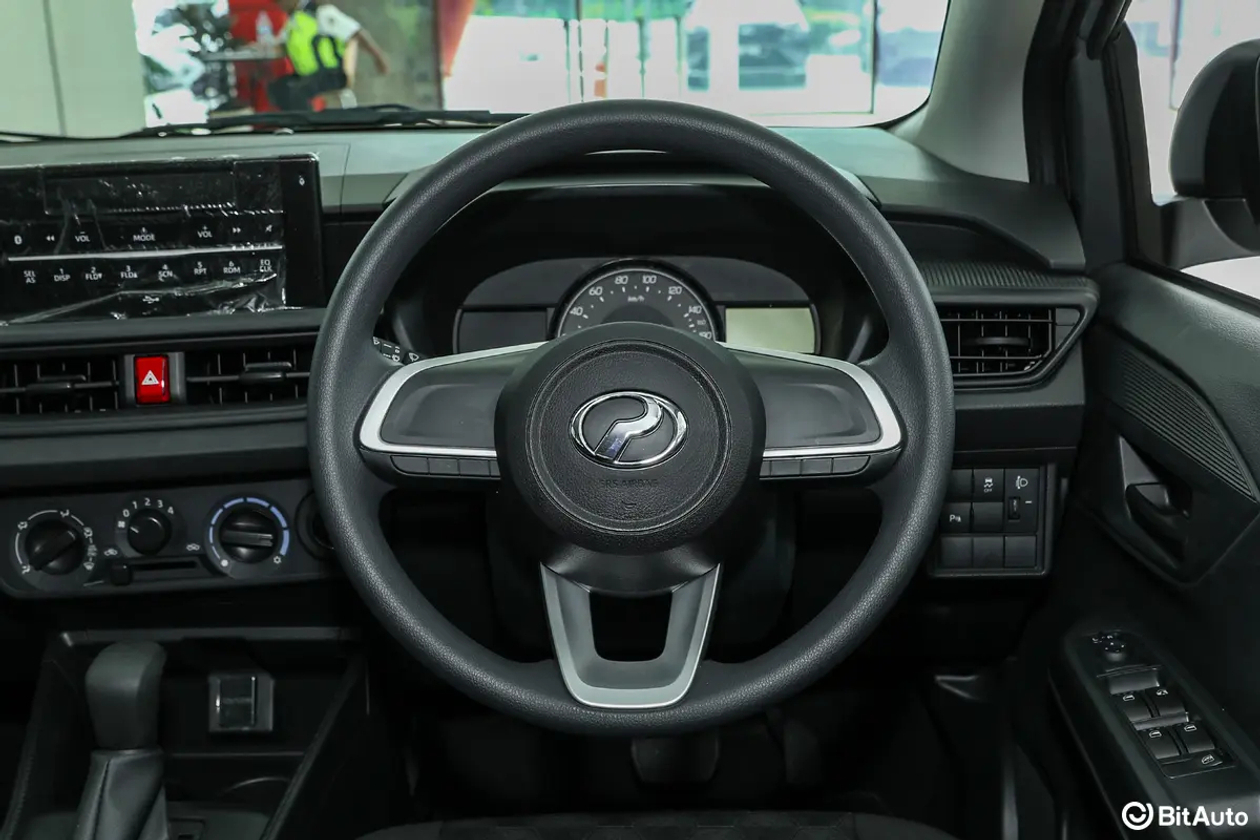
Inside, the Myvi's cabin design feels more mature. The seats offer better support and bolstering, reducing fatigue on long-distance outstation drives. Refinement is also a notch higher in the Myvi—after all, the higher price tag translates to better sound insulation and lower NVH levels.
This is another crucial safety differentiator between the two models.
The Myvi was one of the pioneers in introducing advanced driver assistance systems to the mass market. Perodua's Advanced Safety Assist (ASA 3.0) suite is standard on the range-topping 1.5 AV, while the 1.5 H variant also gets six airbags. Active safety features such as Pre-Collision Braking (AEB), Forward Collision Warning, and Lane Departure Warning are all available on the higher-spec Myvi variants.
By comparison, the Axia's safety kit is much more basic. The lower G and X variants get just two airbags and lack AEB entirely. If you want six airbags and the ASA suite in the Axia, you will have to opt for the range-topping AV variant.
If safety features are a priority for you—especially if you frequently drive on highways or travel with family—the Myvi holds a very clear advantage. The safety specifications of the Axia G and X variants are indeed bare-bones.
The Axia boasts exceptional fuel economy. The G and X variants are rated at 25.3 km/L (around 3.95 L/100km), while the SE and AV variants – equipped with Perodua's Eco Idle automatic start-stop system – can achieve up to 27.4 km/L (around 3.65 L/100km). In comparison, the Myvi 1.3 is rated at 4.5 L/100km (approx. 22.2 km/L), while the Myvi 1.5 is rated at 4.7 L/100km (approx. 21.3 km/L). Assuming an average annual mileage of 15,000 km, the fuel cost savings would sit somewhere between RM500 and RM800.
On the maintenance front, the Axia is predictably cheaper to run than the Myvi. Its three-cylinder engine requires less engine oil, has one less spark plug to replace, and uses smaller, more affordable filters. Perodua highlighted that their operational efficiency gains have also translated to lower servicing costs for owners. Over a five-year ownership period, the Axia's service bills should total roughly RM1,000 to RM1,500 less than the Myvi's.
That said, the Myvi itself is not expensive to maintain either. The premium you pay for the Myvi translates directly to better performance and safety. While fuel efficiency and low maintenance are key strengths for the Axia, they are by no means weaknesses for the Myvi.
Perodua vehicles are historically strong performers in the secondhand market. Both the Axia and Myvi command excellent resale values, placing them at the top of their respective classes.
However, the Myvi holds a distinct advantage here. As Malaysia's long-standing "King of the Highway", its massive market presence and strong demand mean it changes hands incredibly fast. While the Axia is no slouch—selling 36,910 units in the first half of 2026 to rank third overall—its appeal in the used car market still sits slightly in the shadow of the Myvi's legendary status.
Sales Volume: The Twin Pillars of Perodua
In the first half of 2026, the Axia registered 36,910 units, making it the third best-selling model overall. The Myvi followed in fourth place with 29,112 units. Together, they accounted for over 66,000 units – which is nearly 42% of Perodua's total H1 sales of 158,295 vehicles.
Looking at the May figures, the trend is even clearer: Perodua delivered 5,985 units of the Axia and 4,819 units of the Myvi, keeping both firmly in the top-ten best-sellers list. The Axia brings in the volume, while the Myvi commands a higher average transaction price and better margins. To Perodua, both are absolute crown jewels.
Coming back to our initial question: Perodua Myvi or Perodua Axia – which one should you put your money on?
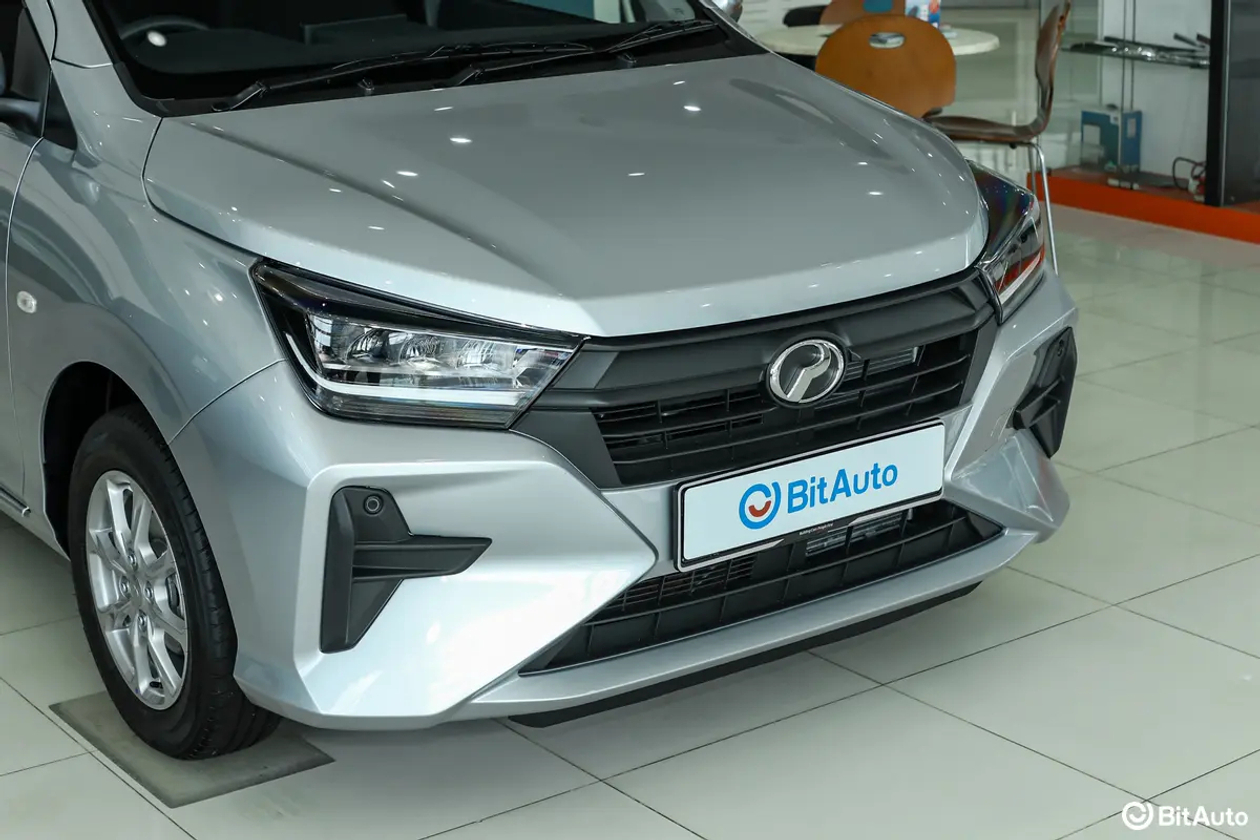
Go for the Axia if your budget is strictly capped between RM35,000 and RM45,000. It is ideal if you mainly drive in the city, rarely travel outstation, and do not demand high performance or advanced safety features. As long as it is reliable, fuel-efficient, and cheap to maintain, you are happy. It is also perfect for first-time car buyers looking for an easy-to-drive, easy-to-park runabout. The lower-spec Axia G and X variants fit this bill perfectly.
Go for the Myvi if your budget stretches beyond RM50,000. Choose it if you regularly drive on the highway, need to overtake comfortably, or tackle hilly terrain. It is also the choice if you prioritise safety – wanting at least four airbags and preferably the active safety features of ASA. Ultimately, the Myvi offers a more composed ride, greater comfort, and stronger resale value when you decide to trade it in five years down the road. The Myvi 1.5 X or 1.5 H variants are the sweet spots here.
Both are excellent choices, but for very different reasons. The Axia excels at delivering unmatched value for money, while the Myvi lives up to its reputation as a dependable all-rounder. Ultimately, your choice boils down to your budget and specific needs, rather than which car is objectively "better".
At the end of the day, an RM33,900 Axia and an RM59,900 Myvi operate in entirely different leagues.


Your go-to source for all things automotive in Malaysia. 🚗 Latest reviews, breaking news, launches & industry trends.
+ Follow This weekend is your chance to own a Volvo Selekt Certified Used Car, priced from just RM 148,000.
What are you waiting for?
#volvo 1 minute ago
This weekend is your chance to own a Volvo Selekt Certified Used Car, priced from just RM 148,000.
What are you waiting for?
#volvo 1 minute ago  We saw this accident this morning, and here’s a reminder to everyone: please drive safe. 2 days ago
  The G50 BMW 3 series is now here, adopting much of the i3's design elements.
So, where's the BMW M3?
#bmw #BMW3Series 4 days ago
The G50 BMW 3 series is now here, adopting much of the i3's design elements.
So, where's the BMW M3?
#bmw #BMW3Series 4 days ago Get the latest car news first!
Your go-to source for all things automotive in Malaysia. 🚗 Latest reviews, breaking news, launches & industry trends.
This weekend is your chance to own a Volvo Selekt Certified Used Car, priced from just RM 148,000.
What are you waiting for?
#volvo 1 minute ago We saw this accident this morning, and here’s a reminder to everyone: please drive safe. 2 days ago The G50 BMW 3 series is now here, adopting much of the i3's design elements.
So, where's the BMW M3?
#bmw #BMW3Series 4 days ago  ProtonGWMVolkswagenJAECOOVolvoPeroduaToyotaHondaTESLAMitsubishiMazdaJetourCheryBYDLexusBMWMercedes-BenziCAURZeekrIsuzuNissanLeapmotorPorscheFordOMODAMINIMGSuzukiXPengHyundaiWulingKiaSubaruDenzaGACLand RoverDongfengCAMAudiPeugeotFotonMAXUSsmartDaihatsuJACJMCMaseratiLotusAlfa RomeoRenaultGolden DragonKaiceneSeresLamborghiniFerrariJeepRolls-RoyceLepasAston MartinMcLarenChevroletBentleyFiatBAICForthingGeelyRoeweAeolusChanganARCFOXDeepalExeedHongqiVoyahJaguarKGMBuforiAcuraCadillacDodgeAbarthINEOSMHEROJMEVFreelander
© 2024 Bitauto.com. All Rights Reserved.
Bitauto (www.yiche.com and www.bitauto.com) is one of the most visited automotive websites in China. We provide detailed info on Chinese car brands available in your area. Please note that the information provided on this website is based on publicly available data and is for reference only. It may not be fully updated or accurate at all times.
Help us improve our website


