Walk into a Toyota showroom to check out the Vios, and the sales advisor will almost certainly start by asking about your budget. It is not an easy question to answer outright, because the Vios is no longer just a single car—it is a full model lineup comprising four variants: 1.5E, 1.5G, 1.5 HEV, and 1.5 HEV GR Sport, spanning from RM90,600 up to RM109,900.
Buyers whose budgets sit right in the middle can easily fall into the "top up just a bit more" trap, eventually signing on the dotted line for a completely different variant from what they originally had in mind.
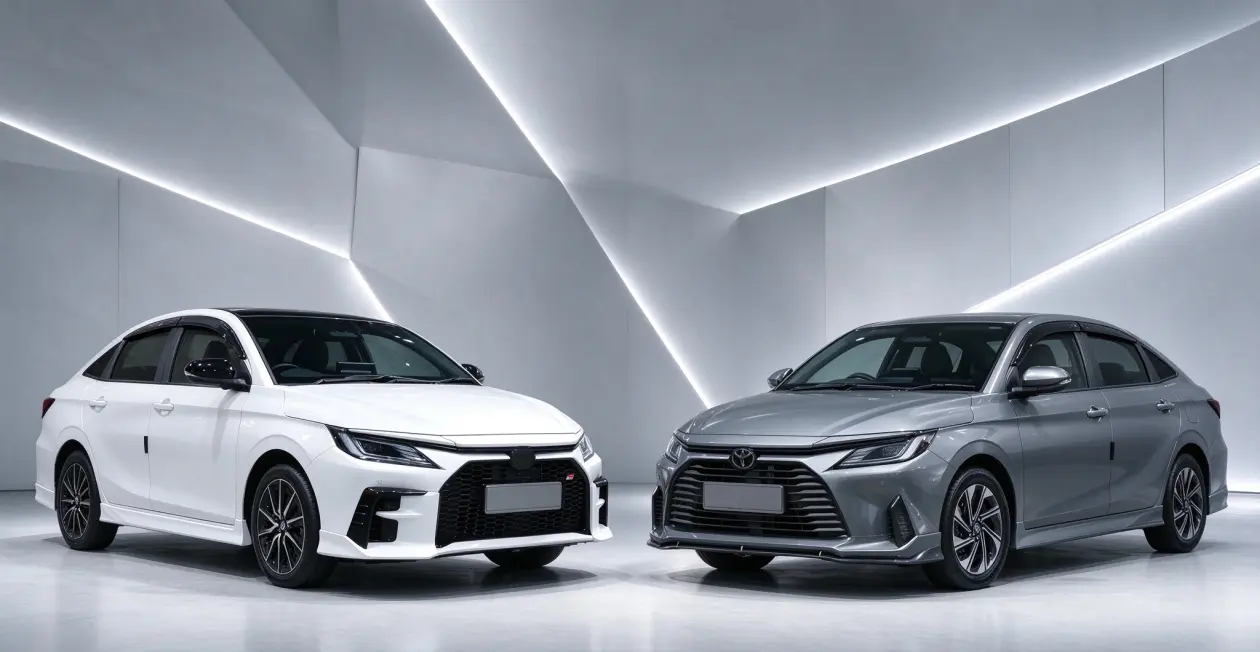
These four cars do not simply follow a straightforward "base to top-spec" trajectory. The two petrol variants are about stacking on equipment, the hybrid represents a complete powertrain overhaul, and the GR Sport injects chassis tuning and visual flair on top of the hybrid setup.
Under the skin, the 1.5E and 1.5G share the exact same powertrain: a 1,496 cc naturally aspirated engine kicking out 104 hp and 138 Nm mated to a CVT, returning a rated fuel consumption of 5.2 litres per 100 km and an annual road tax of RM90. The 1.5G commands a RM6,000 premium over the 1.5E, but that extra outlay is not buying you more output.
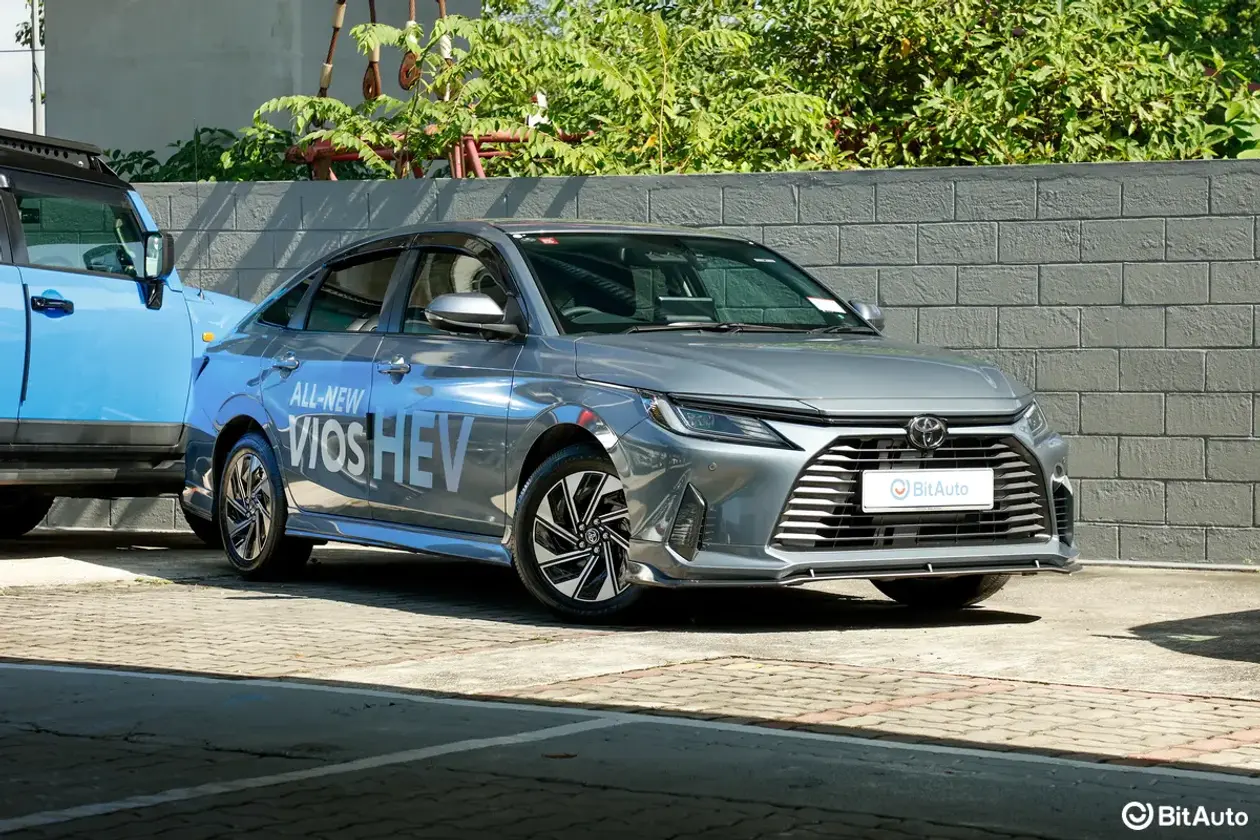
Where does that RM6,000 actually go? The 1.5G brings Adaptive Cruise Control with Stop & Go, rain-sensing auto wipers, telescopic steering adjustment, single-zone auto climate control, a digital instrument cluster, and an electronic parking brake (EPB). Wheel sizes are also upgraded from 16 to 17 inches, wrapped in Continental PremiumContact 6 rubber.
On the 1.5E, you make do with manual air-conditioning, standard wipers, tilt-only steering adjustment, an analogue gauge cluster with a manual handbrake, and 16-inch rims wearing Toyo Proxes CR1 tyres.
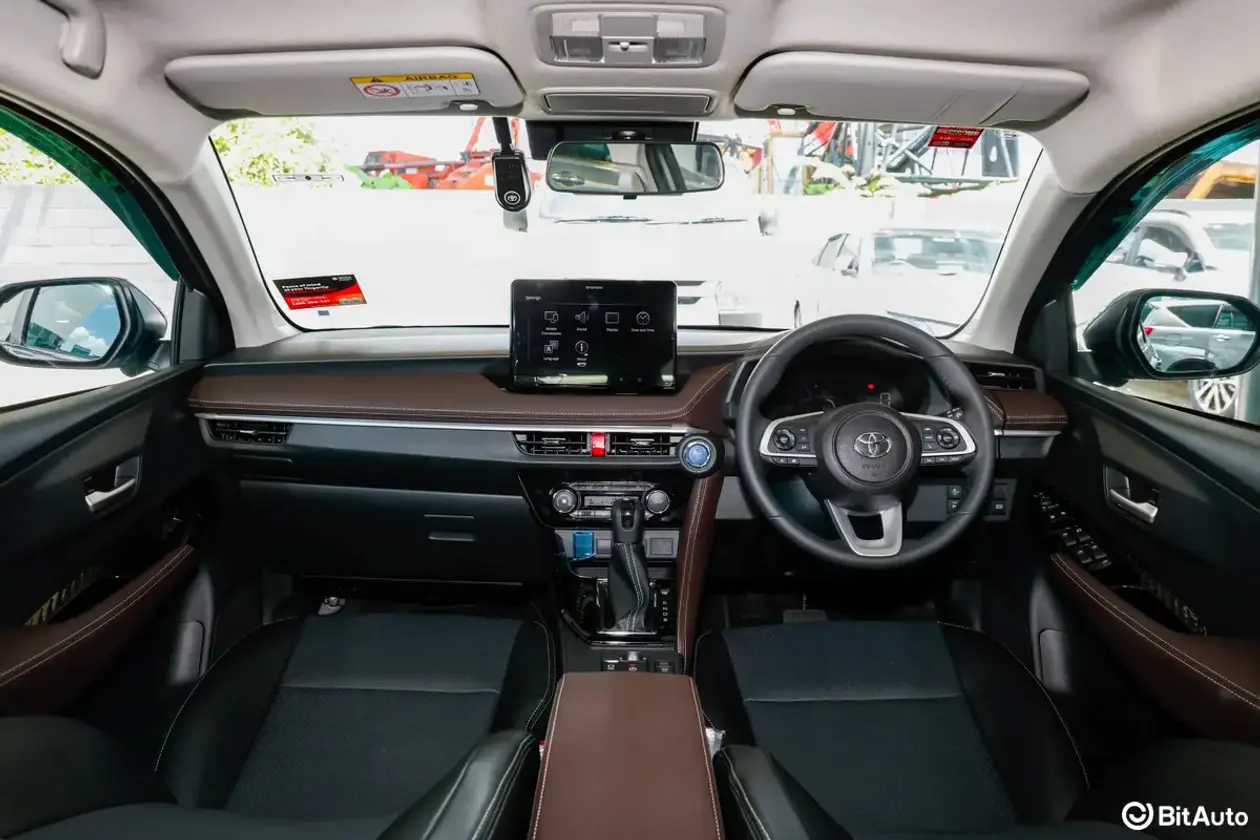
Taken together, these items change how often you fiddle with switches behind the wheel. Auto air-con spares you from constantly turning blower dials, auto wipers take the stress out of sudden downpours, and telescopic steering allows drivers of varying heights to dial in an ergonomic driving position.
Out on the PLUS highway or stuck in gridlock, Adaptive Cruise Control takes the load off your right foot, maintaining distances effortlessly as traffic ebbs and flows.
Crucially, the 1.5E has not been stripped down to a bare-bones shell. Essential Toyota Safety Sense (TSS) gear like Autonomous Emergency Braking (AEB), Lane Departure Prevention (LDP), Blind Spot Monitor (BSM), and Rear Cross Traffic Alert (RCTA) remain intact, with the 3D Panoramic View Monitor and wireless Apple CarPlay/Android Auto included as standard.
The buying logic is straightforward. If you clock 8,000 to 10,000 km or more on the highway annually, or if your daily commute involves relentless stop-and-go congestion, the RM6,000 premium for the 1.5G will pay dividends daily through Adaptive Cruise Control and auto climate control.
On the other hand, if most of your driving involves short town runs and highway journeys are rare, pocketing that RM6,000 savings with the 1.5E leaves plenty of cash for other commitments.
The 1.5 HEV commands a RM7,300 premium over the 1.5G. Its hybrid powertrain marries a 1.5-litre naturally aspirated engine (91 PS and 121 Nm) with an electric motor (80 PS and 141 Nm) for a total system output of 111 PS, delivered through an e-CVT.
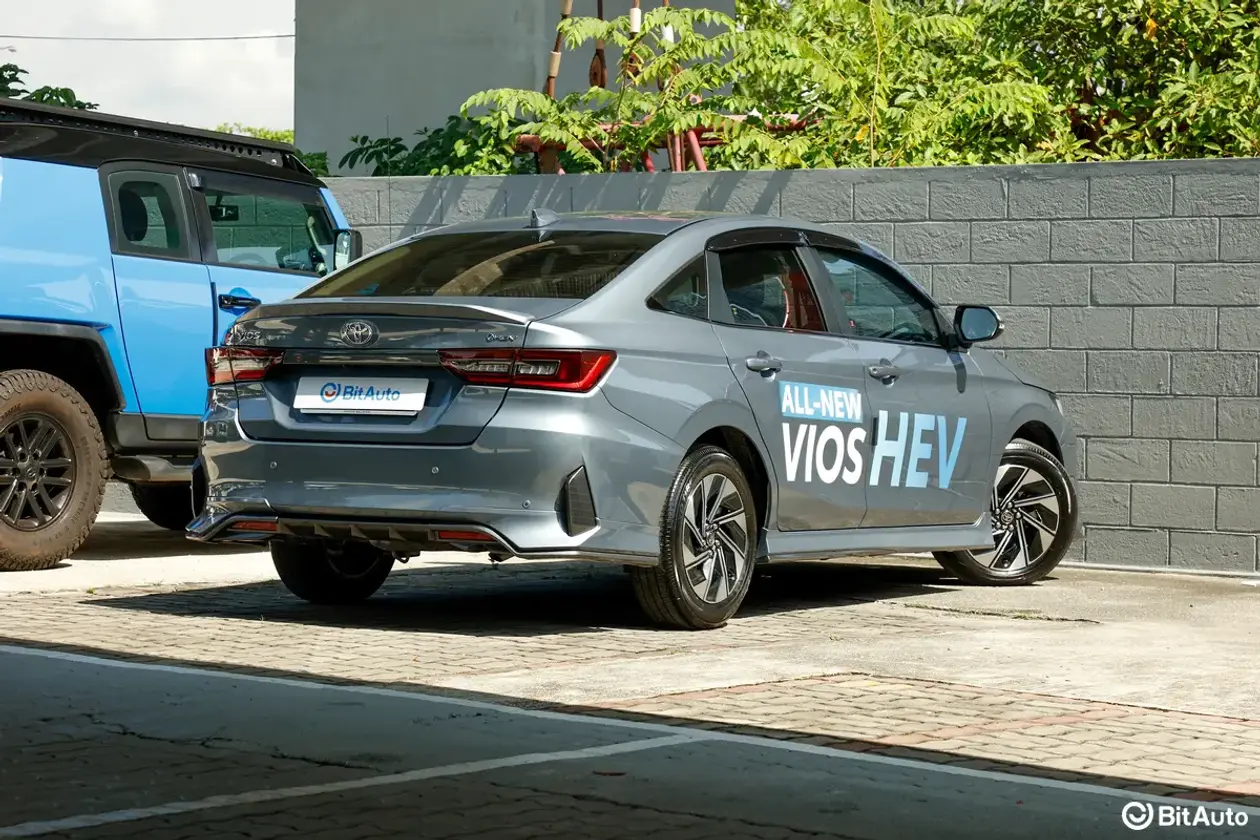
The rated NEDC fuel consumption is 3.6 litres per 100 km—roughly 30% lower than the petrol version's 5.2 litres. Fuel tank capacity shrinks from 40 litres to 36 litres, yet the theoretical driving range is noticeably longer.
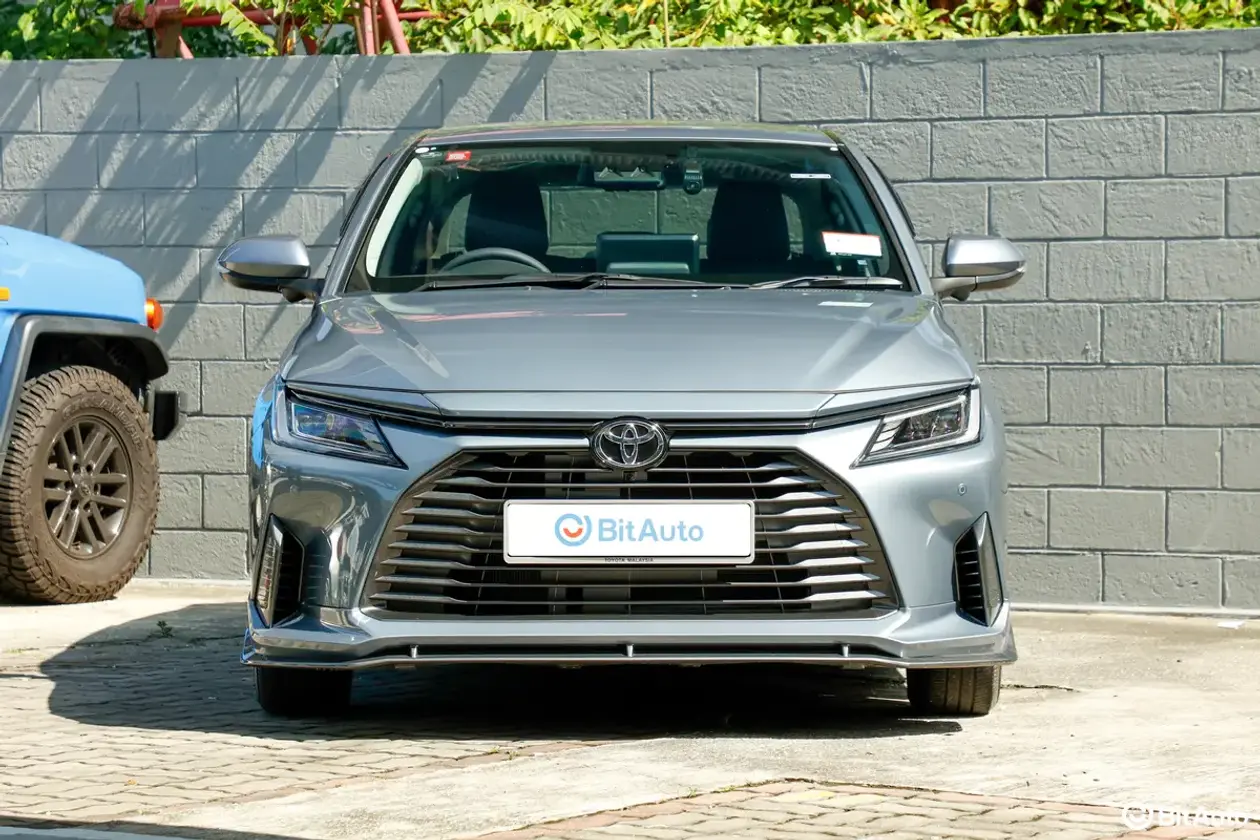
To assess fuel savings realistically, one must decouple factory lab ratings from real-world driving. Assuming an annual mileage of 20,000 km and RON95 priced at RM2.05 per litre, the petrol 1.5G will cost around RM2,130 in petrol annually, while the hybrid on paper (at 3.6 litres per 100 km) sits around RM1,475.
However, 3.6 litres per 100 km is an idealised NEDC lab figure; real-world daily commuting rarely affords constant cruising.
Actual combined consumption typically hovers around 5 to 6 litres per 100 km. Splitting the difference at 5.5 litres per 100 km puts the hybrid's yearly fuel bill closer to RM2,255, narrowing the annual saving against the petrol variant to just a few hundred ringgit.
Recouping that RM7,300 upfront price premium purely through fuel savings could easily take upwards of a decade.
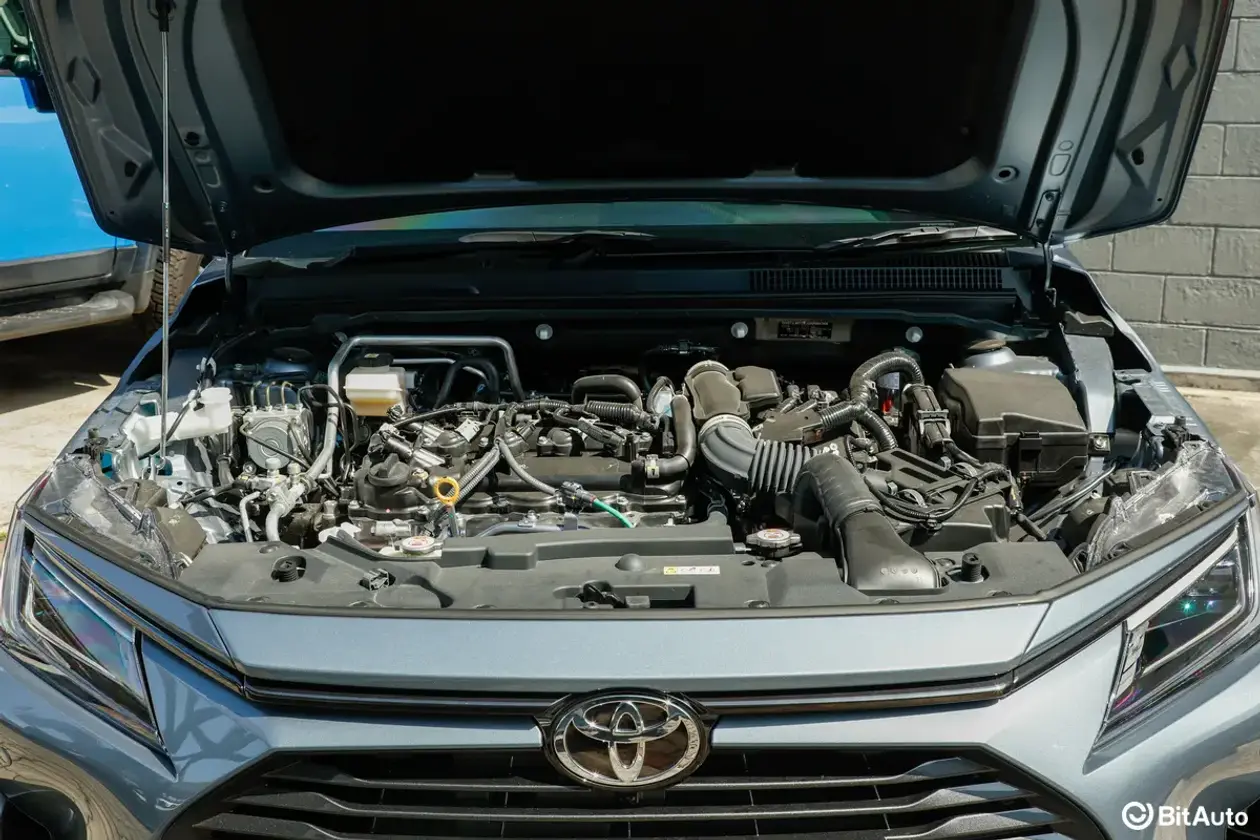
Yet the true merit of the hybrid is not found solely at the petrol pump. Off-the-line step-off and low-speed crawling are handled purely by the electric motor, meaning the petrol engine spends more time sleeping than running.
Moving off at traffic lights, creeping through jams, or manoeuvring in shopping mall car parks—these everyday low-speed situations highlight a level of refinement and hush that no purely petrol variant can match. The motor's 141 Nm arrives instantaneously the moment you tip into the throttle, without waiting for revs to build.
Factory warranty coverage provides substantial peace of mind. The car comes with a 5-year unlimited-mileage manufacturer warranty, while the hybrid battery, inverter, and power management control unit are covered under an 8-year unlimited-mileage warranty, extendable by two more years to 10 years for RM2,500.
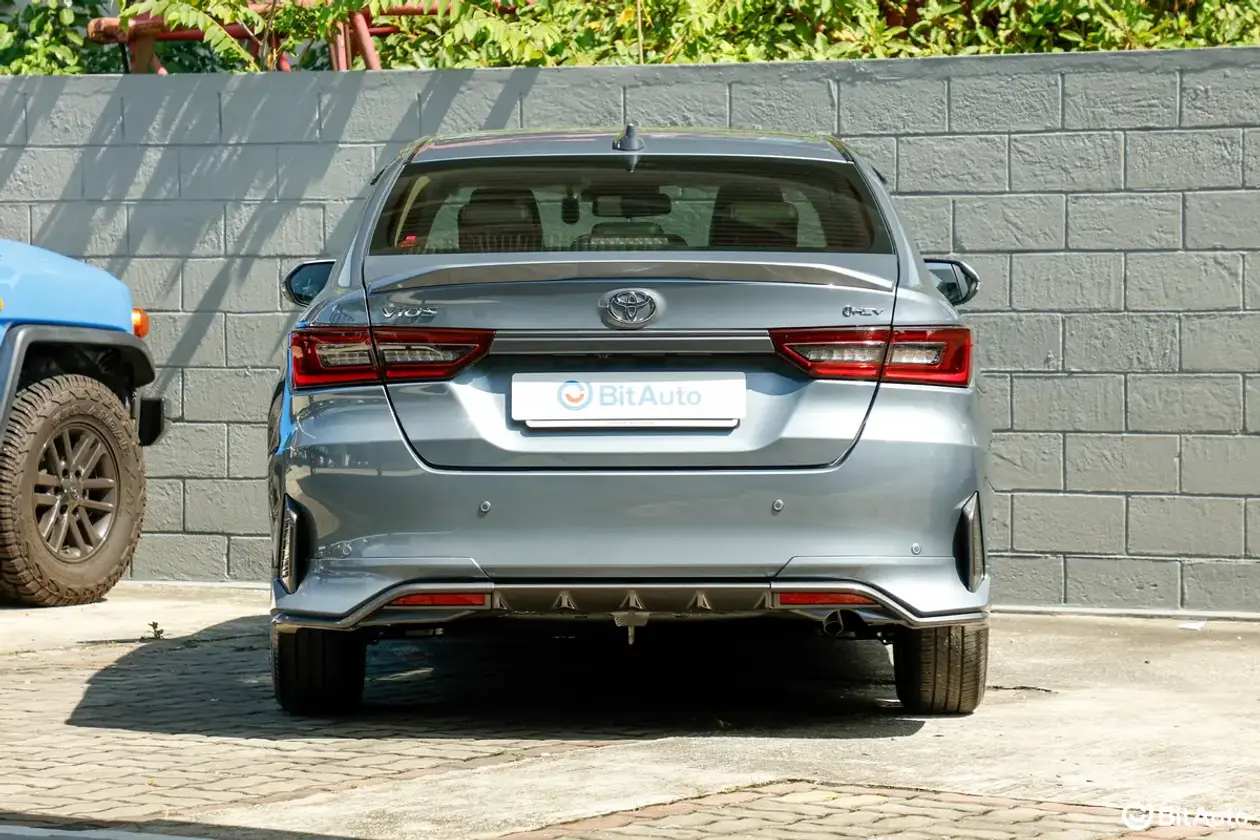
Eight years comfortably covers typical hire-purchase loan tenures, ensuring the costliest hybrid components remain fully backed by UMW Toyota throughout ownership without nasty surprises.
The hybrid also packs variant-specific goodies: a larger 10.1-inch central touchscreen, a 7-inch dedicated hybrid digital instrument cluster, and 64-colour ambient lighting. While these will not sway a buying decision on their own, they noticeably elevate cabin ambiance on daily drives.
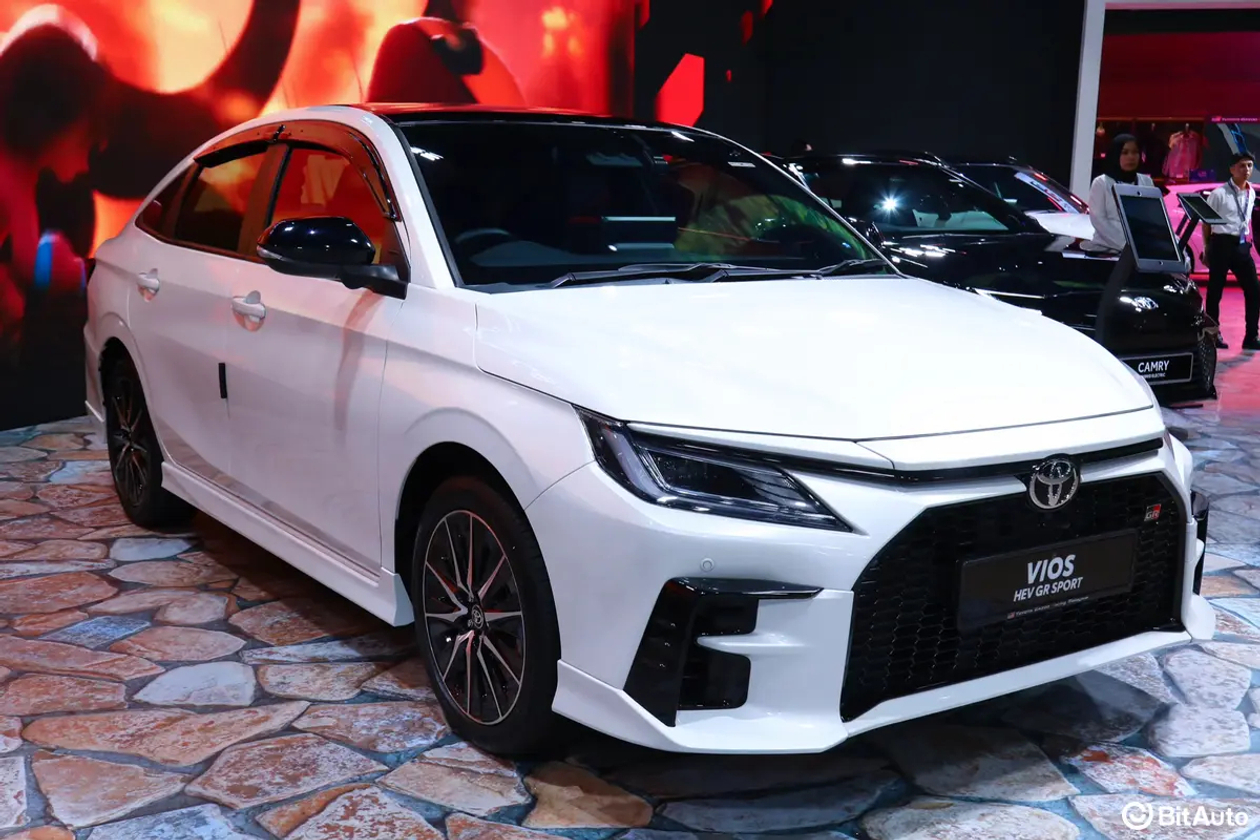
A RM6,000 gulf separates the 1.5 HEV and the HEV GR Sport. The powertrain, fuel economy, and hybrid warranty terms are identical—111 PS and 3.6 litres per 100 km. That RM6,000 goes straight into chassis hardware and visual flair.
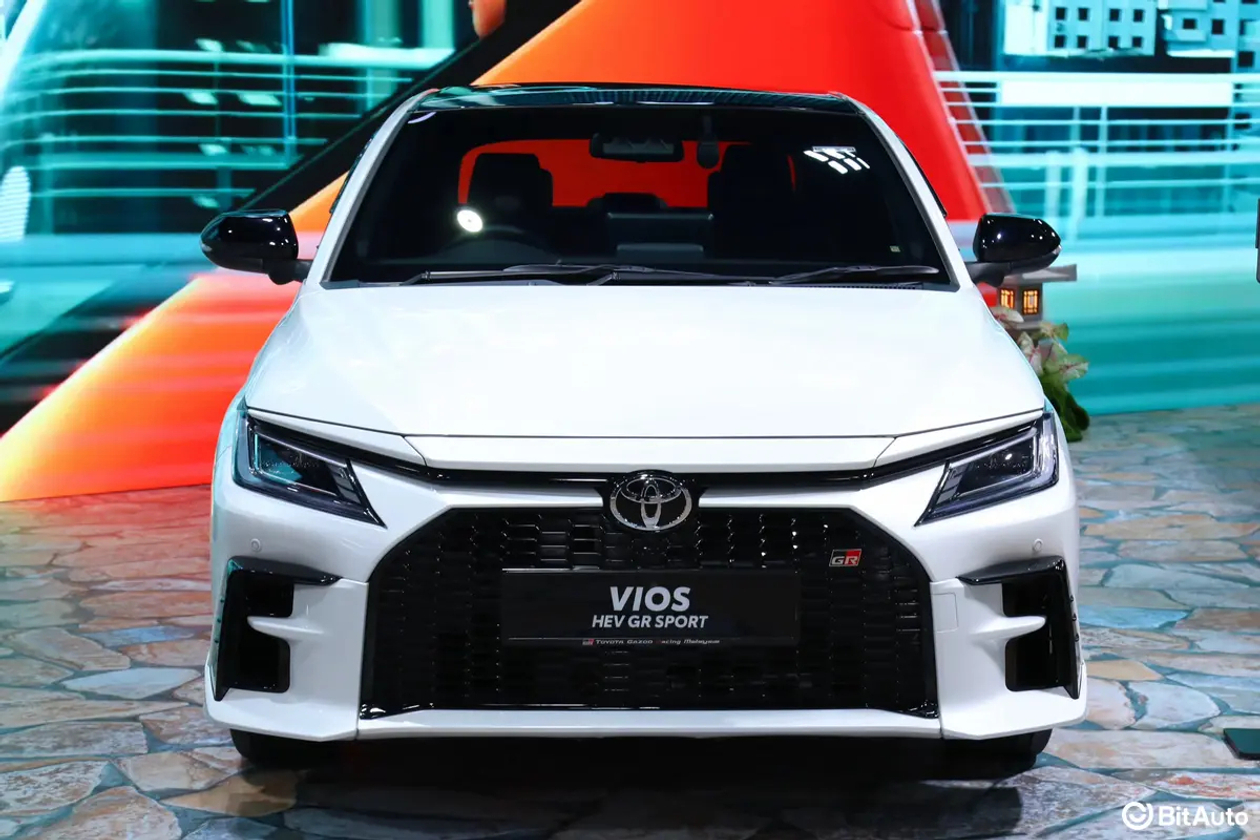
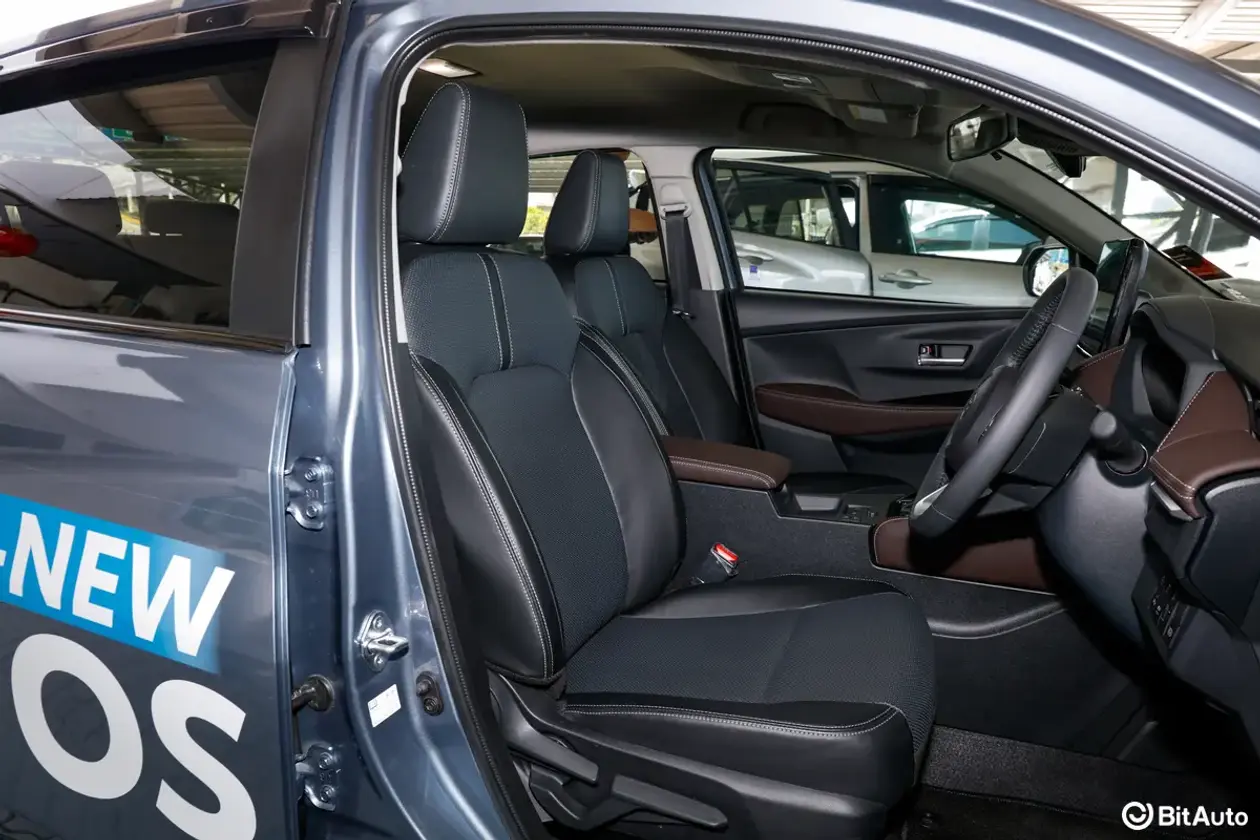
The GR Sport sports a bespoke aerokit, 17-inch alloy wheels, an available two-tone roof, and GR-embossed leather-and-suede upholstery.
Underneath, the basic suspension architecture remains front MacPherson struts and a rear torsion beam, but the dampers are 10% larger, front spring rates are stiffened by 12%, rear springs by 9%, unique front and rear anti-roll bars are fitted, and the EPS steering rack gets dedicated tuning.
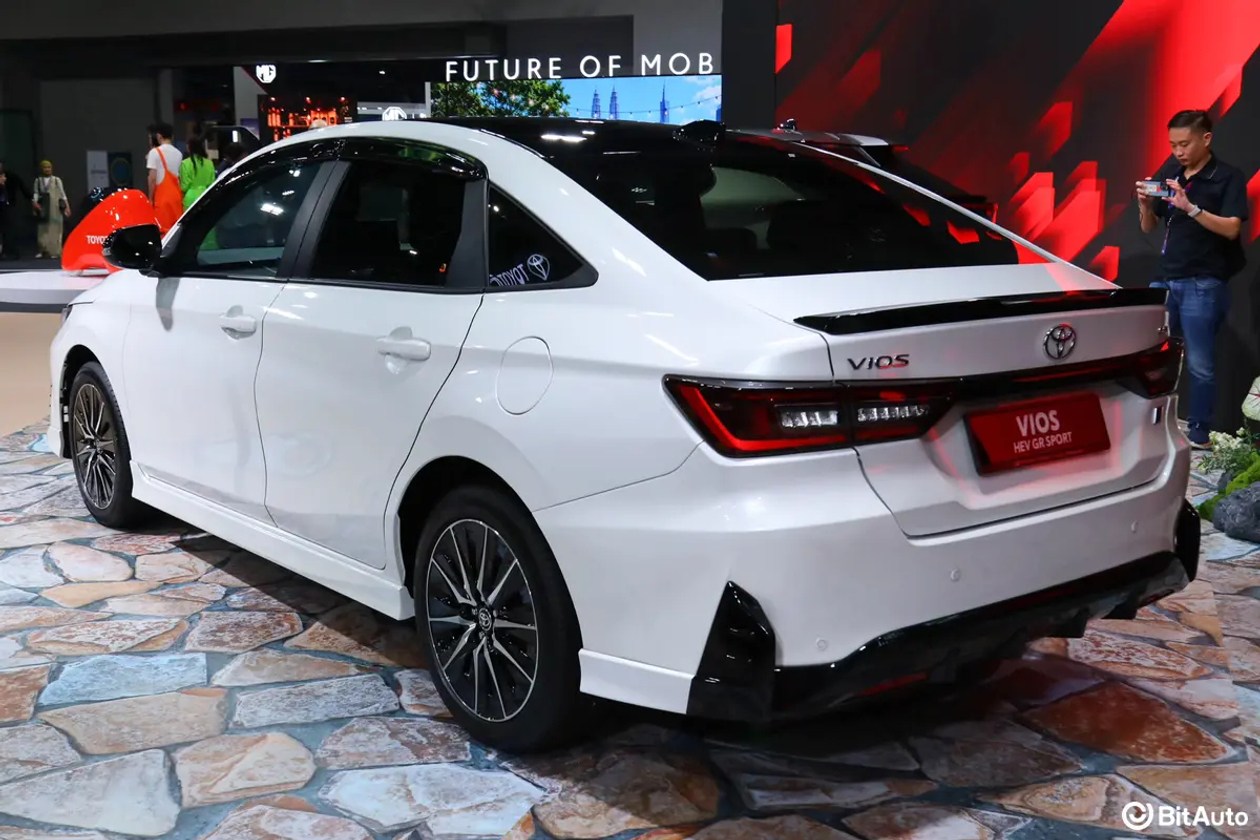
None of this turns the Vios into a hot hatch—total output remains capped at 111 PS, so outright pace is identical. But the revised damper setup and steering calibration deliver markedly sharper body control and feedback through corners compared to the standard HEV.
While the base HEV is biased toward plush daily compliance, the GR Sport feels tauter and more direct, exhibiting noticeably less body roll through bends and a steering rack that turns in half a beat quicker.
Annual road tax across all four variants is identical at RM90, as all share the same 1.5-litre displacement bracket with no special tax breaks for hybrids. In terms of servicing, a five-year/100,000 km maintenance schedule for the 2020 Vios tallied around RM4,242; exact figures for the 2026 model will depend on the latest official service menu published by Toyota Malaysia.
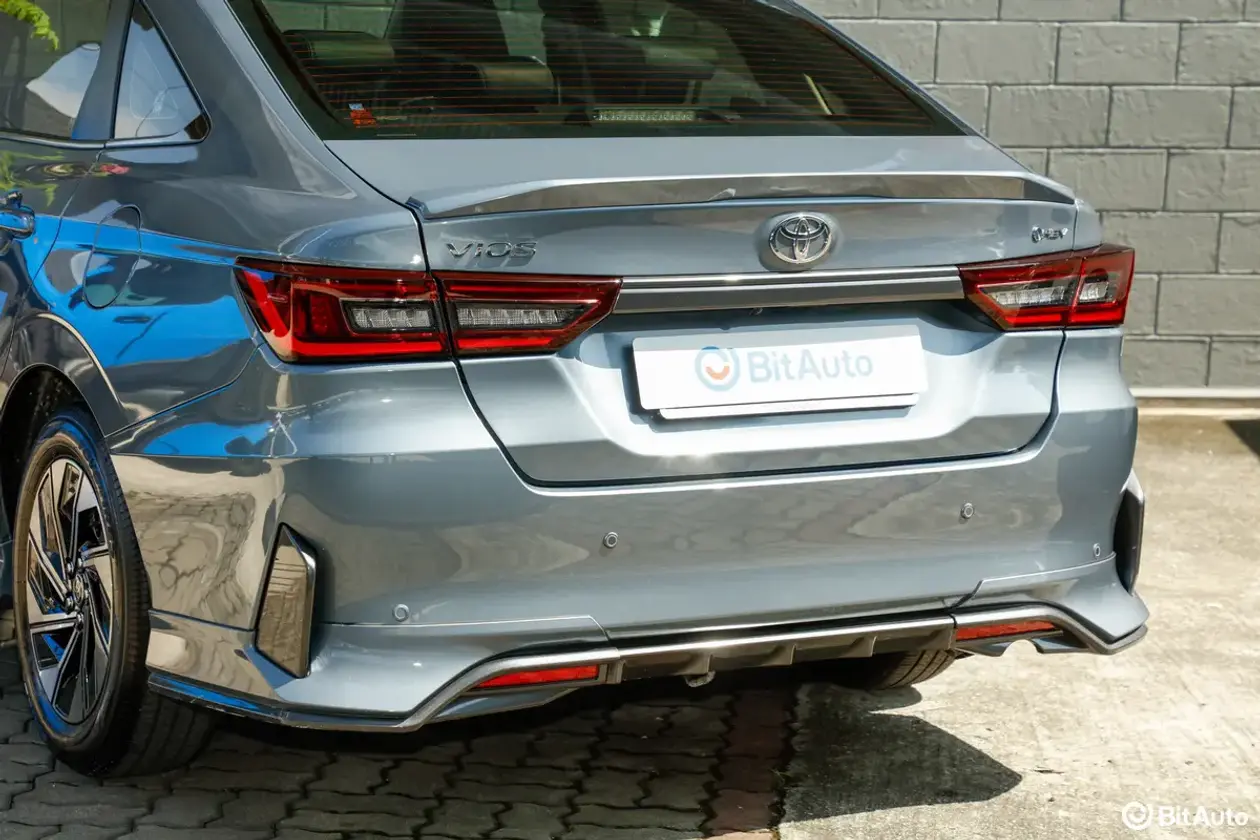
On the depreciation front, as a stalwart nameplate in the Malaysian market, the Vios has historically enjoyed strong second-hand liquidity and solid residual value retention. General market data indicates a five-year retained value hovering around 72.2%.
While used market acceptance is still maturing locally, older Camry Hybrid models consistently trading at premiums over pure petrol equivalents proves that Malaysian used car buyers respect Toyota's hybrid hardware over the long haul.
That said, residual value differences between these four variants over a typical three- to five-year ownership horizon will not be wide enough to offset upfront purchase price discrepancies.
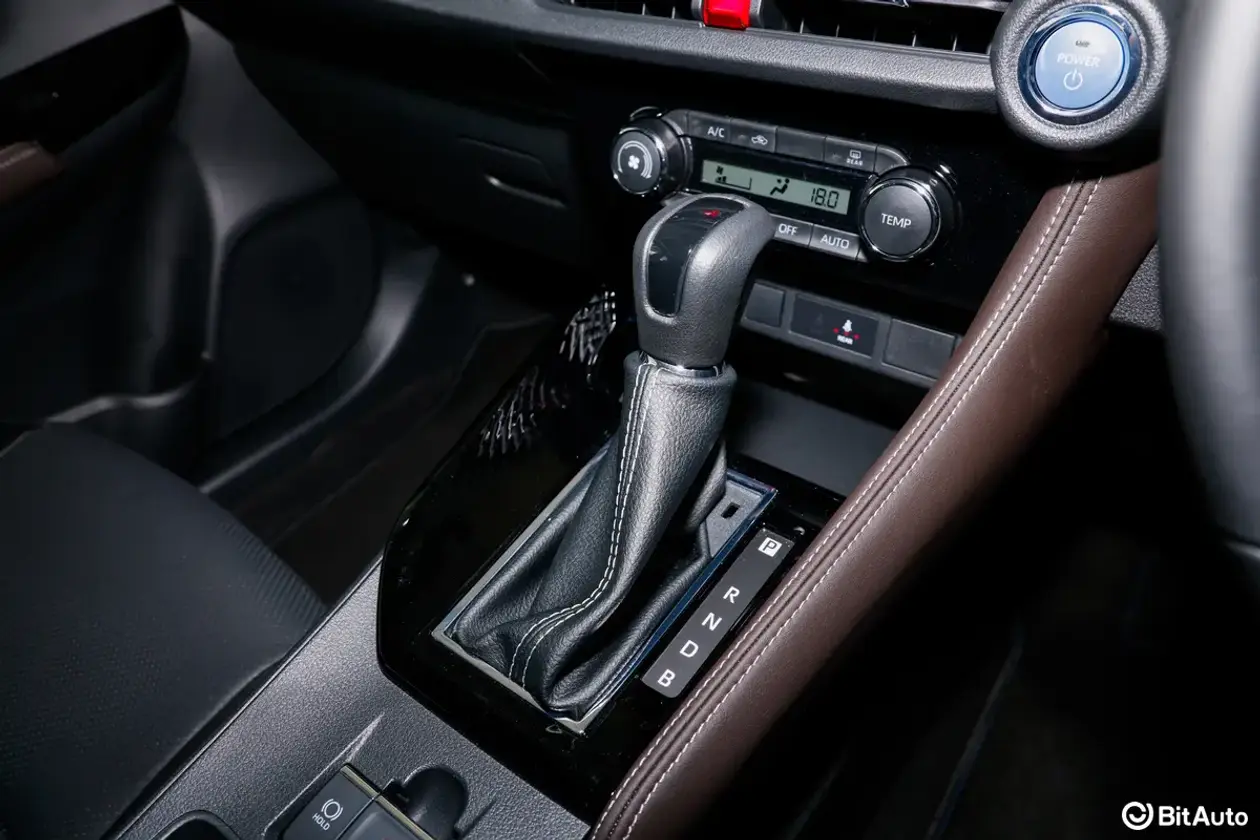
If budget is your primary constraint, your driving consists mostly of urban errands, and you do not mind adjusting wiper speeds and air-con knobs by hand, the 1.5E offers all the core active safety, connectivity, and cabin practicality of the Vios for RM90,600, leaving substantial savings for fuel, takaful/insurance, or household expenses.
If you spend long hours on highways, tackle daily bumper-to-bumper commutes, and place high value on the hands-free convenience of full-speed Adaptive Cruise Control and auto climate control, the 1.5G's RM6,000 surcharge easily justifies itself day in and day out.
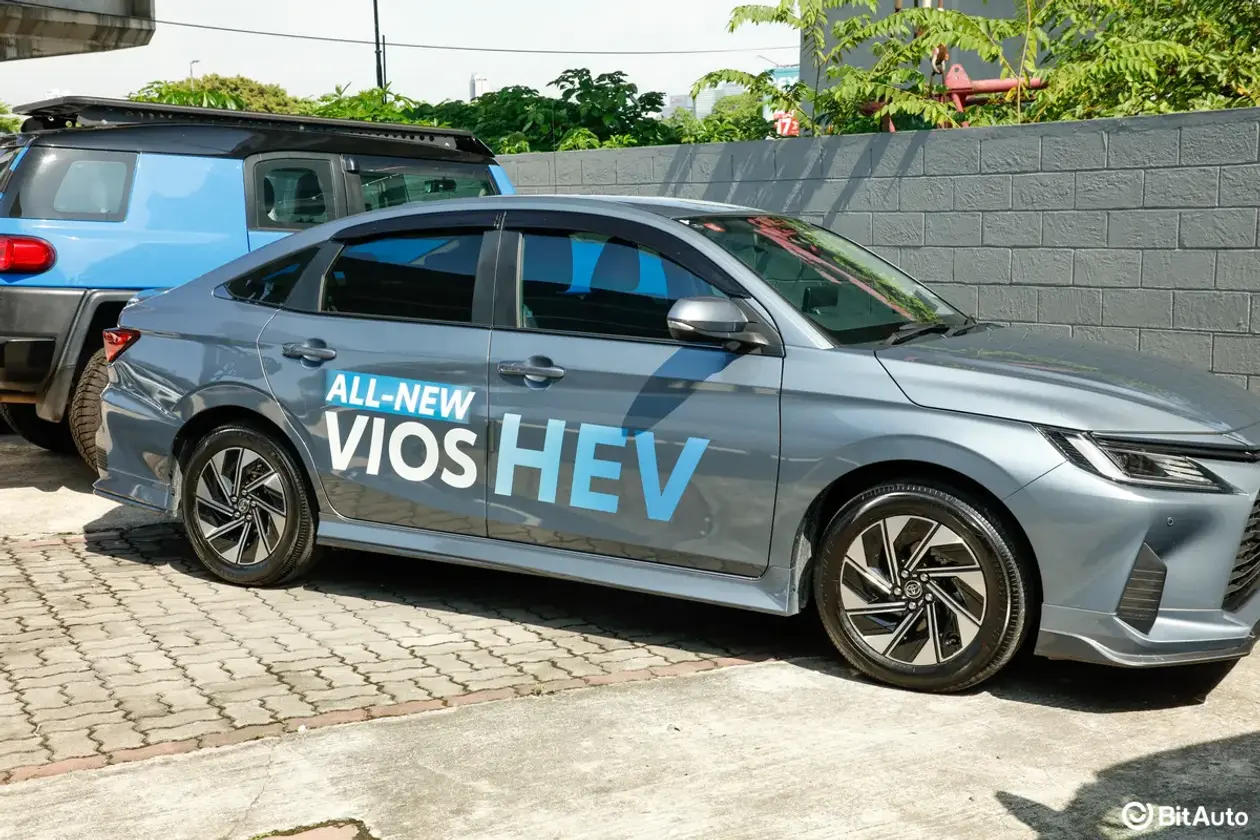
If you clock high annual mileage, endure punishing city traffic daily, appreciate the hushed refinement of electric crawl, and want the safety net of an eight-year hybrid warranty, the 1.5 HEV hits the ultimate sweet spot between real-world efficiency and daily driving comfort.
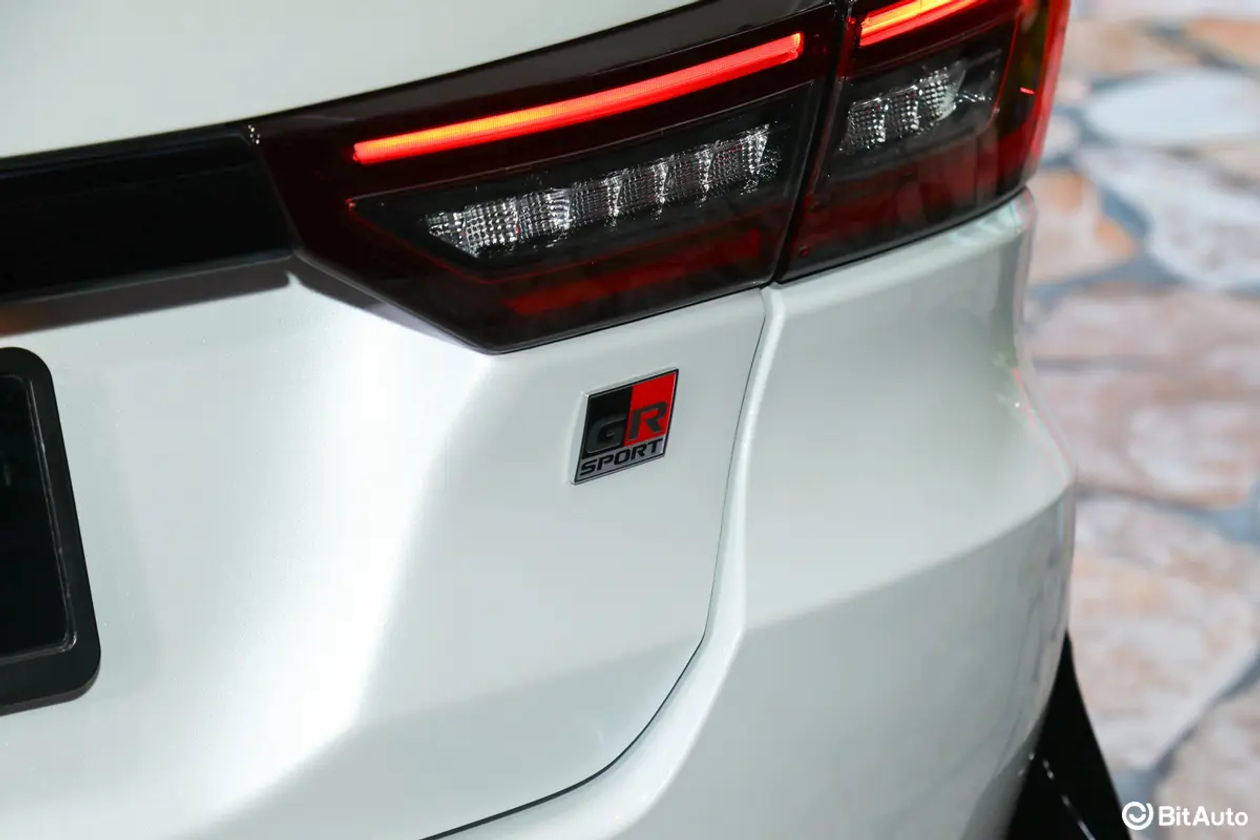
If you crave tighter handling, sharper dynamics, and a sportier cabin ambiance, have financial leeway, and are not counting on recouping that extra RM6,000 at the pumps, the GR Sport delivers an athletic persona and road presence that the standard HEV simply cannot match.
| Specification | Vios 1.5E | Vios 1.5G | Vios 1.5 HEV | Vios 1.5 HEV GR Sport |
|---|---|---|---|---|
| OTR Price (Peninsular Malaysia, excl. insurance) | RM90,600 | RM96,600 | RM103,900 | RM109,900 |
| Engine | 1.5L Naturally Aspirated 4-Cylinder | 1.5L Naturally Aspirated 4-Cylinder | 1.5L Naturally Aspirated 4-Cylinder | 1.5L Naturally Aspirated 4-Cylinder |
| Engine Output | 104 hp / 138 Nm | 104 hp / 138 Nm | 91 PS (approx. 90 hp) / 121 Nm | 91 PS (approx. 90 hp) / 121 Nm |
| Electric Motor Output | N/A | N/A | 80 PS (approx. 59 kW) / 141 Nm | 80 PS (approx. 59 kW) / 141 Nm |
| Total System Output | N/A | N/A | 111 PS (approx. 109 hp) | 111 PS (approx. 109 hp) |
| Transmission | CVT | CVT | e-CVT | e-CVT |
| Fuel Consumption (NEDC) | 5.2 L/100 km | 5.2 L/100 km | 3.6 L/100 km | 3.6 L/100 km |
| Adaptive Cruise Control | None (Standard Cruise Control) | Standard (with Stop & Go) | Standard (with Stop & Go) | Standard (with Stop & Go) |
| Air-Conditioning | Manual | Single-zone Automatic | Single-zone Automatic | Single-zone Automatic |
| Instrument Cluster | Analogue with MID | Full Digital | 7-inch Hybrid Digital Display | 7-inch Hybrid Digital Display |
| Infotainment Display | 9-inch Touchscreen | 9-inch Touchscreen | 10.1-inch Touchscreen | 10.1-inch Touchscreen |
| Parking Brake | Manual Handbrake | Electronic Parking Brake (EPB) with Auto Hold | Electronic Parking Brake (EPB) with Auto Hold | Electronic Parking Brake (EPB) with Auto Hold |
| Wheels & Tyres | 16-inch, 195/60 R16 | 17-inch, 205/50 R17 | 16-inch | 17-inch, 205/50 R17 |
| Suspension Setup | Standard | Standard | Standard | Sports Springs, Retuned Dampers, Bespoke Stabiliser Bars & EPS |
| Seat Upholstery | Fabric | Fabric | Fabric | GR Leather & Suede |
| Ambient Lighting | None | Yes | 64-colour Ambient Lighting | 64-colour Ambient Lighting |
| Airbags | 6 | 6 | 6 | 6 |
| Vehicle Warranty | 5-year unlimited mileage | 5-year unlimited mileage | 5-year unlimited mileage | 5-year unlimited mileage |
| Hybrid Component Warranty | N/A | N/A | 8-year unlimited mileage (extendable to 10-year for RM2,500) | 8-year unlimited mileage (extendable to 10-year for RM2,500) |
| Road Tax (Peninsular Malaysia, Annual) | RM90 | RM90 | RM90 | RM90 |
| Assembly | CKD | CKD | CKD | CKD |
Notes: The hybrid battery warranty is eight years with unlimited mileage, extendable to ten years for RM2,500, subject to official terms and conditions from Toyota Malaysia.
Servicing estimates are based on the 2020 Vios five-year/100,000 km schedule at roughly RM4,242; actual costs for the 2026 model remain subject to the latest official menu. Depreciation values represent general secondary market indicators and do not reflect guaranteed trade-in values.


Your go-to source for all things automotive in Malaysia. 🚗 Latest reviews, breaking news, launches & industry trends.
+ Follow 电池越大越好?对混合动力车来说,未必!
丰田混合动力系统的小电池,负责回收制动能量、辅助起步,并与汽油引擎配合提升效率。电池虽小,作用可不小! 1 minute ago
 It looks like Malaysia will soon be welcoming two more electrified MPVs.
And one of them is a very quirky MPV. 20 minutes ago
 Some said that this camouflaged car is a Proton eMas 3, but we beg to differ.
We think that this might be hiding something else instead.
#proton #protonemas5 1 hour ago
Get the latest car news first!
Your go-to source for all things automotive in Malaysia. 🚗 Latest reviews, breaking news, launches & industry trends.
电池越大越好?对混合动力车来说,未必!
丰田混合动力系统的小电池,负责回收制动能量、辅助起步,并与汽油引擎配合提升效率。电池虽小,作用可不小! 1 minute ago It looks like Malaysia will soon be welcoming two more electrified MPVs.
And one of them is a very quirky MPV. 20 minutes ago Some said that this camouflaged car is a Proton eMas 3, but we beg to differ.
We think that this might be hiding something else instead.
#proton #protonemas5 1 hour ago 
© 2024 Bitauto.com. All Rights Reserved.
Bitauto (www.yiche.com and www.bitauto.com) is one of the most visited automotive websites in China. We provide detailed info on Chinese car brands available in your area. Please note that the information provided on this website is based on publicly available data and is for reference only. It may not be fully updated or accurate at all times.

Help us improve our website


