What does RM1,000 get you these days? A modest smartphone, or perhaps a few nice dinners with friends.
In a Toyota showroom, RM1,000 is precisely the price difference separating the Vios 1.5E from the Yaris 1.5G. The Vios 1.5E is priced at RM90,600, while the Yaris 1.5G retails at RM91,600.
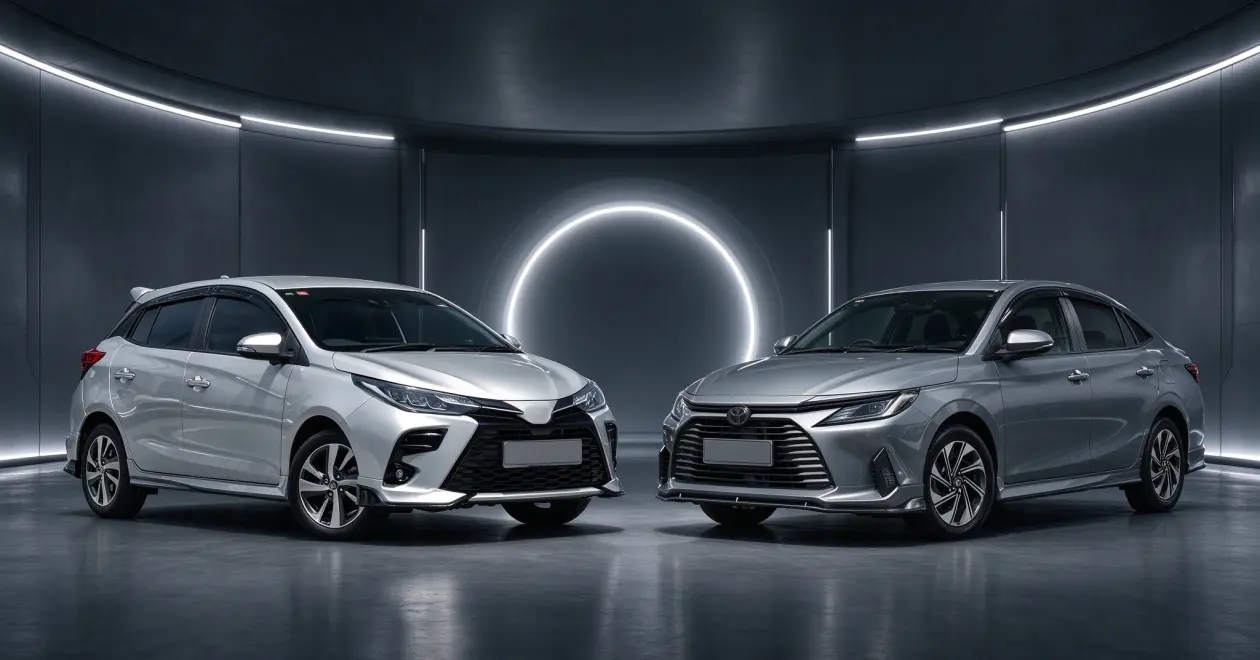
Beneath the skin, both share the exact same mechanical setup: a 1.5-litre naturally aspirated engine, a CVT, front-wheel drive, annual road tax of RM90 each, local CKD assembly, and a five-year unlimited-mileage warranty.
That RM1,000 buys zero mechanical upgrades, yet starting from the rear silhouette, these two cars take distinctly different paths.
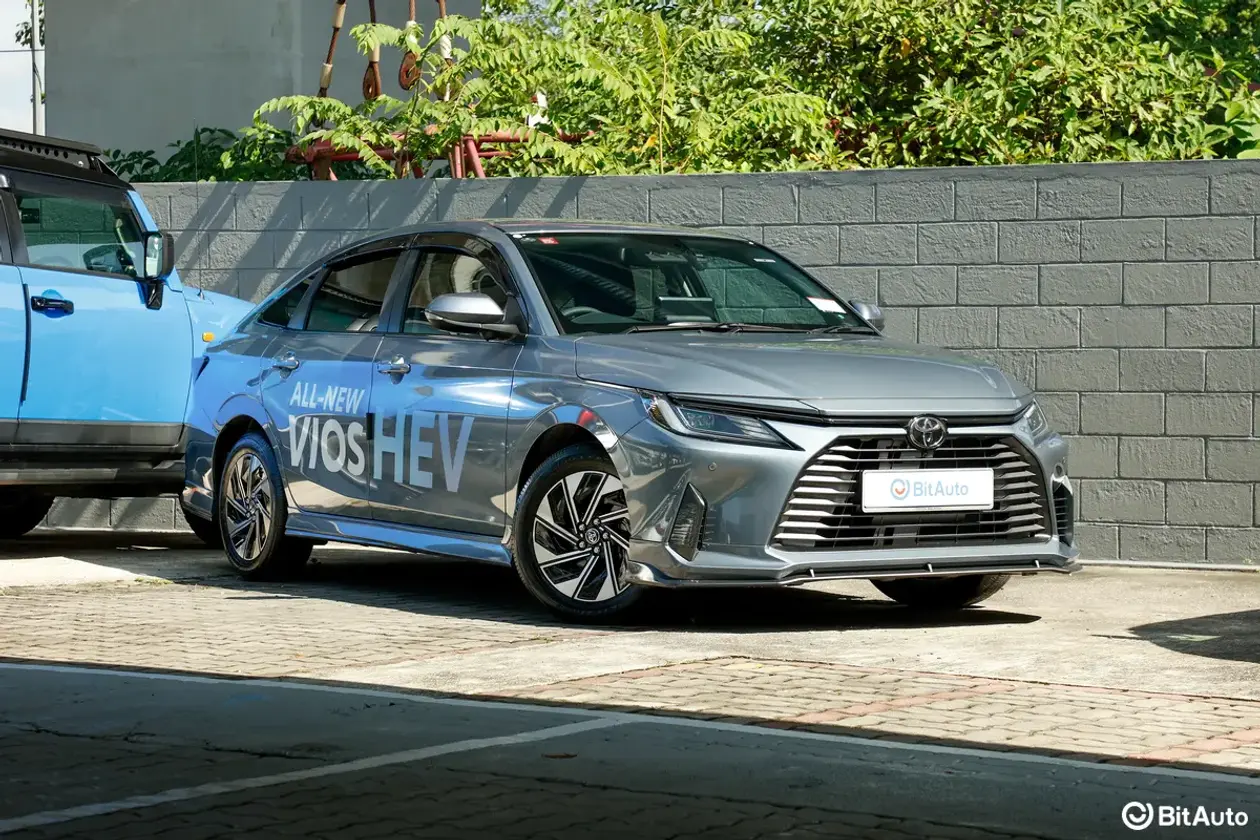
The Vios offers a 475-litre boot against the Yaris's 286 litres—a 189-litre deficit. That 189-litre difference is substantial, roughly equivalent to a large check-in suitcase plus two backpacks. With its conventional three-box sedan layout, luggage in the Vios can be stacked right up without encroaching on rear passenger headroom.
The Yaris hatchback connects the boot directly to the cabin, allowing taller items if needed, but in standard guise with the rear bench up, its 286-litre boot floor is noticeably shallow.
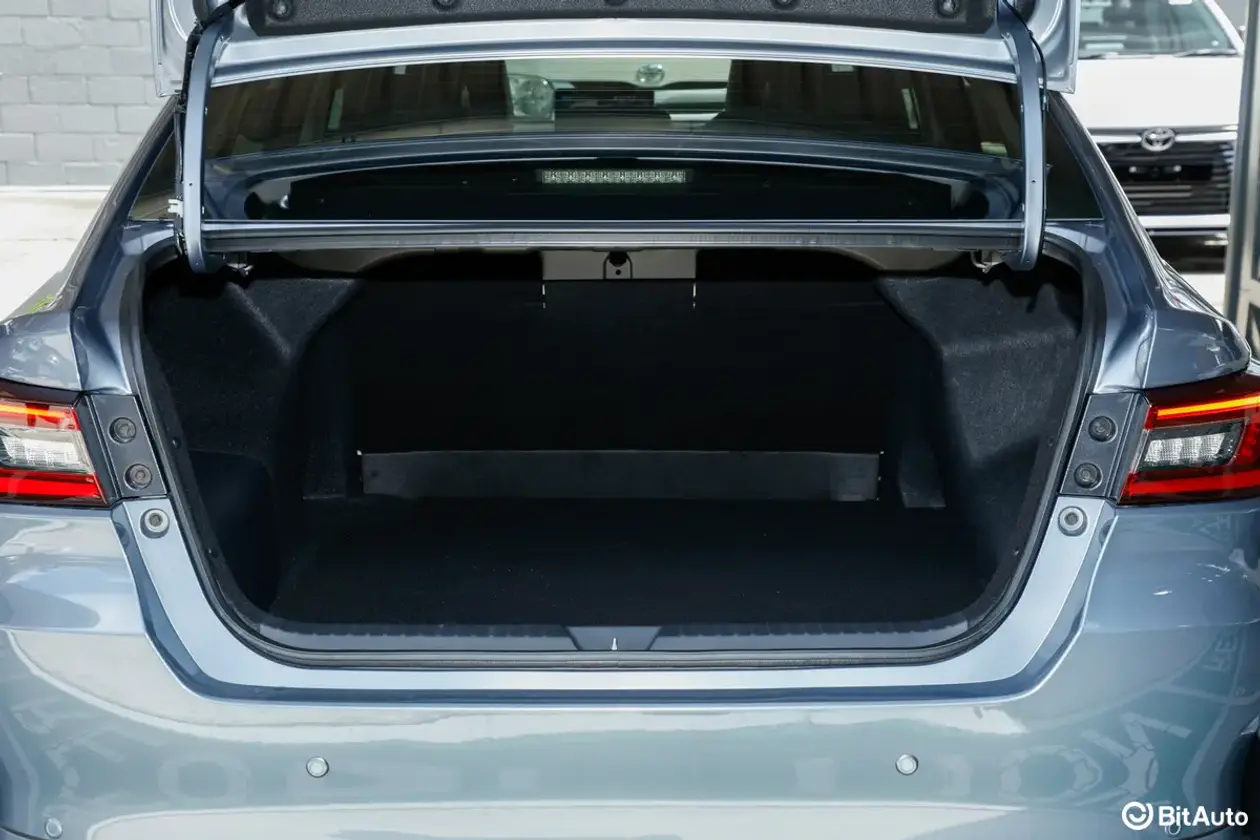
There is also a noticeable gap in wheelbase: the Vios spans 2,620 mm, while the Yaris measures 2,550 mm—70 mm shorter. The Yaris trims those 70 mm right out of its wheelbase in exchange for a significantly shorter footprint.
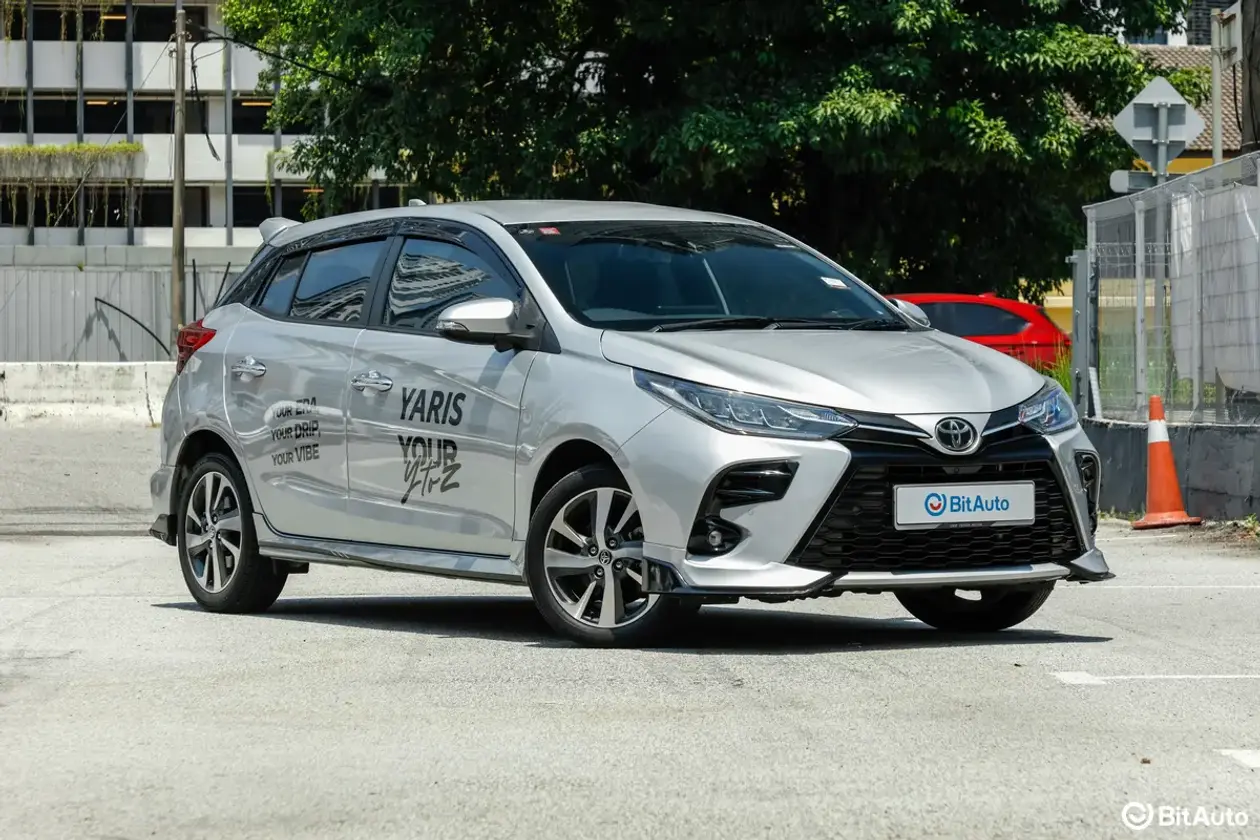
Overall length stands at 4,140 mm against the Vios's 4,425 mm—a difference of 285 mm. In tight shopping mall parking bays, squeezing past oncoming traffic in narrow housing estate lanes, or dealing with a shallow home porch, those 28.5 cm shaved off the Yaris translate directly to fewer multi-point steering manoeuvres every single day.
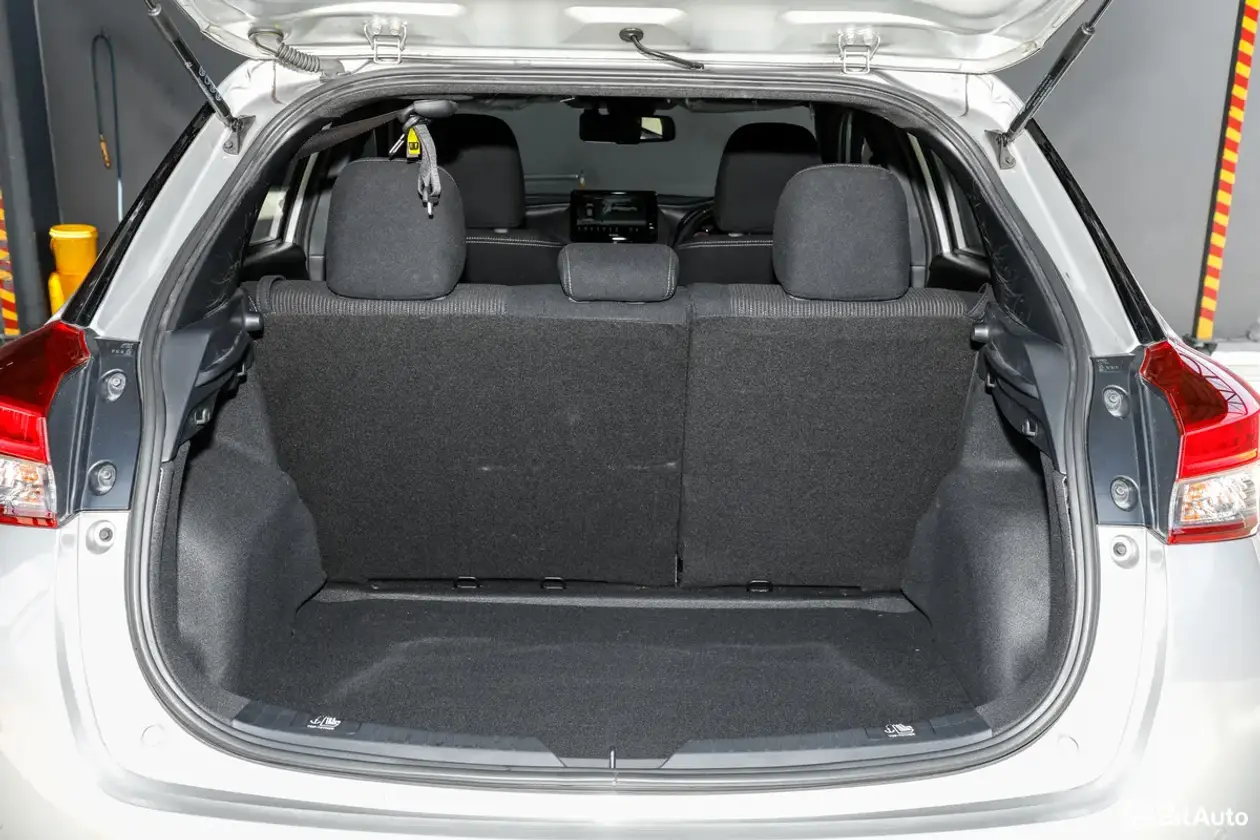
A capacious boot versus a compact footprint—these two are opposite sides of the same coin. The Vios dedicates its length to cargo space; the Yaris trims that length off the body entirely.
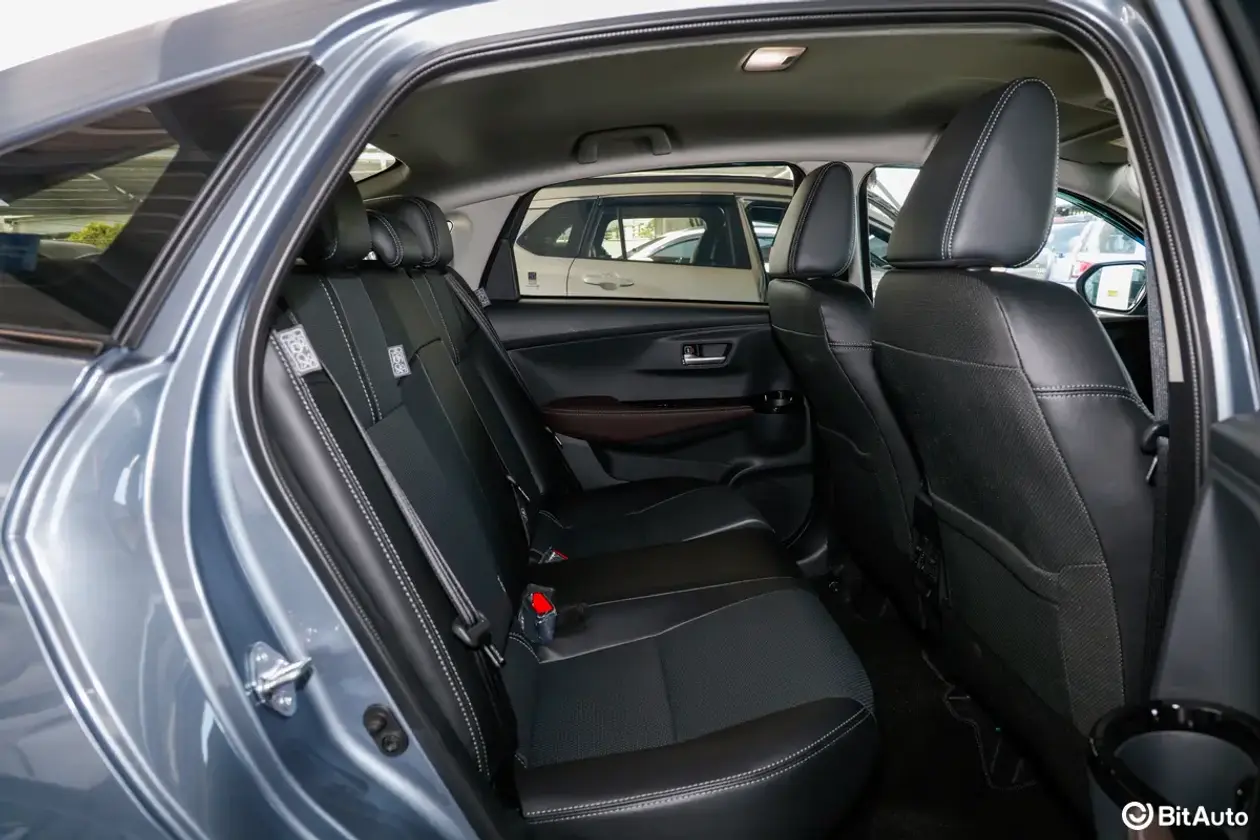
The Vios 1.5E comes with rear air-con vents, which the Yaris 1.5G lacks. Under Malaysia's scorching afternoon heat, rear air-con vents make an immediate, tangible difference to family members in the back every single time they step inside.
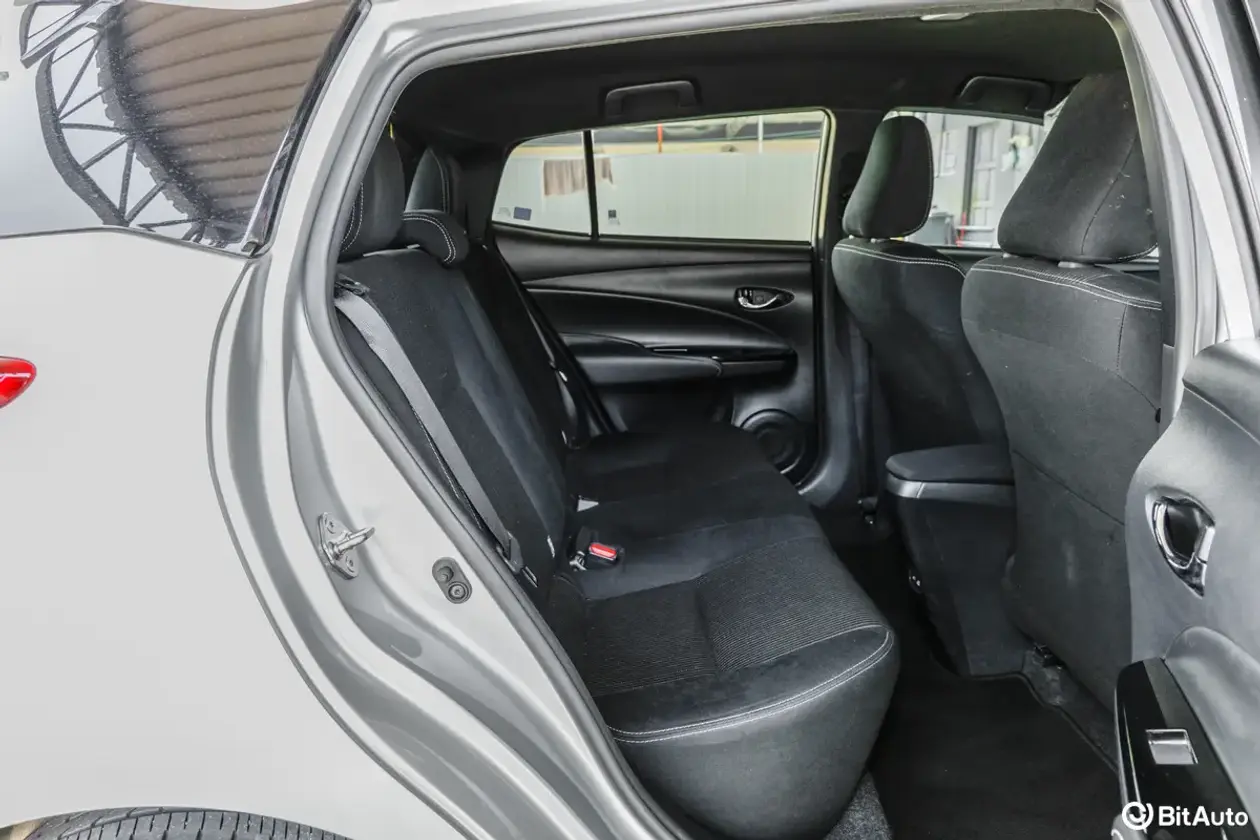
The Yaris channels its budget elsewhere: seven airbags instead of the Vios's six with an added driver's knee airbag; a 360-degree camera system compared to the Vios's 3D Panoramic View Monitor; and 60:40 split-folding rear seats, where the Vios settles for a fixed rear seatback.
Both feature the Toyota Safety Sense active safety suite, with Autonomous Emergency Braking, Blind Spot Monitor, Rear Cross Traffic Alert, and Lane Departure Prevention all present and accounted for.
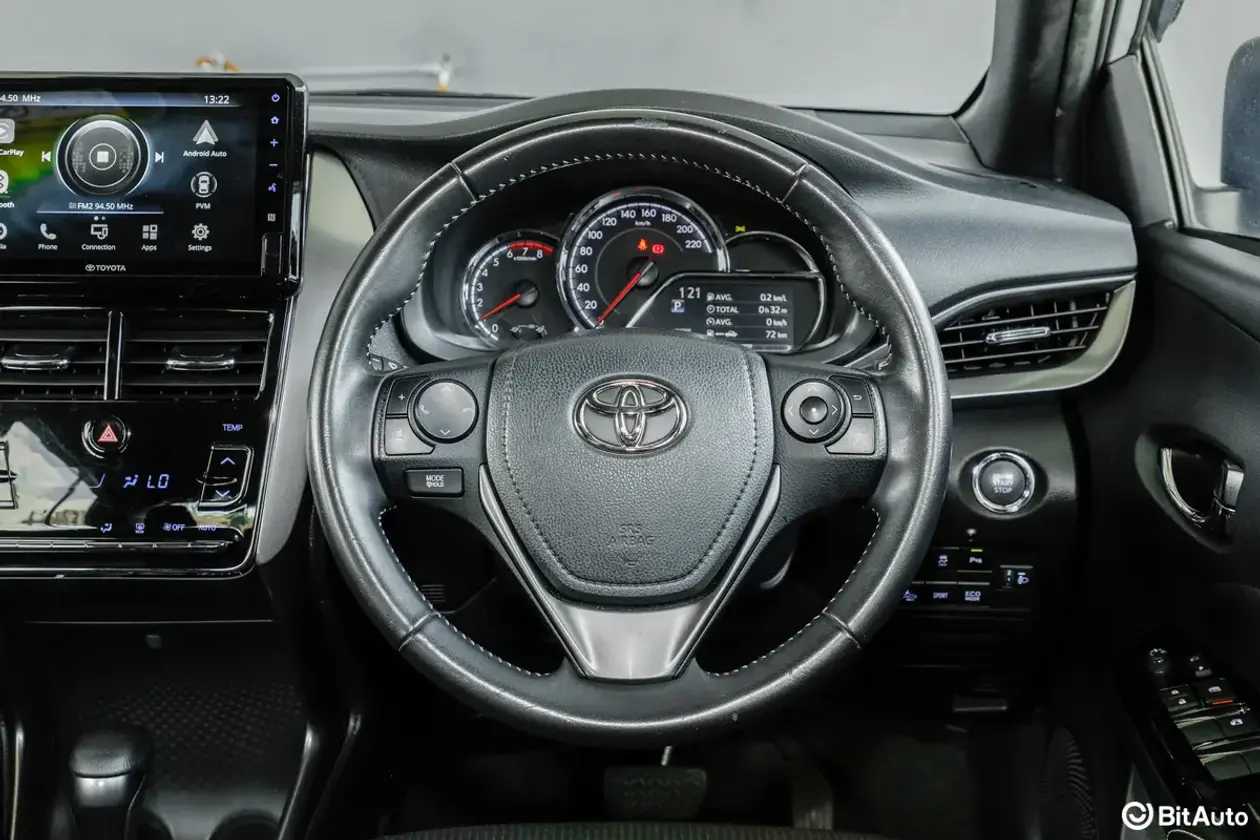
However, their lane support systems operate differently: the Vios features steering assist that actively tugs the wheel to centre the car, whereas the Yaris relies on an audible alert alone, leaving the steering input entirely to the driver.
Placing their spec sheets side by side, neither model delivers a clean sweep. The Vios pampers rear passengers with dedicated air vents, while the Yaris rewards the driver with an extra airbag, an around-view monitor, and versatile split-folding rear seats.
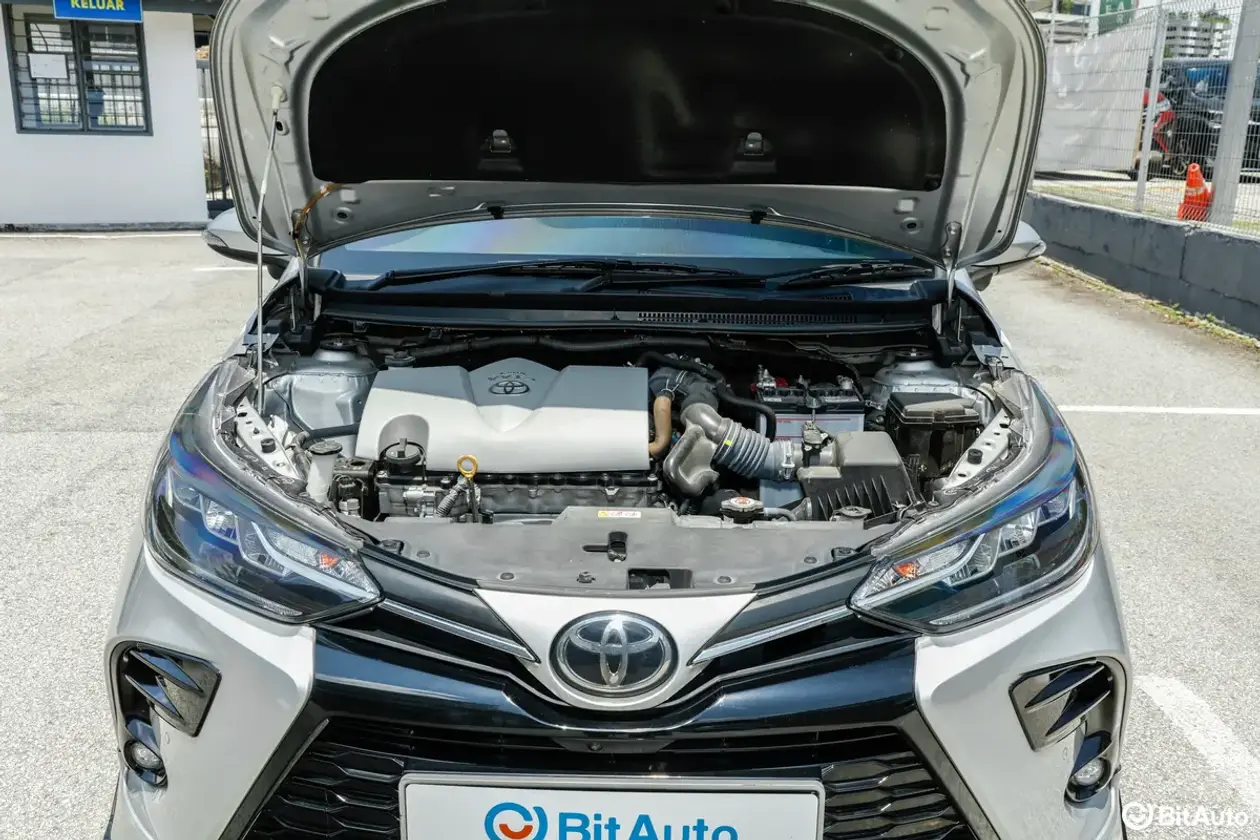
The Yaris's 1.5-litre engine pushes out 105 hp and 150 N·m, compared to the Vios's 104 hp and 138 N·m. That gives the Yaris a 1 hp and 12 N·m edge, with peak torque arriving from 4,200 rpm.
In stop-and-go city traffic, that extra 12 N·m gives the Yaris slightly crisper off-the-line throttle response, though both CVTs deliver drive seamlessly enough that day-to-day seat-of-the-pants differences feel far less pronounced than the spec sheet suggests.
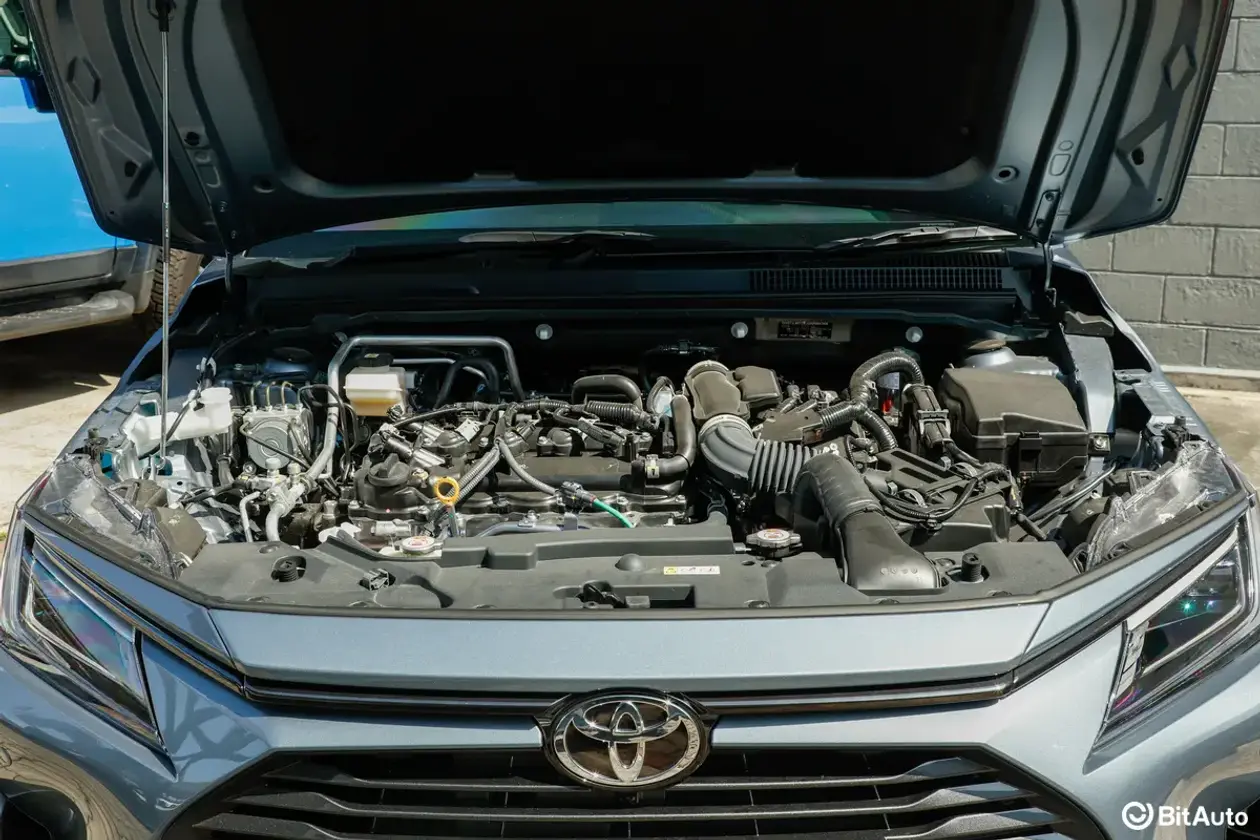
The Vios registers a kerb weight of 1,015 kg against the Yaris's 1,140 kg, meaning the Yaris's 125 kg weight penalty blunts a portion of its torque advantage.
The real divergence in character lies not in their engines, but in body styling and weight distribution. The Yaris is compact, heavier, and agile; the Vios is longer, lighter, and far more accommodating in the cargo department.
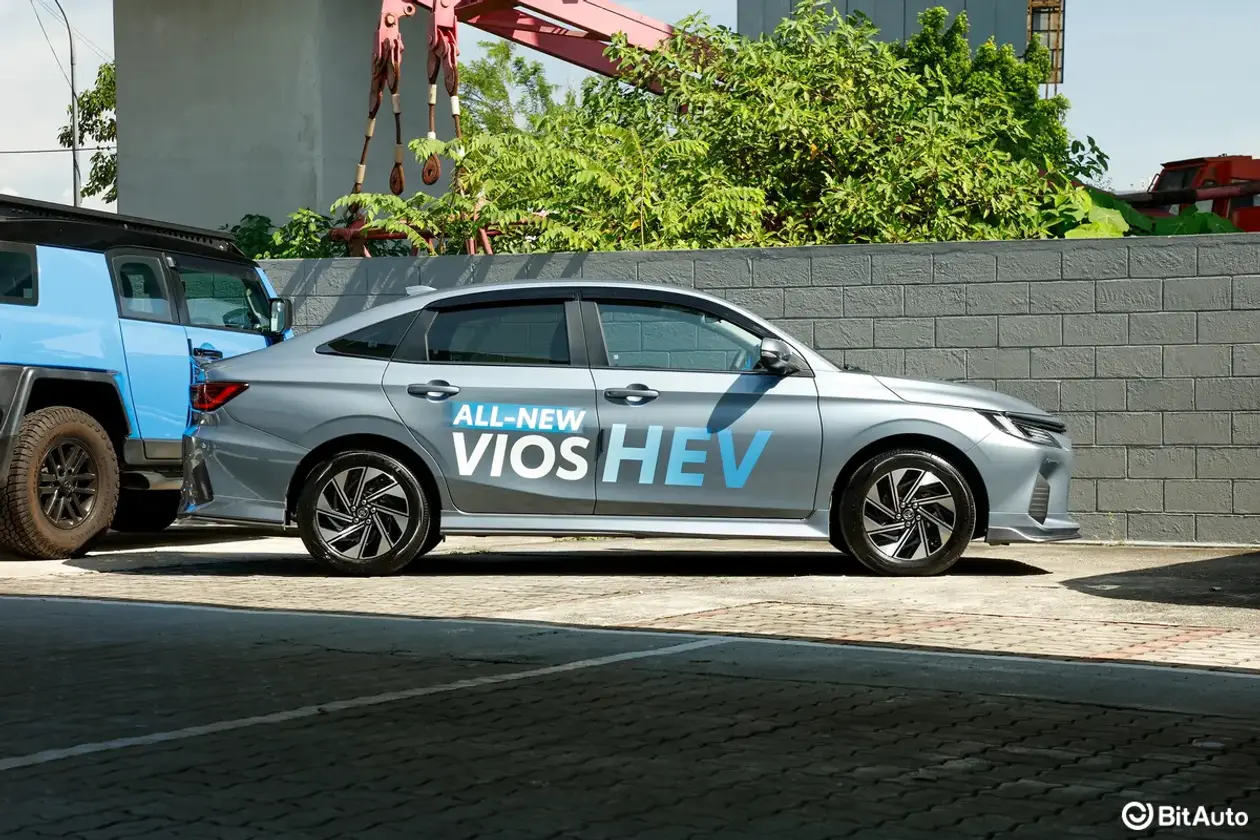
Many buyers assume sedans naturally draw a wider second-hand audience and should therefore command better residual values. Yet public five-year value retention data shows the Yaris holding 75.9%, edging out the Vios at 72.2%.
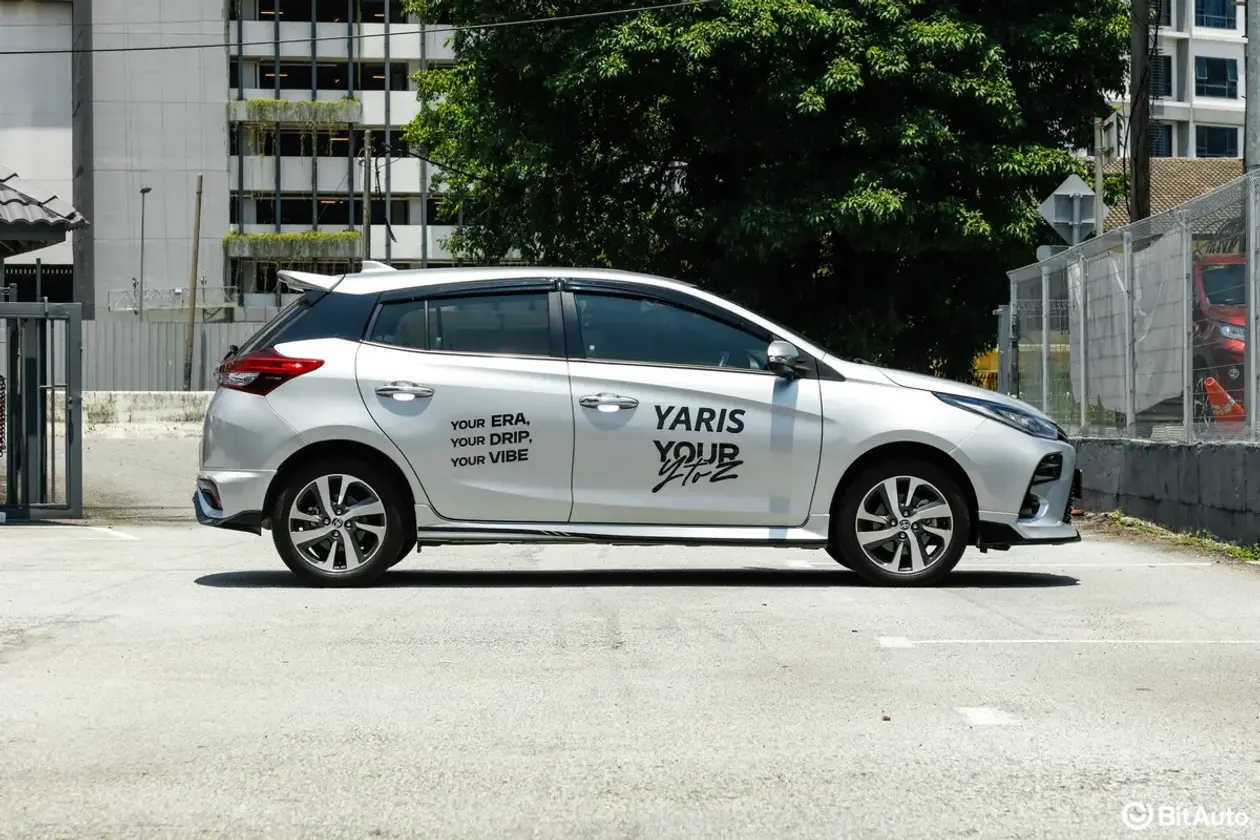
Used listings for the Yaris are substantially lower in volume than for the Vios. With fewer five-year-old units floating around the market, second-hand Yaris prices stay remarkably resilient.
The Vios boasts a far larger used car pool, making units easier to hunt down, but greater supply inevitably gives prospective buyers more room to haggle.
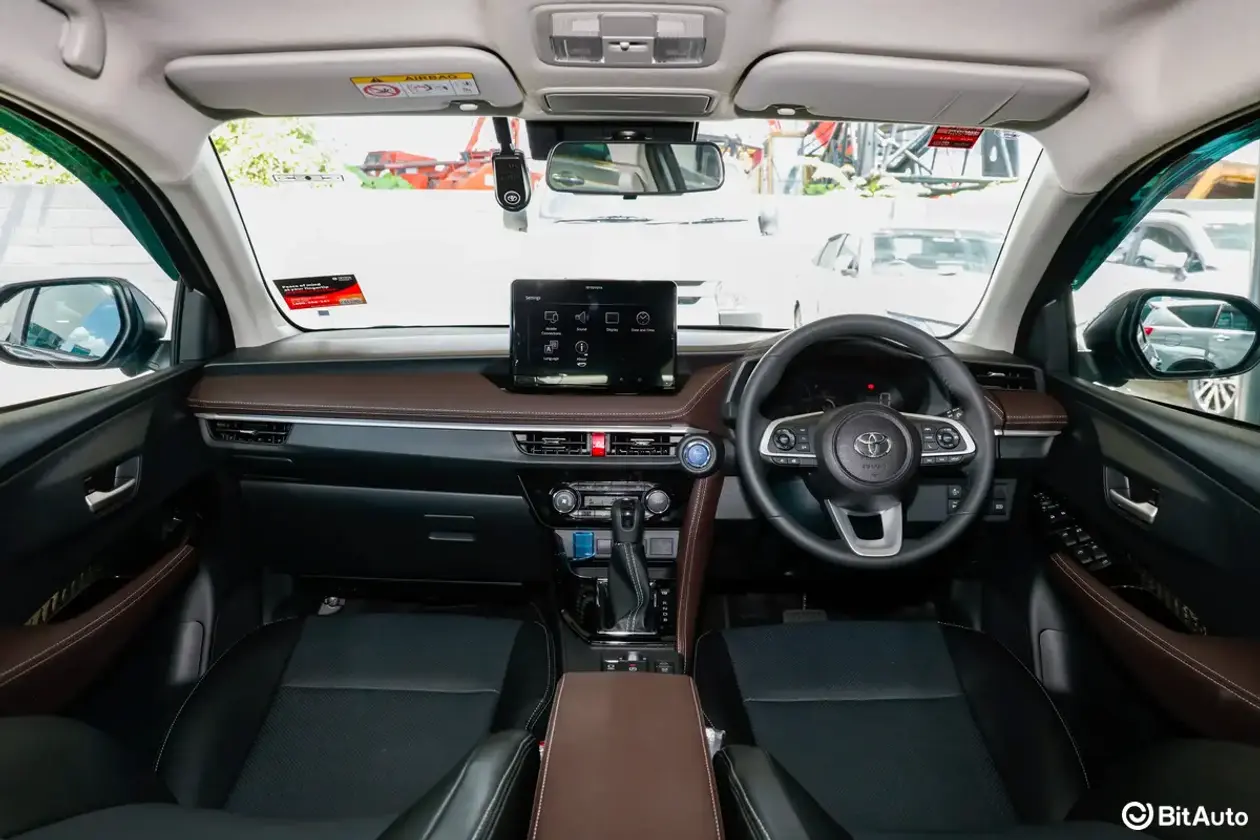
If your routine involves hauling bulky luggage, long-distance highway cruises, carrying rear passengers regularly, and demanding dedicated rear air-con vents, the Vios 1.5E's 475-litre boot and rear blower deliver immense everyday practicality for that RM1,000.
It measures 28.5 cm longer and may demand an extra turn of the wheel when parking, but that cavernous boot proves its worth daily.
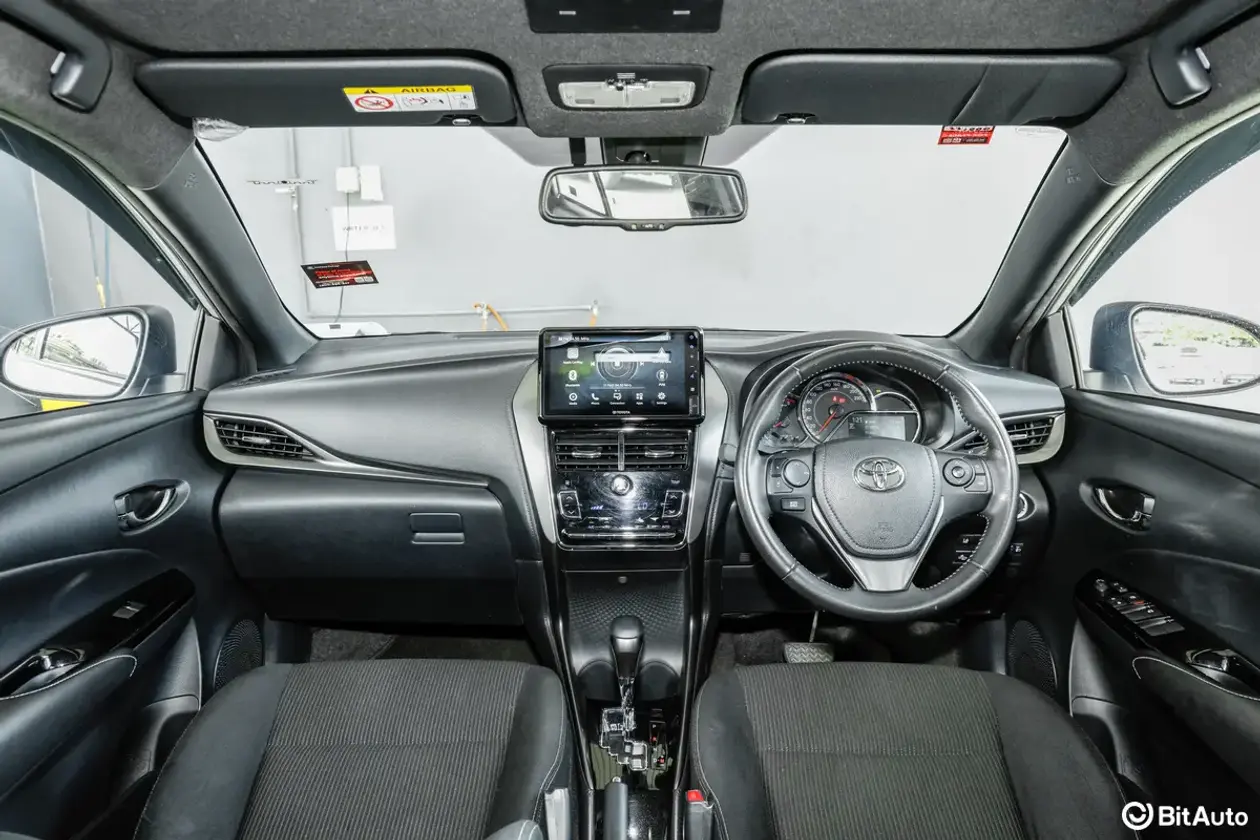
If you constantly squeeze into tight parking bays, navigate congested streets, prioritize seven airbags and a 360-degree camera, and occasionally drop the rear seats to load odd-sized cargo, the Yaris 1.5G converts that RM1,000 into greater agility and enhanced passive safety.
Its boot holds just 286 litres, meaning bulkier cargo runs require advance rear-seat planning.
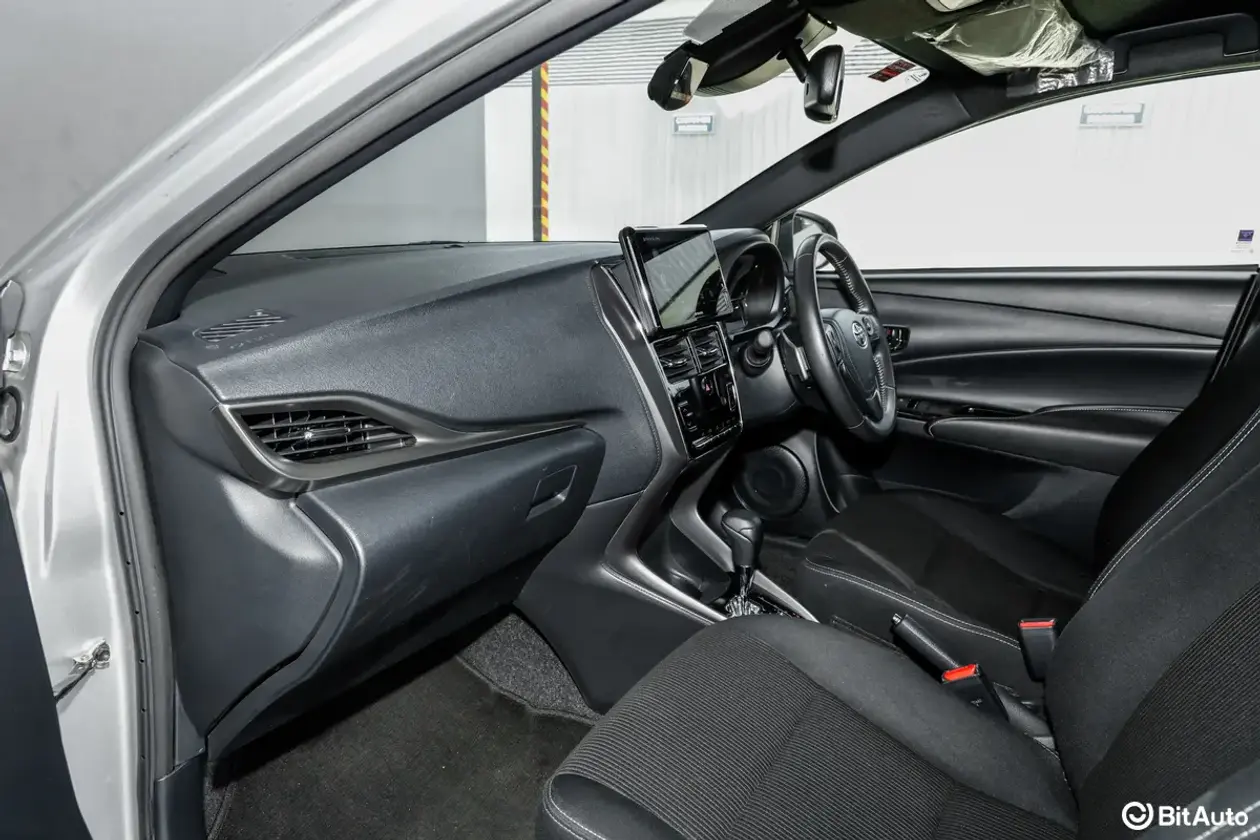
Both cars share the exact same mechanical package; that RM1,000 premium essentially boils down to boot capacity versus overall vehicle length.
If boot practicality outweighs the minor effort of extra steering inputs when parking, the Vios makes far more sense; if tight parking and narrow streets are daily realities, the Yaris's tidy proportions and seven airbags prove invaluable on every single drive.
| Specification | Toyota Vios 1.5E | Toyota Yaris 1.5G |
|---|---|---|
| Price (Peninsular Malaysia, OTR without insurance) | RM90,600 | RM91,600 |
| Price Difference | RM1,000 | |
| Engine | 1,496 cc naturally aspirated 4-cylinder | 1,496 cc naturally aspirated 4-cylinder |
| Max Horsepower | 104 hp @ 6,000 rpm | 105 hp @ 6,000 rpm |
| Max Torque | 138 N·m @ 4,200 rpm | 150 N·m @ 4,200 rpm |
| Transmission | CVT with 7-speed Sequential Shiftmatic | CVT with 7-speed Sequential Shiftmatic |
| Drivetrain | Front-wheel drive (FWD) | Front-wheel drive (FWD) |
| Length / Wheelbase | 4,425mm / 2,620mm | 4,140mm / 2,550mm |
| Boot Capacity | 475 litres | 286 litres |
| Kerb Weight | 1,015 kg | 1,140 kg |
| Airbags | 6 | 7 (incl. driver's knee airbag) |
| Autonomous Emergency Braking | Standard | Standard |
| Lane Keeping Assist | With steering assist | Buzzer alert only |
| Blind Spot Monitor | Standard | Standard |
| Rear Cross Traffic Alert | Standard | Standard |
| Reversing Camera | 3D Panoramic View Monitor | 360-degree camera |
| Rear Air-Con Vents | Standard | None |
| Rear Seats | Fixed | 60:40 split-folding |
| Infotainment Display | 9-inch, wireless Apple CarPlay | 9-inch, wireless Apple CarPlay |
| Adaptive Cruise Control | None (passive cruise control) | None (passive cruise control) |
| Combined Fuel Economy | 5.2 L/100 km | Subject to official publication |
| Road Tax (Peninsular Malaysia, annual) | RM90 | RM90 |
| Warranty | 5-year unlimited mileage | 5-year unlimited mileage |
| Assembly | CKD | CKD |
Note: All figures reflect on-the-road (OTR) prices in Peninsular Malaysia excluding insurance. Value retention figures are derived from public second-hand market data (approx. 75.9% for the Yaris and 72.2% for the Vios over five years) and serve strictly as reference values rather than guaranteed transaction prices.


Your go-to source for all things automotive in Malaysia. 🚗 Latest reviews, breaking news, launches & industry trends.
+ Follow 电池越大越好?对混合动力车来说,未必!
丰田混合动力系统的小电池,负责回收制动能量、辅助起步,并与汽油引擎配合提升效率。电池虽小,作用可不小! 1 minute ago
 It looks like Malaysia will soon be welcoming two more electrified MPVs.
And one of them is a very quirky MPV. 21 minutes ago
 Some said that this camouflaged car is a Proton eMas 3, but we beg to differ.
We think that this might be hiding something else instead.
#proton #protonemas5 1 hour ago
Get the latest car news first!
Your go-to source for all things automotive in Malaysia. 🚗 Latest reviews, breaking news, launches & industry trends.
电池越大越好?对混合动力车来说,未必!
丰田混合动力系统的小电池,负责回收制动能量、辅助起步,并与汽油引擎配合提升效率。电池虽小,作用可不小! 1 minute ago It looks like Malaysia will soon be welcoming two more electrified MPVs.
And one of them is a very quirky MPV. 21 minutes ago Some said that this camouflaged car is a Proton eMas 3, but we beg to differ.
We think that this might be hiding something else instead.
#proton #protonemas5 1 hour ago 
© 2024 Bitauto.com. All Rights Reserved.
Bitauto (www.yiche.com and www.bitauto.com) is one of the most visited automotive websites in China. We provide detailed info on Chinese car brands available in your area. Please note that the information provided on this website is based on publicly available data and is for reference only. It may not be fully updated or accurate at all times.

Help us improve our website


