In the Malaysian market, the Voxy is an unregistered recon (parallel import) model, meaning pricing fluctuates considerably, aftersales support relies heavily on grey-import dealers, and equipment levels vary widely from unit to unit.
Its rival today, however, is a completely different proposition: the Serena is an officially assembled CKD model with clearly structured variant grades, fixed pricing, and full backing from official Nissan service centres.
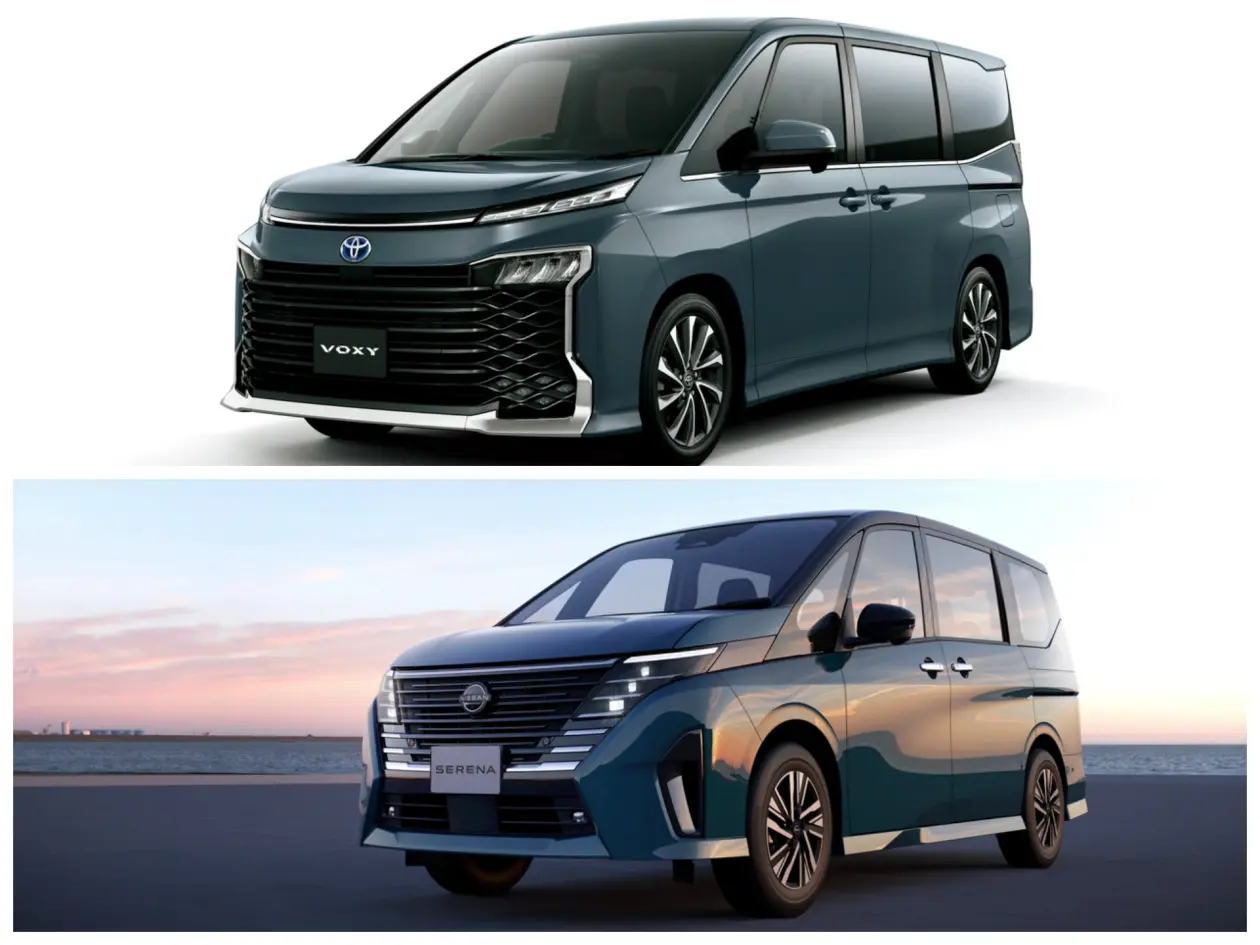
To tip the scales even further, the Serena is sold exclusively in Malaysia as an e-Power series-hybrid, whereas the vast majority of recon Voxy units entering the market are purely petrol-powered. So, is this matchup truly as one-sided as it looks on paper?
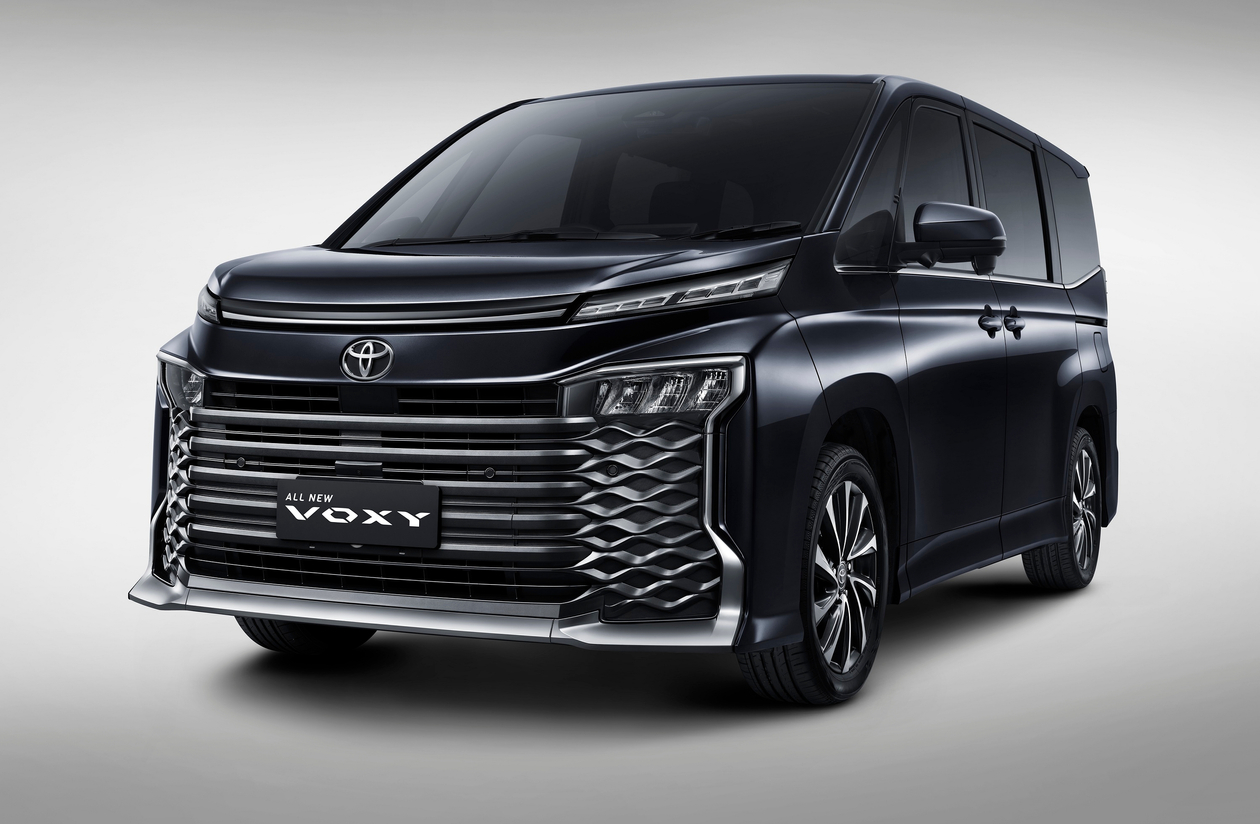
Because the Voxy is brought in via parallel importers, its asking prices vary significantly; most units hover between RM180,000 and RM190,000, and even then, these figures serve merely as a baseline.
The exact spec and grade you get boil down to available recon stock. The Serena, on the other hand, is an officially distributed CKD offering priced from RM154,800 to RM179,800.
Factor in the distinct import duties and tax structures applied to recond cars versus locally assembled models, and the Voxy ultimately commands a noticeably higher price tag than the Serena.
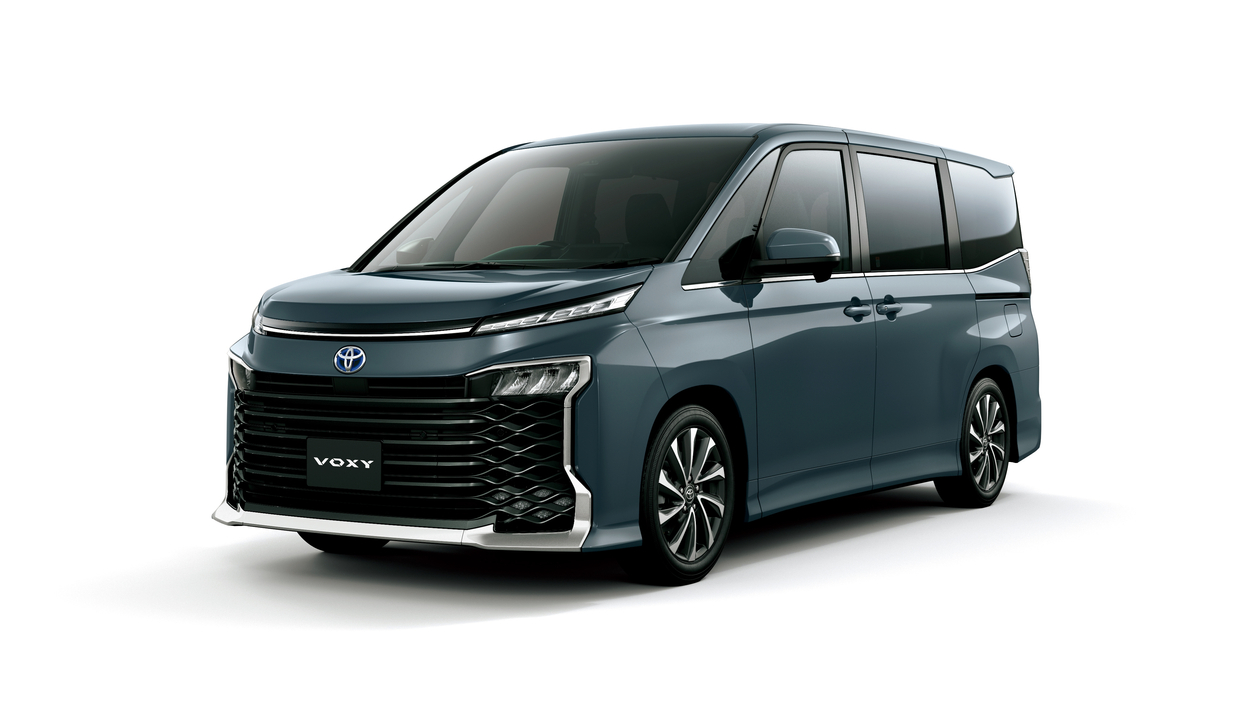
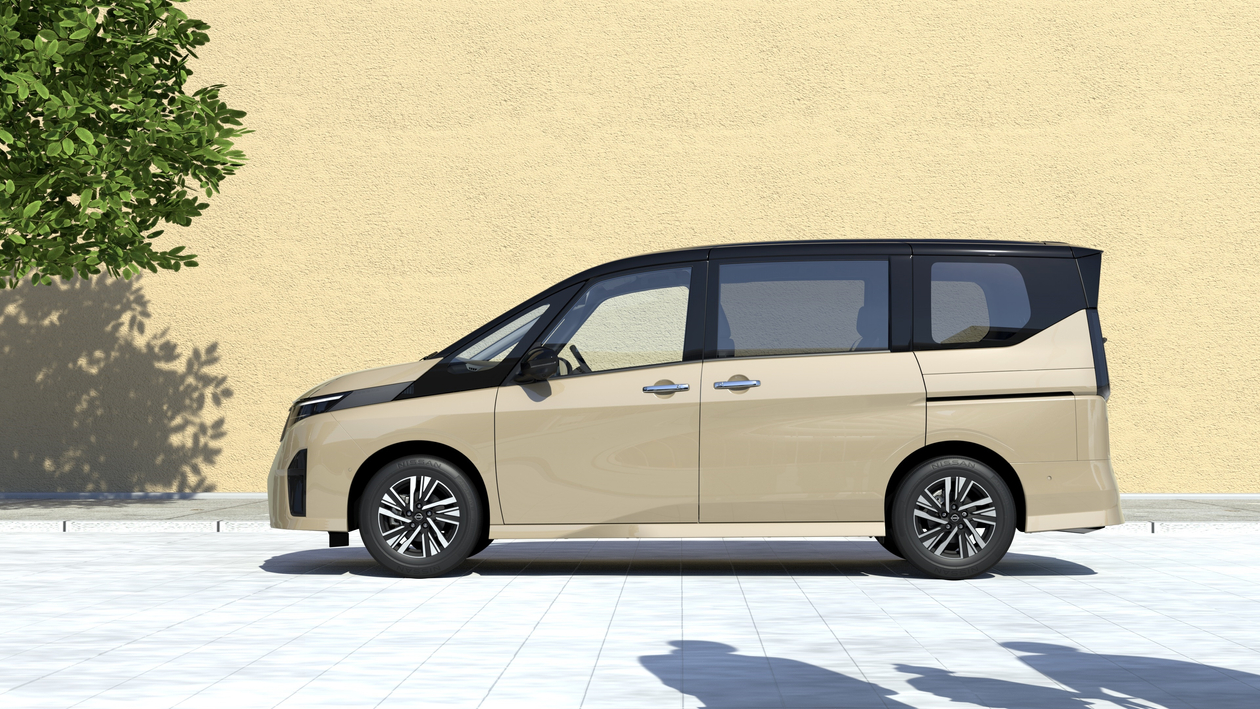
Looking strictly at the spec sheet: the Voxy measures 4695x1730x1855mm with a 2850mm wheelbase. The Serena comes in at 4765x1720x1865mm with a 2860mm wheelbase. Beyond being marginally longer, the Serena's other dimensions are practically identical to the Voxy's, differing by just around 10 mm. In terms of overall road presence and physical footprint, both MPVs are evenly matched.
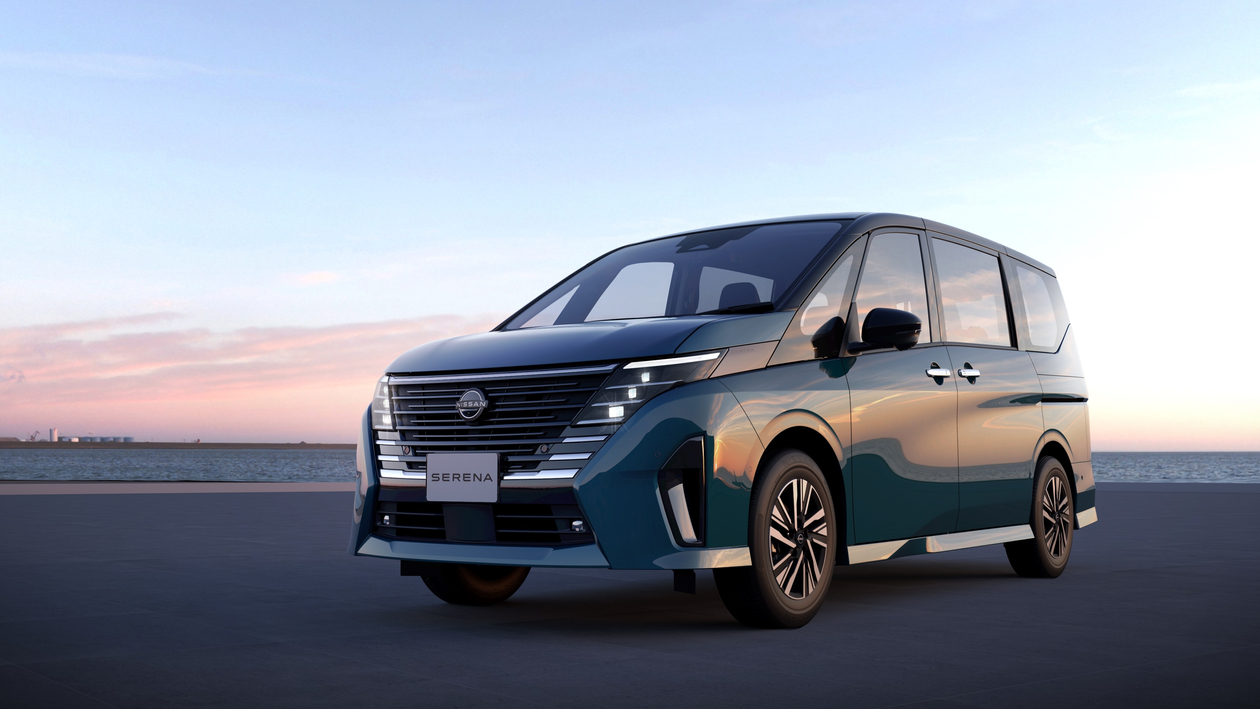
In terms of styling, both take the “sedan-like MPV” approach, though the Voxy leans towards a sportier, more aggressive aesthetic. The Serena adopts softer lines and a warmer, more “family-friendly” look. With no meaningful size discrepancy between them, styling preference is entirely subjective, leaving no clear winner here.
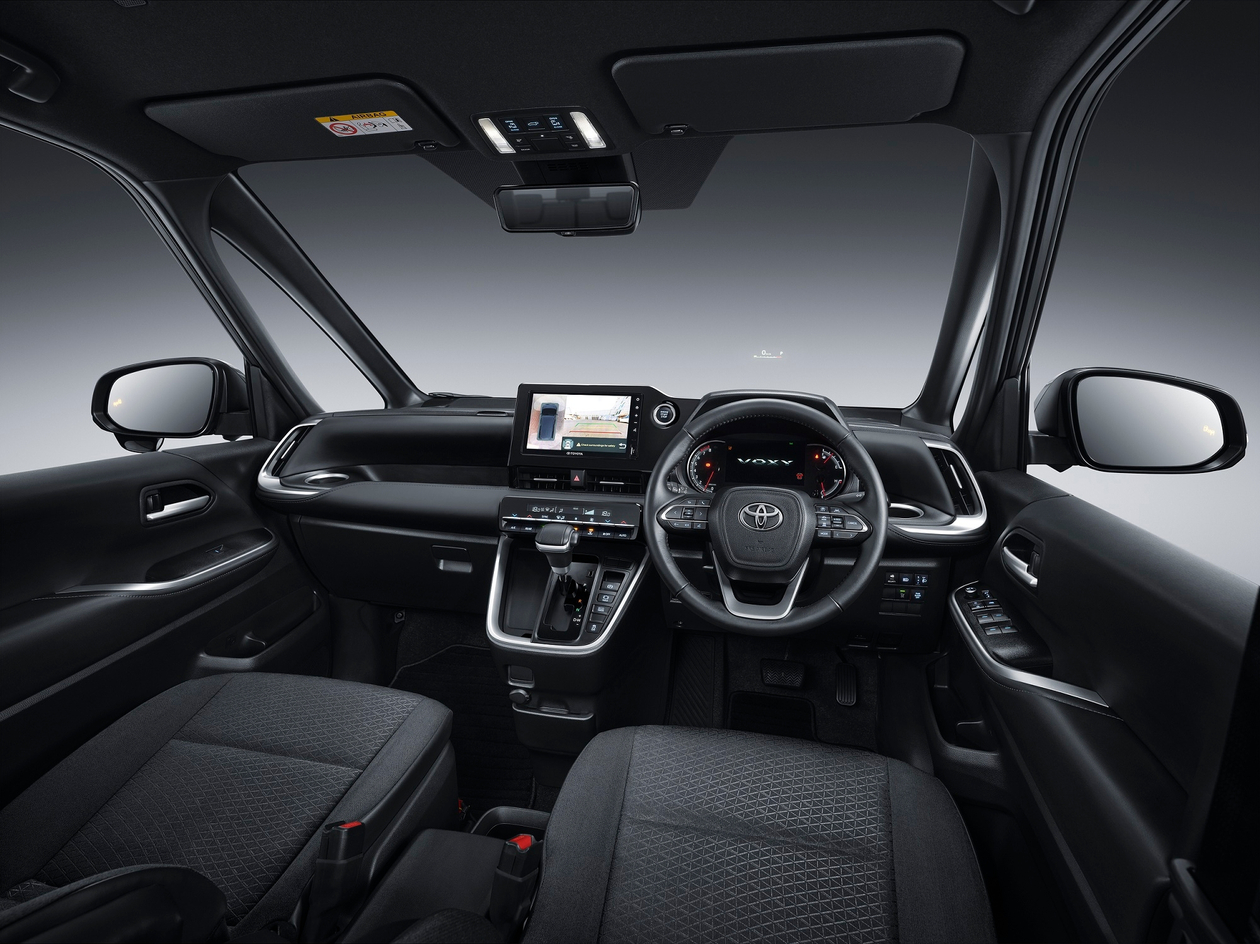
Inside, both cabins clearly reflect their respective brand identities. The Voxy leans heavily into a modern, youthful vibe, offering a 10.5-inch touchscreen infotainment unit, a HUD head-up display, a digital rear-view mirror, wireless Apple CarPlay/AA support, synthetic leather-and-fabric combination upholstery, and a leather-wrapped steering wheel. While hard plastics still dominate several trim panels, the overall visual presentation feels well-executed.
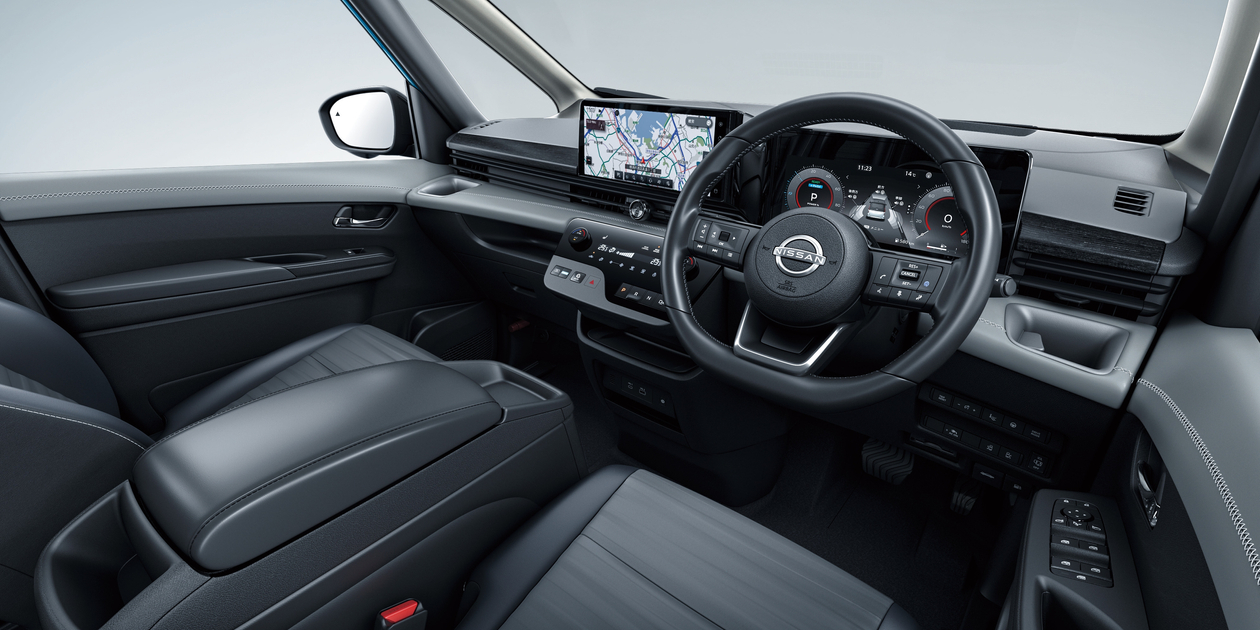
The Serena, meanwhile, doubles down on Nissan's signature “sofa-maker” reputation. Up front, both seats feature Zero Gravity technology. Renowned for their plushness, Nissan seats set the class benchmark when it comes to lumbar support and long-distance cruising comfort. In terms of seat comfort and homey lounge ambience, Nissan remains tough to beat.
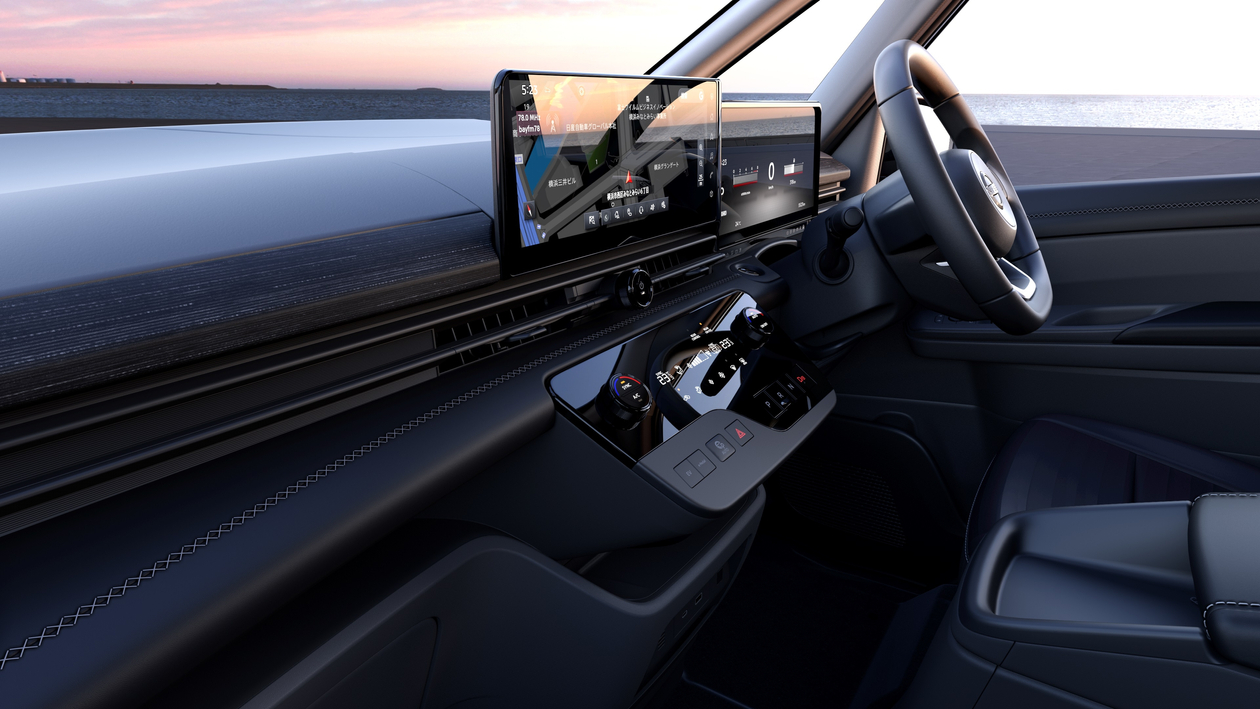
On the tech front, the Serena holds its own; even base variants feature a 9-inch touchscreen infotainment system paired with a 7-inch semi-digital instrument display (utilising analogue dials alongside a sizeable central screen). Step up to higher trims like the Shiro, and you get twin 12.3-inch displays, premium Nappa leather upholstery, and a 14-inch roof-mounted rear entertainment monitor.
On balance, this round decisively goes to the Serena.
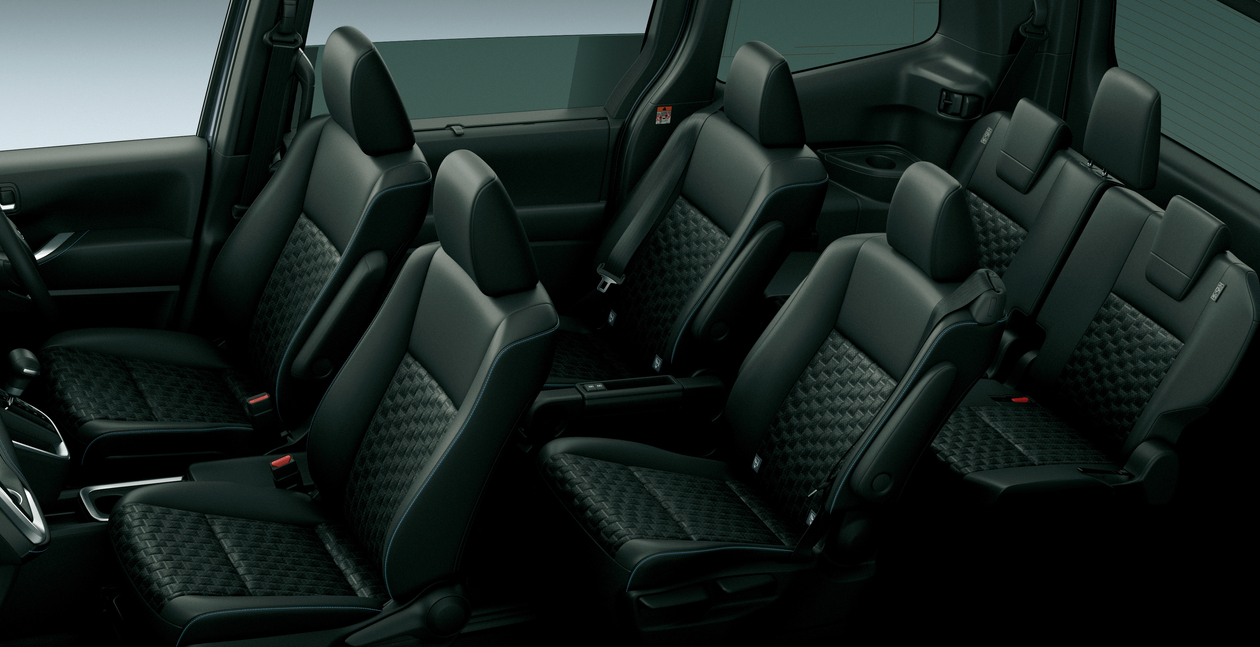
Turning to the Voxy, it is available in both 7-seater (2+2+3) and 8-seater (2+3+3) configurations. The 7-seater variant features second-row captain seats complete with ultra-long sliding tracks and integrated ottoman leg rests. The third-row seats feature a 50:50 split-folding design that tucks neatly to the sides, creating an expansive, near-flat cargo area.
The Voxy also scores high marks for rear passenger ergonomics: its power sliding doors provide a generous aperture of 740mm, while the floor step-in height is exceptionally low at just 200mm (20 cm)—a genuinely user-friendly touch.
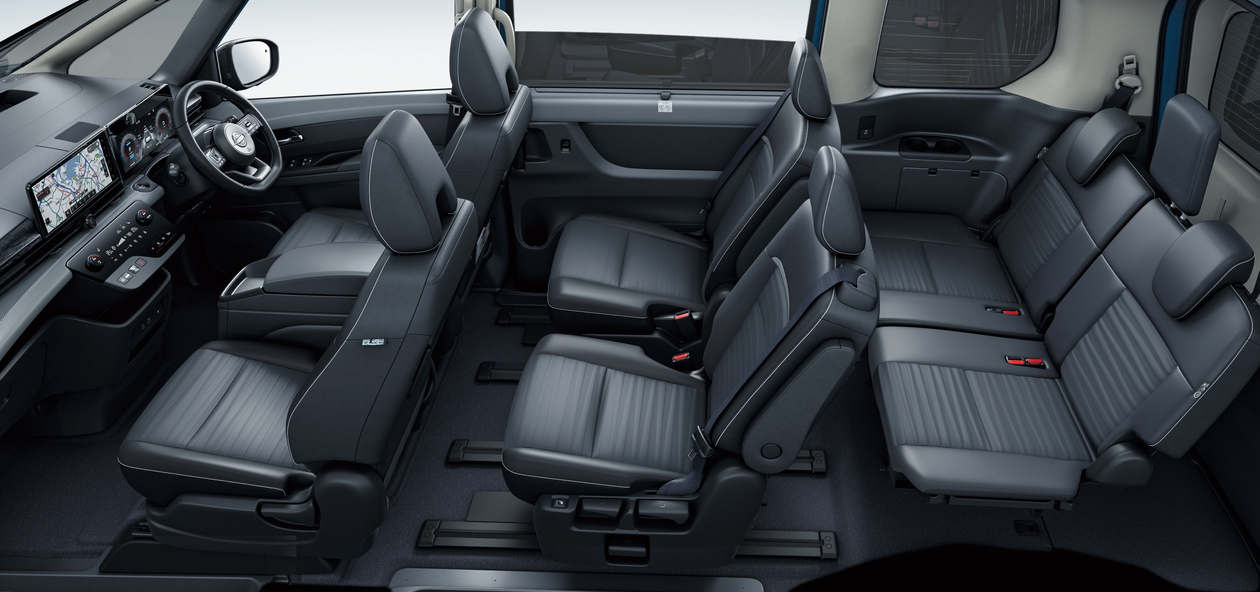
The Serena counters with superior seating versatility. Much like the Voxy, it offers second-row captain seats on extended rails, but the Serena adds dual-axis sliding rails that allow seats to move both longitudinally and laterally—a feature absent in the Voxy.
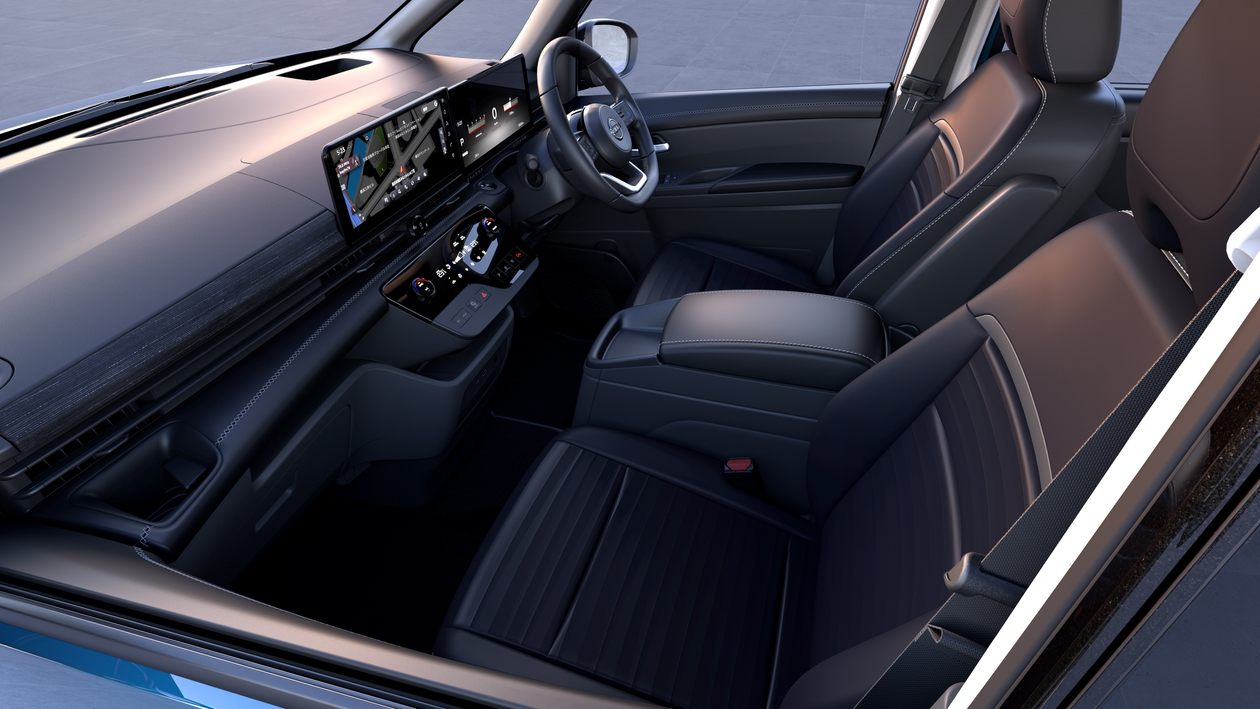
Furthermore, the Serena extends its Zero Gravity seat design to the second row as well. Having both front and middle rows equipped with Zero Gravity seating is a major trump card for passenger ride comfort—another luxury you won't find in the Voxy.
Consequently, the Serena takes another point.
To cut straight to the chase: the Serena wins again, and it does so with an almost “unfair” technological advantage.
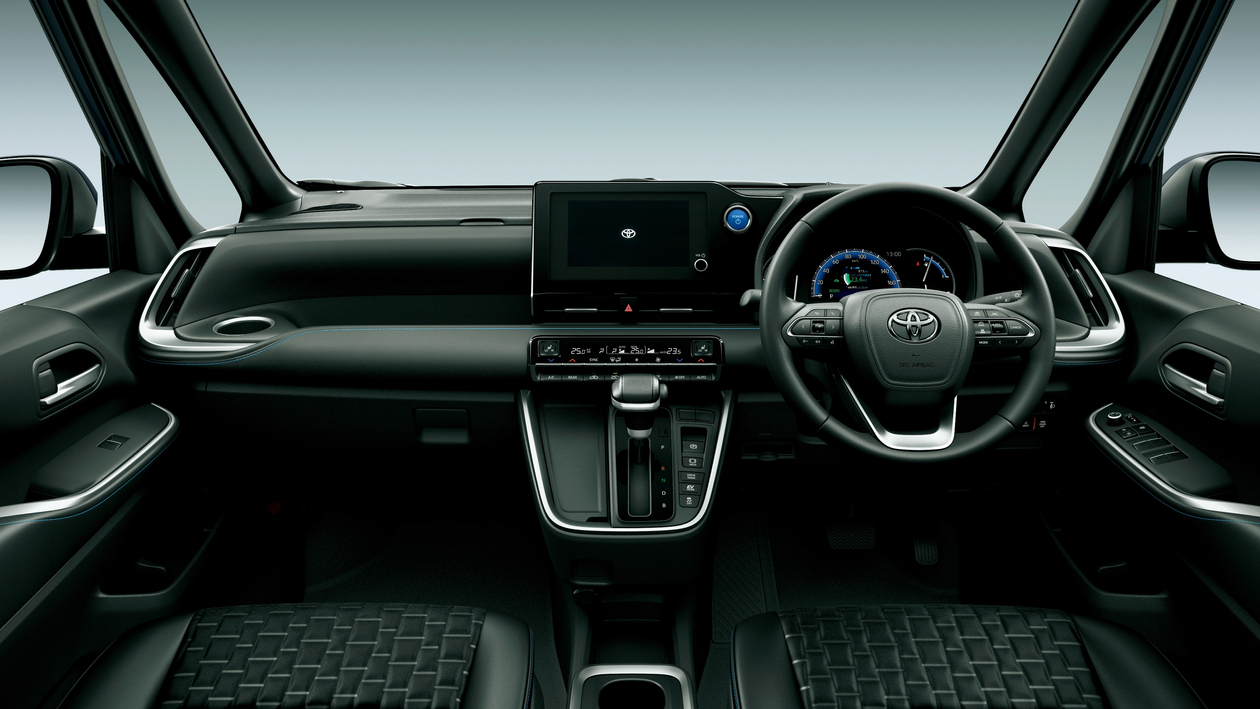
In simple terms, the Voxy relies on a conventional internal combustion powertrain: a 170 PS 2.0L naturally aspirated engine producing 202 Nm of torque, mated to a CVT. On paper, it is a respectable setup, delivering the linear smoothness and refined manners ideally suited for an MPV.
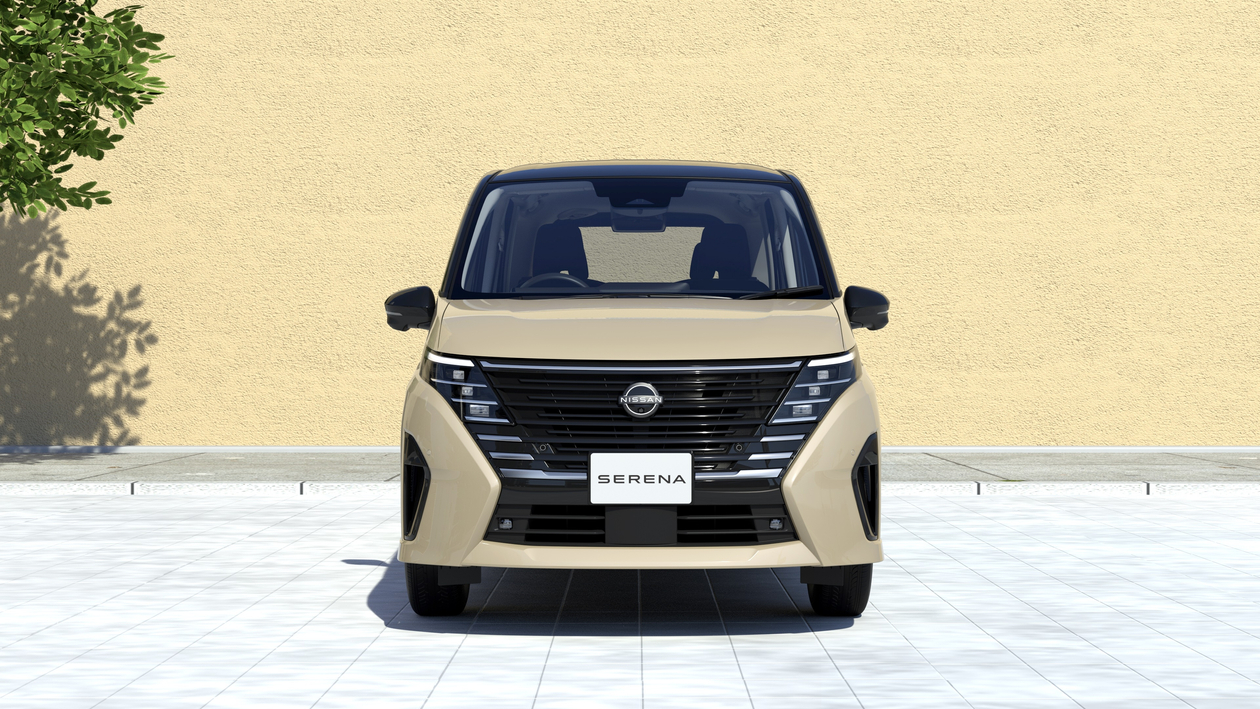
However, the Serena sidesteps ICE rivalry entirely by going all-in on e-Power, which is the only powertrain offered for the Malaysian market. This series-hybrid drivetrain combines a 98 PS 1.4L naturally aspirated three-cylinder petrol engine with a 163 PS electric drive motor.
Crucially, e-Power is neither a PHEV nor a conventional parallel HEV. In those setups, the internal combustion engine directly drives the driven wheels. In the e-Power system, the three-cylinder engine serves strictly as an onboard generator to produce electricity, leaving the wheels to be driven 100% of the time by the 163 PS electric motor.
By classification, it operates effectively as an REEV (range-extended electric vehicle). You might wonder: isn't a 163 PS electric motor technically down on power compared to the Voxy's 170 PS petrol engine?
Look closer at the torque delivery: the Serena's motor churns out an instantaneous 315 Nm without having to wait for a “peak torque RPM range”. Flex your right foot, and maximum torque is immediately on tap, delivering an effortless drive that no naturally aspirated petrol engine can match.
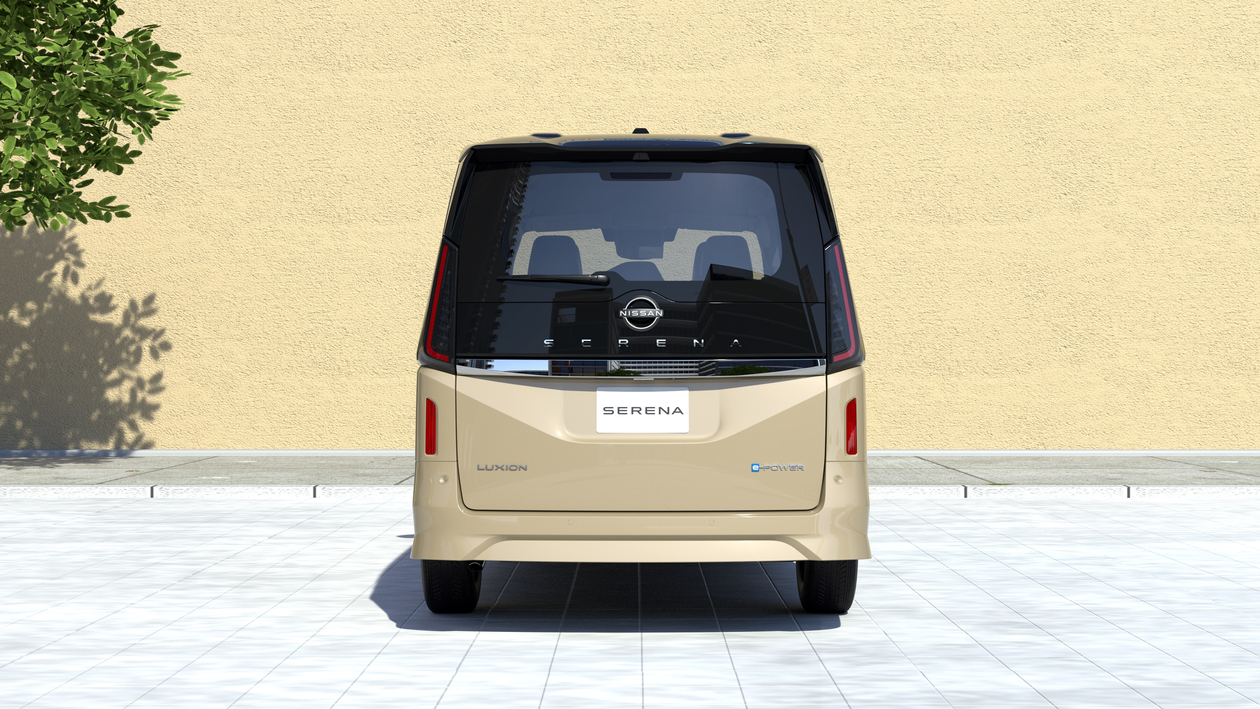
What's more, the Serena is significantly more frugal, claiming an official NEDC fuel consumption figure of roughly 5.4L/100 km and a total cruising range of up to 1000 km per tank. Even allowing for real-world driving conditions, its fuel economy and driving range thoroughly outshine the purely petrol-driven Voxy.
Better yet, Nissan's e-Power system spares you the hassle of hunting for EV charging bays—you simply pull up to any petrol station and refuel just like a regular ICE vehicle.
According to Toyota's official factory specs, the Voxy is well-equipped on the safety front, featuring TSS3.0 and up to 7 airbags.
In Malaysia's recon market, however, while the TSS3.0 active safety suite is typically retained, many imported Voxy units only come fitted with 3 airbags, omitting side and curtain coverage for rear passengers.
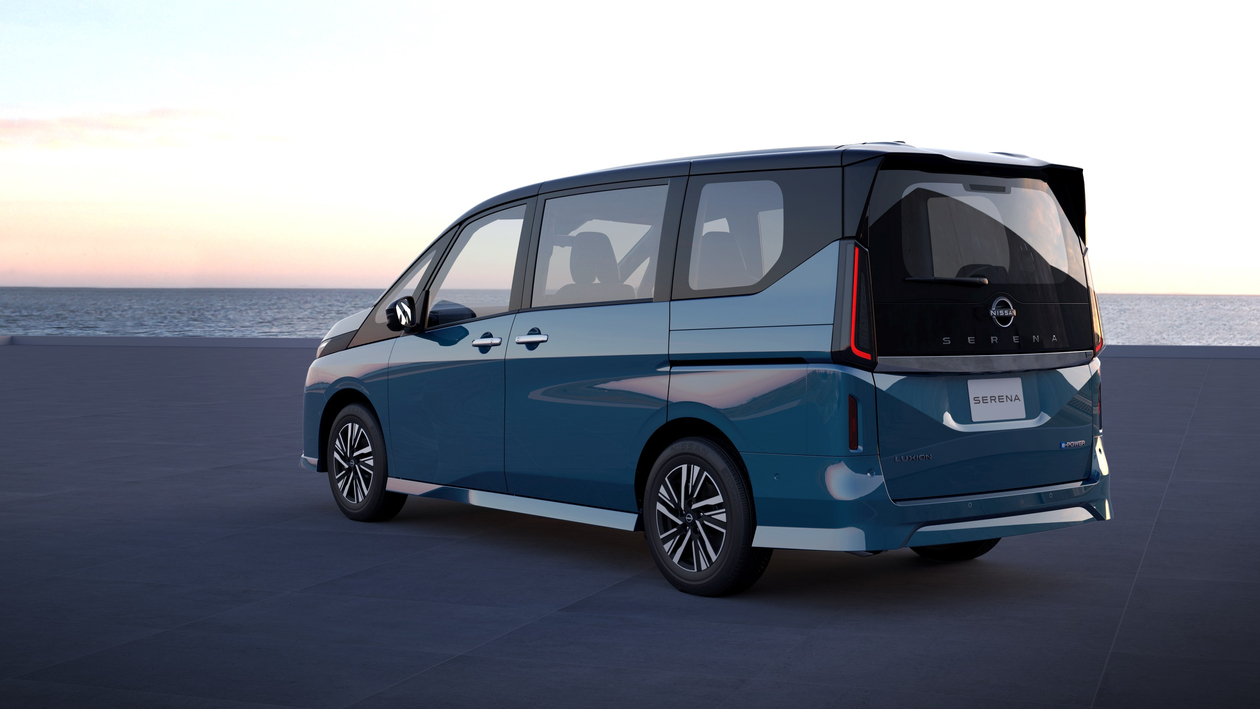
As an officially backed product, the Serena eliminates this spec-sheet lottery entirely. Its advanced driver assistance suite is broadly comparable to Toyota's TSS3.0 (most Japanese marques perform similarly in this department nowadays), but crucially, the Serena comes standard with 6 airbags across the range, leaving no doubt about your family's passive safety protection.
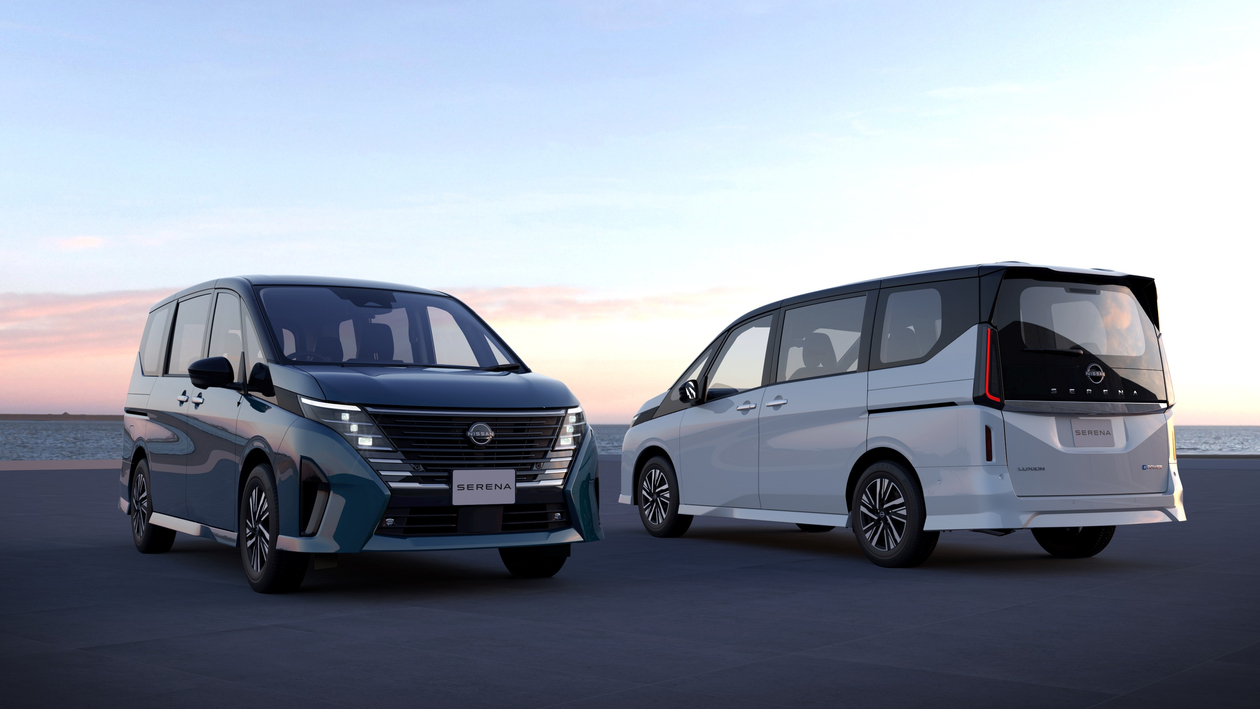
Admittedly, this comparison was never an even fight. The Voxy gets outclassed by the Serena in virtually every category, barely landing a punch. But does that make the Voxy an inherently flawed car? Not at all. The real culprit here comes down to one fundamental factor: buying a “recond” unit.
The pricing volatility, variable equipment levels, and lack of factory support inherent to parallel imports mean that, in its current state, the Voxy simply cannot rival an officially backed CKD Serena. Should UMW Toyota ever decide to introduce the Voxy as an official local model, the market dynamic would likely look very different.
(Image source: wheelsage)
Leave your number, an advisor will contact you


Your go-to source for all things automotive in Malaysia. 🚗 Latest reviews, breaking news, launches & industry trends.
+ Follow Big updates for Honda’s flagship family SUV!
The 2027 CR-V launches with a massive 12.3” screen, 50W wireless charging, and 4th-gen i-MMD hybrid tech. Is this the ultimate C-segment SUV setup?
Get all the specs and details here:
👇 👇 👇
#Honda #HondaCRV #CRVGloryEdition #SUV #HybridCars #CarLaunch #BitAutoMalaysia 1 minute ago
 Feeling the pinch of rising fuel and diesel costs? Malaysia’s pickup market just got a game-changer! 1 minute ago
 602km range. 15.6-inch 2.5K display. Built-in fridge & 8-point massage seats.
The brand-new RHD GAC AION i60 has just landed in Indonesia, marking the brand's first-ever right-hand drive release in the region!
Is Malaysia getting this next? Check out all the specs and details on BitAuto Malaysia!
#GAC #AIONi60 #NewCarLaunch #CarNews #AutomotiveMalaysia 1 minute ago
Get the latest car news first!
Your go-to source for all things automotive in Malaysia. 🚗 Latest reviews, breaking news, launches & industry trends.
Big updates for Honda’s flagship family SUV!
The 2027 CR-V launches with a massive 12.3” screen, 50W wireless charging, and 4th-gen i-MMD hybrid tech. Is this the ultimate C-segment SUV setup?
Get all the specs and details here:
👇 👇 👇
#Honda #HondaCRV #CRVGloryEdition #SUV #HybridCars #CarLaunch #BitAutoMalaysia 1 minute ago Feeling the pinch of rising fuel and diesel costs? Malaysia’s pickup market just got a game-changer! 1 minute ago 602km range. 15.6-inch 2.5K display. Built-in fridge & 8-point massage seats.
The brand-new RHD GAC AION i60 has just landed in Indonesia, marking the brand's first-ever right-hand drive release in the region!
Is Malaysia getting this next? Check out all the specs and details on BitAuto Malaysia!
#GAC #AIONi60 #NewCarLaunch #CarNews #AutomotiveMalaysia 1 minute ago 
© 2024 Bitauto.com. All Rights Reserved.
Bitauto (www.yiche.com and www.bitauto.com) is one of the most visited automotive websites in China. We provide detailed info on Chinese car brands available in your area. Please note that the information provided on this website is based on publicly available data and is for reference only. It may not be fully updated or accurate at all times.

Help us improve our website


