Under the showroom spotlights, the roofline of the Yaris sits noticeably lower alongside the Yaris Cross. The sales advisor pops the tailgate of the Yaris Cross, revealing a 471-litre boot that conceals an additional 200 mm-deep storage well beneath the floorboard.
Shut the lid, step over to the Yaris, and its 286-litre boot leaves room for barely two backpacks once a 28-inch check-in suitcase is loaded.
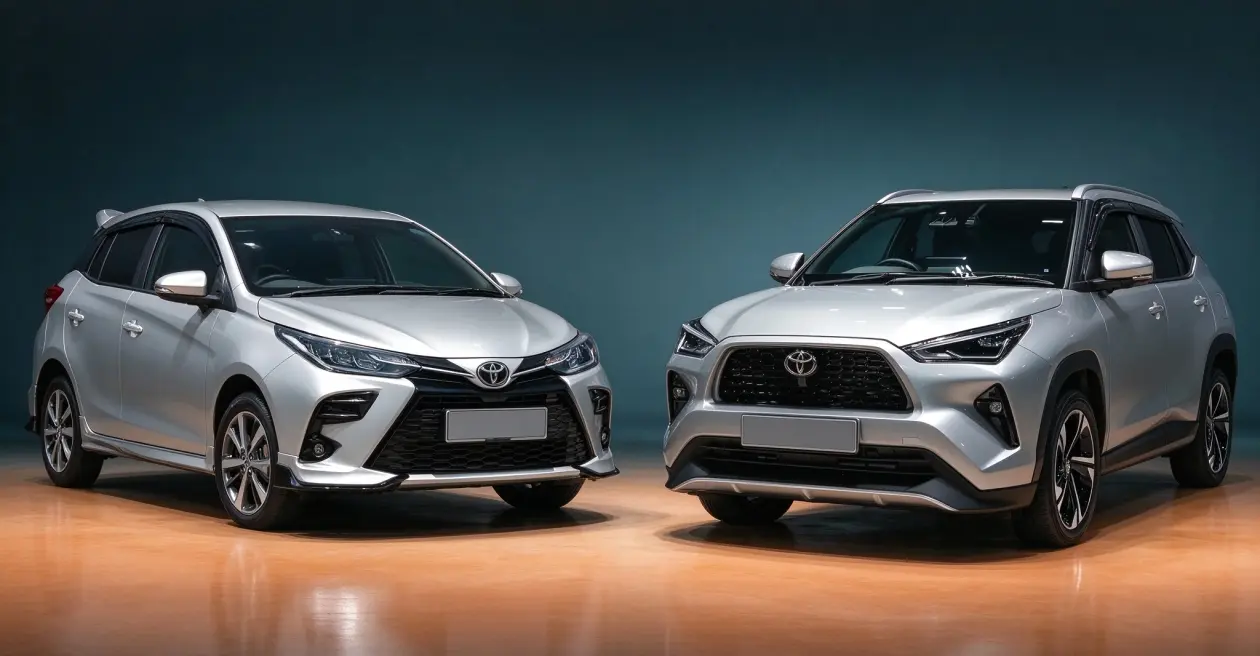
An RM8,300 gap separates the two. The Yaris 1.5 G retails at RM91,600, while the Yaris Cross 1.5S goes for RM99,900. Worked into a seven-year hire purchase loan, the monthly instalment difference works out to around RM100. It is a modest sum on paper, but it buys an entirely different proposition.
| Spec | Toyota Yaris 1.5 G | Toyota Yaris Cross 1.5S |
|---|---|---|
| Price (OTR without insurance, Peninsular Malaysia) | RM91,600 | RM99,900 |
| Assembly | CKD | CKD |
| Engine Displacement | 1,496 cc | 1,496 cc |
| Max Output | 107 PS / 6,000 rpm | 106 PS / 6,000 rpm |
| Max Torque | 140 Nm / 4,200 rpm | 138 Nm / 4,200 rpm |
| Transmission | CVT (7-speed Sport Sequential Shiftmatic) | D-CVT (7-speed virtual ratios with paddle shifters) |
| Drivetrain | Front-wheel drive (FWD) | Front-wheel drive (FWD) |
| Length | 4,140 mm | 4,310 mm |
| Width | 1,730 mm | 1,770 mm |
| Height | 1,475 mm | 1,655 mm |
| Wheelbase | 2,550 mm | 2,620 mm |
| Boot Capacity | 286 litres | 471 litres |
| Kerb Weight | 1,140 kg | 1,150 kg |
| Fuel Tank Capacity | 42 litres | 42 litres |
| Tyre Size | 195/50 R16 | 215/55 R18 |
| Ground Clearance | Not stated | 210 mm |
| Airbags | 7 (including driver's knee airbag) | 6 |
| Active Safety | Toyota Safety Sense (Pre-Collision System, Lane Departure Alert, Blind Spot Monitor with Rear Cross Traffic Alert, 3D Panoramic View Monitor) | Toyota Safety Sense (Pre-Collision Warning, All-Speed Adaptive Cruise Control, Lane Departure Alert & Prevention, Auto High Beam, Blind Spot Monitor, 360-degree Panoramic View Monitor) |
| Rear Air-Con Vents | No | Yes |
| Powered Tailgate | No | Yes (with hands-free kick sensor) |
| Power Driver Seat | No | Yes |
| Annual Road Tax | RM90 | RM120 |
| Warranty | 5-year unlimited mileage | 5-year unlimited mileage |
| Service Package (5 years / 100,000 km) | RM3,846 | RM3,650 |
| 3-Year Value Retention | Approx. 72.7% | Insufficient data |
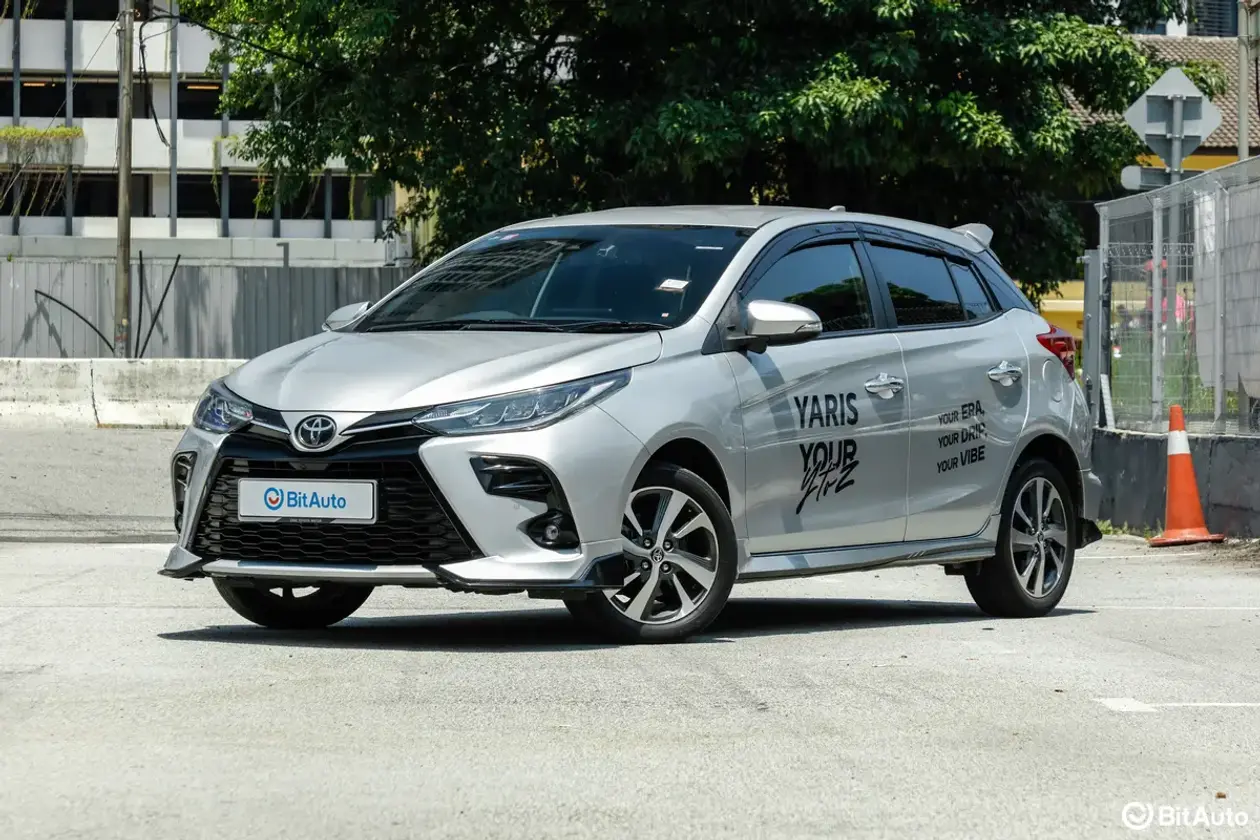
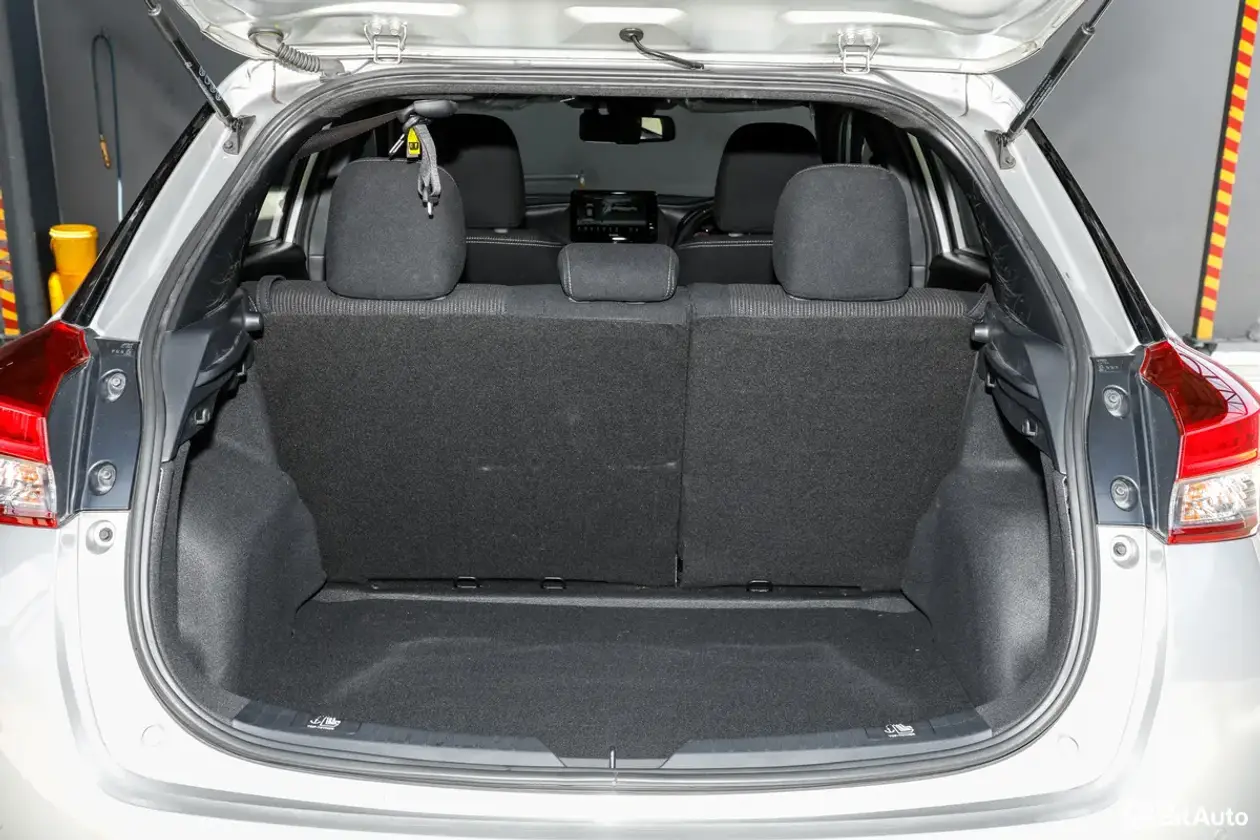
For daily city commuting, the 286-litre boot of the Yaris gets the job done. A work bag, sports shoes, and an umbrella leave room to spare.
Come Friday evening grocery runs or Sunday airport drop-offs, however, the constraints of that 286-litre boot become glaringly apparent.
Slide in a 28-inch check-in bag, and the remaining depth and height can hardly fit another piece of bulky luggage. At that point, you either chuck things onto the back seats or drop the rear seatbacks altogether.
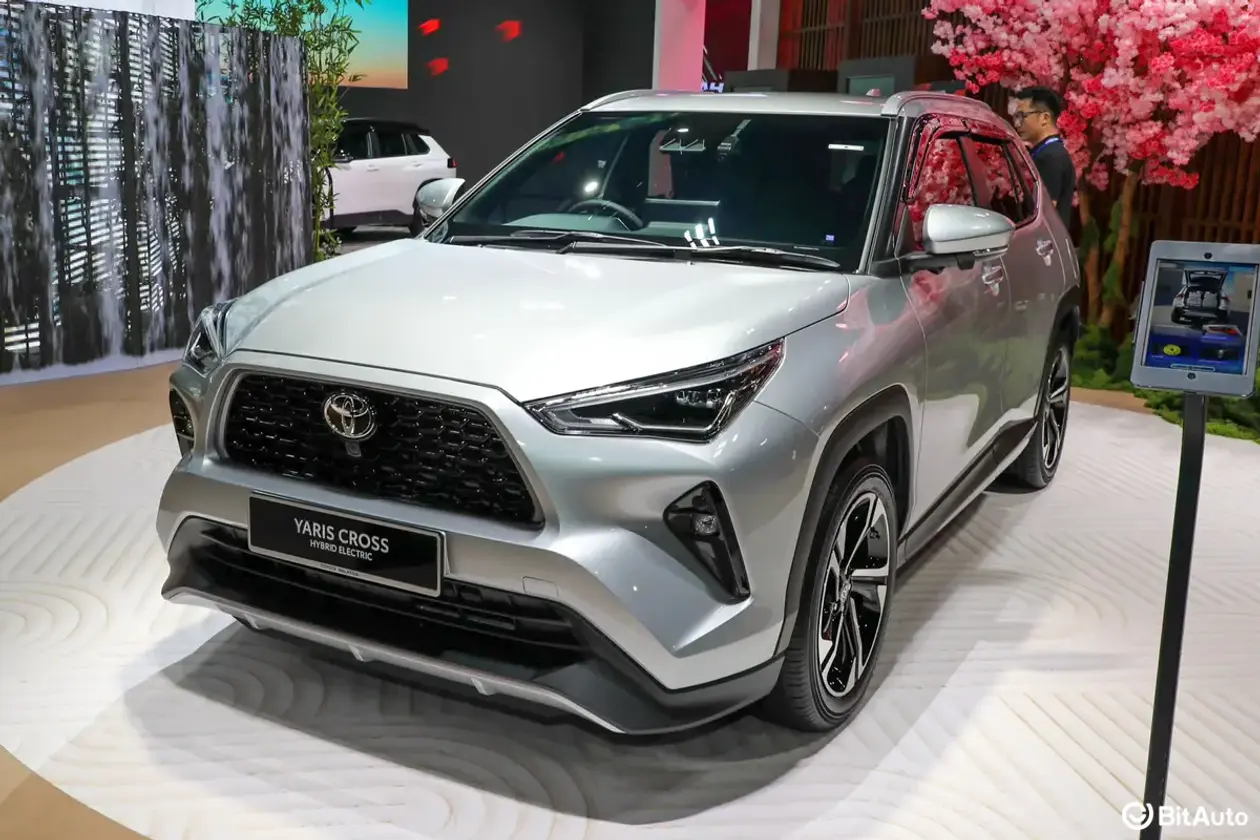
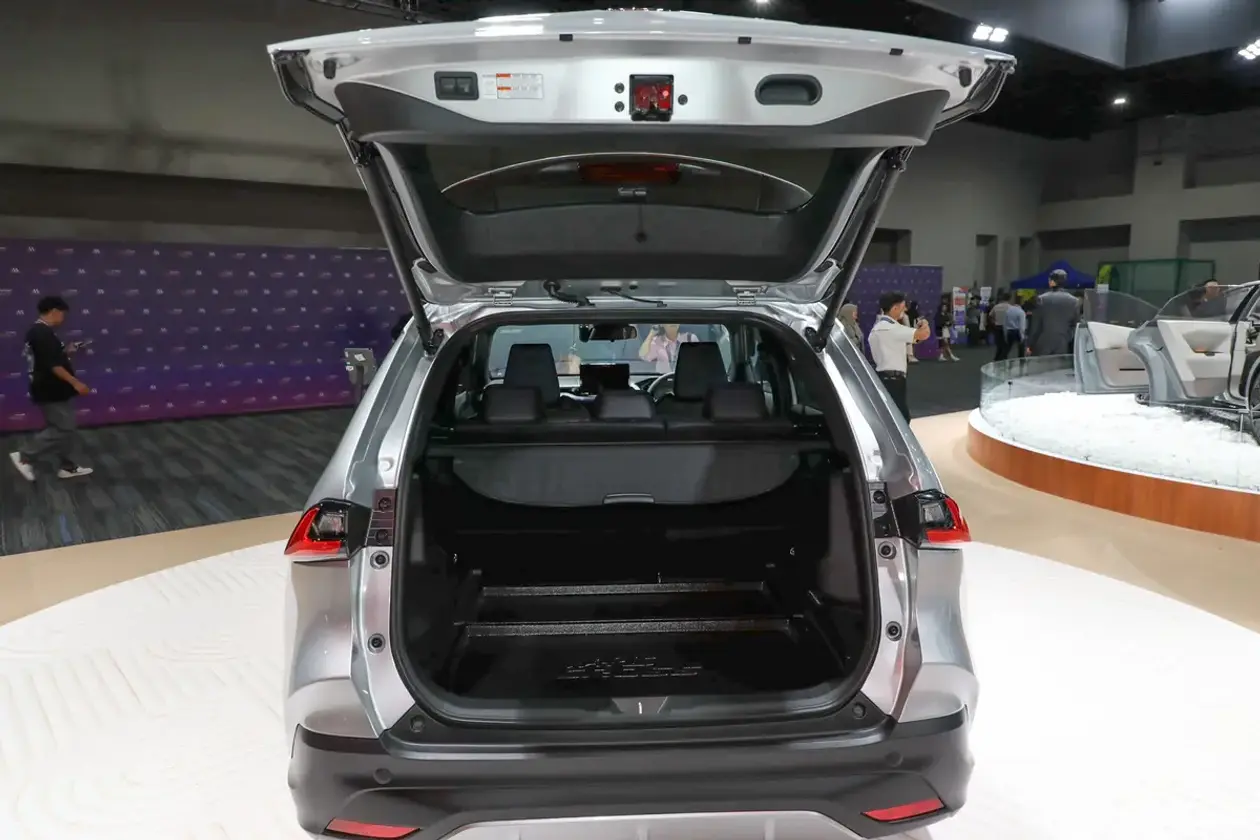
The 471-litre boot in the Yaris Cross is on another level entirely.
Slot in that same 28-inch suitcase, and there is still space beside it for a 20-inch carry-on cabin bag and two backpacks. The hidden underfloor storage compartment takes care of less frequently used tools or emergency kits without eating into the primary cargo floor.
That 185-litre margin is no mere marketing figure during weekend family runs; it determines whether you swallow everyone's luggage in a single trip.
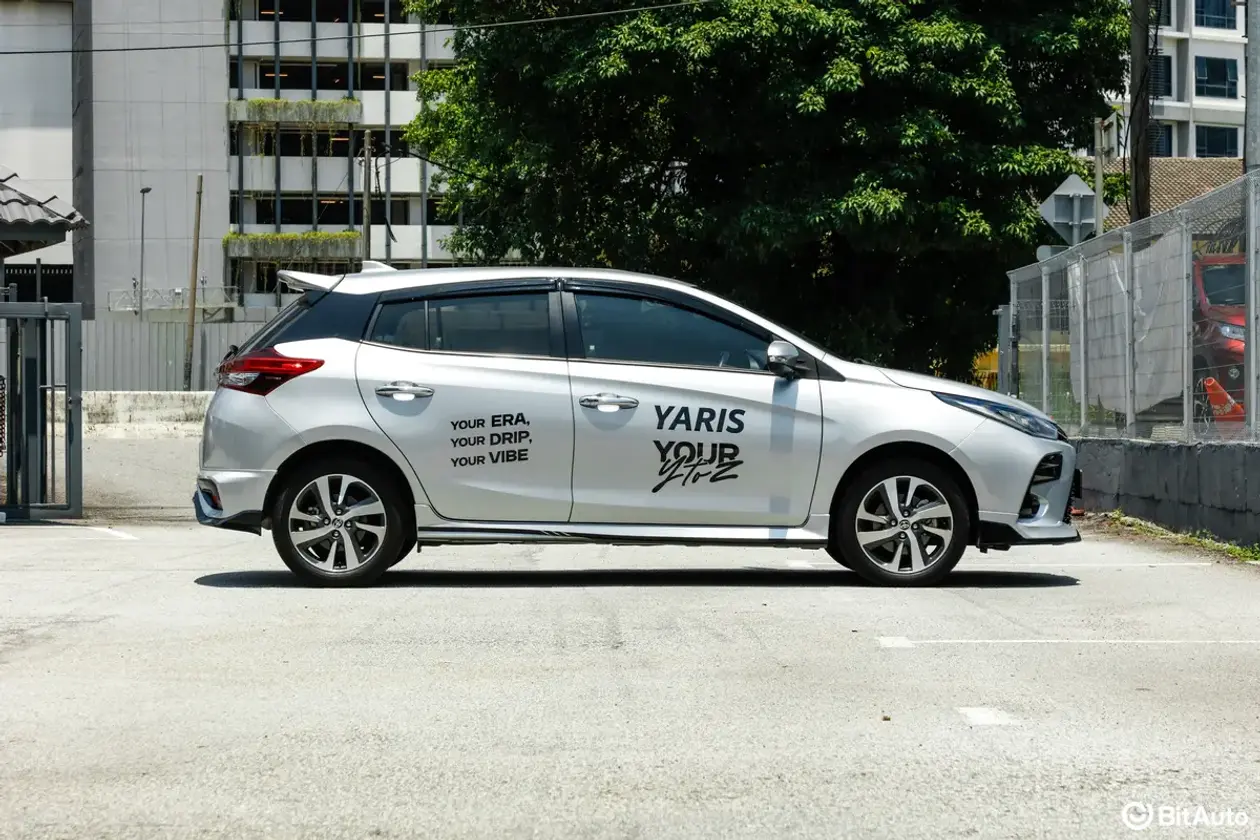
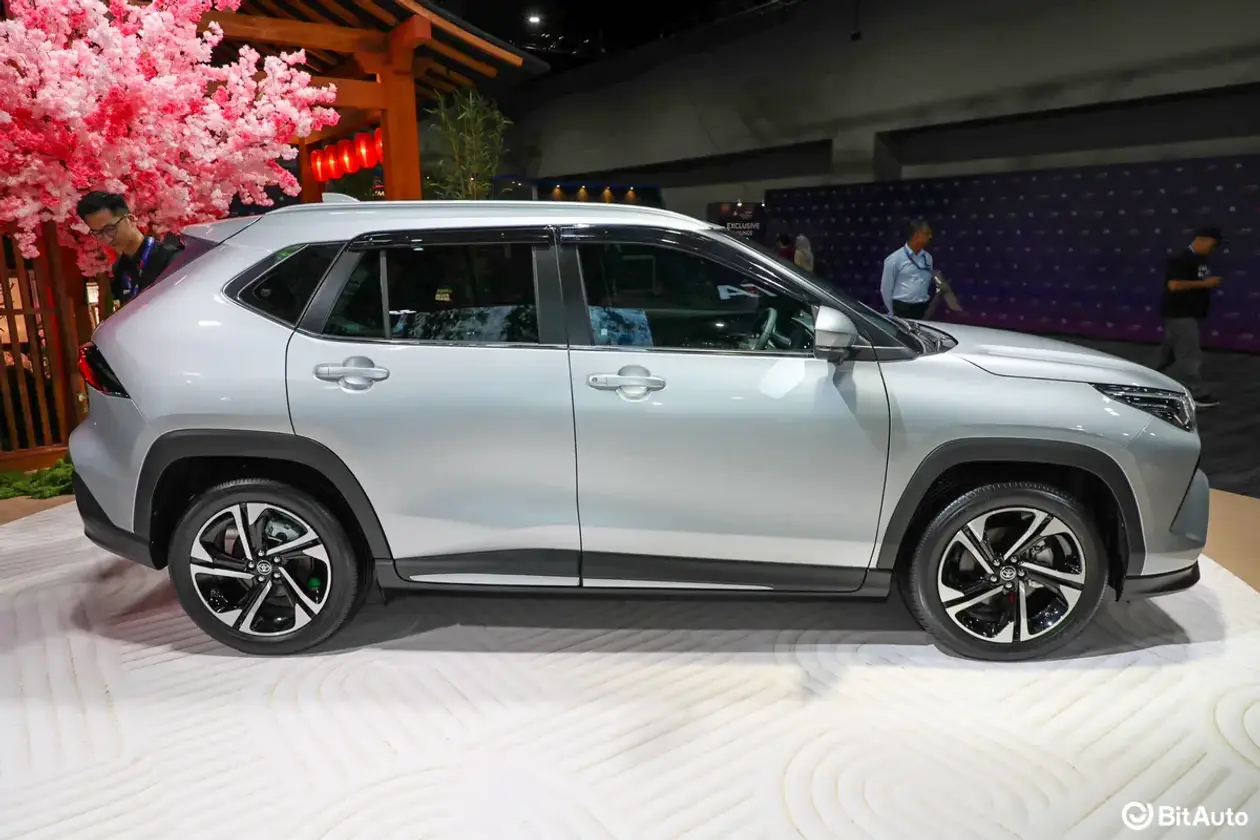
On the wheelbase front, the 2,620 mm of the Yaris Cross gives it a 70 mm advantage over the 2,550 mm of the Yaris.
That 70 mm stretch reflects immediately in rear legroom: an adult seated in the back of the Yaris Cross enjoys roughly two fists of knee clearance from the front seatback, compared to about one and a half in the Yaris.
The Yaris Cross is also 40 mm wider overall, providing significantly more breathing room across the shoulders when three adults share the rear bench.
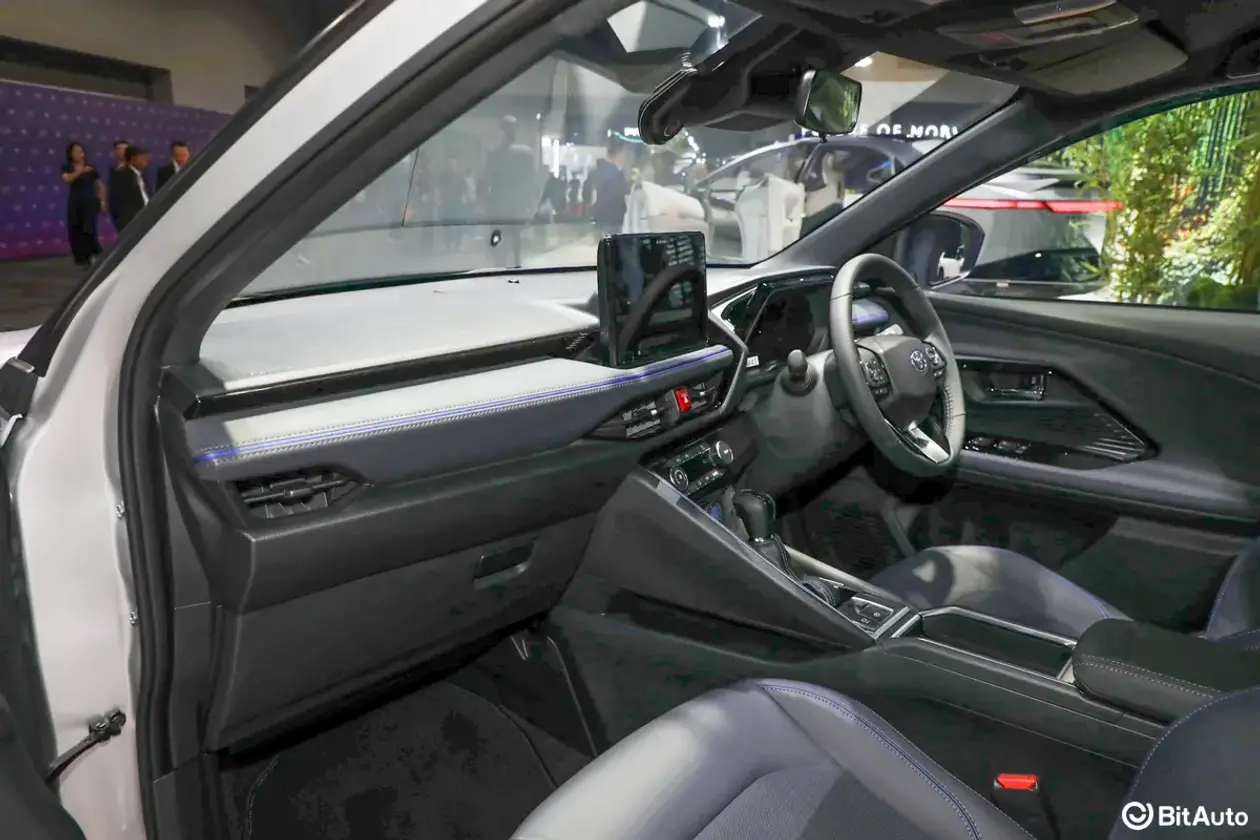
Rear air-con vents are an absolute godsend in Malaysia's unforgiving heat. The Yaris misses out here, leaving rear occupants waiting for the front blower to chill the entire cabin.
By contrast, the Yaris Cross fits rear air-con vents as standard, dropping cabin temperatures at the back markedly quicker after the car has been baking under the midday sun.
Safety kit is where the two models diverge most sharply in product philosophy.
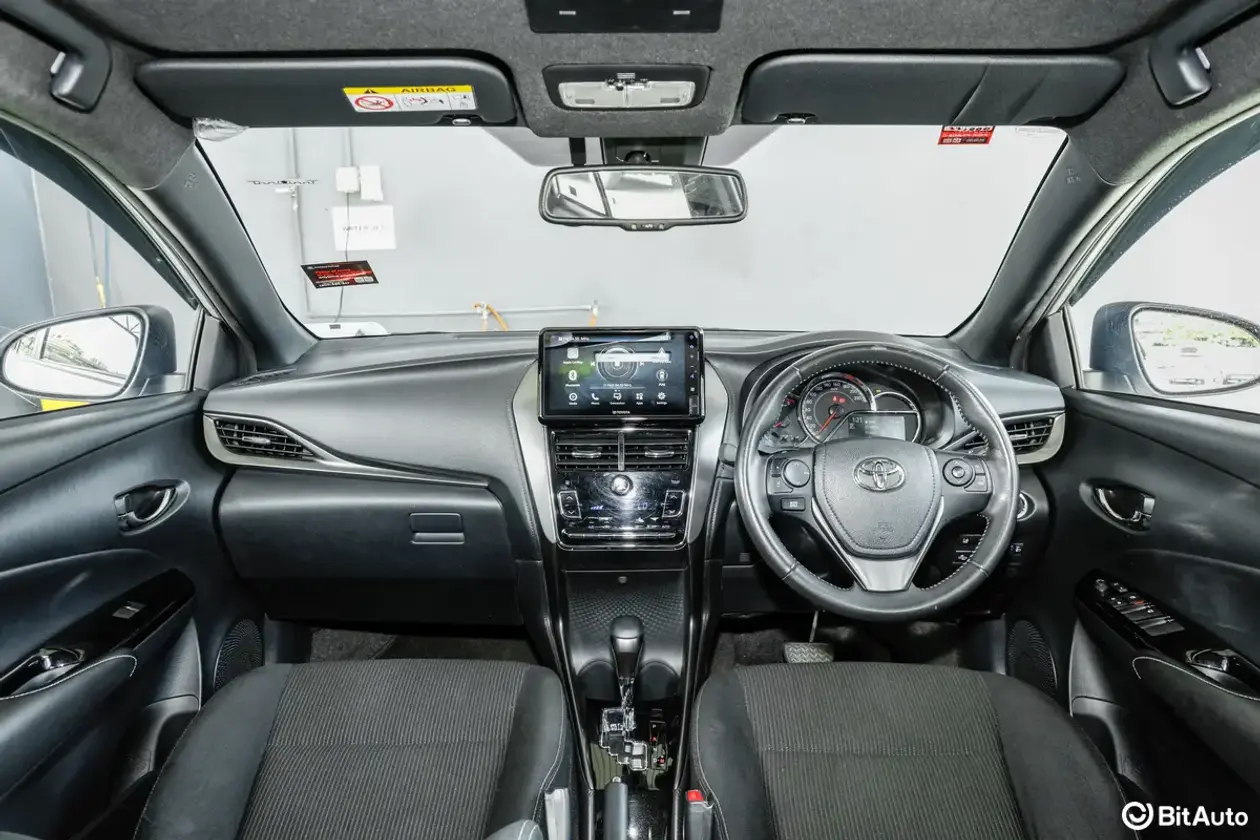
The Yaris 1.5 G comes equipped with seven airbags, including a dedicated driver's knee airbag. The role of a knee airbag in mitigating lower limb injury during frontal collisions is well-proven in crash tests, though it remains totally imperceptible in daily driving.
Its Toyota Safety Sense suite bundles Pre-Collision System, Lane Departure Alert, Blind Spot Monitor with Rear Cross Traffic Alert, alongside a 3D Panoramic View Monitor. The system covers driving scenarios across the board, from low-speed urban crawls to highway cruising.
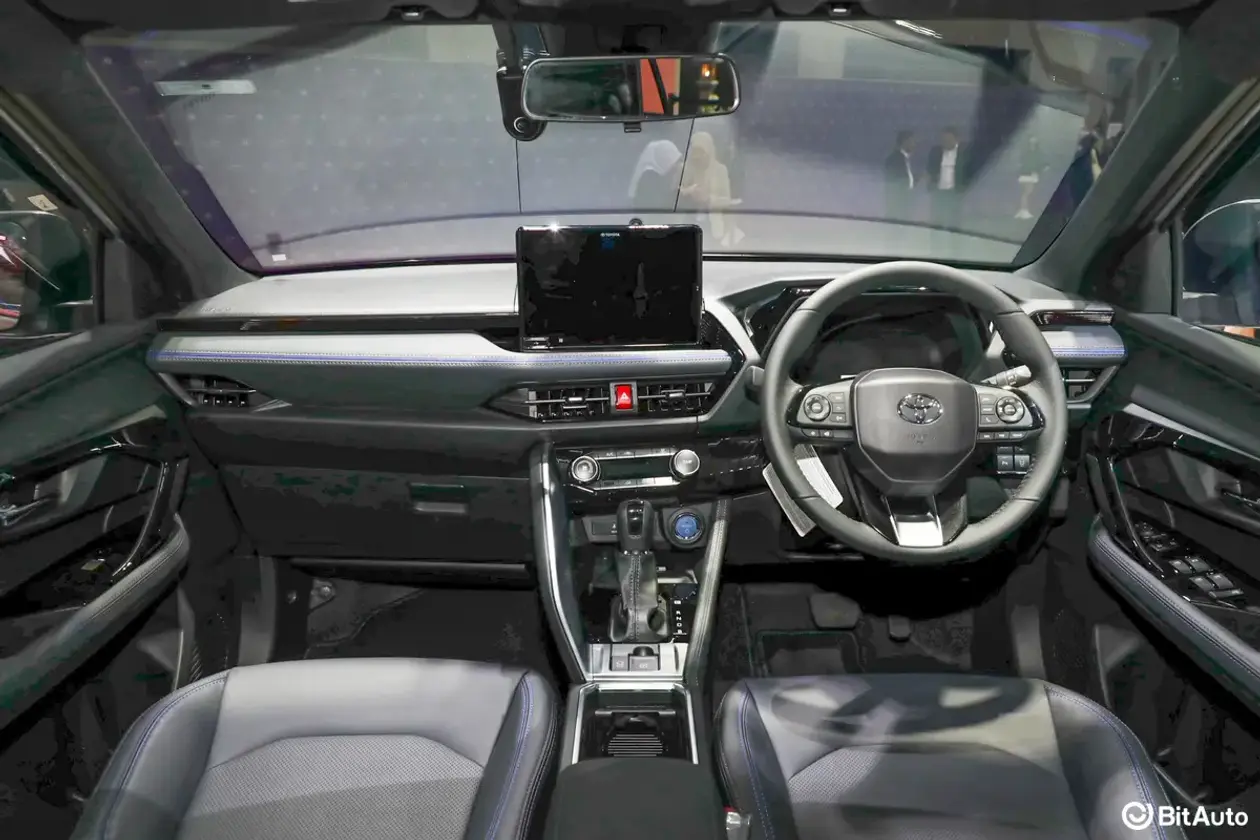
The Yaris Cross 1.5S makes do with six airbags, omitting the knee unit. Its Toyota Safety Sense suite, however, gains a crucial feature unavailable on the Yaris: All-Speed Adaptive Cruise Control (ACC).
On highway journeys, the system automatically regulates speed to maintain a safe gap from the vehicle ahead, tracks down to a complete standstill, and resumes automatically once traffic moves off. For anyone tackling daily long-distance commutes along the PLUS Highway or Federal Highway, the convenience proves its worth on the very first drive.
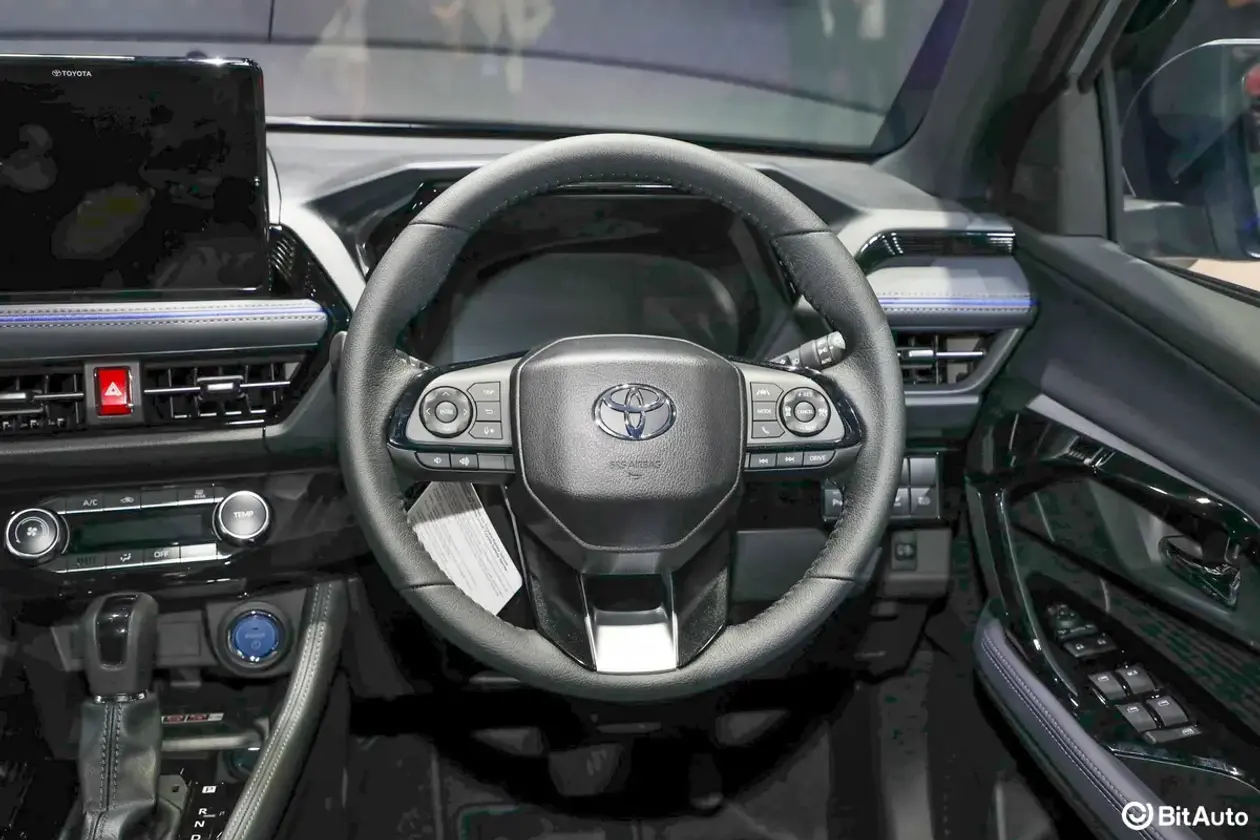
Both cars feature autonomous emergency braking hardware; the TSS suite on the Yaris Cross includes Pre-Collision Warning, complete with autonomous emergency braking.
The distinction lies not in whether the protection is there, but in how priorities were set between airbag count and driving assistance. The Yaris invested budget into passive safety hardware redundancy, whereas the Yaris Cross channelled it into fatigue-relieving active driver assistance systems.
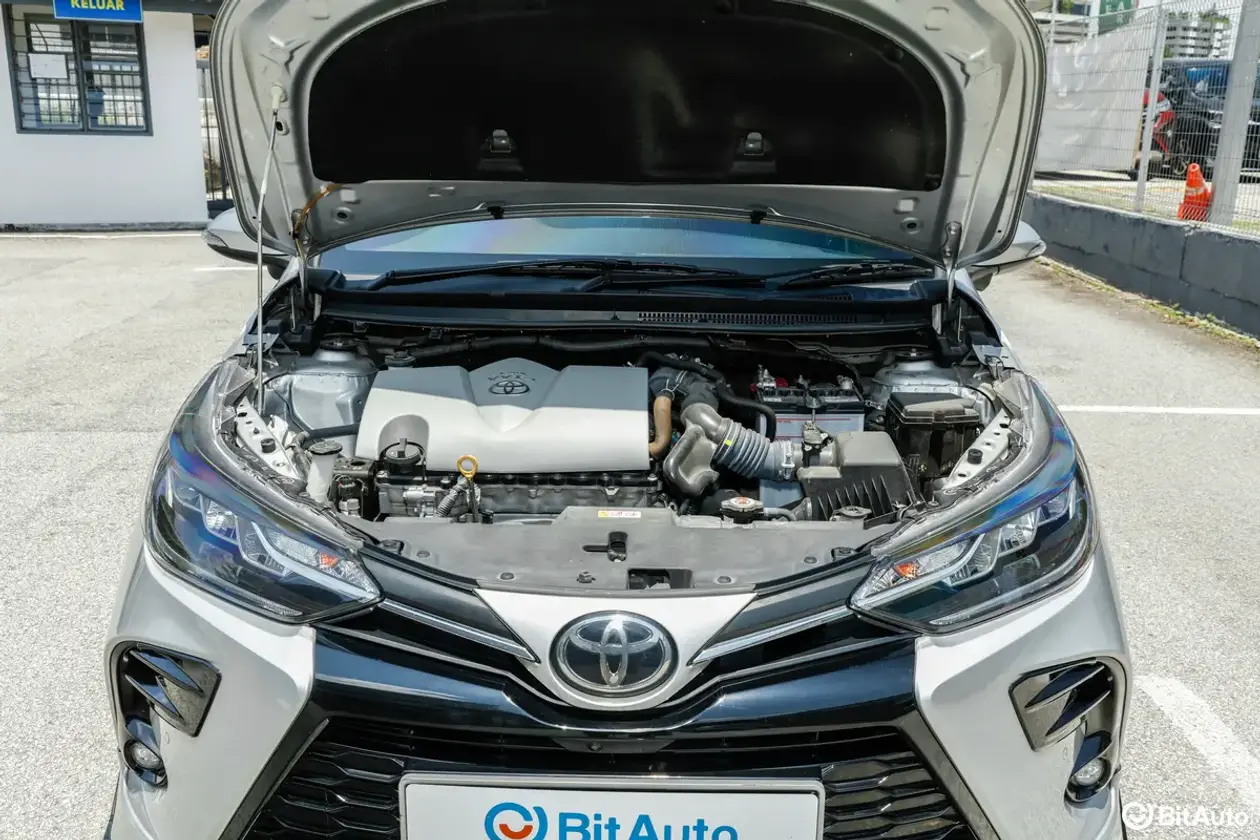
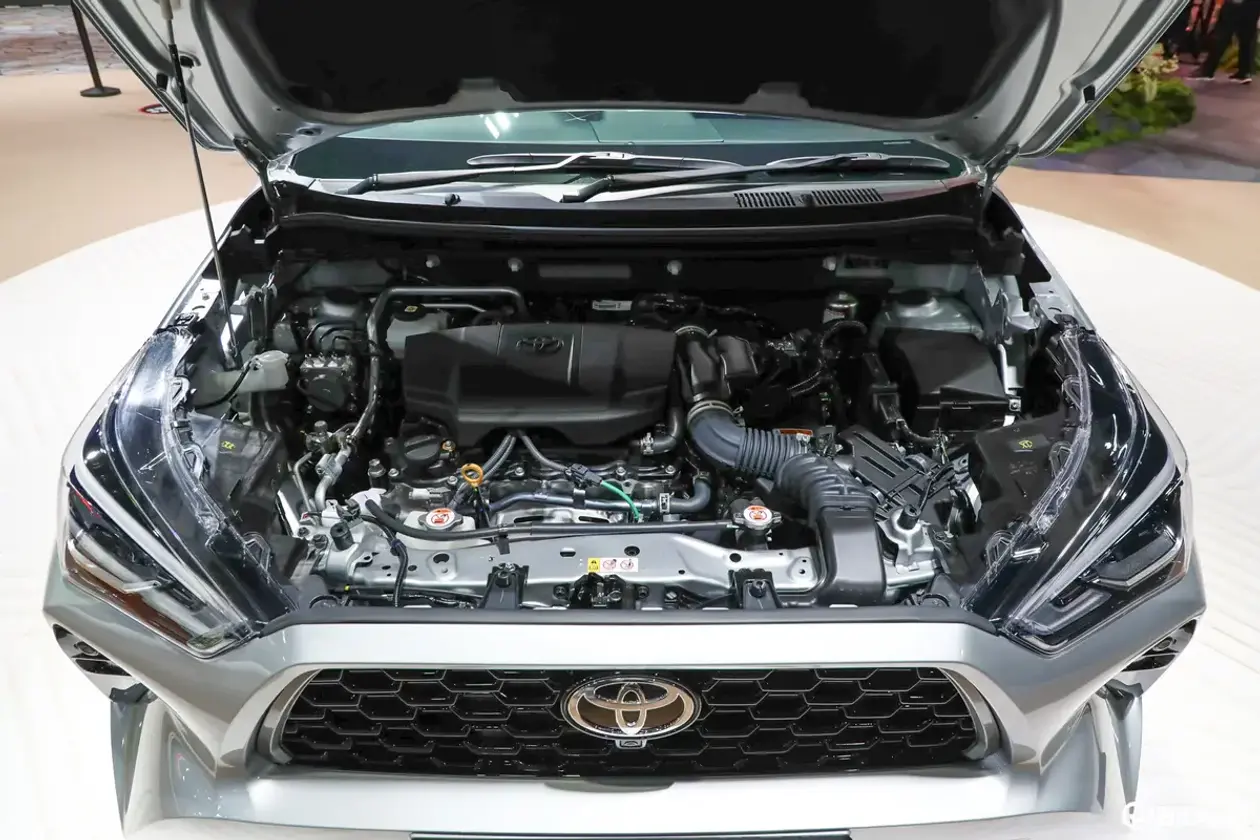
Both cars share a 1,496 cc naturally aspirated four-cylinder petrol engine, though output figures differ slightly on paper.
The 2NR-FE in the Yaris develops 107 PS and 140 Nm, whereas the 2NR-VE in the Yaris Cross produces 106 PS and 138 Nm. With a negligible gap of 1 PS and 2 Nm, you would be hard-pressed to feel any disparity in day-to-day driving.
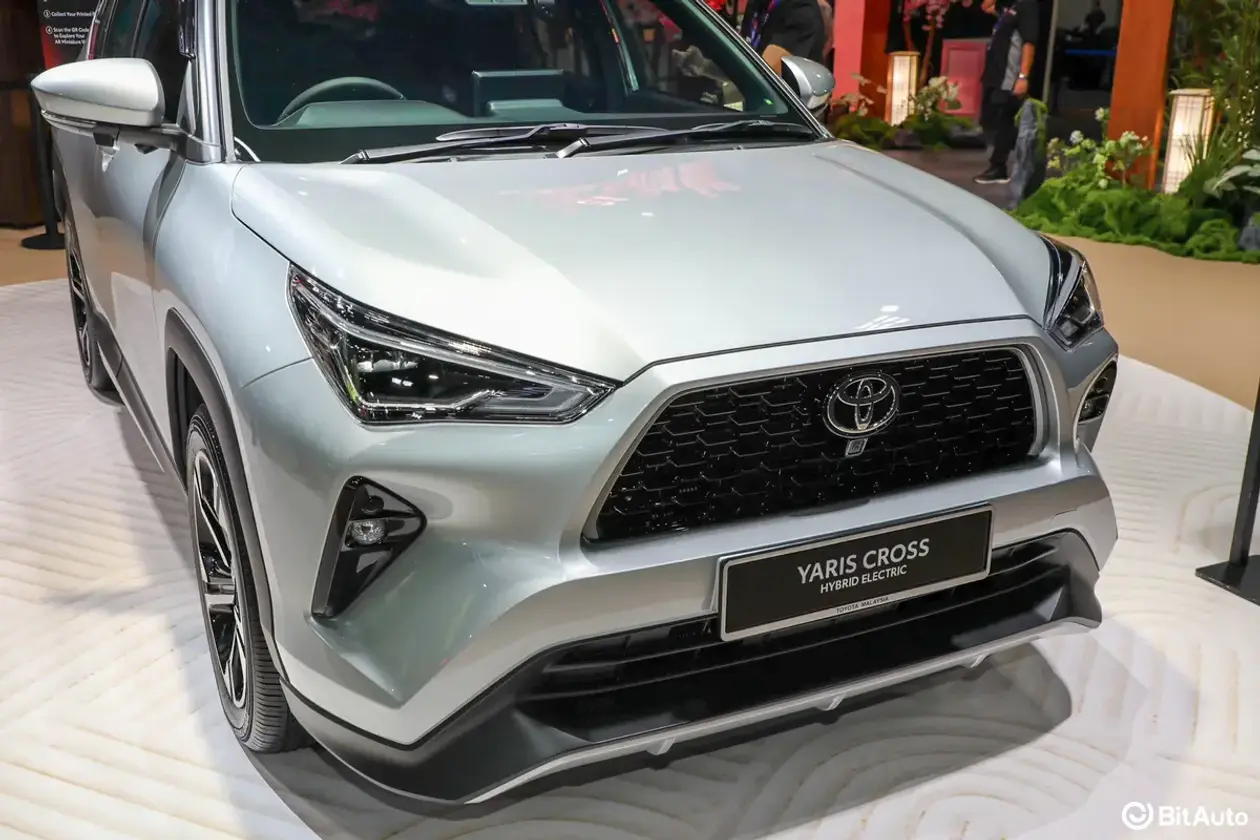
The Yaris Cross registers a kerb weight of 1,150 kg compared to the Yaris at 1,140 kg, making it just 10 kg heavier. This nominal difference is virtually cancelled out off the line by their matching outputs, delivering an acceleration feel that is nearly identical.
The CVT mapping in the Yaris leans towards seamless smoothness, building engine revs progressively with linear power delivery. In contrast, the D-CVT in the Yaris Cross features seven stepped virtual ratios and steering-mounted paddle shifters, granting the driver manual gear control to drop a cog early and hold higher revs for quick overtaking manoeuvres.
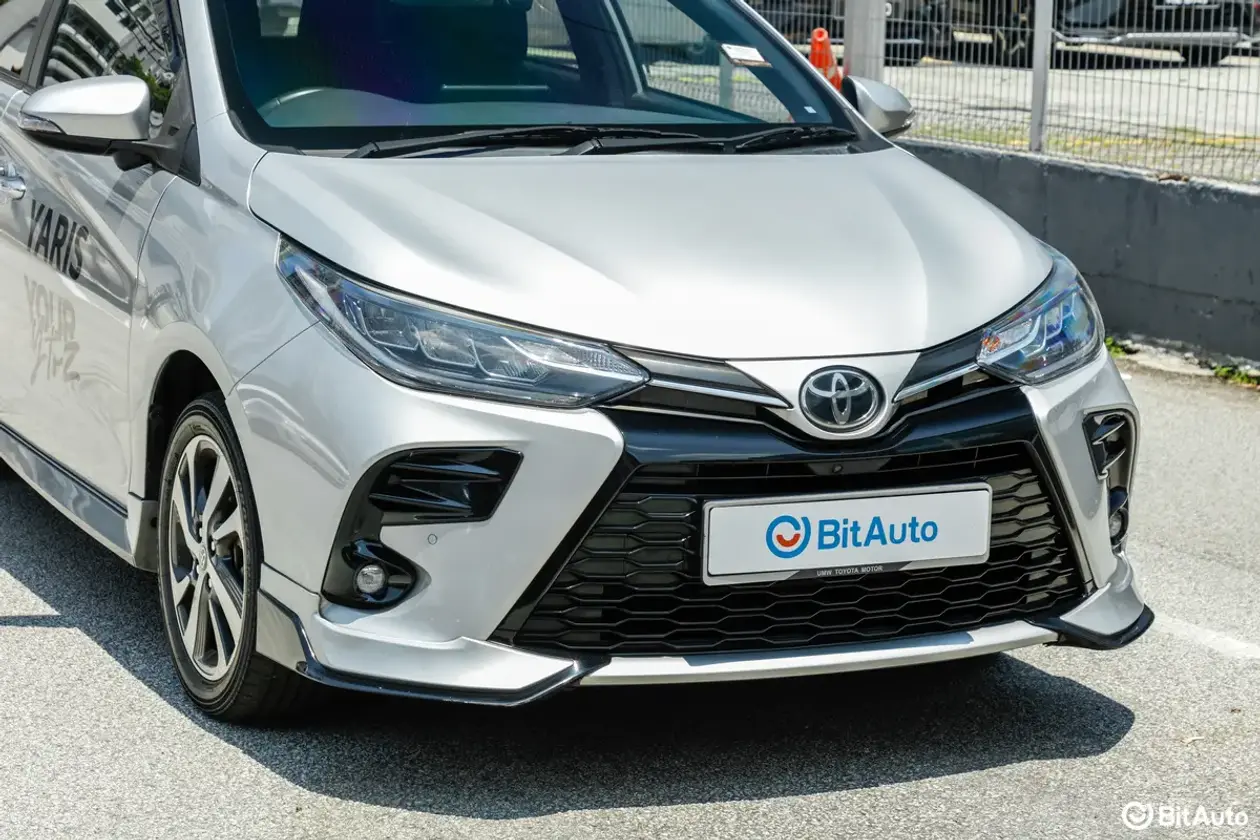
As for fuel efficiency, official combined consumption figures for the petrol-powered Yaris Cross have yet to be published under a unified test standard. Factoring in its taller stance, broader frontal area, and chunkier 215/55 R18 tyres, real-world consumption is expected to run roughly 0.3 to 0.5 litres per 100 km higher than the Yaris.
Based on an average annual mileage of 20,000 km, the extra petrol bill works out to between RM120 and RM200 annually—hardly a deal-breaker in overall running costs.
Annual road tax sits at RM90 for the Yaris versus RM120 for the Yaris Cross—a tiny RM30 variance. Over five years, that amounts to an extra RM150 in fixed overheads. Replacing the 18-inch tyres on the Yaris Cross, however, will set you back roughly RM400 to RM600 more per set than the 16-inch rubber fitted to the Yaris.
On the scheduled servicing front, the Toyota Service Savers package for the Yaris over five years or 100,000 km is priced at RM3,846. The equivalent package for the Yaris Cross costs RM3,650, making it marginally cheaper. Service intervals and checklist items are practically identical; the price disparity boils down to Toyota's retail pricing strategy for the Yaris Cross package.
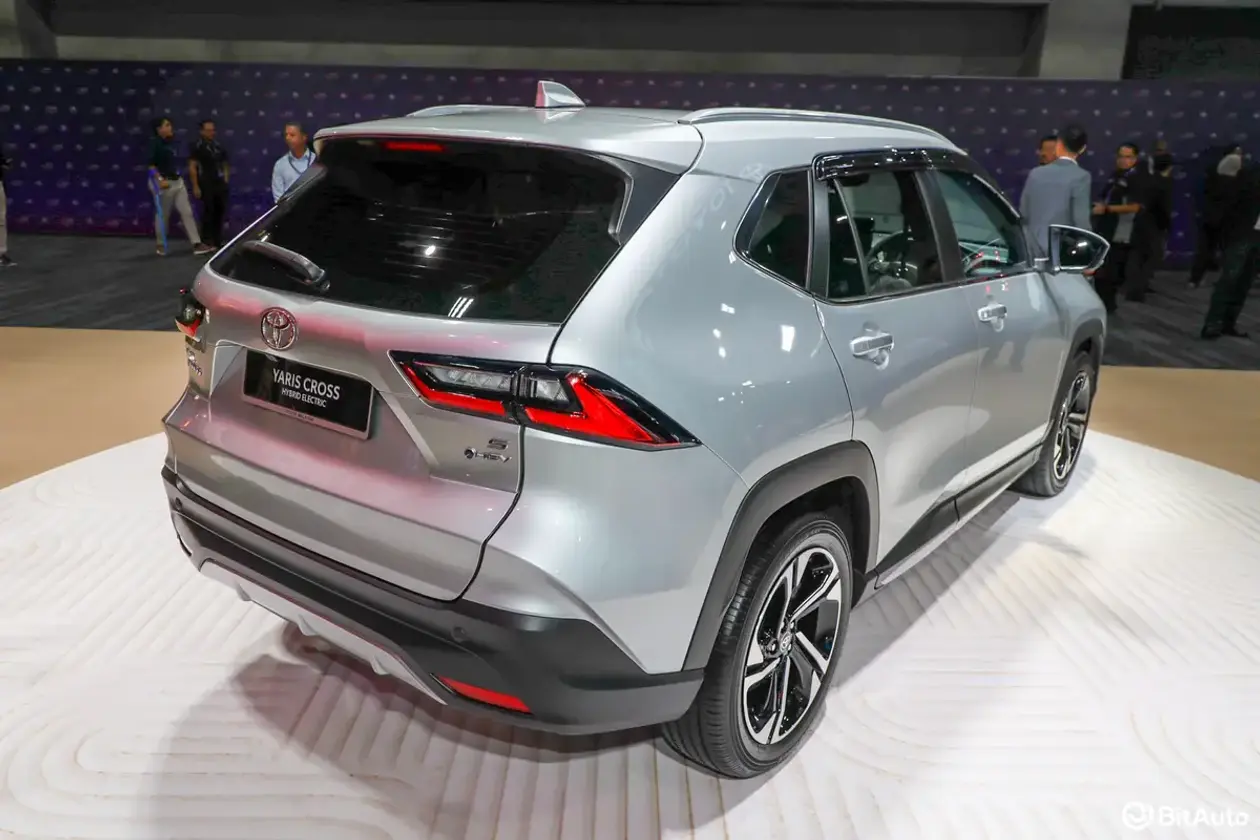
Tallying the purchase price premium, road tax, petrol, tyres, and periodic maintenance, the Yaris Cross will cost roughly RM9,000 to RM10,000 more to run over a five-year ownership tenure.
The upfront price premium of RM8,300 accounts for the vast lion's share of that figure, while differences in running costs accumulate to just RM700 to RM1,700 over five years.
If you intend to keep the car for five years or longer, the purchase price difference is the primary consideration; running cost variations exist, but are secondary to the buying decision.
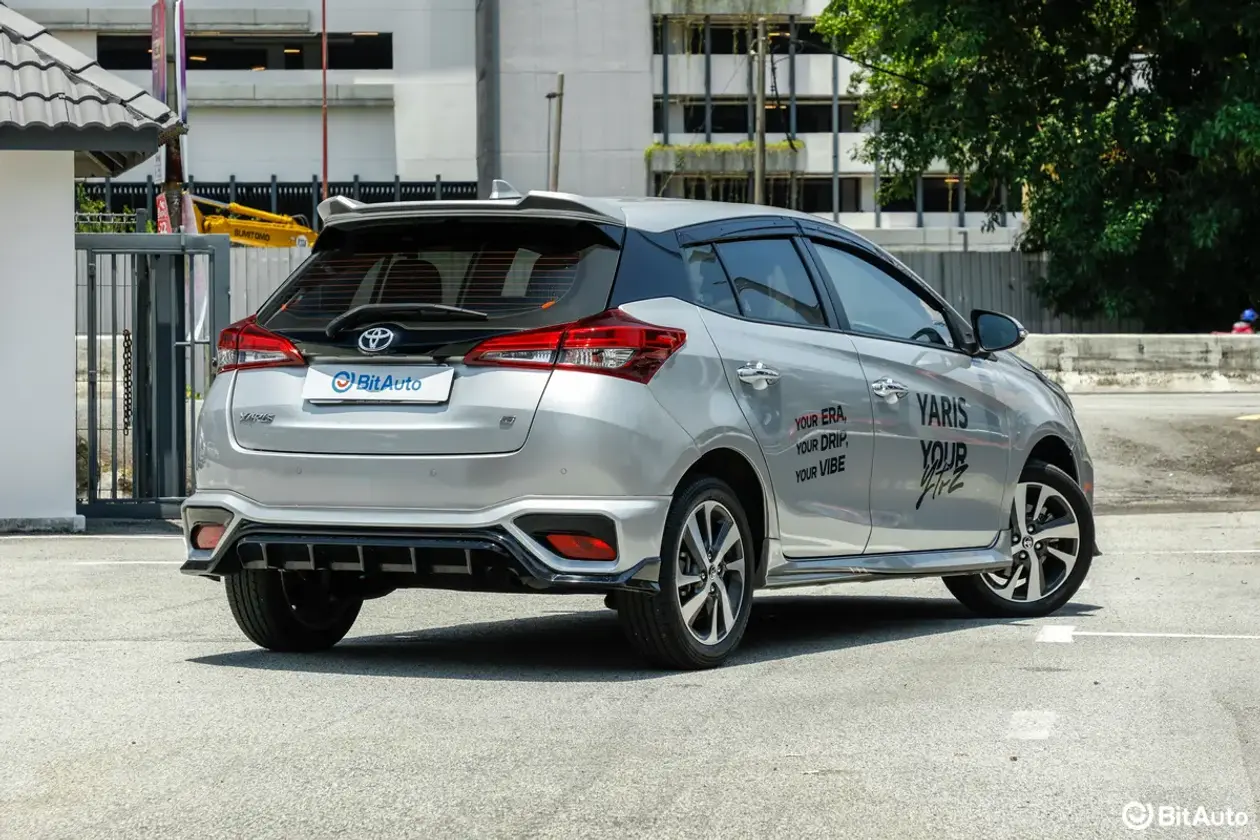
On the second-hand market, the Yaris enjoys solid, proven used car demand, holding an estimated three-year residual value of around 72.7%. The Yaris Cross, having arrived in Malaysia as a new model in 2026, has yet to establish local track records for depreciation.
Given Toyota's brand cachet in Malaysia and the soaring popularity of B-segment crossovers, its resale performance will likely mirror that of the Yaris, though this remains an educated projection.
If you plan to trade in within three to five years, the Yaris offers proven residual figures, whereas the Yaris Cross has yet to prove itself over time.
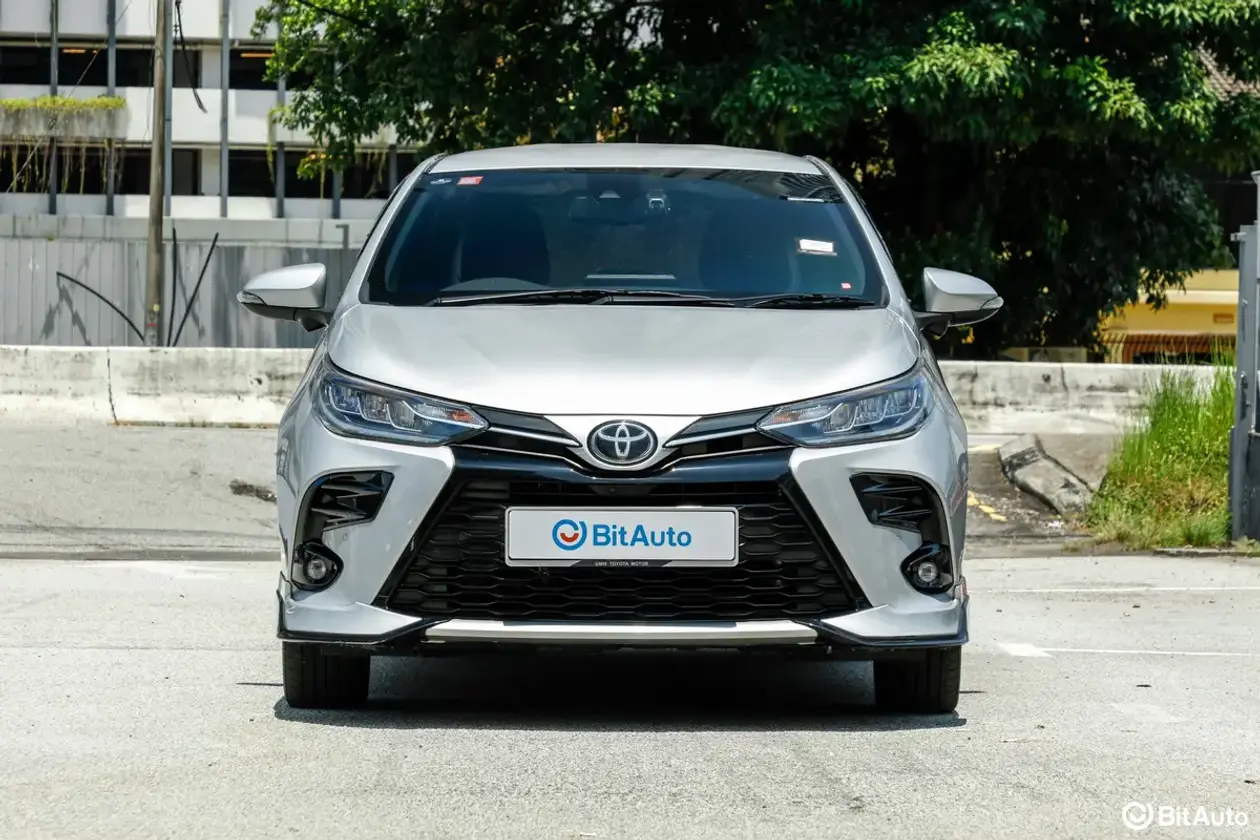
If your rear seats are constantly occupied, the boot fills up at least once weekly, road surfaces in your neighbourhood are poorly paved, or you occasionally tackle unpaved gravel tracks, the extra 185 litres of boot capacity, rear air-con vents, and 210 mm ground clearance of the Yaris Cross will prove their worth daily.
Spreading that RM8,300 difference over a seven-year loan amounts to roughly RM100 extra per month, returning a meaningful boost in practical utility alongside a commanding seating position. What you trade off are the knee airbag, marginally punchier high-speed overtaking pickup, and marginally lower maintenance costs.
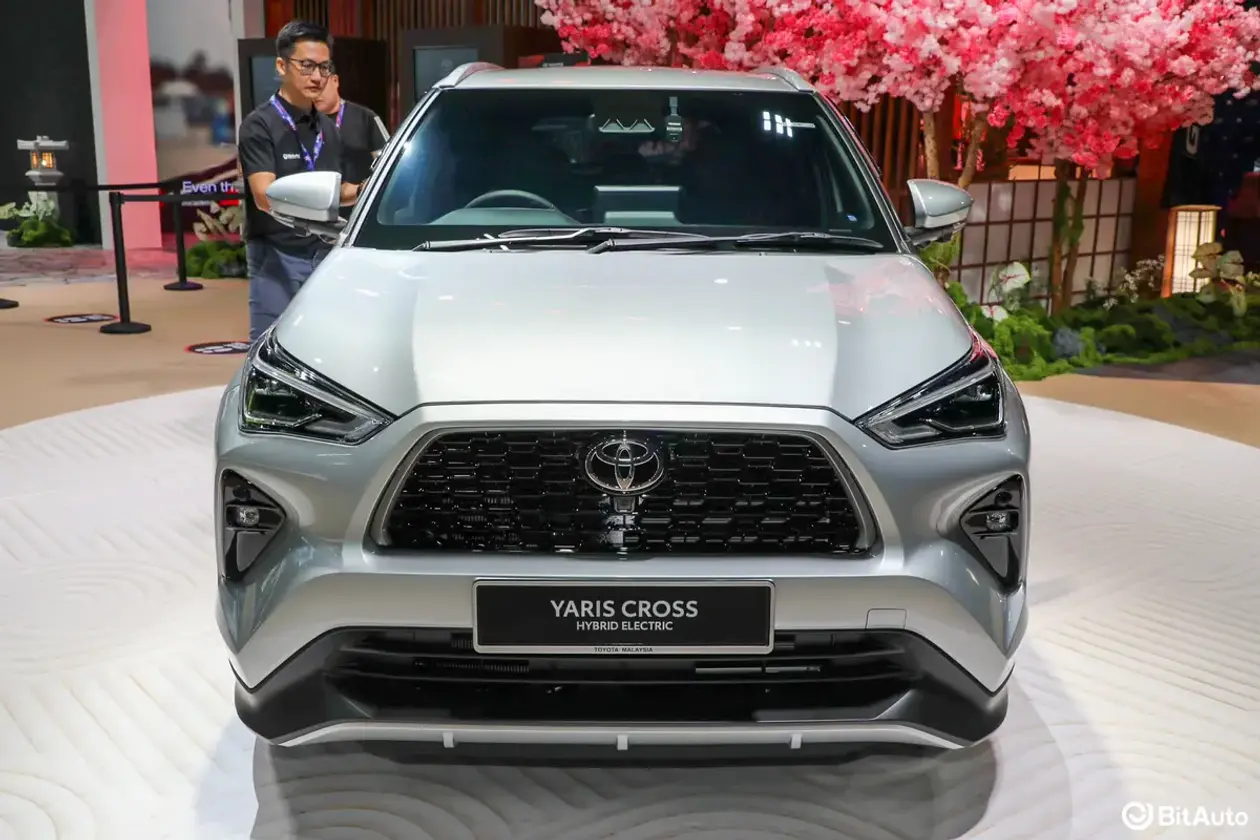
If the car ferries just one or two occupants most of the time, the rear seats see rare use, and the boot carries little beyond backpacks and shopping bags, the Yaris 1.5 G remains the sharper buy.
Seven airbags, 140 Nm of torque, lower fuel and road tax bills, and an established depreciation curve deliver clear value for urban solo commuting. What you pass up on are adaptive cruise control, rear air vents, and that expansive boot.
If you are still torn between the two, do one simple exercise: list out the three items you load into your car most frequently in a typical week, and picture putting them into both boots.
If any single item forces you to fold the rear seats flat in the Yaris, while the Yaris Cross swallows it without dropping the bench, that visual will tell you far more than any spec sheet ever could.


Your go-to source for all things automotive in Malaysia. 🚗 Latest reviews, breaking news, launches & industry trends.
+ Follow Could this be Proton's most highly-anticipated model for 2026?
A row of AMA02 Proton Saga Cross were recently spotted, this time with a brand-new camo wrap. Is the launch happening sooner than anticipated?
#proton #ama02 #protonsagacross 1 minute ago
Could this be Proton's most highly-anticipated model for 2026?
A row of AMA02 Proton Saga Cross were recently spotted, this time with a brand-new camo wrap. Is the launch happening sooner than anticipated?
#proton #ama02 #protonsagacross 1 minute ago  Perodua continues to top the sales charts, with Proton trailing in second spot.
Surprisingly, Mazda recorded a substantial 20% jump in sales, hinting that the Mazda 3 accounting for almost 50% of Mazda's total registrations. 1 minute ago
Perodua continues to top the sales charts, with Proton trailing in second spot.
Surprisingly, Mazda recorded a substantial 20% jump in sales, hinting that the Mazda 3 accounting for almost 50% of Mazda's total registrations. 1 minute ago  What do you think RS stands for?
Proton has trademarked S70 RS, hinting at a more potent or sportier version of the S70. 1 minute ago
What do you think RS stands for?
Proton has trademarked S70 RS, hinting at a more potent or sportier version of the S70. 1 minute ago Get the latest car news first!
Your go-to source for all things automotive in Malaysia. 🚗 Latest reviews, breaking news, launches & industry trends.
Could this be Proton's most highly-anticipated model for 2026?
A row of AMA02 Proton Saga Cross were recently spotted, this time with a brand-new camo wrap. Is the launch happening sooner than anticipated?
#proton #ama02 #protonsagacross 1 minute ago Perodua continues to top the sales charts, with Proton trailing in second spot.
Surprisingly, Mazda recorded a substantial 20% jump in sales, hinting that the Mazda 3 accounting for almost 50% of Mazda's total registrations. 1 minute ago What do you think RS stands for?
Proton has trademarked S70 RS, hinting at a more potent or sportier version of the S70. 1 minute ago 
© 2024 Bitauto.com. All Rights Reserved.
Bitauto (www.yiche.com and www.bitauto.com) is one of the most visited automotive websites in China. We provide detailed info on Chinese car brands available in your area. Please note that the information provided on this website is based on publicly available data and is for reference only. It may not be fully updated or accurate at all times.

Help us improve our website


